Football culture is created by the people, places and rituals surrounding the game – from terraces and away days to fashion, music, photography, stadiums and the communities that give clubs their identity.
Updated September 2026

The match is only one part of football.
Around it exists a much wider culture shaped by supporters: the journeys, clothes, songs, pubs, friendships, rivalries, buildings, photographs and stories accumulated through following a club and lived experience in and around the game.
Some traditions stretch back generations. Others emerge quickly and disappear just as fast. Football culture changes constantly because the people creating it change too.
It can look completely different from one city, country or club to another, but at its core, the foundations are often familiar: working class traditions, identity, belonging and the shared experience of supporting a team.
For Lower Block, this is where much of football’s real story is found.
What Is Football Culture?
Football culture is the collective identity that develops around the game.
It includes the obvious parts of matchday – supporters, songs, flags, colours and stadiums – but also everything surrounding them.
The pub chosen before a home game. The train taken to an away fixture. The clothes worn on the terrace. The fanzines produced by supporters. The music associated with a particular generation. The streets surrounding a ground and the photographs that preserve them.
Much of this culture develops independently of clubs.
Supporters create their own traditions, language and identities. These are handed down, adapted and sometimes rejected by the generations that follow.
This is why football culture is difficult to define through a single club, movement or period.
It is continually being made.


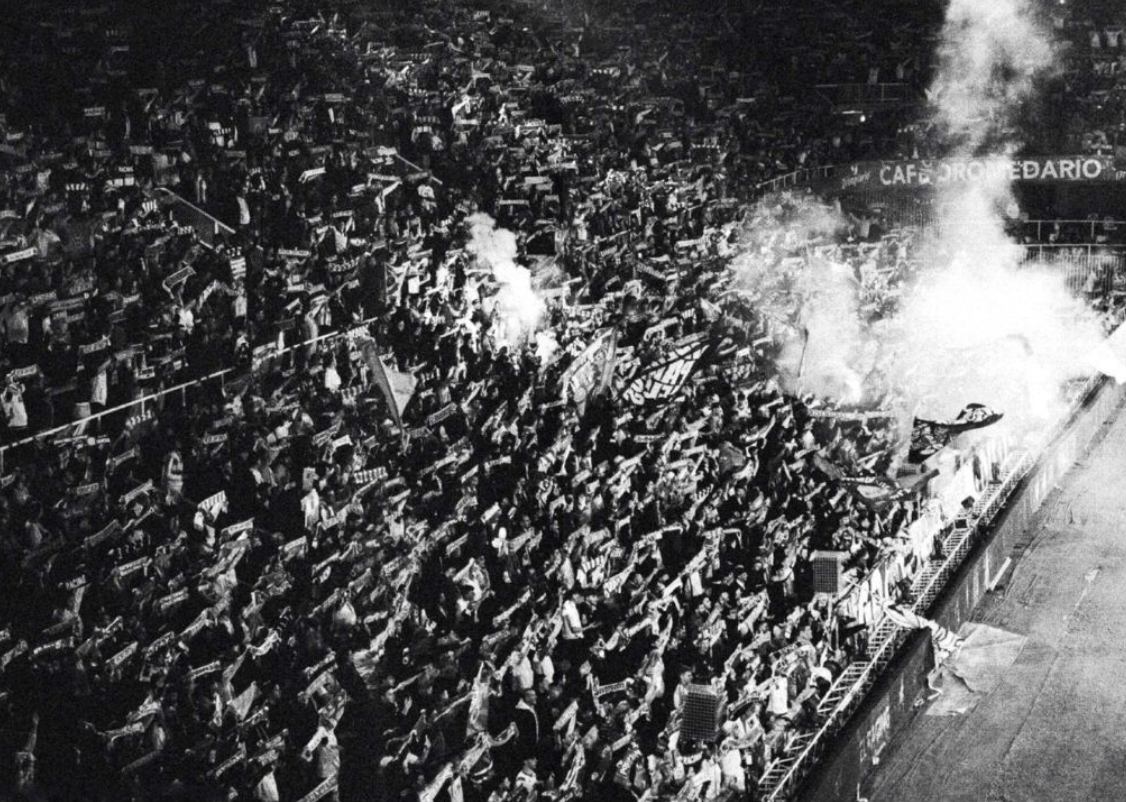
Supporters, Identity and Belonging
Football clubs provide people with a powerful sense of belonging.
For many supporters, that relationship begins through family. A parent or grandparent takes a child to a first match. Familiar journeys and routines develop. Certain songs, stands and people become associated with particular stages of life.
Football can also connect people to place.
Historically, many British clubs developed within tightly defined neighbourhoods, industrial towns and working communities. Grounds became meeting places and visible expressions of local identity.

That relationship has changed as football has become more global, but local identity continues to shape how many clubs understand themselves.
Support can also be chosen rather than inherited. People discover clubs through friends, relocation, players, travel or simply an emotional connection that develops over time.
Whatever the route in, the sense of belonging can be remarkably strong.
The broader history of British football fan culture shows how supporters, communities and social change have continually shaped one another.
Terrace Culture and Matchday Rituals
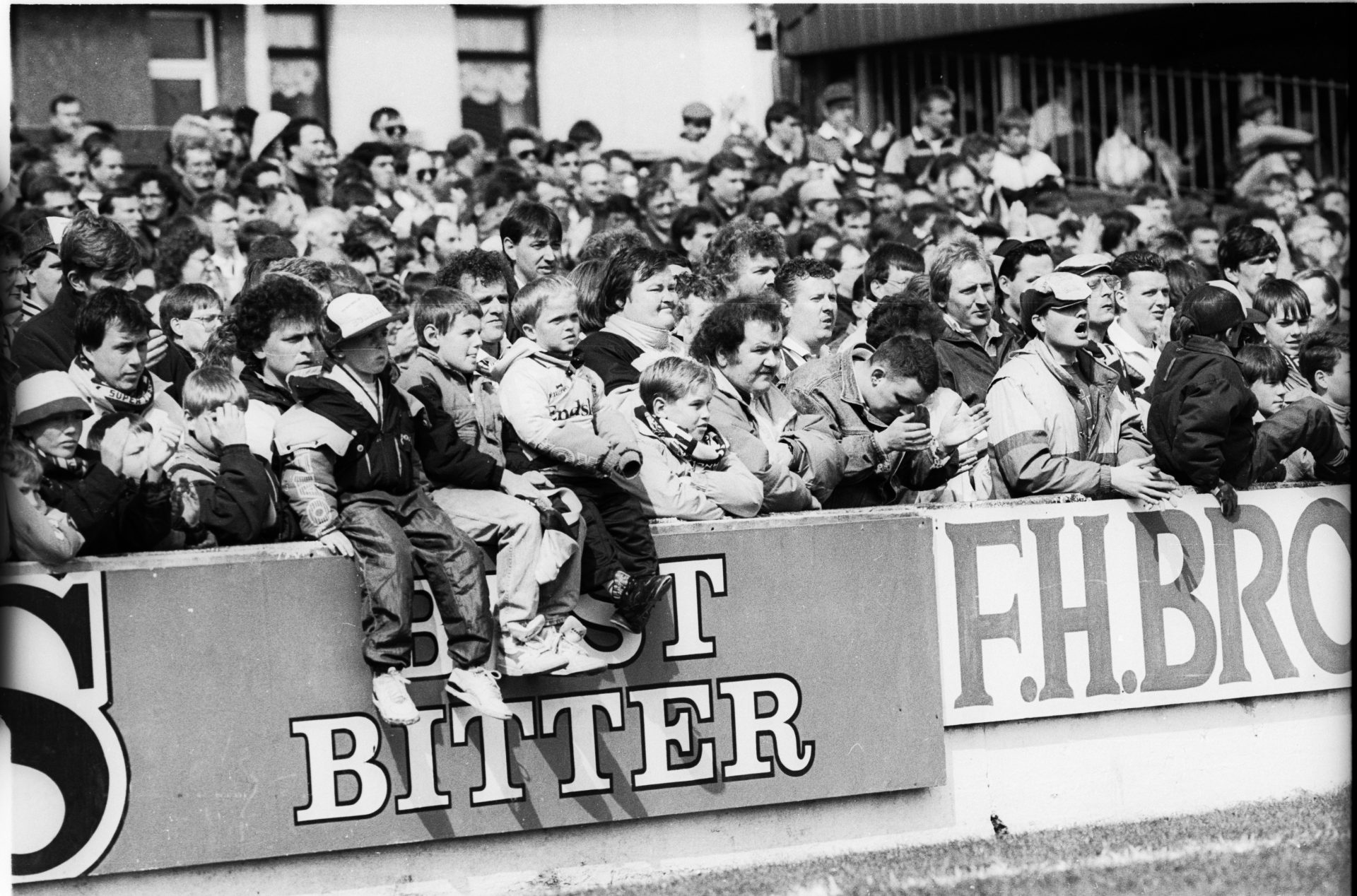
The stands have always produced cultures of their own.
Songs, humour, flags, scarves, banners and unwritten rules develop among supporters rather than being designed by marketing departments.
Certain stands or ends become associated with vocal support. Particular pubs become meeting places. Away supporters develop their own rituals around travel.
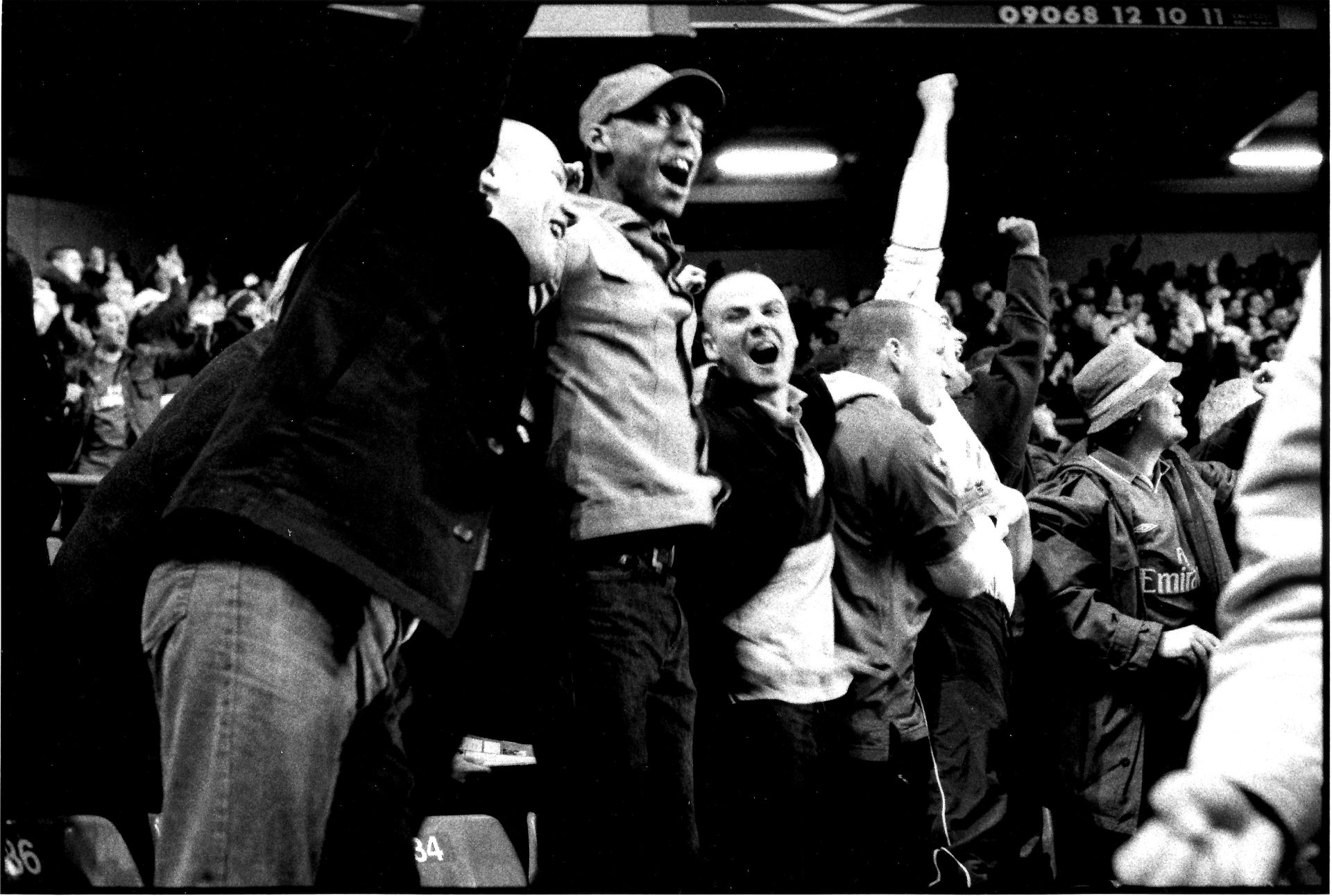
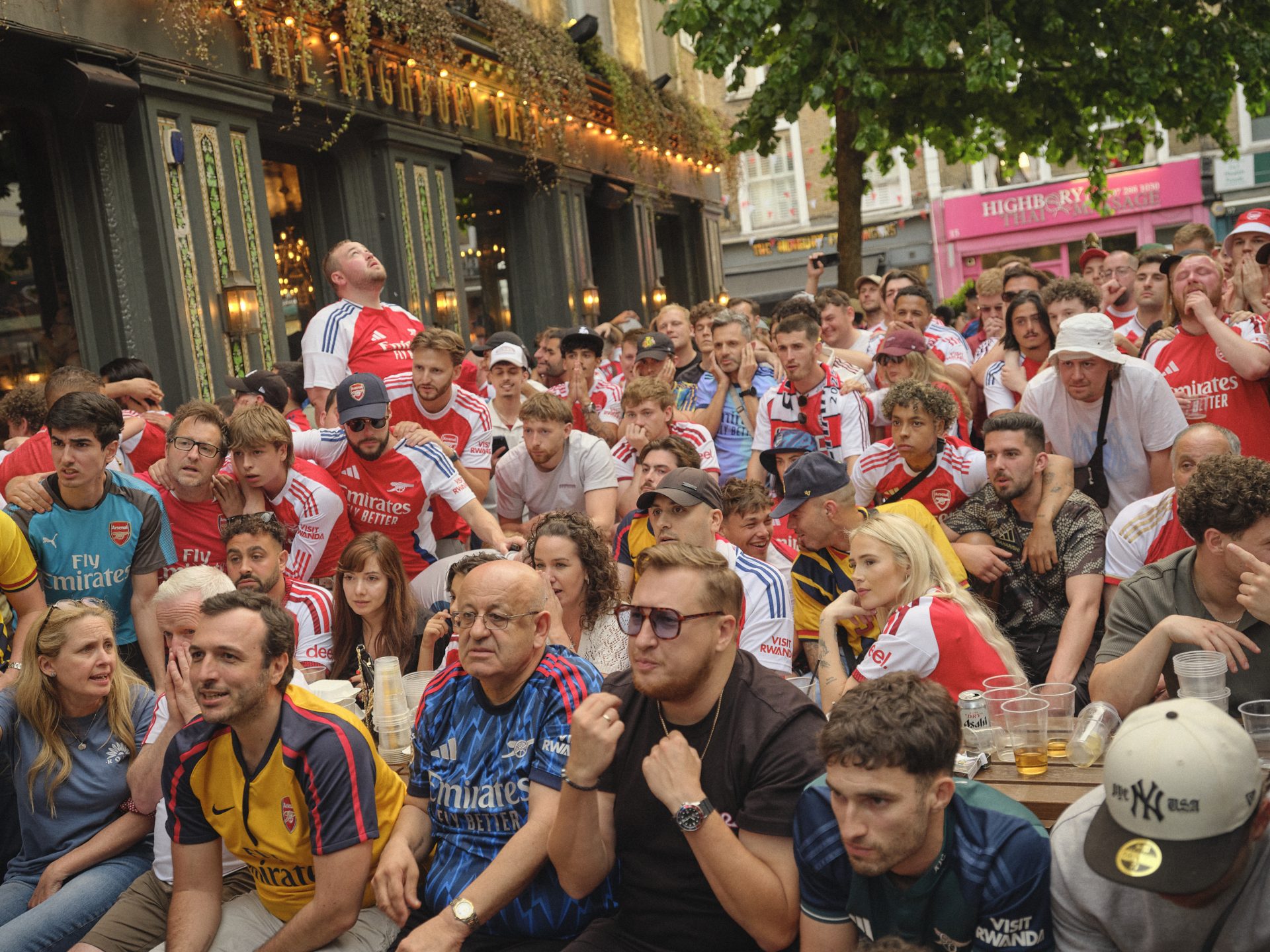
Historically, standing terraces were central to this culture in Britain. Large groups of supporters gathered closely together, creating an environment in which songs and identities could develop collectively.
Much of the physical infrastructure has changed, but football terrace culture remains visible in the habits and behaviour of supporters today.
Safe standing, coordinated displays and influences from European ultra culture have created new expressions of support alongside older British traditions.
The details change.
The need to participate does not.

Football Fashion and Subculture
Football and clothing have been connected for generations.
Scarves, badges and replica shirts offer obvious expressions of loyalty, but supporter style has often developed well outside official club merchandise.
Skinheads, Mods, Casuals and other youth movements all intersected with football at different points.
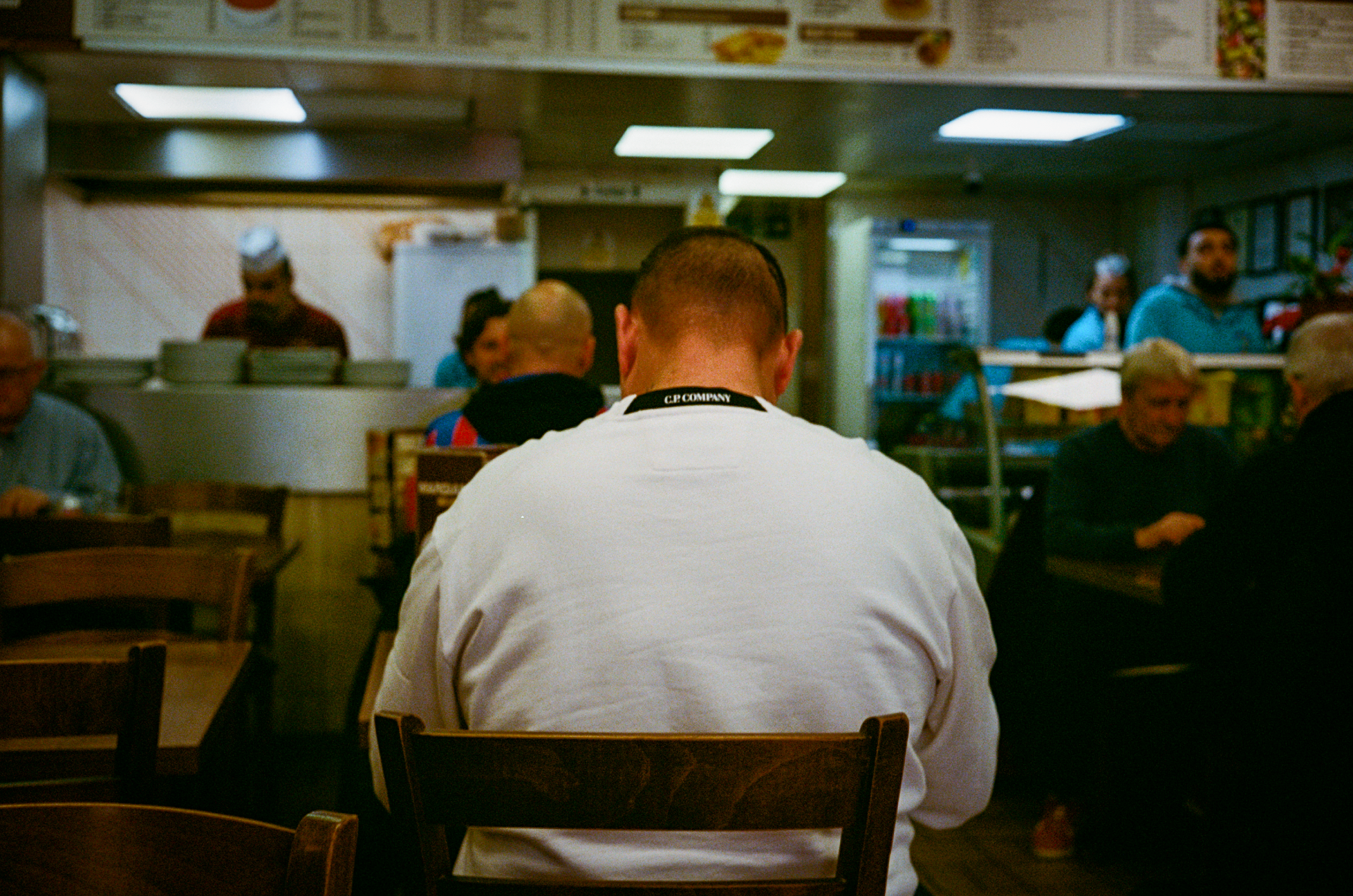
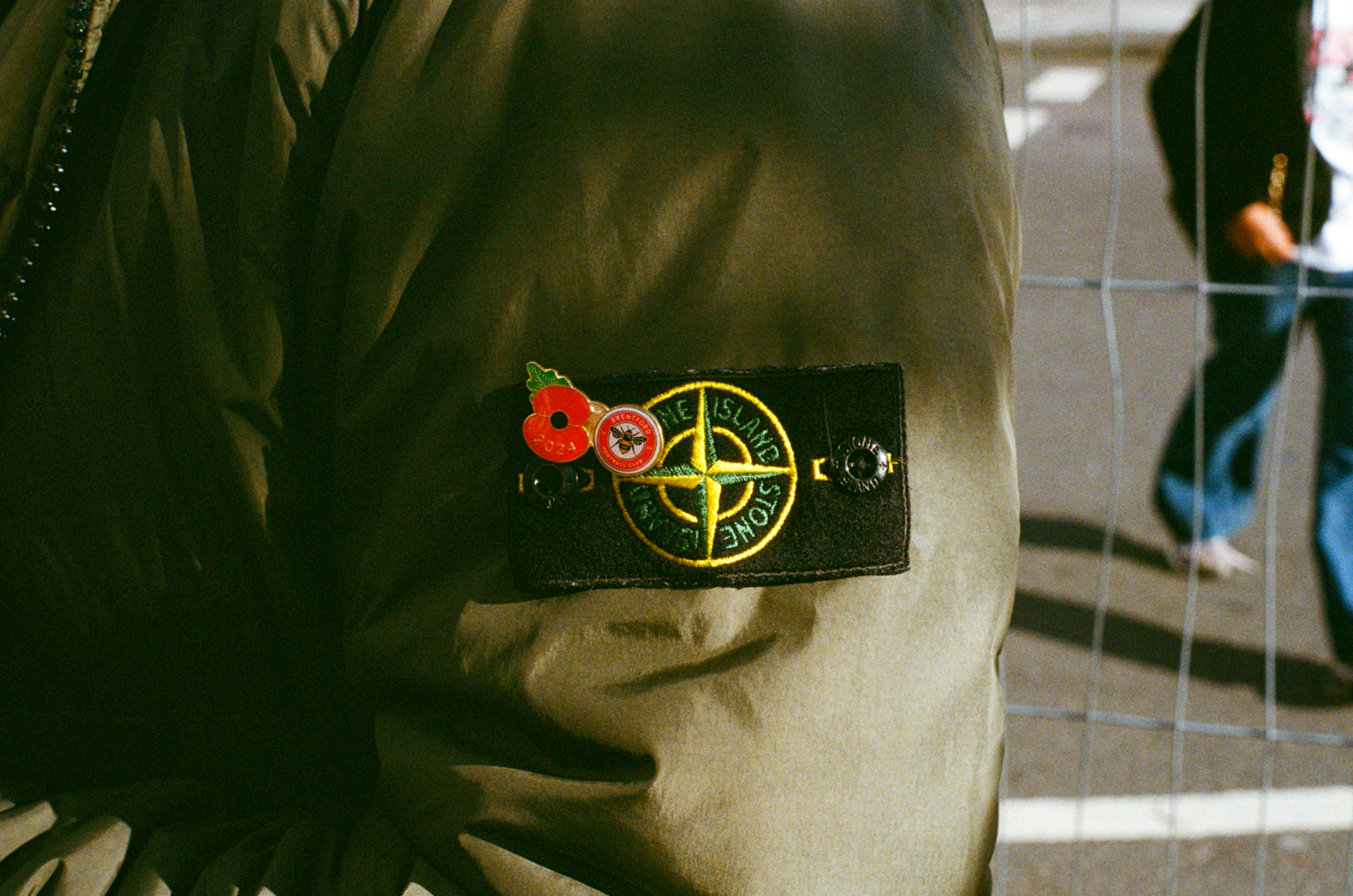
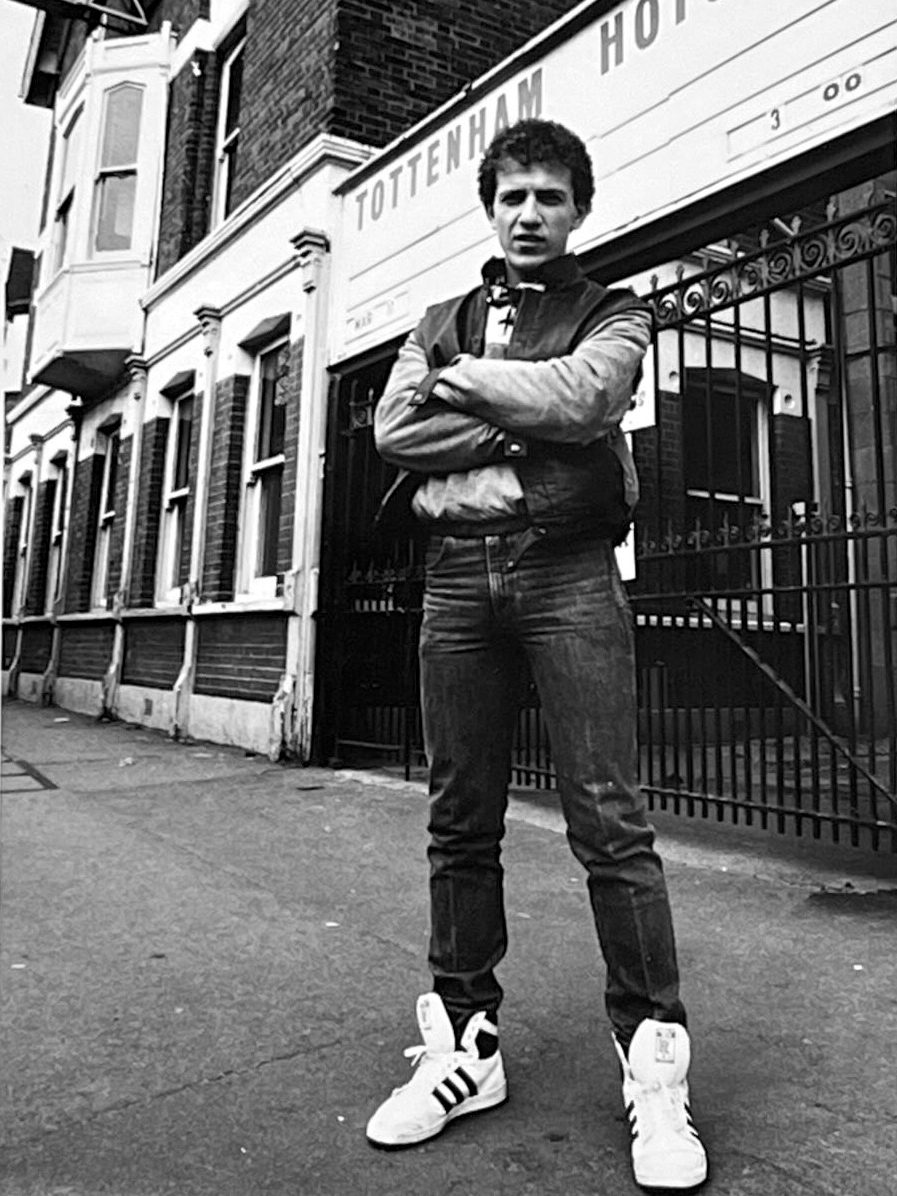
From the late 1970s and into the 1980s, the Casual movement became particularly influential. Young supporters increasingly wore sportswear and designer clothing rather than club colours, with European travel helping introduce brands and trainers that were difficult to find at home.
Adidas, Lacoste, Sergio Tacchini, Fila and later Stone Island and C.P. Company became part of the visual language surrounding football.
Terrace fashion has continued to evolve, but its influence has spread far beyond stadiums.
Styles once associated with relatively small groups of supporters now appear regularly across mainstream fashion, music and popular culture.
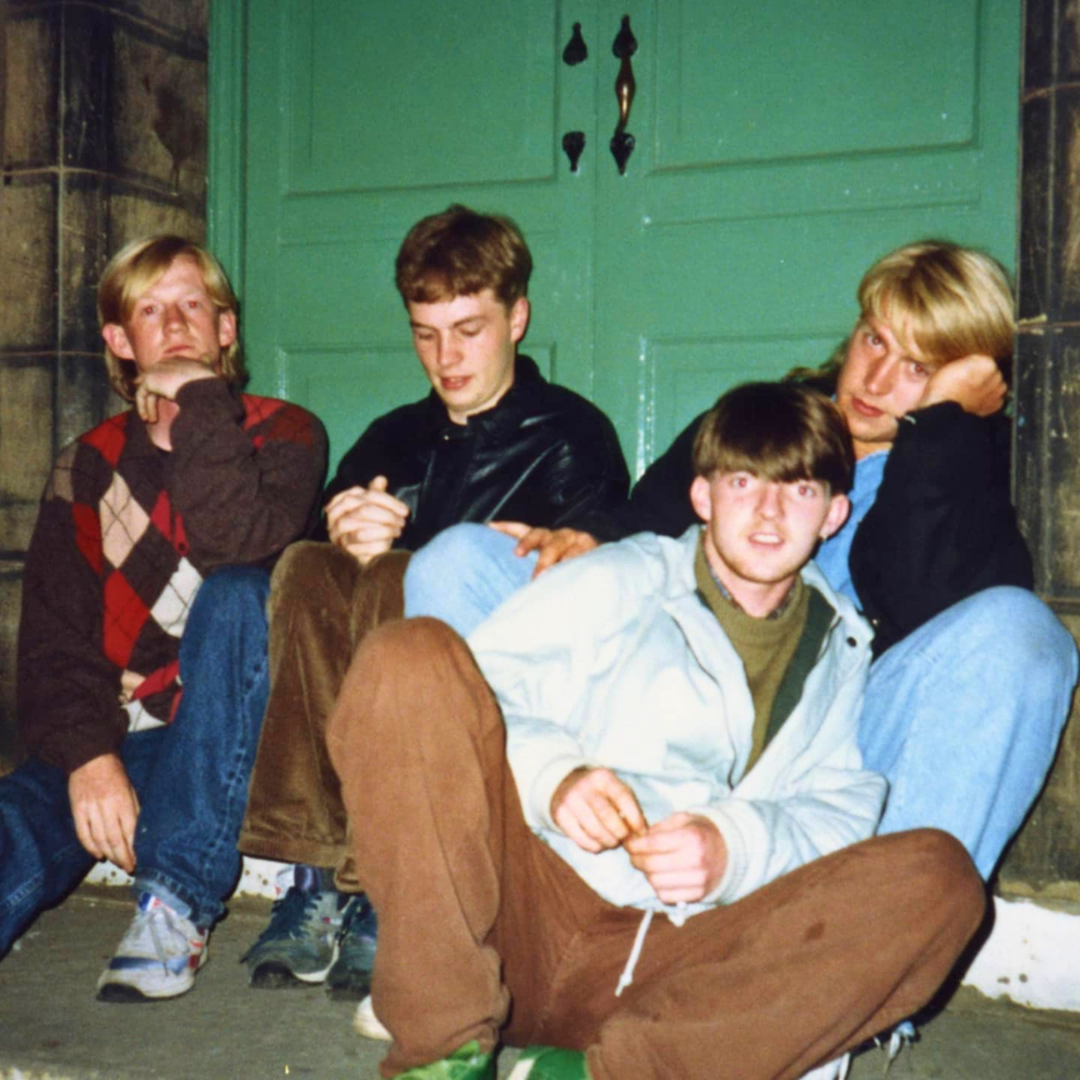
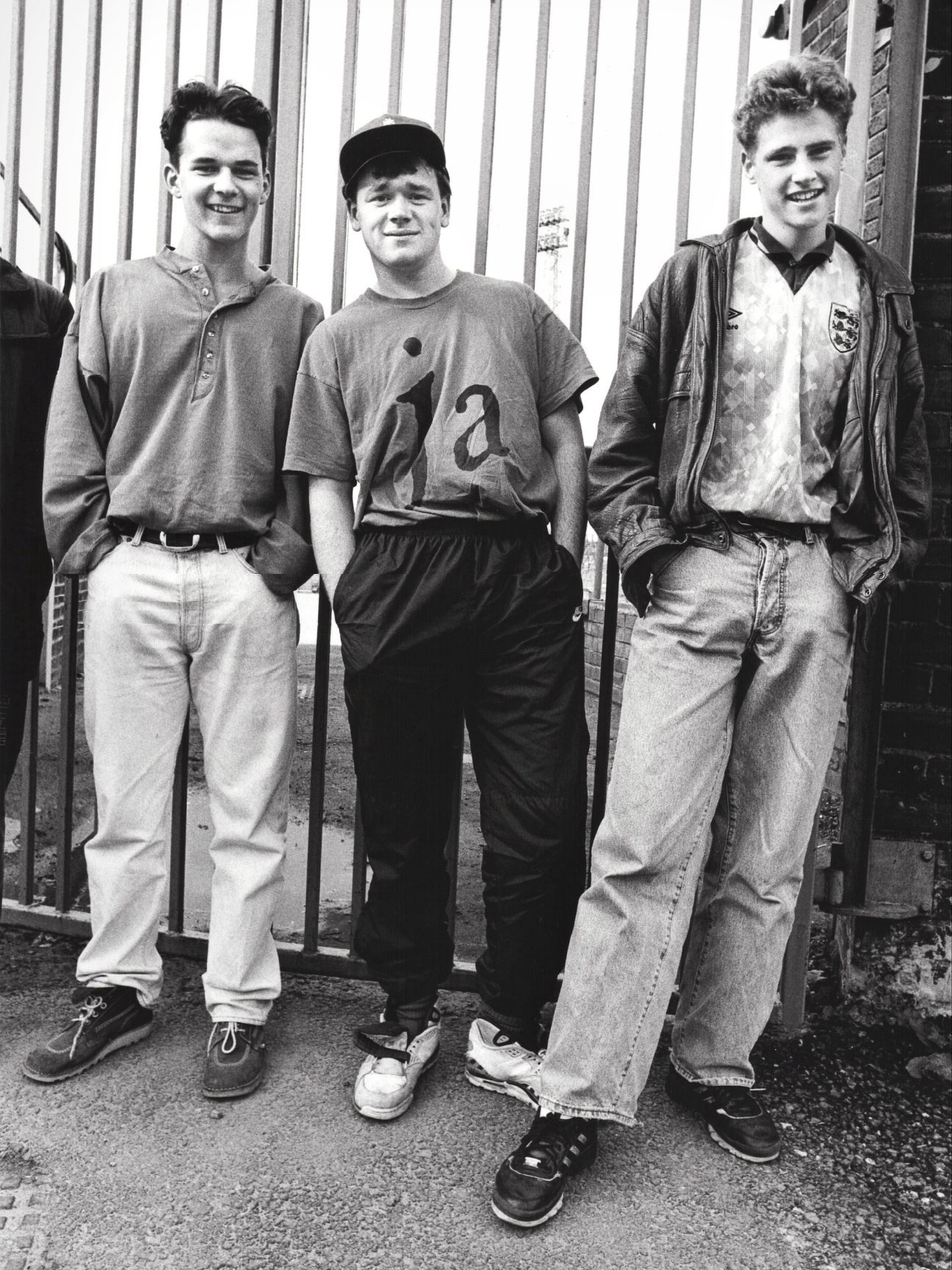
Football provides a useful record of these changes because crowds reveal how people actually dressed rather than how fashion was presented in advertising.
Football, Music and Youth Culture
The relationship between football and music is similarly difficult to separate.
Supporters carry the wider culture of their generation onto the terraces.
Punk, ska, reggae, soul, Mod culture, indie, rave and electronic music have all overlapped with football communities in Britain.
During the late 1980s and early 1990s, football, fashion and music became particularly intertwined. Acid house and rave culture emerged just as football itself was moving towards a period of enormous transformation.
In cities such as Manchester, football support existed alongside club culture, independent music and changing street fashion.

Photographers documenting football during these periods often ended up recording something much wider: British youth culture itself.
That relationship continues.
Football shirts appear at gigs and festivals. Musicians openly identify with clubs. Terrace-inspired clothing moves repeatedly between football and fashion.
The boundaries have always been porous.
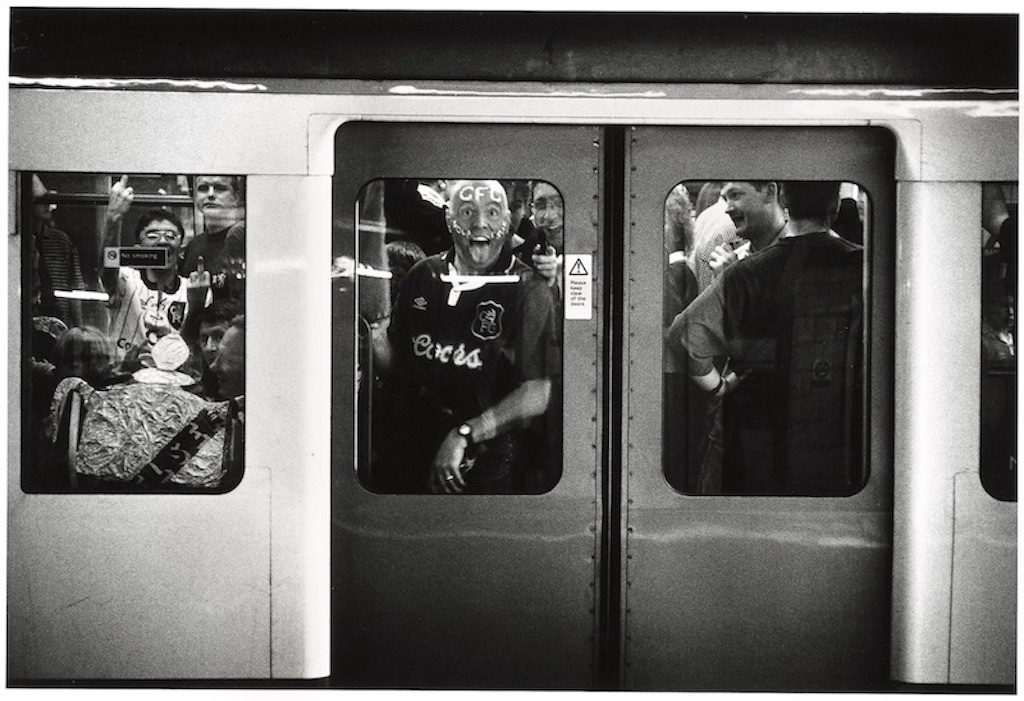
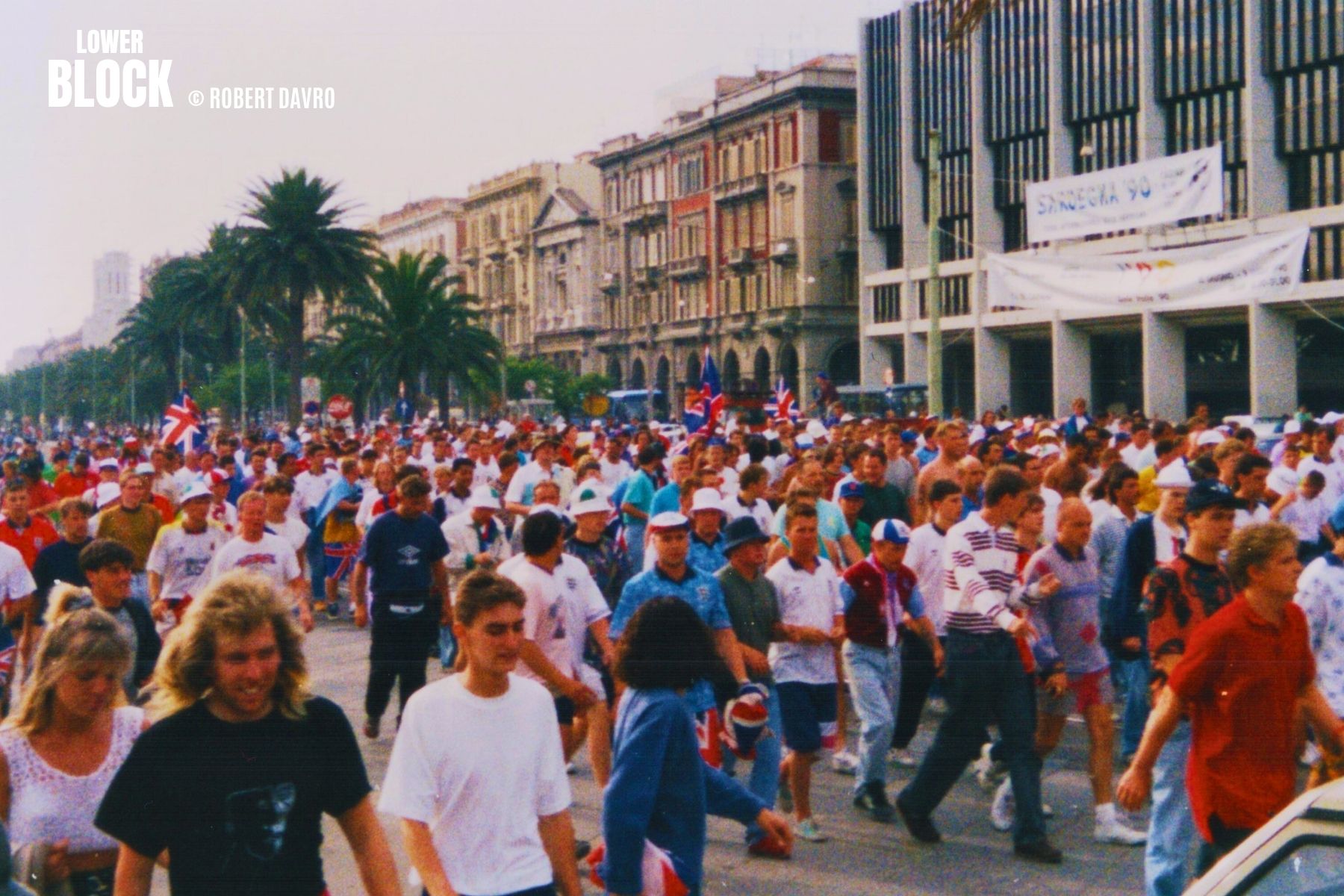
Away Days and Football Travel
Following a club away from home creates a culture of its own.
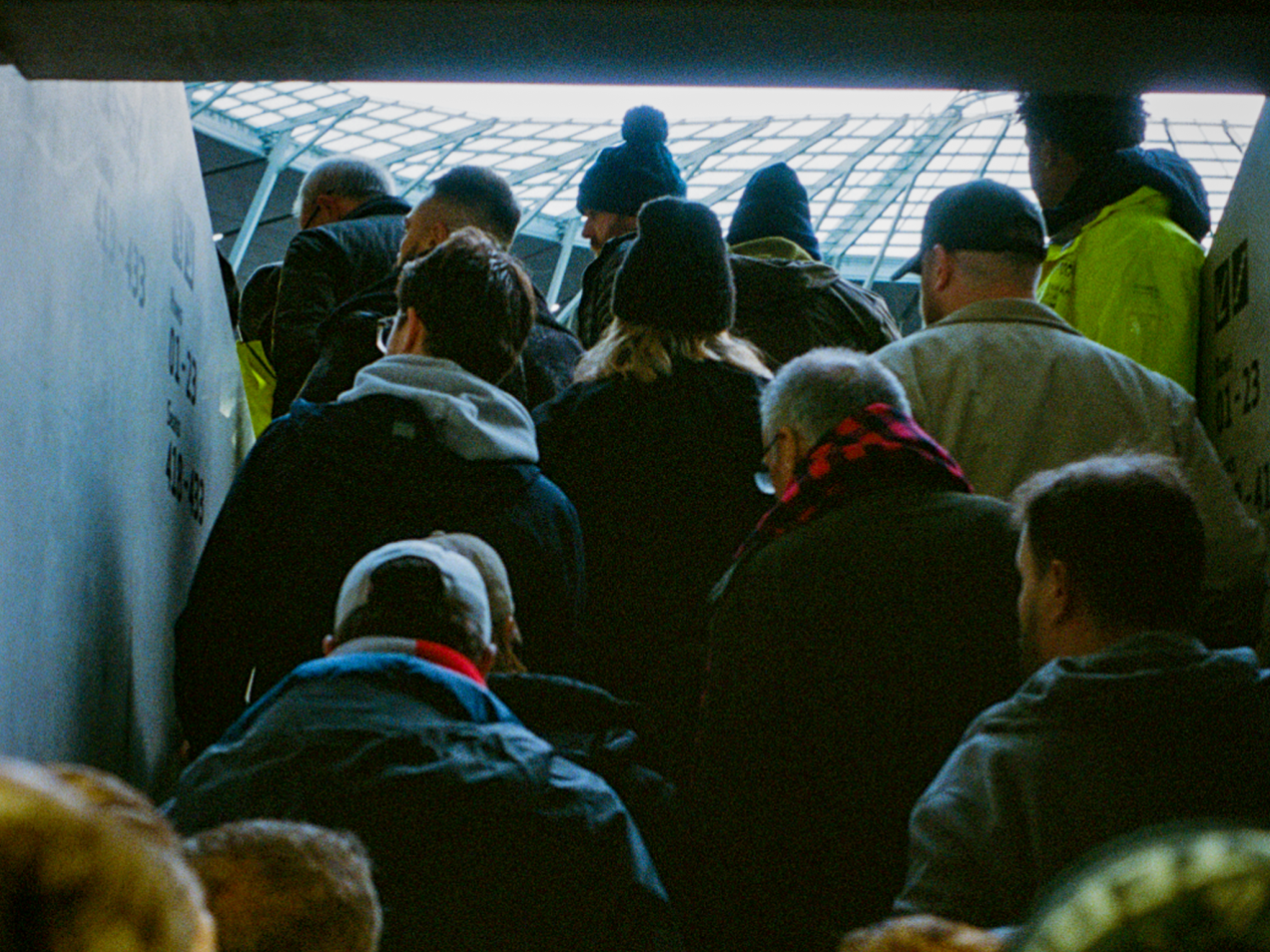
The match provides the destination, but the experience begins long before kick-off.
Early trains. Supporters’ coaches. Motorway services. Pubs. Police escorts. Unfamiliar streets. Meeting the same people hundreds of miles from home.
These repeated journeys create their own communities and stories.
European competition adds another layer, bringing supporters into contact with different cities, stadiums and football traditions.
For photographers, away days are particularly rich because much of the story happens outside the ground.
A railway platform, coach park or pub can often say as much about following a football club as a photograph taken during the match.
The Lower Block Football Away Days Collection brings together photography documenting this culture of travelling support.
Football Grounds and Sense of Place
Football grounds are more than venues.
They accumulate memory.
Different stands may have been built decades apart. Floodlights rise above rows of houses. Railway lines, factories, pubs and streets become part of the visual identity of a club.
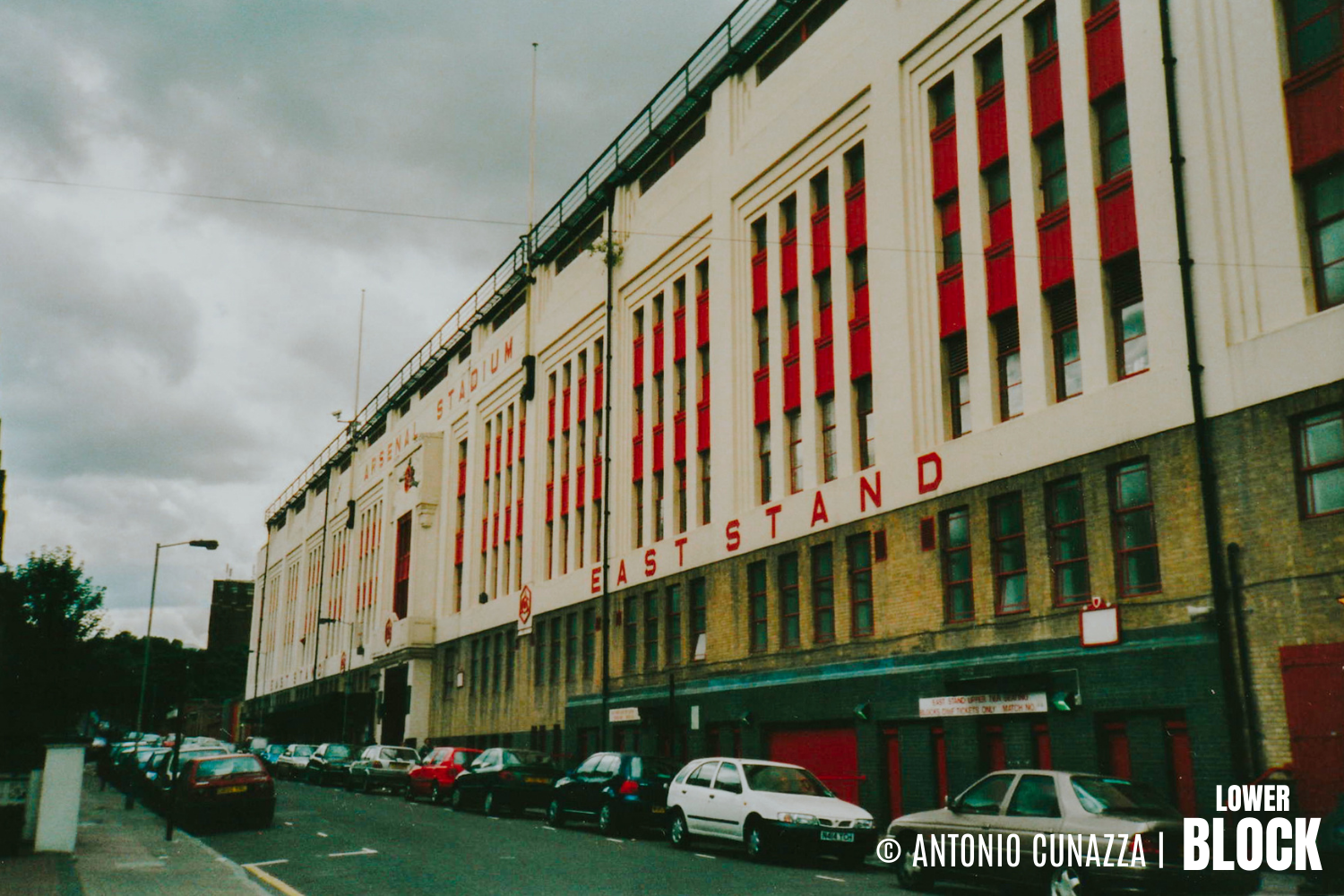
Historically, many grounds developed gradually and imperfectly. That often gave them distinctive character.
Redevelopment has transformed football.
Stadiums are safer, facilities have improved and new grounds can accommodate audiences and commercial demands that older stadiums could not.
But redevelopment has also removed many places deeply embedded in supporter memory.
Highbury, Maine Road, the Boleyn Ground, Highfield Road, Elm Park, the Victoria Ground and countless smaller grounds now survive primarily through stories, photographs and film.
Lower Block’s Lost Football Grounds Collection documents some of those departed homes and the culture that surrounded them.

Football Culture Photography
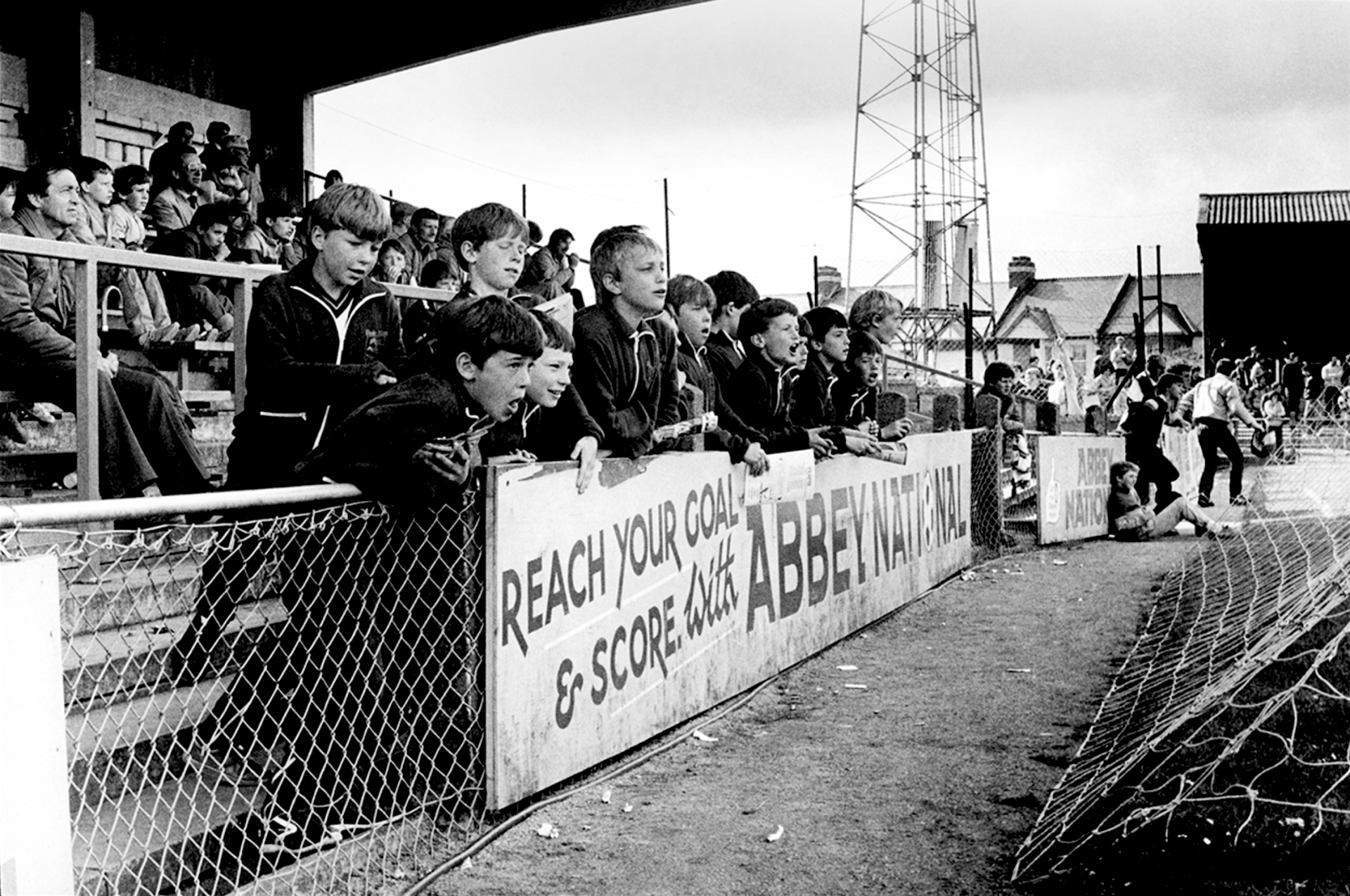
Photography is one of the most important ways football culture is preserved.
A photograph can record far more than the match.
Look closely at an image of supporters and there may be clothing, hairstyles, architecture, advertising, food, transport and behaviour particular to a specific moment in time.
Details that seemed ordinary when the photograph was taken often become the most interesting part decades later.
This is why football culture photography sits at the centre of Lower Block.
The aim is not simply to record famous players or decisive moments.
It is to document how football looked and felt around them: supporters on terraces, journeys away from home, changing grounds, clothing, communities and everyday matchday life.
These images become increasingly valuable as the environments they document disappear.
Curating and Archiving Football Culture
Taking photographs is only one part of documenting football.
Archives have to be preserved, edited and contextualised.
Who took the photograph? Where was it made? What year was it? What was happening around the club or community at the time?
Without that context, valuable images can easily become detached from the stories they contain.
Digital platforms have made it possible to rediscover enormous photographic archives and introduce them to new audiences.
But the speed of digital media also creates another problem: images appear, circulate briefly and disappear.
Good curation slows that process down.
It brings related photographs together, restores context and helps individual images become part of a larger story.
Fanzines, Books and Independent Football Publishing
Football culture has always found ways to document itself.
Match programmes, newspapers and magazines formed part of matchday life for generations, while independent fanzines gave supporters their own voice.
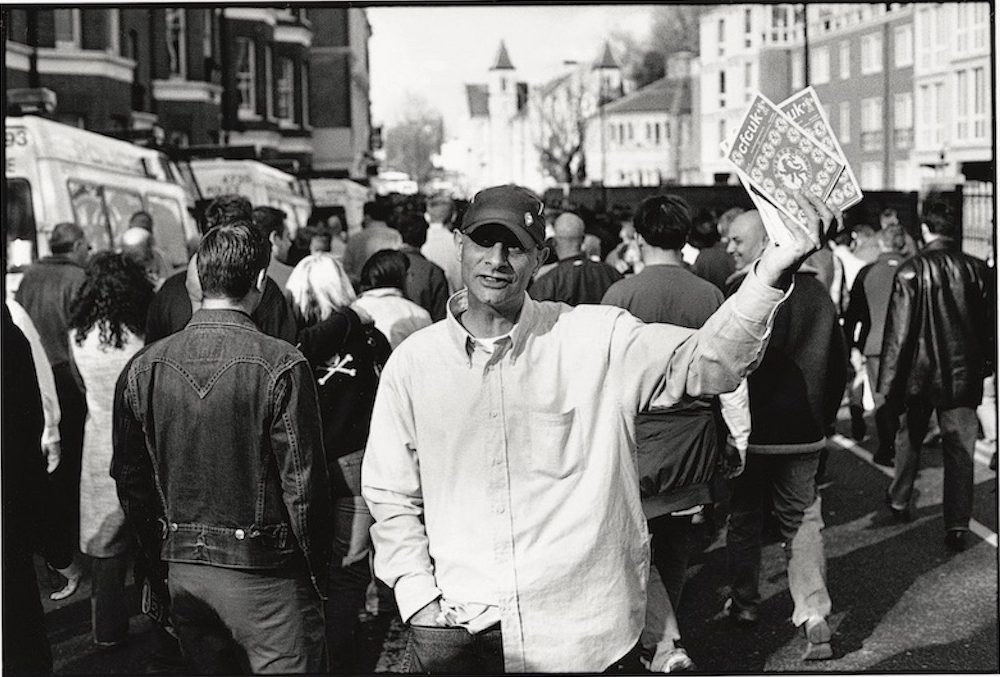
Fanzines were rarely polished.
That was part of their importance.
They could document humour, frustration, fashion, politics, travel and supporter opinion without needing the approval of a football club.
Independent publishing continues this tradition.
Photobooks and zines allow photography to be sequenced and experienced as a complete body of work rather than consumed as isolated images on a screen.
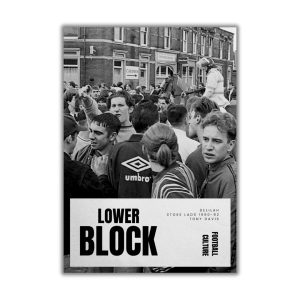
Lower Block Editions are built around that principle: small photographic publications documenting clubs, supporters, grounds and moments within football culture.
Printed matter gives these stories somewhere permanent to exist.
Football Culture Around the World
Football culture is global, but it is not uniform.
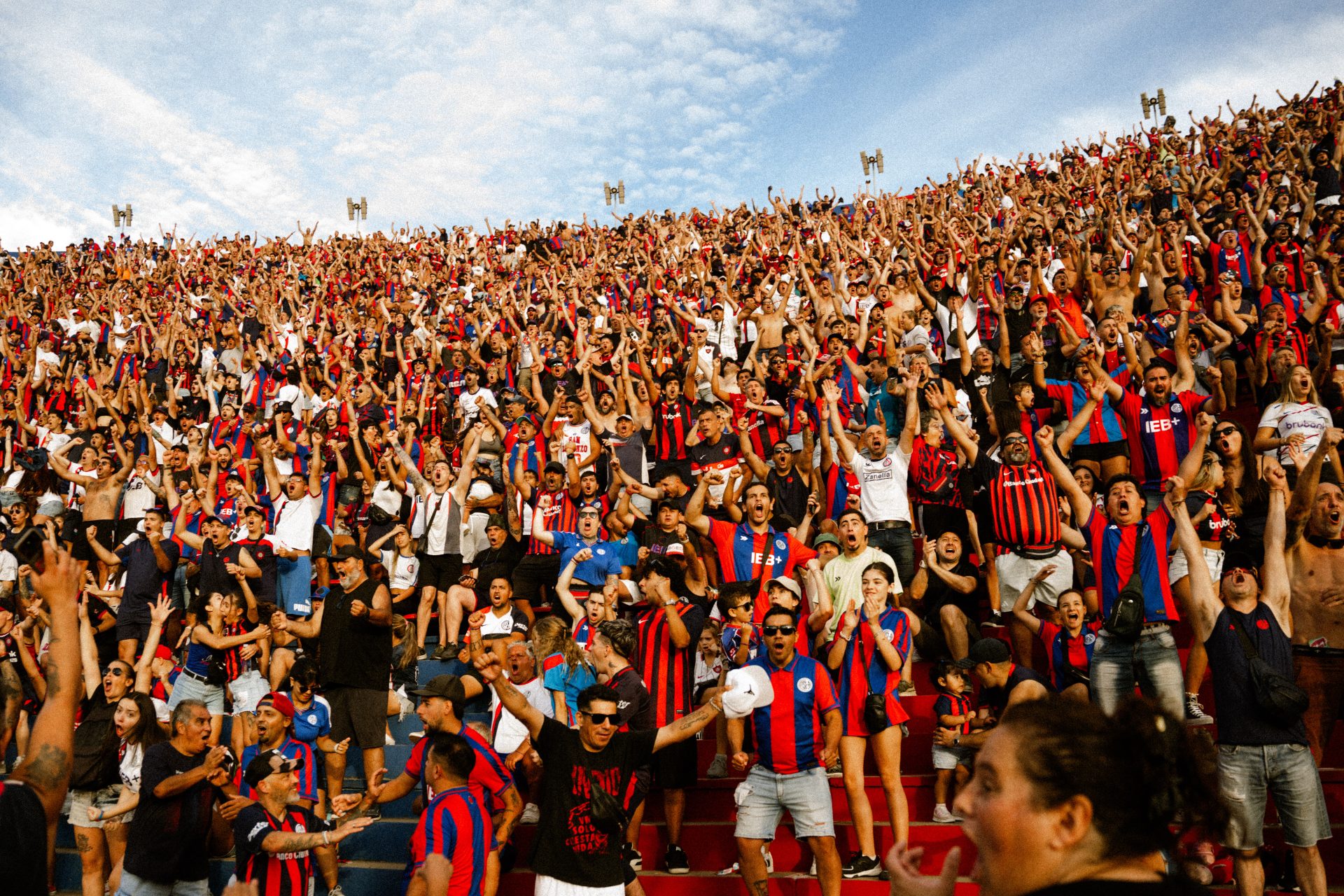
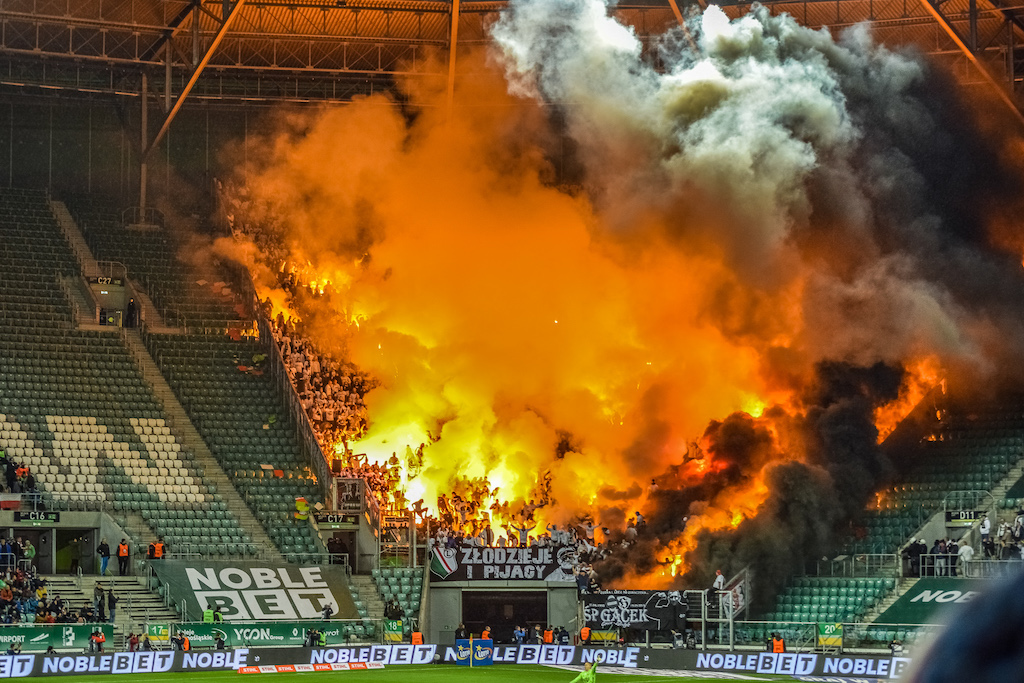
British terrace traditions differ from Italian ultra culture. Argentine football has its own rituals and visual language. German supporter culture developed through different structures again.
Even neighbouring clubs can have remarkably different identities.
That variety is one of football culture’s strengths.
Ideas also travel.
Supporters encounter new traditions through European competition, migration, television, fashion and social media. Styles and behaviours are borrowed, adapted and reinterpreted.
British Casual culture, for example, has developed an international influence extending far beyond the terraces where it originated.
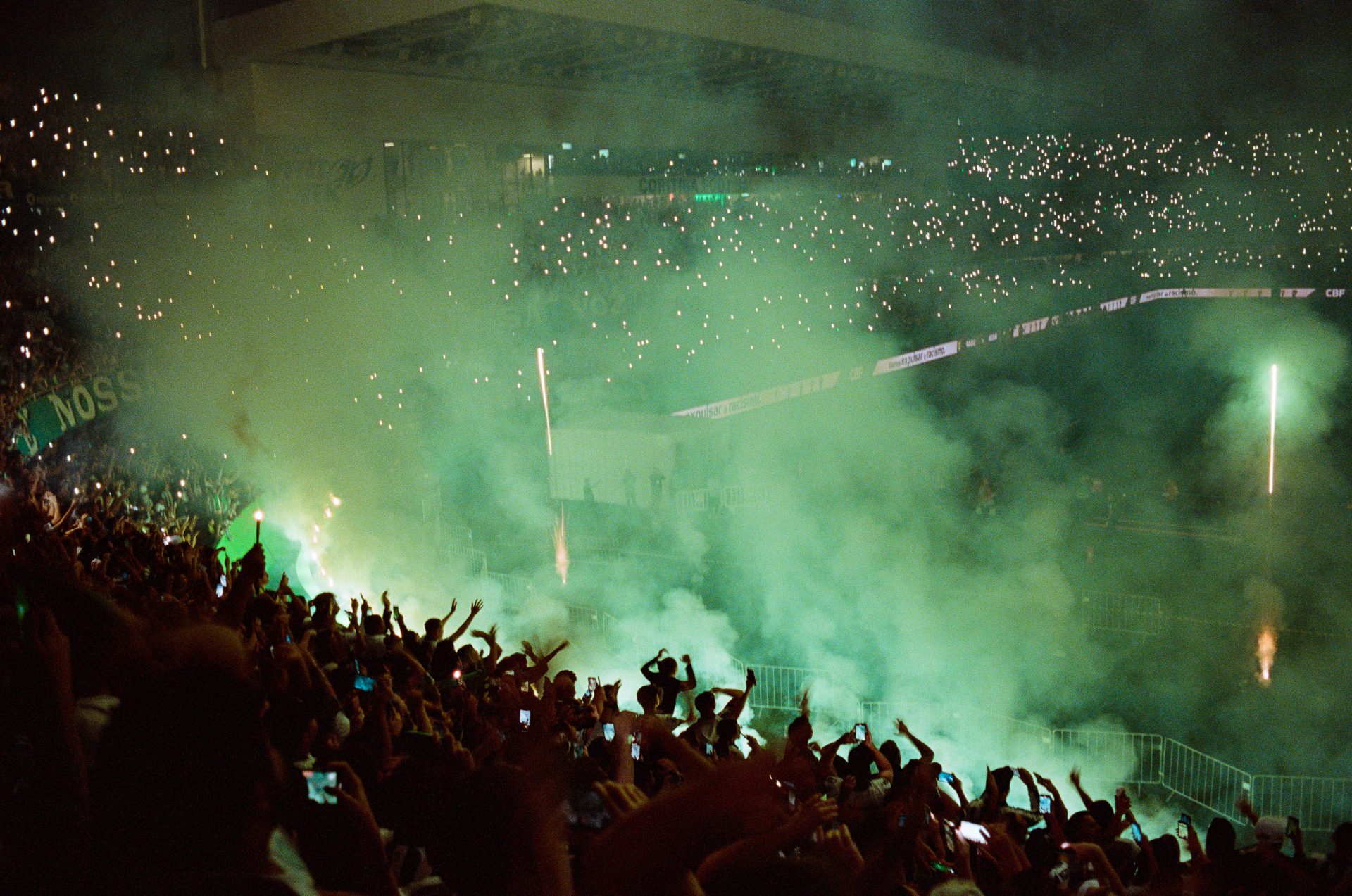
Likewise, elements associated with European ultras – flags, tifos and coordinated displays – have increasingly appeared inside British stadiums.
Football culture continually absorbs outside influences without becoming identical everywhere.
Football Culture Today
Modern football culture contains contradictions.
The game has never been more visible or globally connected.
Supporters can watch matches from almost anywhere, communicate directly with players and clubs, and participate in football communities that extend far beyond their own city.
At the same time, rising prices, redevelopment and commercialisation have changed relationships between clubs and traditional supporter communities.
Smartphones have transformed how matchdays are documented. Social media spreads supporter culture internationally within minutes.
Yet many older rituals survive.
People still arrange weekends around fixtures. They meet friends before matches. They travel across the country. Parents introduce children to their club.
At lower-league and non-league grounds especially, football remains closely connected to the communities surrounding it.
Football culture survives because it belongs ultimately to the people participating in it.
Styles change. Grounds change. Technology changes.
People continue to turn up.
And that is what Lower Block exists to document.
Explore Lower Block Collections
Related Lower Block Editions



More from the Lower Block Archive