From the terraces of the 1980s to contemporary football culture, exploring the clothes, music and influences that shaped British football fashion through documentary photography. Updated November 2026.
Football has influenced British fashion for generations, creating a distinctive style shaped by the people who follow the game.
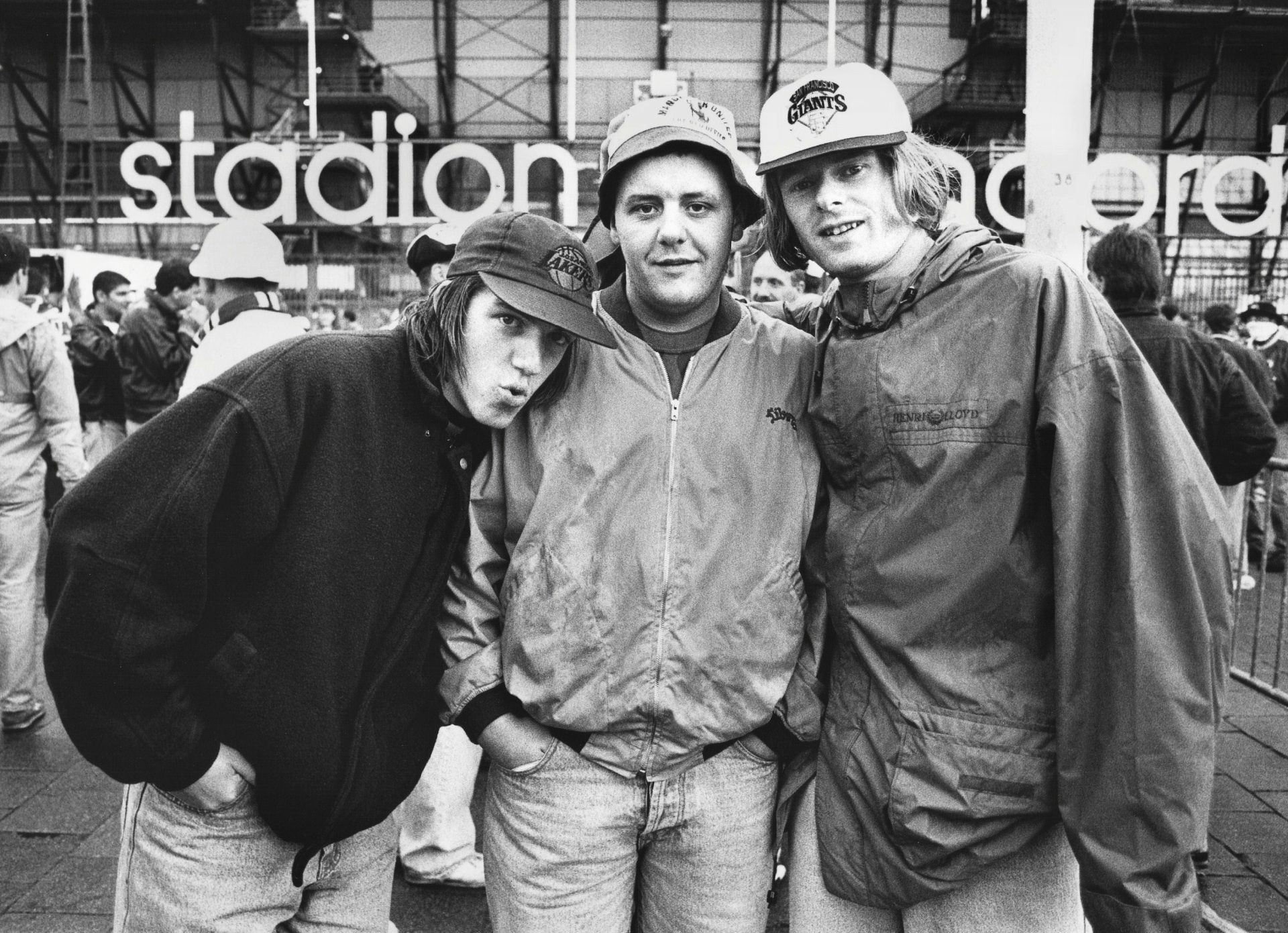
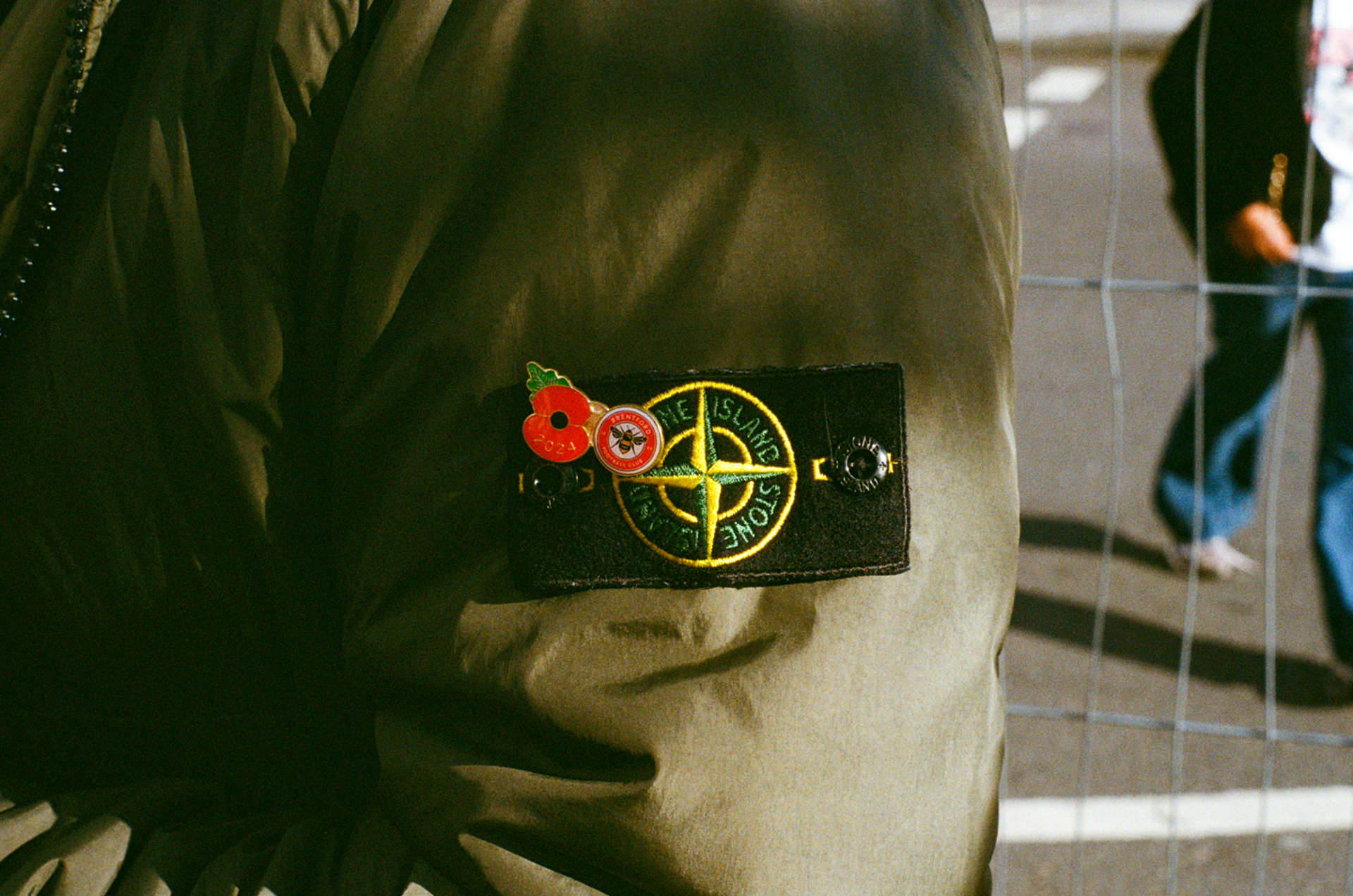
From the designer sportswear adopted by football casuals in the late 1970s and 1980s to military-inspired outerwear, technical clothing and contemporary streetwear, the terraces have long been a meeting point for different fashions, musical influences and youth subcultures.
What supporters wore was rarely dictated by the football industry itself. Clothing was borrowed from other sports, European fashion, music scenes and everyday street culture, before being adopted and reinterpreted as part of a distinctly British football identity.
Through original documentary photography and its independently published Editions, Lower Block explores this relationship between football, fashion and the people who shaped it.
The Rise of Football Casuals
The emergence of football casual culture in the late 1970s and early 1980s marked a significant shift in the appearance of British football supporters.
Young fans increasingly moved away from traditional club colours, adopting designer clothing, European sportswear and trainers. International travel, European football and changing musical tastes contributed to the development of a style that varied between clubs, cities and regions.
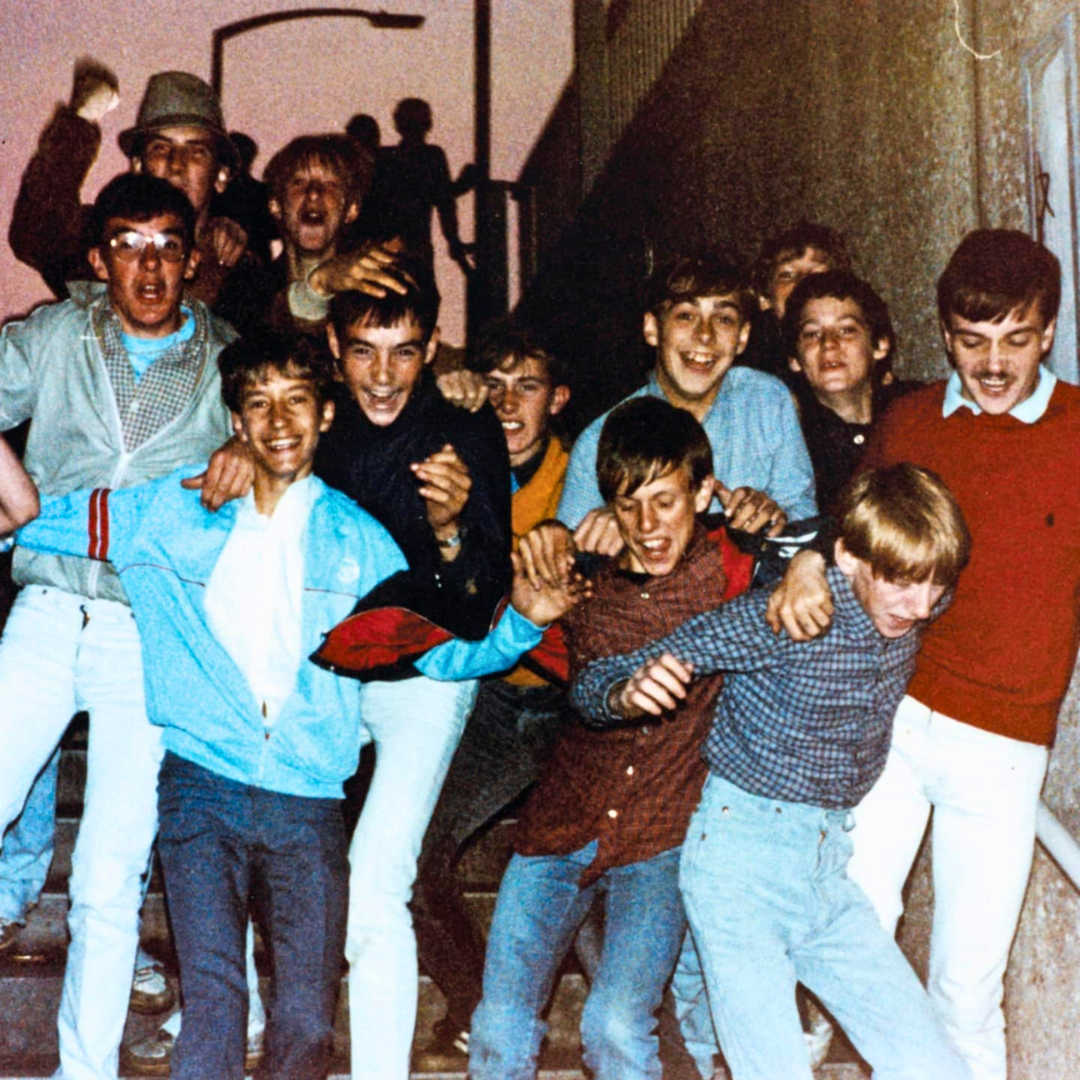
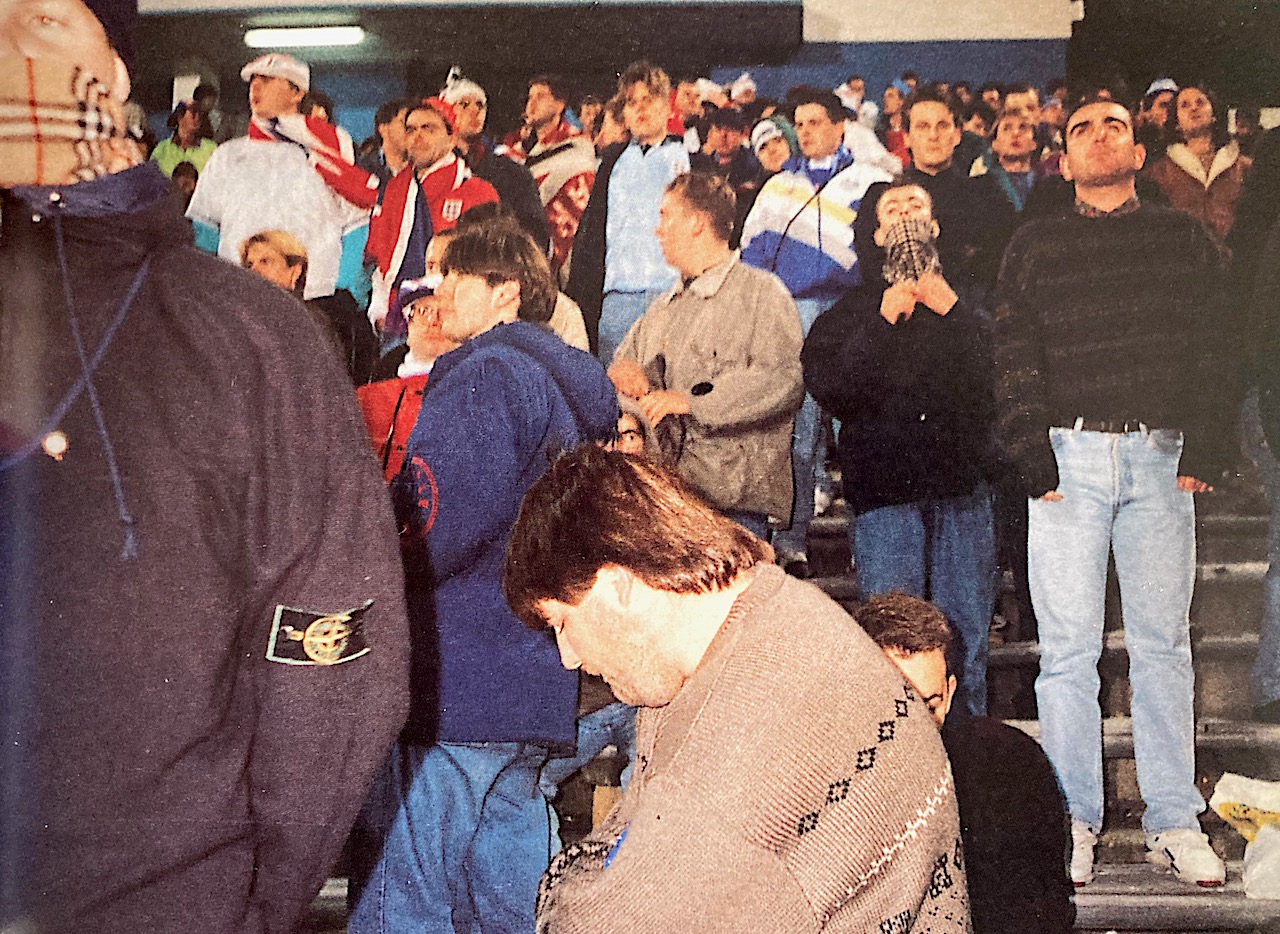
Labels such as adidas, Fila and Sergio Tacchini became associated with the terraces. Tennis clothing, tracksuits and trainers offered a different aesthetic from traditional football clothing, while access to more unusual European labels became an important part of the culture.
But terrace fashion was never simply about expensive clothing. It was shaped by friendships, local identities, competition between groups and an often obsessive attention to detail.
Over time, these styles became closely connected to British menswear, influencing how generations dressed far beyond football.
Explore further: Football Casuals – History, Fashion & Culture
From Tennis Courts to Football Terraces
One of the defining characteristics of football fashion is the way supporters adopted clothing originally designed for entirely different purposes.
Tennis was particularly influential. Tracksuits, polo shirts, knitted tops and trainers associated with players and sportswear labels became established parts of the casual wardrobe.

Golf clothing also found its way onto the terraces, with knitwear, lightweight jackets and classic sporting silhouettes becoming increasingly popular.
The appeal was partly aesthetic, but it also reflected the desire for distinctive clothing that stood apart from traditional football merchandise.
What began as performance sportswear became part of a wider visual language associated with football supporters.
Military Clothing, Outdoor Wear and European Influences
Football fashion has also drawn heavily from clothing designed for the outdoors, the military and other demanding environments.
Military-inspired parkas, field jackets and practical outerwear offered durability and protection from the weather, qualities particularly suited to British football grounds and long journeys following clubs away from home.
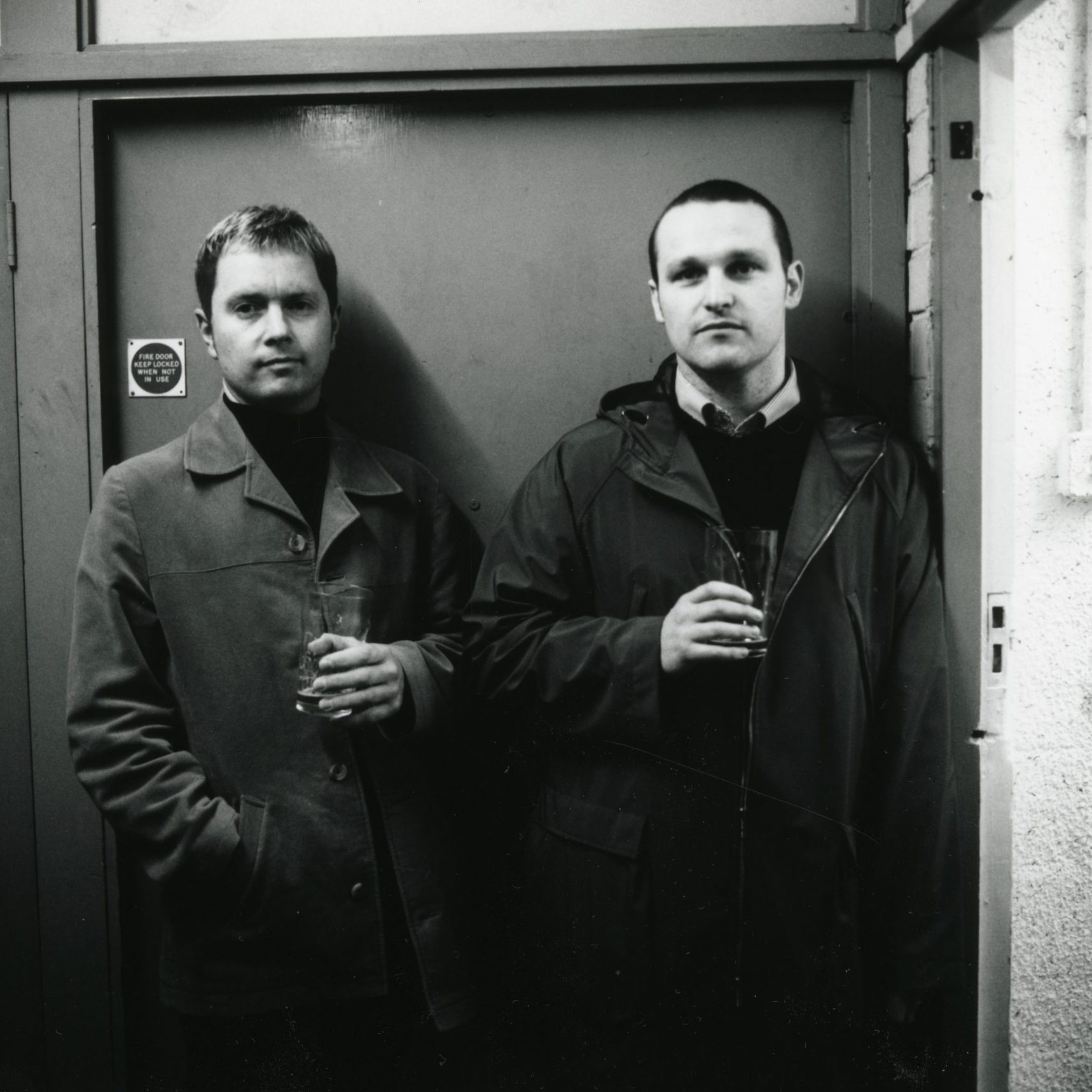

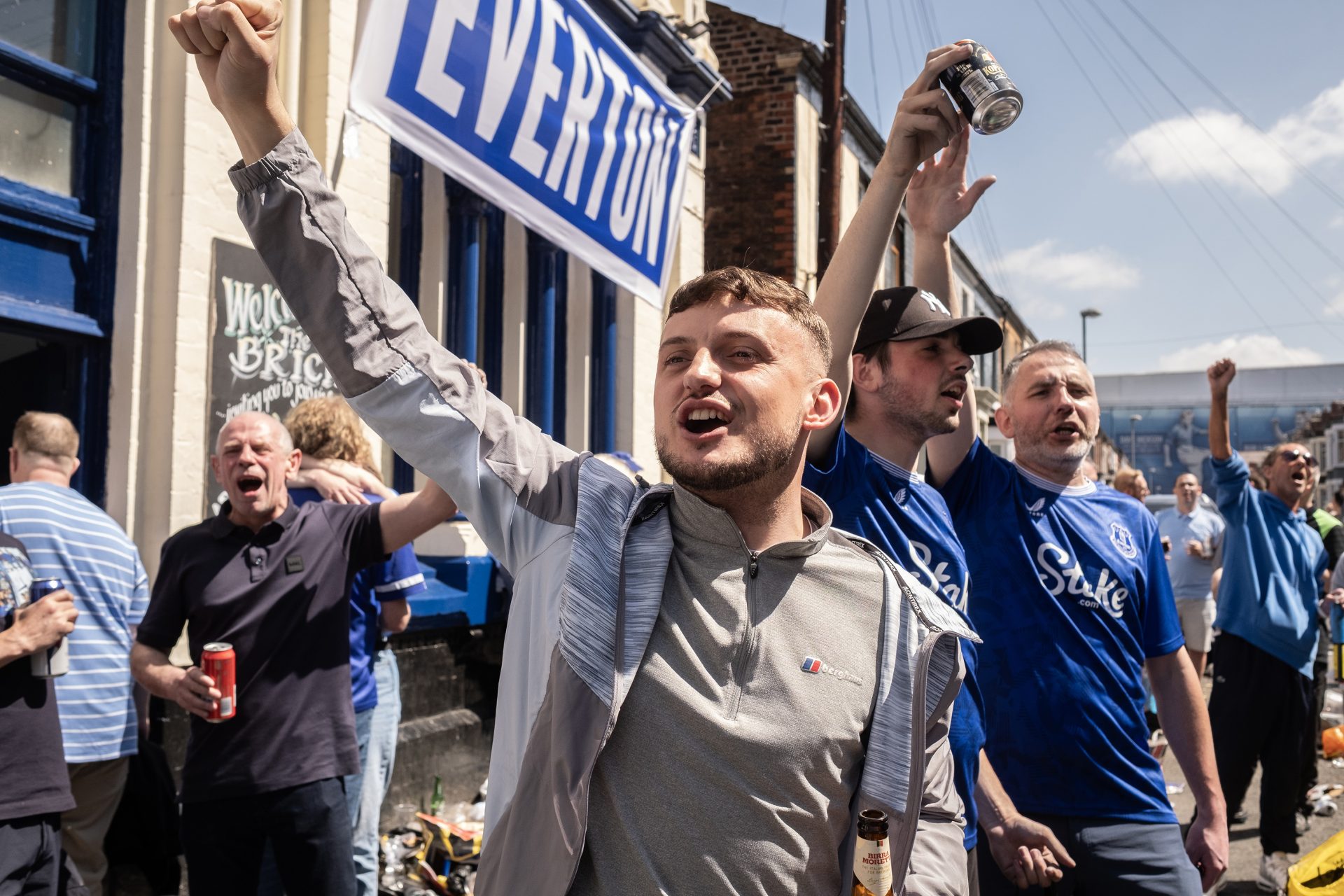
Mountaineering, skiing and sailing clothing also became influential. Technical fabrics, waterproof jackets, distinctive silhouettes and functional detailing appealed to supporters spending long periods outdoors.
Brands such as Berghaus, Henri Lloyd and Stone Island became associated with different periods of terrace culture, while the military-inspired designs and technical experimentation of C.P. Company brought another dimension to the football wardrobe.
Italian and wider European fashion played an important role in this evolution. Football travel, imported clothing and the visual culture surrounding European supporter scenes introduced new styles and influences to British terraces.
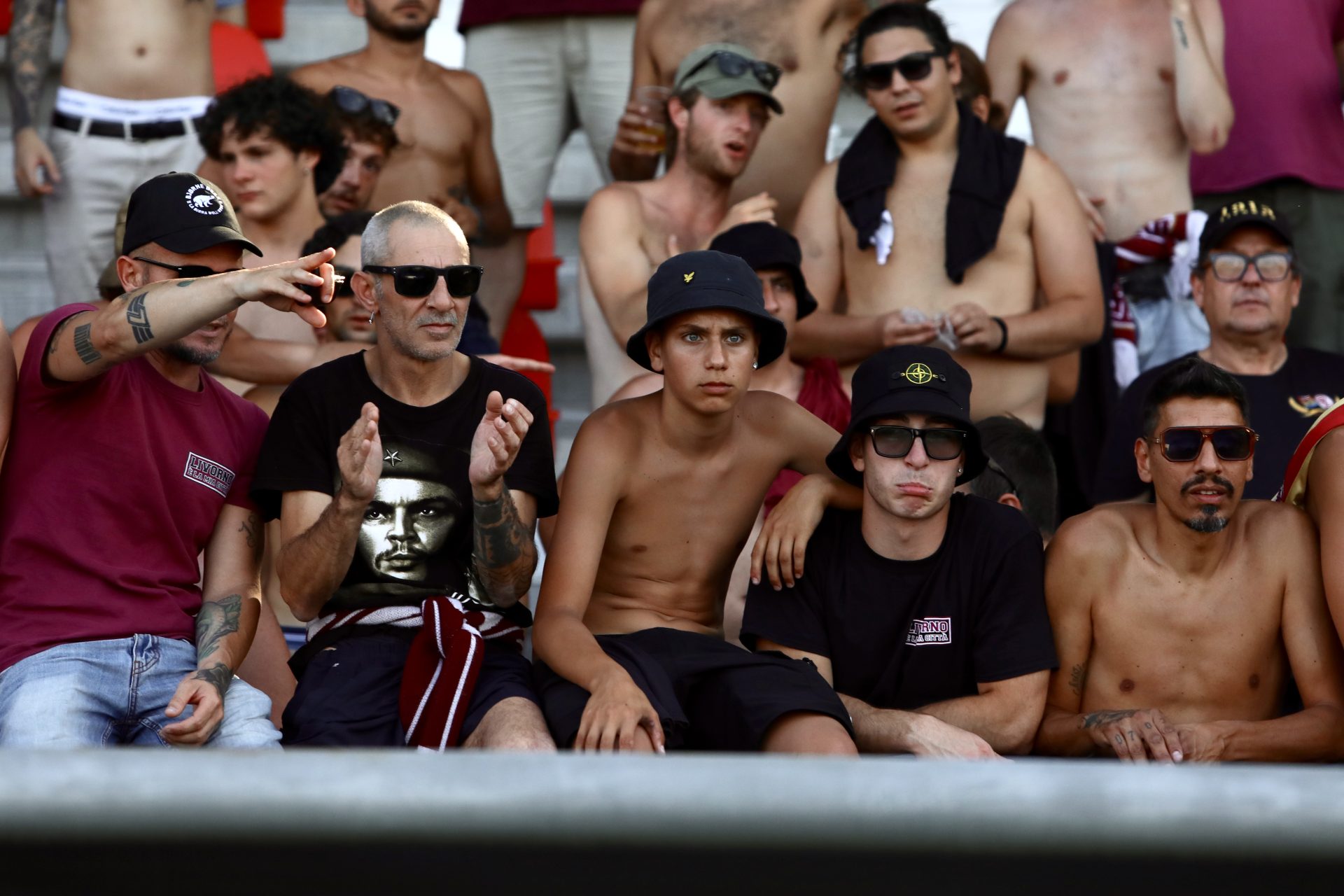
The adoption of these garments was not always driven by fashion trends. Practicality, durability, exclusivity and personal identity frequently intersected.
Football, Music and British Youth Subcultures
Football fashion has never developed in isolation from wider youth culture.
The clothing worn on British terraces has reflected successive generations of skinheads, mods, suedeheads, casuals and supporters influenced by punk, ska, Two-Tone, indie and rave.


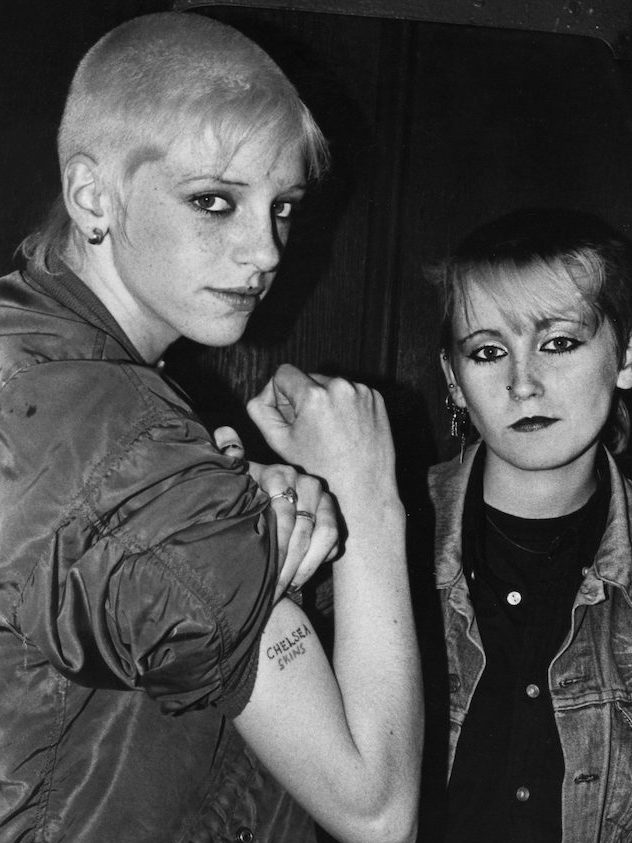
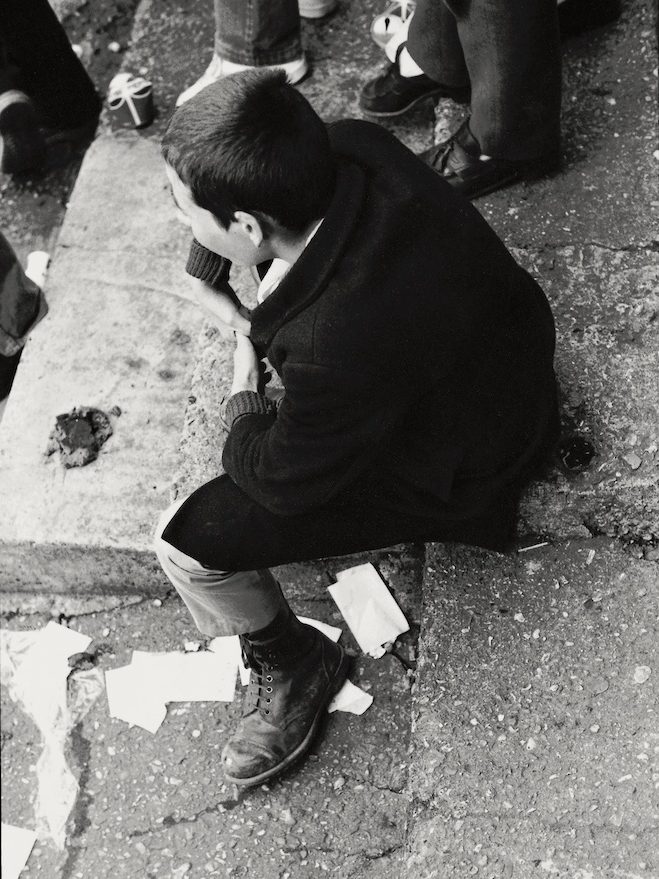

These styles often overlapped, with football grounds becoming places where different influences were brought together.
During the 1980s and early 1990s, changing music scenes played a significant role in shaping the appearance of young supporters. Sportswear, designer clothing, trainers and casual street fashion became part of a wider culture that extended from football grounds into pubs, clubs and nightlife.
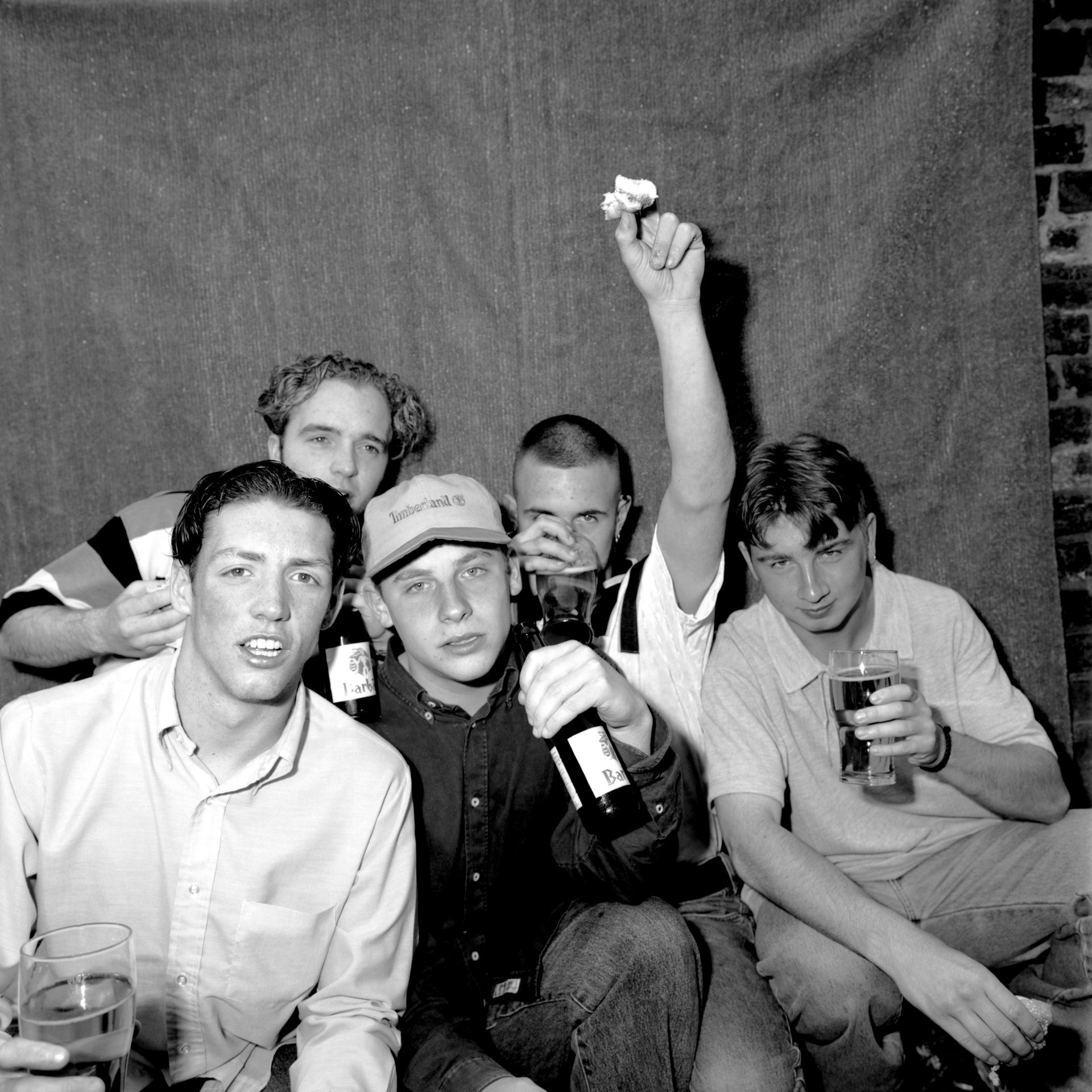

The relationship between football, fashion and music was rarely uniform. Different cities and generations developed their own identities, shaped by local influences and the people involved.
Football Fashion Through Photography
The people behind the clothes
Football fashion is perhaps best understood through the photographs of those who lived it.
Long before terrace culture became an established influence on mainstream menswear, documentary photographers were recording the clothing, hairstyles and identities of supporters across Britain.
These images reveal far more than the labels people wore. They capture the character of different eras, the influence of music and youth culture, and the individual styles that developed around clubs and communities.
Lower Block’s photographic archive preserves these changing identities through original work by photographers who documented football from within its culture.
These aren’t fashion campaigns or carefully styled portraits. They’re photographs of real supporters, offering a visual history of British football fashion across generations.
Baby Squad 1984 – Steve Pyke
Steve Pyke’s photographs of Leicester City’s Baby Squad capture a generation of young supporters during the height of the early casual movement.
Their clothing, hairstyles and attitude provide a distinctive record of British youth and football culture in 1984.


Going to the Match 1991 – Richard Davis
Richard Davis’s photographs document British football supporters at the beginning of the 1990s, when the influence of casual culture was evolving alongside changing music and fashion.
An intimate record of the people, clothing and atmosphere surrounding the matchday experience.

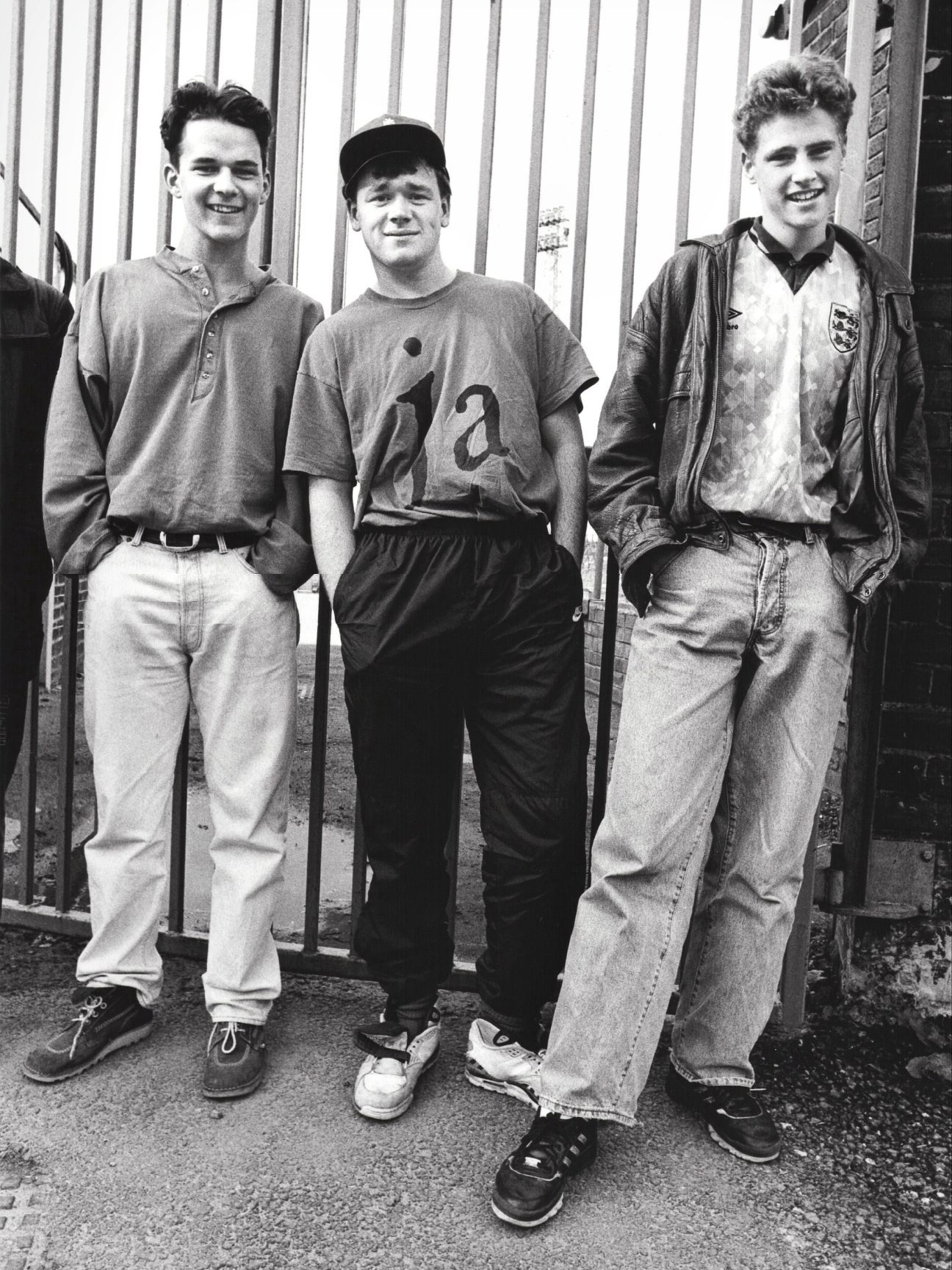
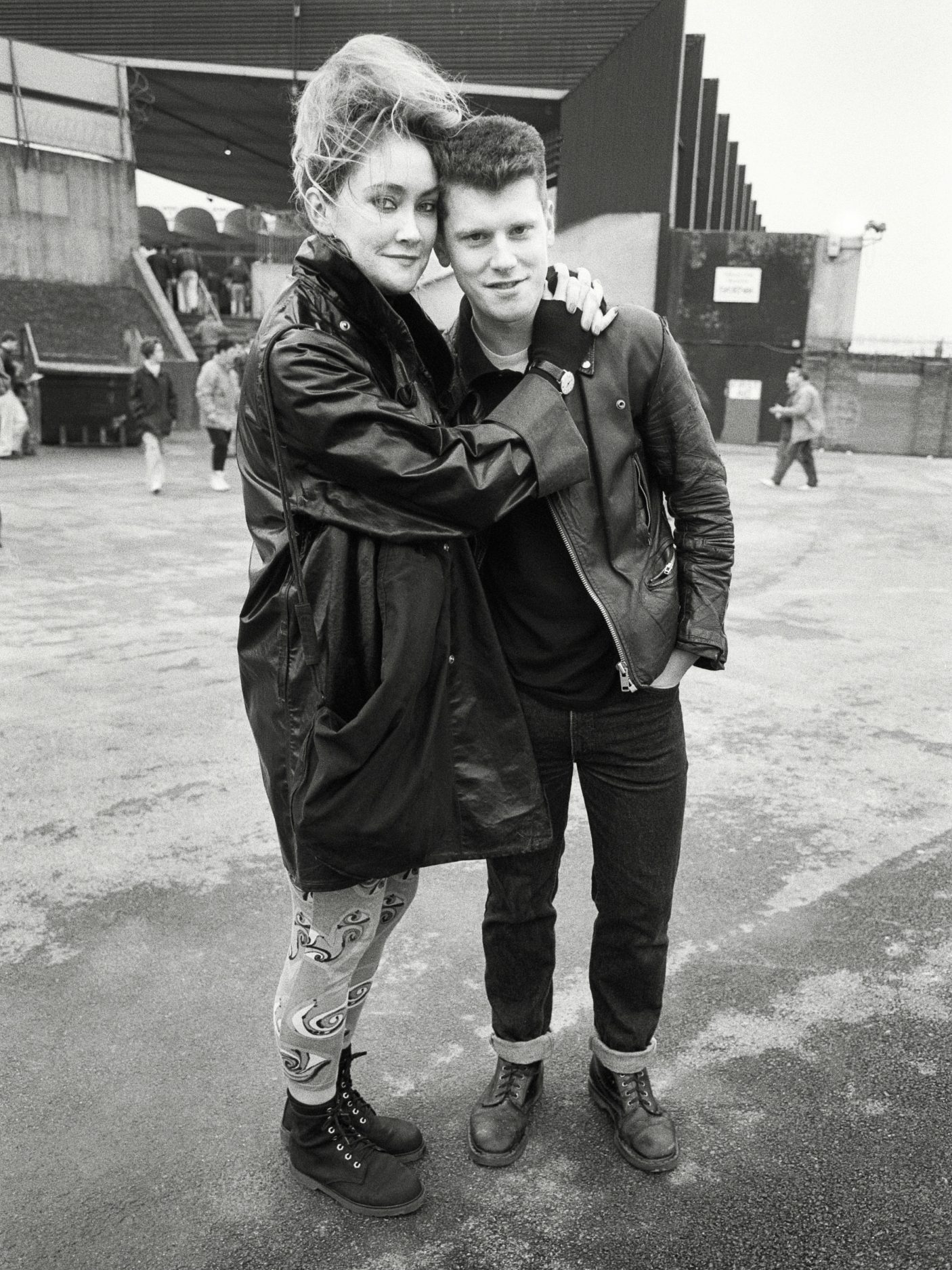
Delilah – Stoke Lads 1990–92 – Tony Davis
Tony Davis’s photographs of Stoke City supporters capture rivalry, terrace fashion and the character of football culture during the early 1990s.
The series offers a unique perspective on the clothing and identities of supporters during a period of cultural change.


Leeds Leeds Leeds – Justin Slee
Justin Slee’s portraits from Leeds Leeds Leeds capture one of the most exciting sides in English football at the turn of the millennium – and a moment when football, fashion, music and magazine culture collided.
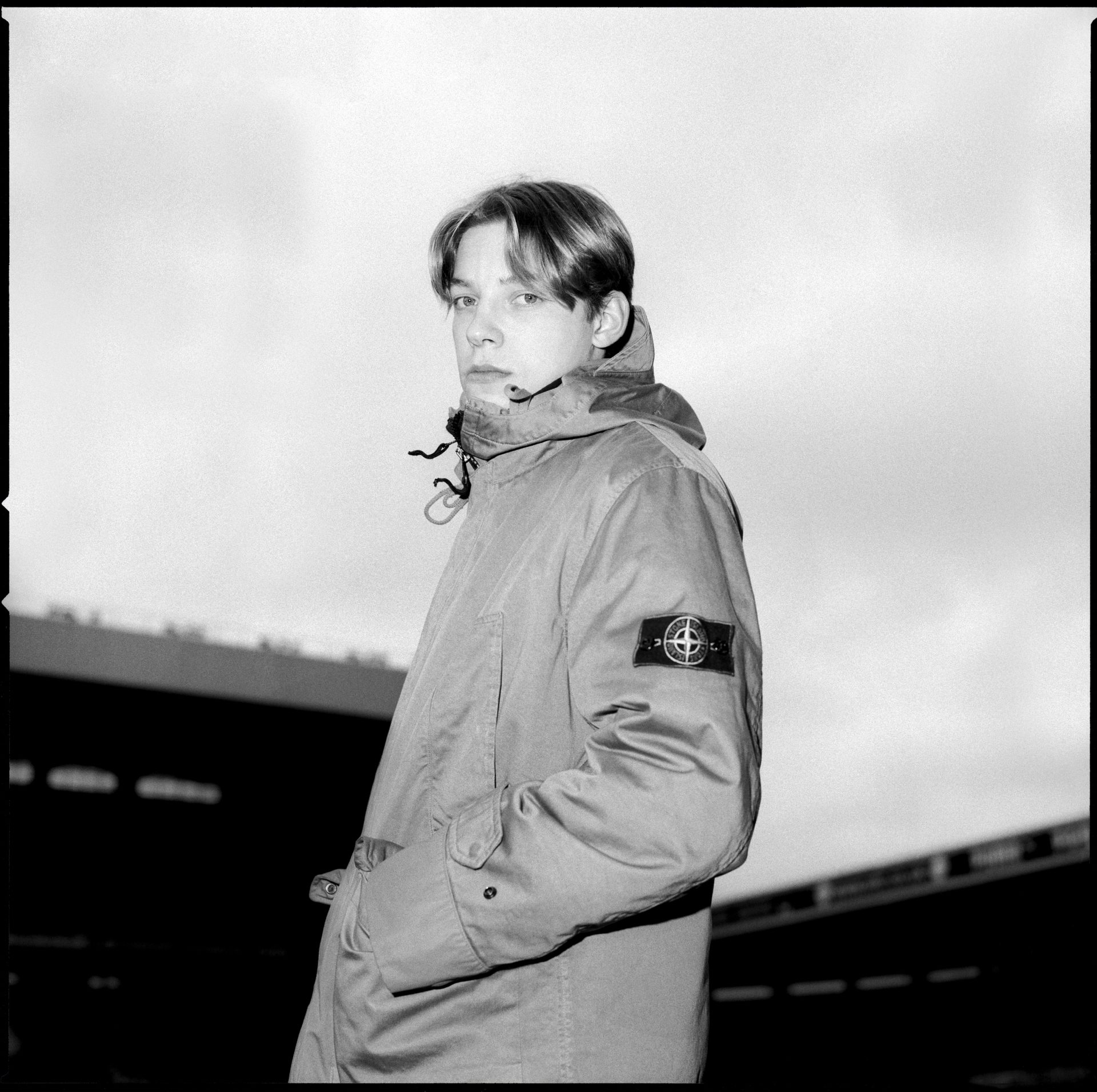
And You’ll Never Know – Conrad Tracy
A photographic account of Port Vale supporter culture, preserving the styles, attitudes and characters of its era.
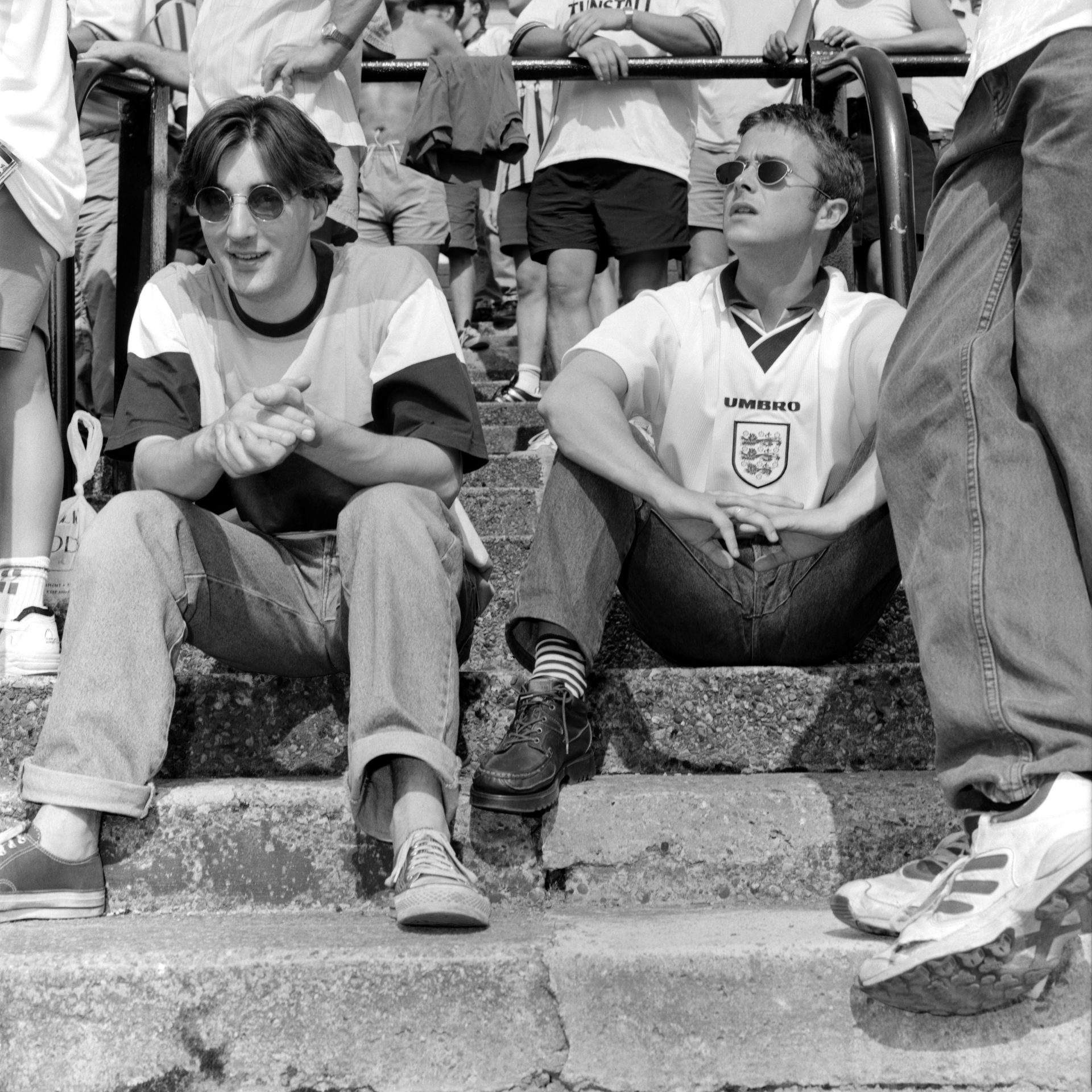
The Famous CFC – John Ingledew
John Ingledew’s photographs of Chelsea supporters, taken between 1980 and 2004, provide an extraordinary visual record of more than two decades of changing British football culture.
From the early casual years to the turn of the millennium, the archive captures the clothes, characters and identity of supporters across generations.

Wembley 1990–2002 – Tony Davis
Tony Davis’s photographs of supporters at Wembley document the changing visual character of British football through the 1990s and early 2000s.
A record of football fashion across clubs, generations and some of the game’s most memorable occasions.

Contemporary Football Style
Football’s influence on fashion has continued to evolve.
Retro shirts, archive sportswear, technical outerwear and designer collaborations have introduced elements of terrace style to audiences far beyond the original supporter communities.
The influence of British football fashion can also be seen internationally, where different youth cultures have adopted and reinterpreted styles associated with the terraces.
Yet contemporary matchday photography reveals something more personal than changing commercial trends.
Supporters continue to combine football clothing with everyday fashion, reflecting their own tastes, friendships and identities.
Brentford Away Days 2025–26 – Adam Rosenbaum
Adam Rosenbaum’s contemporary photographs document Brentford supporters following their club away from home.
The series captures the clothing, personalities and atmosphere of modern football culture through the experience of the supporters themselves.
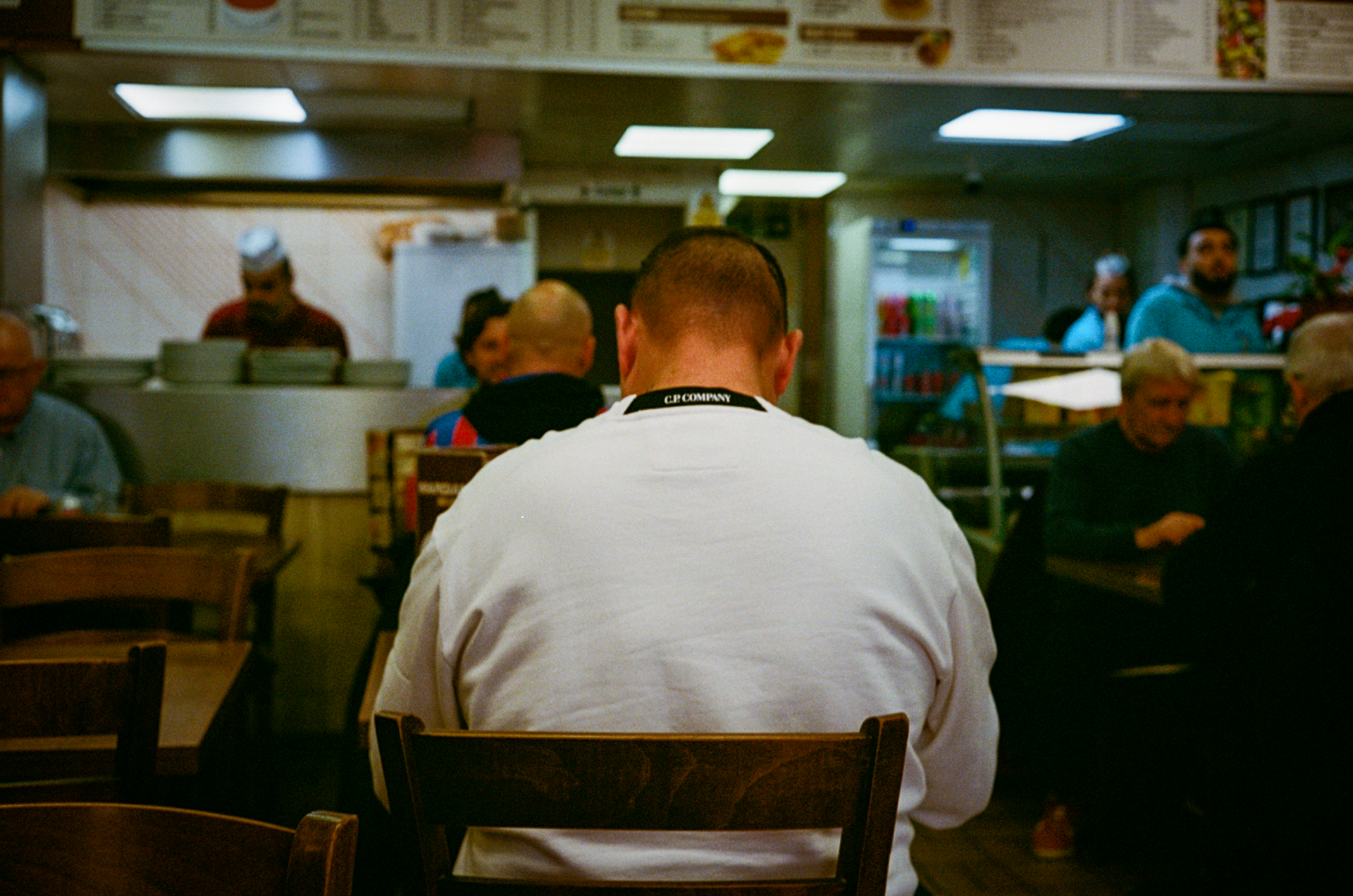
Training Ground N17 – Kirsten Allen
A contemporary photographic study exploring football’s relationship with clothing, personal style and the visual culture surrounding the game.

Football Fashion – A Living Culture
Football fashion has always been shaped by influences beyond the game.
From European sportswear and Italian design to tennis clothing, military outerwear, music and youth subcultures, generations of supporters have adapted different styles to create something distinctive.
Some of these fashions have disappeared, others have returned, and many have been absorbed into mainstream clothing and contemporary streetwear.
But the culture continues to develop through the people who follow football, rather than simply the brands associated with it.
Through documentary photography, original editorial features and independently published Editions, Lower Block continues to document this relationship between football, clothing and identity.
A visual record of British football culture, preserved through the people who lived it.
Football Culture. Photography. Print.
Selected Lower Block Editions
-
 Leeds Leeds Leeds | Justin Slee£8.50
-
 And You’ll Never Know | Conrad Tracy£8.50
-
 Training Ground N17 | Kirsten Allen£8.50
-
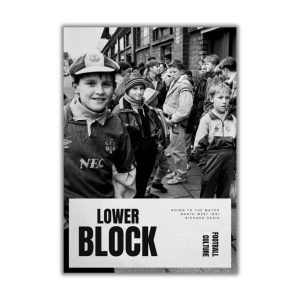 Going to the Match | Richard Davis£8.50
-
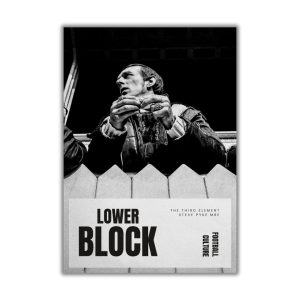 The Third Element | Steve Pyke£8.50
-
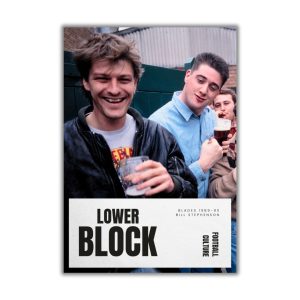 Blades 1989-90 | Bill Stephenson£8.50
-
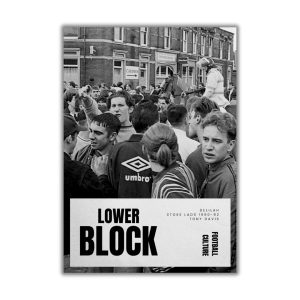 Delilah – Stoke Lads 1990-92 | Tony Davis£8.50
-
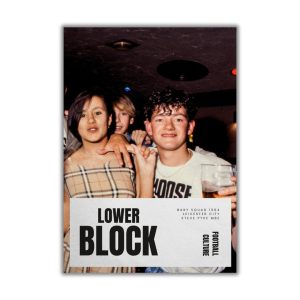 Baby Squad 1984 | Steve Pyke£8.50
-
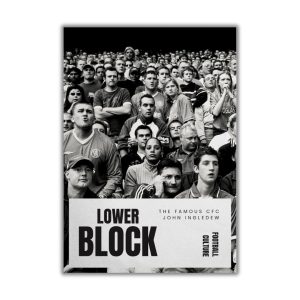 The Famous CFC | John Ingledew£8.50
Shop the Football Fashion Collection
Explore Lower Block’s collection of independent photographic Editions documenting British football fashion, terrace culture and supporter identity.
From the casuals of the 1980s to contemporary matchday style, these publications preserve the people, clothes and cultural movements that shaped football across generations.
Shop the Football Fashion Collection →
Further Reading – From the Lower Block Archive
Explore more of the stories, influences and subcultures behind British football fashion.
When Terrace Fashion Hit the High Streets
How the clothing adopted by football casuals moved beyond the terraces to influence mainstream British menswear.
Tennis Fashion and Football Casuals
The influence of tennis sportswear, trainers and European fashion on British terrace culture.
Skins, Trendies, Casuals & Rave – Darren Tutt
Documentary photography exploring football, music, clothing and youth identity in South Wales during the 1980s and early 1990s.
Football Casuals – History, Fashion & Culture
A deeper exploration of the origins, evolution and lasting cultural influence of British football casual culture.
More from the Lower Block Archive