Updated October 2026
In 1996, Newcastle United stood on the brink of something extraordinary.
Kevin Keegan’s side had transformed from a club fighting near the bottom of the old Second Division into one of the most exciting teams in English football. Newcastle finished runners-up to Manchester United in consecutive Premier League seasons, in 1995–96 and 1996–97.

For supporters, those seasons became an emotional rollercoaster.
Photographer Keith Pattison was there to document it – but his camera rarely followed the football.
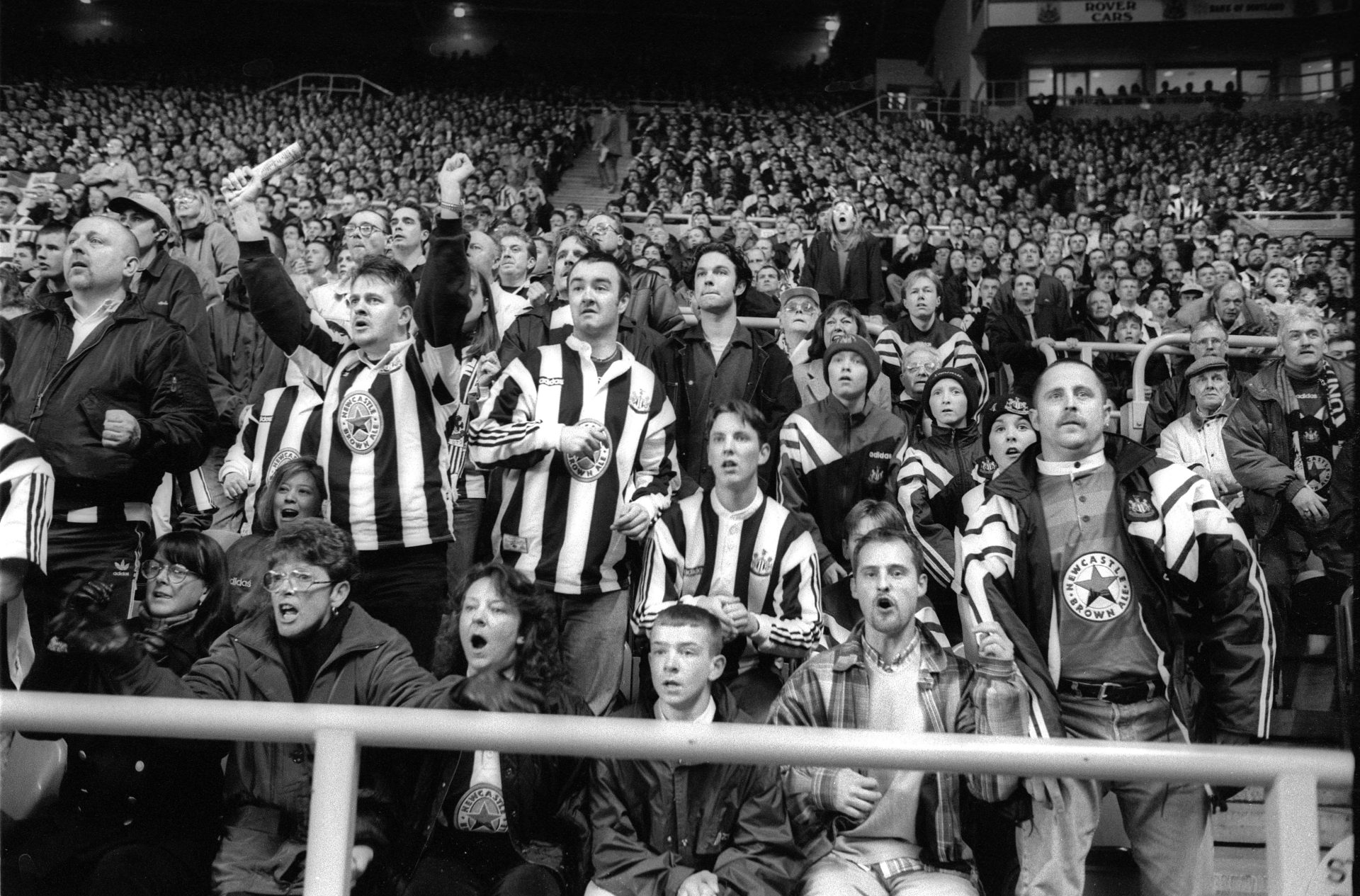
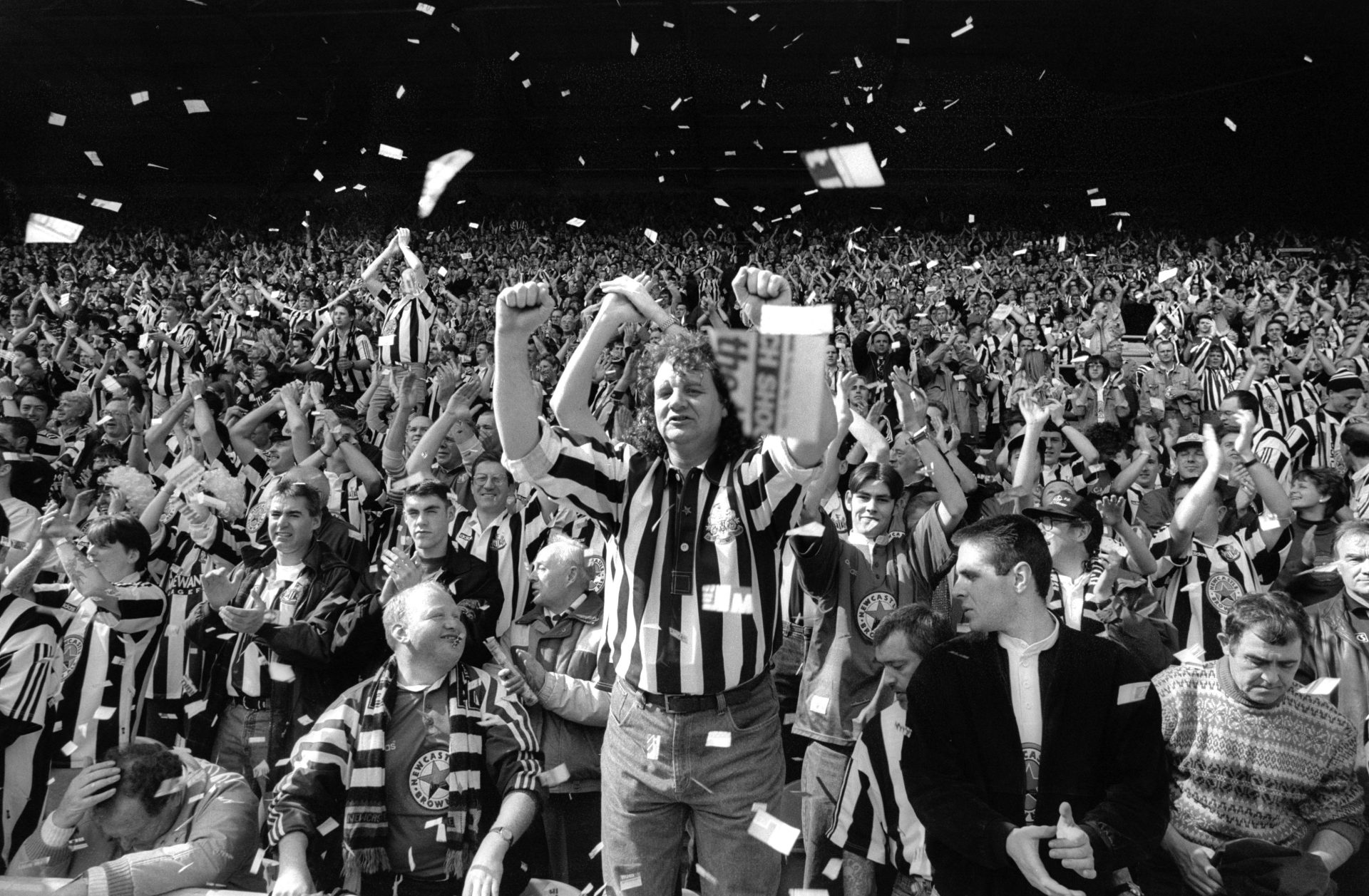
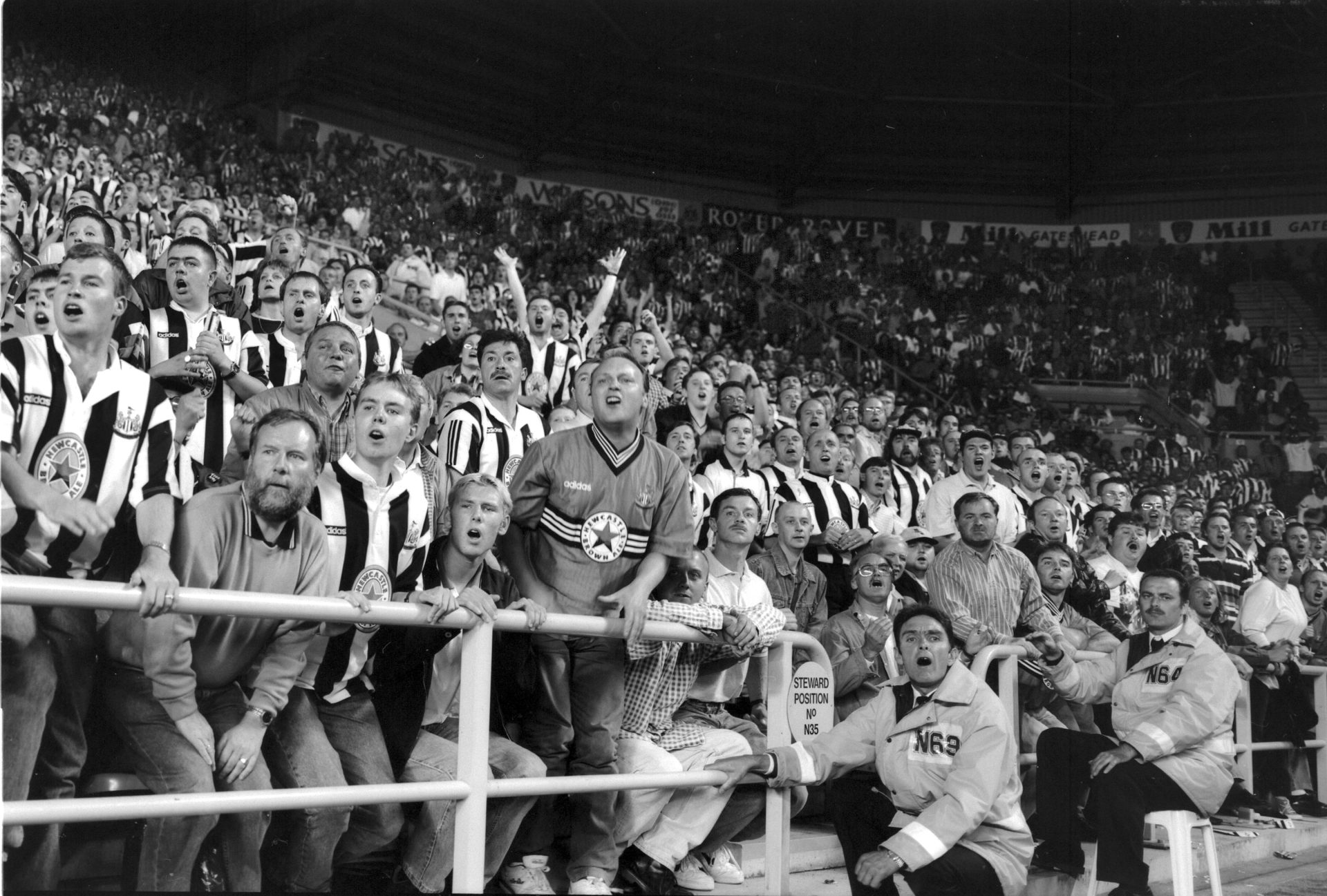
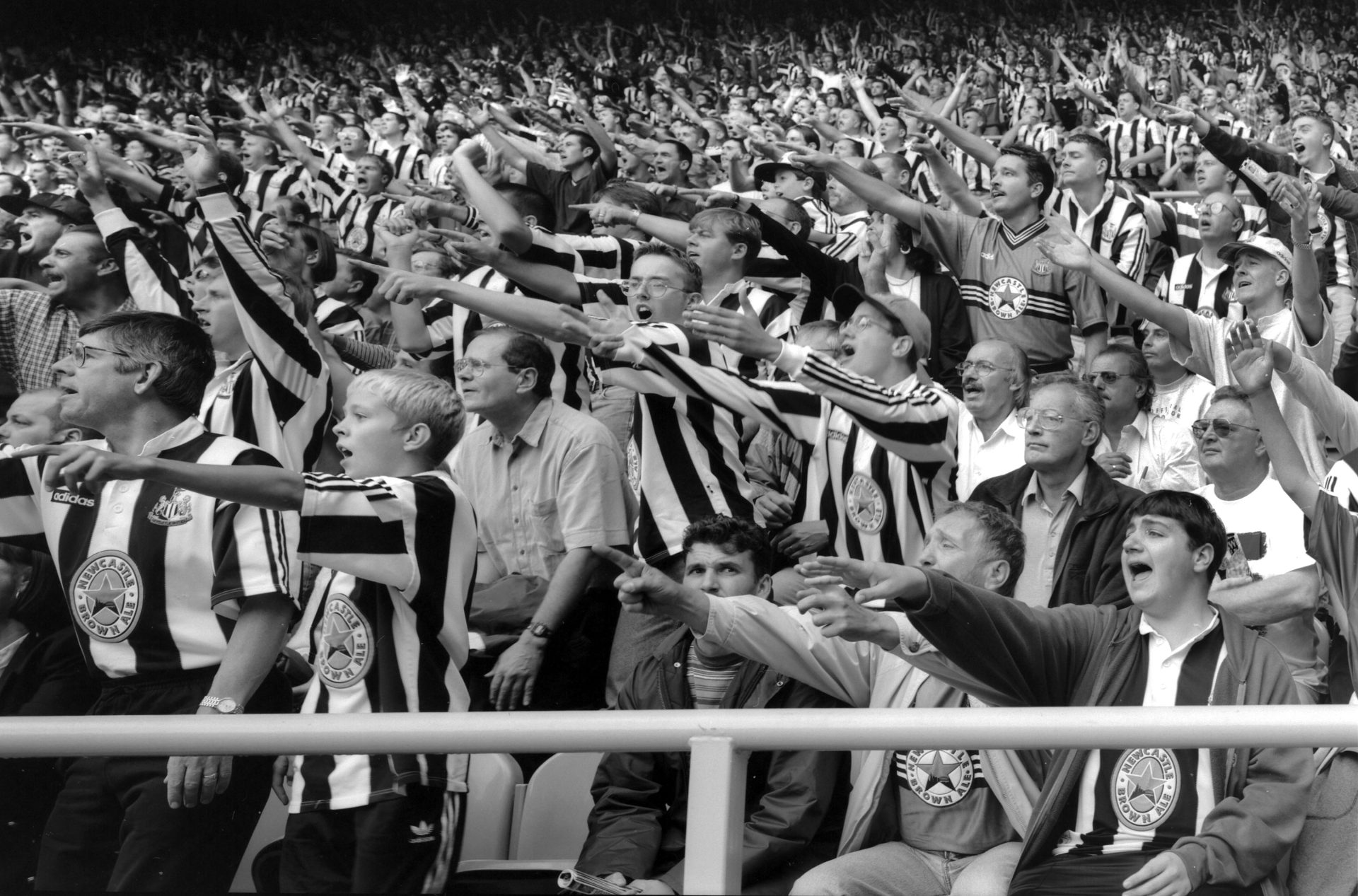
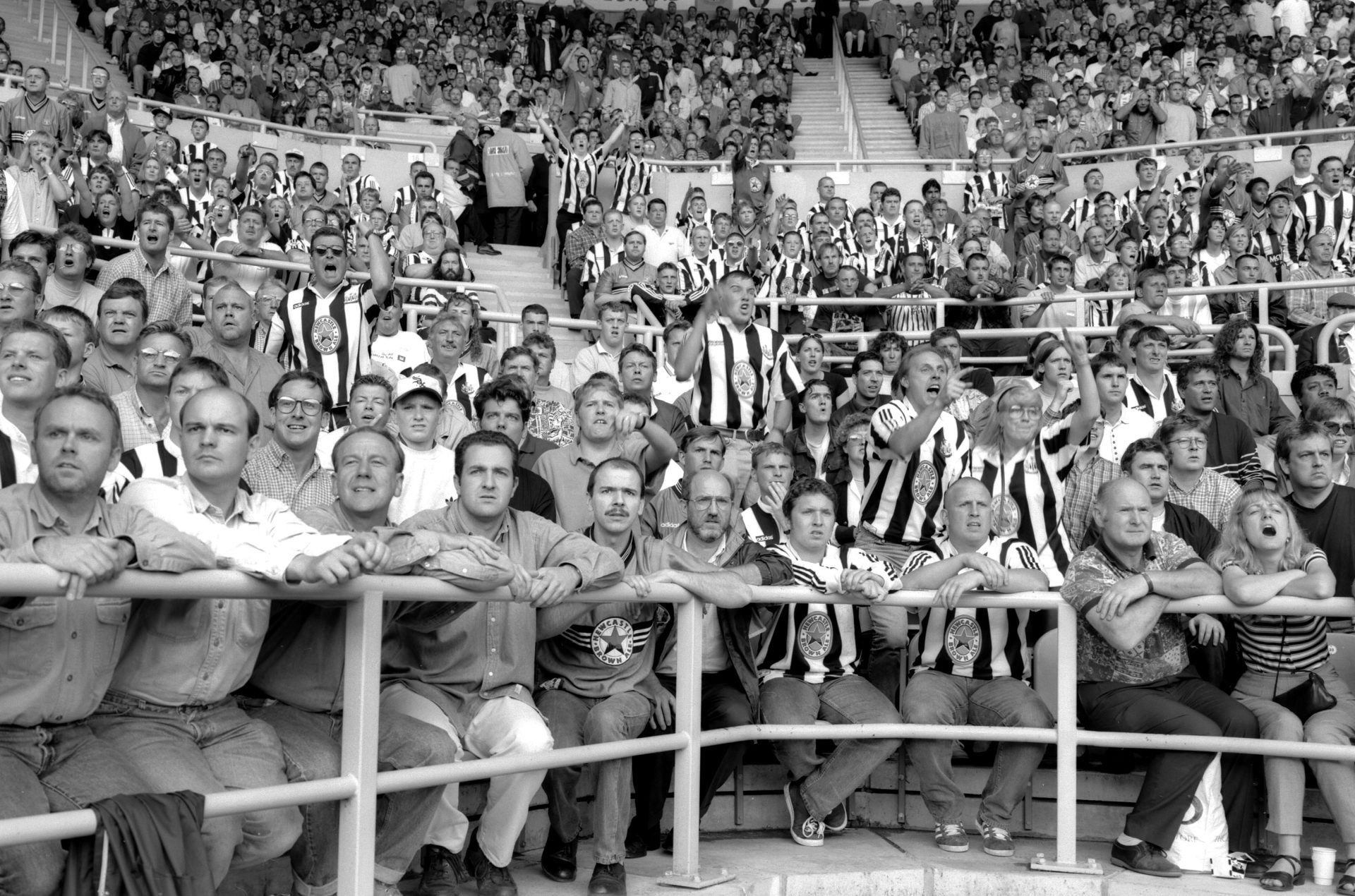
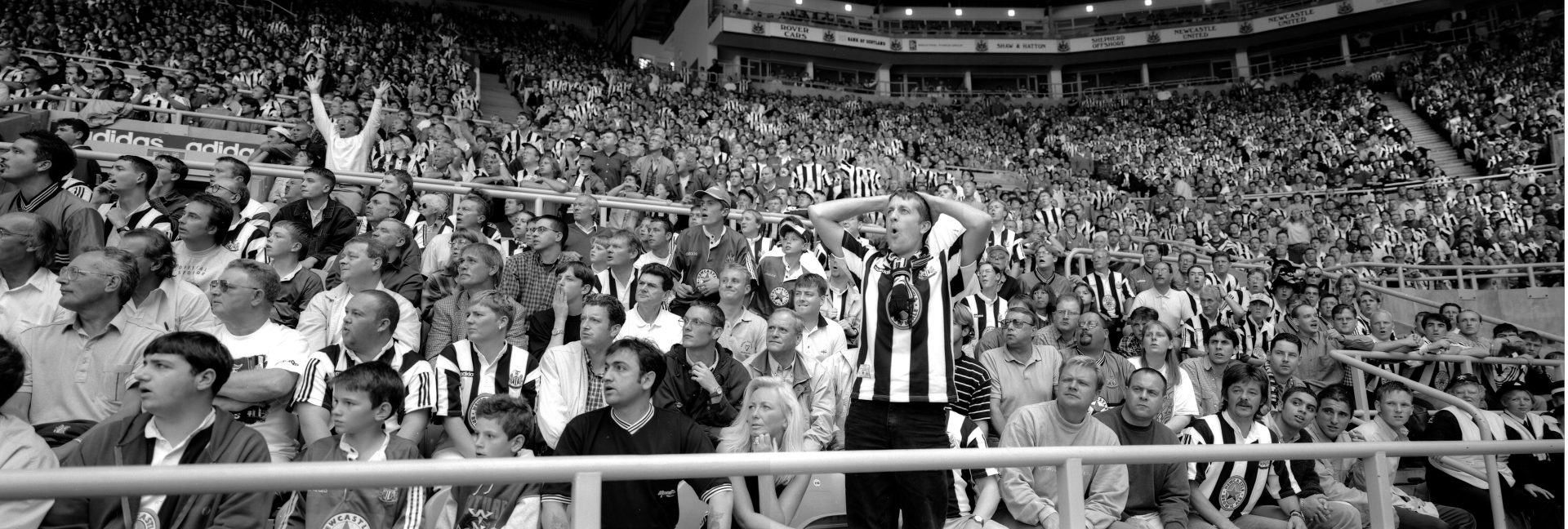
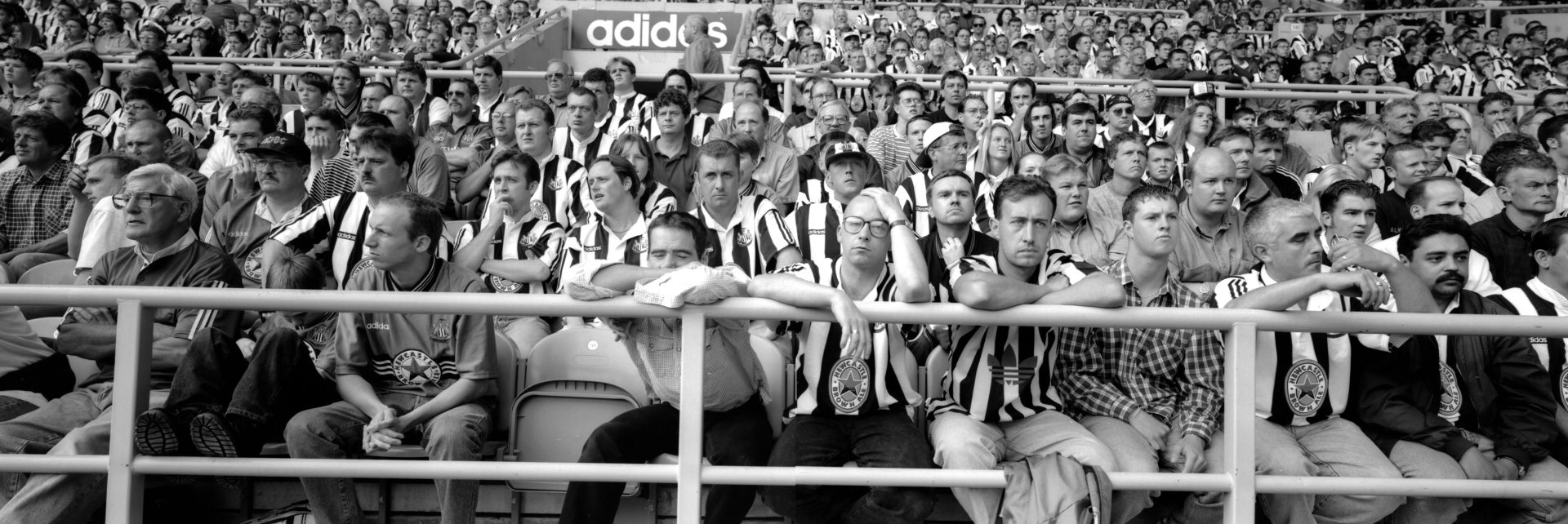
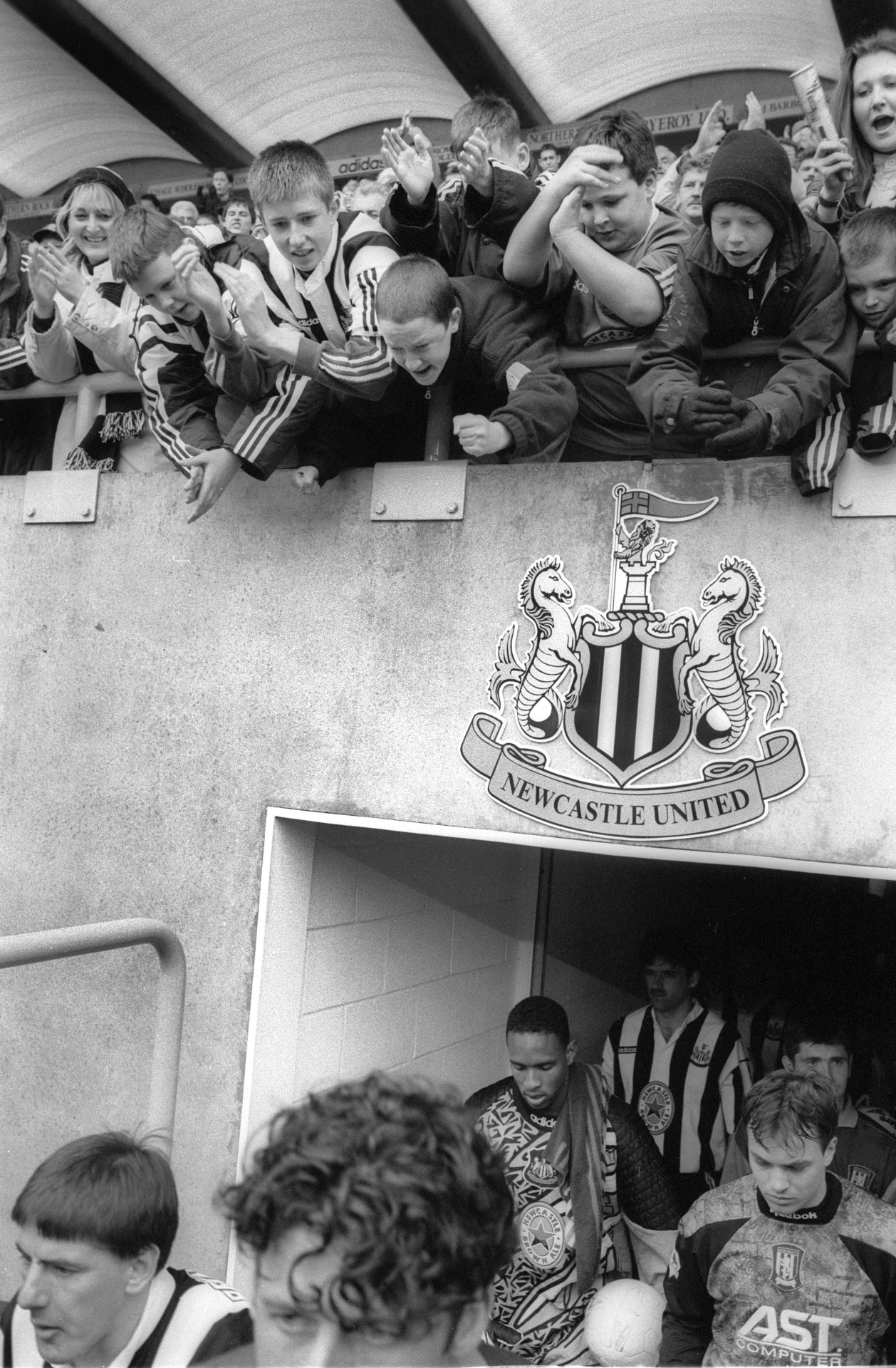
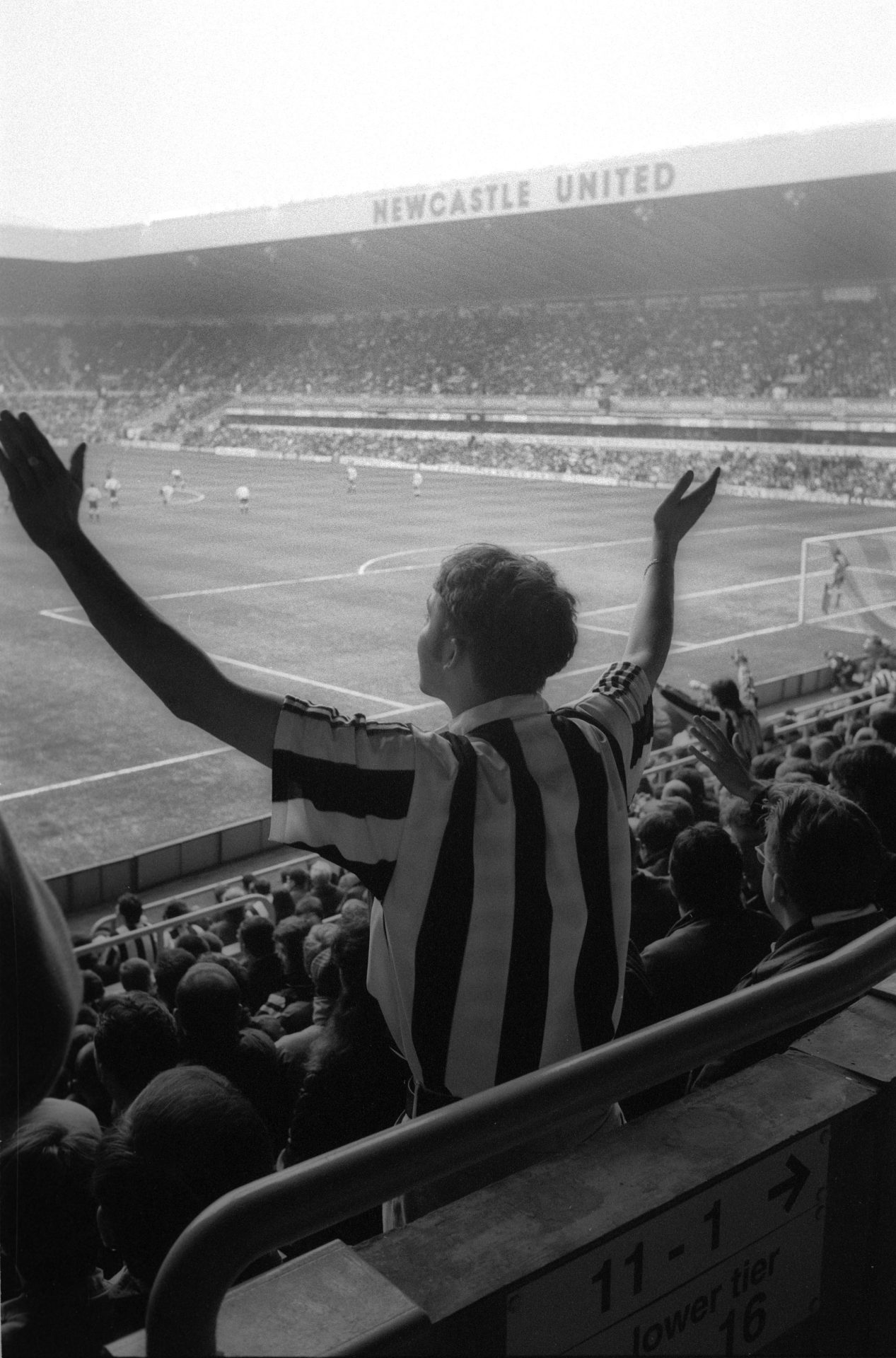
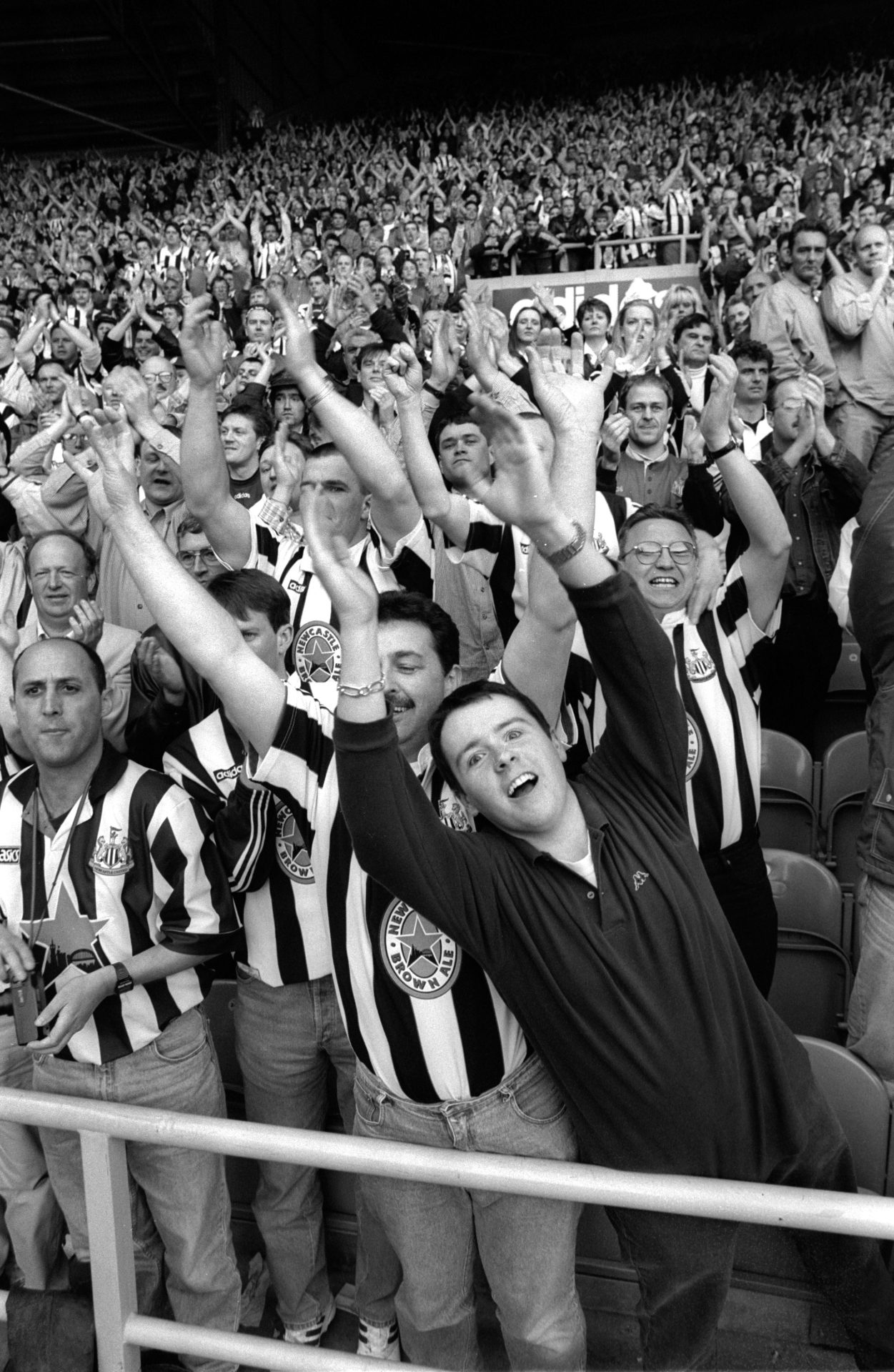
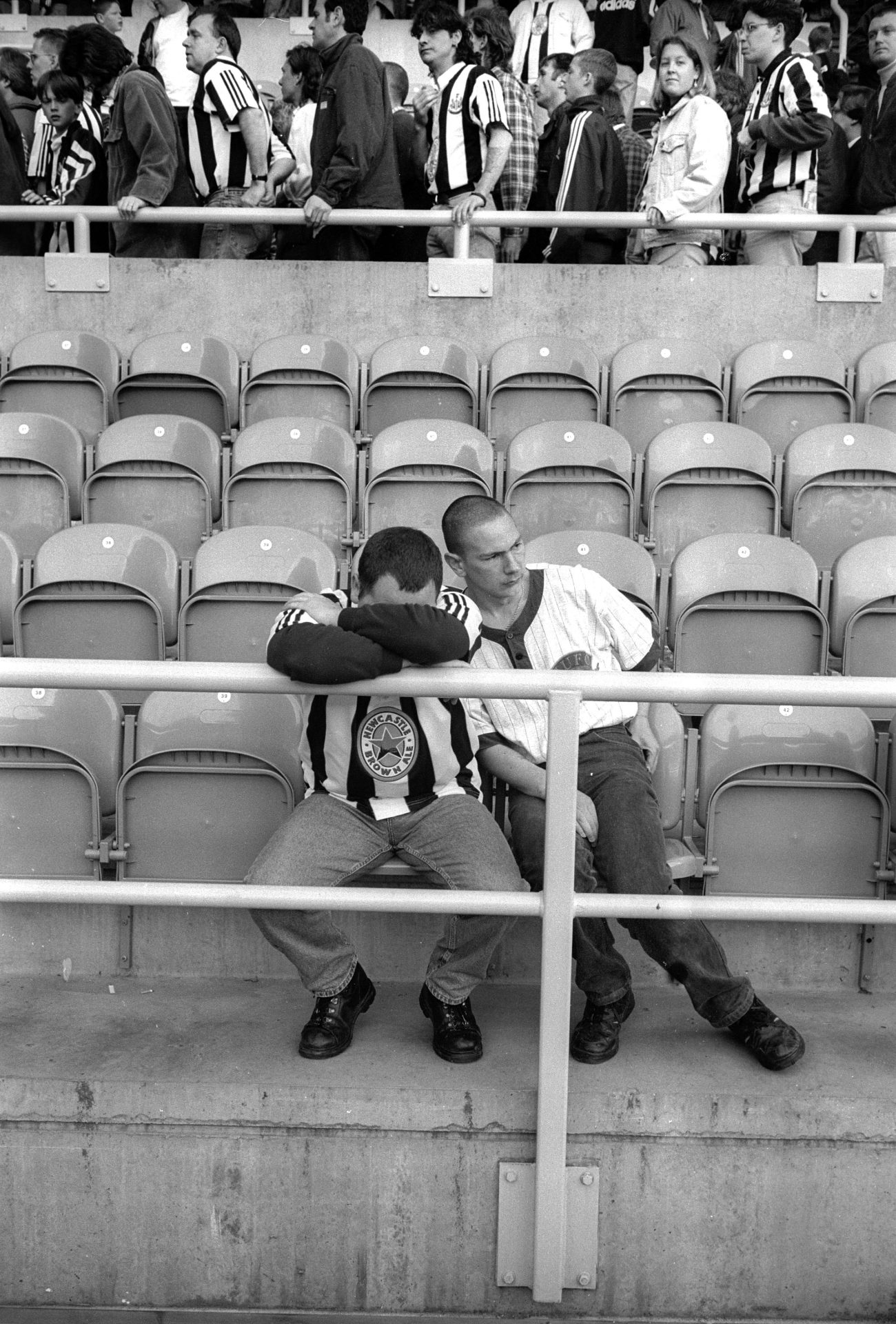
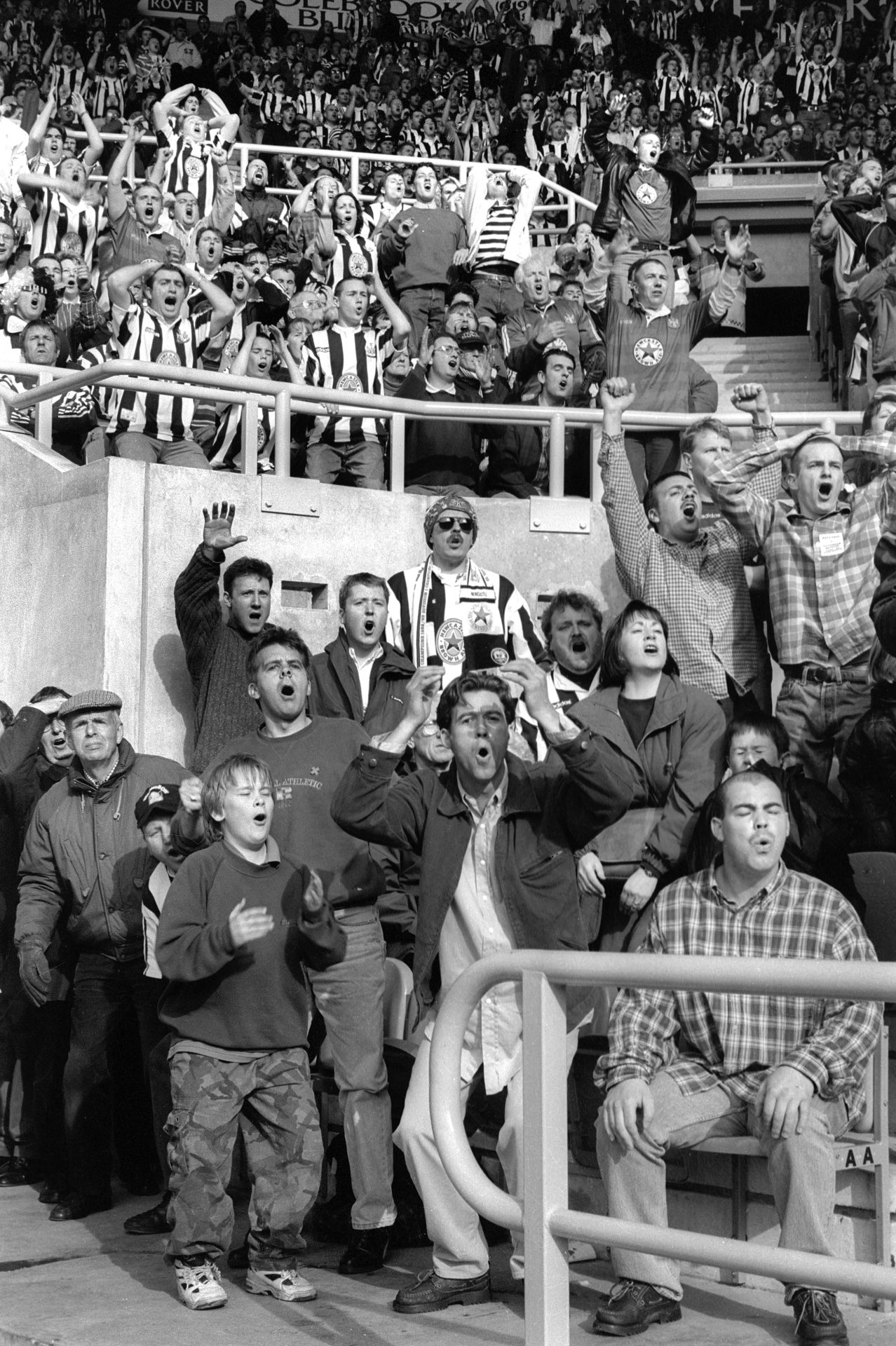
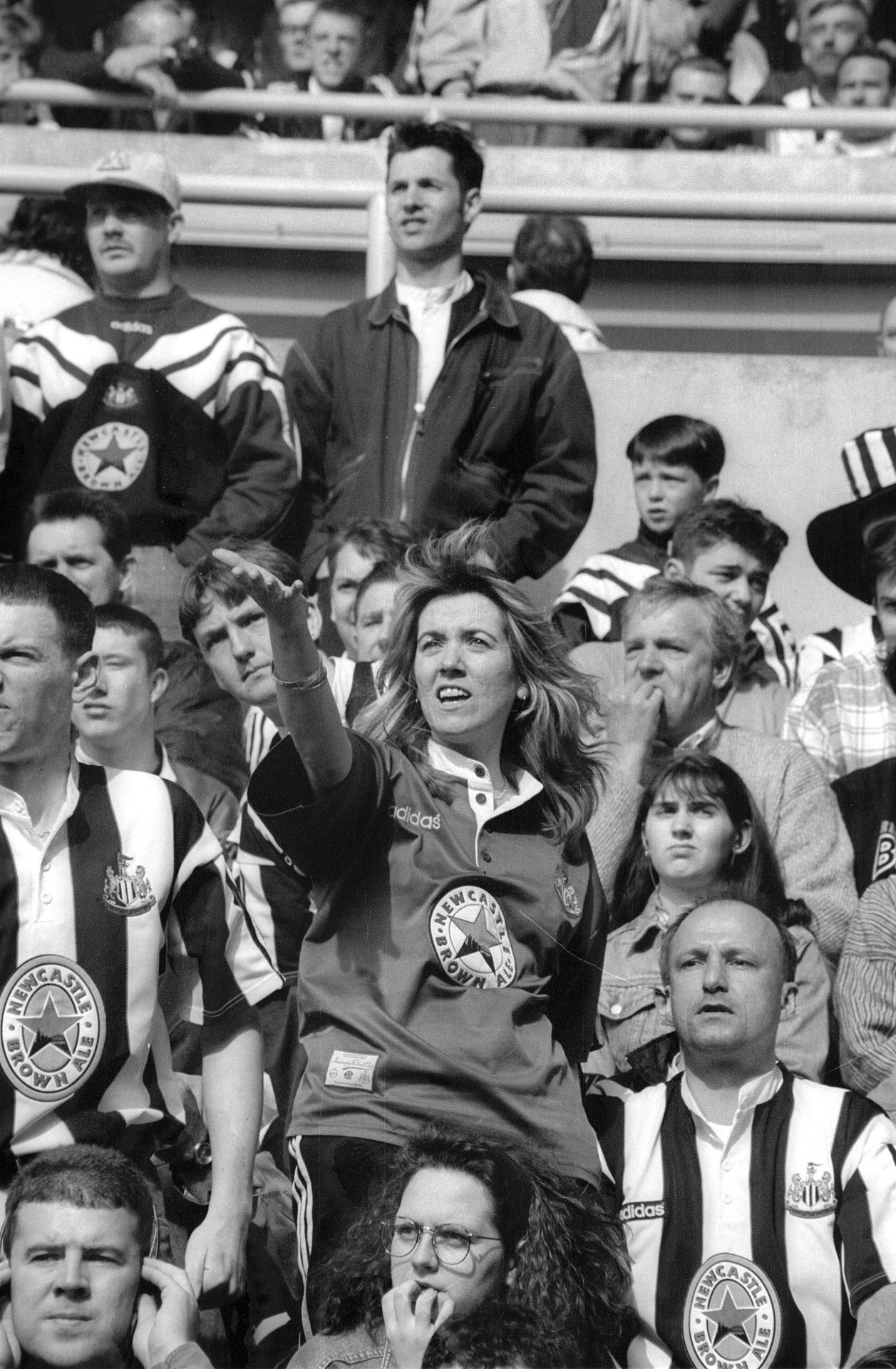
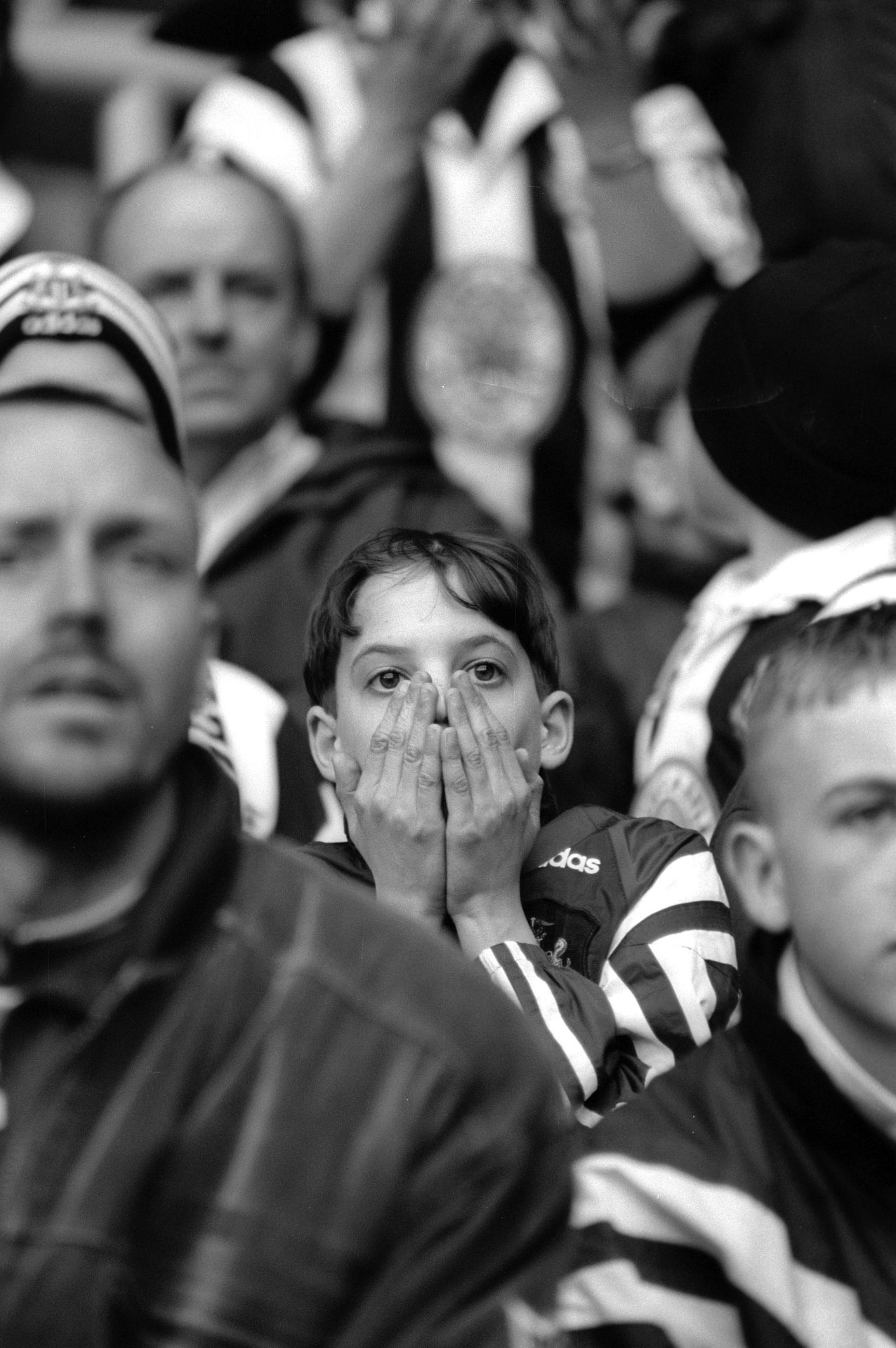
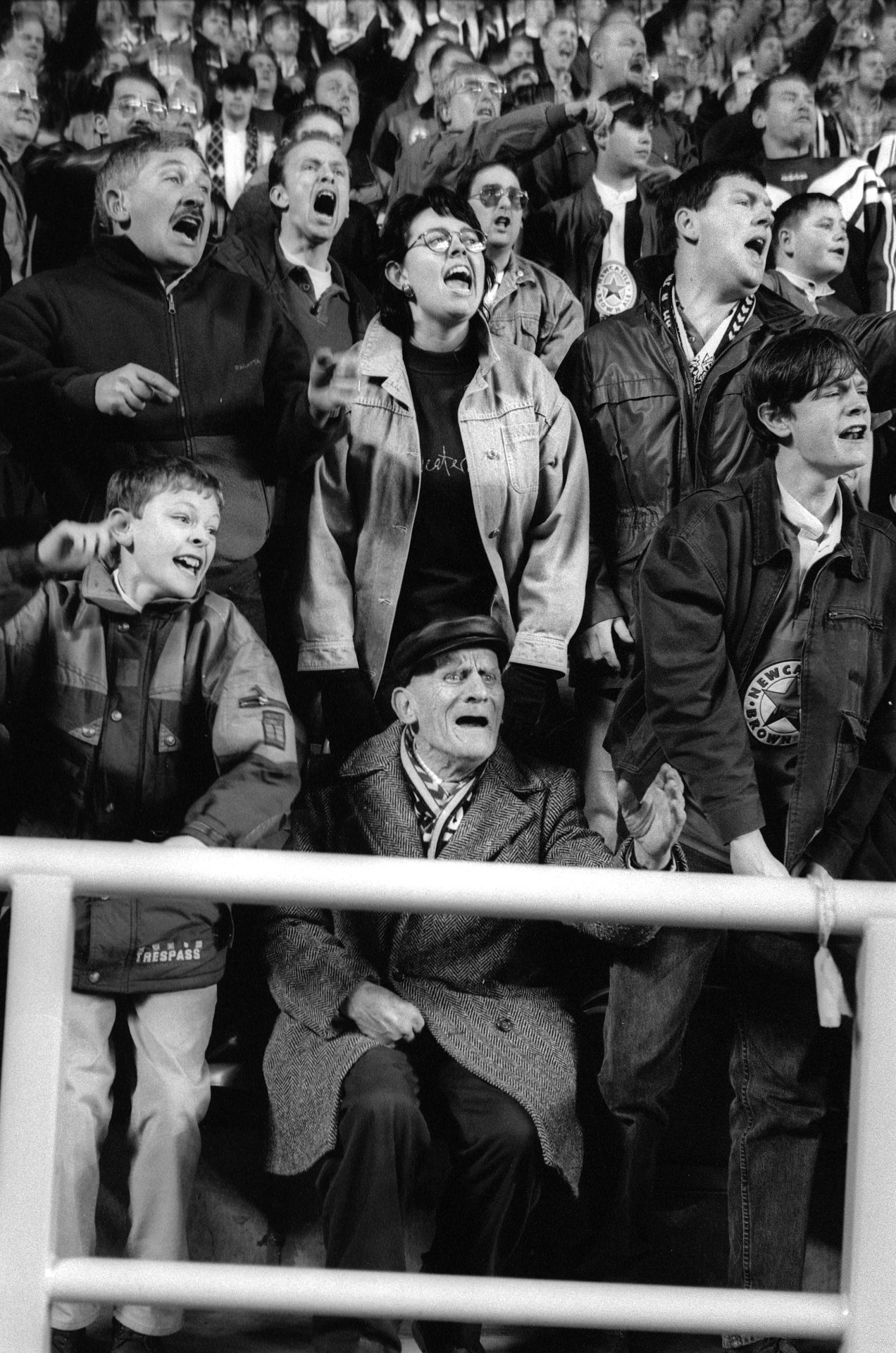
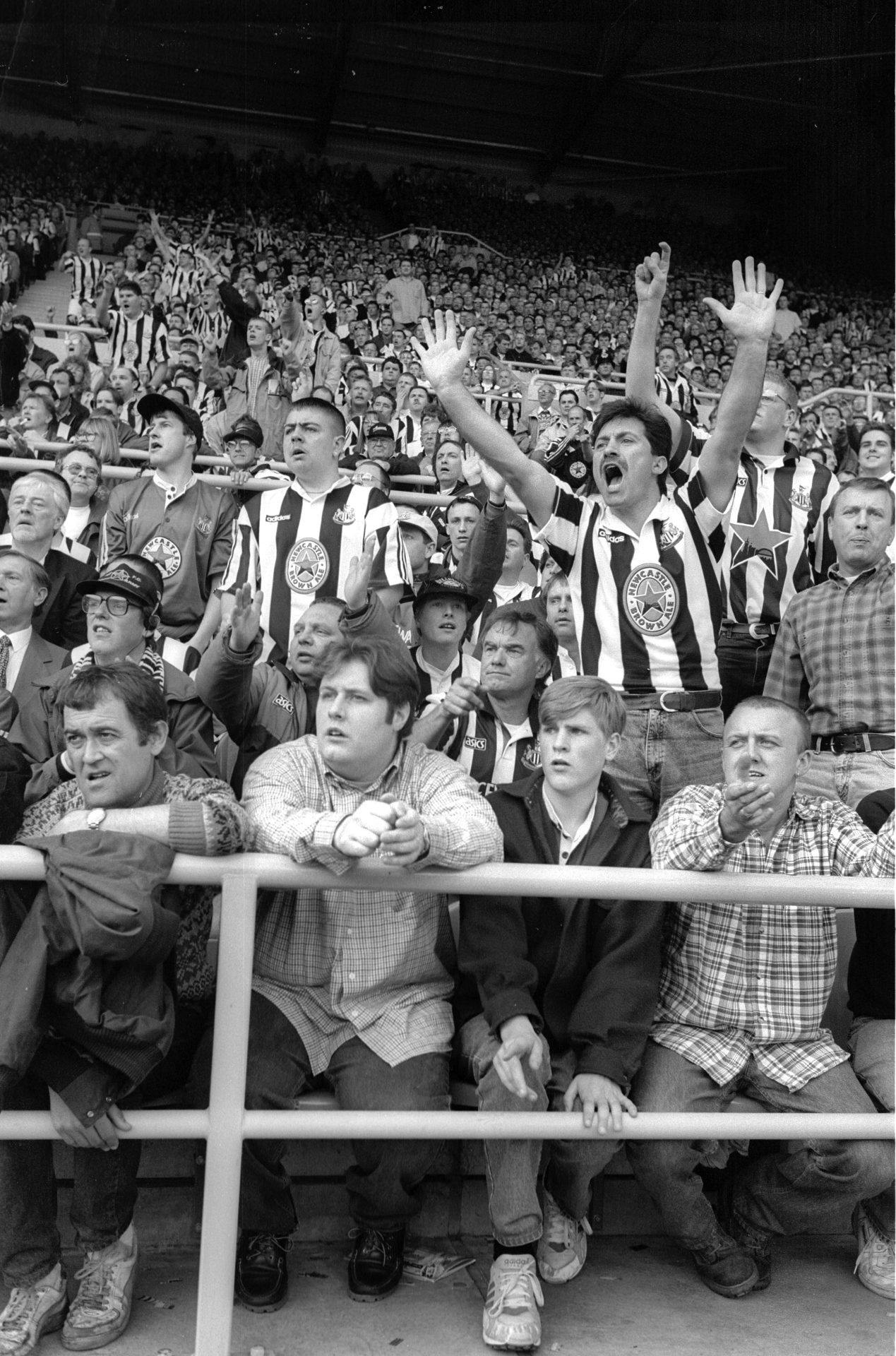
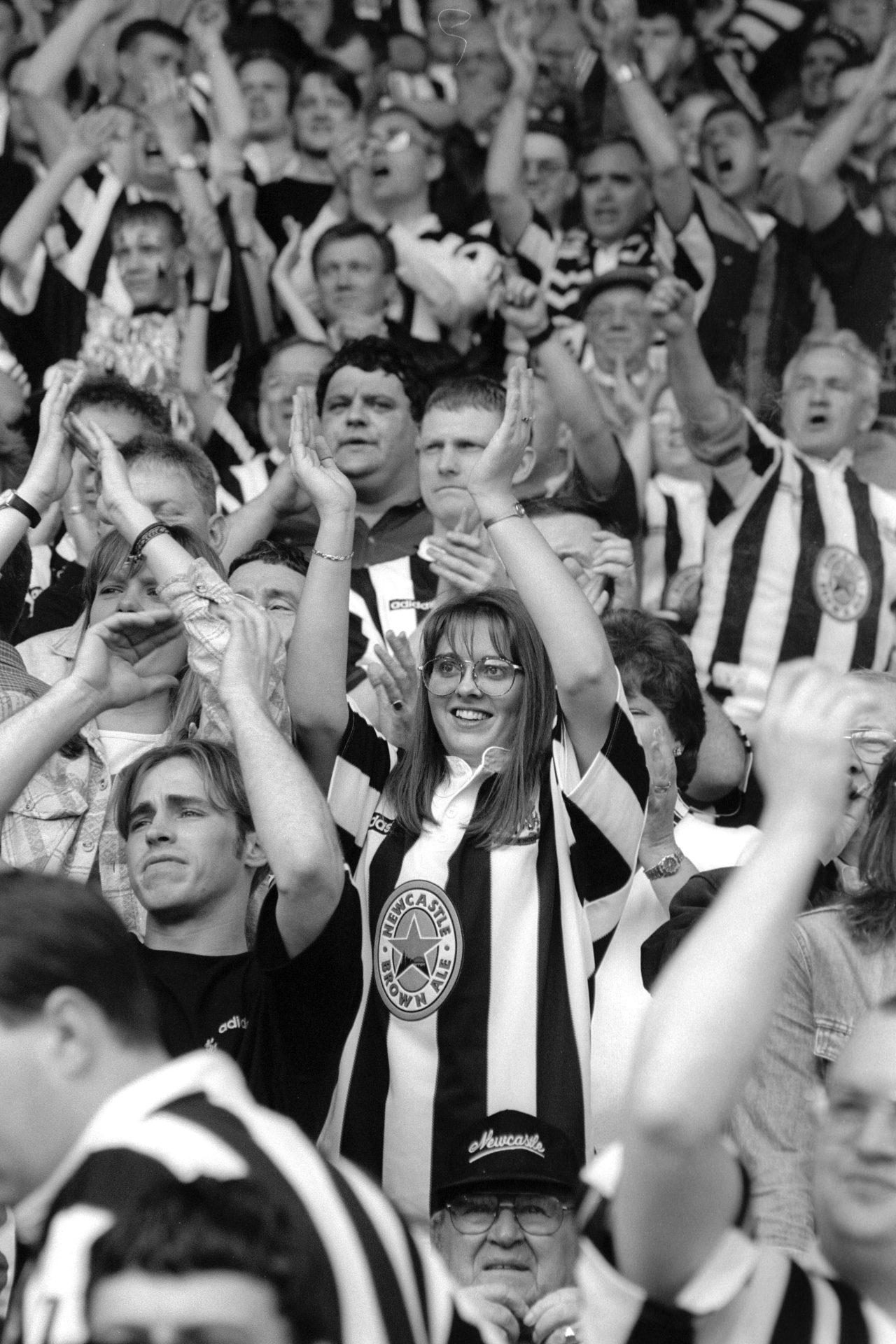
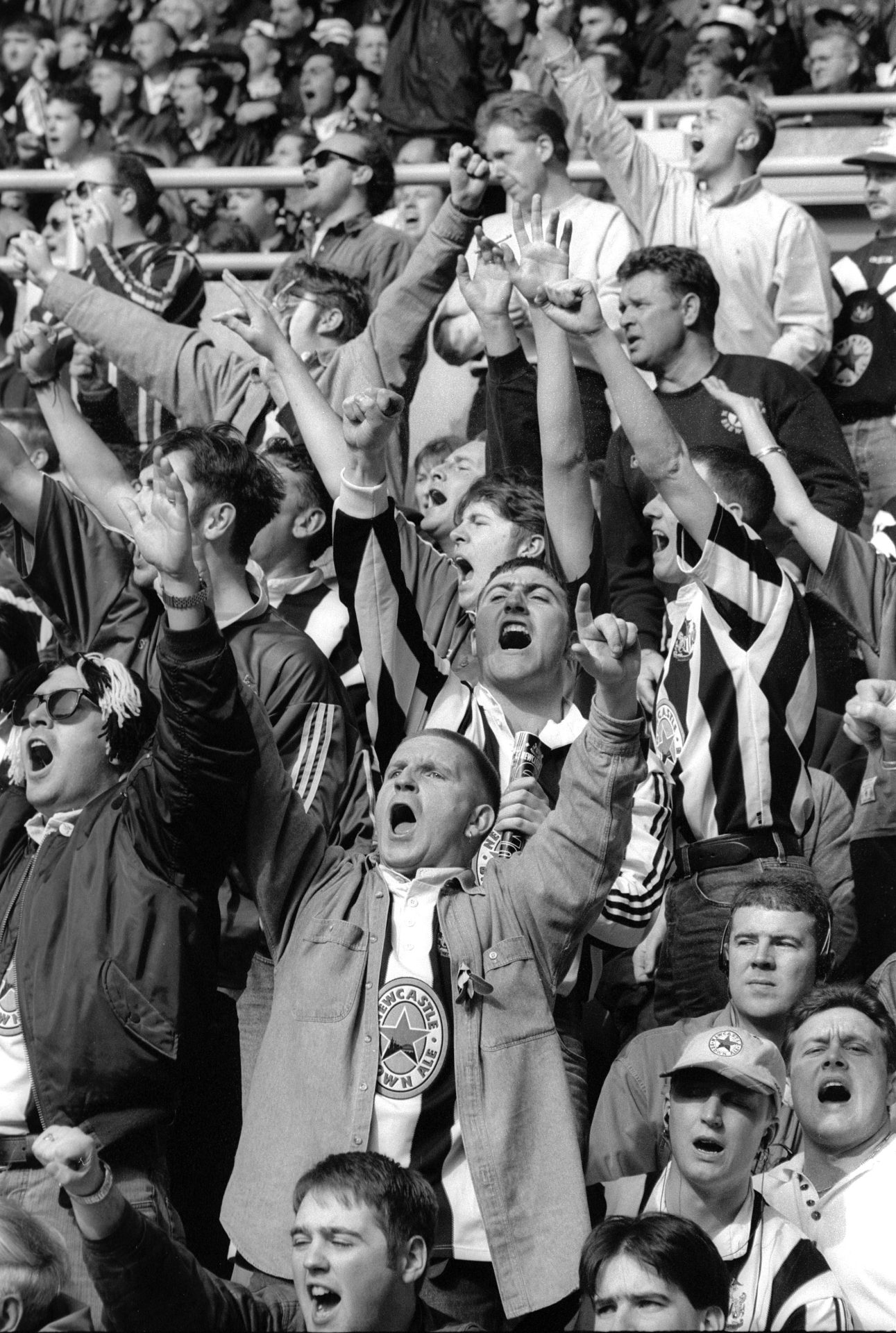
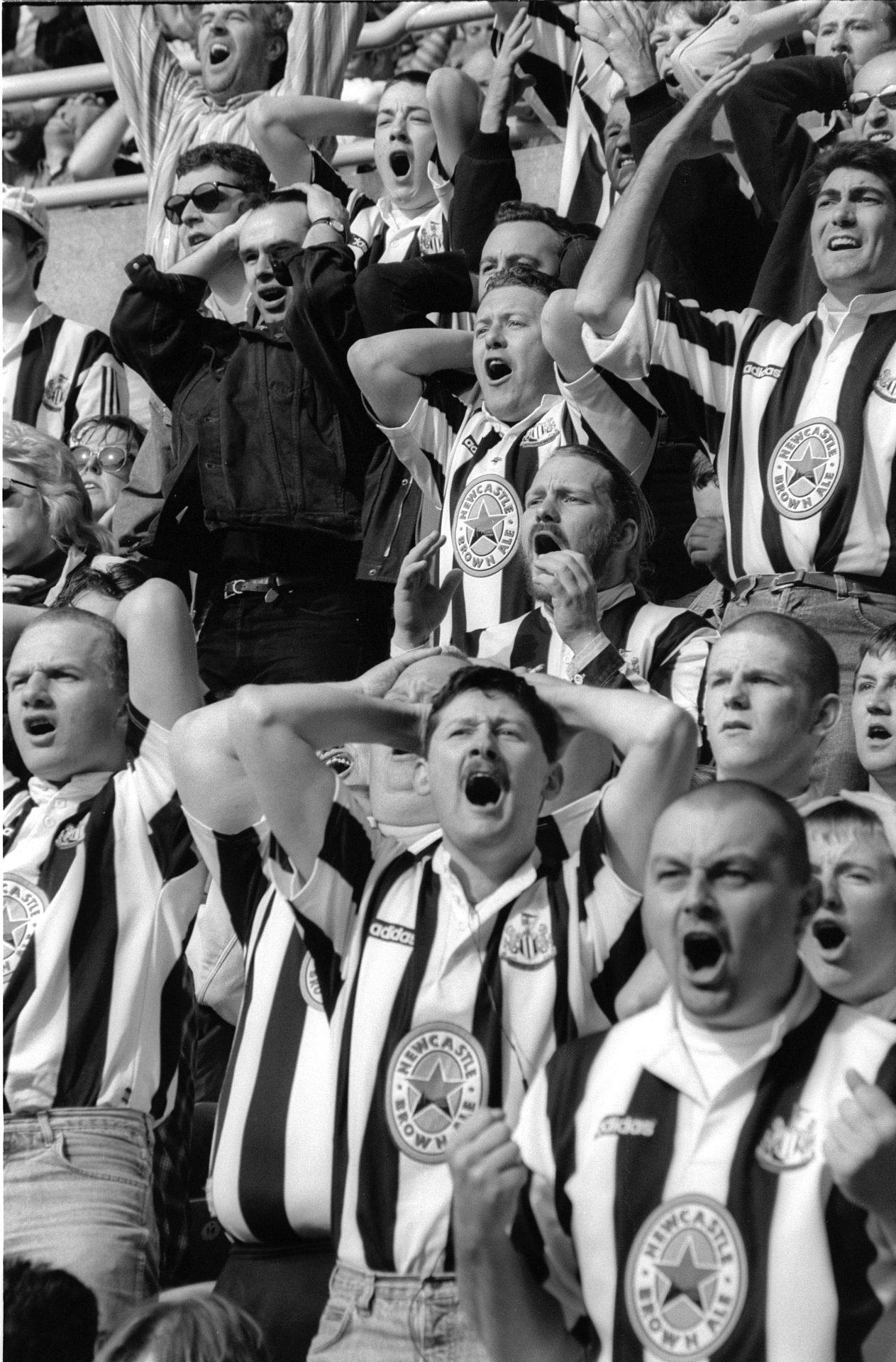
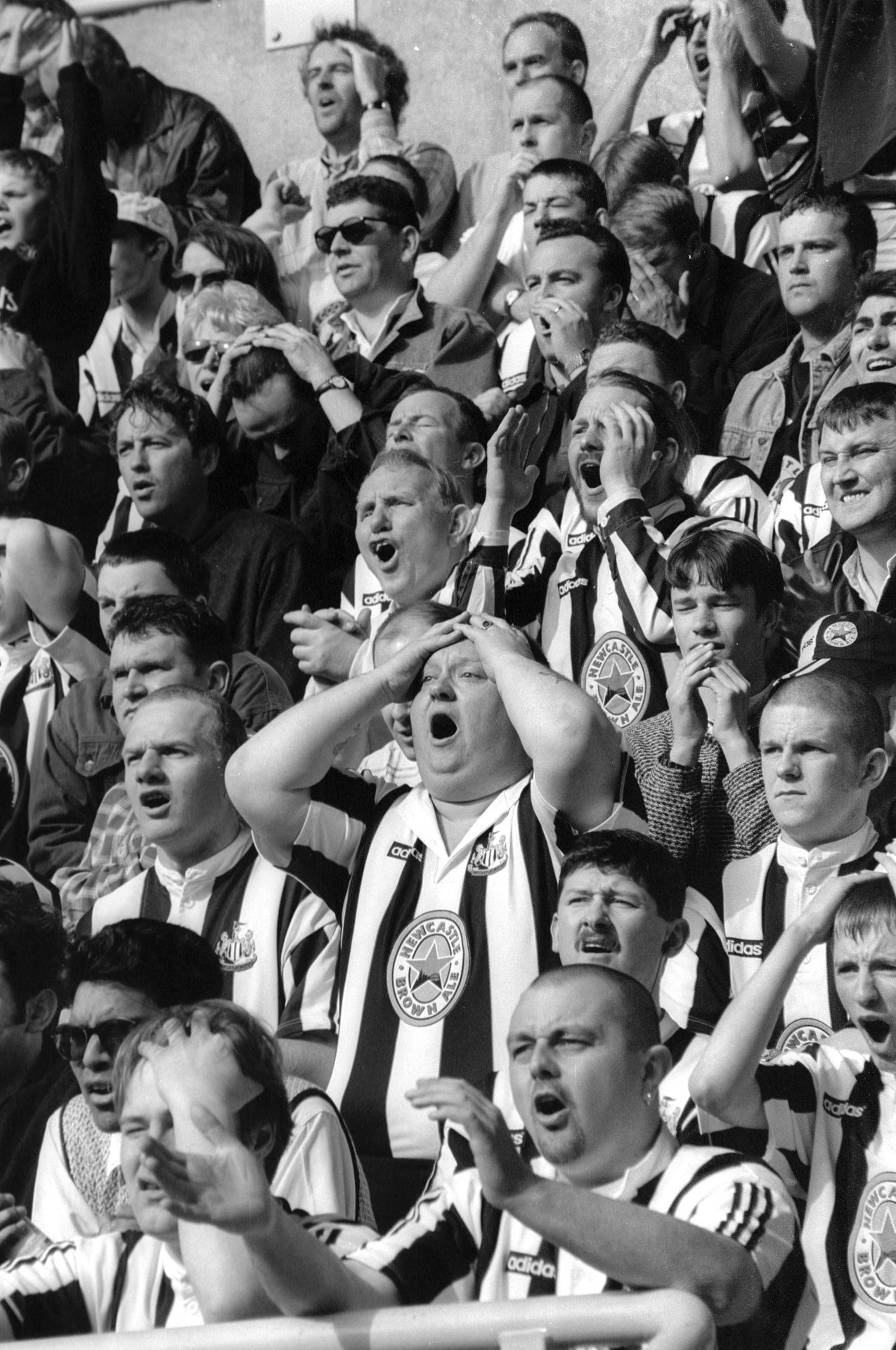
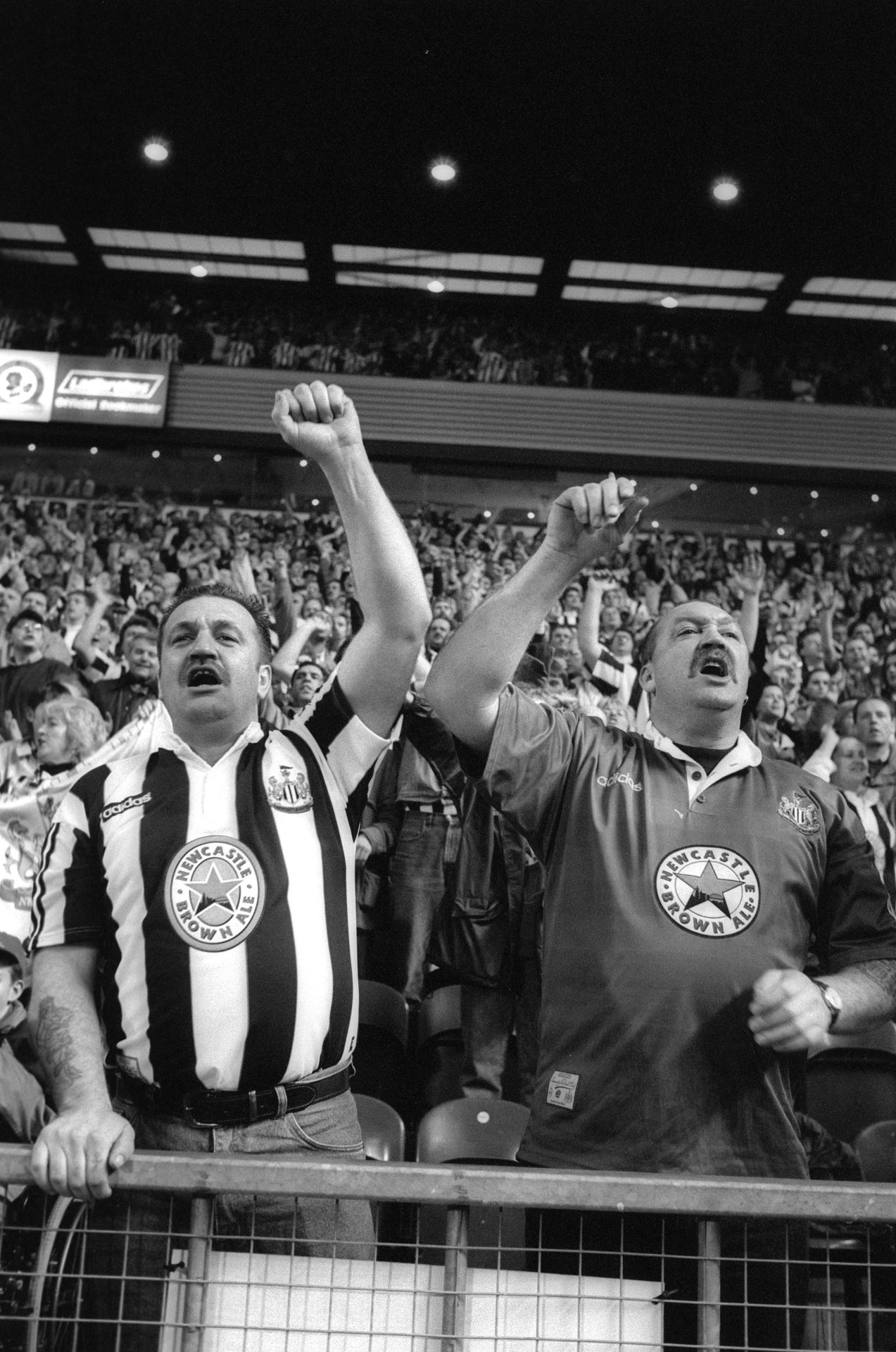
Across nine matches, home and away, between April and September 1996, Pattison concentrated entirely on the people watching.
“I was never tempted to turn around to catch a glance of play,” he says. “The faces in front of me provided a running commentary in themselves, a 90-minute emotional rollercoaster.”
Thirty years later, those faces remain the strength of the work.
Hope, tension, disbelief, frustration and celebration appear across the series. There are no goals and no famous players. Instead, the photographs show what those moments felt like from the stands.
Explore the Toon Army 1996 Lower Block Edition →
Newcastle United on the Brink
By Christmas 1995, Newcastle were 10 points clear of Manchester United at the top of the Premier League.
David Ginola and Les Ferdinand had joined an attacking side already transformed under Keegan, with Tino Asprilla arriving in February 1996.
Then the momentum began to change.
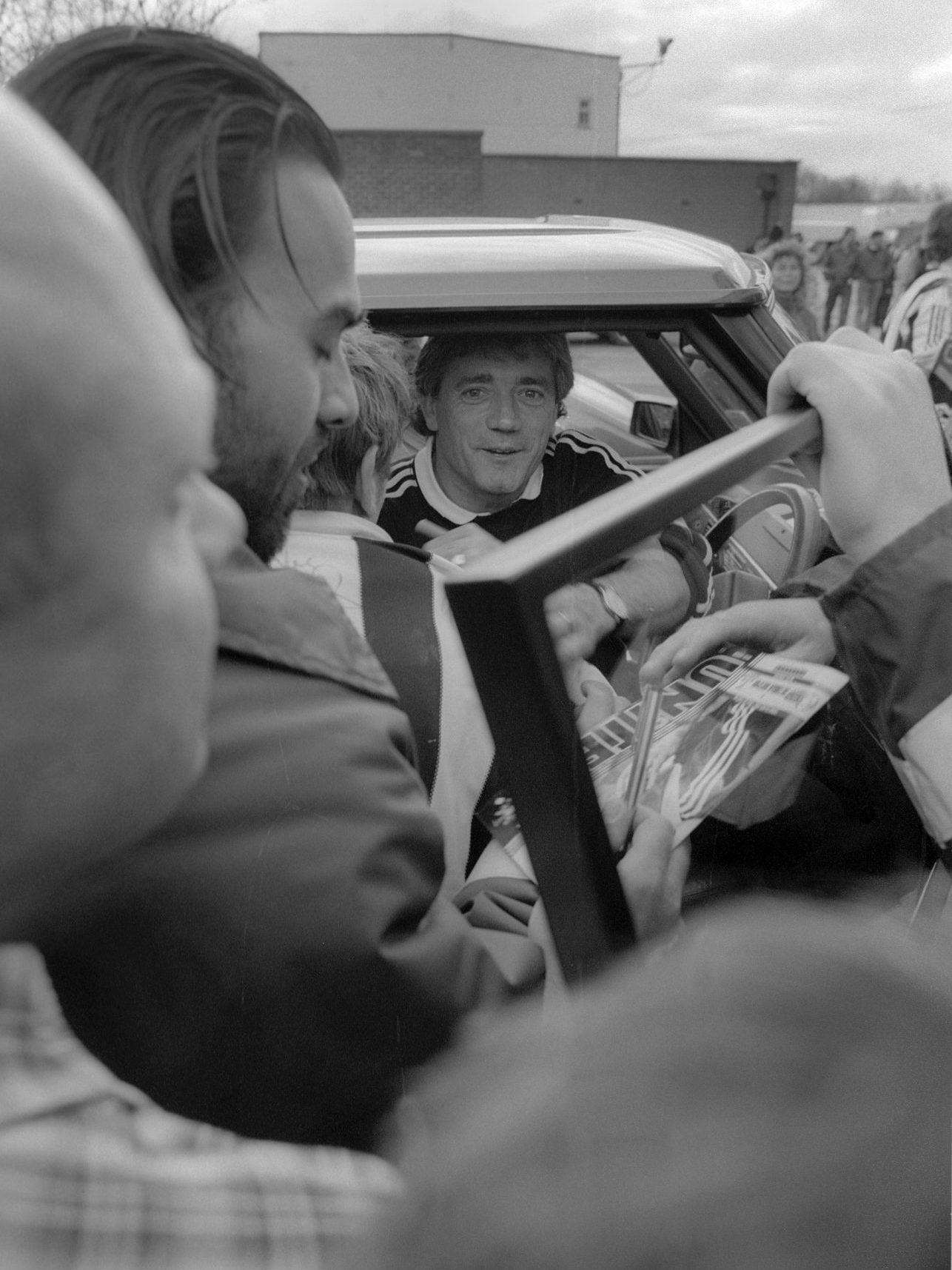
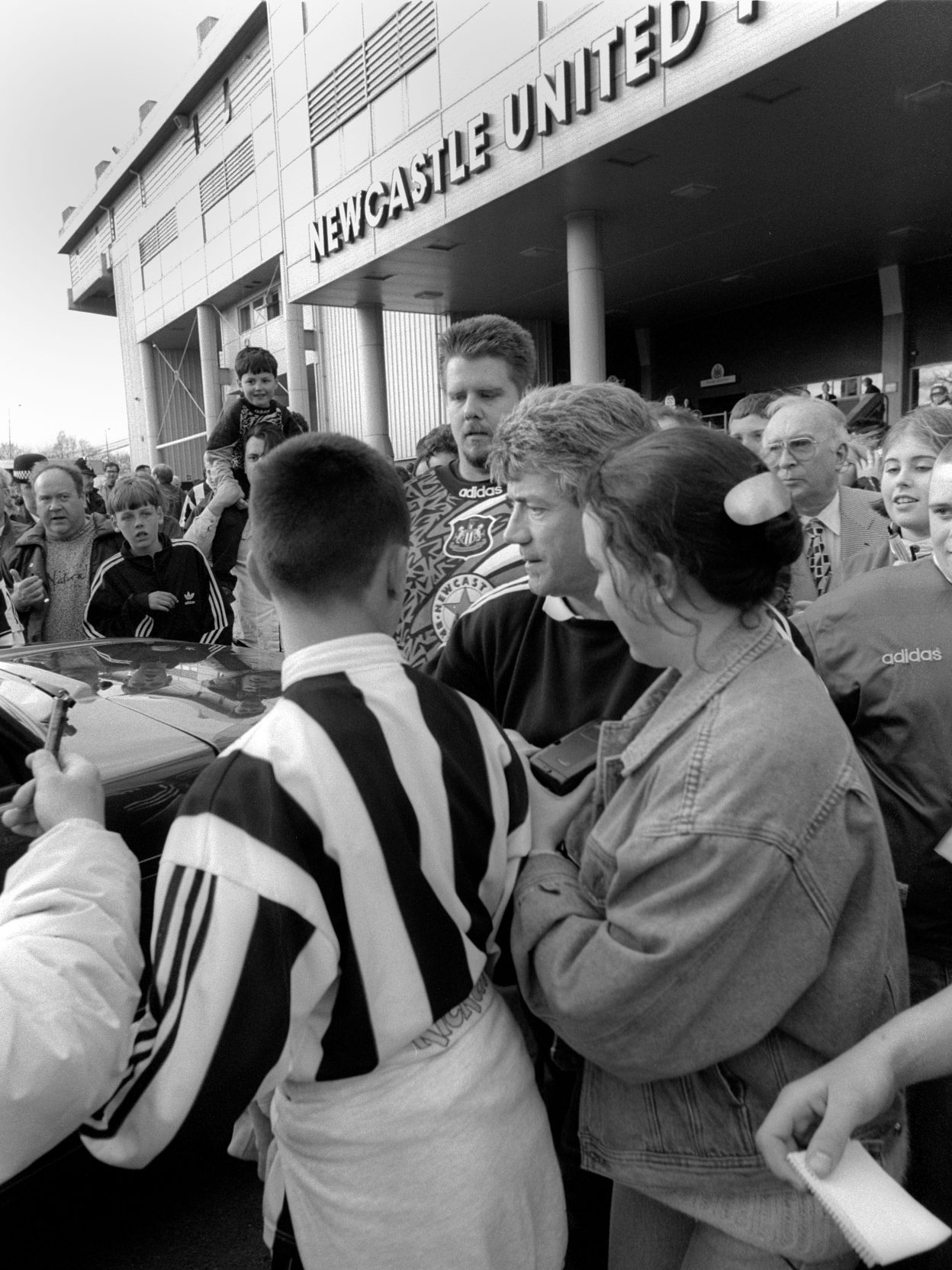
The famous 4–3 defeat at Liverpool in April became symbolic of a title challenge slipping away, while Keegan’s impassioned “I will love it if we beat them; love it” response to Alex Ferguson became part of Premier League folklore.
Newcastle eventually finished second.
The following season brought another attempt.
Alan Shearer arrived for a then world-record £15 million and Newcastle memorably beat Manchester United 5–0 at St James’ Park.
But Keegan resigned in January 1997. Kenny Dalglish took over and Newcastle again ended the season as Premier League runners-up.
They remain the club’s two best Premier League finishes.

Photographing the Toon Army
Pattison’s project was never intended as conventional football photography.
The football itself became almost irrelevant to the images.
Instead, he used the crowd as the subject – individuals and groups experiencing the match together, their expressions providing everything required to understand what was happening.
The photographs were originally created as part of the 1996 Year of Visual Arts in the North of England.
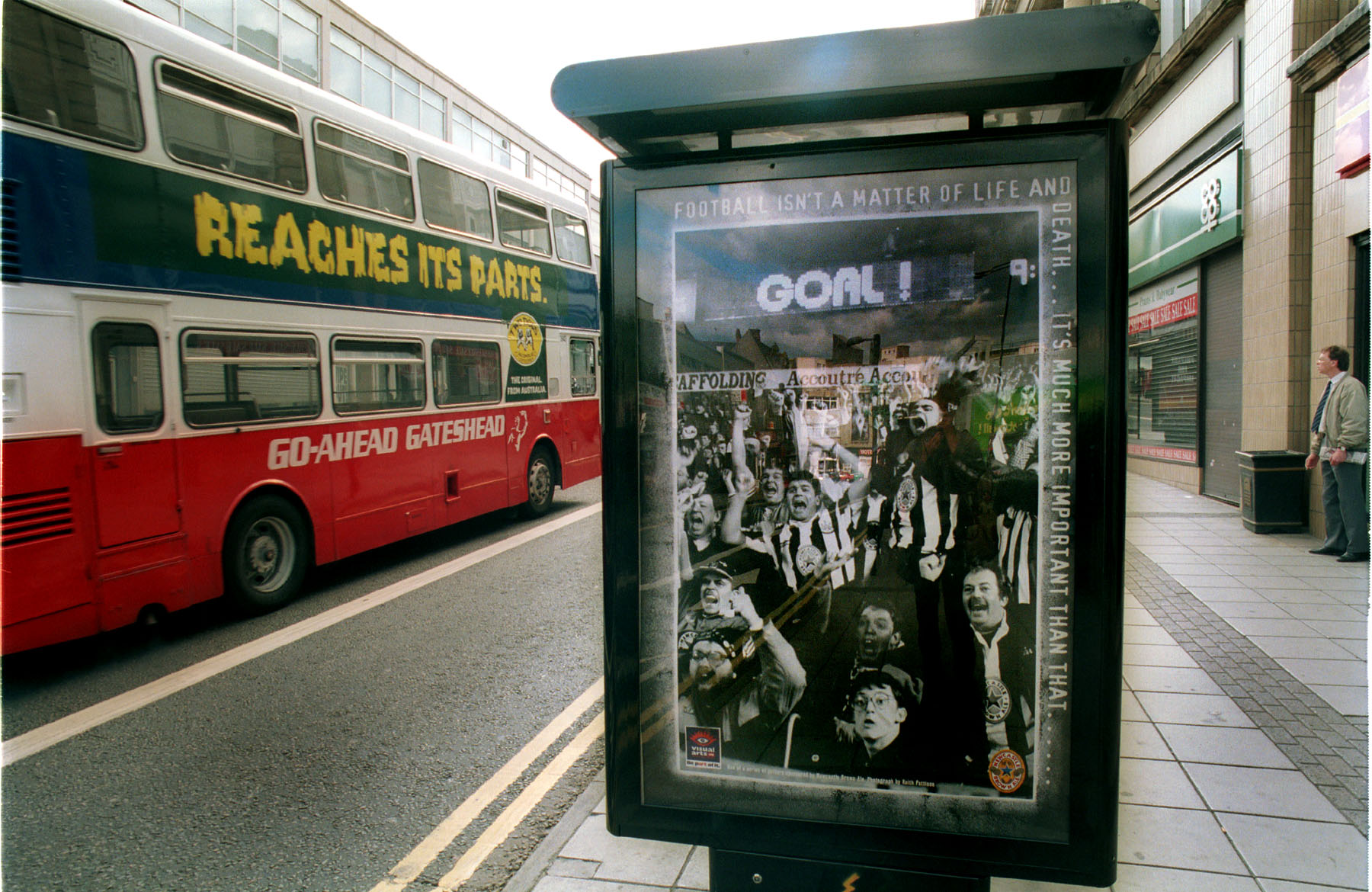
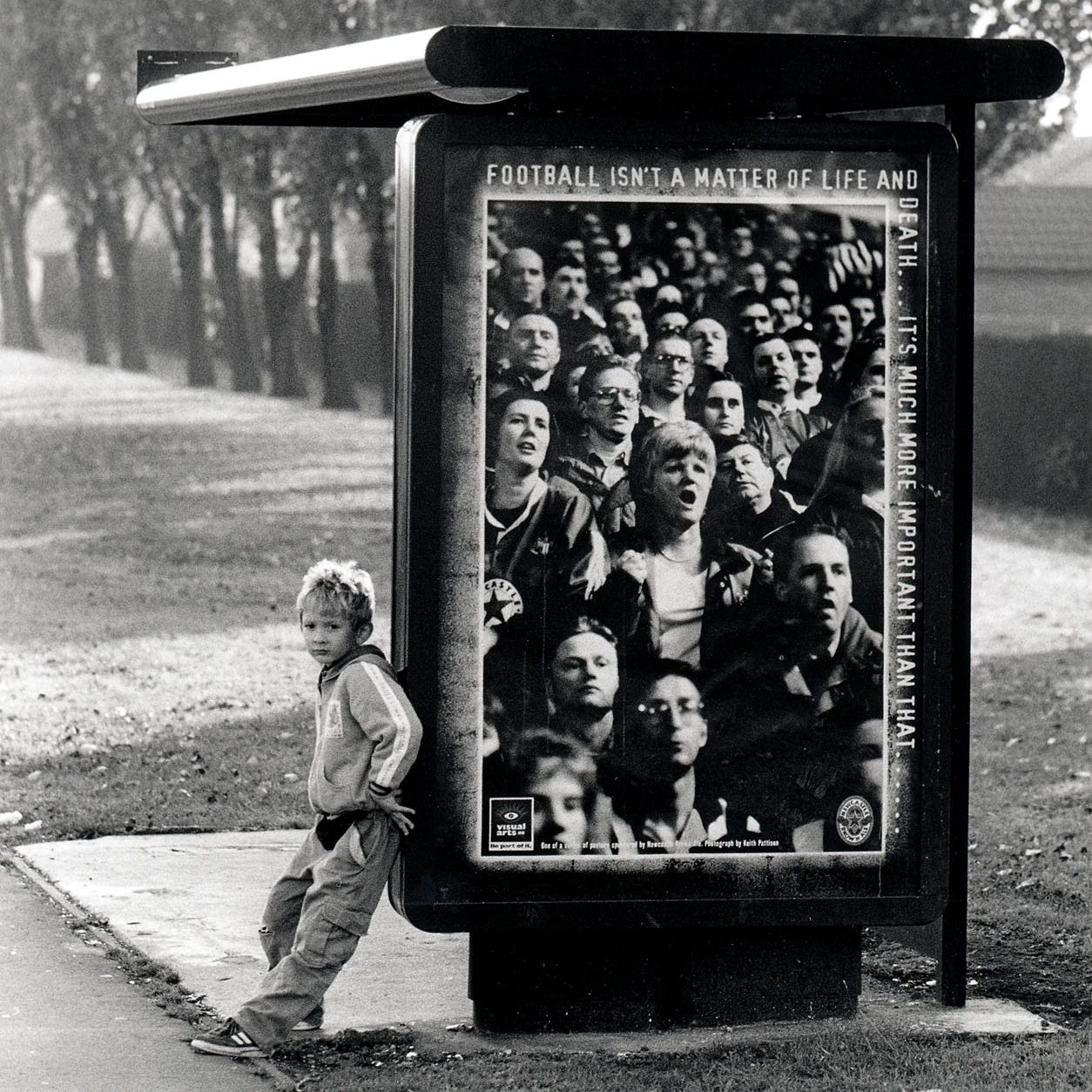
Pattison pitched an ambitious idea to Newcastle Breweries: display portraits of Newcastle supporters across bus shelters throughout the North East.
“Amazingly they said yes,” he recalls.
Ten images eventually appeared across 800 bus shelters.
The project went on to win a Financial Times Business Sponsorship Award, providing funding for Pattison to take the work considerably further.
50,000 Supporters as One
The bus shelter portraits had concentrated on individuals and small groups.
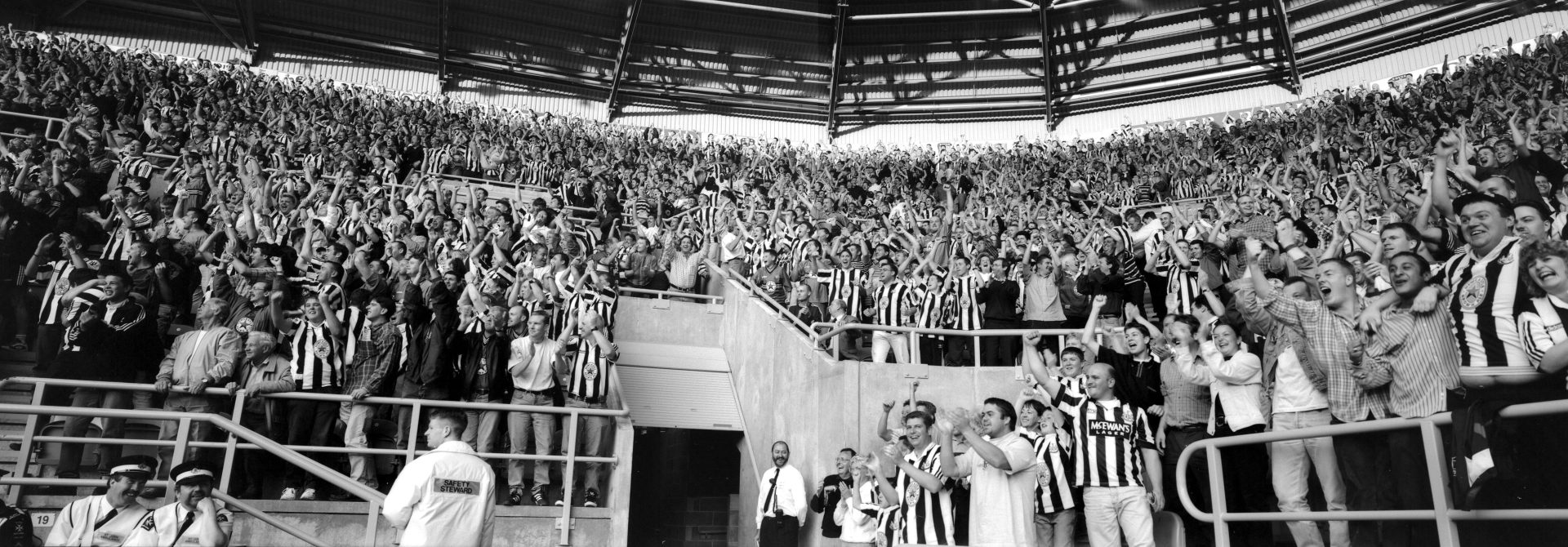
Pattison now wanted to document something different: the collective energy inside St James’ Park.
“What they failed to convey was the energy of a crowd of 50,000 united as one, on a ninety minute emotional rollercoaster.”
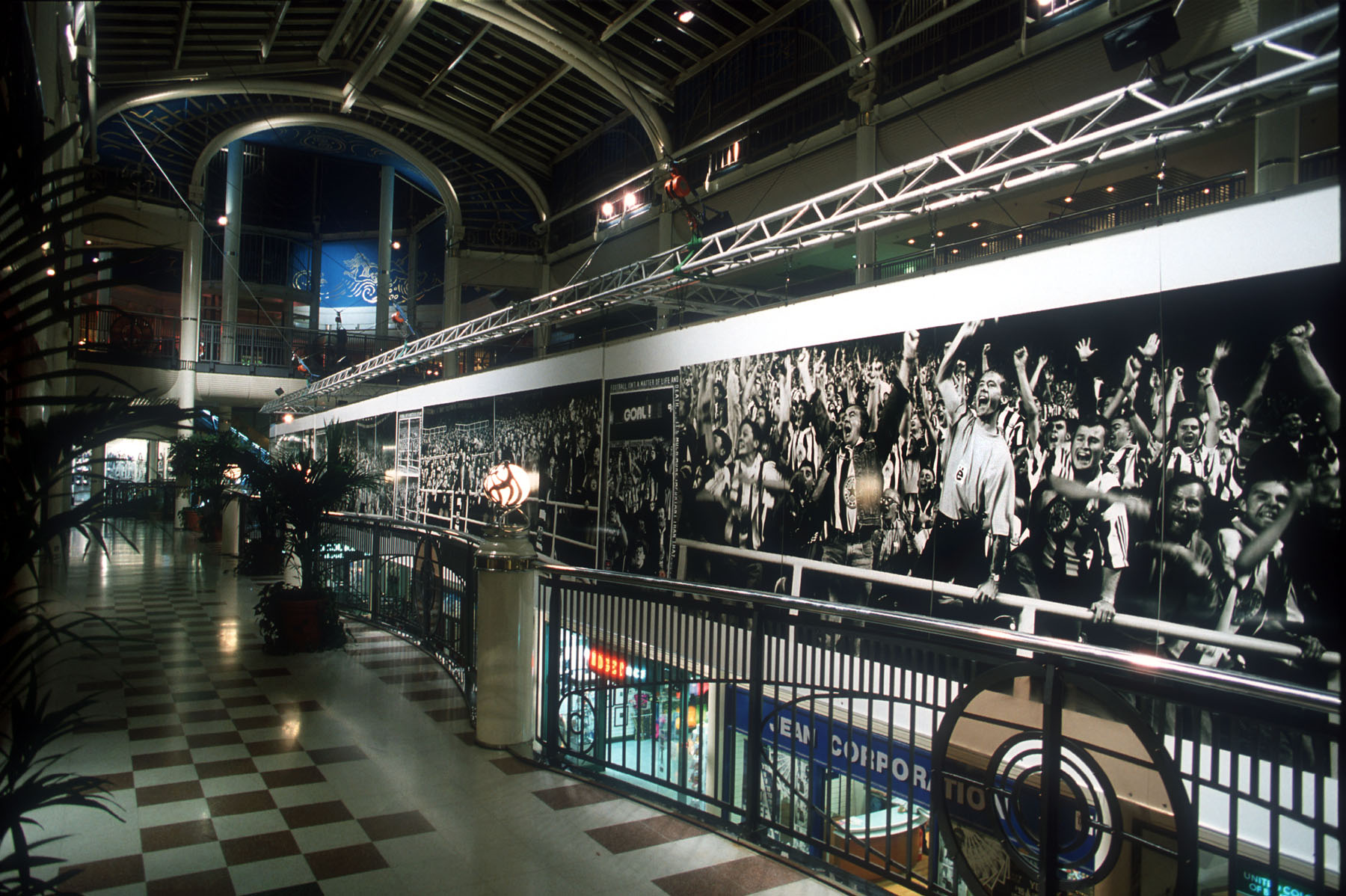
He hired a panoramic camera with a 90-degree field of view.
Each roll provided only four photographs, making timing critical.
The huge negatives provided the quality required to create black-and-white prints measuring as much as 16ft by 6ft for a major exhibition in Newcastle.
“The last match I photographed was on September 14, the exhibition opened on September 30 thanks to the highly skilled and motivated – all Newcastle fans – printers at the photo lab.”
For Pattison, the ambition of the project now seems almost as remarkable as the photographs themselves.
“Looking back, the big surprise was that everyone said yes. 800 bus shelters, why not? An 80ft gantry in a busy shopping mall, installed in a day with the help of friends and neighbours? No problem.”
From Newcastle to the World Cup
The photographs did not remain in Newcastle.
They were subsequently displayed by the British Council during the 1998 World Cup in Paris before touring France.
The work was also exhibited at Newcastle’s Laing Art Gallery and later along the famous long corridor of the Royal Victoria Infirmary.
Pattison jokes:
“I have no information as to whether it affected patient outcomes.”
What began as a photographic study of Newcastle supporters during one extraordinary period had developed into a substantial visual archive of football fandom.
Thirty Years Later
Time has added another layer to Pattison’s photographs.
The supporters, clothes, stadium details and atmosphere belong unmistakably to another period of English football.
There are no phones held above heads. Attention is fixed almost entirely on the game.
But the emotions remain immediately recognisable.
That is what makes the series endure.
Pattison did not need to photograph Shearer, Ginola, Ferdinand or Asprilla to document the significance of those seasons.
He photographed the people living through them.
Thirty years later, Toon Army 1996 remains a record of Newcastle United supporters at a moment when their club came agonisingly close to becoming champions of England – and of the pride, tension and belief that filled the terraces along the way.
Toon Army 1996 Edition & Prints
-
 Toon Army 1996Price range: £40.00 through £75.00
 -
 Toon Army 1996 | Keith Pattison£8.50
More from the Lower Block Archive