From Sheffield’s cutlers to the nail makers of Belper, a celebration of the people whose work gave British football some of its best names.
Ask someone from Sheffield who they support and a single word can tell you two things. “Blades” puts them on the United side of the city. It also tells you what Sheffield made. Long before it was an answer to a football question, a blade was the thing a local cutler put his edge on.
There’s a working history of Britain in the names supporters use for their clubs. Some take you inside a shipyard or a steelworks. Others take you somewhere smaller, like the family workshops in Derbyshire where people earned a living making nails. One of the pleasures of football is that you can still hear the names of those trades on a Saturday.
Steel, ships and handmade nails
Sheffield United – The Blades
Sheffield made knives and cutlery famous around the world. “Blades” once did duty as a nickname for several of the city’s sporting sides. It’s at Bramall Lane that it stuck.

West Ham United – The Hammers / The Irons
Few clubs can trace the connection quite so directly. In 1895, a foreman at the Thames Ironworks and Shipbuilding Company asked to start a football team for the employees. There’s a fair bit of East End history in the cry of “Come on you Irons”.

Motherwell – The Steelmen
For families around Fir Park, steel meant a wage, and Ravenscraig was where many earned it. When Motherwell won the Scottish Cup in 1991, supporters were celebrating with the future of the steelworks hanging over the town. It gives “Steelmen” a particular weight.
Belper Town – The Nailers
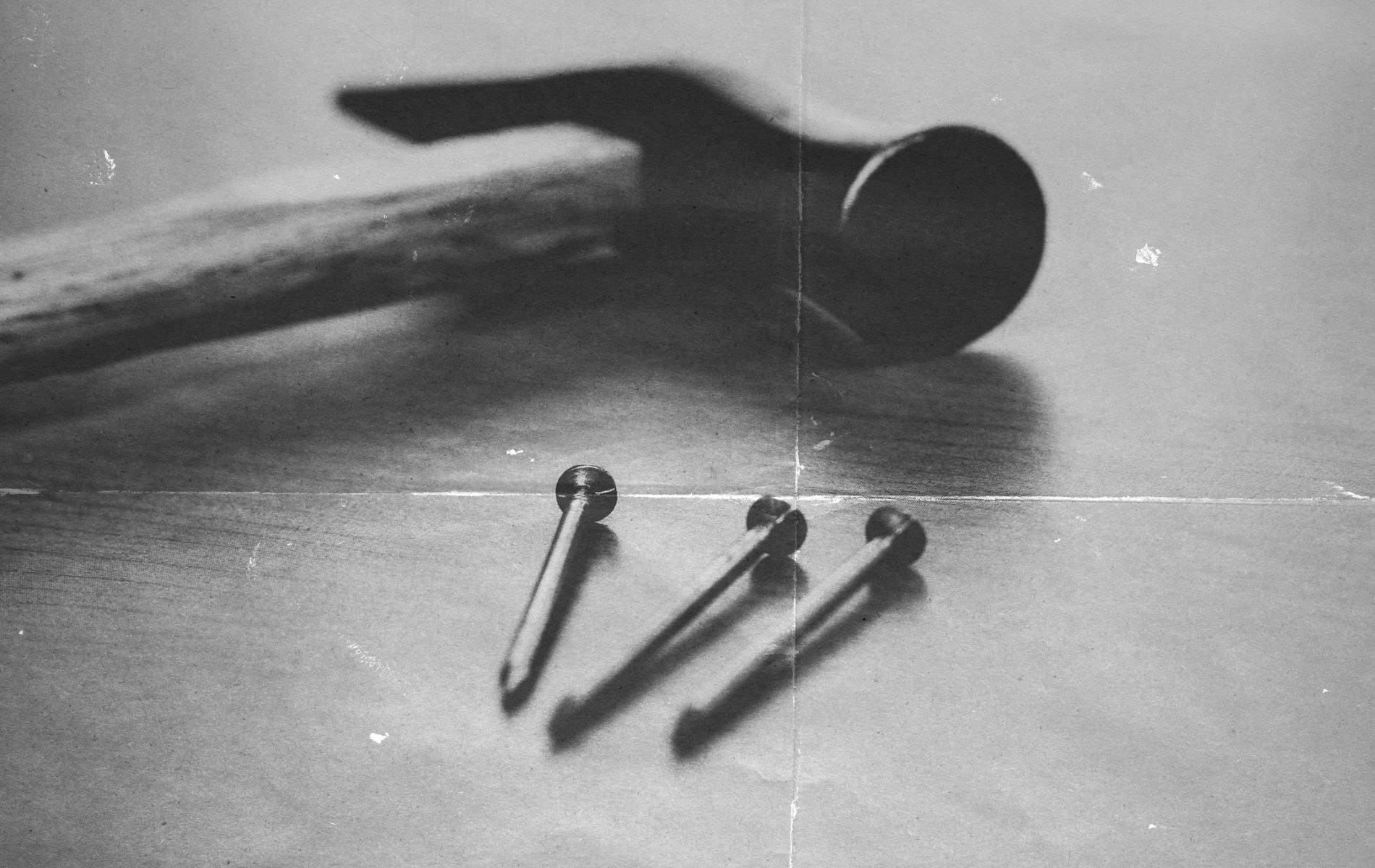
In this Derbyshire town, families worked together making nails by hand. Machinery eventually took over the trade. Belper Town kept the name, giving one of British football’s most distinctive nicknames to a job few people would think to mention today.
Two towns, two kinds of hat
Stockport County – The Hatters
Stockport’s speciality was fur felt. Hat-making took hold here in the 17th century, and what began as work that could supplement a farmer’s income grew into a factory industry. At Edgeley Park, the people who made the hats still have their name on the team.
Luton Town – The Hatters
Same nickname, different material. Luton built its reputation on straw hats, and Town’s earlier nickname, the Straw Plaiters, was more precise still. A sheaf of straw and a straw hat both made it onto the club crest.
Leather, stitches and silk
Northampton Town – The Cobblers
Northampton’s boot and shoe trade gives Town their name. A finished pair depended on several pairs of hands, from cutting the leather to stitching the uppers, traditionally women’s work. All that skill comes under one word at the football.
Walsall – The Saddlers
A few counties over, leather meant saddles. The scale of the trade is hard to picture now. During the First World War, a single Walsall firm supplied the British Army with 100,000 saddles in one year.
Yeovil Town – The Glovers
Glove-making was exacting work. One tool in Somerset’s heritage collection, known locally as a “donkey”, helped makers keep an even number of stitches to the inch. It’s a lovely detail to have in mind the next time you hear Yeovil called the Glovers.
Macclesfield FC – The Silkmen
Macclesfield’s first silk mill opened in 1743. The Cheshire town became known as England’s silk capital, and at Paradise Mill you can still see the handlooms its weavers used. On the terraces at Moss Rose, that history lives on in a single word. Silkmen.

Wood, clay and cut glass
Wycombe Wanderers – The Chairboys
High Wycombe was a centre of furniture-making, with chairs its particular speciality. Football kept the most local detail. Wanderers could only really be the Chairboys.
Stoke City – The Potters
The people who worked Staffordshire clay gave their name to a whole district, the Potteries, as well as its football. Stoke City wear theirs particularly plainly. “The Potters” sits on the badge beneath the red and white stripes.

Stourbridge – The Glassboys
In Stourbridge it was cut glass, and the club has carried that association for generations. Put the Glassboys alongside the Chairboys and the Nailers and you’ve got three places you could pick out on a football map purely by what people there knew how to make.
Which clubs have we missed? Tell us the nickname, the trade behind it and, if someone in your family worked in it, what they made – hello@lowerblock.com
Selected Lower Block Editions

More from the Lower Block Archive