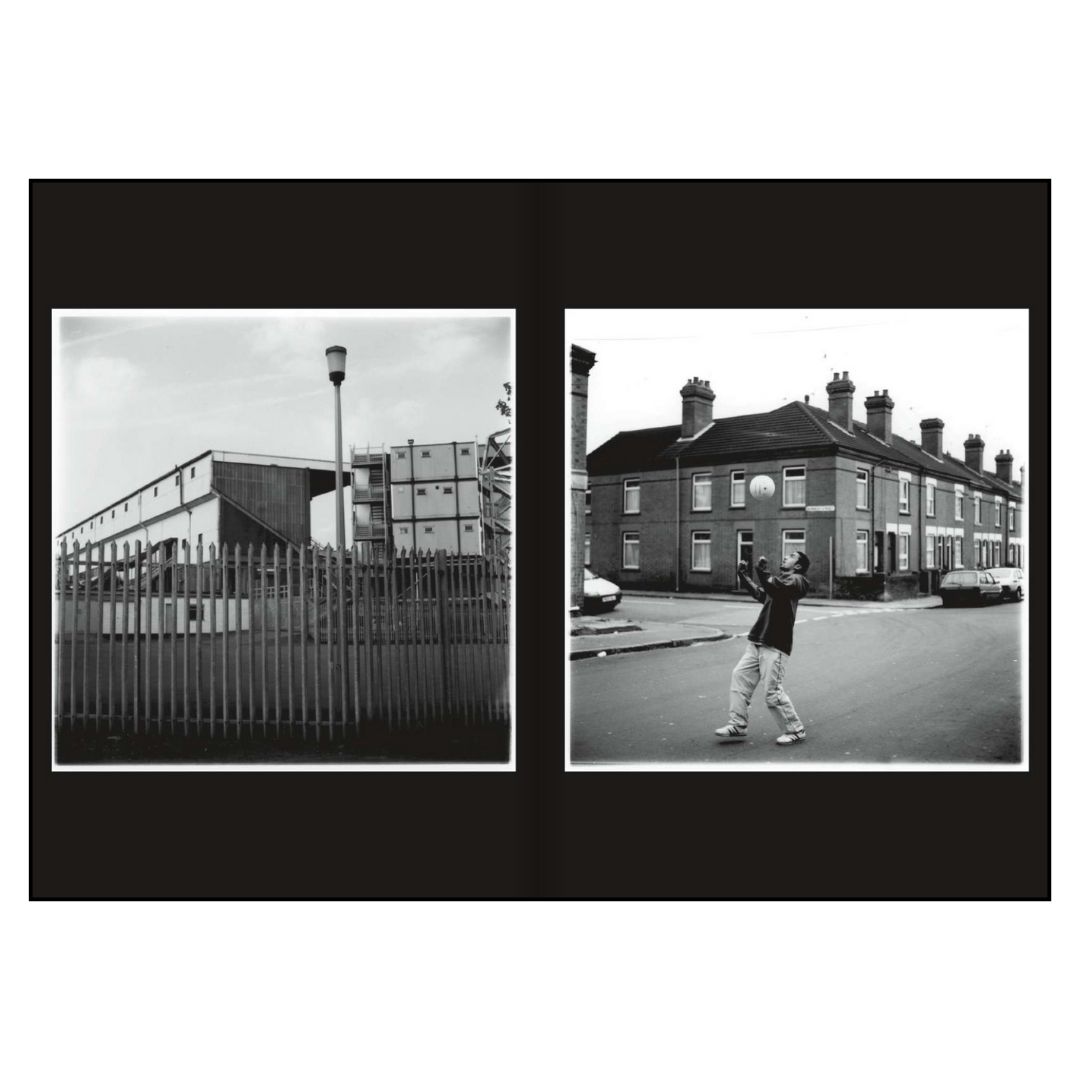
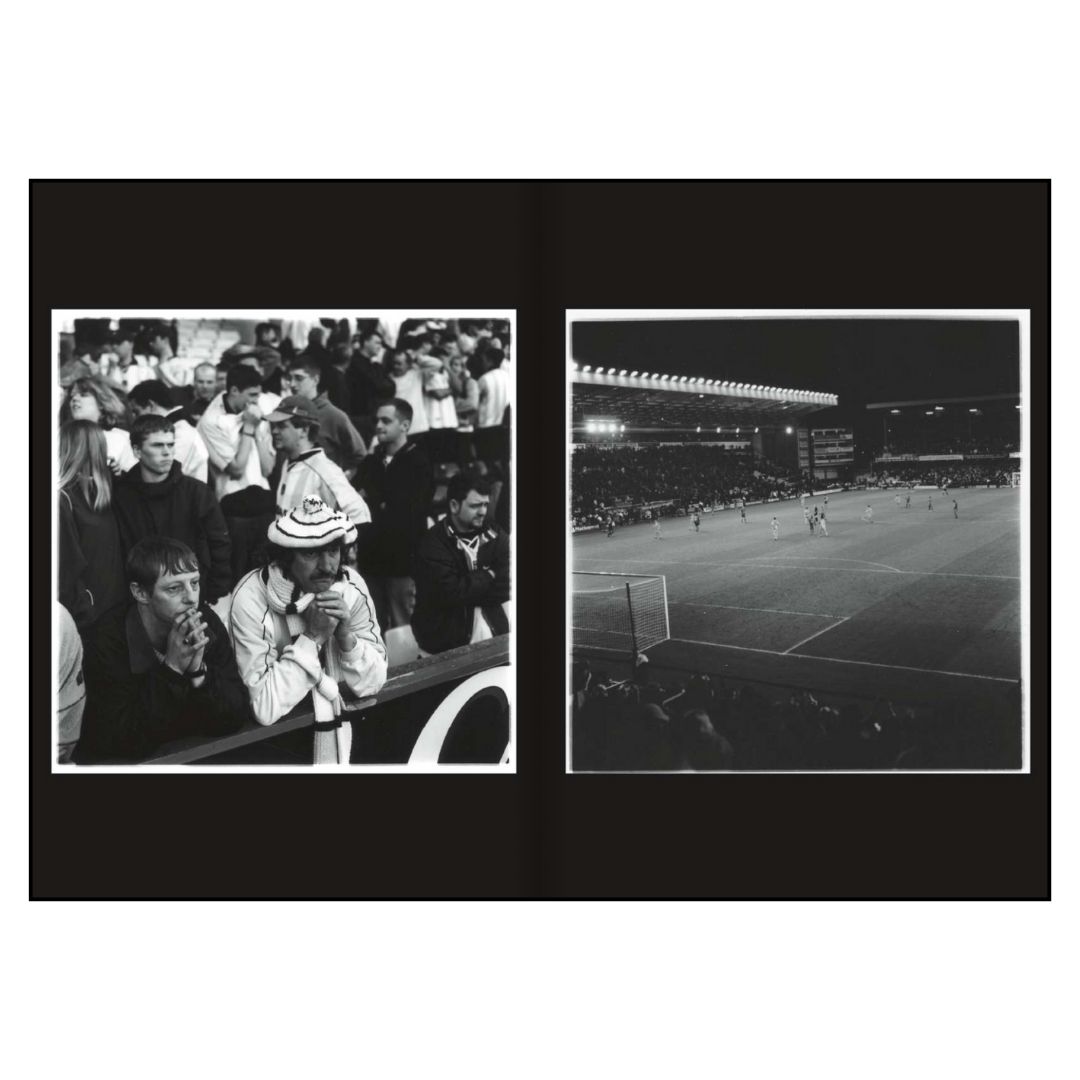
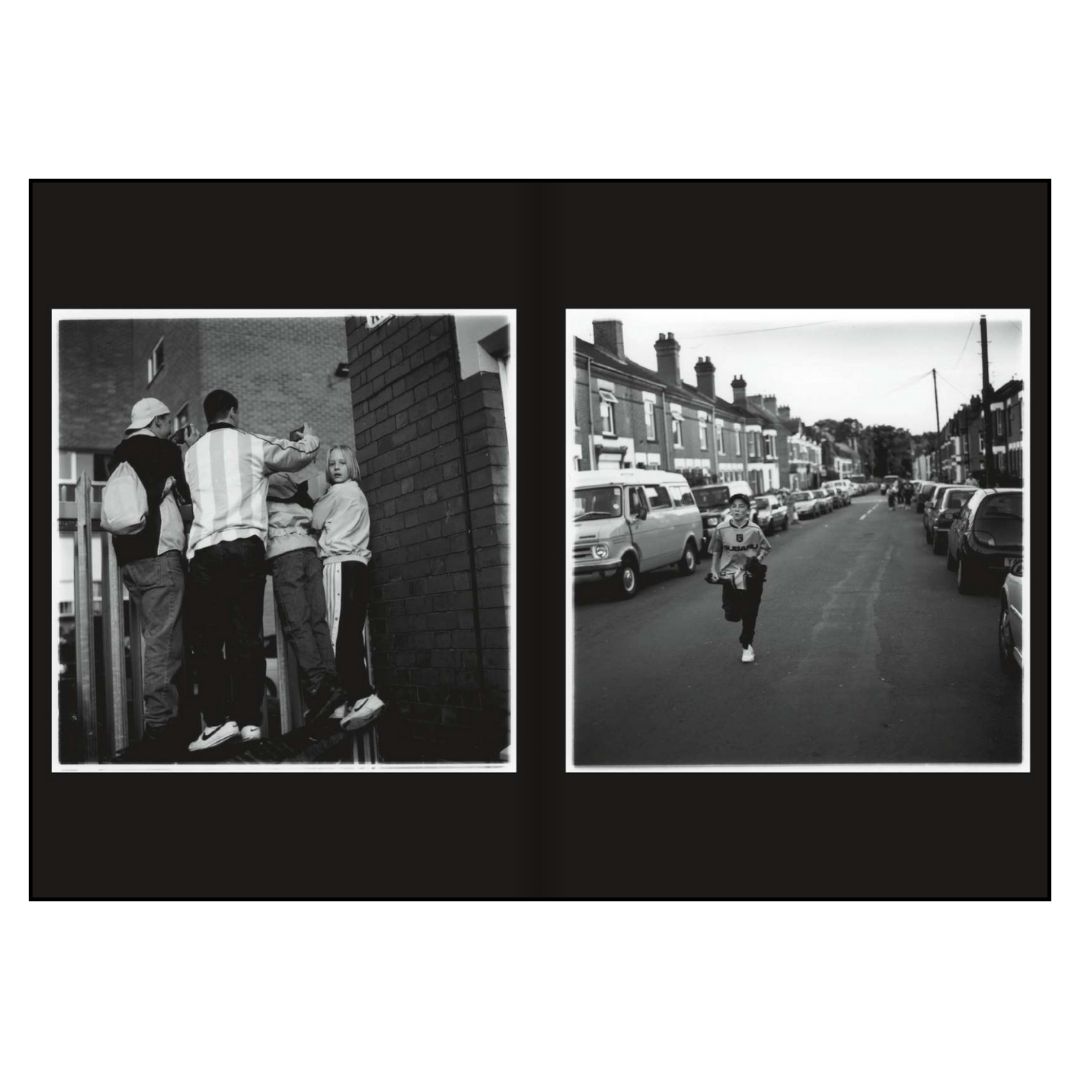
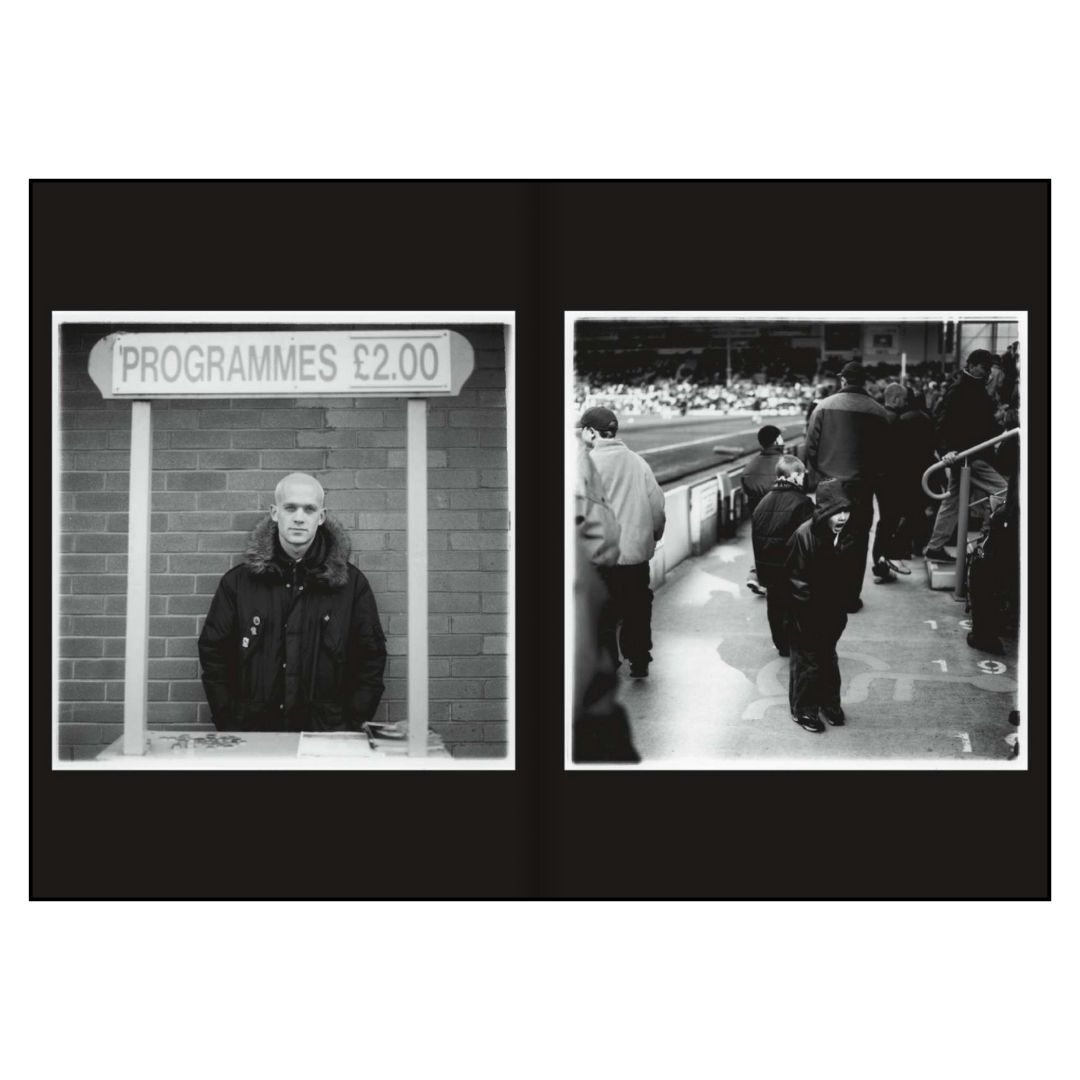
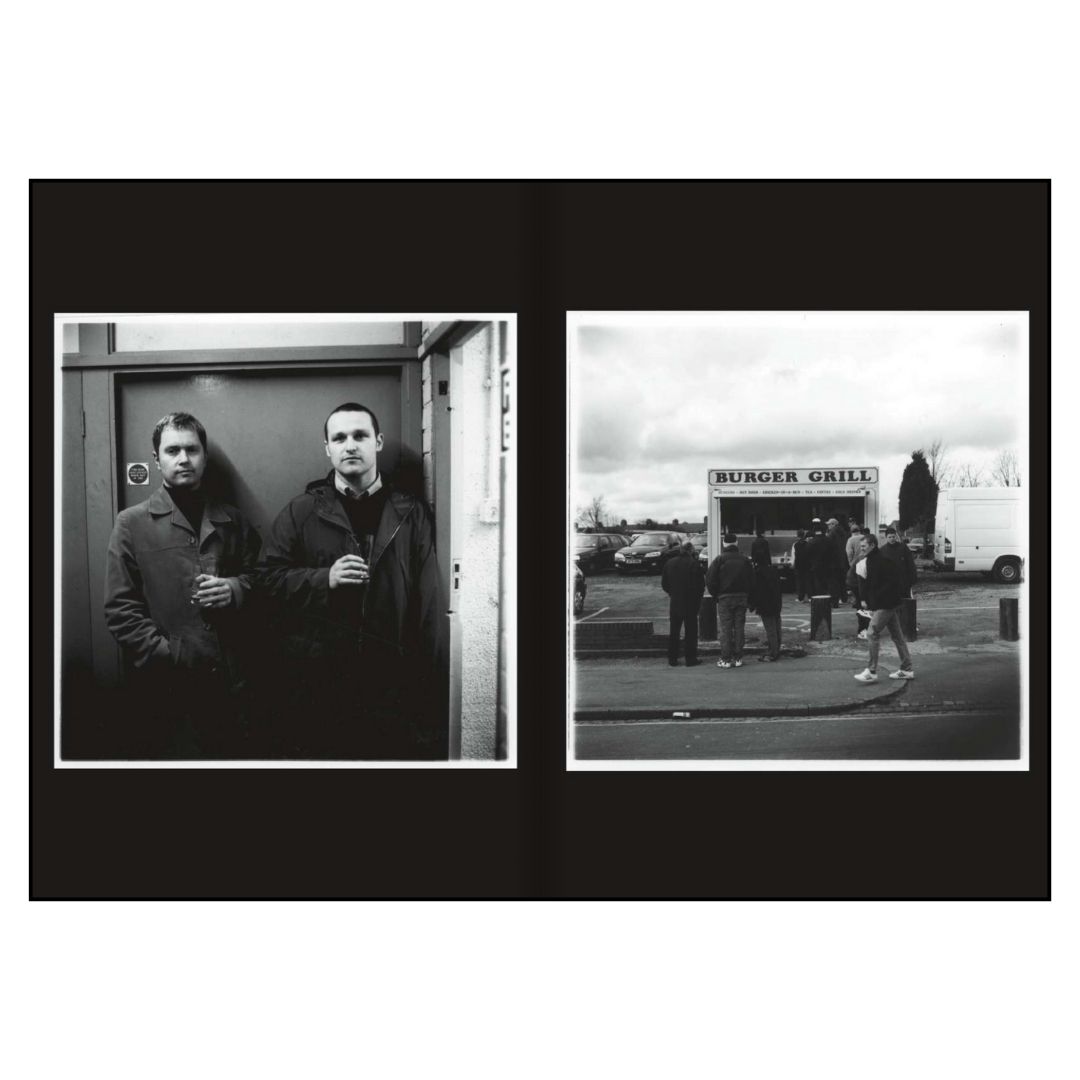
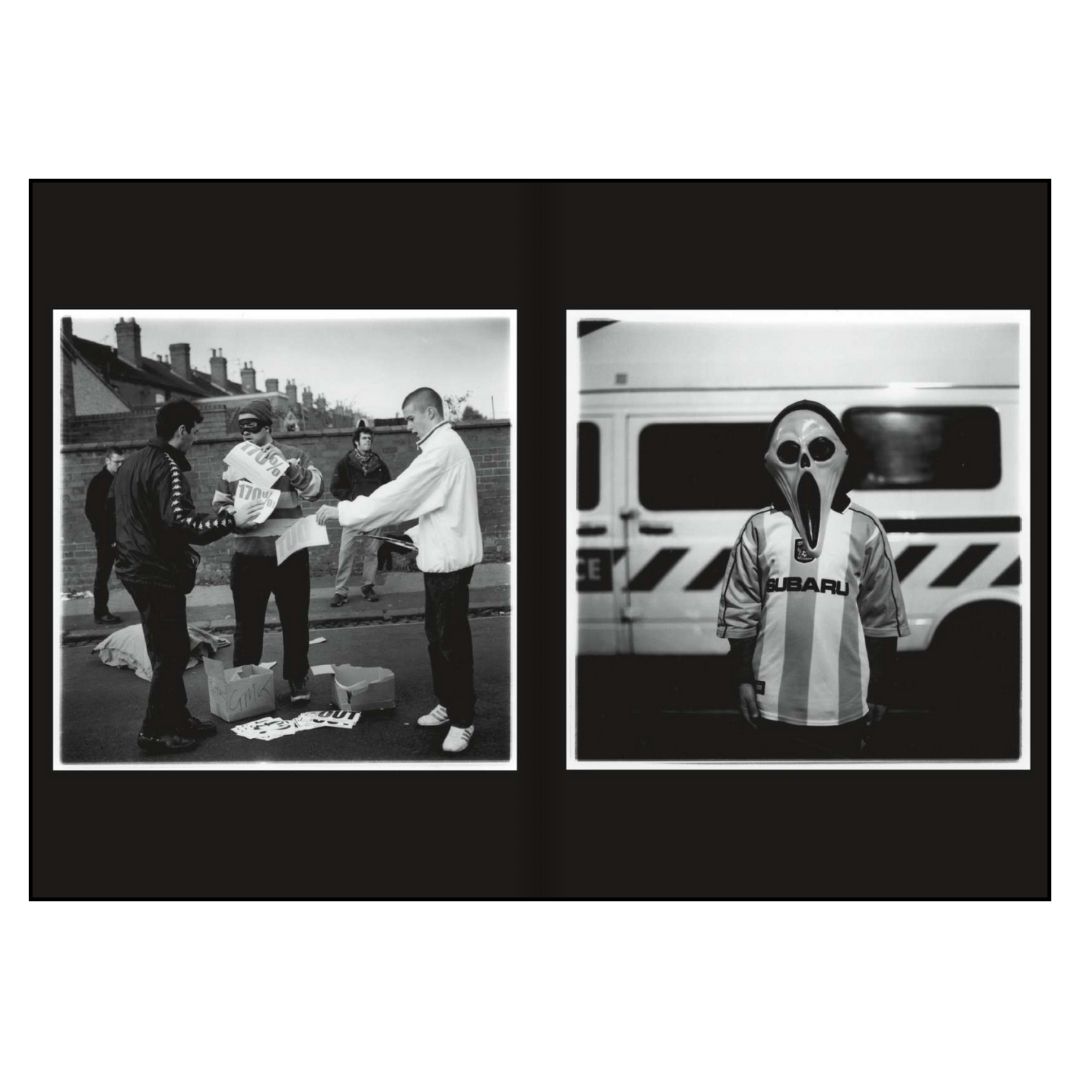
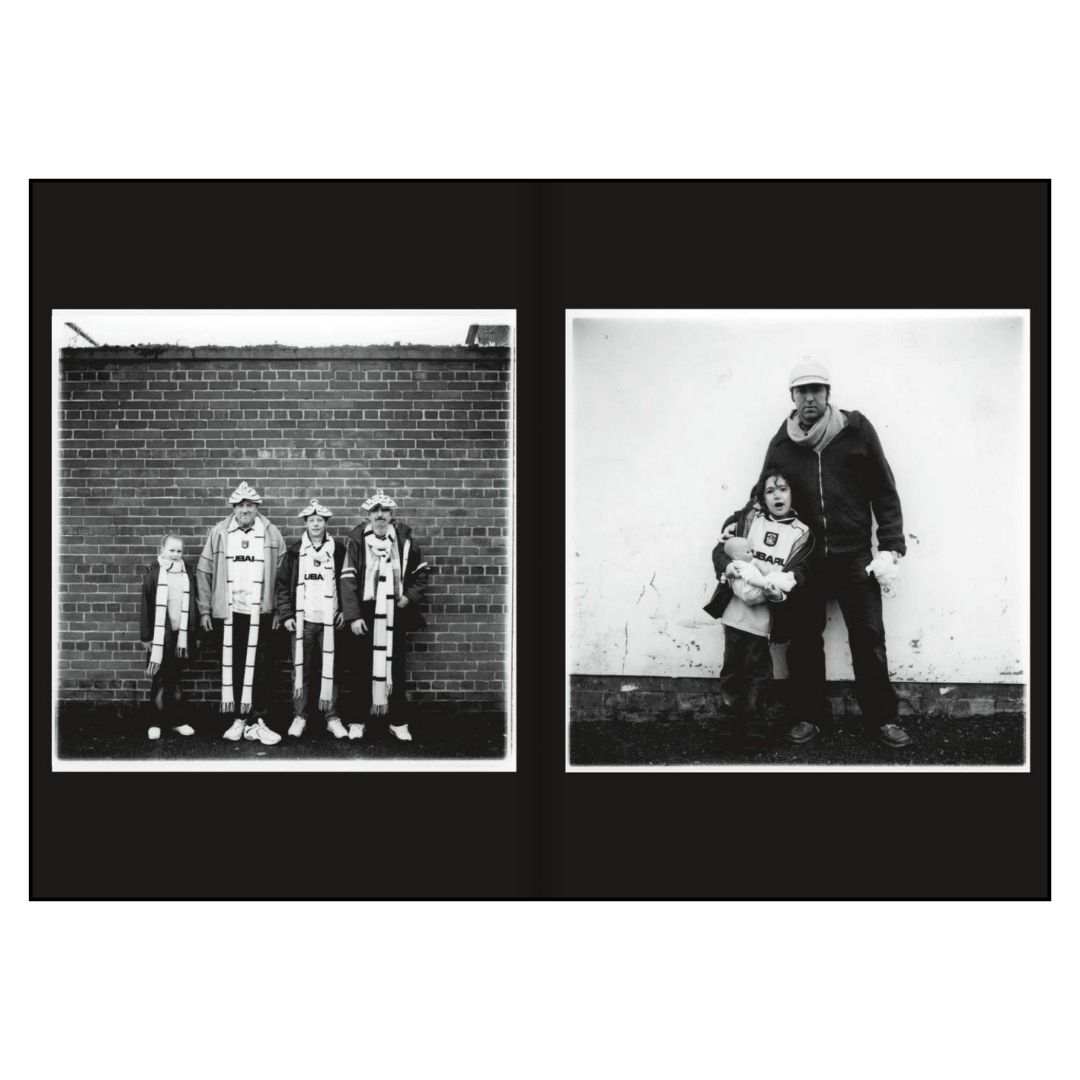
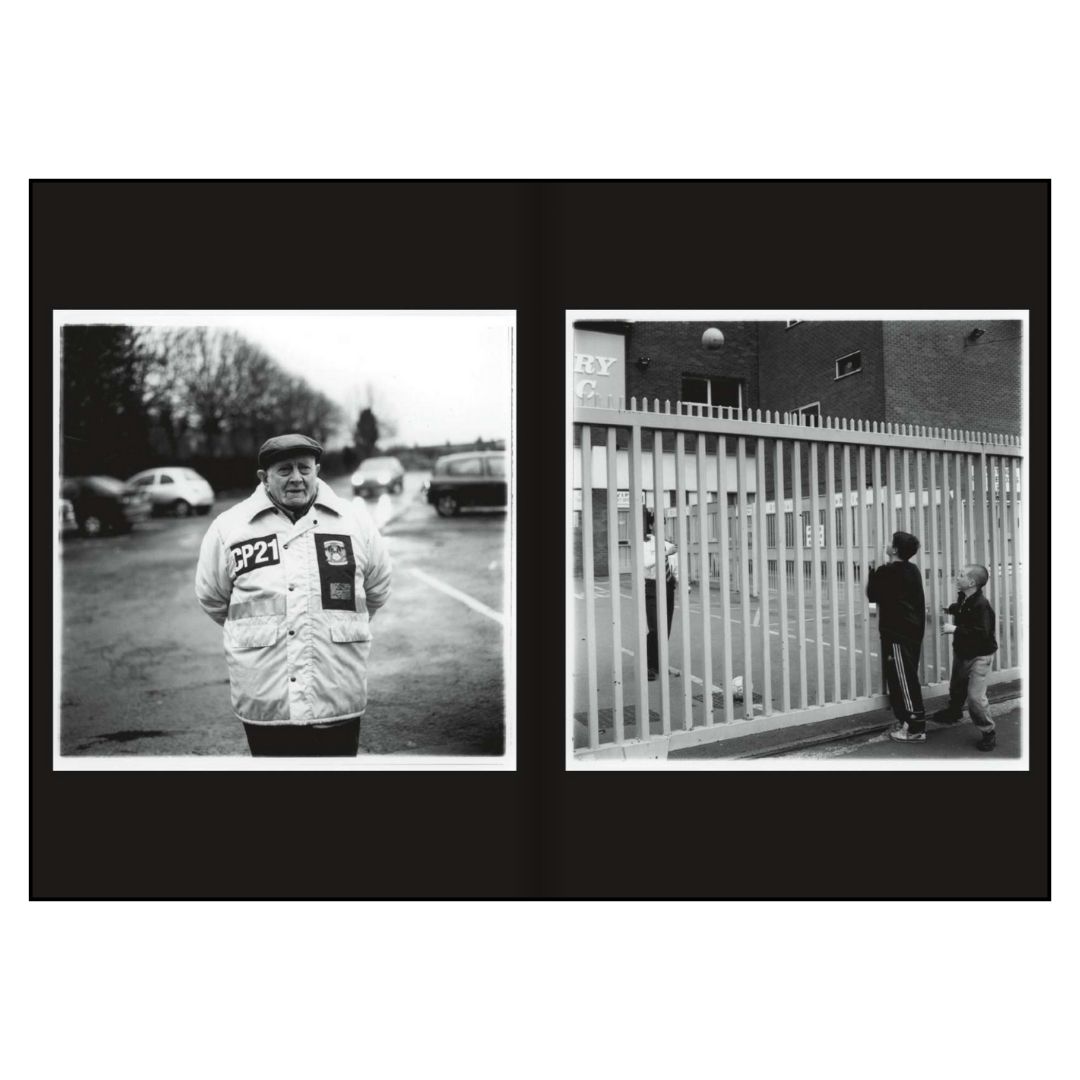
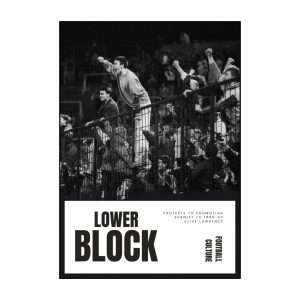
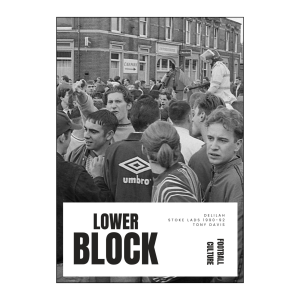
For more than a century Coventry City’s home stood at the heart of its community – these photographs capture the final years of a ground seen through the eyes of someone who grew up with it.
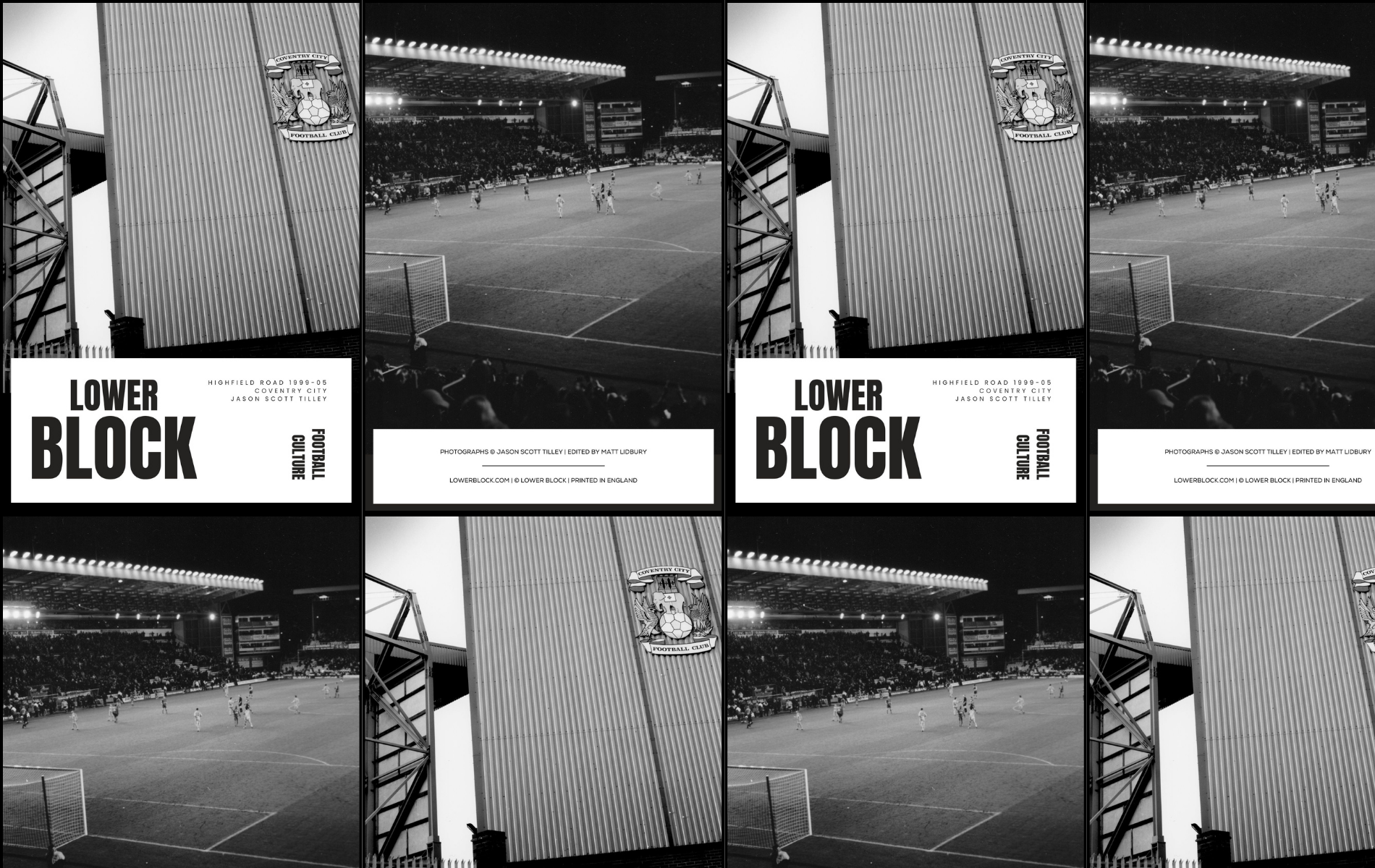
A photographic record of Highfield Road in its final years, this Lower Block Edition documents the everyday spaces, people, and rituals that shaped life in and around Coventry City’s historic home before it disappeared.
The photographs were taken by Jason Scott Tilley, a lifelong Coventry City supporter and former local newspaper photographer. Growing up close enough to hear the roar of the crowd drifting across the city on Saturday afternoons, Tilley’s relationship with the club began long before he ever picked up a camera. That proximity shaped both his loyalty to Coventry and his instinct to observe football as lived experience – something felt on streets, terraces, and touchlines, not just played on the pitch.
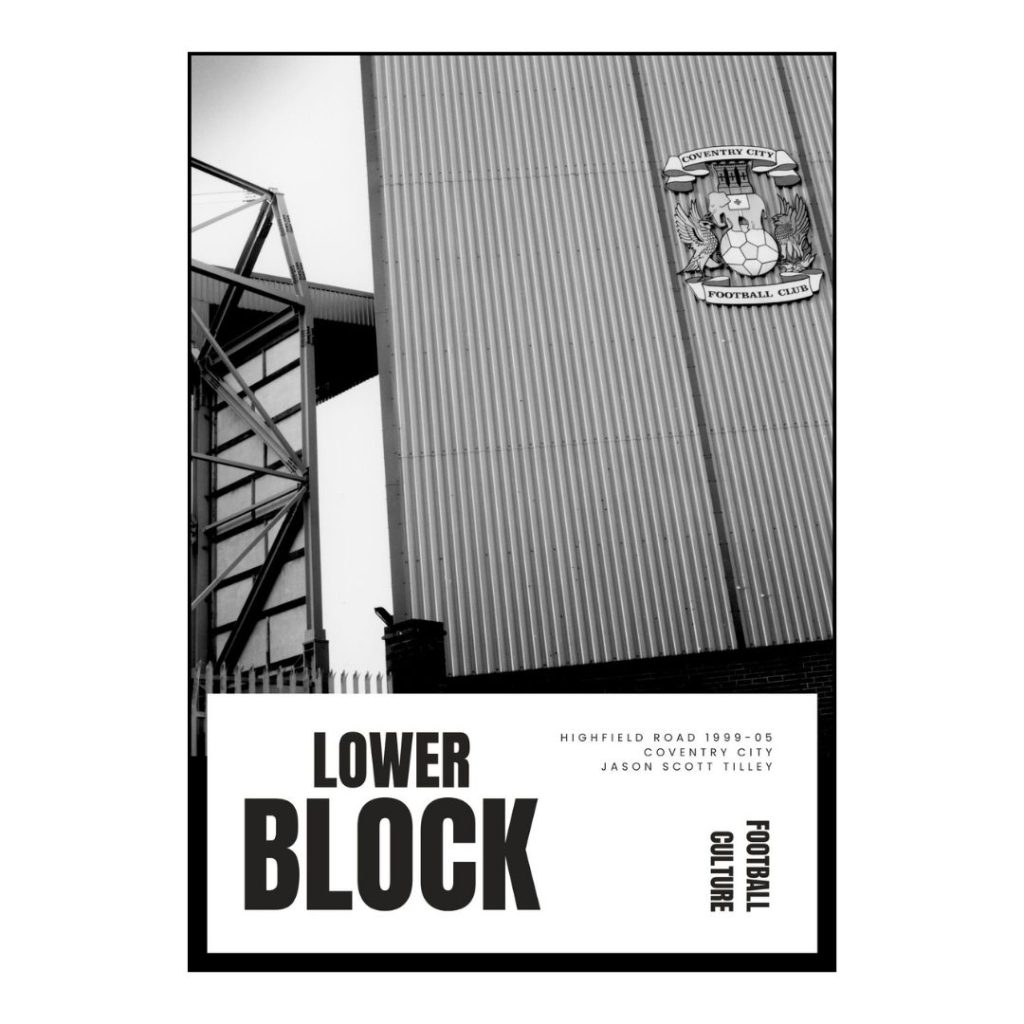
Highfield Road 1999-05 | Jason Scott Tilley
A poignant photographic record of Coventry City’s Highfield Road in its final years, observing the spaces, people, and rituals that shaped matchdays long before the ground was erased.
A limited edition A5 zine containing 38 black and white photographs across 44 pages.
Tilley worked as a press photographer for the Coventry Evening Telegraph and The Pink, gaining rare access to the ground during an era when photographers operated inches from the action and football culture was deeply local. His background in regional press photography informs the approach here: direct, unembellished, and grounded in routine. These images were made during Coventry City’s final seasons at Highfield Road, capturing a ground still functioning as it always had, without ceremony or nostalgia, and the streets, shops and pubs as familiar as the faces that frequented them.
Highfield Road was home to Coventry City from 1899 until 2005. For more than a century it stood at the centre of the club’s identity, woven into the daily life of the surrounding community. The stadium was demolished in 2006, replaced by housing, severing a physical link that had passed through generations of supporters.
This limited edition A5 photo zine brings together 38 black and white photographs across 44 pages. Shot in the closing years of the ground’s life, the work focuses on community and atmosphere rather than final scores or outcome – floodlights, crowds, routines, and quiet moments repeated week after week. What emerges is not a memorial, but a clear-eyed record of a place at the end of its working life, seen by someone who belonged to it.