Words and photos by Guirec Munier explore one of the unofficial languages of football: the stickers created by fan groups and scattered across rival grounds, lampposts, trains, pub toilets and city streets worldwide. Far from throwaway ephemera, these visuals function as coded signals of identity, loyalty and presence – a quiet declaration that “we were here.” Rooted in ultra culture but increasingly mainstream, each design carries a precise grammar of colours, typography and references that only the initiated fully decode. Pop culture nods, in-jokes, historical grievances and friendship pacts are embedded in plain sight, often invisible to casual passers-by or even neutral fans.
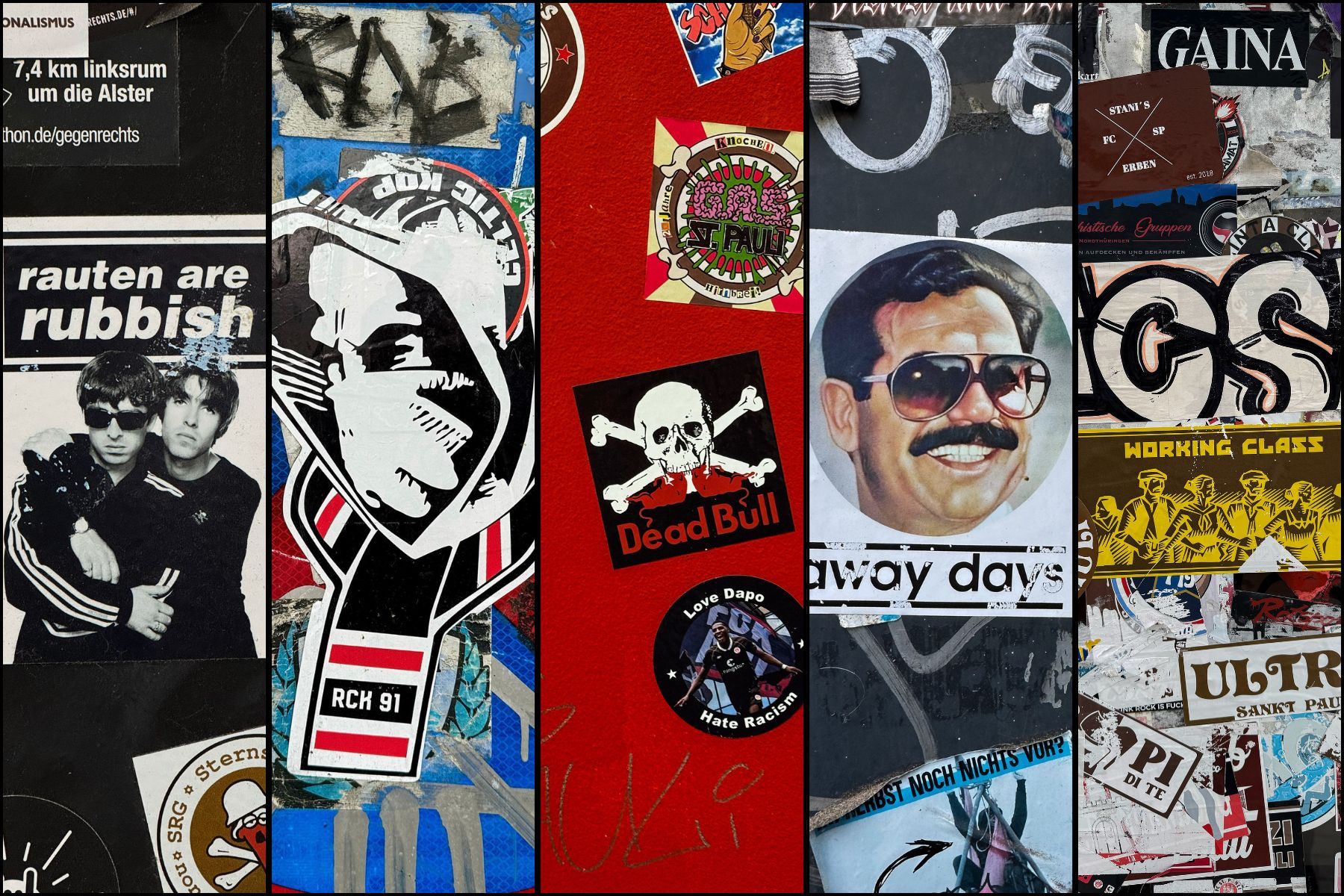
Emerging from activist print culture in the 1980s and exploding in the 1990s as production costs fell, sticker culture blends art, politics and terrace banter. Etiquette dictates layering rather than erasing rivals, preserving a visible timeline of territorial contest.
“You’ve probably already seen them on road signs, lampposts, or at tolls, but these stickers are more than just stickers. They’re the expression of a collective identity, a deep-rooted passion, and a territory ingrained in their very being. A way of saying: “We were here.” Sticker culture is a subculture of the ultra movement. Yet, it’s becoming more mainstream. Behind these stickers, there is art, messages, and references to pop culture. Each ultra group has its own codes: colours, typography, and an aesthetic recognisable at a glance. Stickers made by independent supporters generally offer superior graphic quality, blending local identity, casual culture, and historical references. Initially, there were tensions between ultra groups and independent supporters on this subject. Now, these tensions have eased with the widespread adoption of this trend.
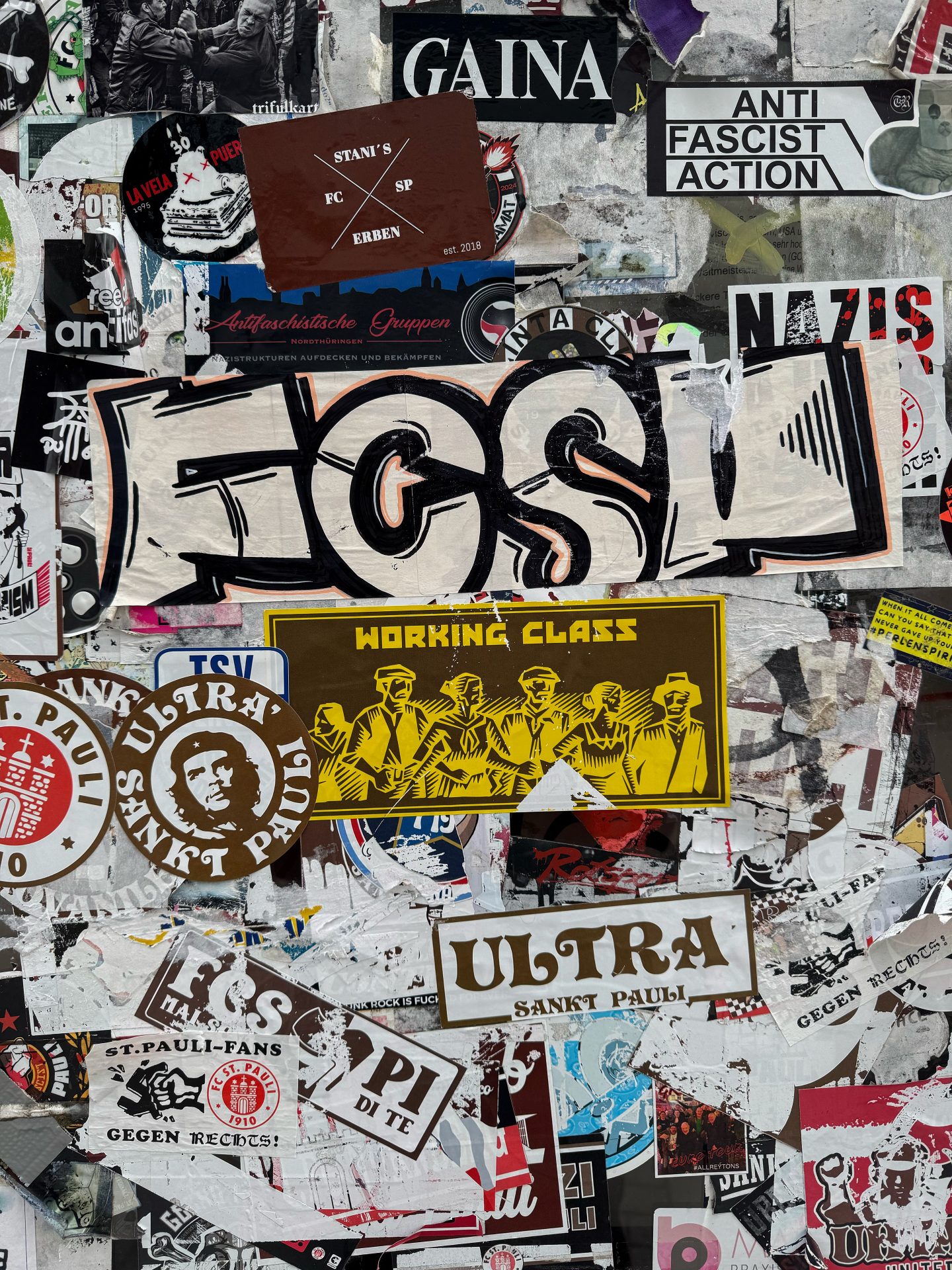
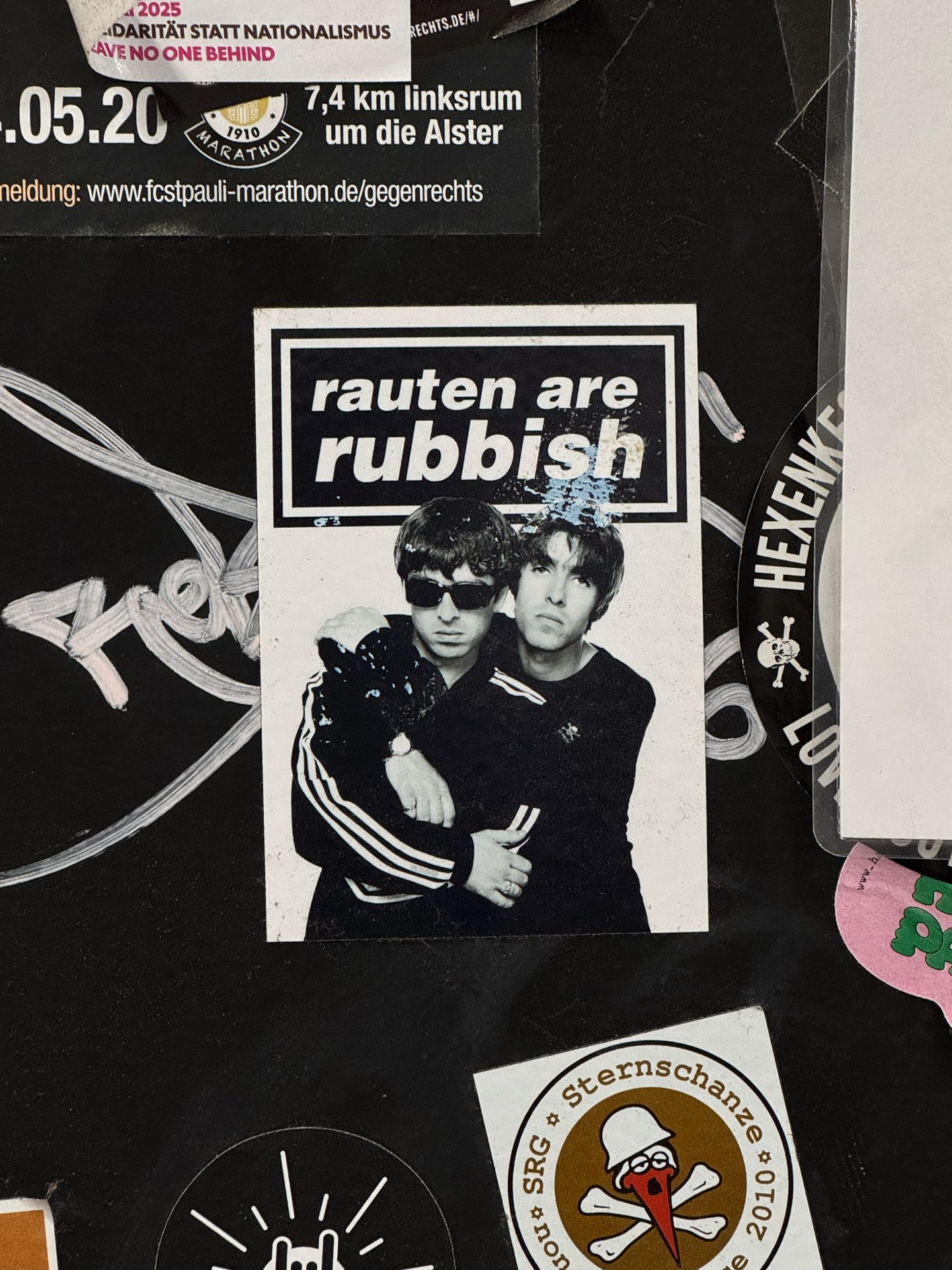
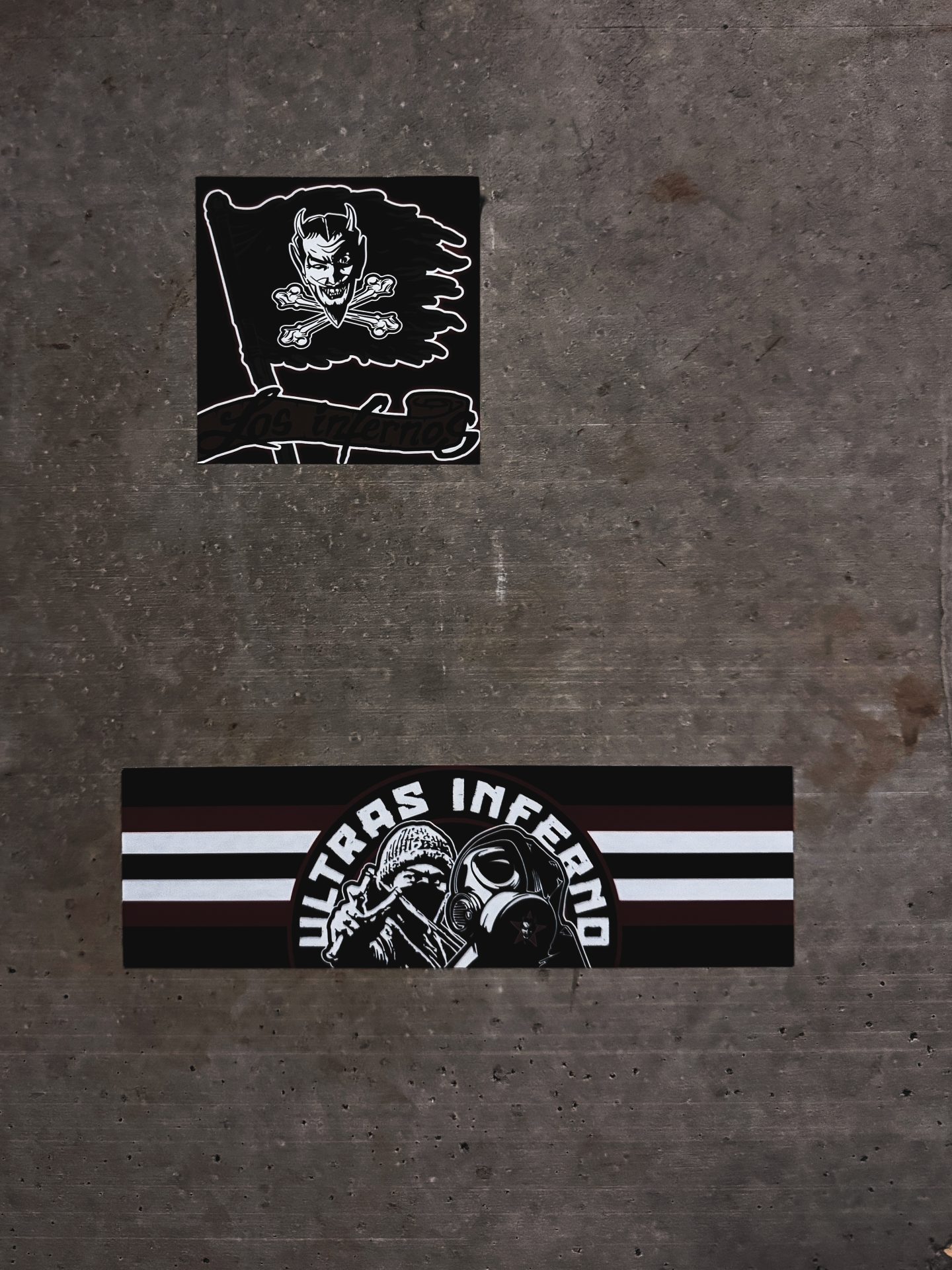
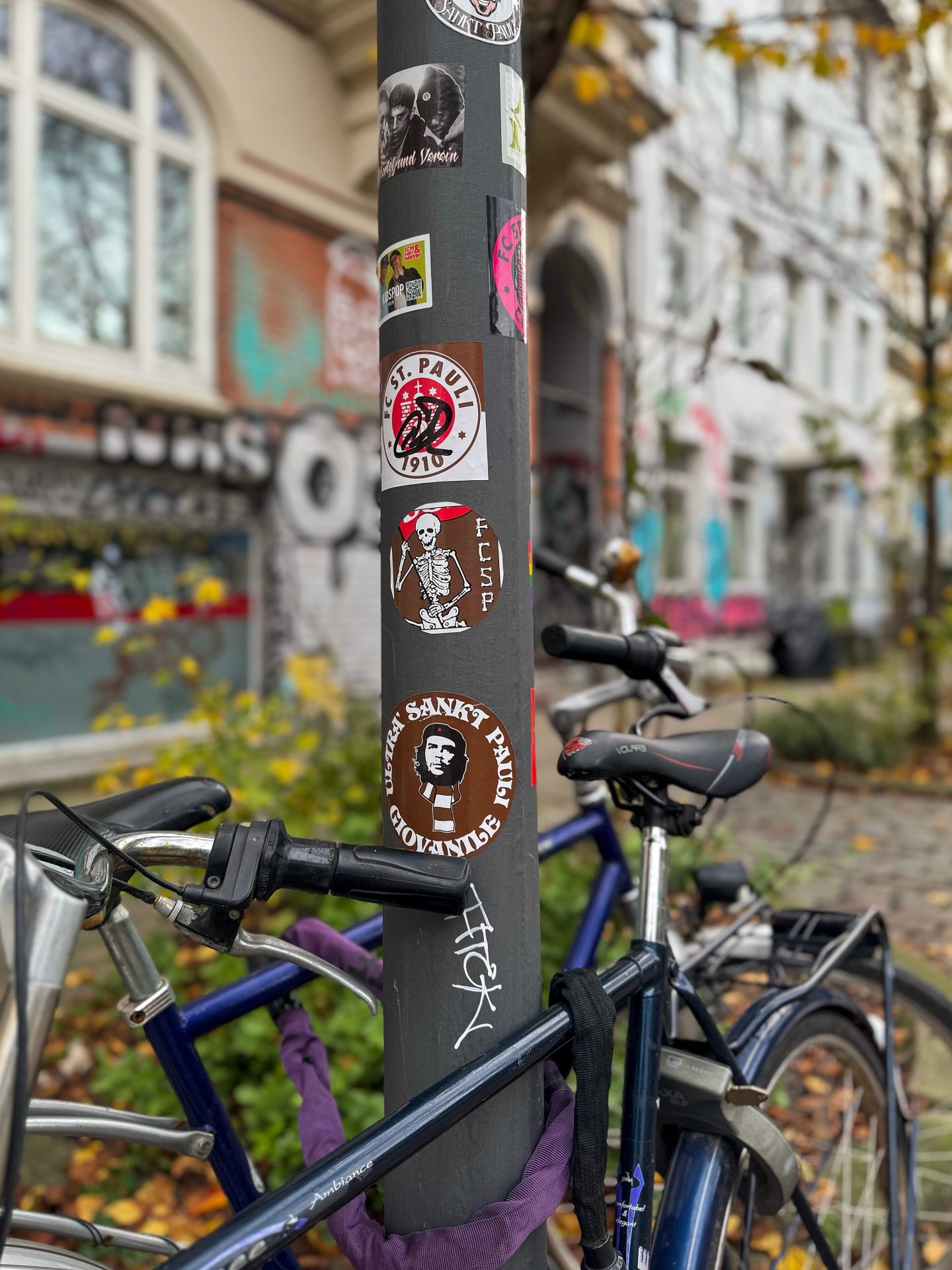
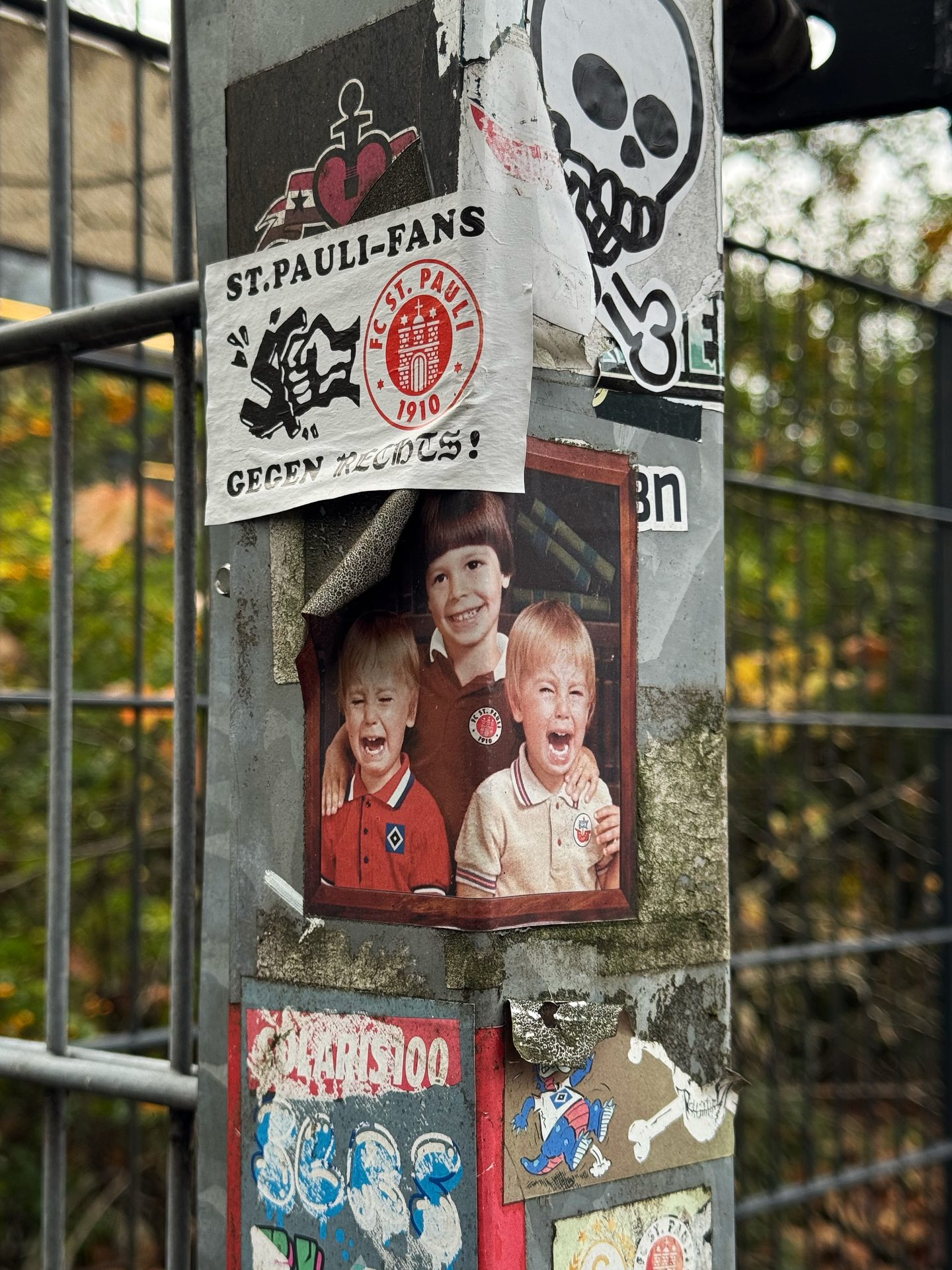
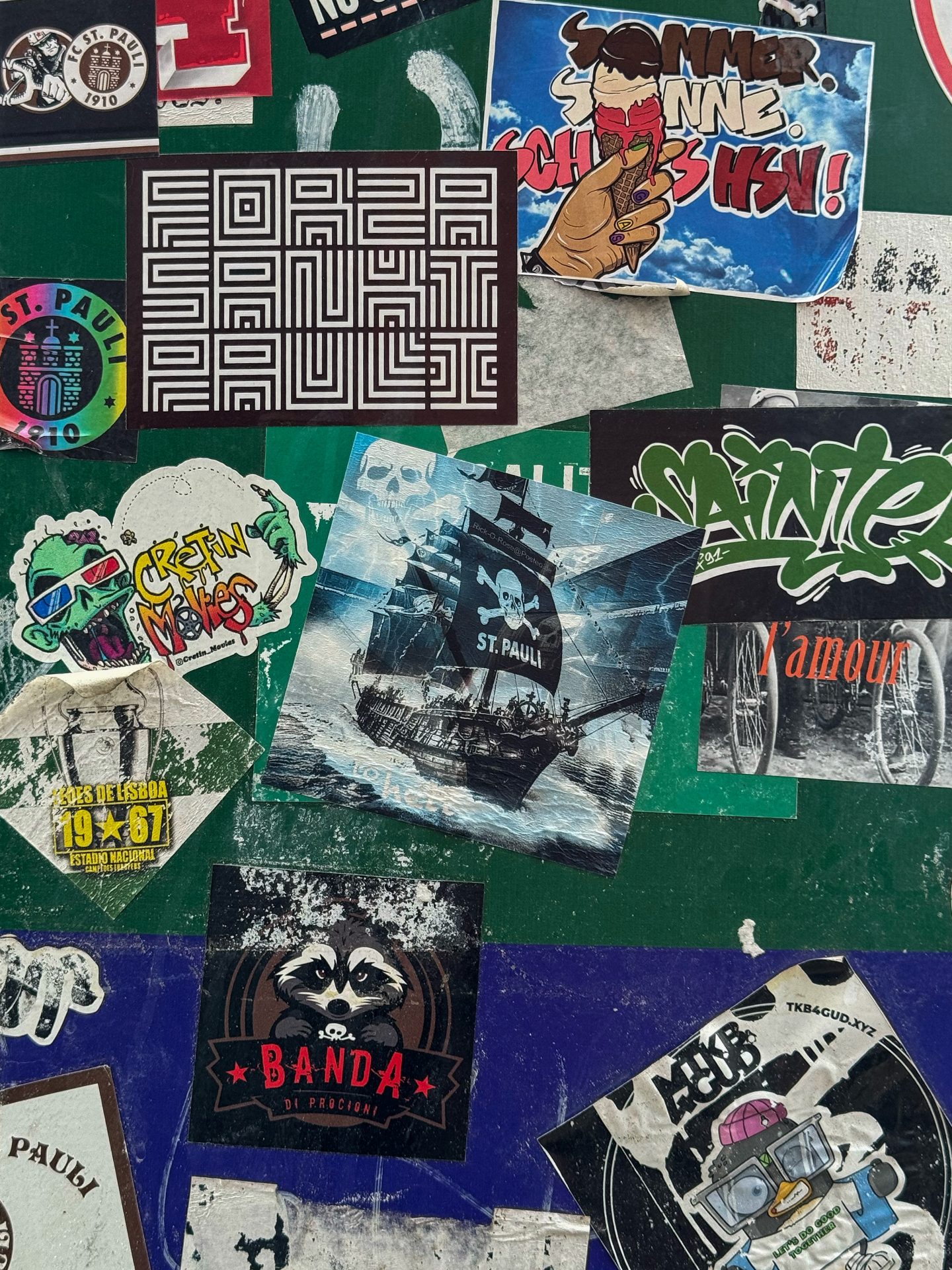
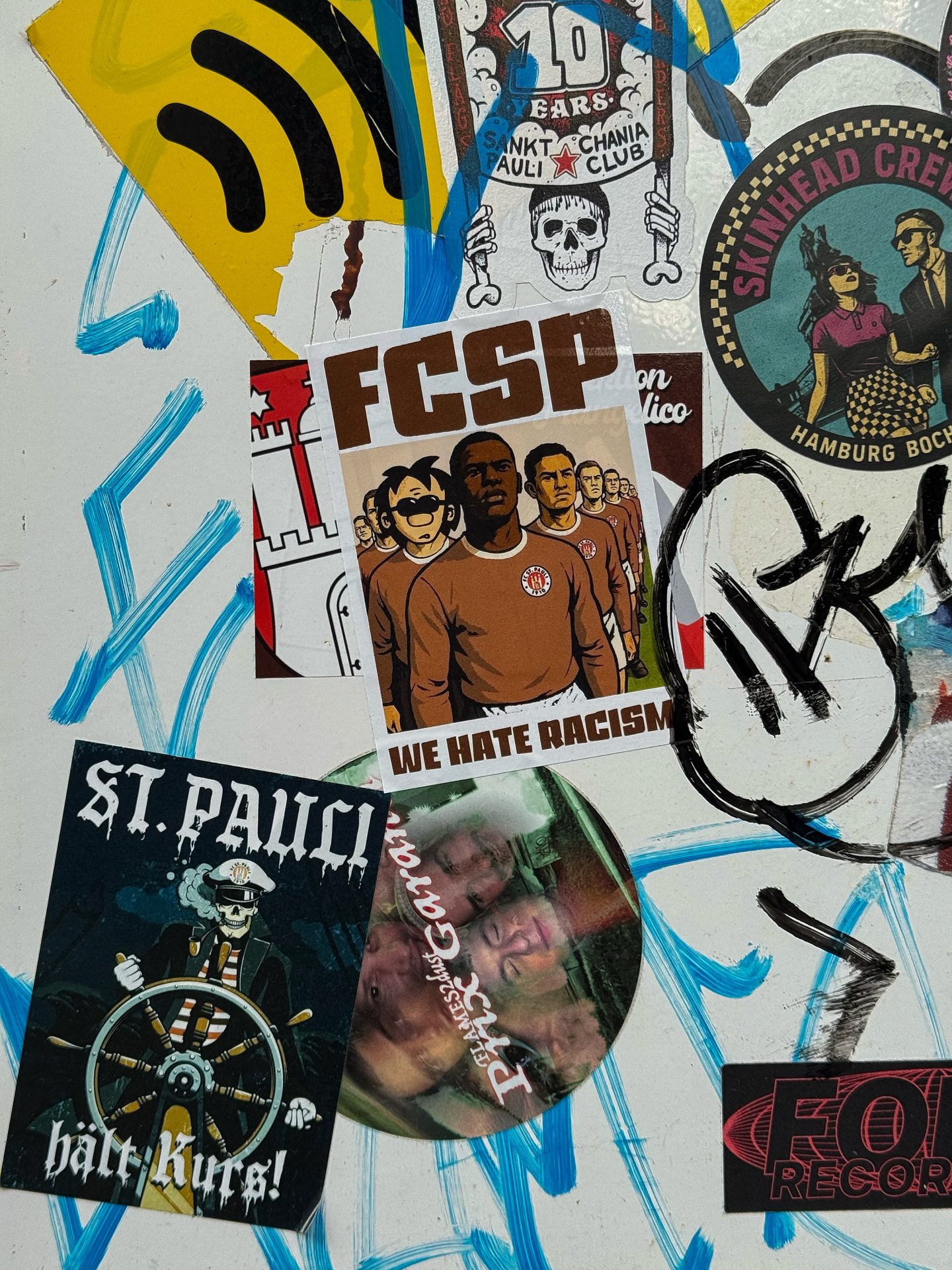
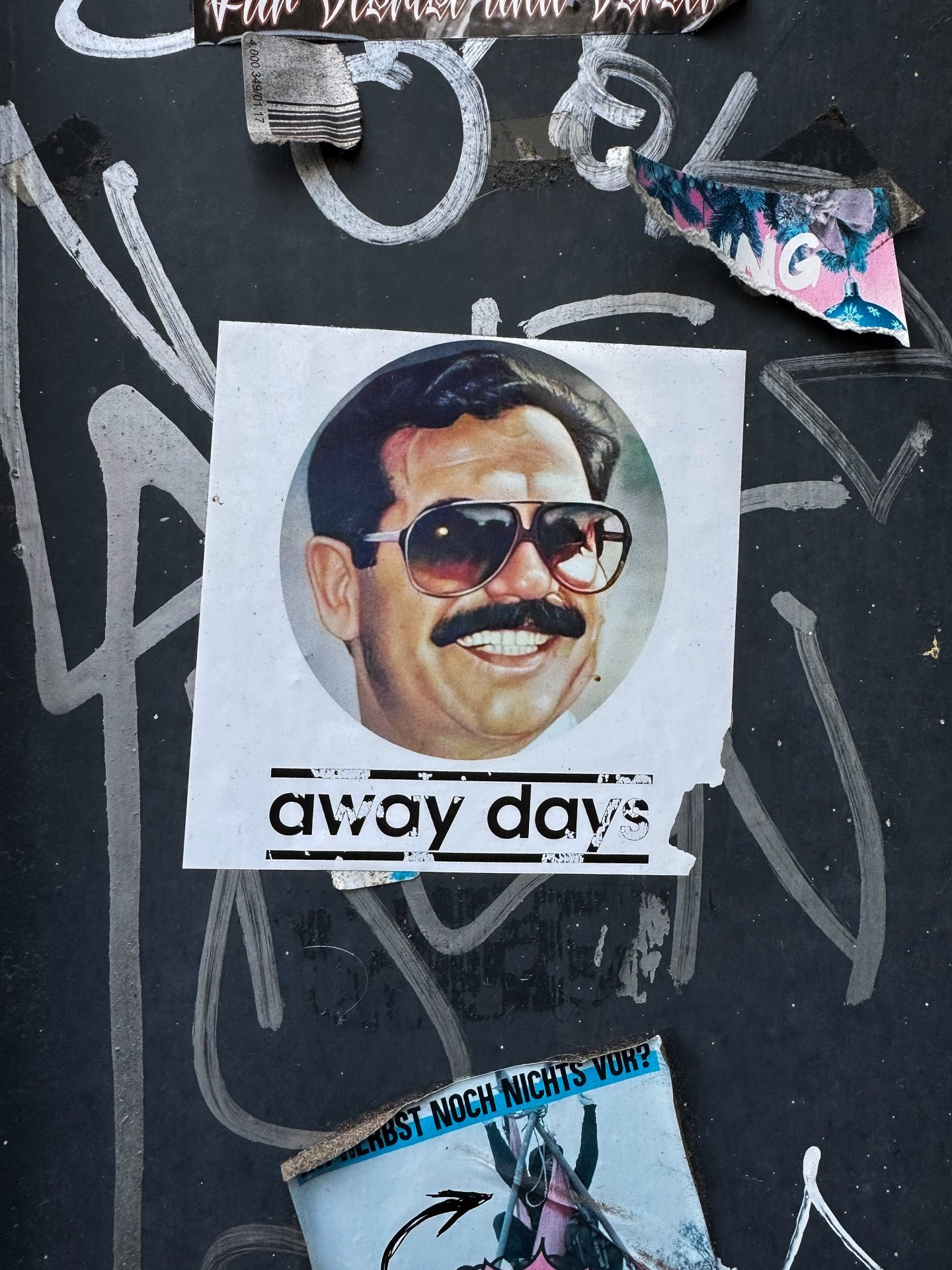
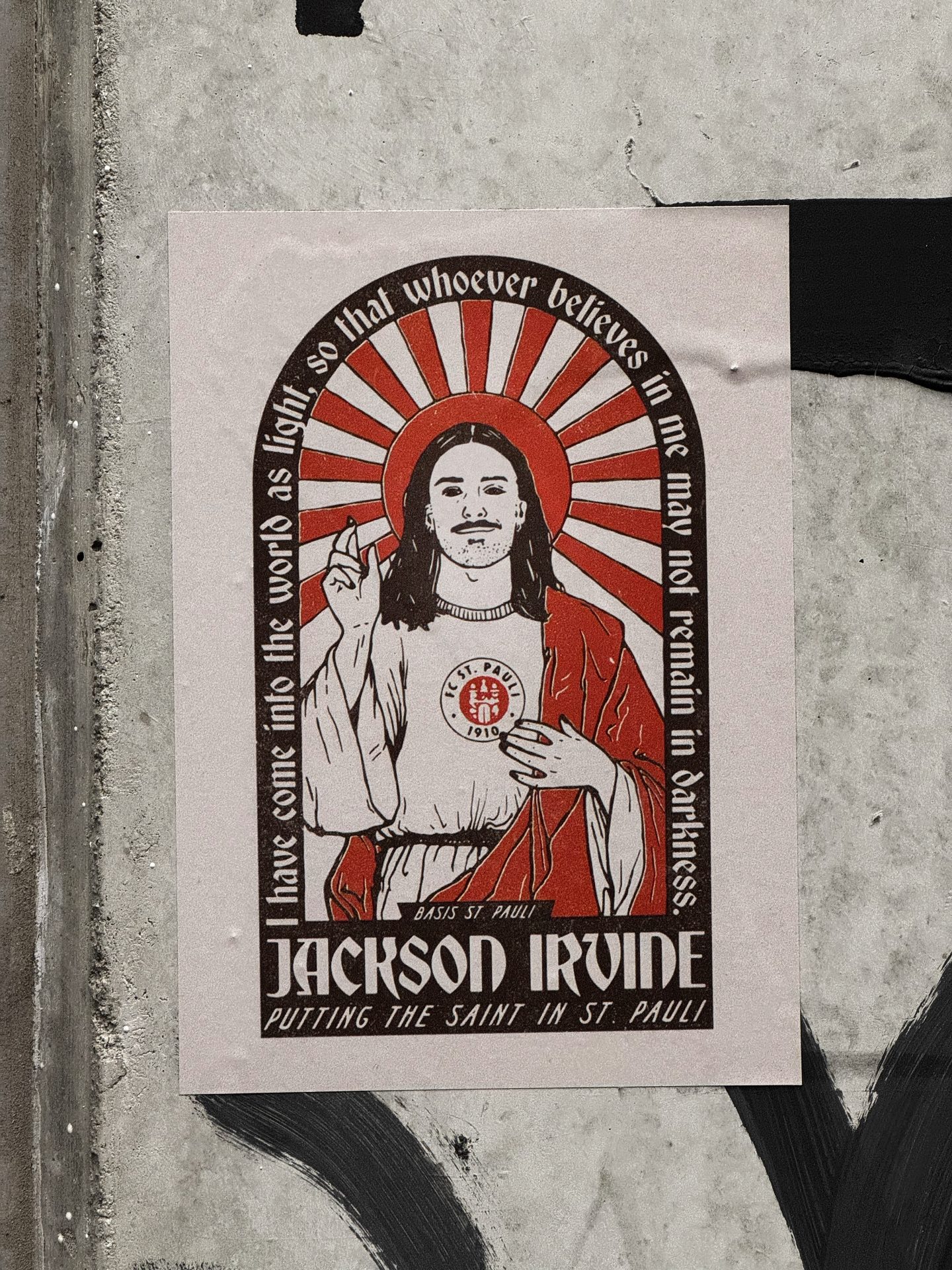
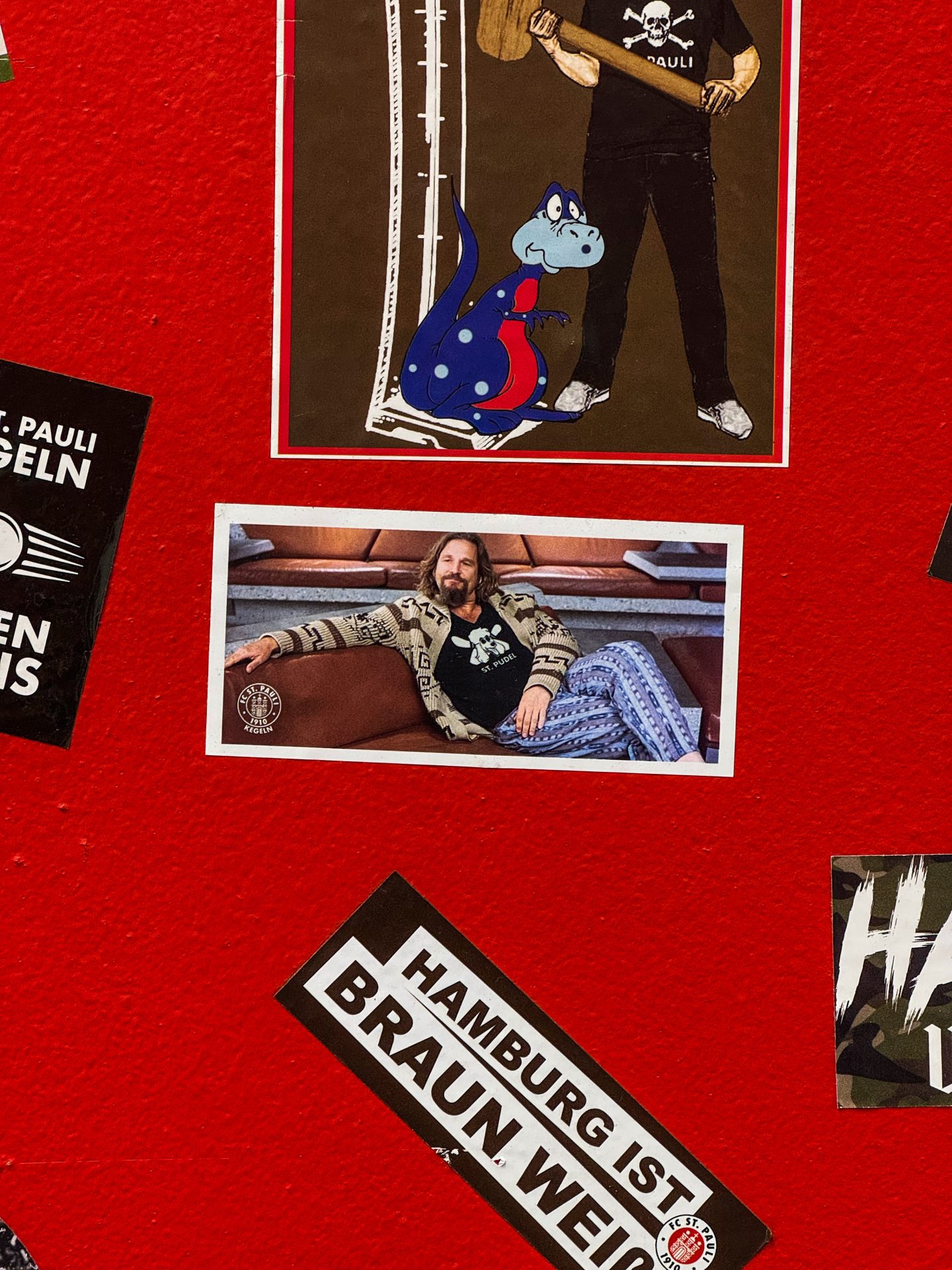
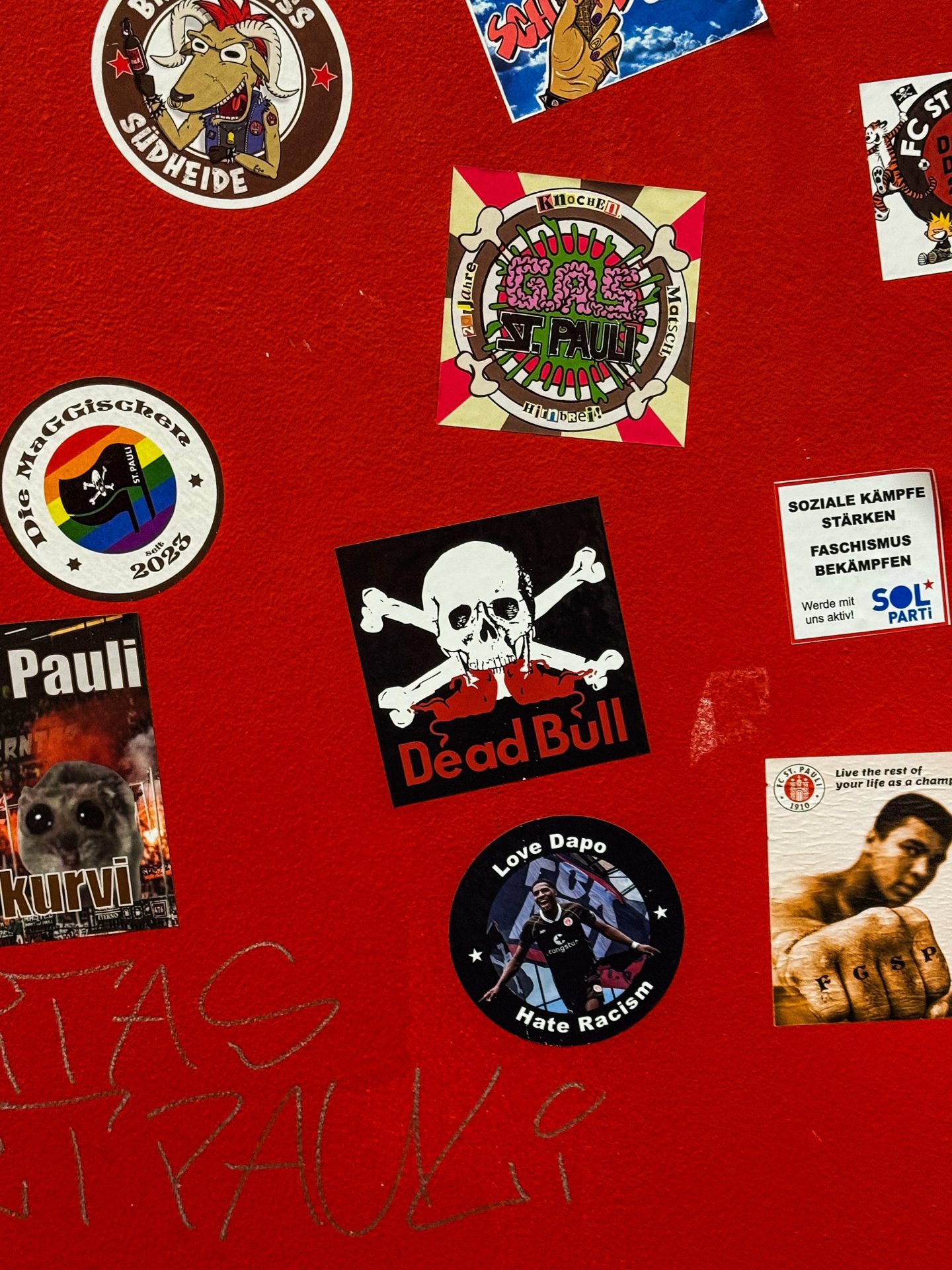
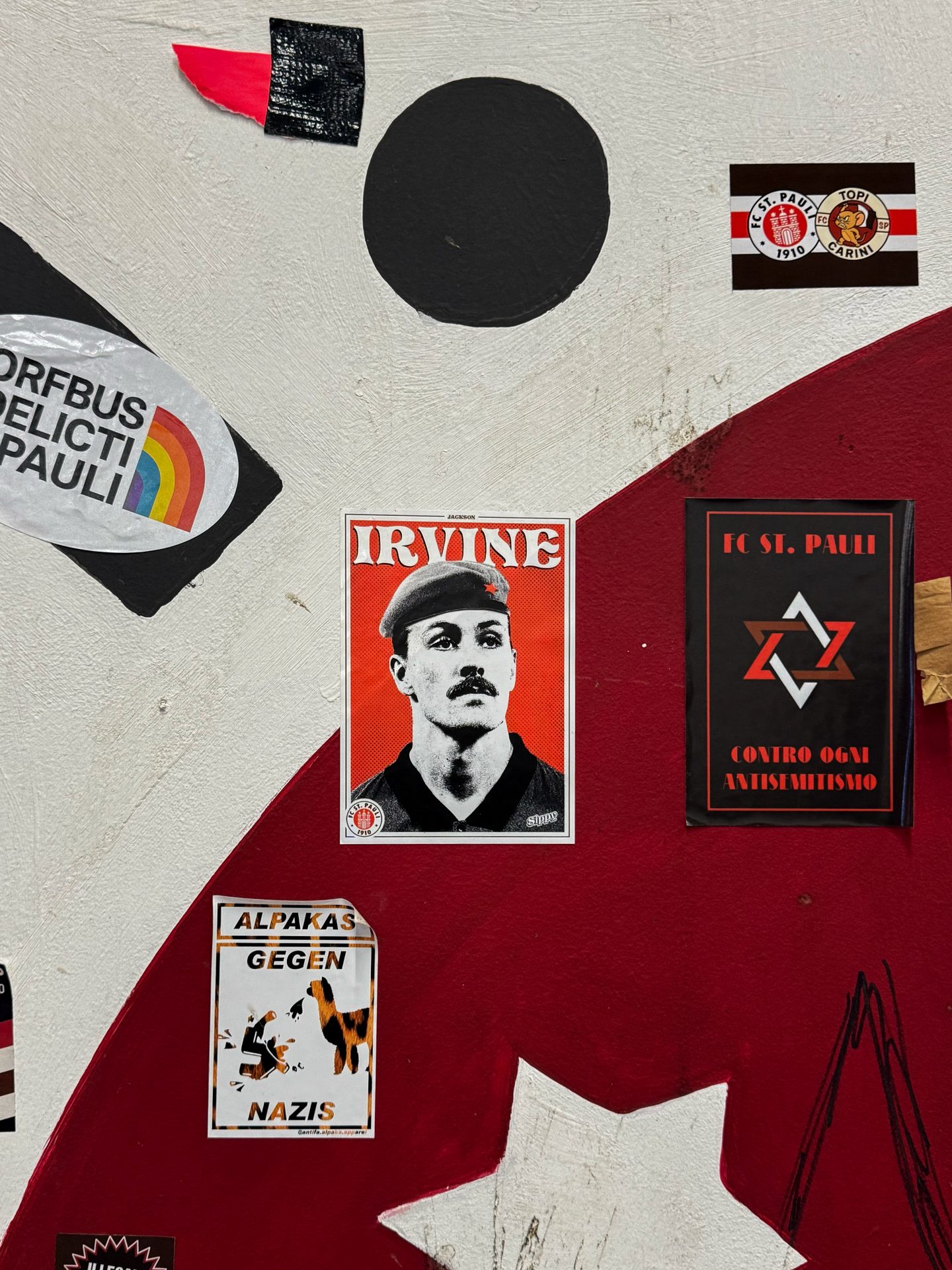
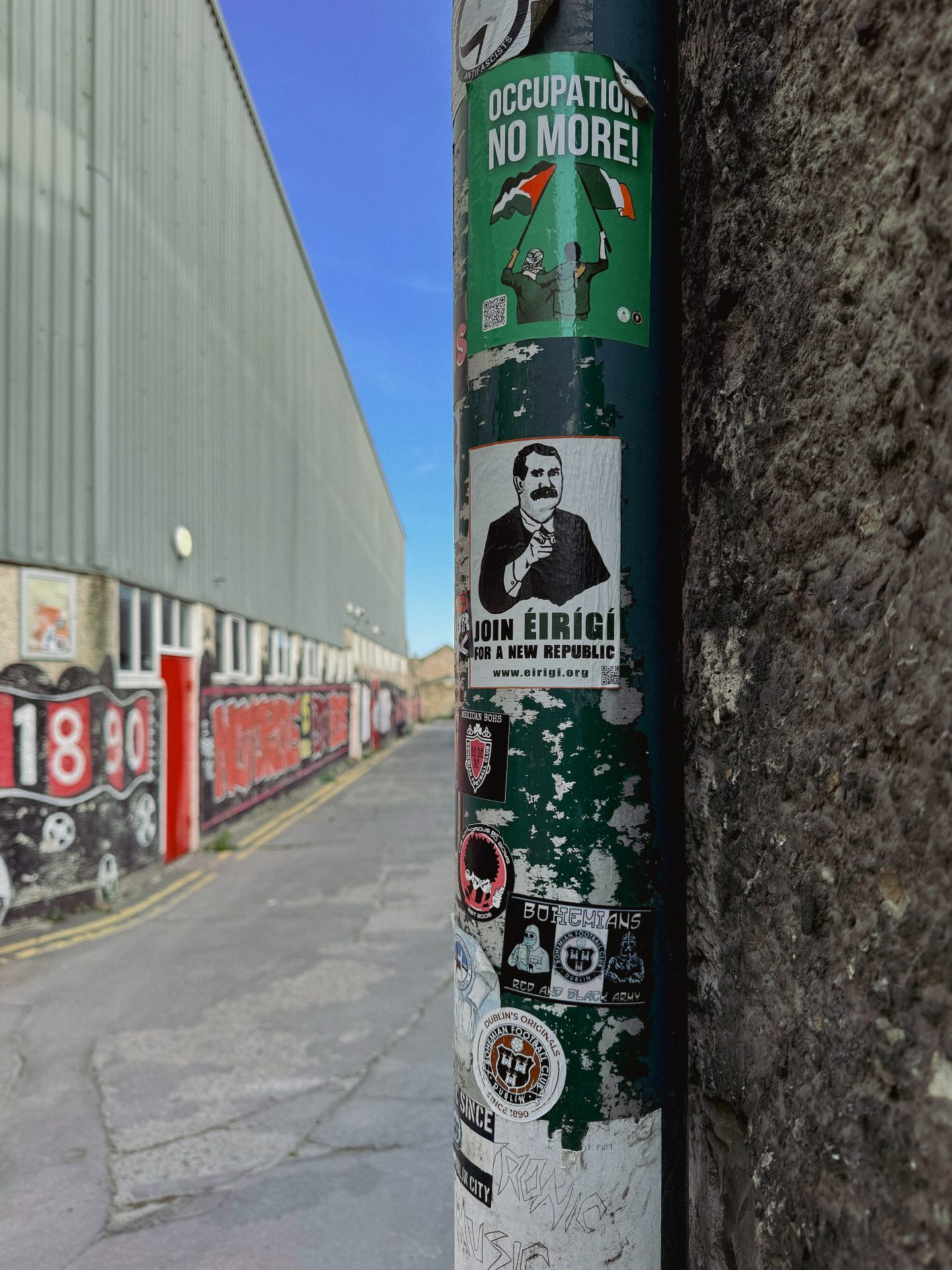
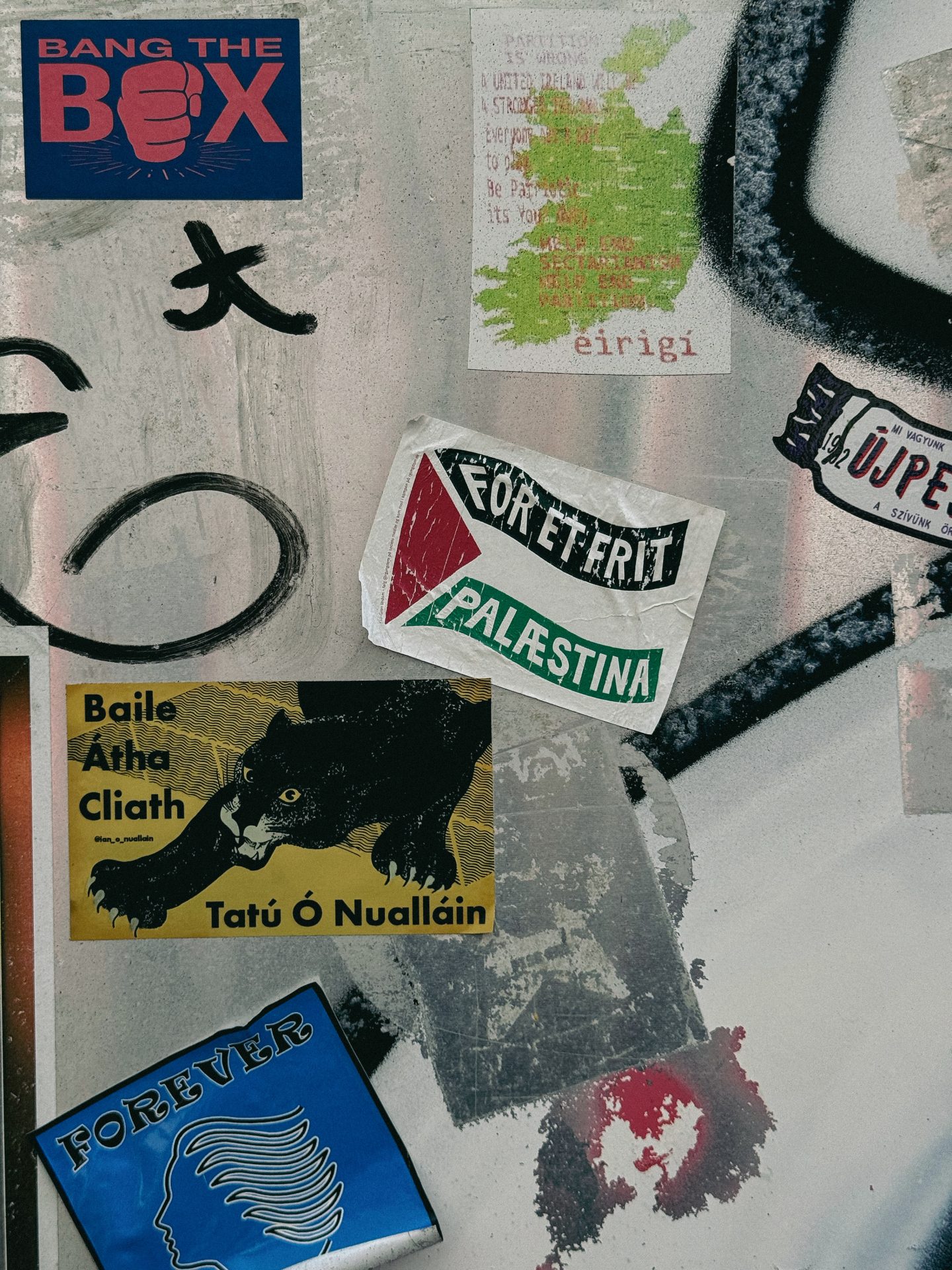
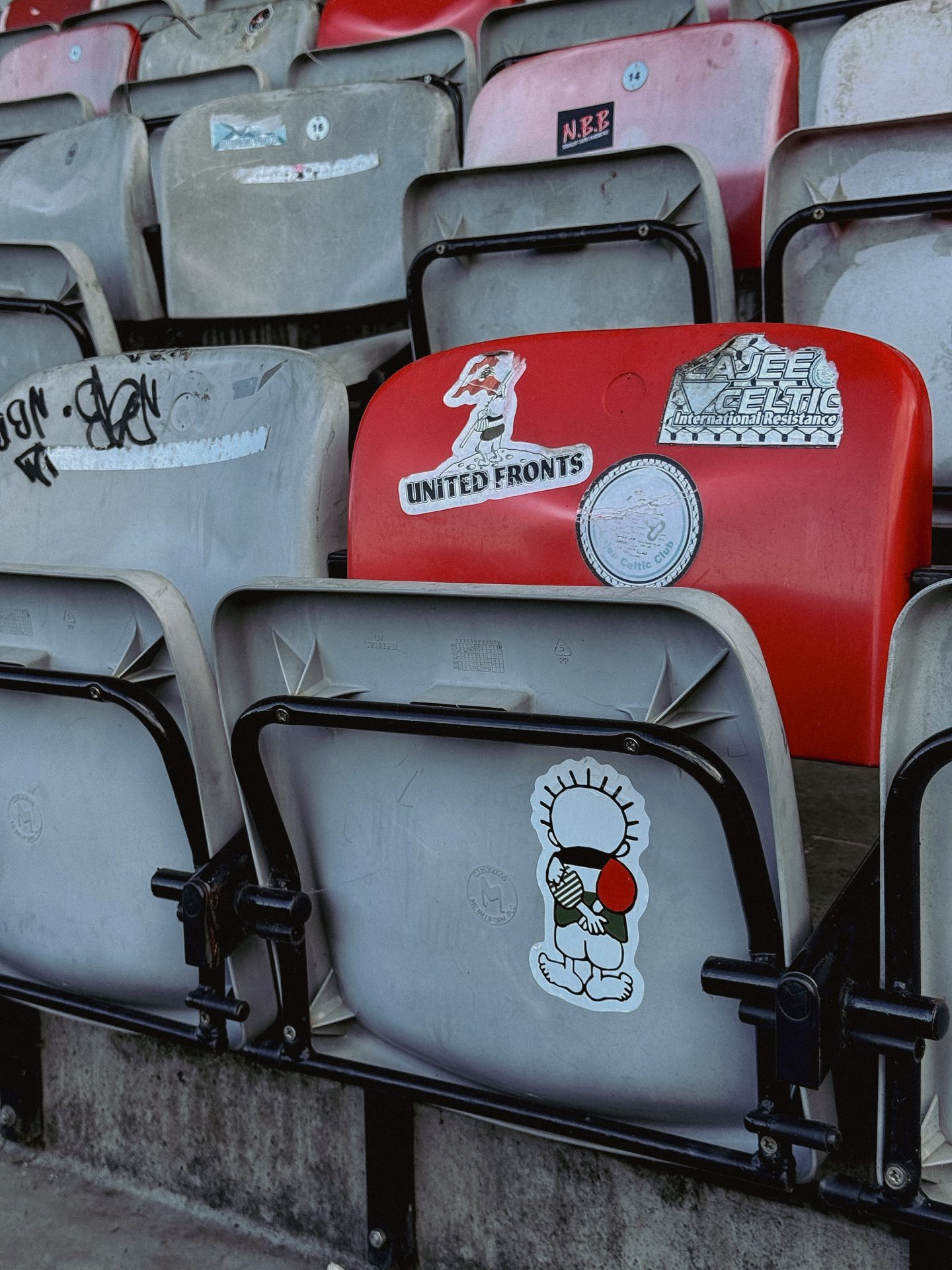
Sticking stickers is a way of existing in public spaces and leaving your mark on a territory, whether in your city, your country, or in the depths of Europe, on a away day or vacation. The first stickers appeared in the 1980s within activist circles to quickly and visibly spread political messages. Ultra groups quickly adopted them. At the time, they were mainly printed for collecting, but the situation changed in the 1990s. Production costs plummeted, and print runs skyrocketed.
“AI is increasingly present in the creative process and tends to diminish the authenticity and depth of the messages.”
Guirec Munier
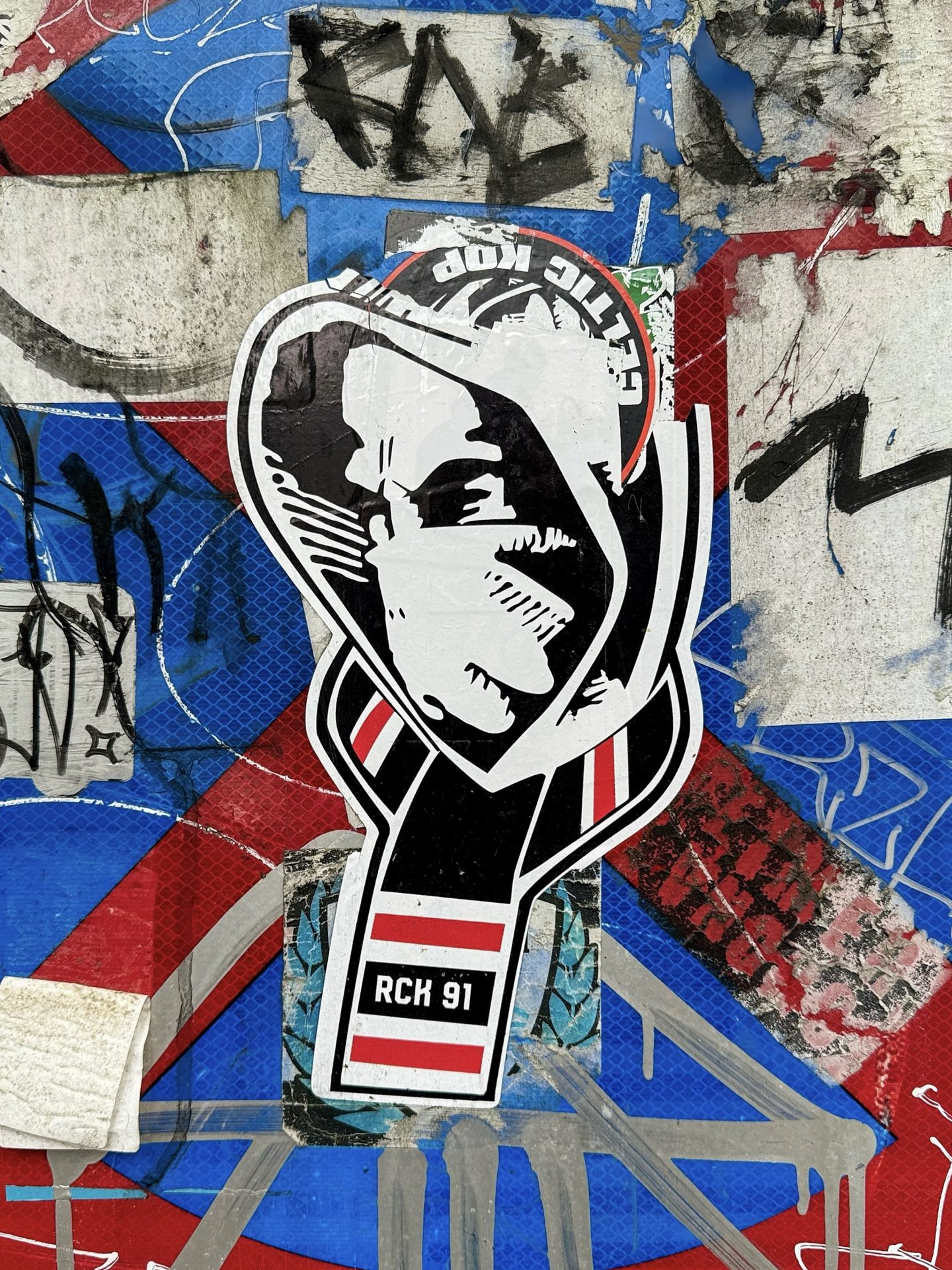
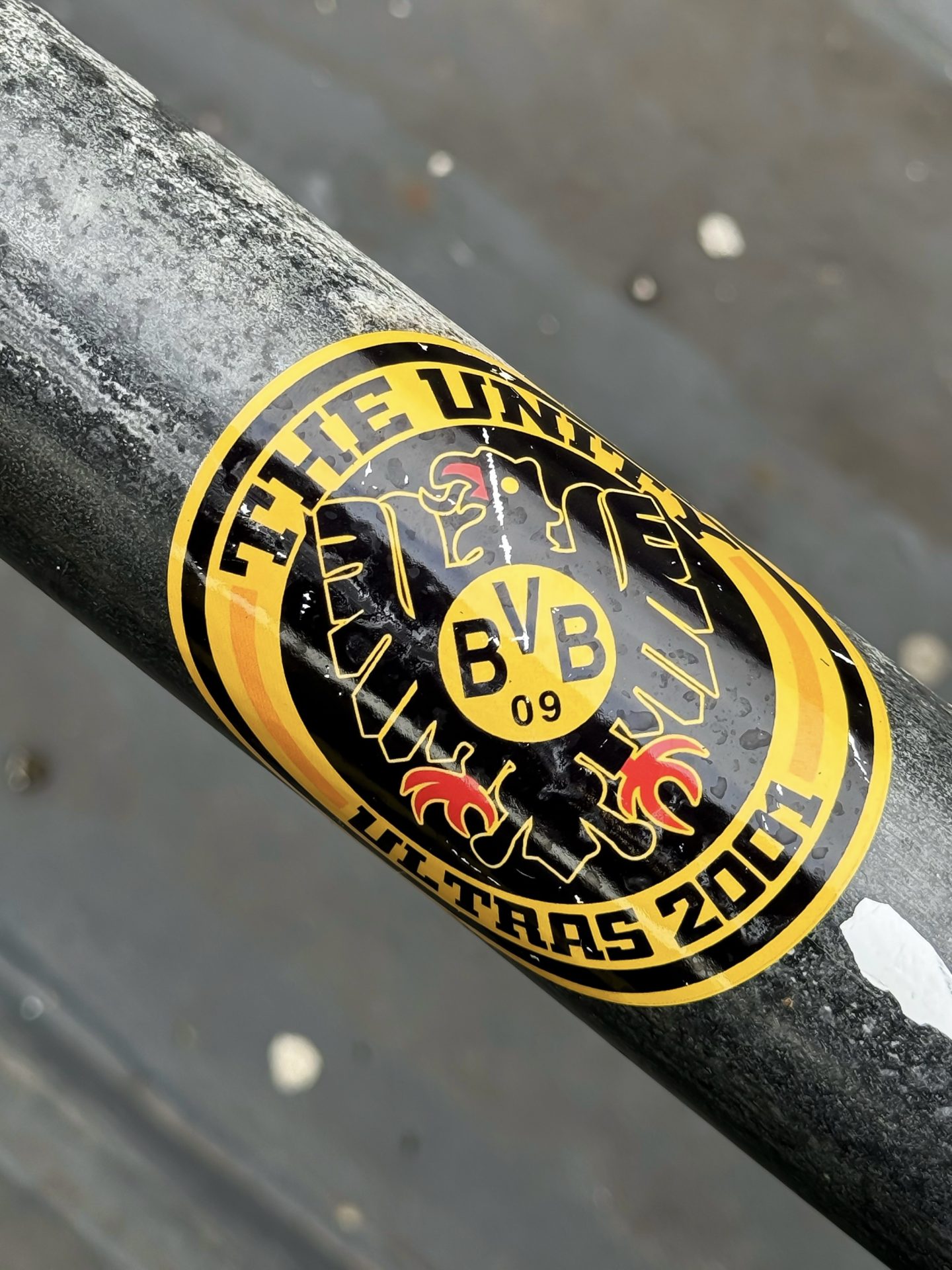
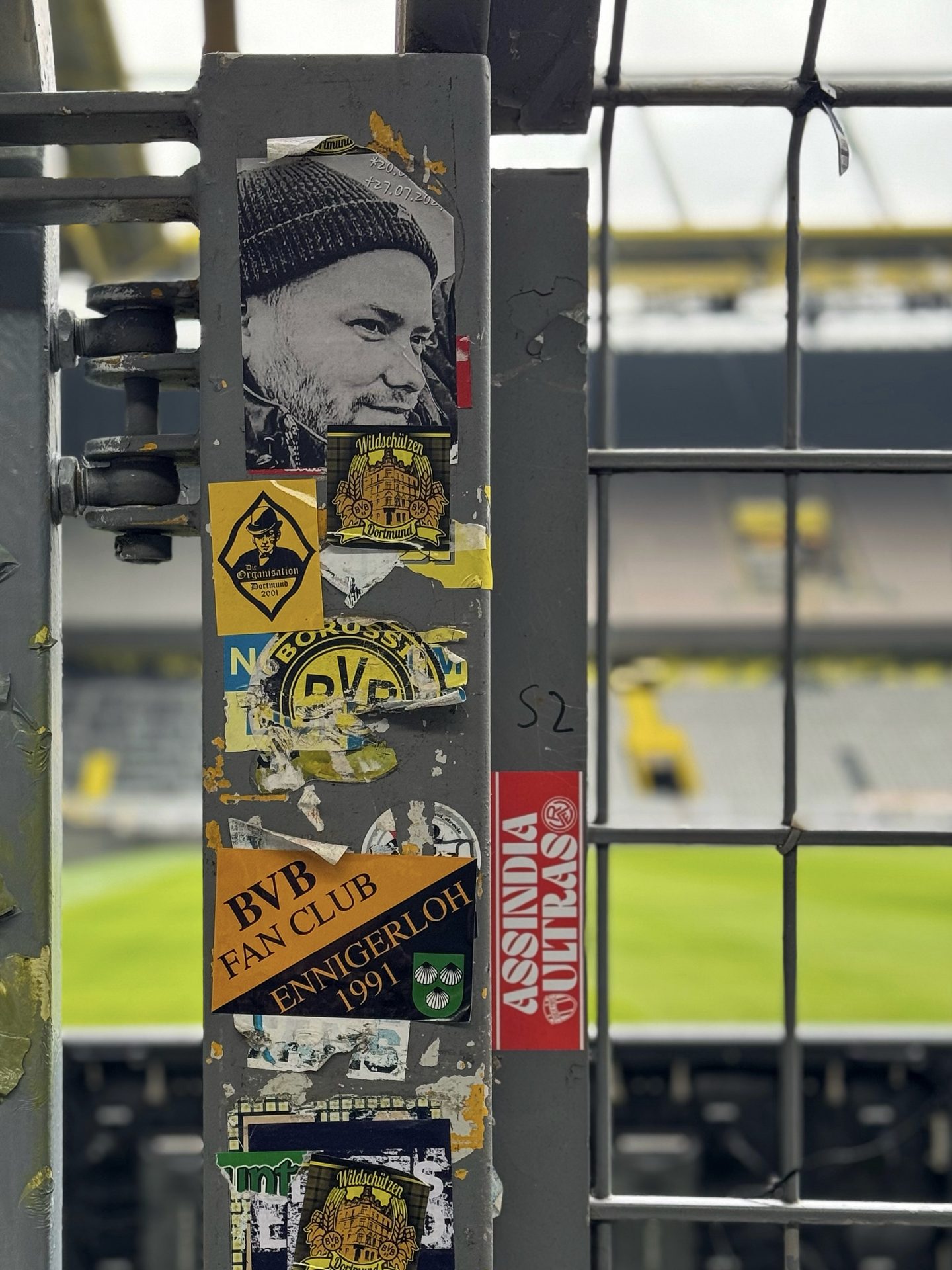
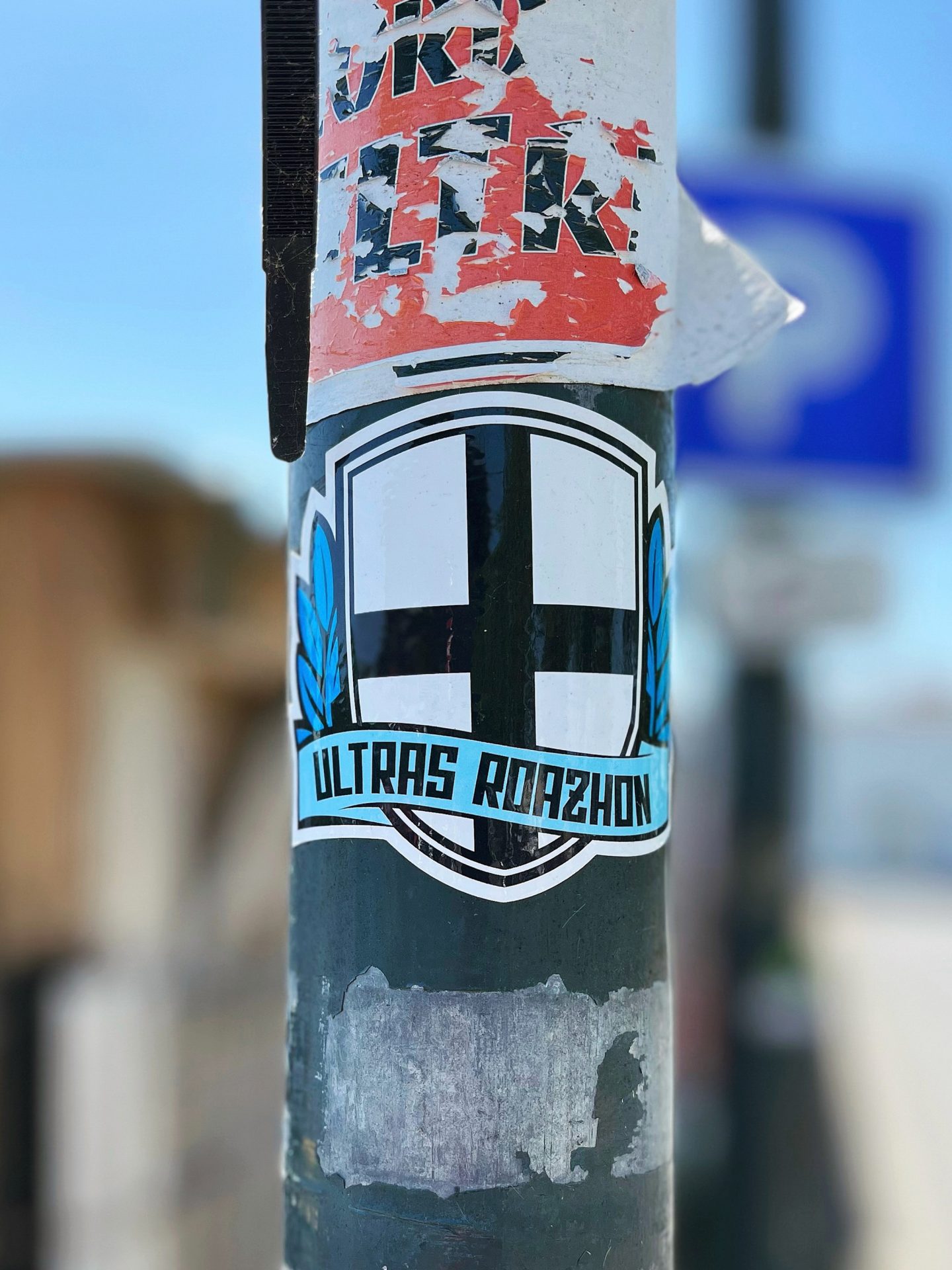
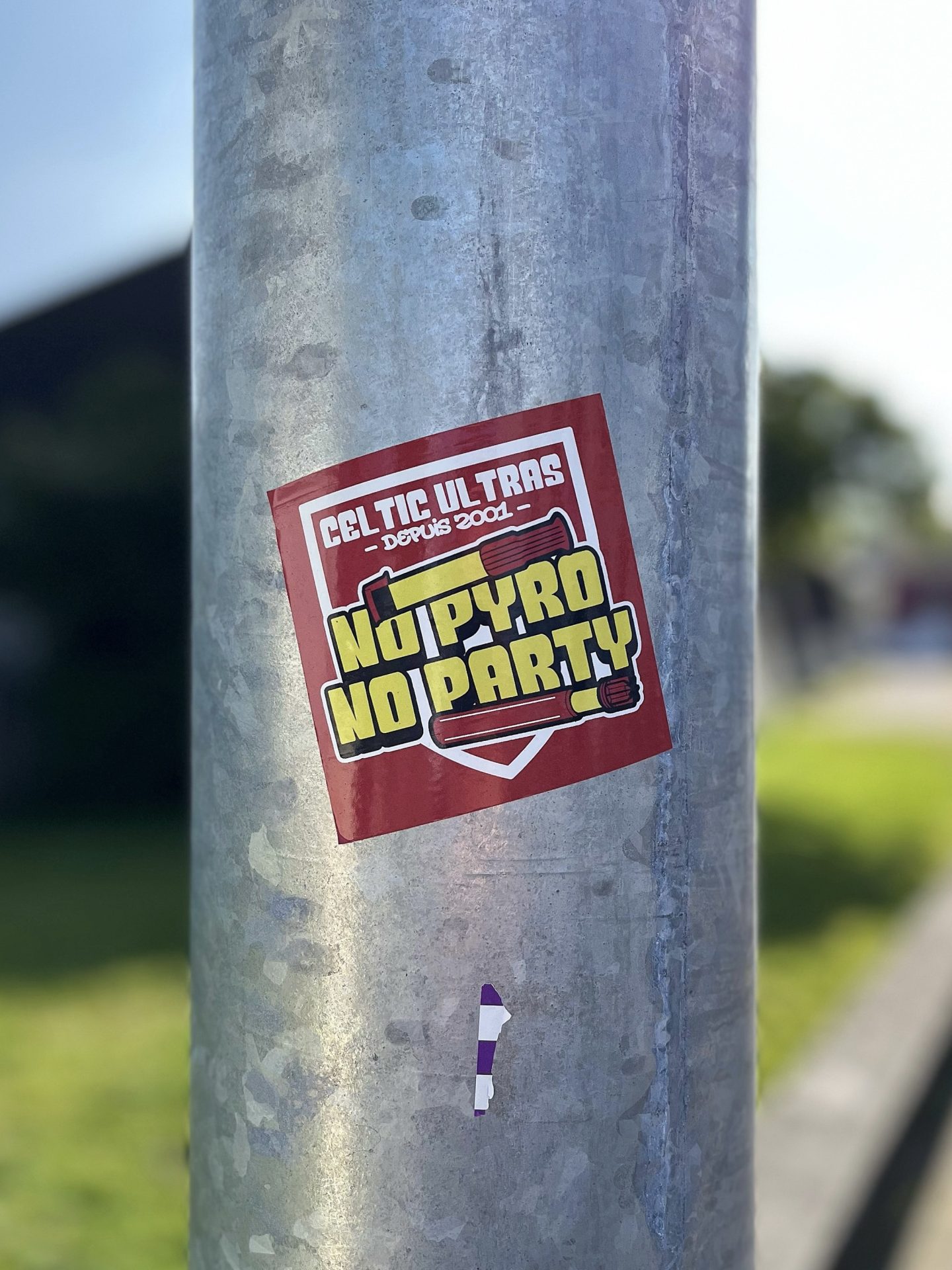
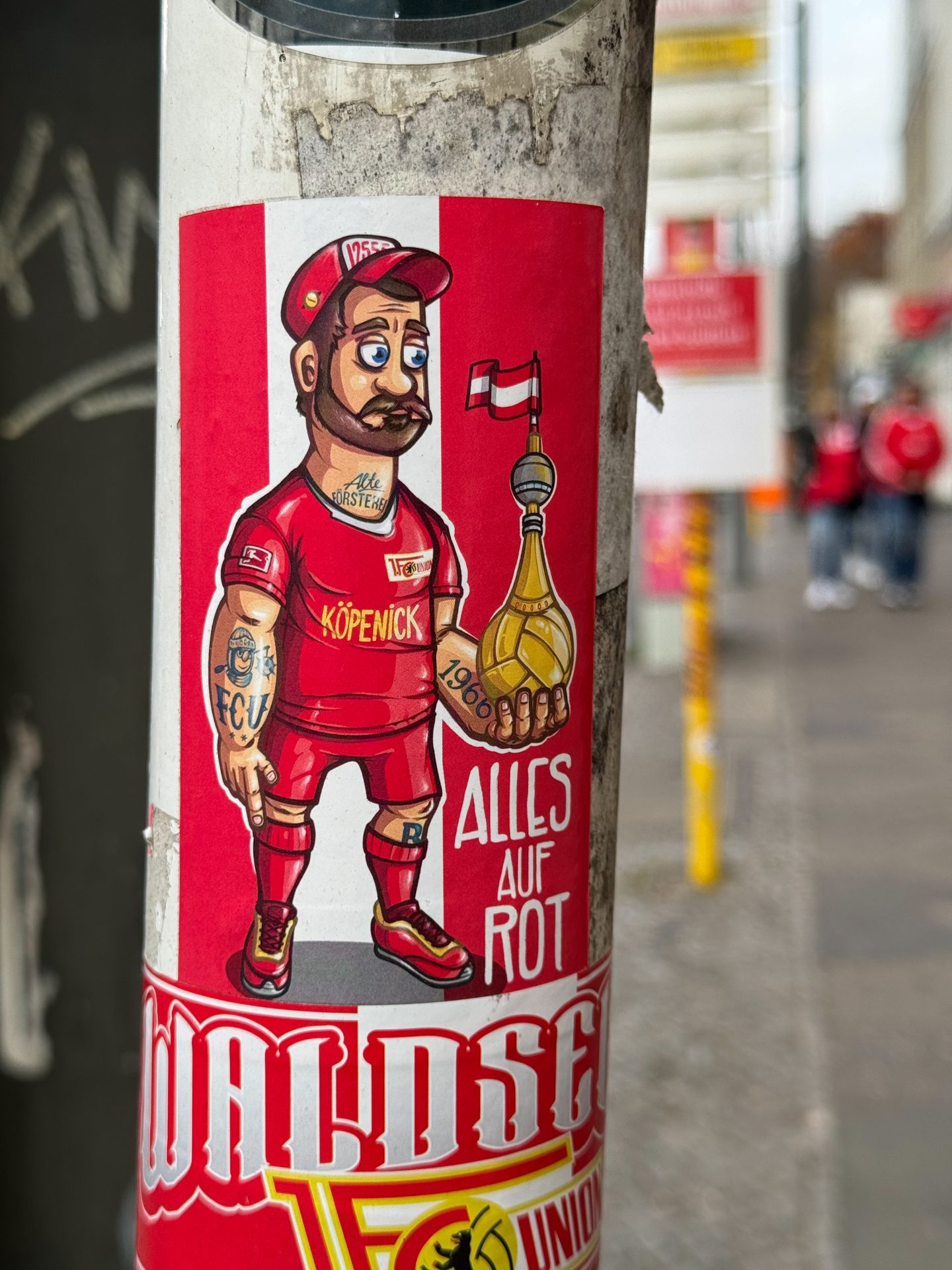
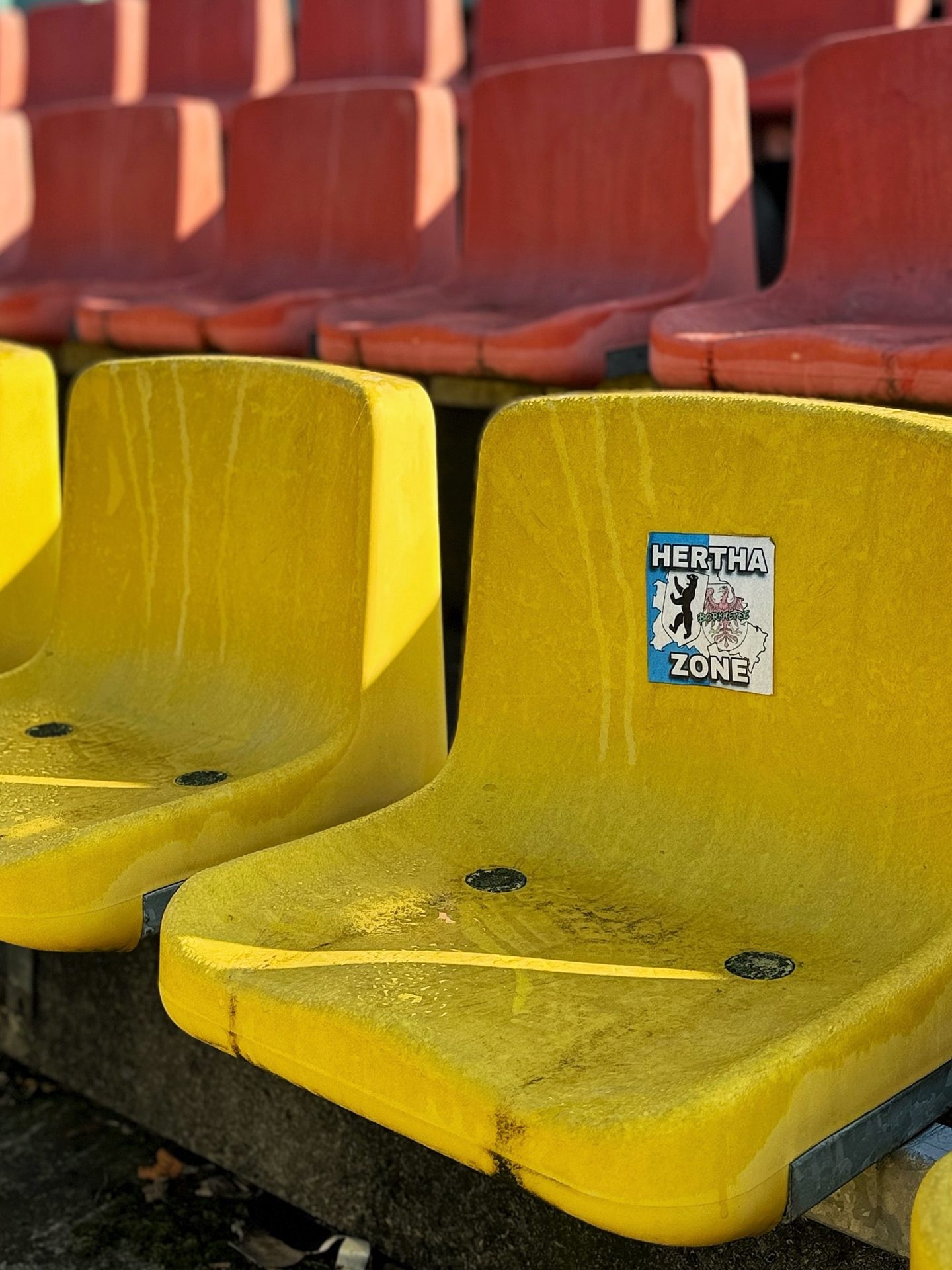
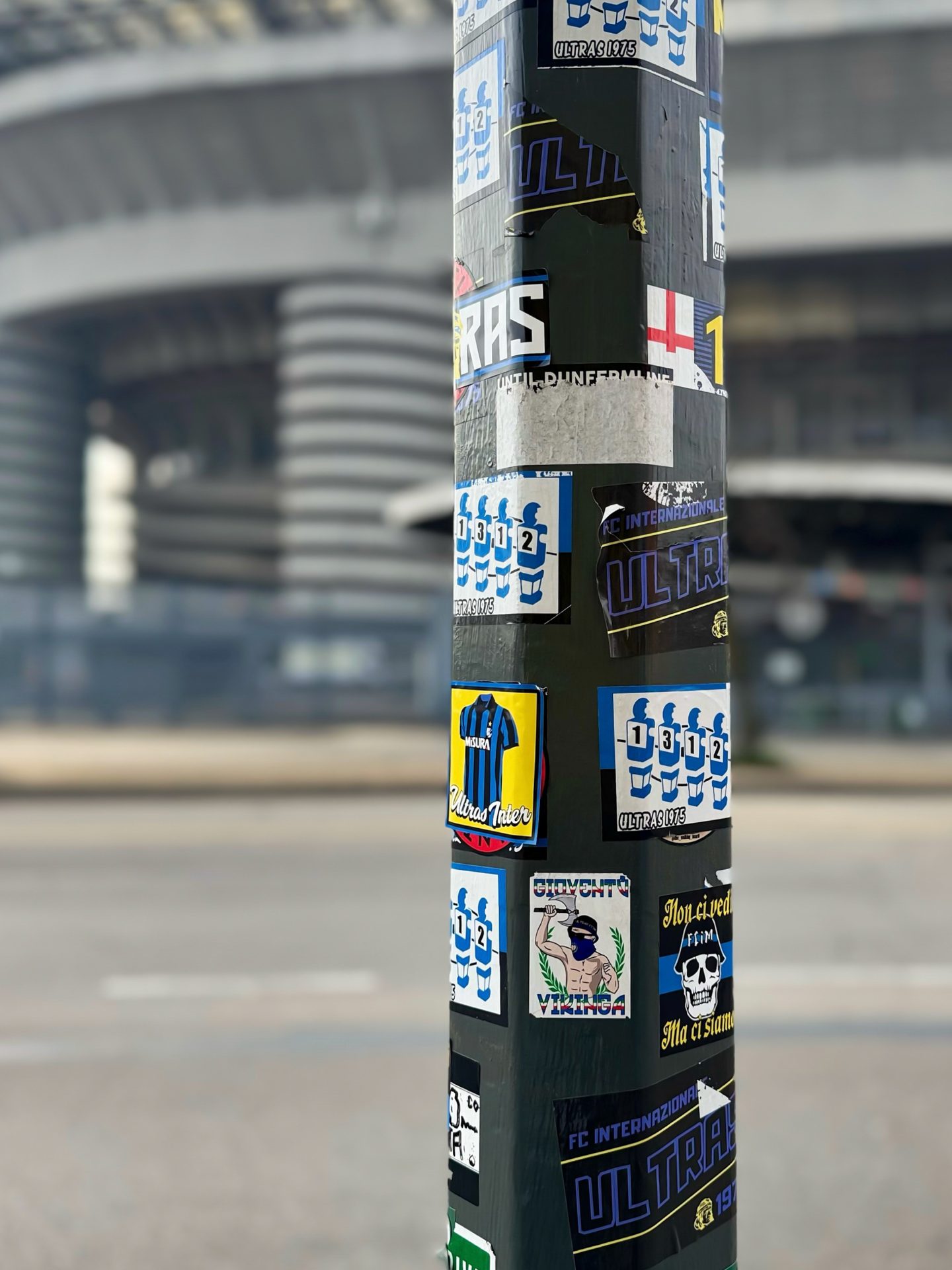
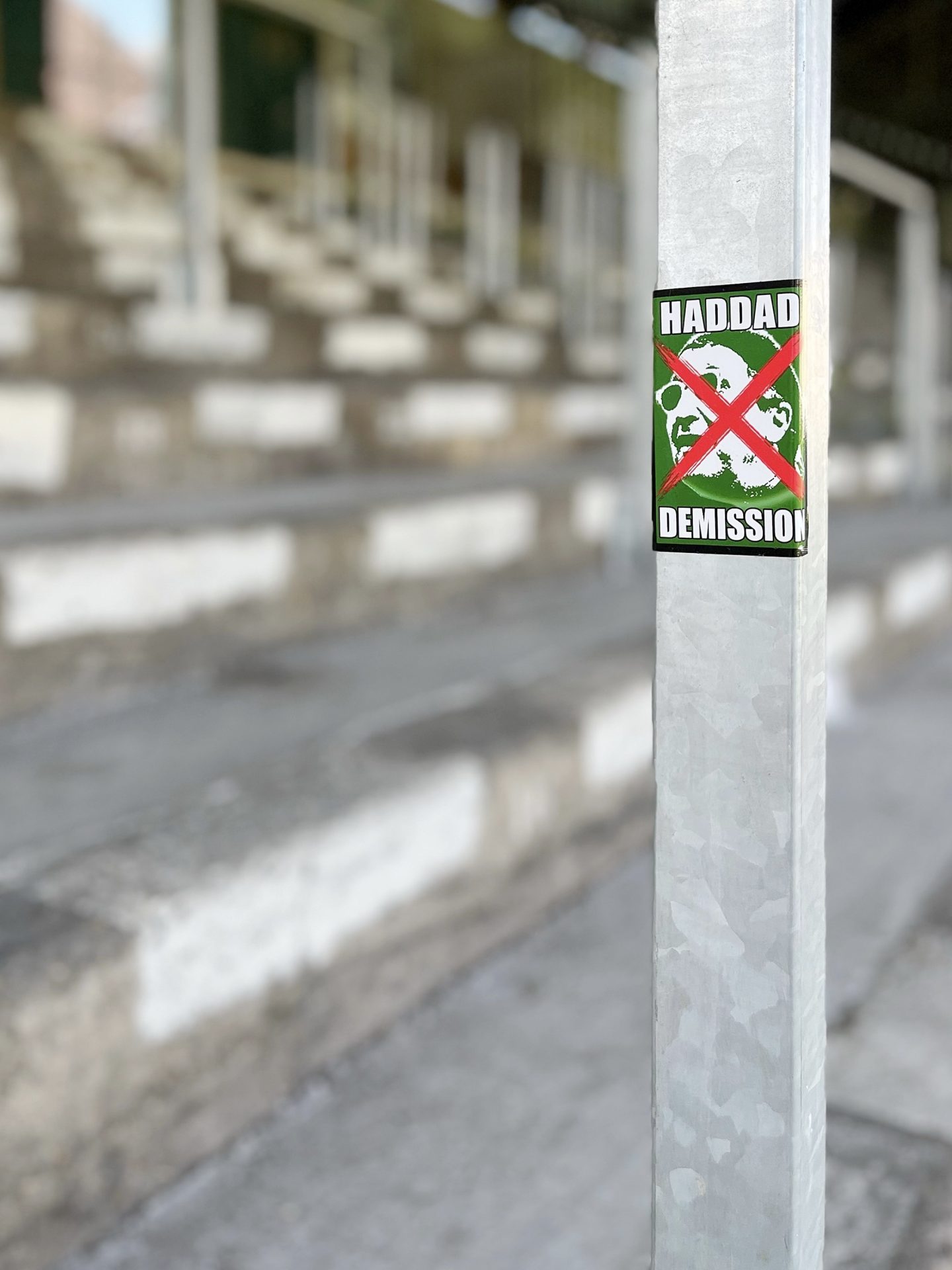
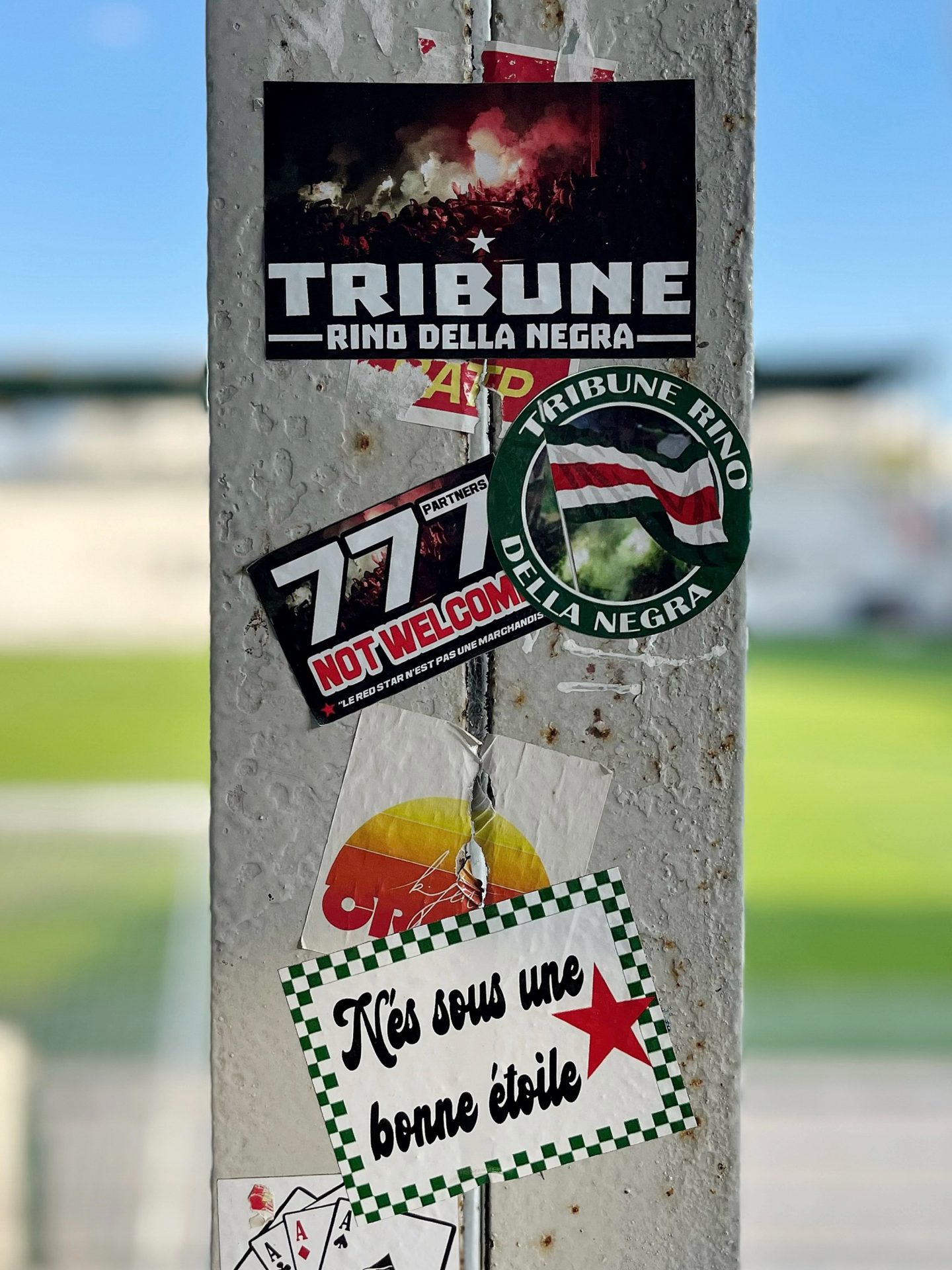
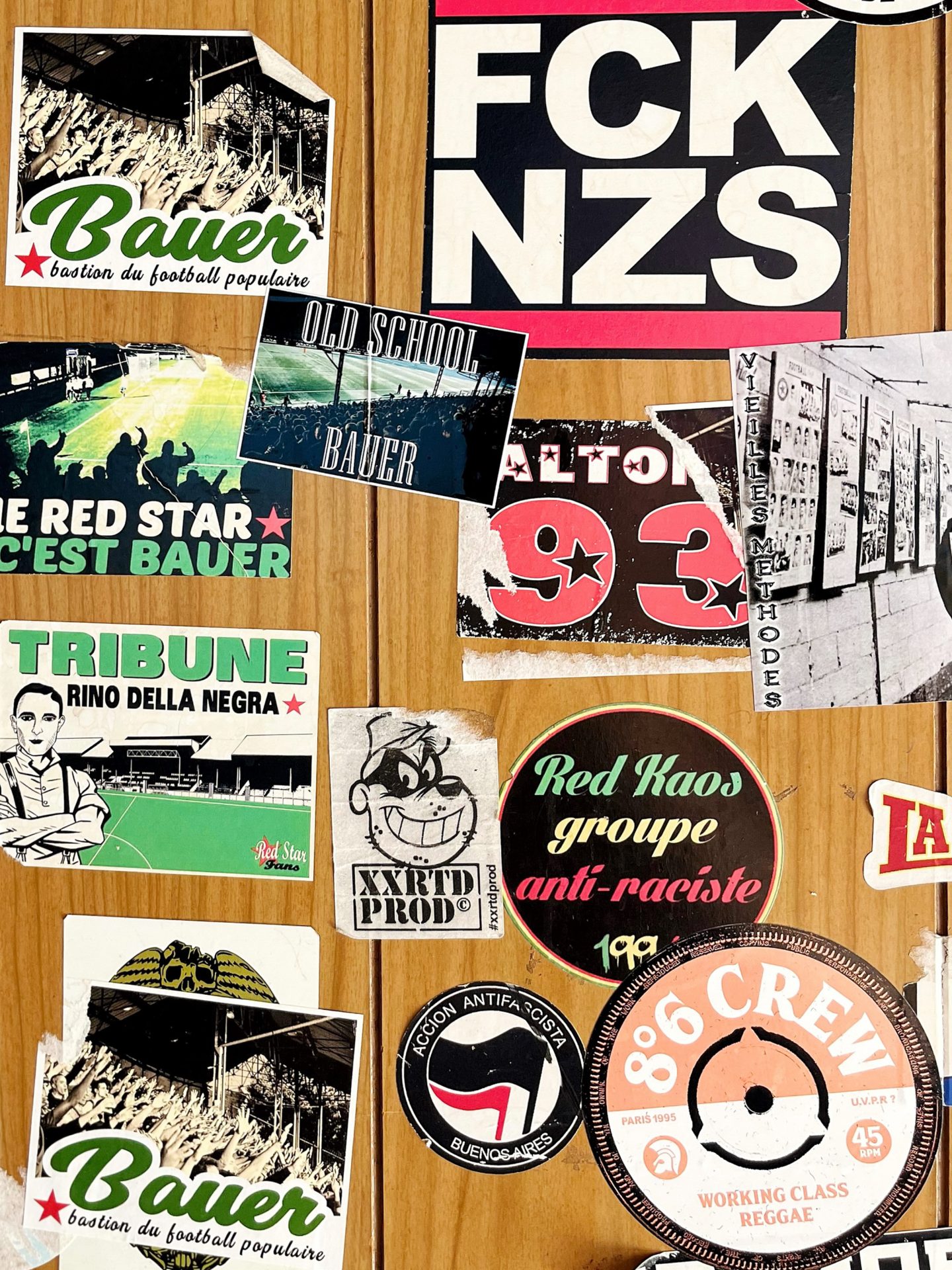
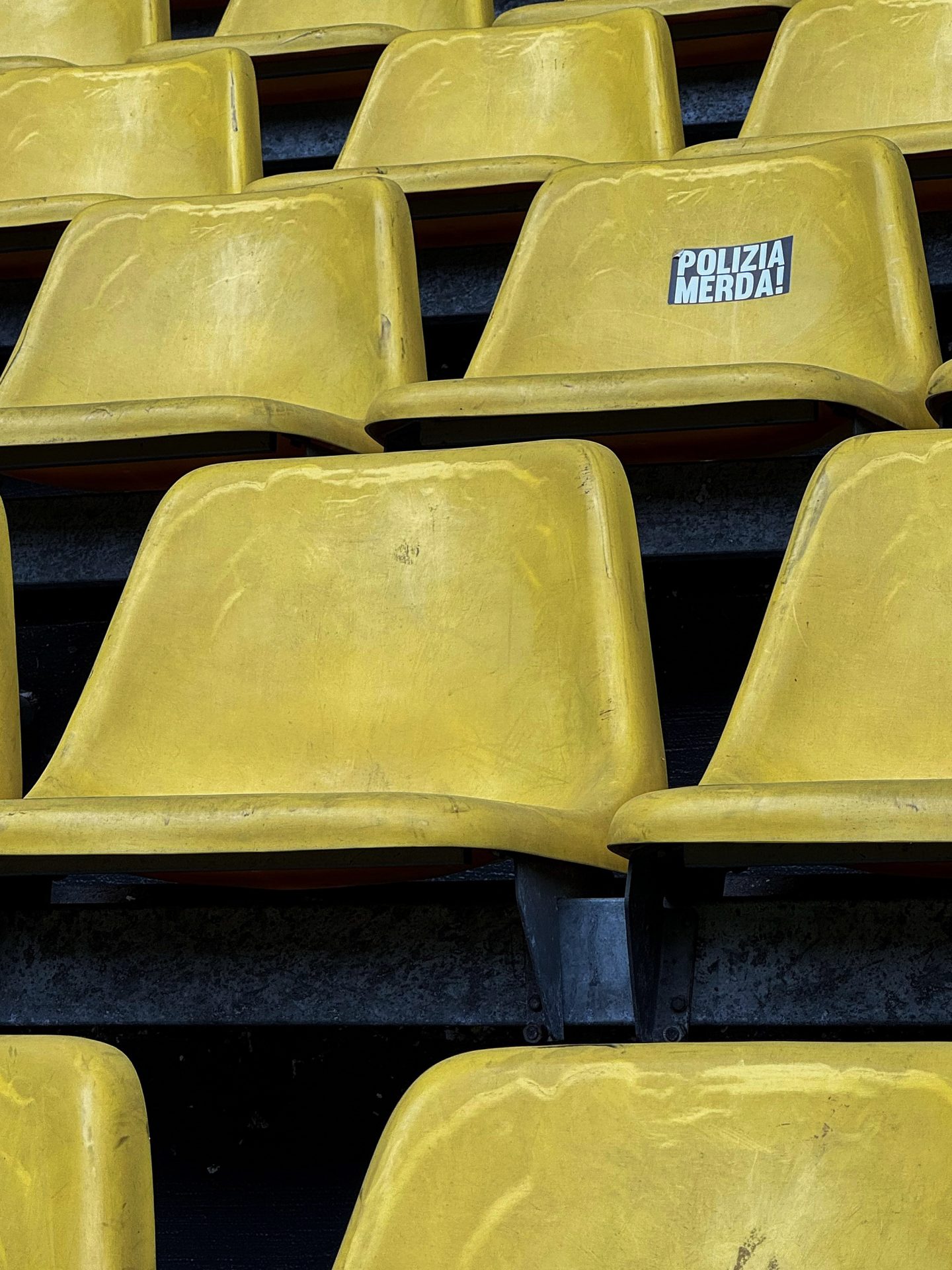
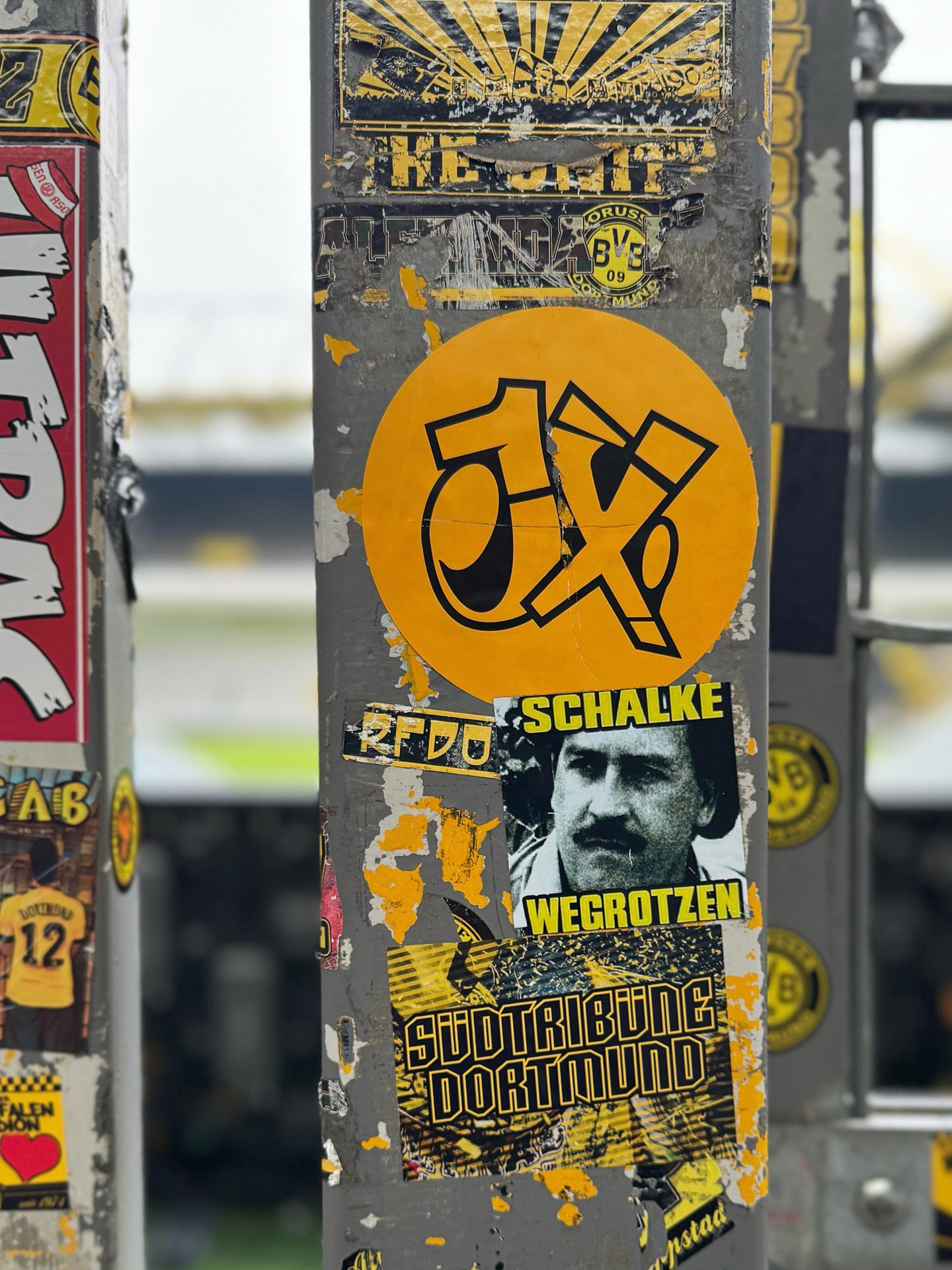
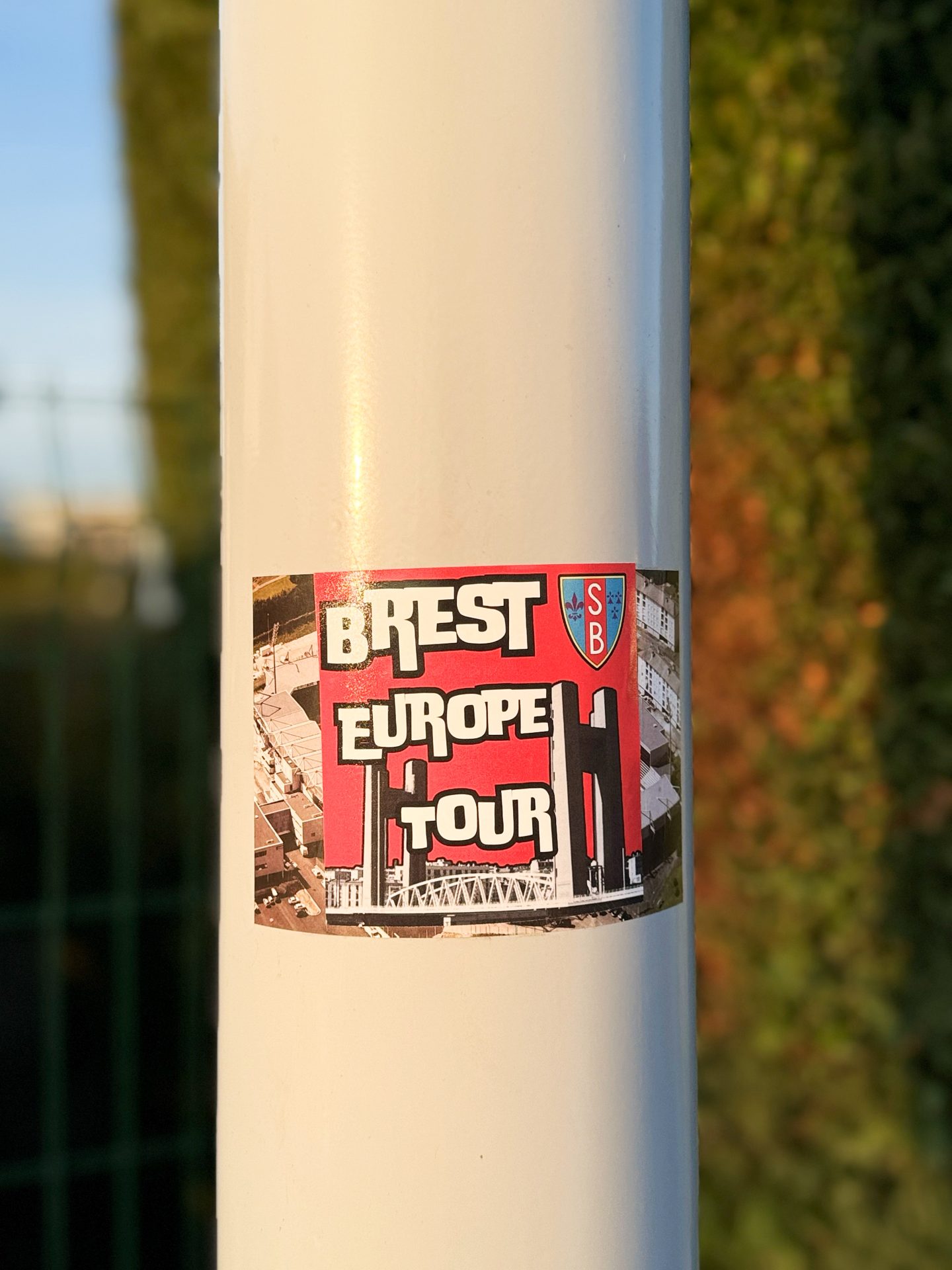
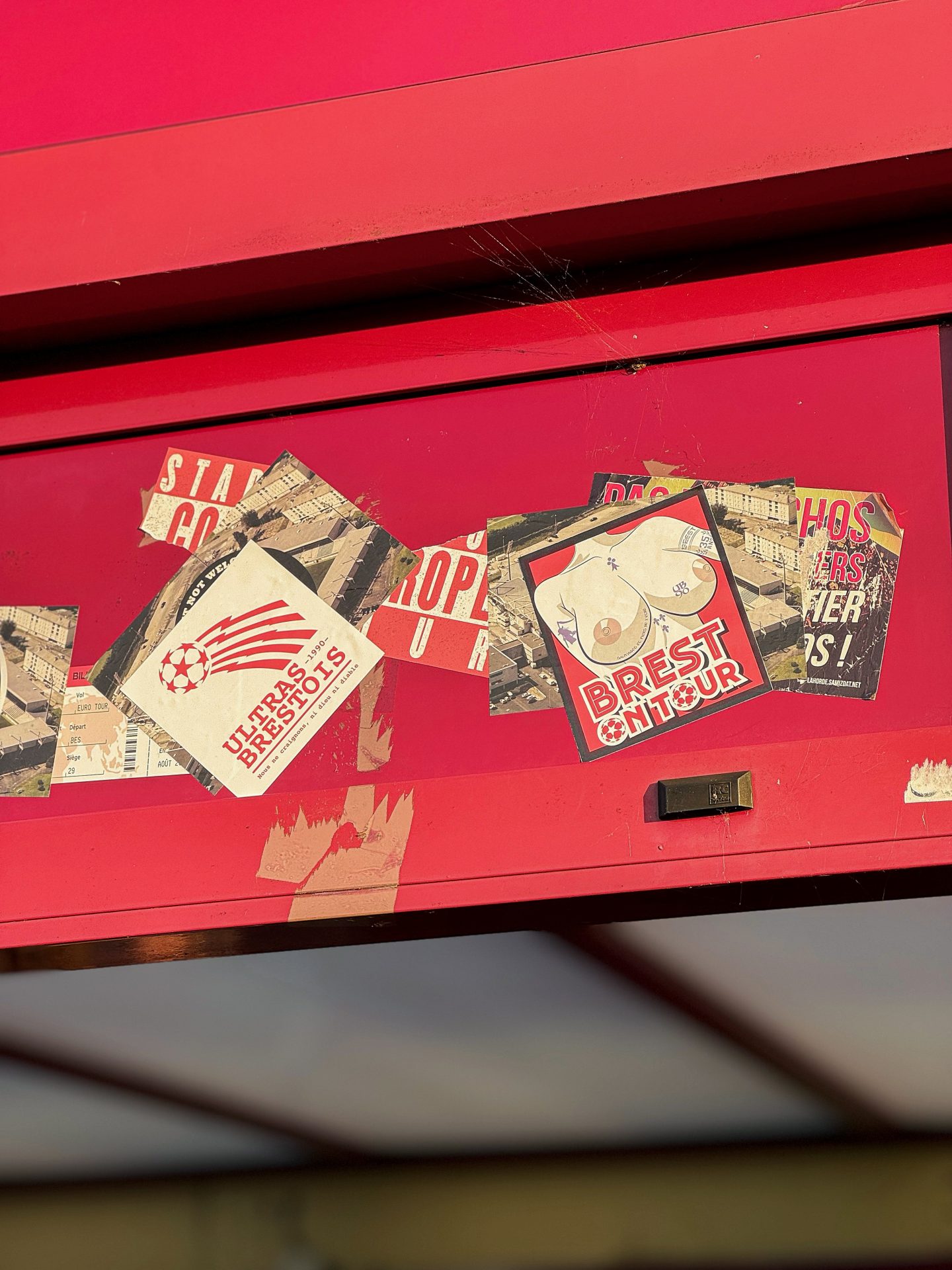
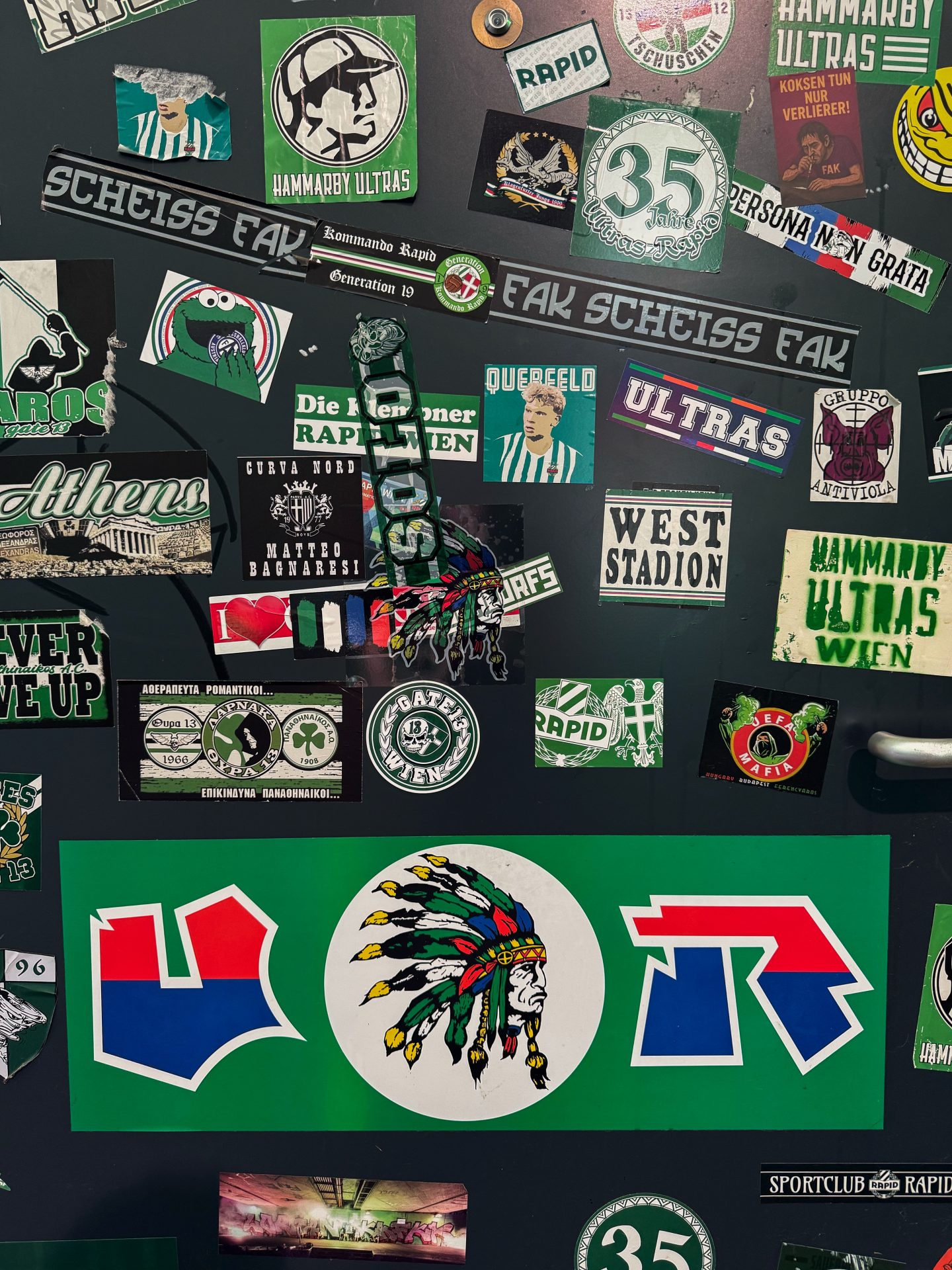
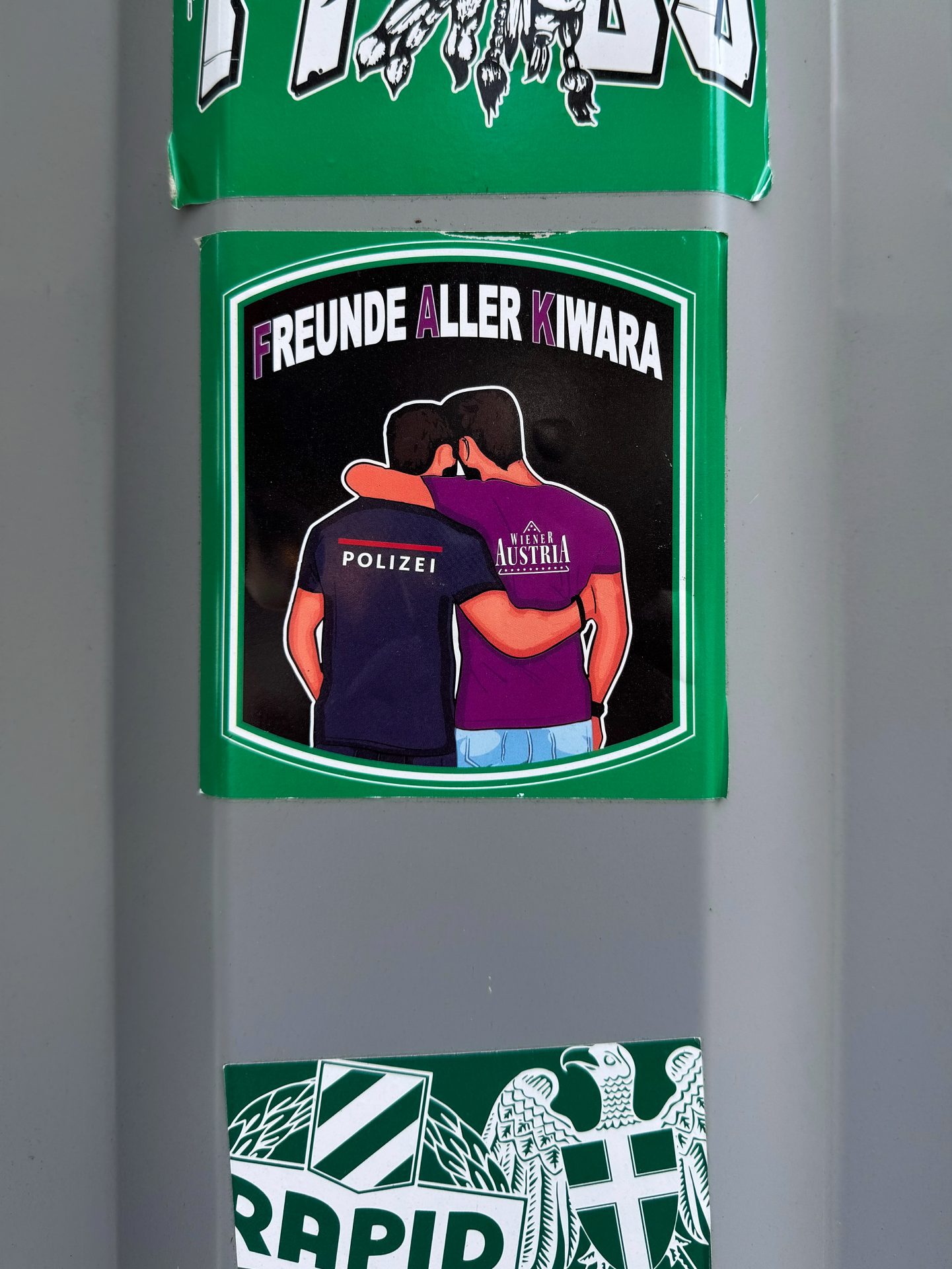
However, one practice has persisted through the ages. When another ultra group’s sticker is already present, the custom is not to tear it off but to add another sticker over it. There is, however, an important distinction. When adding another sticker, it’s best to leave a trace of the original sticker to preserve its history and show which ultra group came next. Stickers can also serve other purposes: criticising club management, denouncing multi-club ownership model, vilifying the police, or promoting friendship with other ultra groups. Sticker sales by ultra groups often contribute to financing their activities, and even to covering the legal fees of banned fans.
Historically, ultras had artists within their groups to design the visuals. Humans decided on the symbols and references, drawing on their creativity. Today, AI is increasingly present in the creative process and tends to diminish the authenticity and depth of the messages. Progress serving cultural impoverishment.”
You may also enjoy…