Love, loyalty and passion… James Bowskill’s photographic study on football fans in Greater Manchester celebrates English football culture and it’s relevance to the social systems of that region.

“Football withholds a significance in so many peoples lives which is unrivalled by anything. Being a football fan is such a concentration of emotion; revealing aspects of love, loyalty, and passion, but also at other times, misery and loneliness, it was ultimately this emotional experience that I wanted to try and portray through my imagery.”
James Bowskill

Football fan James Bowskill talks with real passion and depth about the sport he loves and the role it plays within peoples lives and their wider communities.
Having studied photography at Manchester Metropolitan University, his devotion of all things associated with the beautiful game inspired him on a photographic study of football fans around Greater Manchester, his home since leaving Suffolk to study back in 2016.
“This photographic series was part of my final year studies. The idea was to curate a selection of photographs that attempt to encapsulate the experience of following football in Greater Manchester, looking introspectively at how its loyalties, rituals, and rivalries, both define and divide people’s lives in the region.”


An Ipswich supporter at heart, Bowskill grew up typically immersed in the game.
“Ipswich Town were my local club growing up and I regularly went to Portman Road as a kid.
“My weekends were centred around football. I got into playing for my local youth side when I was 6 years old. Every Saturday morning I would play for them and then if I was with my dad we’d go and watch Ipswich in the afternoon. Then, on Sunday mornings I would always get up early to watch Match of the Day.
“Since moving to Manchester, I have watched some brilliant games at the Etihad, most notably I think was my first experience of European football at a City vs Celtic game in 2016. I borrowed someones else’s season ticket for the match without realising that he only sat two or three seats to the side of the away end and I quickly found out how relentless Celtic supporters could be. There were definitely a couple of fights that broke out and I vividly remember having to try and dodge coins that were being thrown between the home and away sections, it was intense at times but I loved it…
“City beating Monaco 5-3 in the knockout round that same season was the best football match I have been to for the football itself. It was end to end and having the opportunity to watch Kylian Mbappe as a young prodigy in his first break through season at Monaco was special.”


For Bowskill, football has been an ever present throughout his life. Playing, watching and now also photographing and studying the impact the game has on society, “defining and dividing the region and the experiencing the importance of football’s socio-cultural impact…
“I wanted to produce a set of images that visually celebrate English football culture but also attempt to capture it’s relevance to the social systems of the region.”


Like many, Bowskill sees football as an extension of life, typically revealing aspects of “love, loyalty, and passion,’ but also at other times, “misery and loneliness.”
“My photographic study of the football in the North West of England has involved trips to the colossal clubs such as Manchester United and Manchester City who have historically experienced monumental success on and off the pitch, and also visits to clubs such as Bolton Wanderers and Bury who have often found themselves in financial difficulties due to a lack of investment into the clubs and the communities they are part of.”


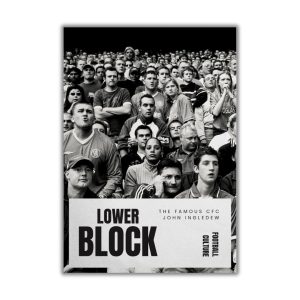
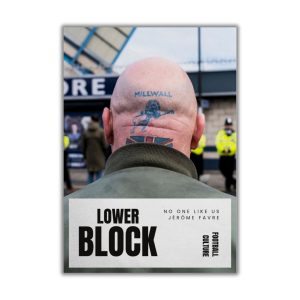


Football photographer Stuart Roy Clarke, a great inspiration to so many other aspiring photographers, also served Bowskill as an example of how football can be documented. “I love the work of Stuart Roy Clarke in his ‘Homes of Football’ series, I drew a lot of inspiration from him to try and capture everything about the football fan experience.
“I like to try and explore various aspects of life and the human experience, investigating some of the issues that people face in their daily lives, whether its capturing the thrill of the crowd at a football match, depicting demonstrators protesting for social activism, or portraying homeless life on the streets of Manchester.


“I always use a Sony A6000 camera with a standard lens to shoot because it’s nice and compact which makes it easier to take to football games and discreet enough to not encroach on fans. I found to be fully encompassed by the project I needed to still be attending football matches mainly as a fan and not as a photographer, so the small size benefitted me.


“I was aware that I could potentially be taking photos of fans who are ecstatic or ones who are heartbroken and there’s a weird sense of vulnerability that comes with that so I didn’t want people to react badly to being photographed. Fans could be more hesitant towards people shoving big cameras in their faces especially at certain matches when the atmosphere can already be tense, so it was better to be discreet and move on quickly.
“I love the inclusivity within football; It’s really easy for people to access and there are communities built on clubs up and down the country from the top to the tenth tier, it’s what makes being a fan so special in this country.
“The beauty and popularity of watching football in this country comes from the fact that fans are so willing to unconditionally invest themselves emotionally in their clubs, opening up the potential for pure elation and euphoria but equally making themselves just as vulnerable to pure misery and torment.”


Don’t miss out on Lower Block’s latest news and features. Subscribe to our newsletter below and give us a follow on Instagram, Facebook and Twitter.