As Millwall prepare to face West Ham again, Lower Block returns to Jérôme Favre’s intimate photo-documentary of matchdays at The Den – a portrait of supporters, community and working-class football culture in South East London.
Few sets of supporters in English football carry a reputation quite like Millwall.
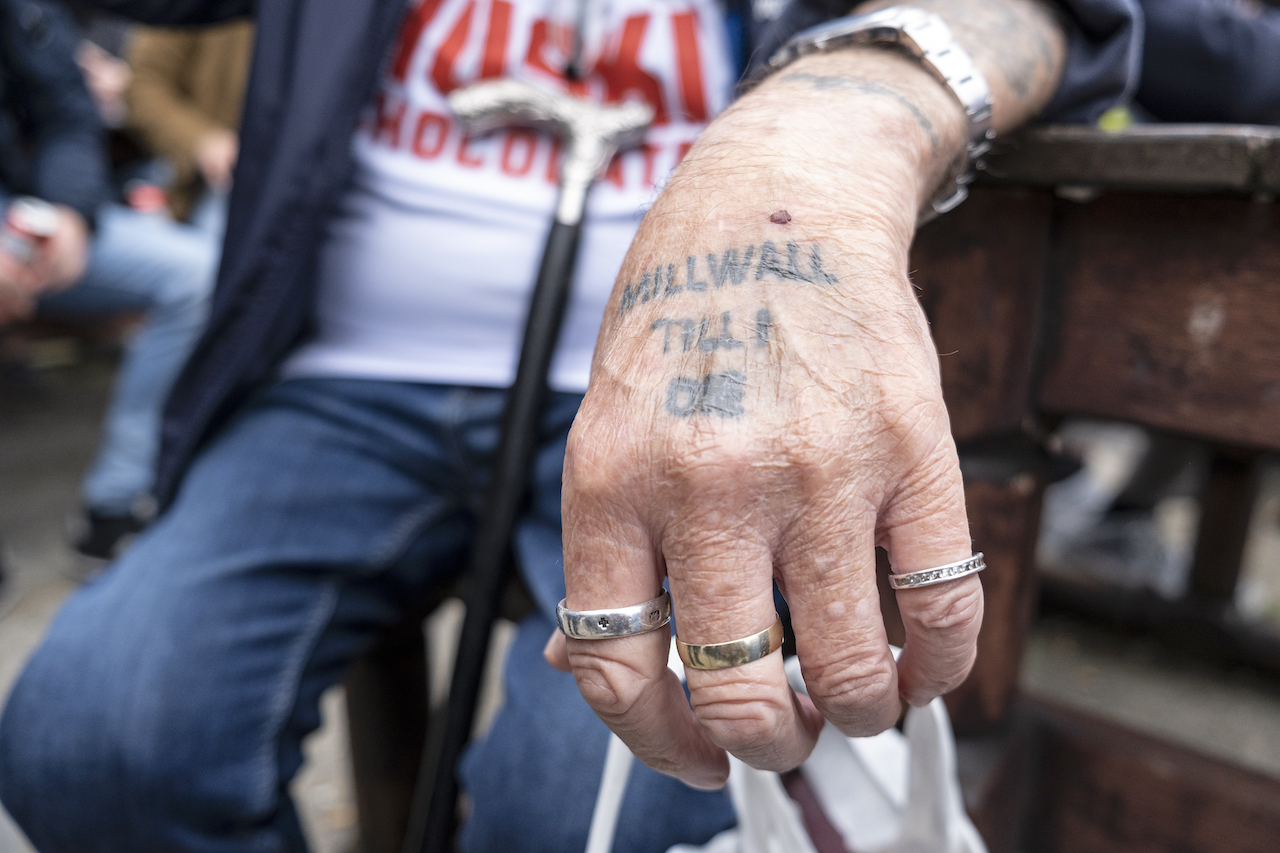
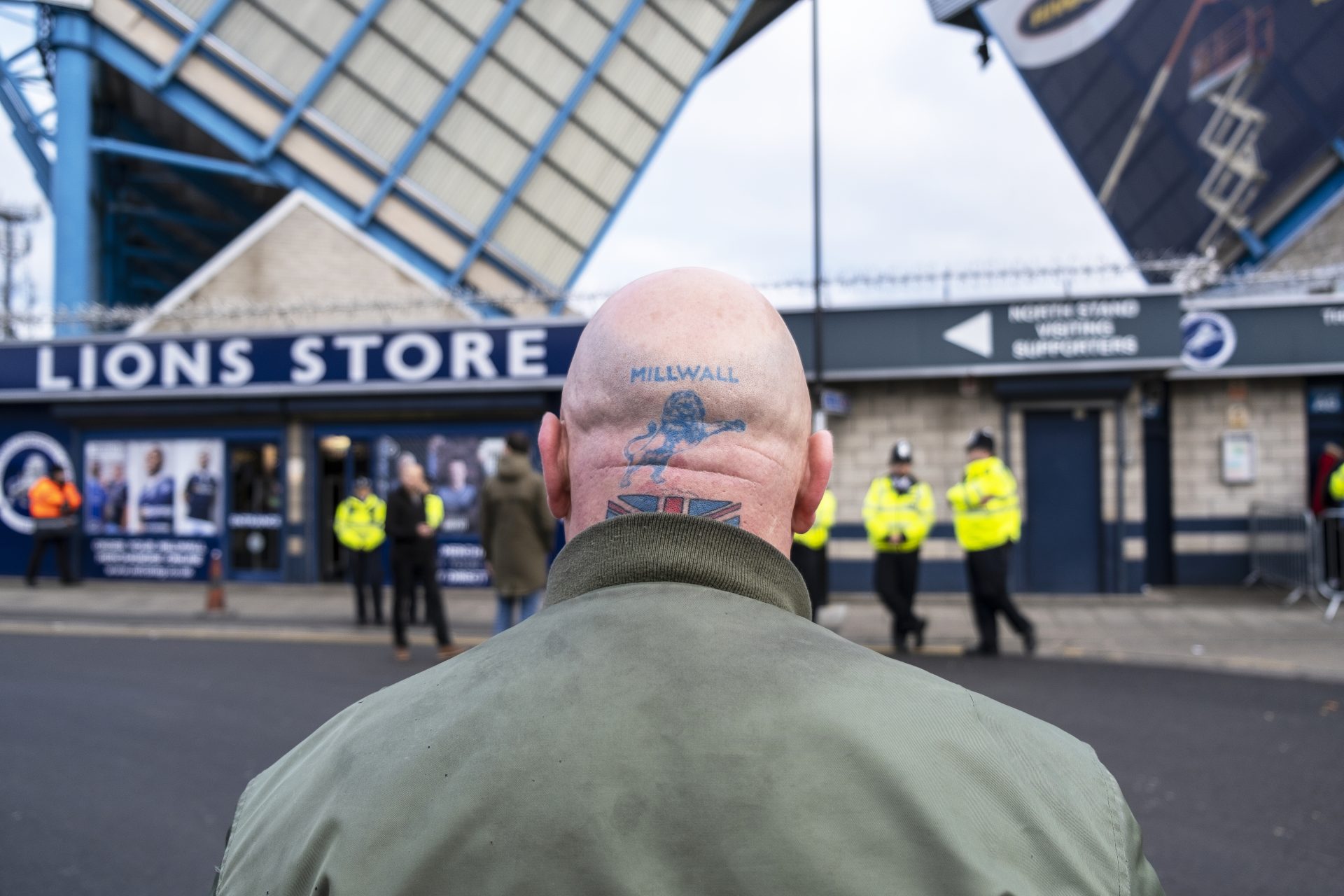
The headlines, hostility and mythology surrounding the club have accumulated over generations. Their rivalry with West Ham, dubbed the Dockers Derby, remains one of the most notorious in British football, while the words sung from the stands at The Den have become inseparable from the club itself.
“No one likes us, we don’t care.”
But beyond the reputation is an established football community with its own traditions, families, friendships and matchday rituals.
Photographer Jérôme Favre became fascinated by that world after moving to New Cross in South East London. Originally from Lens in northern France and a lifelong RC Lens supporter, he found something familiar in his local club.
“I was fascinated by the fact that Millwall was, and still is, a working-class club and a tight-knit community, which is a rare thing in football today. Millwall also has a terrible reputation – I was curious to cast an honest look at this football community.”
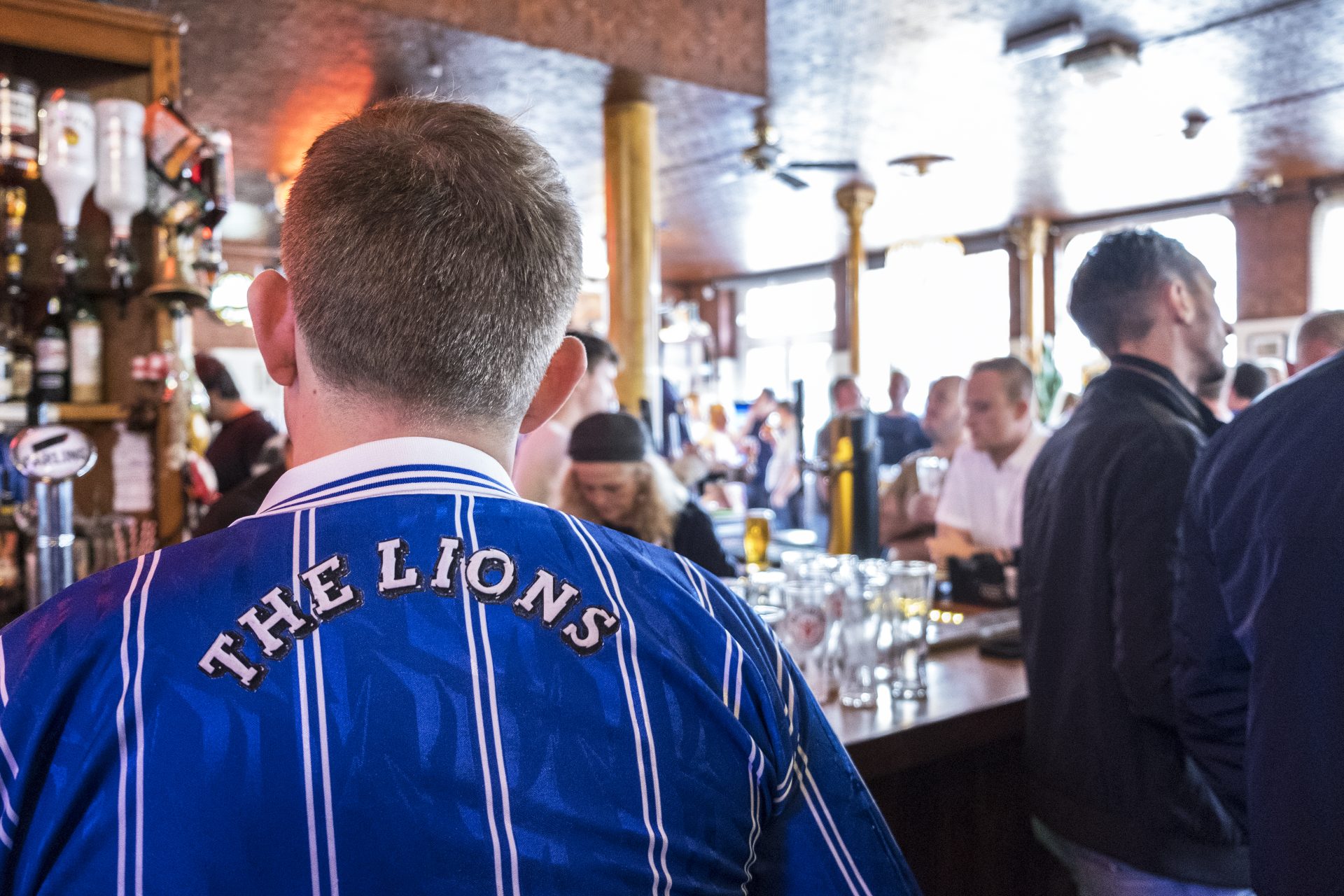
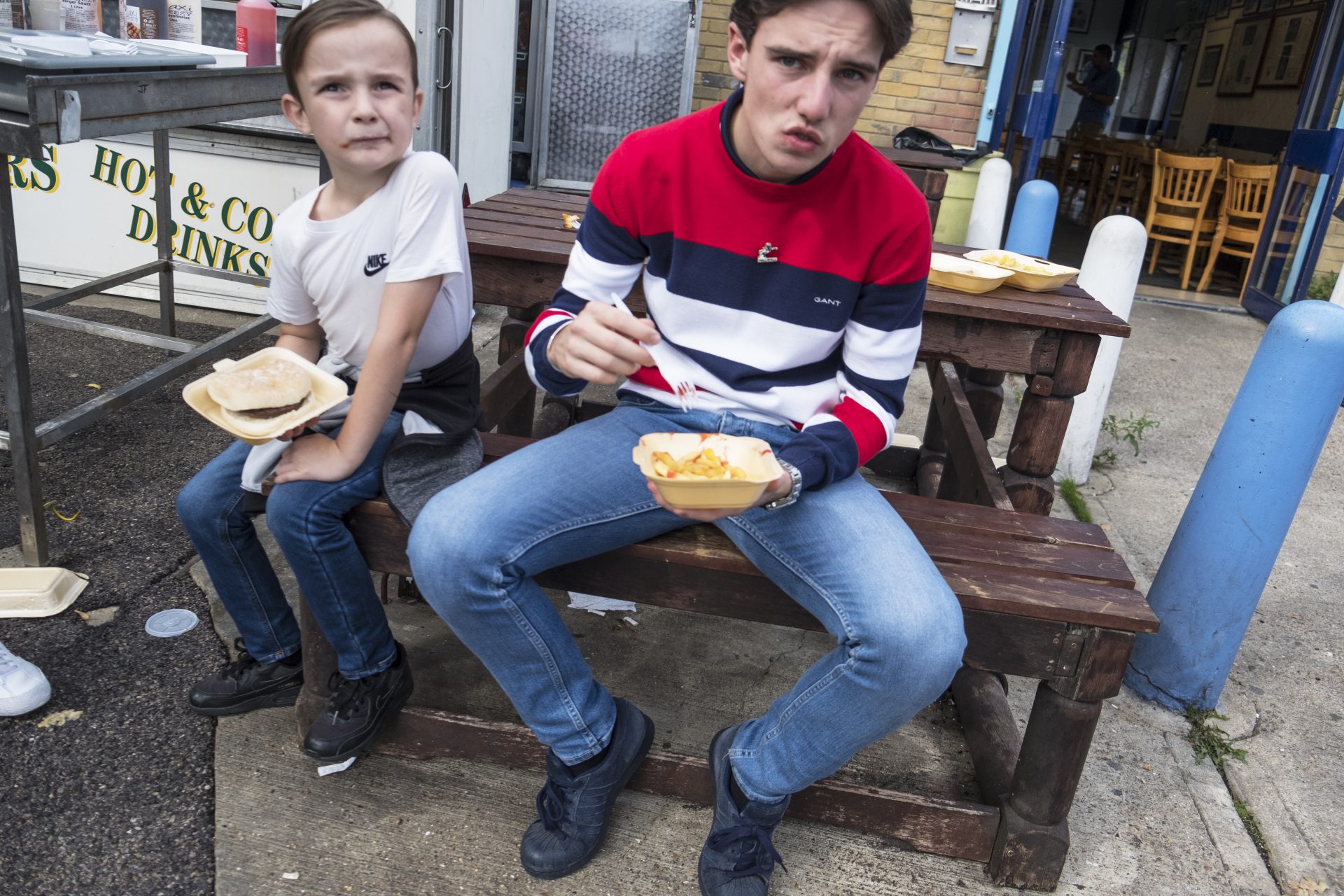
Life at The Den
After finding himself increasingly drawn towards life at The Den, Favre followed Millwall from 2019 through to the end of the 2021/22 season, when the club was chasing promotion to the Premier League.
His interest wasn’t primarily in what happened on the pitch.
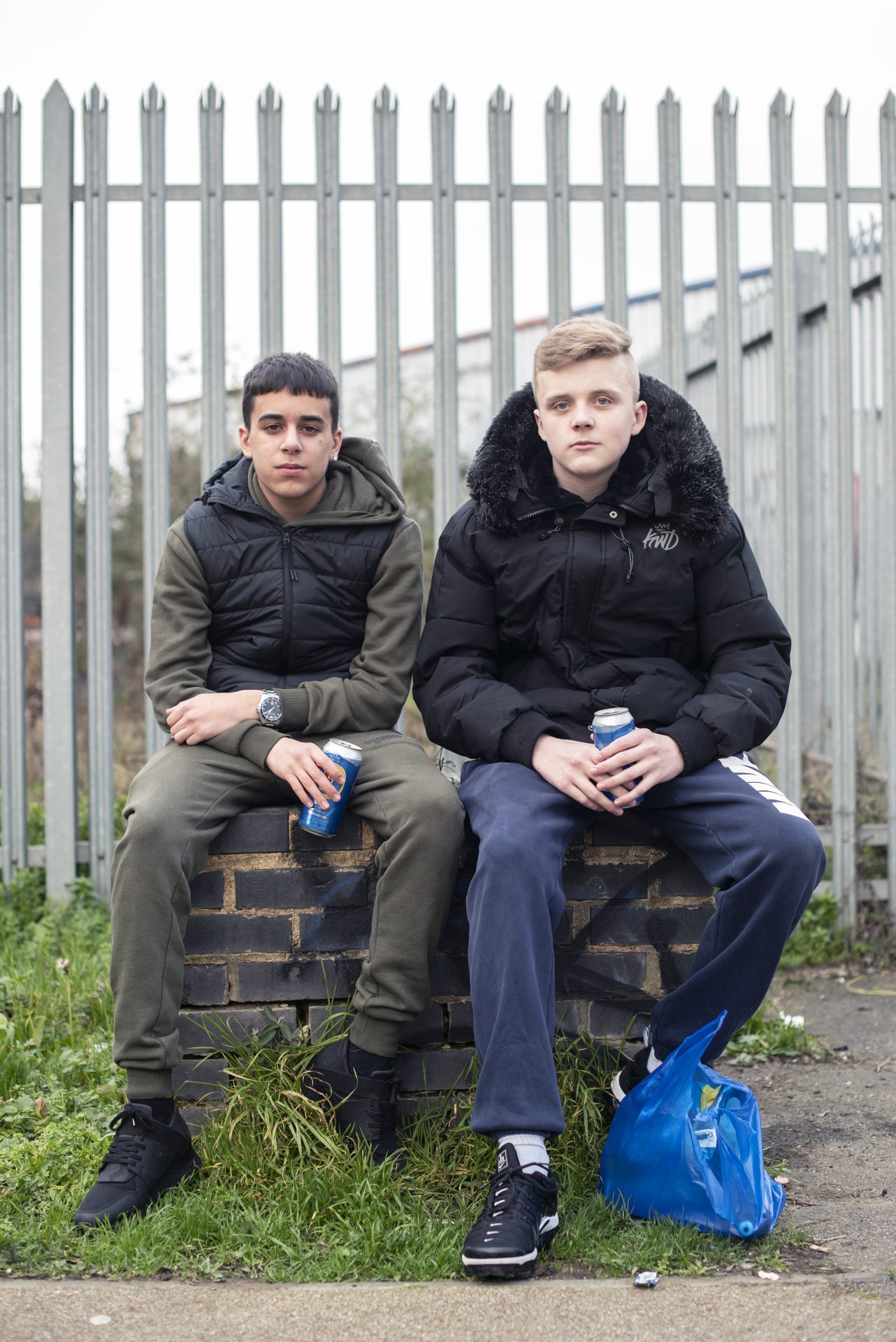
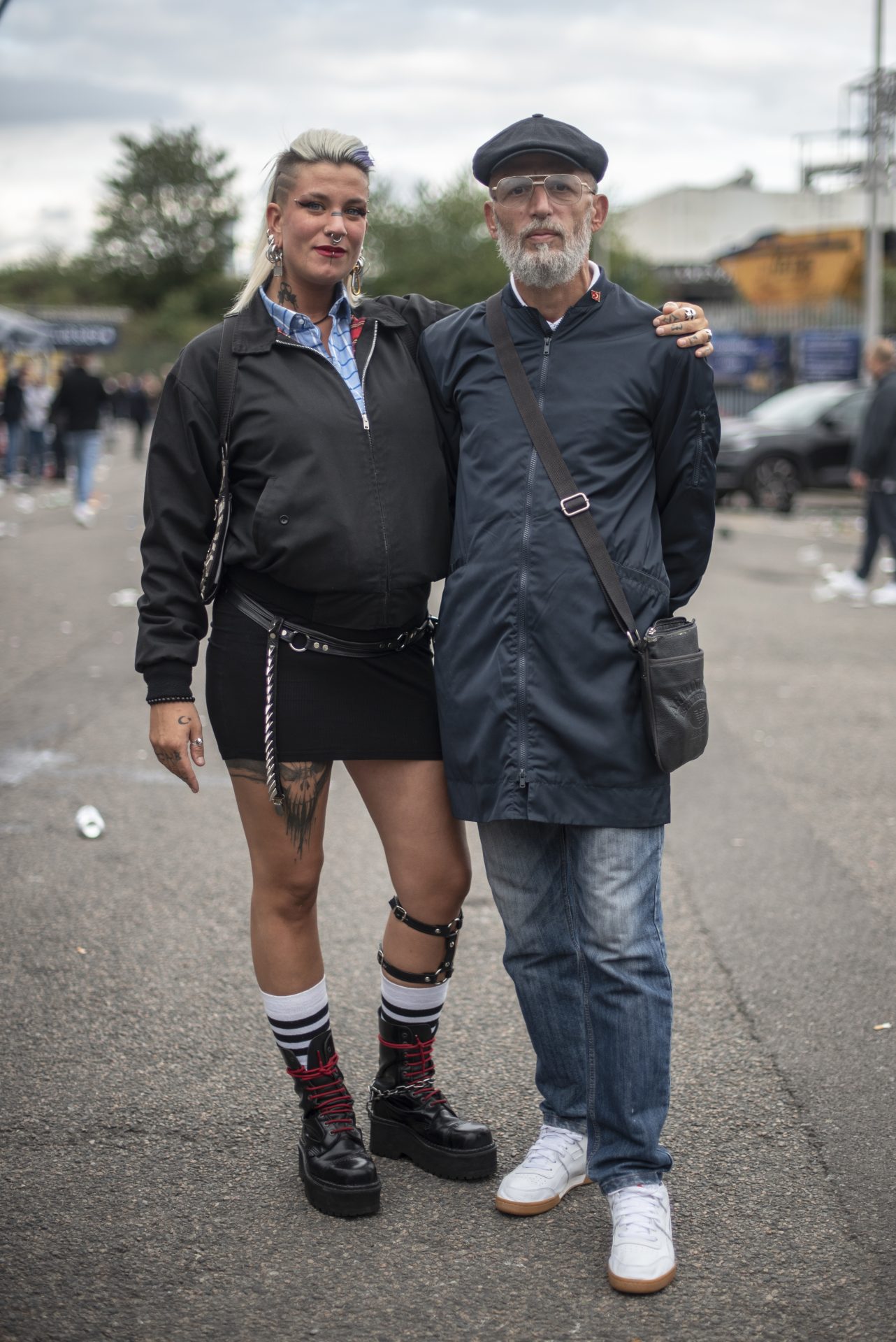
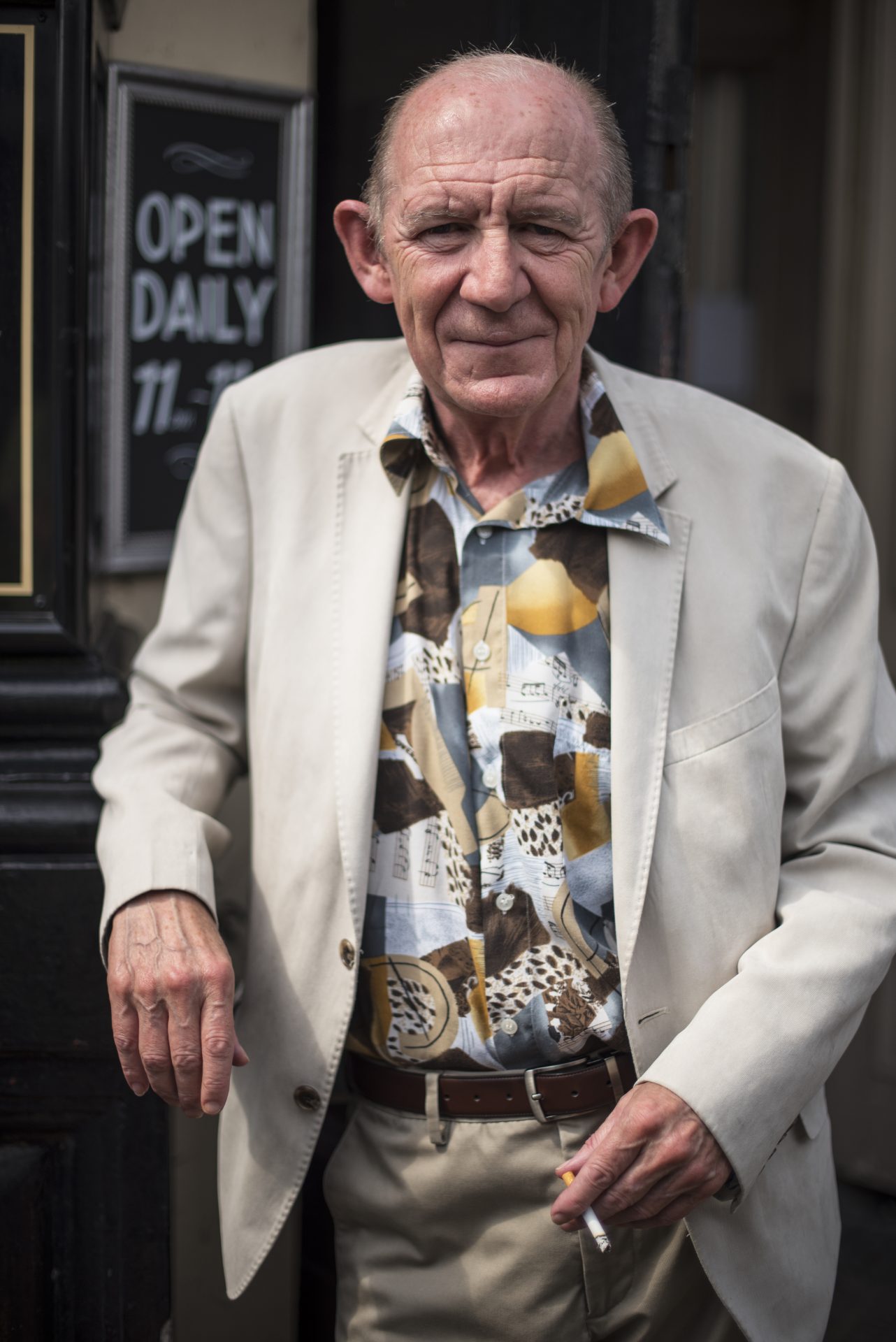
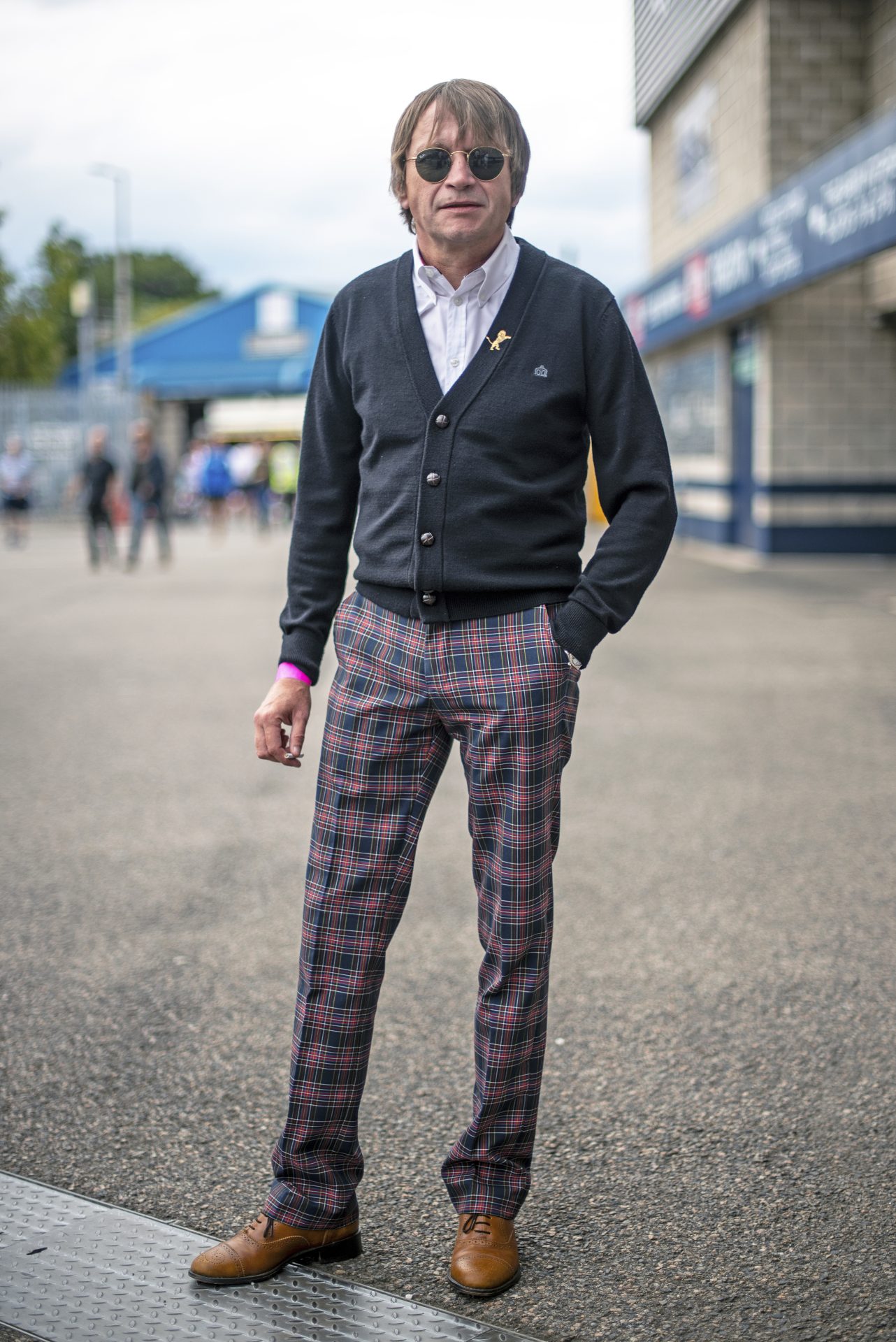
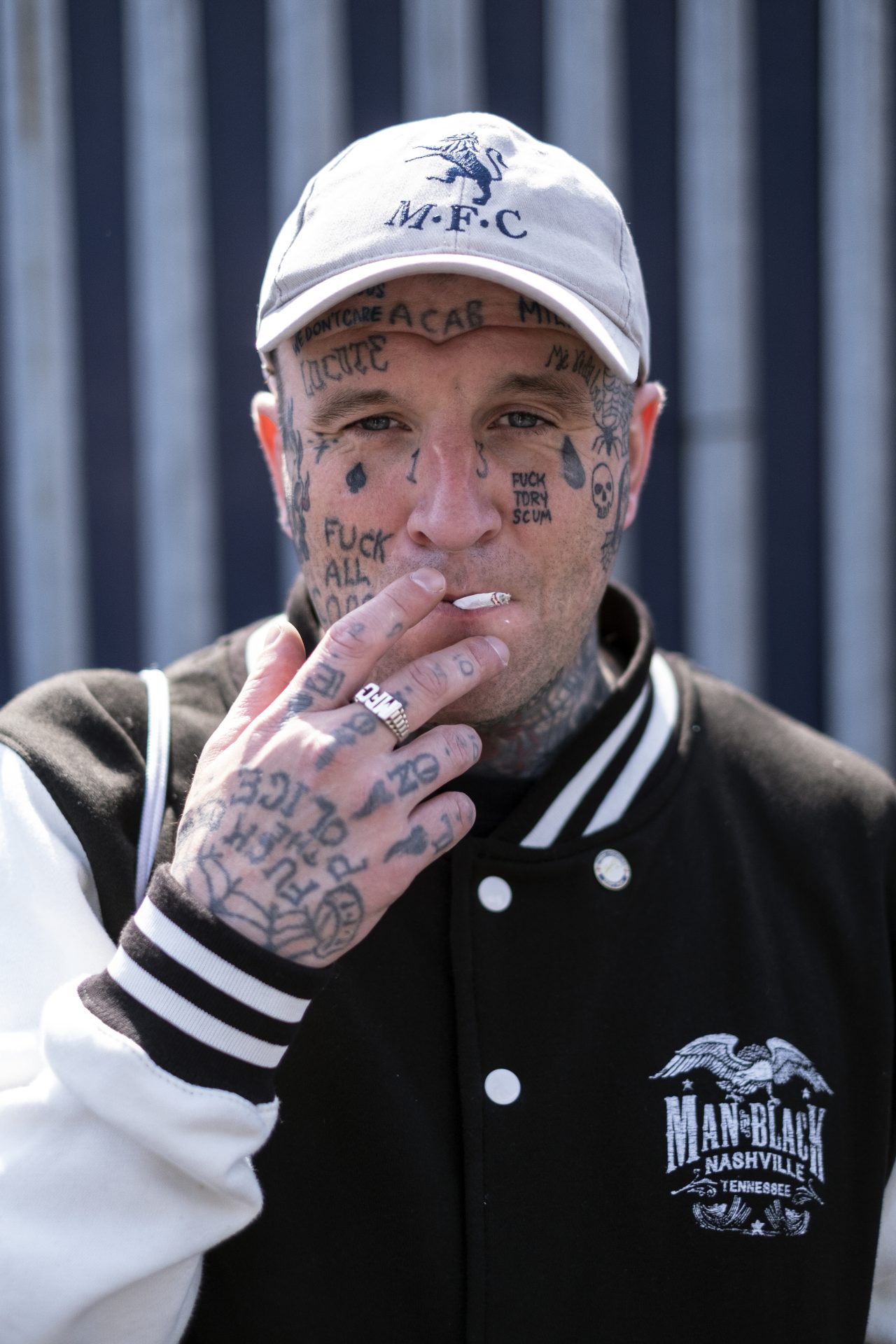
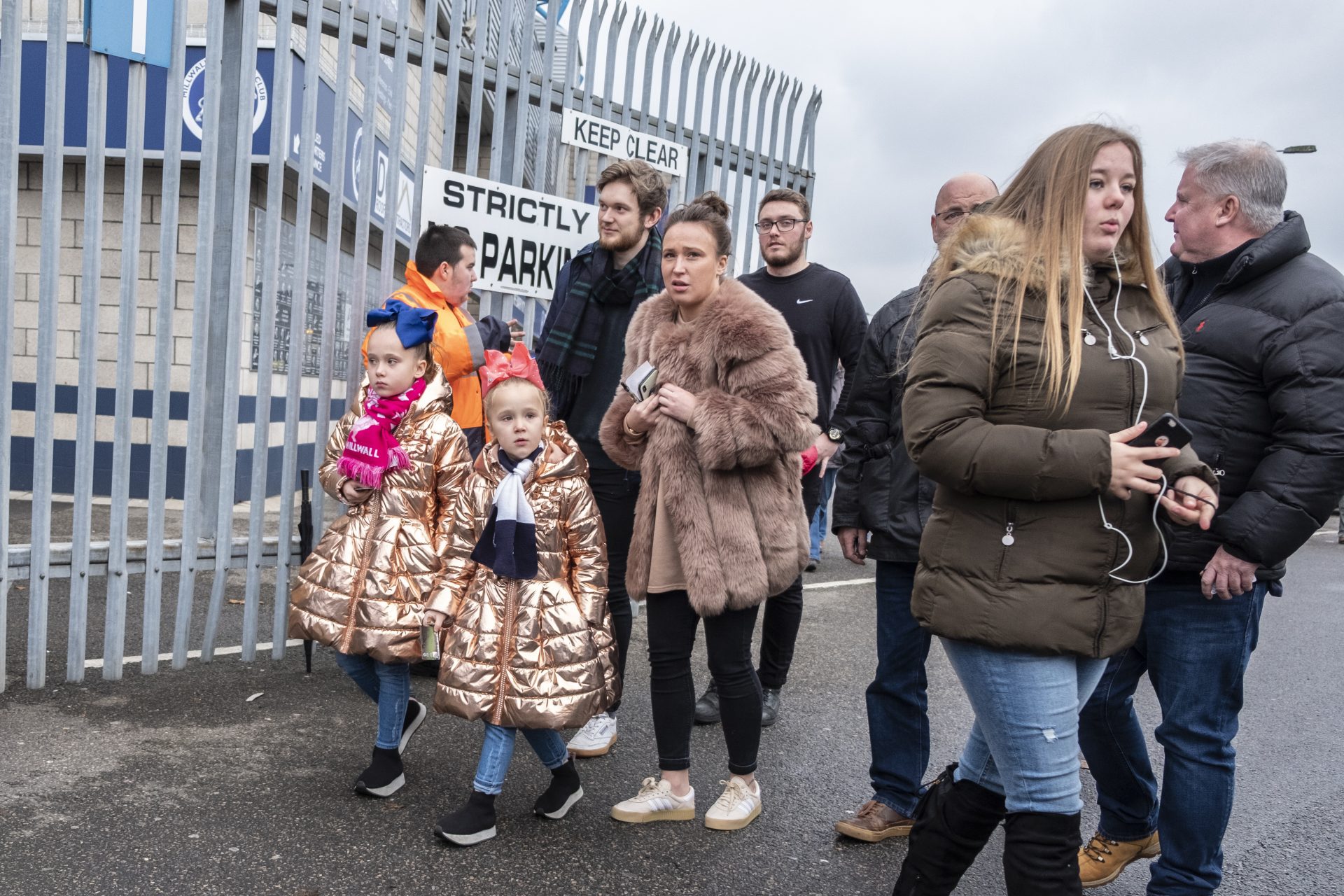
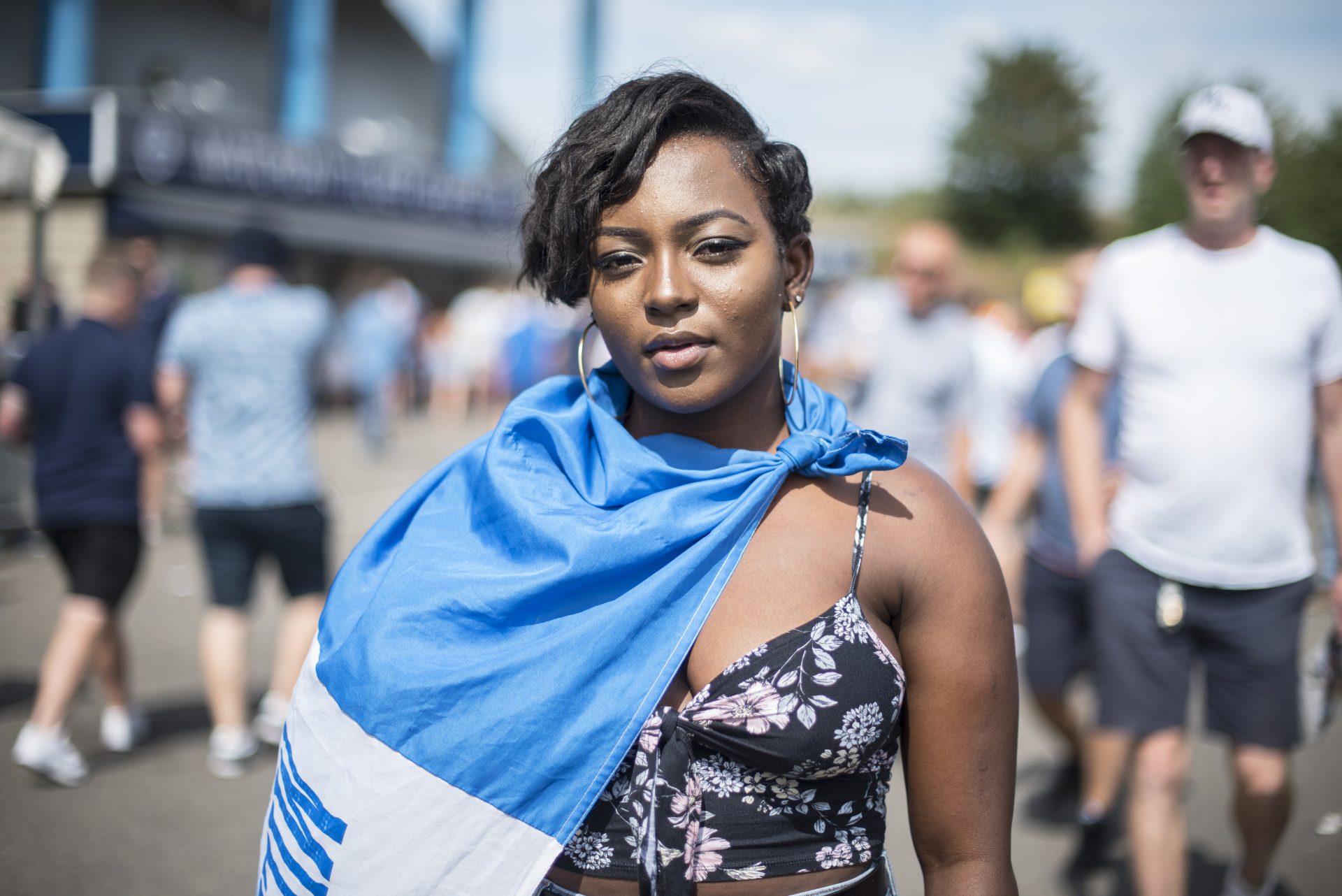
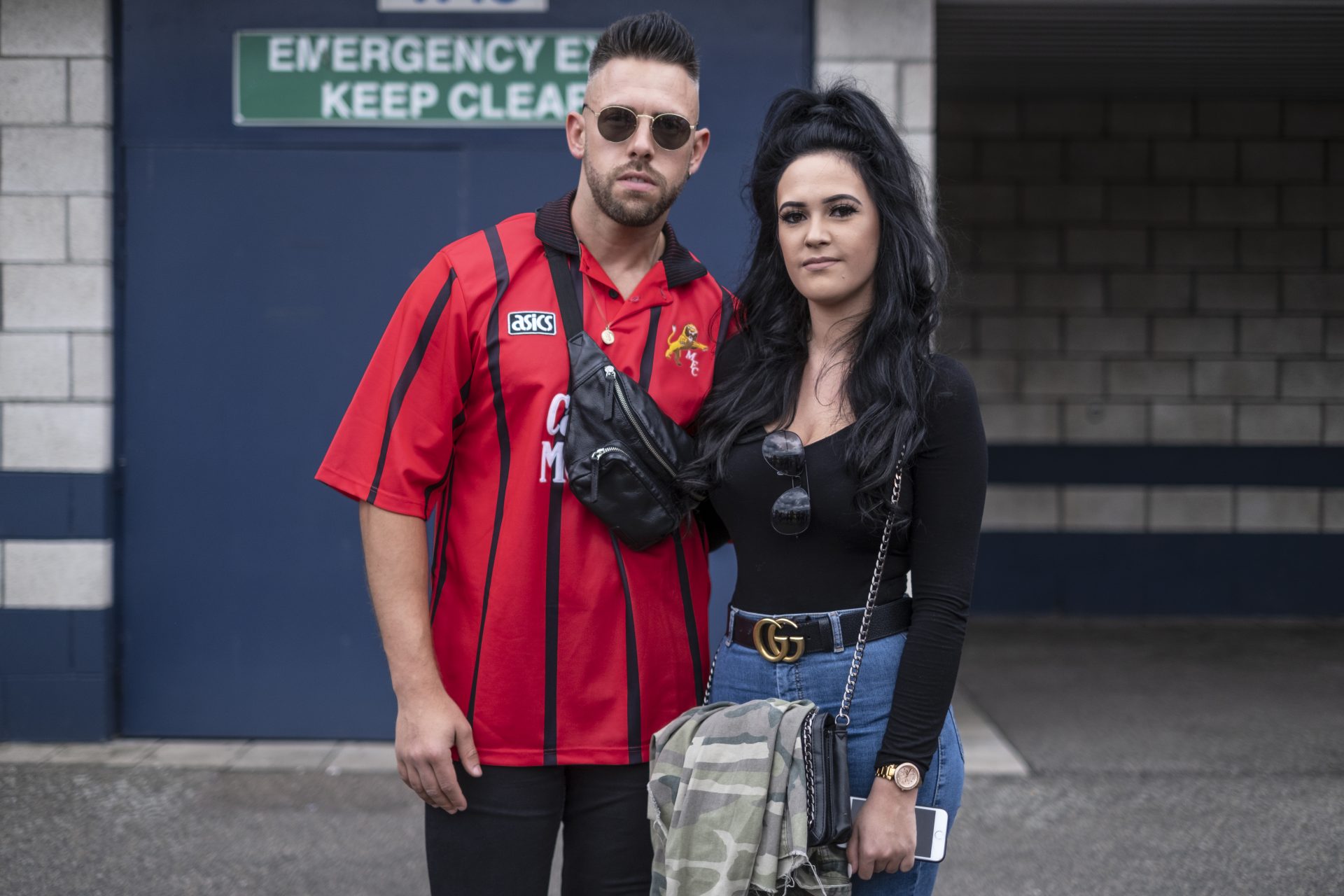
Instead, Favre turned his camera towards the people surrounding it: supporters arriving for games, the streets around the stadium, pubs and cafés, friends and families, faces in the stands and the small details that make up the experience of following a football club.
“I wanted to create an immersive photo-documentary inside the world of Millwall Football club. I was fascinated by the fact that Millwall was, and still is, a working-class club, which is a rare thing in London, and across the country in general.”
For Favre, there was a connection with the football culture he had grown up around in France.
His hometown club, RC Lens, has similarly deep working-class roots. For decades, the football club and the coal-mining community surrounding it were closely intertwined, with players and supporters connected through the pits that shaped the town.
At Millwall, he recognised something of the same relationship between club, place and identity.
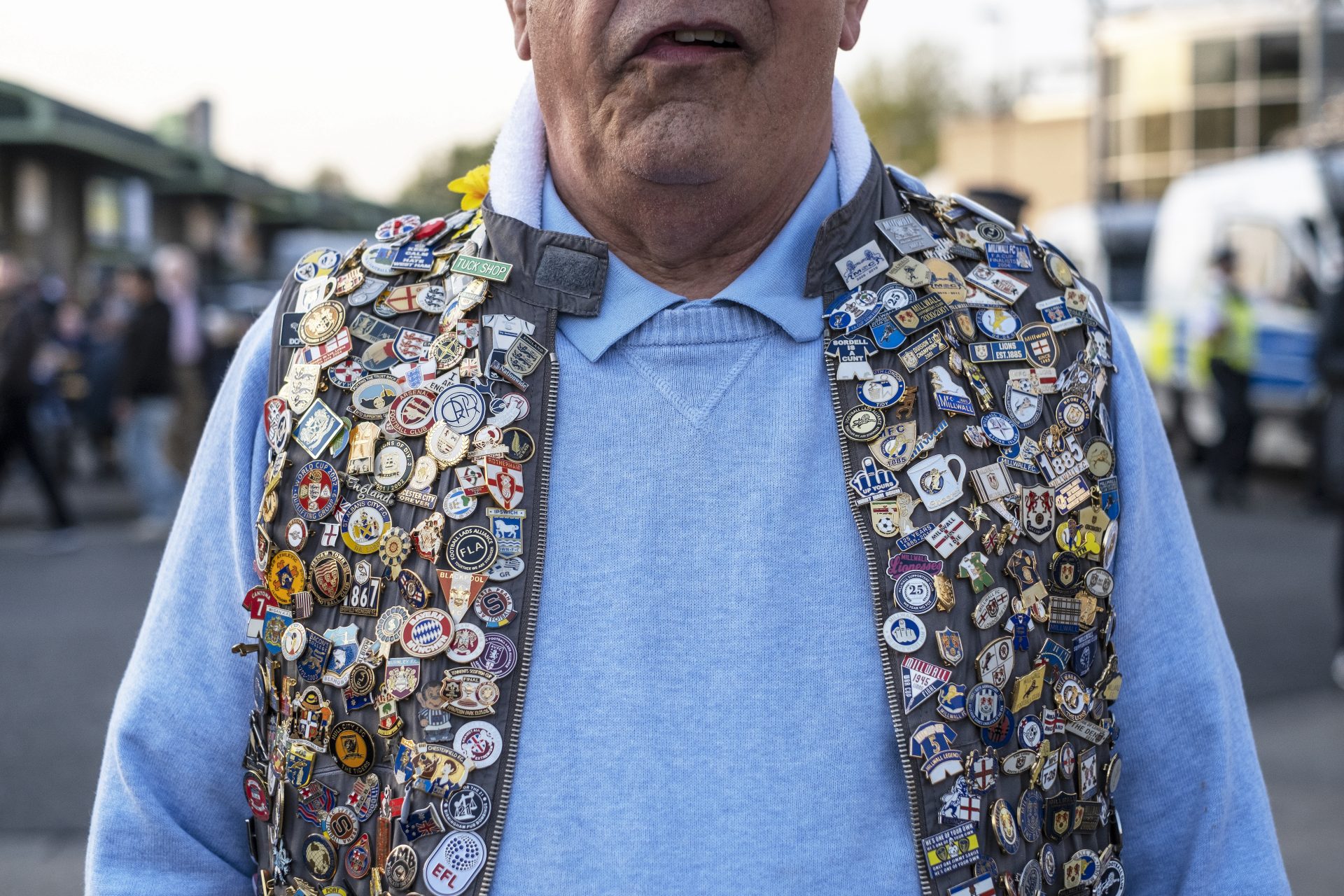
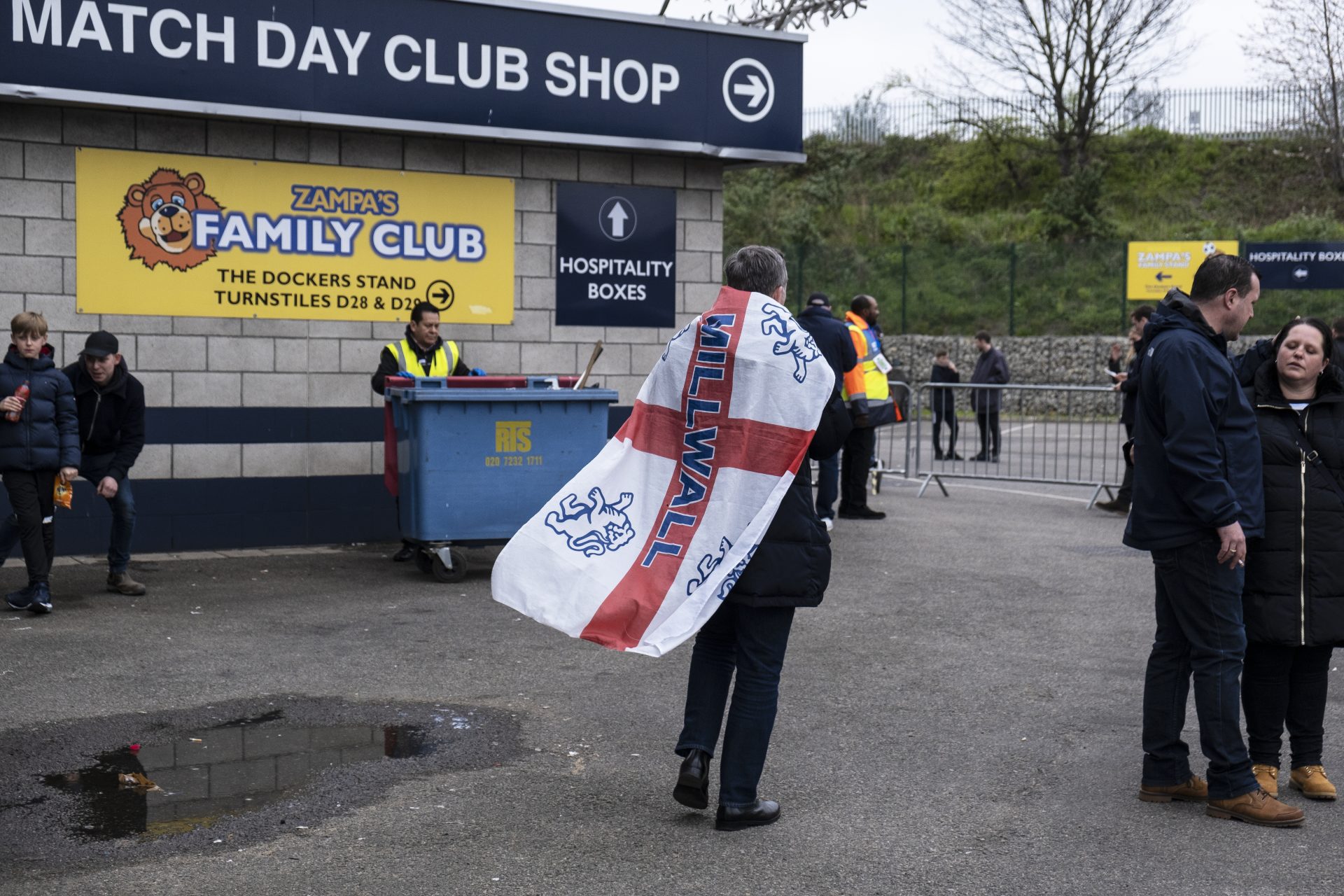

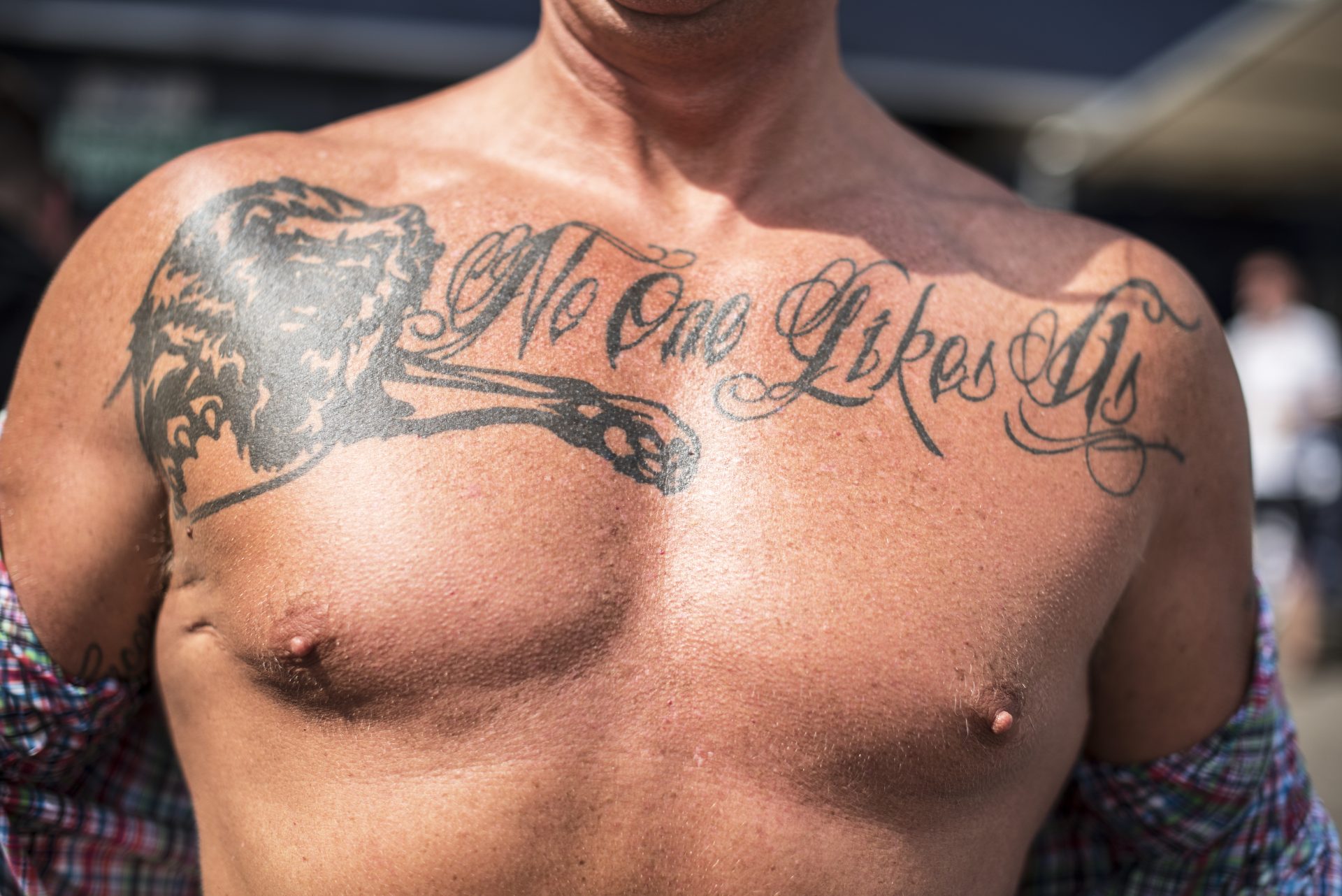
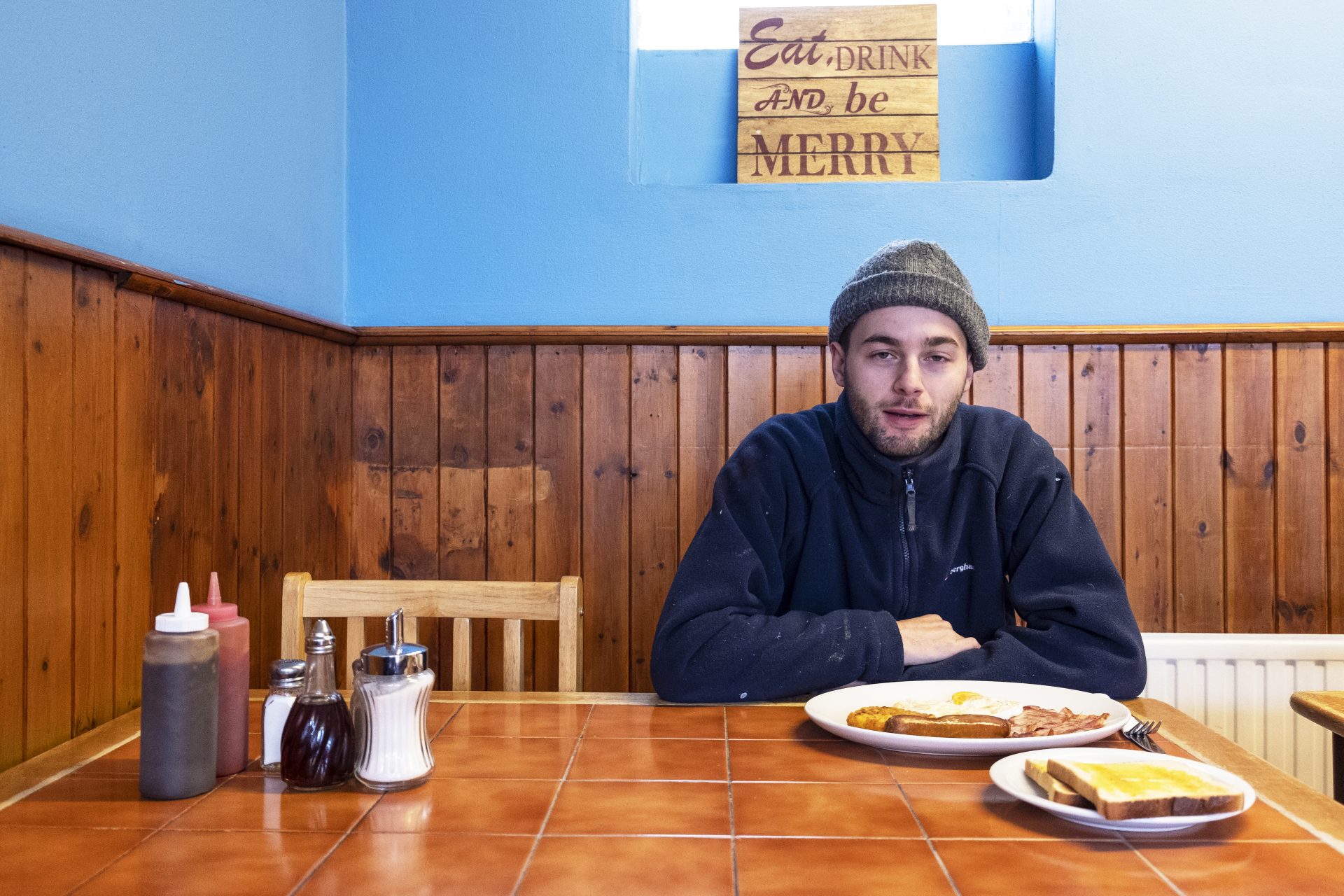
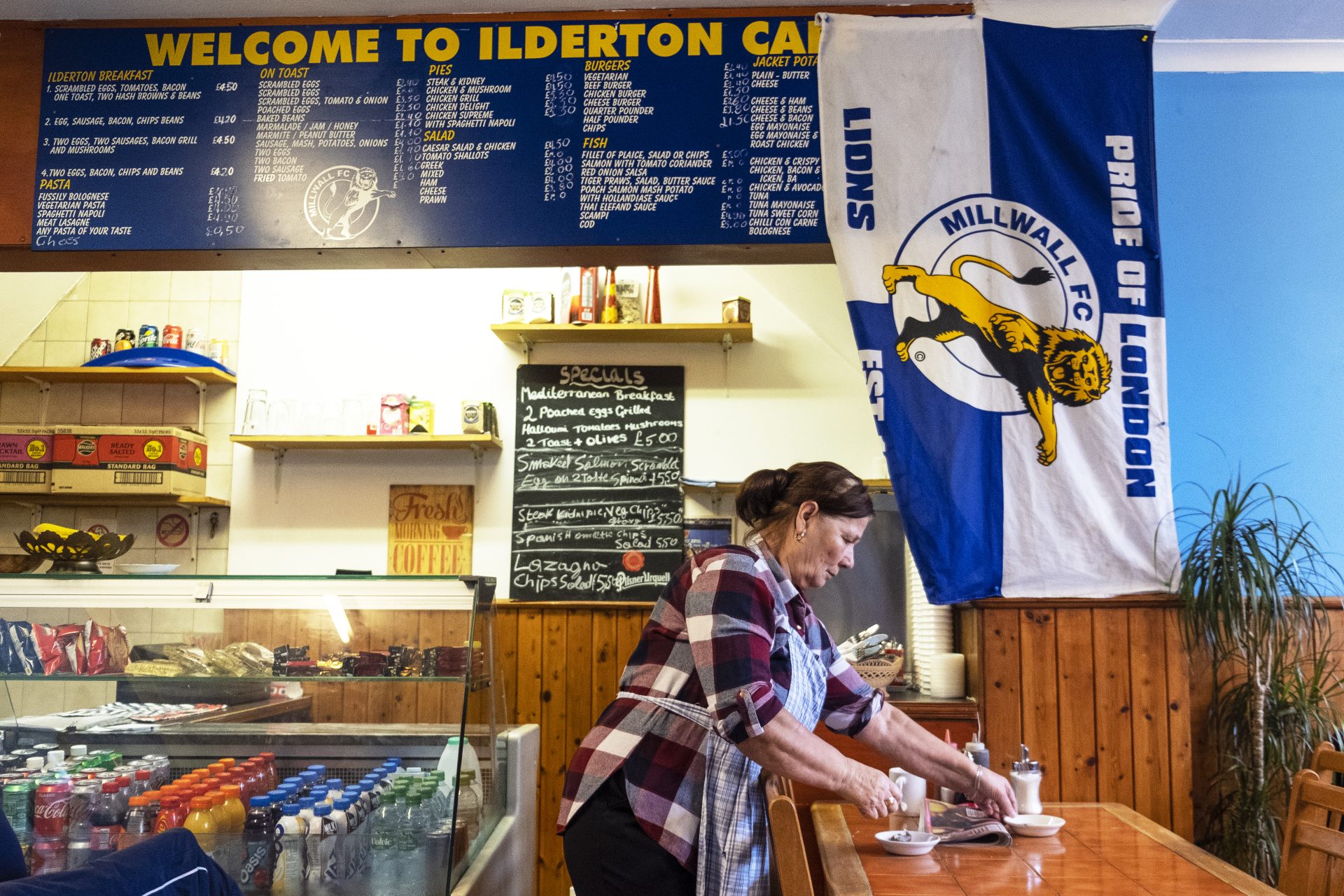
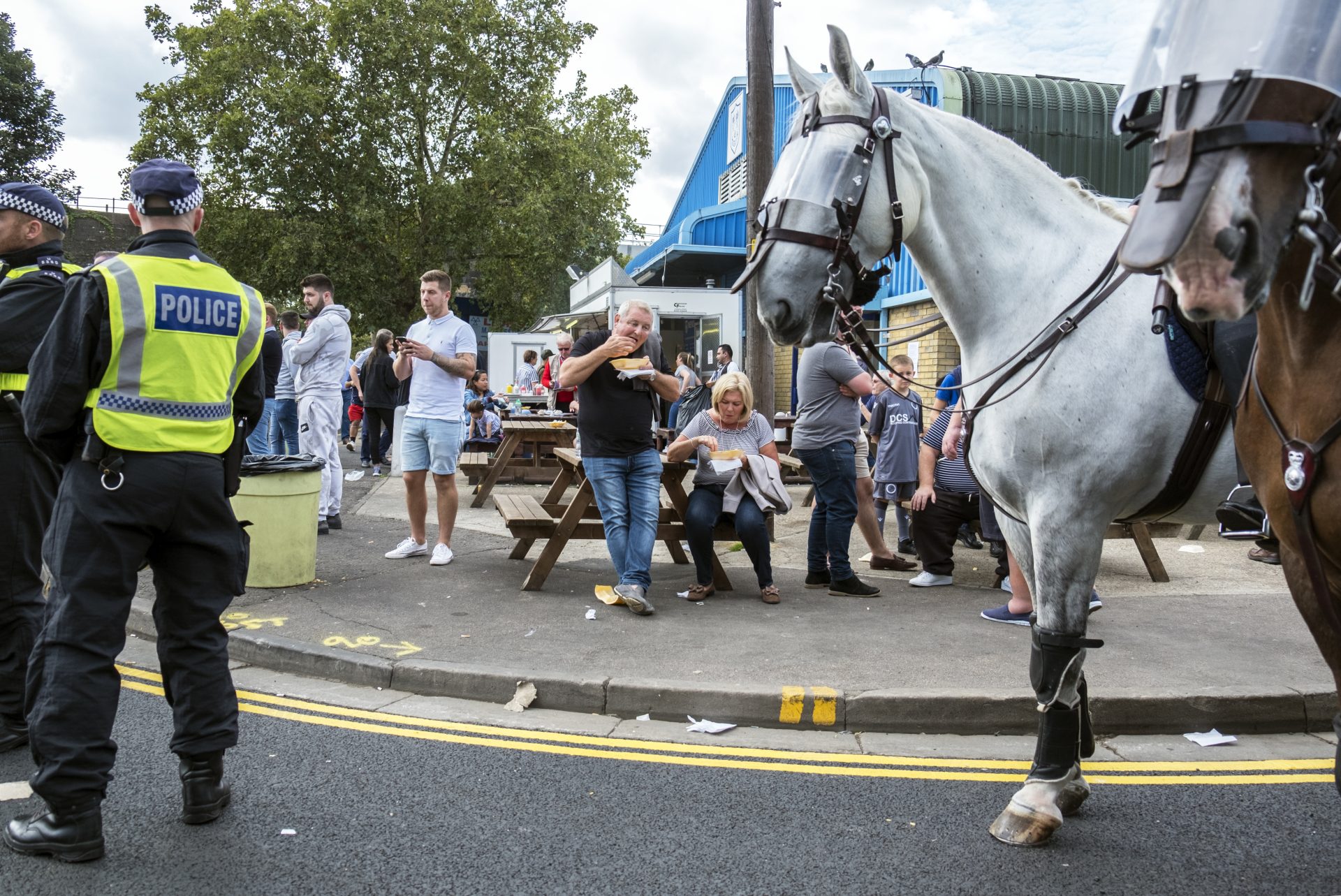
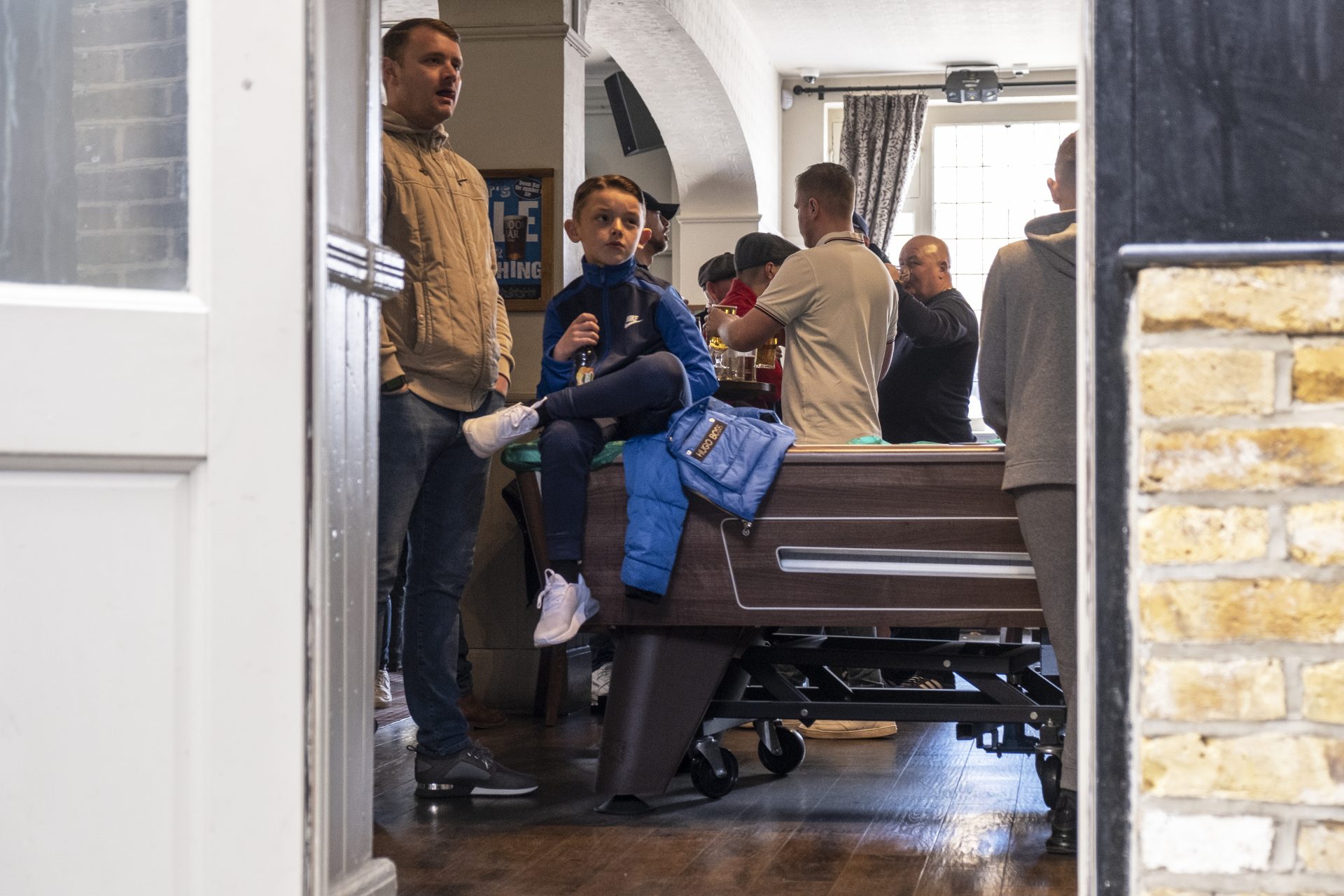
From the Isle of Dogs to South East London
Millwall’s own history complicates the simple geographical lines often drawn around its rivalry with West Ham.
The club was founded as Millwall Rovers in 1885 by workers at a canning factory on the Isle of Dogs in East London, E14 – north of the Thames and close to the communities now more readily associated with West Ham United.
Millwall eventually crossed the river, playing their final game on the Isle of Dogs in 1910 before moving to The Den in New Cross.
In 1993, the Lions moved a short distance to their current home in SE16.
Those overlapping histories are part of what makes the rivalry so intense. Long before football divided them, the communities of East and South East London were connected through industry, work, migration and family. Even today, the dividing lines between supporters are rarely as neat as football mythology might suggest.
For Favre, however, The Den and the neighbourhood surrounding it provided the perfect setting for a broader story about what remains of traditional football culture.
“Football has been gentrifying at an increasingly rapid pace, and I’ve progressively turned my gaze towards more grassroots events or clubs, where football still feels cultural rather than transactional.”
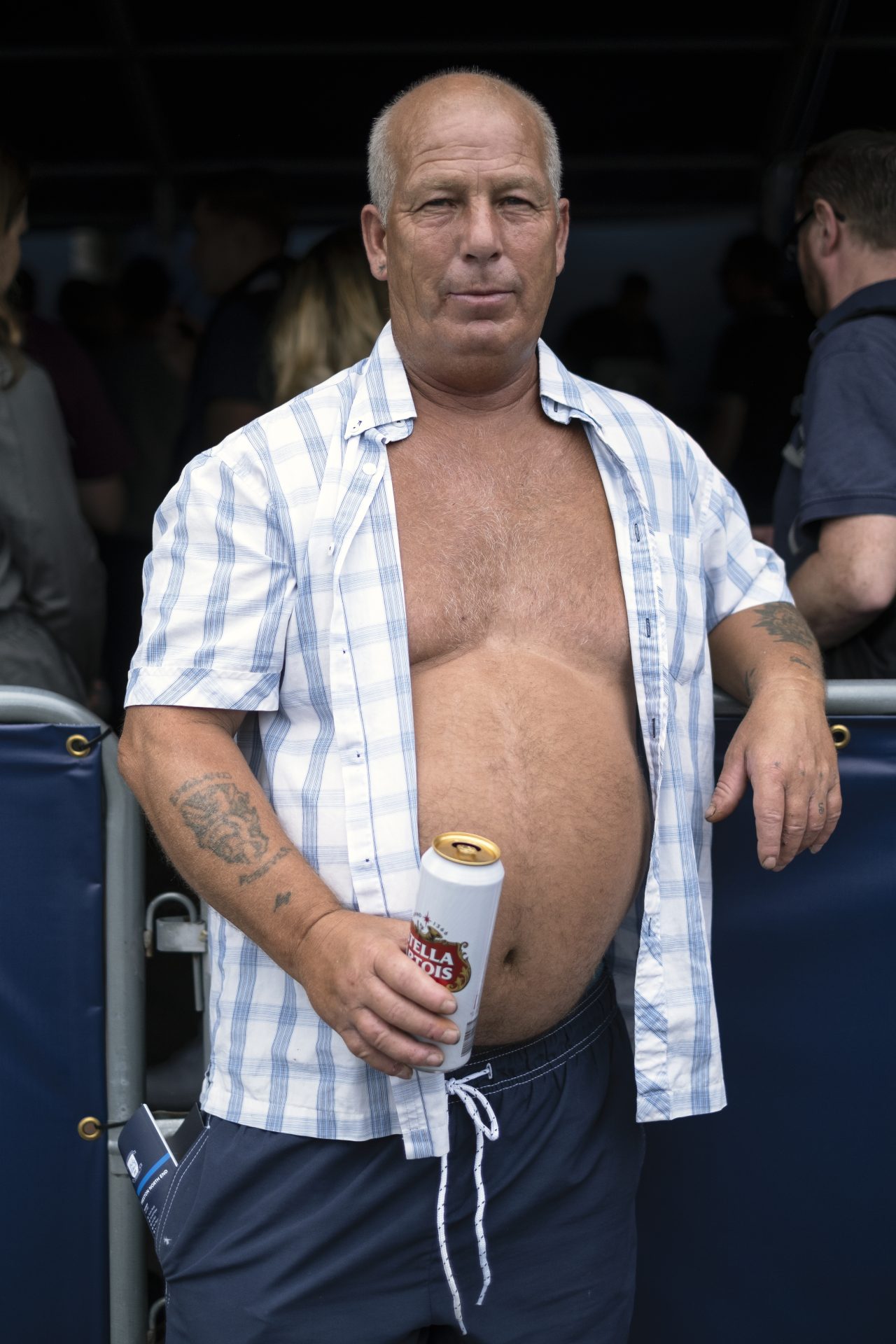
Looking beyond the reputation
Favre doesn’t attempt to rewrite Millwall’s history or pretend the reputation surrounding sections of its support appeared from nowhere.
Instead, his photographs ask whether that reputation tells the entire story.
The result is a quieter and more intimate portrait of Millwall: generations together at the football, familiar faces, friendships, humour, routine and a community gathering around its club.
Favre sees the traditional identities of football clubs gradually being eroded, particularly at the highest levels of the game. Yet he finds hope wherever supporters continue to protect – or reclaim – the culture and traditions surrounding their clubs.
He found those qualities growing up around Lens.
Years later, he rediscovered them at The Den.
“Millwall has a terrible reputation. This is a fresh and honest look at their supporters that re-evaluates their reputation in contemporary football culture.”
First published by Lower Block in 2023, No One Likes Us brings together Favre’s three-year documentary of Millwall supporters and matchday life at The Den.
The limited-edition A5 publication contains 84 colour photographs across 56 pages, with selected photographs from the series also available as archival prints.
As attention once again turns towards one of English football’s most infamous rivalries, Favre’s photographs offer another perspective on Millwall – not the reputation viewed from outside, but the football community he found once he stepped inside.
Featured Lower Block Edition…
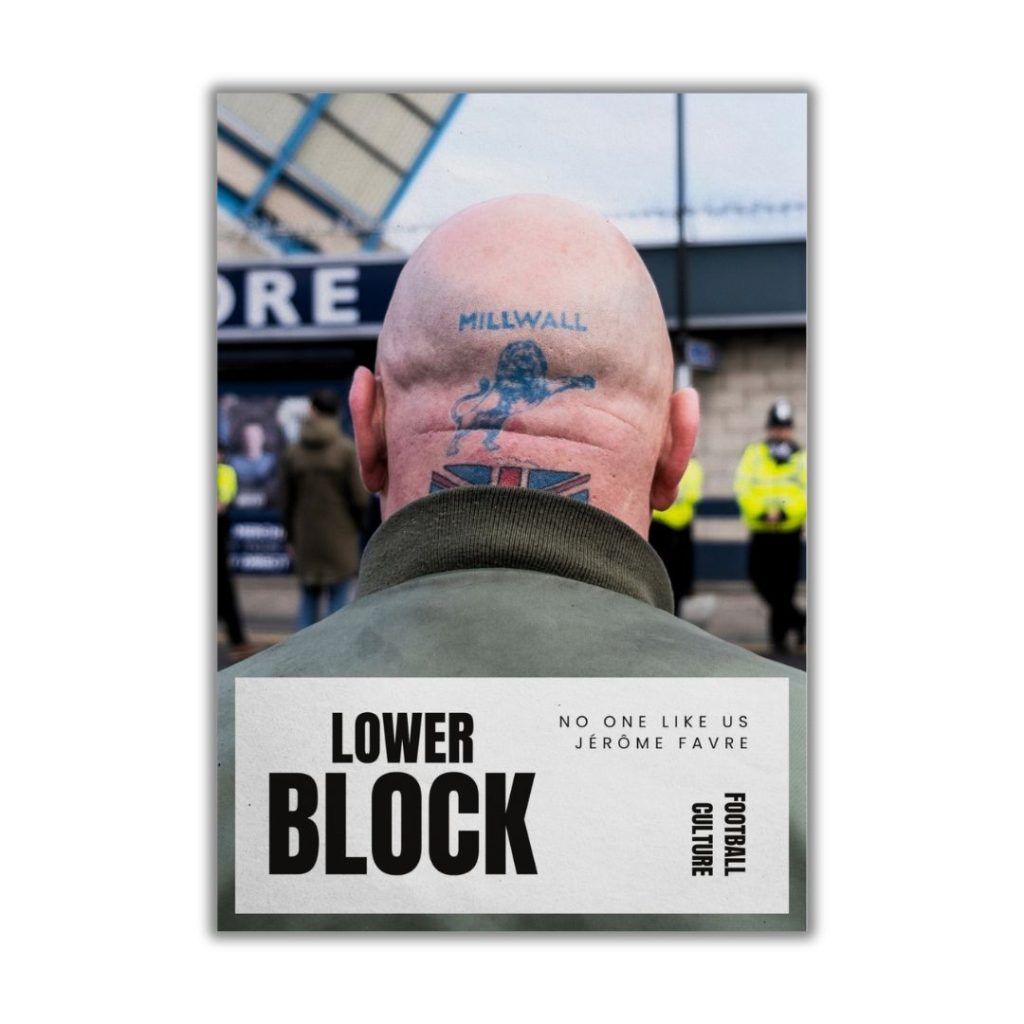
No One Likes Us | Jérôme Favre
A photo documentary by Jérôme Favre on Millwall fans and life at The Den.
A limited edition A5 zine containing 84 colour photographs across 56 pages, first published in 2023.
Selected Lower Block Prints
-
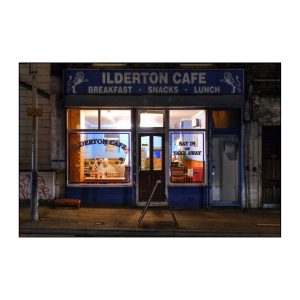 Ilderton Cafe, MillwallPrice range: £75.00 through £125.00
 -
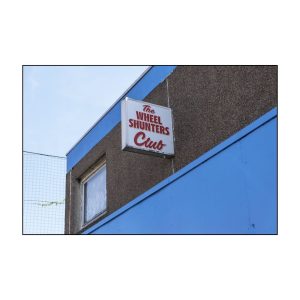 Wheel Shunters, MillwallPrice range: £75.00 through £125.00
Explore the original No One Likes Us photo essay…