Football stadiums are often discussed in terms of capacity, revenue, and spectacle. Photographically, they are something else: environments that shape behaviour, memory, and identity. The design of a ground influences how football culture is experienced and, in turn, how it is documented.
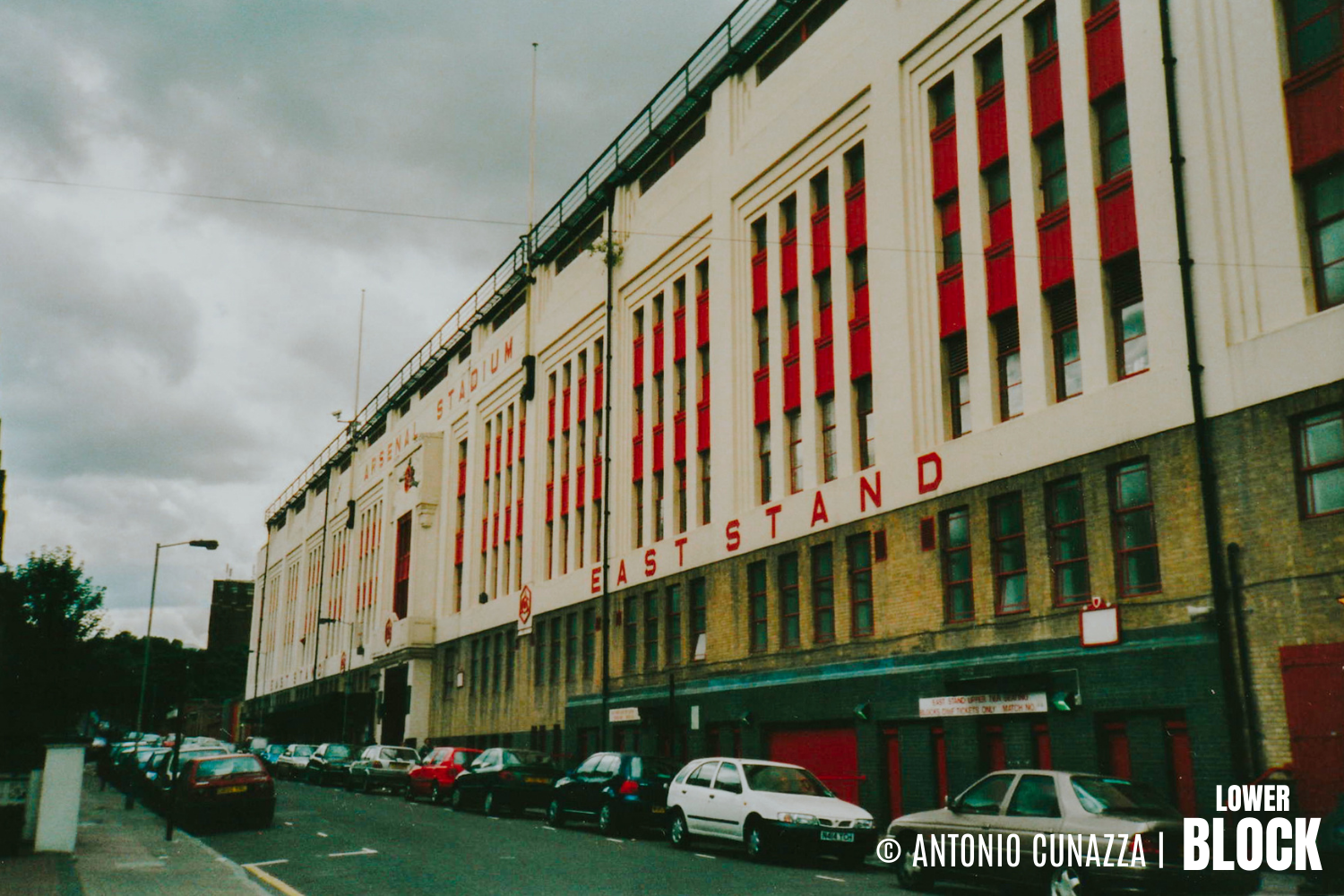
Older stadiums were built with function in mind. Concrete terraces, steel barriers, narrow concourses, exposed stairwells. These materials created a raw visual language – repetition, texture, shadow, weathering. For photographers, these elements offer structure and atmosphere. Lines guide the eye. Surfaces hold history. Imperfections add character.
Floodlights, in particular, became visual markers. Rising above neighbourhoods, they signalled more than a game taking place; they marked territory and routine. Captured against evening skies, they represent anticipation, ritual, and the transition from everyday life to matchday focus.
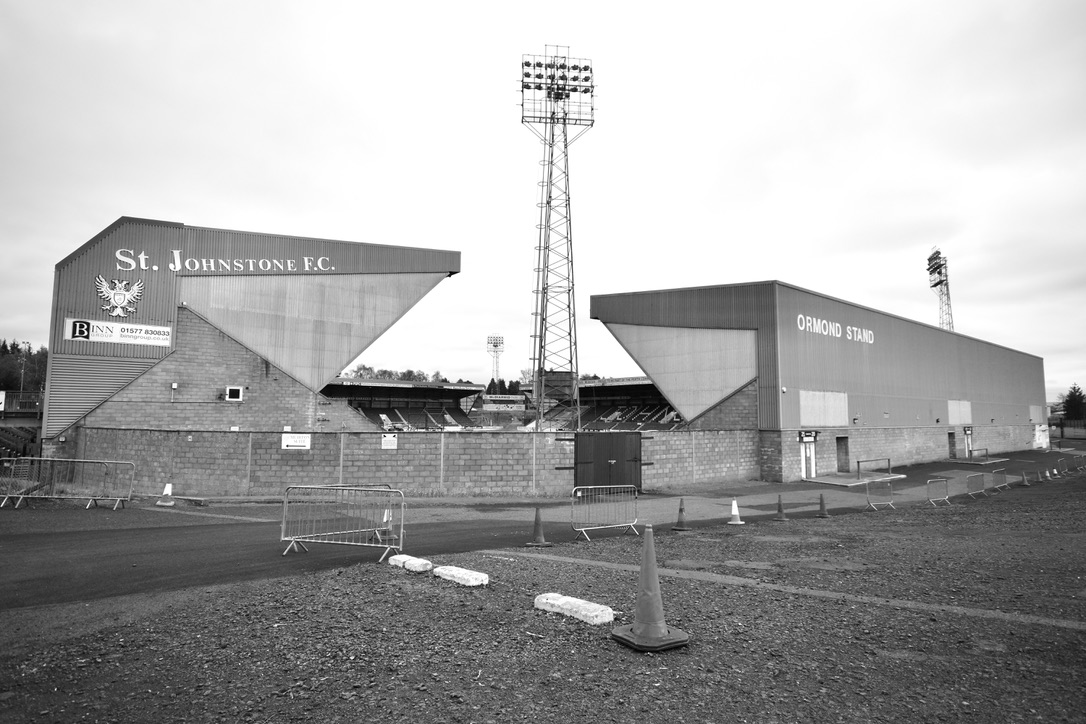
The relationship between stadium and surroundings matters as much as the structure itself. Many grounds sit embedded in residential streets, industrial areas, or town centres. This proximity blurs boundaries between football and daily life. Photography that includes shops, houses, car parks, and side streets tells a fuller story – football as part of place, not removed from it.
Modern stadiums often prioritise spectacle and uniformity. Clean lines, wide concourses, controlled sightlines. While impressive, these spaces can feel detached from their environment. Photographically, they require a different approach – focusing on scale, light, and movement rather than texture and intimacy.
Related Quality Prints…
-
 Turf Moor, 1989Price range: £130.00 through £175.00
 -
 Pyro, CliftonhillPrice range: £50.00 through £100.00
 -
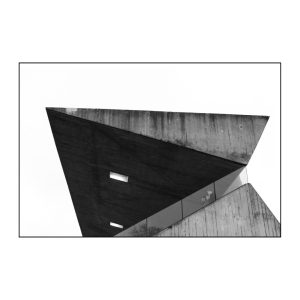 NetherdalePrice range: £75.00 through £125.00
 -
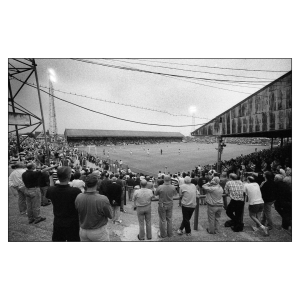 Elm Park, 1996Price range: £130.00 through £175.00
 -
 Dens ParkPrice range: £100.00 through £150.00
 -
 Parc des Princes, 98Price range: £100.00 through £150.00
 -
 San Siro SpiralsPrice range: £130.00 through £175.00
 -
 East End ParkPrice range: £100.00 through £150.00
 -
 Almondvale OutsidersPrice range: £130.00 through £175.00
The strongest football photography understands architecture as a participant, not a backdrop. Staircases frame conversations. Barriers shape body language. Overhangs compress crowds into tighter compositions. Space dictates how people gather, wait, and move. The image is built from this relationship.
Lower Block approaches stadiums as cultural structures. They are containers of memory and behaviour, not just venues. Documenting their materials, shapes, and context preserves how football is physically experienced in different places and eras.
Lower Block works with photographers, brands, galleries, and cultural institutions to document football culture with integrity. For consultancy, archive research, or collaborative editorial projects, read more abut our services and how to get in touch.
Related Lower Block Editions
-
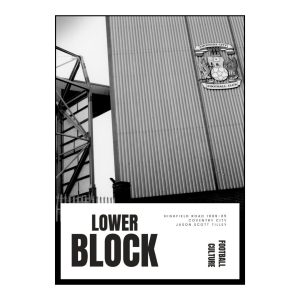 Highfield Road 1999-05 | Jason Scott Tilley£8.50
 -
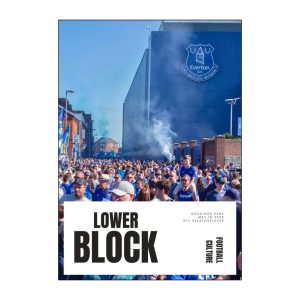 Goodison Park 18.05.25 | Gisela & Craig Szlatoszlavek£8.50
 -
 The Old Showground | Nic Salmon£8.50
 -
 And You’ll Never Know | Conrad Tracy£8.50
 -
 Going to the Match | Richard Davis£8.50
 -
 S. Korea 24 | Matt Barnes£8.50
 -
 Super Riazor | Alex Amorós£8.50
 -
 The Third Element | Steve Pyke£8.50
 -
 Toon Army 1996 | Keith Pattison£8.50
 -
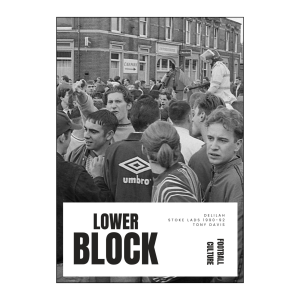 Delilah – Stoke Lads 1990-92 | Tony Davis£8.50
 -
 Scottish Grounds 1990s | Tony Davis£8.50
 -
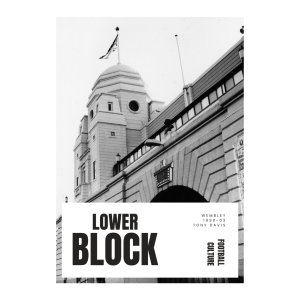 Wembley 1990-03 | Tony Davis£8.50
 -
 Visca el Camp Nou | Alex Amorós£8.50
 -
 Forza San Siro | Alex Amorós£8.50
 -
 This is Anfield | Alex Amorós£8.50
You may also enjoy…