Women have always been part of football culture, yet they are rarely centred in the way the game is documented and understood. Too often, football’s visual identity is shaped by familiar archetypes and simplistic narratives, leaving little room for the quieter realities that exist across terraces, streets and stadiums.
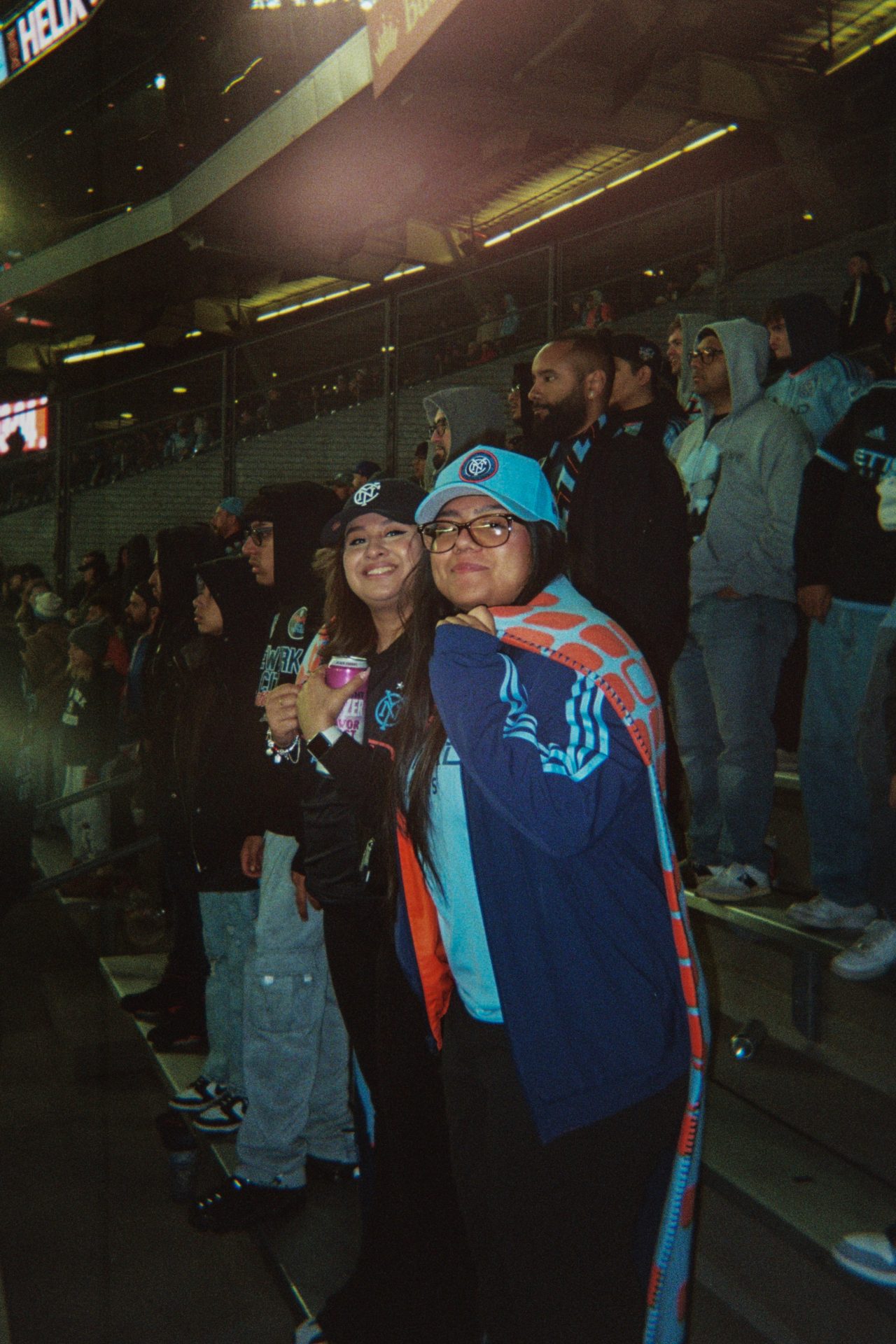
In this photo essay, photographer Guirec Munier turns his lens towards women across different football cultures, capturing their presence not as something exceptional, but as something fundamental. His images challenge narrow assumptions and reveal a more honest picture of the game – one where women have always been woven into football’s fabric, in ways both visible and overlooked.
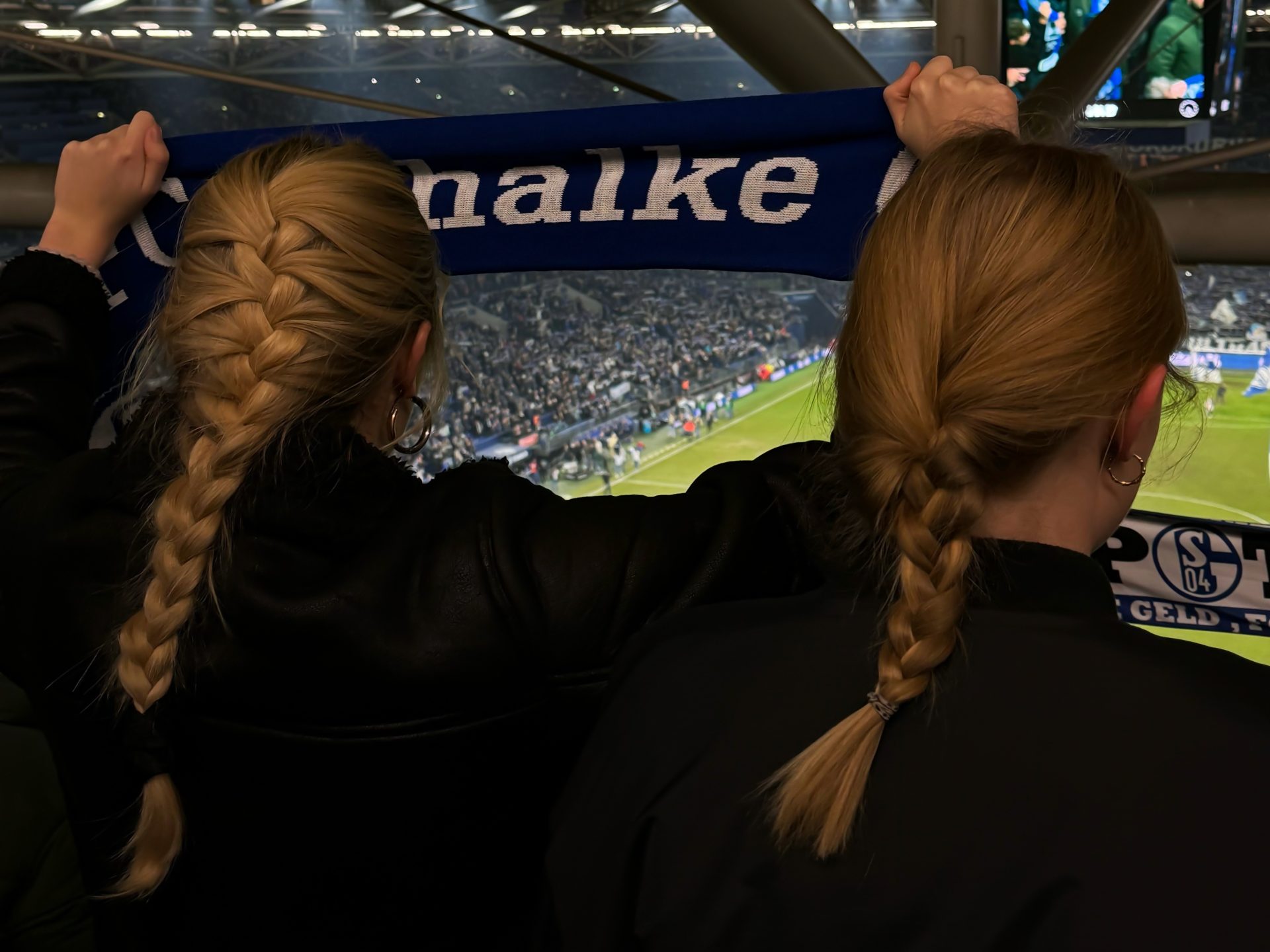
Football has never struggled to make certain figures visible. The player. The manager. The ultra. The away supporter – flare in one hand, banner in the other. Football culture is built around recognisable figures, endlessly photographed. Endlessly repeated. Until they become shorthand for the game itself. Yet there is another presence that runs through football. One that rarely occupies the centre of the frame, even when it is fully part of it.
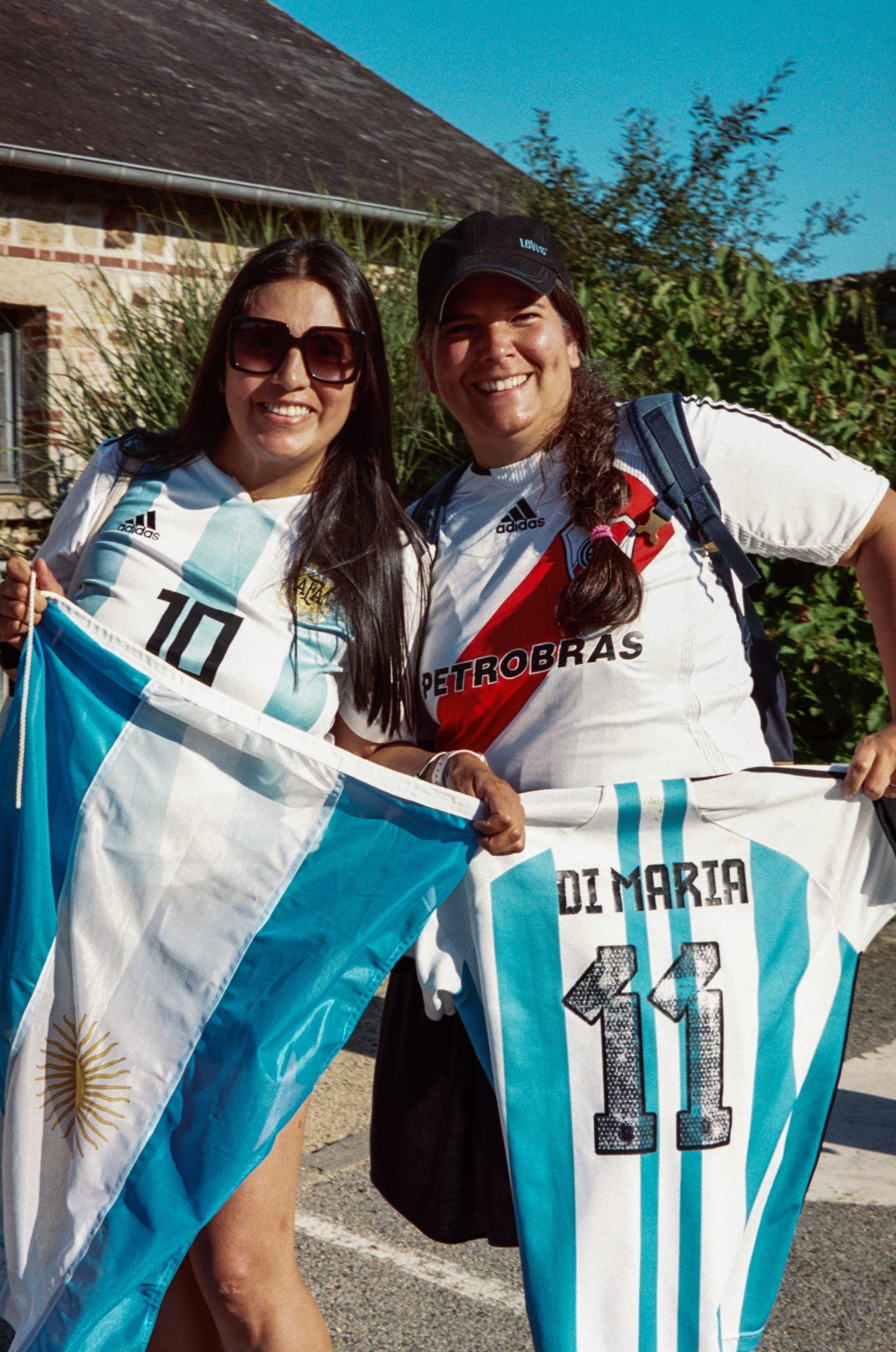
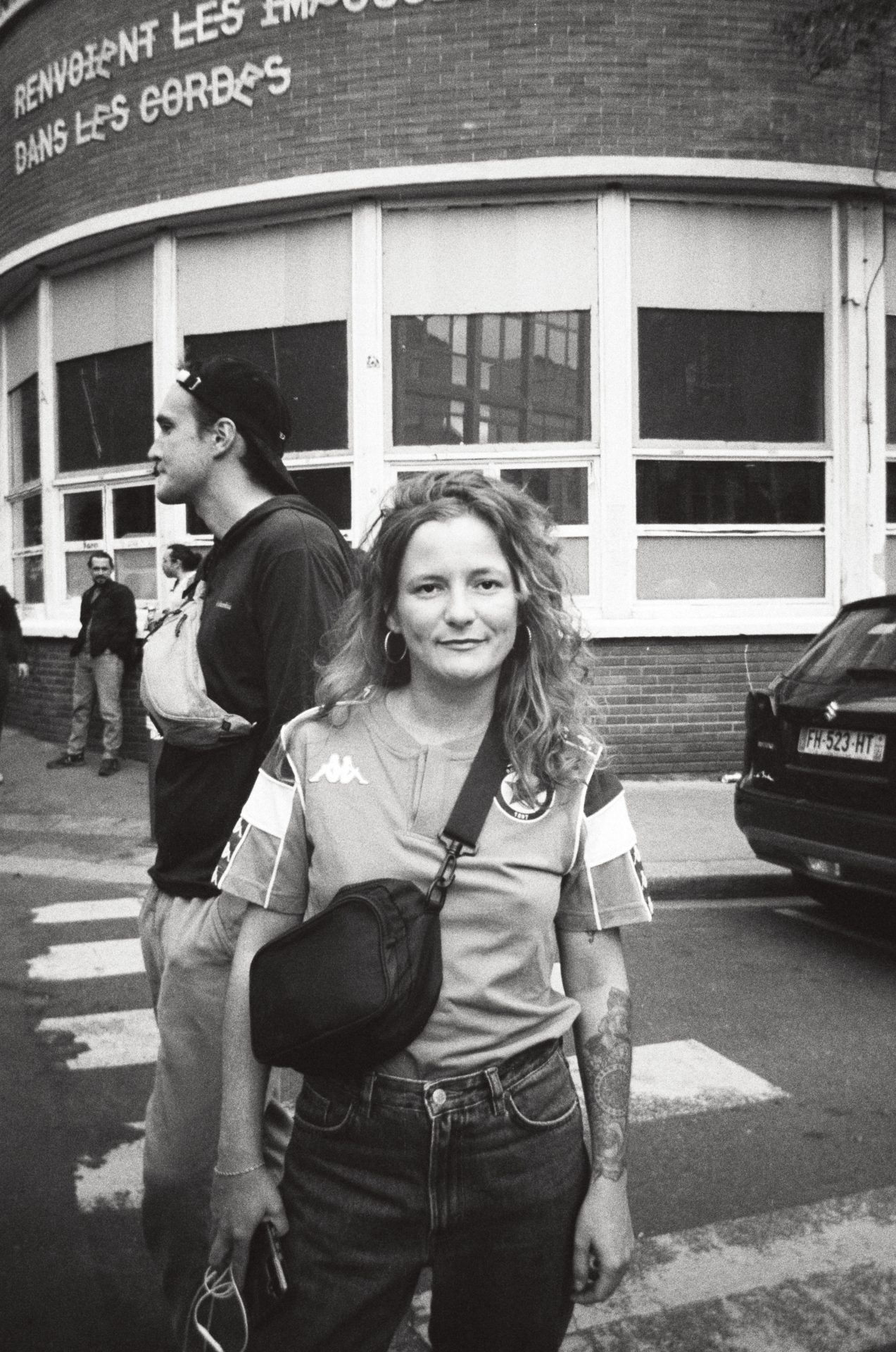
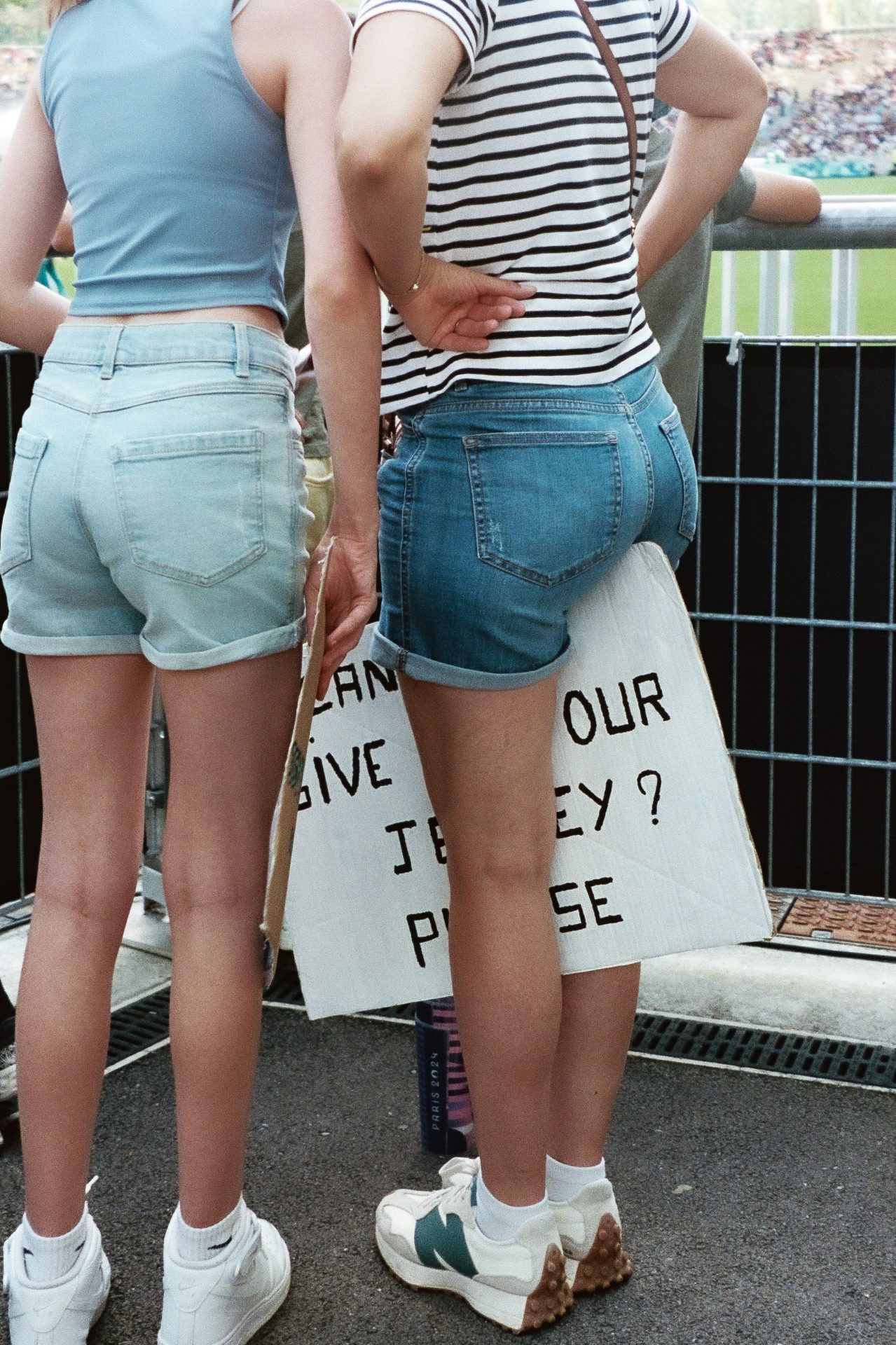
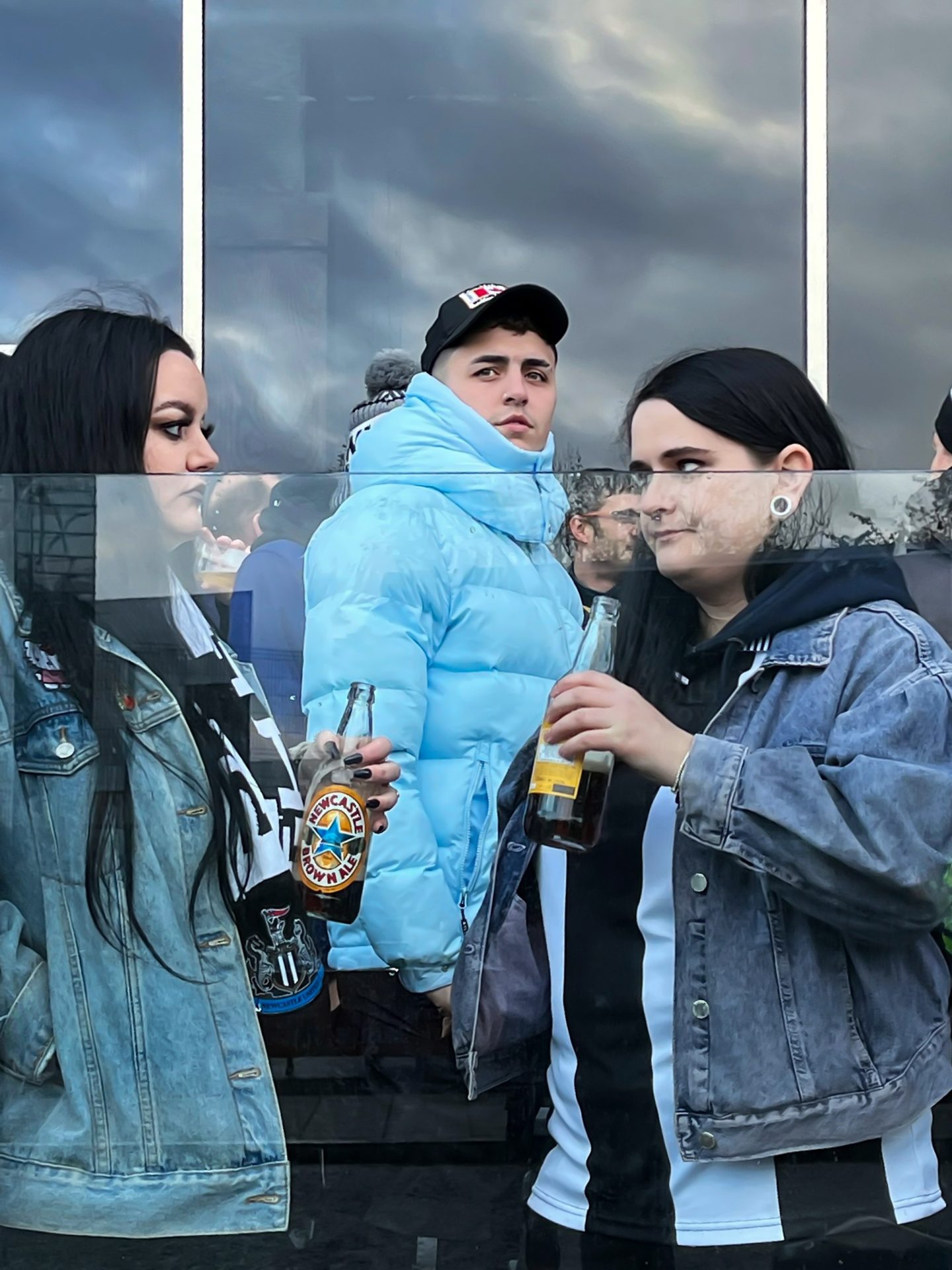
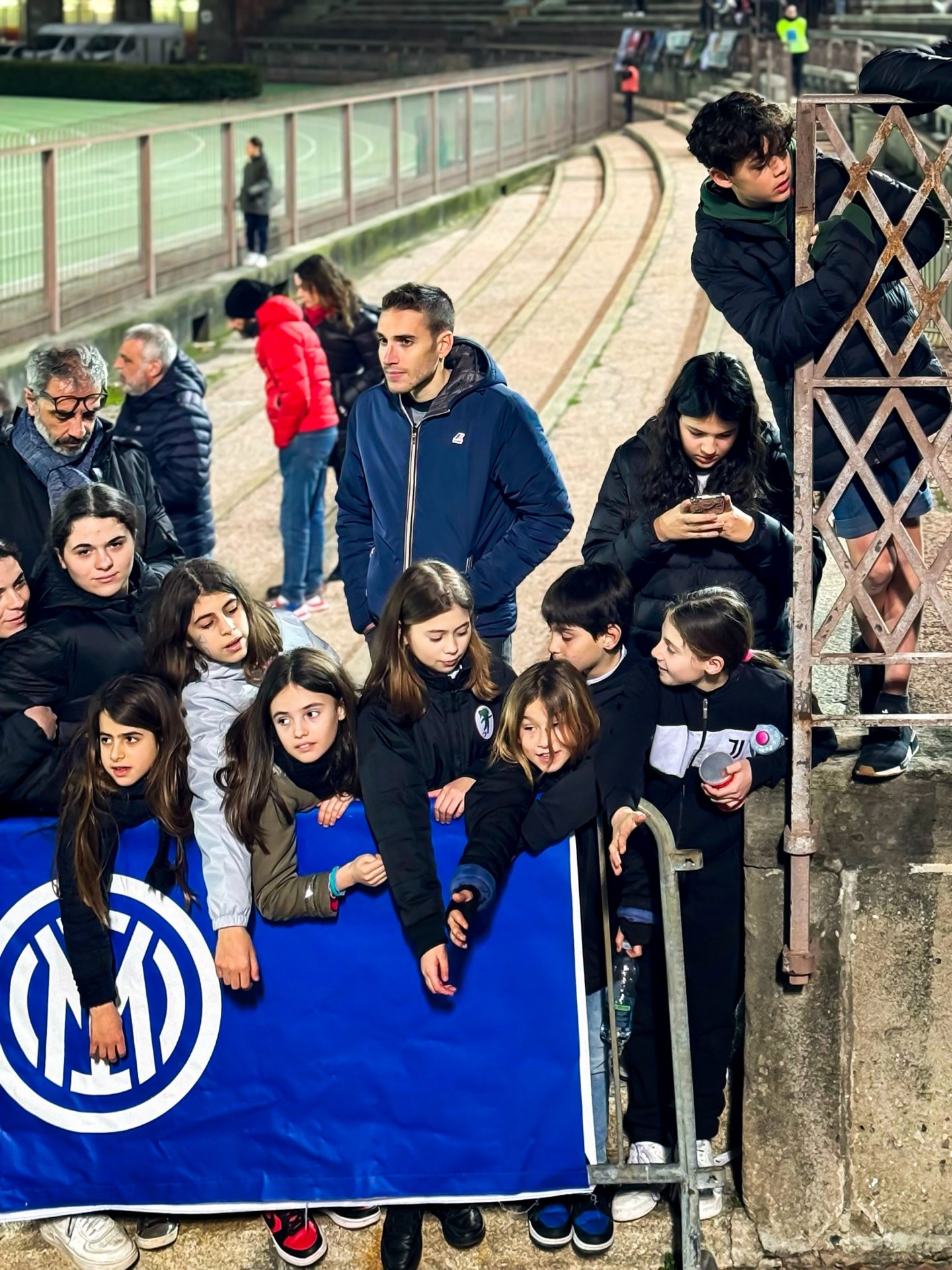
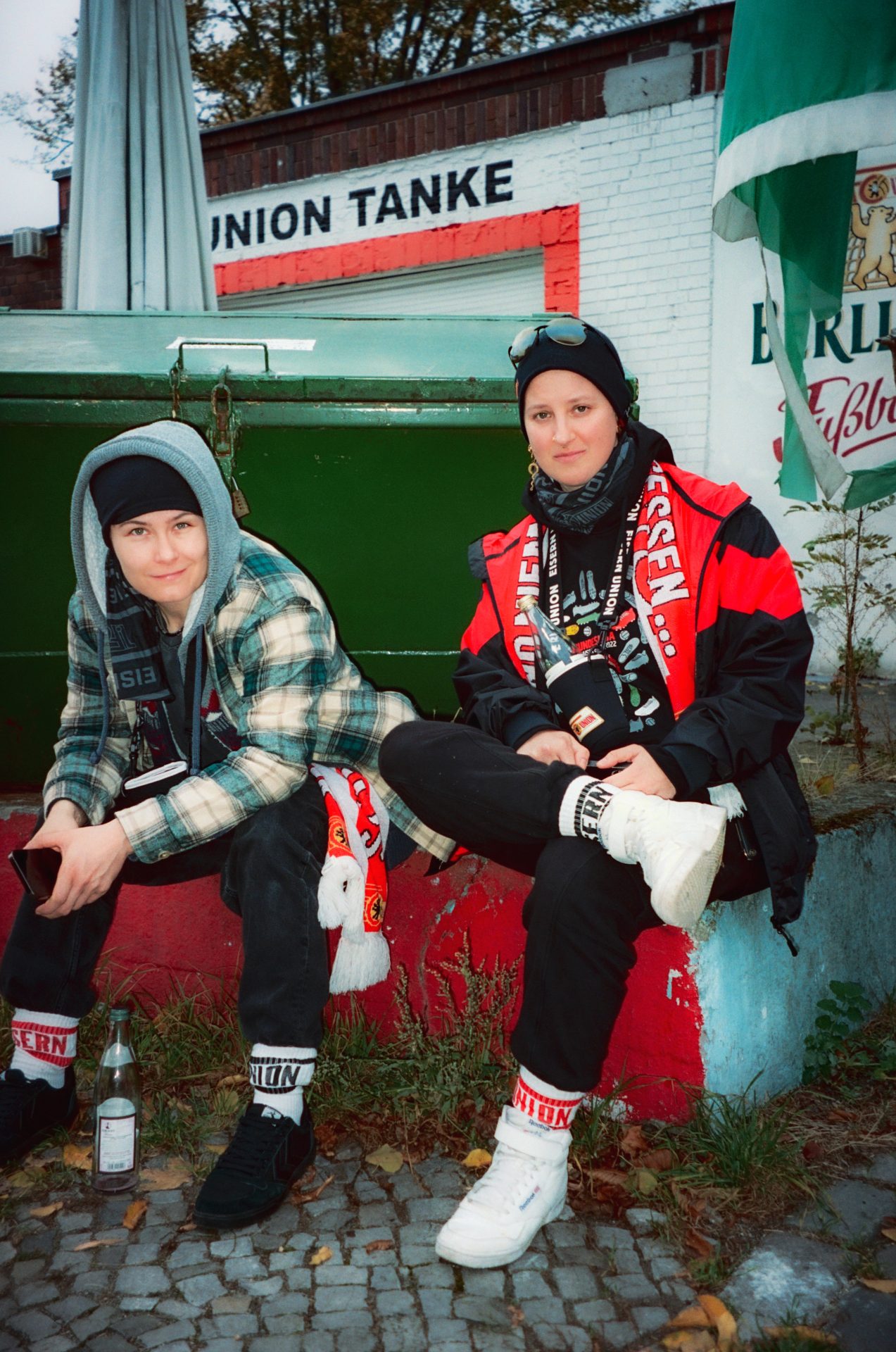
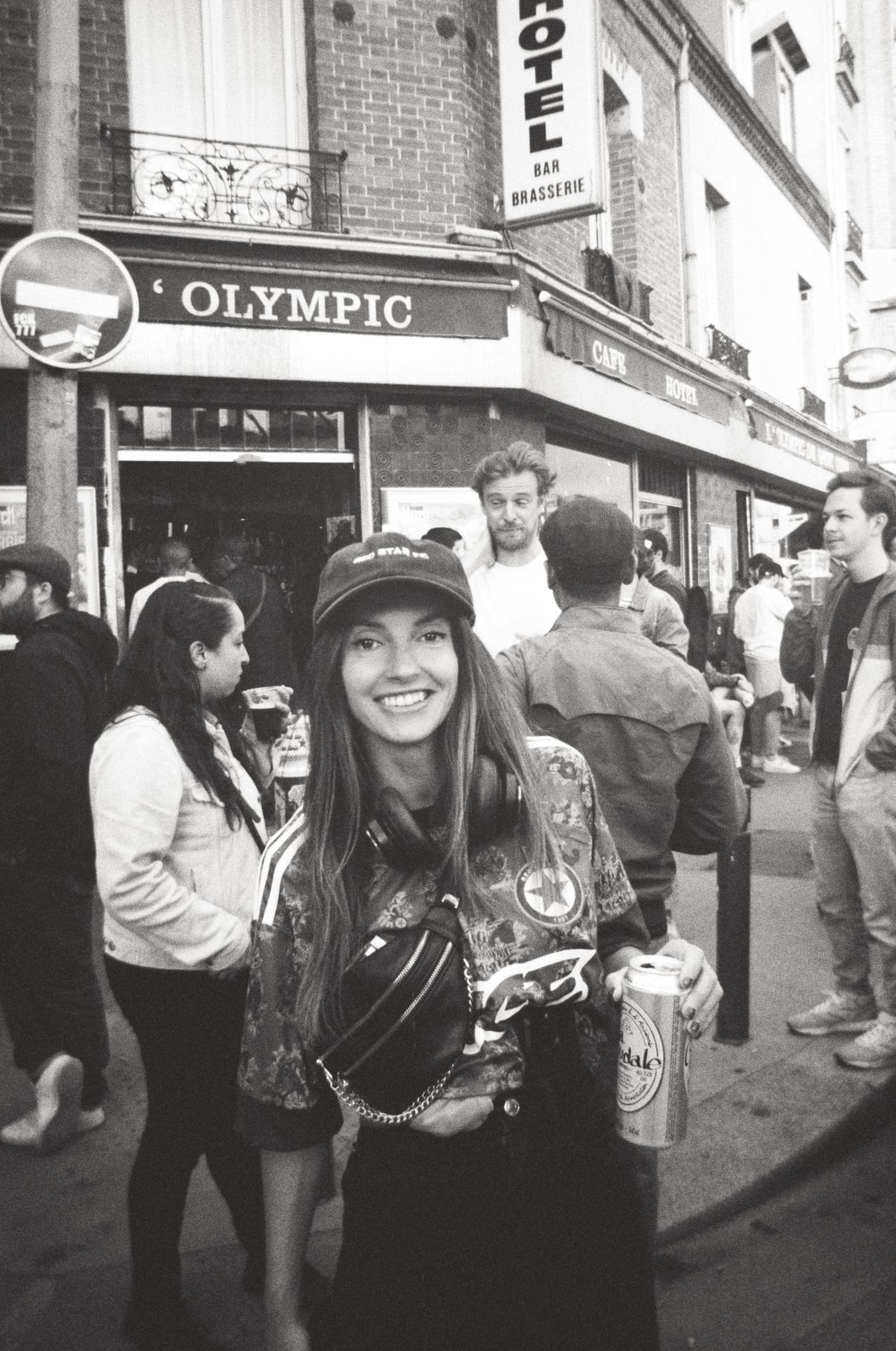
Women are everywhere football is lived. In the stands before kick-off. Leaning on barriers. Walking towards the stadium. Waiting outside turnstiles. Sharing pre-match rituals with friends and family. Following clubs across seasons, divisions, and generations of support.


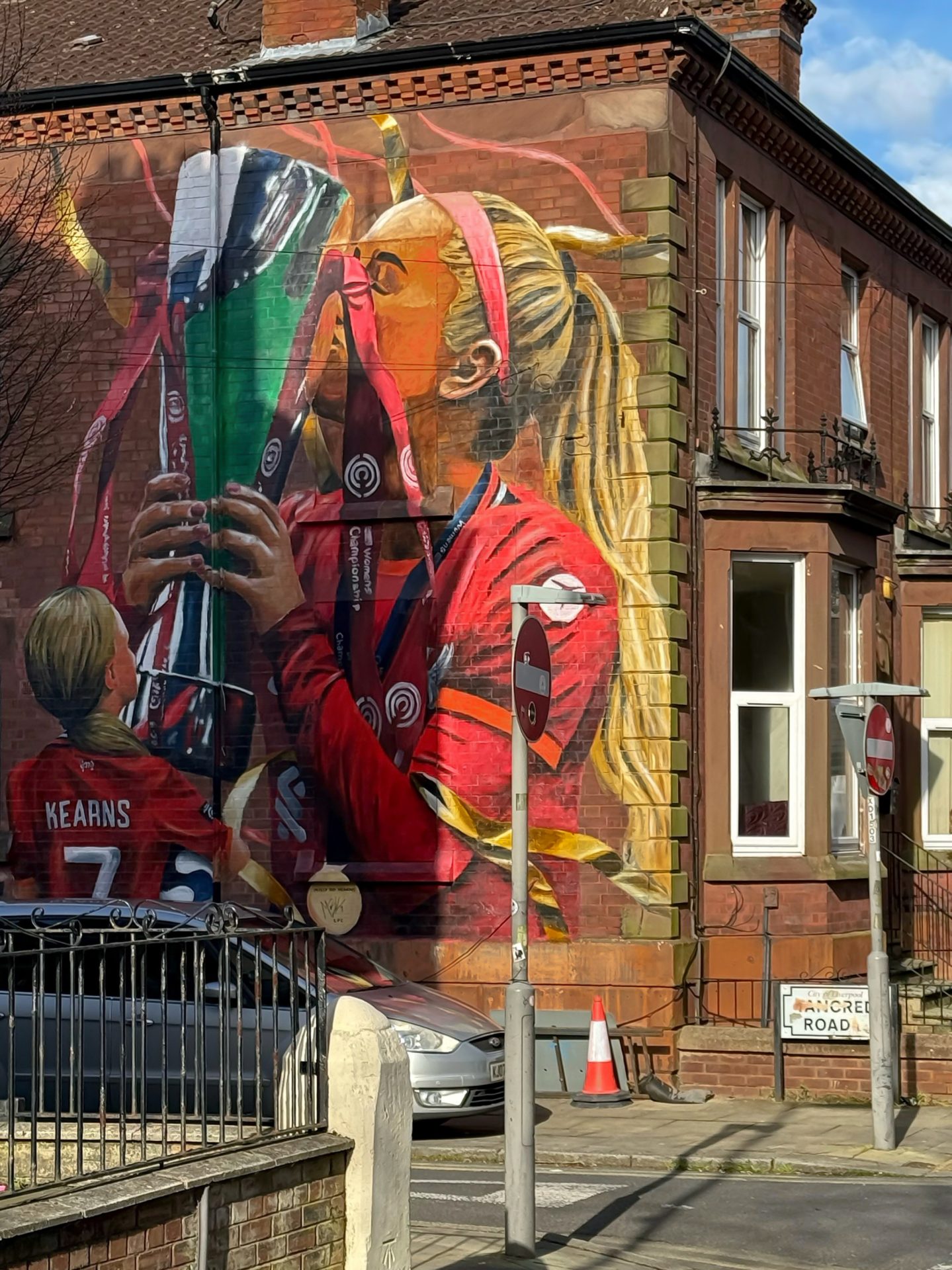
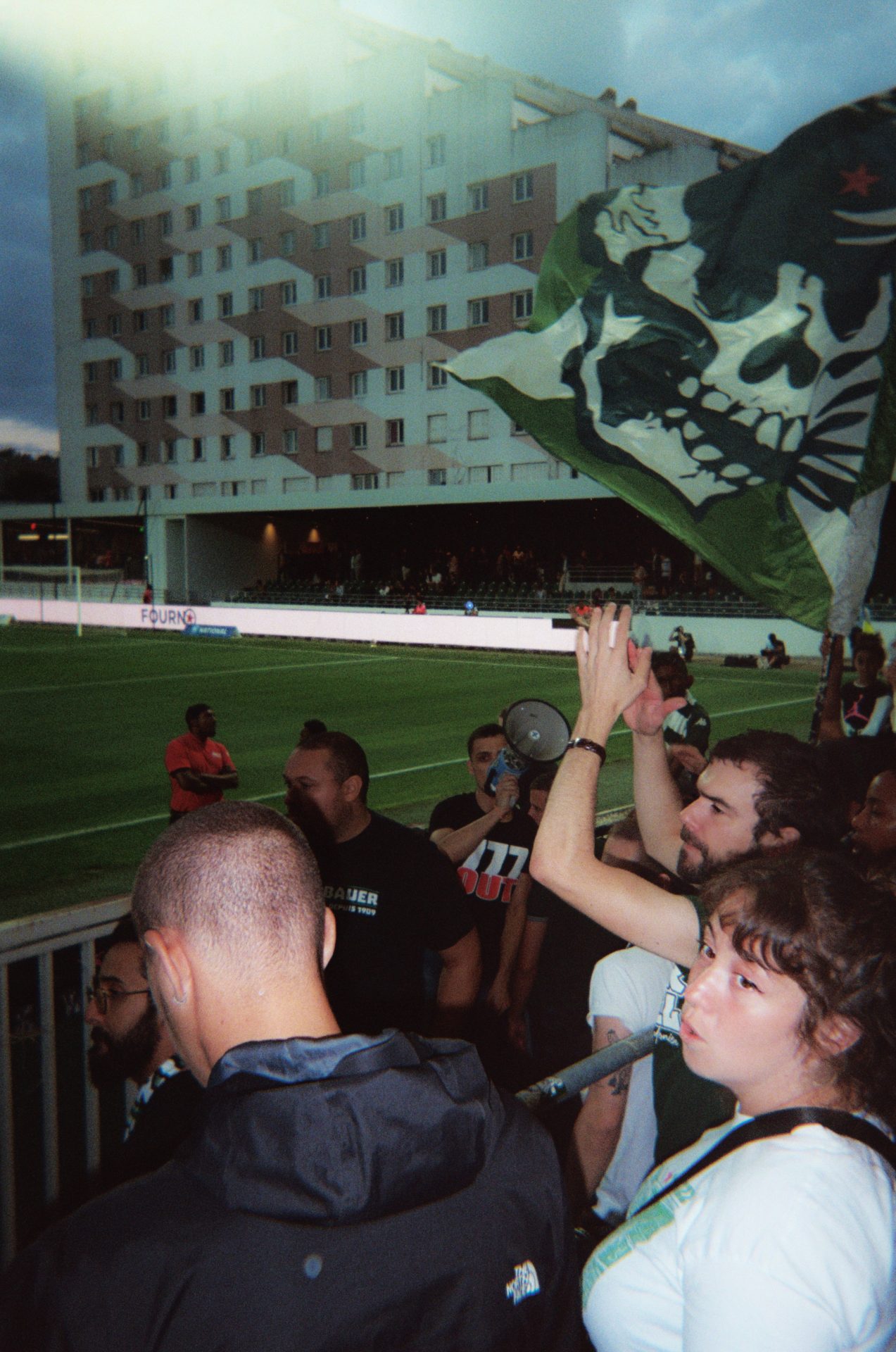

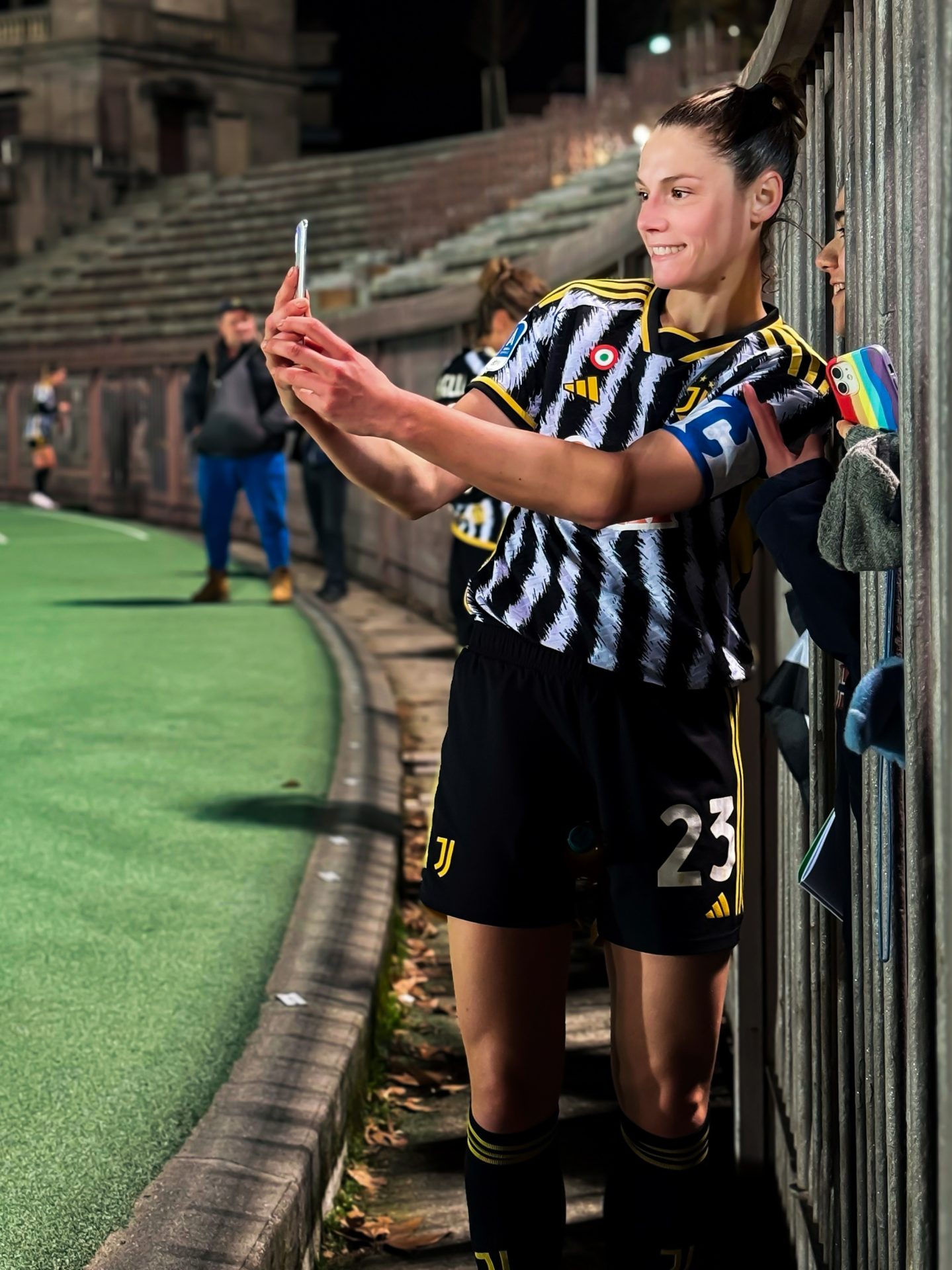

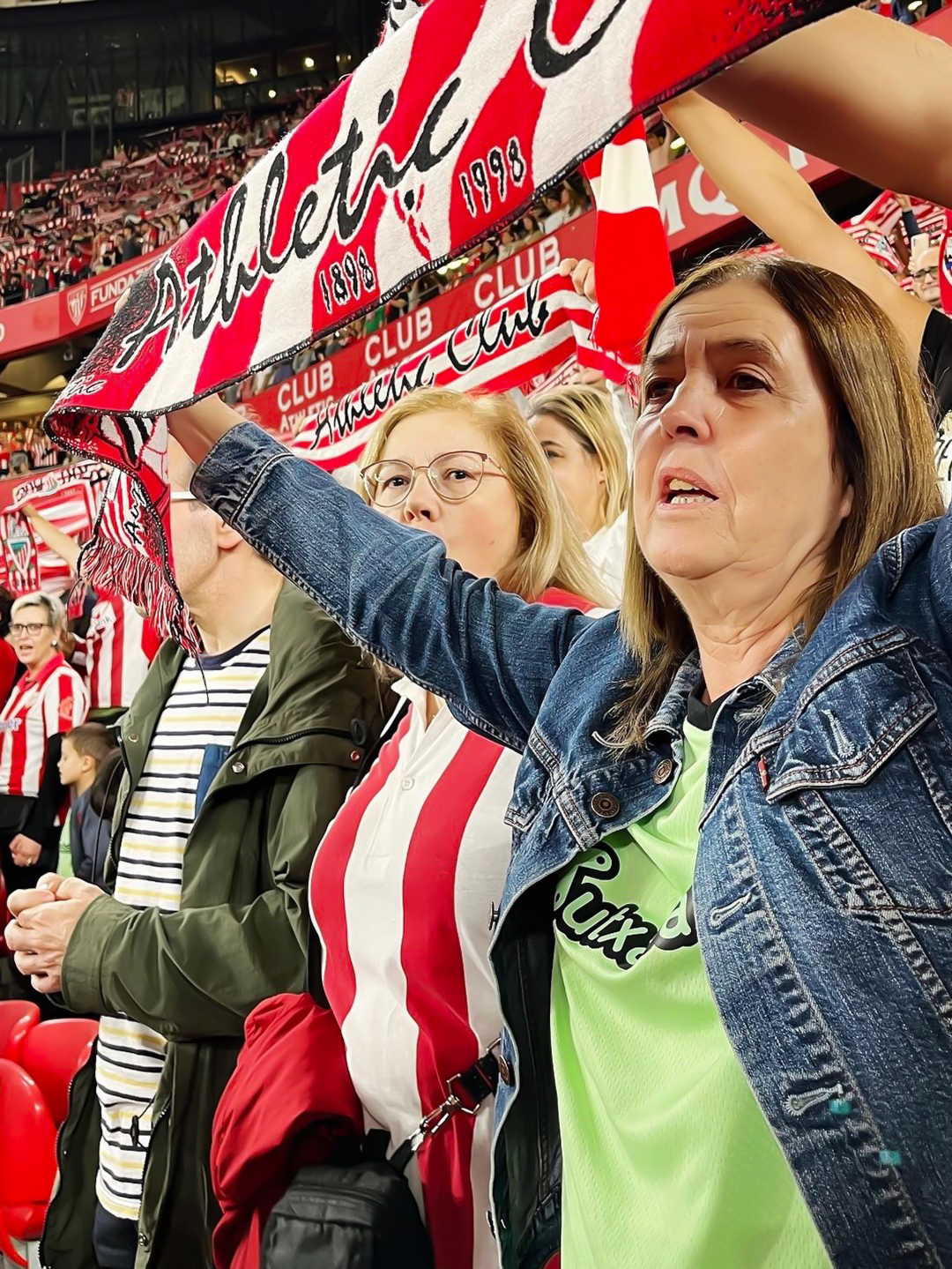
Not as exceptions. Not as symbols. Not as figures to be explained. Simply as part of the landscape the game moves through.
Their presence is neither new nor unusual. It is so familiar it often passes unnoticed – absorbed into the background of matchday life. Yet familiarity can be deceptive. What becomes ordinary is not always what becomes visible.
These photographs were taken in different countries and football cultures, but they return to the same quiet observation. The women pictured here do not form a single community, nor a single way of belonging to football. Their ages, backgrounds, and relationships to the game differ. What connects them is not identity, but presence.

That may also explain why they have remained so difficult to describe collectively. Football has long preferred its archetypes. Figures that are easy to recognise. Easy to repeat. Easy to turn into symbols.
The women in these images resist such simplifications. They appear not as a category apart, but as participants in the countless ways football is lived, shared, and passed on.
Football culture is often told through its most visible forms: choreographies, rivalries, gestures of collective devotion. These expressions matter. They shape how the game is seen and remembered. But they are only one layer of it.
The game also lives in other forms of presence. In routines repeated every other weekend. In familiar journeys to the ground. In conversations carried from pub to turnstile, and turnstile to stand. It lives in forms of attachment that do not need to announce themselves in order to exist.
Seen together, these images do not argue a position. They trace something continuous: women not at the margins of football culture, but woven into its everyday fabric. And still – this presence, so familiar, so widespread, so ordinary – remains strangely absent from football’s visual imagination.


















You may also enjoy…