In the mid-1990s, while shooting for Total Football Magazine, Zak Waters set out to document a certain type of supporter – the kind whose relationship with football went far beyond the ninety minutes.
That search led him to the groundhoppers.
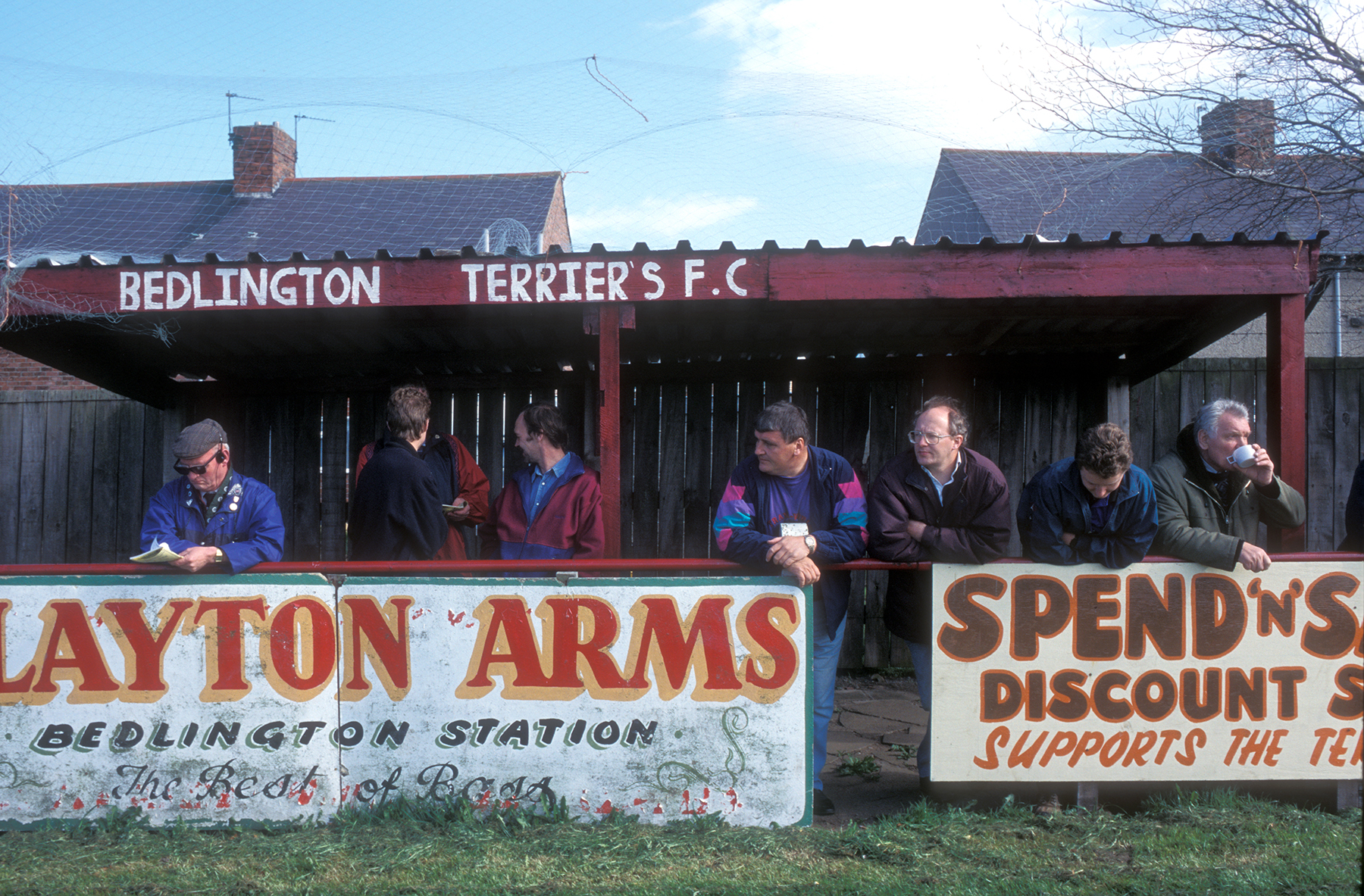
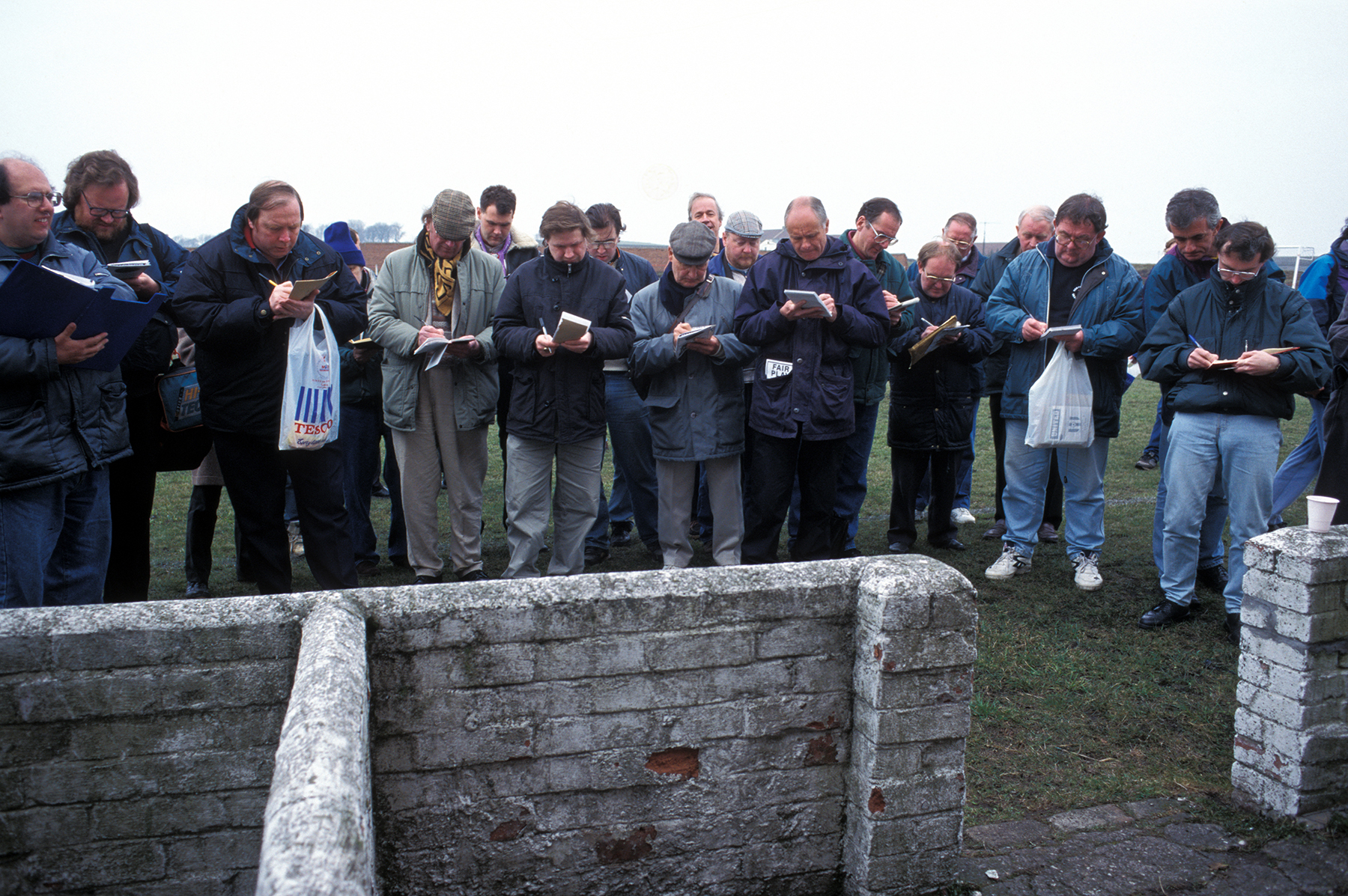
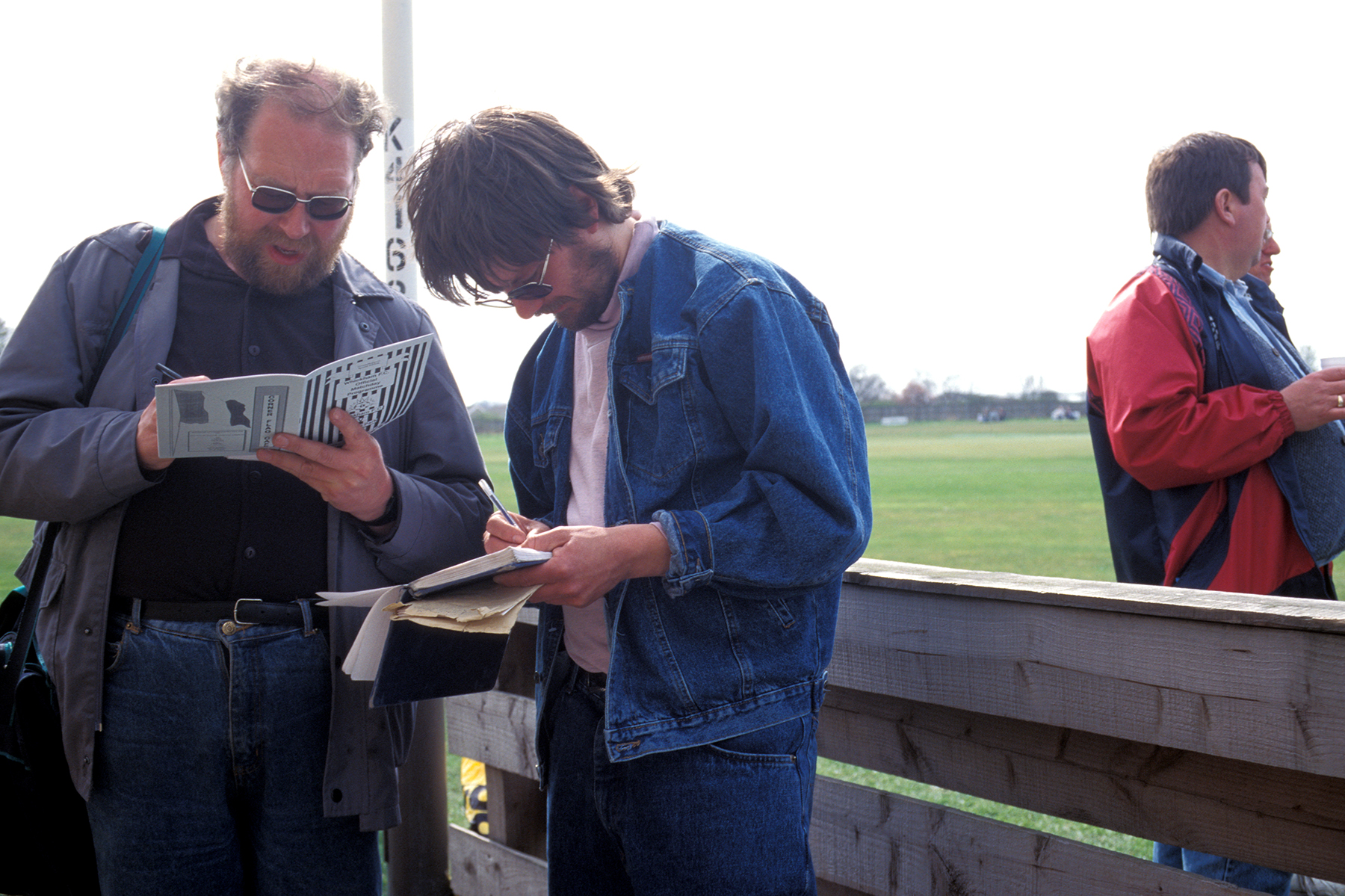
Described by Tyneside newspaper The Journal as “the trainspotters of British football,” groundhoppers were a loose network of mostly men bound by a shared obsession. They didn’t follow clubs. They followed the game itself. Fixtures were secondary; the grounds were the draw.
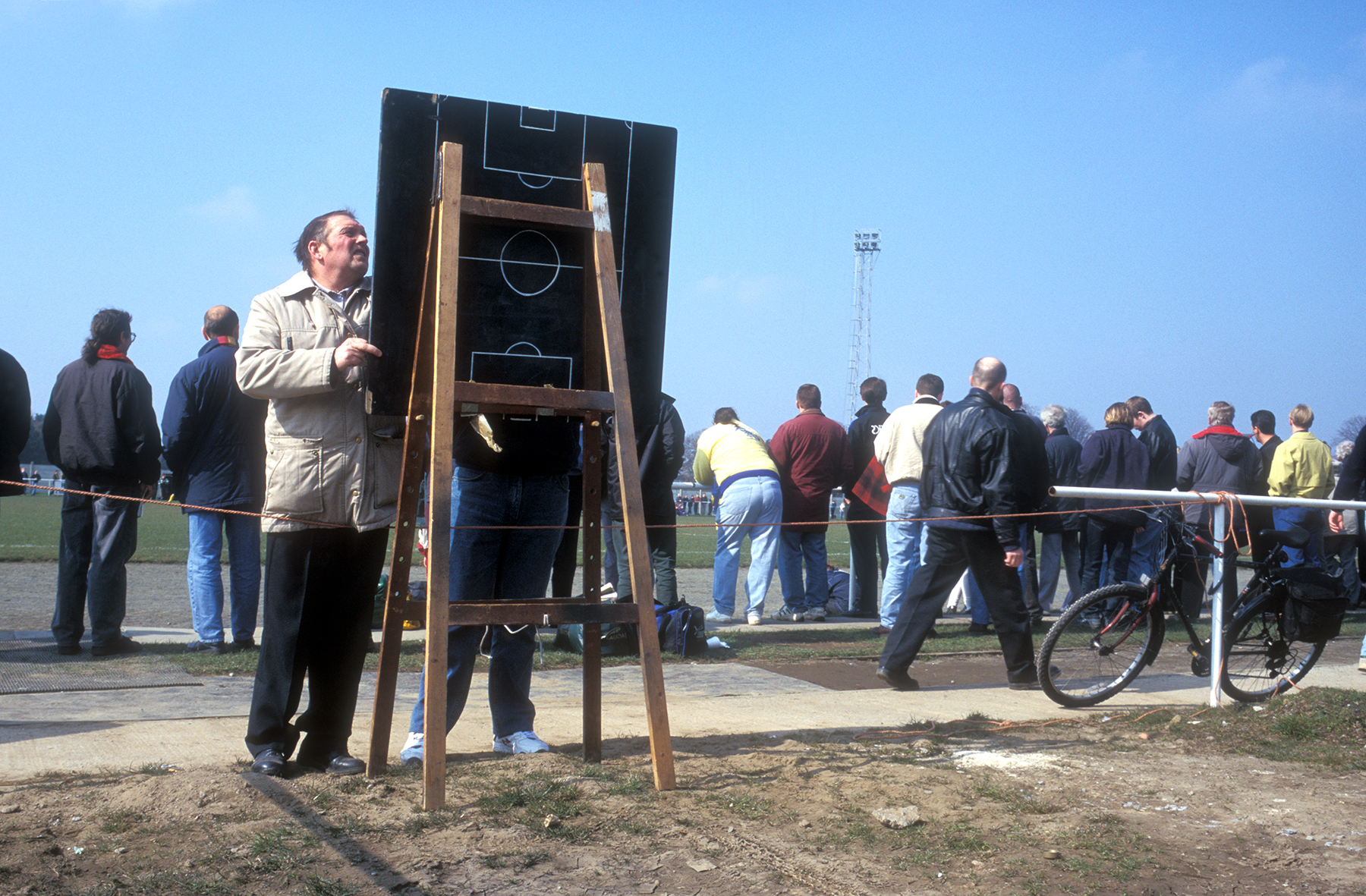
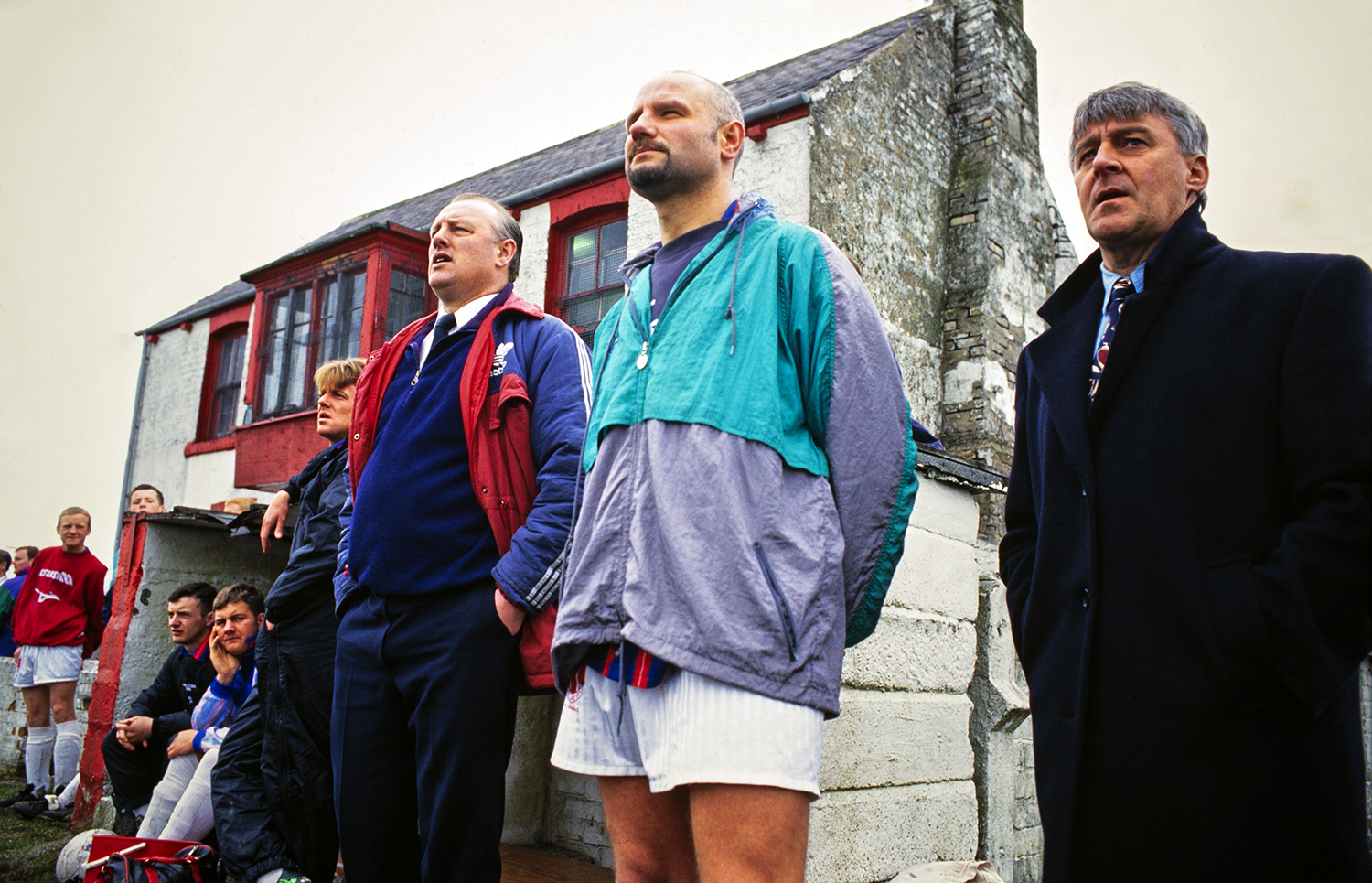
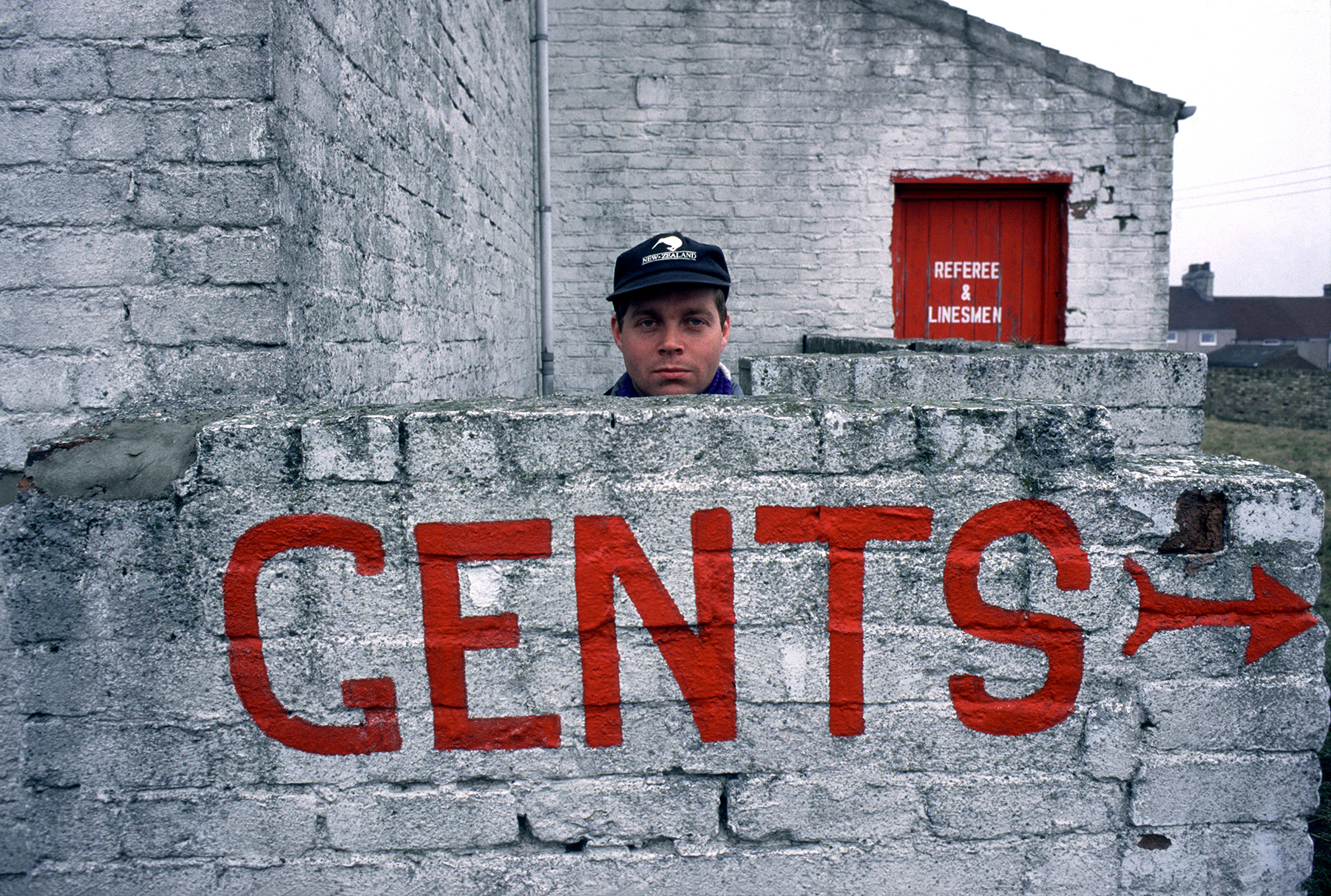
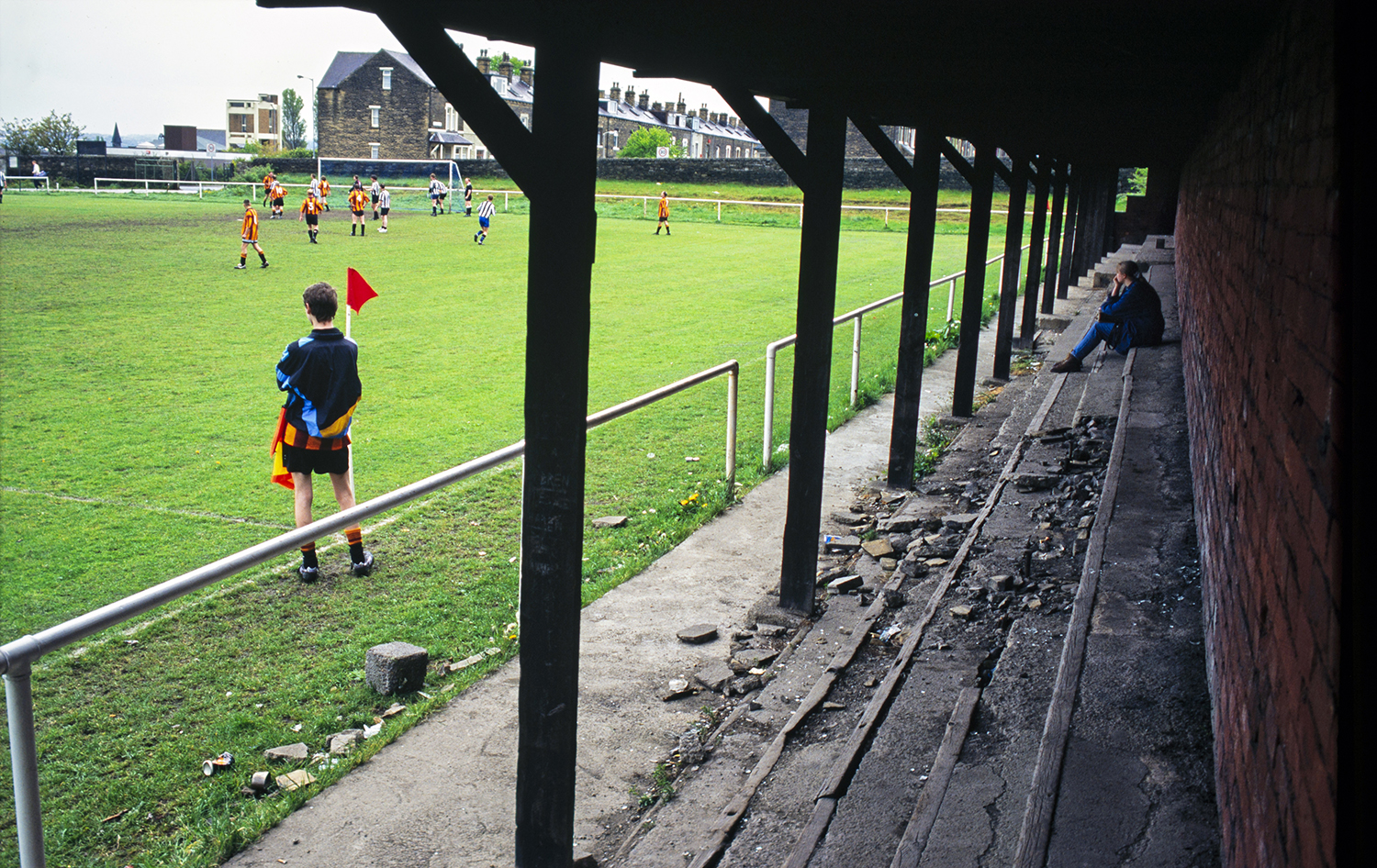
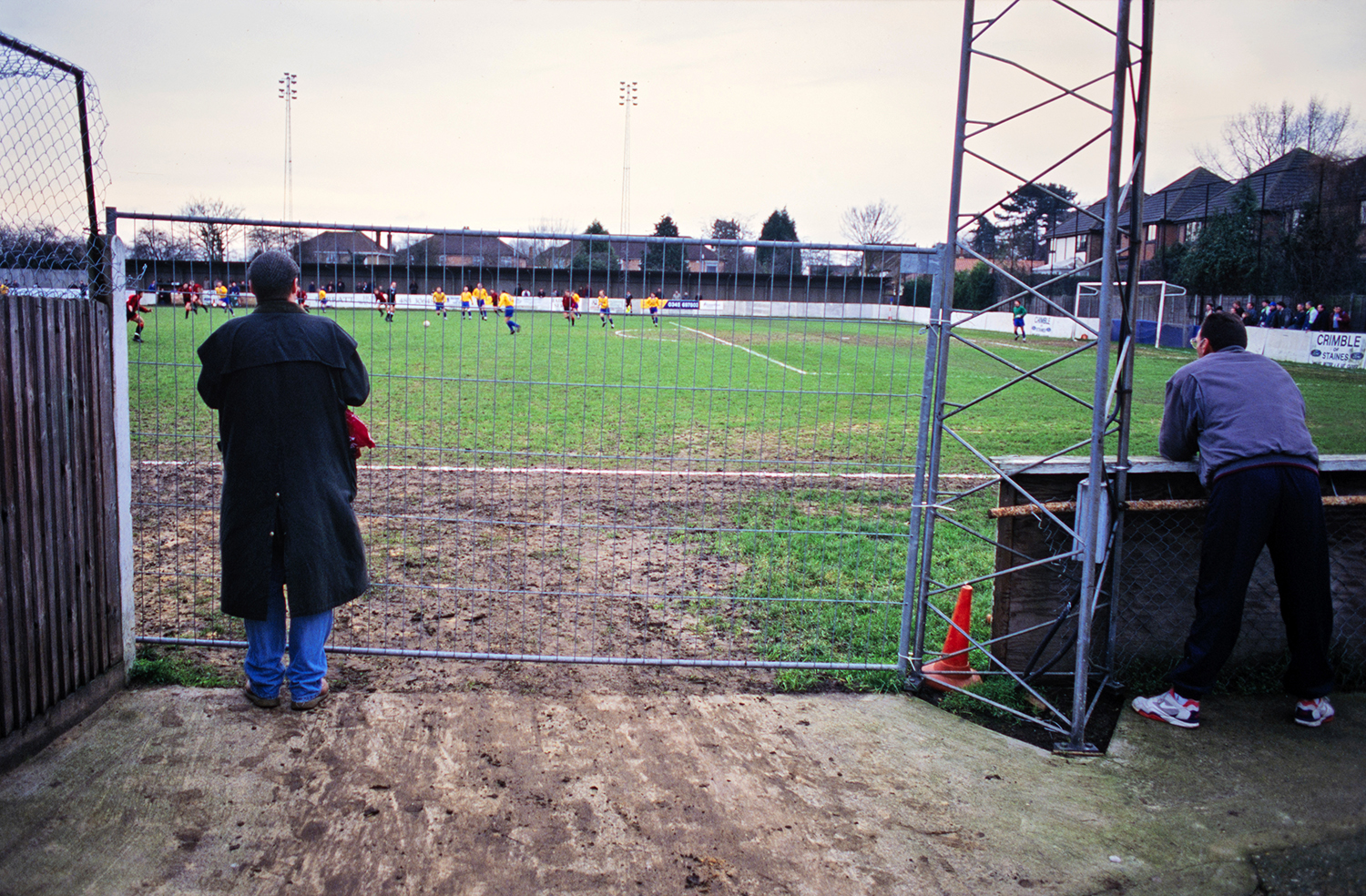
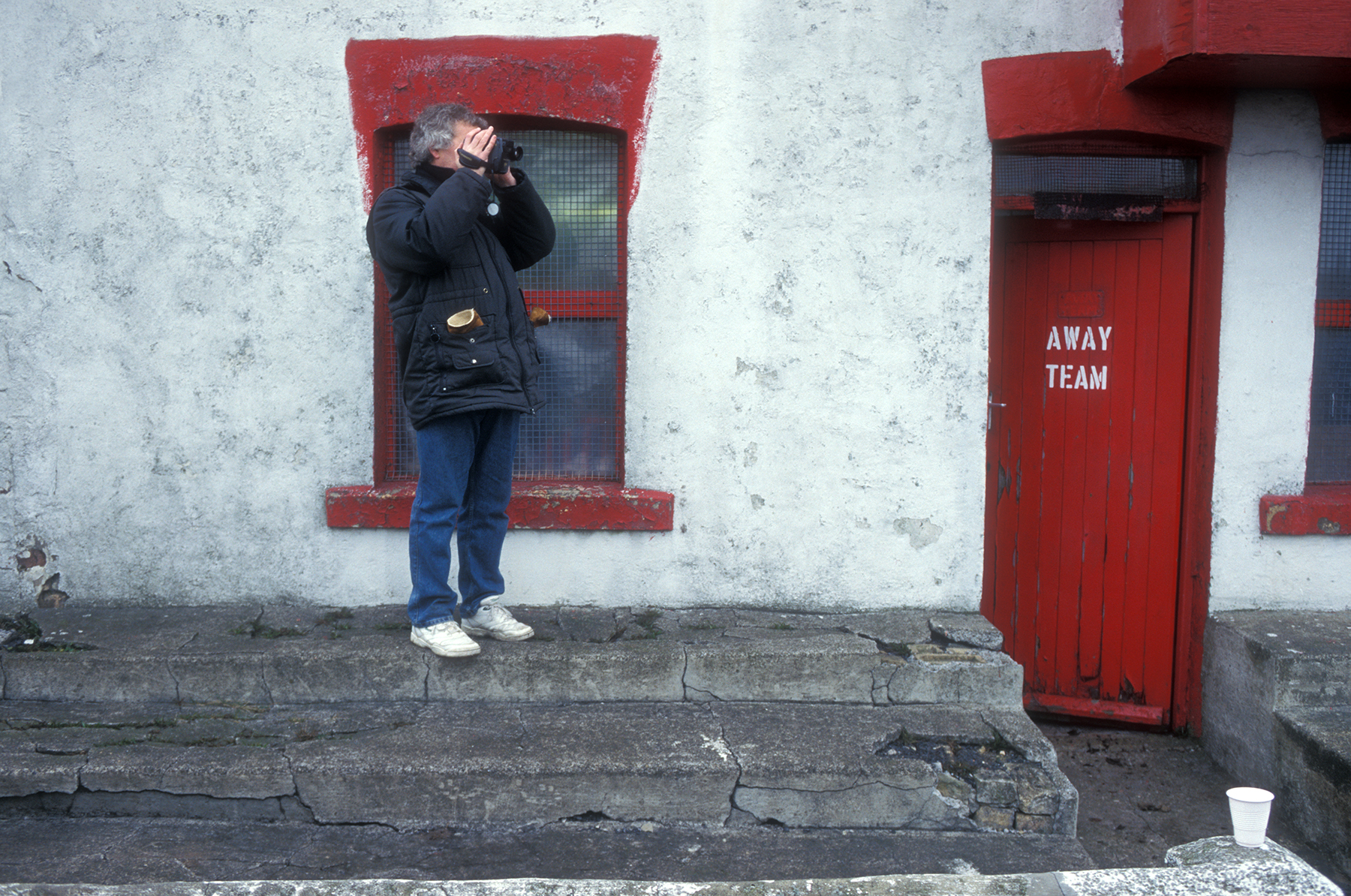
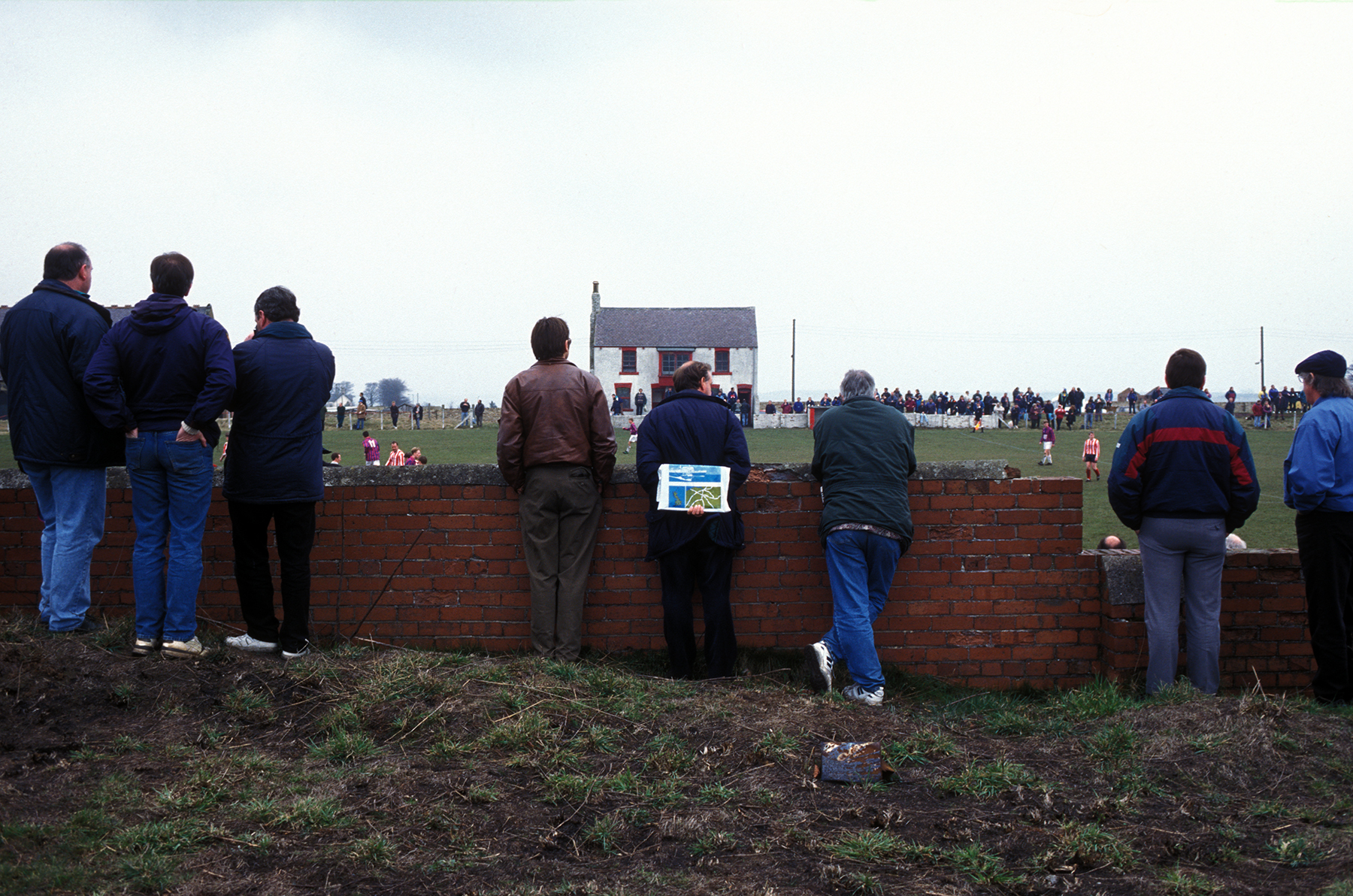
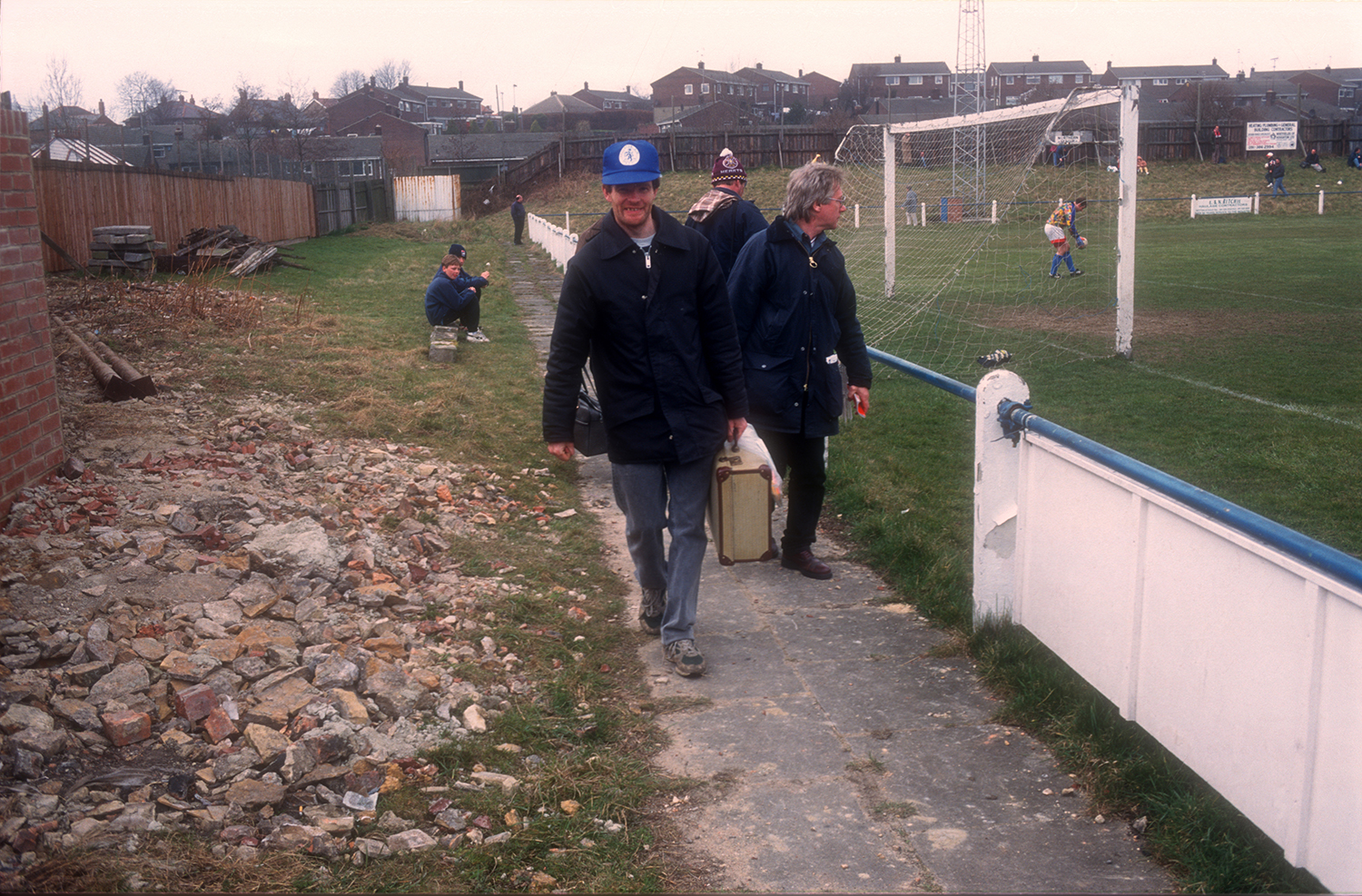
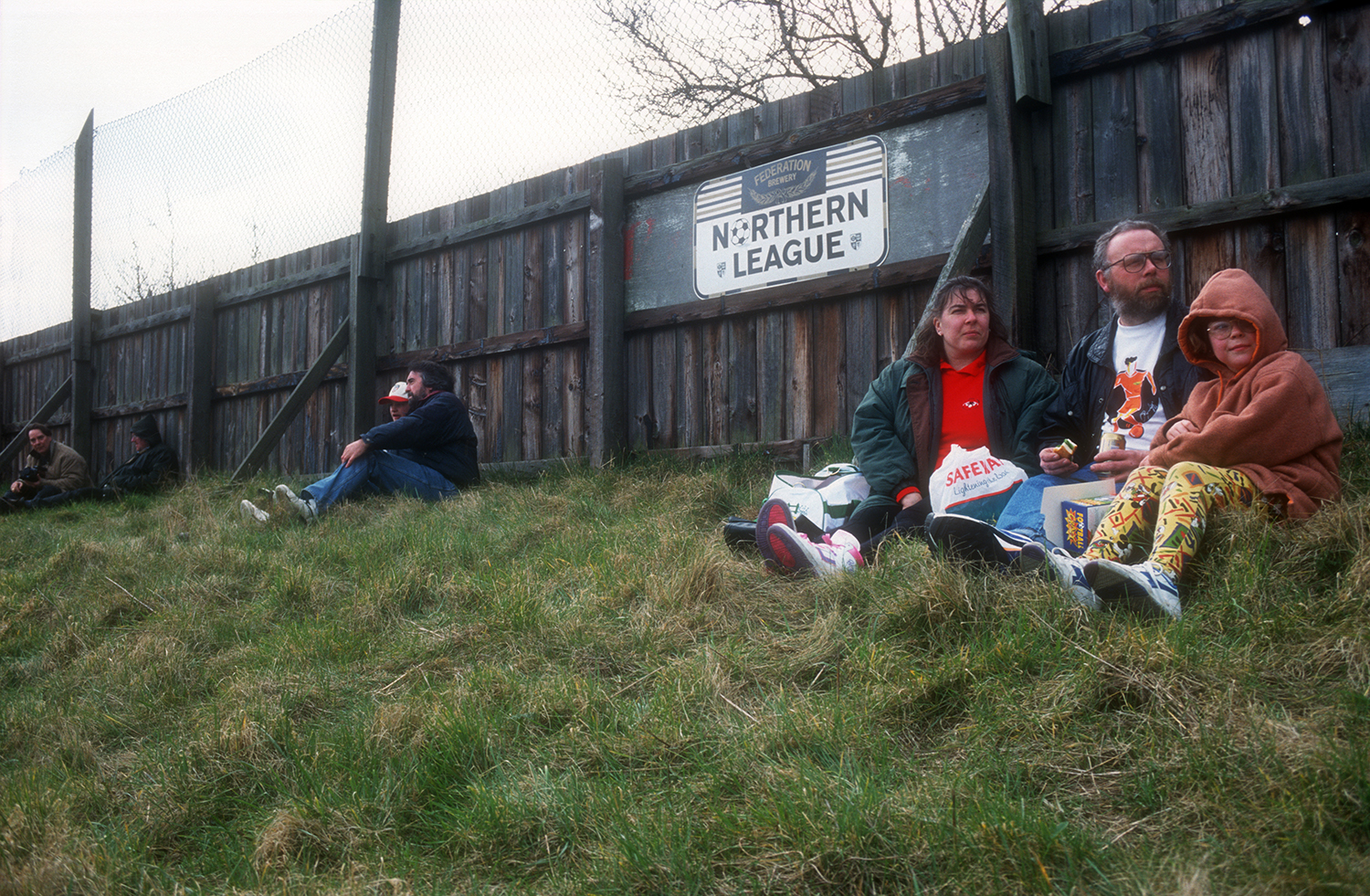
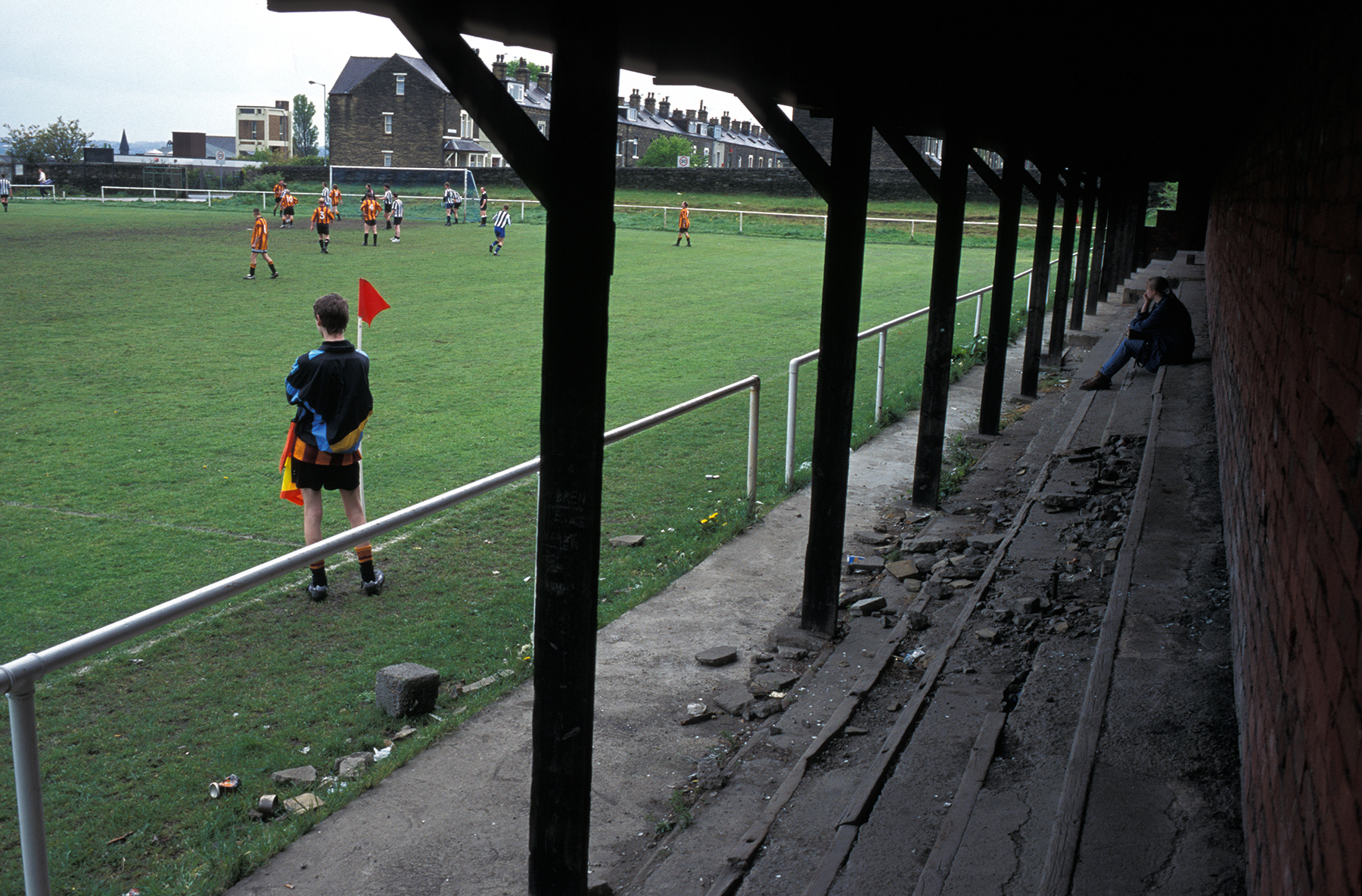
Waters embedded himself with Northern League groundhoppers across two Easter weekends in 1995 and 1996, travelling with them as they moved from match to match. It didn’t matter who was playing. What mattered was being there – another ground, another tick on the list.
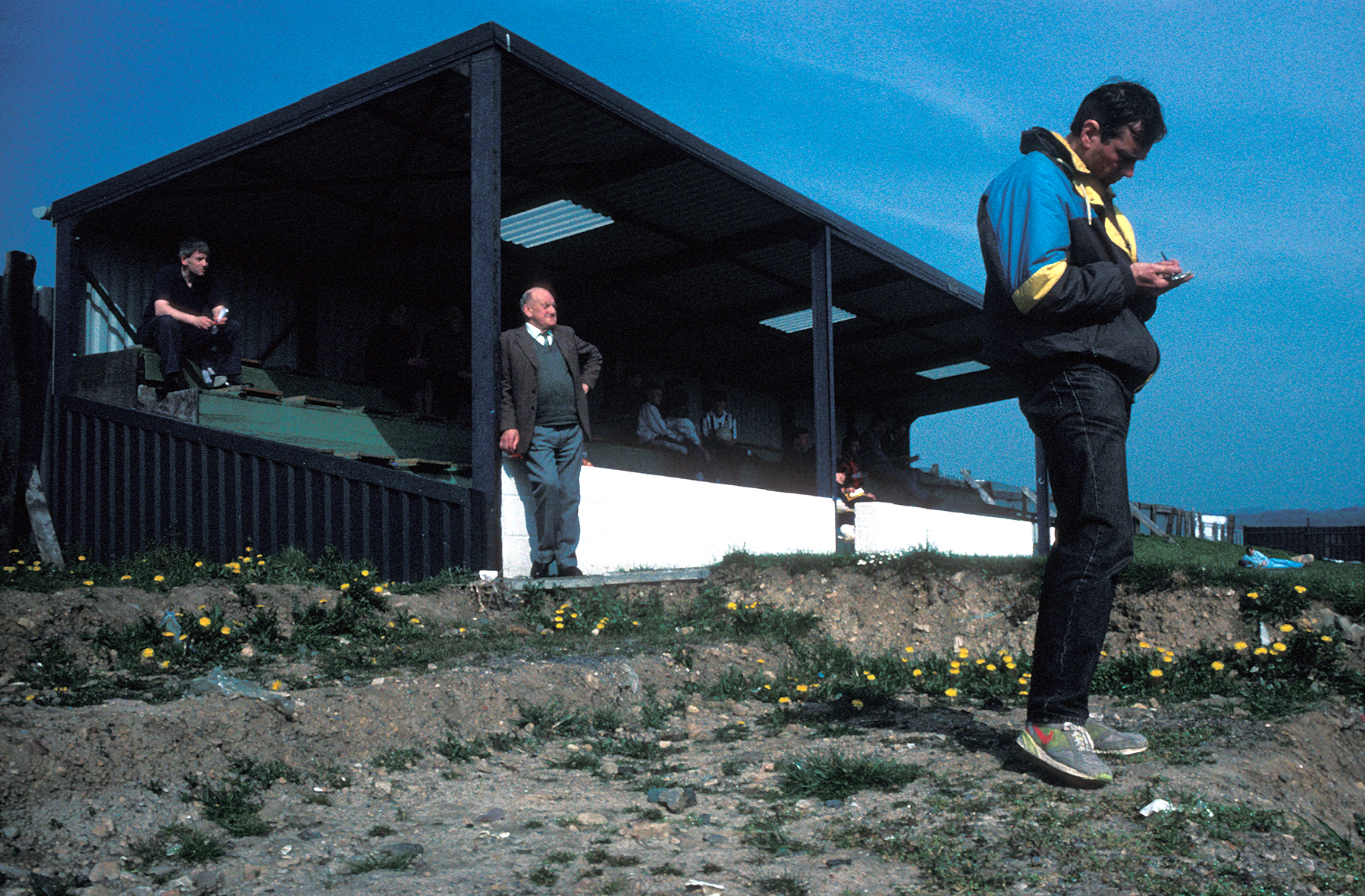
What he found was a culture built on ritual and detail. Some had to touch every corner post before kick-off. Others logged every pass of every game they watched. Each had their own system, their own way of recording the experience. It was methodical, obsessive, and entirely self-driven – football reduced to its purest form.
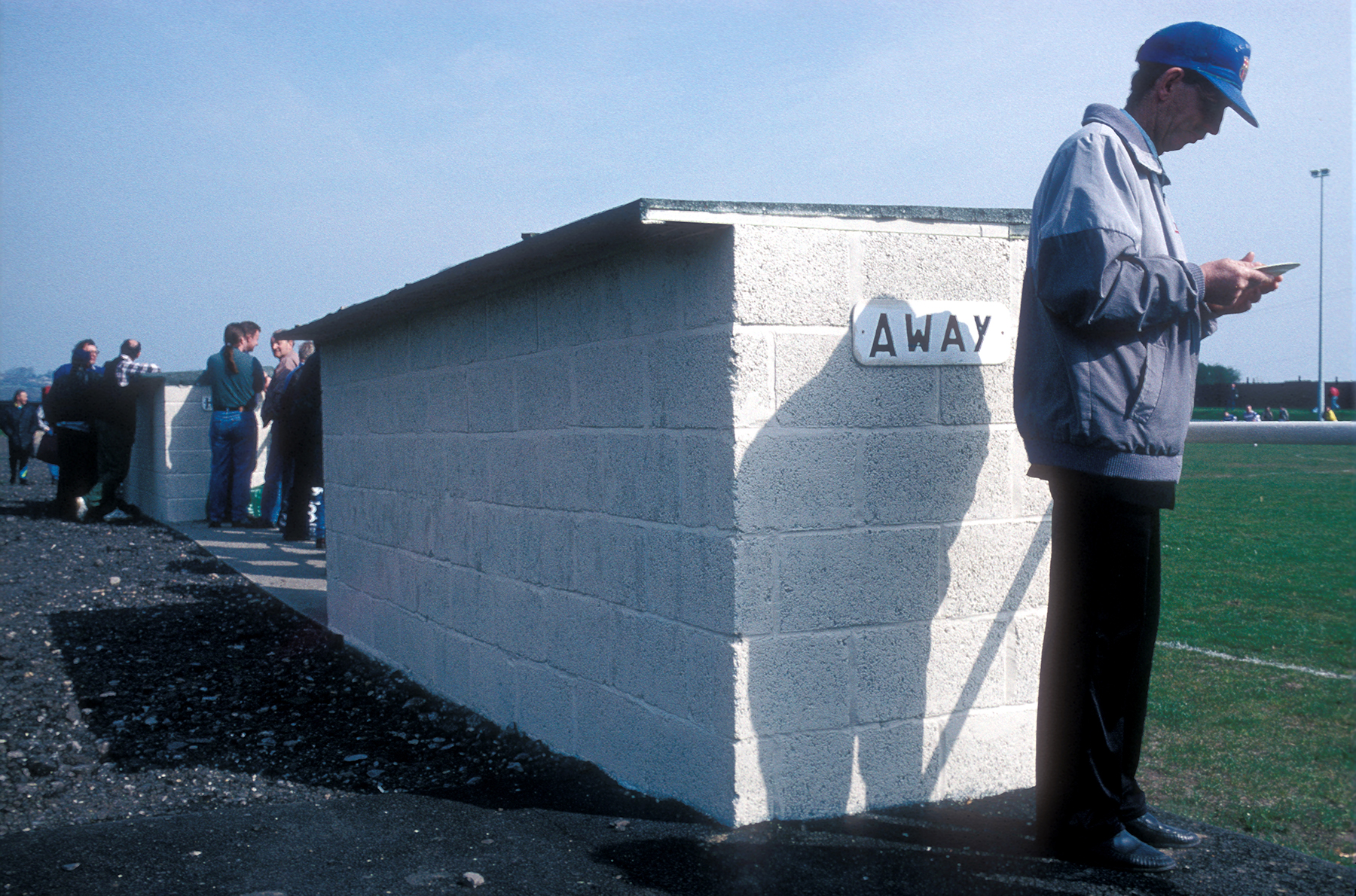
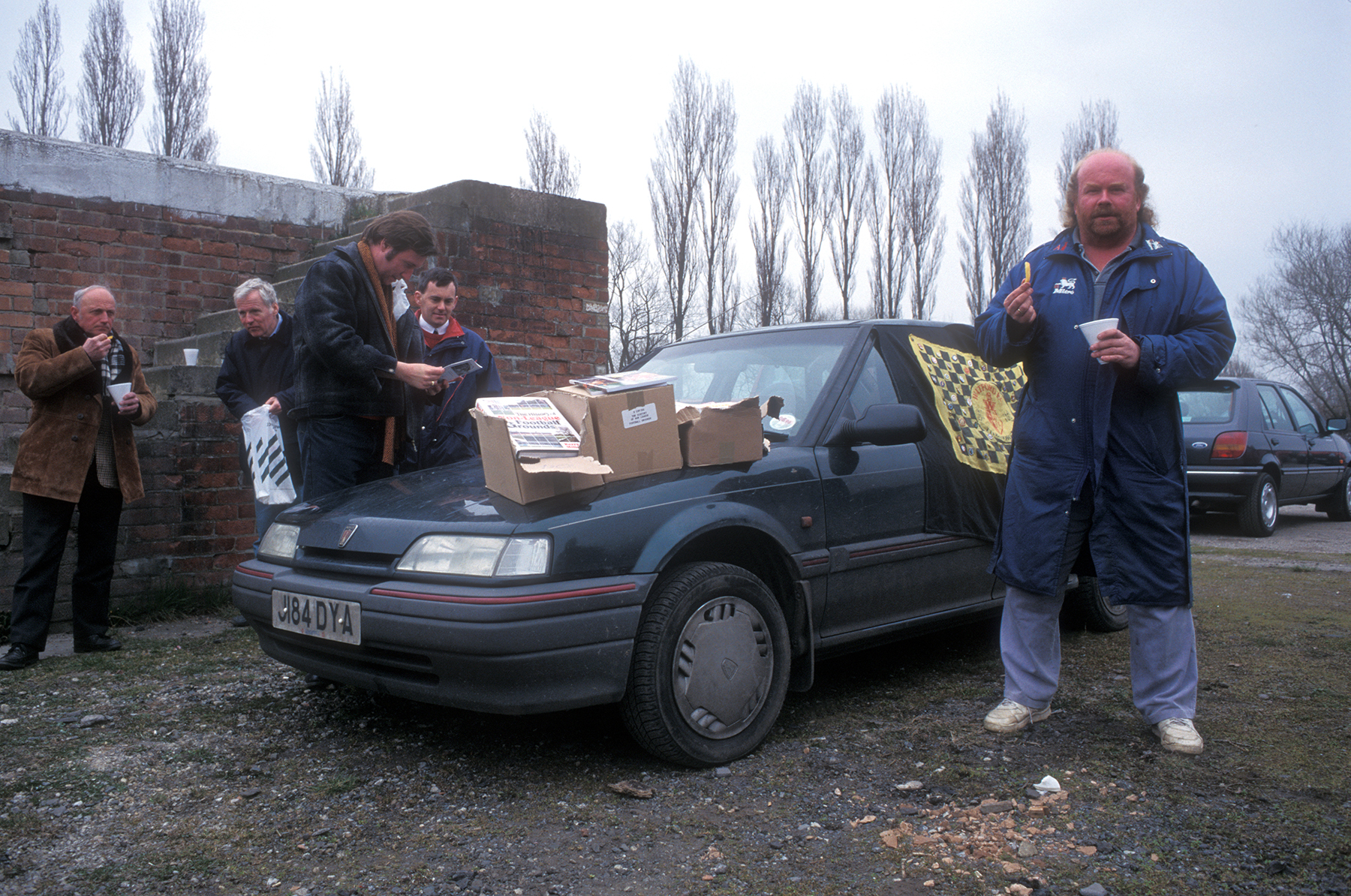



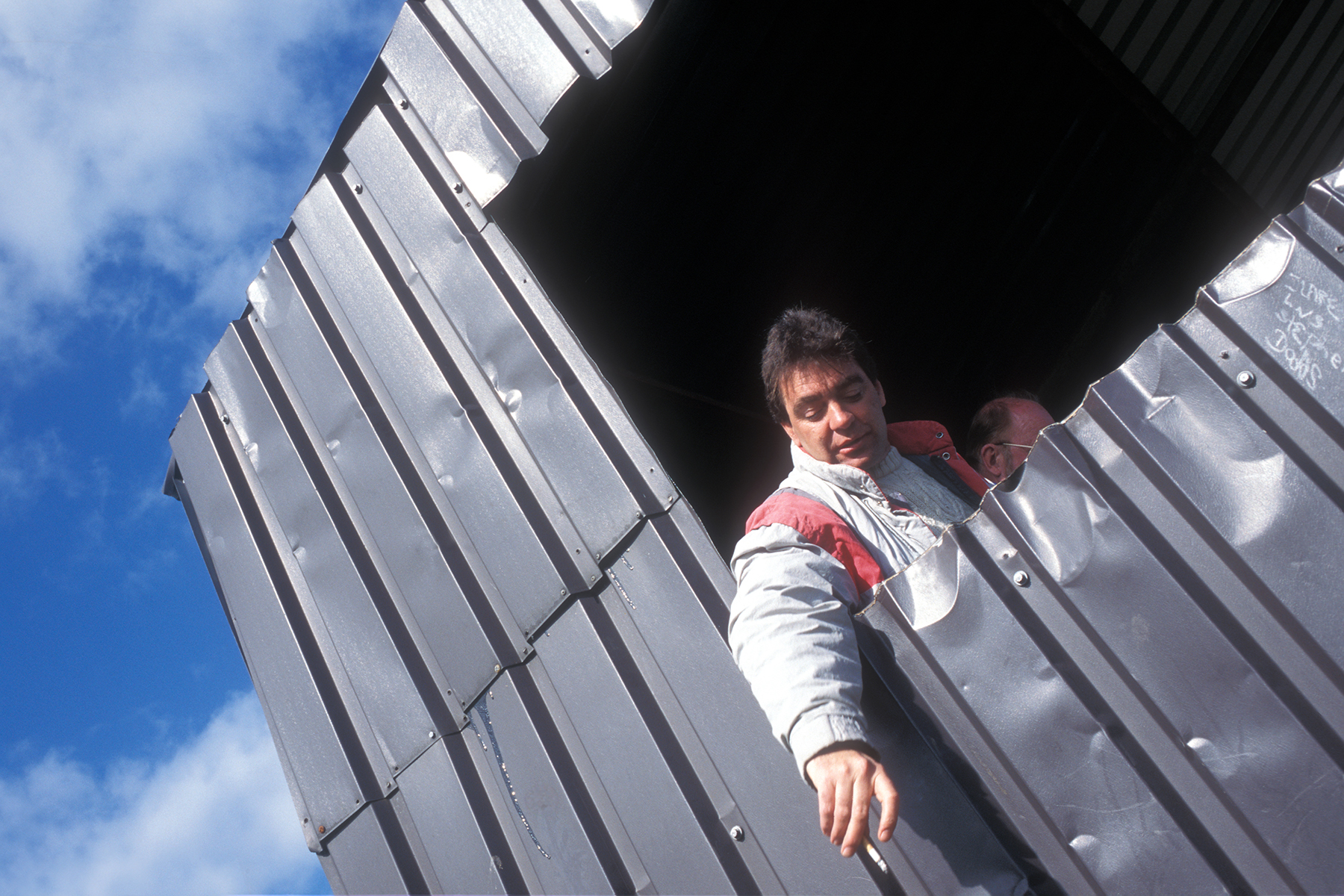

The resulting images became part of Life’s a Ball 90s, Waters’ cult photobook – an affectionate, documentary look at diehard UK football fans of the era. It is not a book about football as spectacle, but about people who like football – really like football.
When a selection of this work was first published, the response was immediate. What began as a small photo story turned into a standout feature. On the day it ran, the magazine called back asking for more; advertising revenue had trebled off the strength of that single piece. The subject had clearly struck a chord.
At the time, groundhopping was rooted in completion – a quiet mission to visit every ground in the country, no matter how small or remote. Since then, the culture has shifted. Some still chase the full list. Others build personal itineraries – bucket lists of historic or characterful stadiums. And for a newer wave, scale plays its part: the bigger the stadium, the greater the appeal.
But the essence remains. Groundhoppers are still a type of archivists of place, driven by movement, ritual, and a deep, uncomplicated love of the game.






You may also enjoy…