Football clubs have never had more ways to document themselves. But while almost every moment on the pitch is photographed, filmed and analysed, some of the most important stories are happening beyond it – among the people, places and communities that give a club its identity.

It has become something of a cliché to say that football is about more than 90 minutes.
But for many of us, it really is.
Beyond the match itself you have community. Society. Culture. You have life. They all coexist.
For many supporters, a relationship with football can be traced back to childhood. It predates almost every relationship we have, with the possible exception of those with our parents.
Playing with mates in the park or playground. A ball in the back garden with a parent or sibling. Joining your first team. Choosing your favourite player. Shirts, boots and footballs. Coaches and teammates. Winning and losing. Standing up for yourself. Making friends.
These experiences gradually become part of our football DNA.
Most of us also discover fairly early that we aren’t going to become professional footballers. The thing we might love doing more than almost anything else is something we’re simply not good enough to do for a living.
We carry on anyway.
And that relationship with football continues to evolve.
Football finds you.
Once you’ve lived with football for long enough, you start seeing it everywhere.
Often without looking.
There are obvious examples – a shirt, a football pitch, a scarf hanging in the back of a car – but there are thousands of smaller, more nuanced references that someone immersed in football culture recognises almost instinctively.
A lager that sponsored a shirt in the 1990s. A pop song that has become permanently associated with a terrace chant. A particular pair of trainers. A place name that immediately reminds you of an away game.
Football becomes a kind of parallel language.
People sometimes ask football supporters where they get their football news. The truthful answer for many of us is that most of it simply finds us.
Friends. Radio. WhatsApp groups. Social media. Conversations at work. The accounts we follow. The people we sit beside at games.
Over decades, consciously or otherwise, we build our own football information networks.
We don’t know everything about every club, league or corner of the game. Nobody does. But the things relevant to our own football world have a habit of reaching us.
That matters when clubs think about how they communicate with supporters.
Fans aren’t sitting around waiting for a football club to explain football to them.
They are already living it.
Supporters aren’t simply an audience.
![Tottenham Hotspur supporters photo series. TRAINING GROUND [Blokes at worship - blokes at war] Kirsten Allen](https://lowerblock.com/wp-content/uploads/2024/07/000077990004-crop.jpg)
This is where clubs can sometimes misunderstand the people they are trying to reach.
A supporter isn’t simply someone who buys a ticket, watches a game and consumes the content produced around it.
Football exists all day and all week.
It sits alongside jobs, relationships, children, money, music, clothes, friendships, travel and everything else happening in people’s lives.
Even the relationship with the match itself can be misunderstood.
Plenty of supporters have little interest in watching hours of post-match analysis about a game they have just attended or watched.
Why?
Because they just watched it.
Sometimes, particularly after a defeat, the last thing you want to do is immediately experience it again.
The emotional relationship with football isn’t always rational, convenient or commercially useful.
That’s precisely why it matters.

Supporters don’t expect to be completely understood. They do expect to be seen.
Football supporters aren’t one homogeneous group.
There are different generations, backgrounds and ways of following the game. Home-and-away supporters. Season-ticket holders. People who go occasionally. Supporters living thousands of miles from their club. People interested in shirts, stadiums, tactics, history, away travel or terrace culture.
Some football fans are idiots.
Most aren’t.
And supporters generally don’t want to be controlled, patronised or treated simply as customers.
They don’t need to be told how to support their club. They don’t need football sold back to them as though it’s something they haven’t already spent much of their lives understanding.
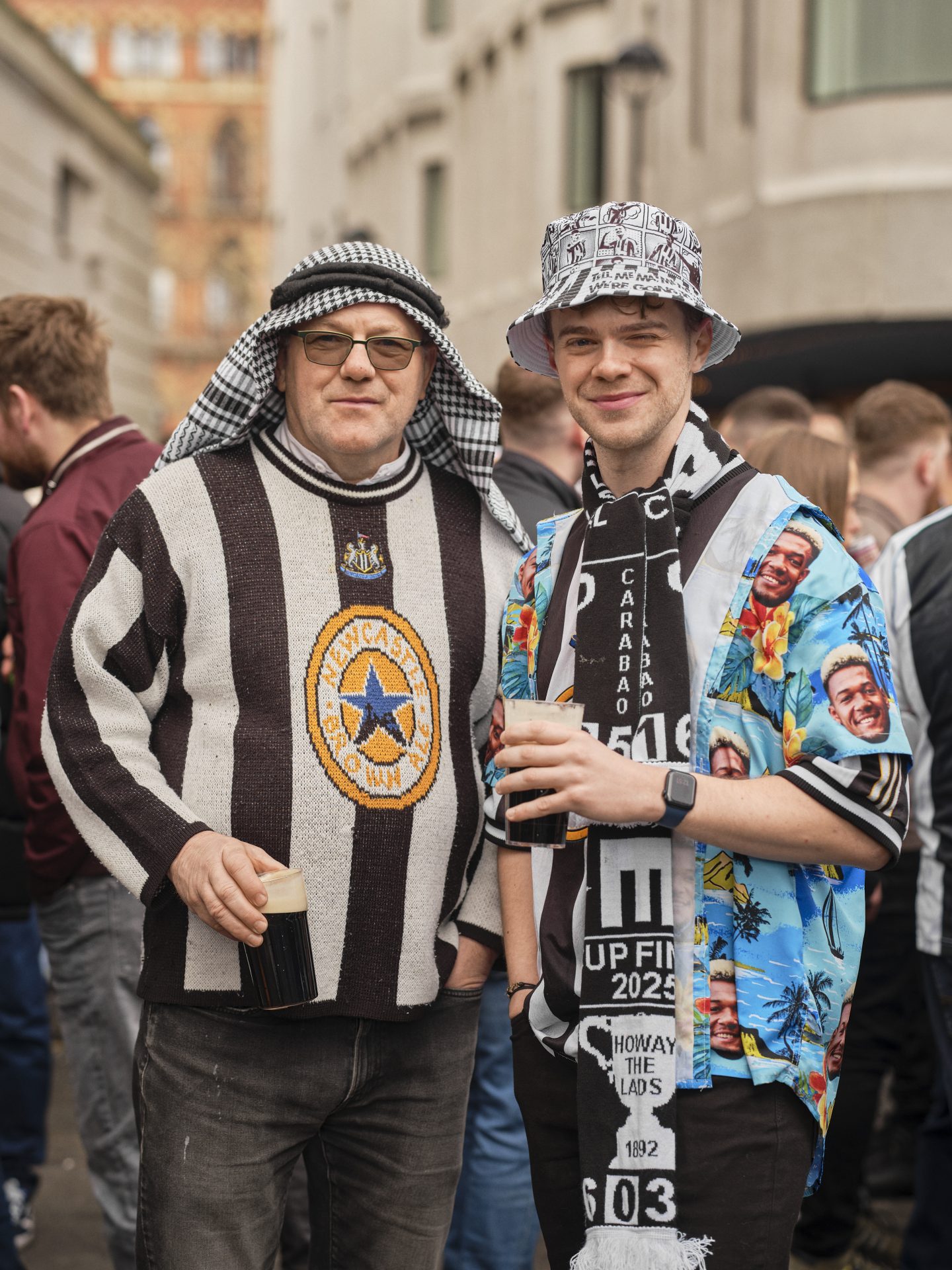

Football became the world’s game because generations of people wanted to play it and watch it. Its value came from the culture that grew around that simple act.
Clubs understandably need to generate revenue. Modern football is a huge industry.
But there is an important distinction between commercialising a football audience and understanding a football community.
The clubs that recognise that difference are far better placed to communicate authentically with their supporters.
Document the culture, not just the match.
Photography has an important role here.
Football clubs understandably document the action. Goals, celebrations, players, managers, trophies and major matches need to be recorded.
But look through football photographs from 20, 30 or 40 years ago and something interesting happens.
Often it isn’t the action photograph that tells us most about the period.
It’s everything around it.
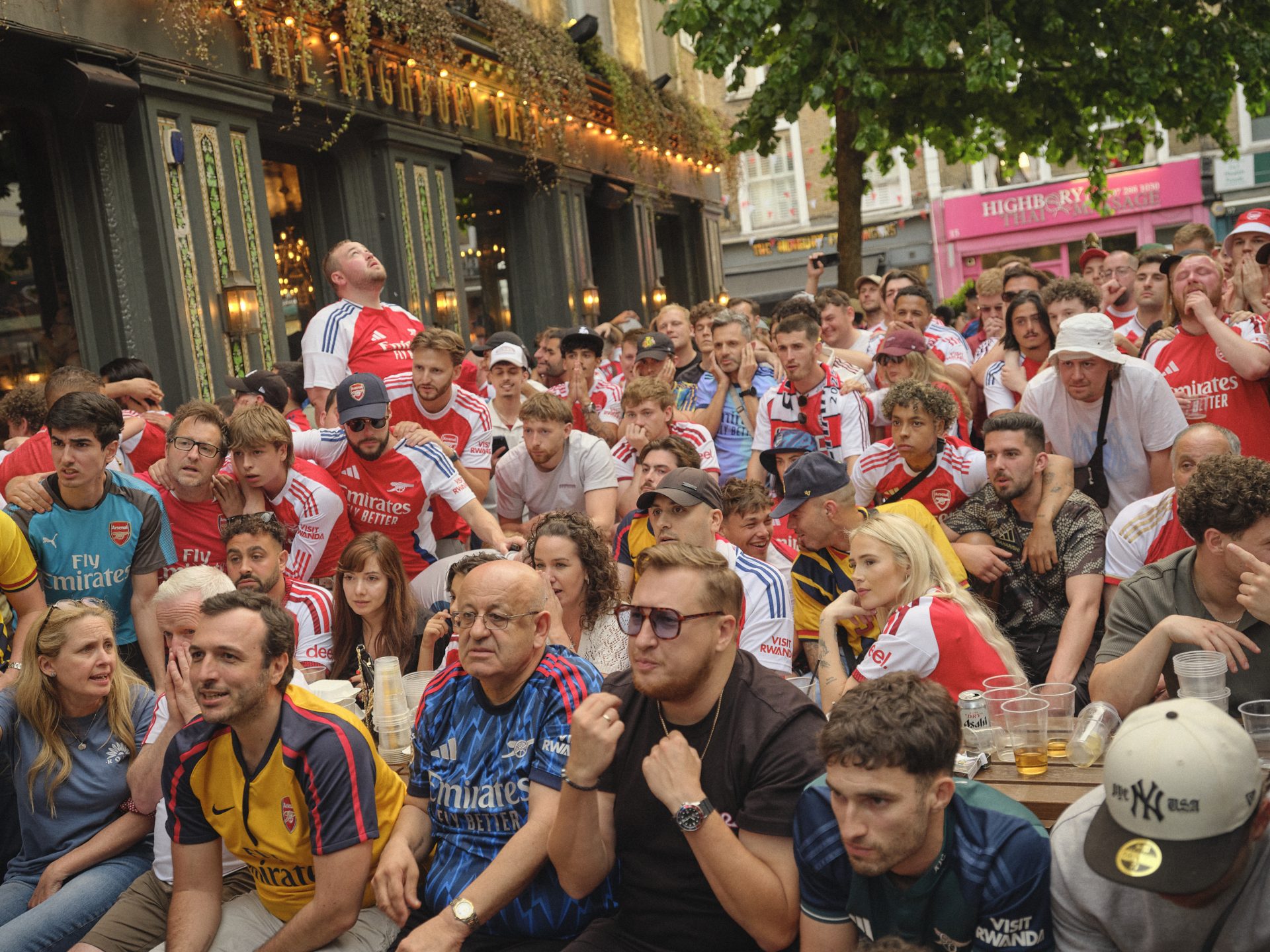
The supporters standing on a terrace. The clothes they’re wearing. A father and son walking towards the ground. The pub outside the stadium. Coaches waiting for an away trip. A programme seller. Police horses. Turnstiles. Food. Advertising. Streets. Architecture.
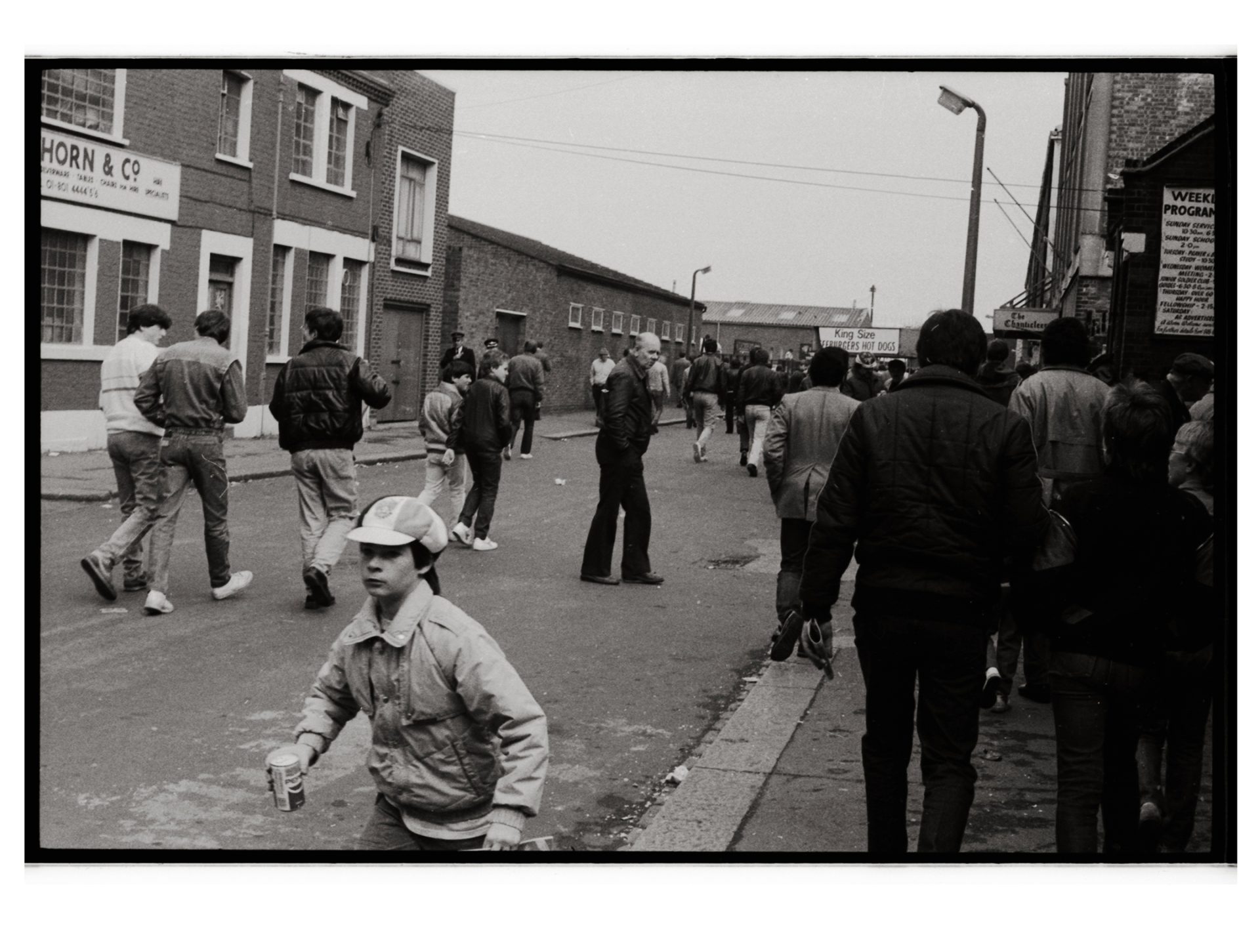
This is why documenting football culture requires more than simply pointing a camera towards a crowd.
You need to understand what you’re looking at.
You need to recognise the small details that matter. Know when to step closer and when to leave people alone. Understand rituals, relationships and behaviour. Recognise what feels authentic and what has been manufactured for the camera.
Most importantly, you need to be interested in the people themselves.
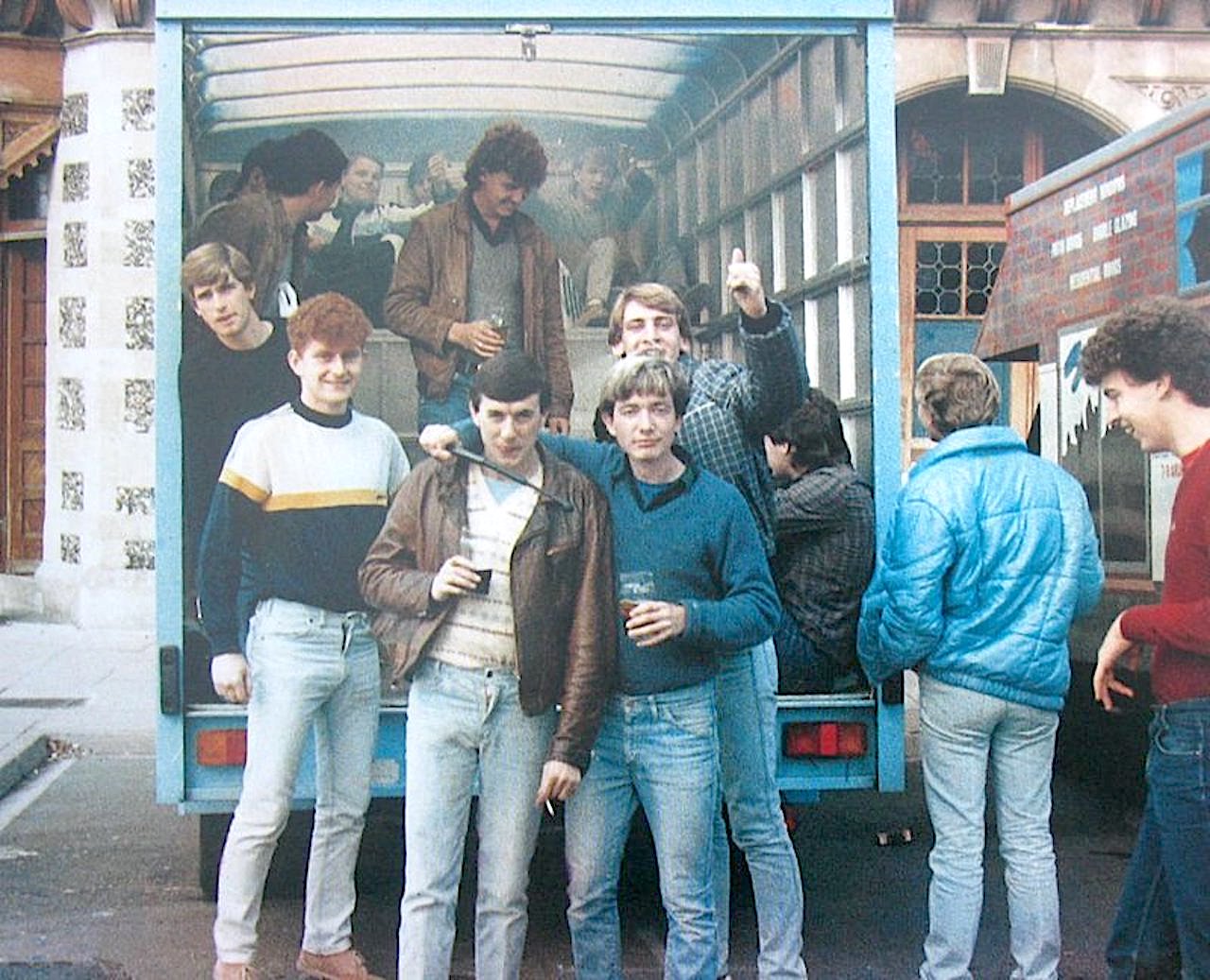
The photographs become more valuable with time.
Lower Block was born out of nearly two decades of experience working as a national newspaper picture editor – commissioning photography, working with photographers and making decisions every day about which images communicated something and which didn’t.
That experience reinforced something that has become central to Lower Block: the photographs with lasting value aren’t necessarily the most obvious ones at the time they are taken.
We’ve seen that repeatedly through the Lower Block archive.
Photographs made decades ago become increasingly important precisely because somebody chose to turn away from the pitch and photograph what was happening around it.
Old stadiums disappear. Pubs close. Streets change. Clothes change. Supporters get older. Children become parents and bring another generation to the same club.
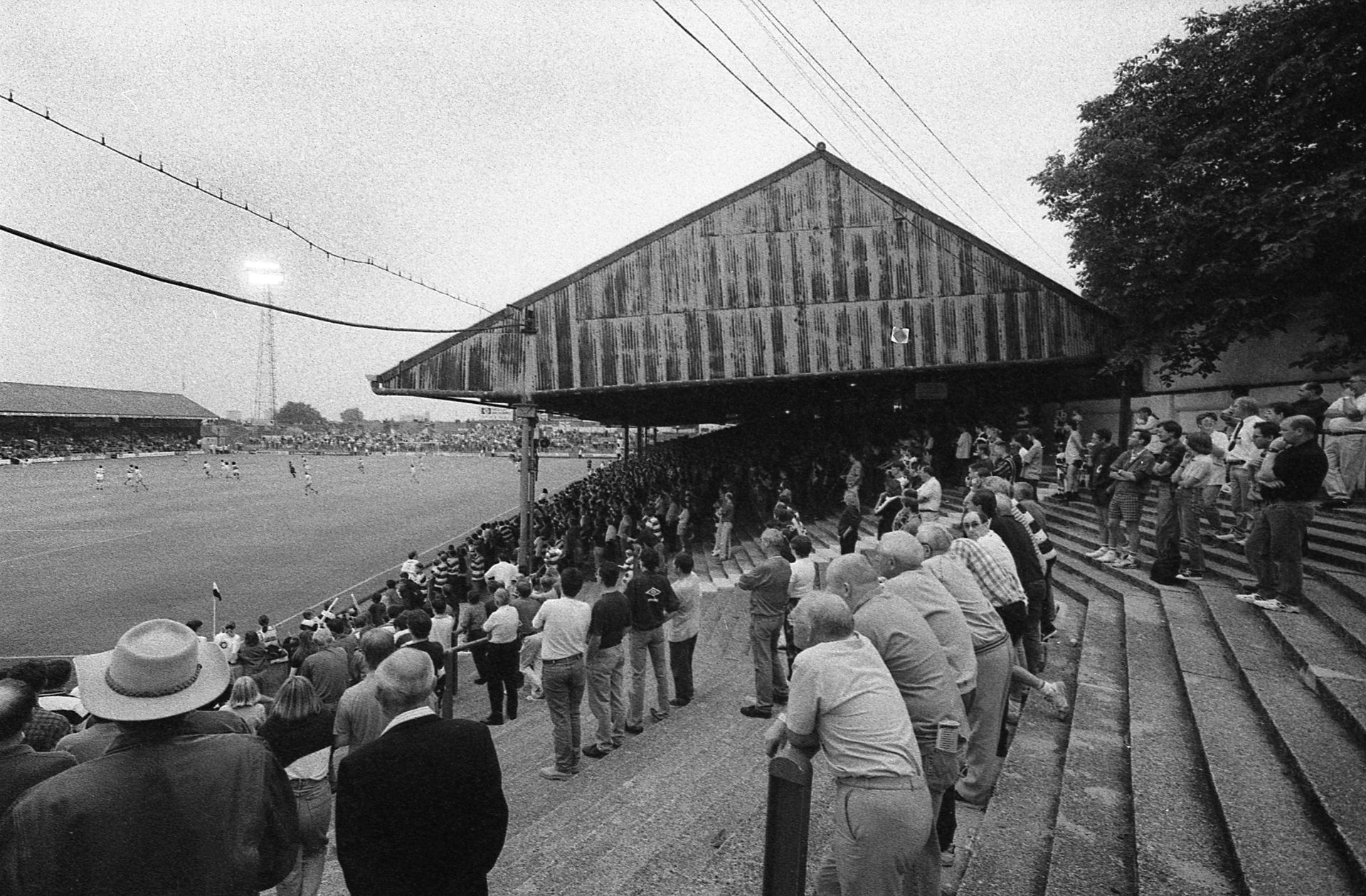
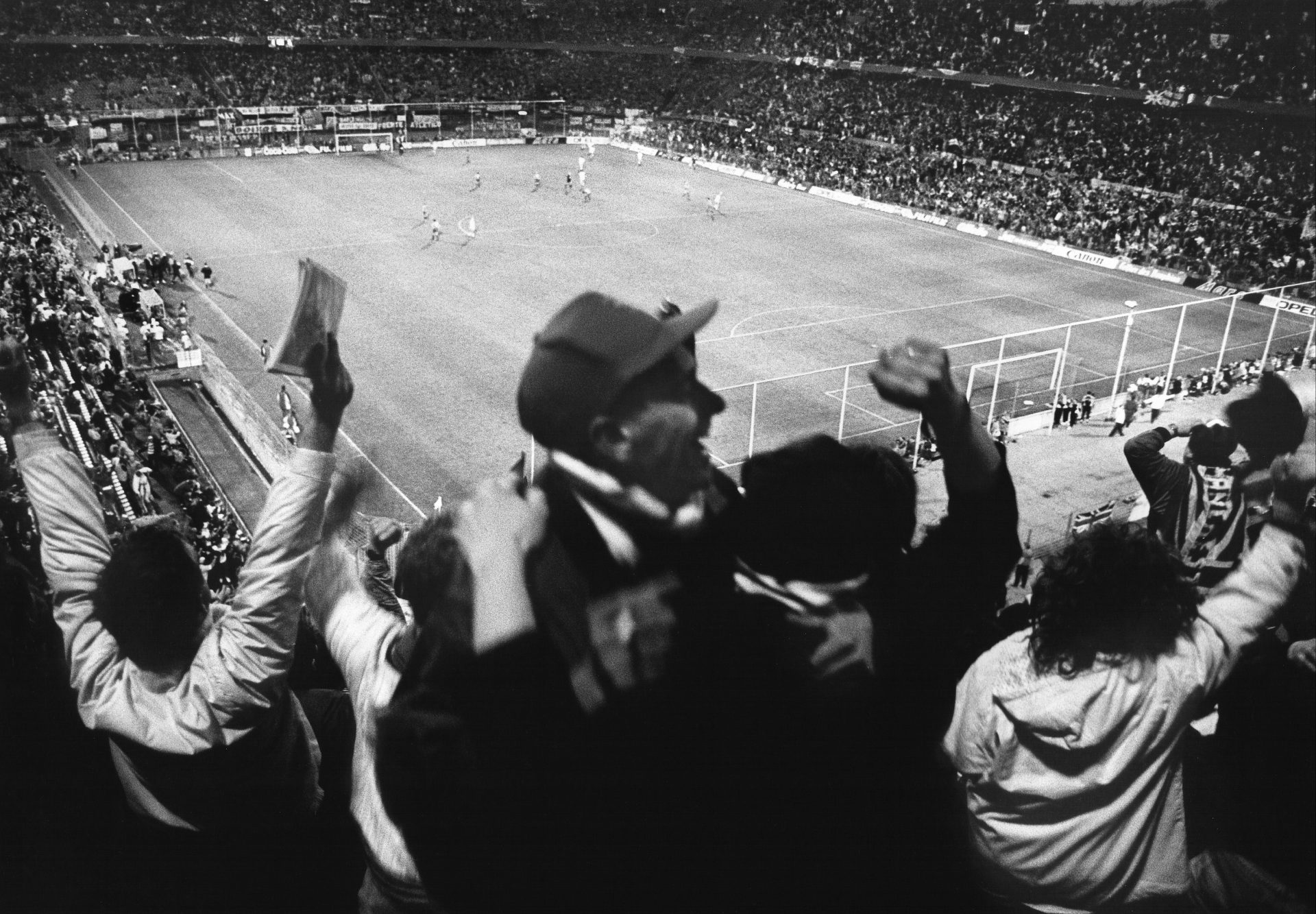
Suggested Lower Block Editions

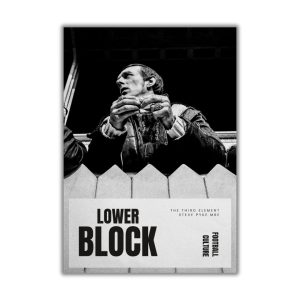
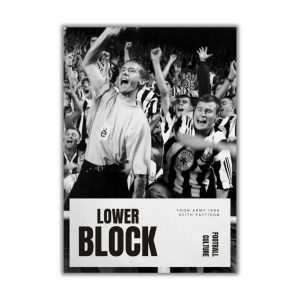
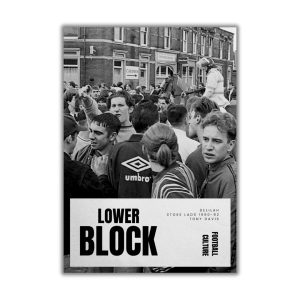

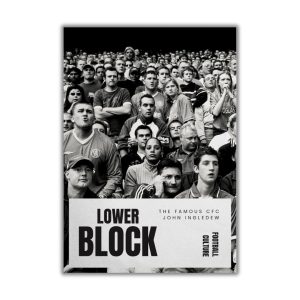
Even relatively recent football culture changes surprisingly quickly.
That’s why clubs should think about documentary photography not simply as content for this weekend’s social channels, but as part of their long-term cultural archive.
What does supporting this club actually look like in 2026?
Who are these people?
Where do they meet?
How do they travel?
What do they wear?
What traditions are being passed between generations?
What is happening around the football that might not exist in ten years?
Those are questions worth documenting.

Beyond content.
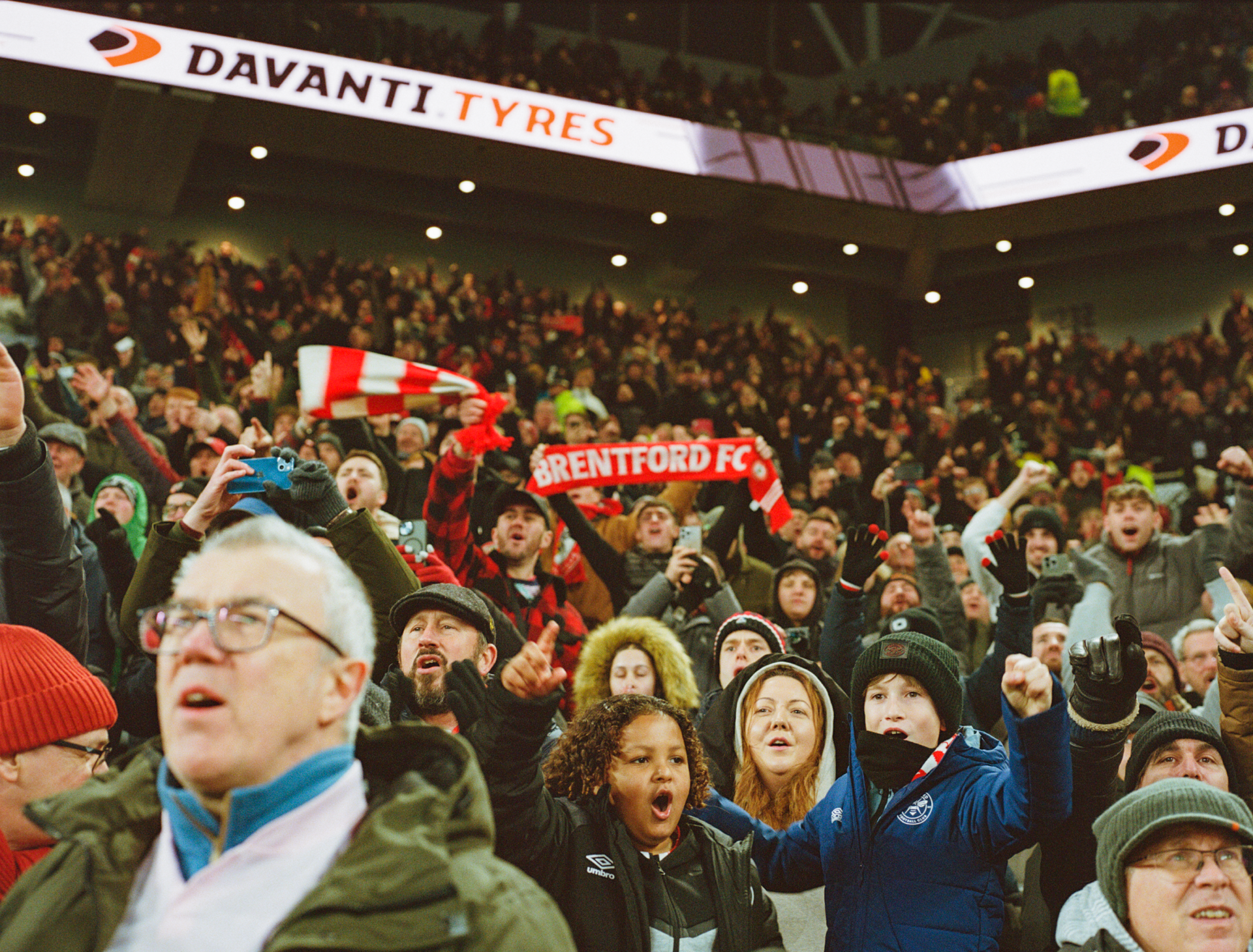
When Lower Block worked with Brentford to document their away support, the interesting part of the brief wasn’t simply photographing six football matches.
It was documenting the people travelling through the season.
Different generations of supporters. Journeys. Meeting places. Clothing. Rituals. Friendships. Families. The environment around the games.
Adam Rosenbaum was the right photographer not simply because he’s an excellent photographer, but because he’s a Brentford supporter who regularly travels home and away.
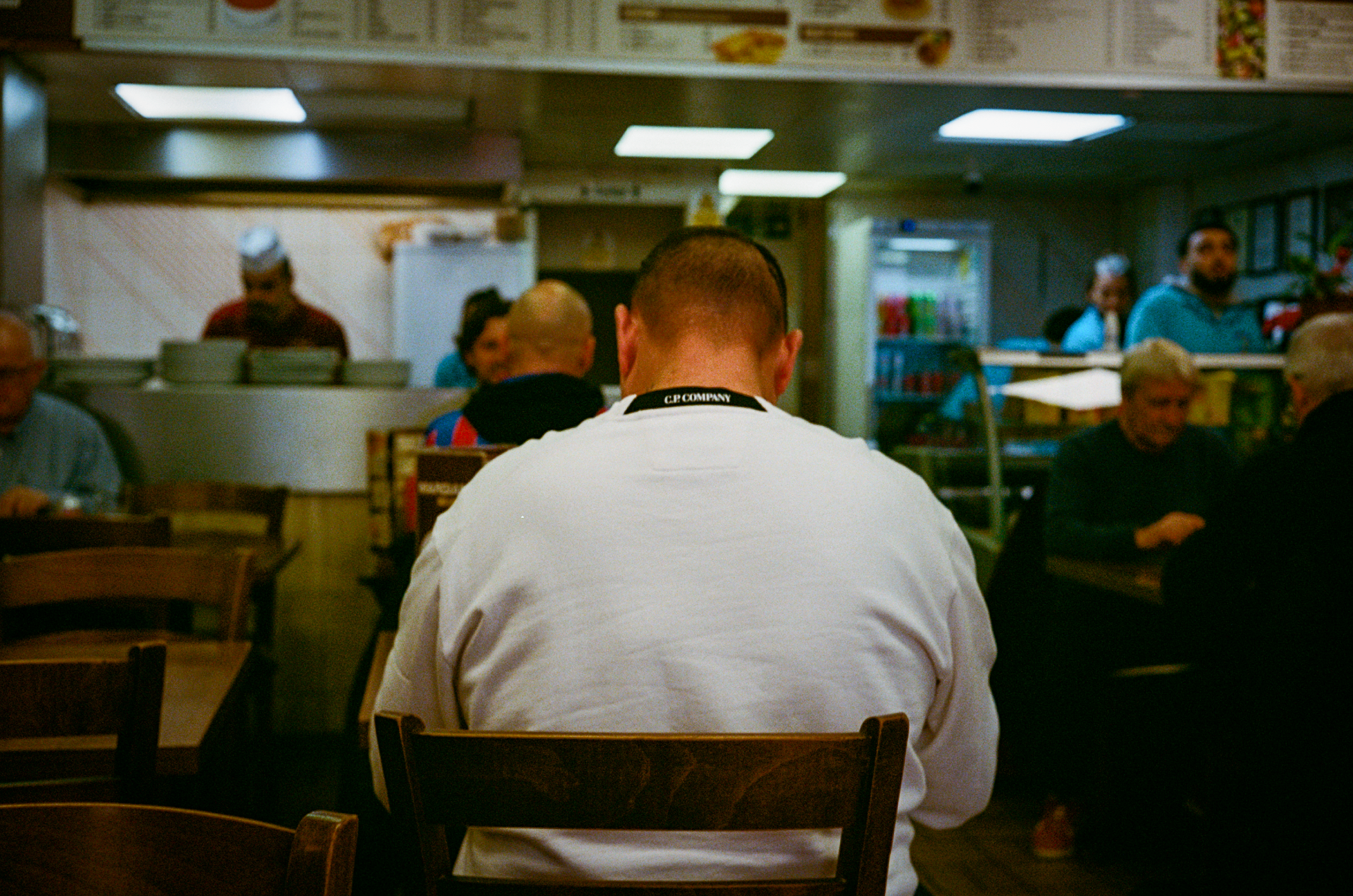
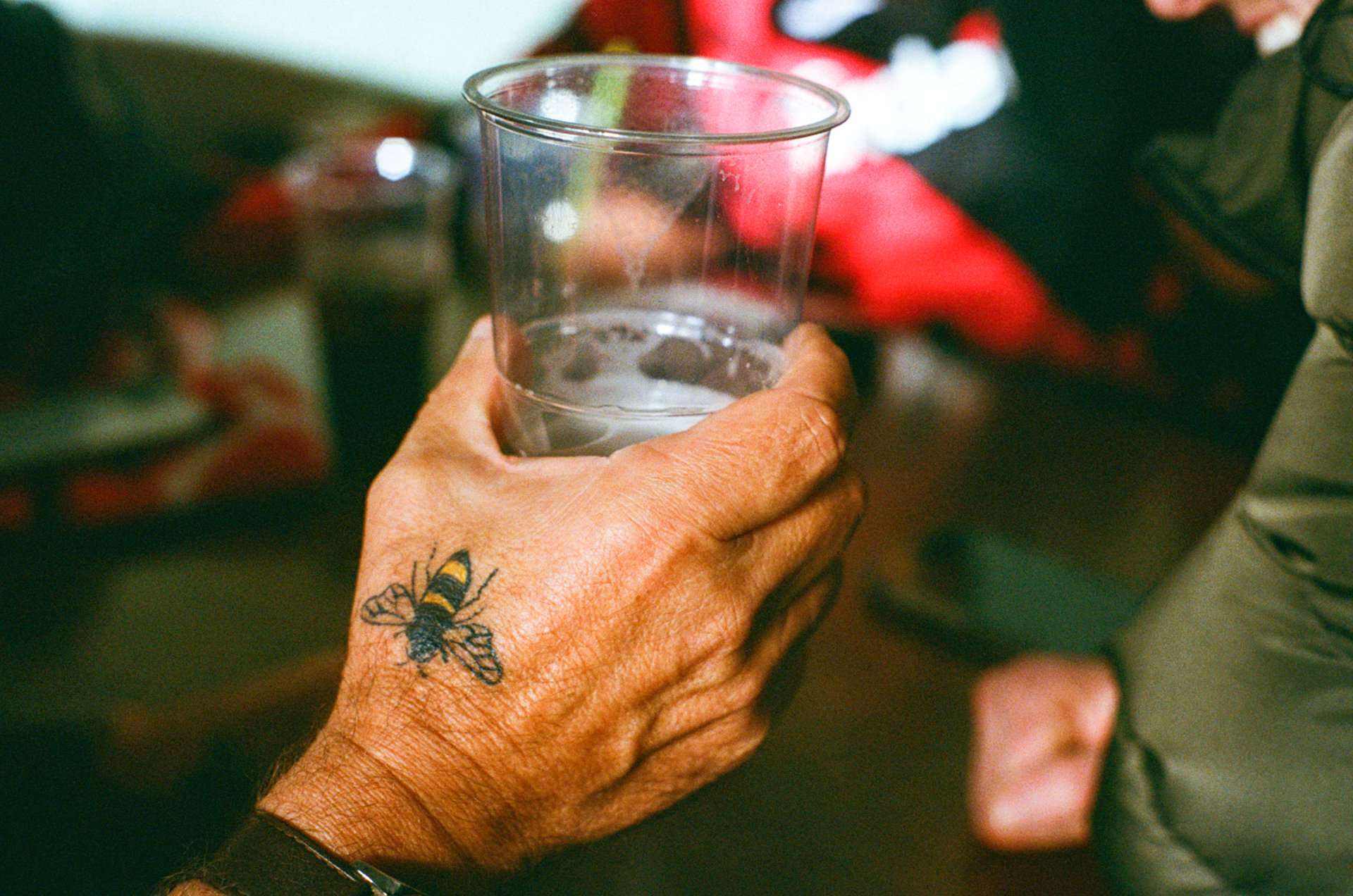
He understands what he’s looking at.
That matters.
The photographer, the brief, the edit and the understanding of the culture all need to work together.
Otherwise you risk producing perfectly competent photographs that don’t actually say very much.
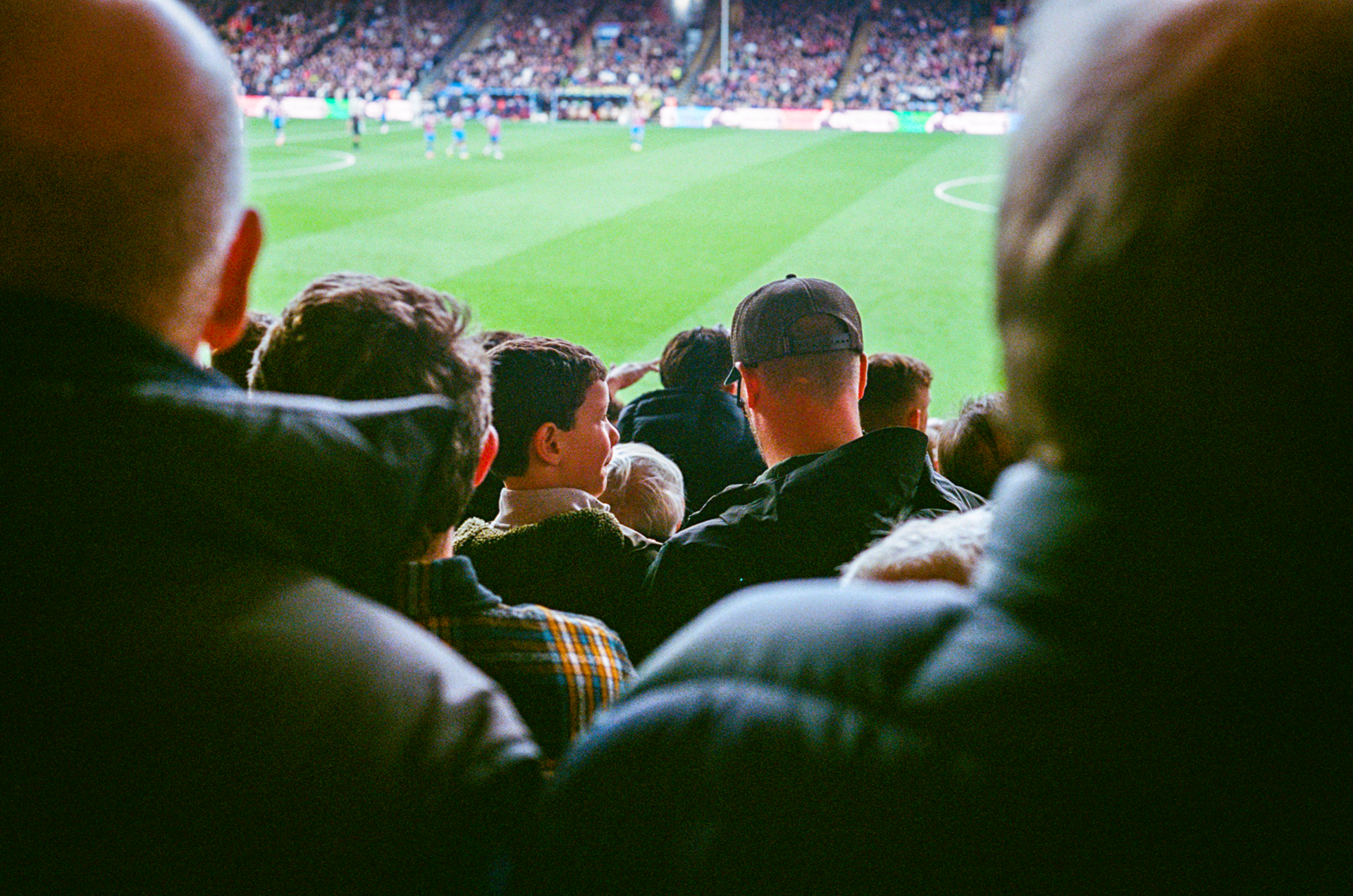
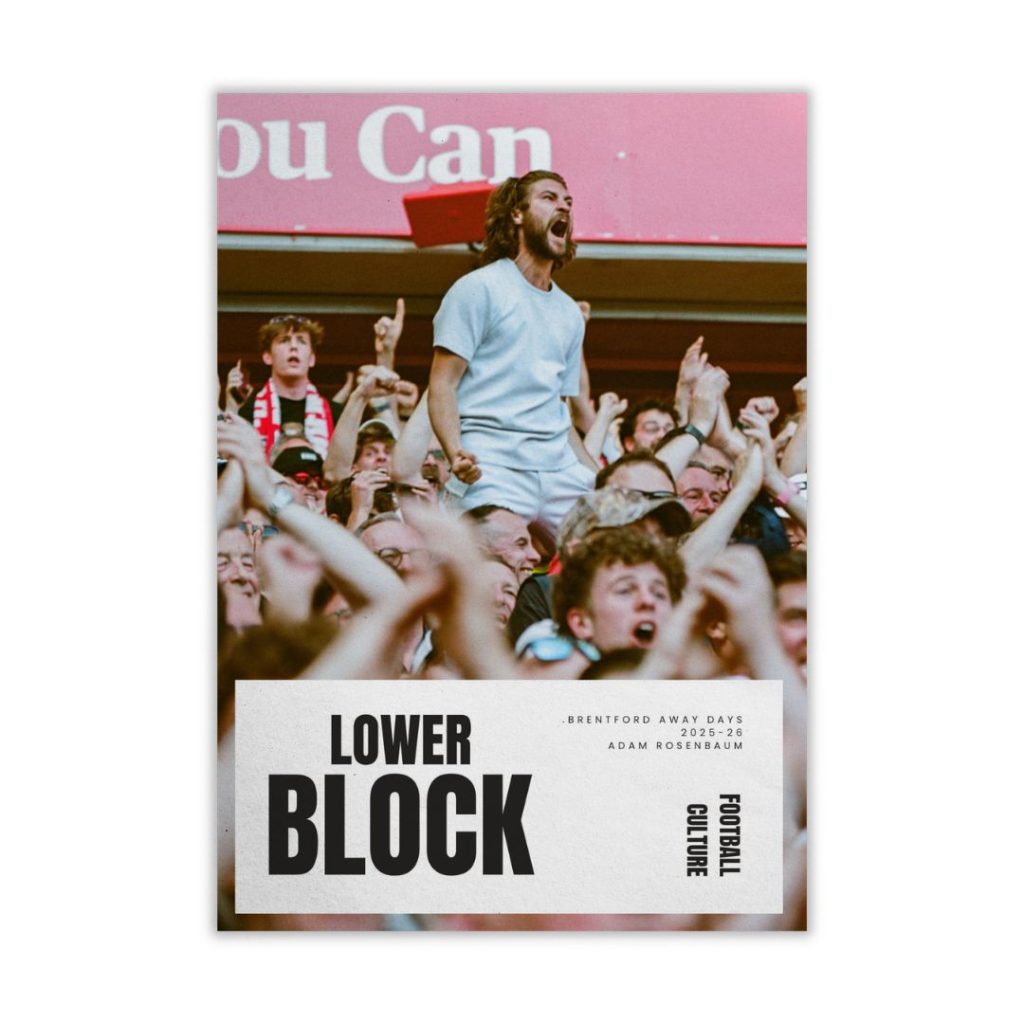
Brentford Away Days 2025-26 | Adam Rosenbaum
A season on the road with Brentford, documented on film by lifelong Bees supporter and photographer Adam Rosenbaum, capturing the community, characters and shared experience of following the club away from home. A5 photo zine / 60 pages / Full colour / Staple bound / 80+ film photographs with personal anecdotes from the photographer.
And that’s where Lower Block’s role can extend beyond simply providing a photographer.
We can help identify the story worth telling, develop the idea and shape the brief. We can find the right photographer for the subject, commission and edit the work, and understand how the resulting photography can have a life beyond an immediate social media campaign.
That might mean an editorial feature or a permanent photographic archive. It might become a publication, exhibition or physical print. Sometimes it might simply mean creating a thoughtful body of work that a club can return to years later.
The objective is the same: make something with cultural value rather than simply create more content.
Football is culture.
People sometimes compare football culture with music, fashion or film.
In reality, football absorbs elements of all three.
Music exists within football. Fashion exists within football. Photography, design, architecture, travel, politics, humour and local identity all exist within football.
That’s what makes the culture surrounding the game so deep.
Lower Block doesn’t pretend to know every supporter’s story or understand every football community.
Nobody could.
But we have lived experience.
We’ve played the game, watched it, travelled to it, photographed it, edited it and spent years documenting the culture surrounding it.
And we’re still living it.
Football clubs don’t need to completely understand every supporter.
But they should make the effort to see them.
Because long after the final whistle, those people – and the culture they’ve created around their club – may prove to be one of the most important things they ever documented.

Work with Lower Block.
Lower Block works with football clubs, brands and organisations to document football culture through photography, editorial storytelling and print. From developing the original idea and brief to commissioning photographers, editing the work and creating a lasting physical or digital archive. Discuss a project.
Suggested Lower Block Editions