Darren Tutt’s photographs and memories document a generation of Newport football culture.
For Darren Tutt, growing up in Newport, South Wales, football was intertwined with everything around it: clothes, music, travel, friendship and the shifting youth cultures of the 1980s.
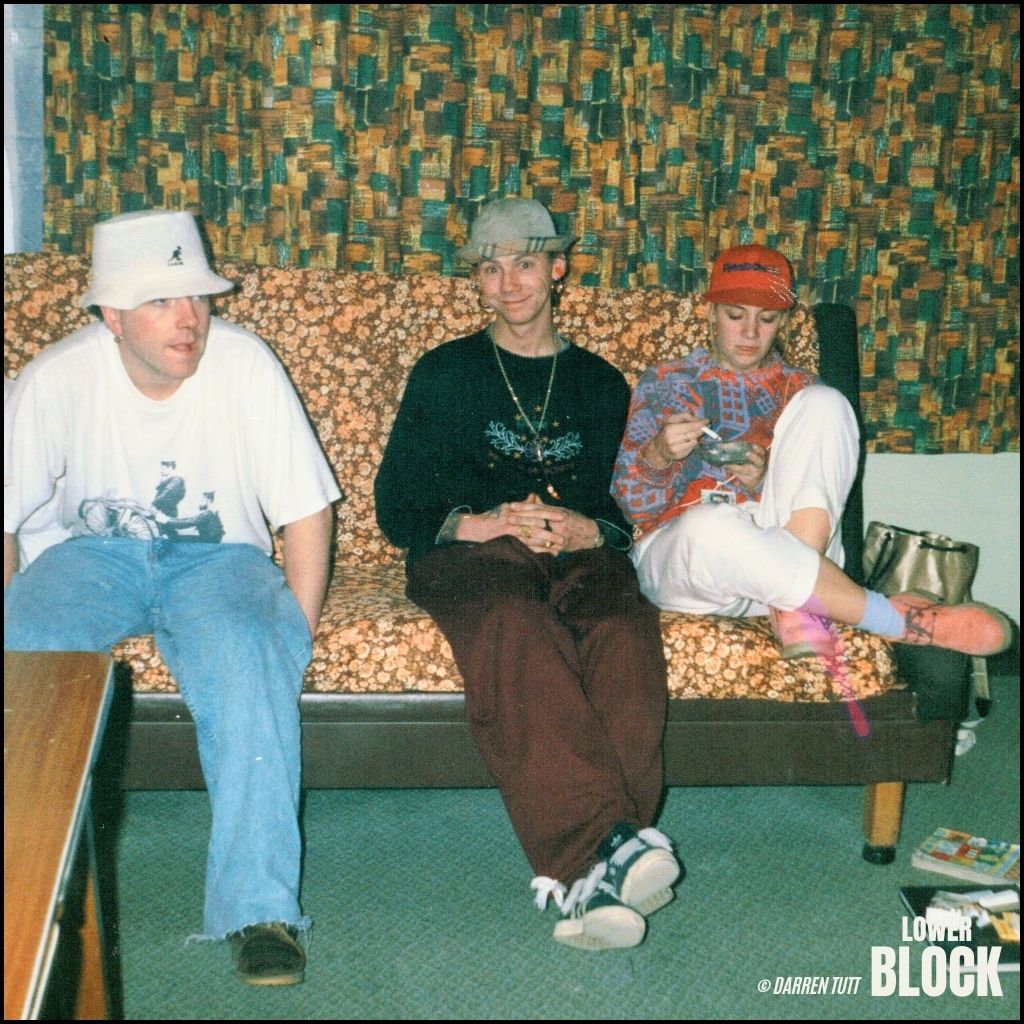
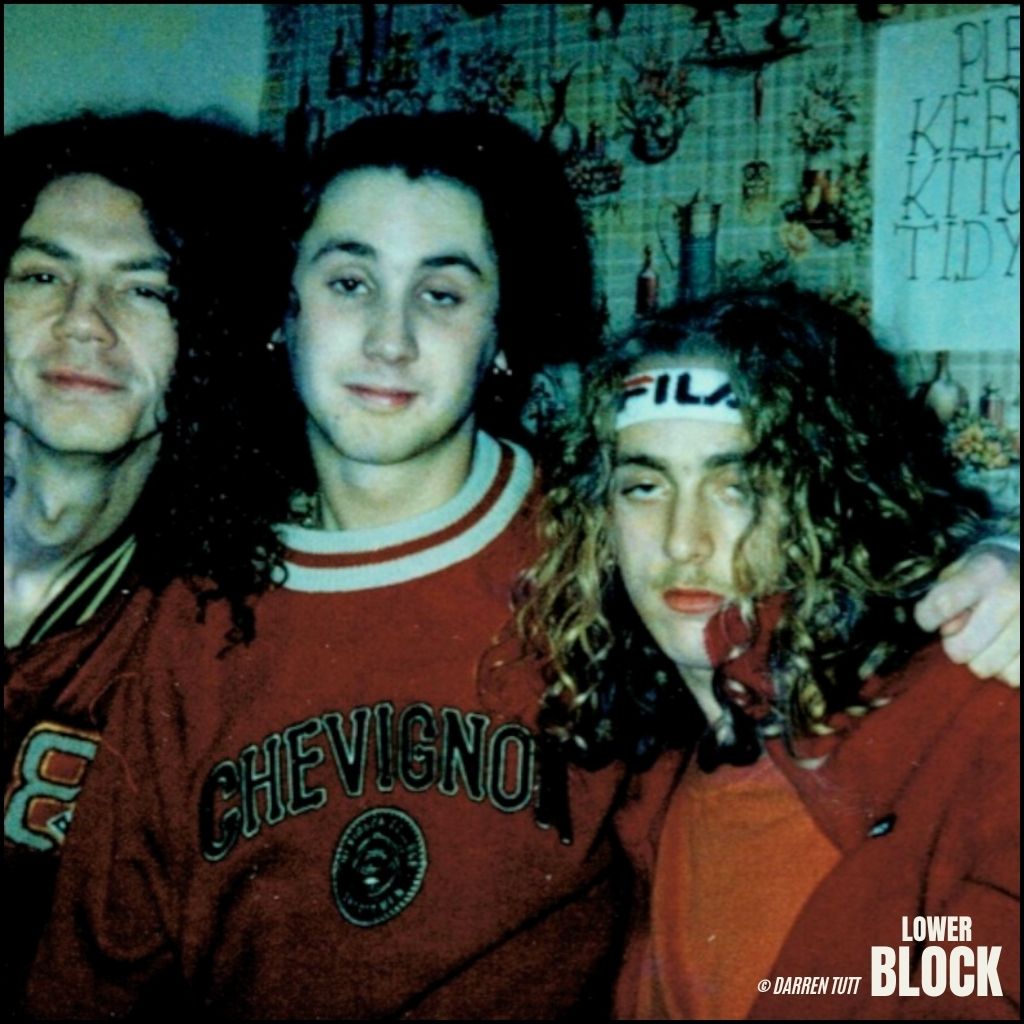
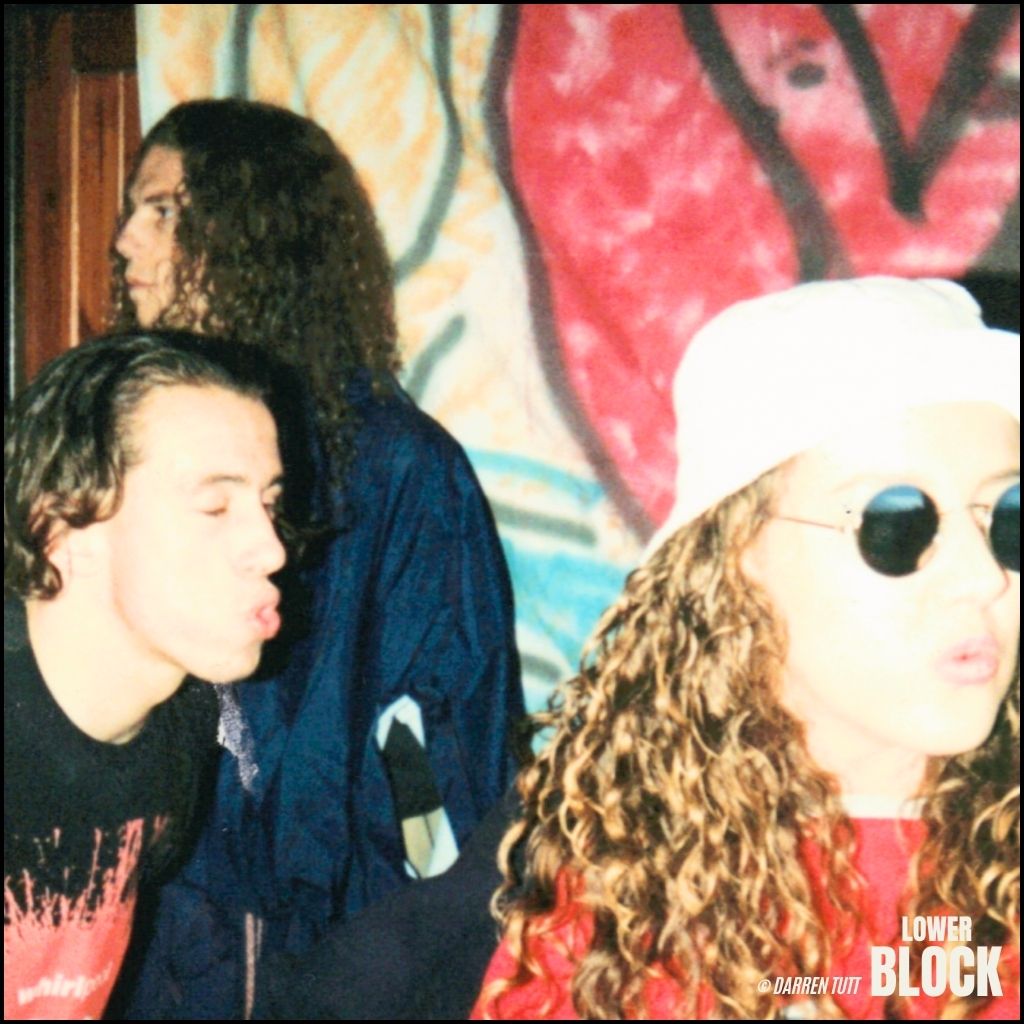
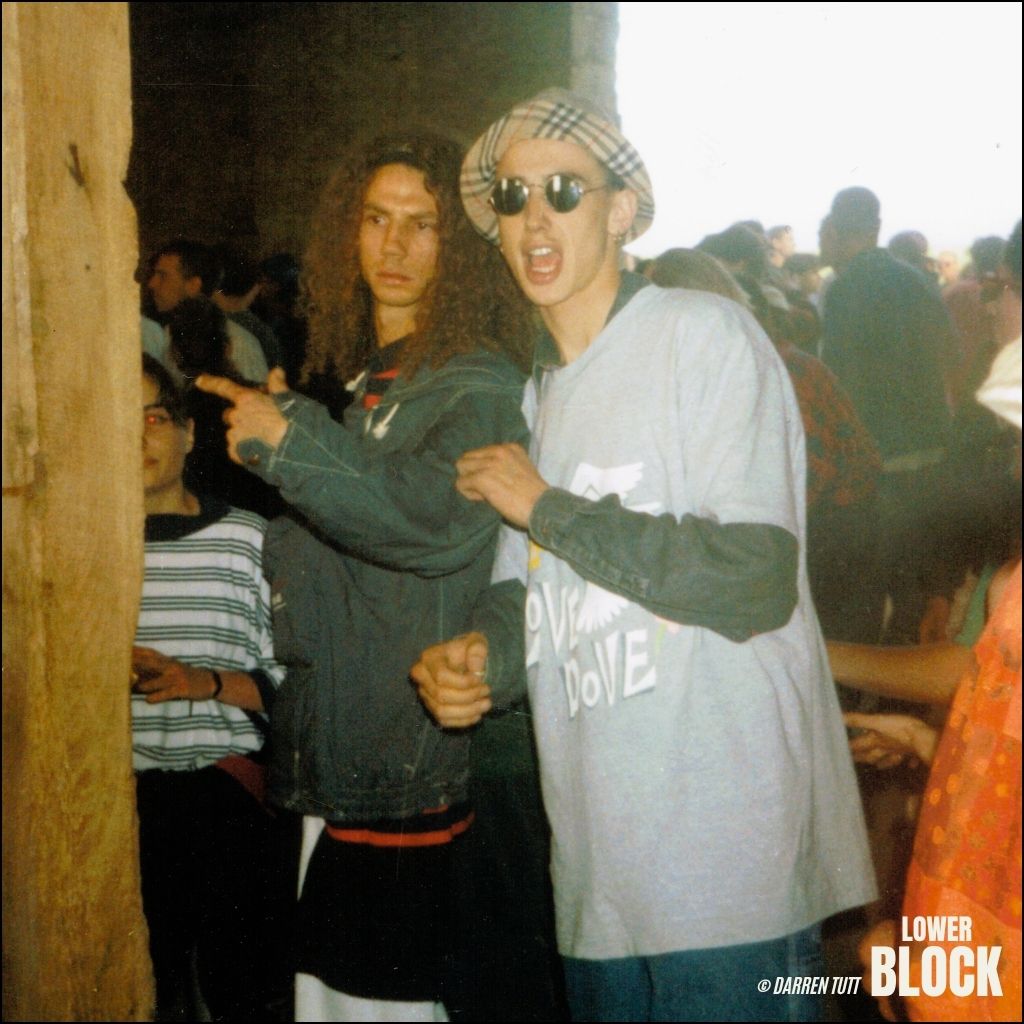
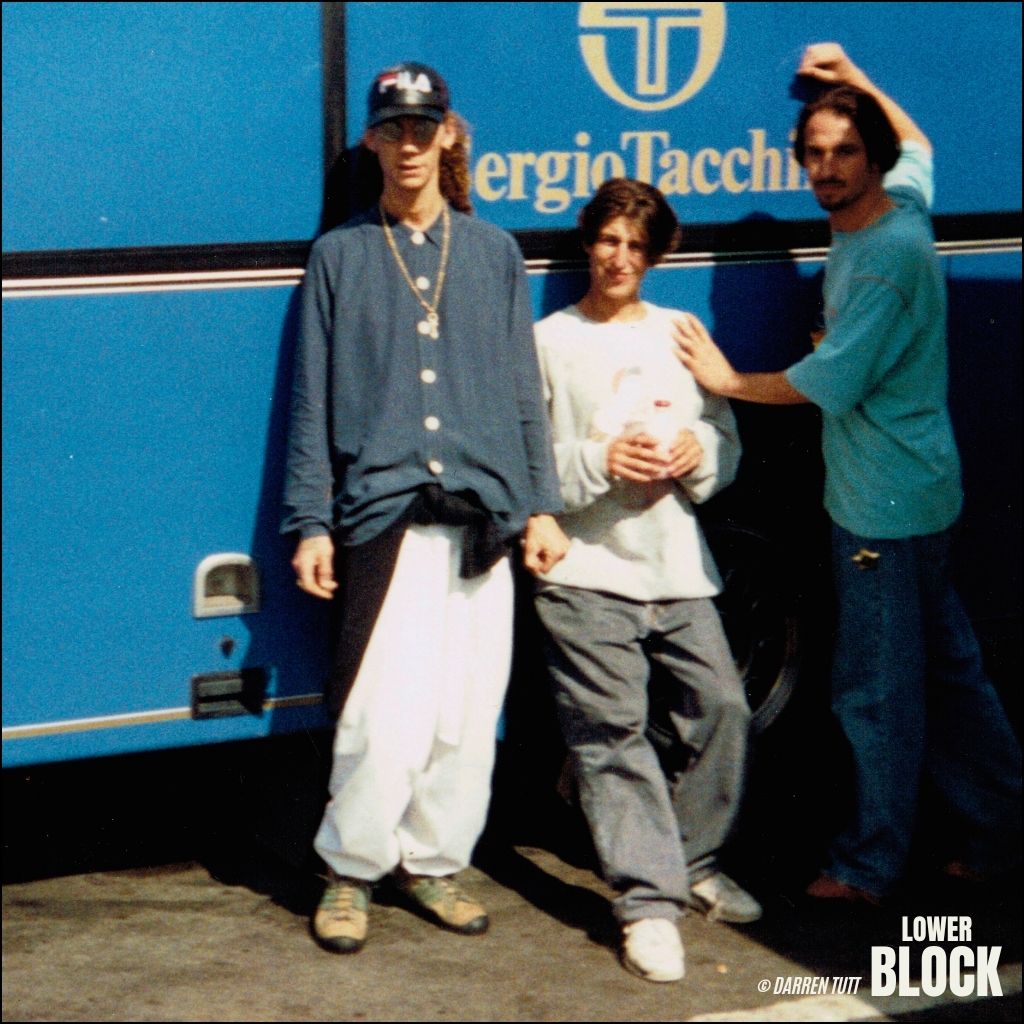
A Newport County supporter, Darren was part of the B-Team, the name adopted by a group of Newport lads associated with the casual and football firm culture surrounding the club. His collection of personal photographs traces an evolution that took him from Skinhead to Trendie and Casual, before football gradually gave way to the rave and club scene towards the end of the decade.
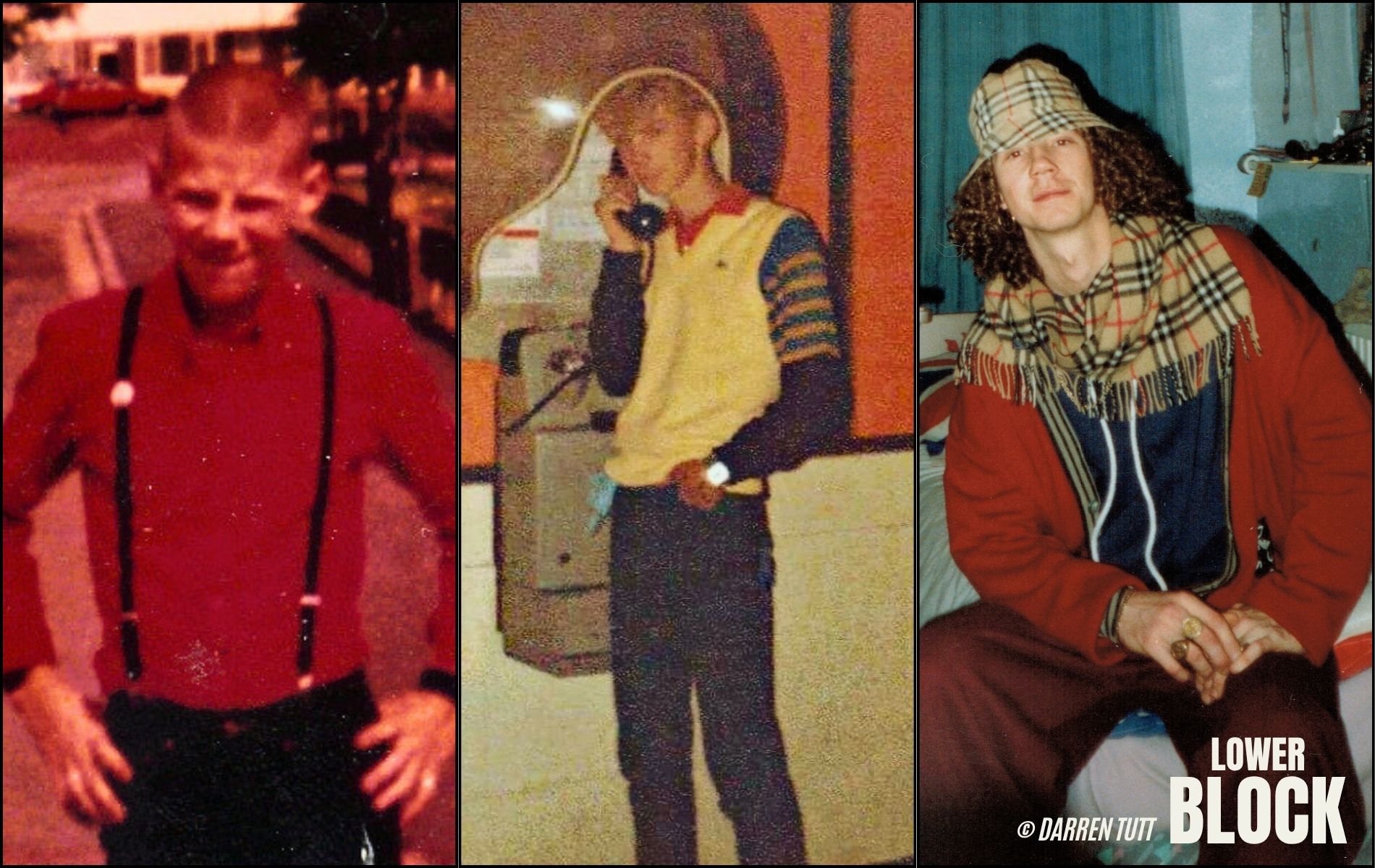
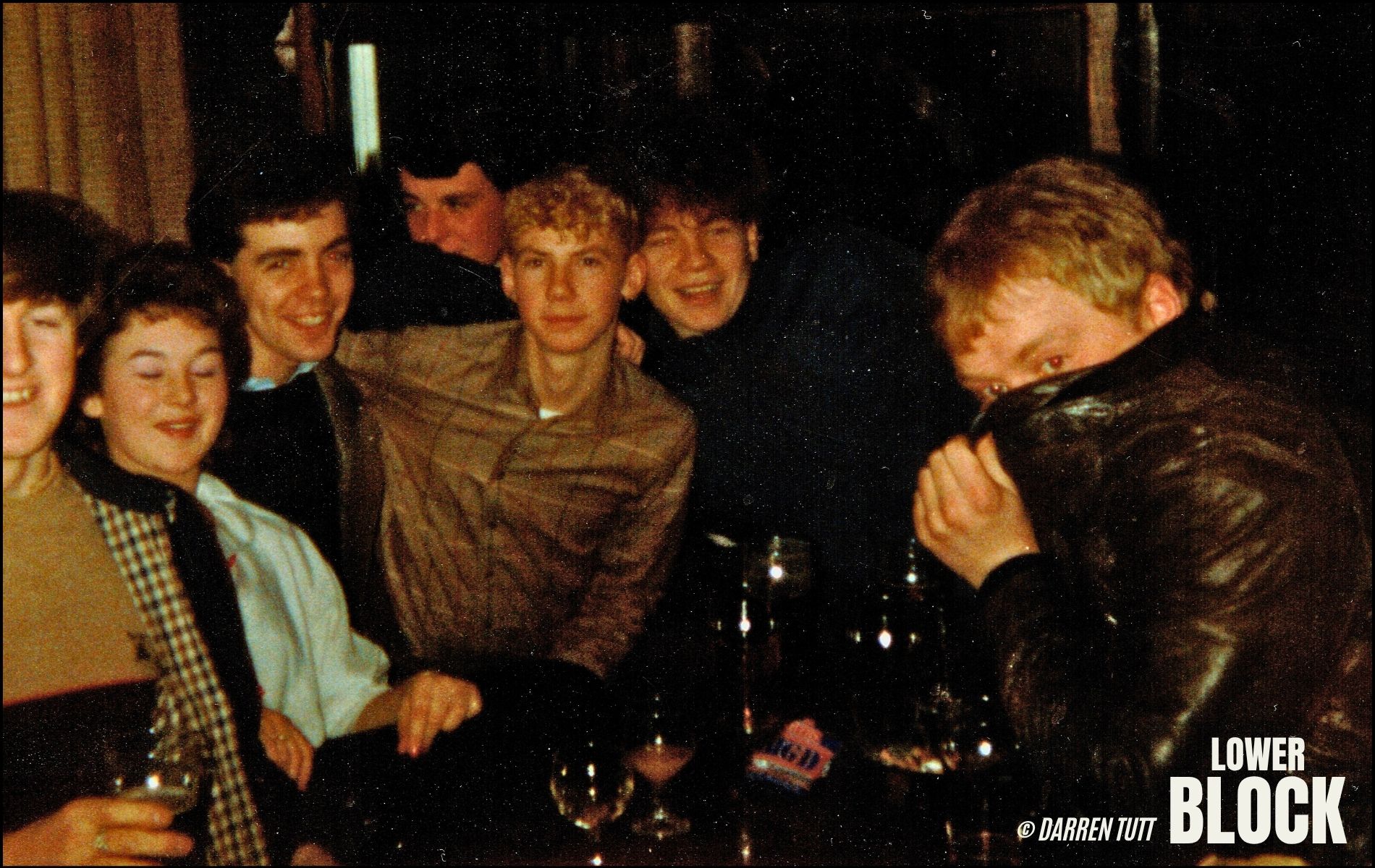
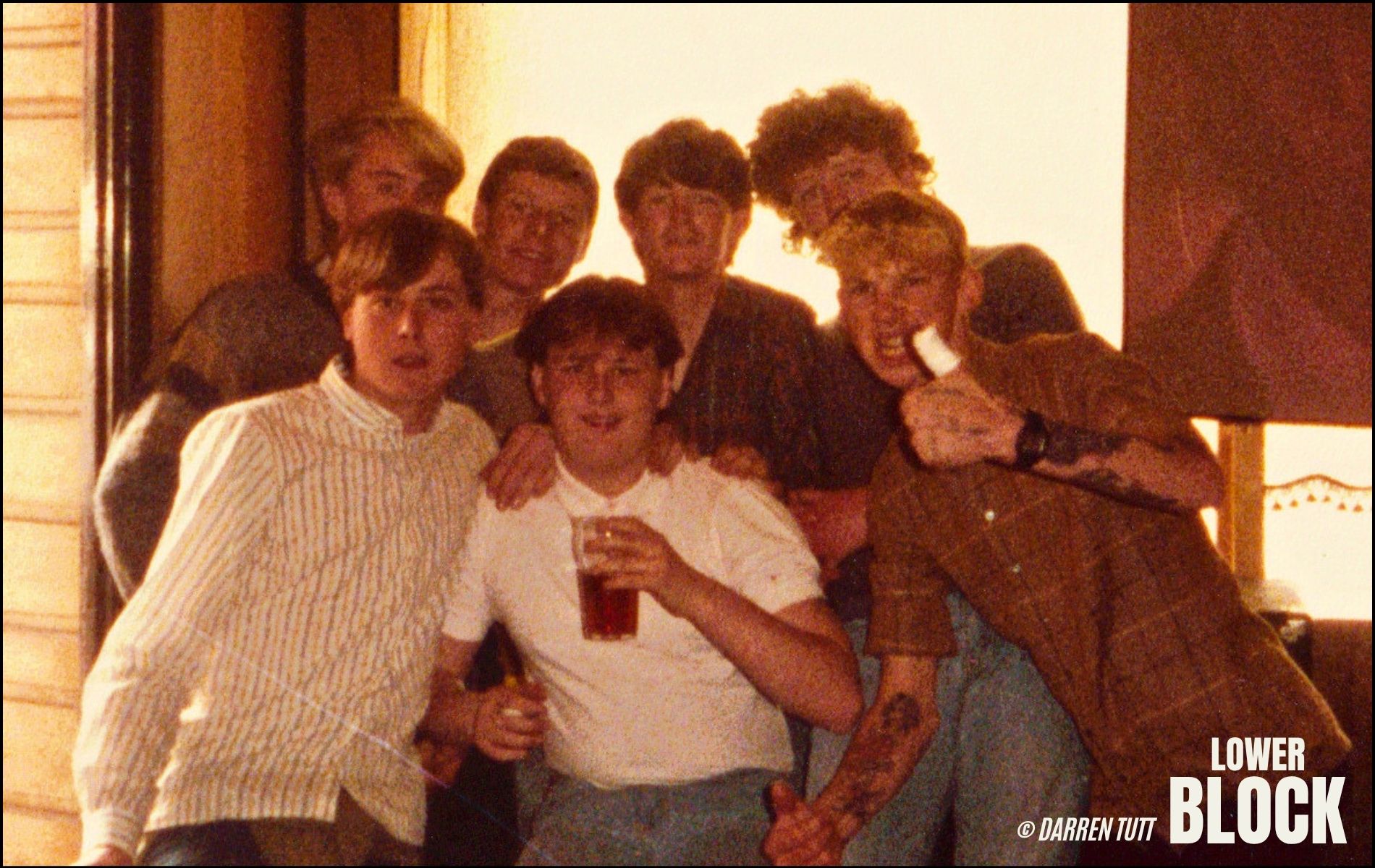
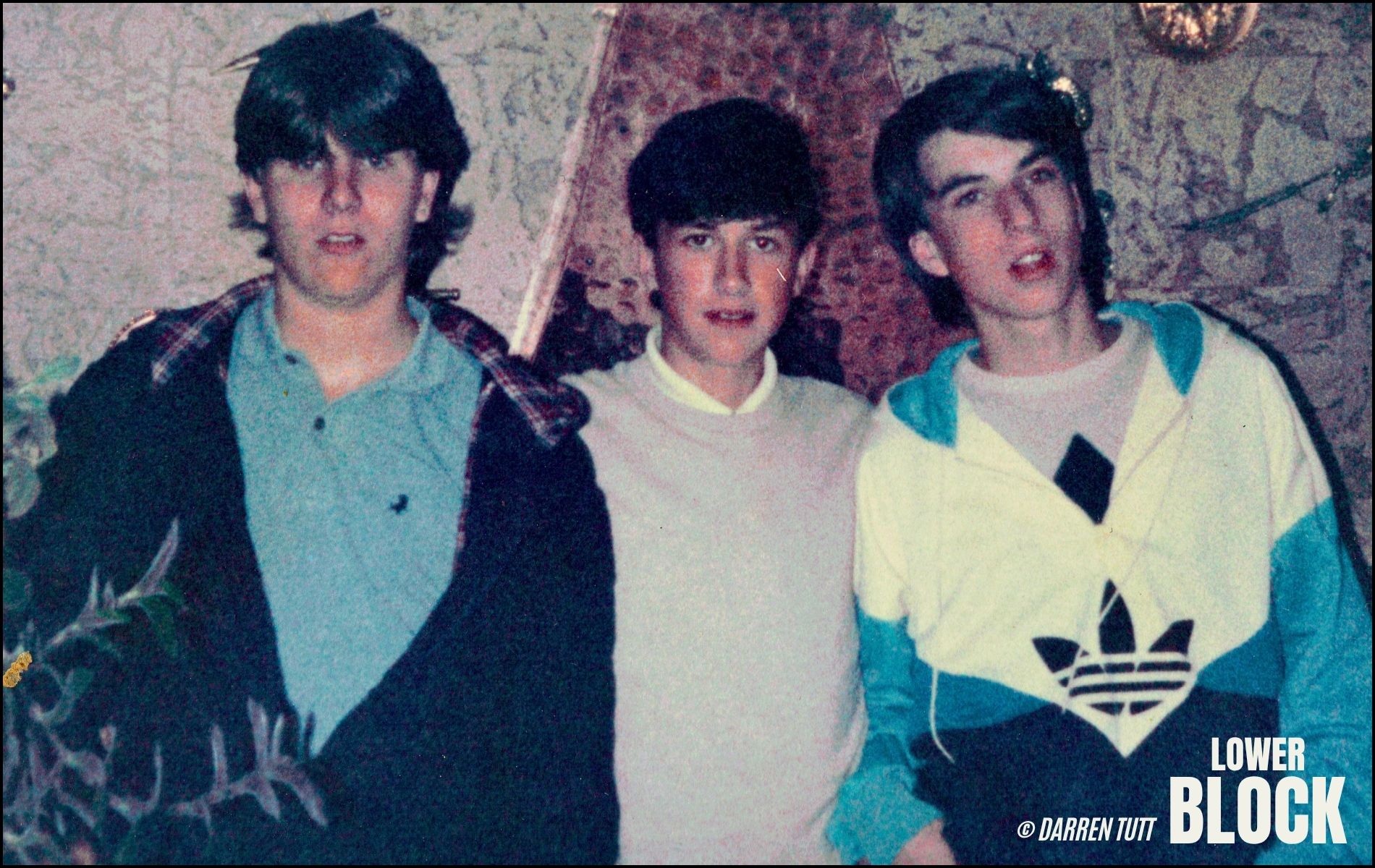
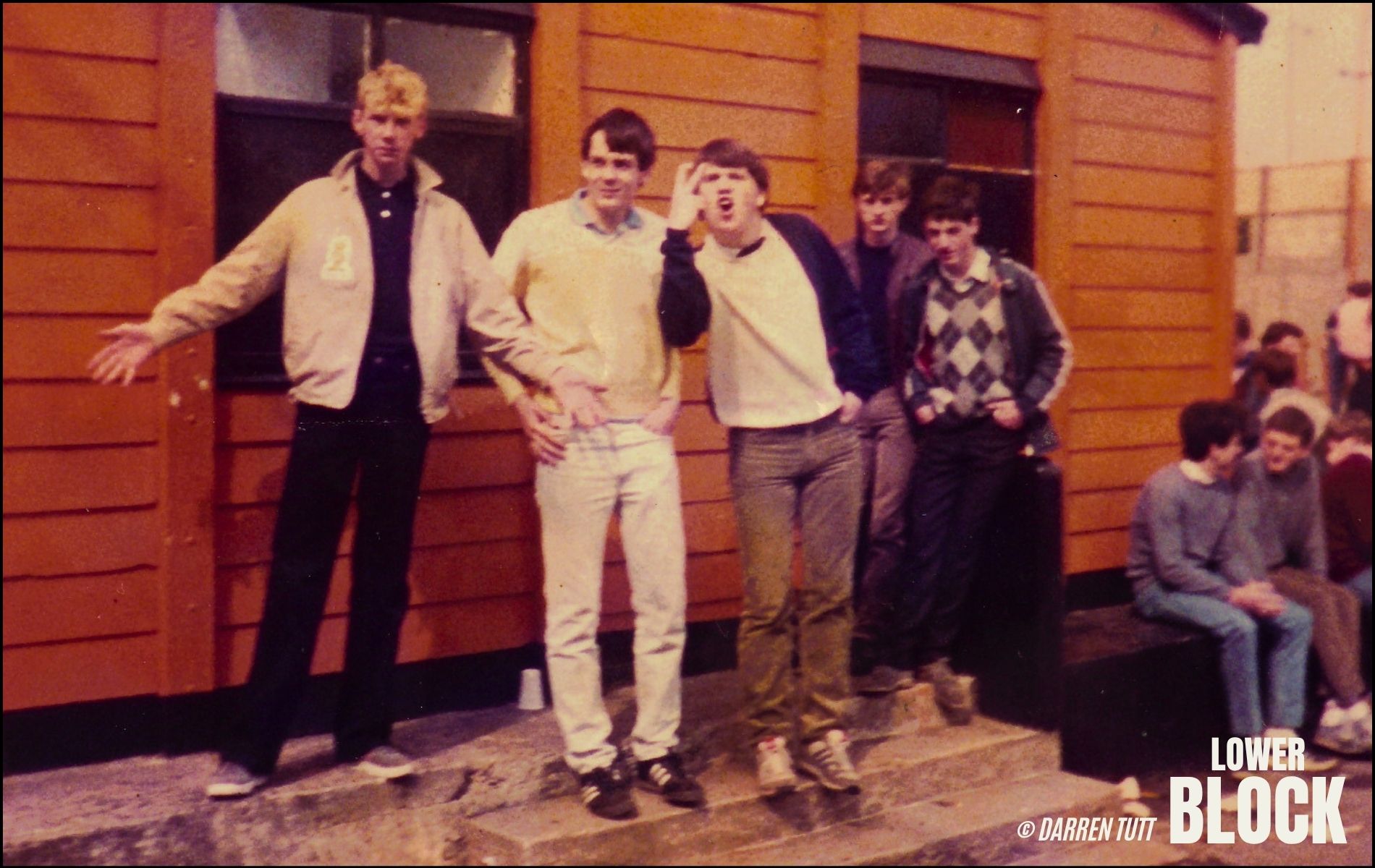
There are photographs of Darren and his mates, Newport Youth in 1985 and Newport Youth Firm in 1987. Together they provide a first-hand visual record of a period of British football culture that is often remembered primarily through its violence.
That was part of the landscape, and Darren doesn’t avoid it. But his photographs also record something broader: young men experimenting with clothes and identity, travelling the country, discovering new music and forming friendships through football.
Arguments about who wore what first, where particular styles originated and how different youth movements should be defined continue decades later. These photographs don’t attempt to settle them. They simply show what existed in one place, among one group of young football supporters who lived through it.
This is Darren’s experience, in his own words.
Where are you from and who do you support?
I’m from Newport, South Wales, and still live here.
Newport County.
To be honest, I don’t really watch them nowadays, apart from the odd game here and there. And more recently, a B-Team reunion.
When we got kicked out of the Conference League in ’89, not long after Newport AFC was formed and they had to play their home games in Gloucestershire. Around that time, I started getting into the rave scene and, for one or two related reasons, I couldn’t be bothered to get up and travel.
I did the raves and clubs for about five years solid, and never really found my way back into going over after that.
What first drew you into the scene?
I remember being a young skinhead, listening to my older brother talking to his mates about their clashes with opposition lads. I was only 13 and couldn’t quite work it out.
The only fight I’d ever witnessed around that time was a group of older lads having a big tear-up at Newport’s summer fair carnival.
Not long after that, we had Swindon at home for Christmas 1980. There were hundreds of Newport out, and Swindon brought just as many.
Somerton Park’s Cromwell End was right next to the away end, separated by two breeze-block walls, which meant you could see each other clearly.
I just remember seeing hundreds of skinheads. We lost 2–0.
Outside, it kicked off everywhere and my brother was fighting and got arrested. He happens to be the first person I’d ever seen get nicked.
I think experiencing all this, it was inevitable that you would follow as you got older.
SKINHEADS – EARLY 1980s
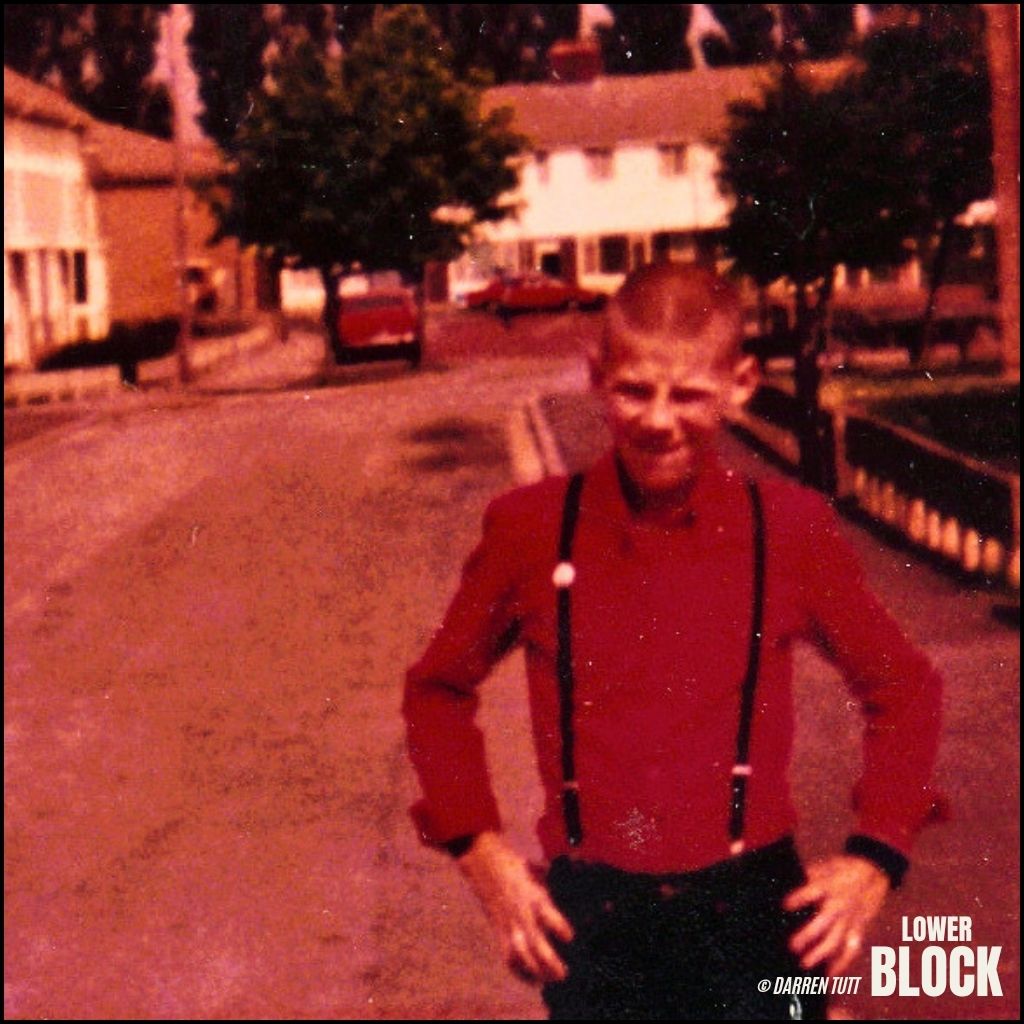
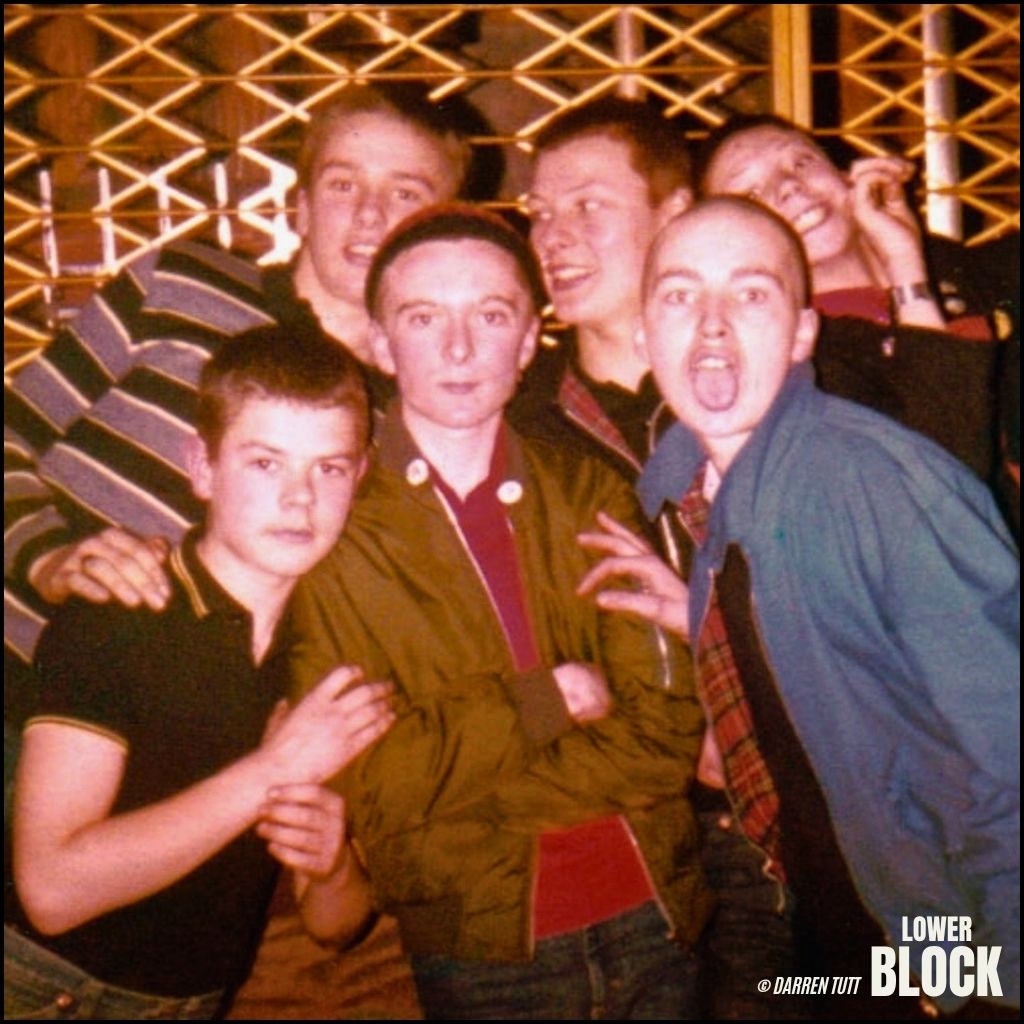
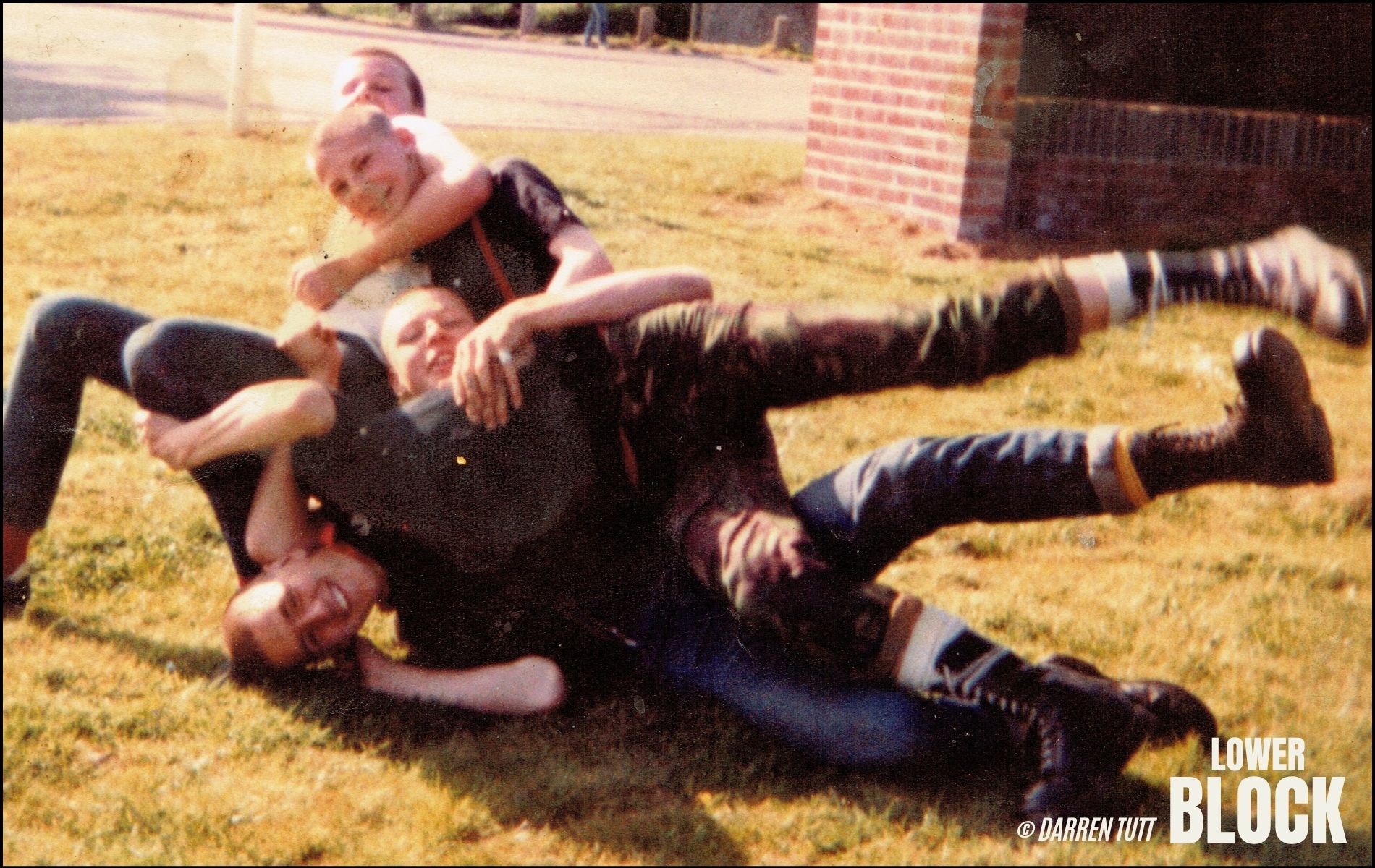
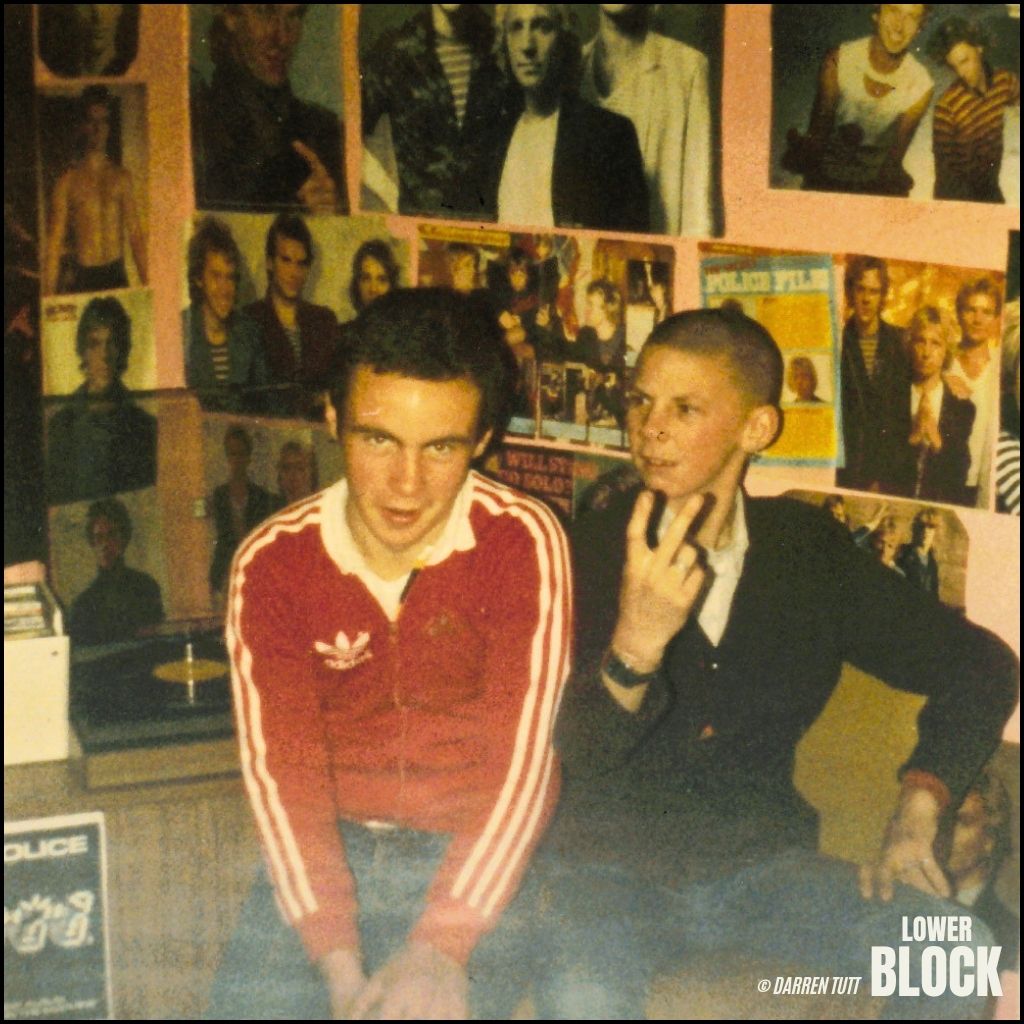
How did you evolve from skinhead to the later football looks?
It was the early 80s, I was a skinhead at the time, and I remember being on a platform in Birmingham New Street when a load of ICF came down on the opposite platform.
There were loads of skinheads and, amongst them, were a few lads in brightly coloured clothing and hair. I remember thinking, whoa, this is new, I’m having some of that.
So, in a way, those strangers gave me the idea.
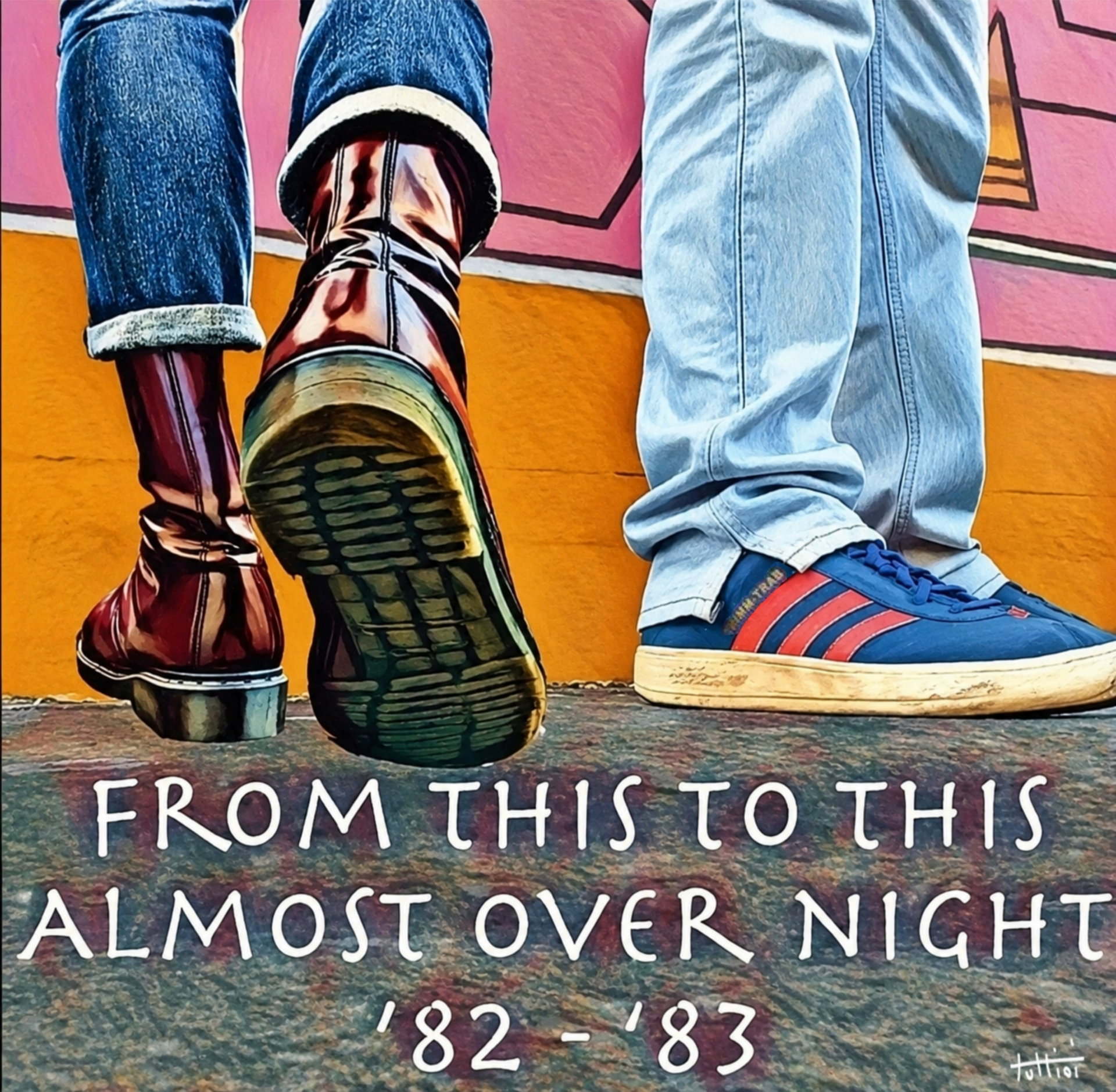
An idea that I took on board myself. One day I was a skinhead; the next day I wasn’t. It was as simple as that. My boots were replaced by trainers.
That goes for a lot of Newport back then. We pretty much shaped ourselves during the transition.
There was a massive friendship built amongst a bunch of lads who, at one stage, were just strangers to each other. Newport brought a lot of lads together.
It was Maggie’s Britain, and everyone looked forward to Tuesday nights and, even more so, the Saturdays. They were, in my eyes, the best of times.
The away days on the trains were the best. And in the cars, the backs of the Transits and Lutons were such a laugh – robbing the service stations.
We had some great fixtures during the old Third and Fourth Divisions that we were in, and got to travel up and down the country.
TRENDIES & THE B-TEAM – EARLY TO MID-1980s
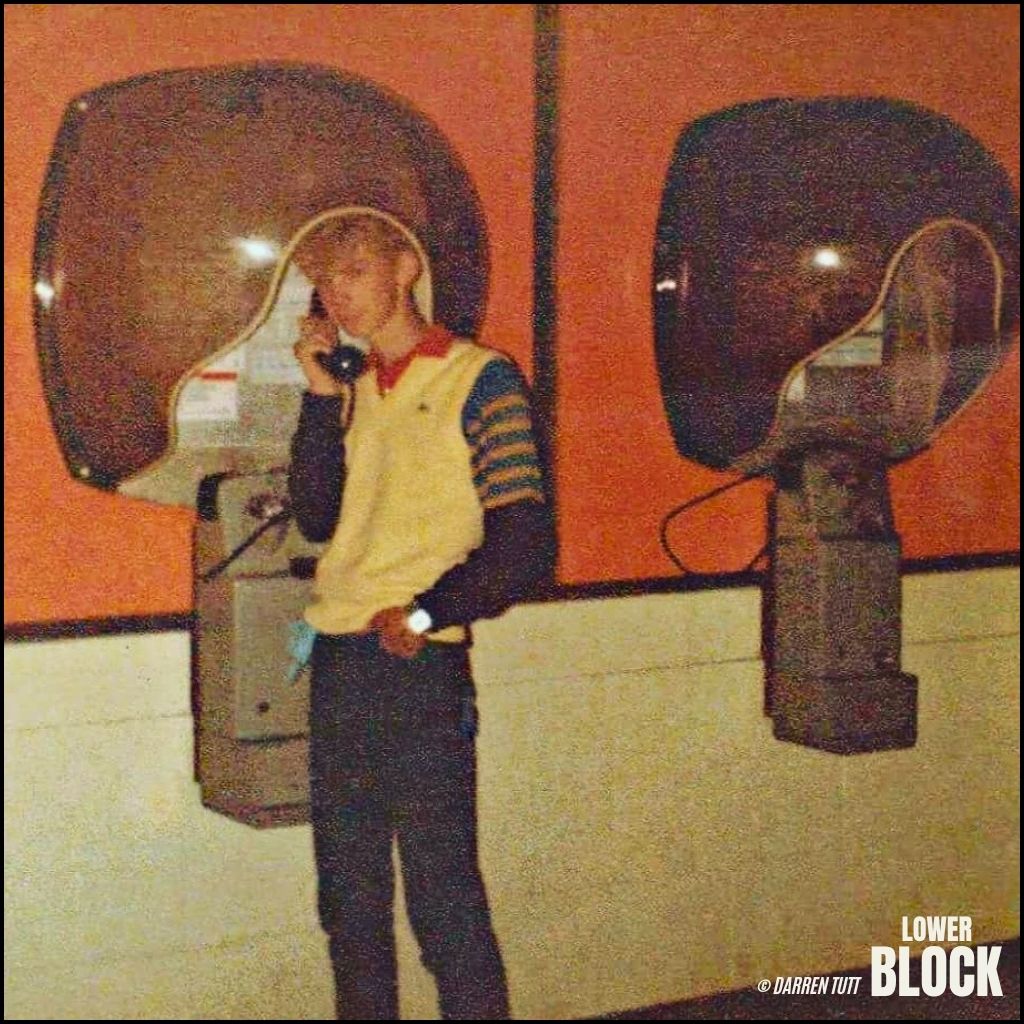
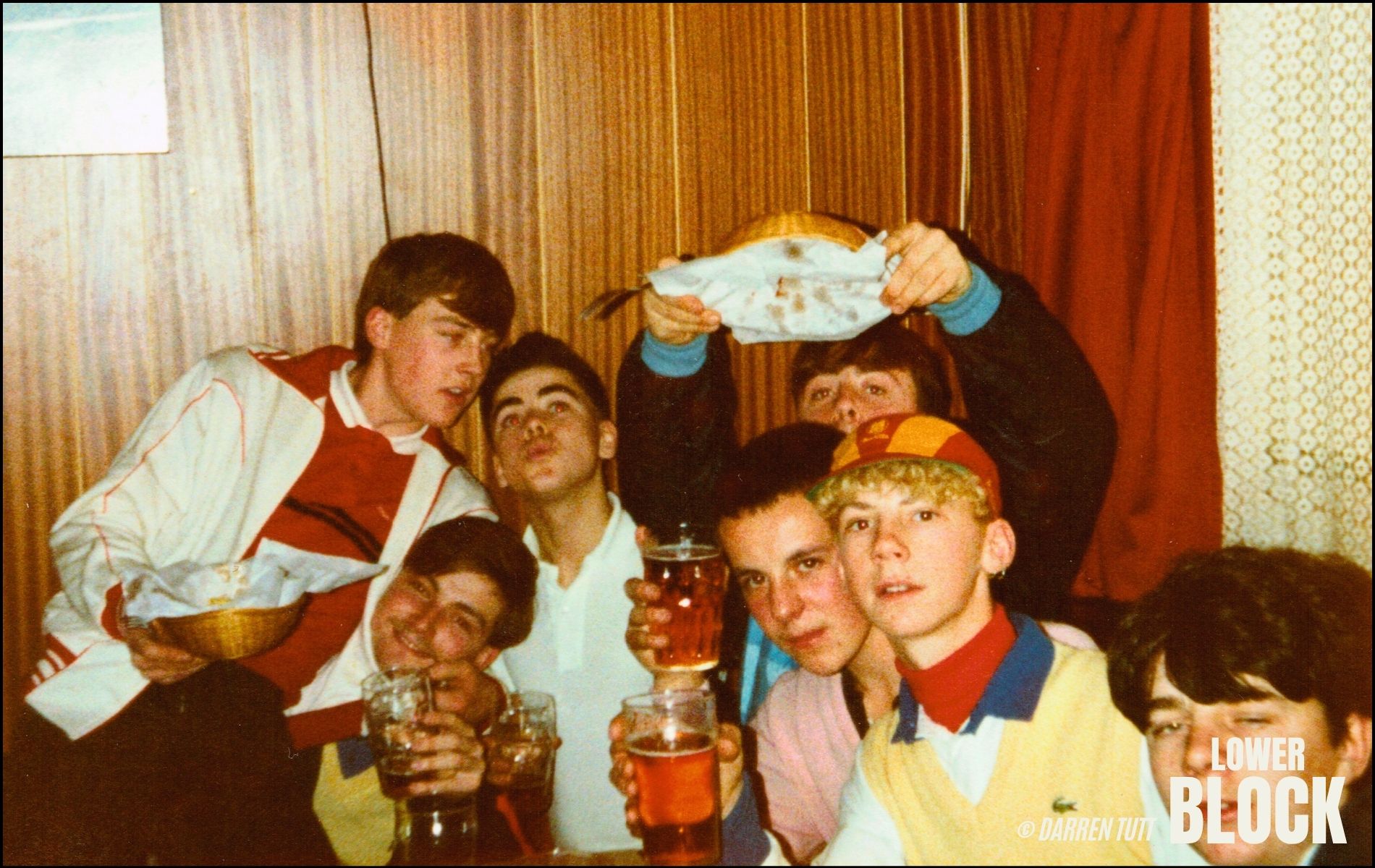
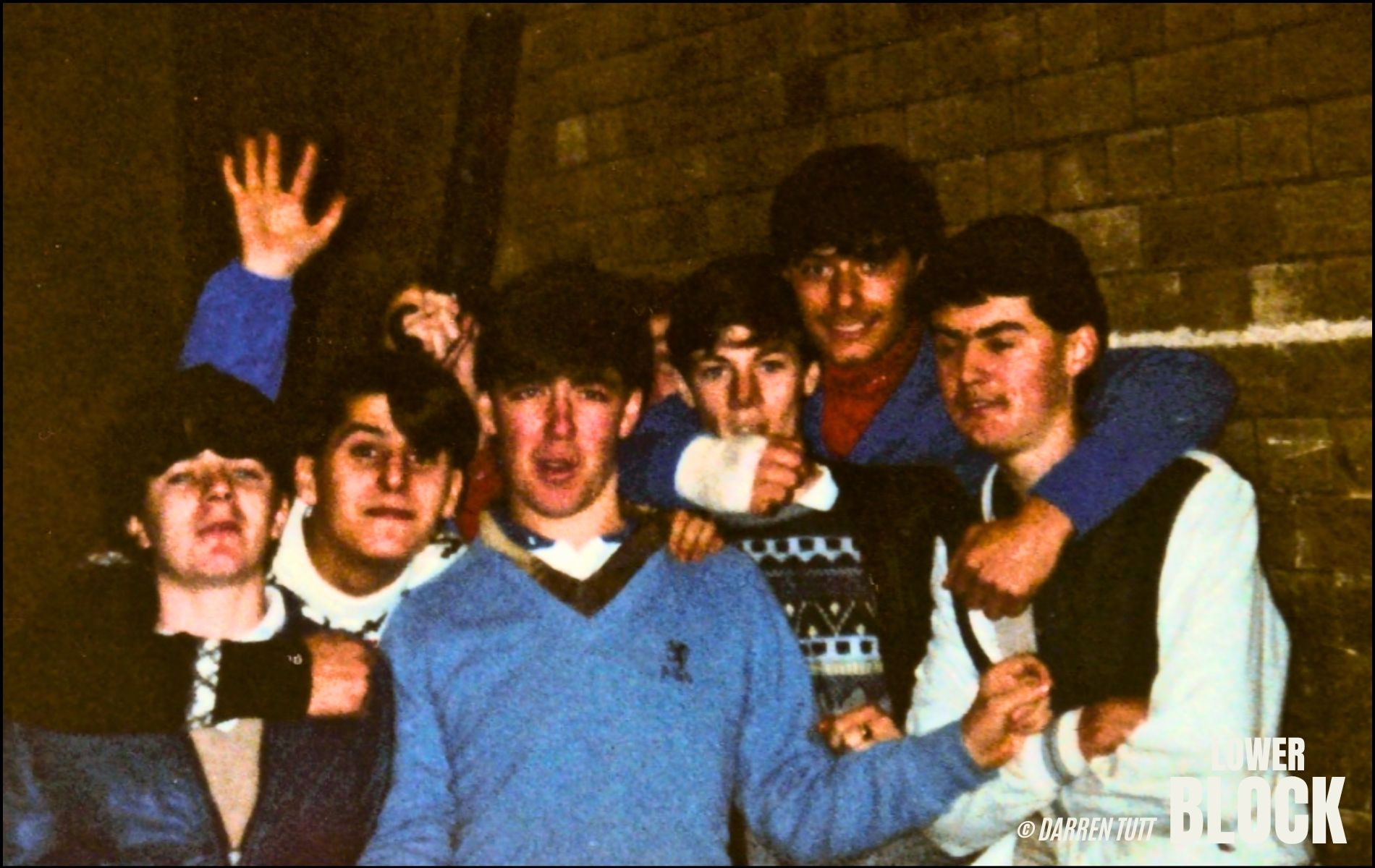
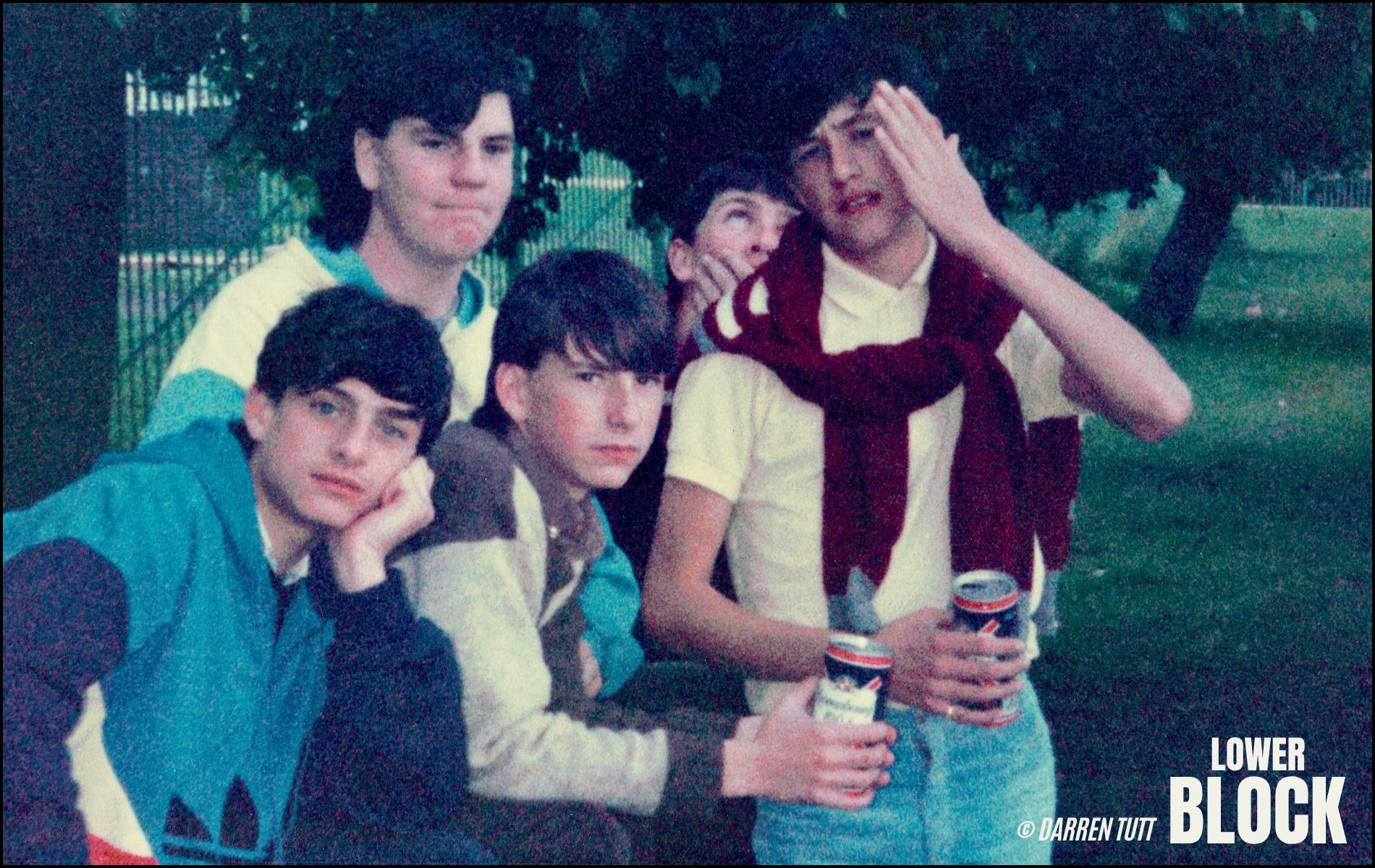
Tell us a bit about the B-Team…
As mentioned above, one day we were skins and the next day we were dressers.
It went from the skinhead basic outfits to everyone trying to dress to impress, looking for that item that no one else had – at least not in your own town.
Clocking the opposition home and away, admiring some of the clothes they had on.
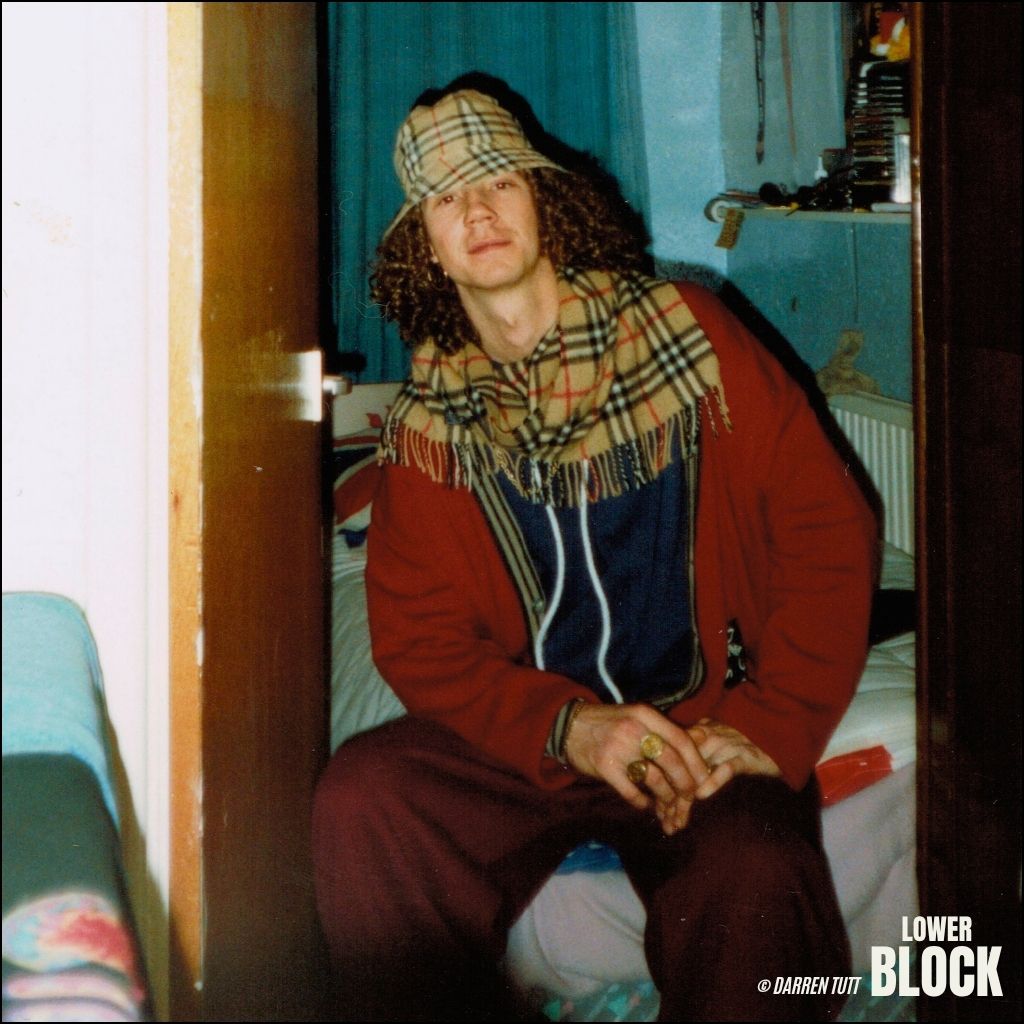
In Newport, we called ourselves Trendies during the sportswear era, then Casuals when the Burberry checks and similar gear started coming in.
Like everyone else, we had a tag – the B-Team. We’d try and enter grounds unnoticed, preferably ending up in the seats, and then explode into chanting the B-Team theme tune to make ourselves known.
And my favourite: I would stand up and shout out, “The Juice Man from Delmonte, he say…” and everyone would jump up and scream “YES!” Both these would cause us to laugh as we were getting noticed.
Our main rivals back then were the Soul Crew, Cardiff. So much went on between the two of us you wouldn’t believe. Only those who were there on both sides would know and confirm.
Barry Island on Bank Holidays, the unexpected turn up in their town centre on non-match days, as they did at ours. But then it started getting real personal; a couple of us started getting house visits. But I’ll leave that there.
The headlines were always Cardiff and Swansea, yet if you ask any Cardiff lads, they would always mention Newport.
NEWPORT YOUTH – CASUALS & AWAY DAYS
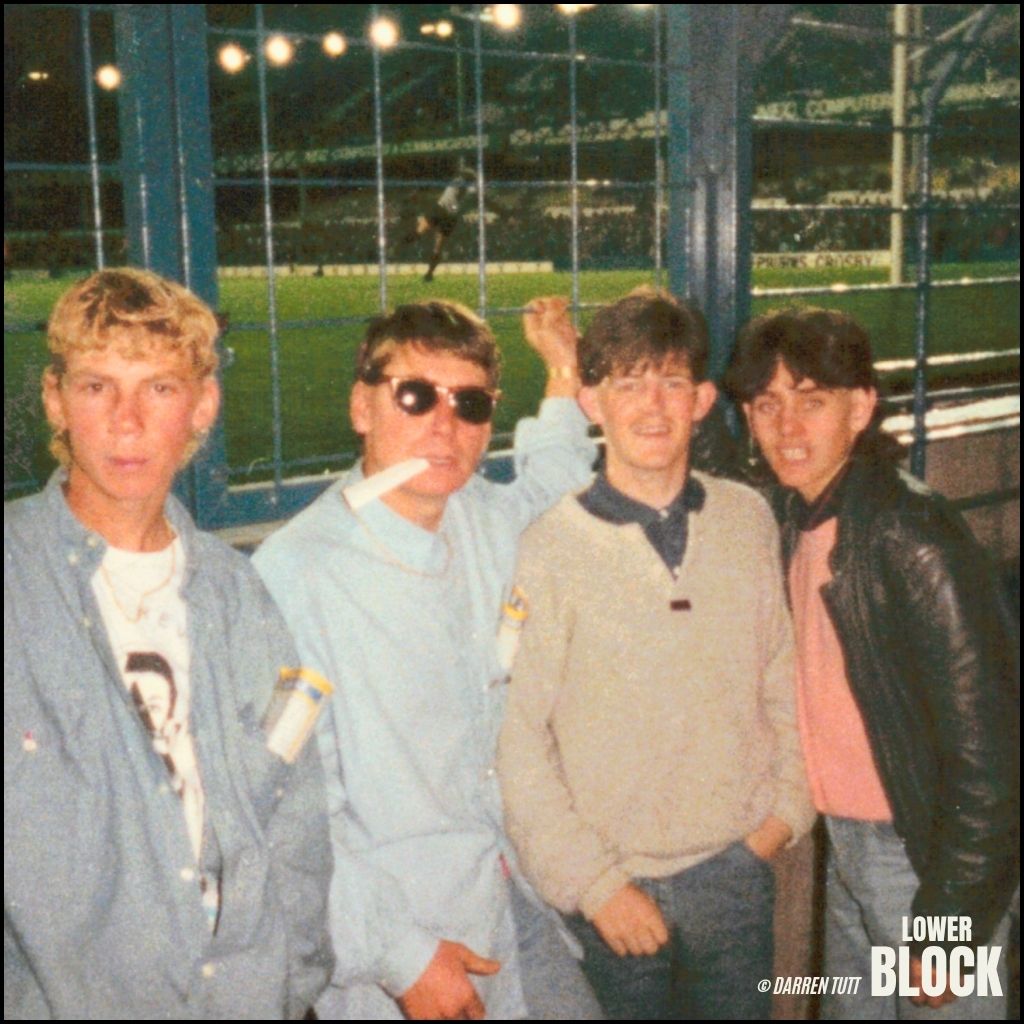
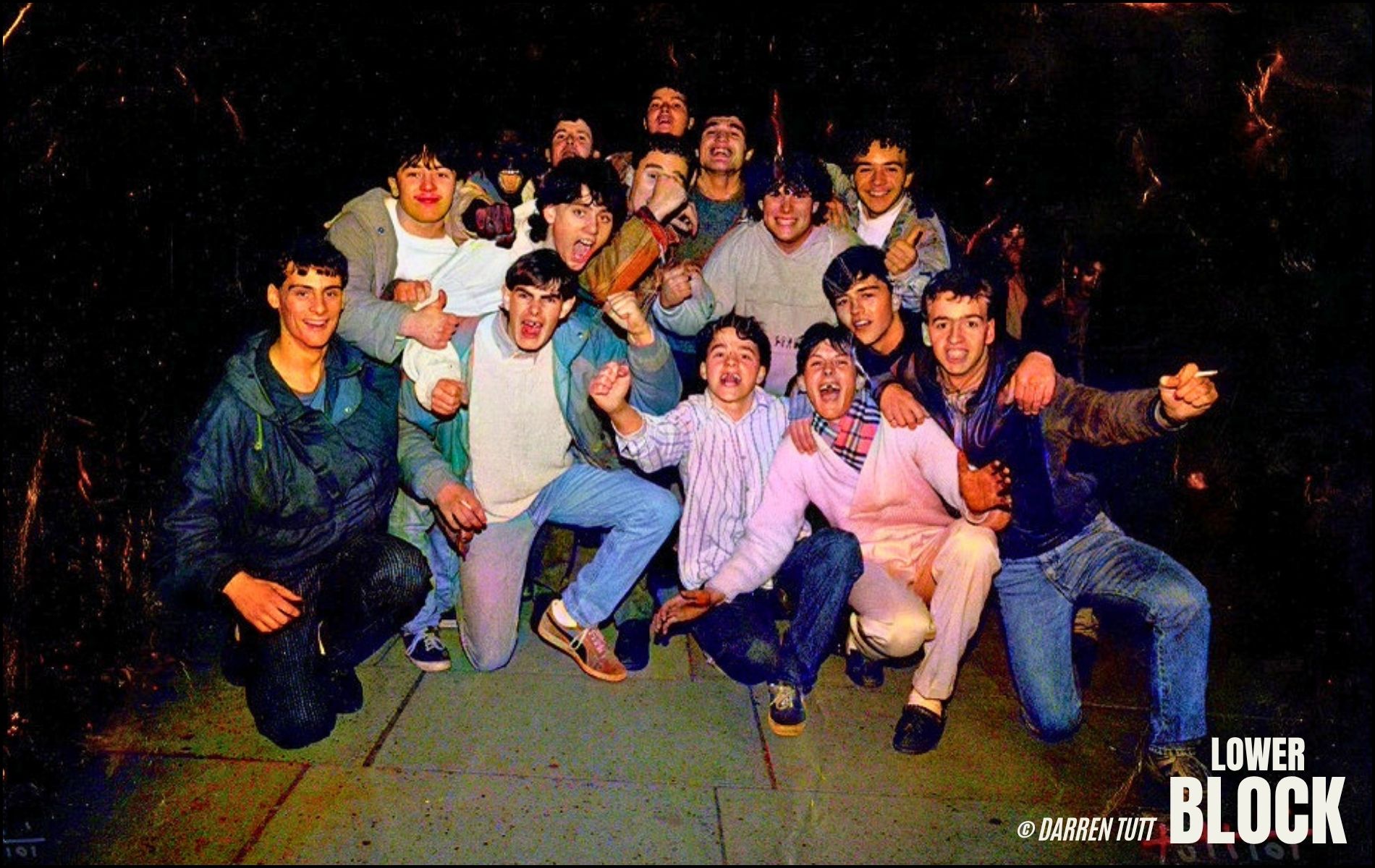
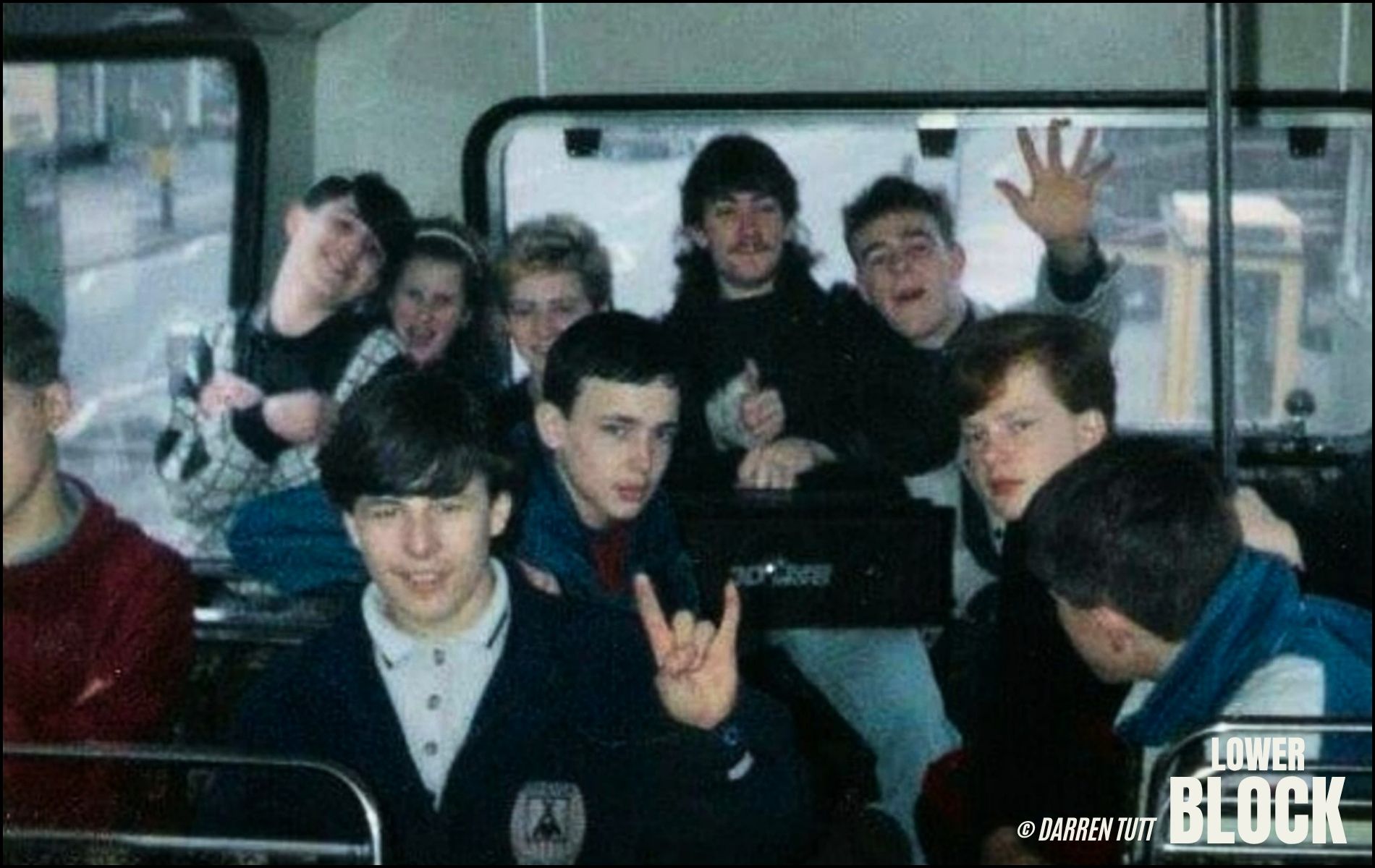
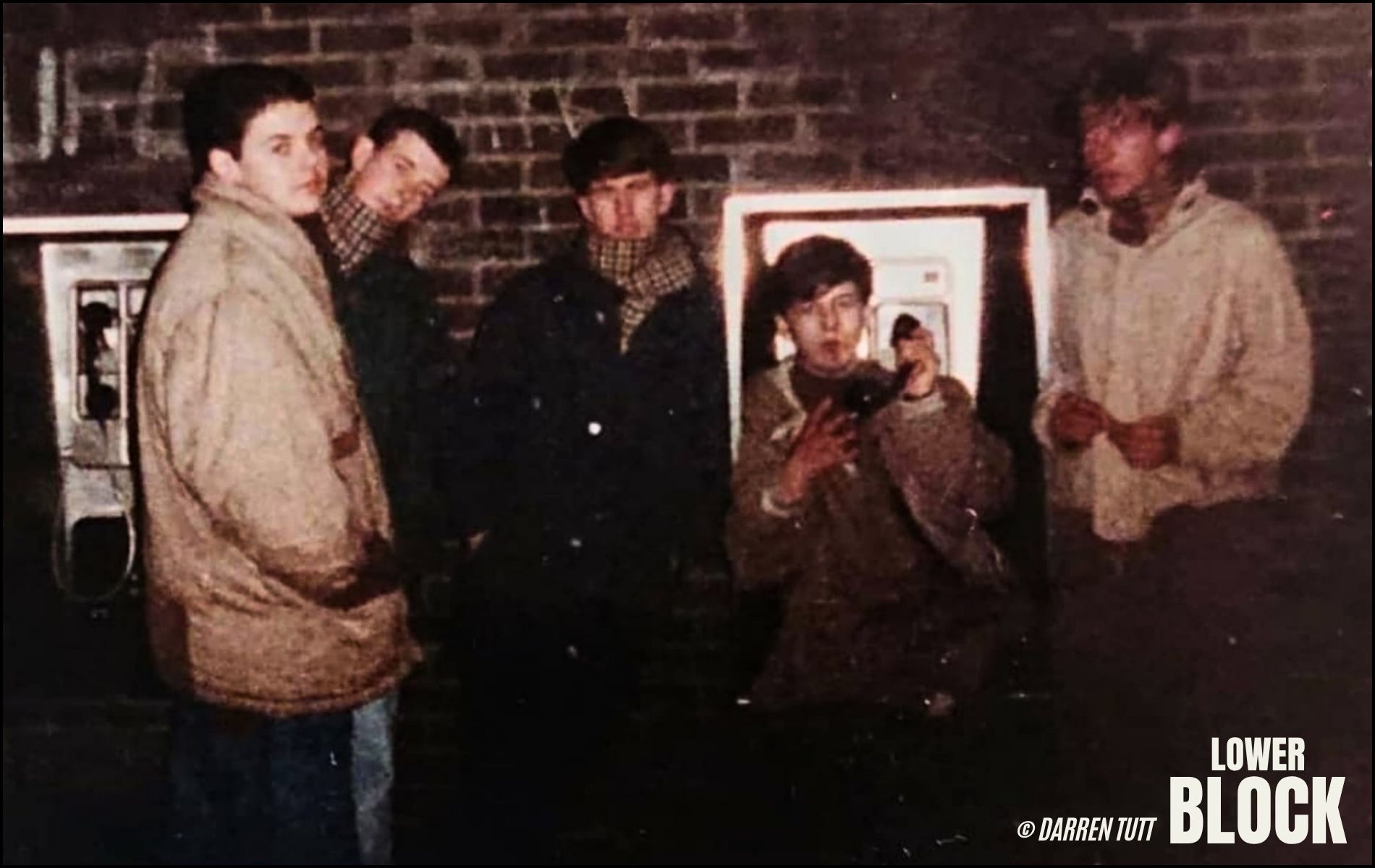
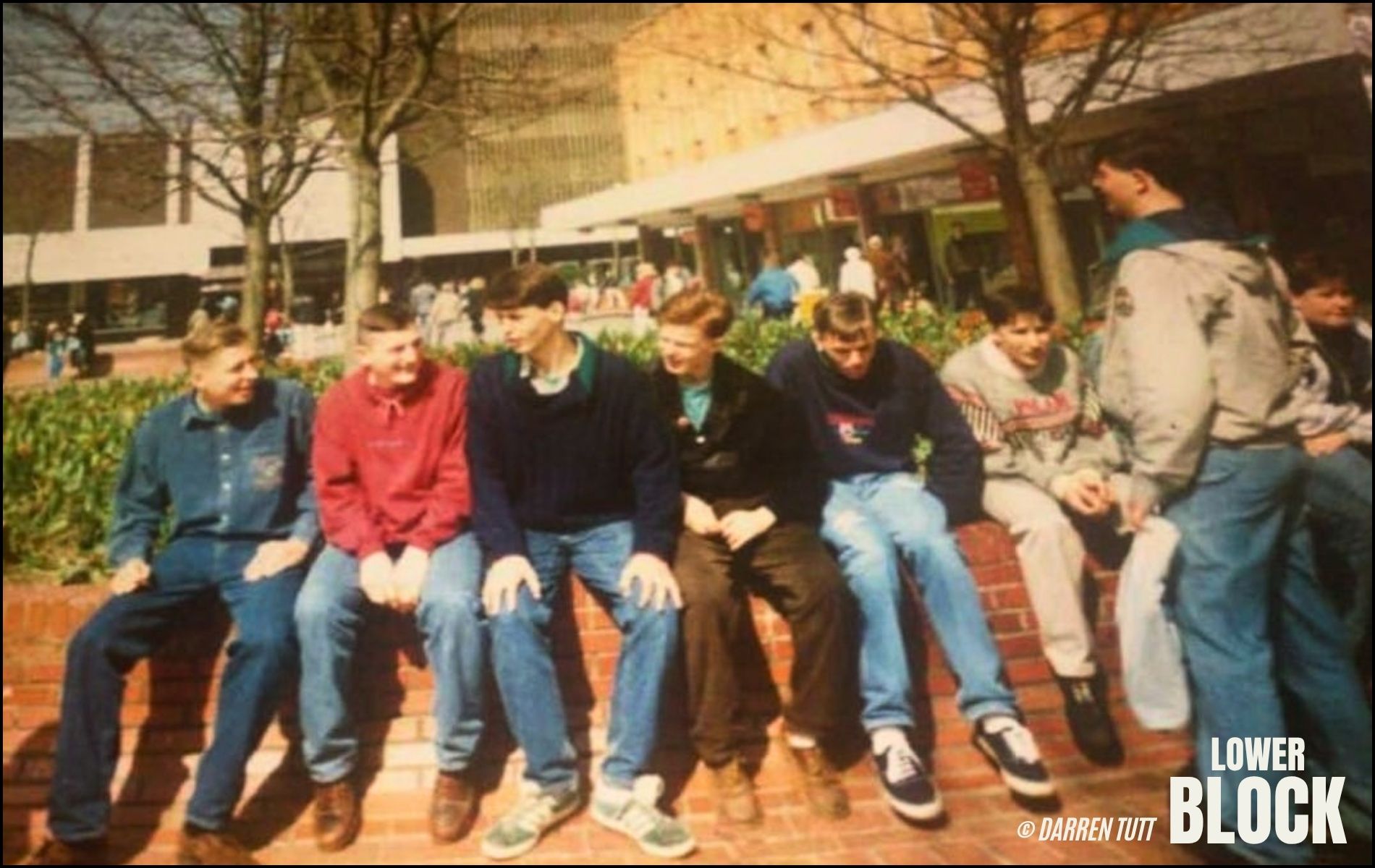
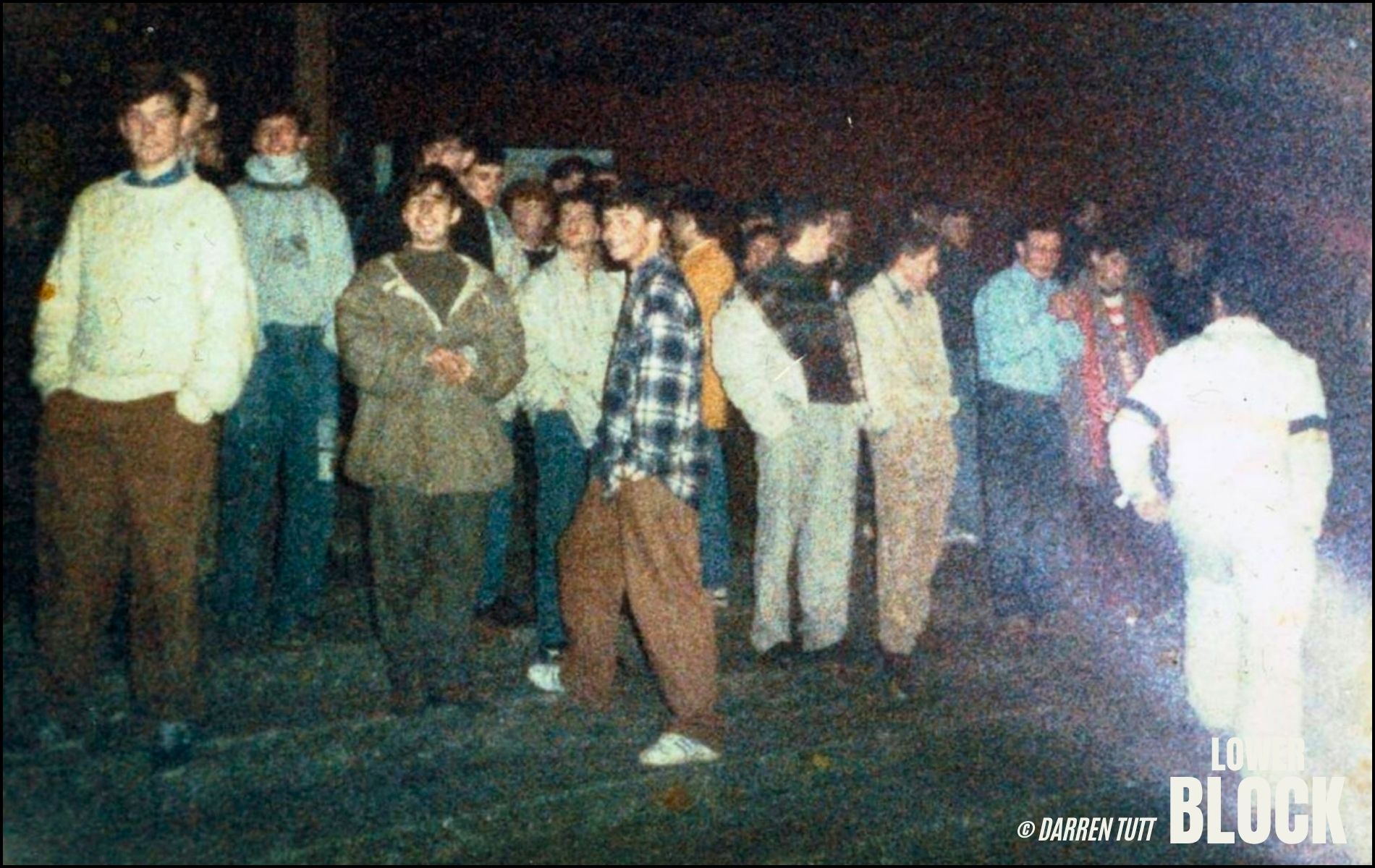
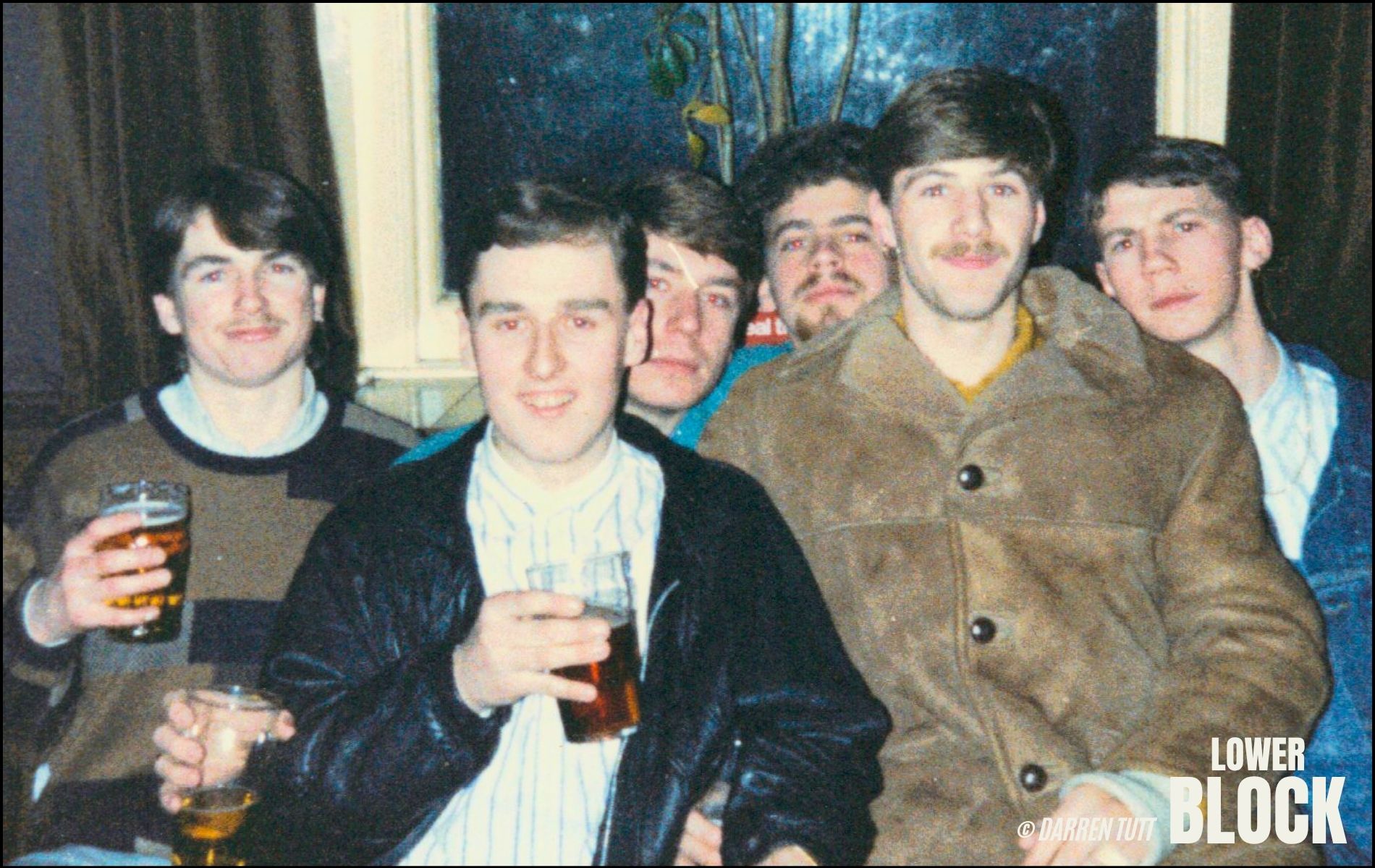
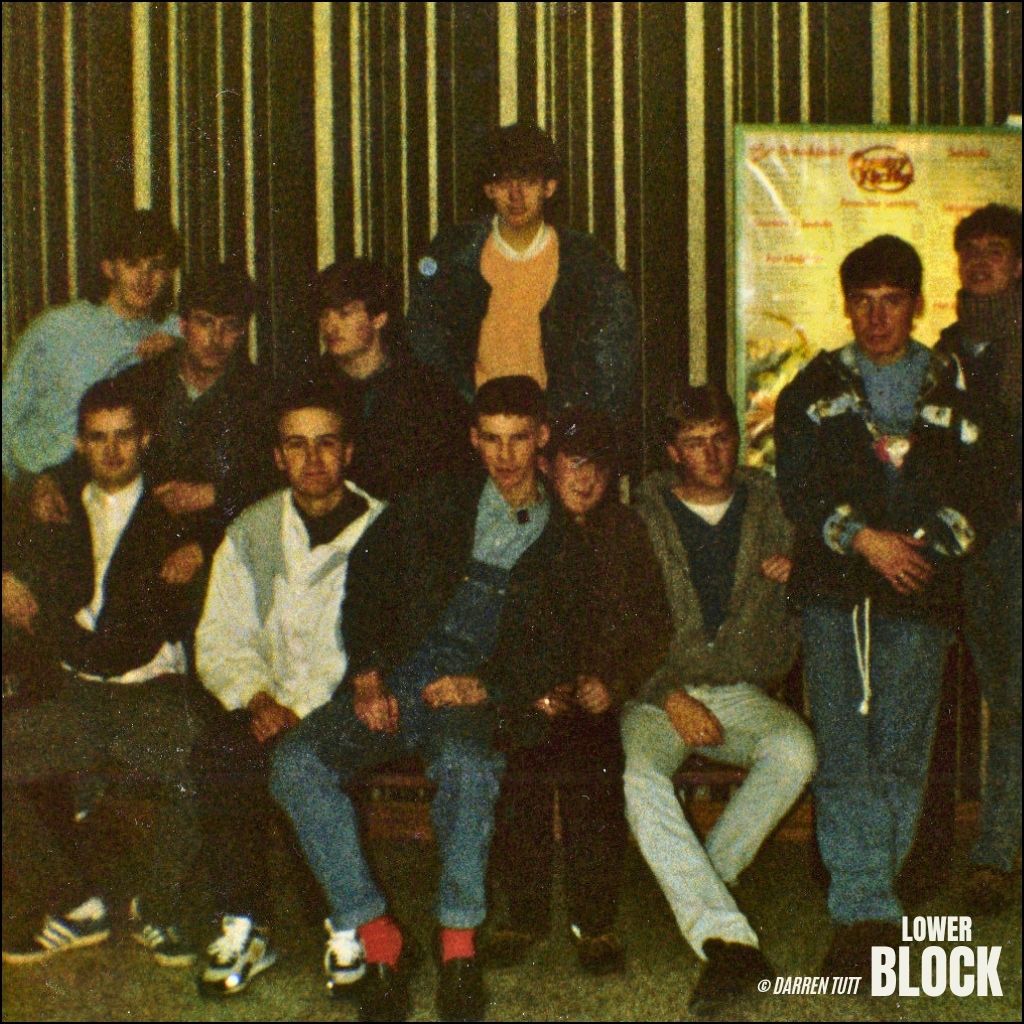
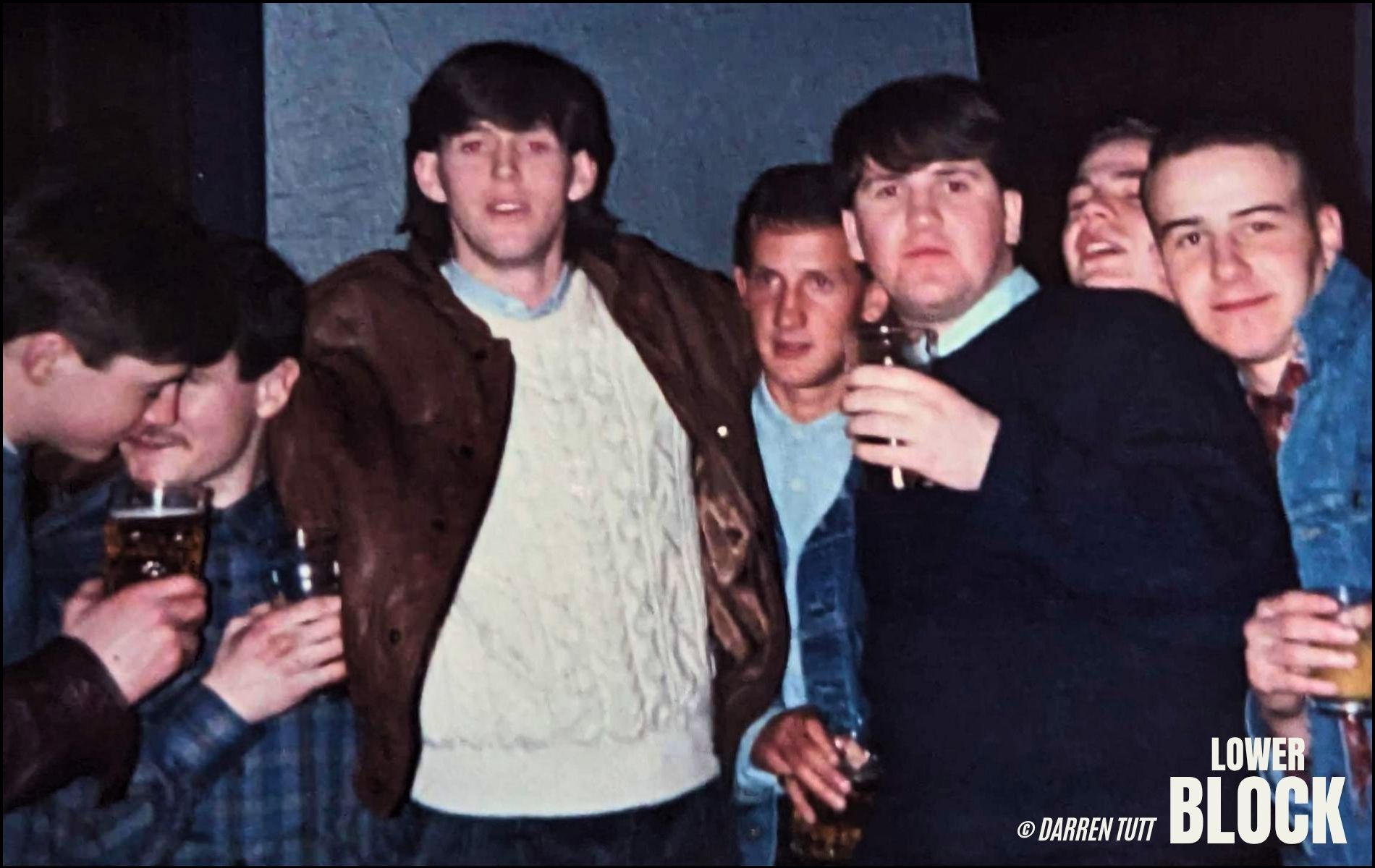
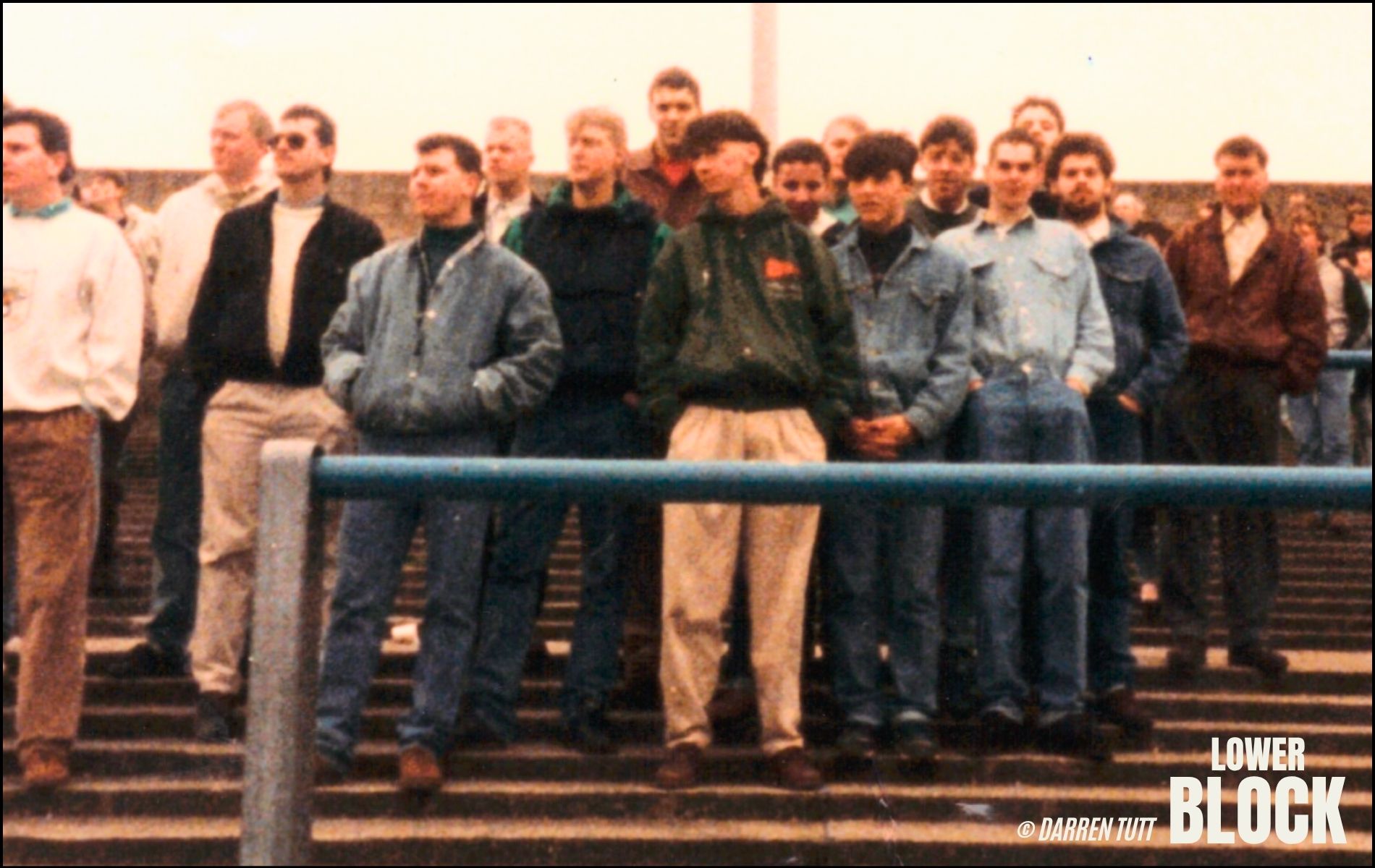
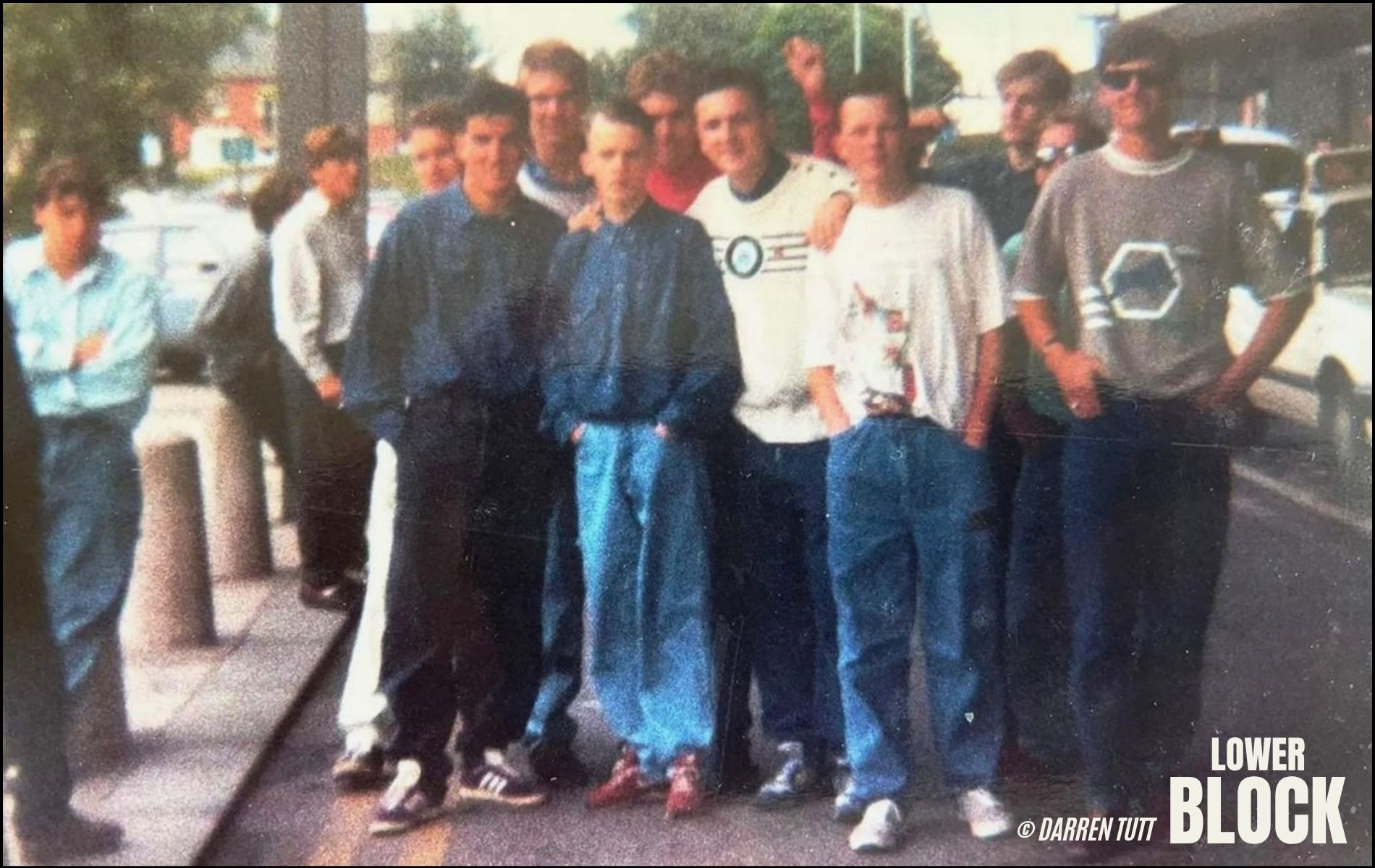
What did Casual culture mean beyond football?
I don’t think it gets anywhere near the respect it deserves, especially when you consider how much influence the scene had on menswear and street style.
A lot of people probably just see the clothes, the football and the trouble, but there was much more to it than that. There was a real pride in how you looked and a lot of thought went into finding things that other people didn’t have. You wanted to look different, but it also had to look right.
One of the biggest things were the friendships. You could have been complete strangers one minute and, before long, you were travelling all over the country together, standing on platforms, going to football, going out at night and sharing experiences that you’d never forget.
Newport brought a lot of lads together who probably would never have crossed paths otherwise. Those friendships were built through being together week after week. I think that’s something people looking in from the outside can find difficult to understand.
Why does Casual culture still resonate?
I think because it was never just about a particular brand or a particular period of fashion. It was about having your own identity. And it was never all about expensive labels, it was how you wore it.
Back then, you wanted to find something different, something that wasn’t already owned in your own town. You’d travel to other places in search of that item, and when you found it, you’d be happy as fuck and hope you didn’t get taxed on your way back.
There was no internet or social media to simply search for it either, so finding something decent felt like an achievement.
I think some older people still relate to that today. The clothes have changed and the way people communicate has changed, but that desire to have your own look has pretty much disappeared, especially amongst a lot of the younger generation, who all seem to wear black. I blame the CCTV.
And for anyone who was actually there, it’s also about the memories. The trains, the away days, the Tuesday nights, the Saturdays and the people you shared them with. You can’t really recreate that.
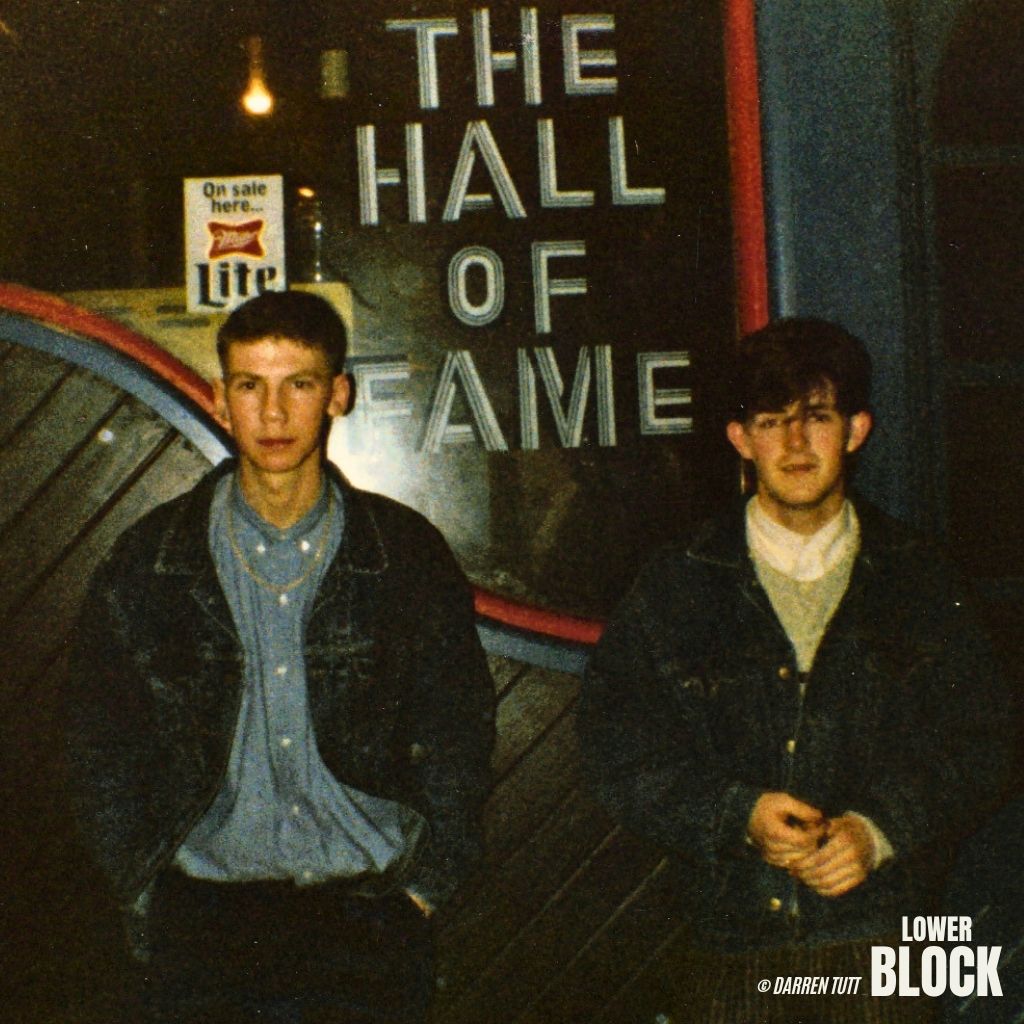
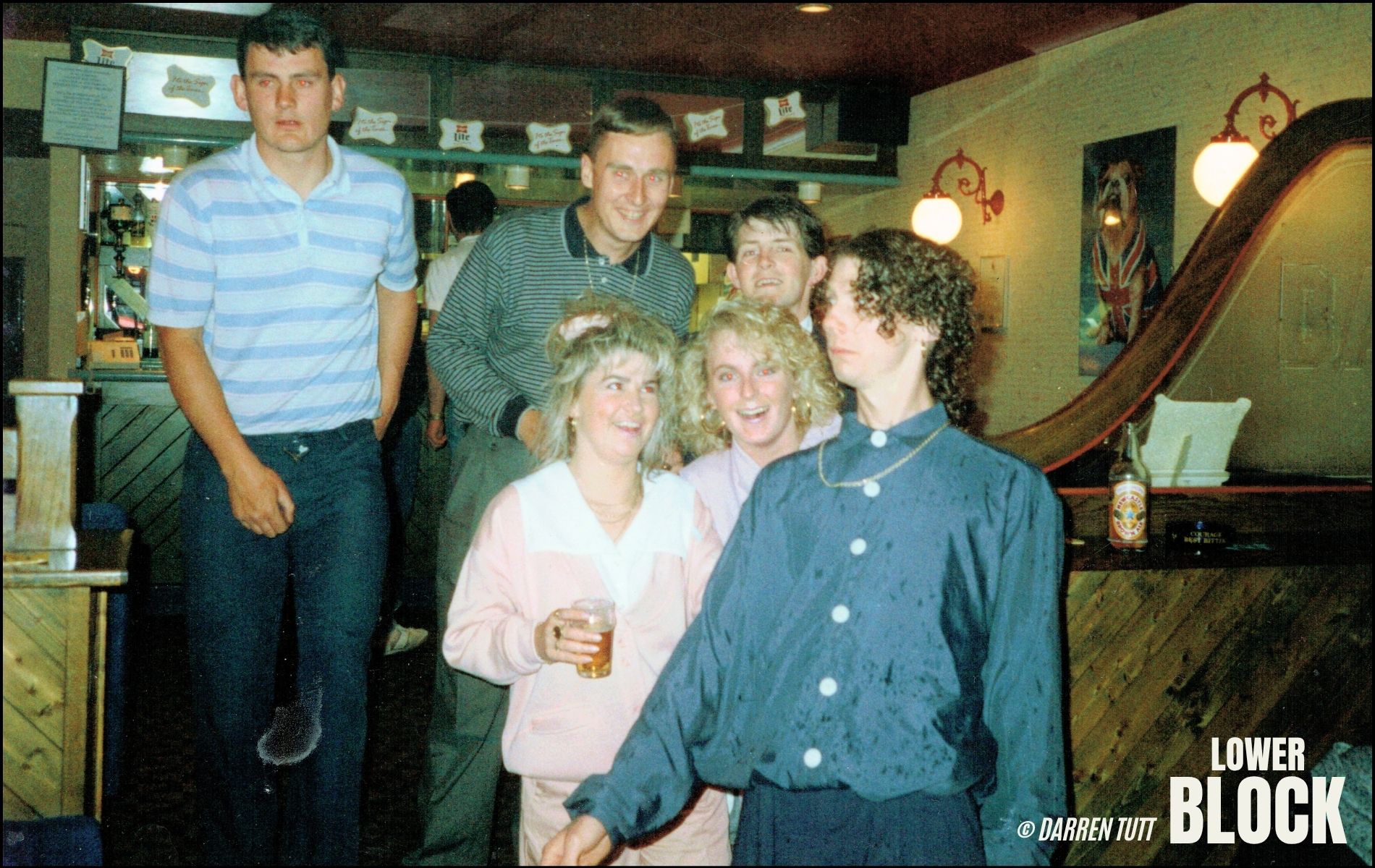
PUBS, CLUBS & CHANGING TIMES – LATE 1980s
THE RAVE SCENE – EARLY 90S
How does football culture compare today?
It’s completely different now. Football has become much more commercial. There have been the different generations who have followed in their fathers’ footsteps, etc., some with their own unique identities with what they wear, but a lot still wearing dark, similar colours.
Newport, though, currently has an excellent younger fan base who dress well and travel everywhere, so fair play to them. I know quite a lot of them, and there’s some good characters amongst them.
Back then, football was a massive part of your life. You’d be talking about the next game all week, looking forward to the Saturday, sorting out how you were getting there and who you were going with. The away trips were a huge part of it.
There was also a lot more uncertainty. You didn’t have phones, social media or the internet telling you what was happening every five minutes. You just turned up and saw what unfolded.
I’m not saying everything was better back then, because there was obviously another side to it, but there was a sense of adventure that I think is missing now. You cannot do anything without Big Brother watching you.
For me, we were a bunch of lads who started off as strangers and ended up sharing some of the best times of our lives. The football was almost the excuse that brought everyone together.
Related Lower Block Editions
Related stories / Lower Block Archive
Explore the Football Culture Photo Archive