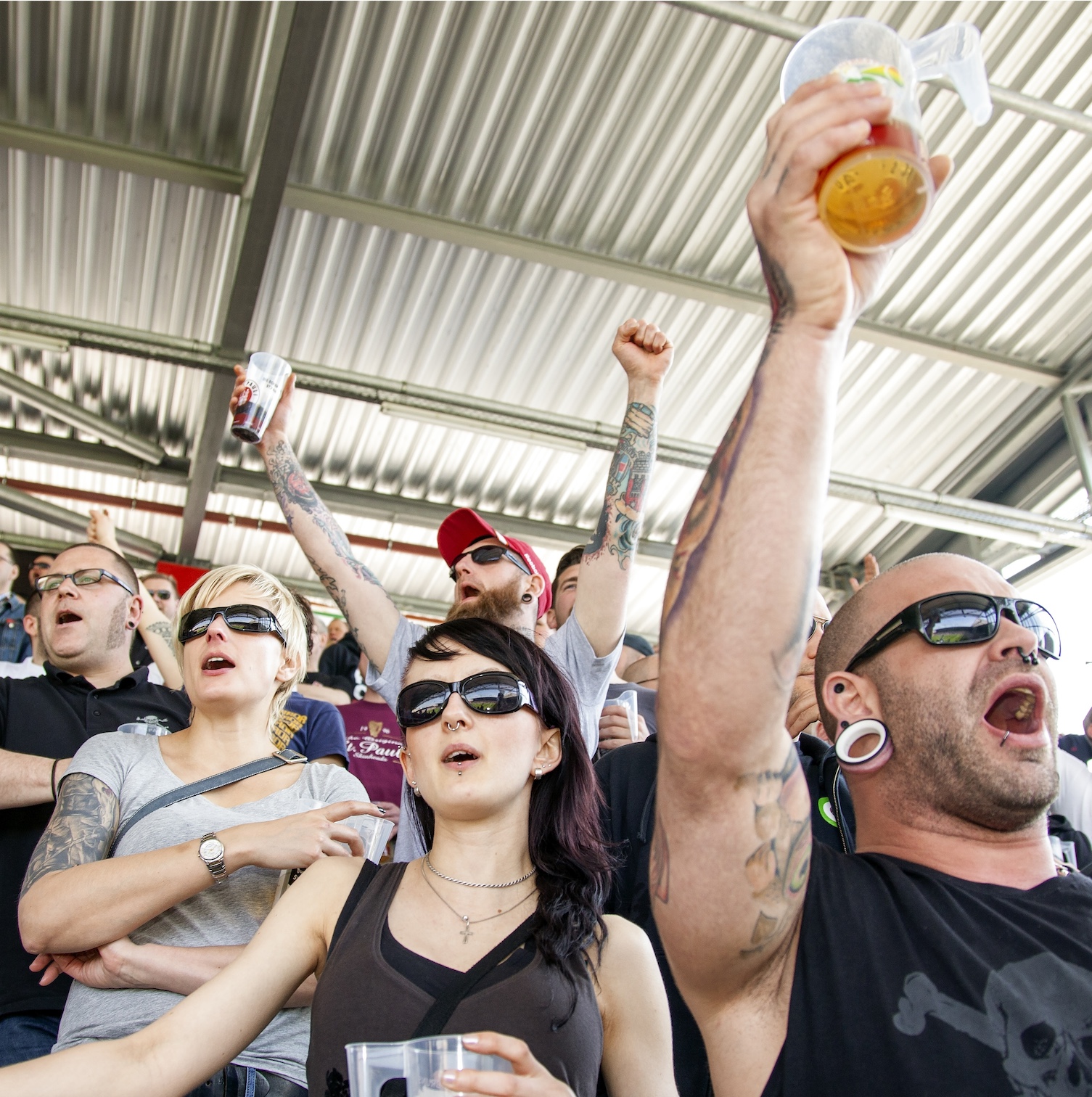
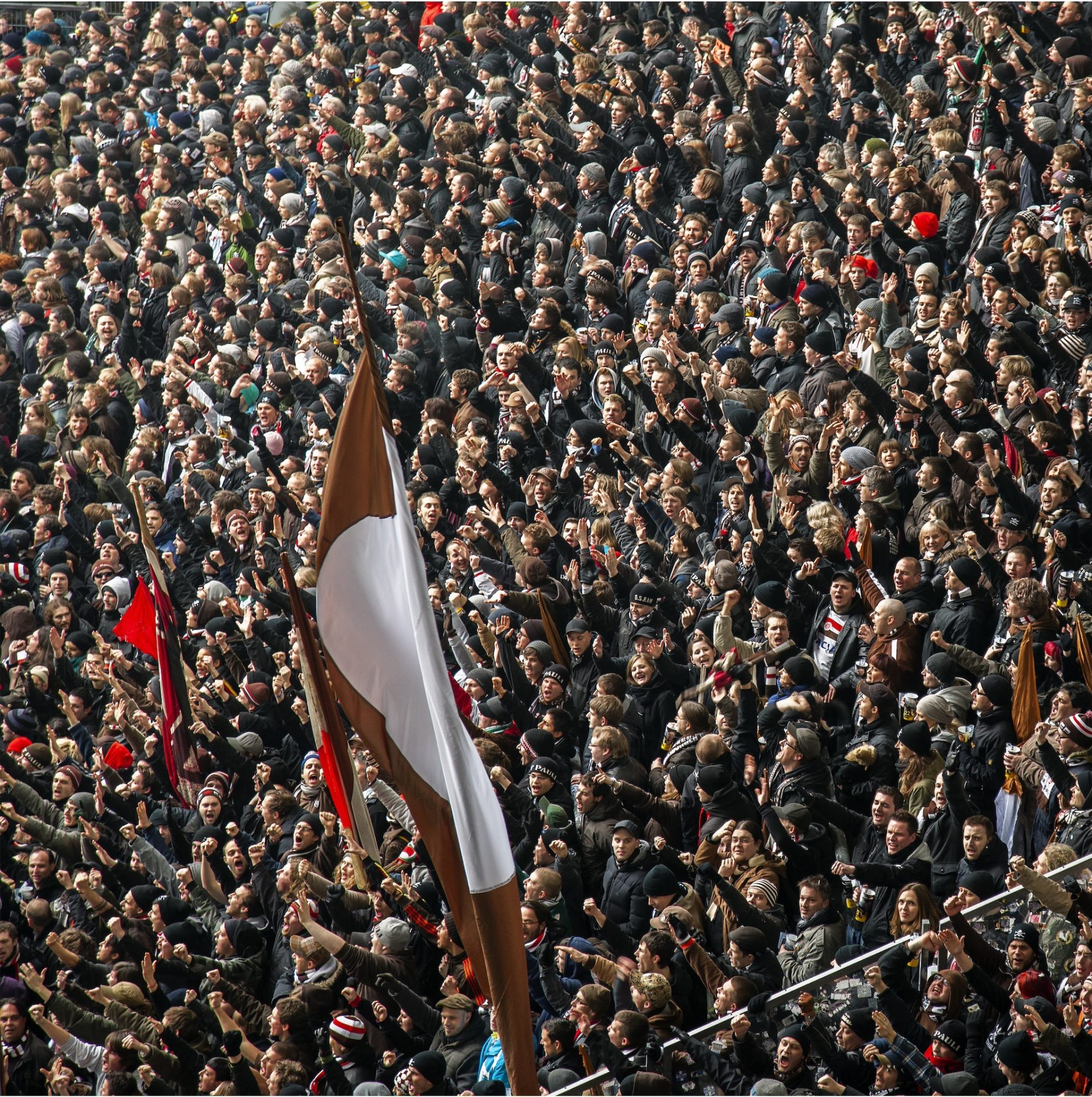
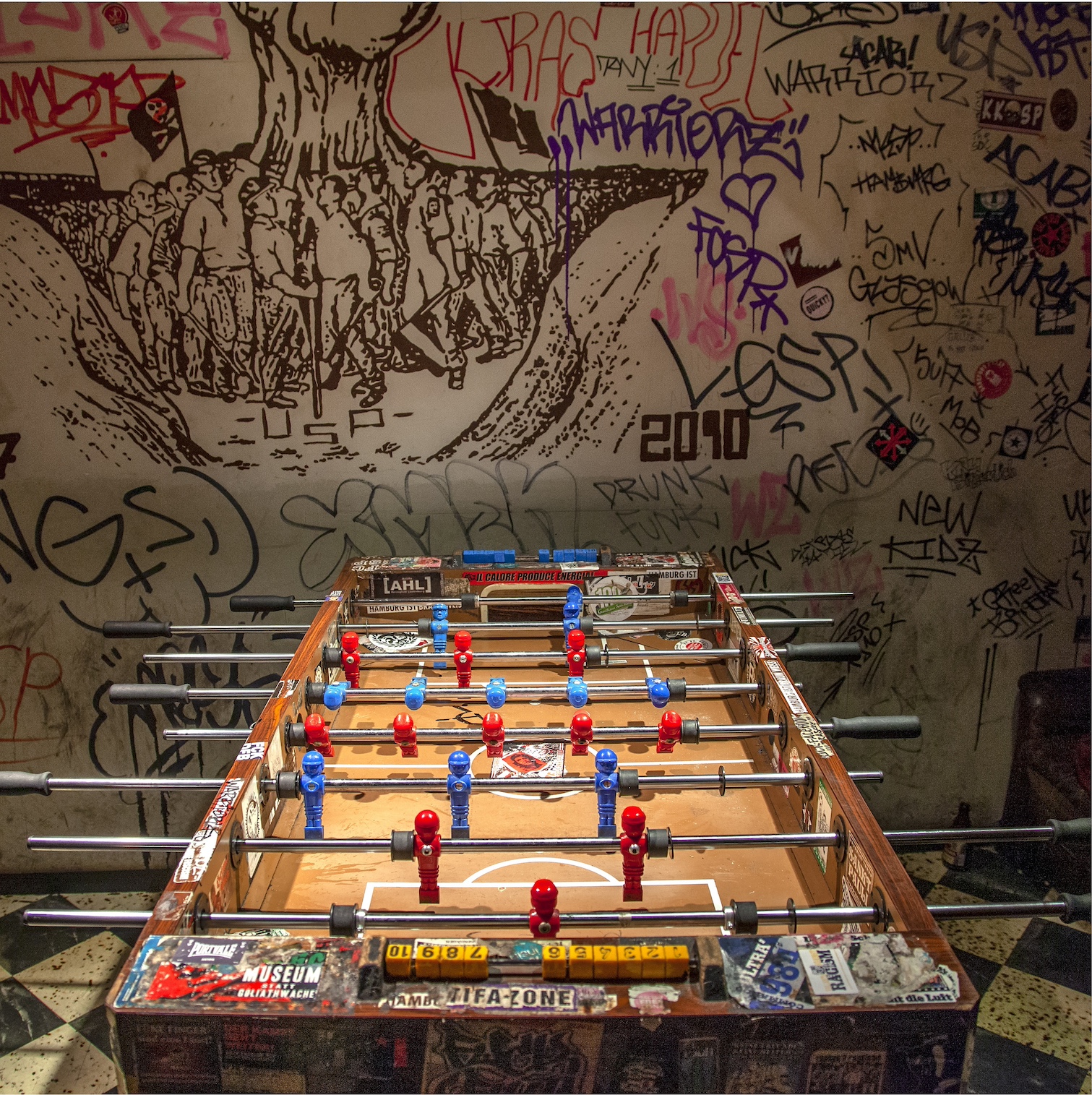
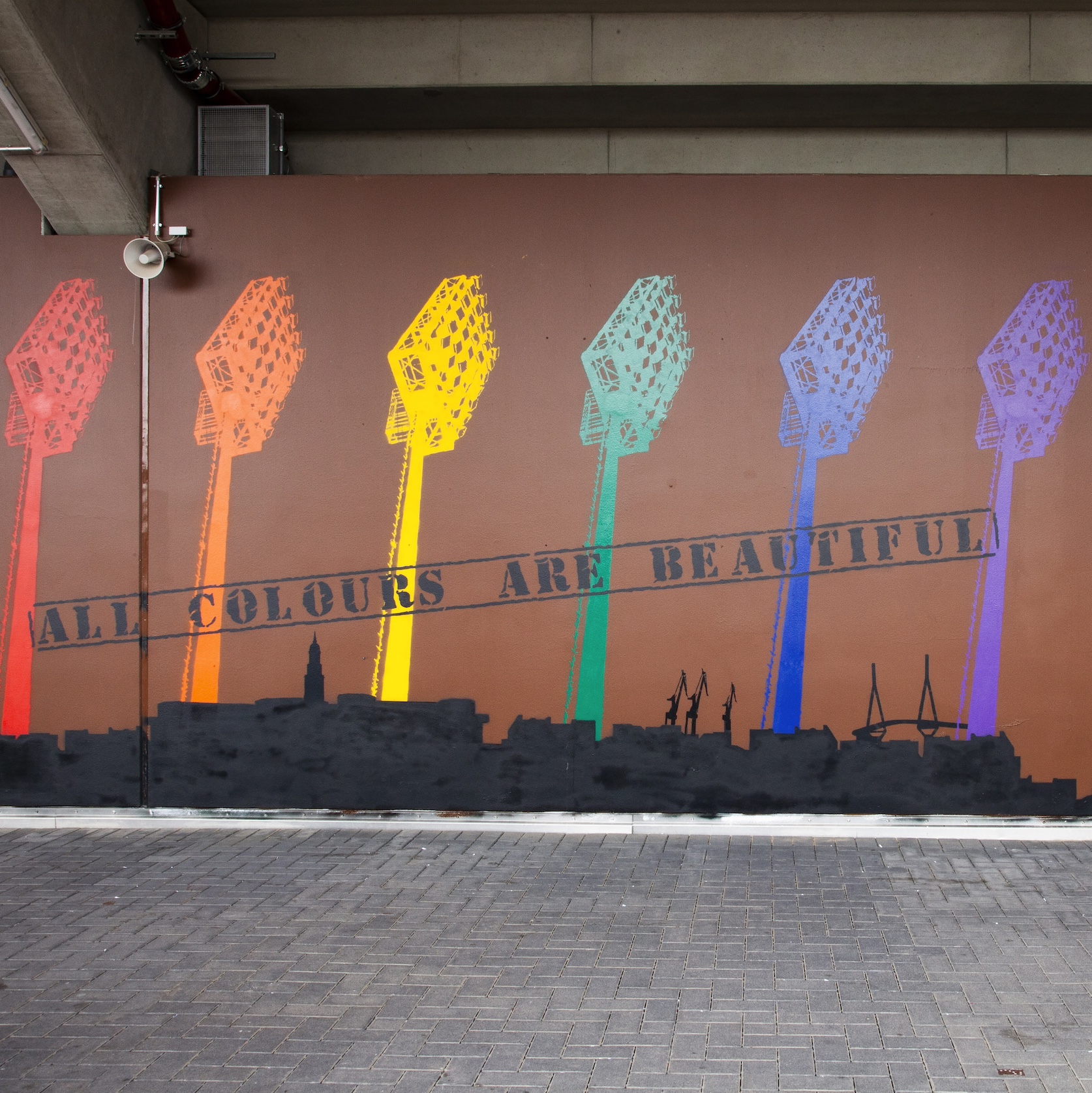
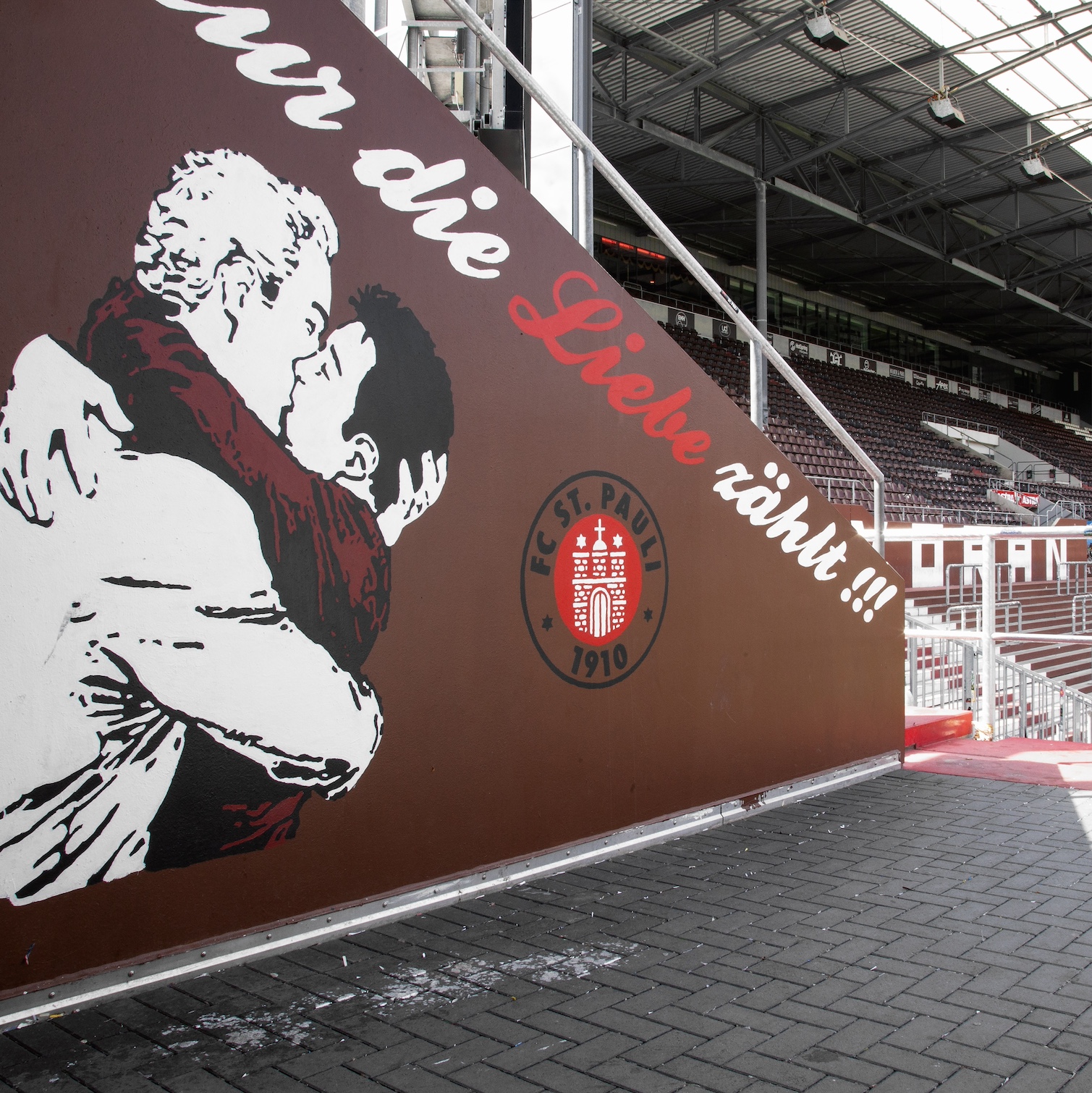
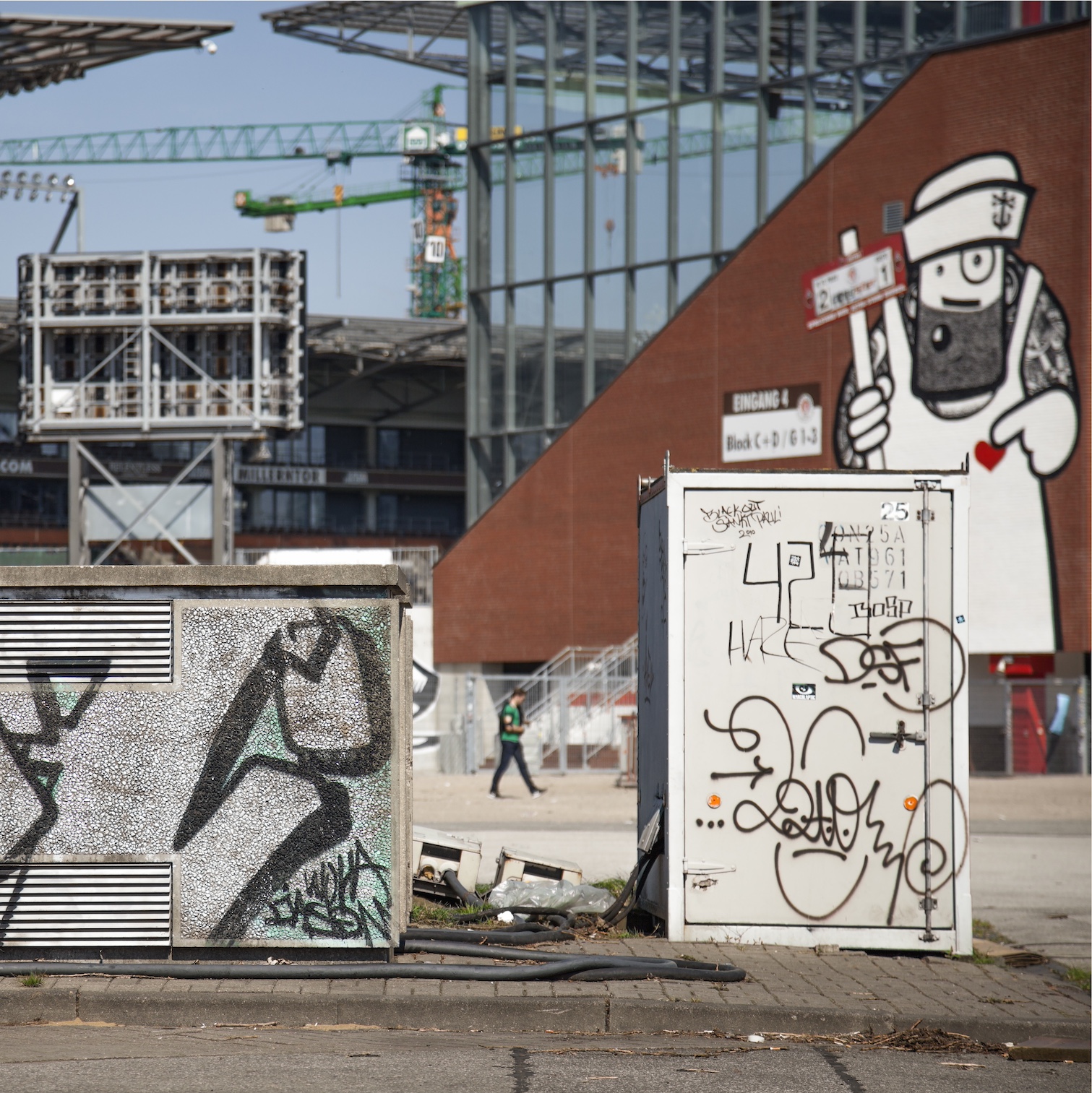
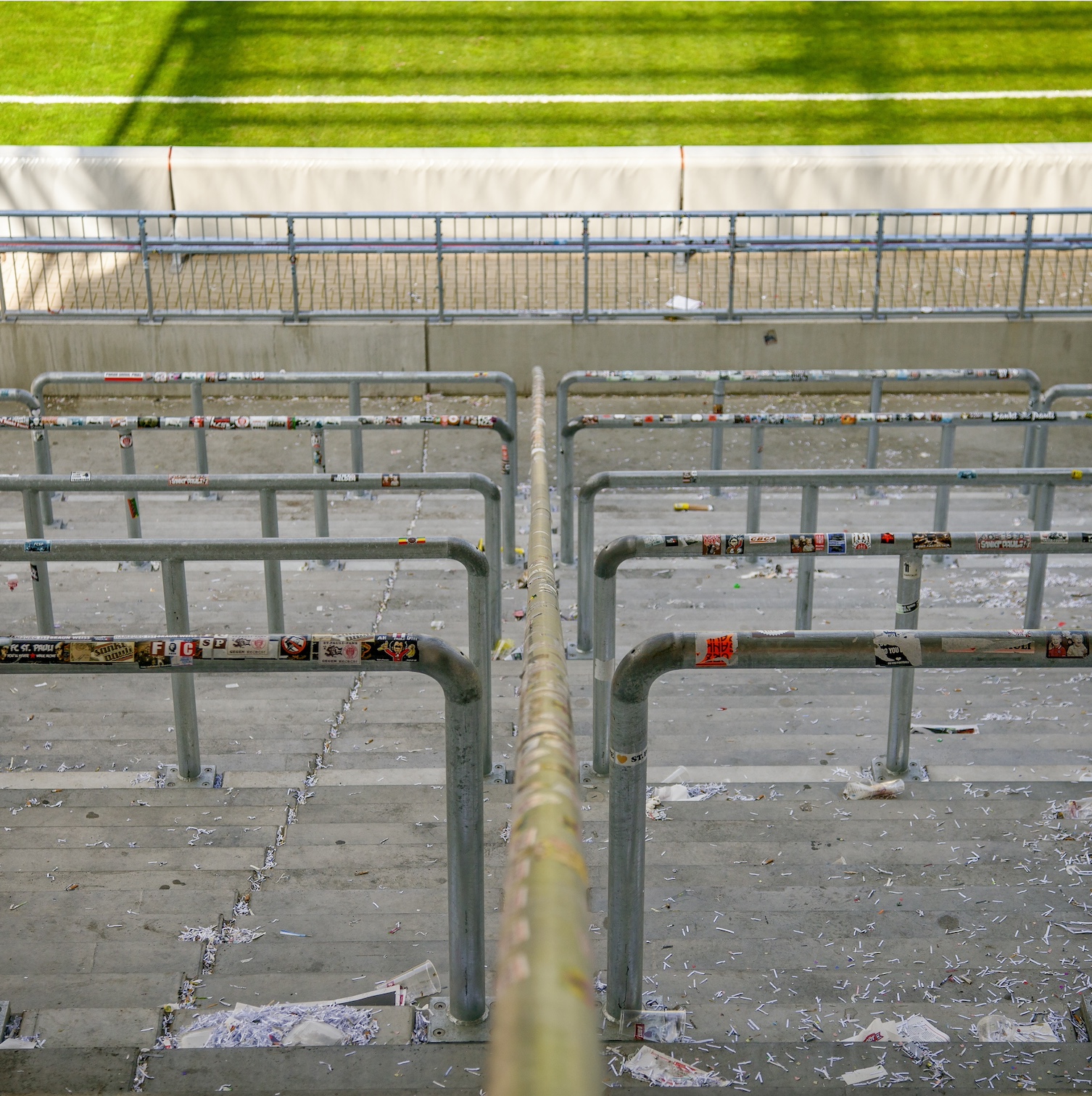
Sometimes Antisocial, Always Antifascist is a long-term photographic project by Conrad Tracy, shot between 2010 and 2018, documenting the world around FC St. Pauli and the people who stand behind it. At the heart of the work is FC St. Pauli fan culture, political, fiercely independent, and rooted in clear anti-fascist support – centred around the Millerntor Stadion in Hamburg.
What began as a casual trip to watch a match became something deeper. For over a decade, Conrad Tracy travelled regularly to Hamburg, building a connection with the club and its fans. What kept him going back was not just the football, but the feeling that this was a club and a support base that stood for something – a community shaped by politics, identity, and belonging as much as the game itself.
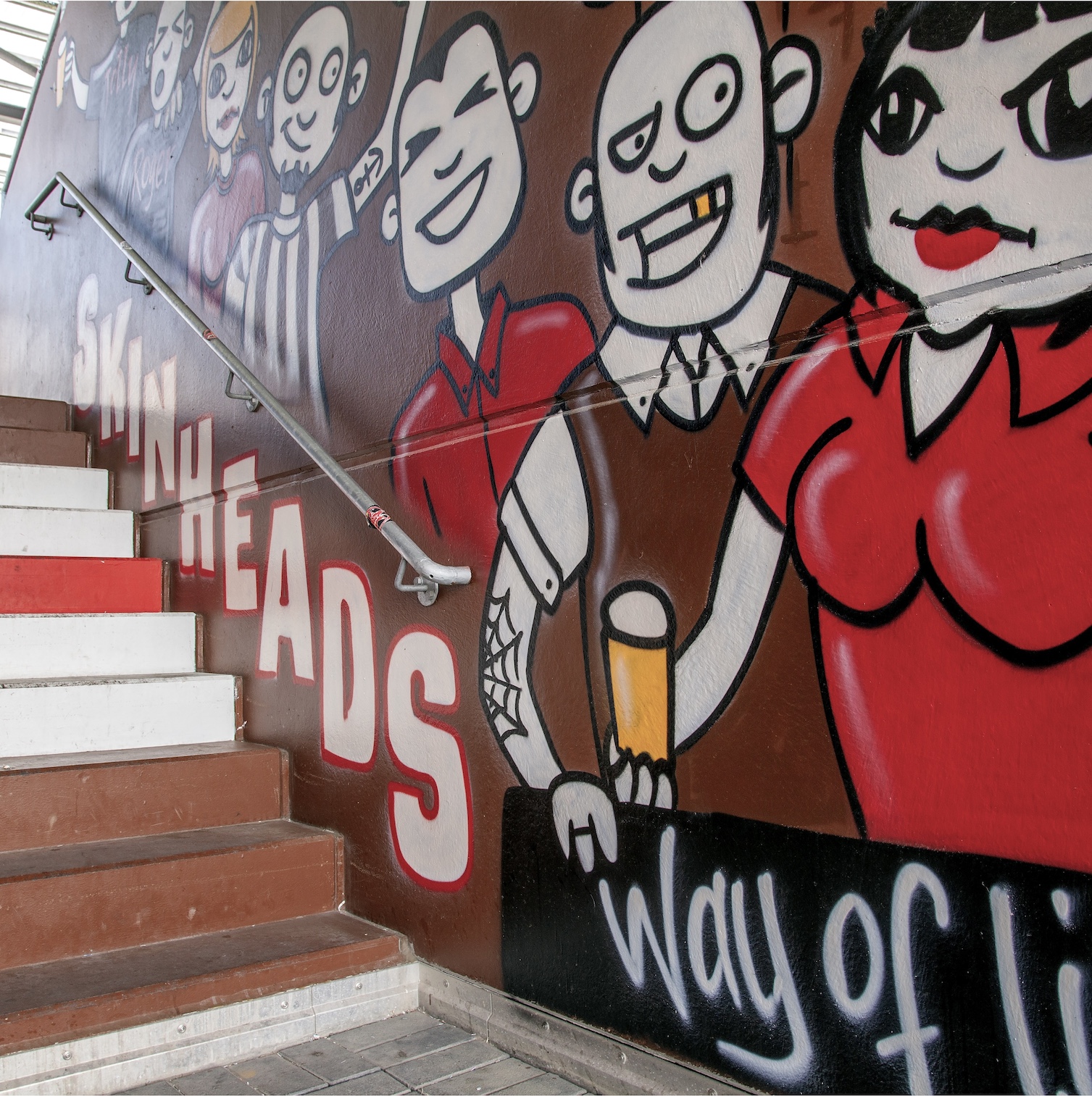
A key part of that story is Skinhead culture within St. Pauli – often misunderstood from the outside, but in this context tied closely to anti-fascist and anti-racist movements. Conrad’s relationship with this group developed slowly, through trust, introductions, and time spent beyond the stadium. This work sits within that space – documenting not just a football club, but a community pushing back, holding the line, and offering a different way of seeing the game, and each other.
Sometimes Antisocial, Always Antifascist by Conrad Tracy
It all started back in 2010. It was myself and a few of my mates – all Vale fans, all football mad. Some had done the 92 and all that, some had been to England matches away, but there was a few of us who were quite into left-wing politics and we’d heard about this club in Germany that sounded interesting. St. Pauli were seen as underdogs in their city, Hamburg – always the second team. As Vale fans, that resonated. So about a dozen of us went over for a weekend to watch a Pauli game, take in a few other non-league matches and drink lots of beer. Initially, it was just that. As a photographer, I naturally took a few loose shots, but nothing more than that.
Intrigued by the weekend, I started to do a bit more research and found this group, Fanladen, a St. Pauli supporters club. They actually put tickets aside for international fans who aligned themselves with their supporters. Pauli are, for example, twinned with Celtic and other clubs who have large groups of left-wing supporters. That made me realise there was something bigger here – a kind of network that supporter groups were part of. At the beginning. Fanladen helped and supported the project, and I started heading over on my own, attending three or four games a year, developing contacts and making friends.
On one visit, the night before a game, I went to the Jolly Roger, a hardcore Pauli pub. The place was heaving, absolutely rammed – full of skinheads, a DJ playing, a muscular bloke with his shirt off, covered in tattoos. I’d probably had a drink or two and started chatting to a skinhead at the bar. I’d seen this Big Lebowski St. Pauli sticker with the words “these colours don’t run”. The Big Lebowski was my son’s favourite film, so I wanted to get him one of these stickers. The skinhead I was talking to told me I needed to speak to the man in charge, a bloke called Arnd – who just so happened to be the topless, tattooed skinhead DJ behind the decks. I remember thinking, oh god! Eventually Arnd came over, wondering who this guy was asking about his stickers. We got chatting and he ended up giving me a massive wad of St. Pauli stickers, and I gave him some of my Vale pin badges.
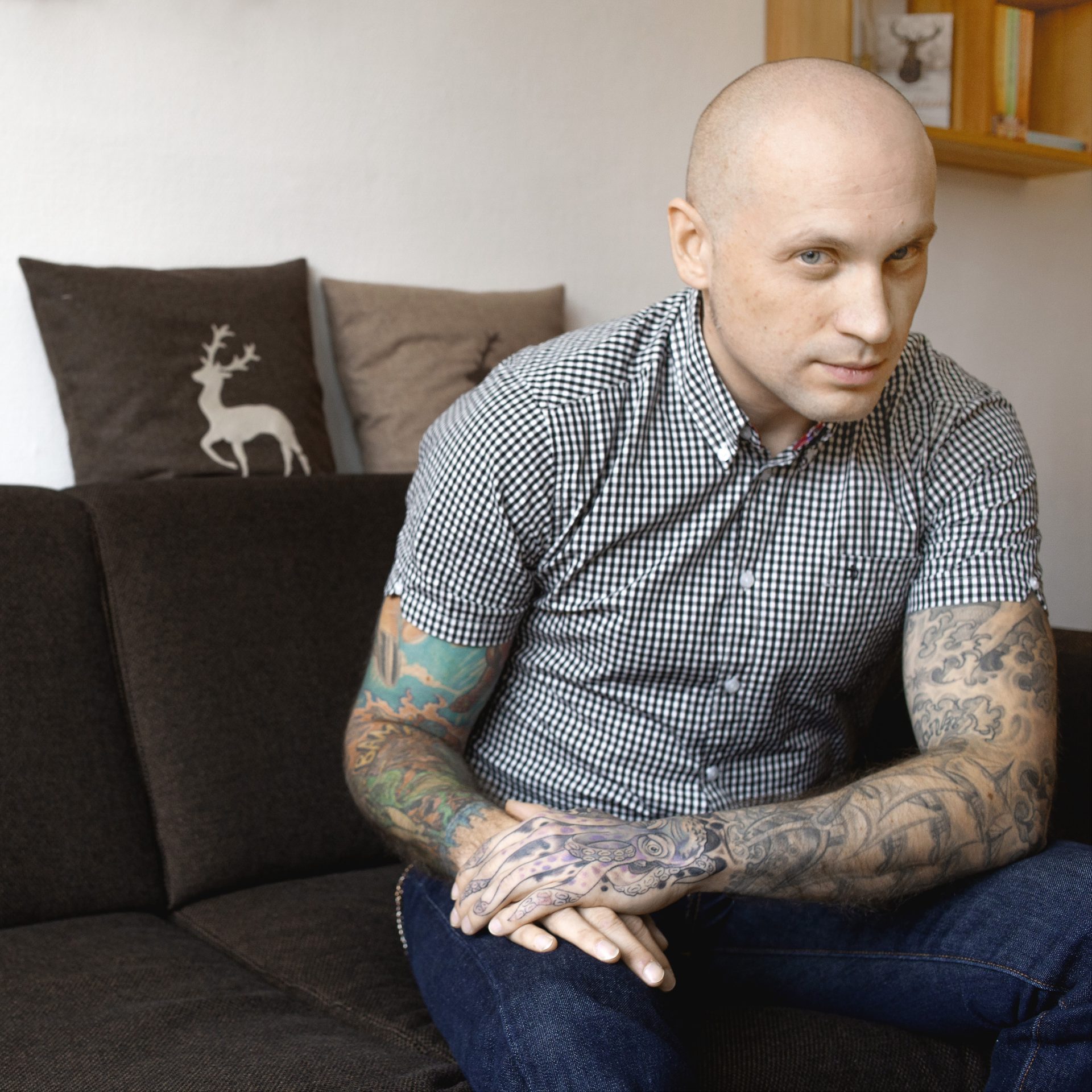
About six months later, via a friend of a friend, I heard there was a guy called Arnd from Germany trying to find a Vale fan called Conrad – a photographer who was interested in photographing their skinhead supporters. We got back in touch and, to my surprise and presumably to vet me, he flew over with his girlfriend to watch a couple of Vale games. I met them at a pub outside Vale Park. It was great, and from there the relationship grew. I started meeting Arnd and his mates at Pauli games. For the project to really work, I couldn’t be an outsider. Until that door was opened, I couldn’t make the pictures I wanted. Over time, I started to understand the culture and people began to trust me. Importantly, I never claimed to be a Pauli fan – I was a Vale supporter and always will be. A mate of mine summed it up best when he said, “He was married to Vale – but Pauli was his secret mistress.”
More and more matches followed. A security guard, a former hooligan now employed by the club, helped me out by getting me in and showing me around.
One story that shows the nature of these supporters – I was invited to a BBQ. Arnd told me he’d send someone to pick me up. I got collected by a random skinhead and taken to some estate, and the next thing I knew I was at a BBQ with about 40 skinheads. I’m a vegetarian, and they’d actually bought me some veggie sausages.
Another time we went to a game and Arnd said we were going to a pub where all the away fans would be. I remember thinking, is there a friendship between the fans?
“No,” he said, “we hate them, they’re fascists. But we’re just going to intimidate them…!”
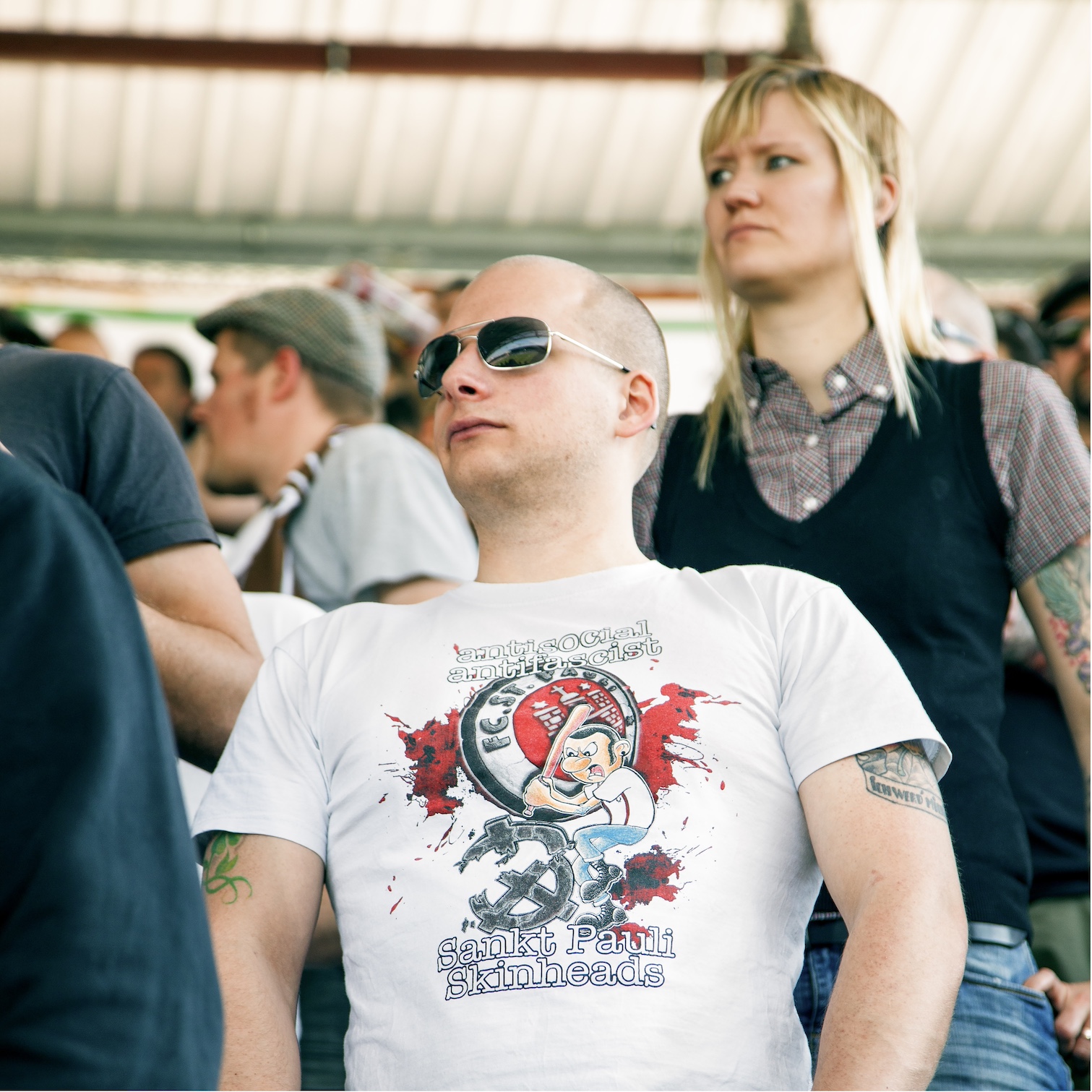
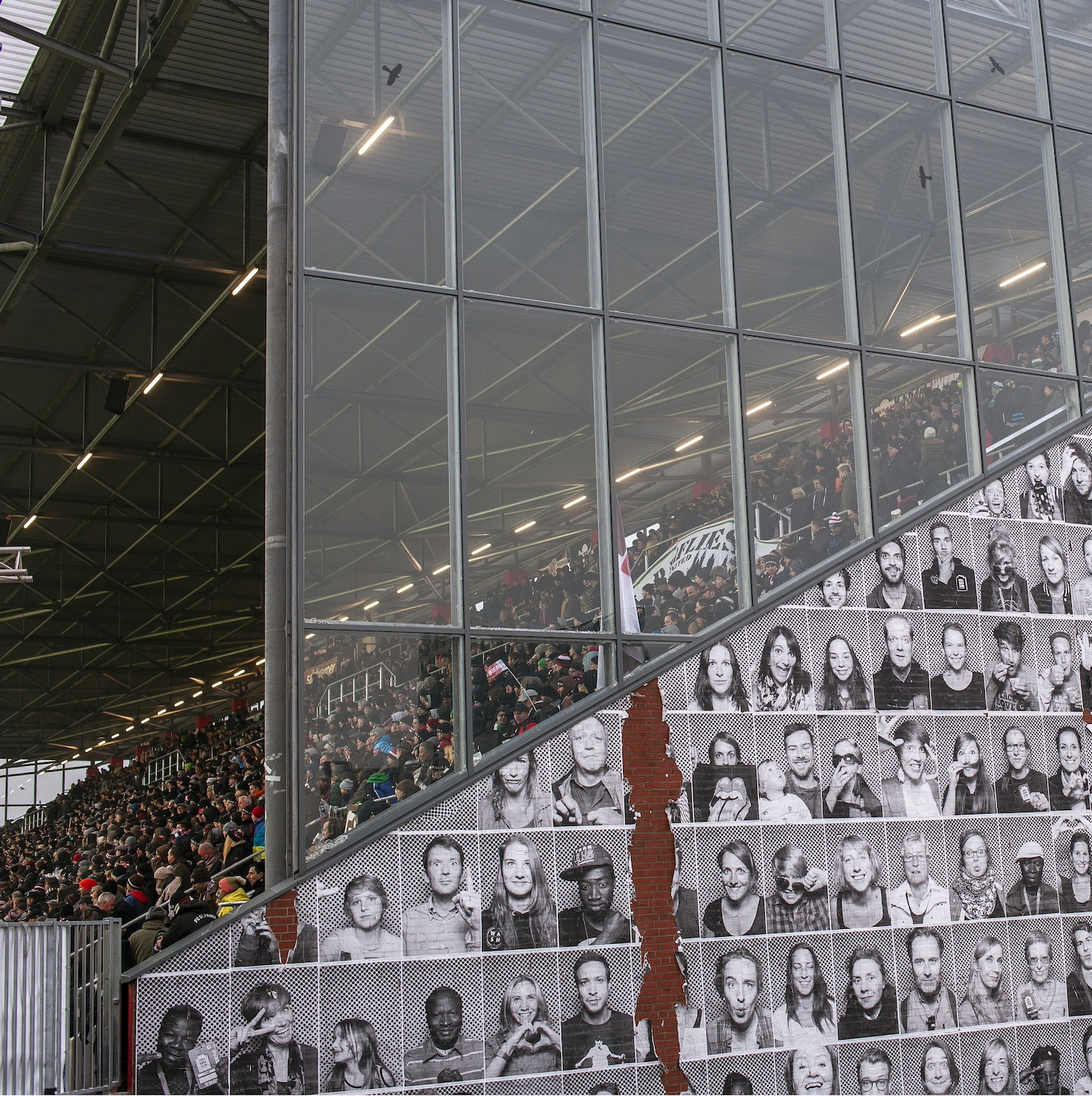
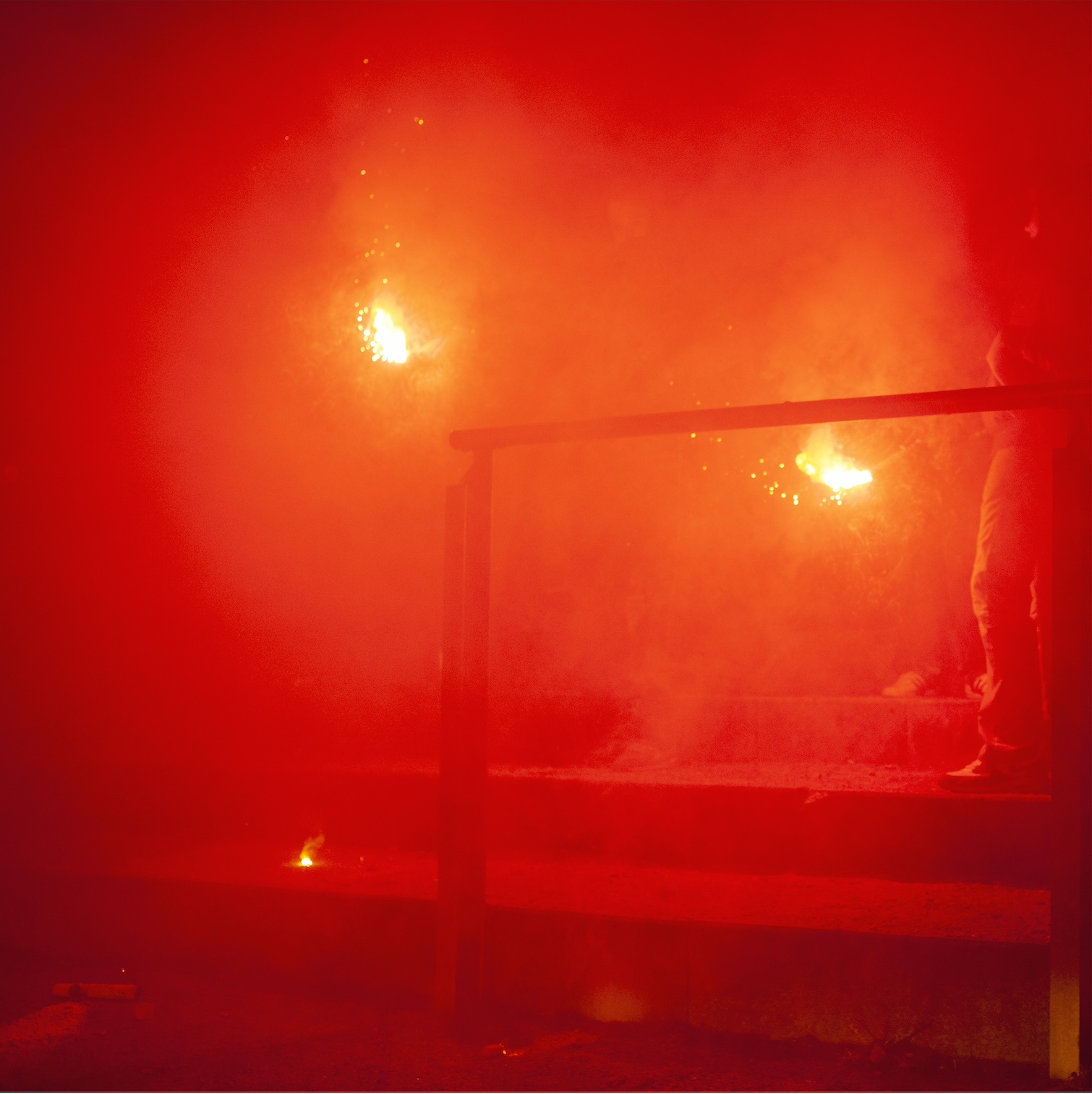
Modern football might sell itself as global, polished, and inclusive – but scratch the surface and the same old tensions are still there. Racism, sexism, homophobia, and intolerance haven’t gone away. In many cases, they’ve just become more coded, more implicit, harder to call out.
In 2026, that feels especially relevant. As far-right politics continue to push further into the mainstream across Europe and beyond, football remains one of the cultural spaces where those ideas can surface, circulate, and embed themselves—often unchecked, often normalised.
But in Hamburg’s St. Pauli district, there’s a long-standing counterpoint.
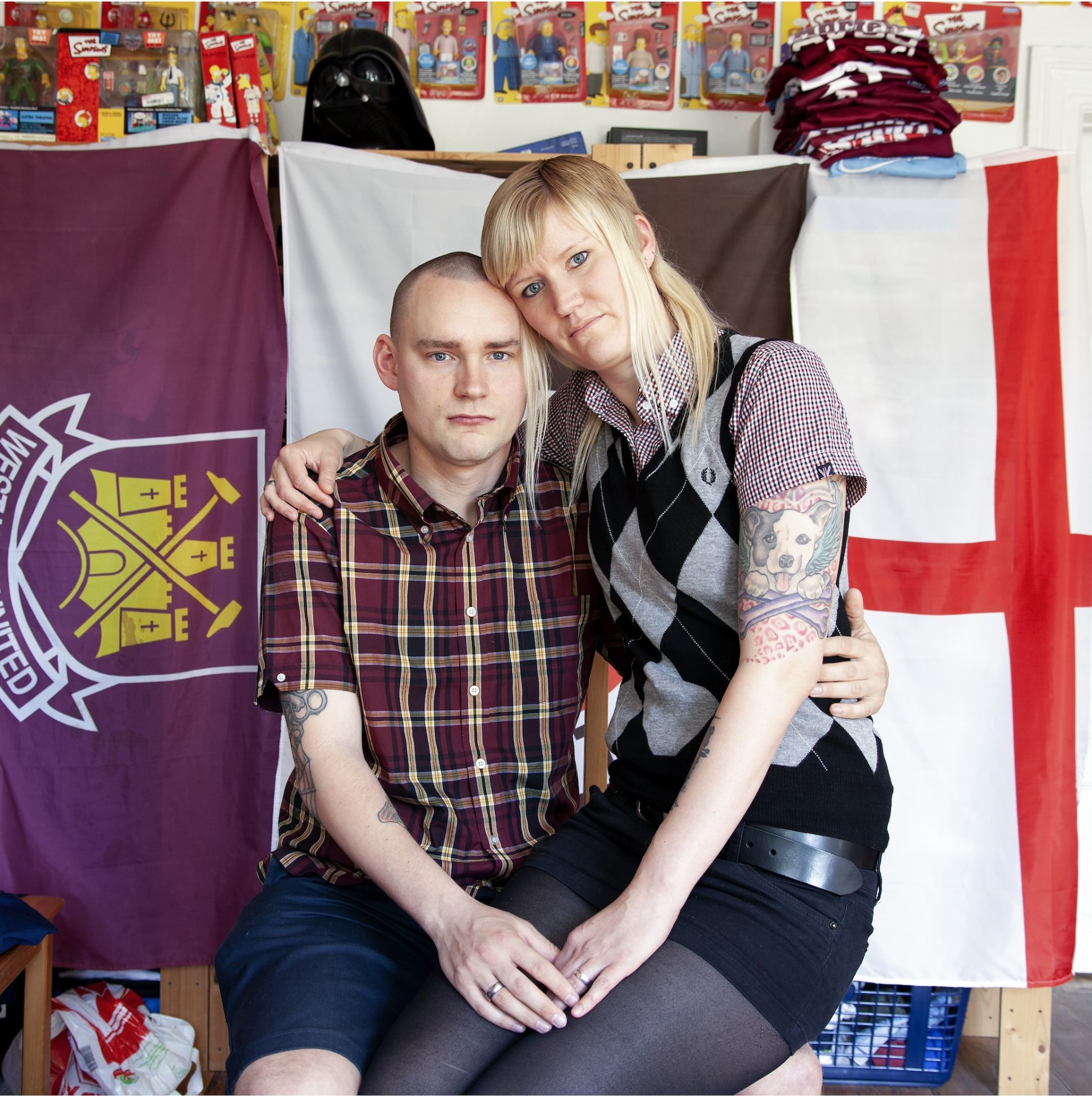


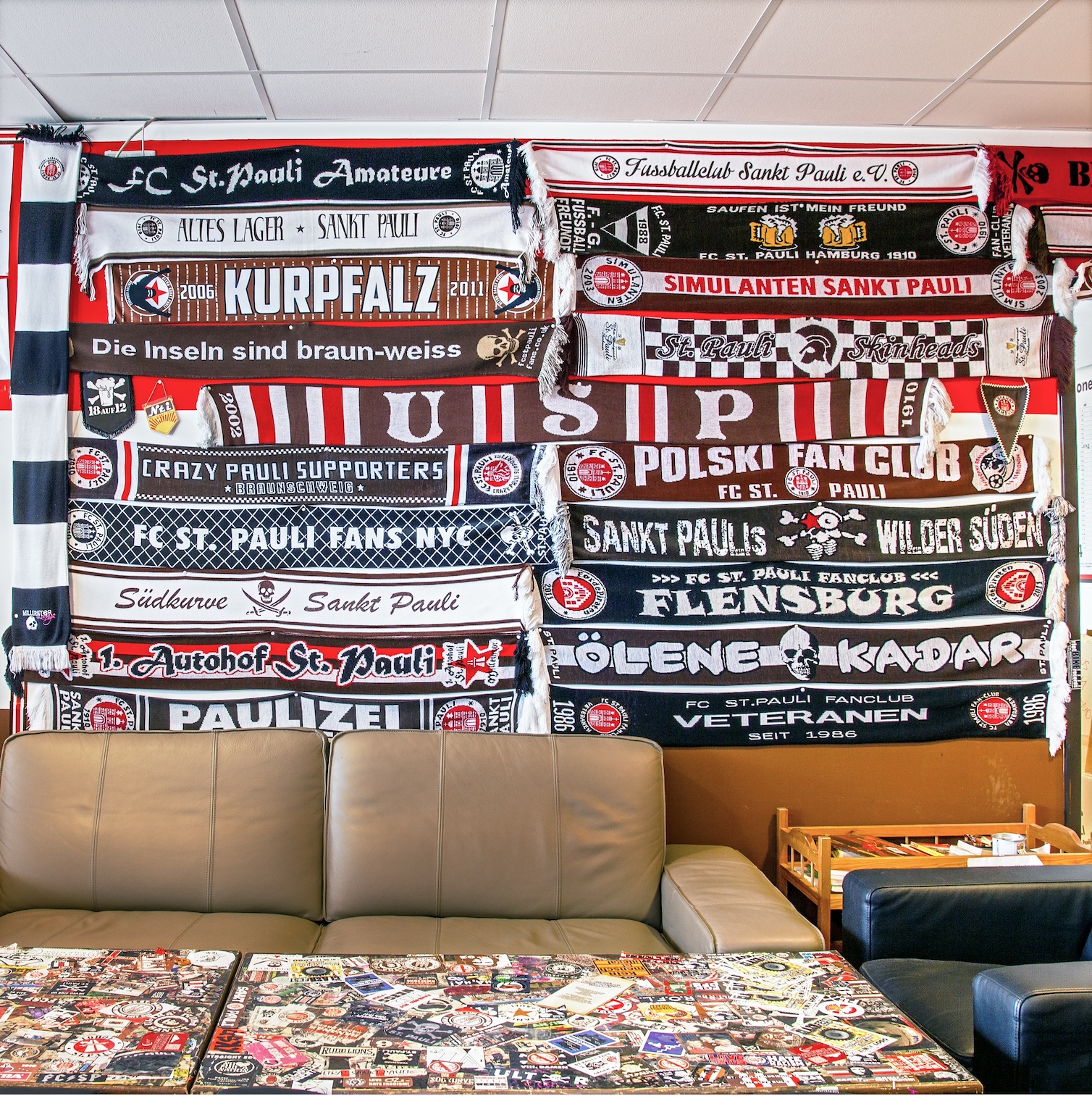
Since the mid-1980s, the fans of FC St. Pauli have built a culture that actively resists those narratives. Rooted in working-class identity, left-wing politics, music, and subculture, their support is as much about what they stand for as who they stand behind.
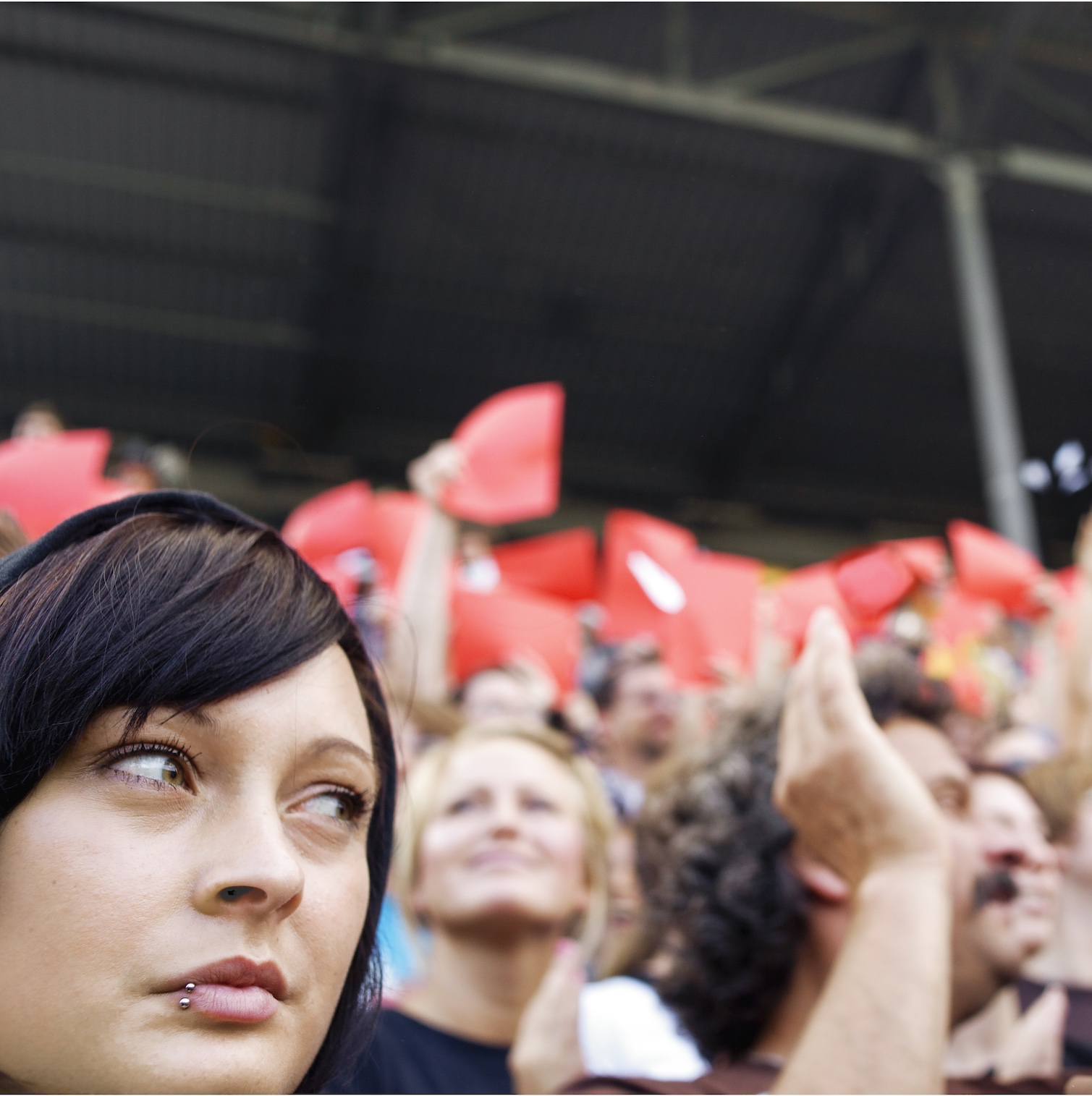
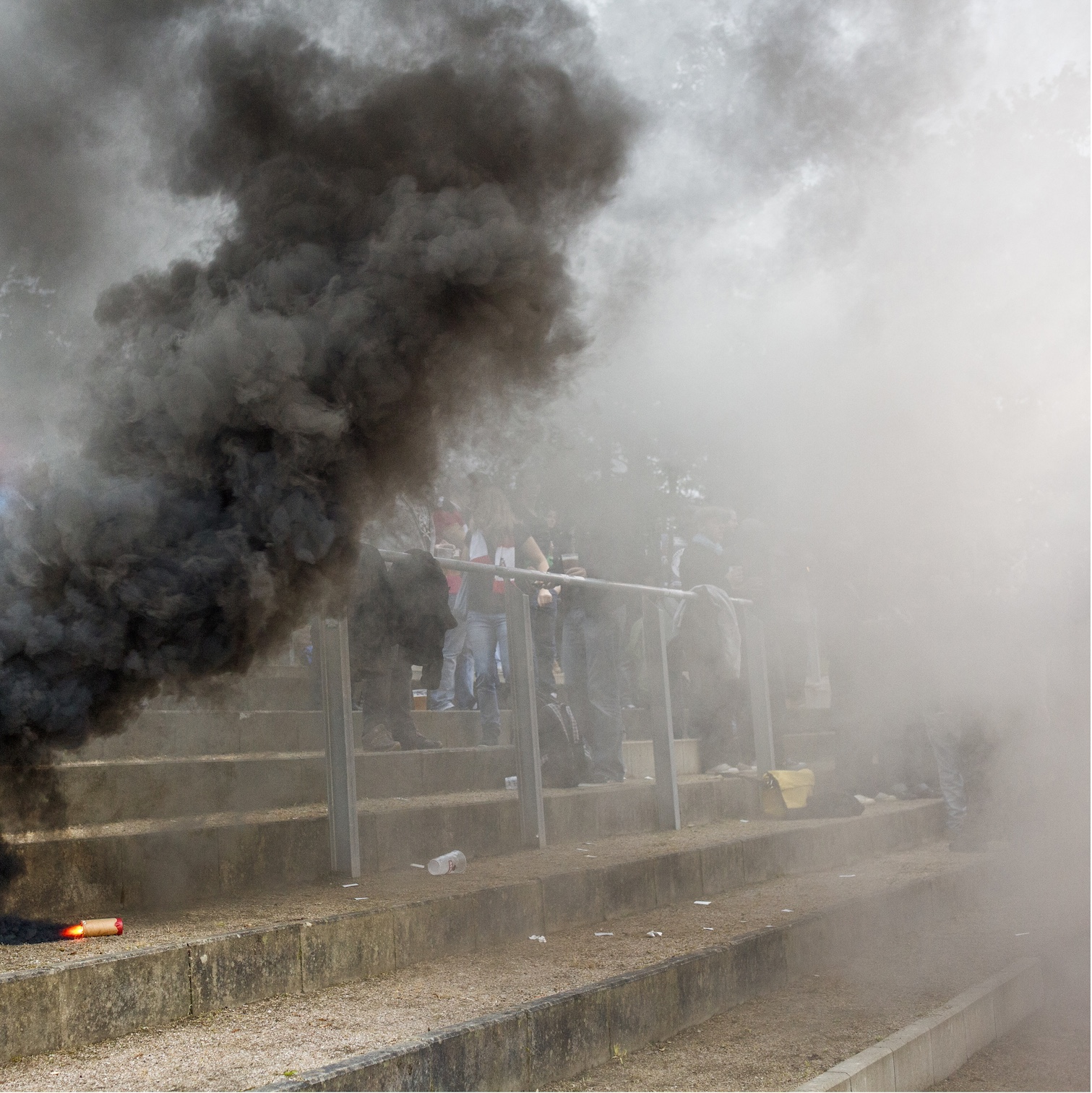
This isn’t passive fandom – it’s visible, vocal, and political. The stadium becomes a space of expression and resistance, where identity is worn, performed, and shared. Through clothing, symbols, and references to punk, ska, and skinhead culture, fans communicate a collective stance: inclusive, anti-racist, anti-fascist.
Groups like the Sankt Pauli Skinheads embody that tension and reclamation – drawing on early UK skinhead style while rejecting the far-right associations that later tried to define it. Their message is clear, fixed above their section of the Millerntor Stadium: “Sometimes Antisocial, Always Antifascist.”
Right now, that message carries weight.
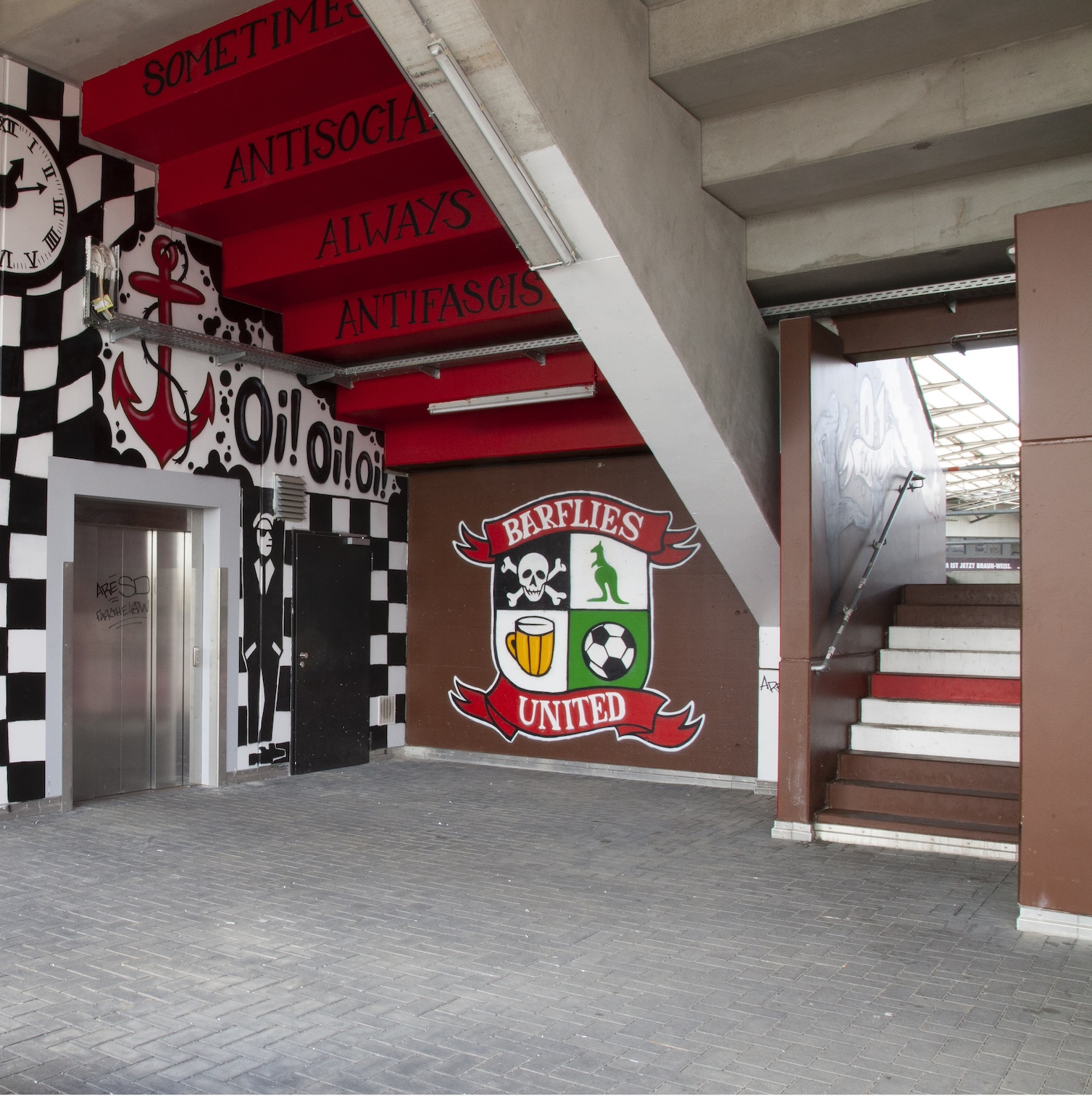
At a time when sections of the working class are increasingly targeted by divisive political narratives – often amplified through football culture itself – spaces like St. Pauli offer something else. An alternative. A refusal. A reminder that football can still be about solidarity rather than separation.
For many football supporters, worldwide, that matters. As the game becomes more corporate and more detached, St. Pauli holds onto something more grounded – something cultural, political, and human.
Conrad Tracy is a photographer, academic, and lifelong Port Vale FC supporter. For nearly 25 years he was Course Leader for BA (Hons) Commercial Photography at Arts University Bournemouth (AUB), where he built a programme with an international reputation and helped shape a generation of photographers now making their own mark in the industry.
Alongside teaching, he maintained an active editorial and commercial practice, with clients including The Observer Magazine and The Sunday and Saturday Times Magazines, and representation through Photonica and Getty Images.
For over two decades, his documentary work has been exhibited and published across the UK. His long-term personal projects often explore themes of masculinity, class, and culture. His work has also previously been featured by Lower Block in both physical and online formats, and he continues to produce personal work alongside occasional commissions.

You may also enjoy…