Football culture has always had a soundtrack. Long before curated playlists and brand campaigns, music moved through the game in a more organic way – from terraces, pubs, buses, bedrooms, and street corners. It carried emotion, identity, and belonging in the same way colours, scarves, and style did.
Matchday begins with sound. The walk to the ground is rarely silent. Songs spill out of cars, headphones, and doorways. Inside pubs, certain tracks become rituals – played week after week, season after season. These aren’t background details; they shape atmosphere and memory. A song becomes tied to a ground, a period of life, a group of people.
Historically, football and music share the same social roots. Working-class environments where expression had to be collective. Chants on terraces follow rhythm and repetition like music does. Call and response, tempo, volume, unity. The crowd becomes a living instrument. The stadium becomes an echo chamber of identity.

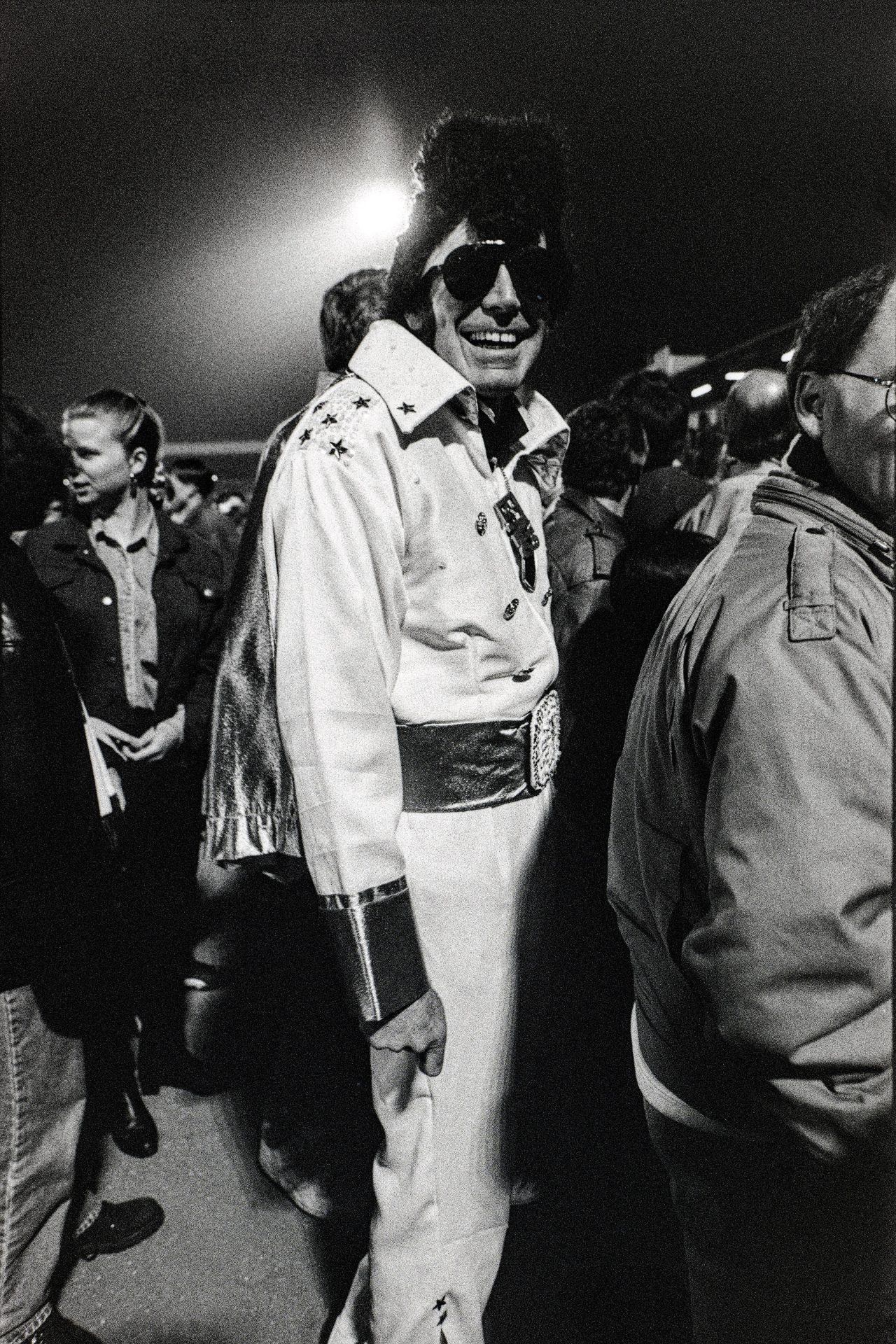
Subcultures connected to football – from terrace scenes to youth movements – have always been linked to sound. Music informs posture, attitude, pace, and style. It influences how groups move through space, how they gather, how they present themselves. This crossover is visible in photography: body language, gestures, and group dynamics often resemble scenes from music culture as much as sport.
Different eras leave different sonic fingerprints. What people listened to travelling to away games in the 80s, 90s, or 2000s shaped how those periods felt visually. Music gives cultural texture to football history. Without it, the memory is incomplete.
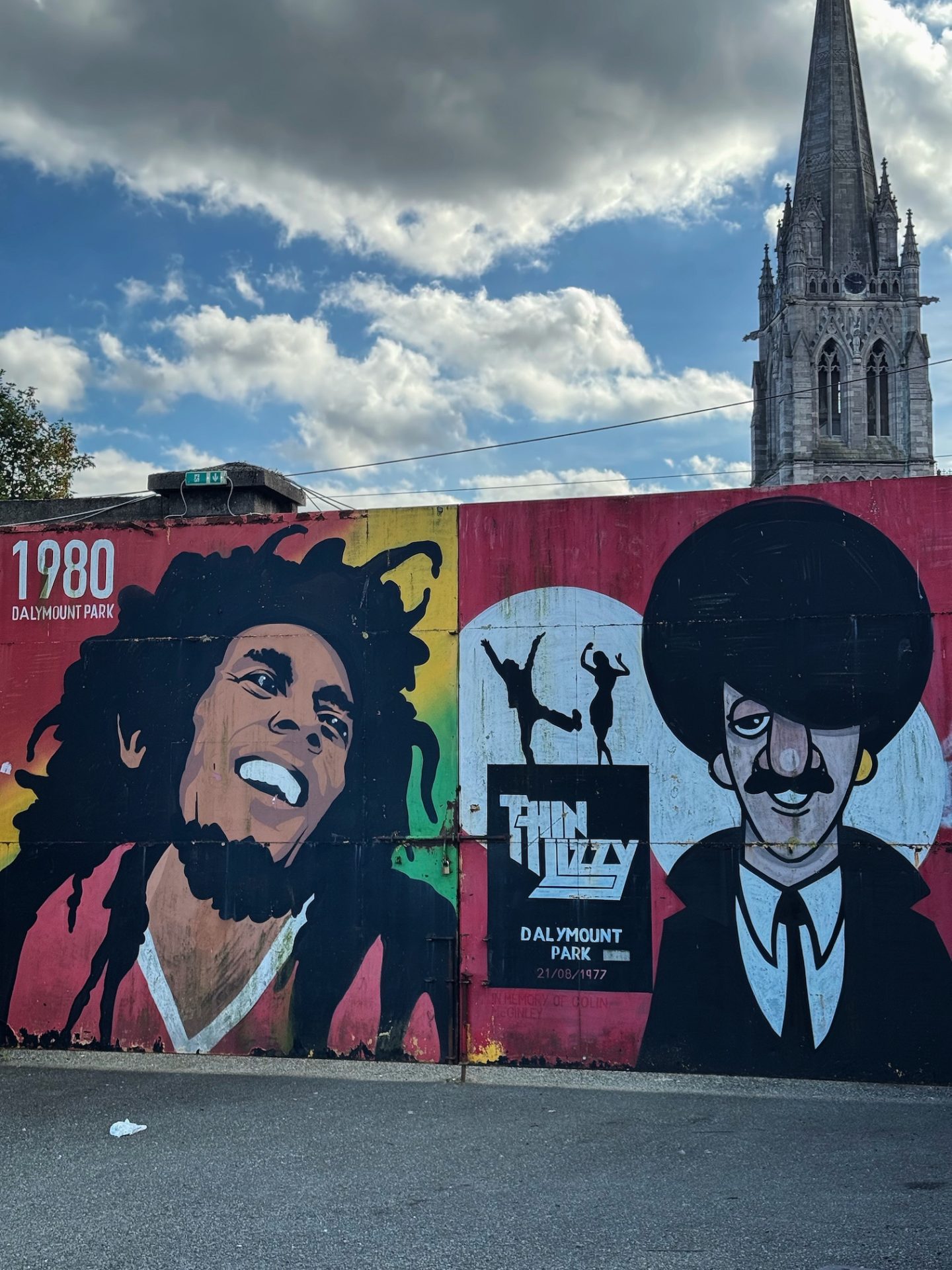
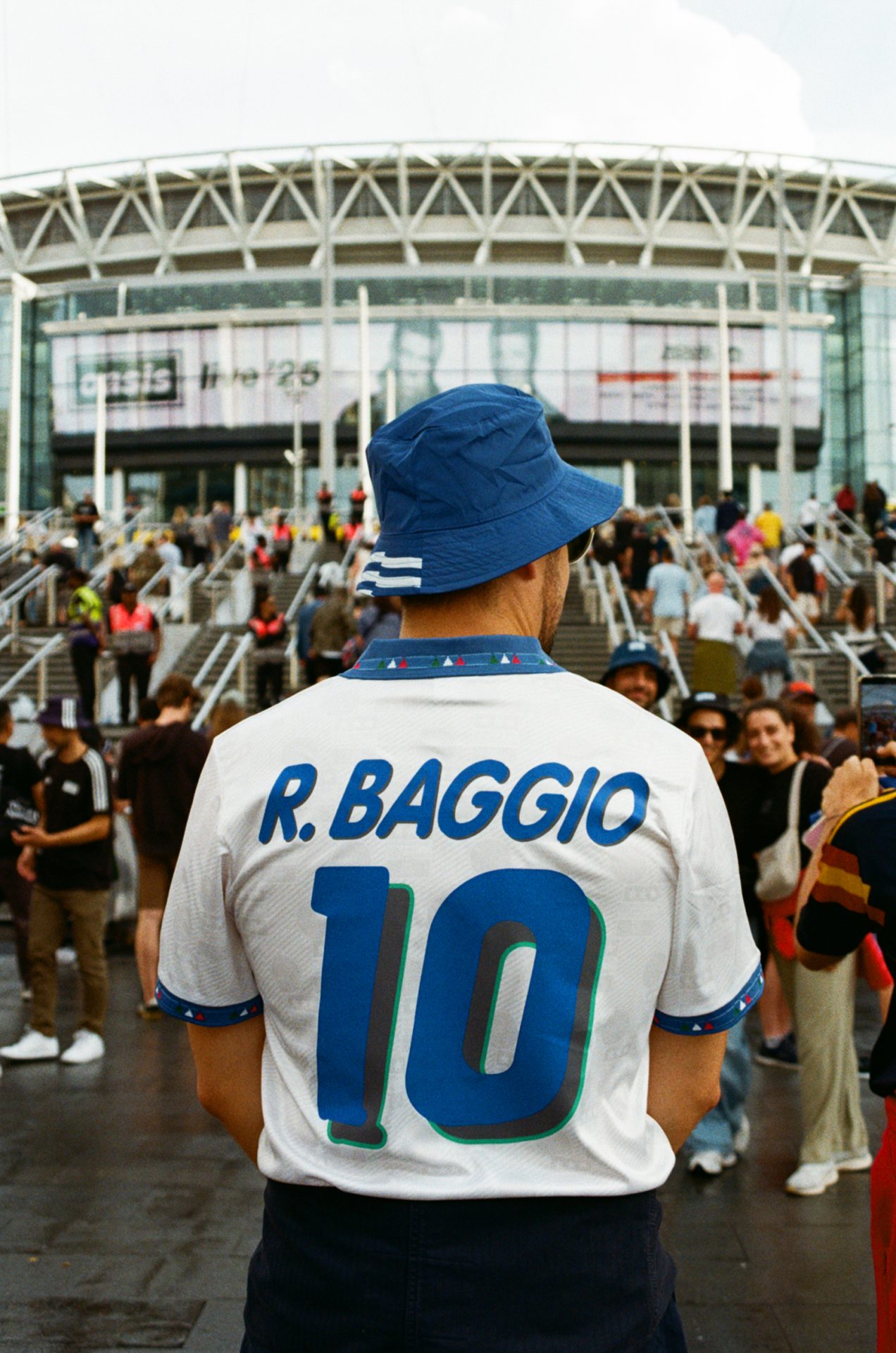
Today, the connection remains, even if the delivery has changed. Streaming replaces mixtapes, which in turn replaced vinyl and so on, but the function is the same – building atmosphere, marking identity, setting emotional tone. Football is still experienced through sound as much as sight.
For photographers documenting football culture, this matters. A still image cannot record audio, but it can suggest it. Open mouths mid-chant, speakers in windows, pub interiors, train journeys, arms linked in rhythm. These visual cues carry the presence of music, even in silence.

Lower Block treats football as culture in full context – image, place, style, and sound implied within the frame. The game does not exist in isolation; it sits inside a wider world of youth expression and collective experience. Music is part of that language, shaping how football feels as much as how it looks.
Lower Block works with photographers, brands, galleries, and cultural institutions to document football culture with integrity. For consultancy, archive research, or collaborative editorial projects, read more abut our services and how to get in touch.
Related Lower Block Editions


You may also enjoy…