Properly documenting and curating British football culture and its rich subcultures is vital to preserving the stories, moments, and identities that have shaped generations of fans and communities. In an age where memories risk being lost in the endless scroll of digital content, capturing the essence of matchday rituals, terrace fashion, grassroots movements, and iconic atmospheres becomes more important than ever.
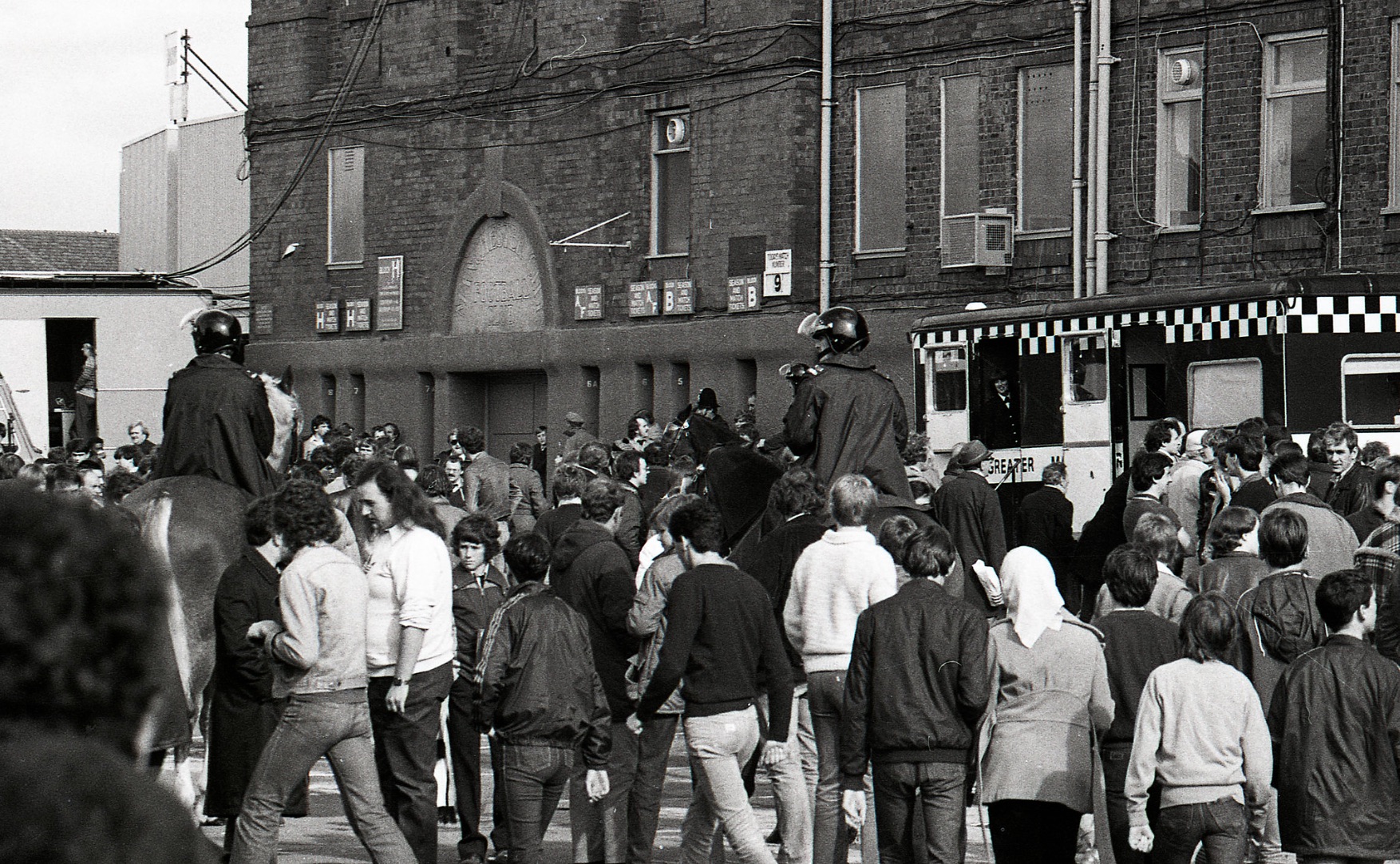
Football in Britain is more than just a game. It’s a living, breathing social force – one that has long served as a cultural compass for working-class expression, urban identity, and collective memory. The terraces are not just places of spectatorship, but theatres of style, defiance, and community. They are where songs are sung, friendships are forged, and generations are raised.
The Role of Photography in Cultural Preservation
Photography plays a critical role in ensuring that football’s cultural richness is not lost to time. Unlike fleeting social media snippets, strong, intentional photography freezes moments with depth and context. It doesn’t just show what happened – it shows how it felt.
Whether it’s the close-up of a fan’s clenched fist mid-chant, the saturated colours of 90s football kits in the stands, or the raw emotion in the face of a grassroots coach on a muddy touchline, these images become cultural artefacts. They’re evidence of how football permeates every layer of British life – from inner-city pitches to Wembley nights.
Authentic photography, in particular, is key. It resists the temptation to stage or sanitise. Instead, it embraces the imperfect, the unfiltered, and the honest. That’s what gives images their credibility. That’s what allows fans to see themselves reflected in the stories being told.
Why Authenticity Matters
In a world increasingly shaped by algorithms and aesthetics, authenticity is more than a buzzword—it’s a responsibility. Curating football culture means resisting the urge to romanticise or over-polish. It means documenting real people in real places, capturing the atmosphere in its rawest form: the smells, the weather, the tension, the unity.
Lower Block’s authority on British football culture is grounded in this ethos. By working with photographers who are part of the communities they document, or who approach their subjects with deep respect and insight, Lower Block is able to present football not as fantasy, but as lived experience.
This is how trust is earned. This is how archives become meaningful.
Crossovers with Fashion and Music
British football culture doesn’t exist in a vacuum. It’s long been entangled with other subcultures – particularly fashion and music.
The terrace casuals of the late 70s and 80s helped birth a distinctive fashion movement, defined by designer sportswear, rare European labels, and a fiercely local pride in presentation. That sartorial identity has since evolved, influencing global streetwear and finding new life in contemporary fashion houses. Brands that were once smuggled back from European away days now walk the runways.
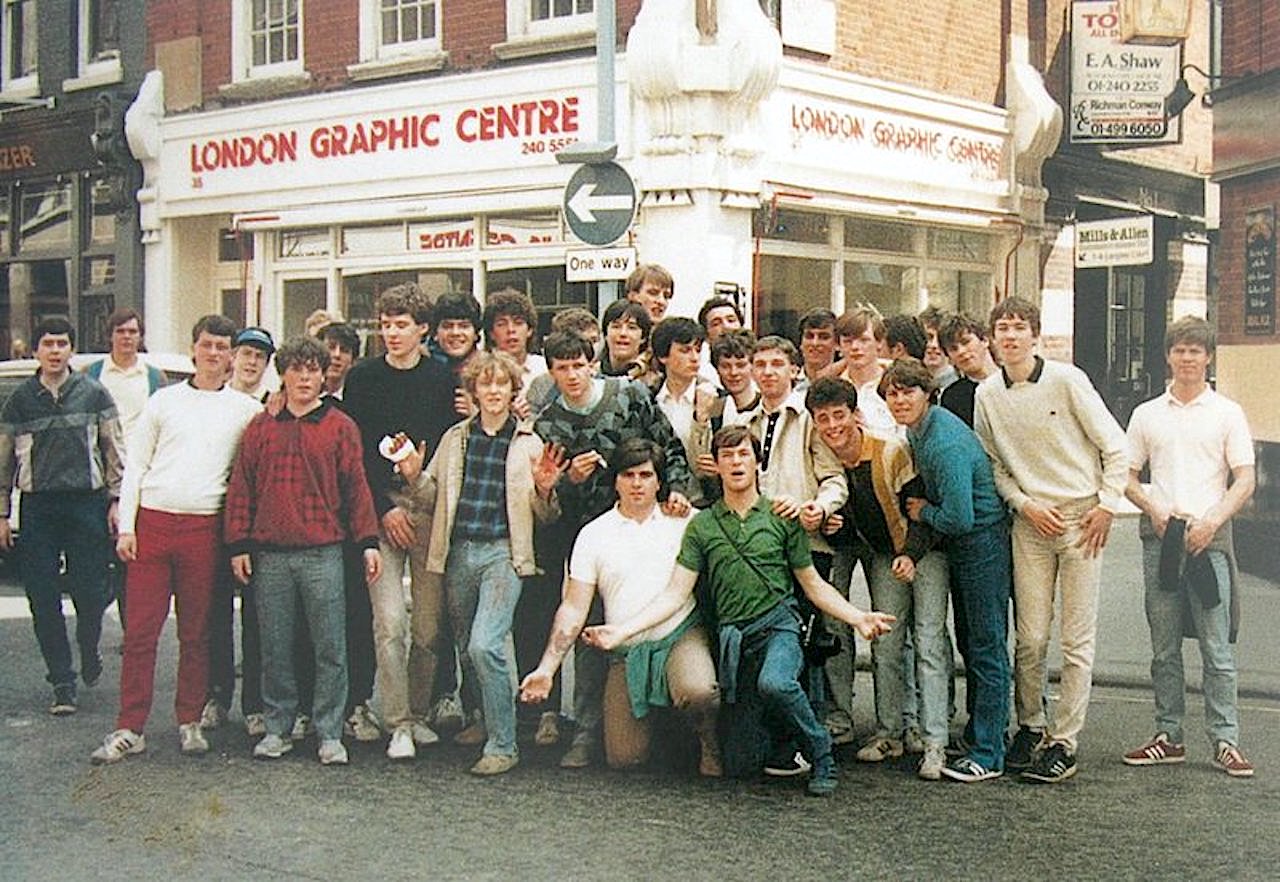
Similarly, music—from punk to grime—has always had a symbiotic relationship with football. Stadium chants mirror local anthems. Footballers influence music culture, and vice versa. The sounds of the terraces often echo the social and political rhythms of the time.
Documenting these intersections is essential to understanding the broader ecosystem of football culture.
Lower Block’s Mission
Lower Block partly exists to elevate these stories – to frame the mundane as meaningful, and the local as legendary. It’s not just about nostalgia; it’s about recognition. About giving football fans and communities the respect of being seen and remembered.
By creating a platform dedicated to curating powerful visual narratives, Lower Block is building an archive not just of images, but of identity. Every image published, every story shared, becomes a thread in a larger cultural tapestry.
In doing so, Lower Block helps ensure that British football culture remains visible, valued, and understood – not just by the current generation, but by the next.
-
 Elm Park 1996 | Tony Davis£8.50
 -
 Going to the Match | Richard Davis£8.50
 -
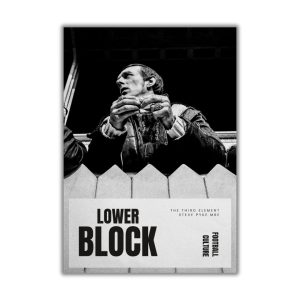 The Third Element | Steve Pyke£8.50
 -
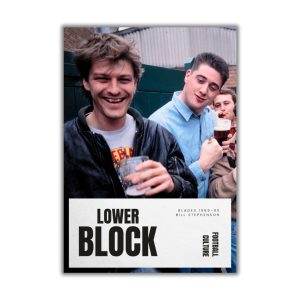 Blades 1989-90 | Bill Stephenson£8.50
 -
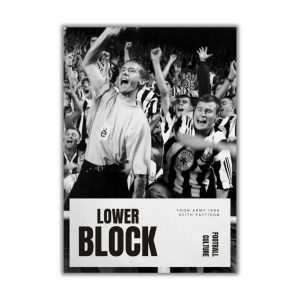 Toon Army 1996 | Keith Pattison£8.50
 -
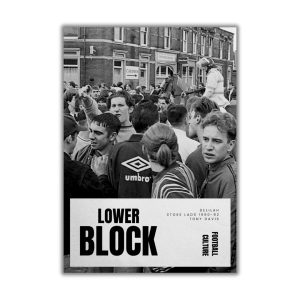 Delilah – Stoke Lads 1990-92 | Tony Davis£8.50
 -
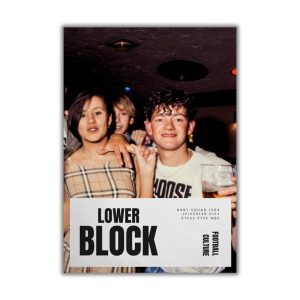 Baby Squad 1984 | Steve Pyke£8.50
 -
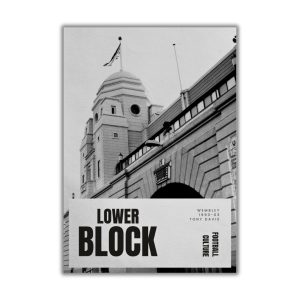 Wembley 1990-03 | Tony Davis£8.50
 -
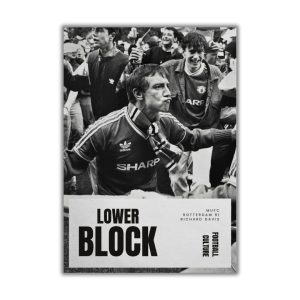 MUFC Rotterdam 91 | Richard Davis£8.50
You may also like…