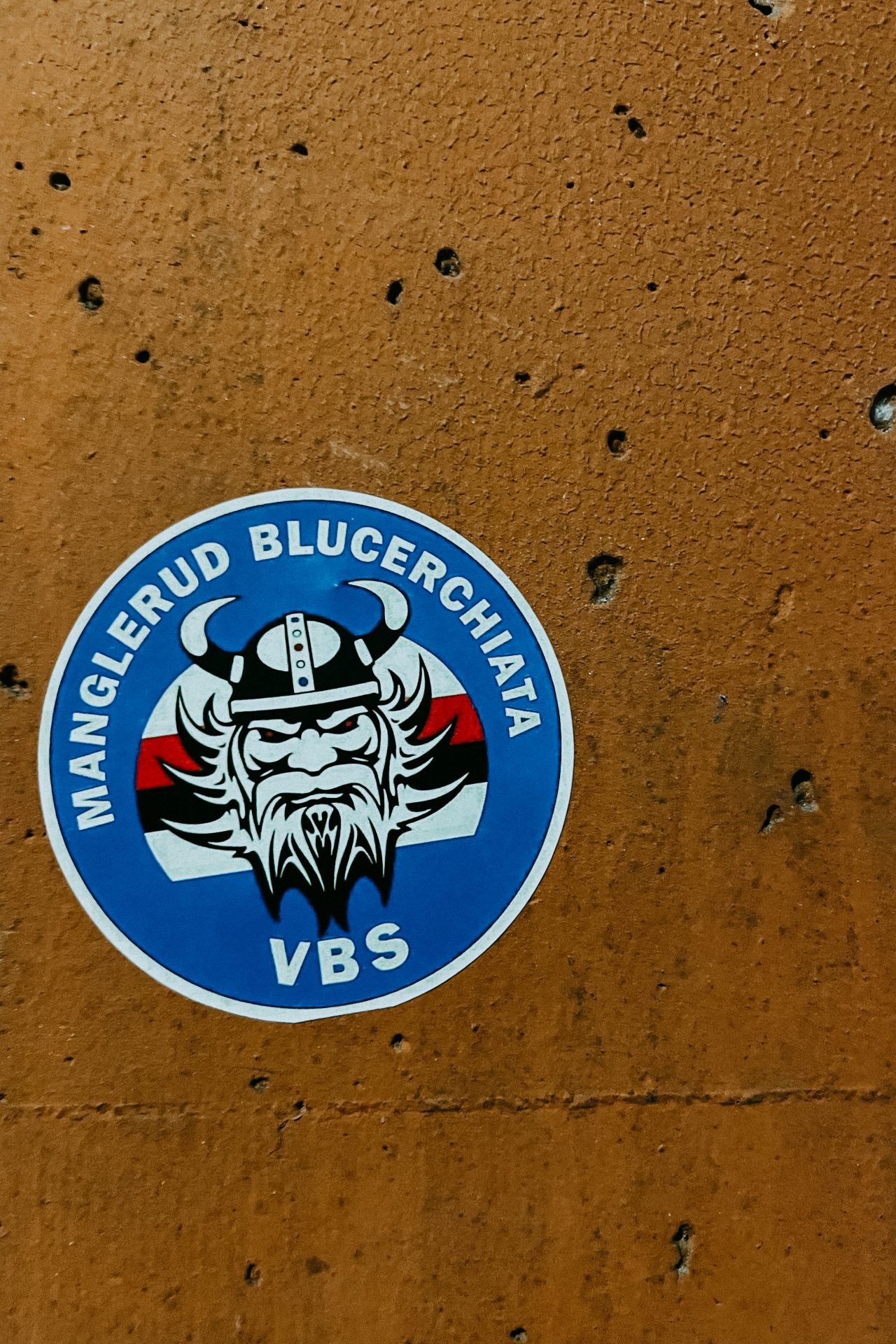
Italian photojournalist Imma Rhamely Borrelli specialises in documenting Italian football subculture and the lives that exist around it. Her work focuses on the terraces, the journeys, and the environments that shape supporter identity across Italy. In this dispatch from Genoa, Borrelli documents a city built around its port and a night at Marassi for Sampdoria v Bari – a match marked by a supporters’ twinning that has linked the two fanbases for the last two decades. What follows is a photographic and written record of the city, the curva, and the rituals that connect them.
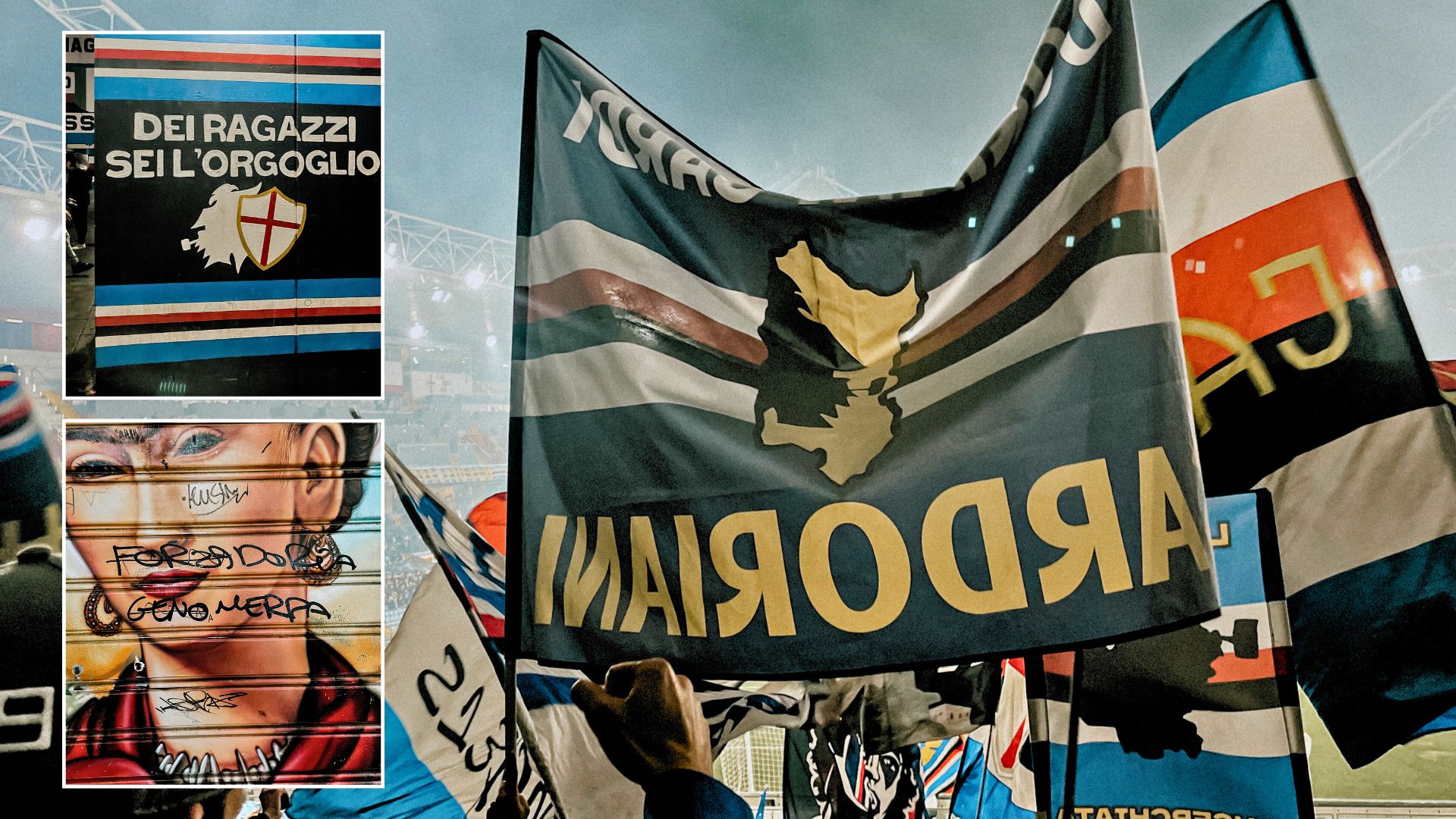
Sampdoria – Bari: Genova in twenty-Four Hours by Imma Rhamely Borrelli
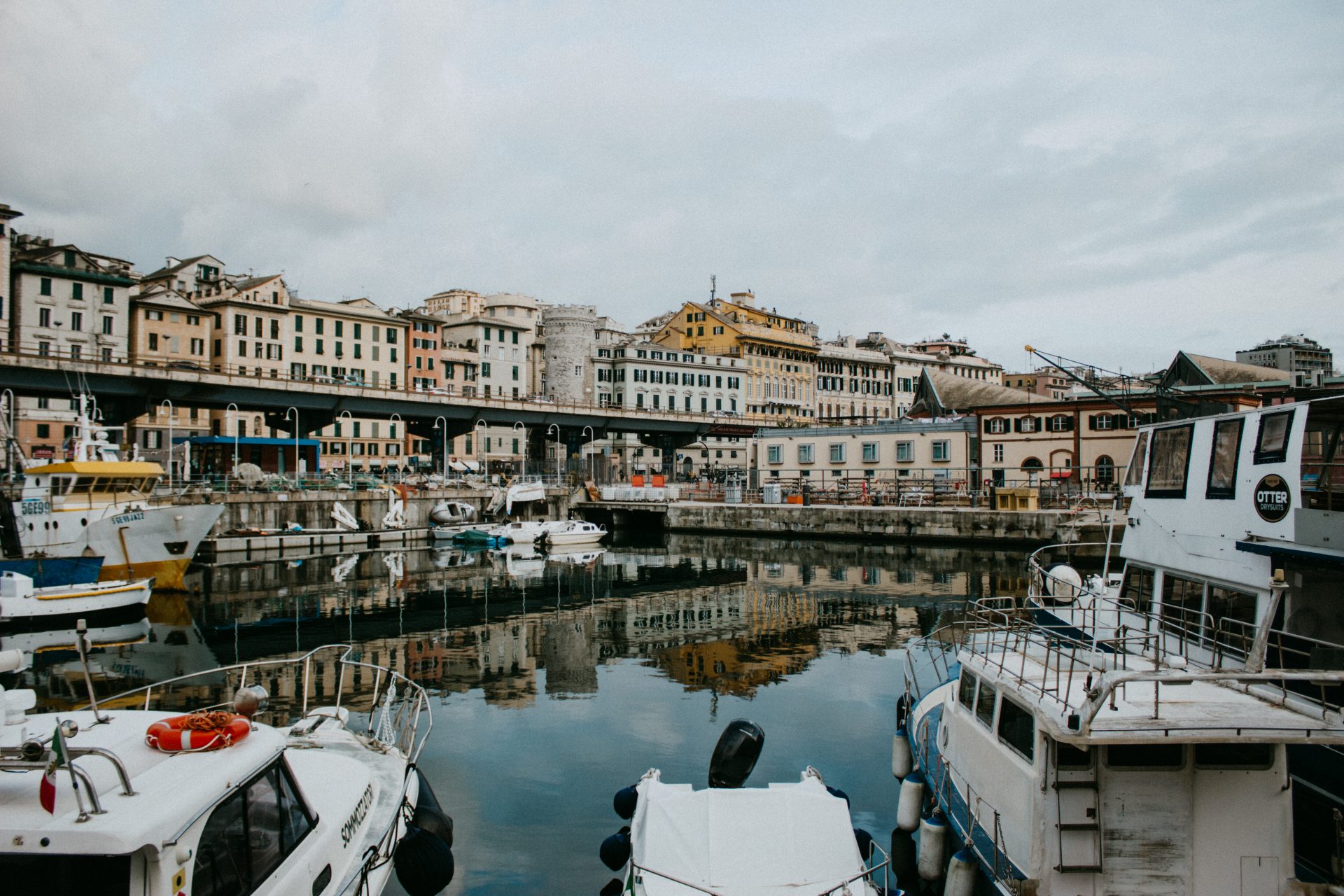
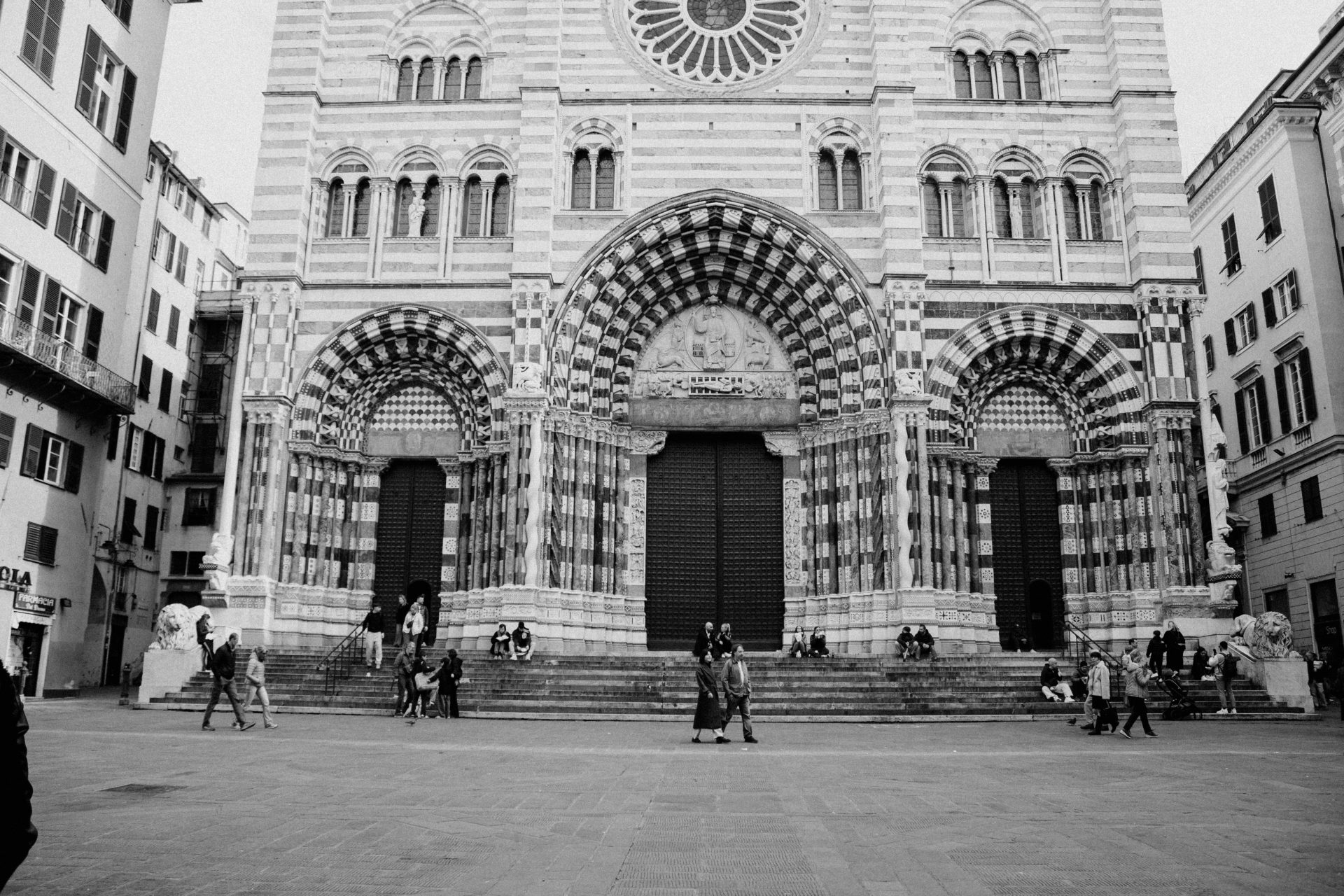
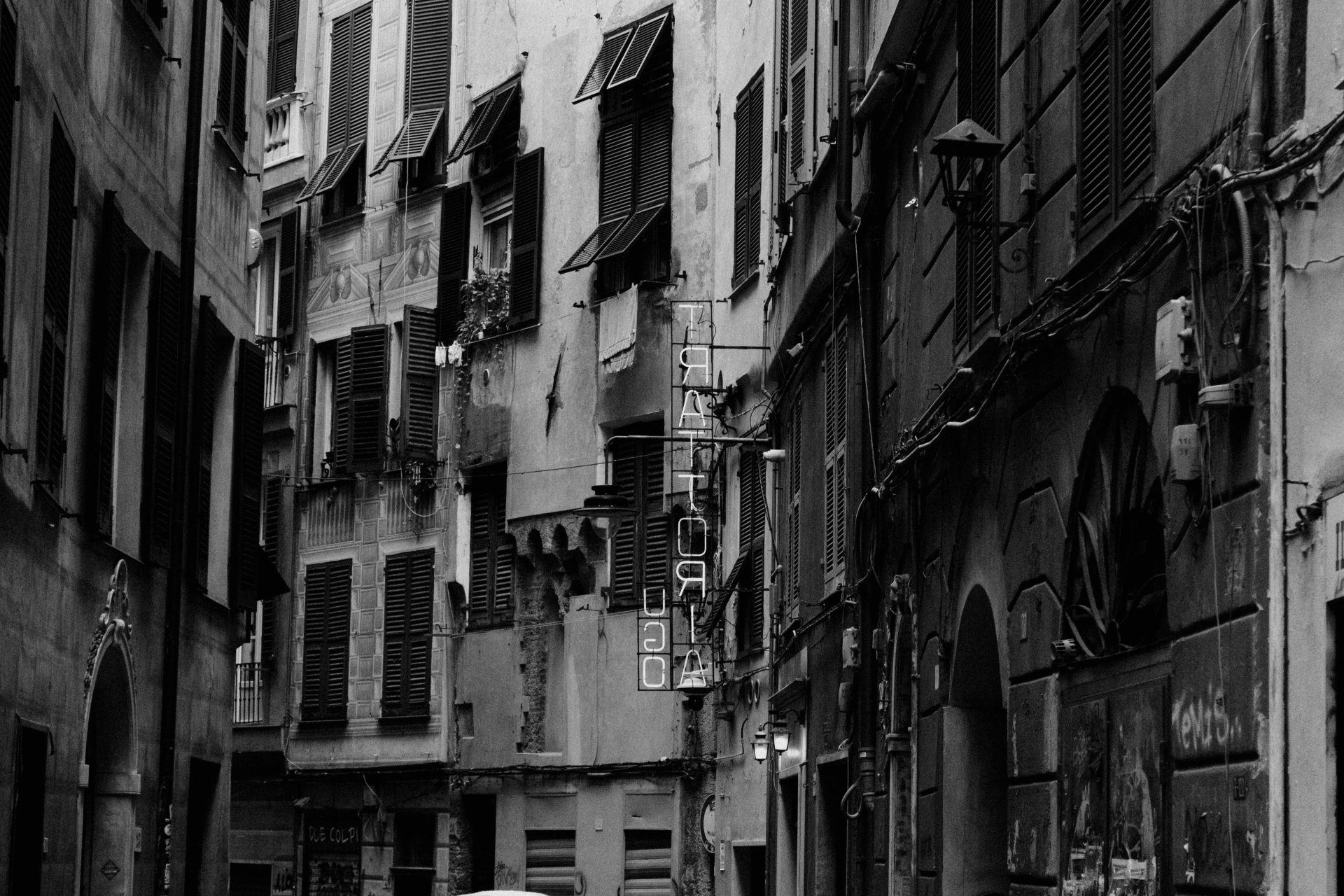
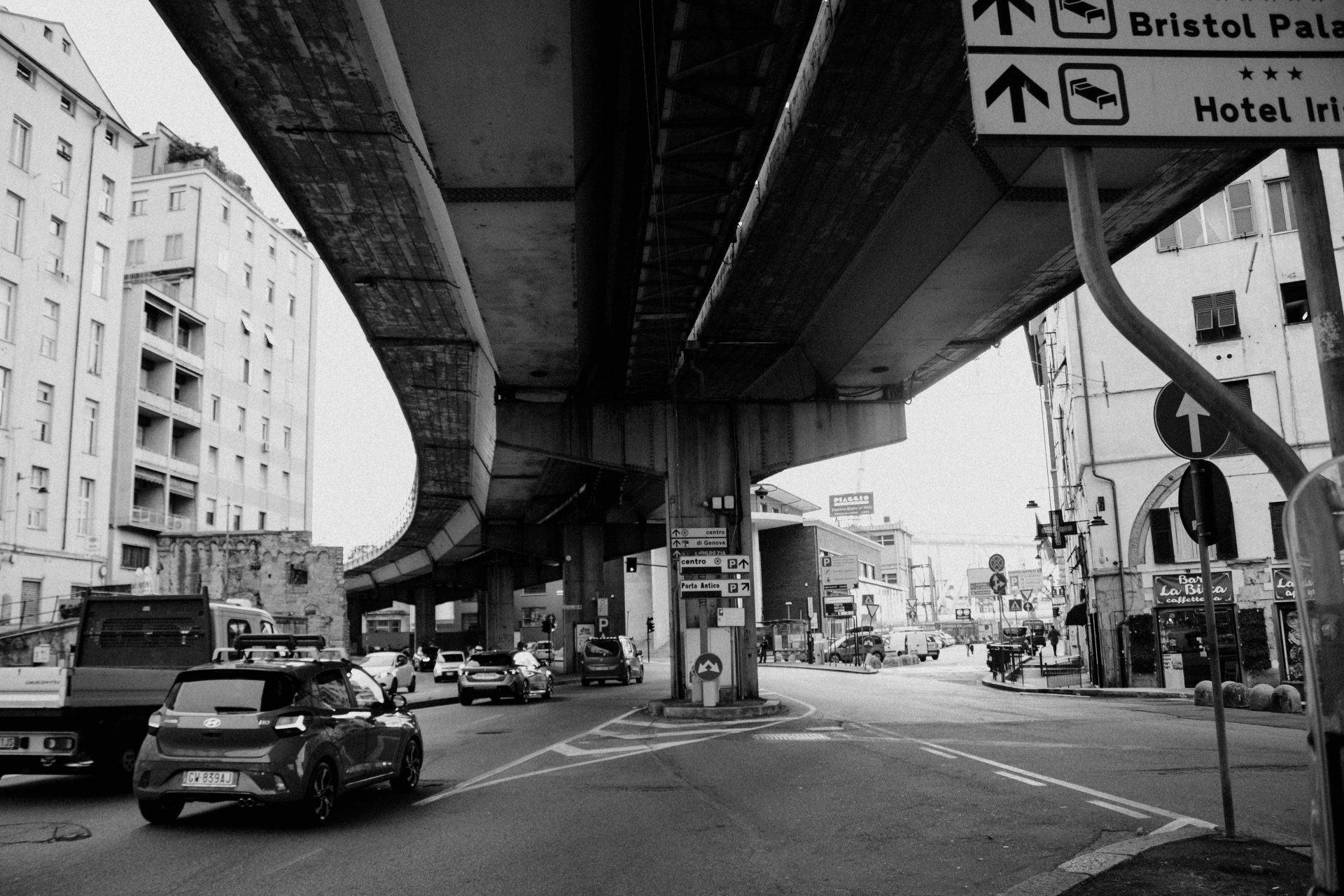
The sky is overcast. I arrive in Genoa after a bus journey that crossed Italy. The salty air of this port city immediately draws me toward the harbour. Cargo ships, boats, and then the aquarium – I walk toward my room along the road that separates the sea from the city centre. Above me, a bridge and the intertwining of a thousand lives heading toward their destinations. Cars, motorcycles, cyclists, and so many wanderers like me.
In a few hours, I’ll take part in the Sampdoria–Bari twinning, a tradition since 2006 – those indefinite dates that taste of history and friendship beyond time.
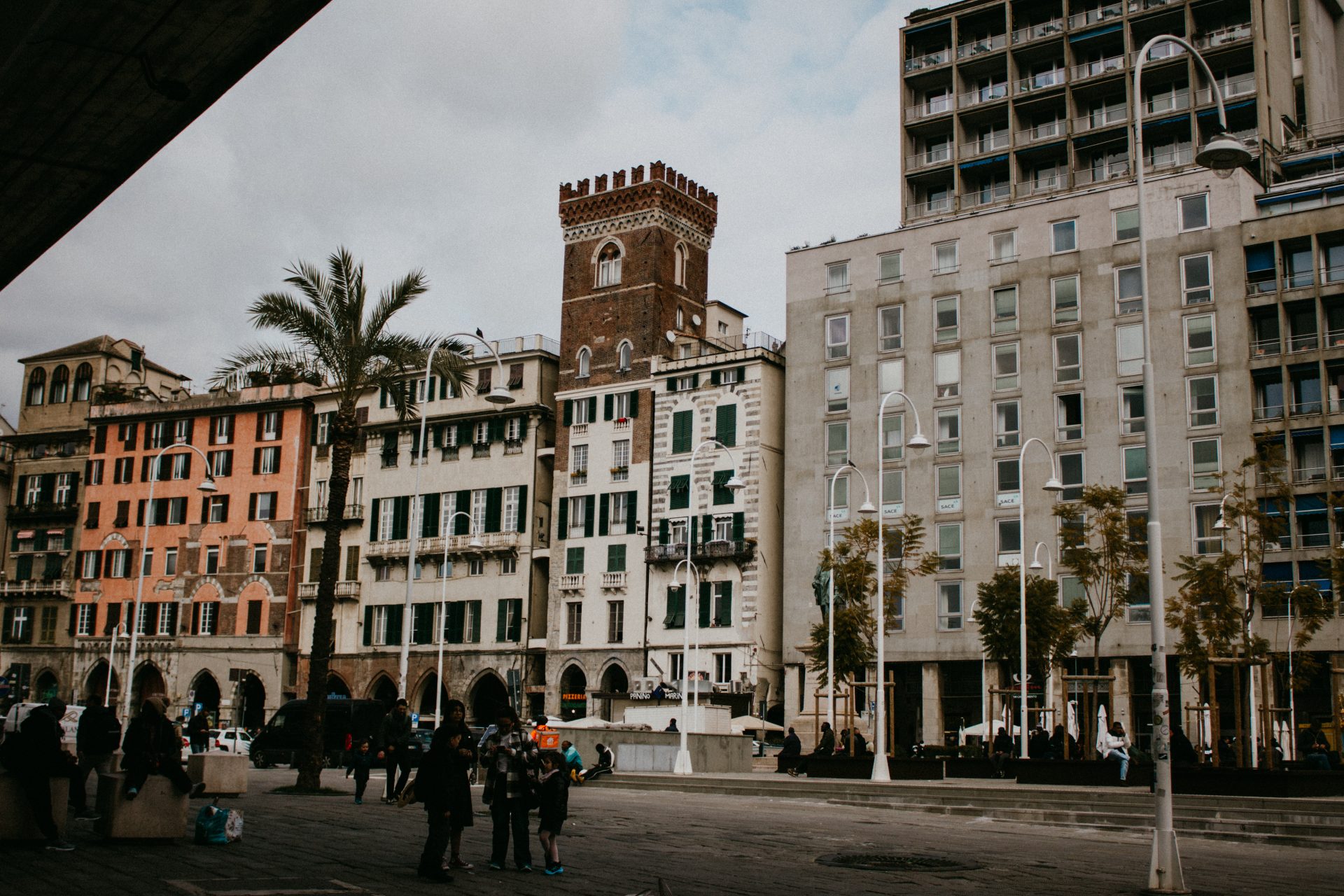
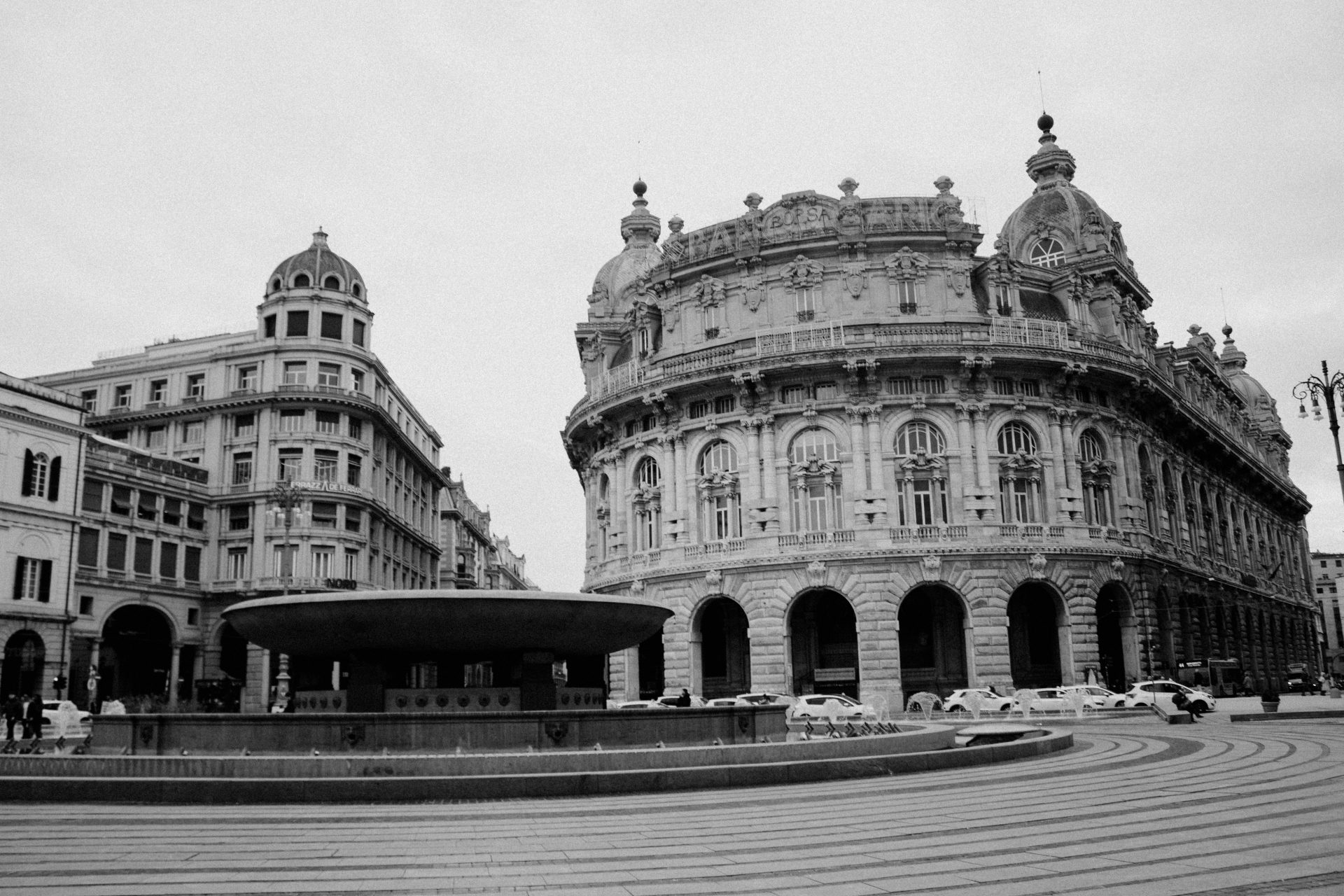
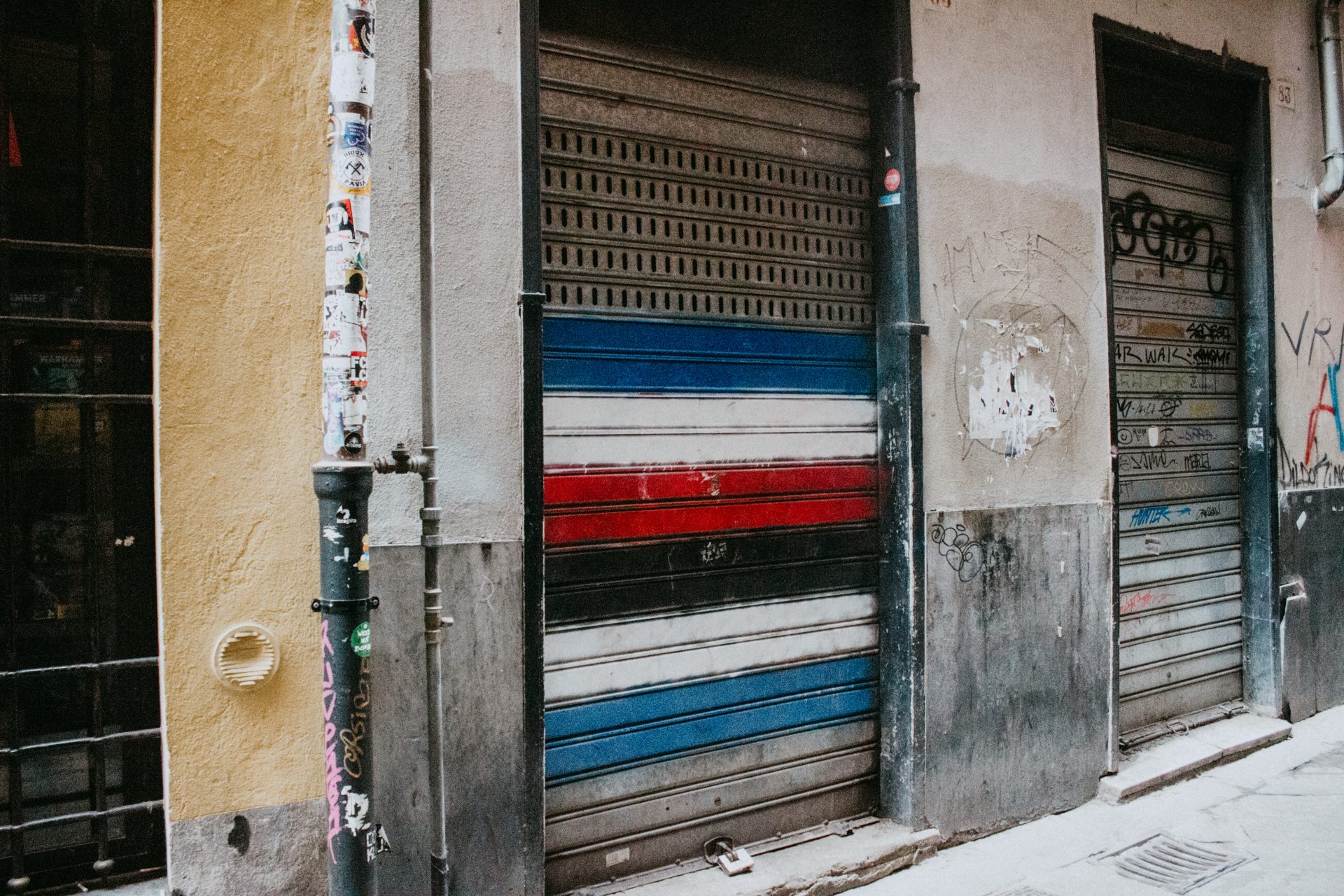
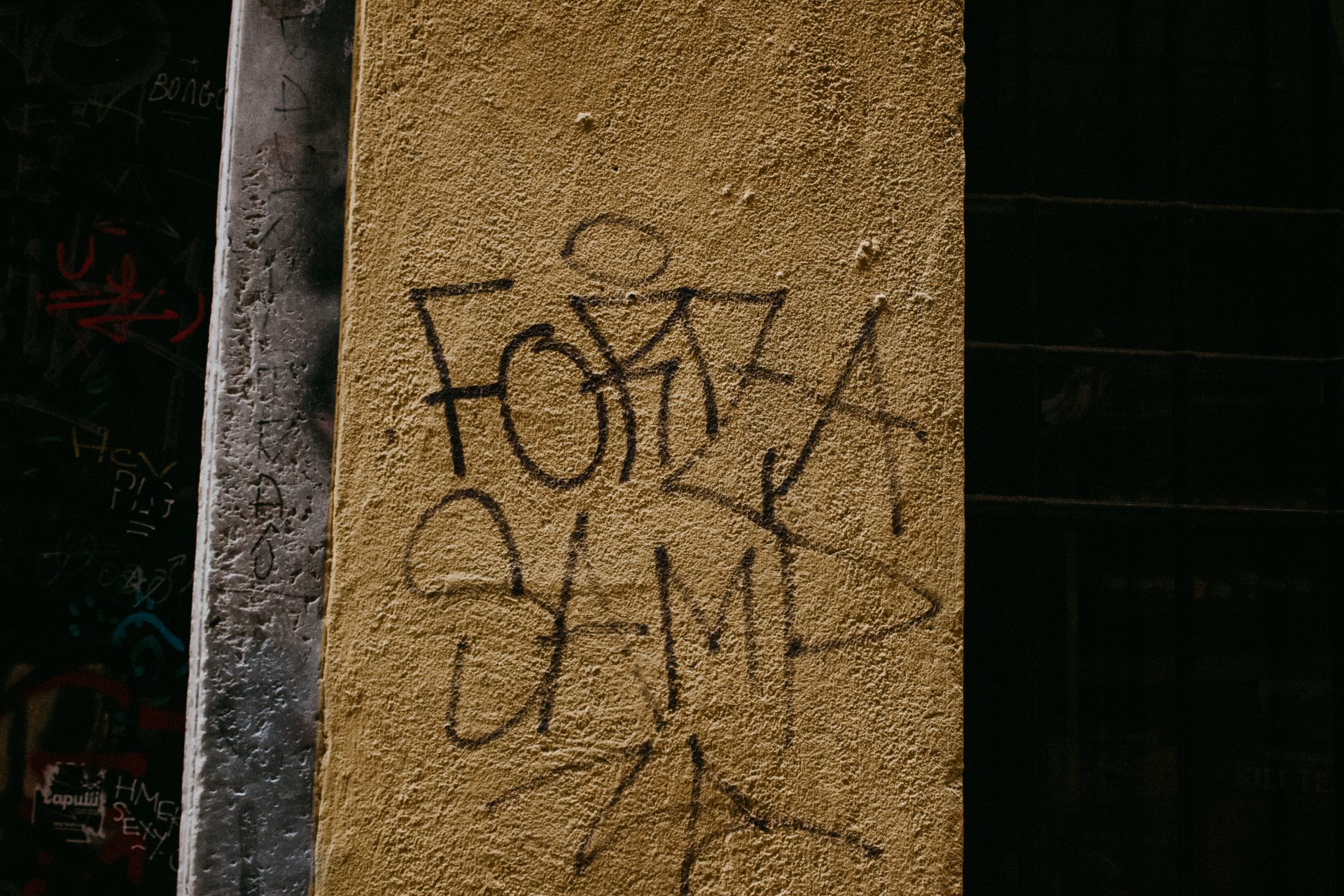
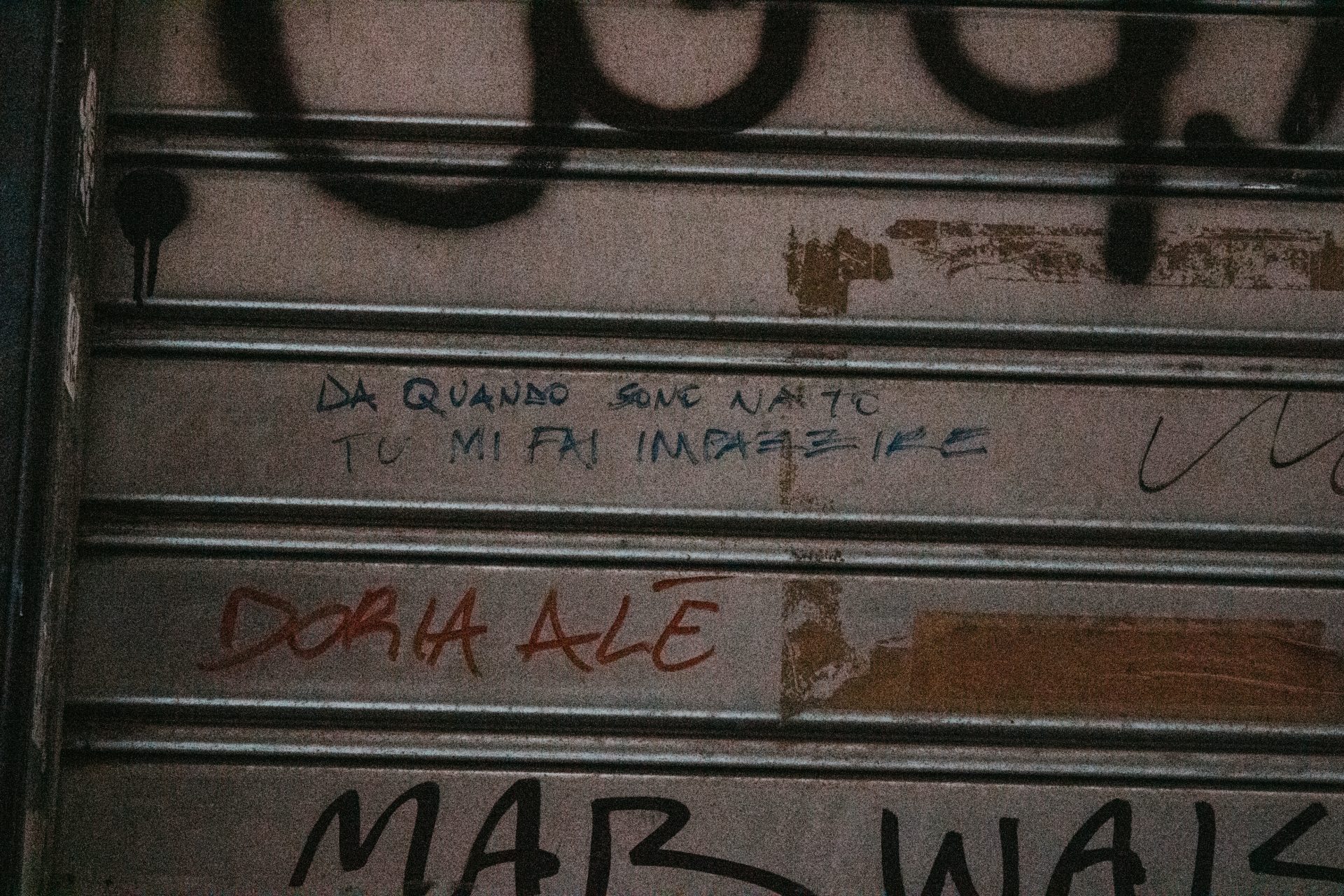
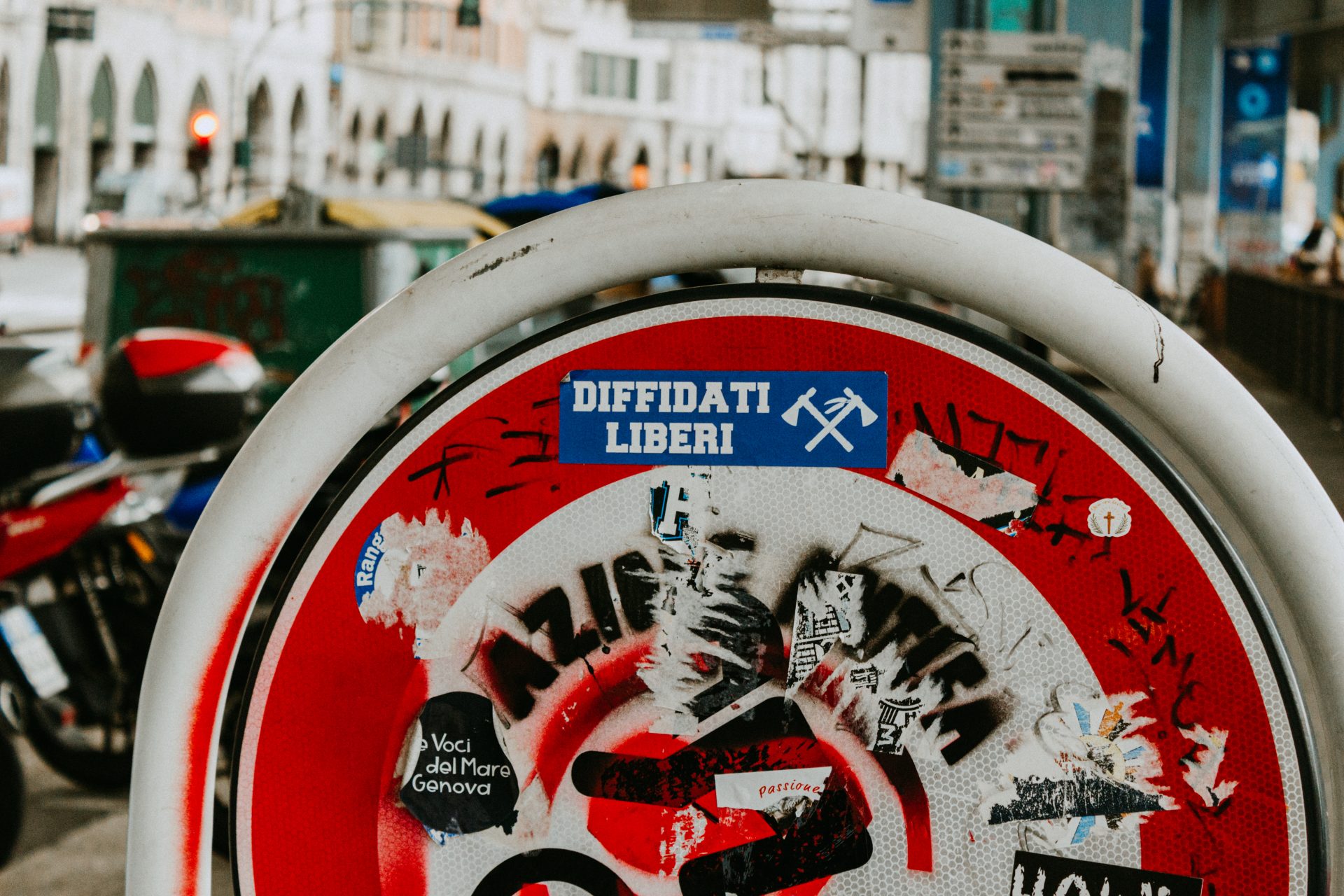
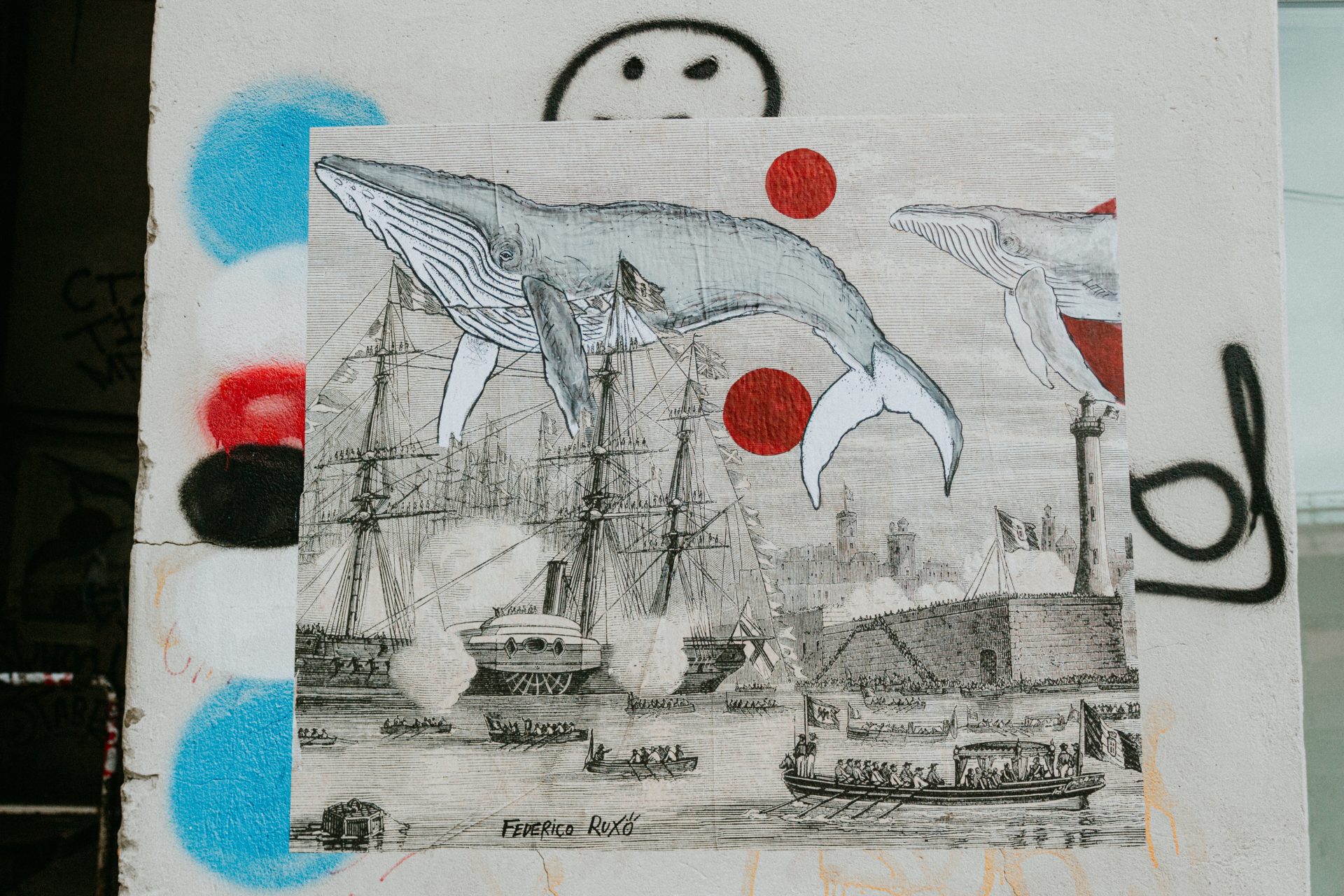
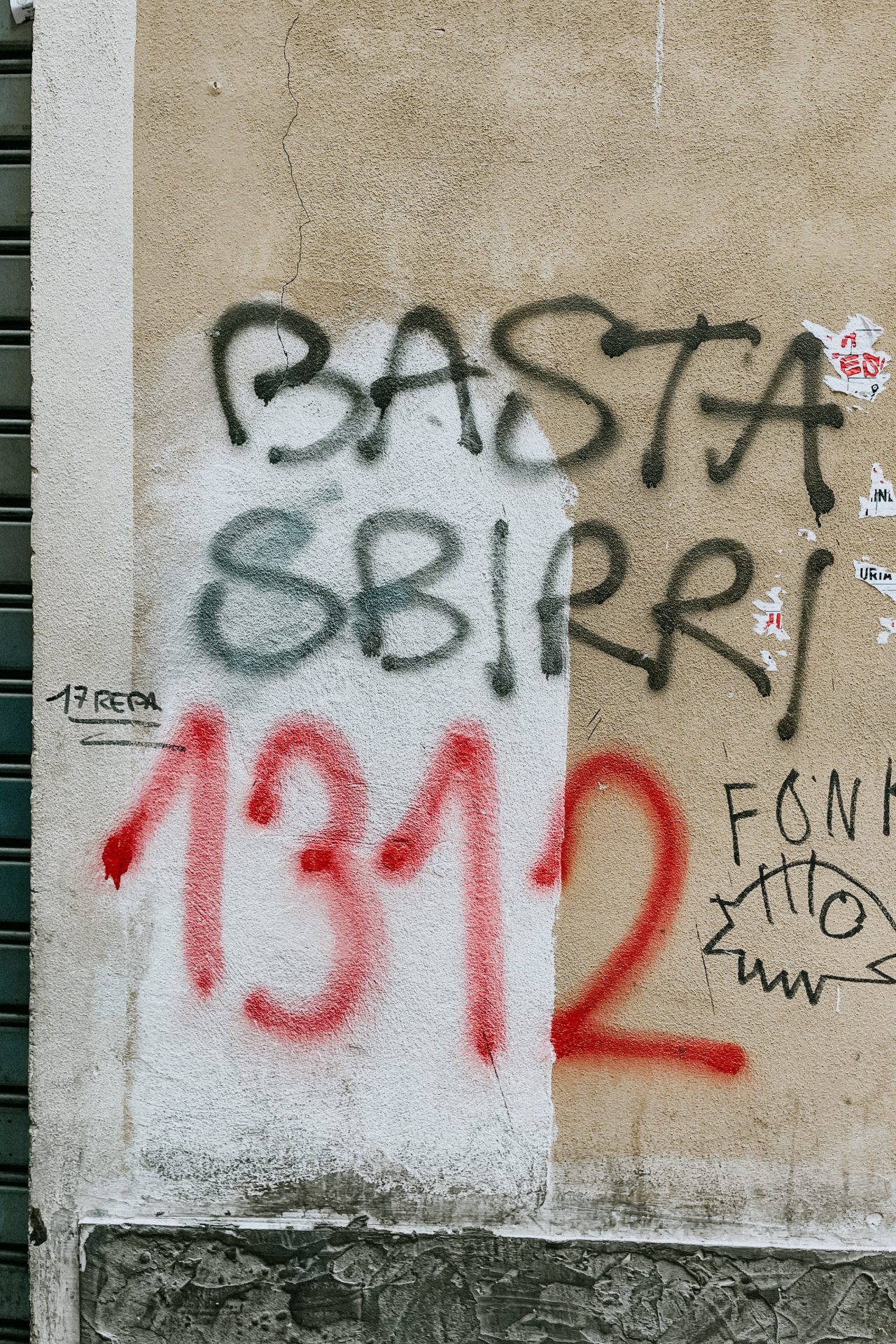
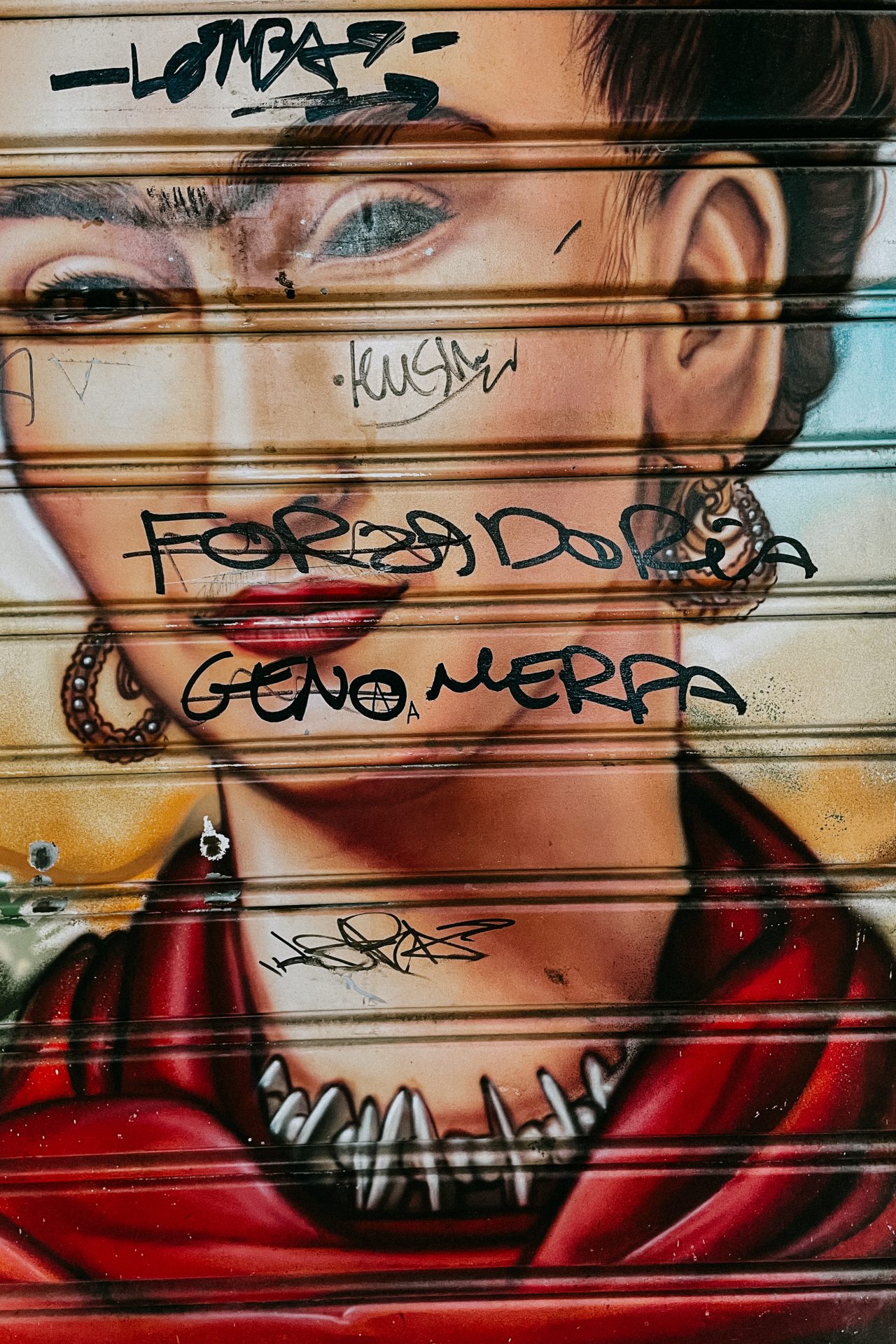
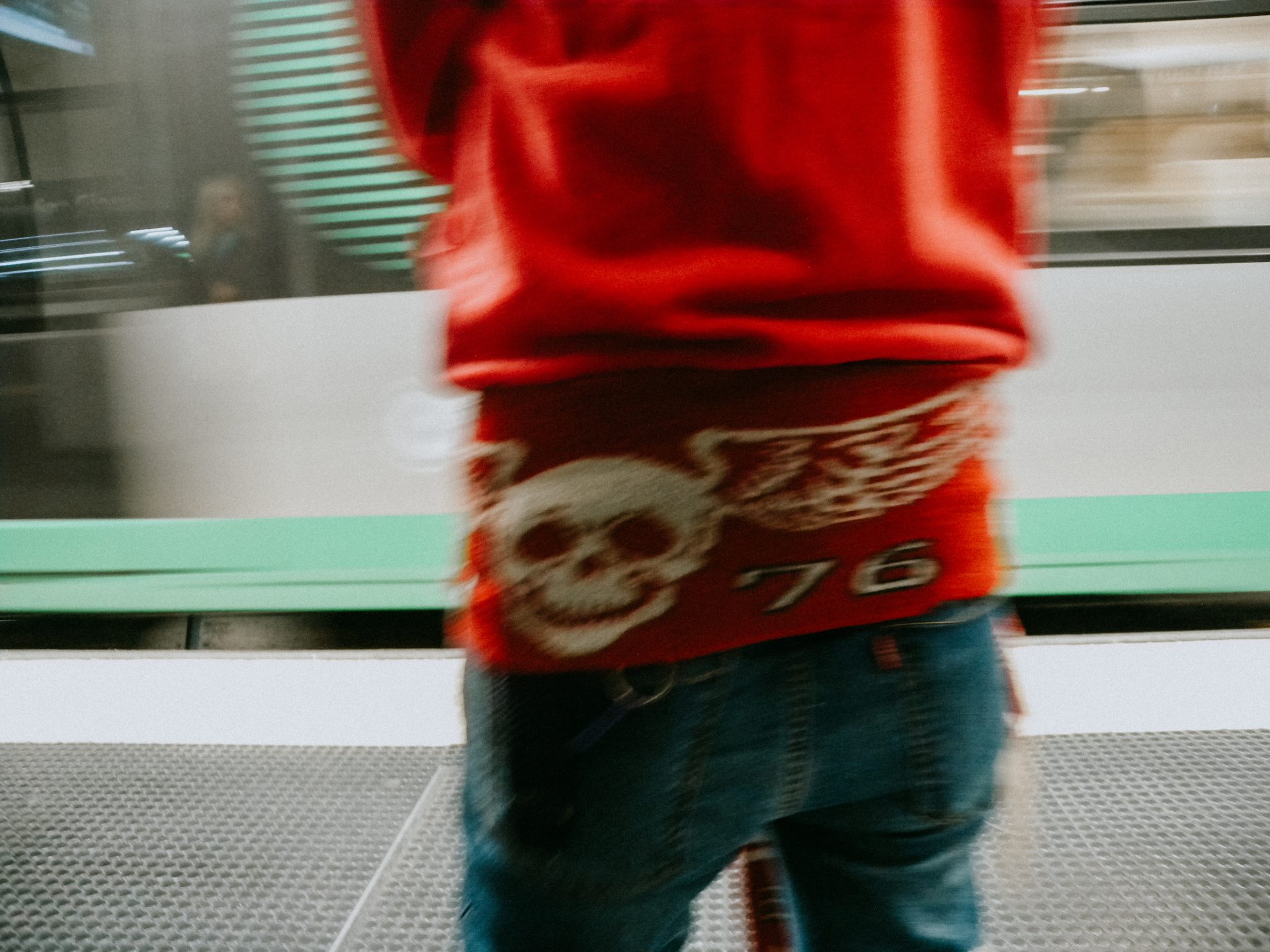
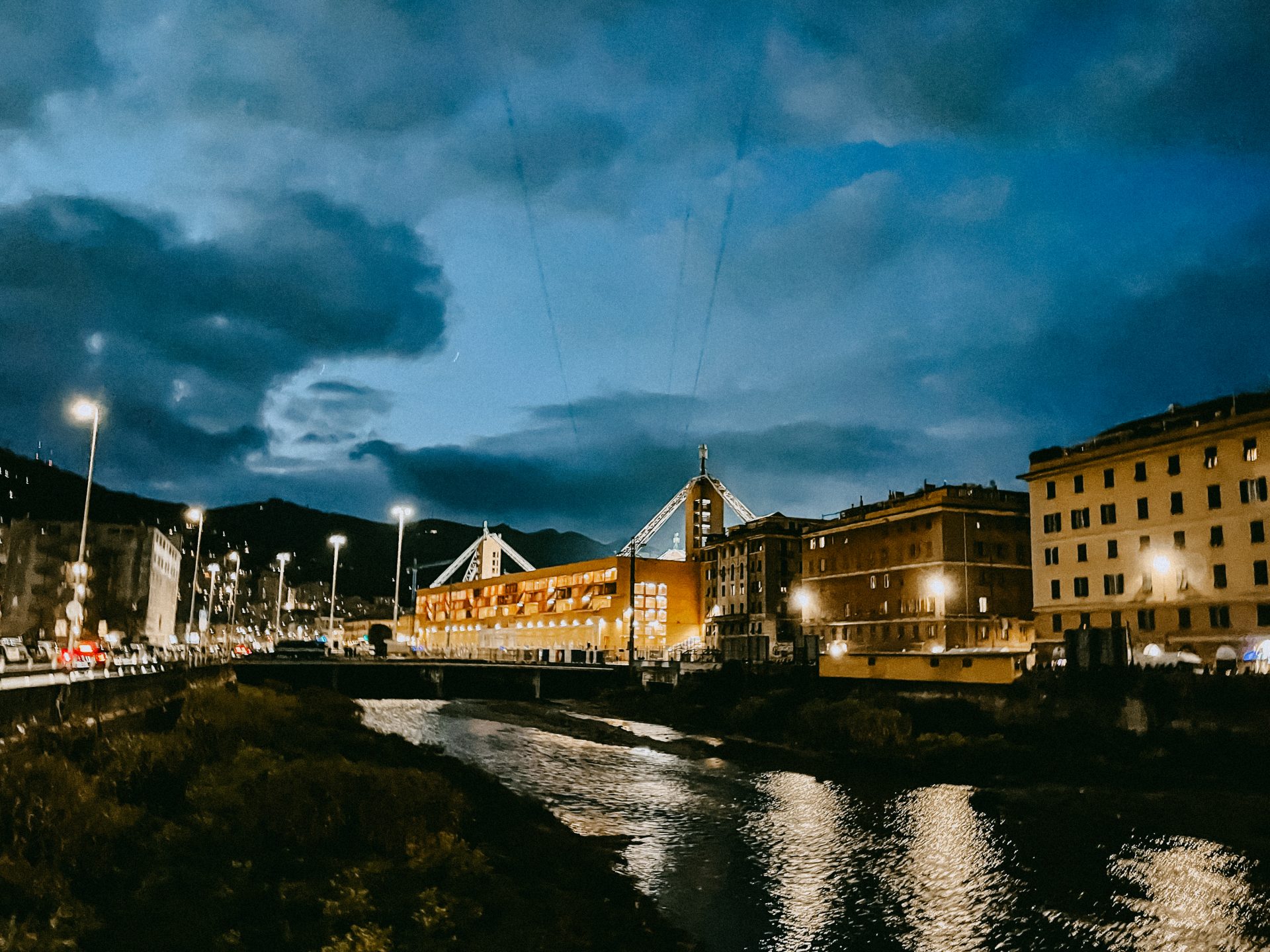
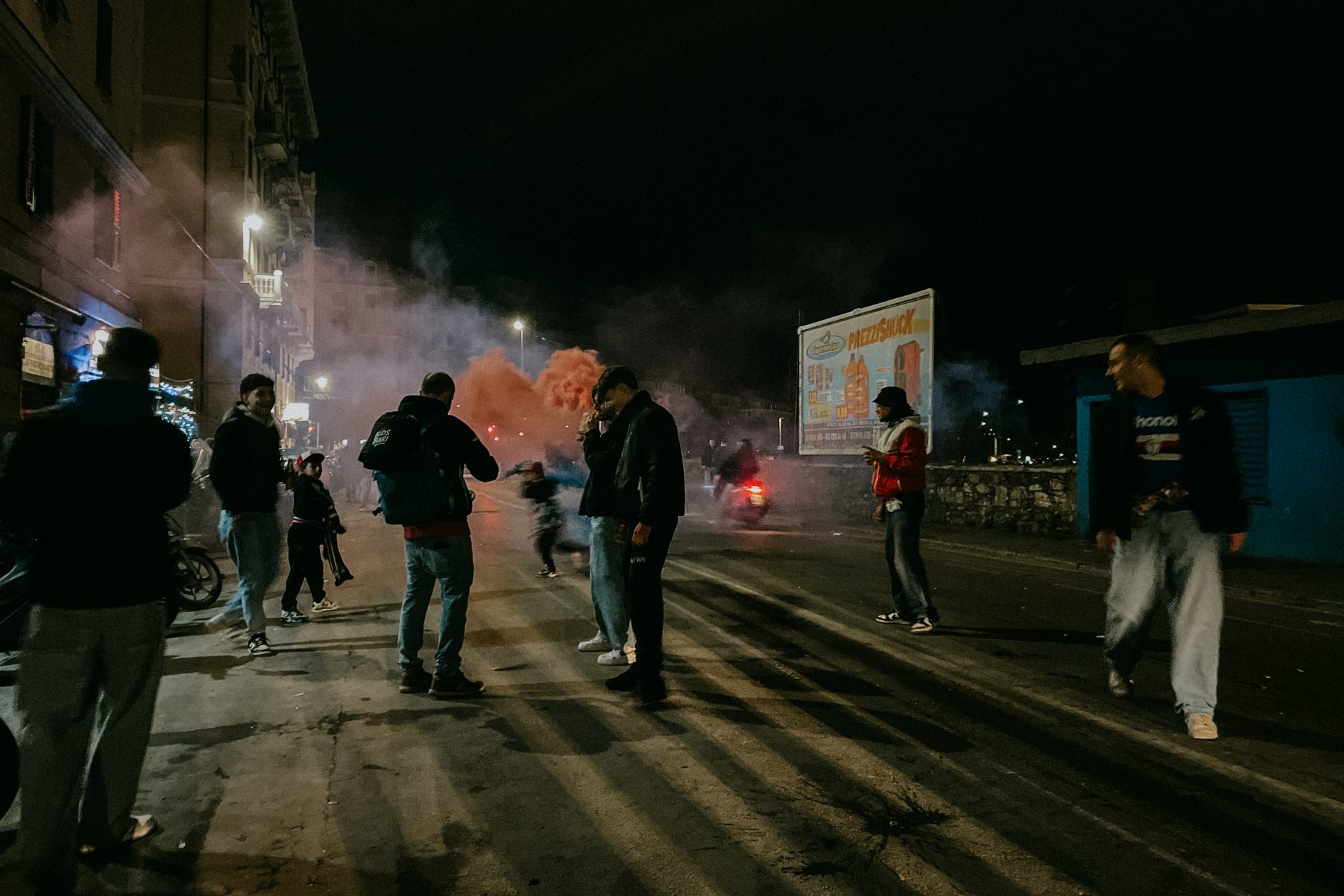
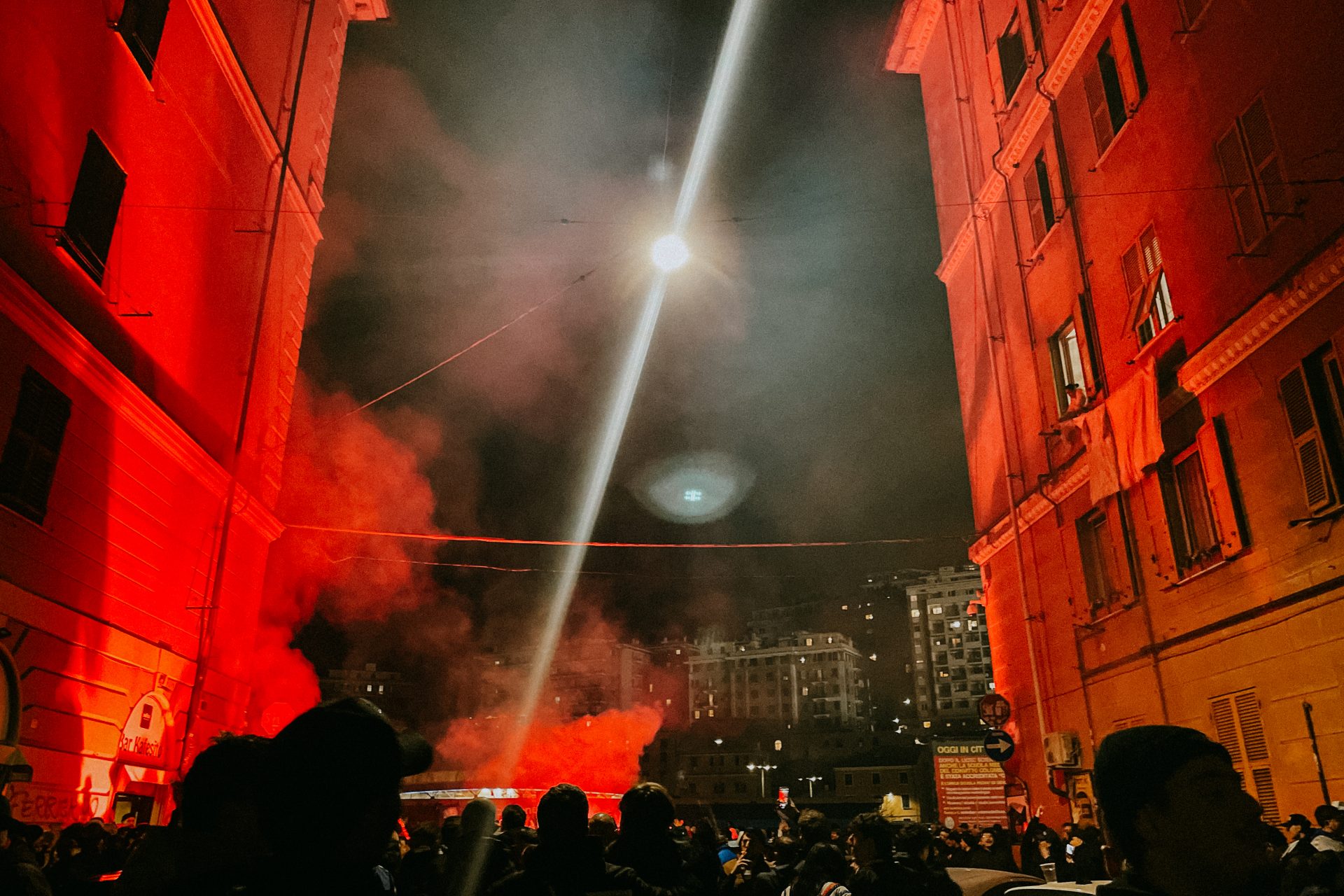
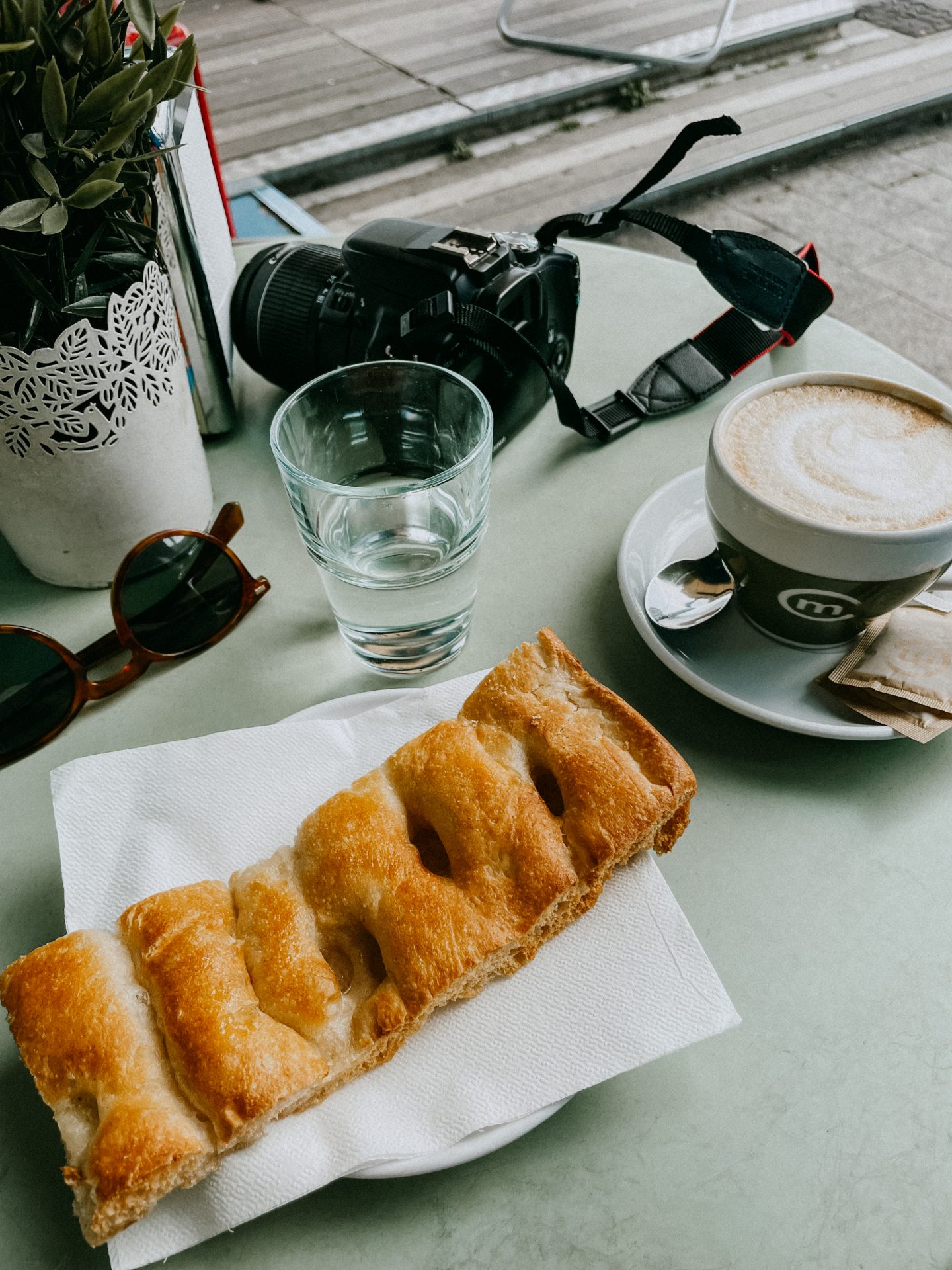
I take the metro to the stadium area. From afar, you can see the lit-up lights of the Marassi (the Stadio Luigi Ferraris, locally known as Marassi, the name of the district it’s located in), while on the streets, the torches of the fans. A festive chaos – people drink, pass around focaccia and cigarettes, trade scarves. Among glass bottles and never-empty plastic cups, they sing at the top of their lungs. It doesn’t matter if you’ve never met these people before – grab a beer and you’re in!
It’s hard to keep track of time once you’re in the crowd. Before you know it, it’s time to enter, and the throng pushes toward the gates. I step through the entrance to the South Stand… scarves are raised aloft for the club anthem, ‘Lettera da Amsterdam’ – a heartfelt song about enduring love that consumes the entire stadium before kick-off.
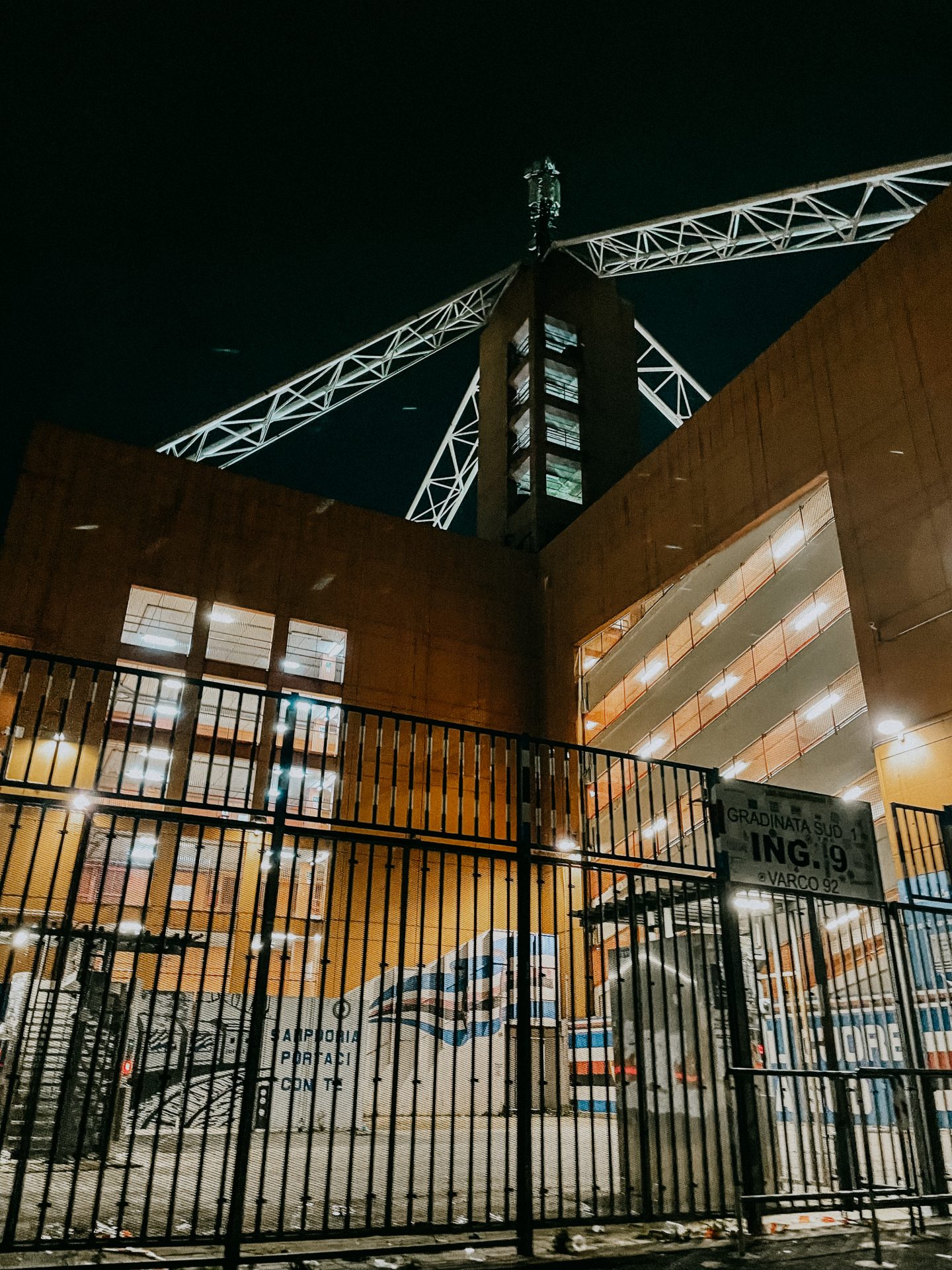
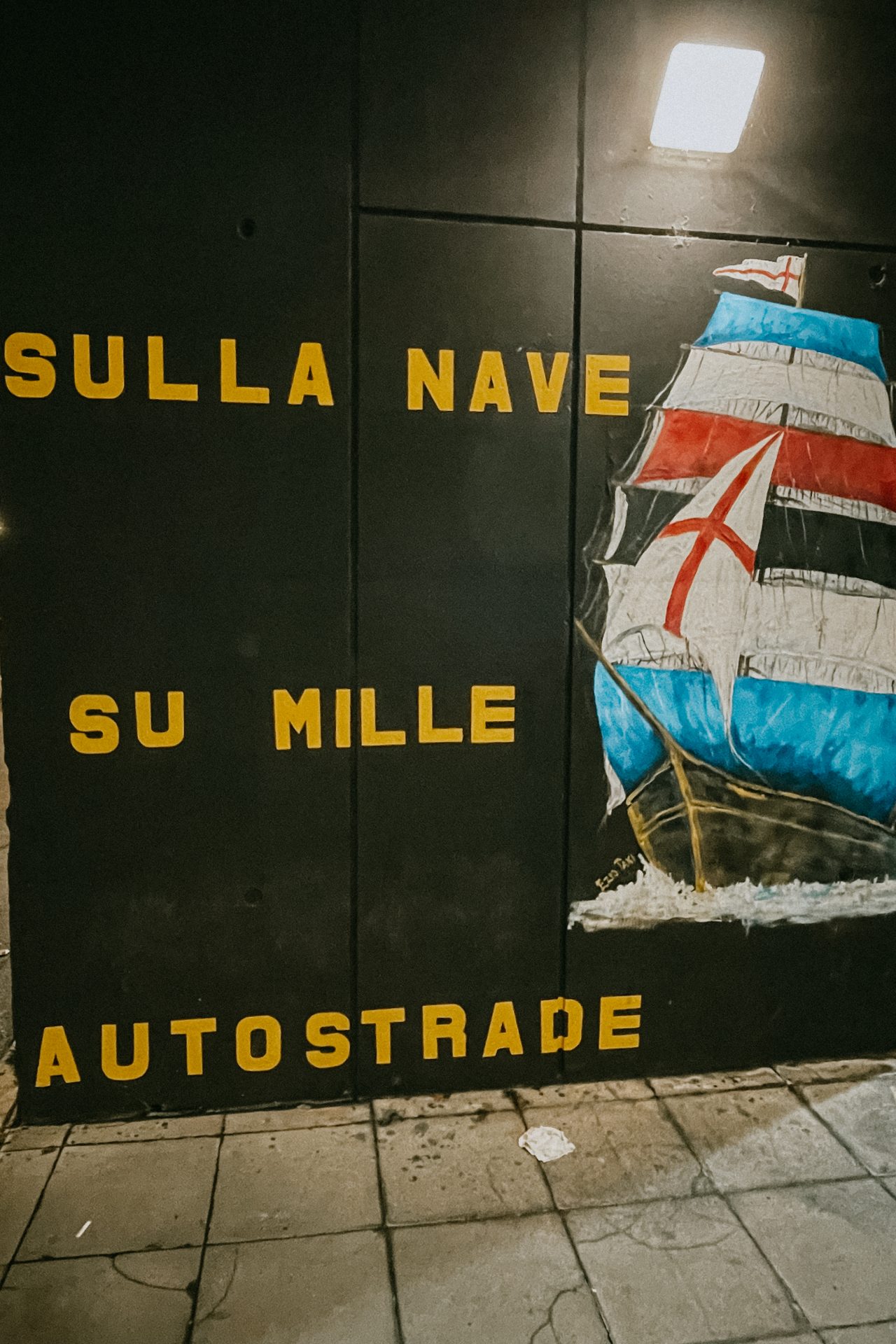
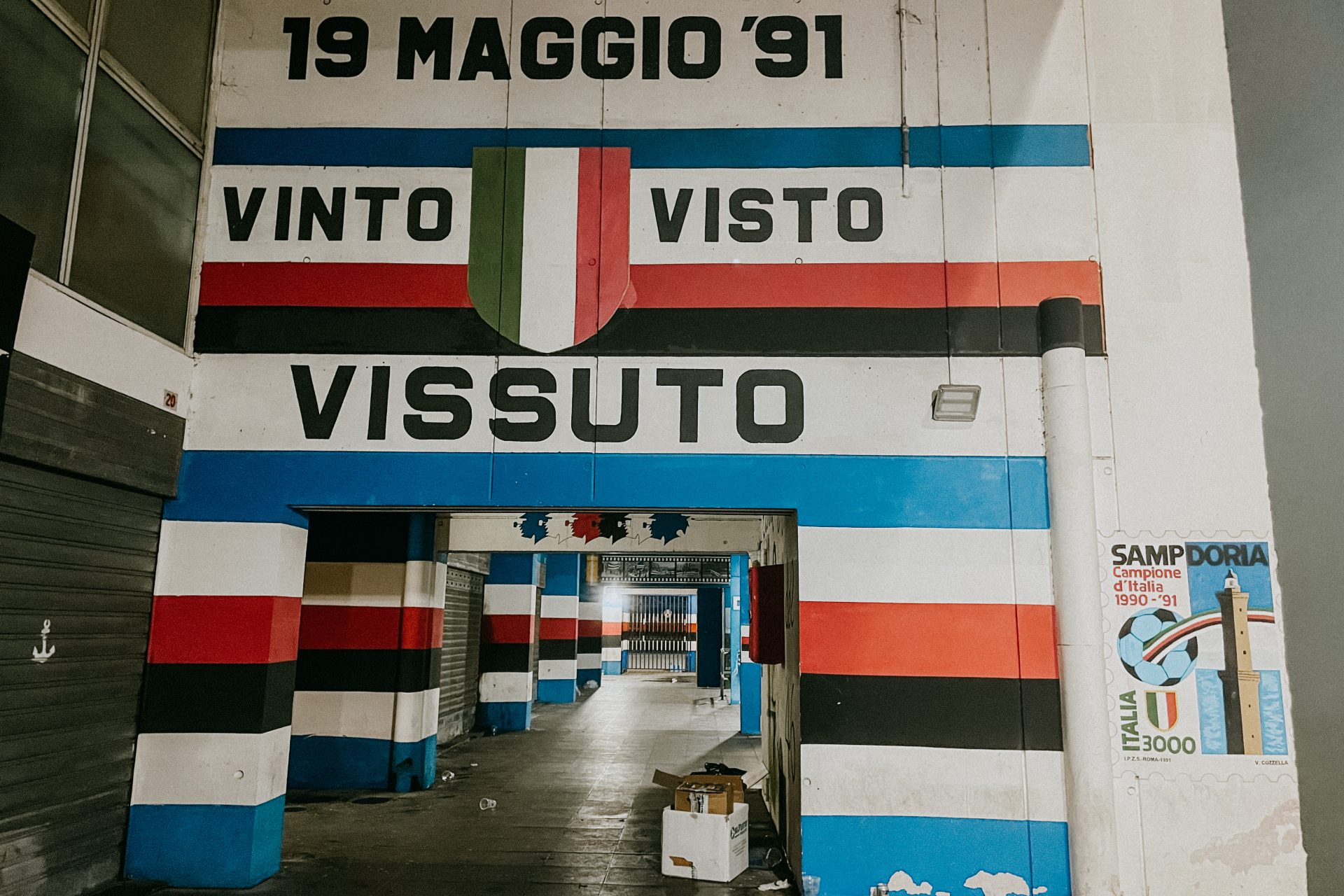
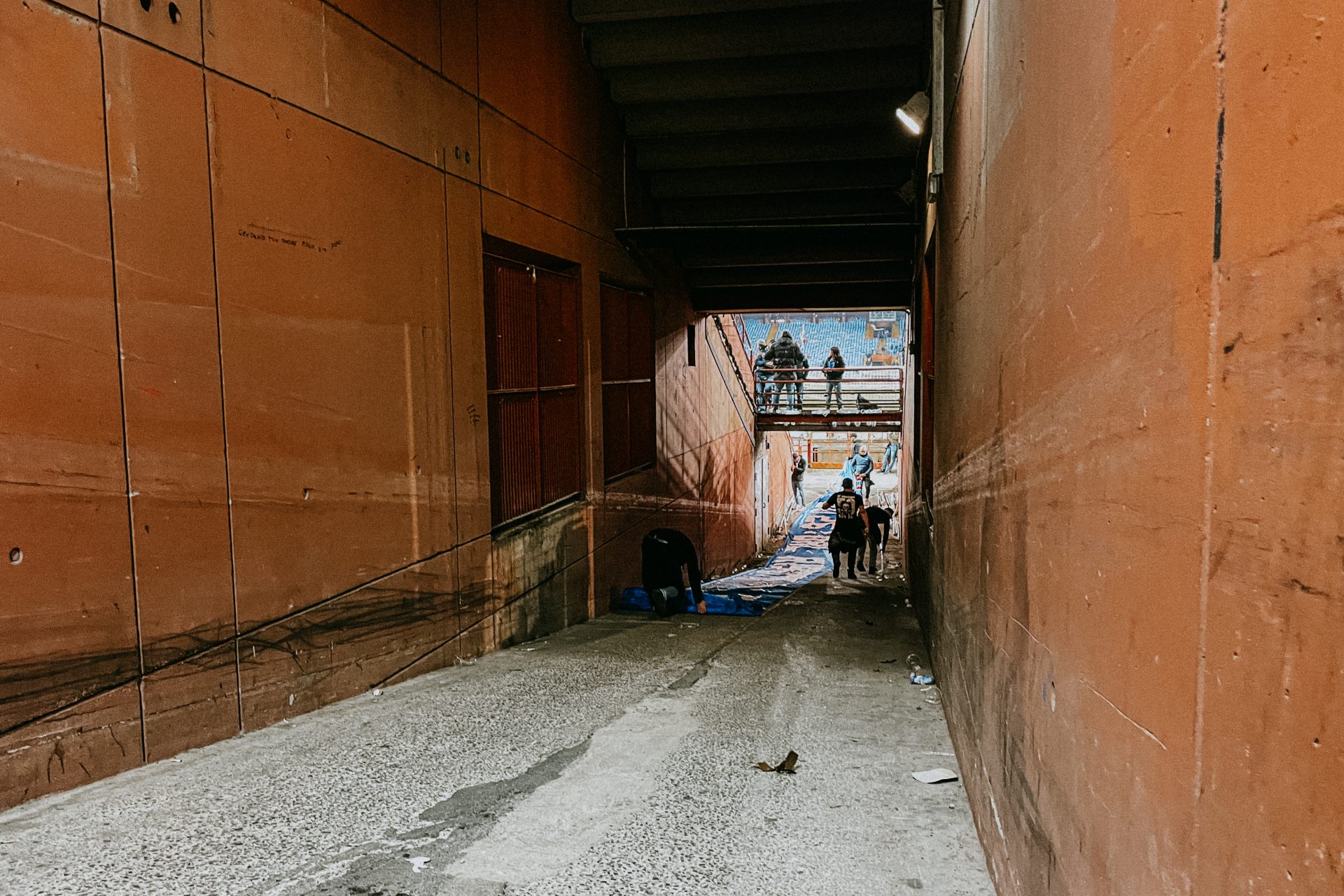
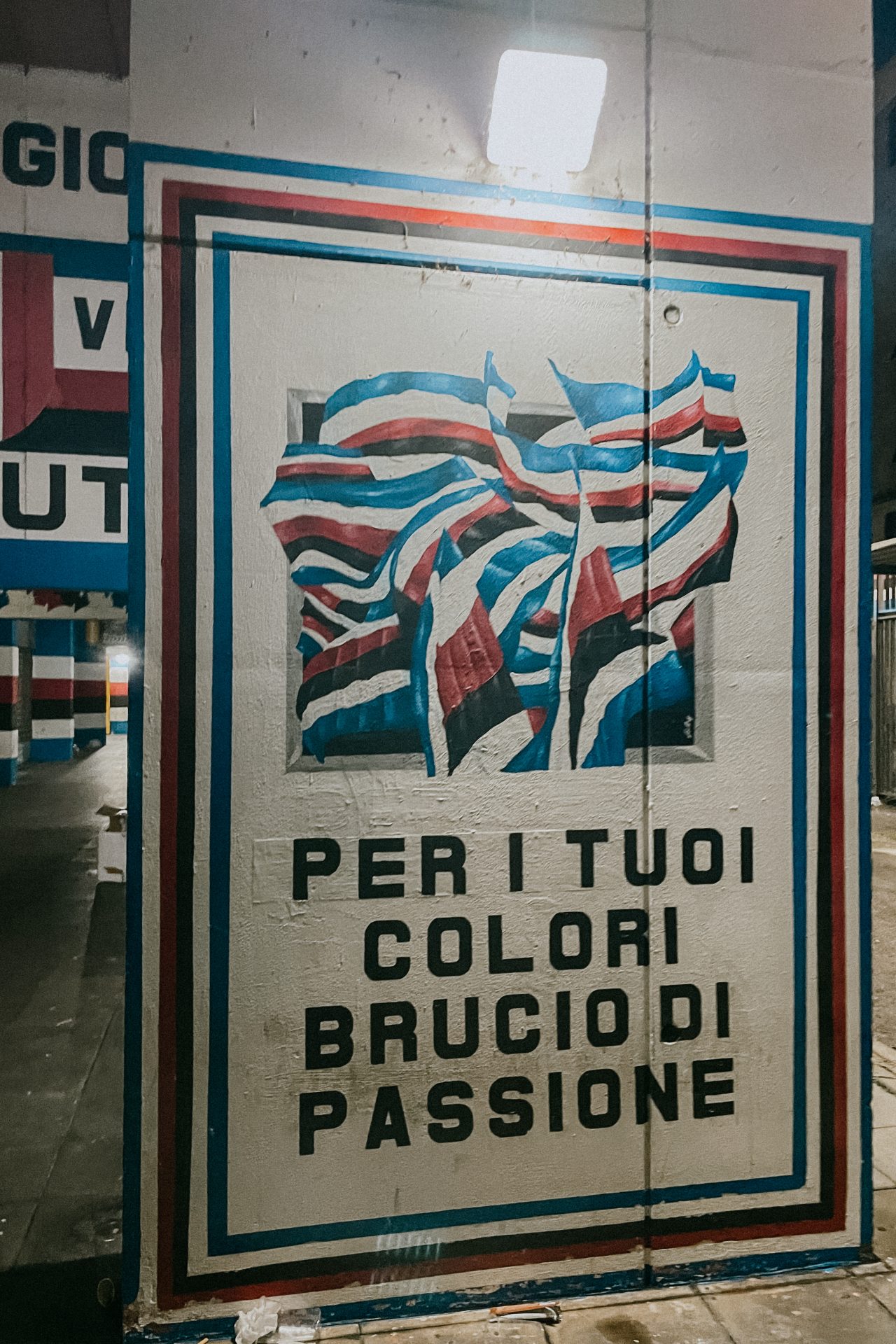
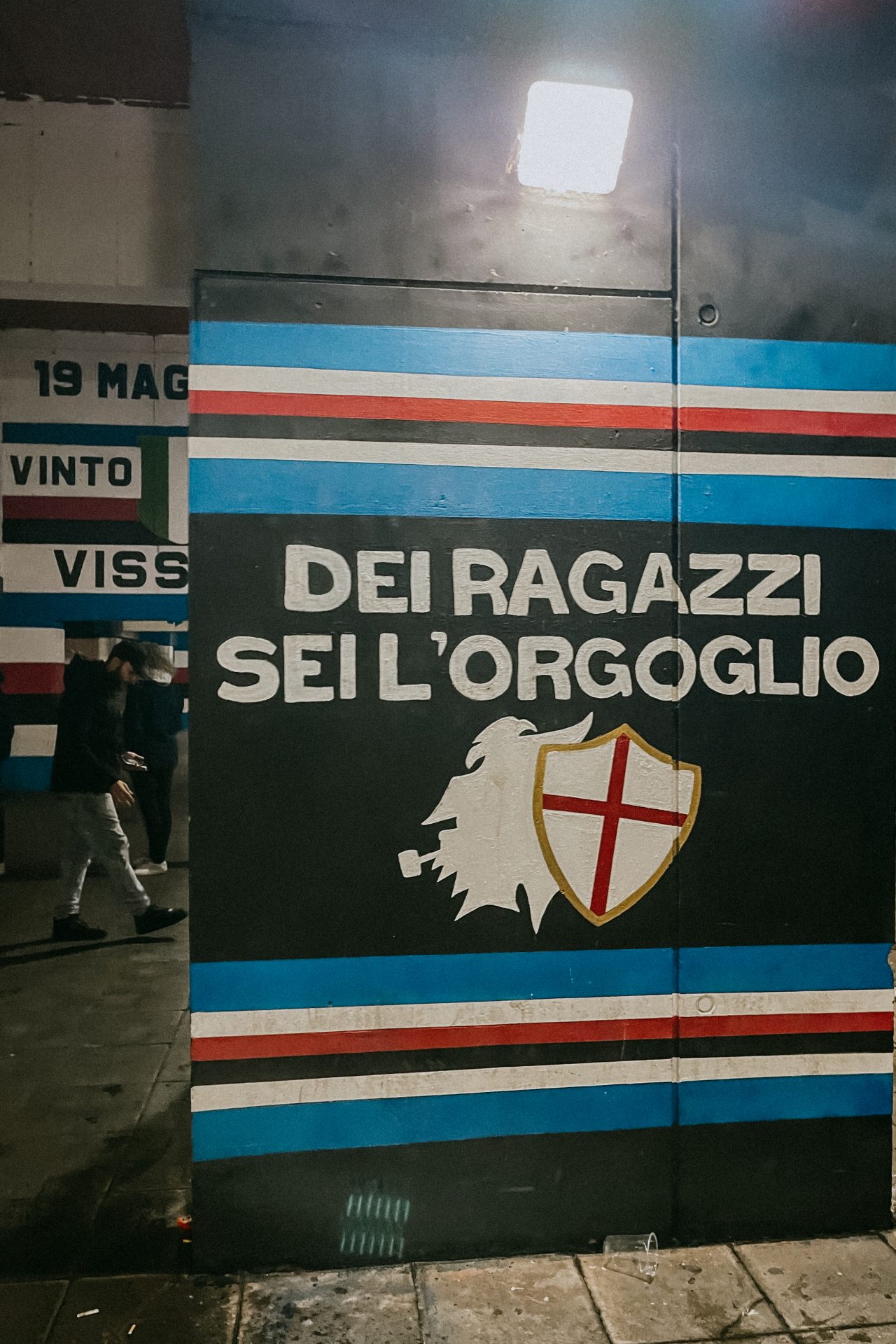
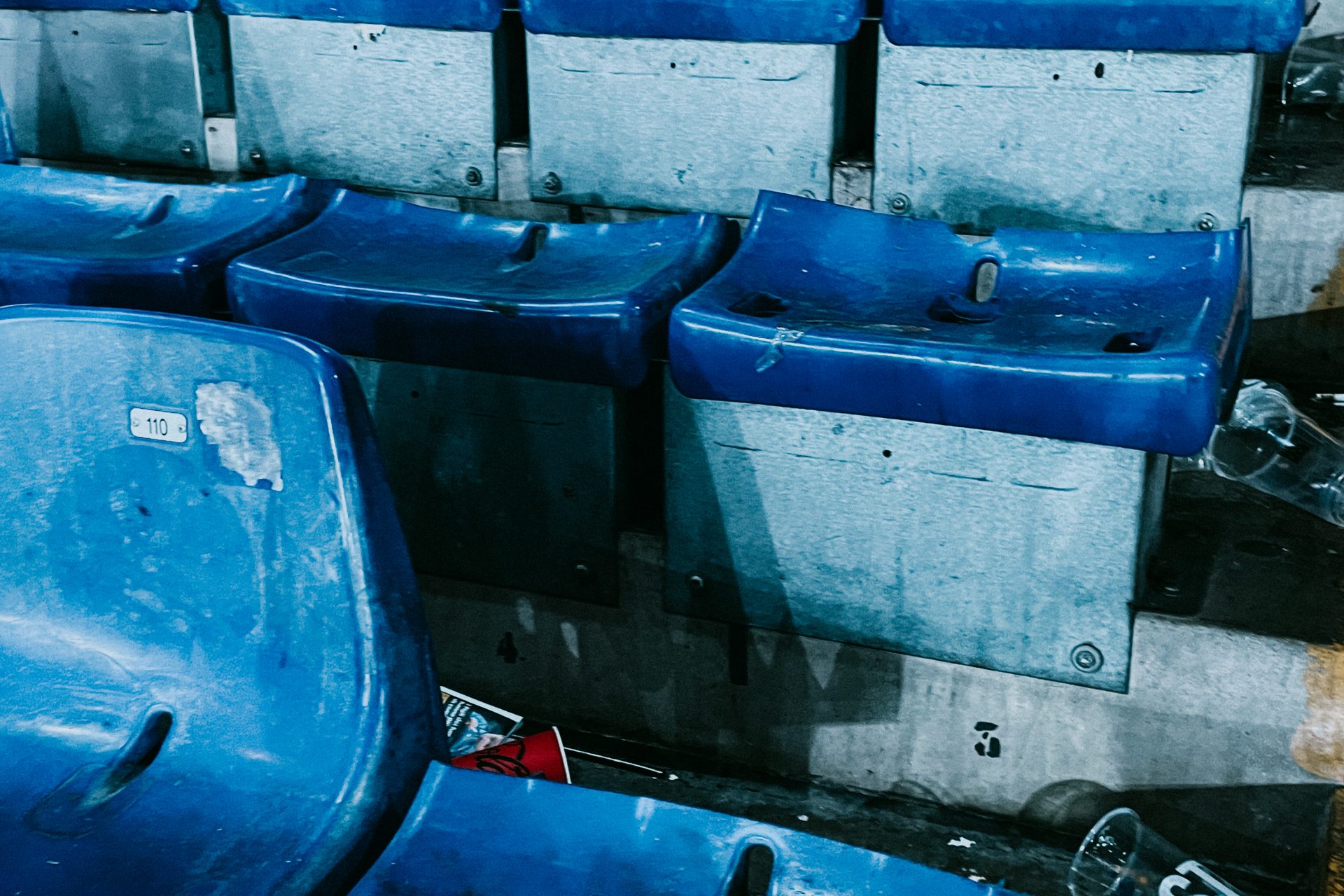
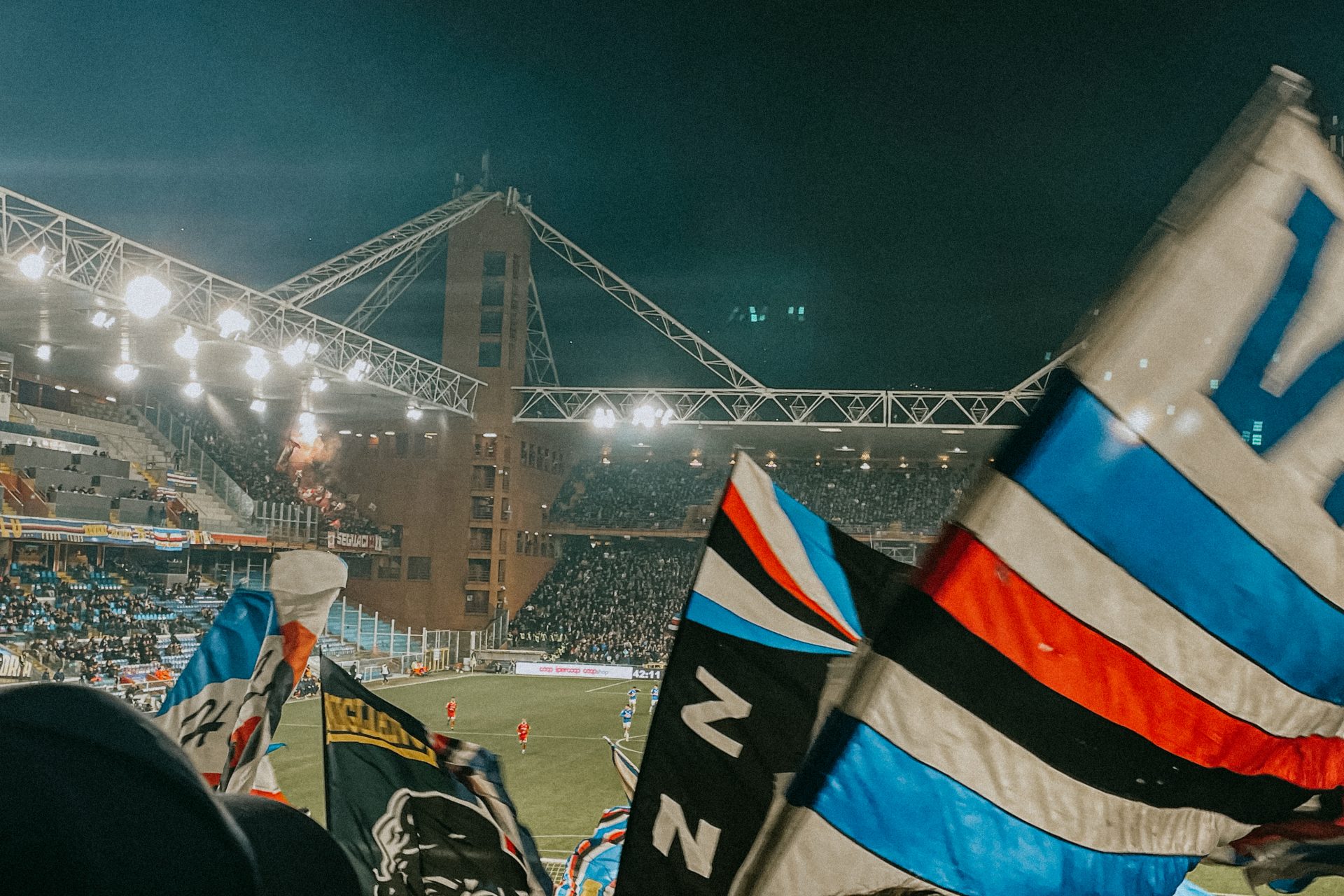
Experiencing the curva feels like a sacred act to me, a foreigner who remains foreign everywhere. There are so many emotions – I shut off my brain but observe everything I can. We suffer, we sing, our hands hurt. From a distance, I see the Bari fans in the away section giving their all – banners, smoke flares, flags waving. I can’t hear them, but the two-goal lead that will eventually secure their victory keeps them warm enough.
Like many, I find myself behind the banners. From above, flags wave and choreographies unfold. Time passes too quickly. Some supporters exchange scarves with the Bari fans present in the curva; others actually manage to follow the whole match despite the obstructed view.
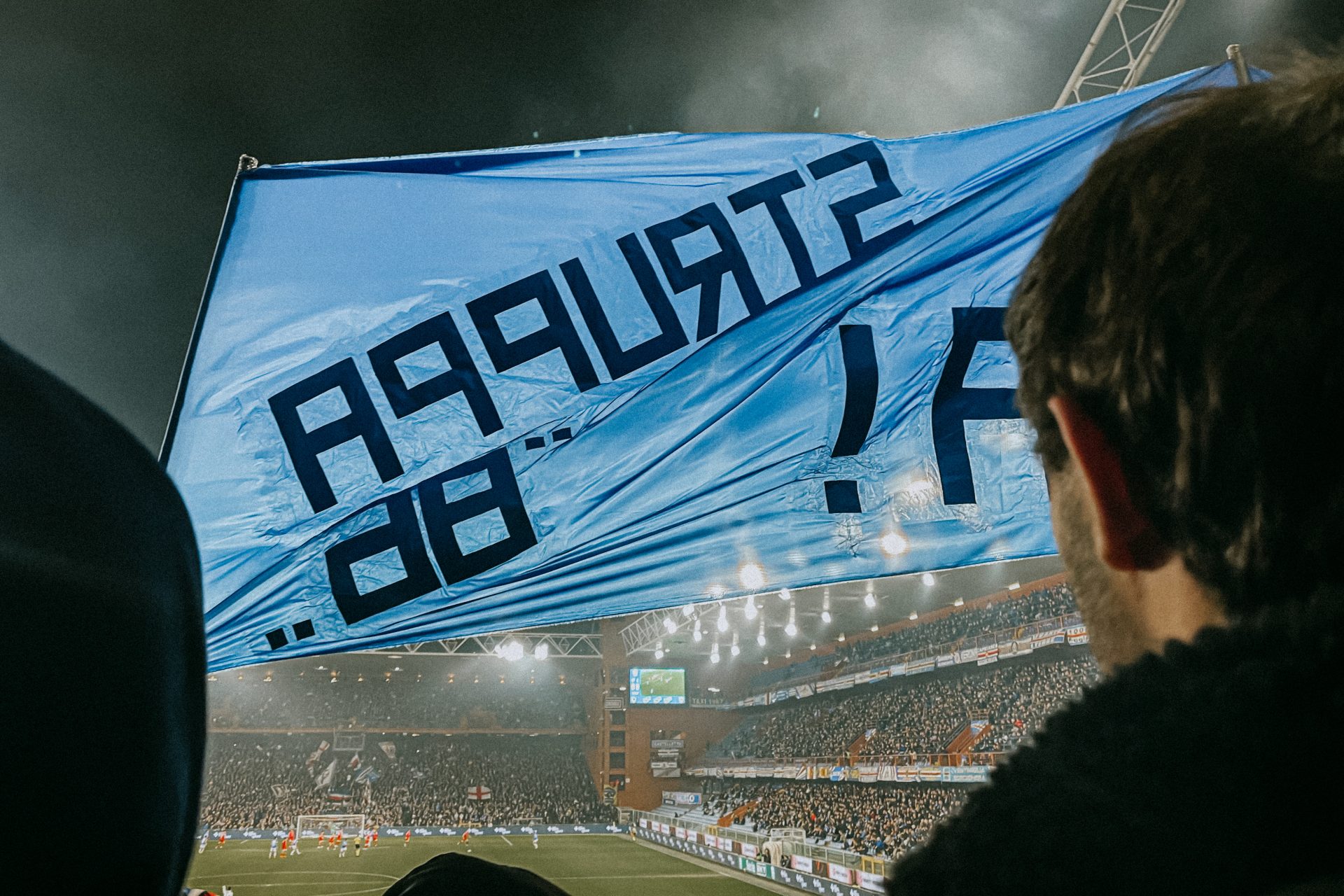
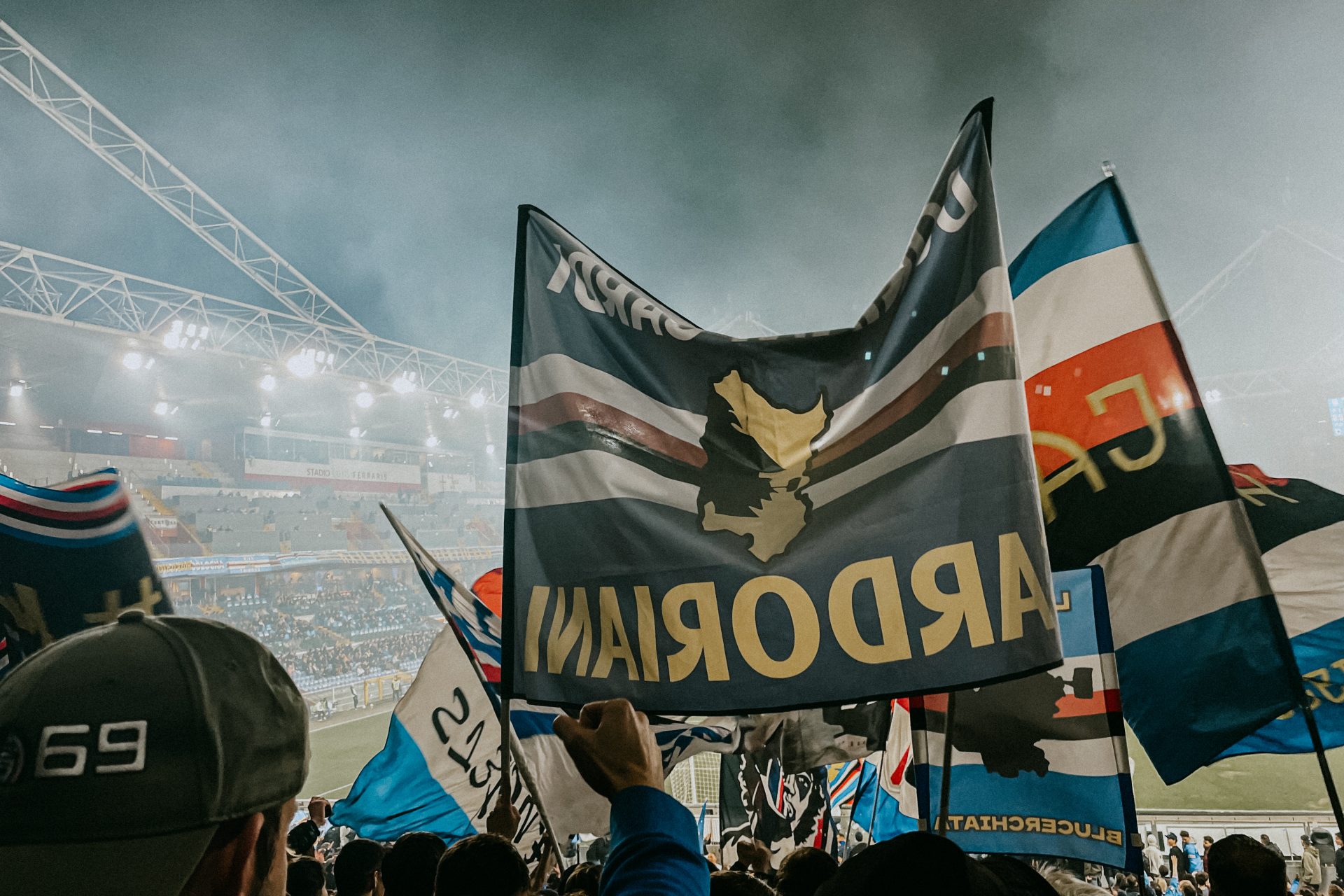
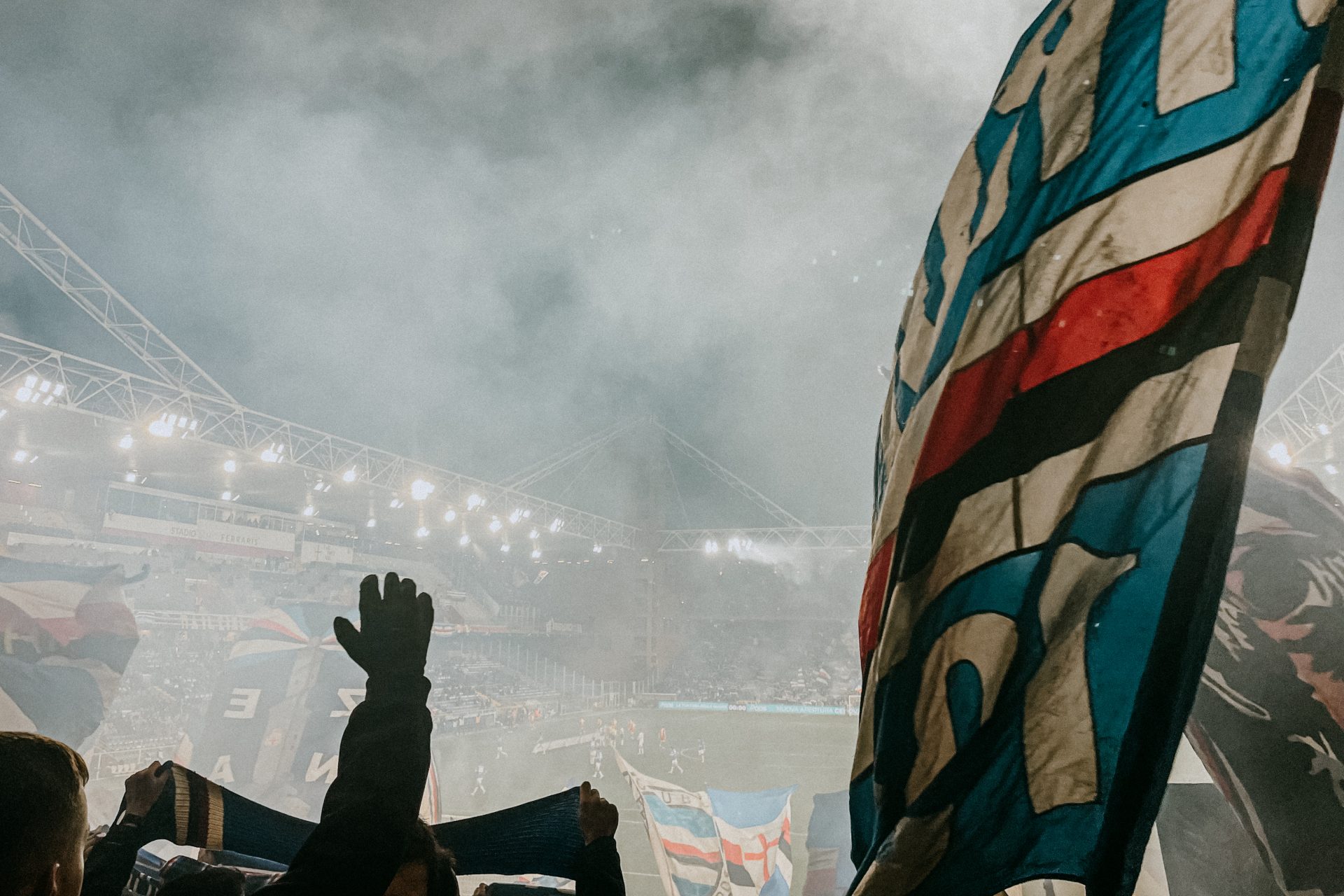
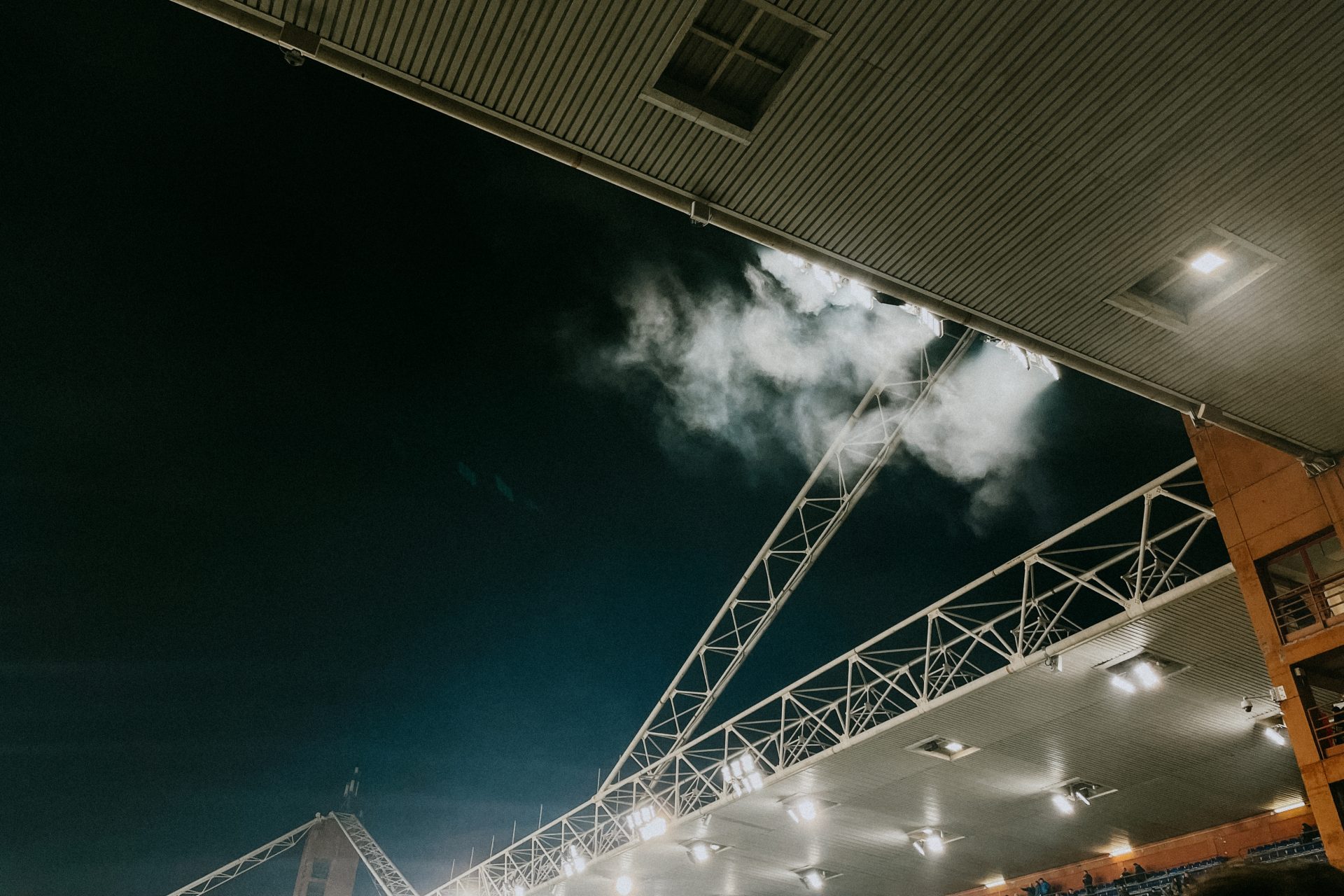
As always, when I am in a stadium – whether on the curva, the stands or the pitch, I look up at the sky. It is a small ritual of mine, a silent way of giving thanks. Like the lyrics to Olly’s ‘Balorda Nostalgia’, the night is a bittersweet nostalgia. And much like the I Blucerchiati faithful, I too shall return.
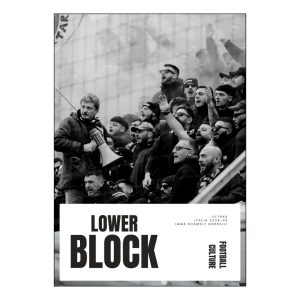
Borrelli’s work has previously been published by Lower Block in ULTRAS Italia 2024–25, a photographic documentary examining Italy’s ultras culture across the peninsula. The project documents supporters across clubs, divisions and regions during the 2024–25 season, focusing on the gestures, rituals and moments that define belonging within the curva. Working with a journalistic approach grounded in emotional realism, Borrelli’s photography captures a visual language built on smoke, banners, travel, rivalry and devotion – revealing the human core of one of football’s most mythologised subcultures. As she explains, her work is driven by attention to “the details that define the rebels of the stadiums – a world of stubborn belonging shaped by rites, journeys, rivalries, smoke, and emotion.”


You may also enjoy…