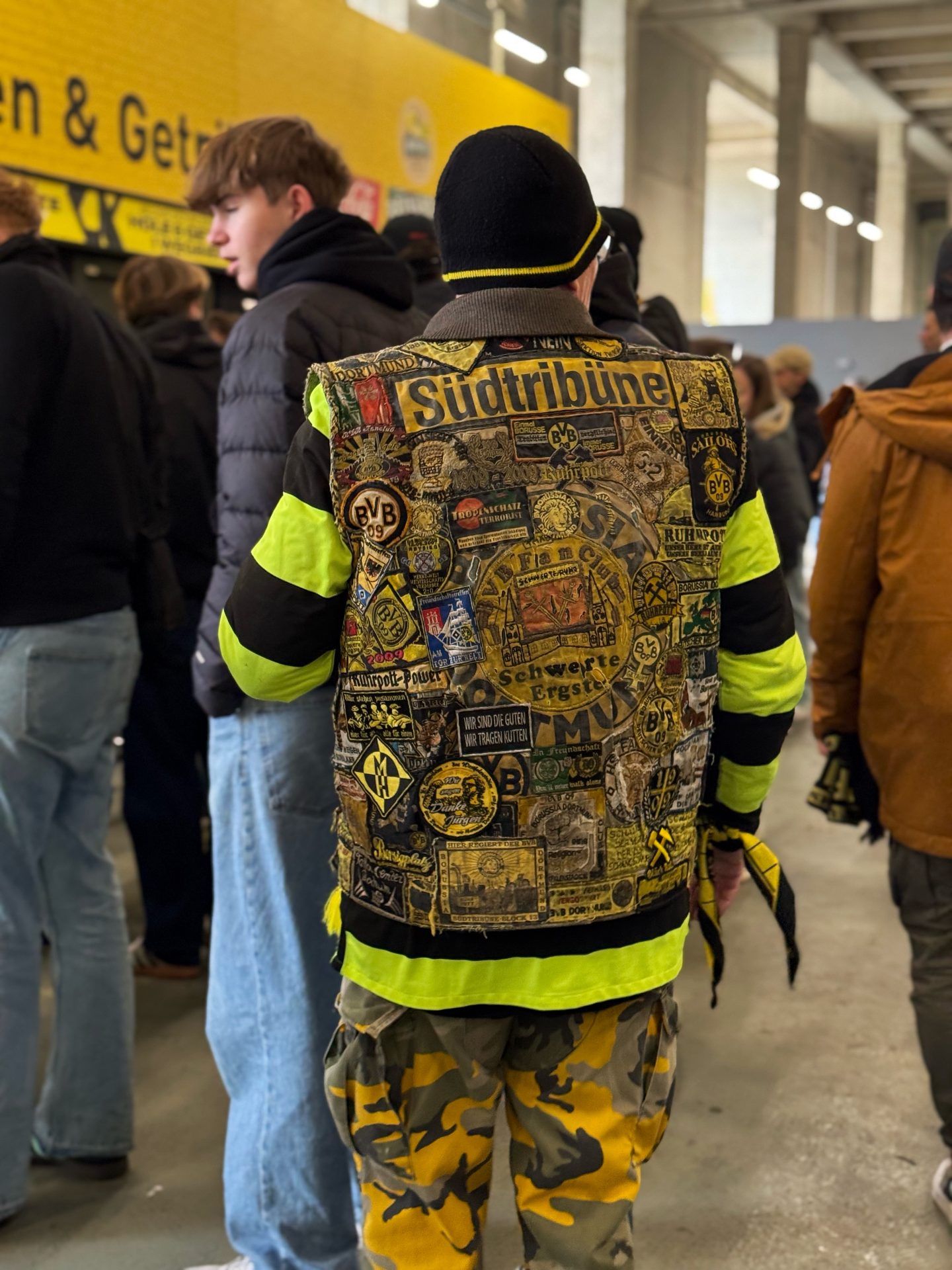
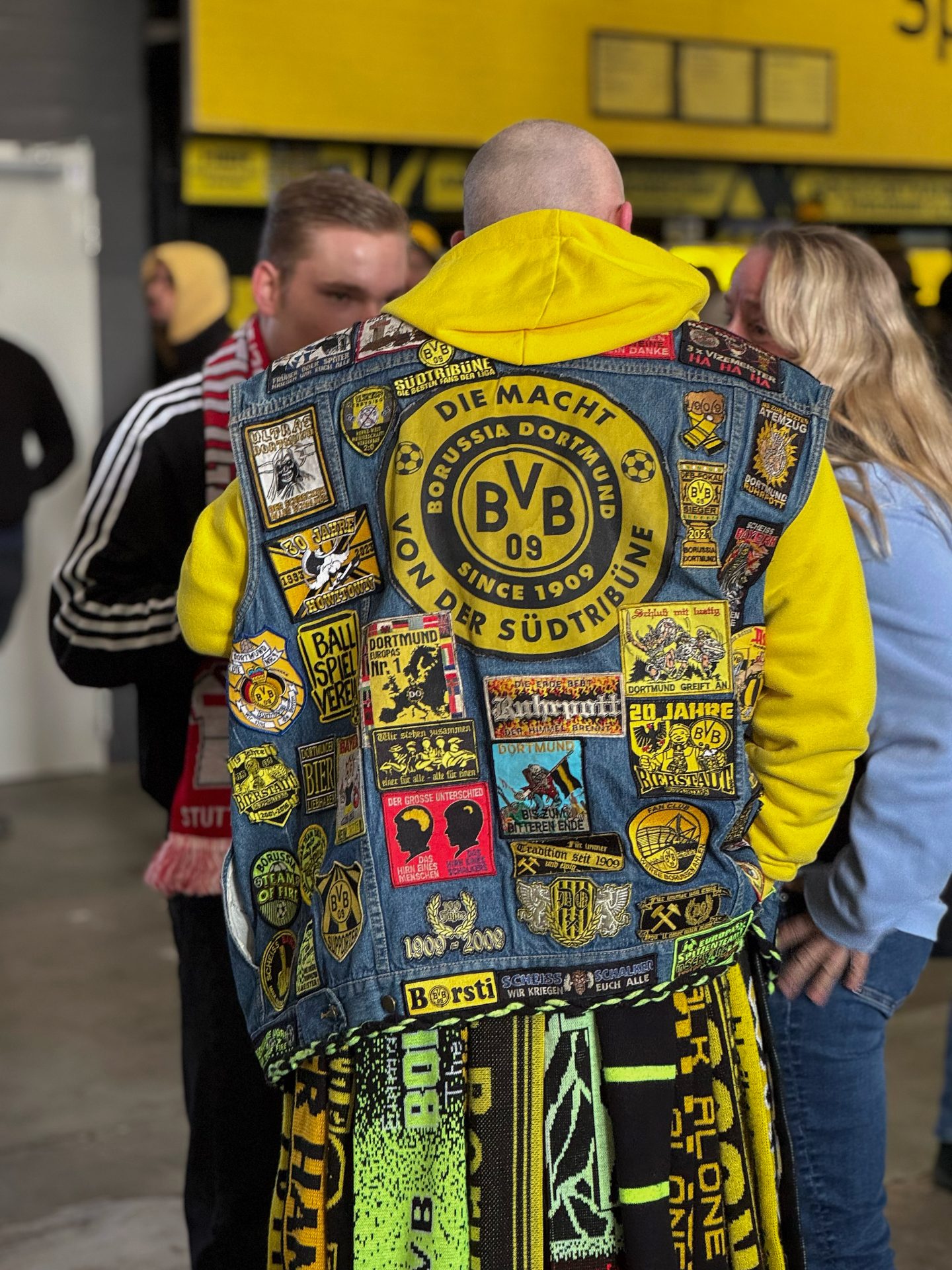
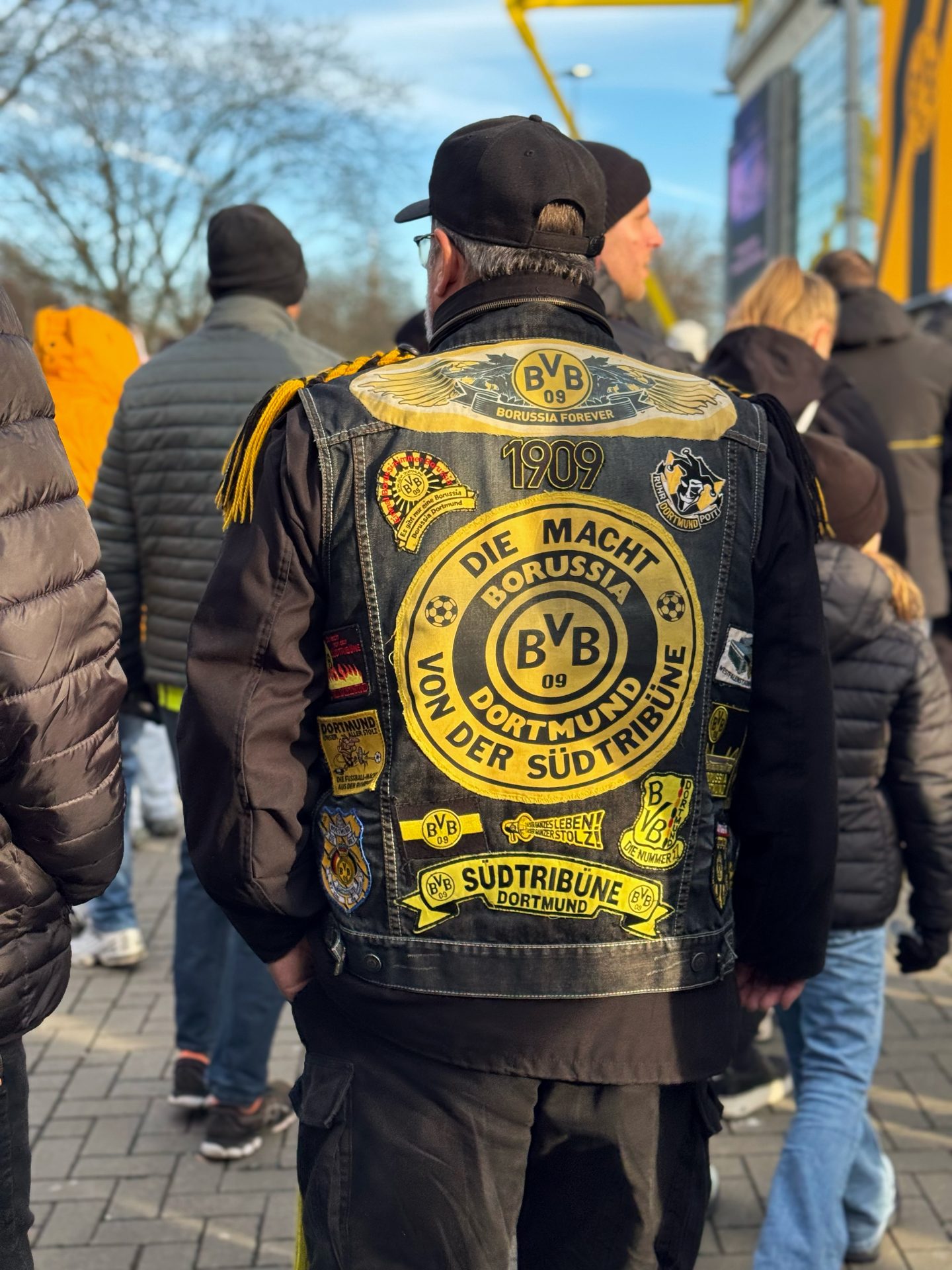
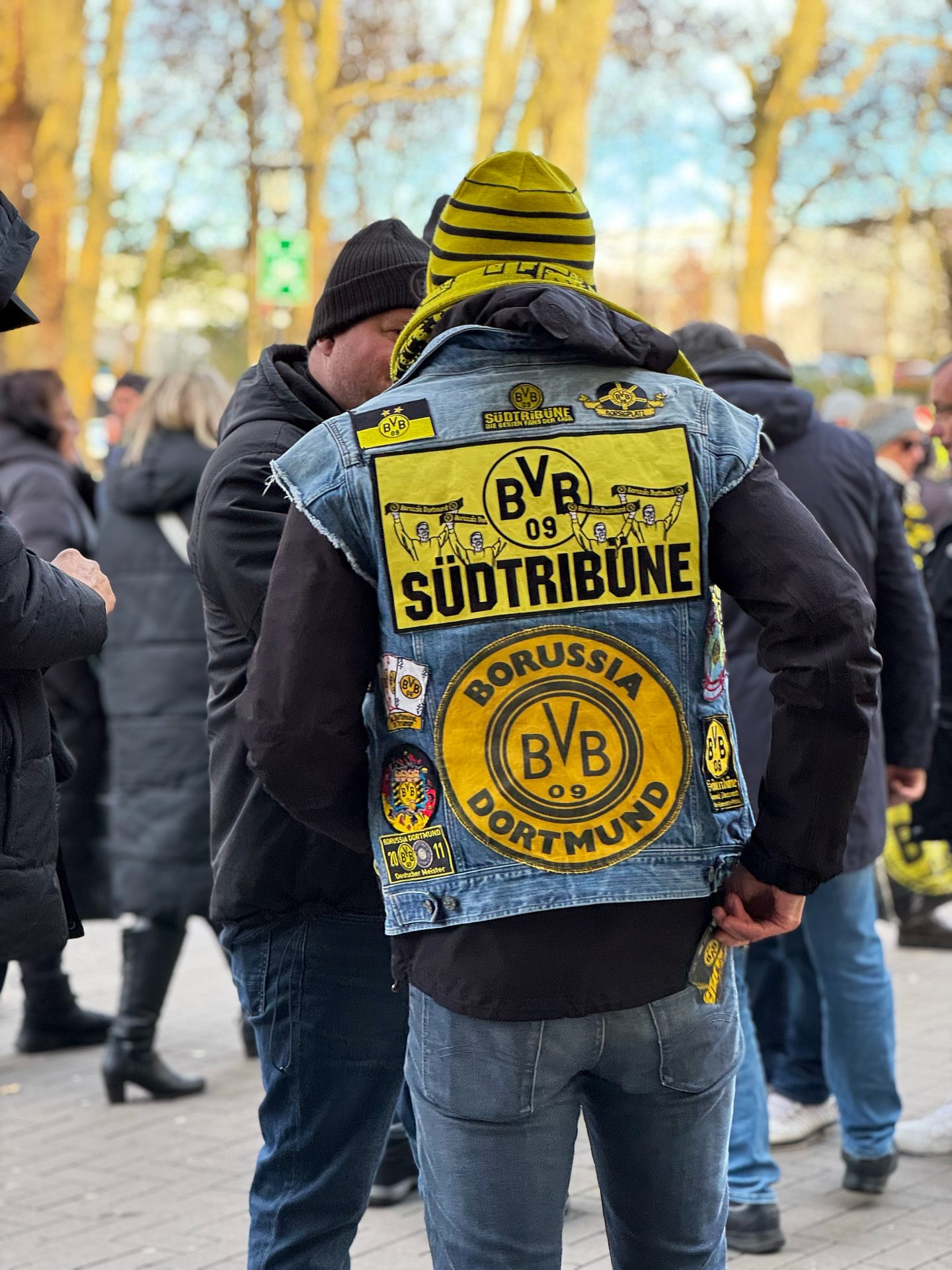
A symbol once forged in biker and metal circles, the Kutte has become an enduring icon of German football culture, worn with pride on the Kurven from the Ruhr to the rest of the country.
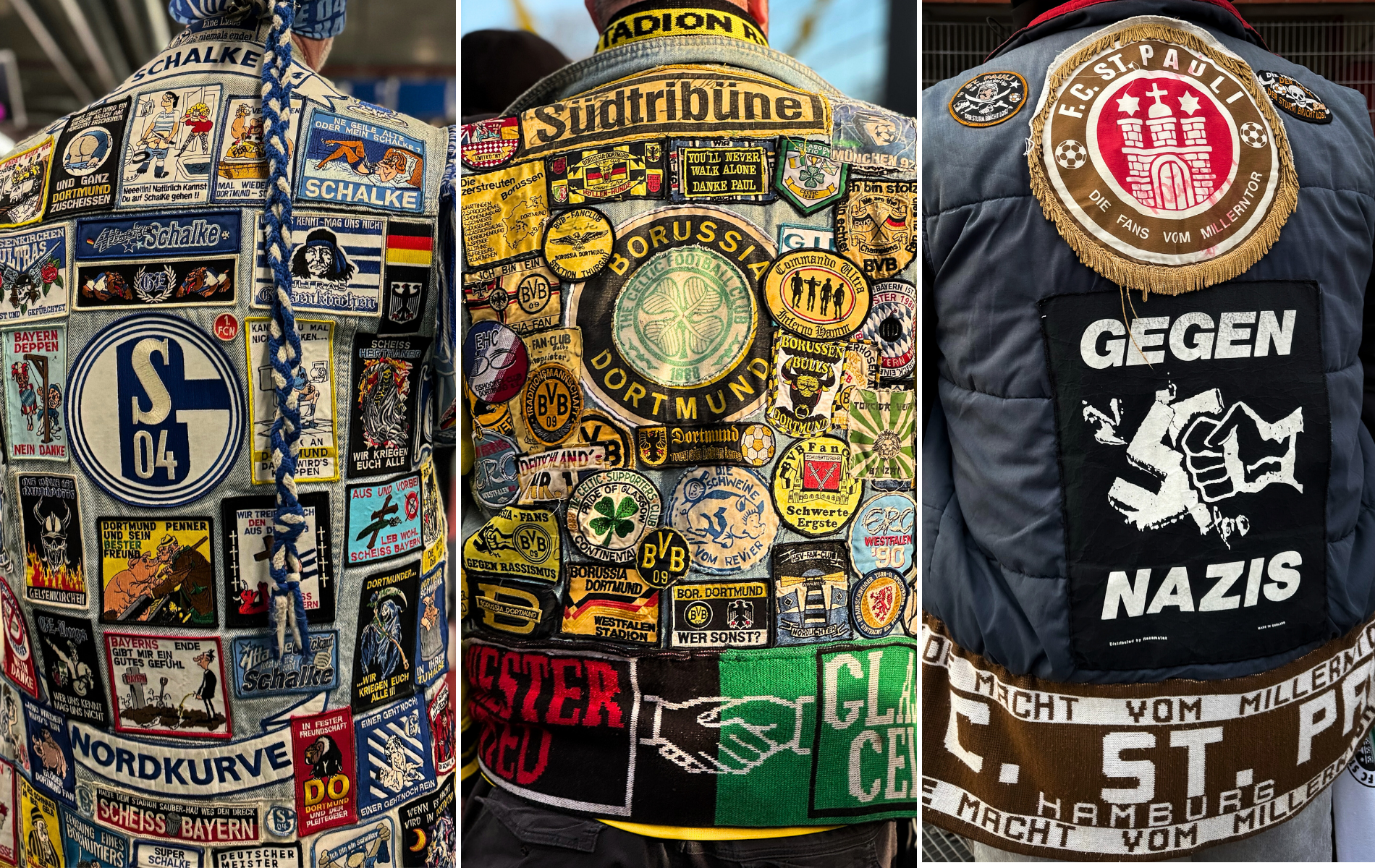
Words and photos by football culture photographer and enthusiast Guirec Munier.
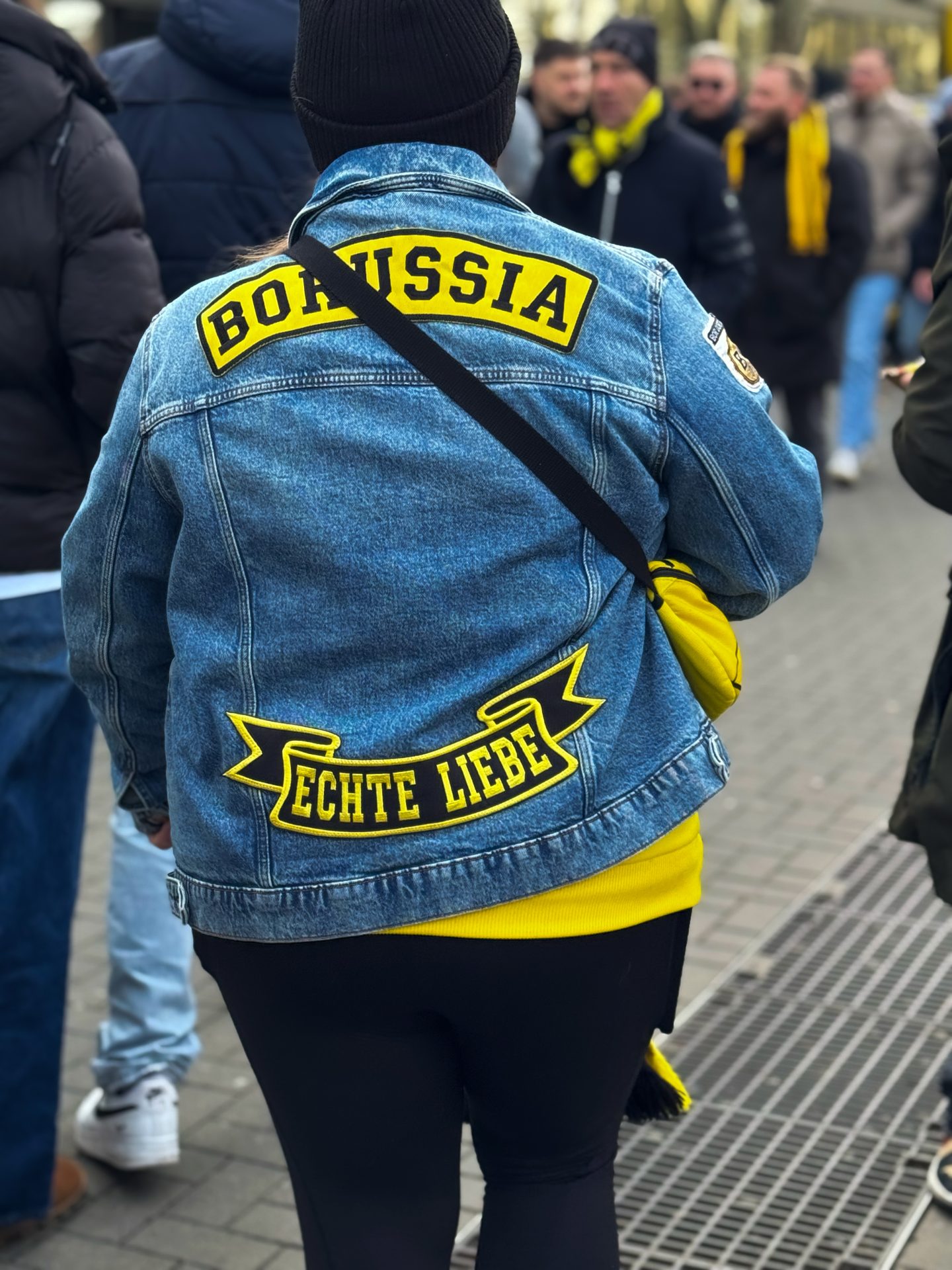
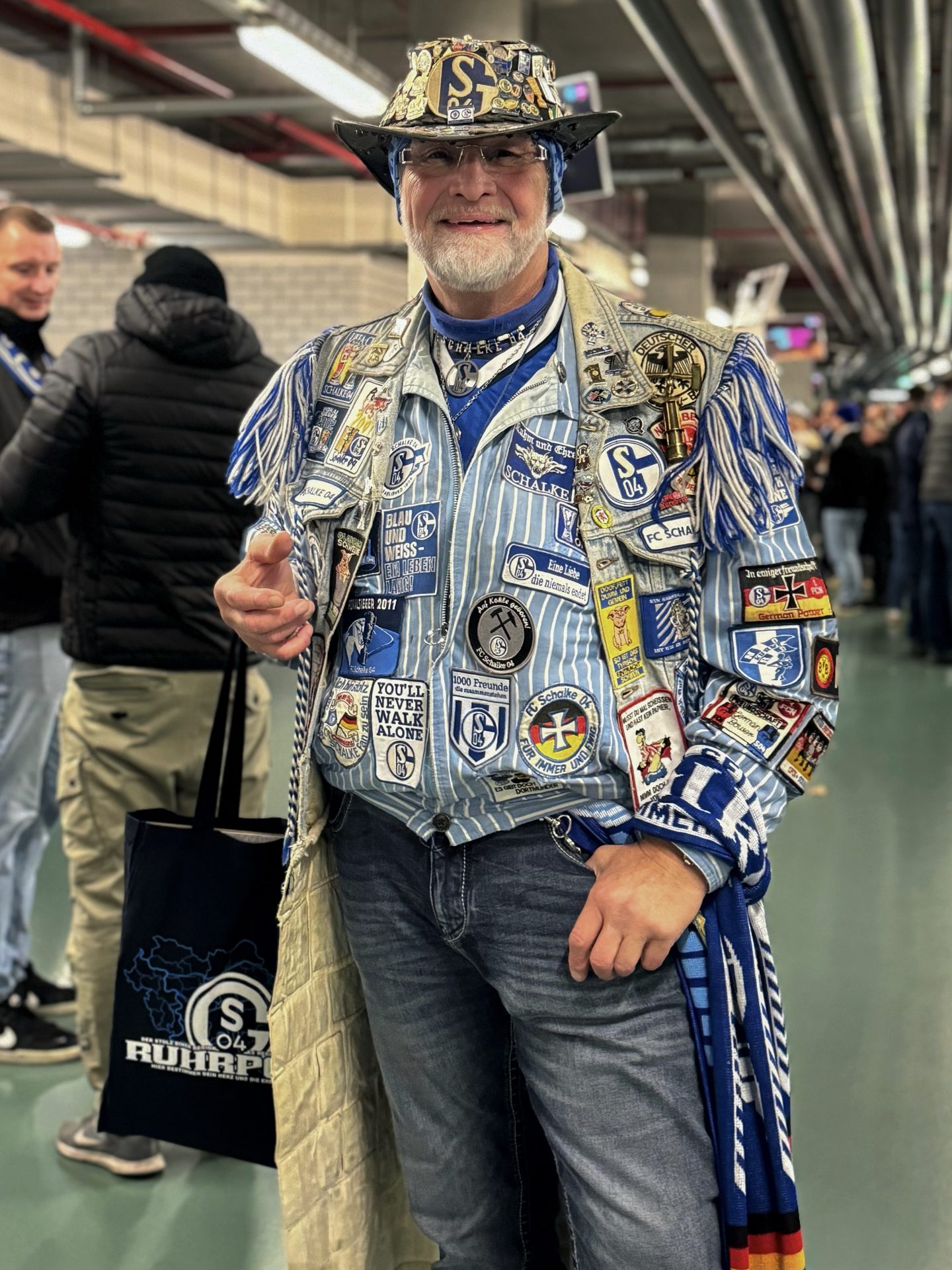
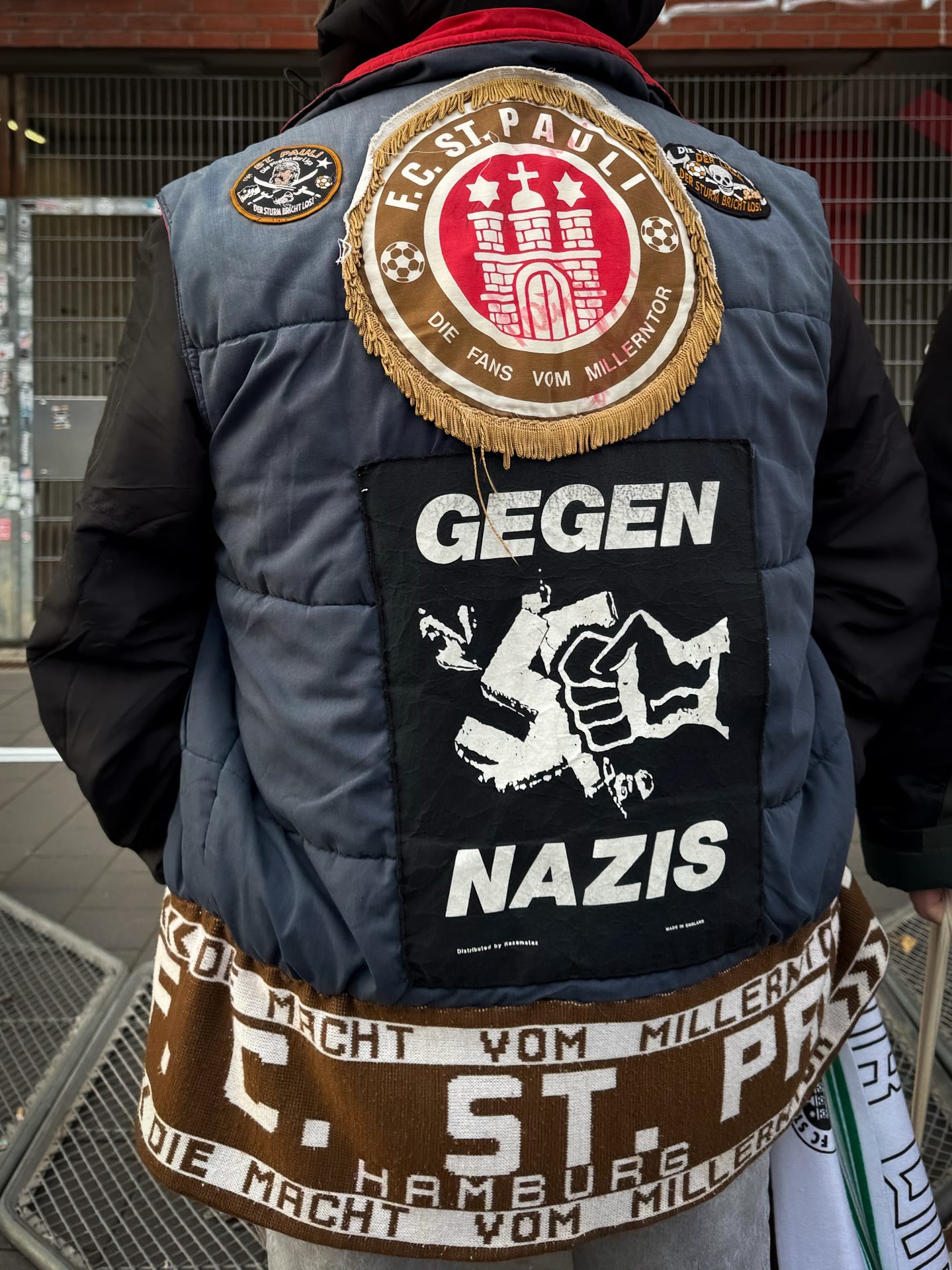
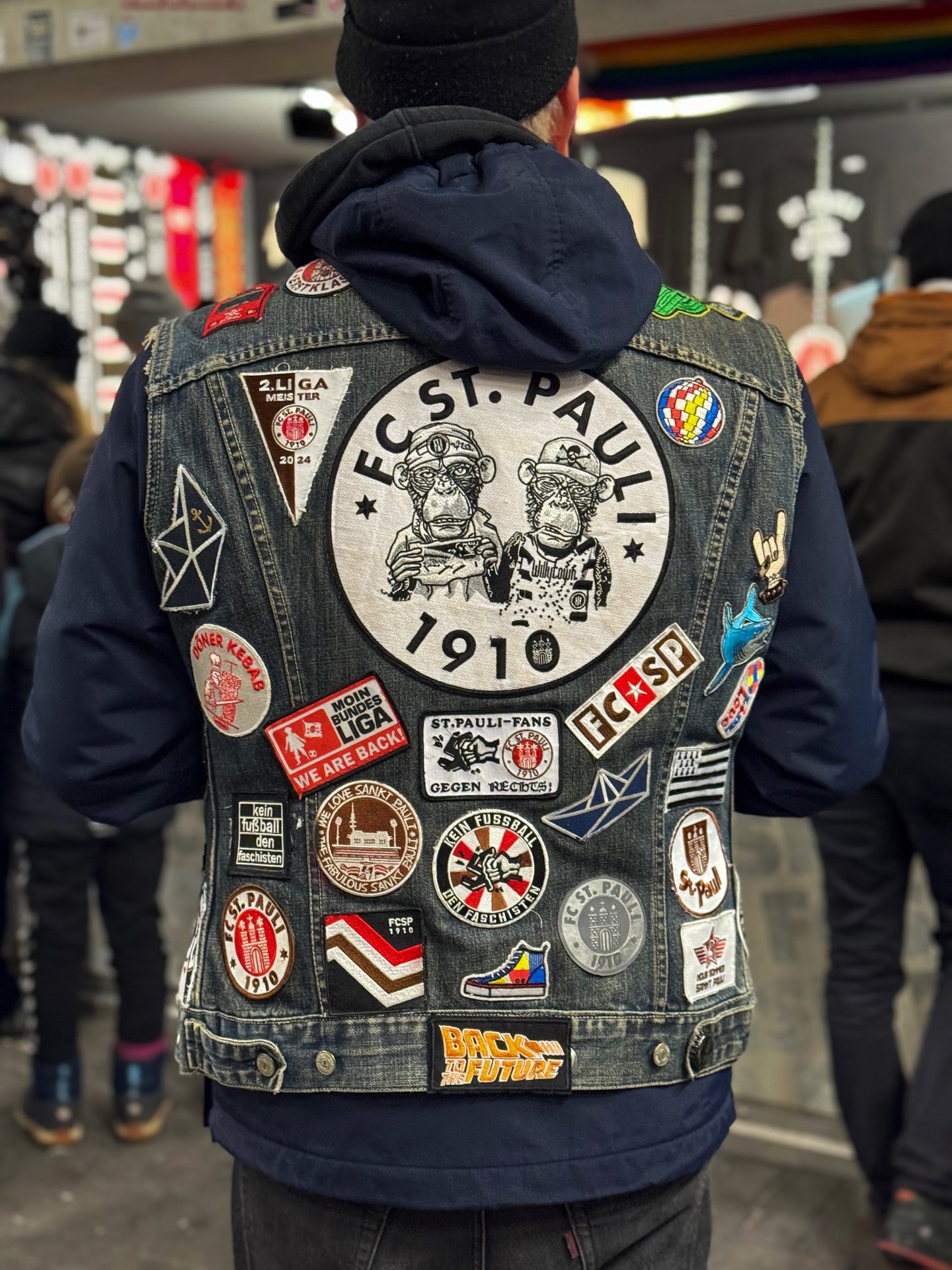
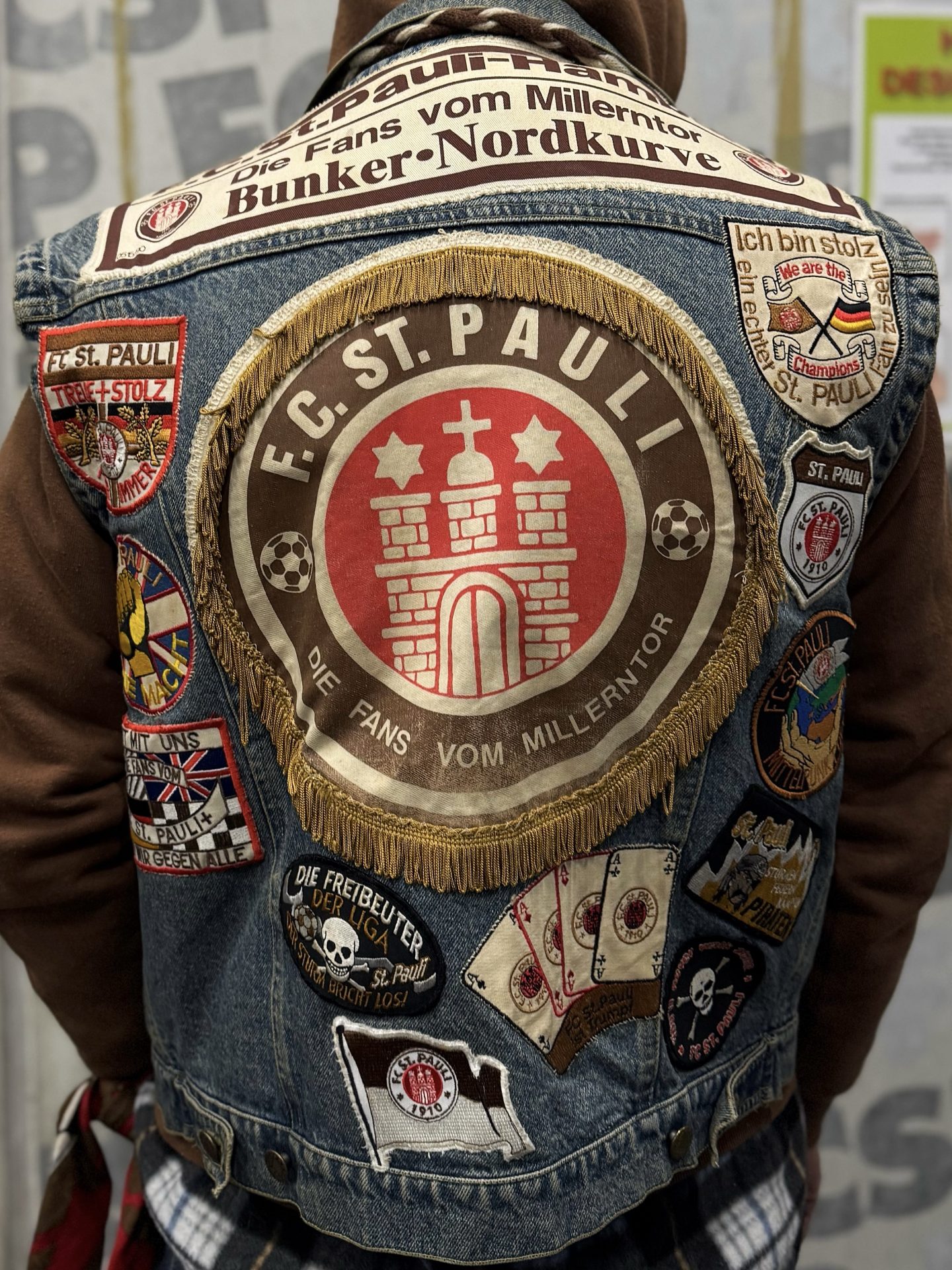
Ridiculed by some and cherished by others, the Kutte remains a defining artefact of German football subculture. Since the 1970s, this sleeveless denim jacket – or biker vest in denim or leather – covered in patches has been a familiar presence on the Kurven of Dortmund, the Ruhr, and across Germany. Long before it entered the stadiums, the Kutte emerged in motorcycling culture and later became rooted in the metal scene.
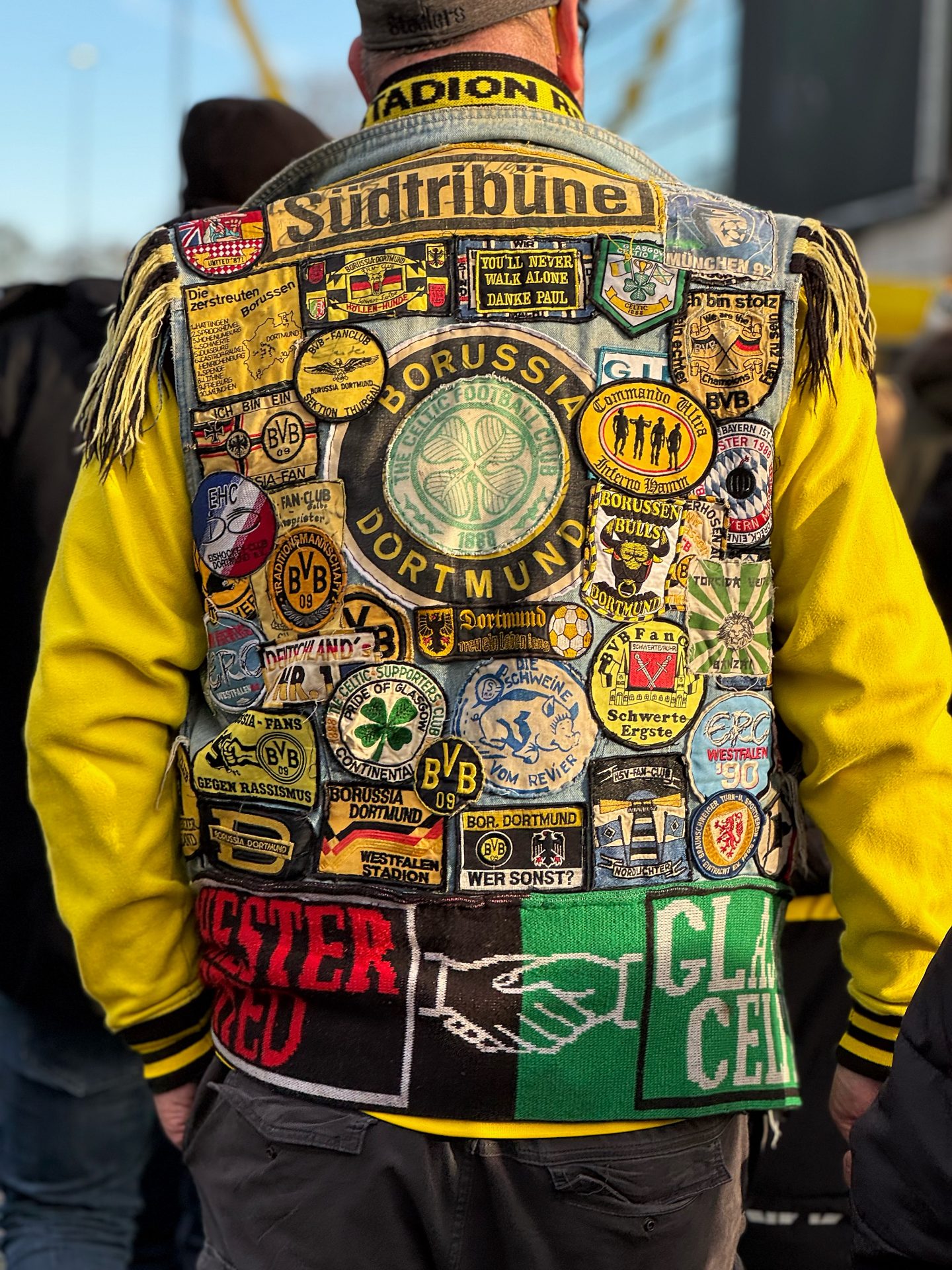
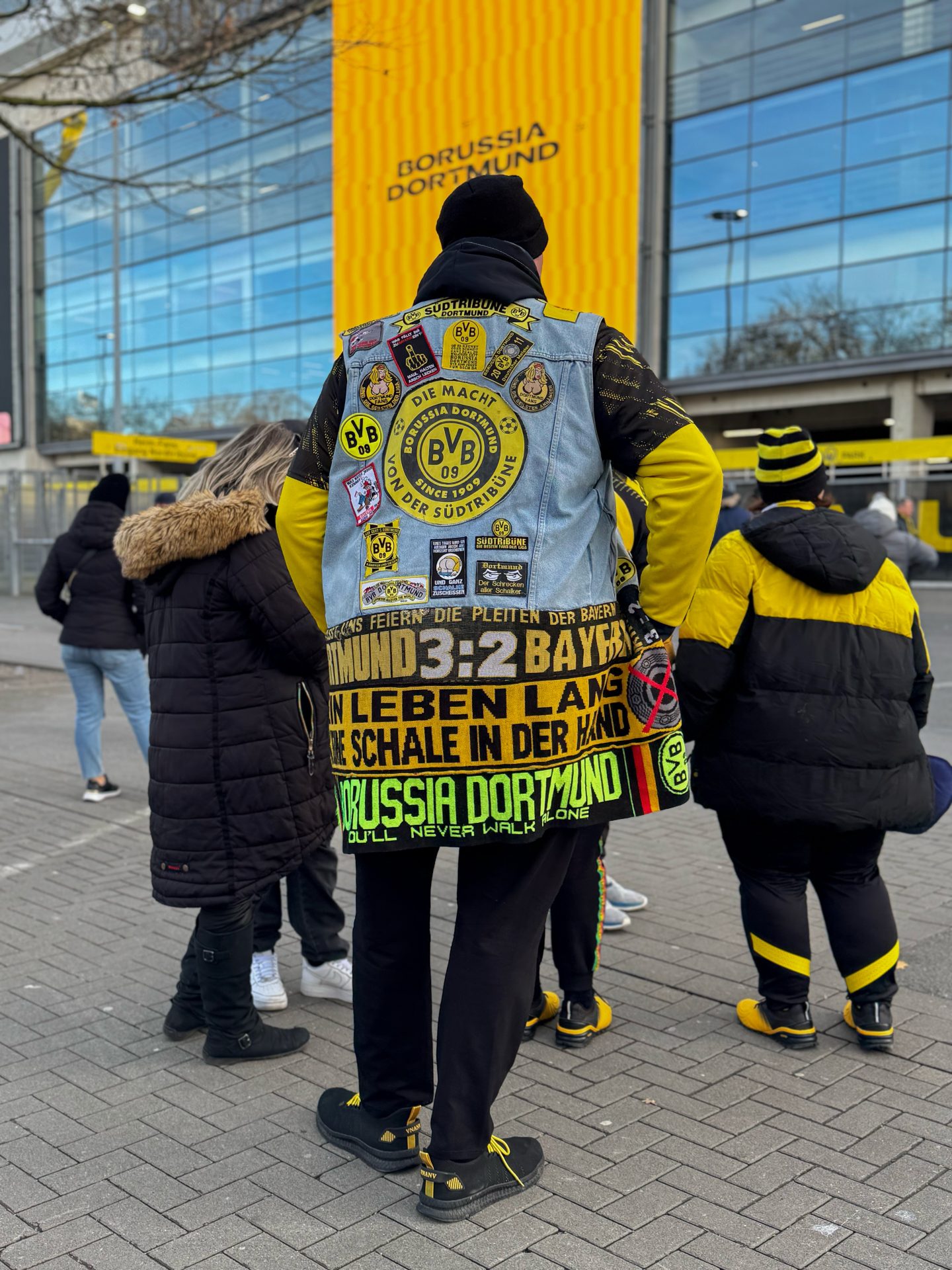
No two Kutten are alike. Each one is personalised in club colours, then layered with patches – some provocative and aimed at rival supporters, often reflecting the harsher attitudes of the time – alongside others that express solidarity with friendly clubs. Some are fitted with fringes or even transformed into coats using scarves. A Kutte is never sold. It is kept for life, and in the best cases, passed down within a family.
Kutte wearers were, in many ways, the forerunners of the ultras. When the Kurven began to take shape in the 1970s, they were among the first to gather, sing, and bring visual energy to the popular stands – something unseen in stadium culture before then. The Kutte embodies an earlier era of football: raw, communal, and accessible.
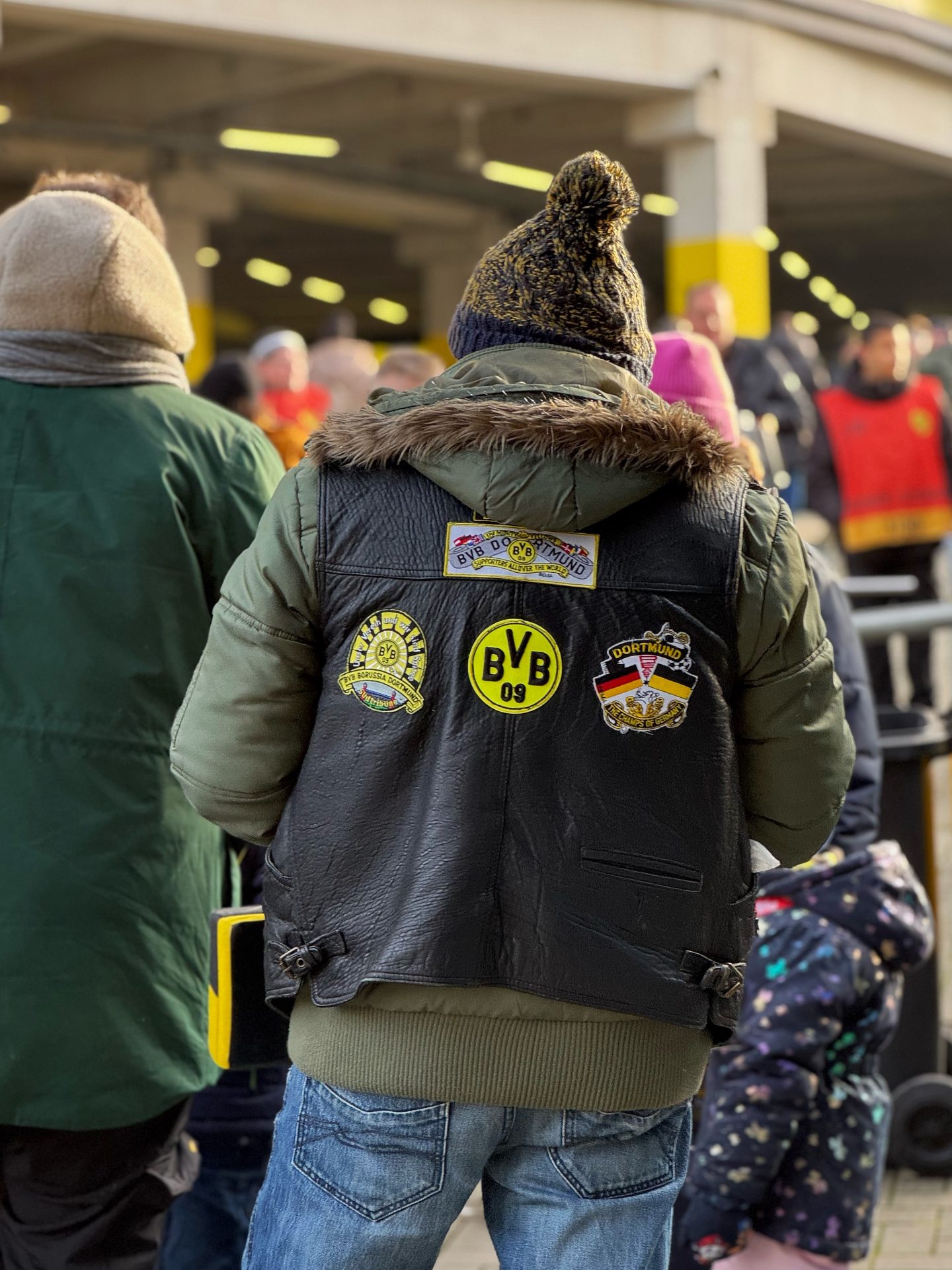
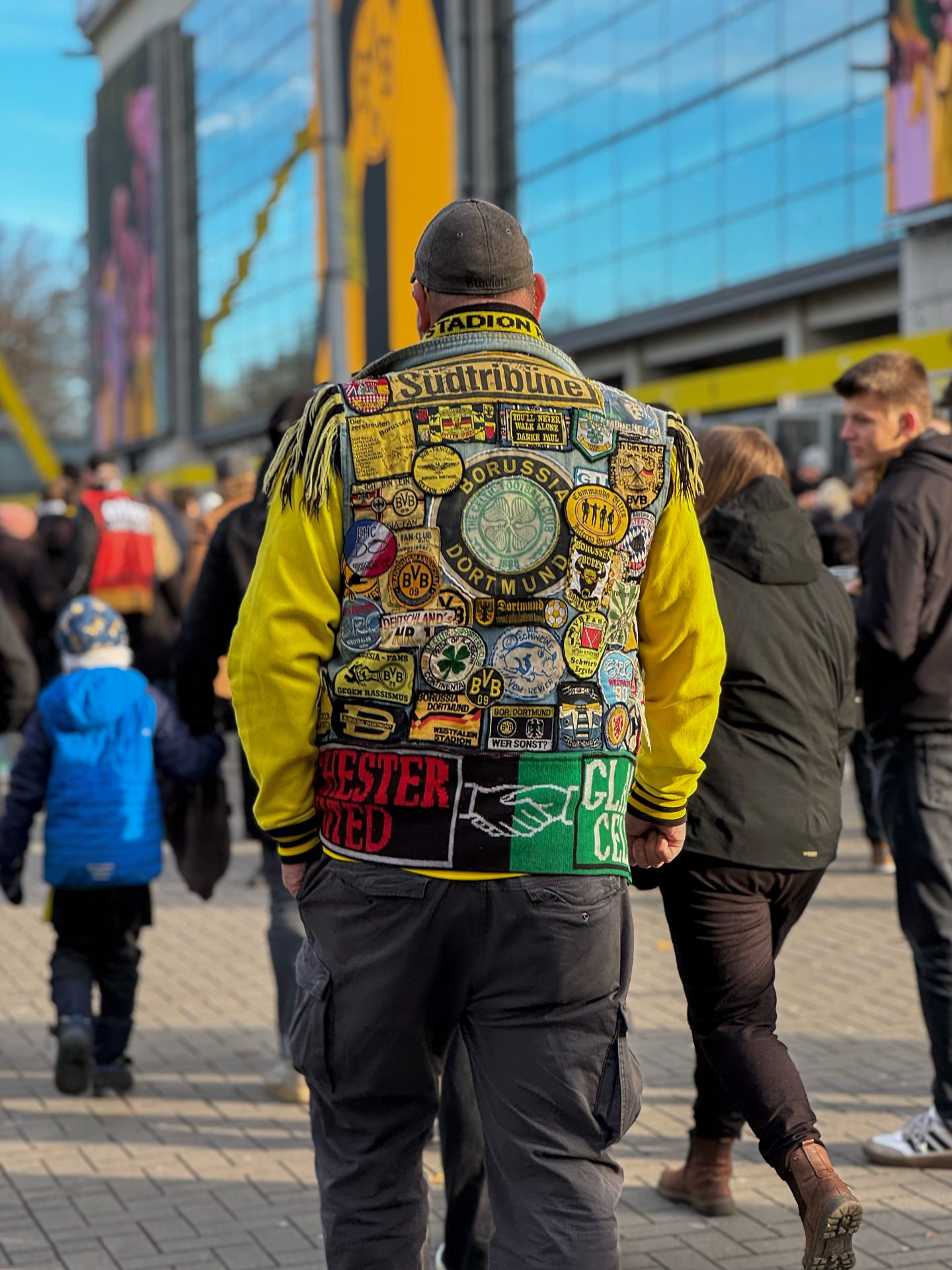
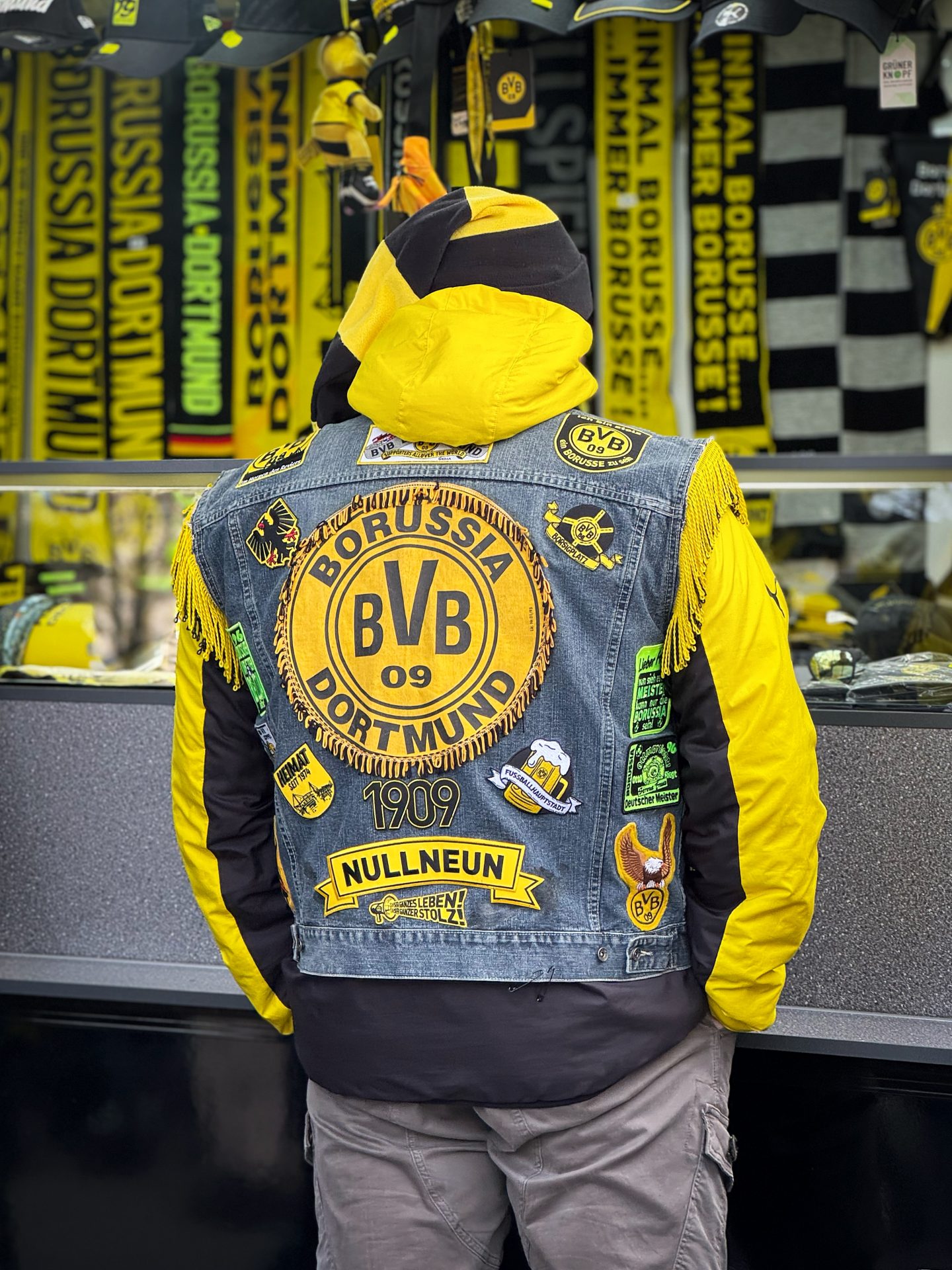
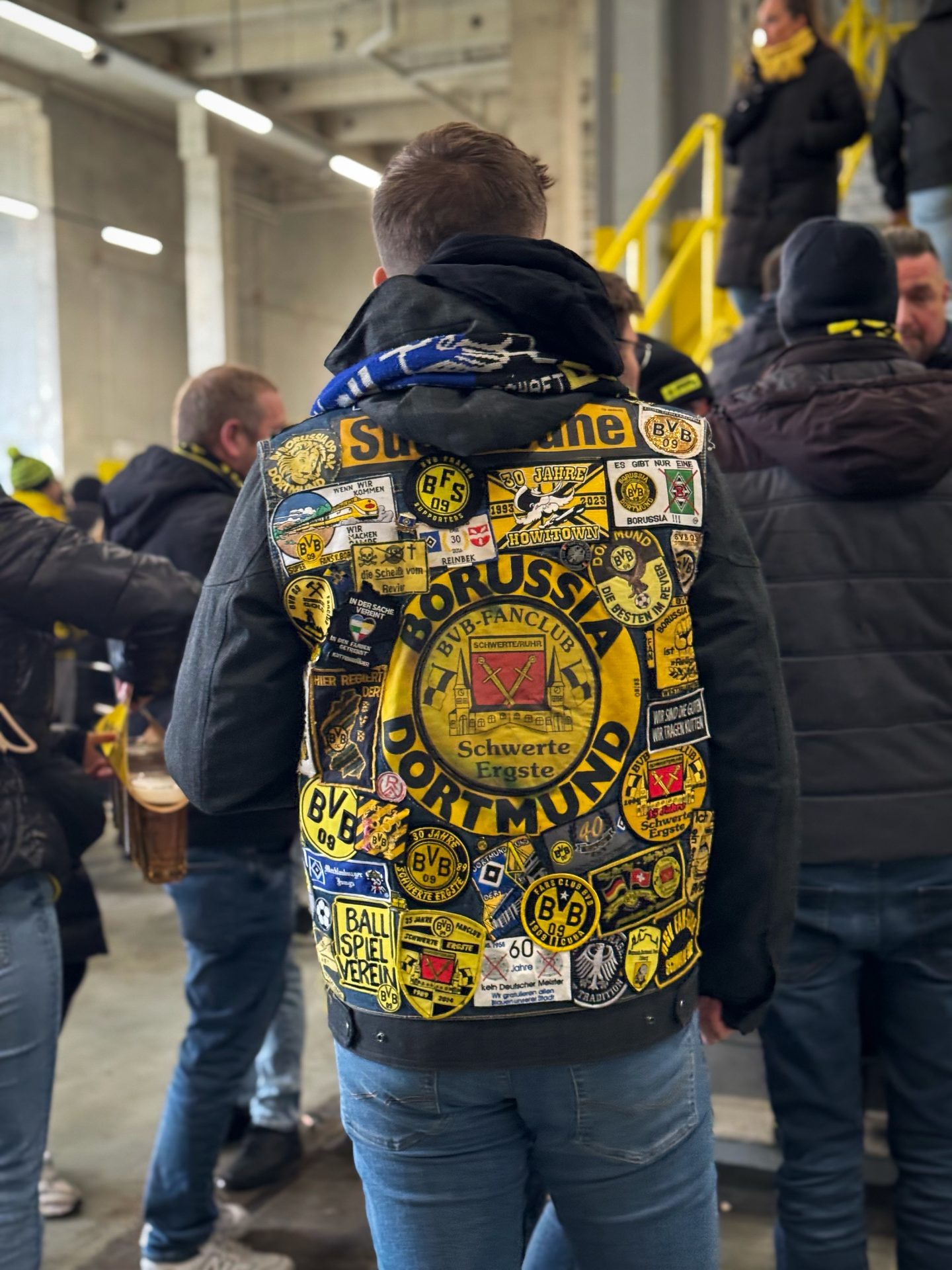
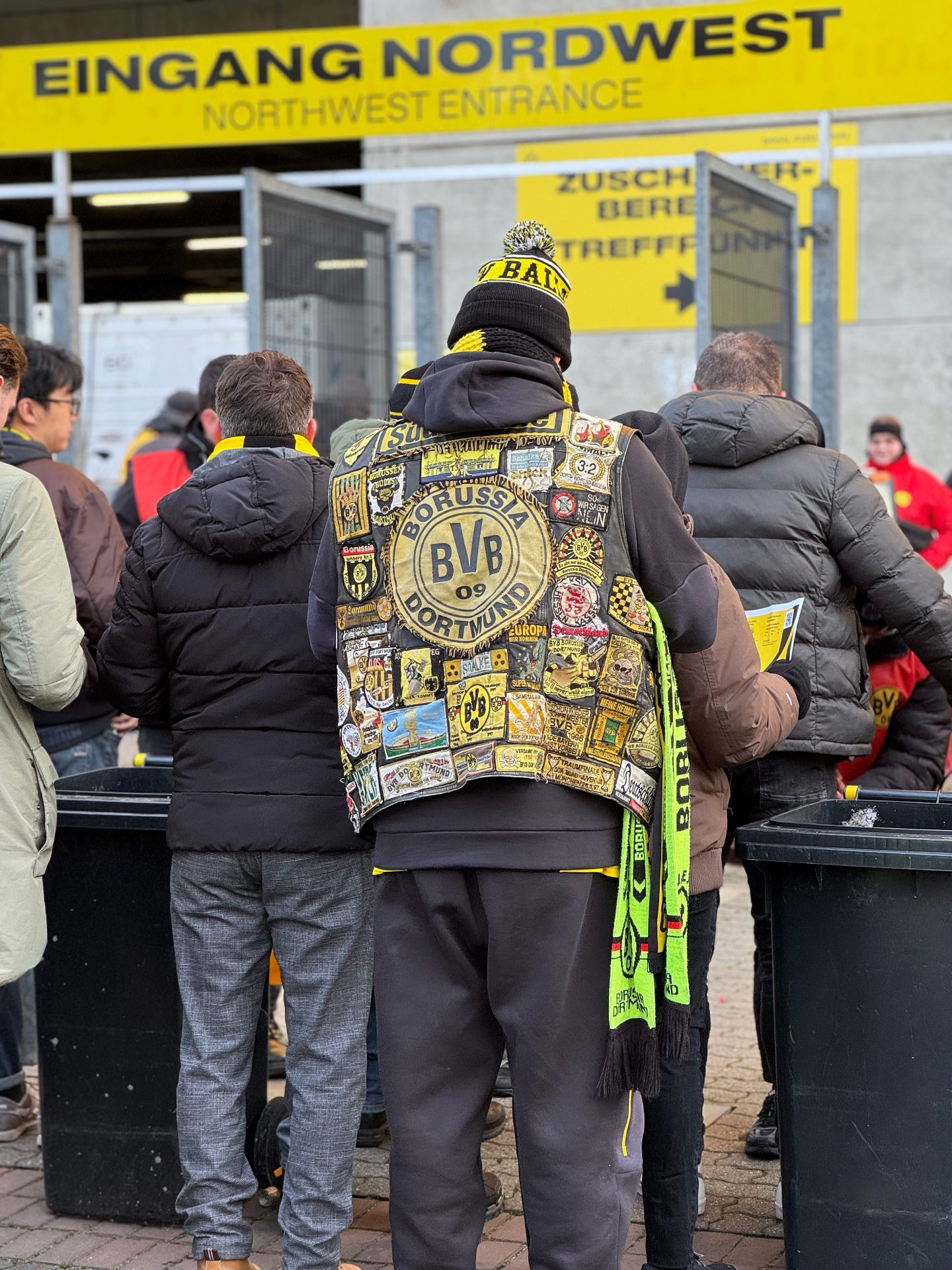
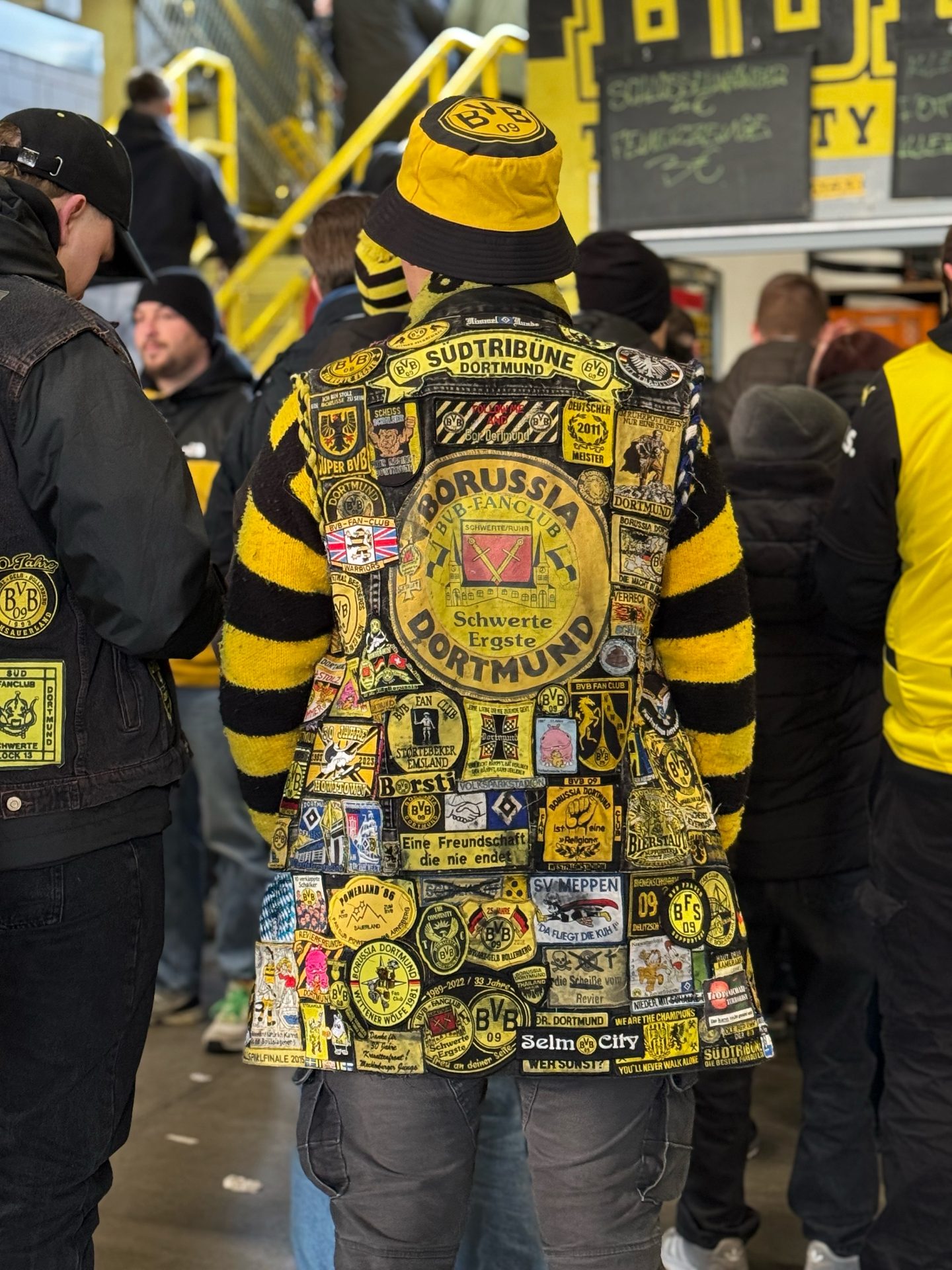
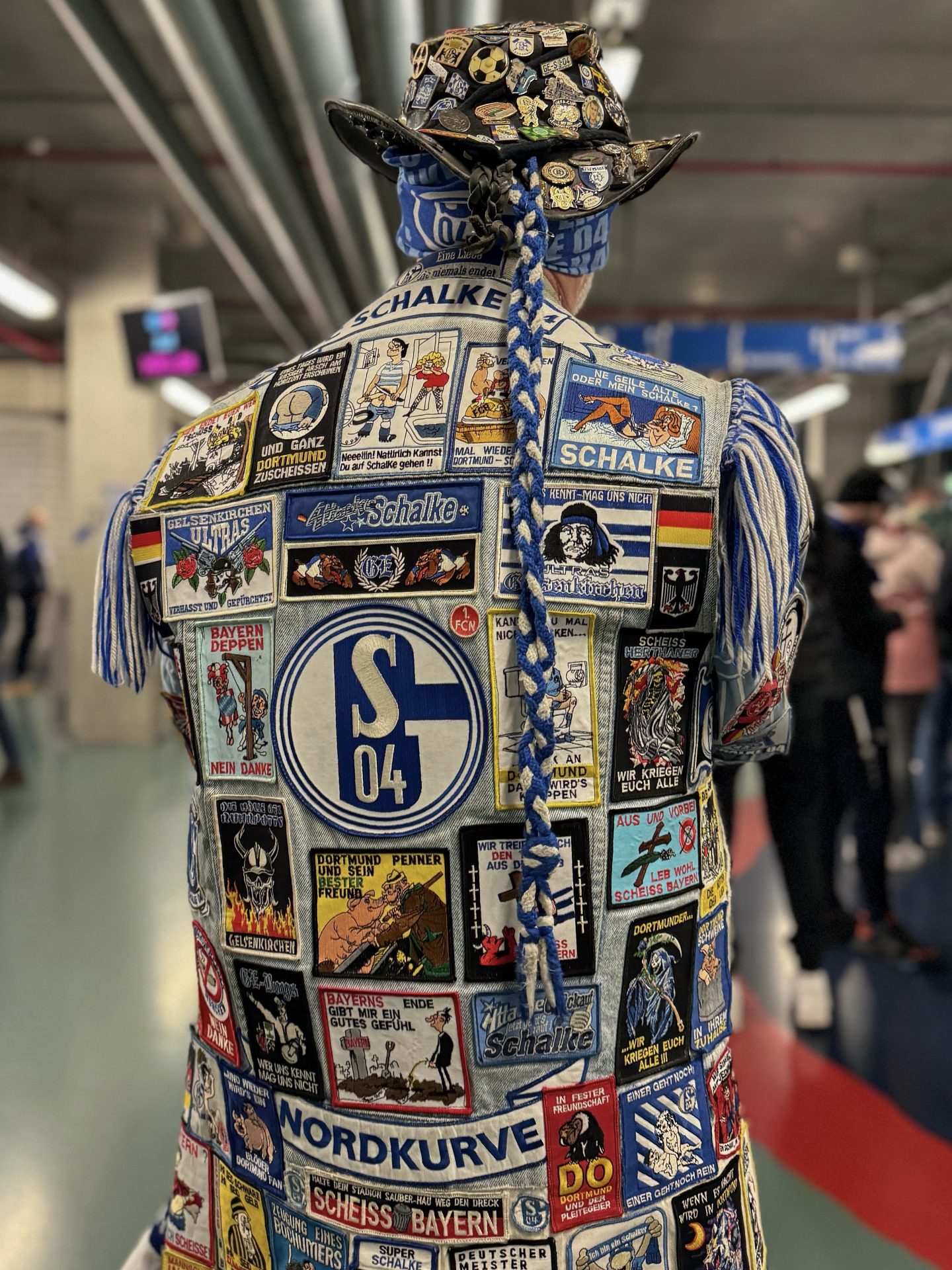
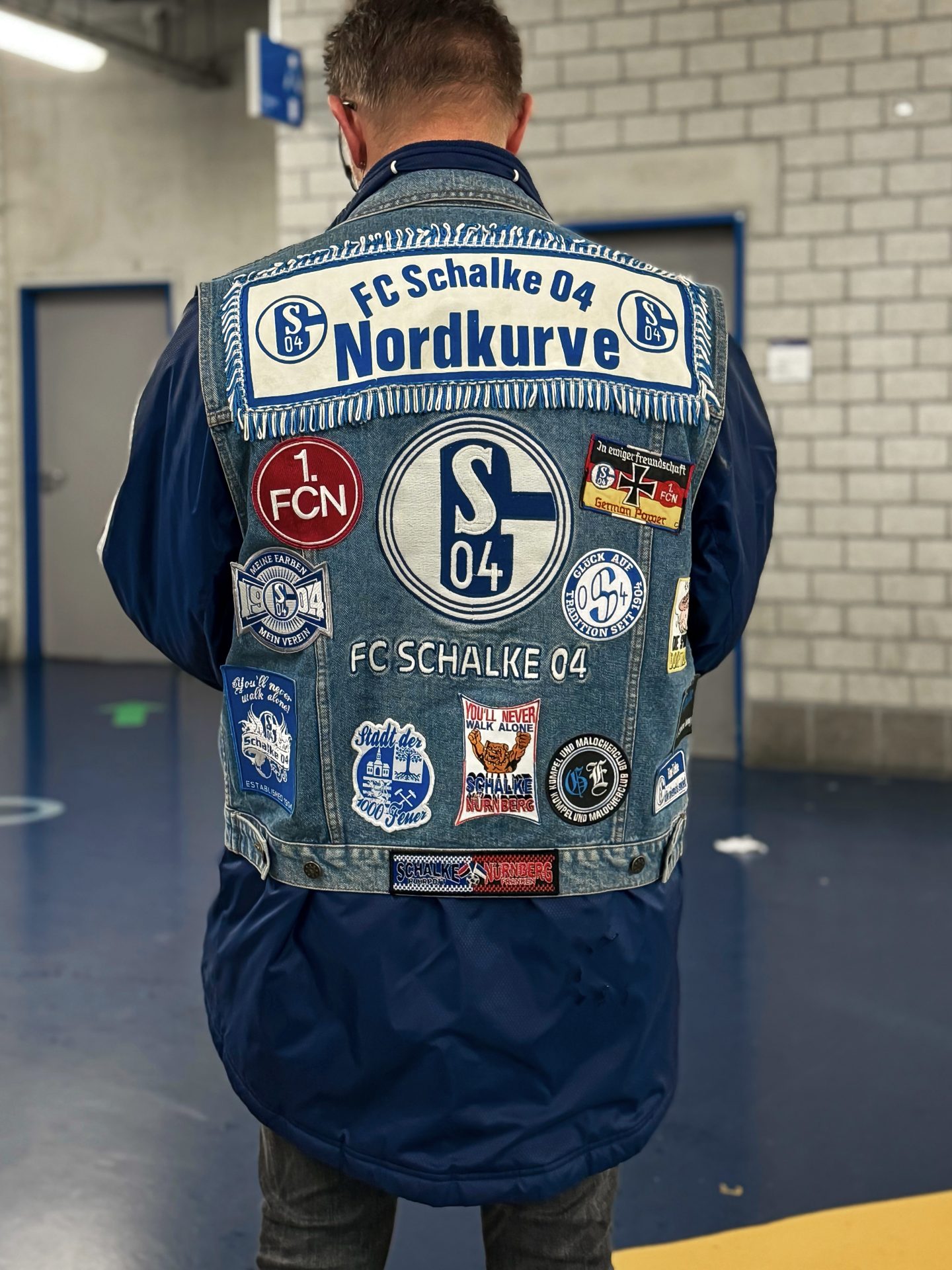
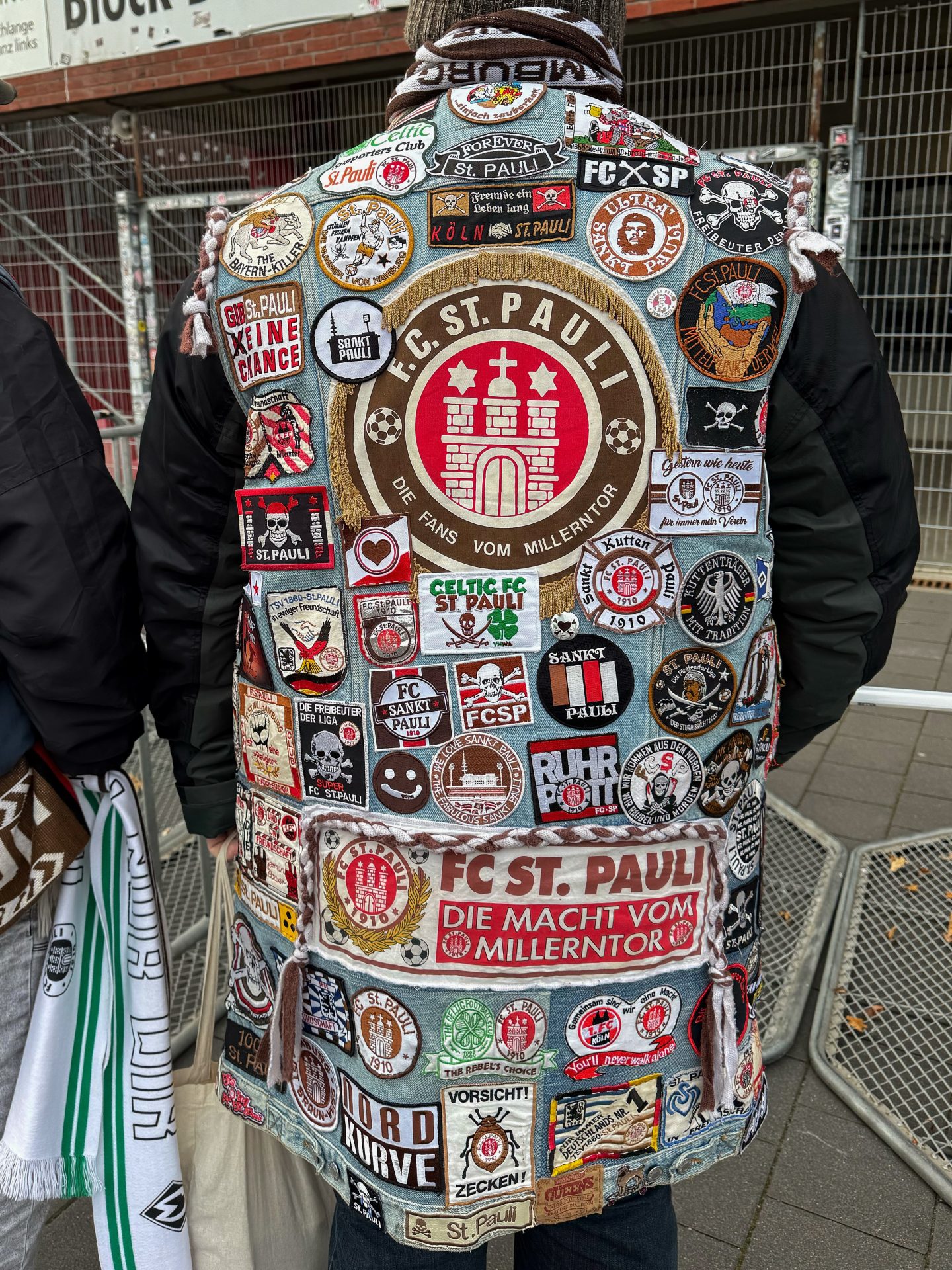
-
 Protests to Promotion | Clive Lawrence£8.50
 -
 The Old Showground | Nic Salmon£8.50
 -
 And You’ll Never Know | Conrad Tracy£8.50
 -
 Going to the Match | Richard Davis£8.50
 -
 The Third Element | Steve Pyke£8.50
 -
 Blades 1989-90 | Bill Stephenson£8.50
 -
 Toon Army 1996 | Keith Pattison£8.50
 -
 Delilah – Stoke Lads 1990-92 | Tony Davis£8.50
 -
 Scottish Grounds 1990s | Tony Davis£8.50