Matchday photography has always been more than the act of recording a game. It is a document of class, ritual, style, landscape, community, and identity. The camera does not only point toward the pitch – it captures the lived experience around it. The walk to the ground. The clothes. The songs. The architecture. The faces that carry the meaning of the game forward.
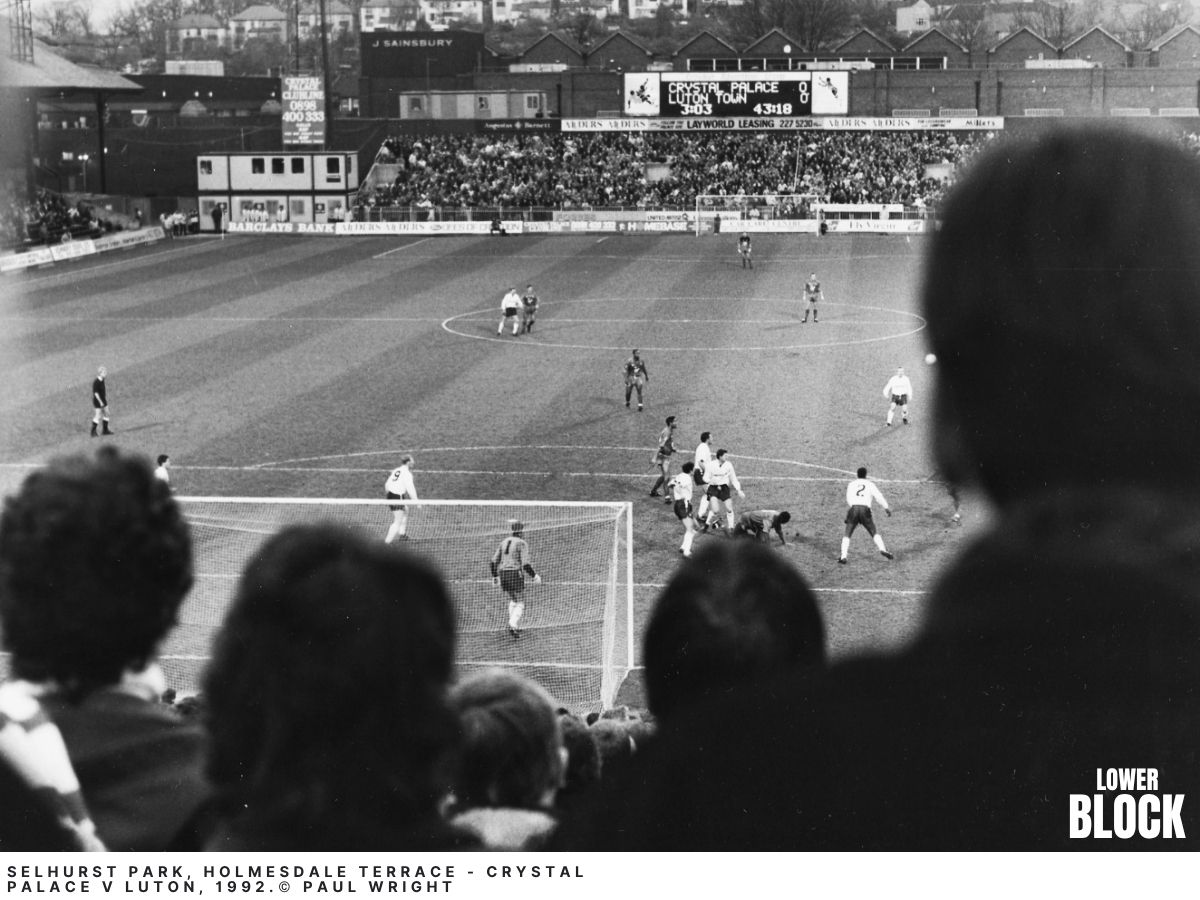
In the early years, football photography revolved around formality and spectacle. Teams lined up in regimented poses. Stadia were backdrops rather than characters. Supporters existed mostly as background texture. As the culture evolved, so did the lens. Photographers moved closer to the terraces, closer to the crowd, closer to the emotional core of matchday life.
By the late 20th century, football photography began to reflect social reality. Industrial backstreets, pub interiors, housing estates, concrete stairwells, entry turnstiles – the environment around the stadium became part of the story. The visual language shifted from presentation to observation. Less staged, more felt. Less surface, more truth.
Today, the strongest football imagery sits somewhere between documentary, photojournalism and art. It respects the culture because it comes from within it. It treats supporters not as subjects, but as participants. The camera becomes a witness to identity – clothing choices, gestures, friendships, generational ties. These images speak to memory, masculinity, belonging, and working-class creativity.
Related Lower Block Editions
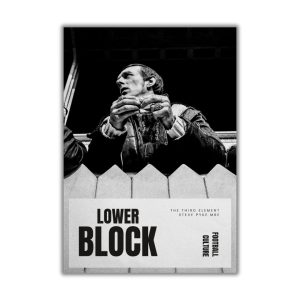
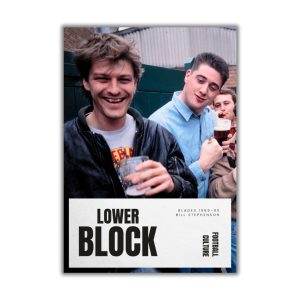
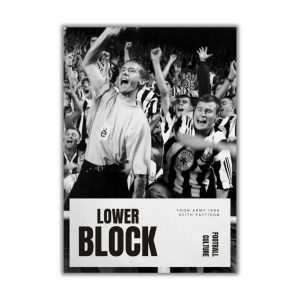
For photographers working inside football culture, authenticity matters. The aesthetics are subtle – grain, shadow, weather, texture, repetition, ritual. Good matchday photography understands that football is not just a sport, but a lived environment.
This is the visual space Lower Block works within: the everyday poetry of football life, preserved through print and archive, grounded in lived experience rather than nostalgia or surface-level trend.
Lower Block works with photographers, brands, galleries, and cultural institutions to document football culture with integrity. For consultancy, archive research, or collaborative editorial projects, read more abut our services and how to get in touch.
You may also enjoy…