In working-class communities across the world, football is more than entertainment; it is structure, identity, and a shared emotional language. In cities where people grow up with less economic comfort than in much of the West, the game becomes a powerful social glue – shaping friendships, daily routines, style, and belief. These photographs and words by Bikry Praditya are rooted in that reality, centred on supporters of Persib Bandung in Bandung and the fierce rivalry with Persija Jakarta from Jakarta.
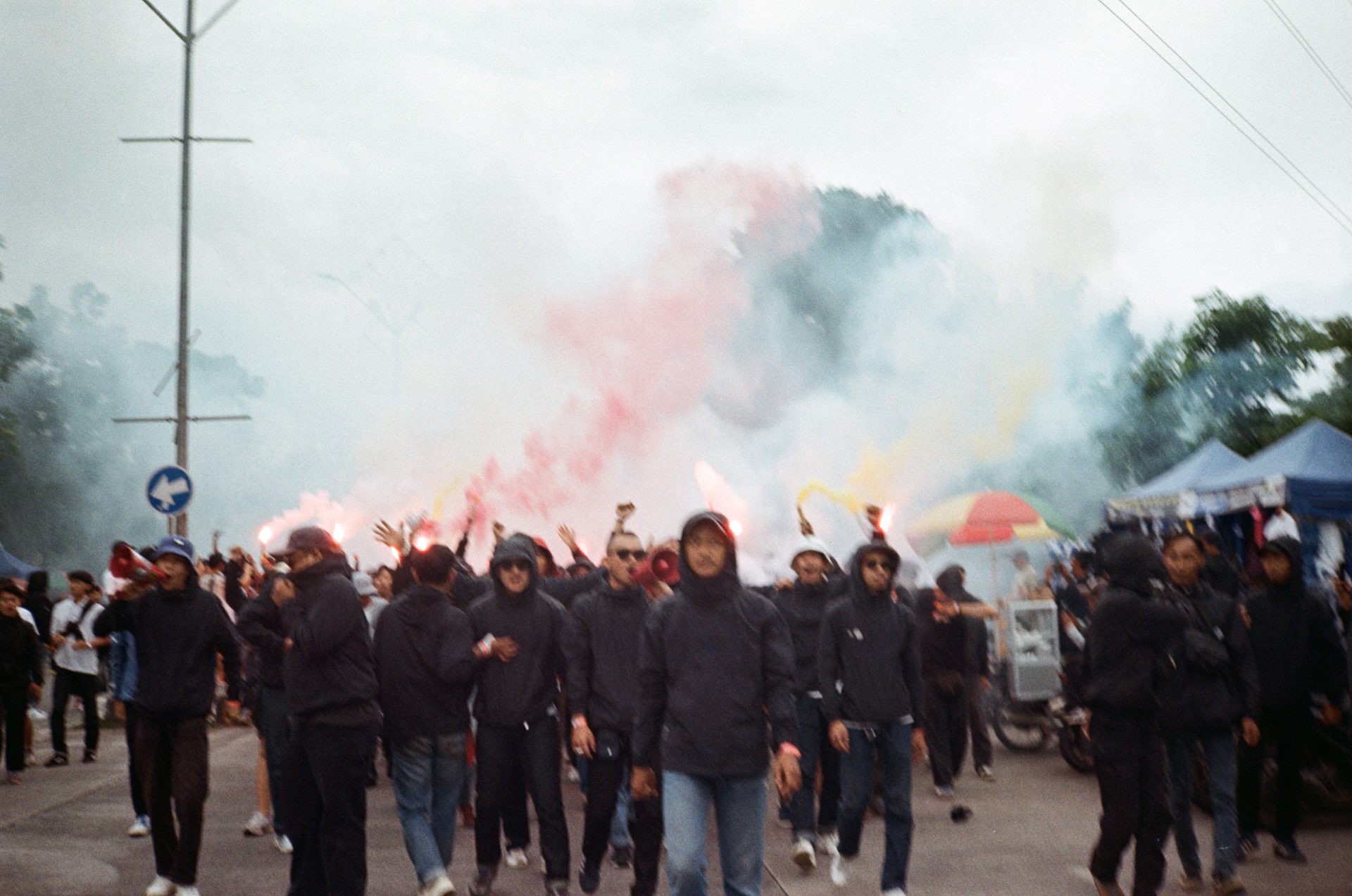
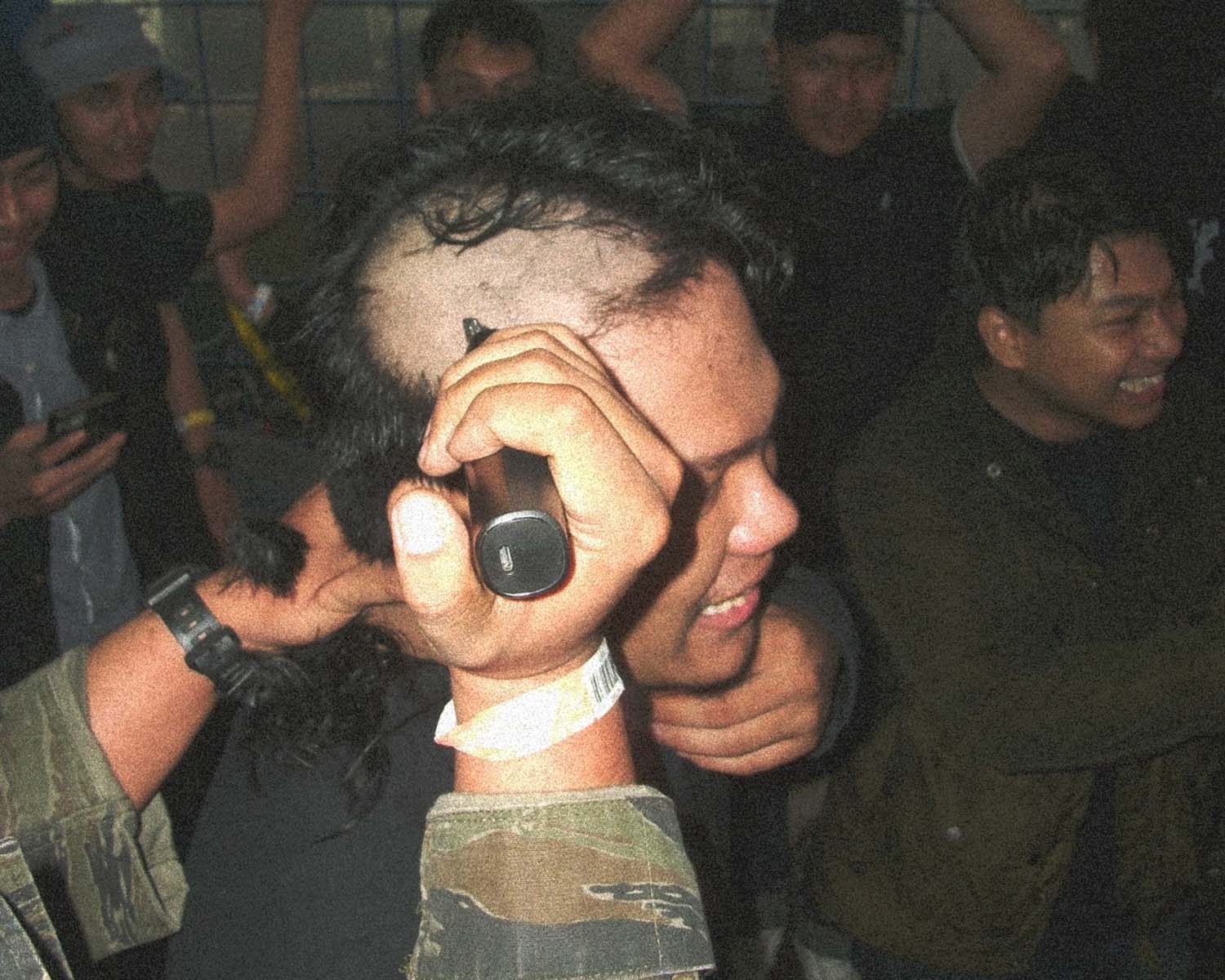
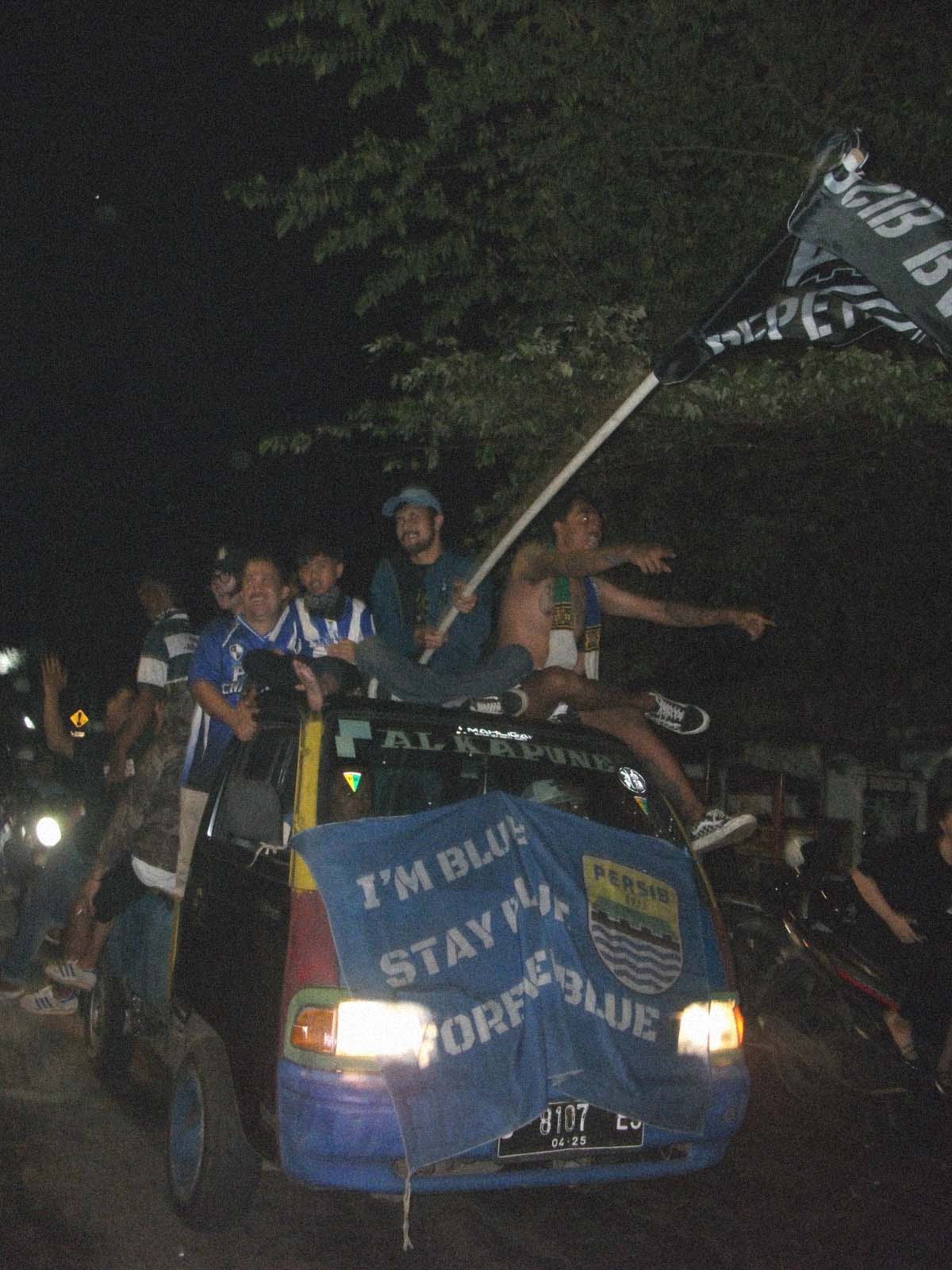
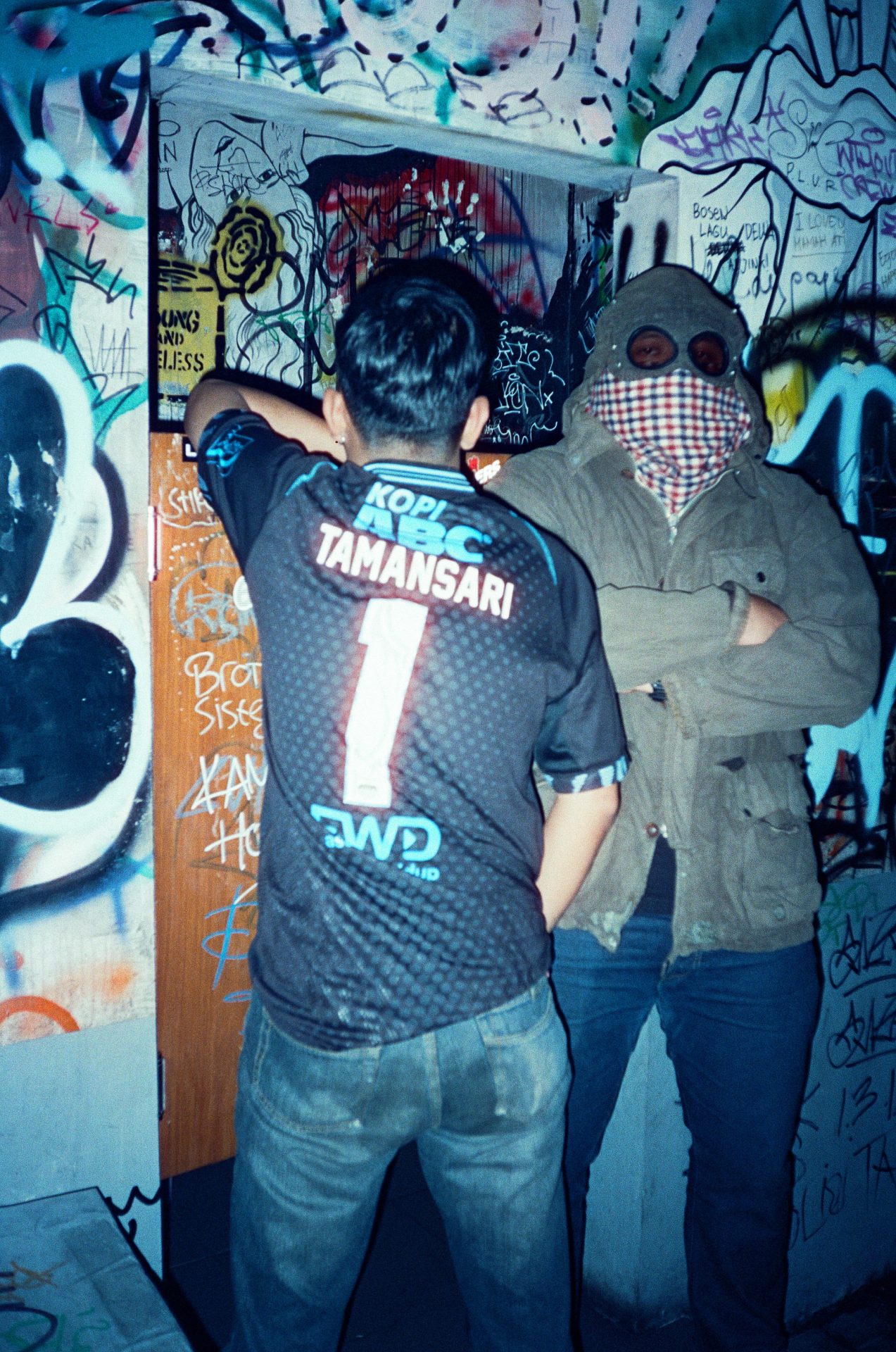
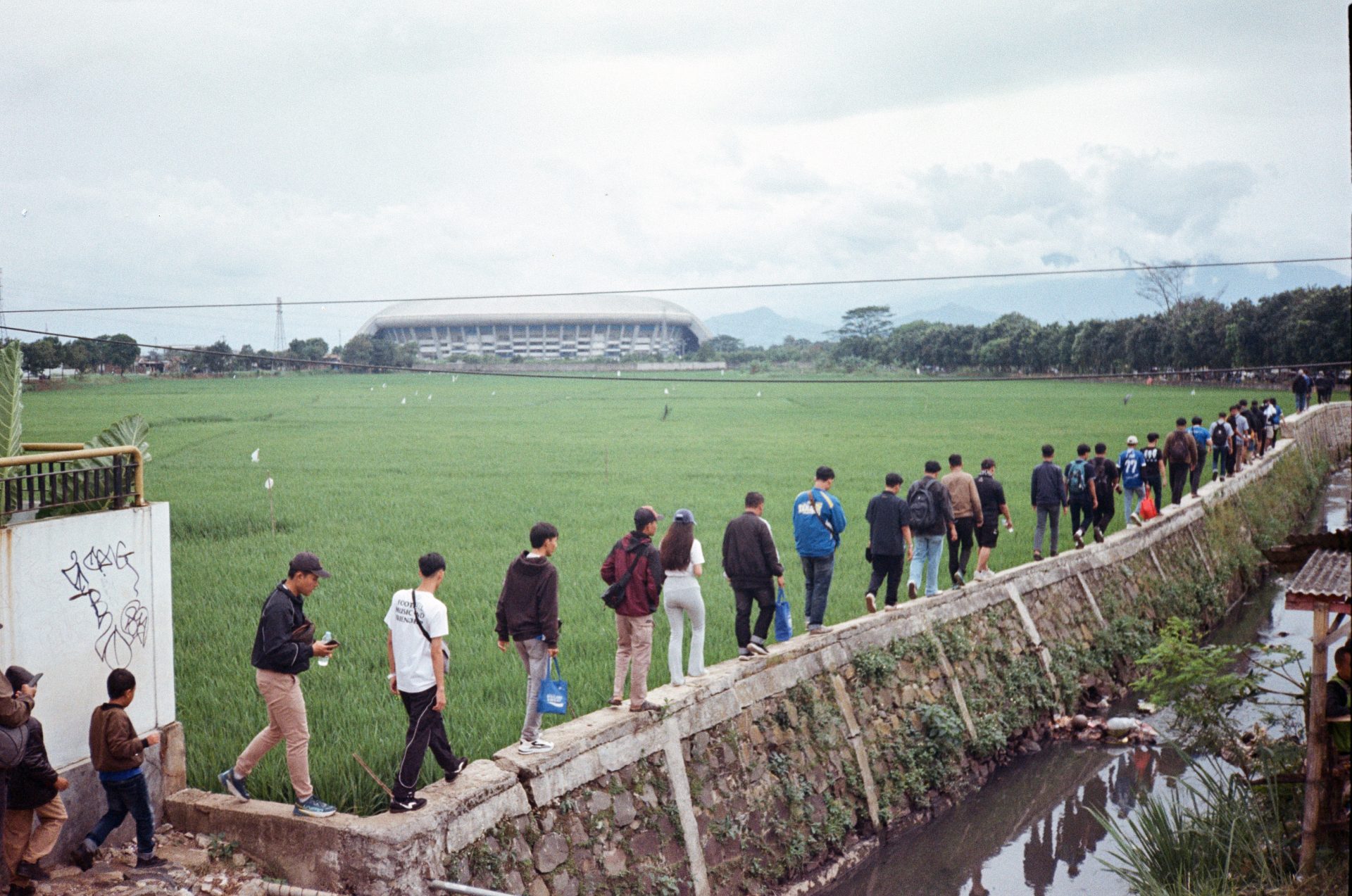
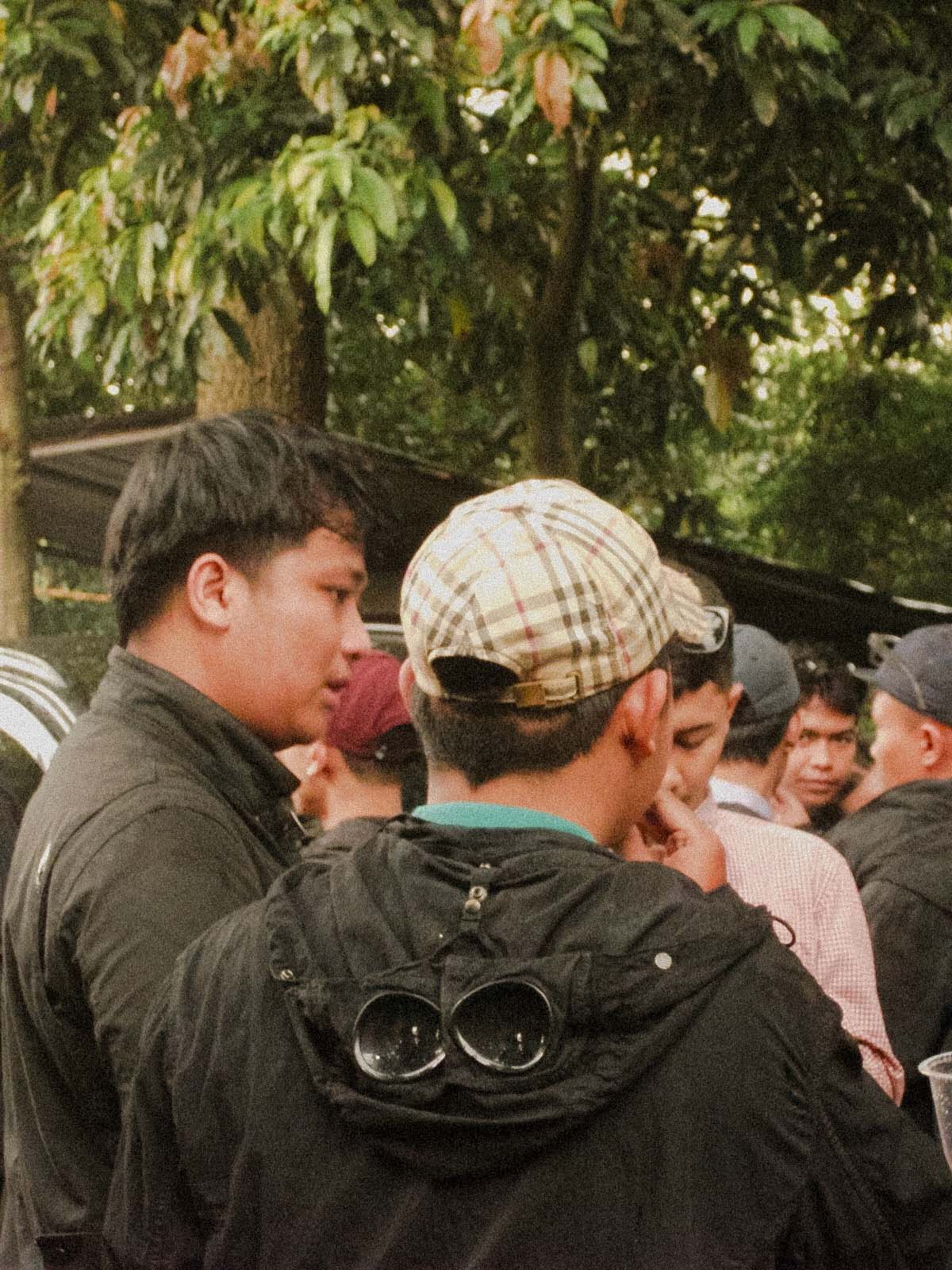
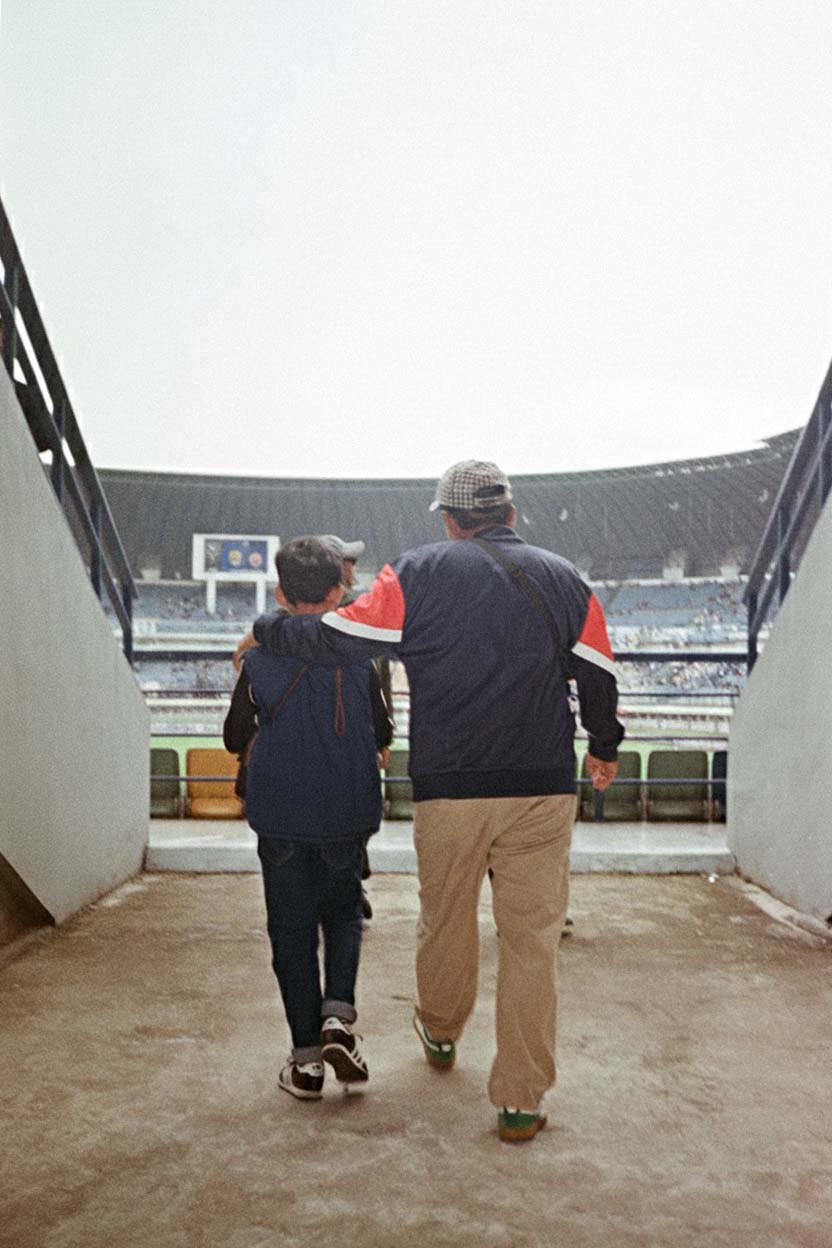
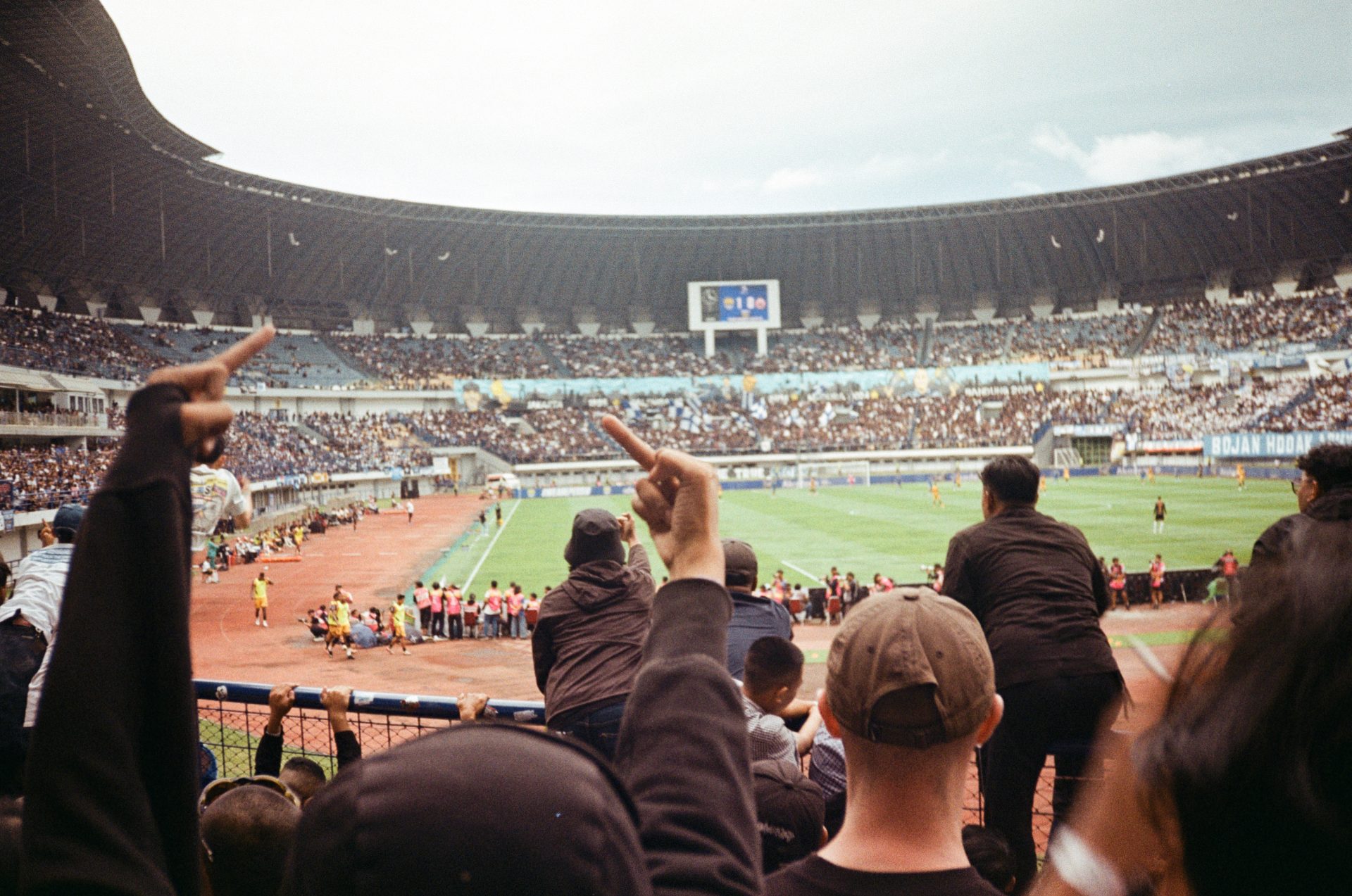
The images document more than matchday tension. They show community, friendship, and camaraderie built around the ritual of following a club. In these spaces, football culture becomes youth culture. Subculture forms through behaviour, gesture, and shared codes – how supporters stand, move, gather, and express loyalty. Supporting a team is not passive; it demands effort, travel, and sacrifice, making belonging something earned and lived.
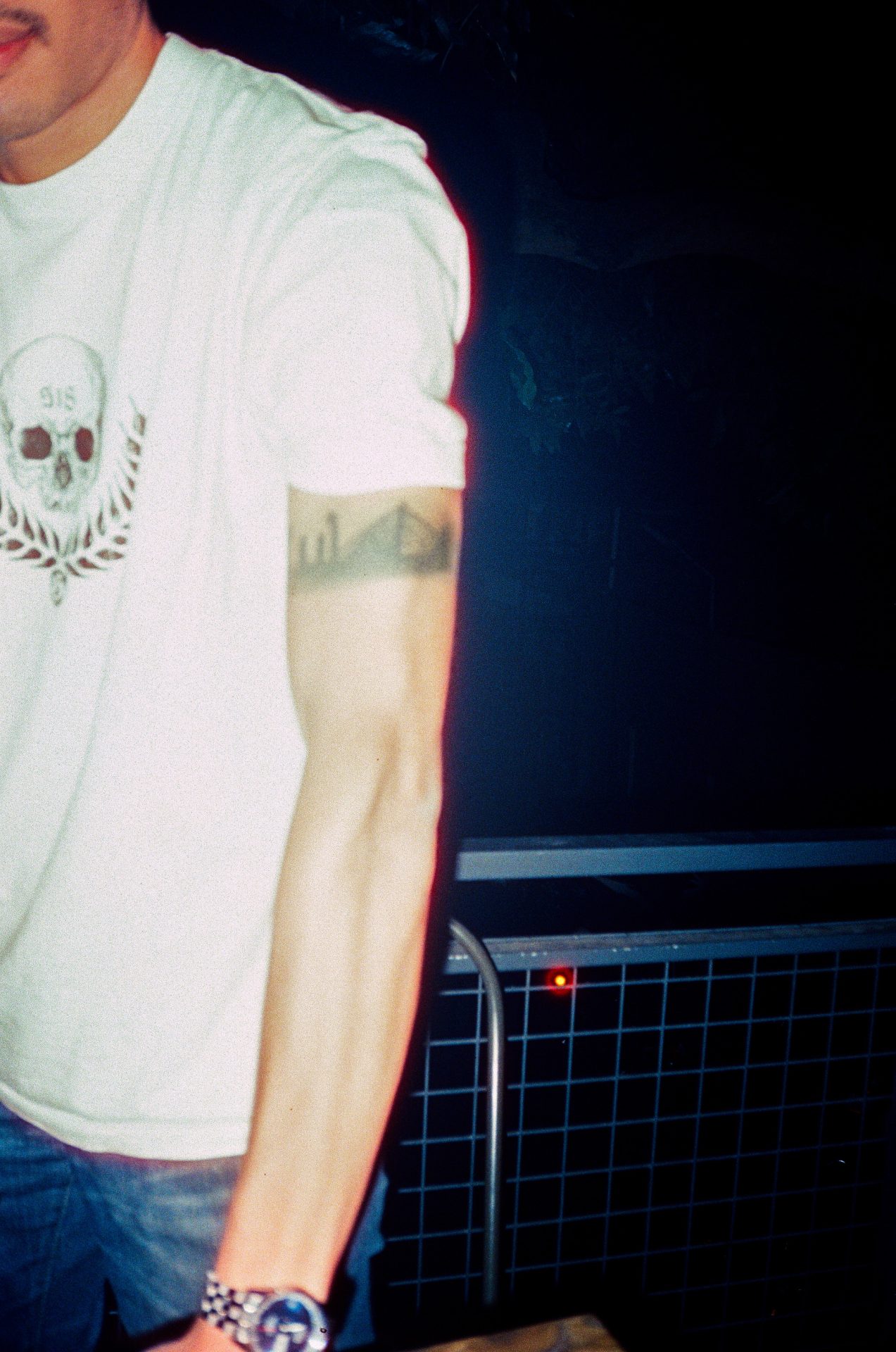
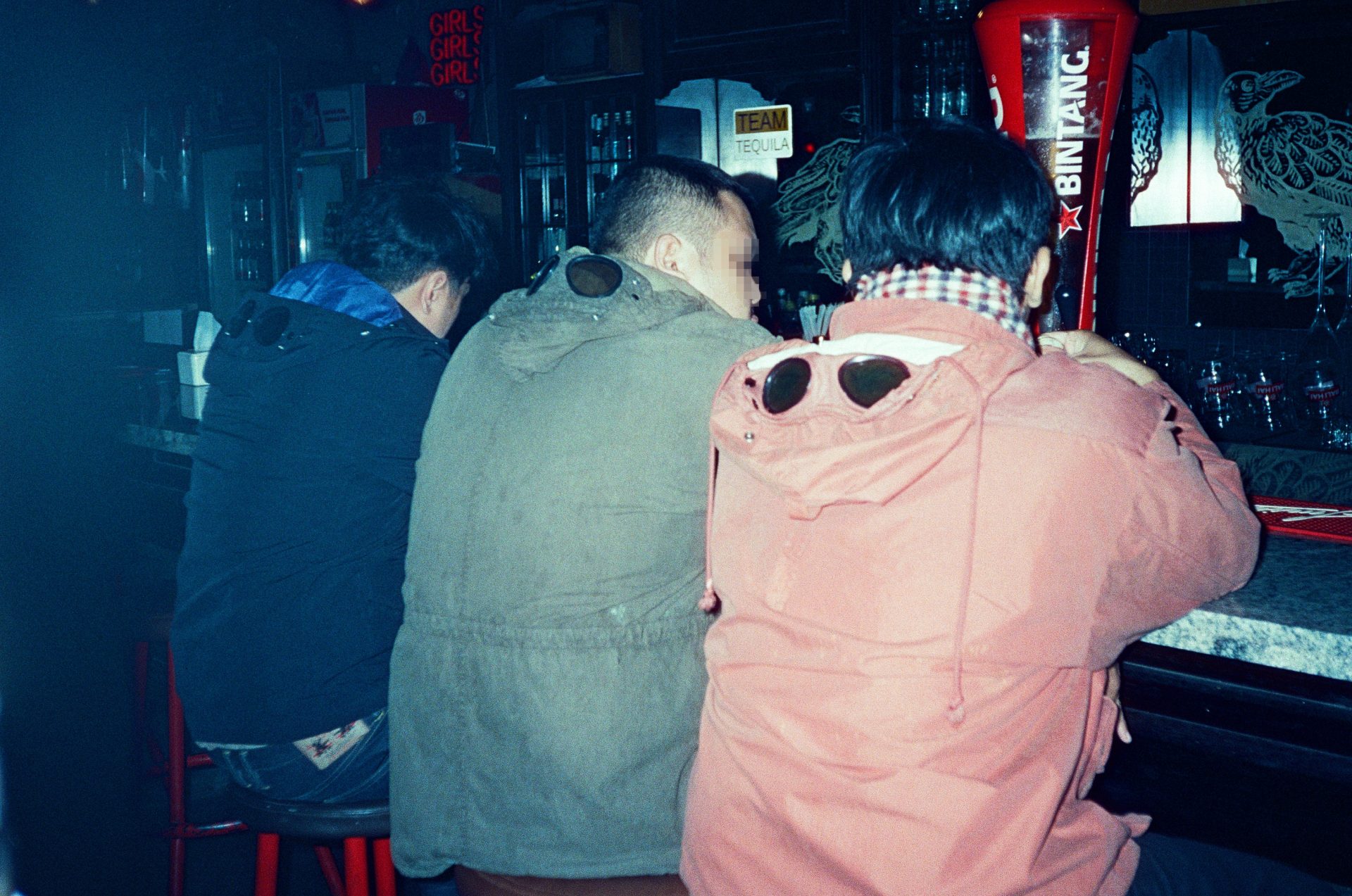
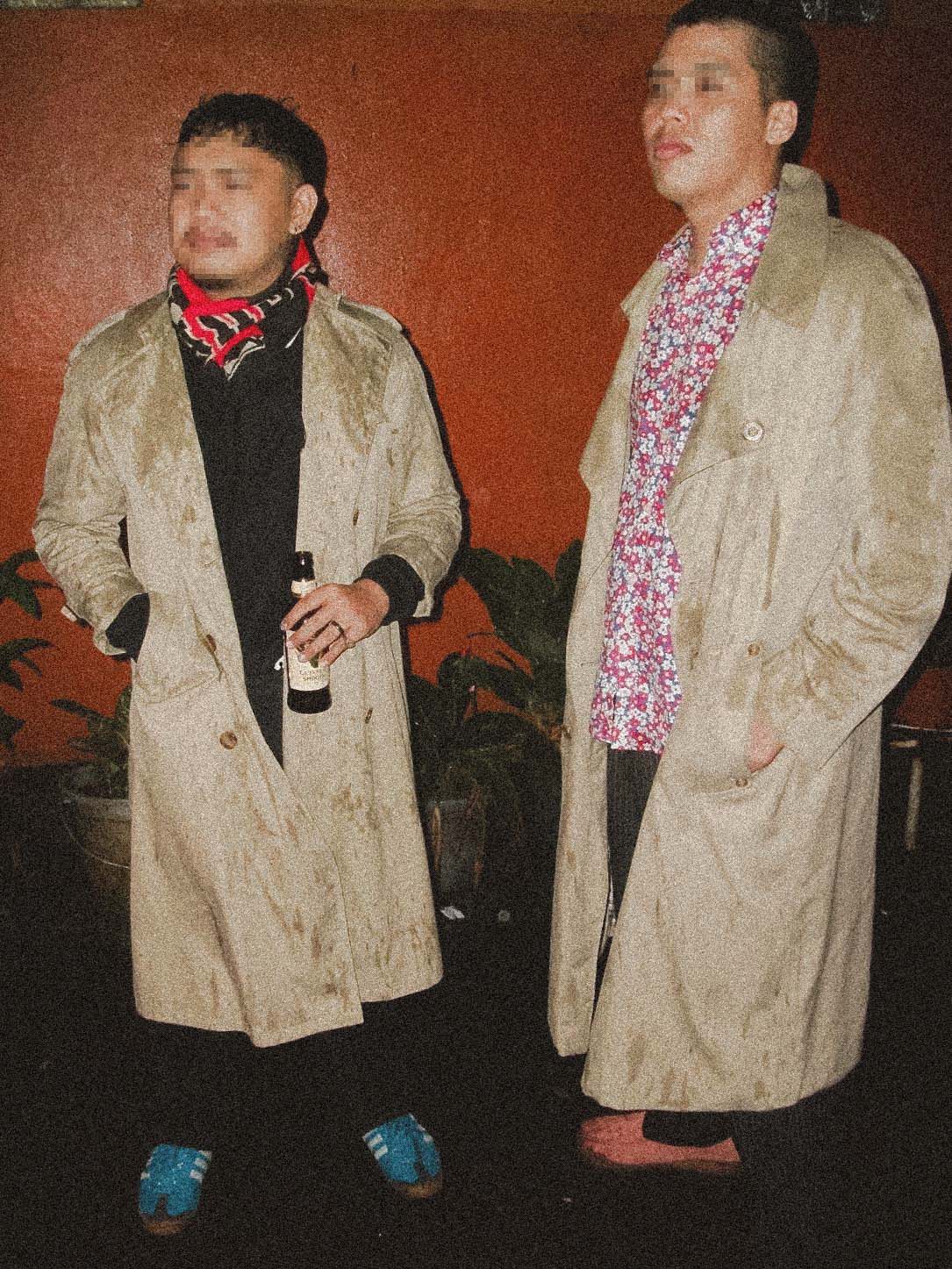
There is also a clear visual dialogue with British and wider European terrace traditions. The fashion, haircuts, and body language echo elements of casual and ultra culture, yet they are not imitations. They are reinterpreted through a distinctly Asian lens – local attitudes, local pressures, and local pride reshaping global influences into something original. The result is a hybrid identity: international in reference, but rooted firmly in Indonesian streets.
These photographs capture that attitude. They show young supporters using style, posture, and presence to assert who they are and where they belong. In places where material access may be limited, connection is built through shared belief, collective behaviour, and the simple, powerful act of standing together for a club.
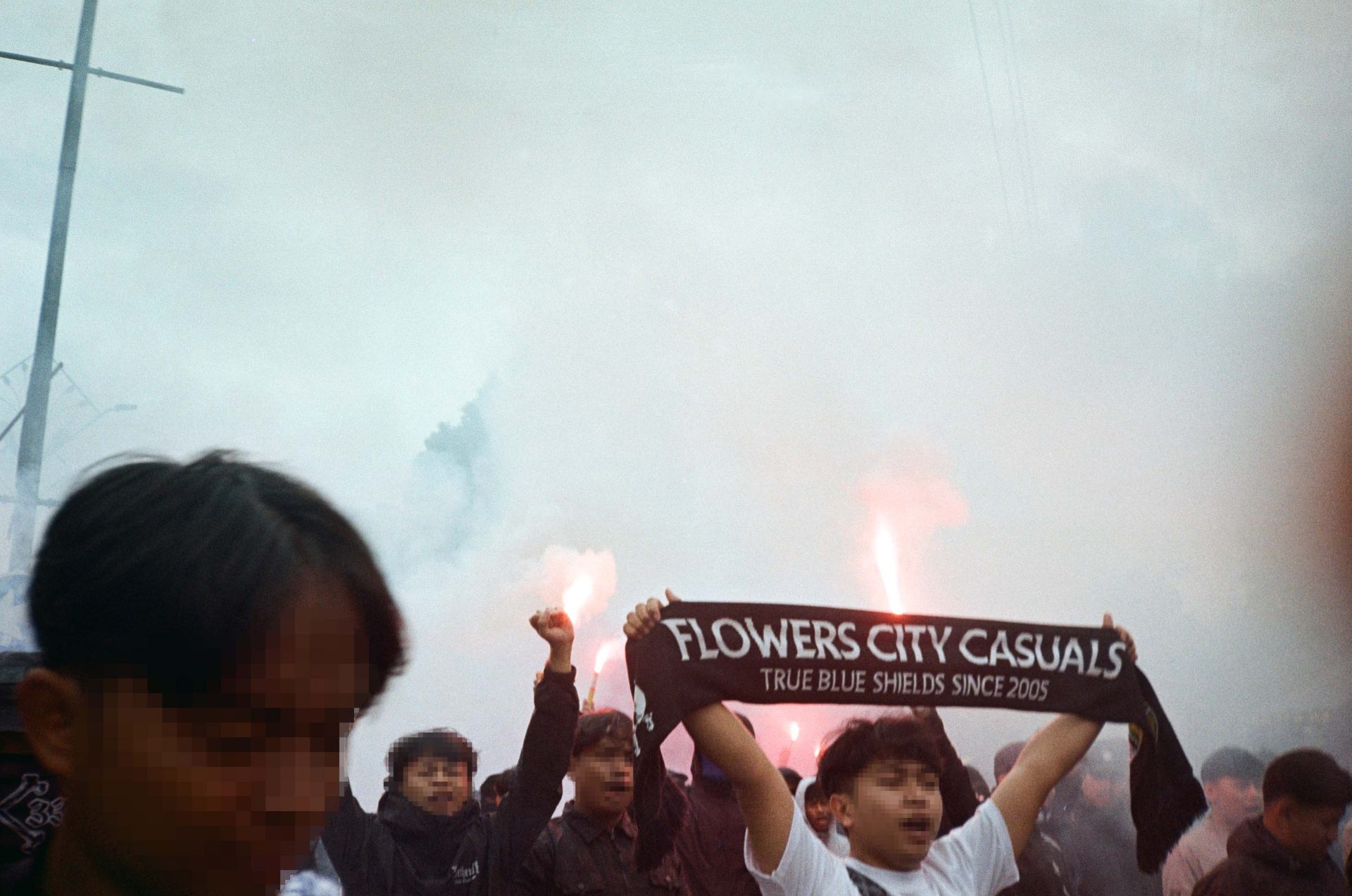
Football Is Identity – Youth, Culture, and Belonging in Bandung
I was born, live, and will hopefully die in Bandung. I am a photographer and writer and I like to try and capture contemporary phenomena around me.
As someone born in Bandung, of course I am a Persib Bandung fan. If we talk about how long I’ve been a fan, Persib in Bandung is no longer just a club, but a cultural identity passed down from generation to generation. It’s no surprise that talking about Persib inevitably touches the sentimental side of the entire city.
For us, the people of Bandung, Persib is a personal identity. In short, Persib is the reason someone falls, cries, and bleeds. Football in third-world countries like Indonesia is certainly a popular sport. We were raised with the sight of football being played on the streets, in empty lots, and even in stadiums. So, being a football fan for me feels like an inseparable destiny.
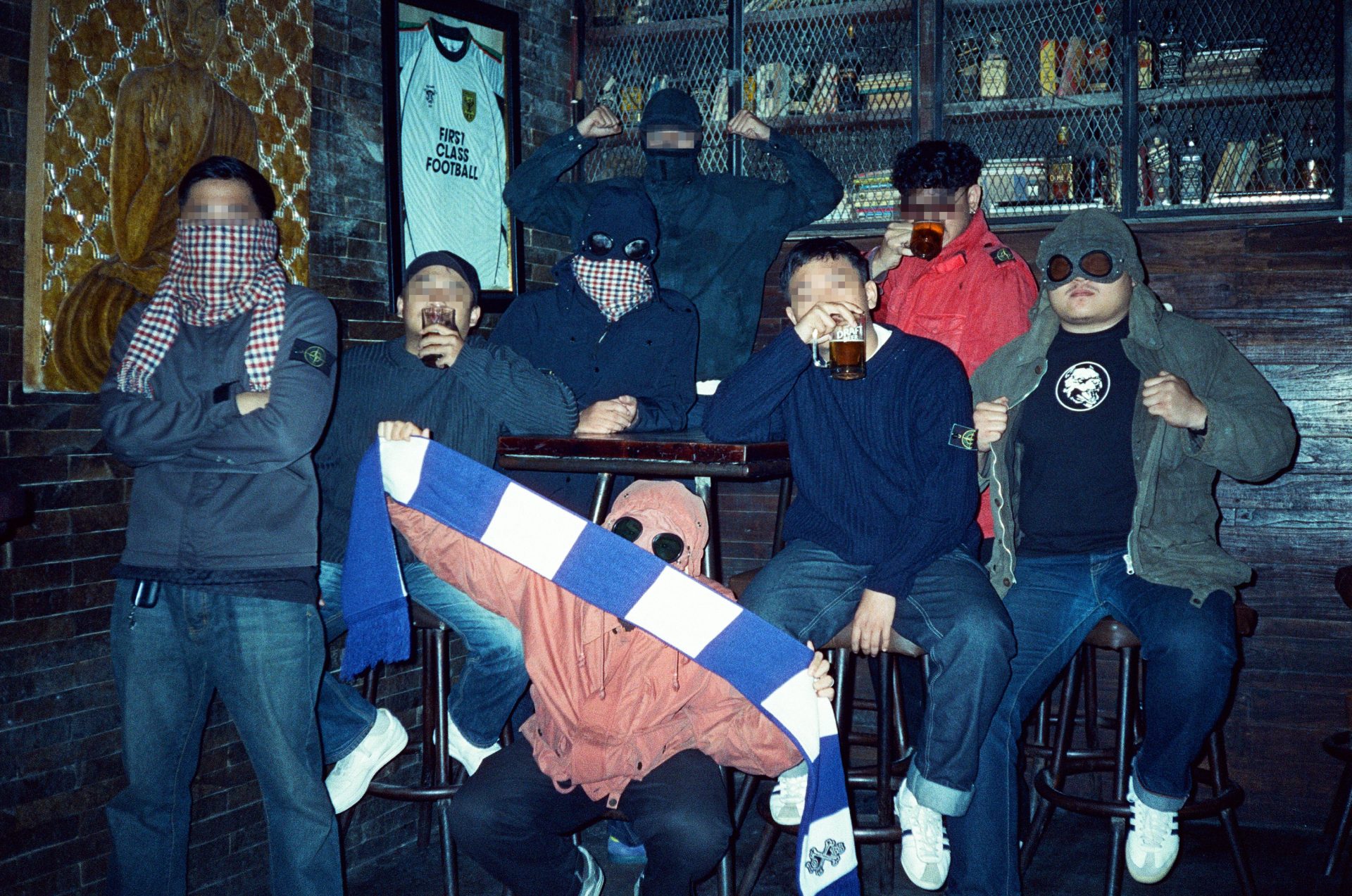
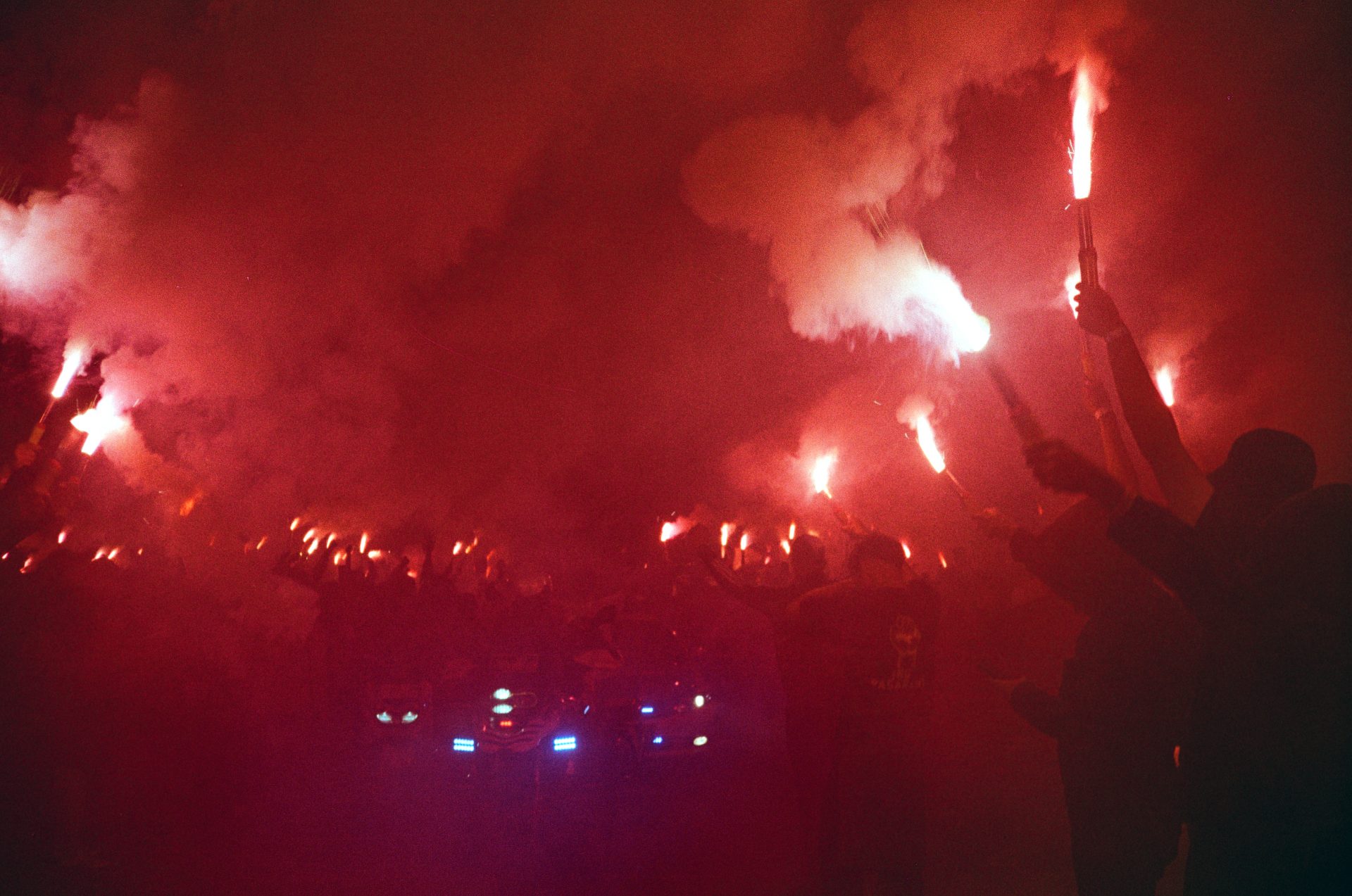
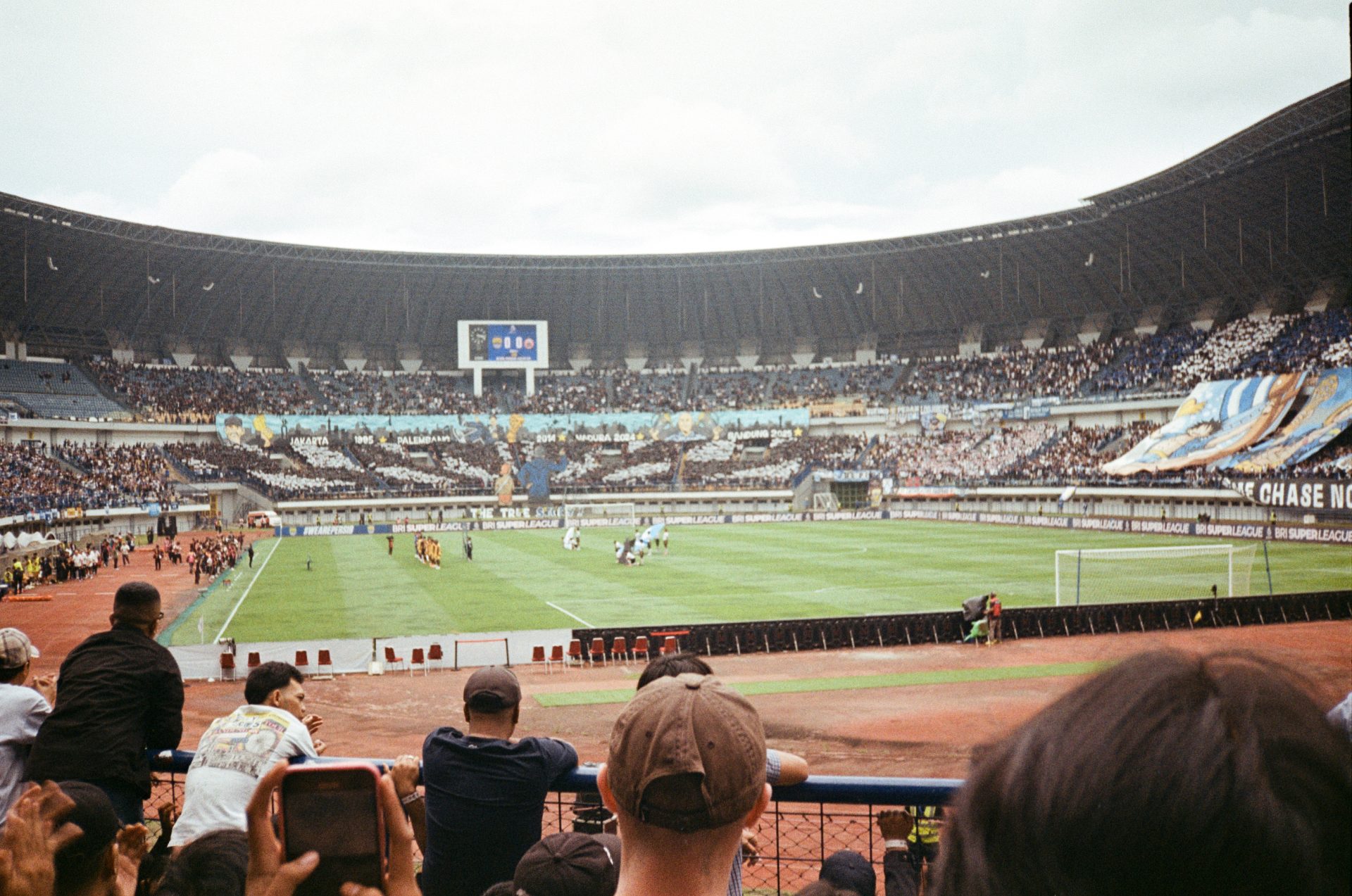
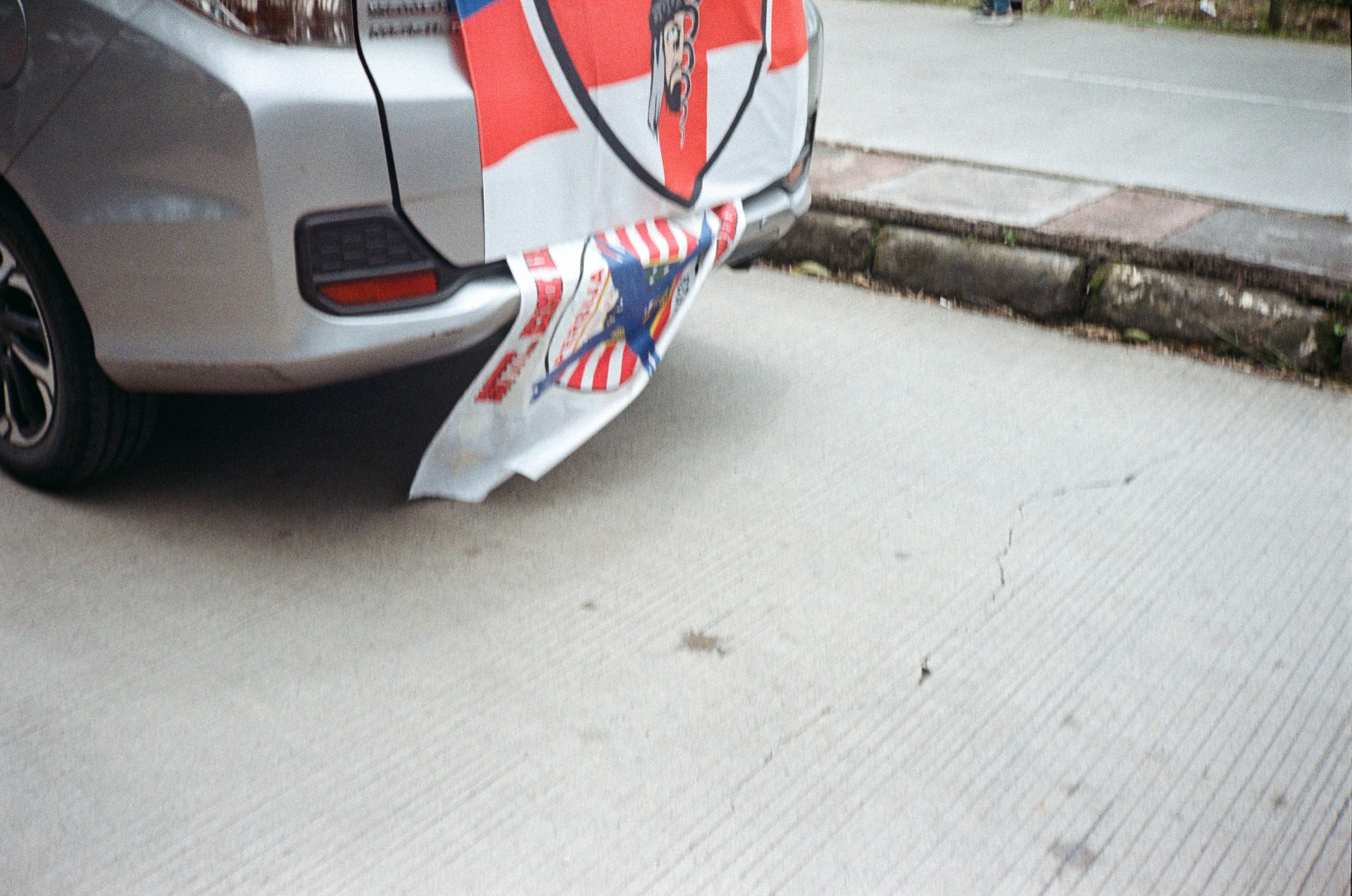
These photos were taken at the biggest rivalry match in Indonesia (and it’s even said to be the biggest in Southeast Asia), between Persib Bandung and Persija Jakarta. Through these photos, which are far from being considered proper, I want to show just how crazy football passion in Bandung is, blending football with fashion and other subcultures. This match, bringing together two teams from major cities in Indonesia, clearly hypnotised the attention of the entire nation; it’s not just a football duel, but also a battle for the pride of two cities. There’s no specific influence on my work, but I do enjoy contemporary social phenomena, especially when it comes to football, which I also love.
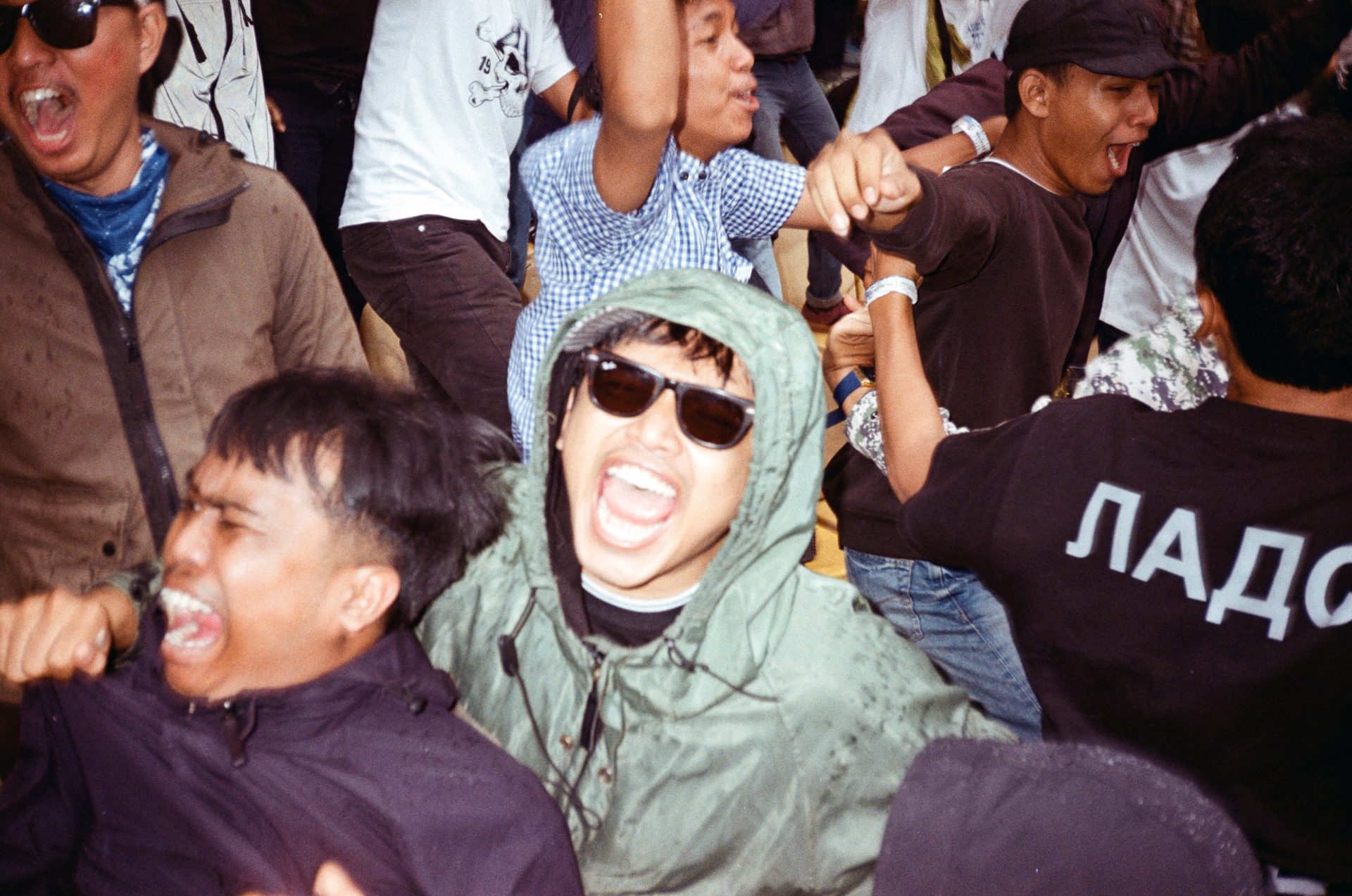
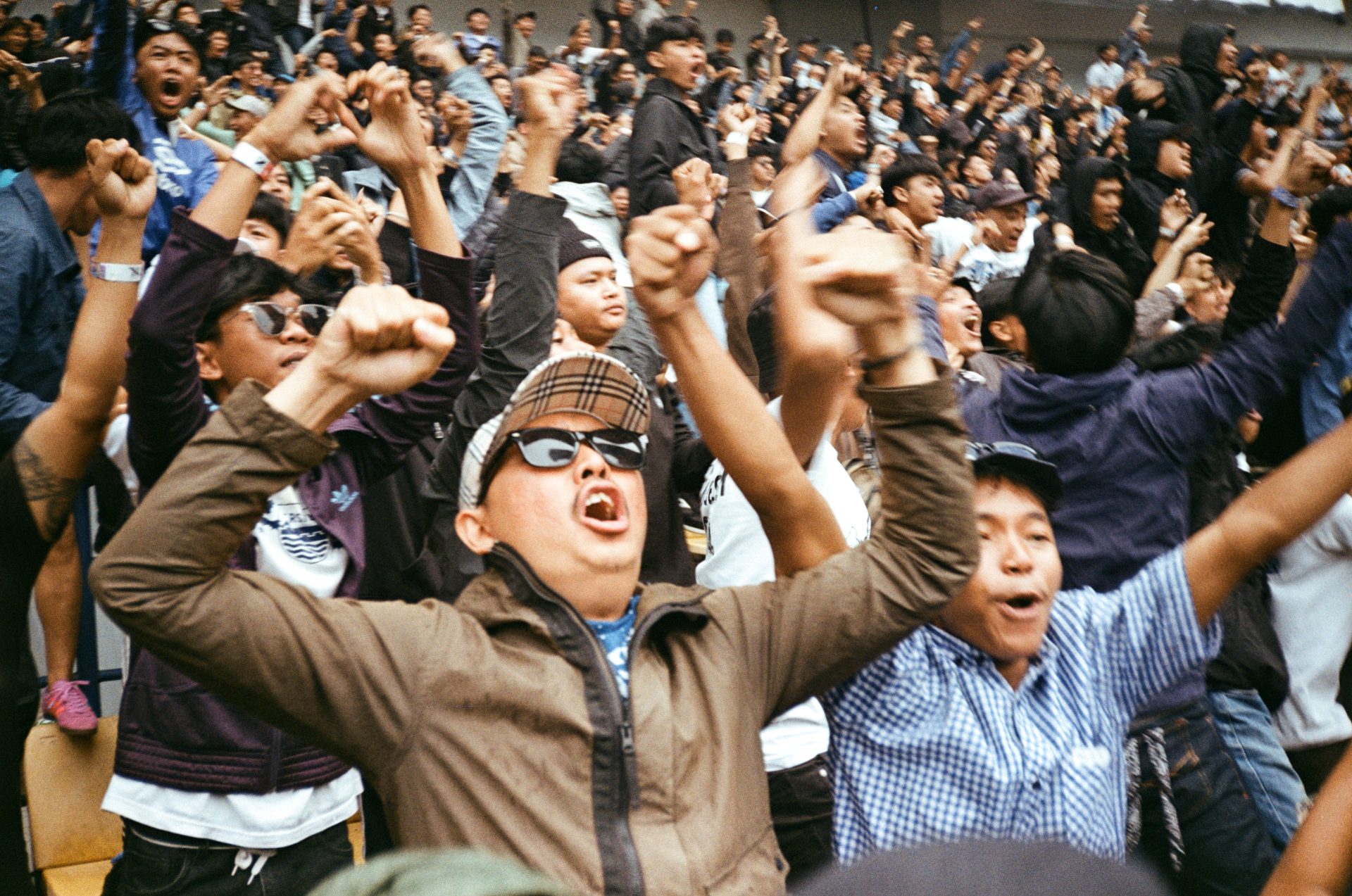
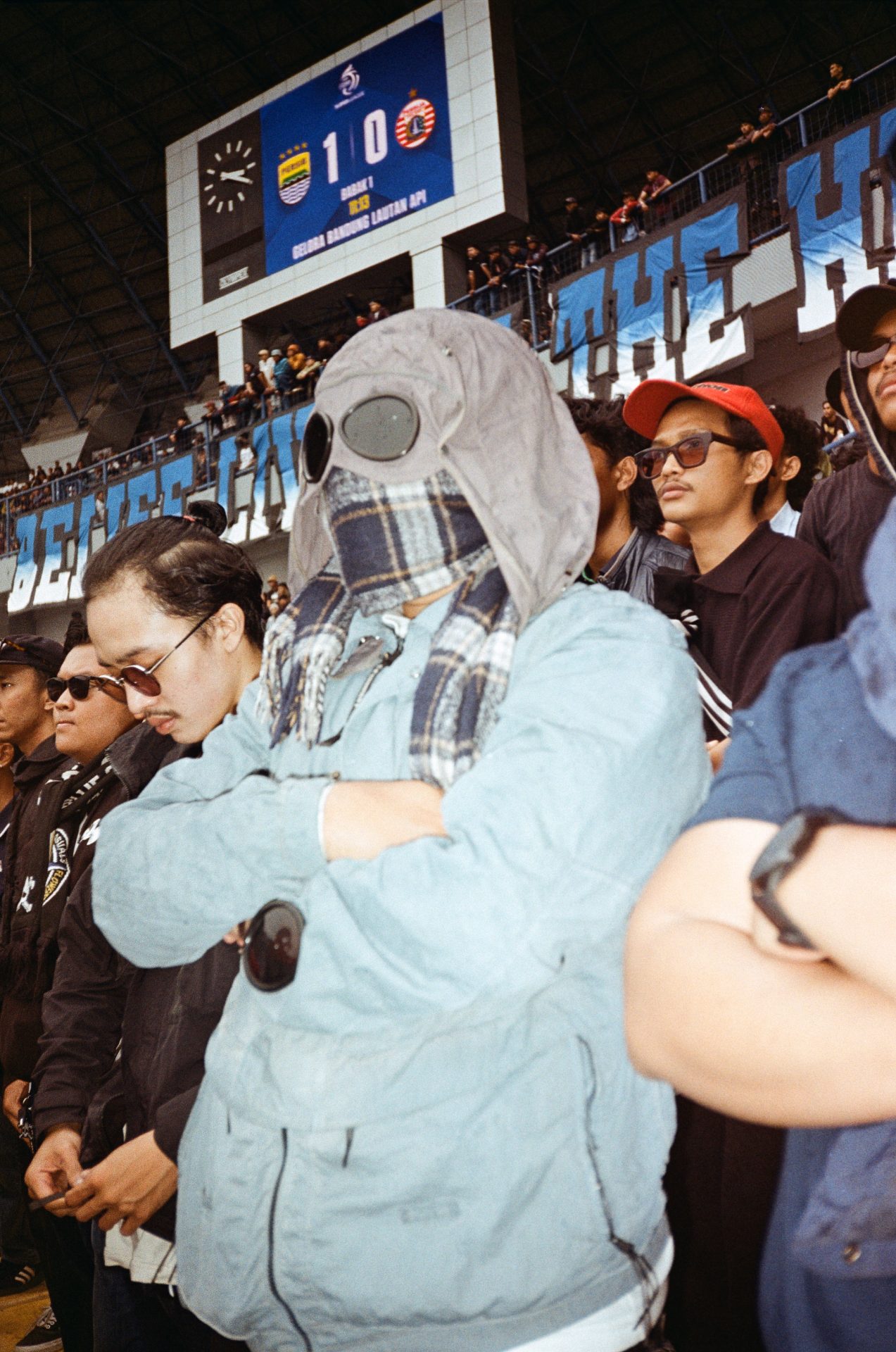



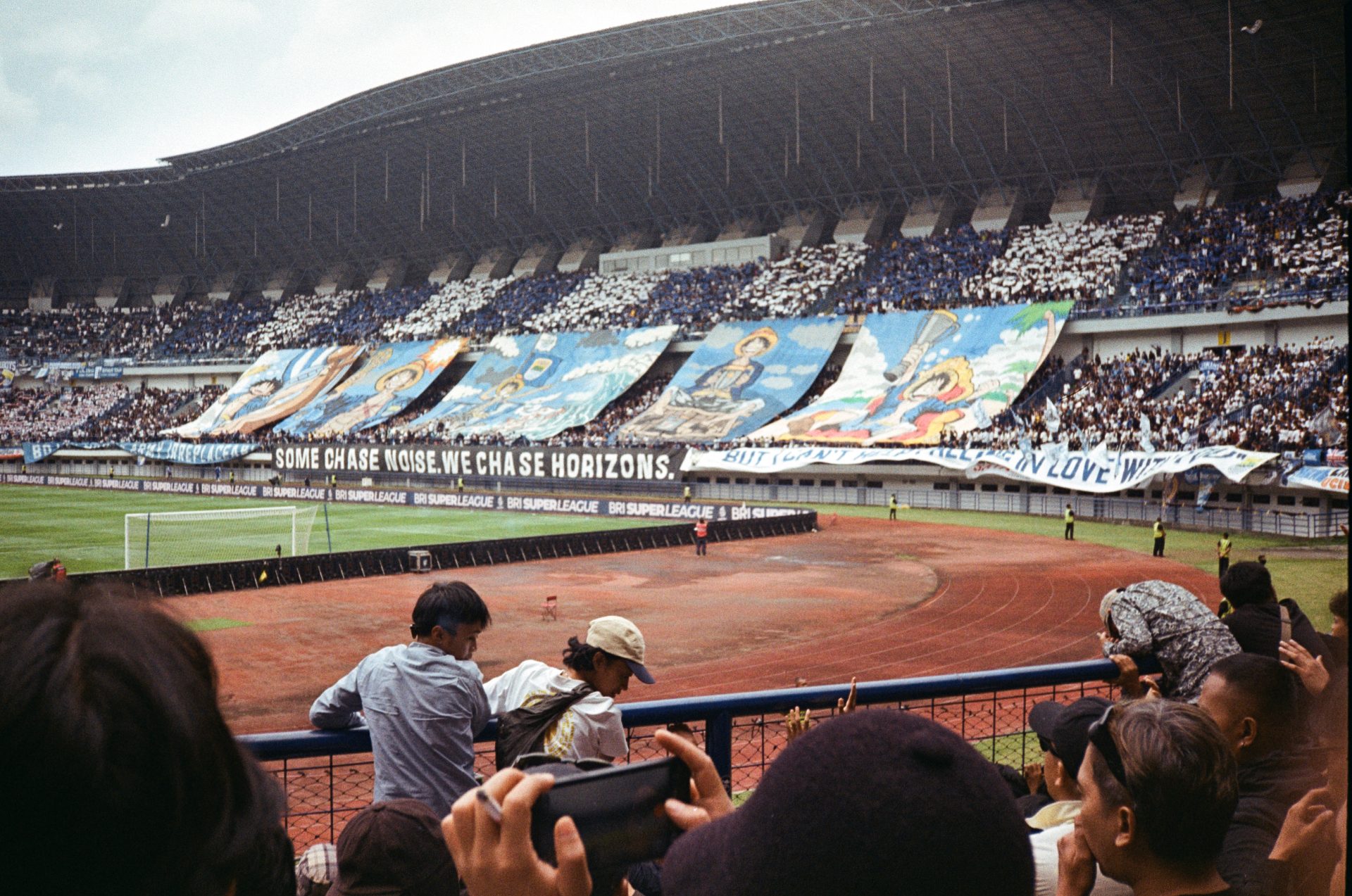
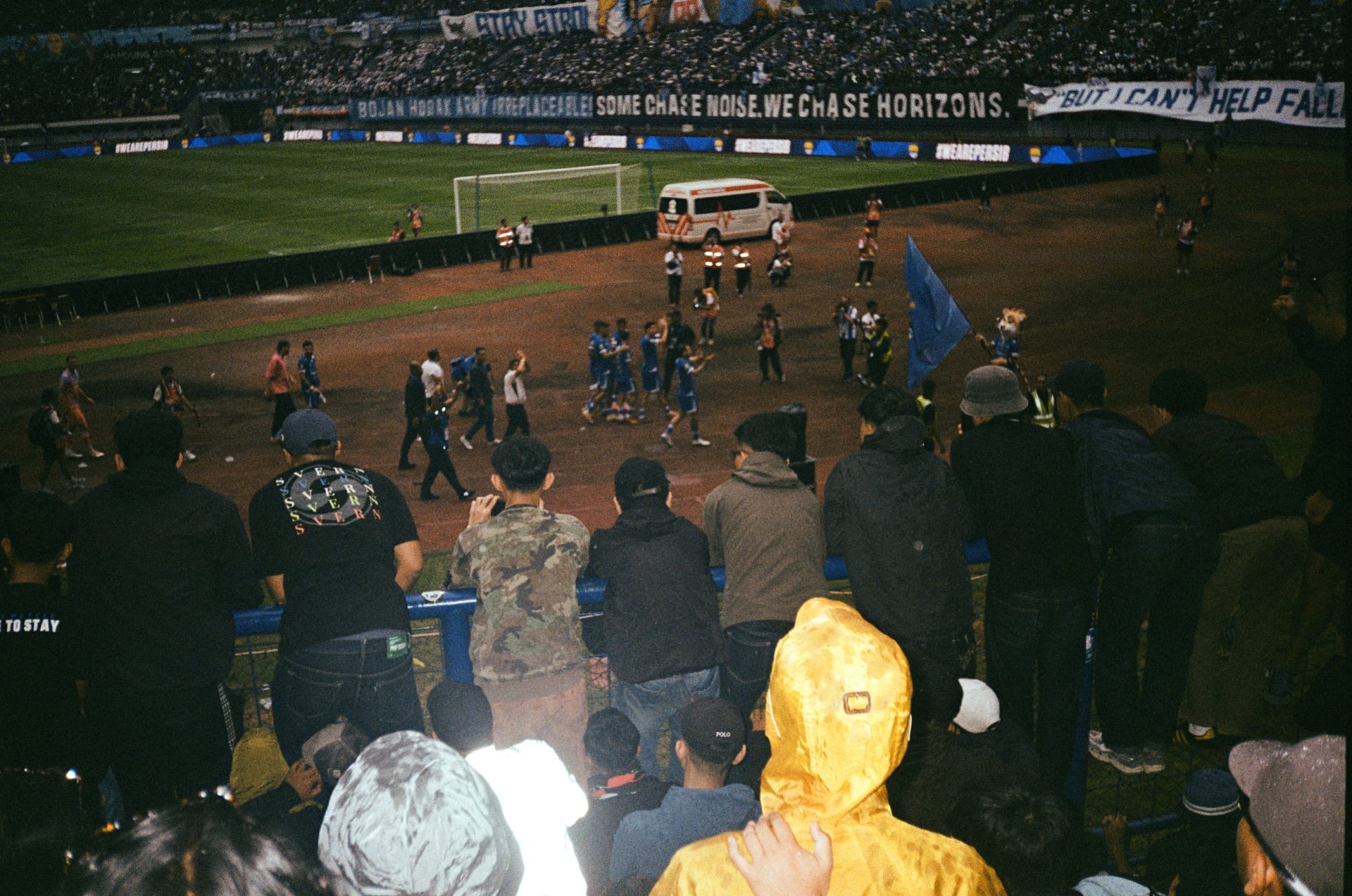
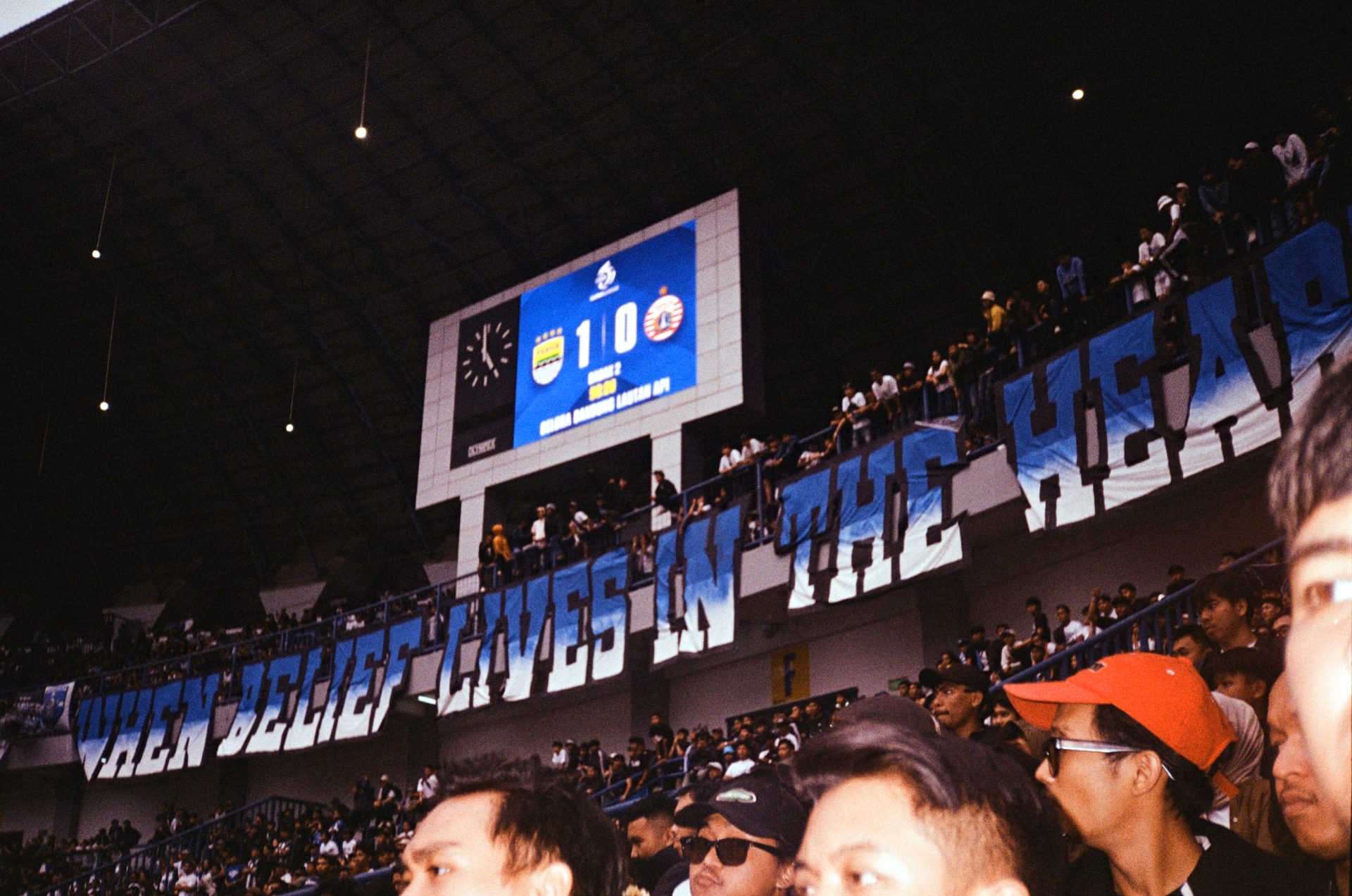
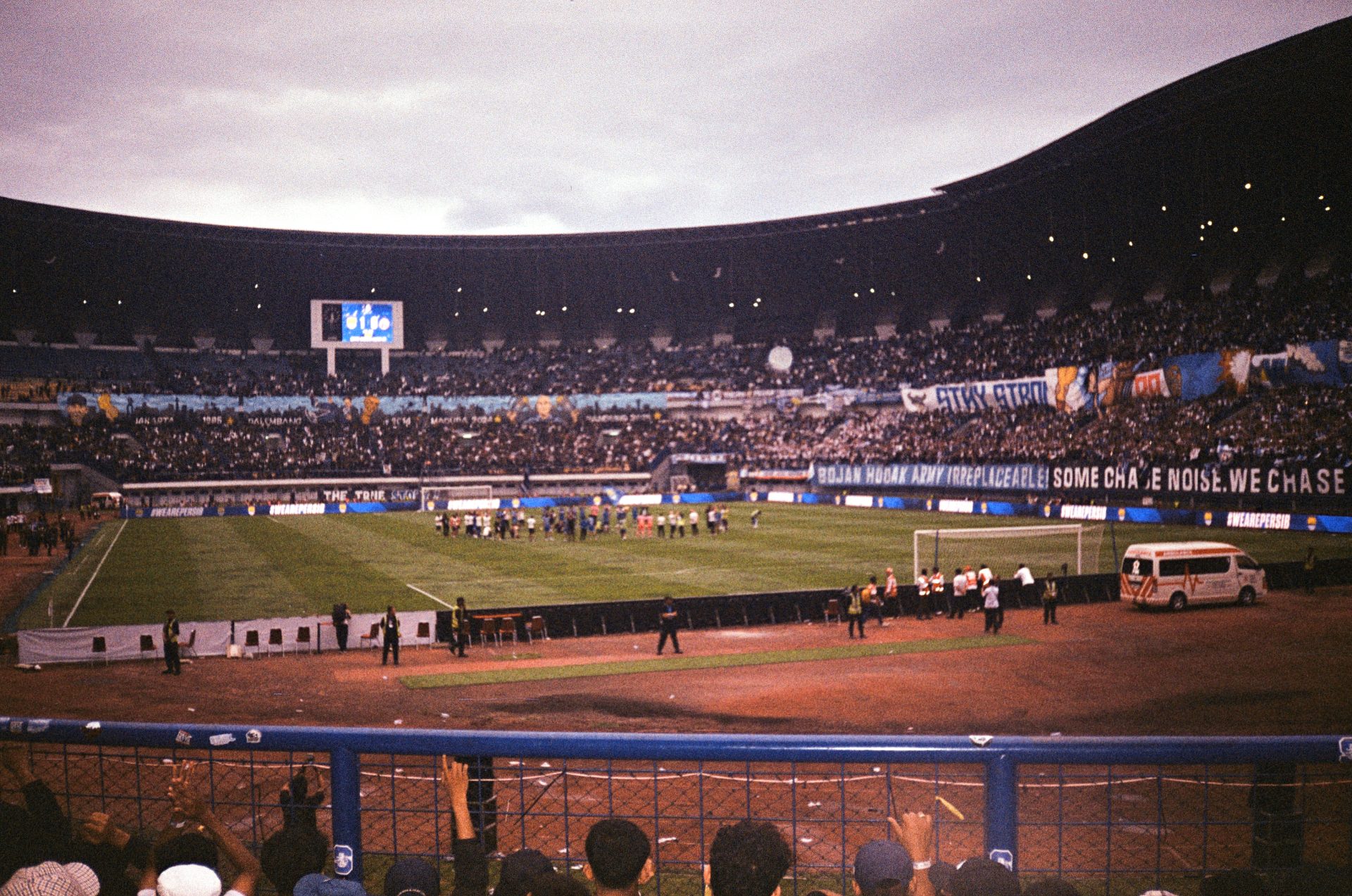
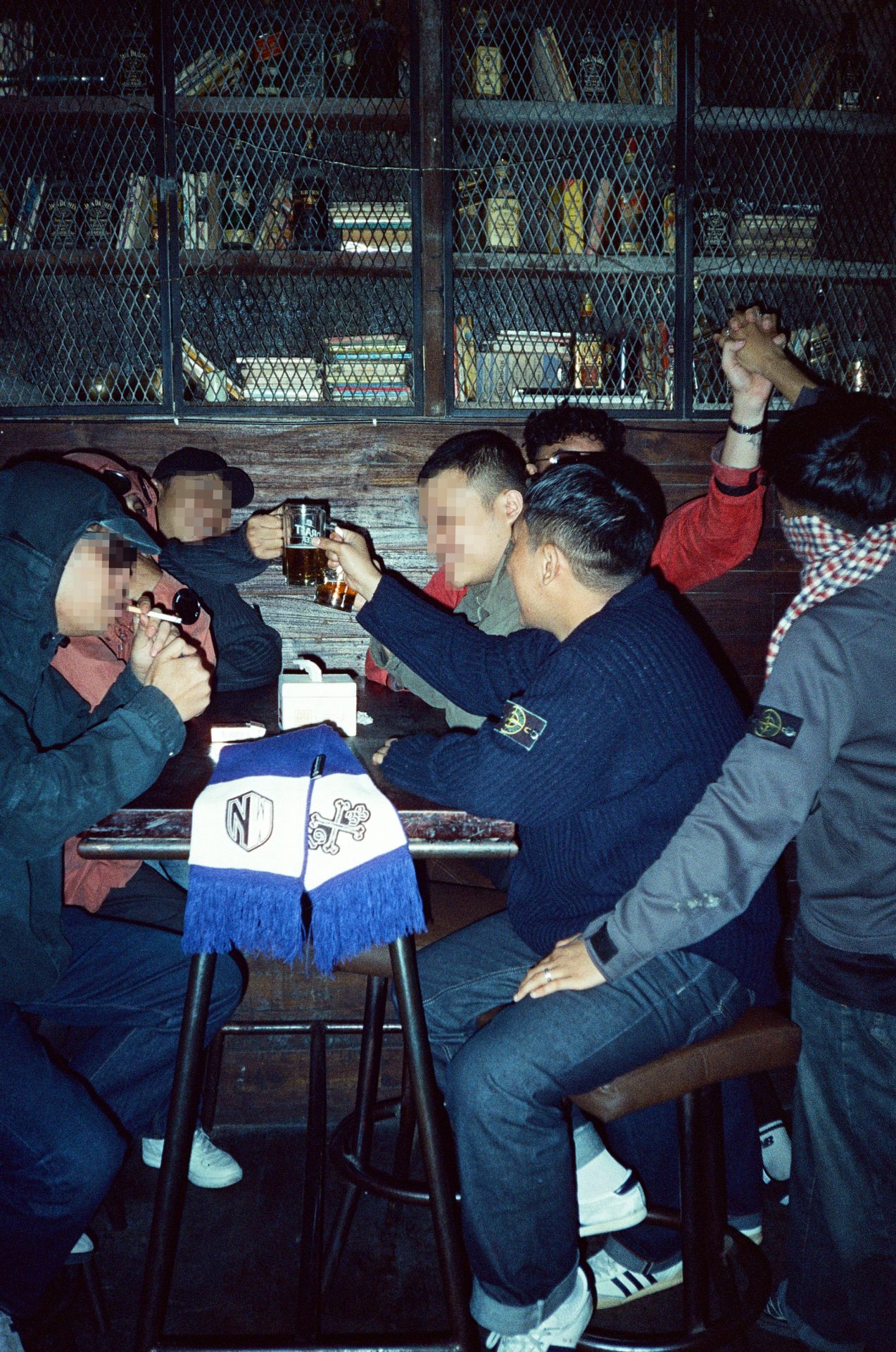
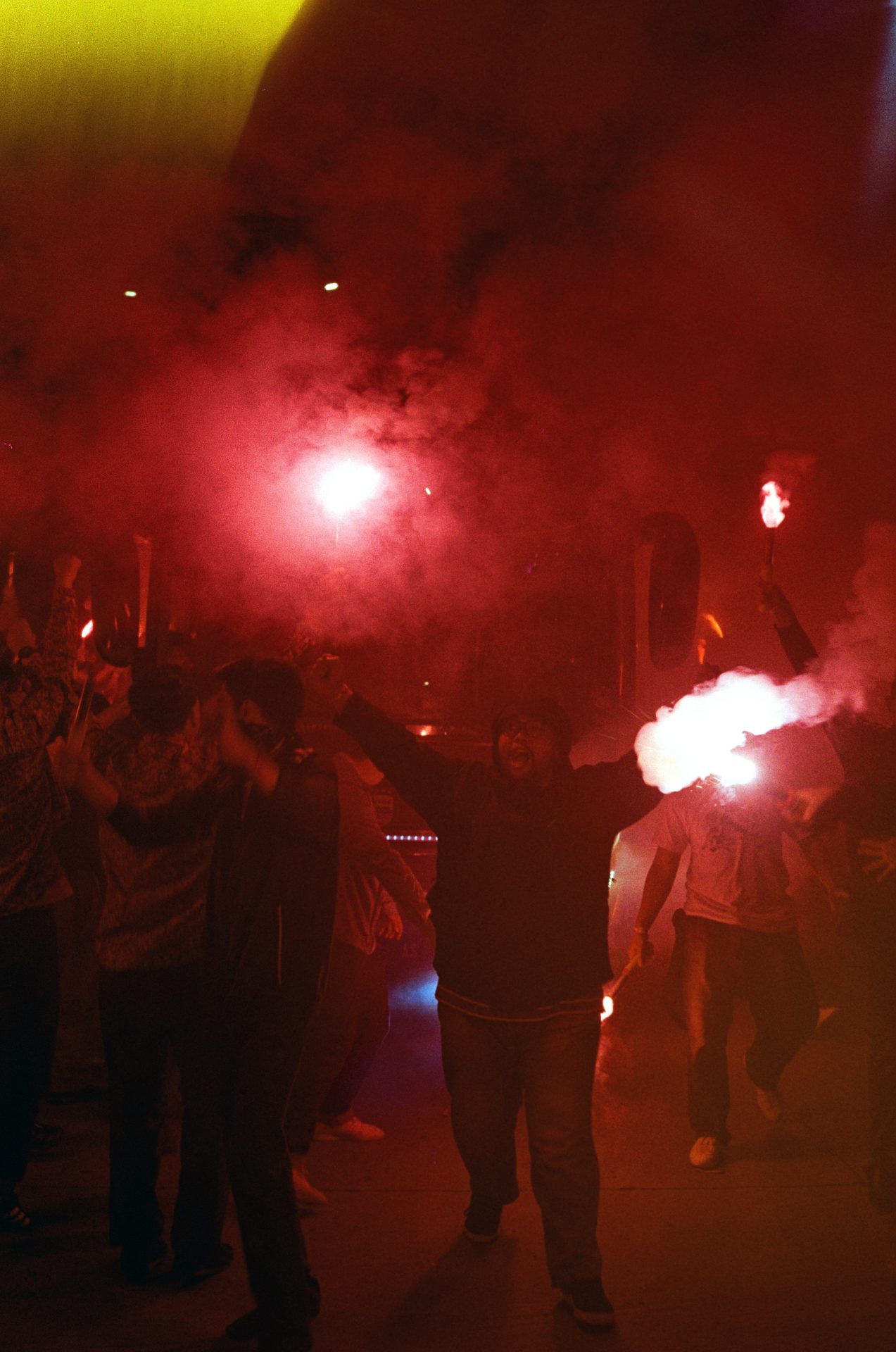
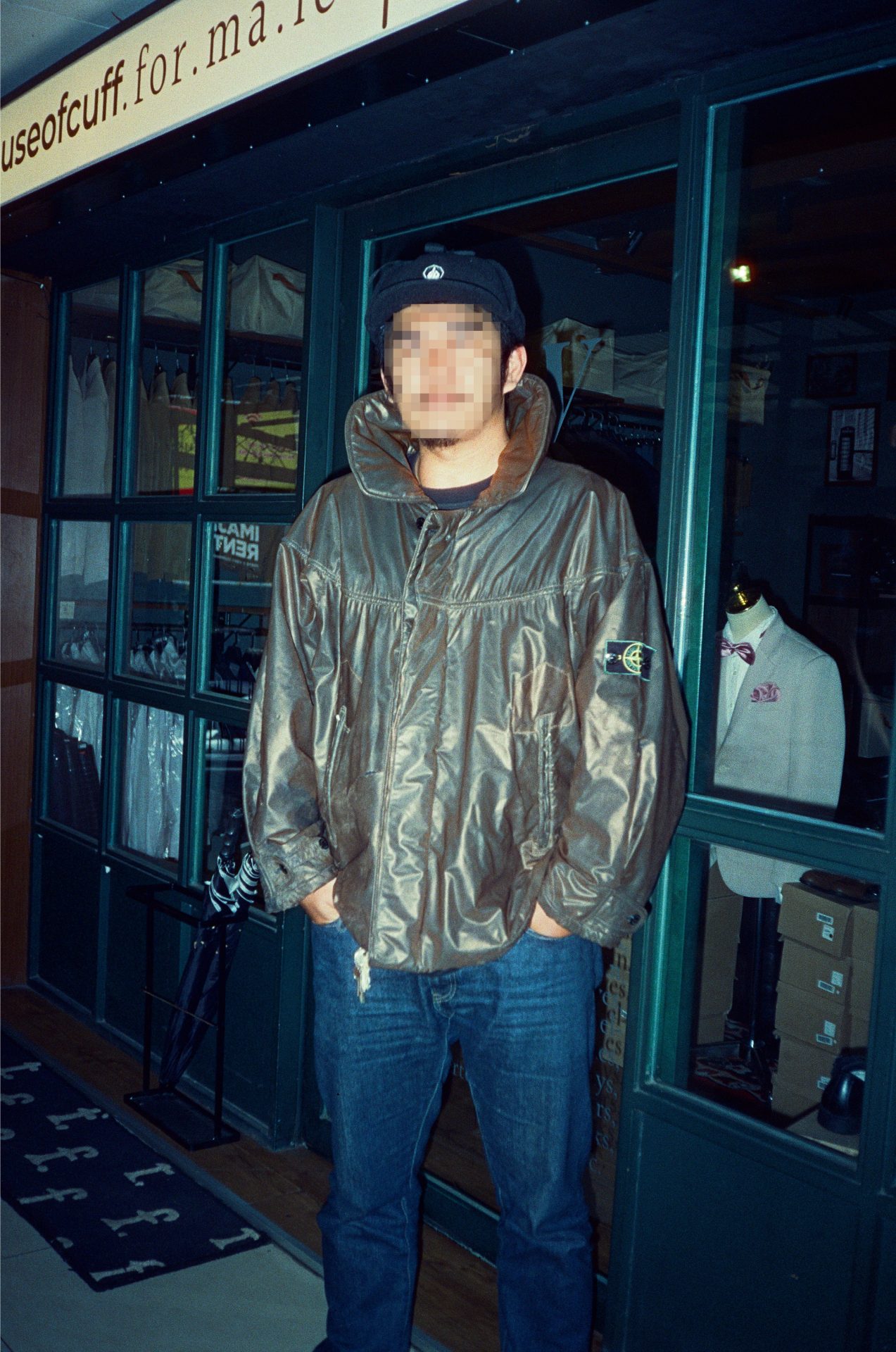
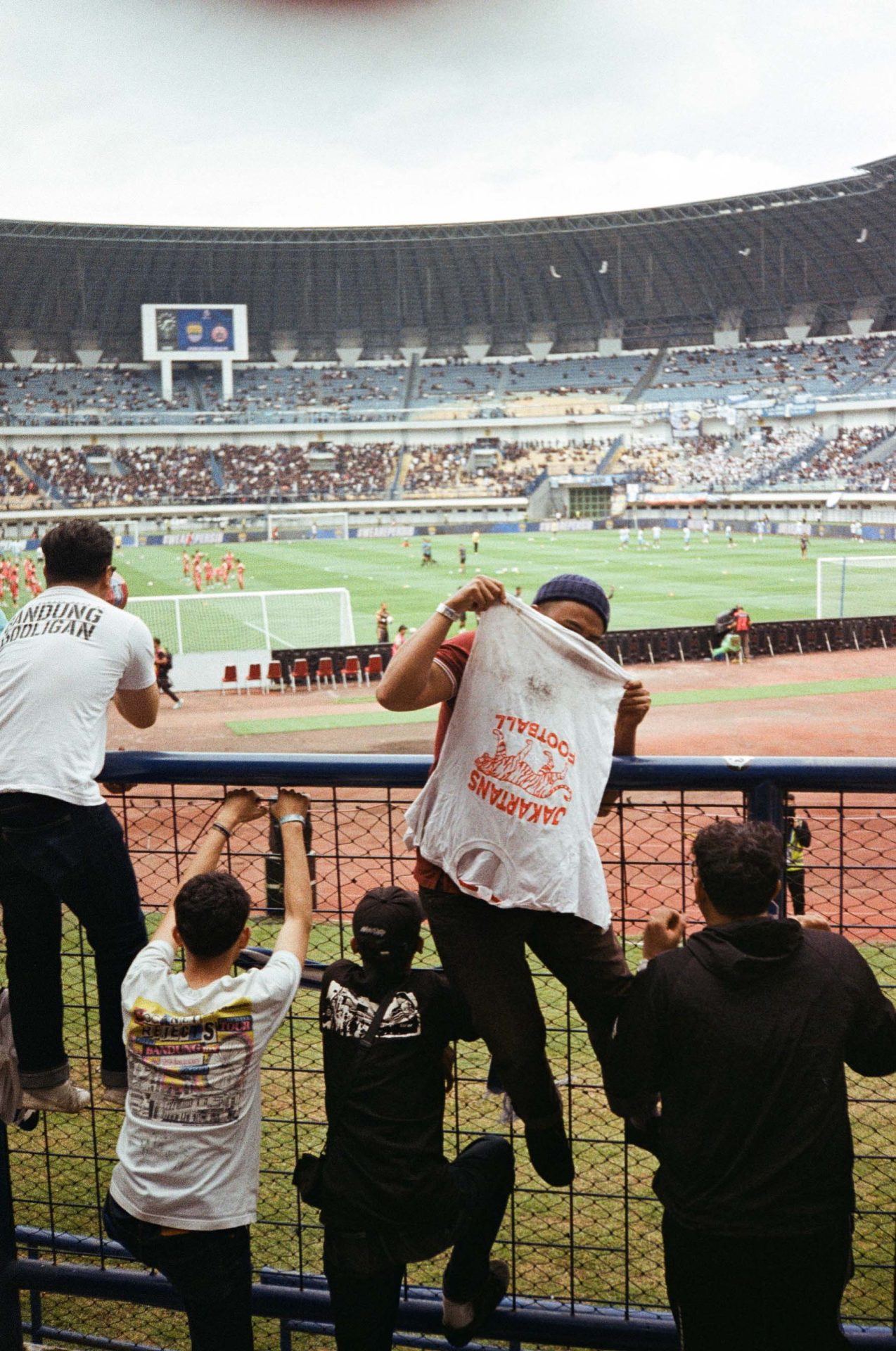
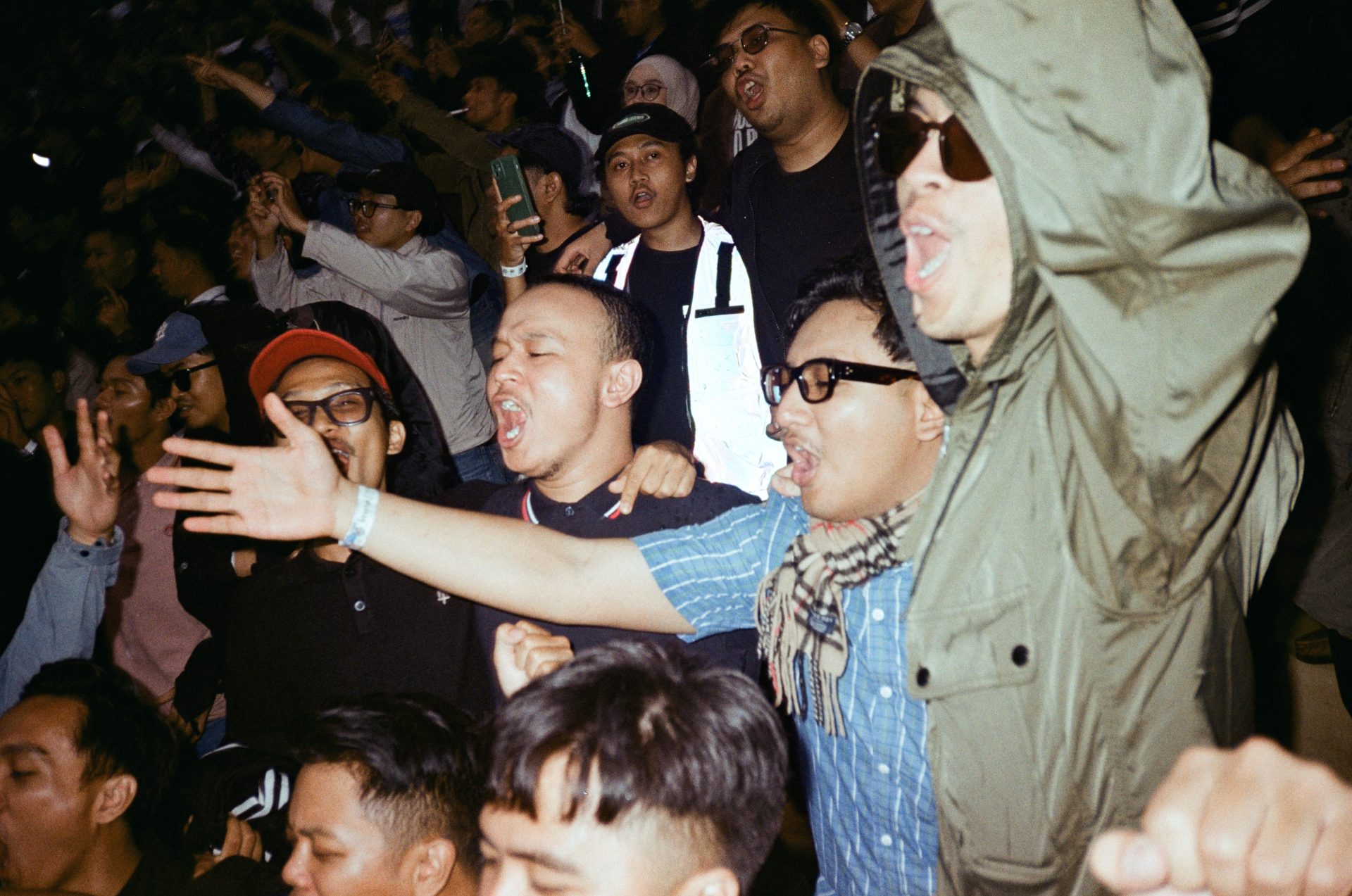
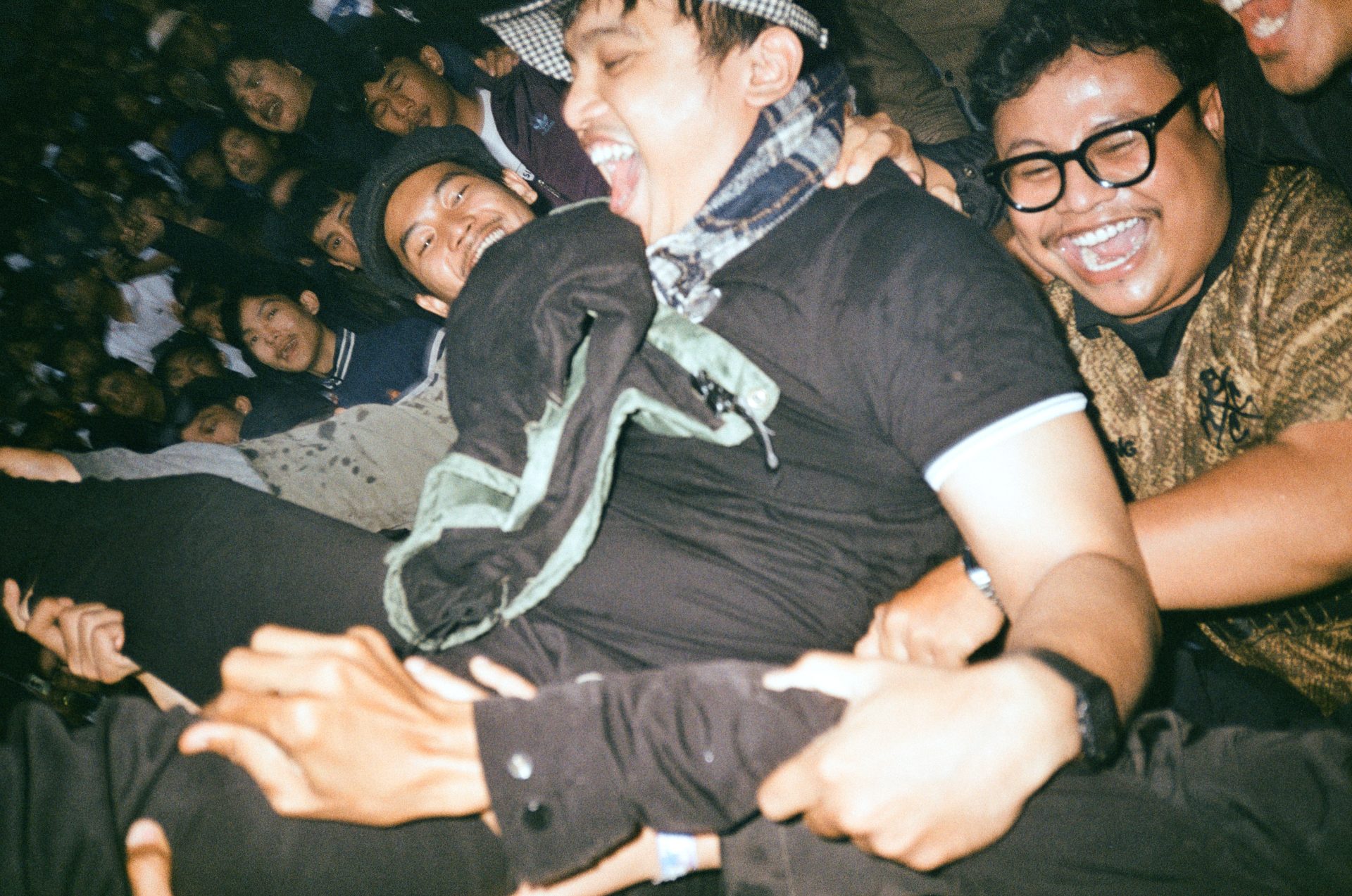
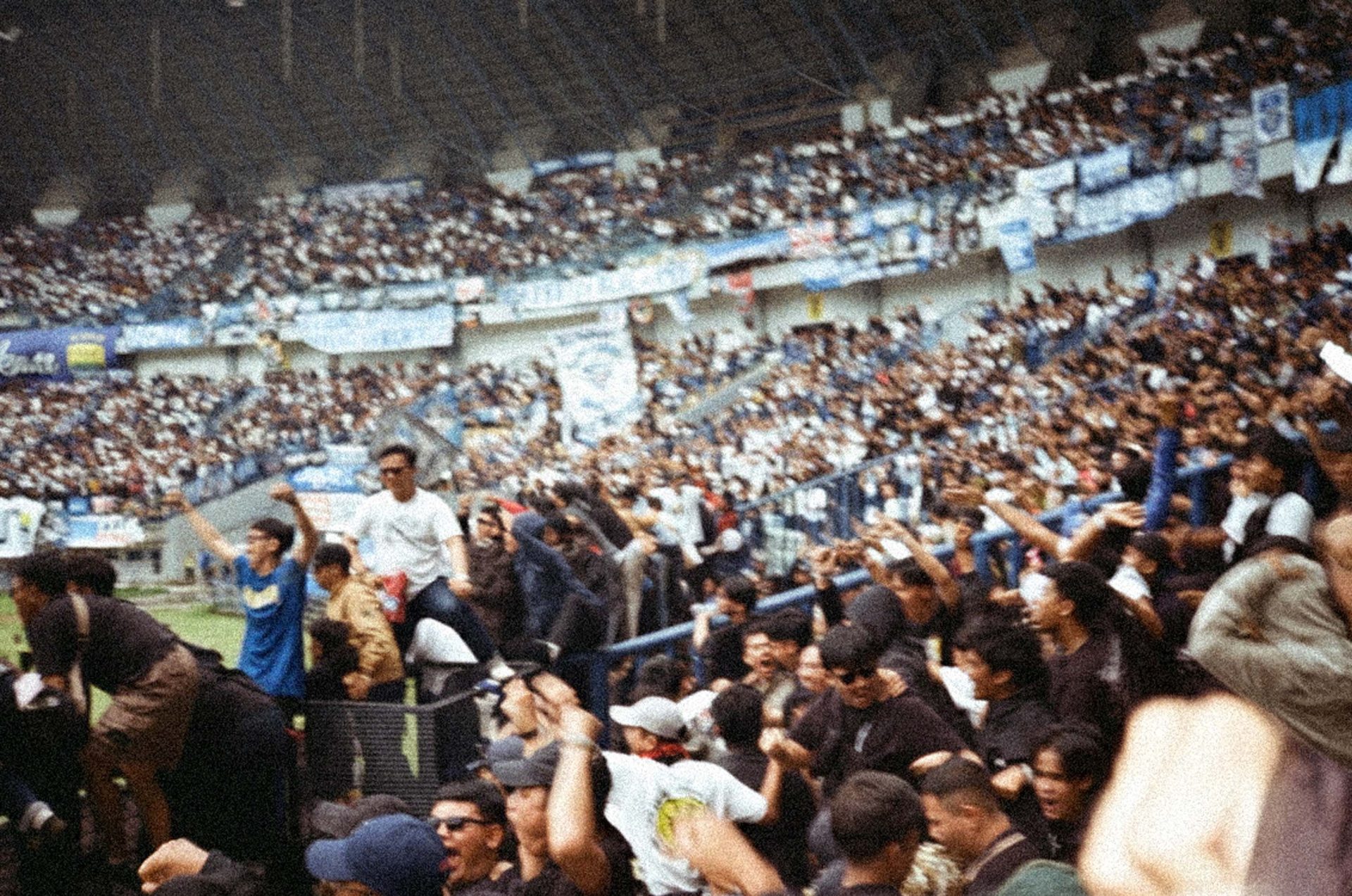
First, football is indirectly agreed upon as the most popular sport, involving an element of fanaticism that many people can’t fully understand. As someone working in the creative field, I’m challenged to capture that madness and turn it into something small that at least gets noticed by many people. That fanaticism is never born without reason; there’s always a way to explain why and how even sane people choose their madness in front of the club they love.