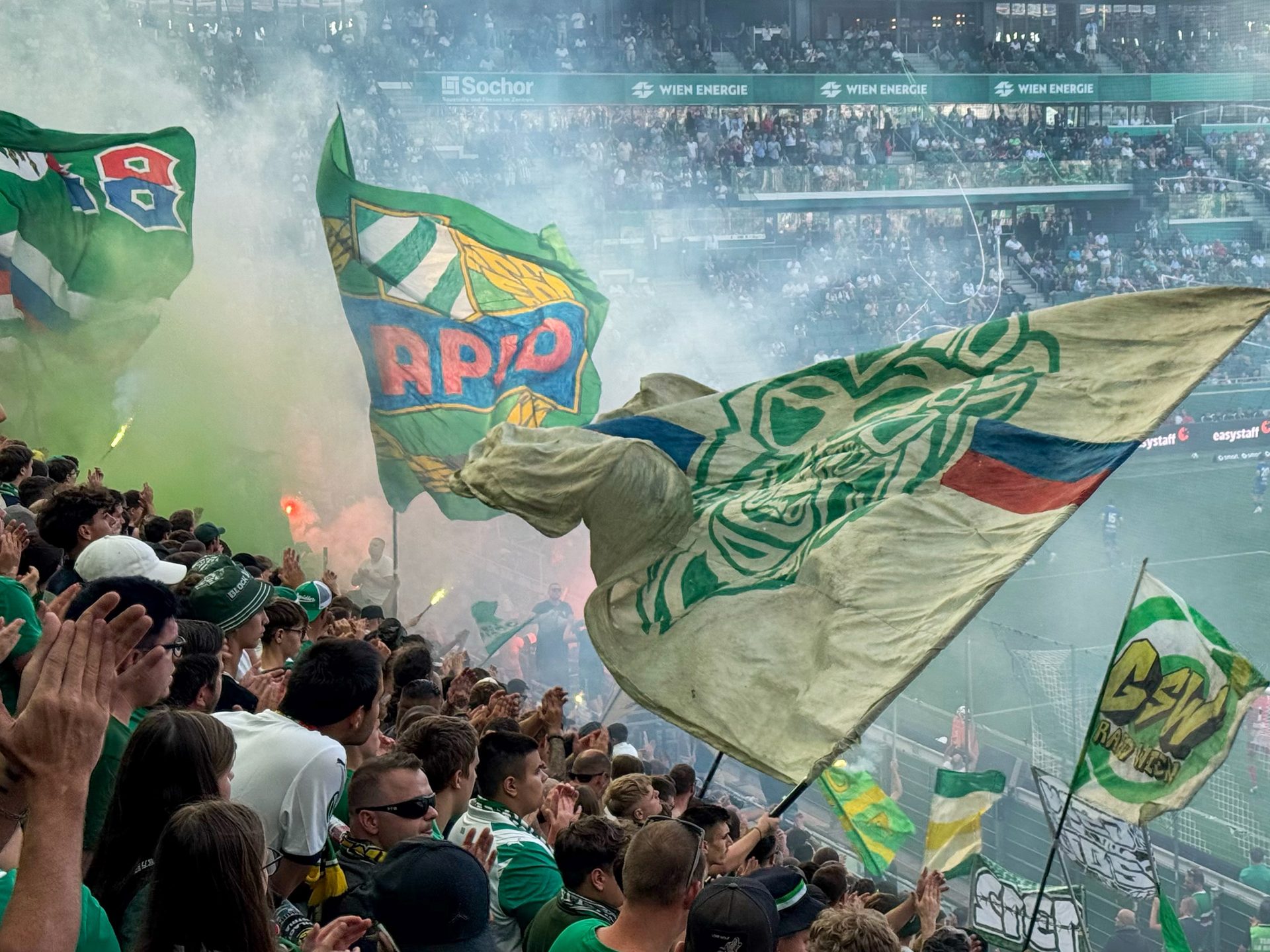
Across Europe’s biggest leagues, the image is unmistakable: red flares burning through thick smoke, terraces alive with colour and chaos – a visual language that sells football to the world. And behind it all often stands one group – ultras.
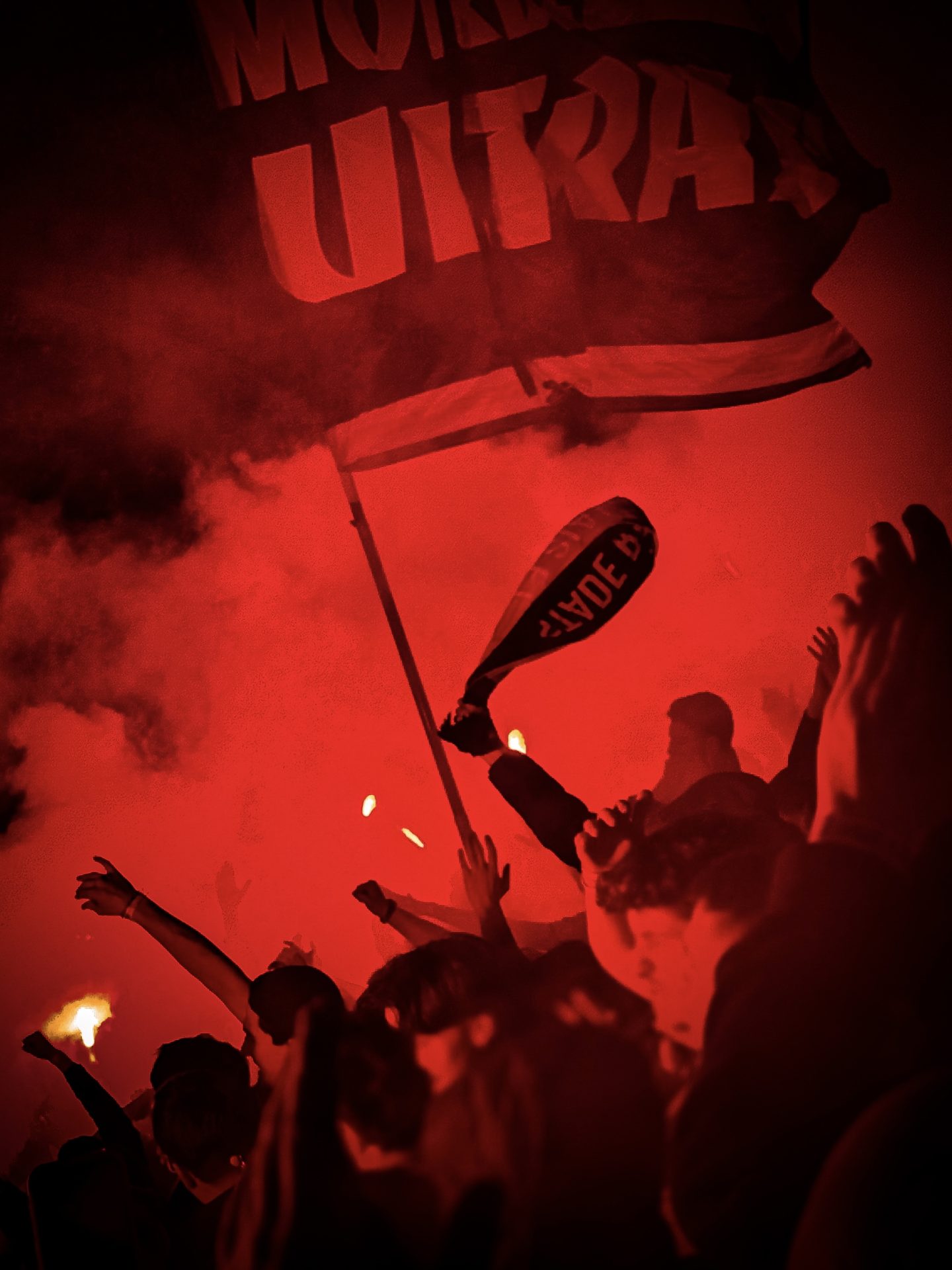
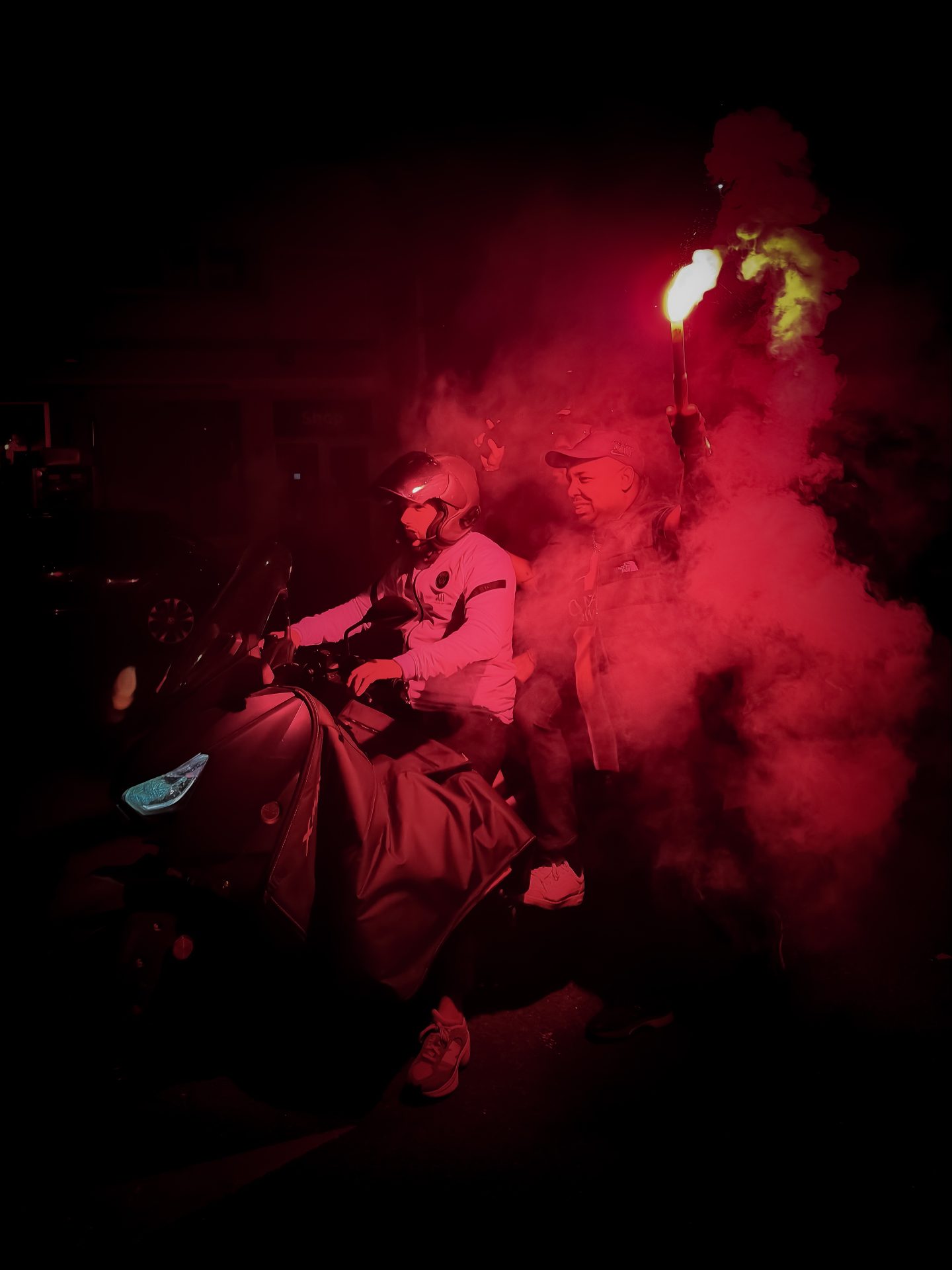
In Words and Photos by Guirec Munier, pyro isn’t framed as spectacle alone, but as culture. A ritual. A signal of identity. For decades, flares have been embedded in the choreography of support – woven into tifos, chants, and collective expression. Yet, while these images define the broadcast product, the reality in the stands tells a different story.
Munier confronts the contradiction head-on. Pyrotechnics are banned, sanctioned, and punished with increasing severity. Fines stack up, sections close, and clubs publicly distance themselves. But turn on any major match broadcast, open any sports publication, spend a few moments of social media, and the same scenes – smoke, fire, intensity – are packaged as football’s essence.
This is the tension at the heart of the modern game. Football markets passion, but regulates its creators. It celebrates ultra aesthetics while criminalising ultra practice. For Munier, pyro is not the problem – it’s the symbol of a deeper divide between culture and commerce, authenticity and control.
“From the curve of Serie A to the Kurven of Bundesliga, from the clásicos of La Liga to the night matches of Ligue 1, the same image sells European football: thick smoke, red flares, stands ablaze.
These images have an author: the ultras. And a legal status: banned.
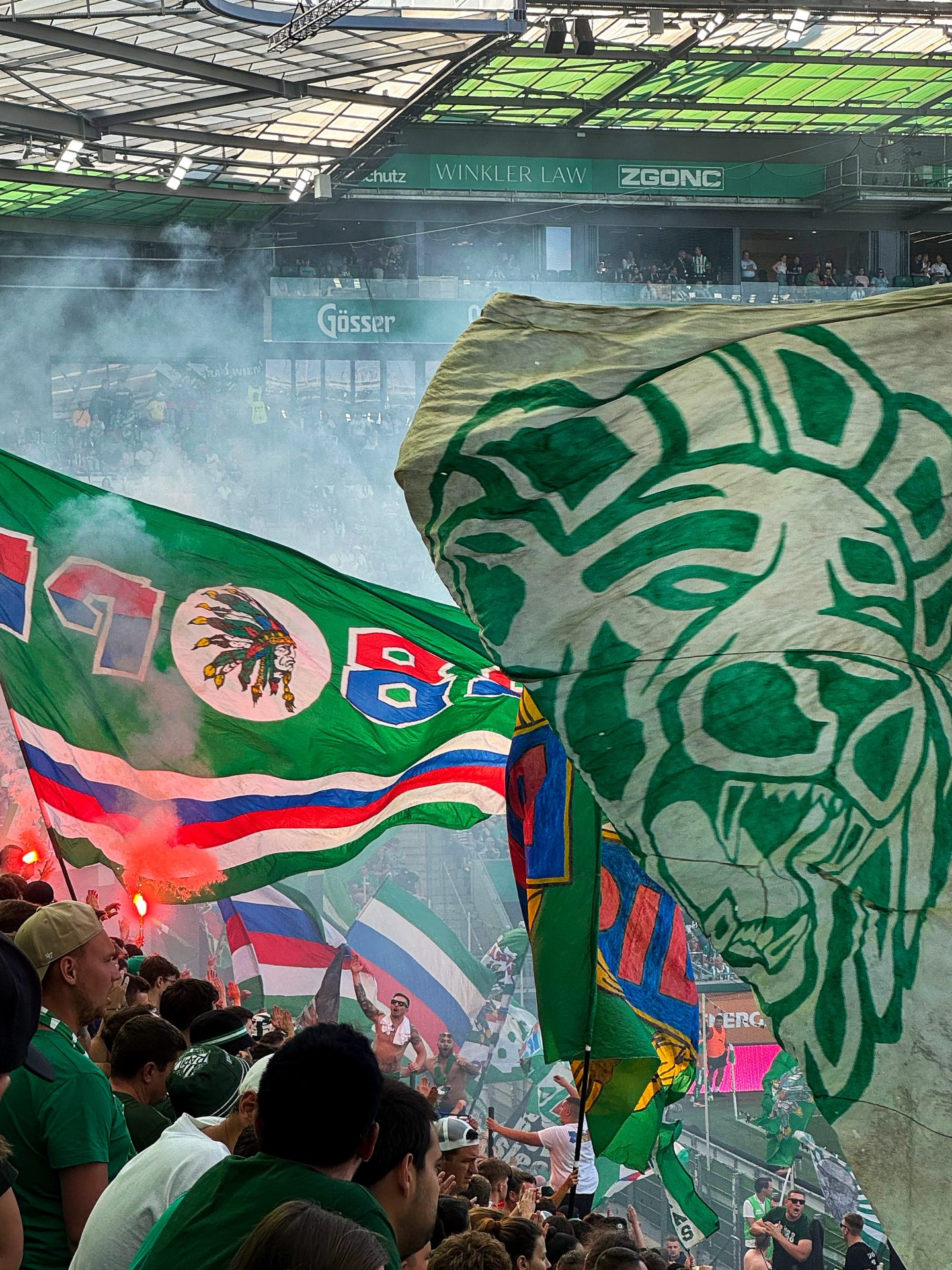
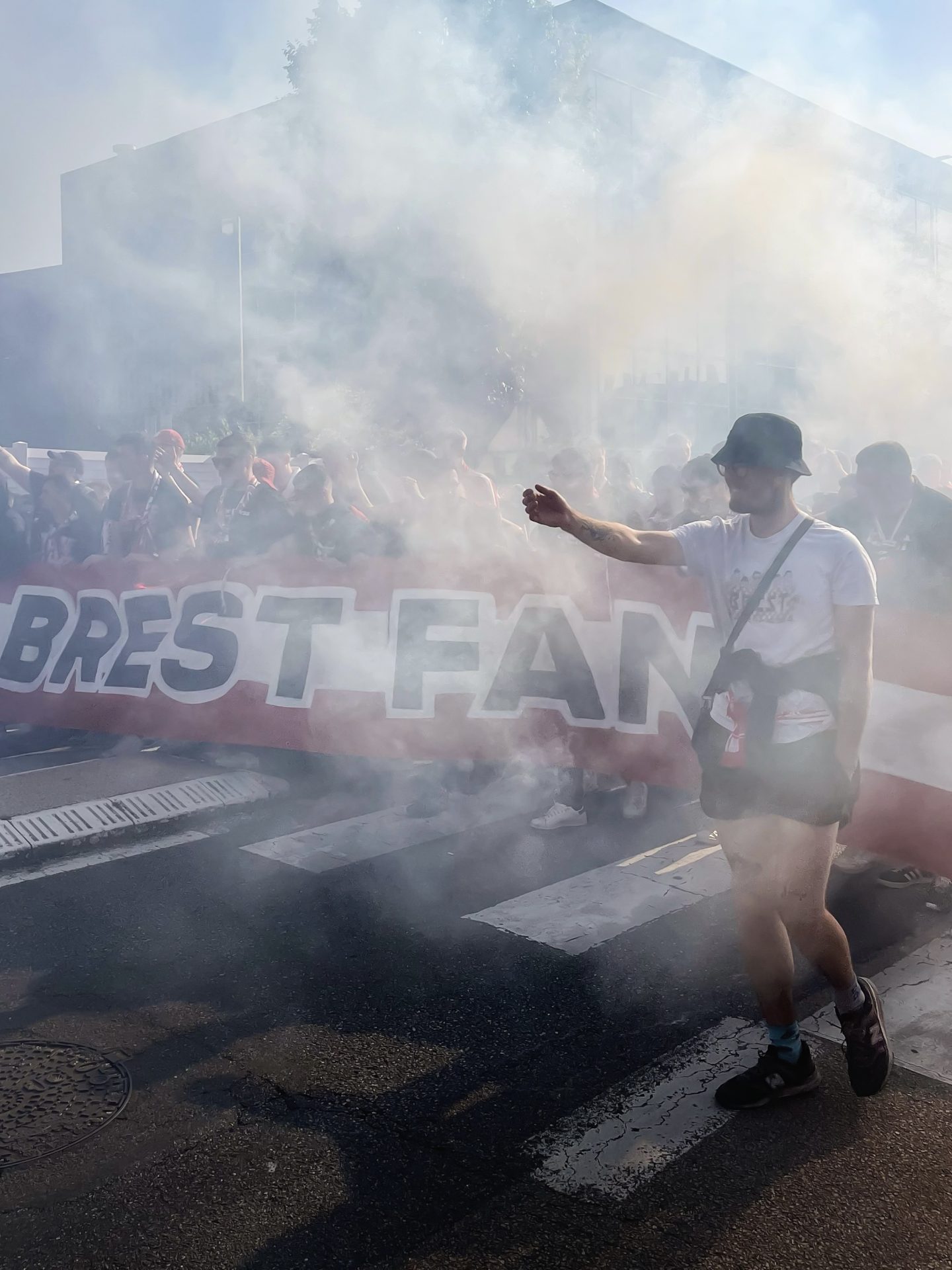
In the stands, pyro are no gimmick. They are a language, a badge of identity, a way to own the stadium. Across Europe, ultra groups create the atmosphere: tifos, chants, rhythm, passion. Pyro have been part of this culture for decades.
Yet every week, disciplinary committees strike: fines, closed-door games, stand closures. Zero tolerance, officially.
And yet, professional football leans heavily on these images. Pyro are a powerful tool of spectacle. They turn a match into drama, give broadcasts an almost cinematic edge. Broadcasters thrive on wide, smoke-filled shots of stands in full blaze. Not the VIP boxes. It’s the ultras who make it happen.
Ultras are neither extras nor volunteer decorators. They shape the atmosphere football sells to the world. Without them, the spectacle loses its soul.
And still, they remain largely unrecognised. Clubs negotiate with them to keep the atmosphere alive. They rely on their images to sell TV rights. Yet these same groups are treated as a constant disciplinary problem.
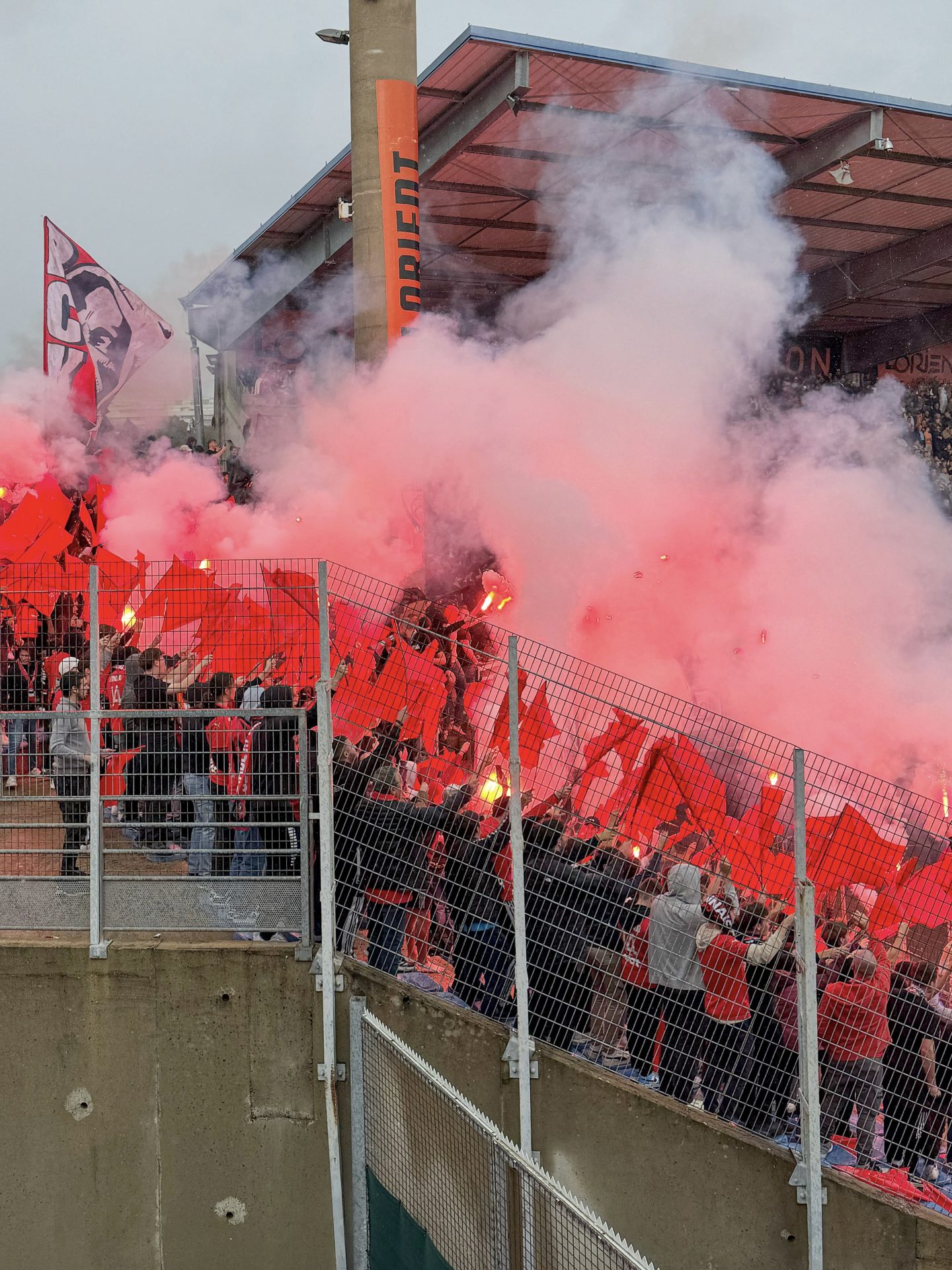
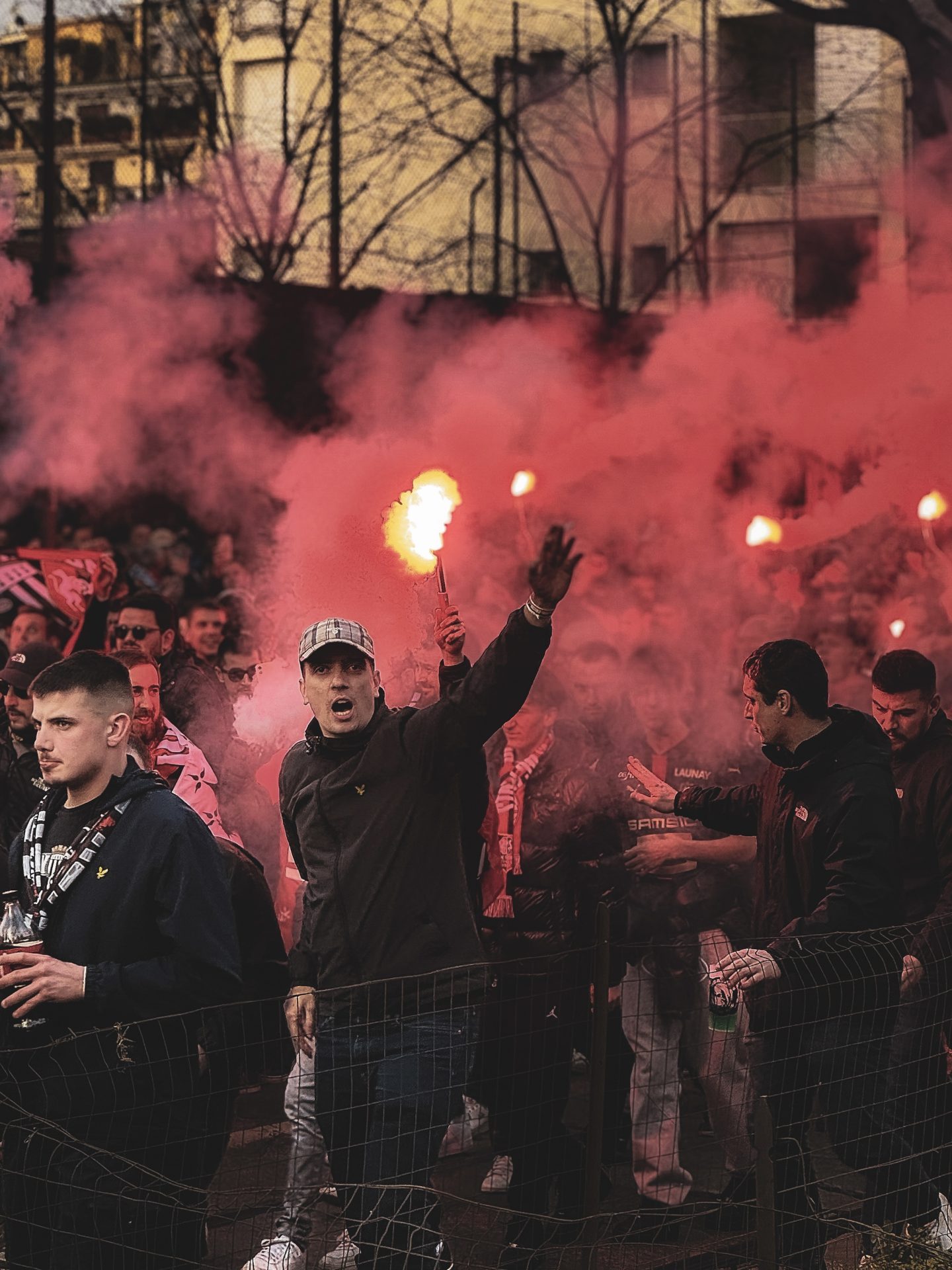
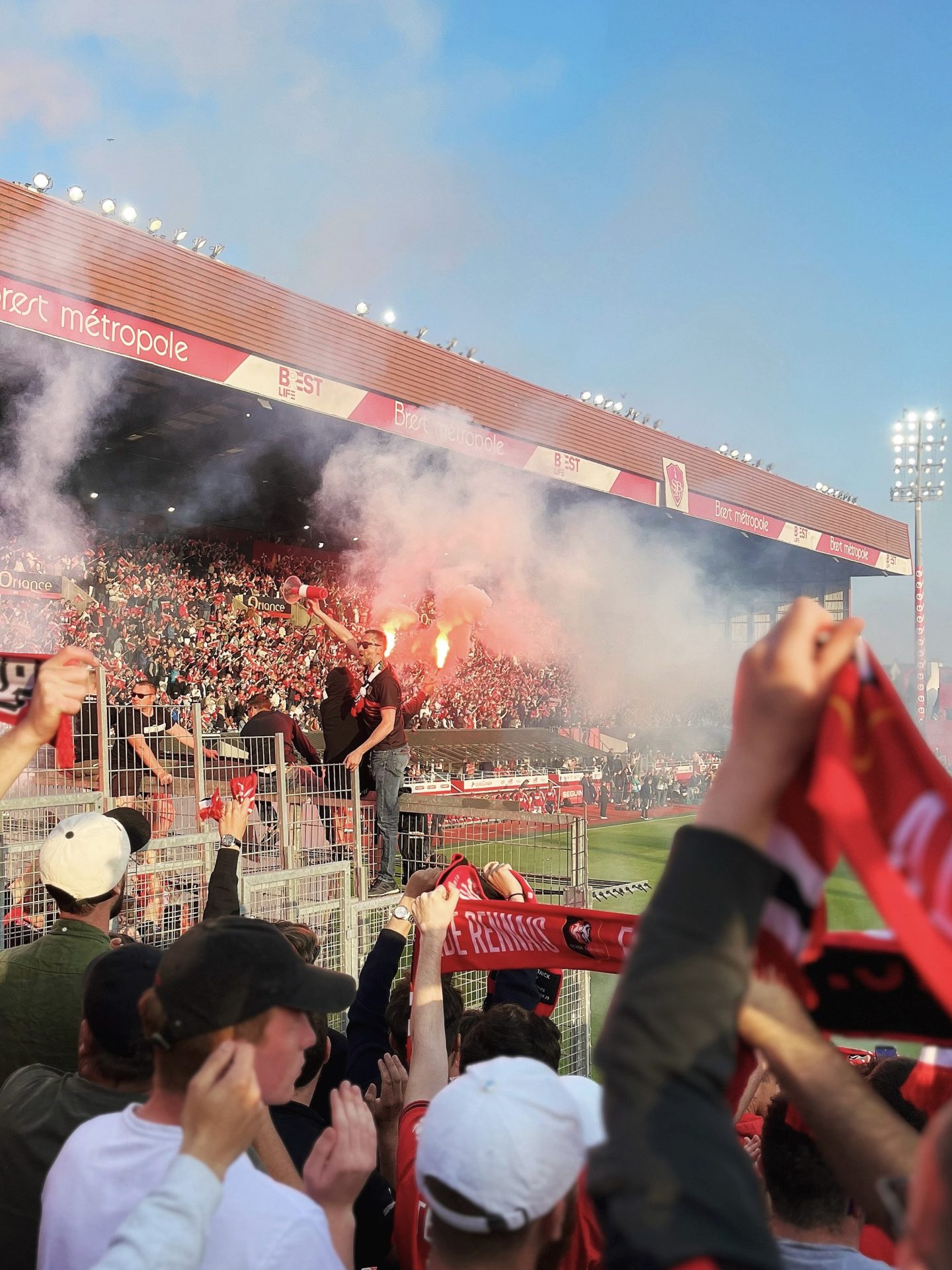
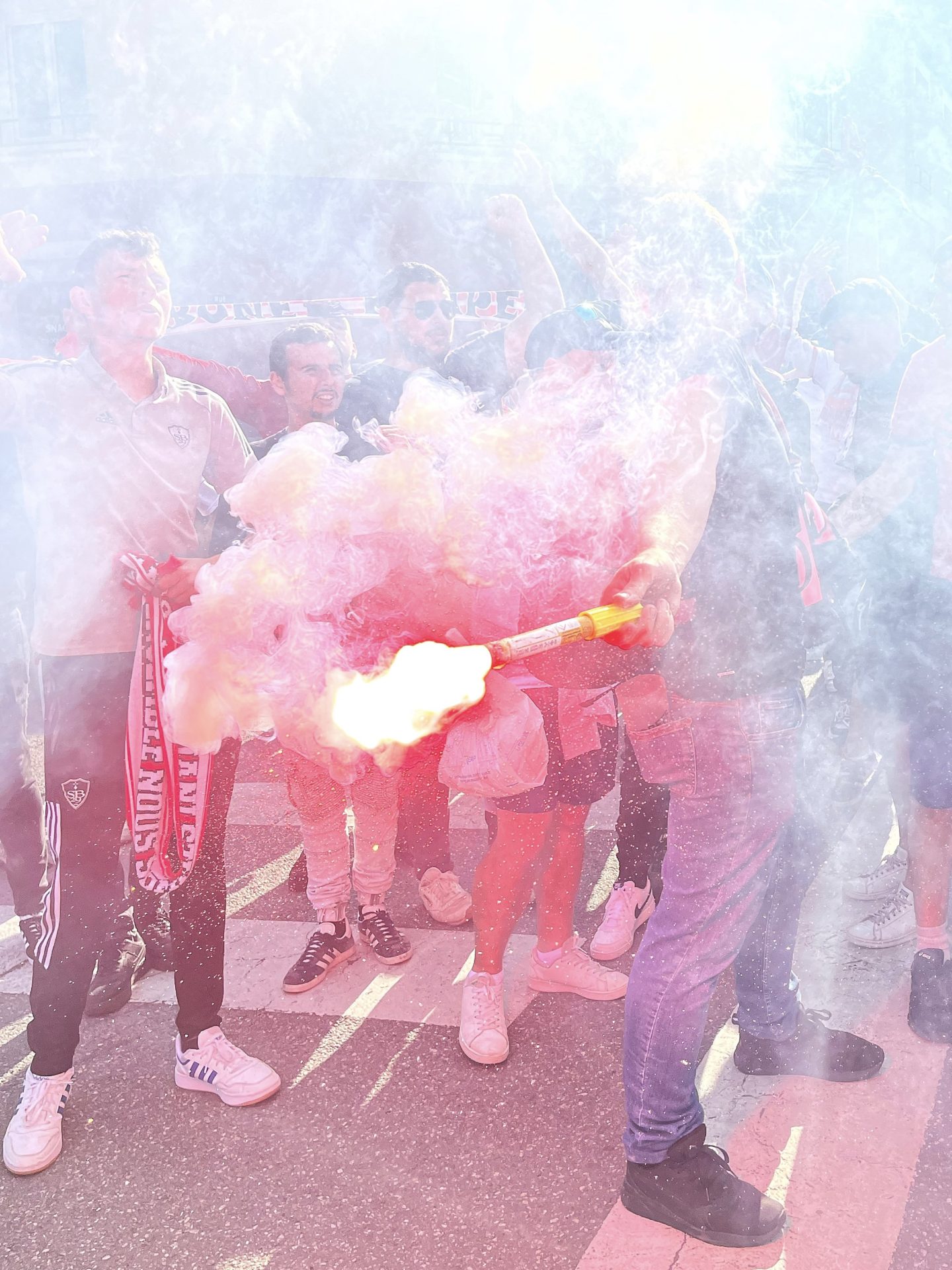
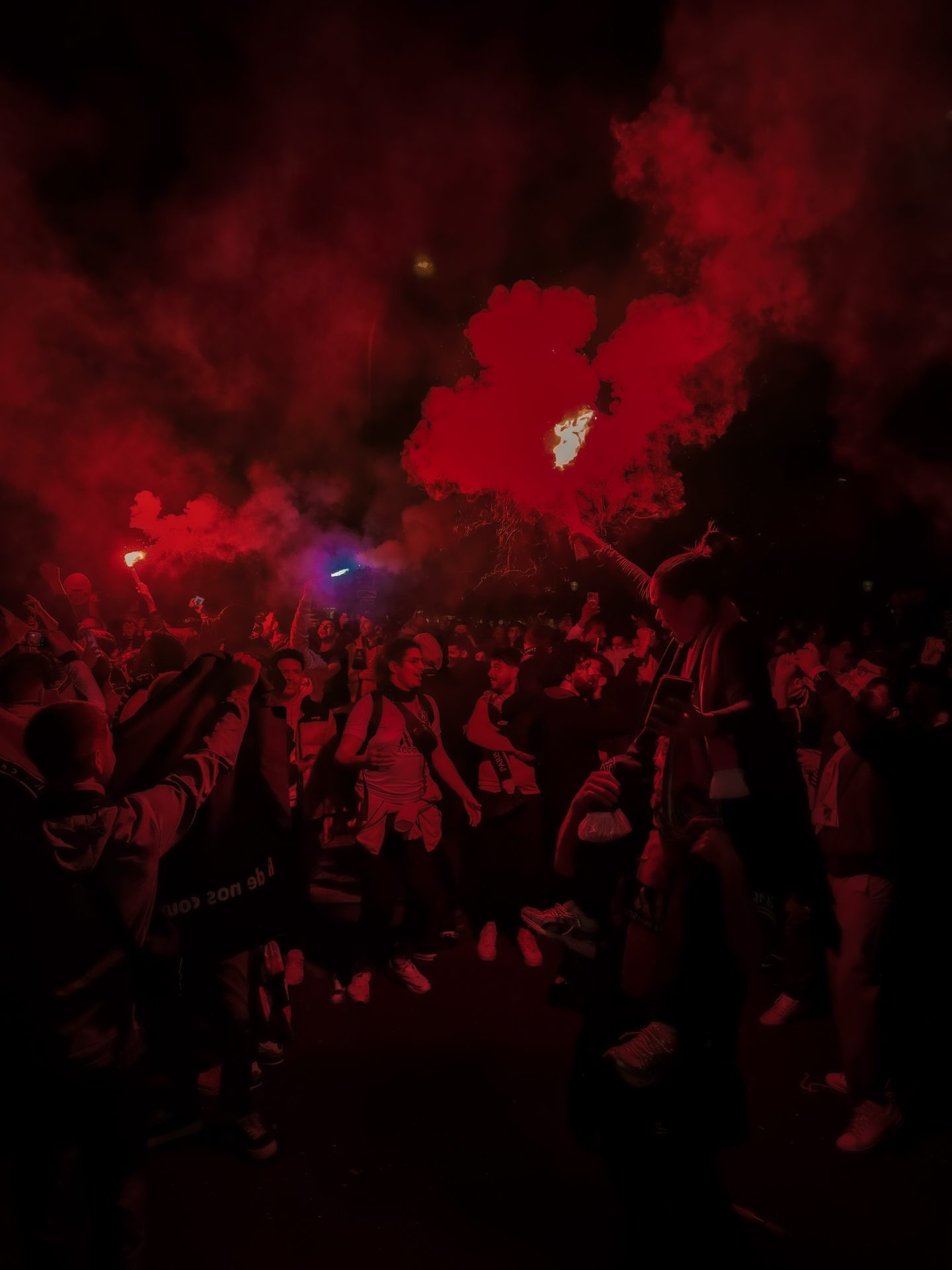
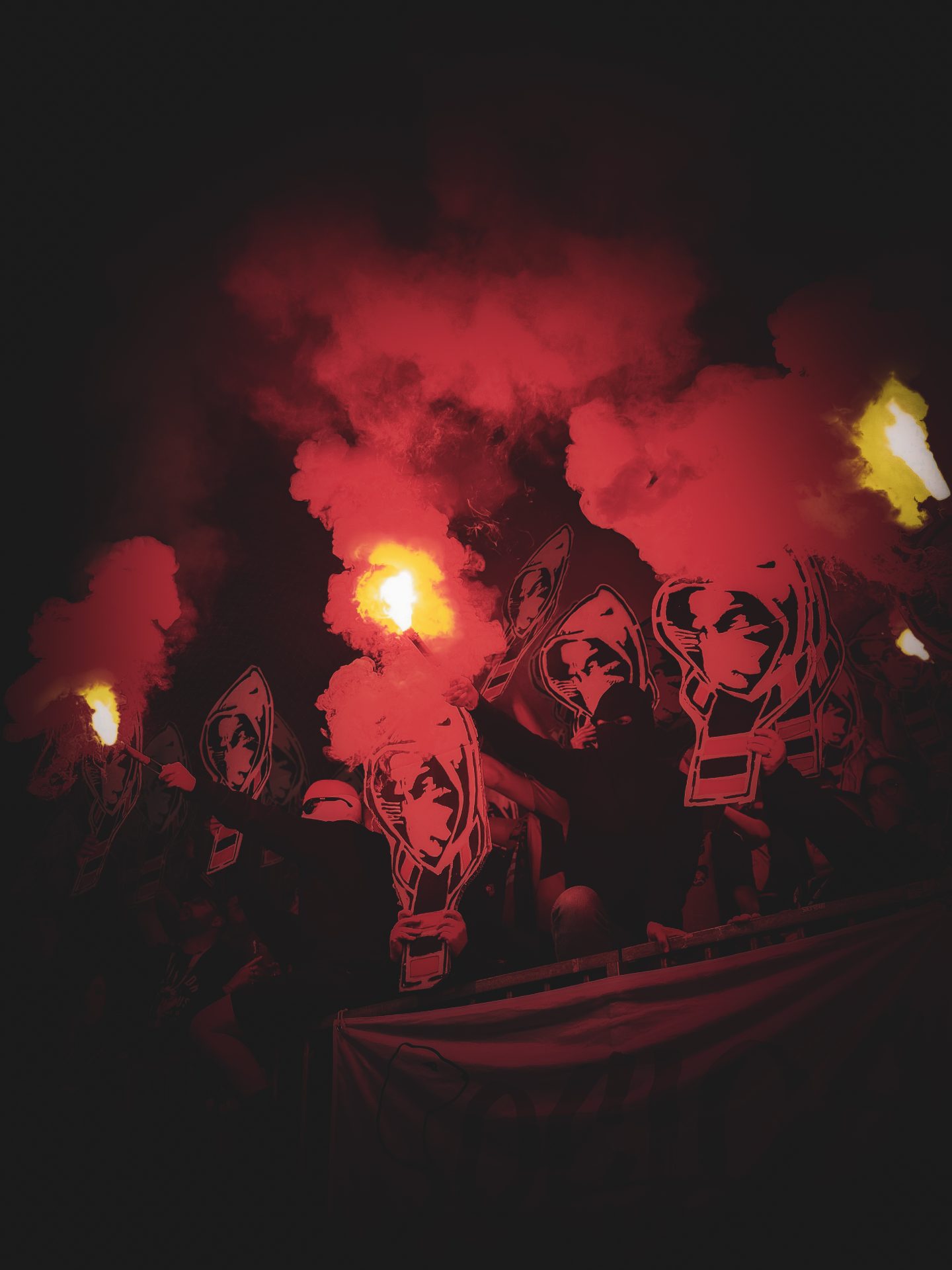
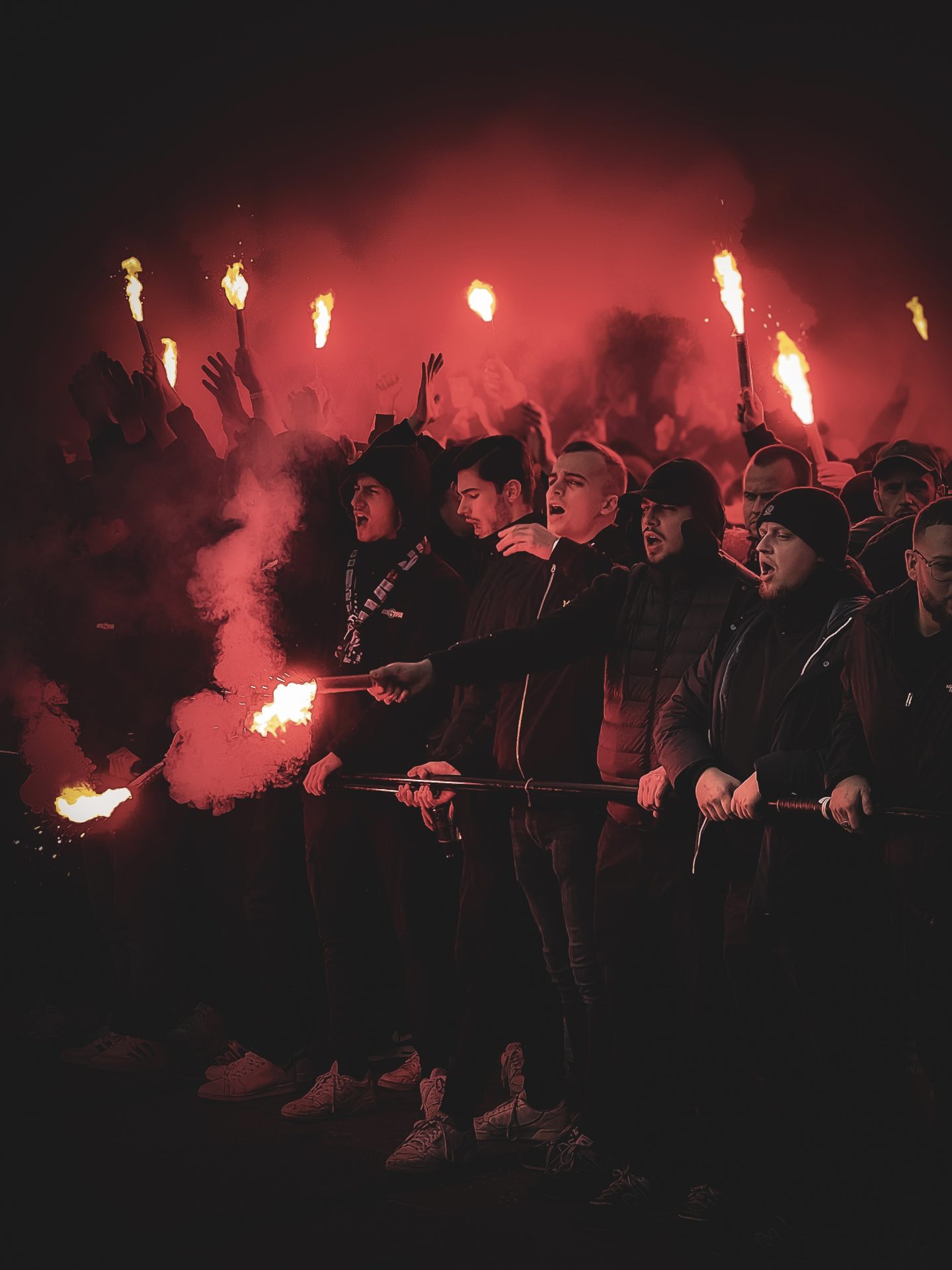
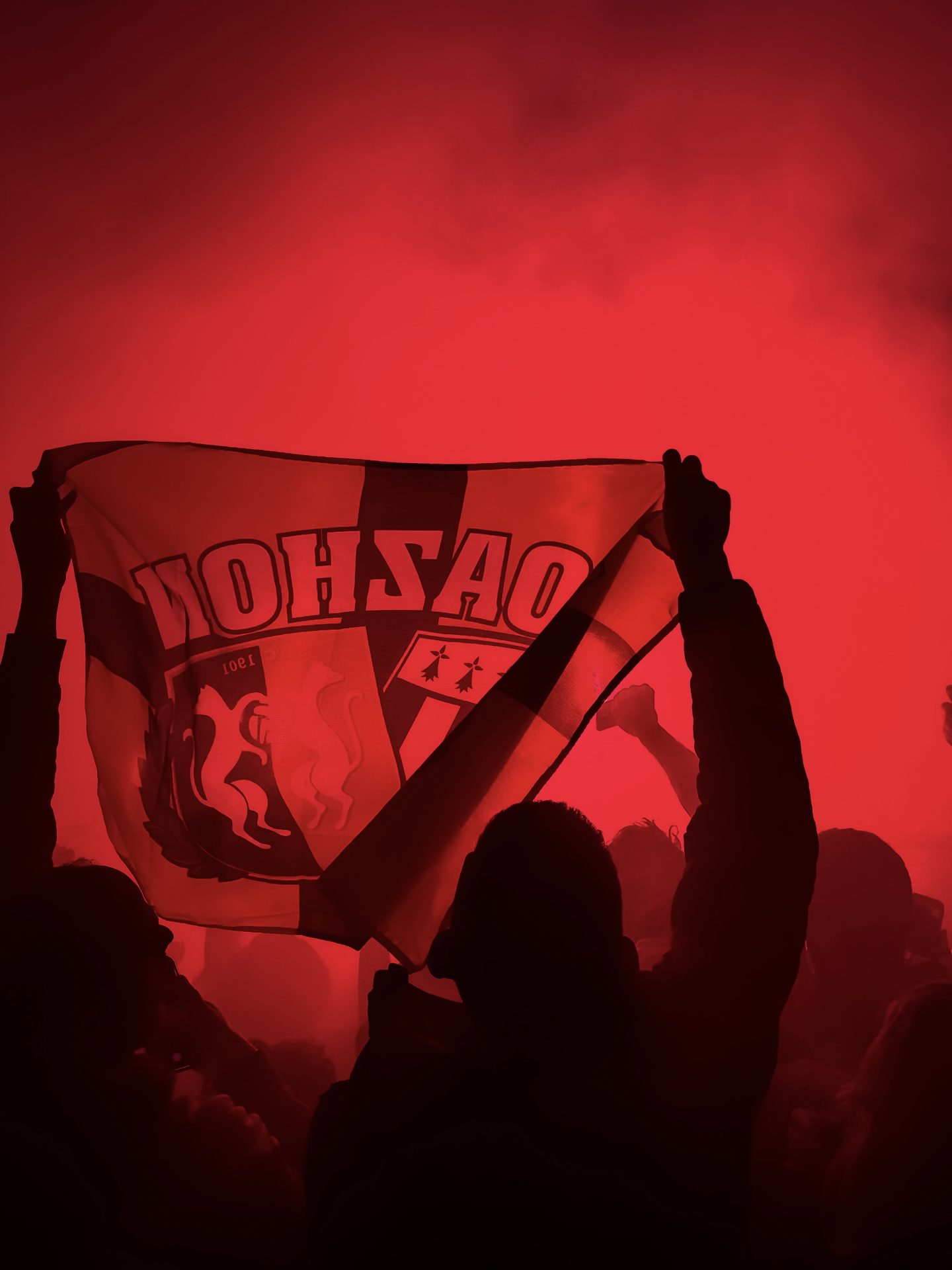
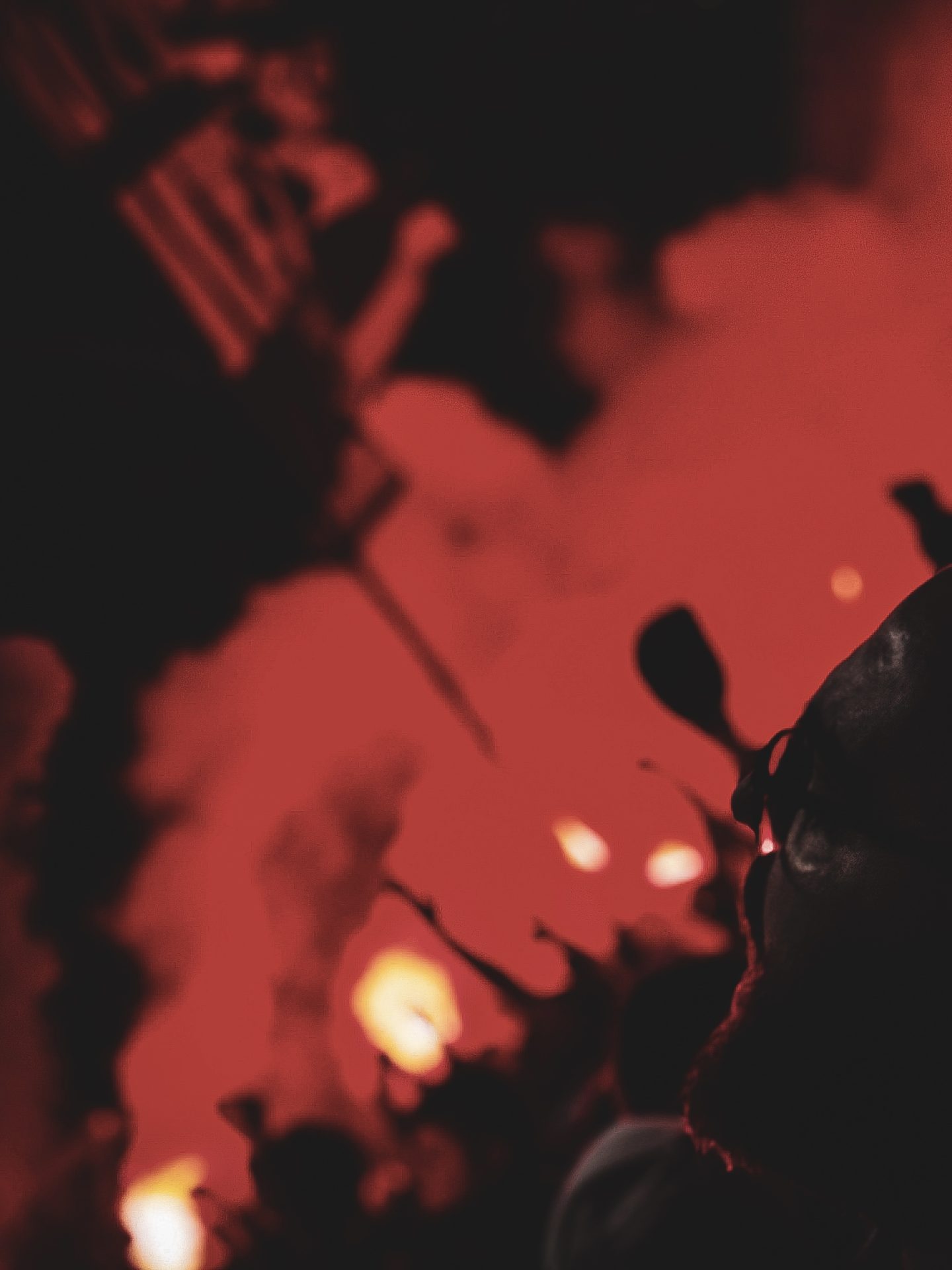
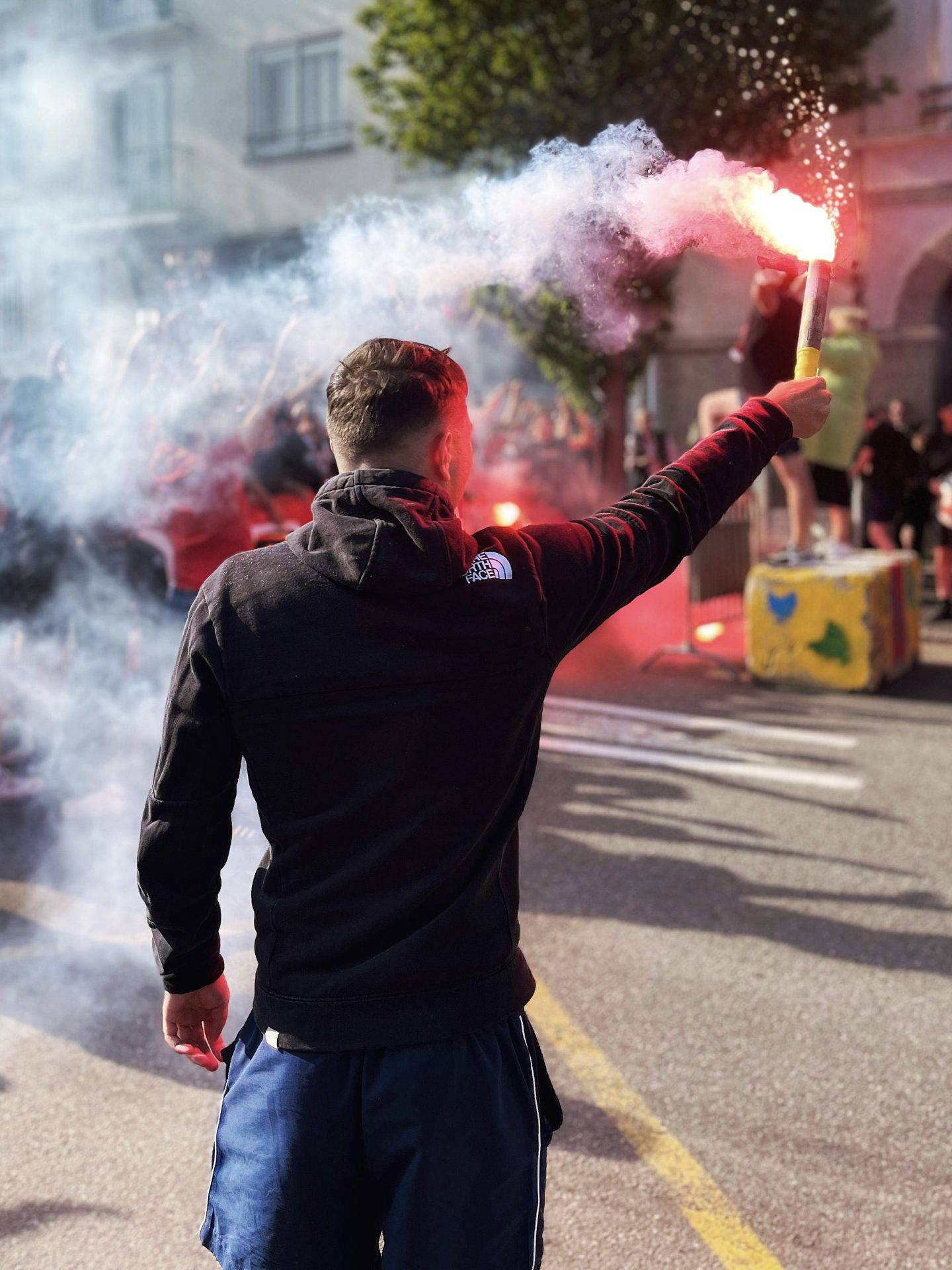
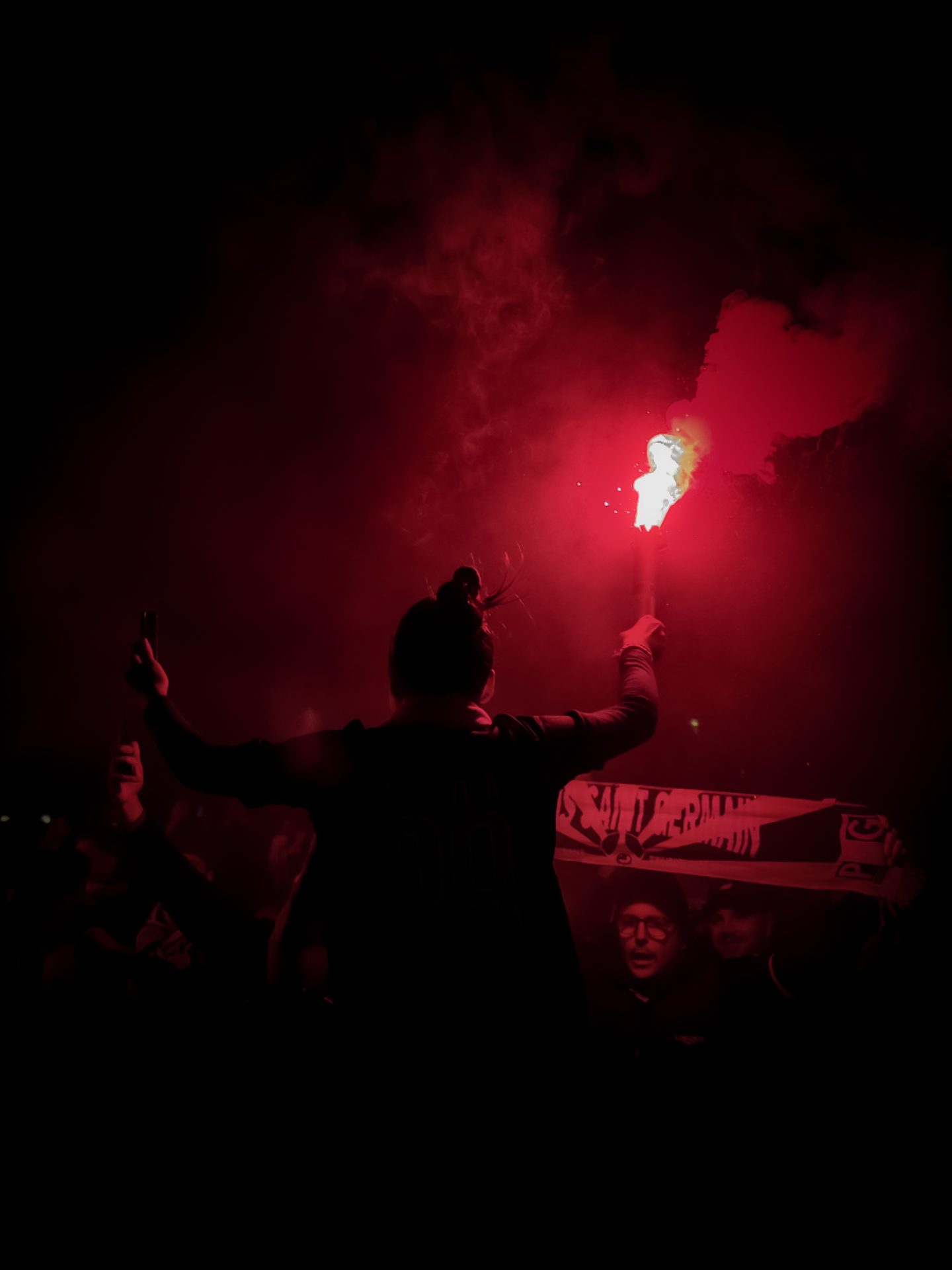
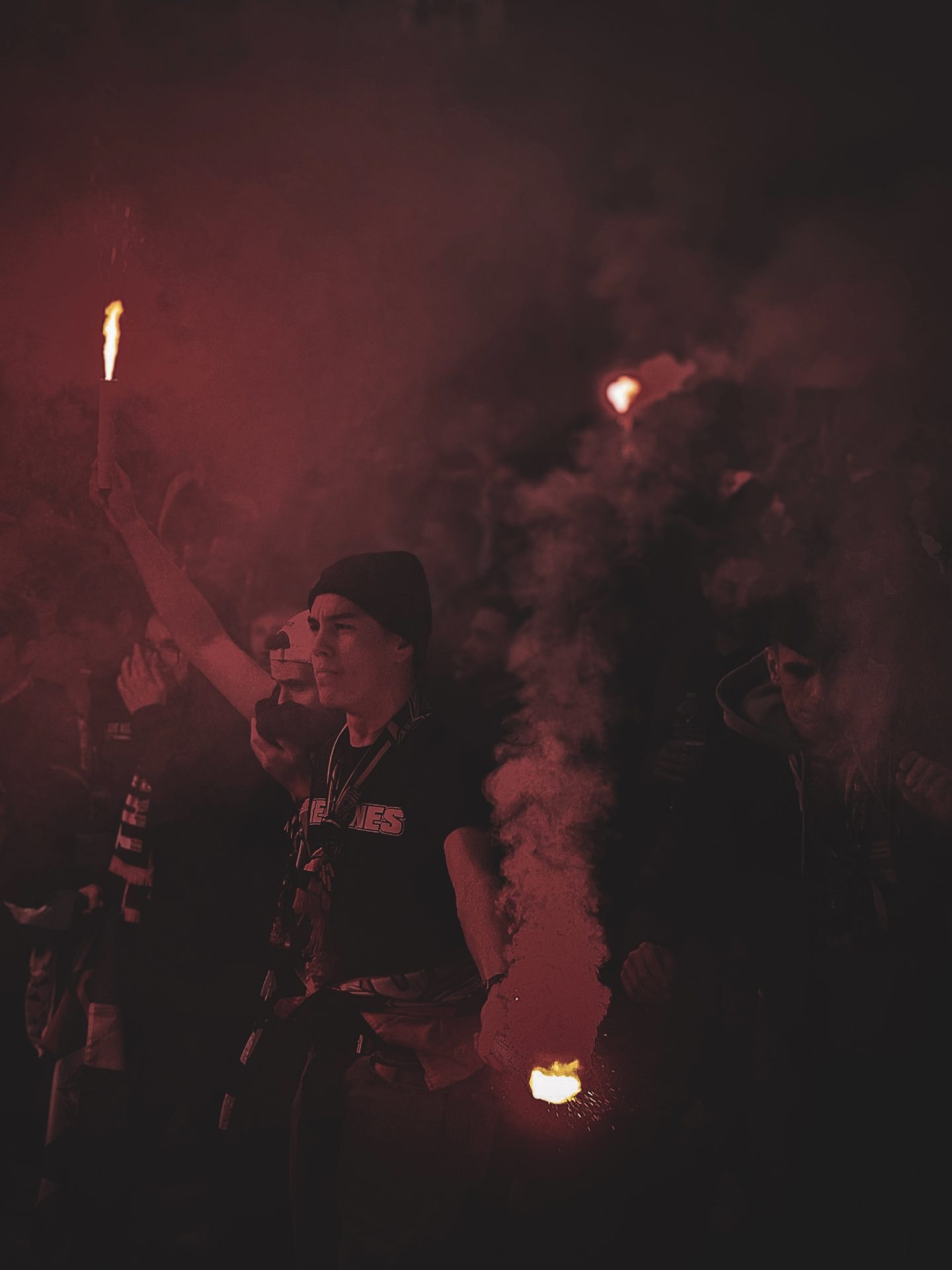
The issue isn’t denying the risks. It’s consistency. Can a practice be condemned as incompatible with modern football while also forming one of its visual pillars?
Pyro are only a symptom. The real question is the place of organised supporters in an increasingly commercialised football, crafted for television, which sells passion while trying to control it.
To punish with one hand what is celebrated with the other, to exploit ultra aesthetics while criminalising their practices – that is a cultural and political fracture.
Ultras don’t demand impunity. Many call for a clear, recognised, coherent framework. What they denounce is the double standard.
If pyro are truly a danger, stop using them as a showcase. If they are part of football culture, then open an honest debate on how to regulate them.
Football wants the passion – but not those who bring it.”
Related Lower Block Editions
-
 ULTRAS Italia 2024-25 | Imma Rhamely Borrelli£8.50
 -
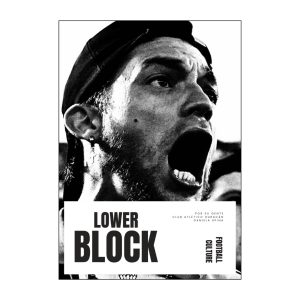 Por Su Gente | Daniela Spina£8.50
 -
 Goodison Park 18.05.25 | Gisela & Craig Szlatoszlavek£8.50
 -
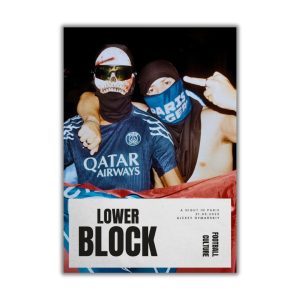 A Night in Paris | Alexey Dymarskiy£8.50
 -
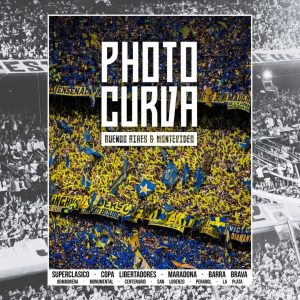 Photo Curva Magazine | Buenos Aires and Montevideo£20.00
 -
 Estadio | Danny Last£8.50
 -
 Leoni di Venezia | Andrea Rigano£8.50
 -
 Napoli – Campioni d’Italia | Boogie£8.50
 -
 Forza San Siro | Alex Amorós£8.50
You may also enjoy…