Football is almost always in some for of transition. Across Europe, long-standing grounds – once inseparable from their neighbourhoods – are giving way to new structures that prioritise control, visibility, and consistency. Guirec Munier captures what is at stake as football continues to move away from places that grew with the game, towards venues designed to serve it.
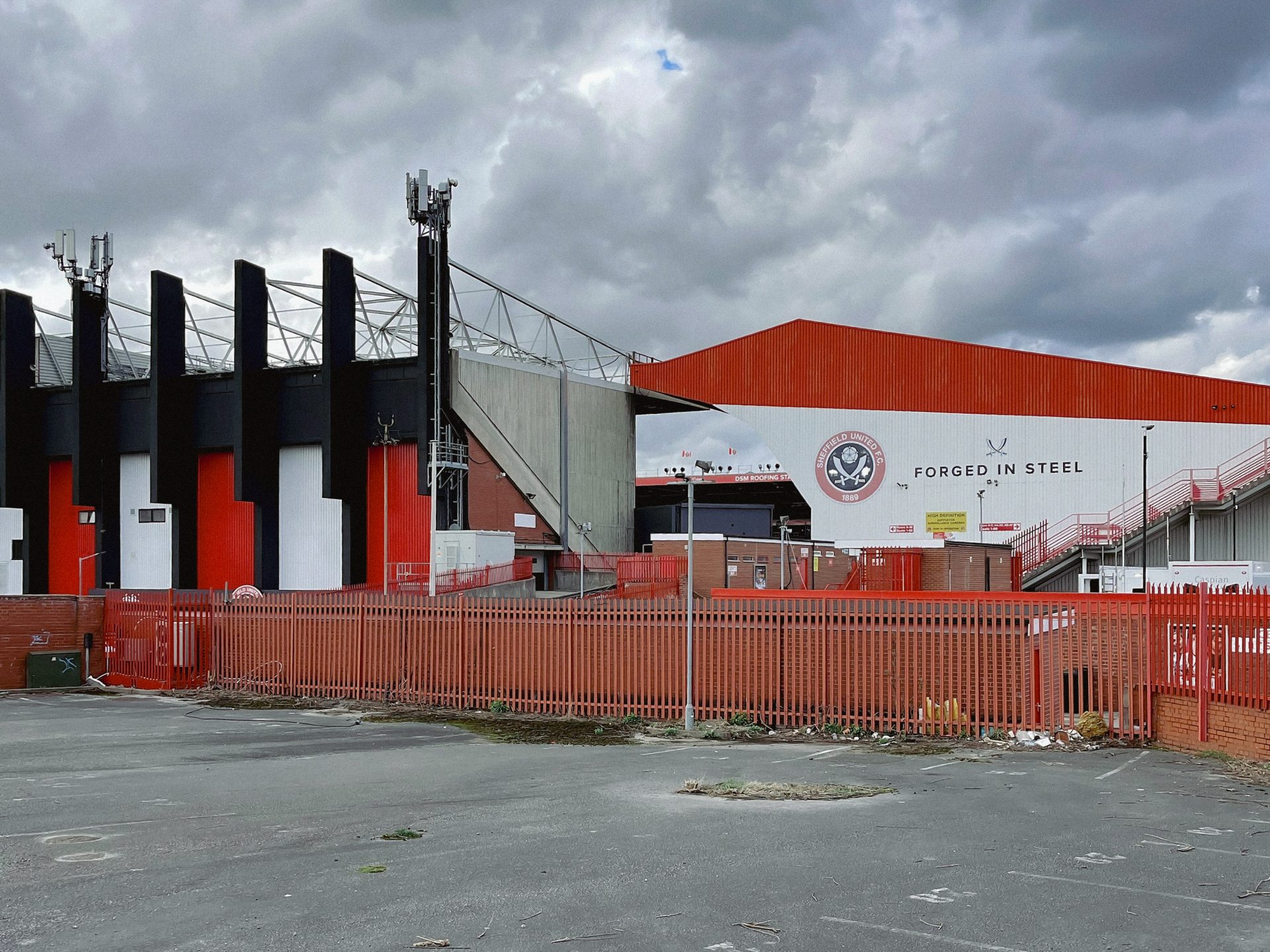
“A stadium is built. A ground is formed.”
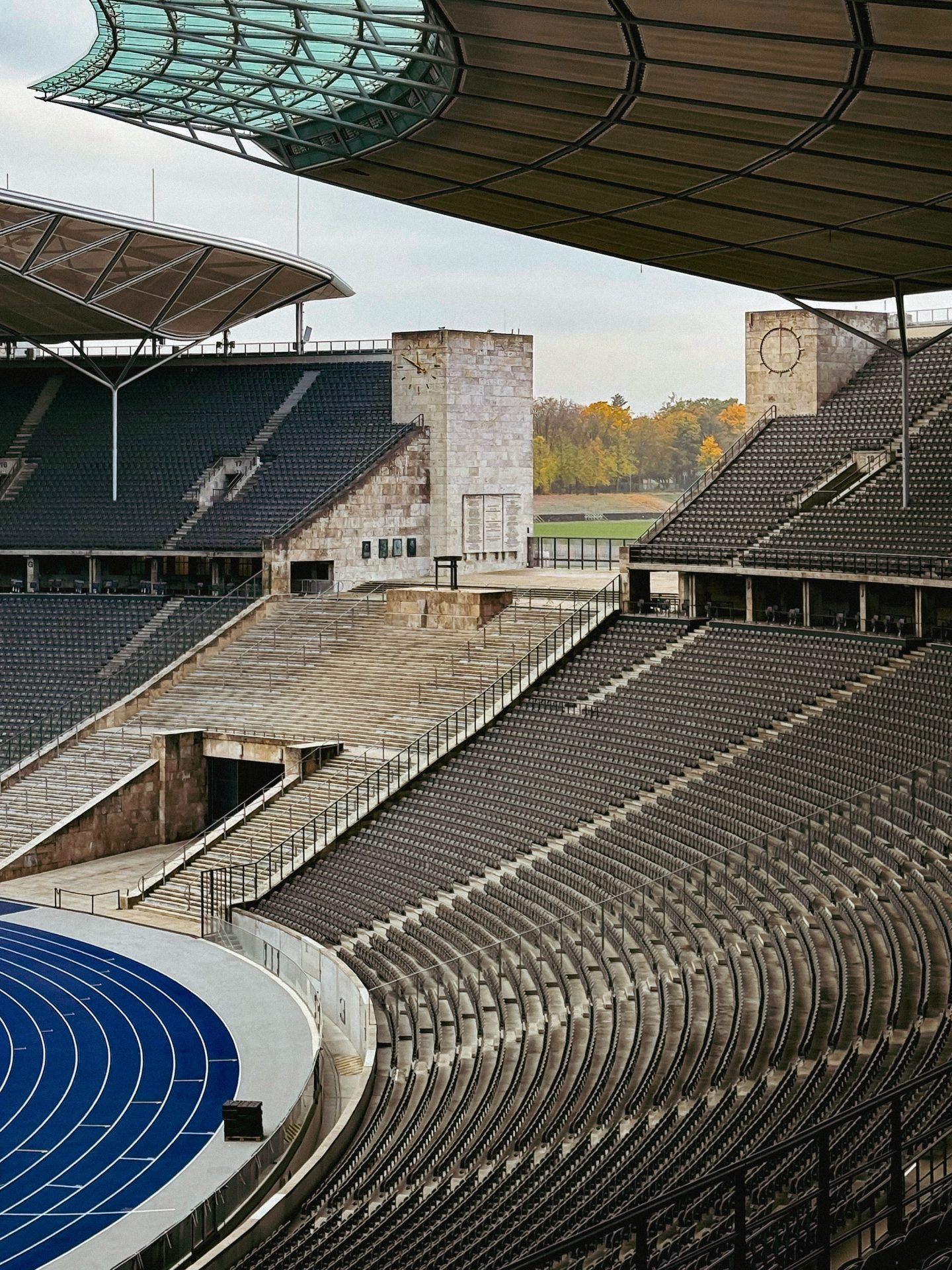
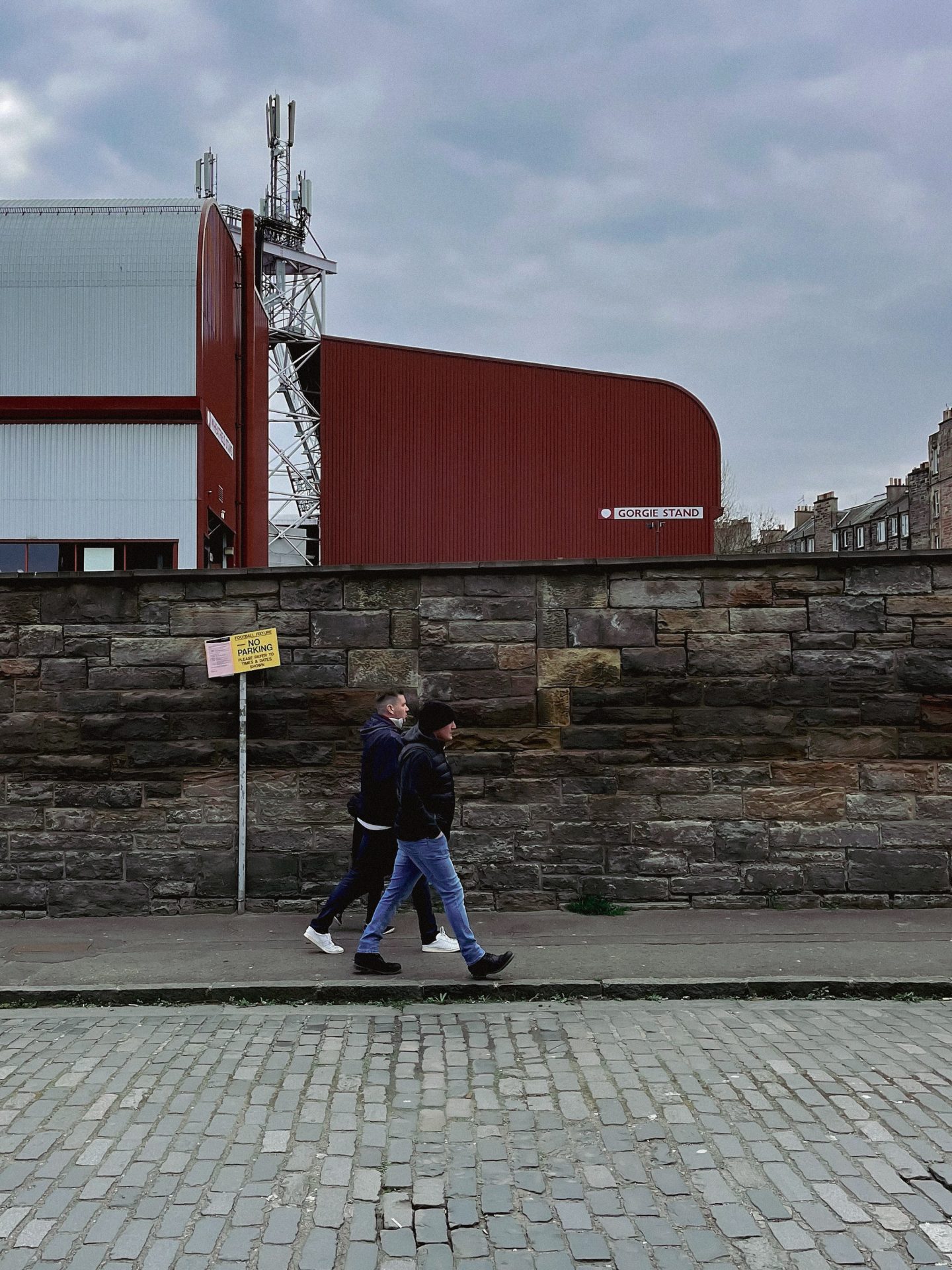
Embedded, Then Erased: When Football Left the Streets
Words and photos Guirec Munier
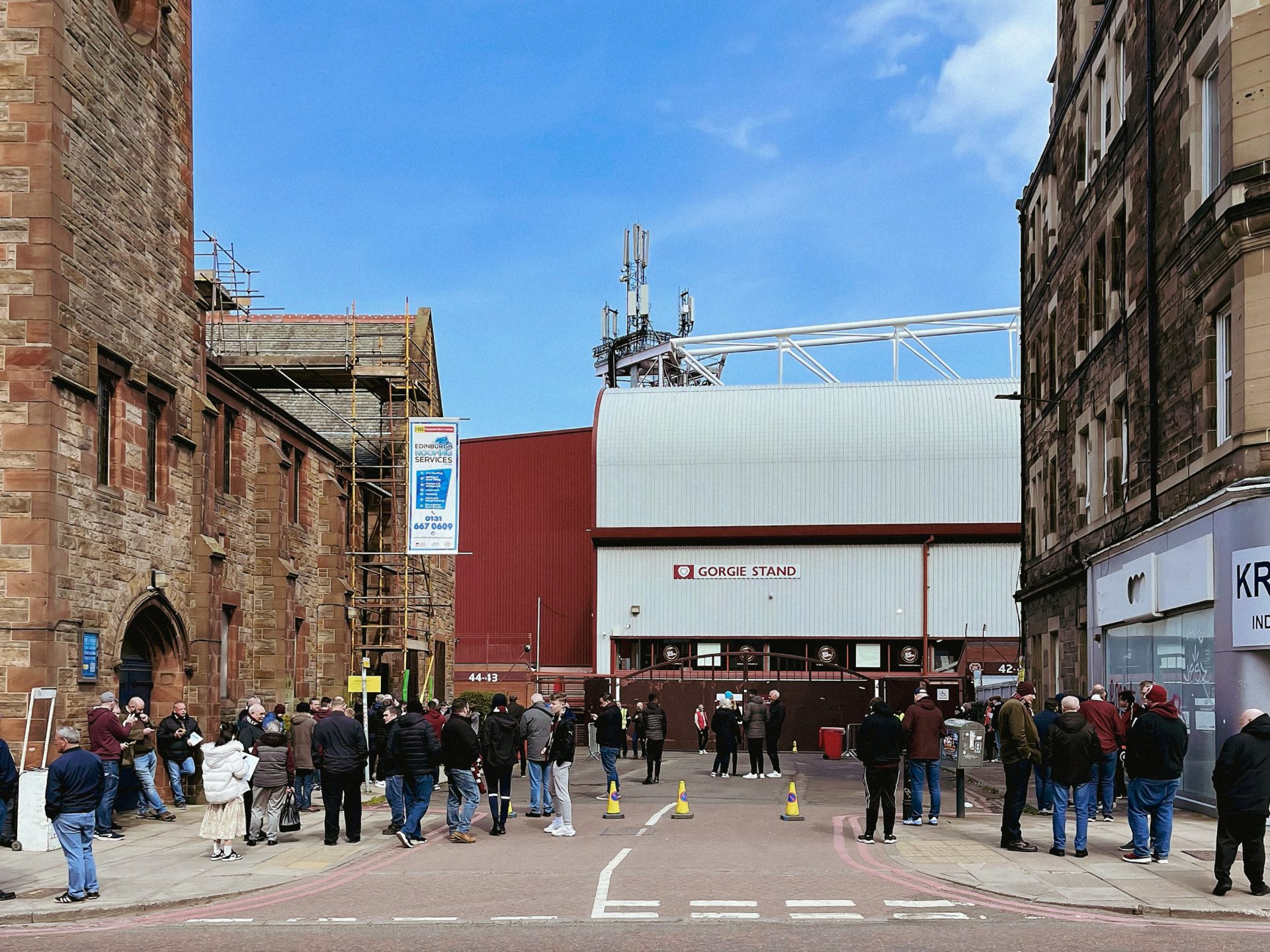
There is a difference between a stadium and a football ground. Not a semantic one – a cultural one. A stadium is built. A ground is formed. Across Europe, older grounds are rooted in their surroundings. They sit within cities, pressed between houses, embedded in neighbourhoods, shaped over decades rather than delivered in a single project. They are not perfect. They are not coherent. But they belong. Modern stadiums rarely do. They are designed as products: controlled, efficient, predictable. Often placed on the outskirts, surrounded by empty space, disconnected from the urban fabric that once gave football its texture. You don’t approach them – you are funnelled towards them. You don’t discover them – you arrive. And that difference matters.
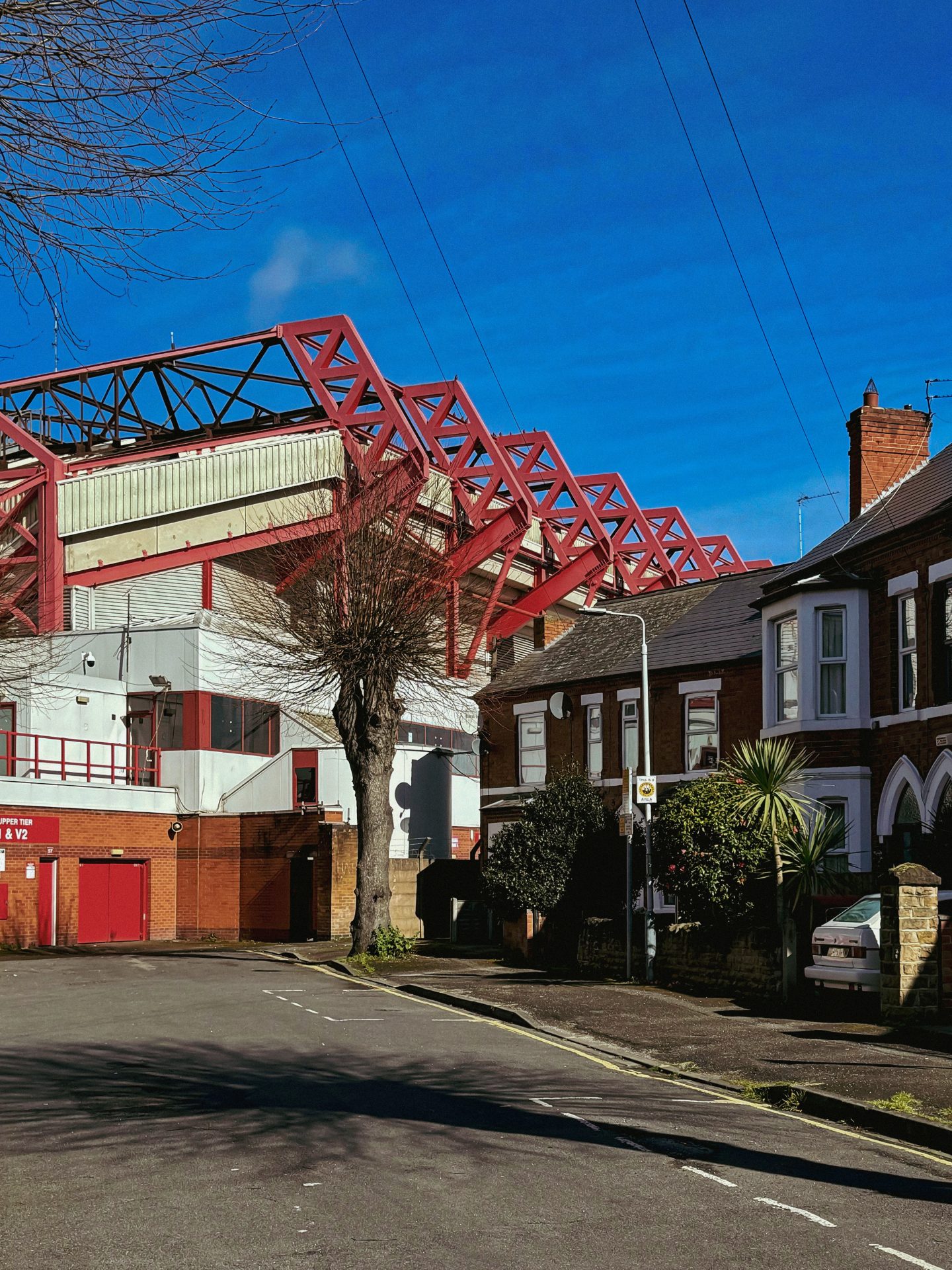

“What makes a ground is not just what it is – but how it became.”
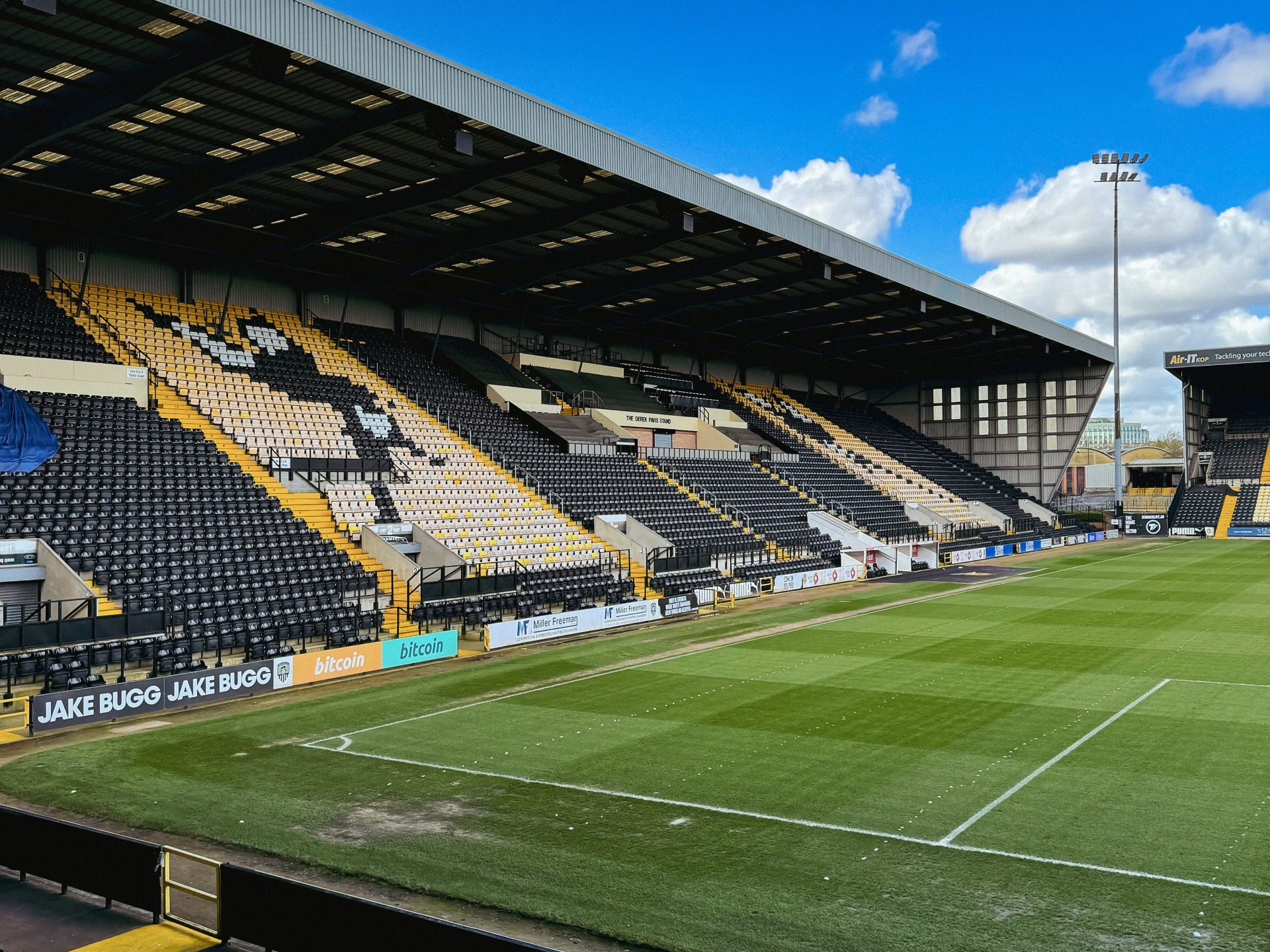
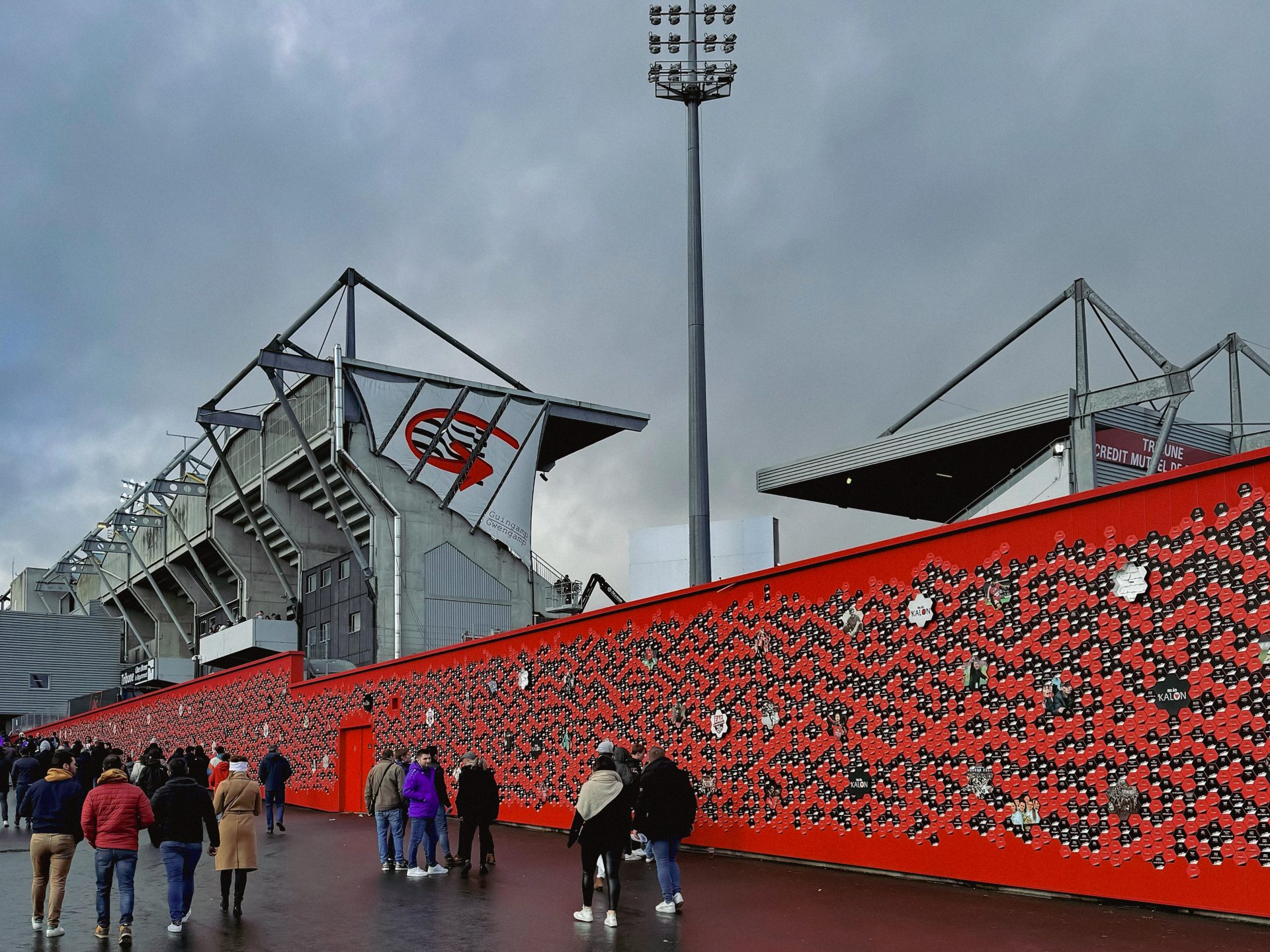
A football ground is not just a venue. It is a process, a gradual build-up, a relationship between a place and the people who move towards it, week after week, year after year. Streets, routines, landmarks – everything contributes to the experience. Even something as simple as a set of floodlights glimpsed above rooftops becomes part of that language. None of this is accidental. And none of it can be replicated overnight. Modern football likes to believe it can reproduce atmosphere through design. Safe-standing areas, curated fan zones, pre-match playlists – attempts to recreate what once emerged naturally. But atmosphere cannot be engineered. It is not a feature to install. It is the by-product of time, repetition, and rootedness. You can design a stadium. You cannot design a ground. You cannot manufacture decades. You cannot recreate the way a structure settles, or the way generations imprint themselves onto it. What makes a ground is not just what it is – but how it became. And that takes time. Time that modern football does not allow.
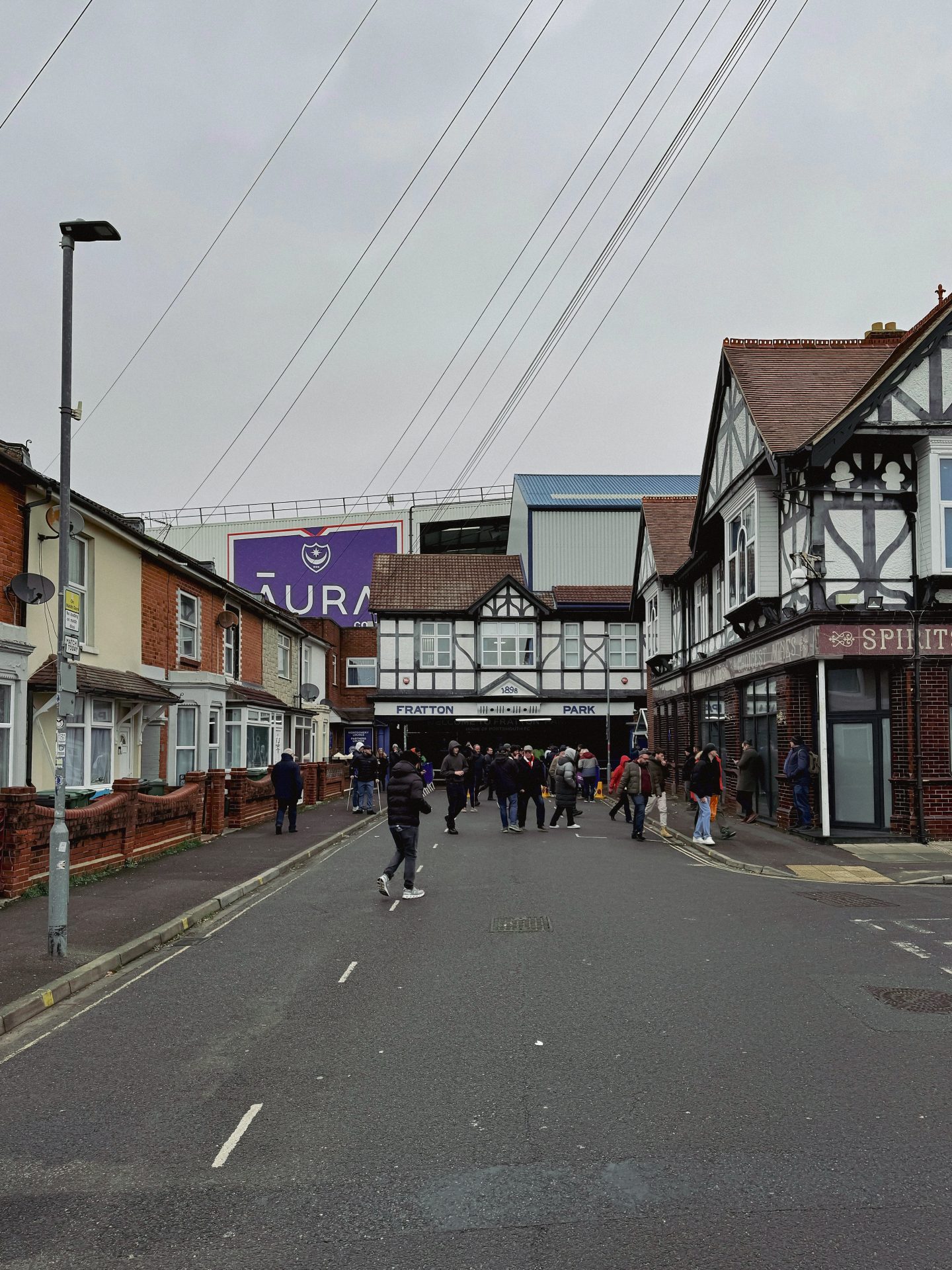
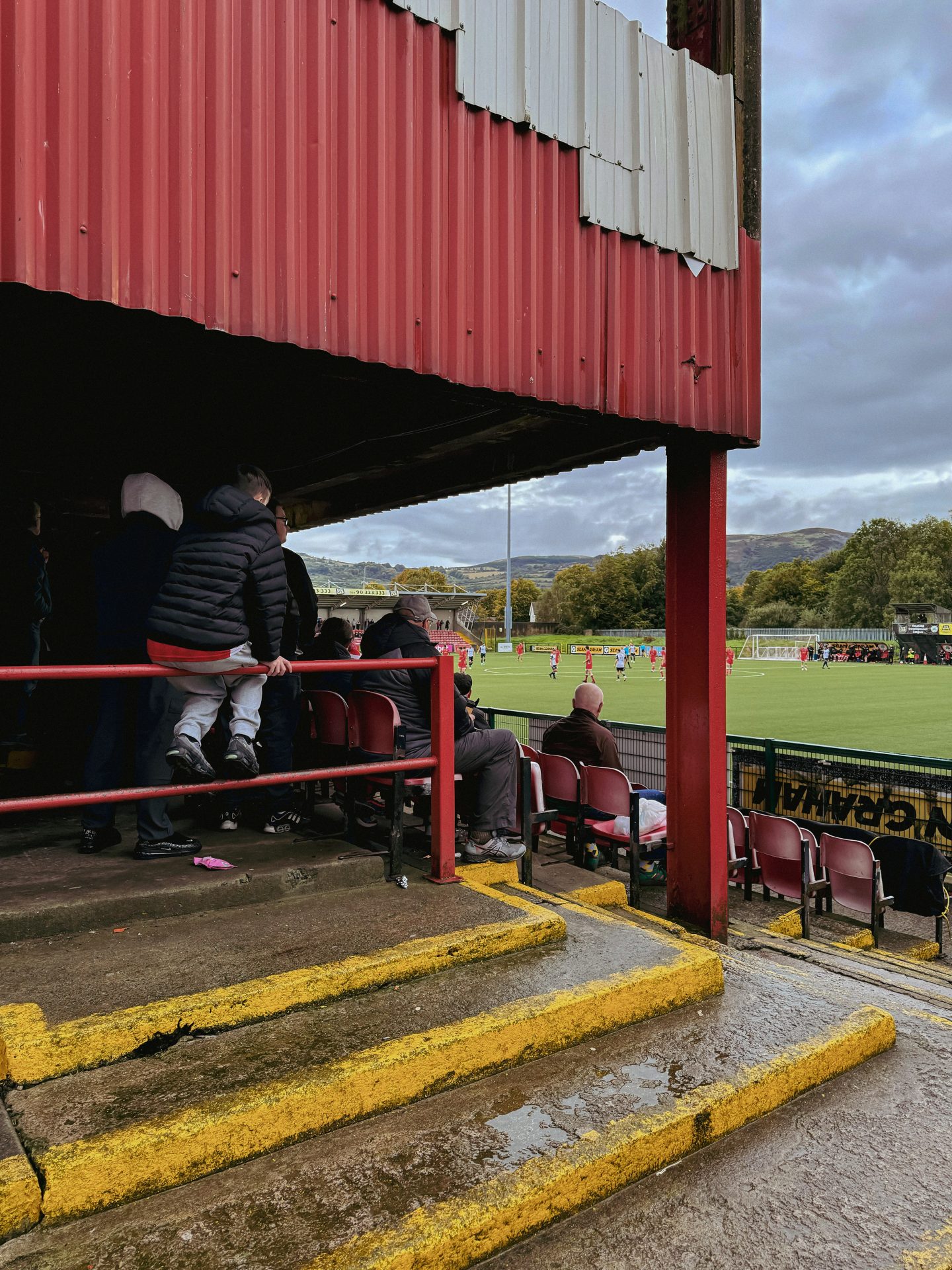
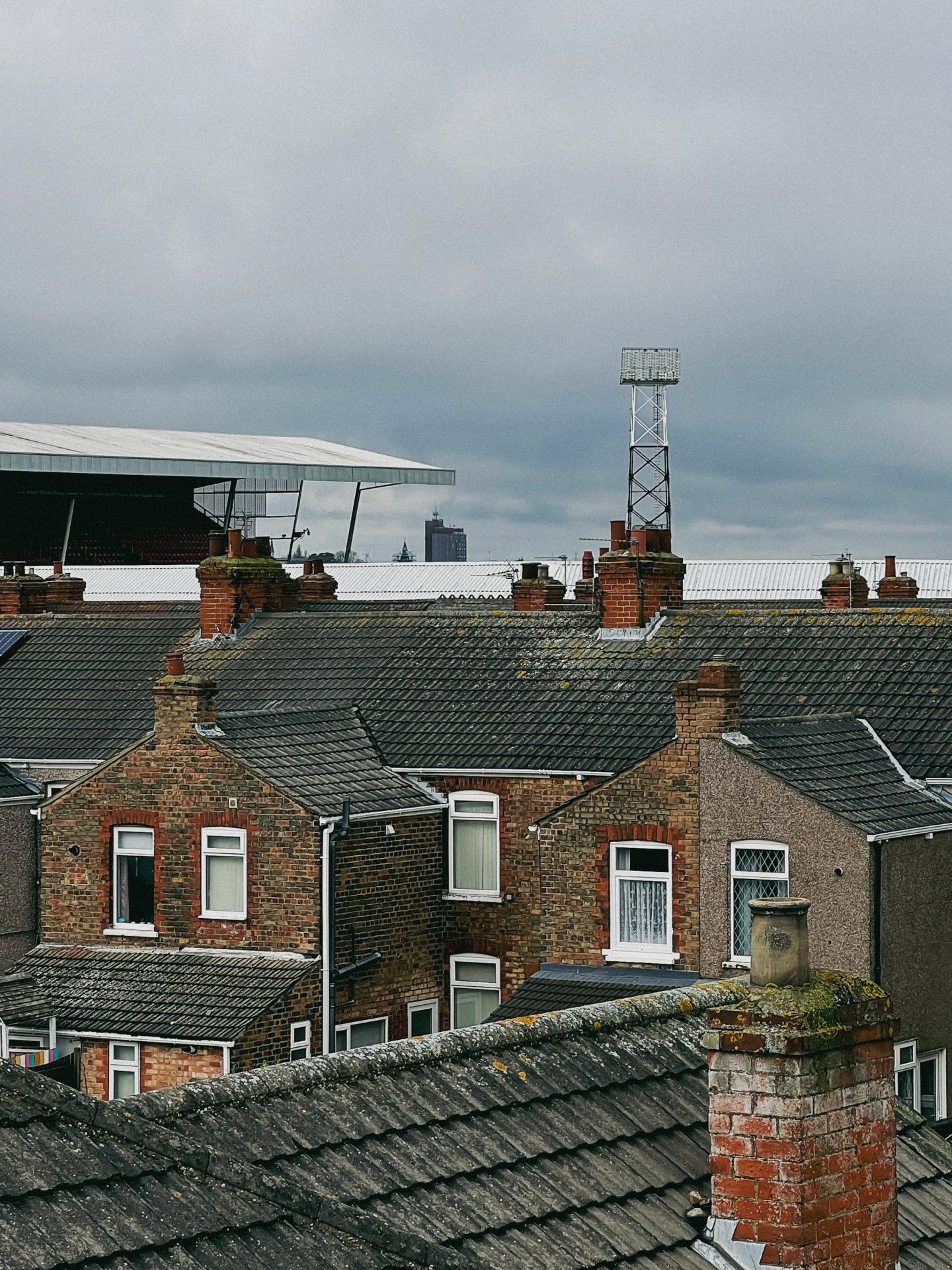
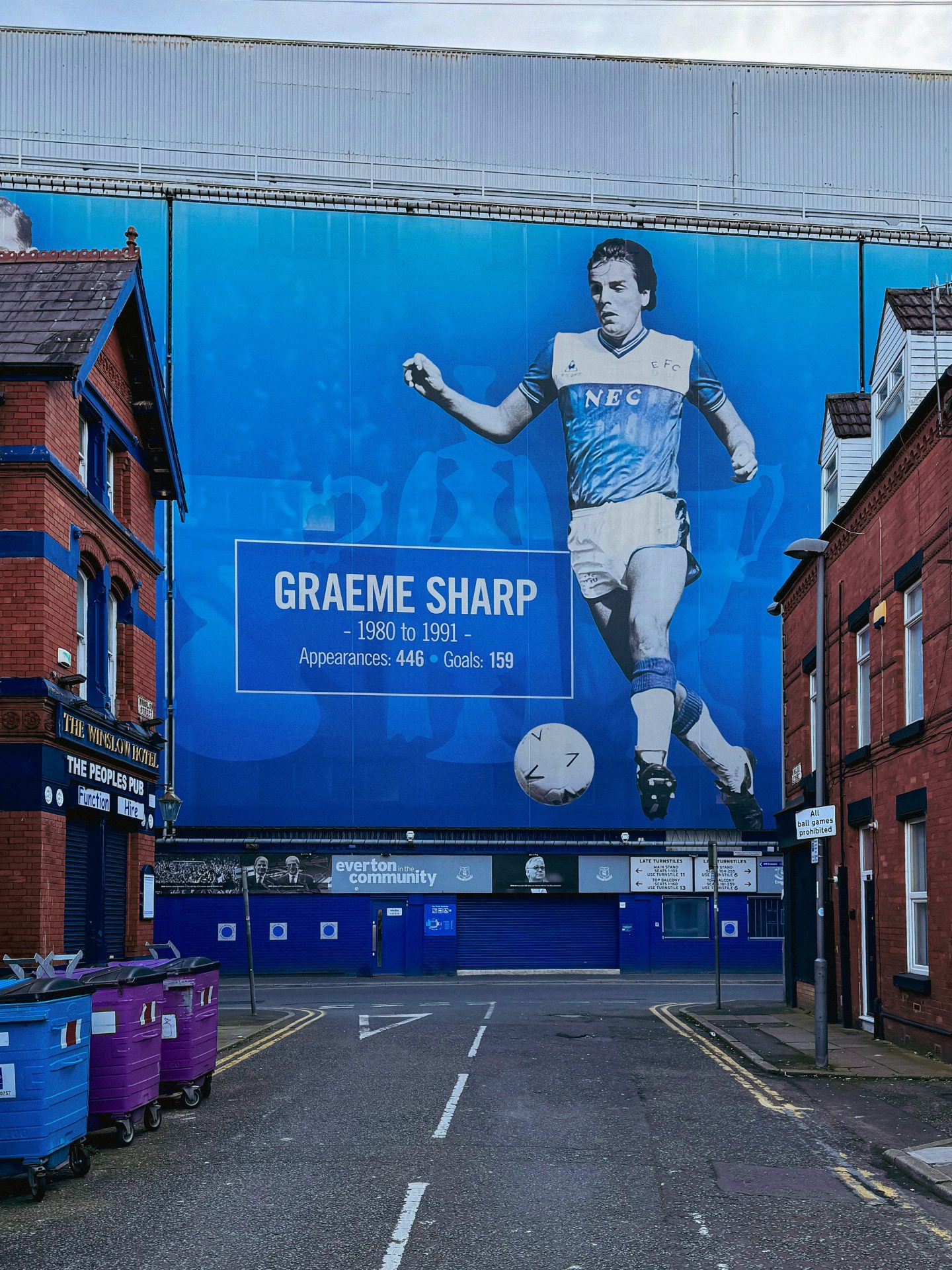
“Experiences are streamlined. The unexpected is designed out.”
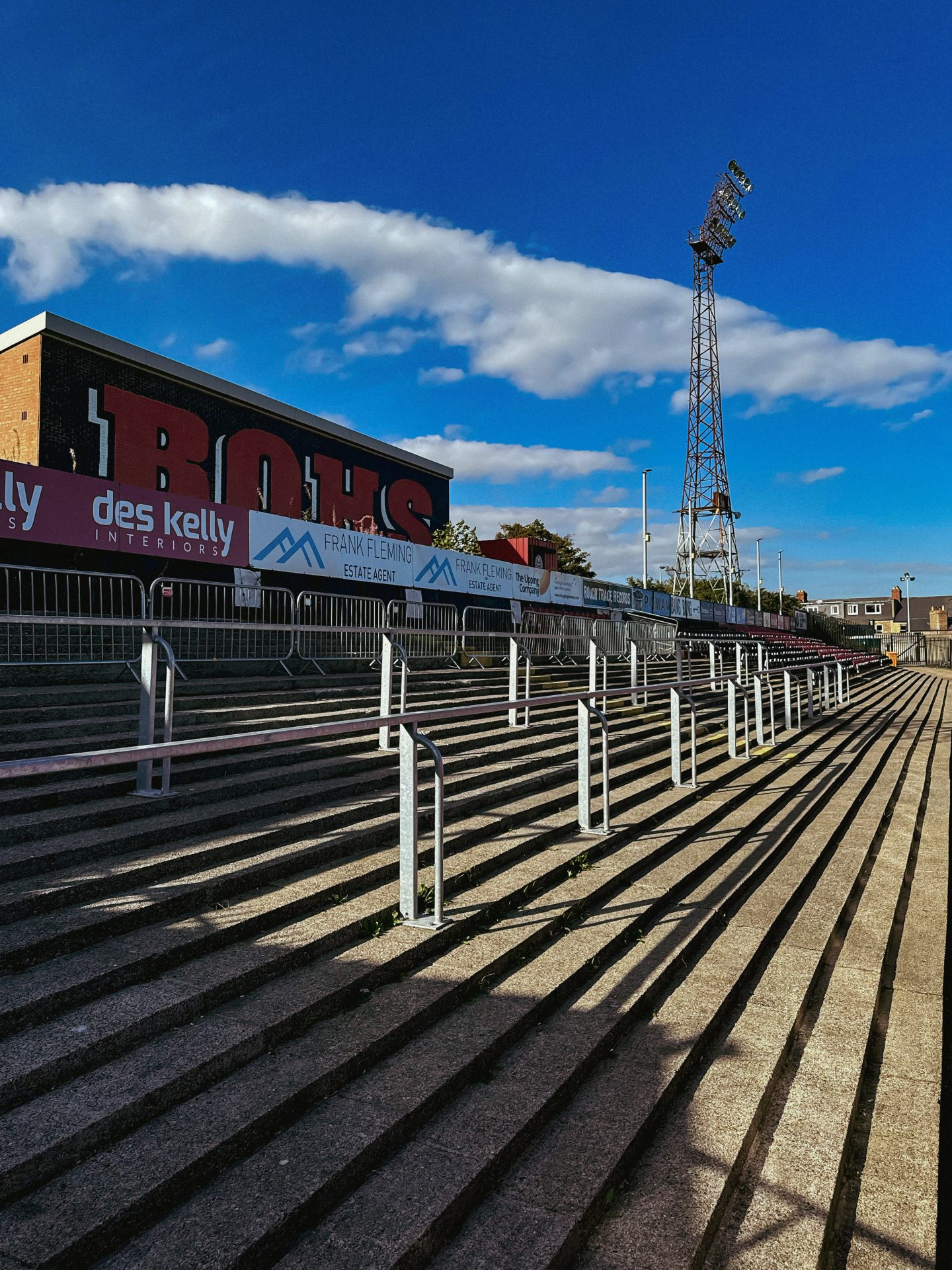
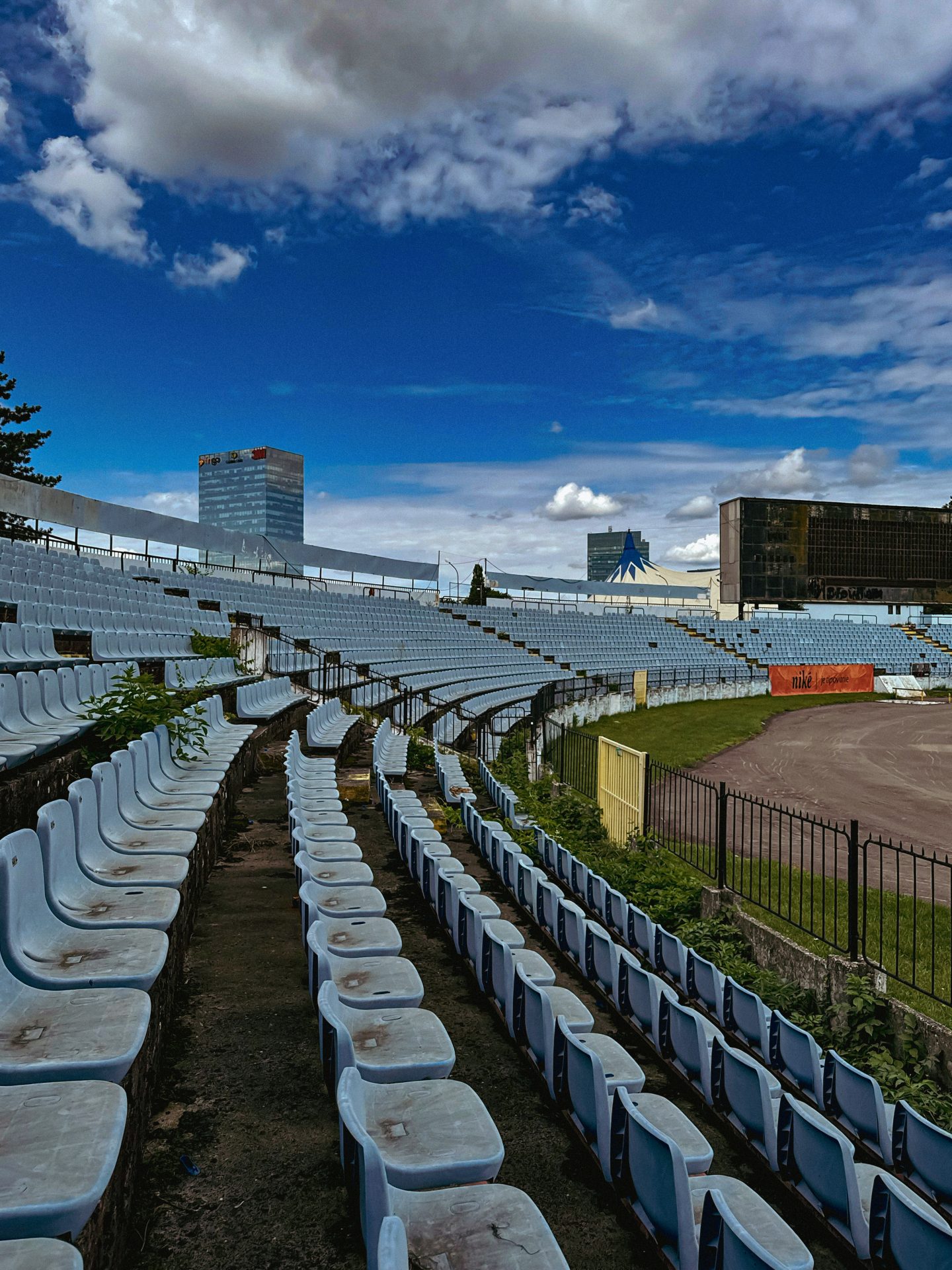
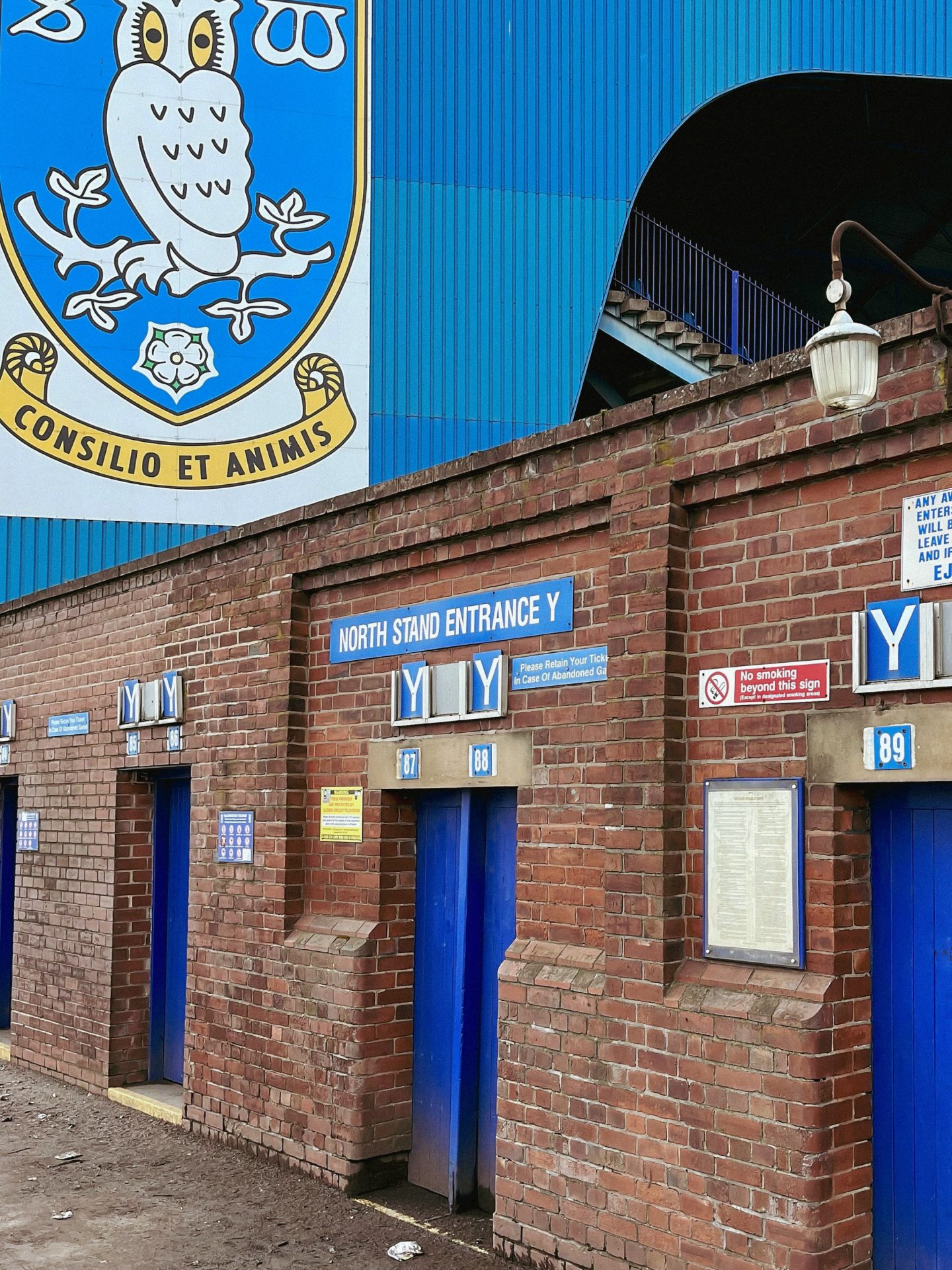
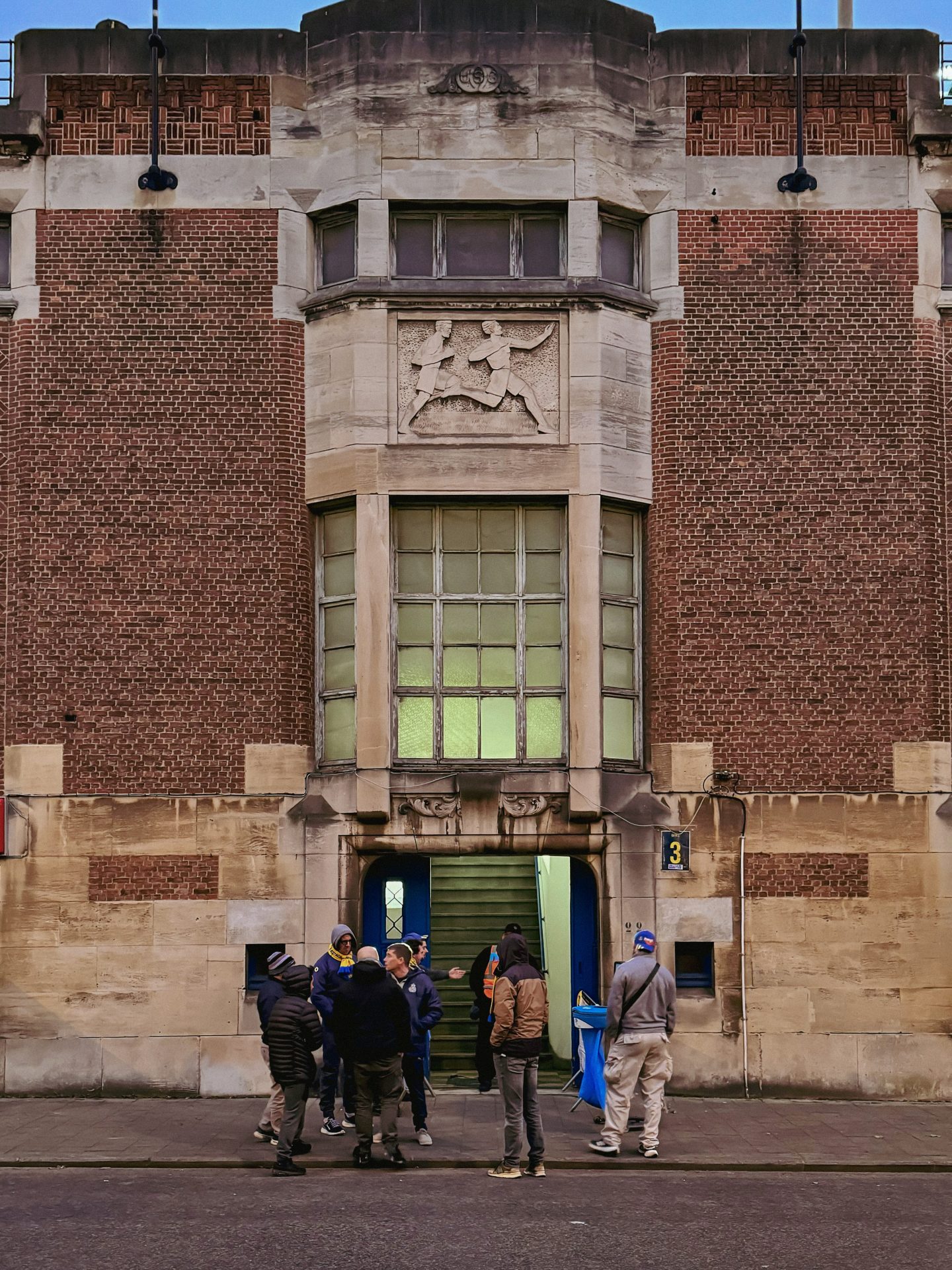
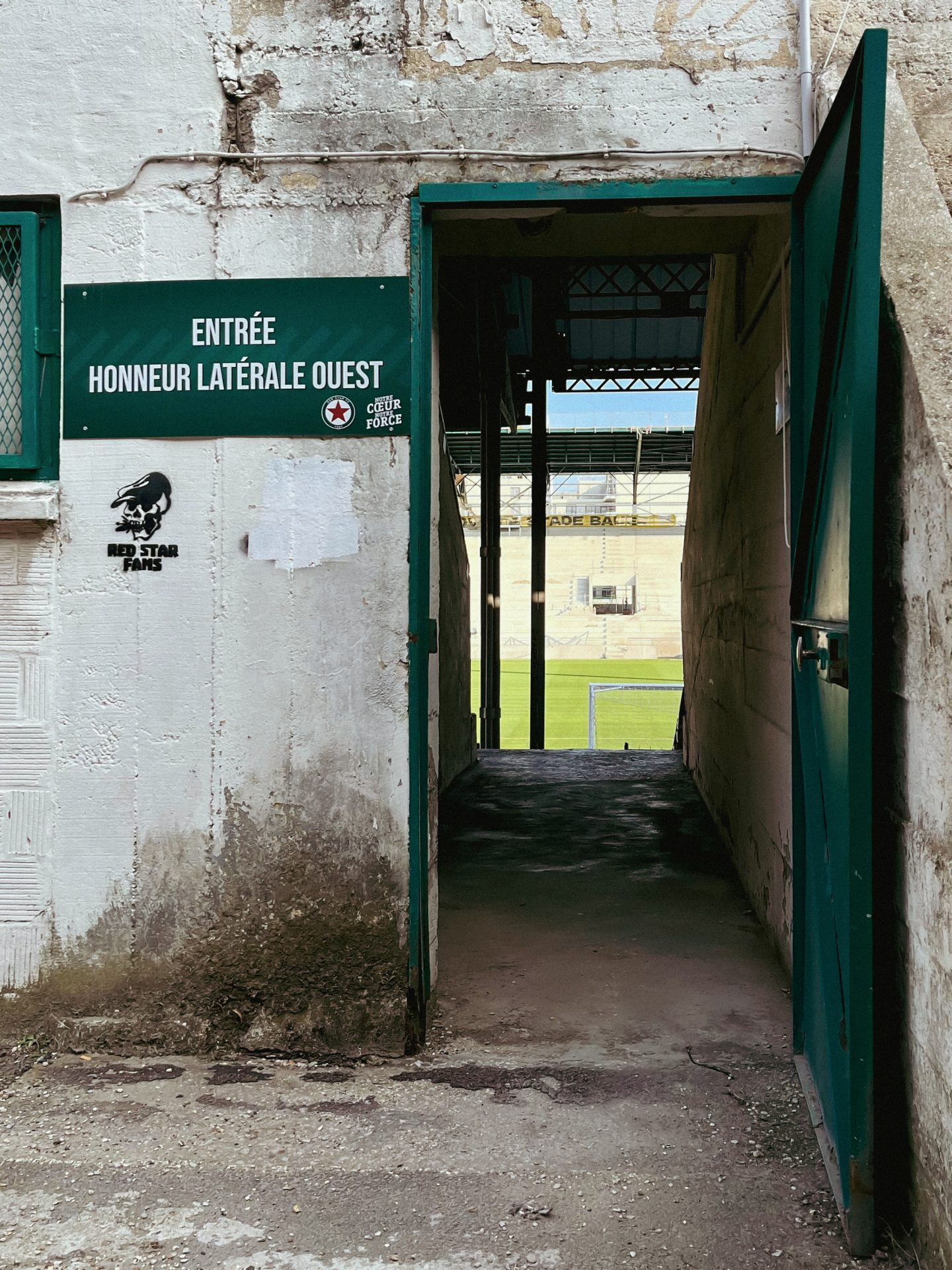
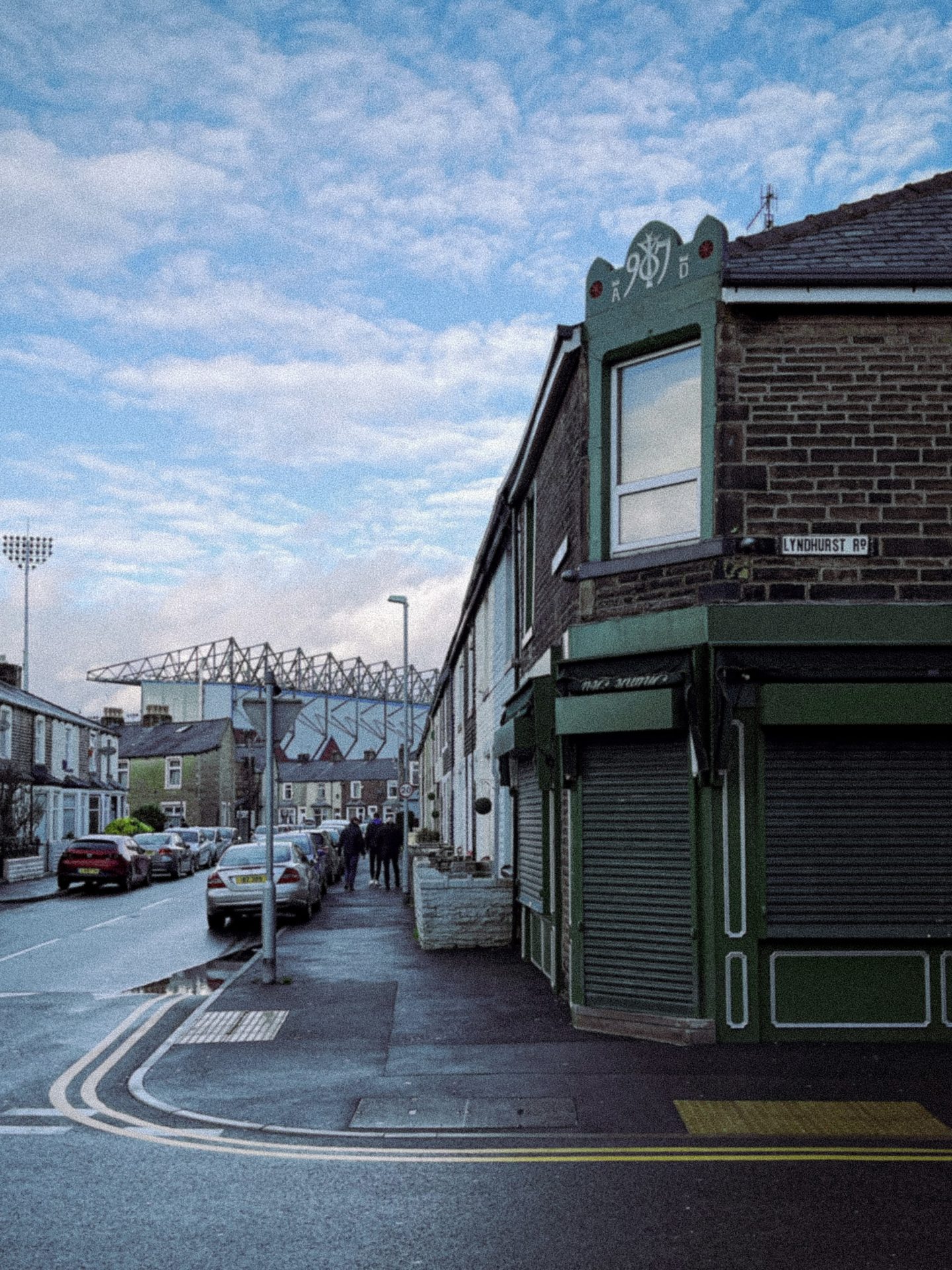
In chasing efficiency, visibility, and global appeal, the game has embraced standardisation. Stadiums are interchangeable. Experiences are streamlined. The unexpected is designed out. Each new project promises identity, atmosphere, connection. Each claims to reflect its city, its history, its supporters. And yet, from one country to another, the same forms emerge. The same materials. The same logic. Difference becomes surface-level. Football is detaching itself from the places that shaped it. Something is being lost in that process. Not just architecture, but meaning. Not just places, but anchors. The quiet sense that football belongs somewhere specific, rather than anywhere at all. This is not about rejecting progress. It is about recognising its cost. Once a ground disappears, it doesn’t come back. You can replace it, relocate it, rename it – but you cannot rebuild what gave it depth in the first place.
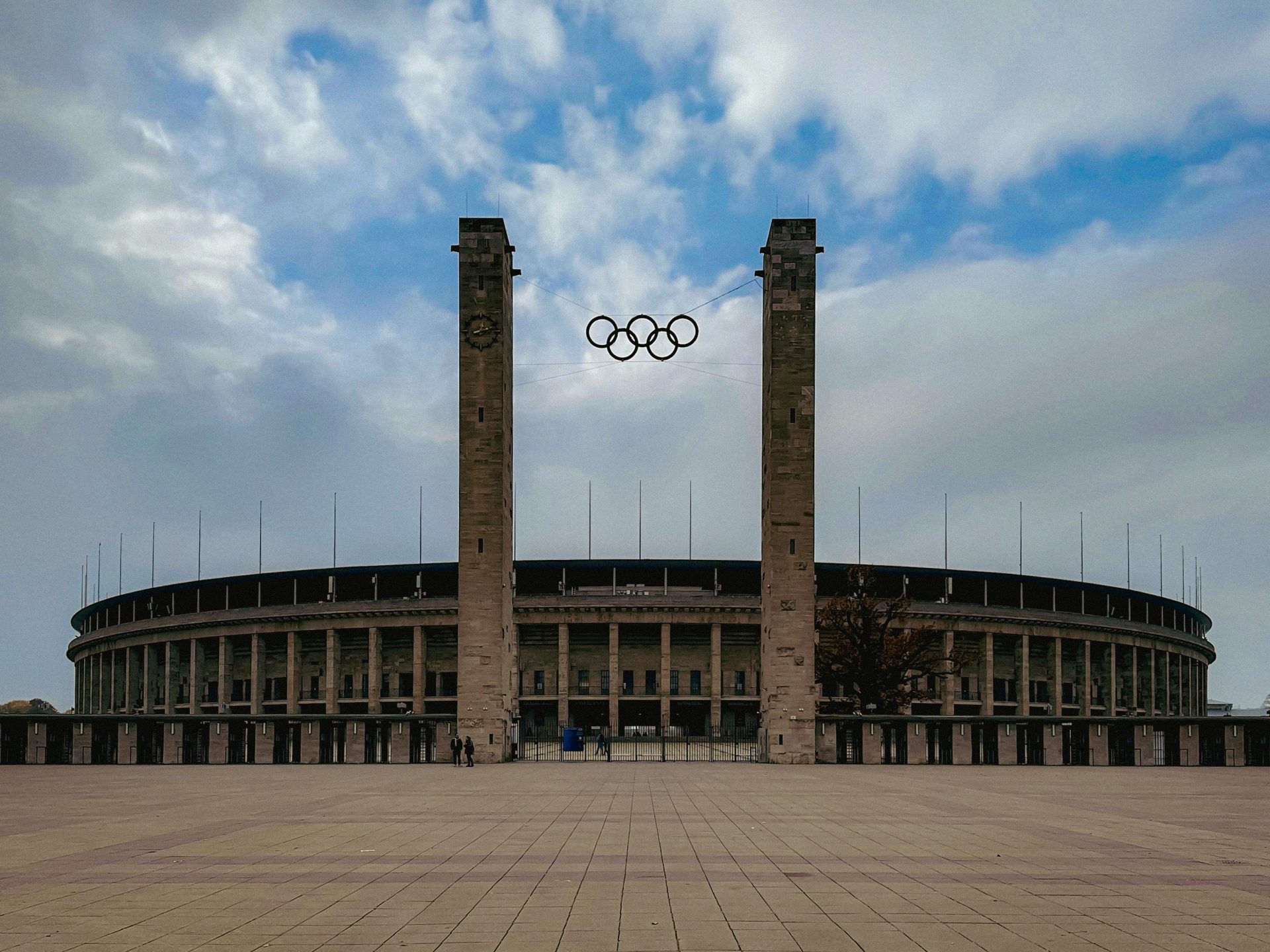
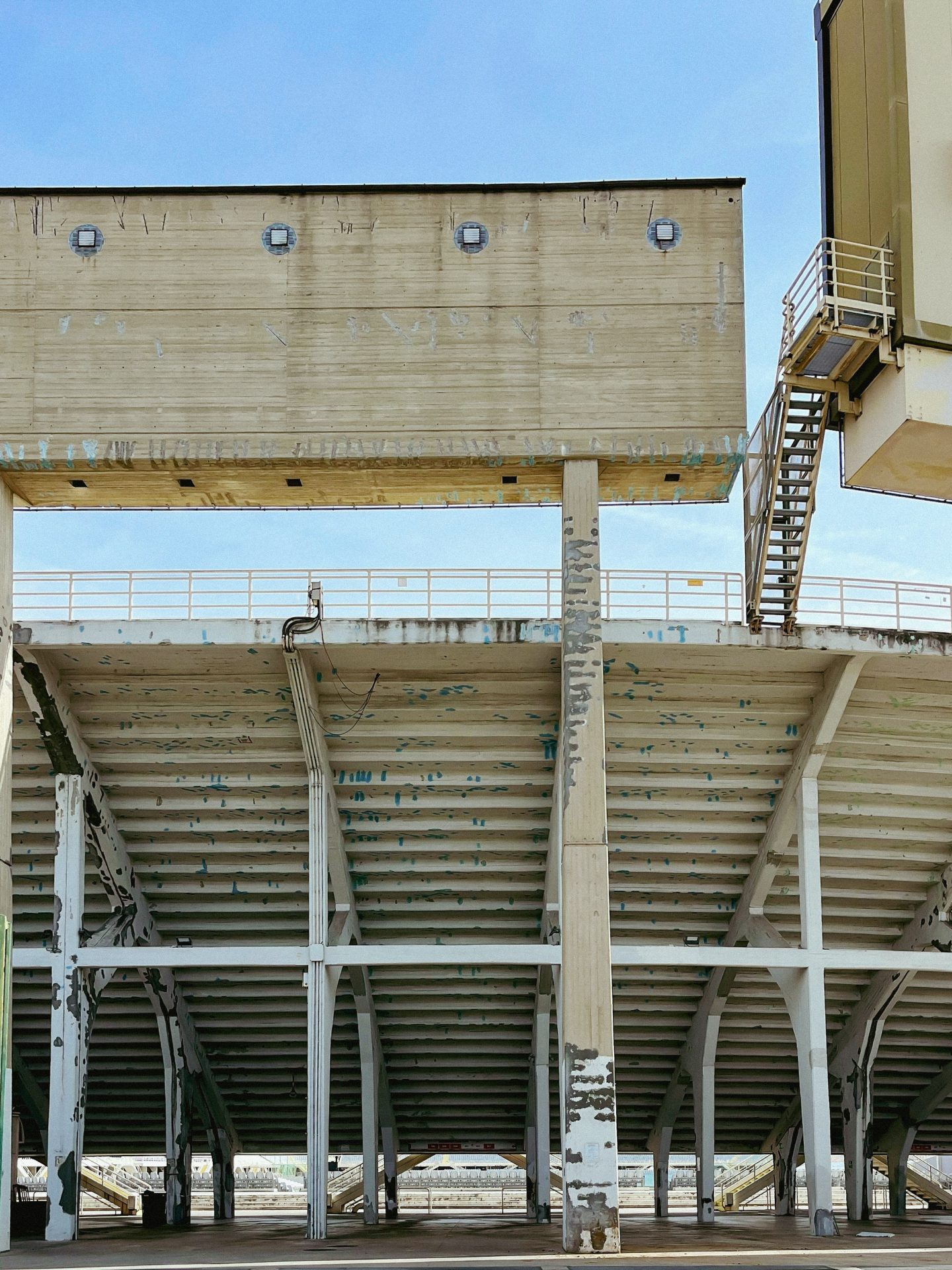
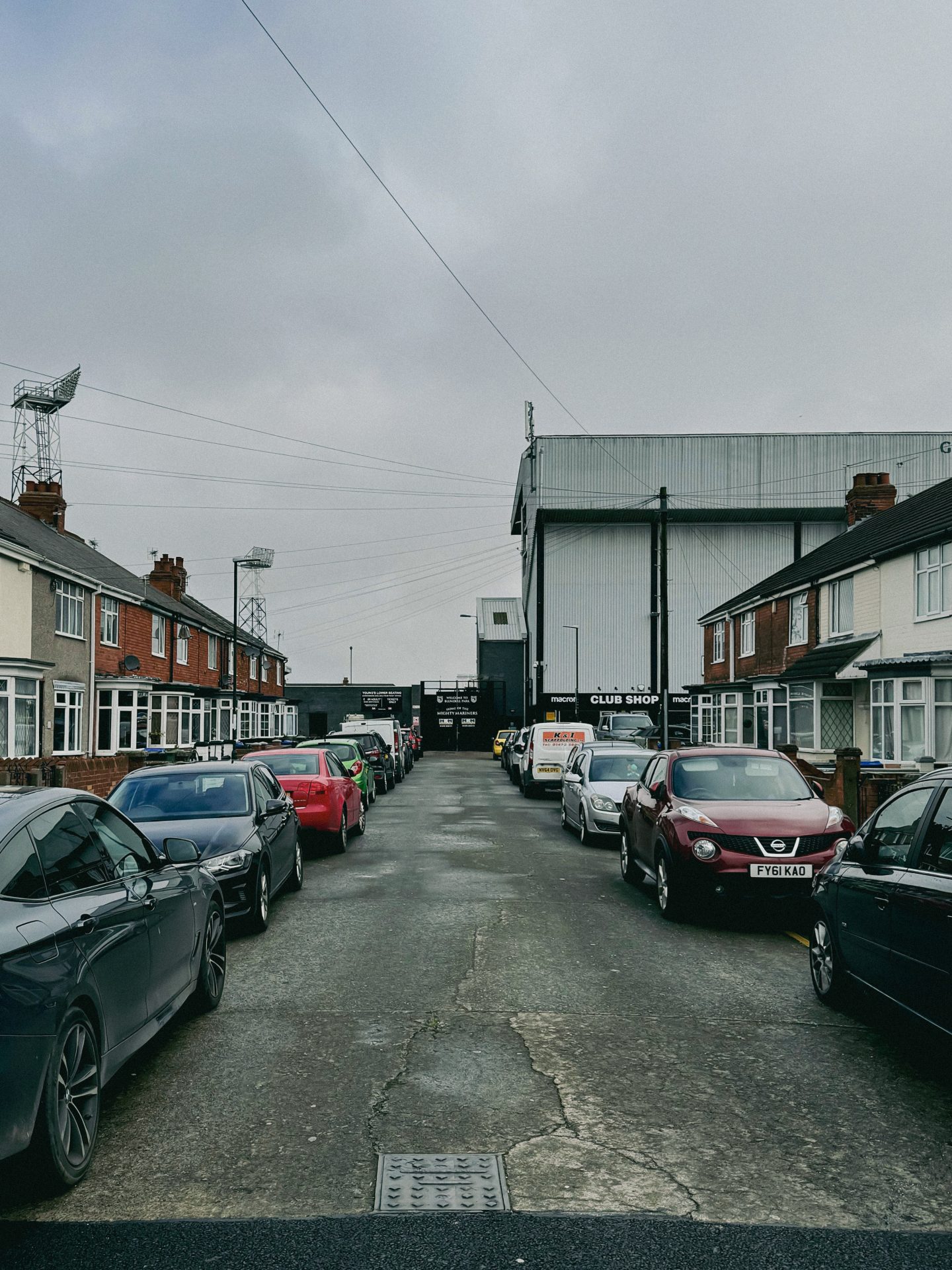
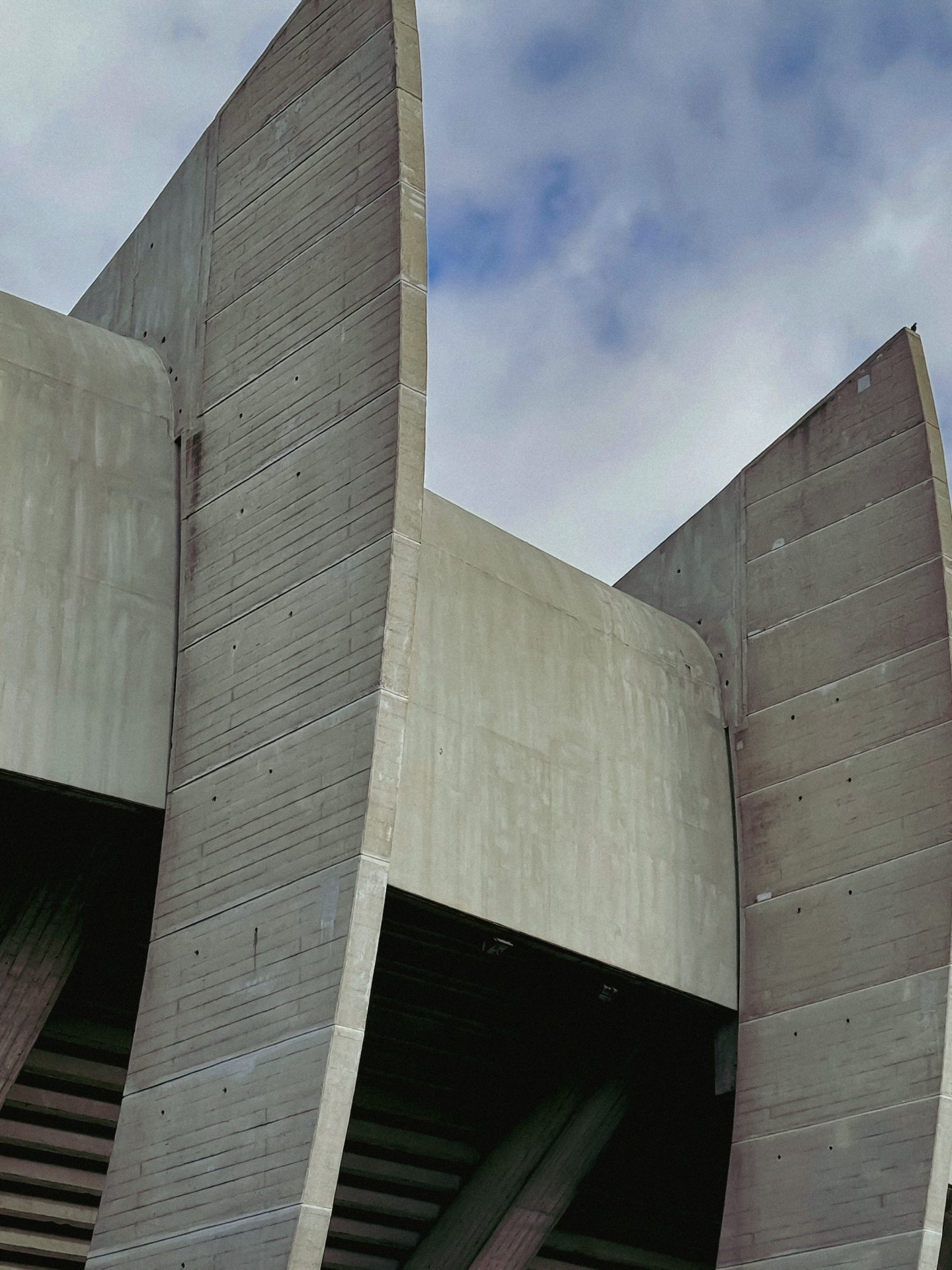
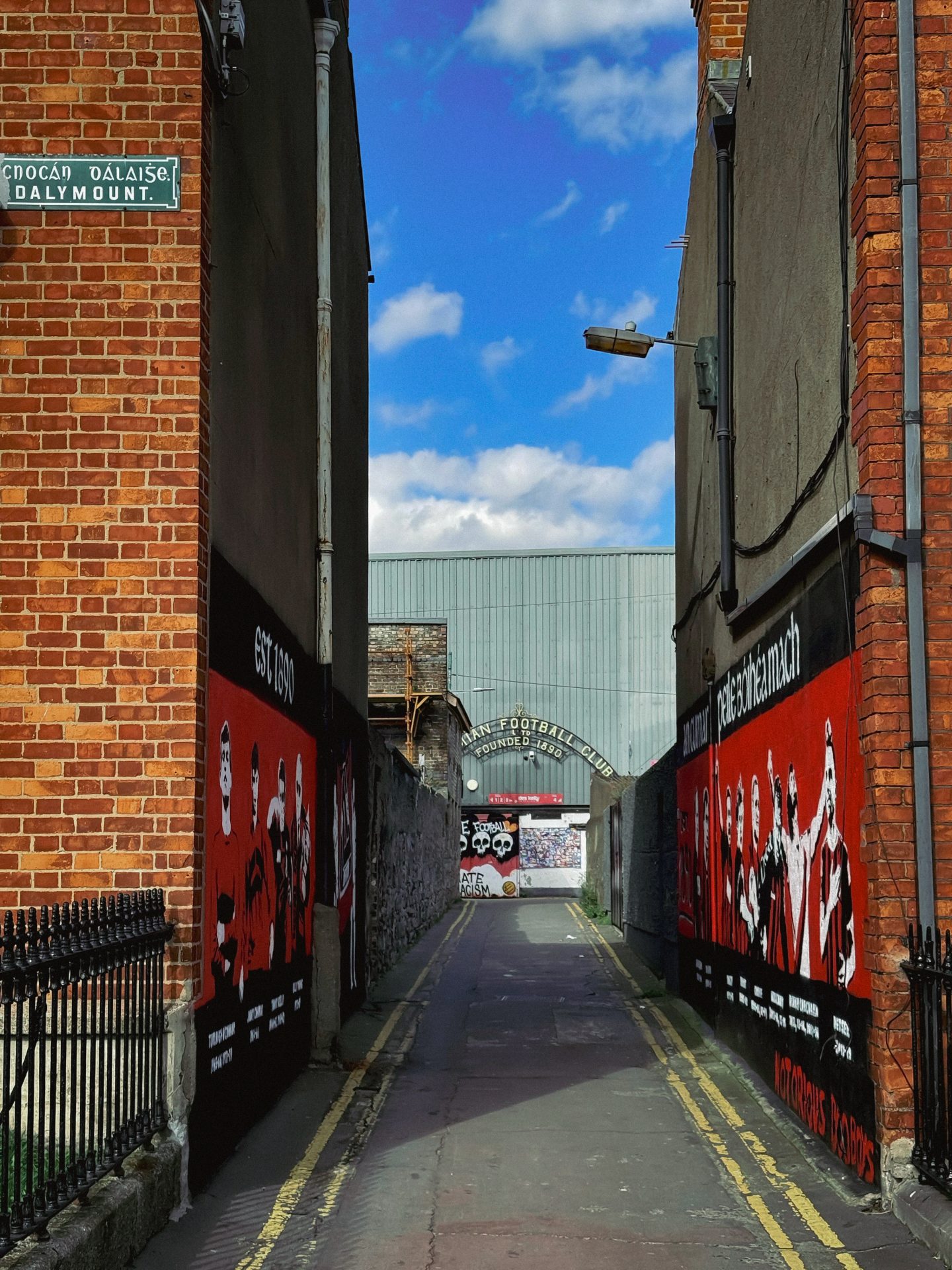
Across Europe, these places are fading. Not always dramatically, but steadily. One redevelopment at a time. One relocation after another. The skyline flattens. The landmarks vanish. The approach shortens. And with them, a certain idea of football disappears too. What remains are stadiums. Functional, efficient, interchangeable. But not grounds.
Suggested Lower Block Editions




Explore the full Lost Grounds Collection
You may also enjoy…