Football and streetwear continue to influence each other because both are built around identity, belonging, and self-expression.
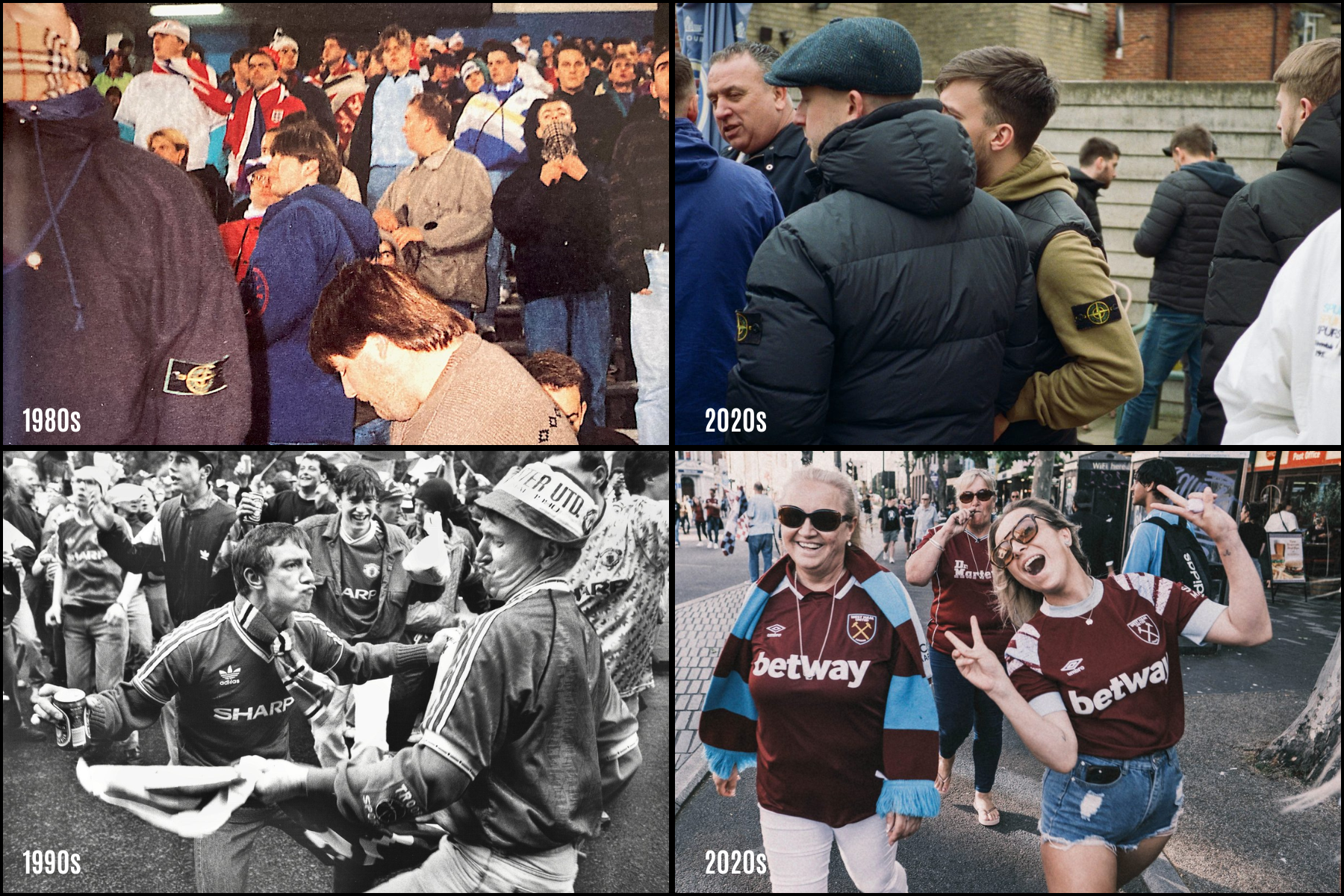
Neither culture begins with fashion itself. The style grows naturally from environment and behaviour – movement through cities, time spent outside, on the terraces, local identity, music, travel, routine. Clothing becomes part of how people communicate who they are and where they belong.
Football culture has always carried its own visual codes. Outerwear, trainers, scarves, sportswear, colour palettes, silhouettes. These details were never originally designed for fashion campaigns or trend cycles. They came from practicality, weather, affordability, and group identity. Over time, that authenticity became influential.
![Tottenham Hotspur supporters photo series. TRAINING GROUND [Blokes at worship - blokes at war] Kirsten Allen](https://lowerblock.com/wp-content/uploads/2026/05/000077990002-edited.jpg)
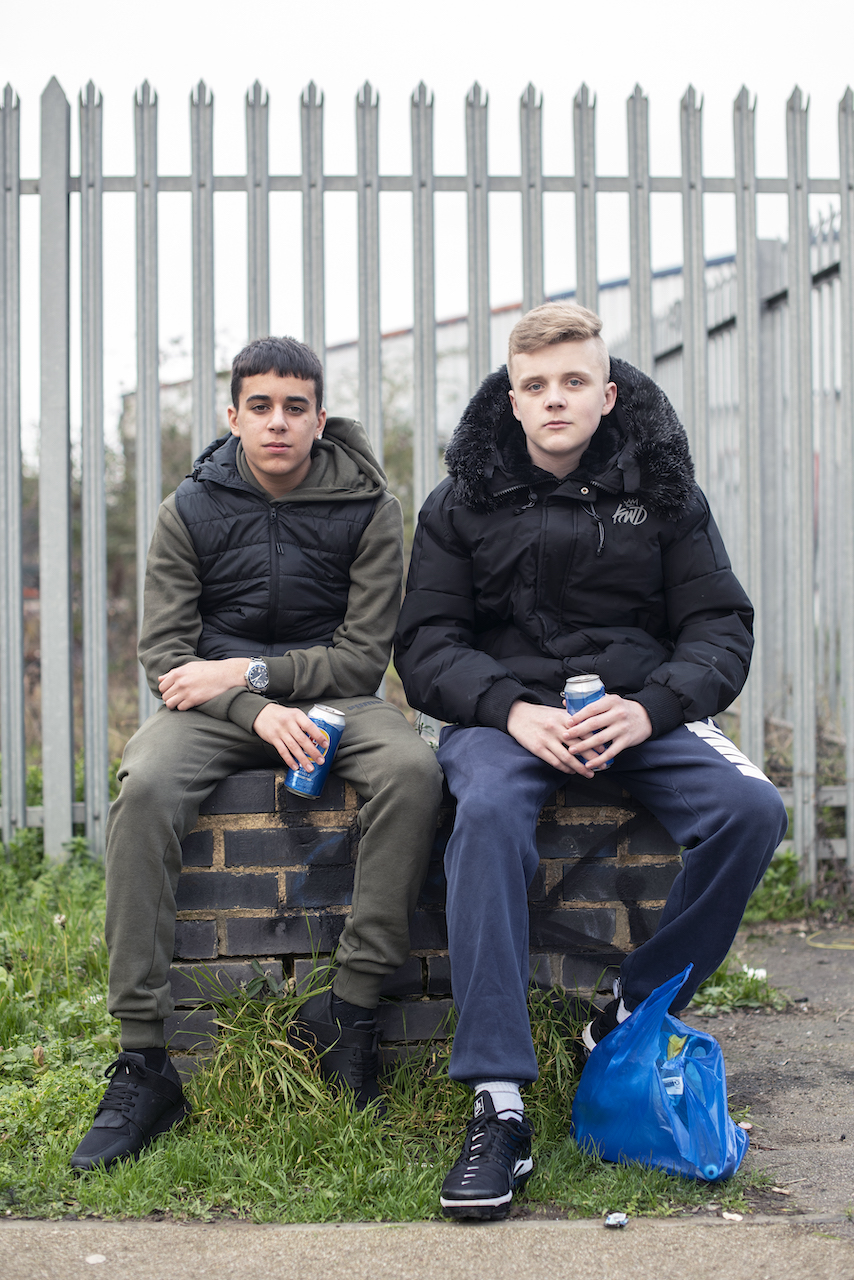

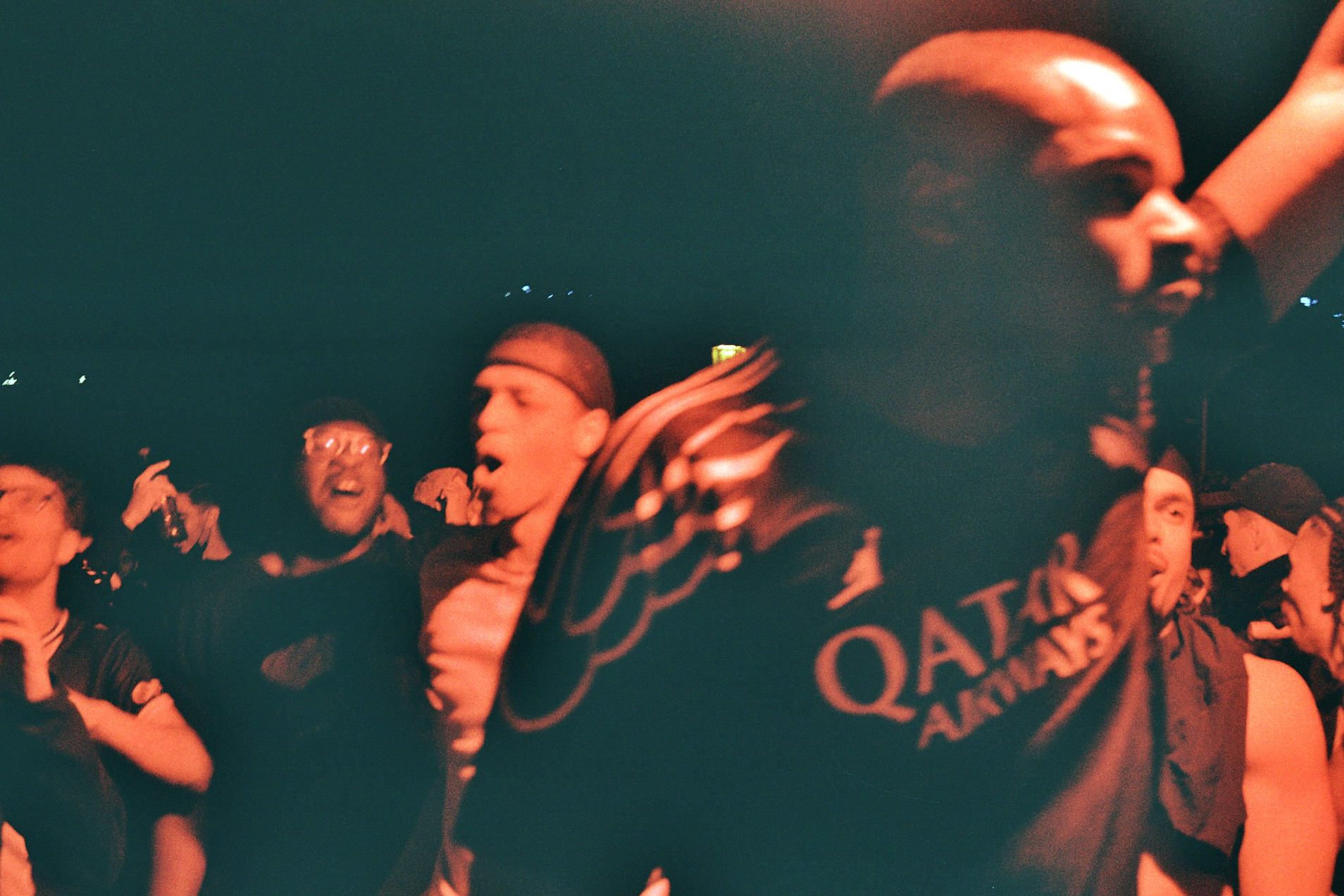
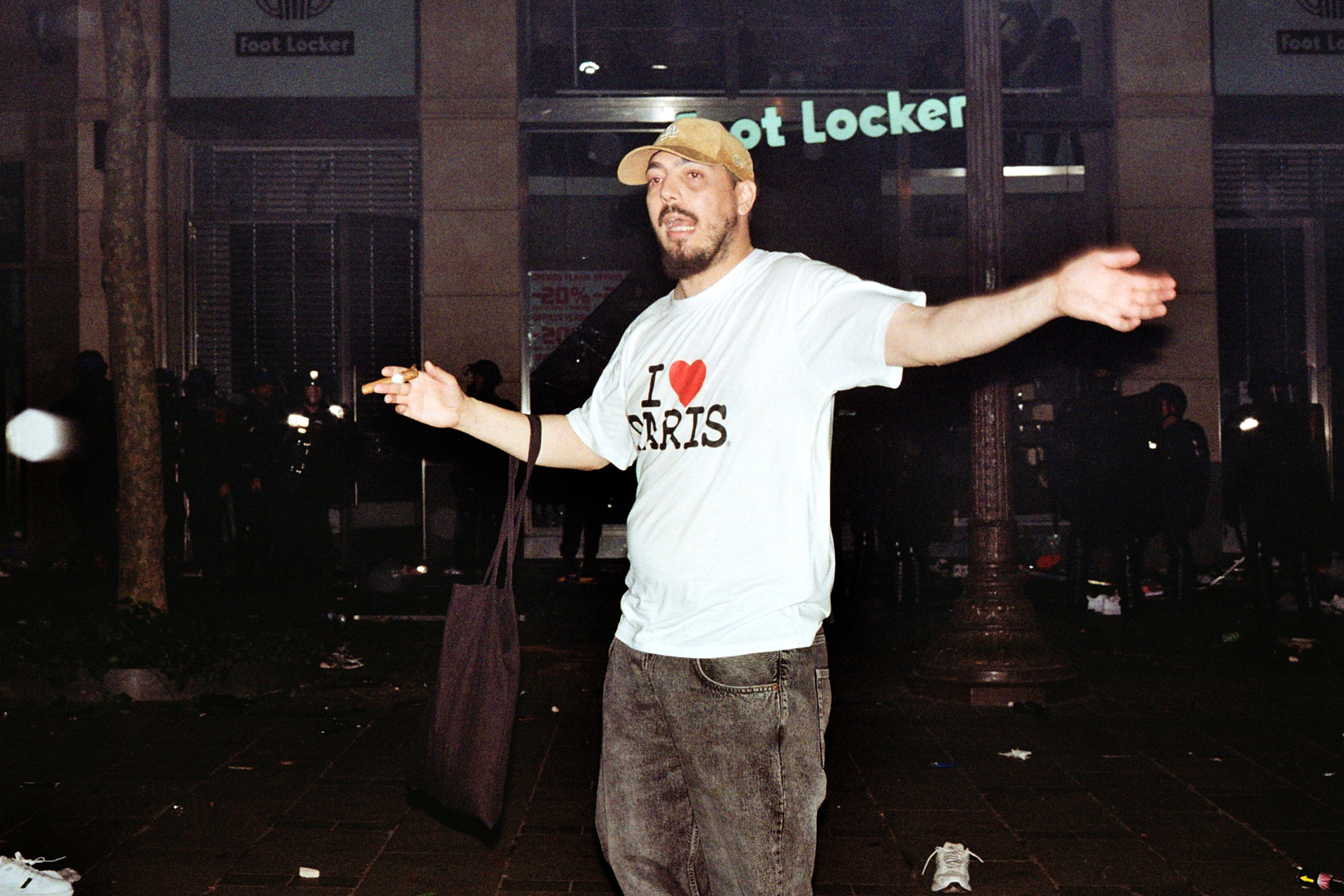


Streetwear responds to the same things. Community. Scarcity. Recognition between people who understand the references. The strongest style movements usually emerge from real culture first, not from marketing strategy.
That is why football aesthetics continue to move beyond the stadium into wider fashion, music, and youth culture. Matchday style still feels believable because it is connected to lived experience rather than performance. The clothing has memory attached to it – journeys, routines, places, friendships, rituals.
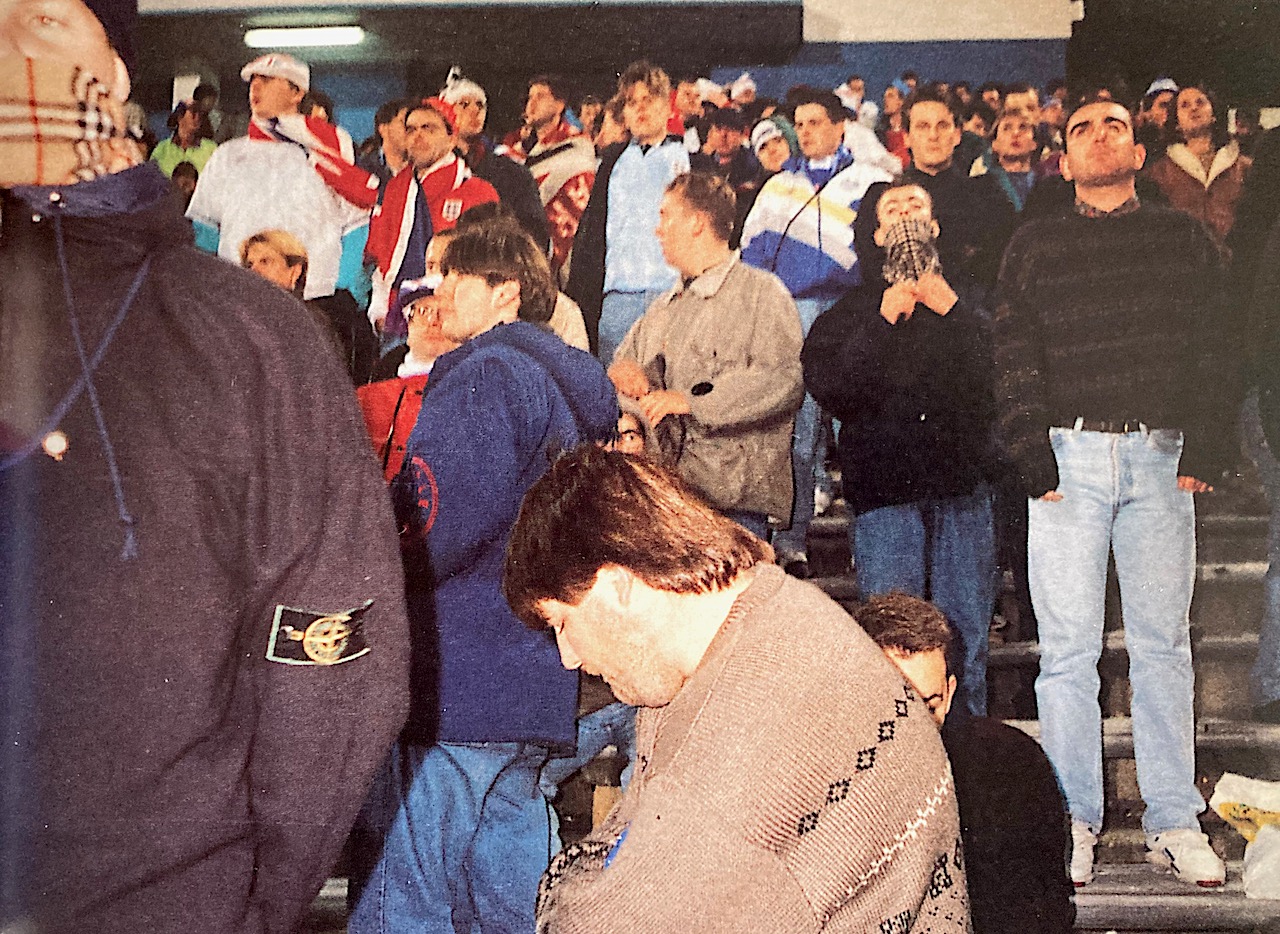


Brands increasingly look toward football culture because supporters create visual identity organically. The atmosphere already exists. The challenge is understanding it properly without over-stylising or flattening it into trend.
The most effective work in this space tends to come from observation rather than imitation. It understands that football culture is not a costume. It is behaviour, attitude, movement, and environment all working together. It’s a way of life.
Lower Block documents these intersections through publishing, creative direction, and visual storytelling rooted in contemporary football culture and the people who shape it from within.
Related Lower Block Editions
-
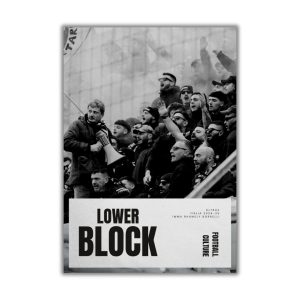 ULTRAS Italia 2024-25 | Imma Rhamely Borrelli£8.50
 -
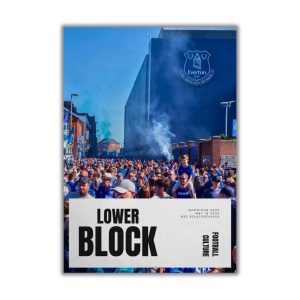 Goodison Park 18.05.25 | Gisela & Craig Szlatoszlavek£8.50
 -
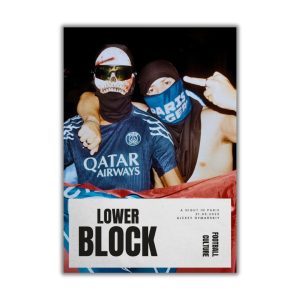 A Night in Paris | Alexey Dymarskiy£8.50
 -
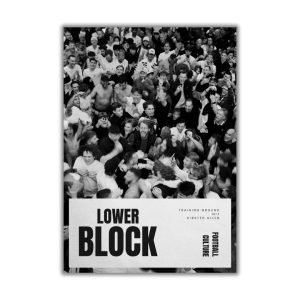 Training Ground N17 | Kirsten Allen£8.50
 -
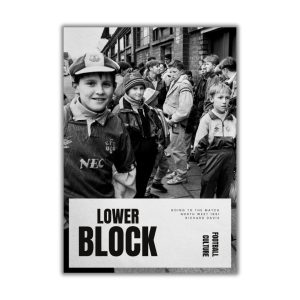 Going to the Match | Richard Davis£8.50
 -
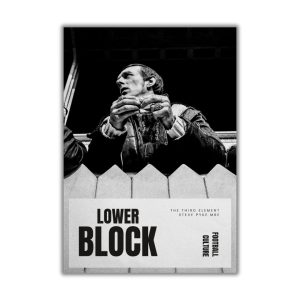 The Third Element | Steve Pyke£8.50
 -
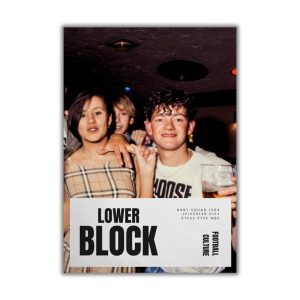 Baby Squad 1984 | Steve Pyke£8.50
 -
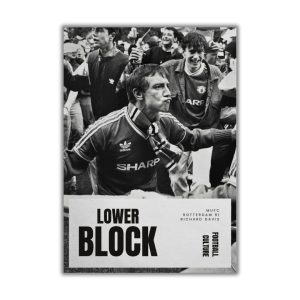 MUFC Rotterdam 91 | Richard Davis£8.50
 -
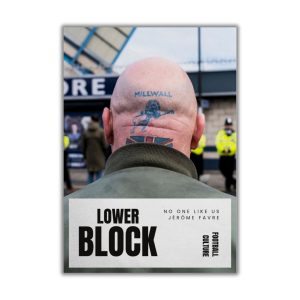 No One Likes Us | Jérôme Favre£8.50
Collaboration & Consultancy | Lower Block works with brands, clubs, and creative teams exploring authentic football identity, contemporary style, and culturally grounded storytelling.
You may also enjoy…