Football culture is built on repetition.
The same journeys. The same meeting points. The same pub corners, train platforms, walking routes, and pre-match conversations repeated week after week, season after season.
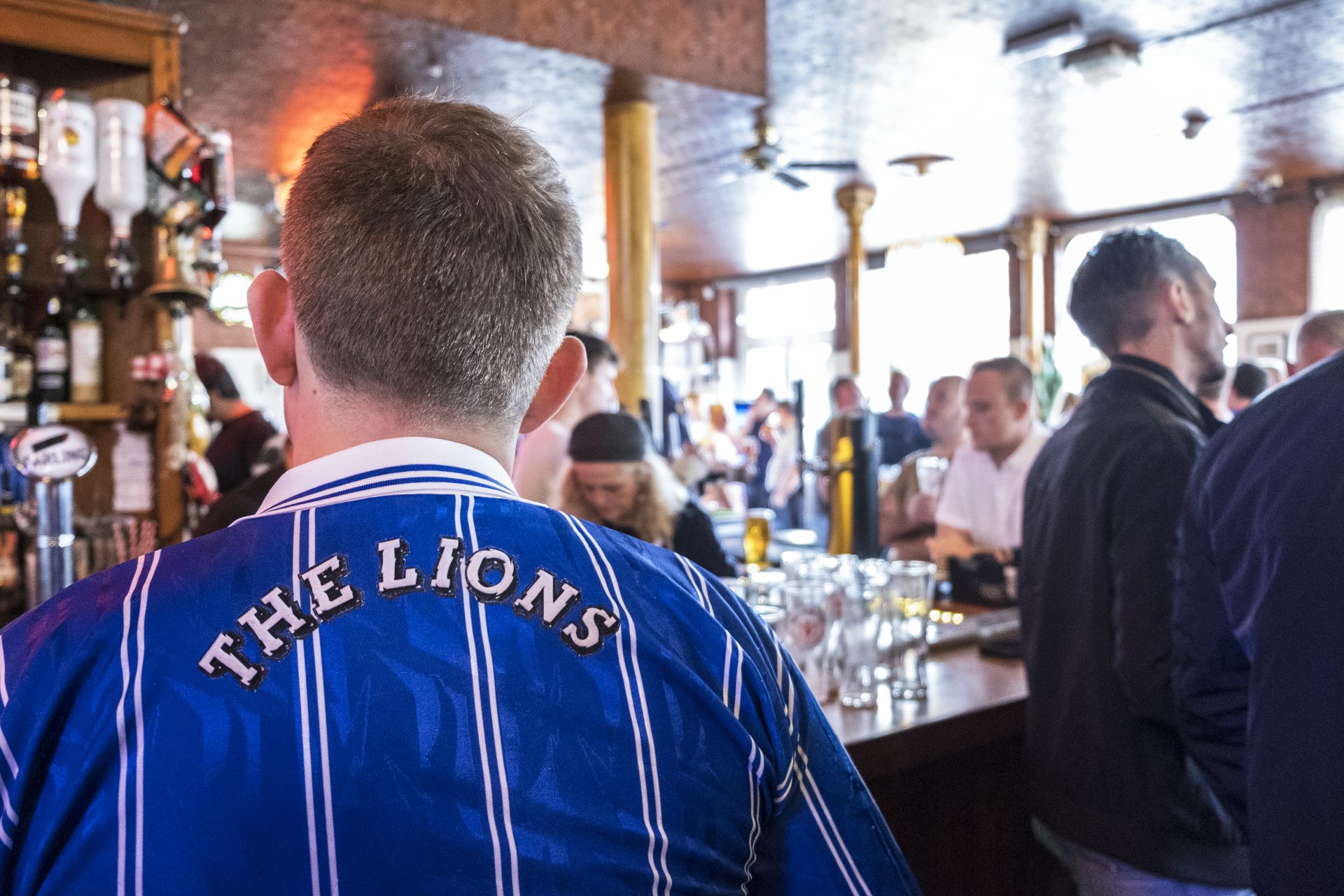
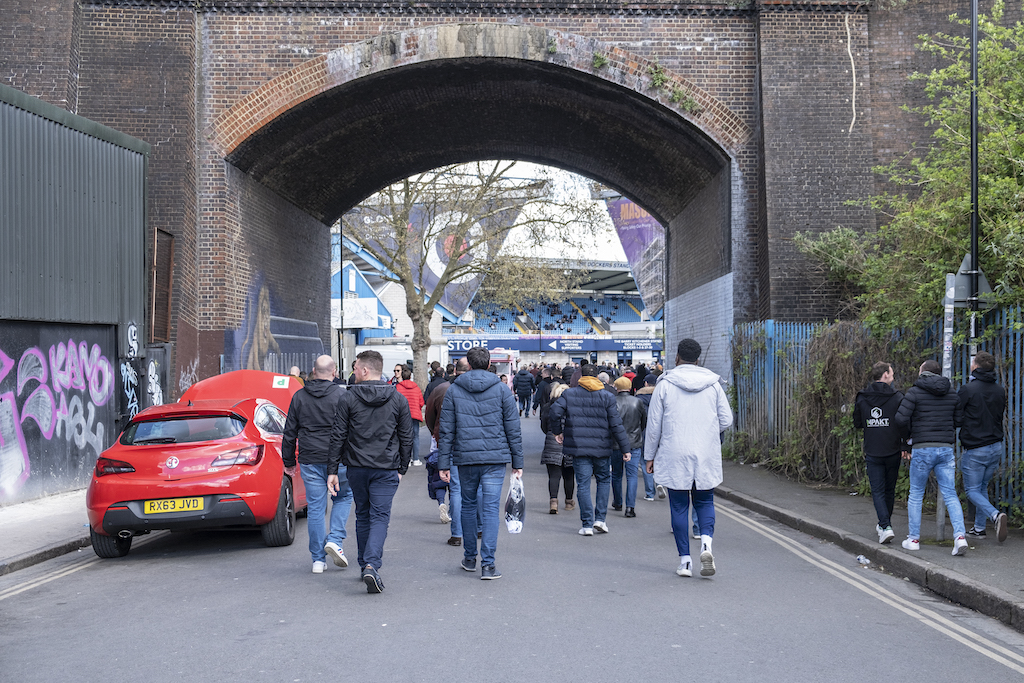
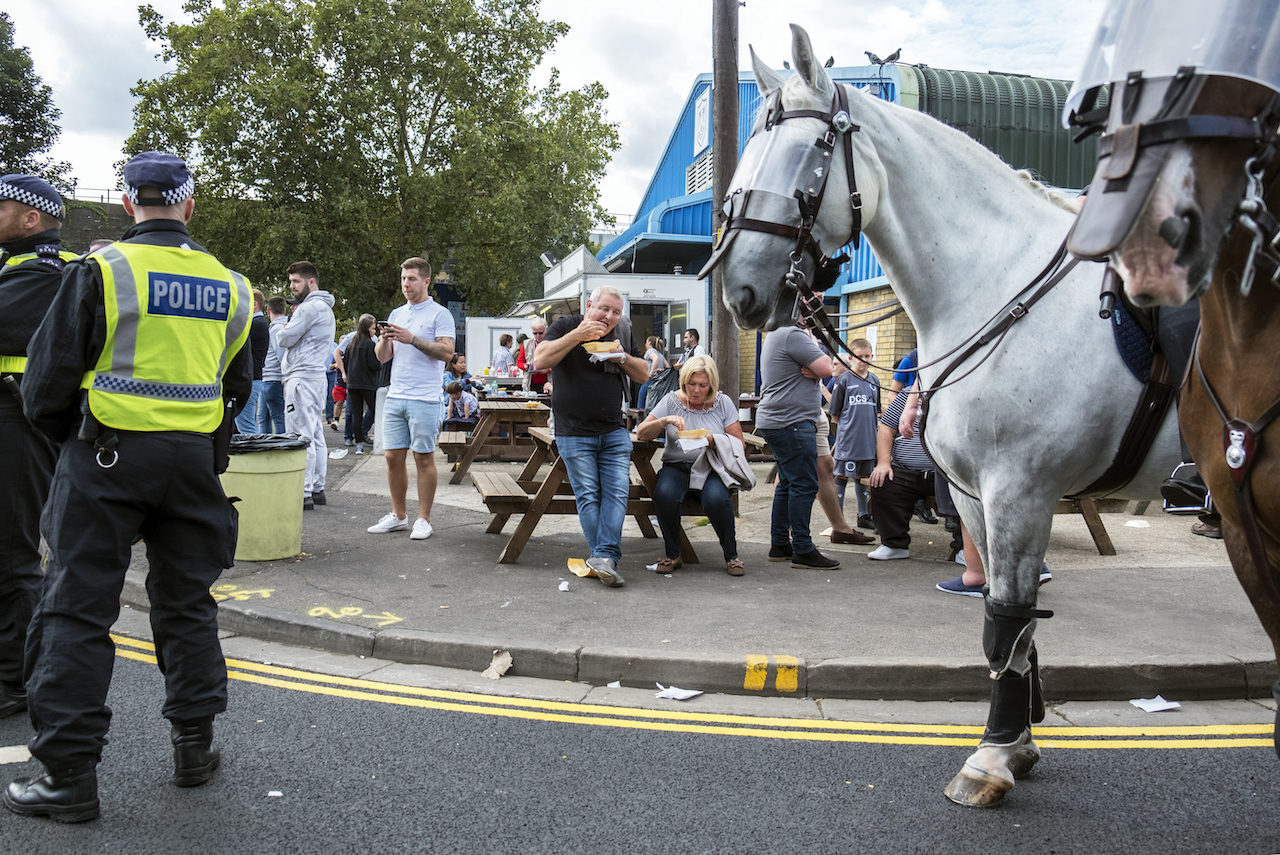
To outsiders, these routines can seem small or insignificant. For supporters, they are part of the emotional structure of the game. Matchday is not just about ninety minutes of football – it is about familiarity, rhythm, and belonging.
Routine creates identity. People begin to associate certain places, sounds, clothing, and behaviours with community and shared experience. Over time, these rituals become deeply personal. The route to the ground matters. The people you arrive with matter. Even timing becomes instinctive.
This is why football culture often feels different from other forms of entertainment. It is not consumed passively. It is lived physically and socially through repetition and participation.
These routines also shape atmosphere. The slow build-up before kick-off. Streets gradually filling with people. Colours appearing. Pubs becoming louder. The transition from everyday life into collective focus happens in stages, and each stage carries its own energy.
![Tottenham Hotspur supporters photo series. TRAINING GROUND [Blokes at worship - blokes at war] Kirsten Allen](https://lowerblock.com/wp-content/uploads/2024/07/000065510009-crop.jpg)
![Tottenham Hotspur supporters photo series. TRAINING GROUND [Blokes at worship - blokes at war] Kirsten Allen](https://lowerblock.com/wp-content/uploads/2024/07/000077990002.jpg)
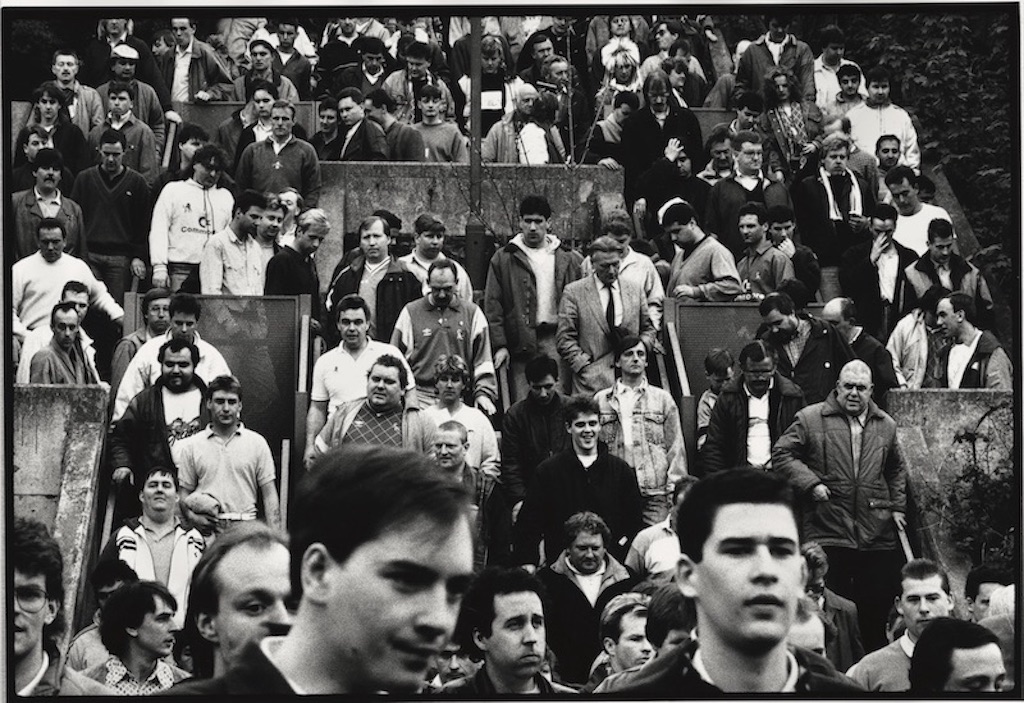

For brands, clubs, and organisations working in football, understanding these behaviours matters. Real connection rarely comes from spectacle alone. It comes from recognising the emotional patterns supporters already attach meaning to.
Football culture is strongest when it reflects lived experience rather than trying to manufacture it.
Lower Block documents these rituals and behaviours through publishing, observation, and visual storytelling rooted in contemporary football culture and the communities that shape it.
Related Lower Block Editions
-
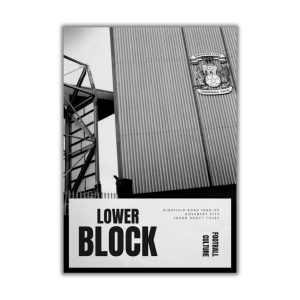 Highfield Road 1999-05 | Jason Scott Tilley£8.50
 -
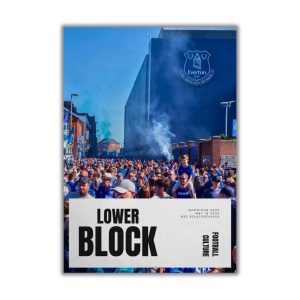 Goodison Park 18.05.25 | Gisela & Craig Szlatoszlavek£8.50
 -
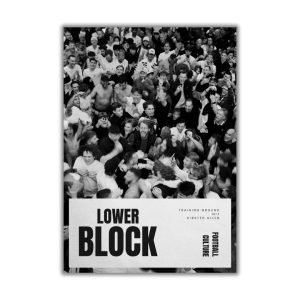 Training Ground N17 | Kirsten Allen£8.50
 -
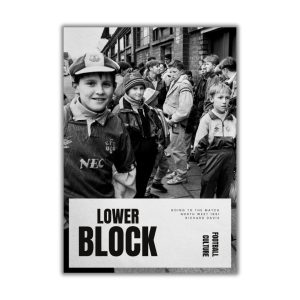 Going to the Match | Richard Davis£8.50
 -
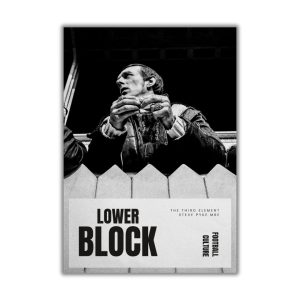 The Third Element | Steve Pyke£8.50
 -
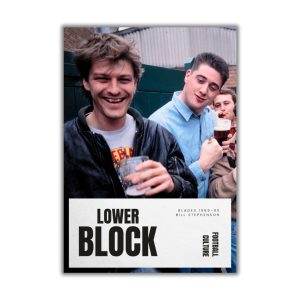 Blades 1989-90 | Bill Stephenson£8.50
 -
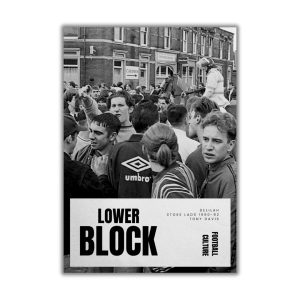 Delilah – Stoke Lads 1990-92 | Tony Davis£8.50
 -
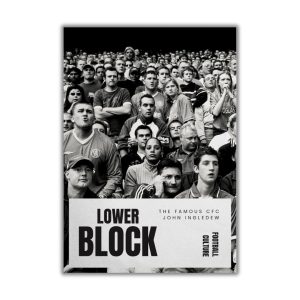 The Famous CFC | John Ingledew£8.50
 -
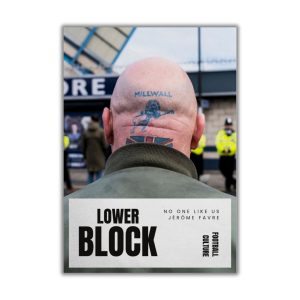 No One Likes Us | Jérôme Favre£8.50
Collaboration & Consultancy
Lower Block works with brands, organisations, and creative teams exploring authentic football identity, supporter behaviour, and contemporary football culture through culturally grounded storytelling.
You may also enjoy…