For many people, football begins long before understanding the game itself. It starts with environment – streets, local pitches, television screens, older relatives, and the routines that surround matchday. These early experiences shape how football is remembered and how it becomes part of personal identity.

Growing up in and around football often means inheriting rituals. Walking the same route to a ground, standing in familiar sections, mimicking supporter behaviour and style, repeating the same pre-match habits. These routines build attachment over time. The stadium, the local area, and the people within it become markers of memory.
Photography has the ability to capture these layers in subtle ways. A father and child arriving at the ground. Kids playing on concrete playgrounds. Groups gathering in the same places week after week. These moments may seem ordinary, but they reveal how football passes between generations and communities.


The visual language of growing up with football is often quiet rather than dramatic, but a constant evolvement. Empty pitches after school. Worn goalposts in parks. Scarves passed down over time. These details carry emotional weight because they reflect lived experience rather than spectacle.
Documenting these environments is important because they shape football culture long before professional stadiums or televised games enter the picture. Grassroots spaces, streets, and local grounds are where identity around the game is first formed.
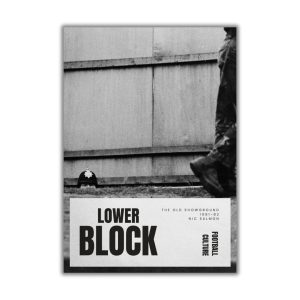
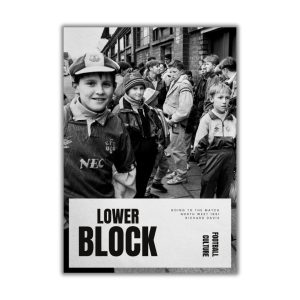
Lower Block approaches football photography with this perspective – focusing on memory, place, and everyday experience. Through photography and print, these small but meaningful moments are preserved as part of a wider cultural archive.
Lower Block works with photographers, brands, galleries, and cultural institutions to document football culture with integrity. For consultancy, archive research, or collaborative editorial projects, read more abut our services and how to get in touch.
Related Lower Block Editions




You may also enjoy…