Few clubs represent the traditions of English football quite like Burnley.
Founded in 1882 and one of the original members of the Football League, the Clarets have played at Turf Moor since 1883. For generations, the ground has stood at the heart of the town, its fortunes closely bound to those of the people who fill its terraces and stands. Article Updated November 2026
But during the late 1980s, this great British football institution found itself struggling in the fourth tier of English football.
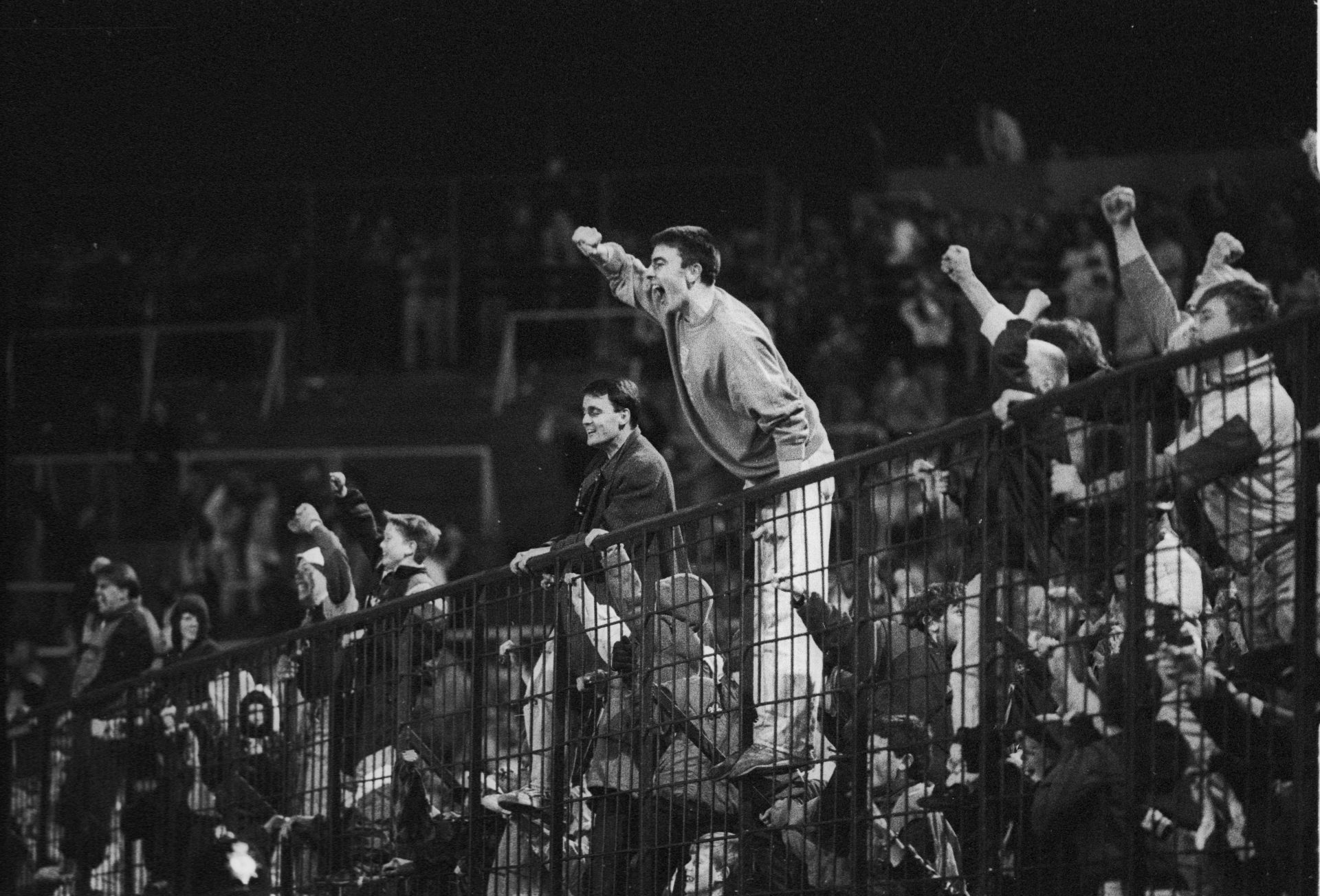
Between 1989 and 1992, Burnley stood on the fault line between despair and rebirth. Those years, captured through the lens of photographer and supporter Clive Lawrence, tell a story of frustration, defiance and eventual triumph.
His photographs chart the club’s journey from the depths of Division Four to champions of the same division, sealing a return to the third tier for the first time in seven years.
Grainy, intimate and unflinching, the images capture much more than the action on the pitch. They reveal the relationship between a football club, its supporters and the community around it at a time when the game itself was transforming.
Protest and Pain – Burnley 1989–90
The 1989/90 season was Burnley’s fifth in Division Four.
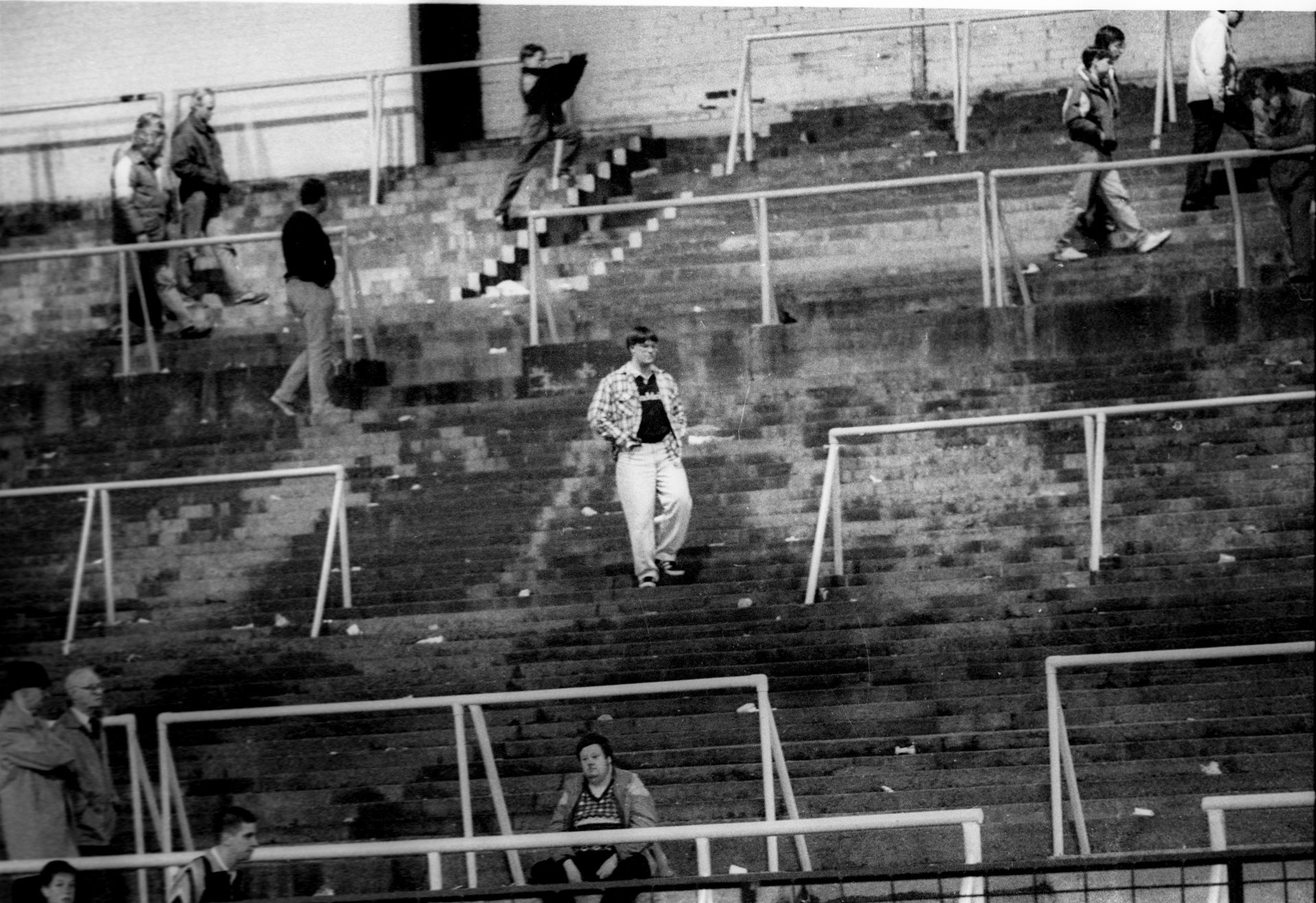
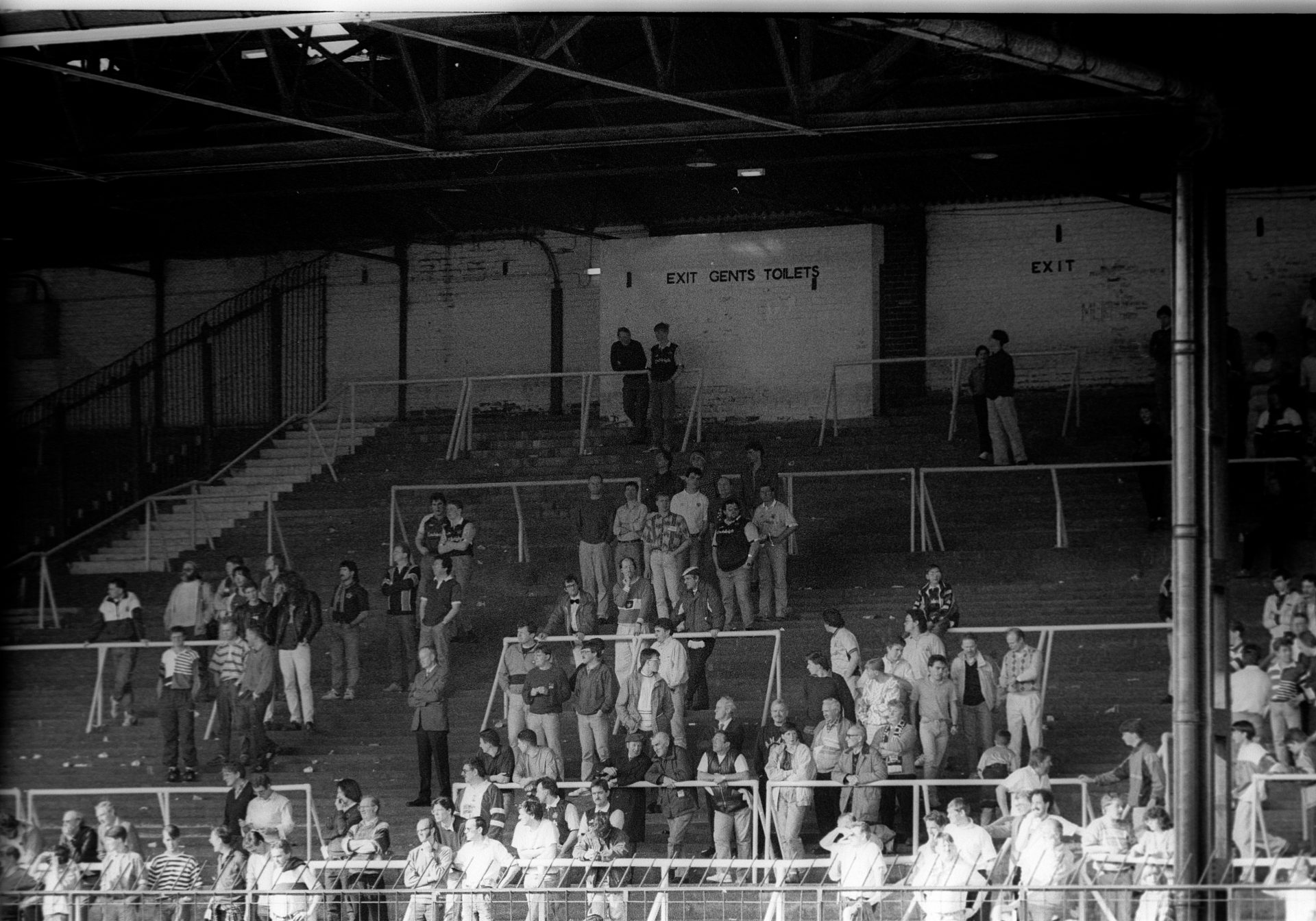
Frank Teasdale was chairman, Frank Casper manager. The club finished 16th, with an average attendance of just 6,200. Turf Moor was flat.
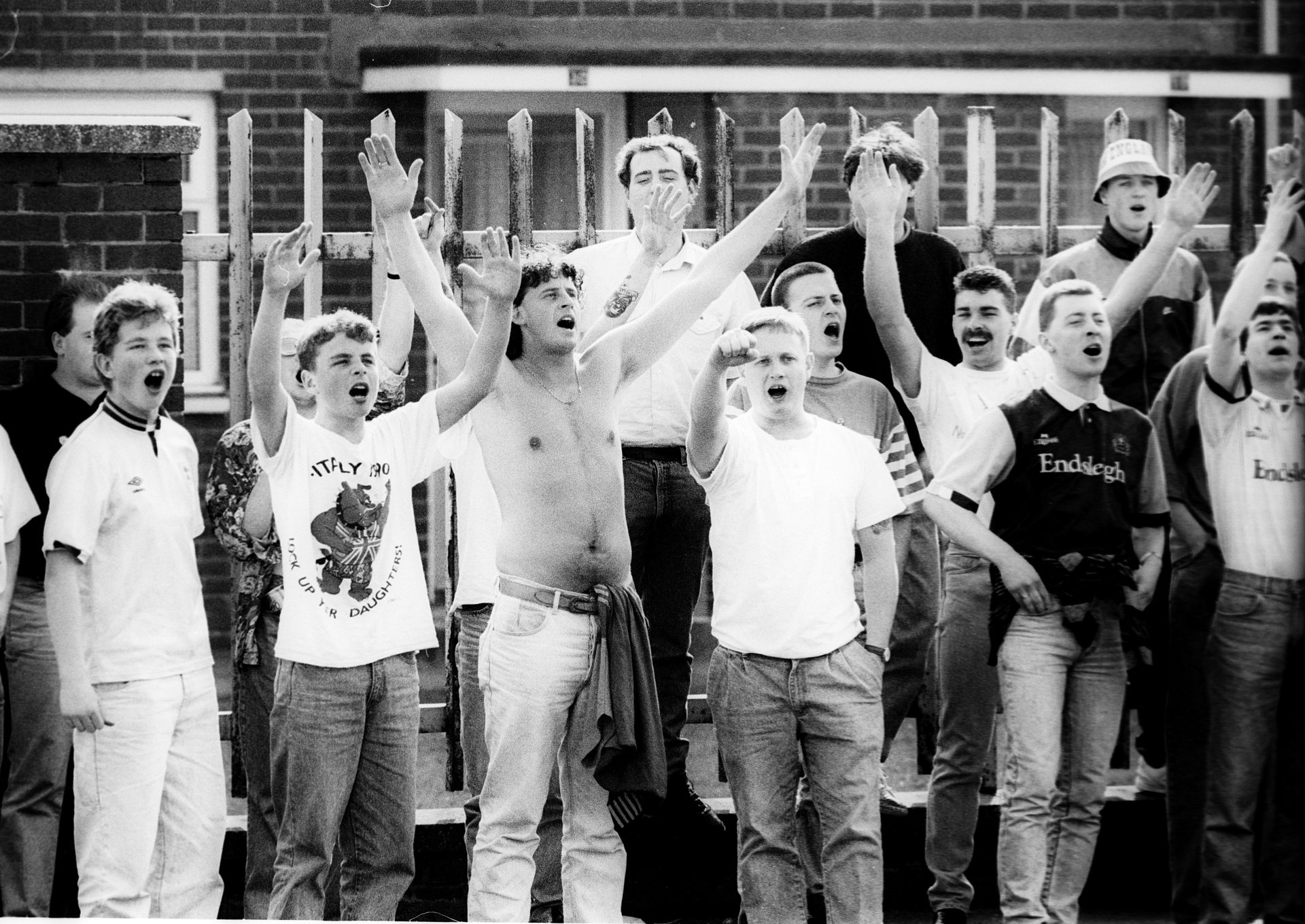
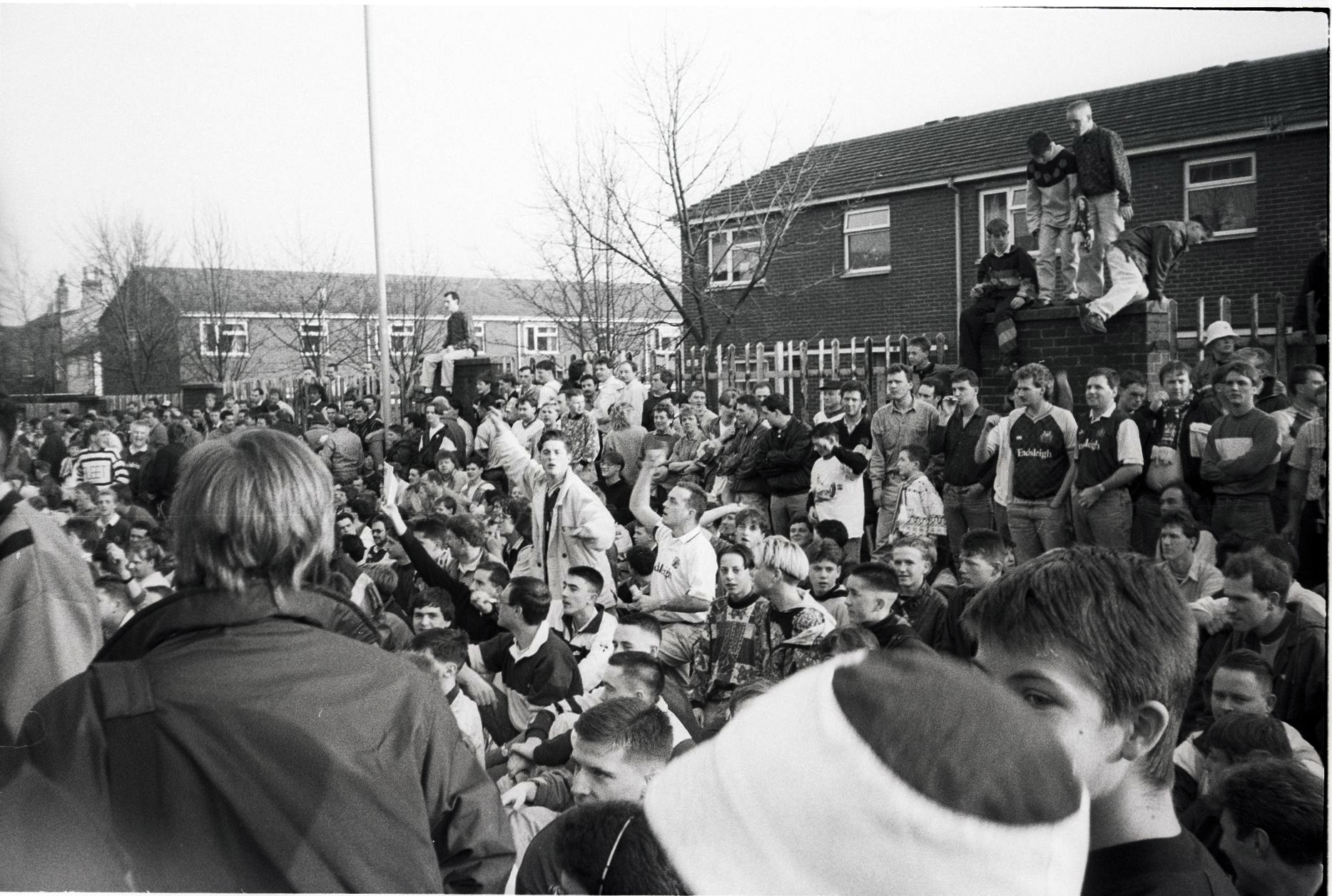
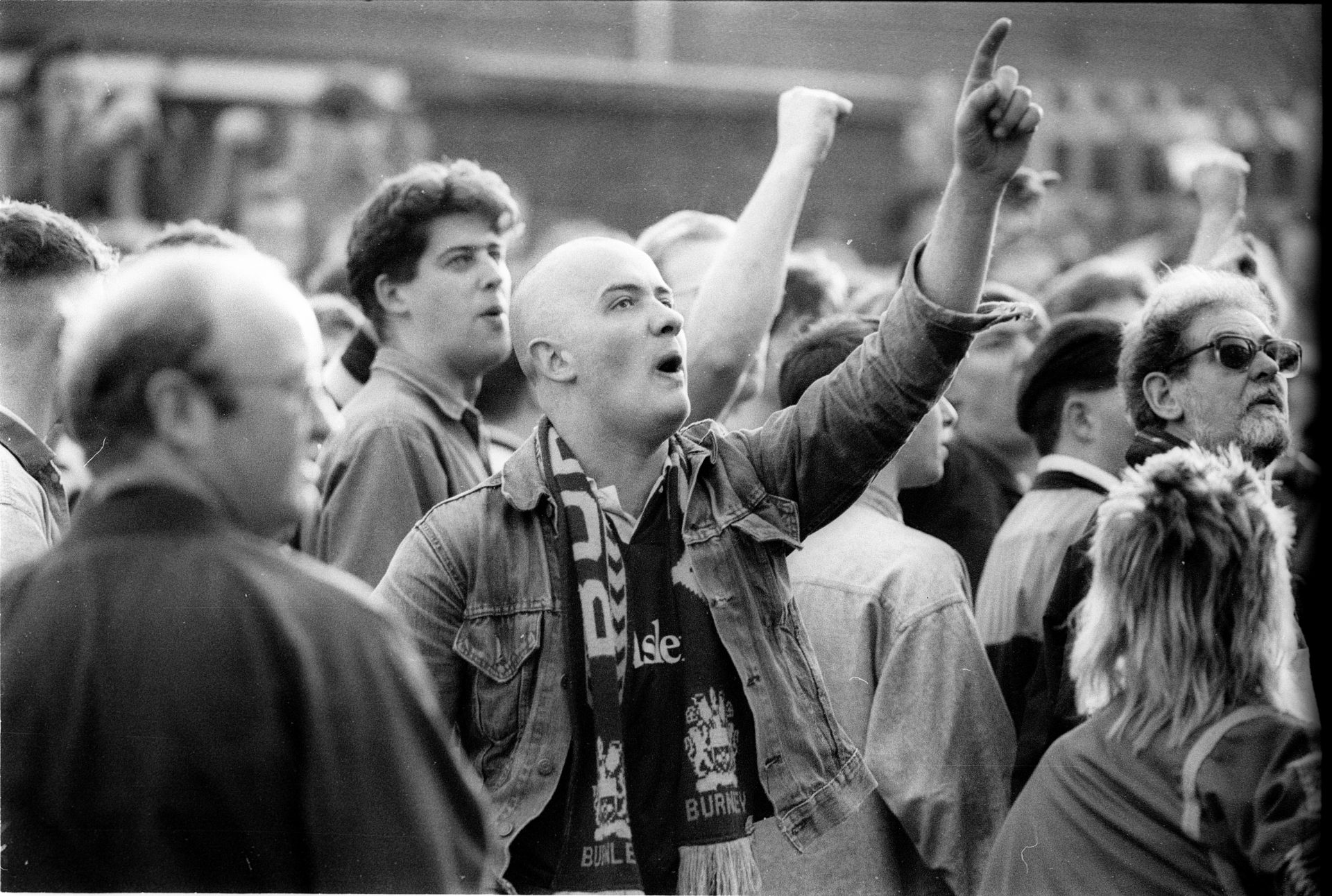
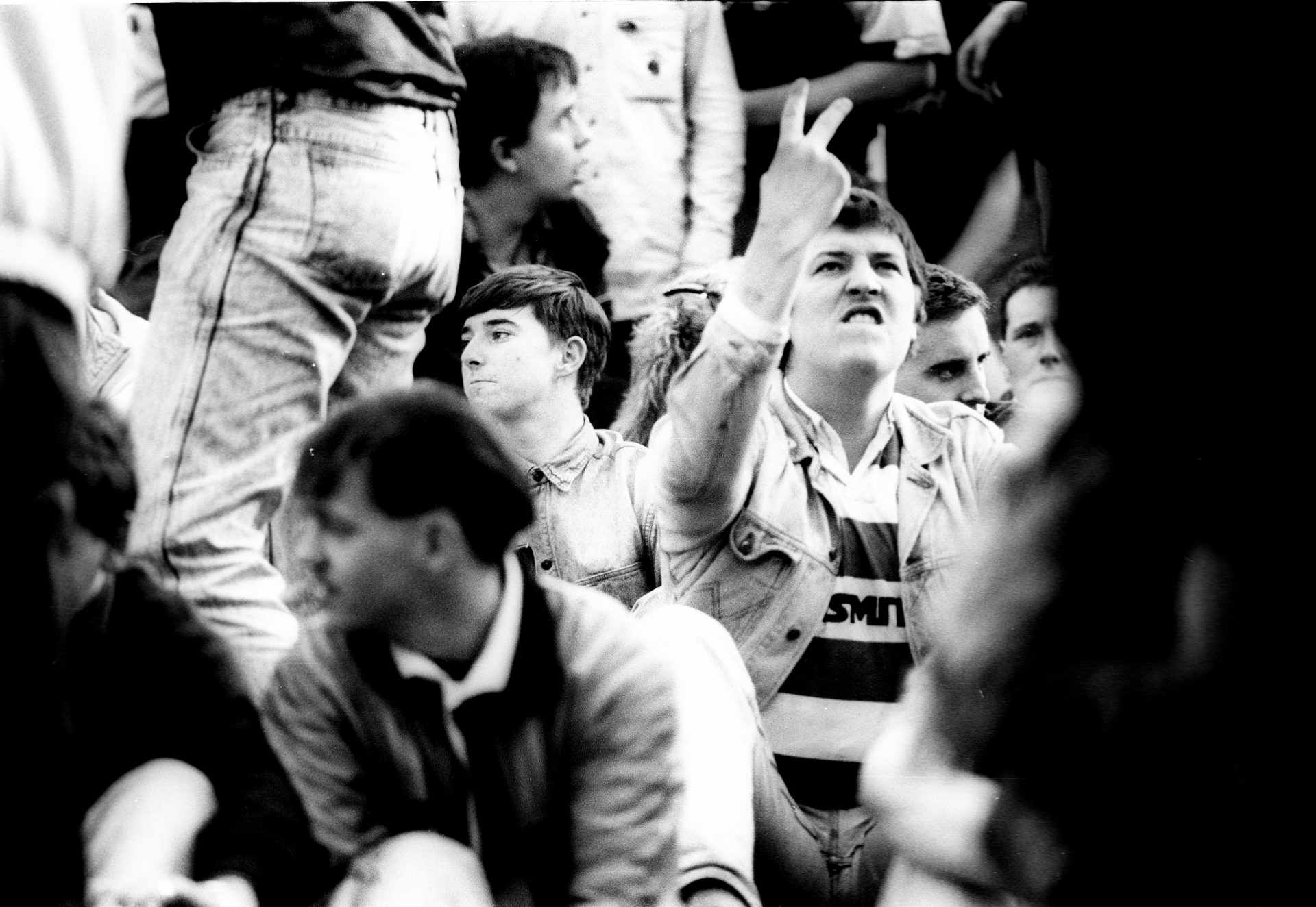
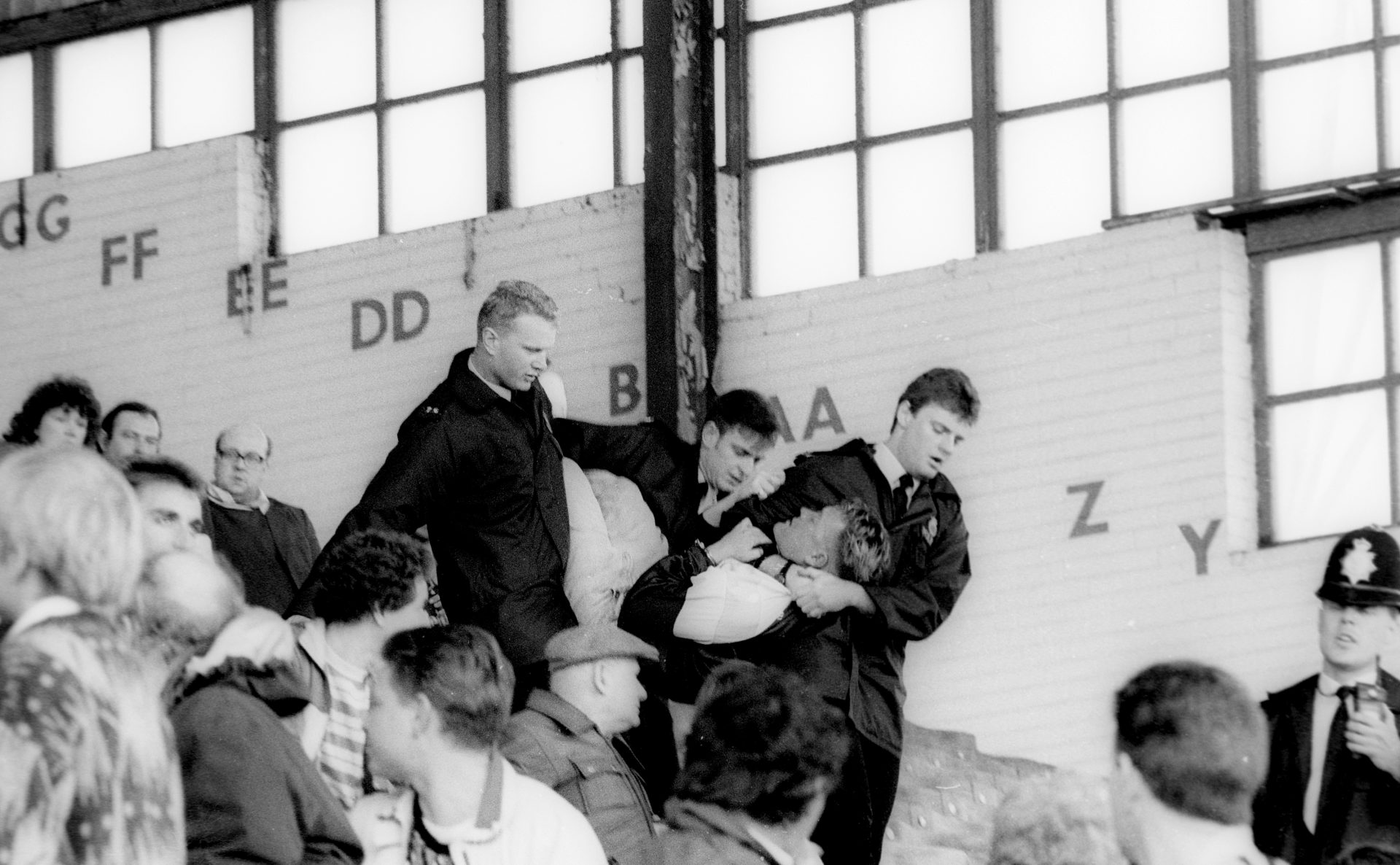
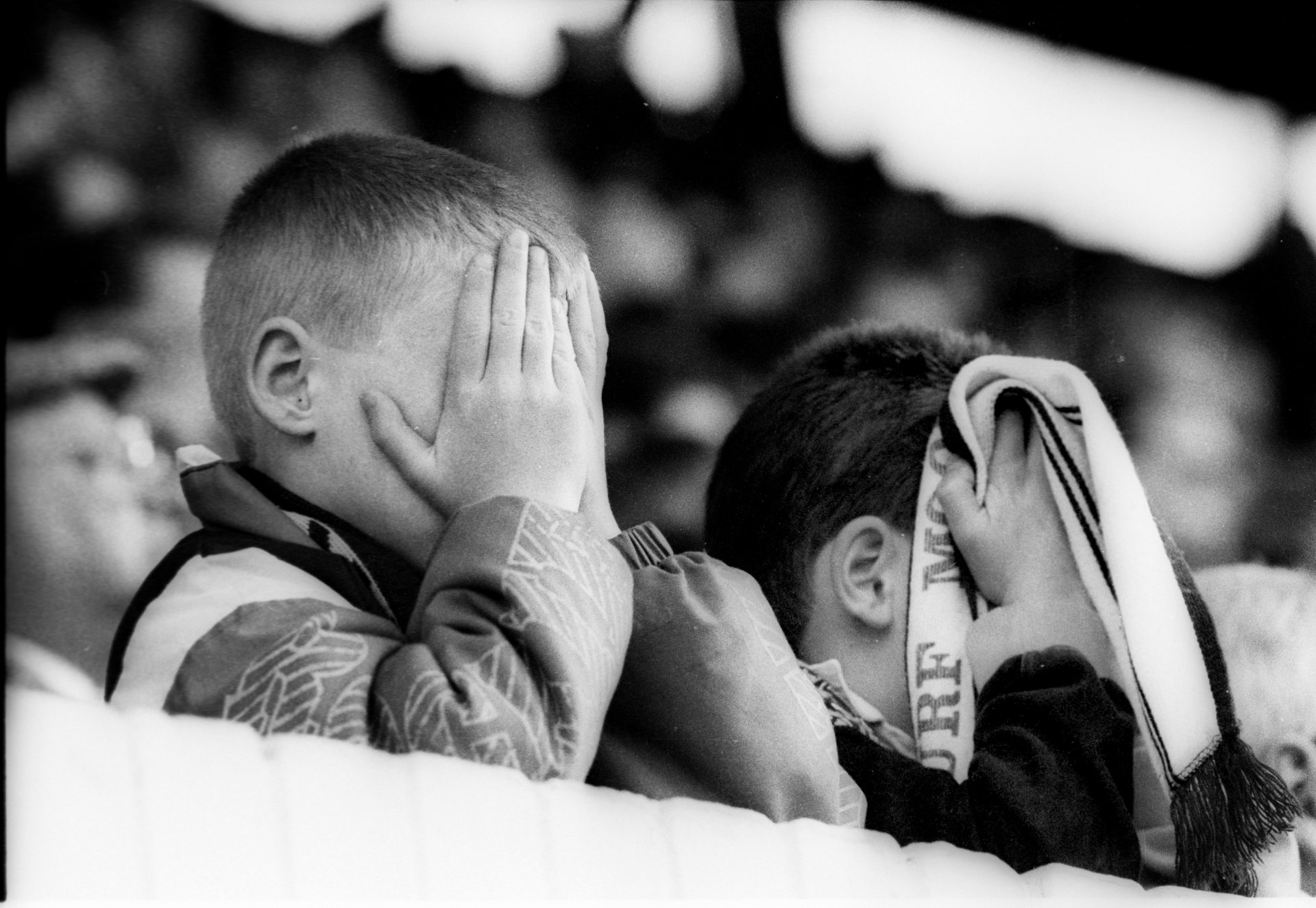
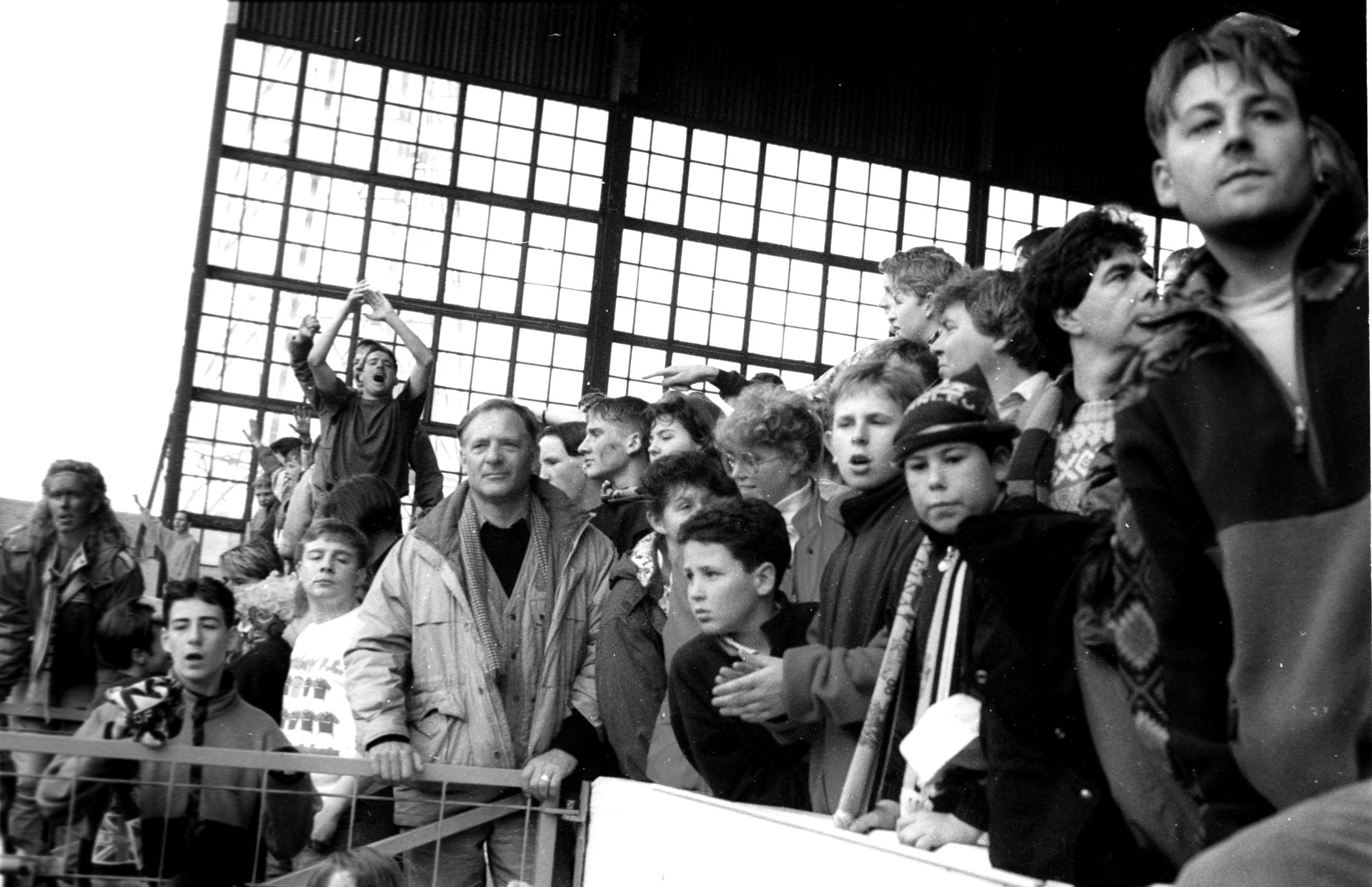
“In 1989, there was little or no money floating around. Frustration would surface towards the end of the season when any chance of promotion was out of the question,” recalls Clive, who first began photographing games at Turf Moor while at college.

“I bought a ticket for the Bob Lord Stand and would take pictures from the front row, some weeks I could swap ends at half time.”
He photographed everything: supporters, players, effort and disappointment.
“The club was in a difficult place but the lads were giving everything and there was a really positive connection between most of the players and the fans.”
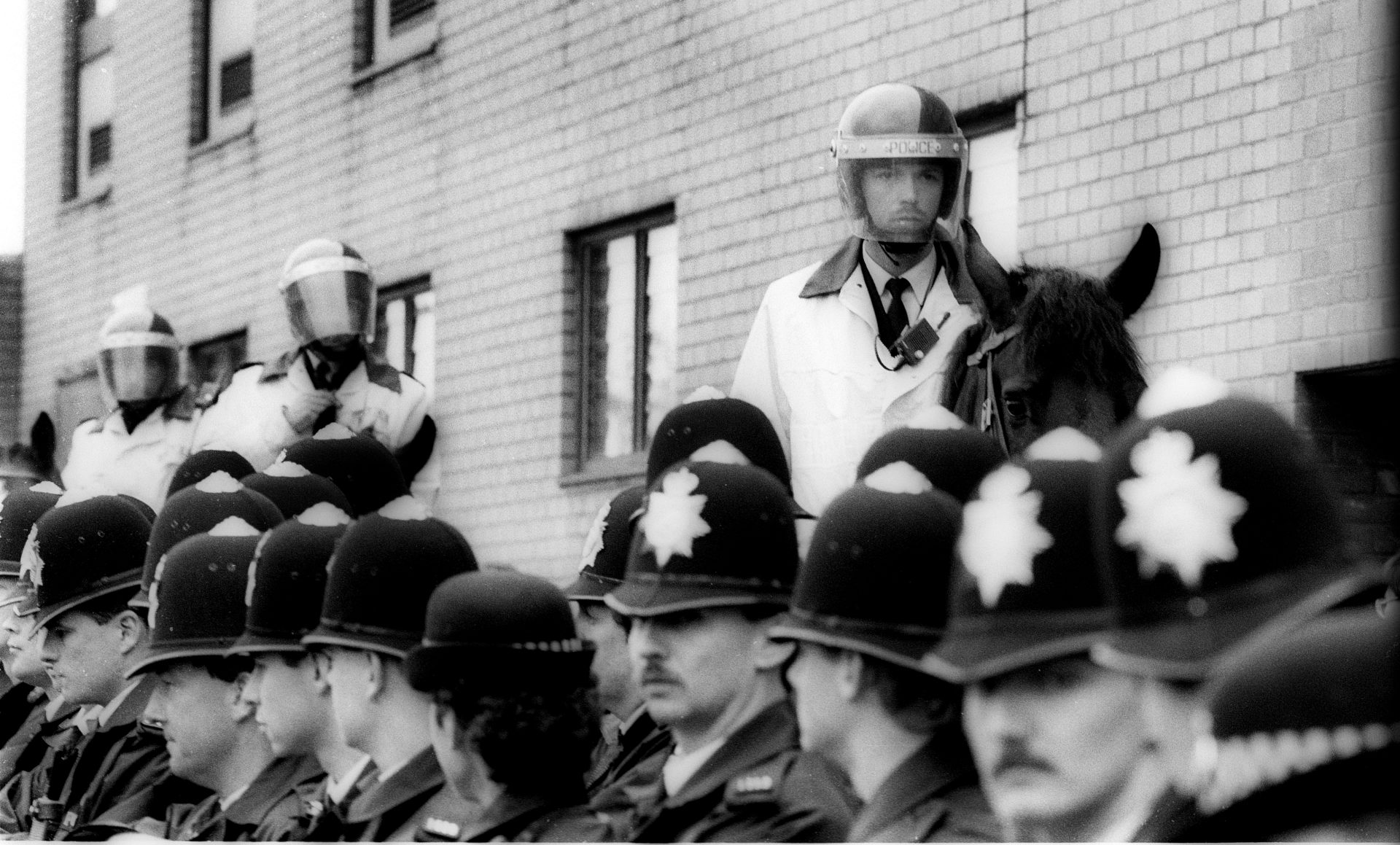
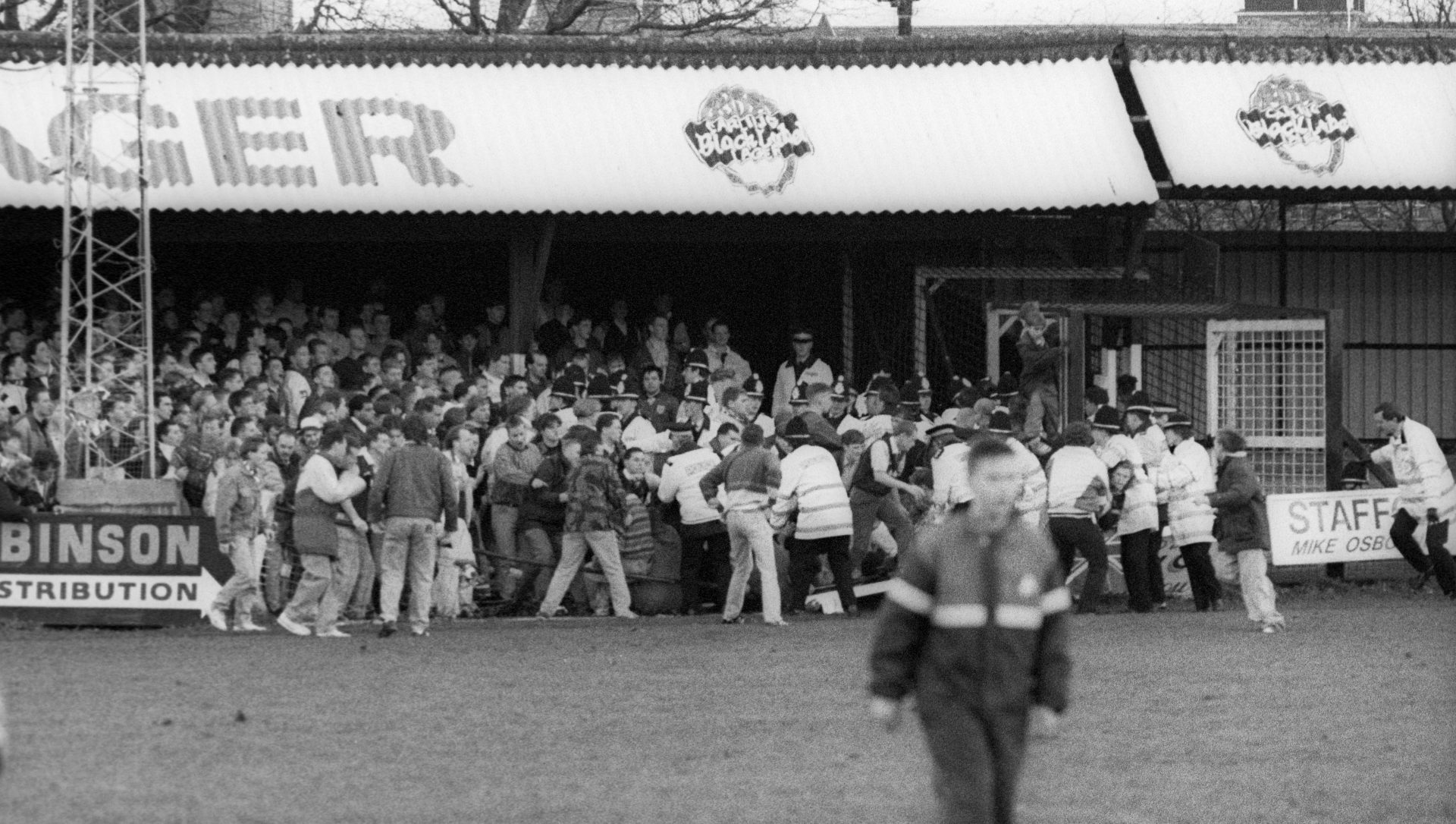
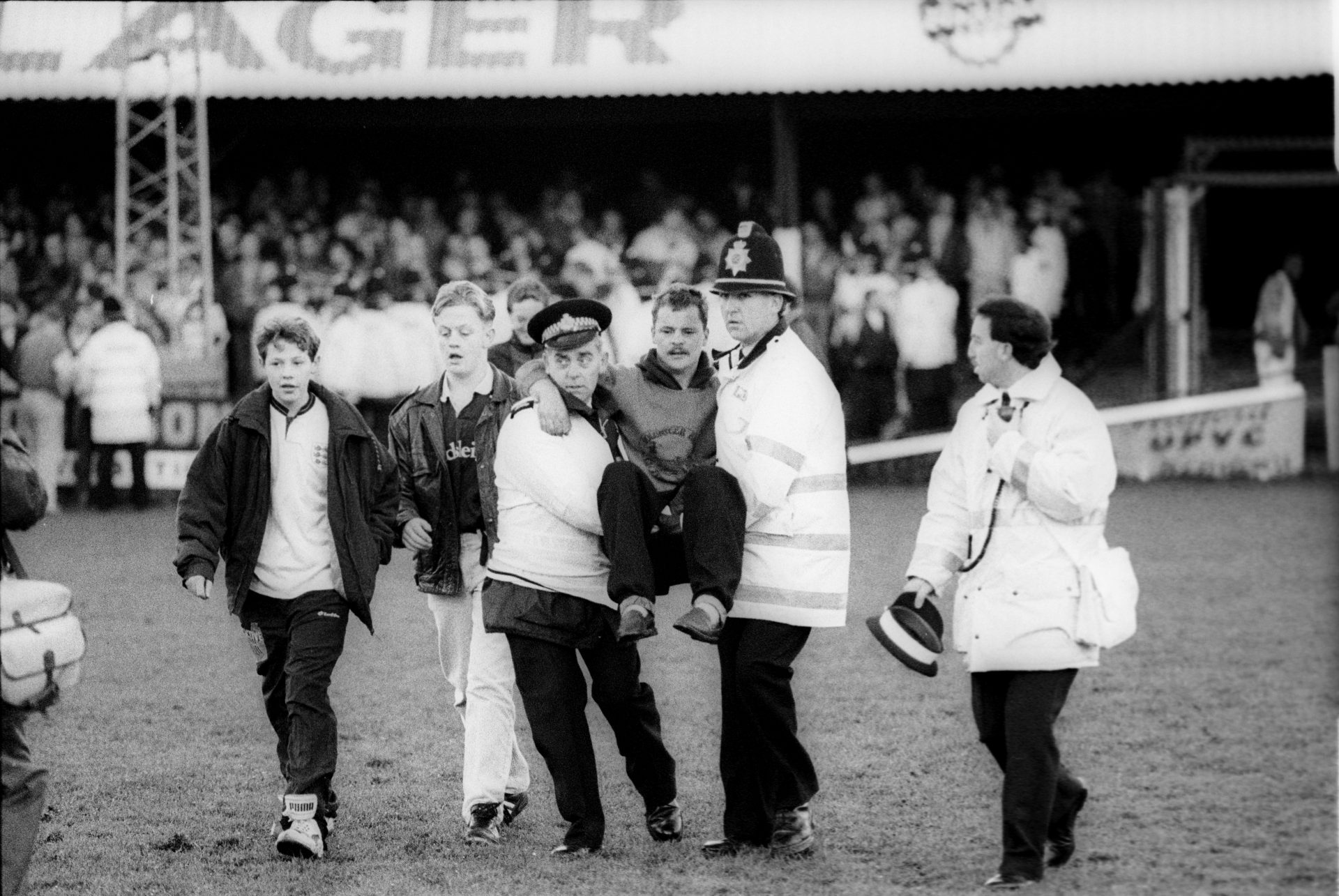
By the end of the season, years of frustration had spilled into open protest.
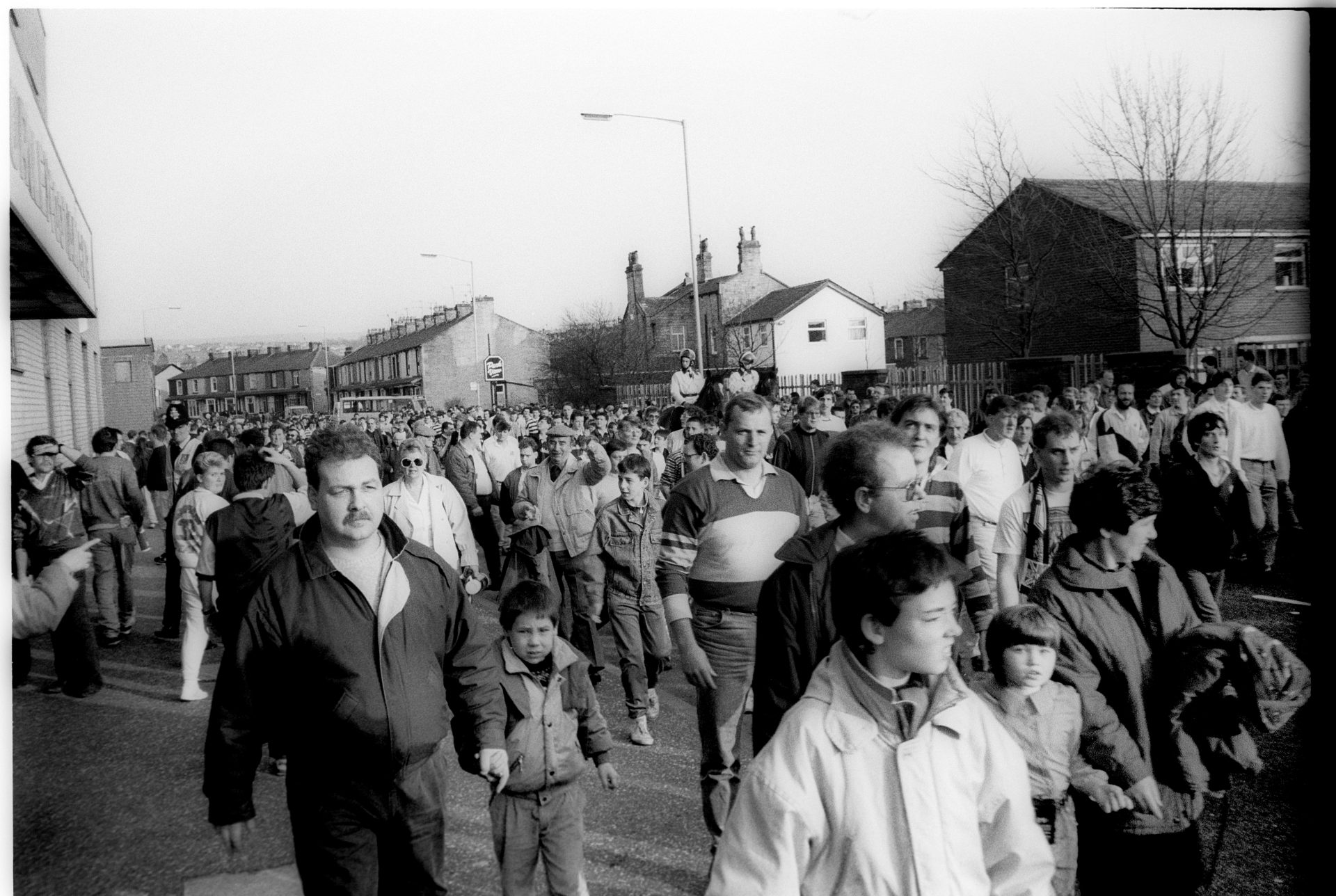
“I remember coming out of the ground at the end of the season, everyone was sat outside the main entrance and a bloke said to his mate, ‘It’s that time of the year again!’ as they walked past the protesting supporters. But then two seasons later and we were on our way forward again. The chairman took one look at my photos and said: ‘Well they sort of sum up where we’re at right now!’”
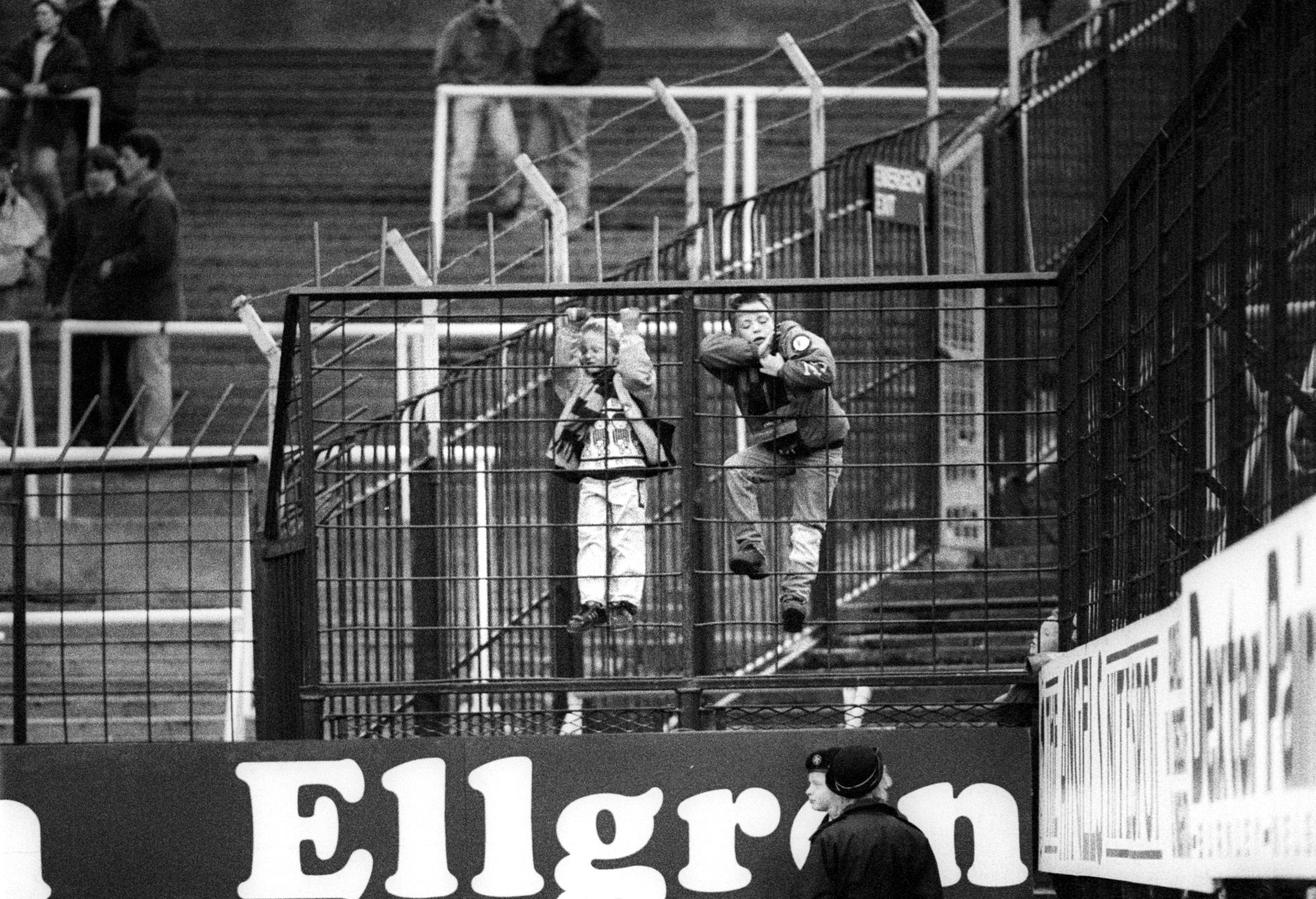
The pictures are an extraordinary record of a difficult period in the club’s history. Disappointed faces, protests outside Turf Moor and players giving everything despite the circumstances.
They also show a community that refused to turn its back on its football club.
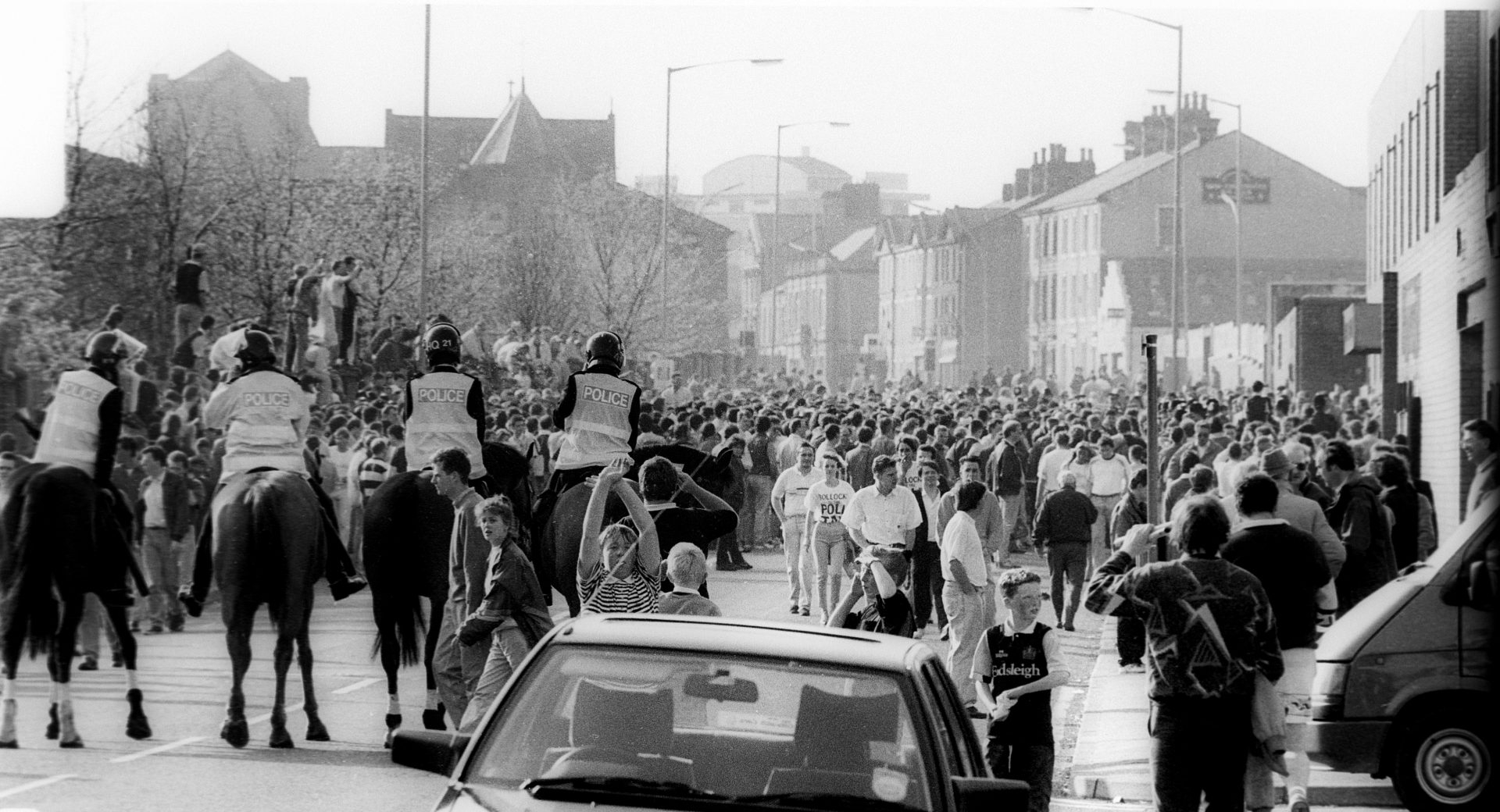
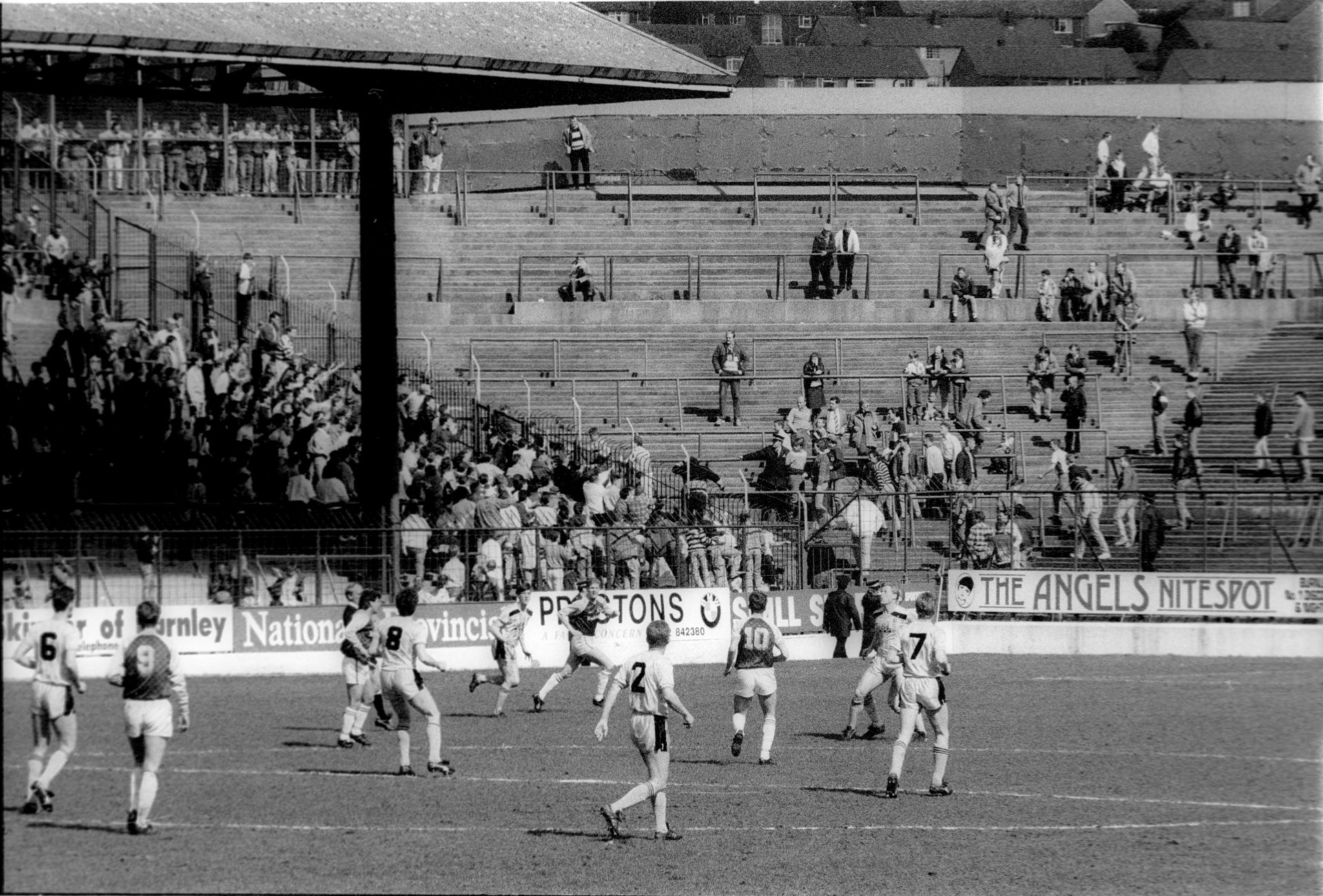
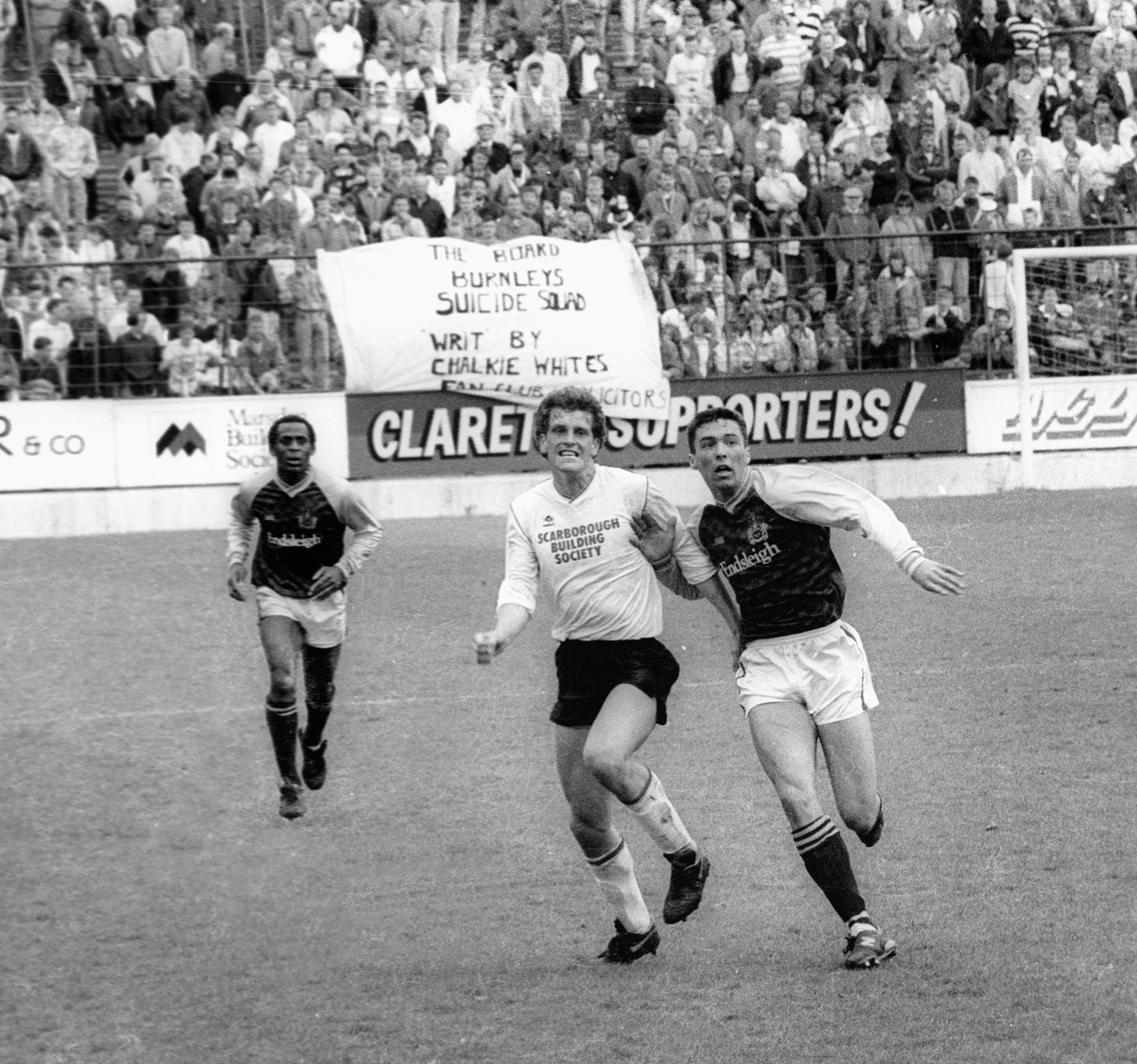
Signs of Life – Burnley 1990–91
A season later, the atmosphere began to change.
Burnley finished sixth and reached the Division Four play-offs. Average attendance rose to 7,800, and there was renewed belief around Turf Moor.
“The change really started in the 1990/91 season. Frank Casper had brought in John Pender to add a bit of steel. And alongside the likes of Steve Davis, John Deary, John Francis and Roger Eli the team had so much going for it. But when it came to the play-offs injuries and suspensions just caught up with us and sadly Torquay were just too strong over those two semi-final games.”
Clive’s own relationship with the club was also developing.
Having started as a supporter photographing from the stands, he gradually established himself as part of the club’s matchday life.
“Every Monday I would take prints from the game around the local newspapers and to the club. At first nothing made print. But over the weeks the local papers started to pick up on them and that season a few made it into the matchday programme.”
His persistence eventually led to a role as Burnley’s official photographer for the 1990/91 season.
“Then, during the summer the club called and asked me to take on the role of club photographer for 1990/91 season. It really did feel like a family or proper community club back then, you got to know everyone that worked there. The Stewards were always the same, as were the staff in the ticket office. It was a place where everyone had a smile and time to chat when they saw you.”
That sense of familiarity runs through his photography.
Clive wasn’t simply documenting a football team. He was photographing a place and people he knew.
Joy and Redemption – Burnley 1991–92
The breakthrough finally arrived in the 1991/92 season.
Frank Casper began the campaign as manager, before Jimmy Mullen took charge in October.
“Everything seemed to just click into place,” Clive recalls.
Burnley’s rise gathered momentum. By the spring of 1992, Turf Moor was alive again, with average attendances climbing beyond 10,000 as the Clarets moved towards the Division Four title.
The team had developed its own characters and cult heroes.
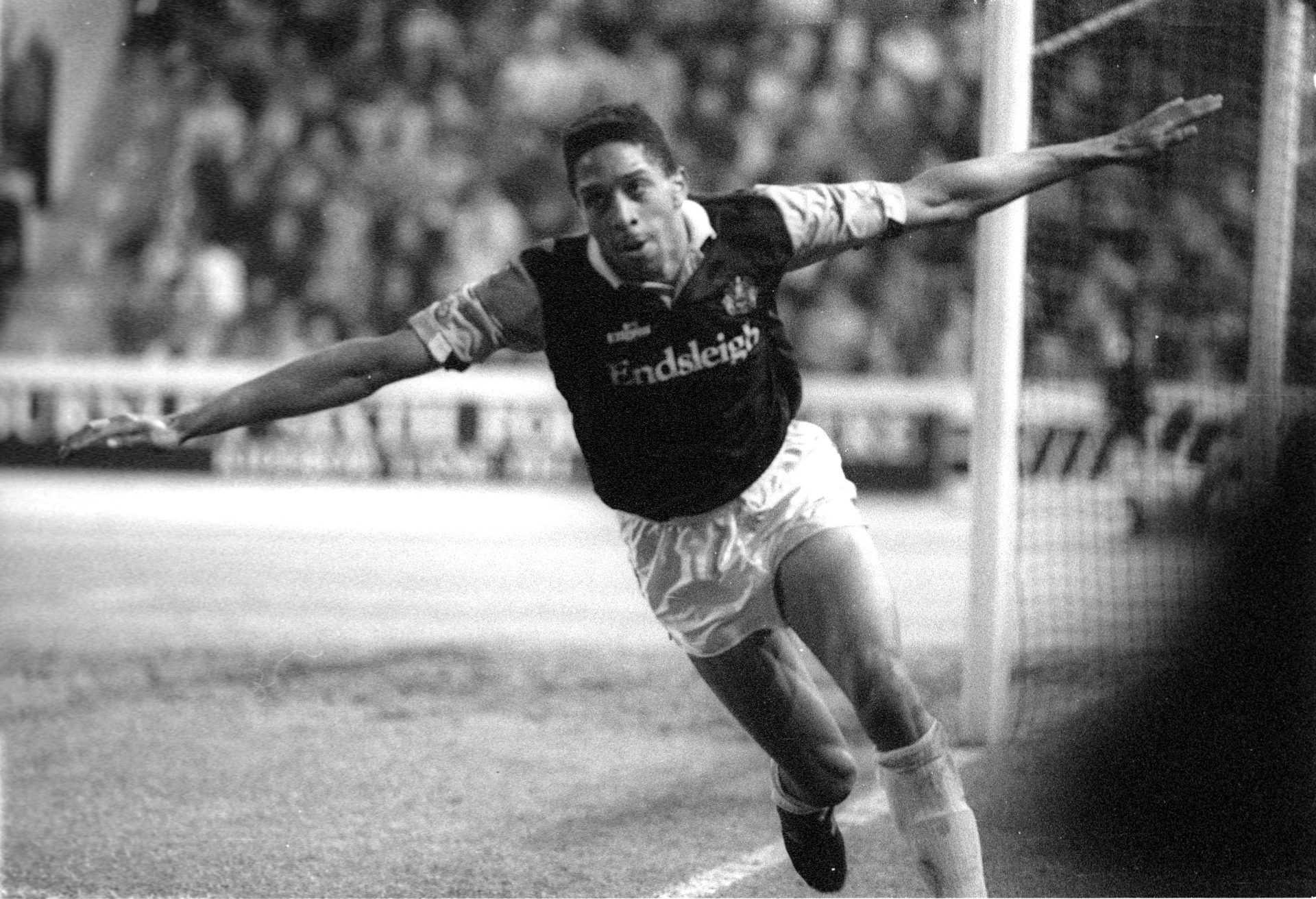
“There were so many cult heroes in that team,” Clive says. “Roger Eli with his own almost unique hairstyle and the way he gave everything on the pitch, win, lose, or draw. Even Keeper Chris Pearce, who was often overlooked by the manager – the crowd loved him. I’ll never forget the chants of ‘Pearcey, give us a dance!’ and he always obliged.”
Burnley secured the title away at York City, but the emotional culmination came at Turf Moor.
On 2 May 1992, a crowd of 21,216 attended the final home game against Wrexham.
Burnley lost 2–1. It hardly mattered.
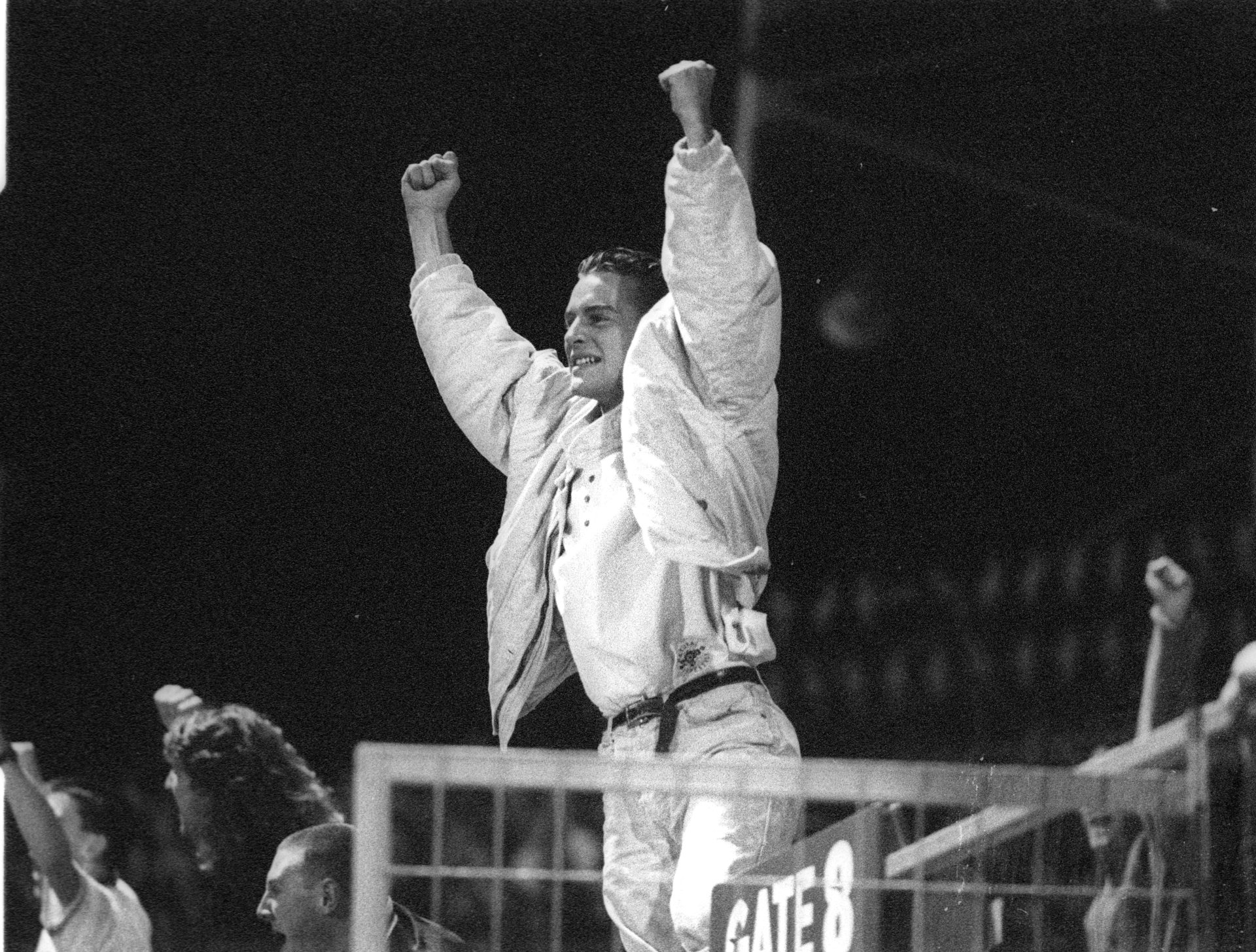
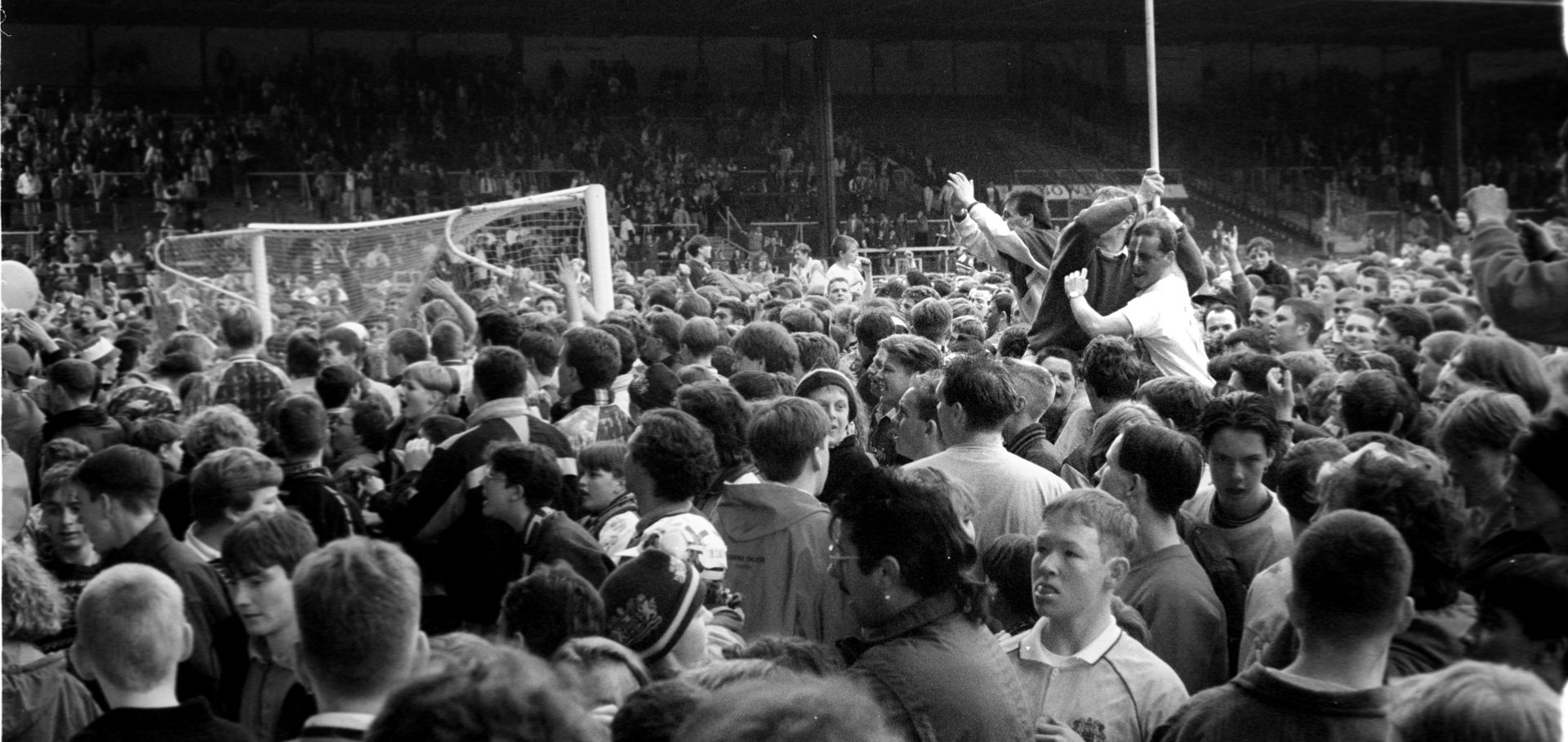
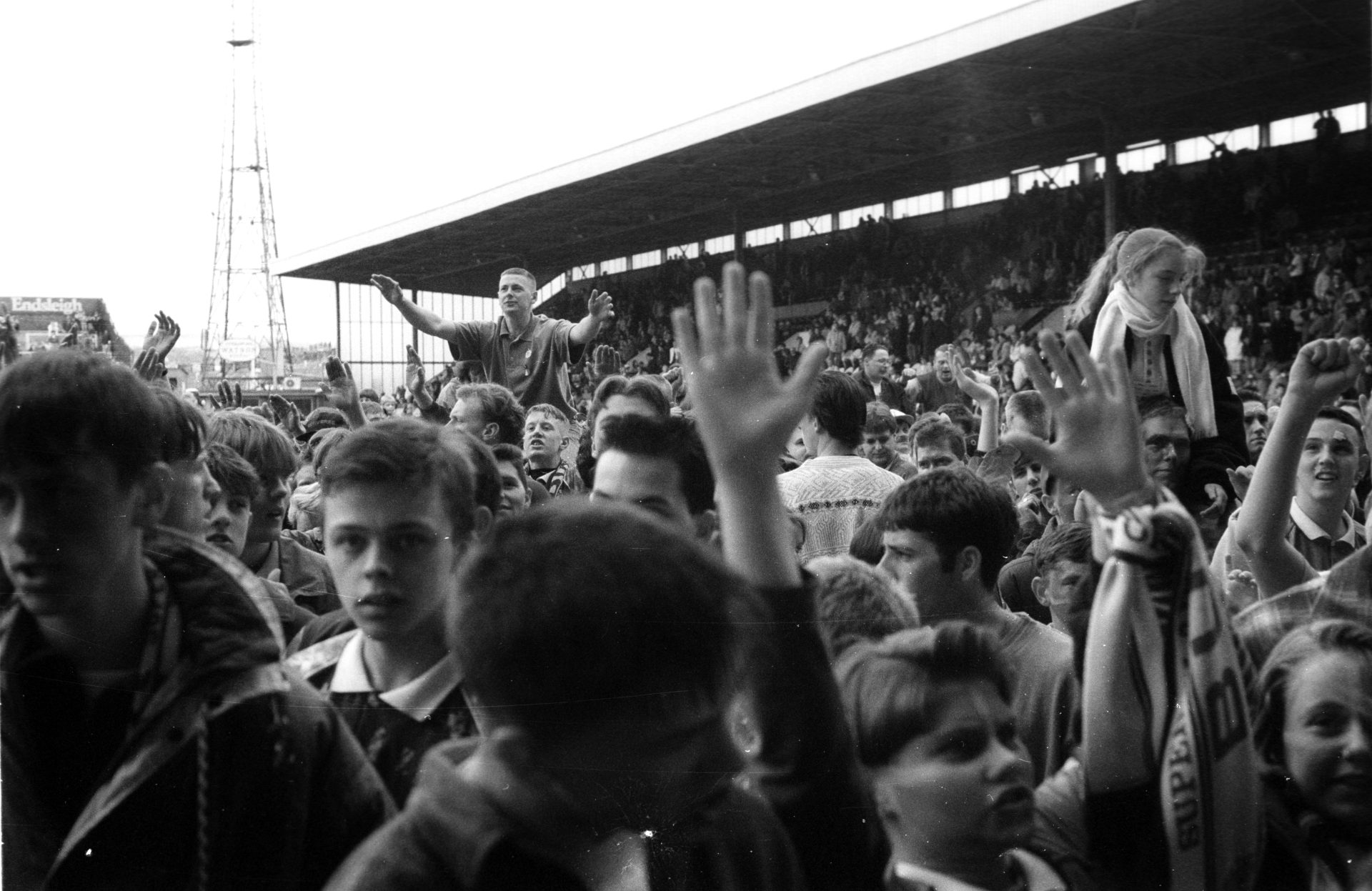
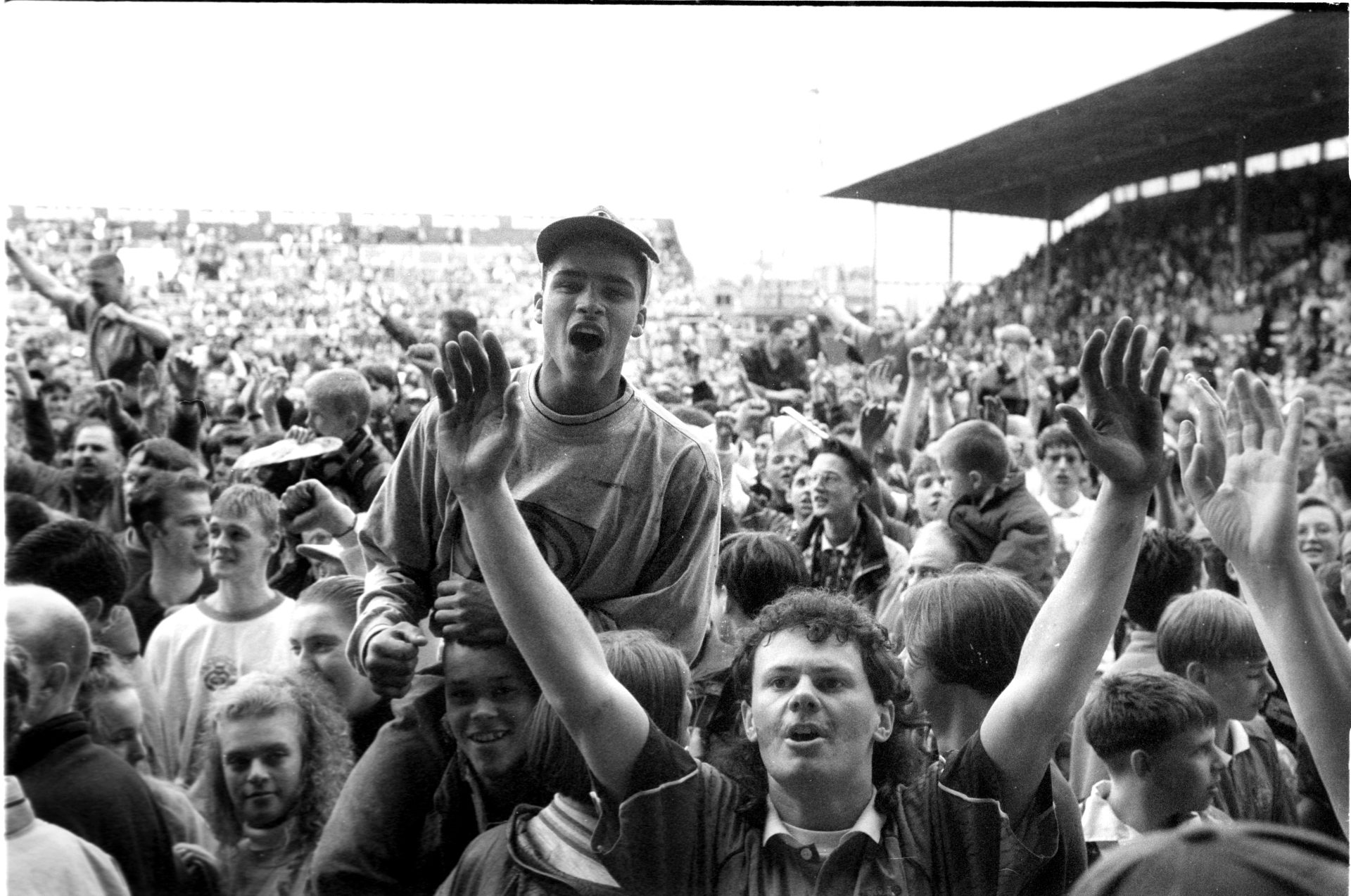
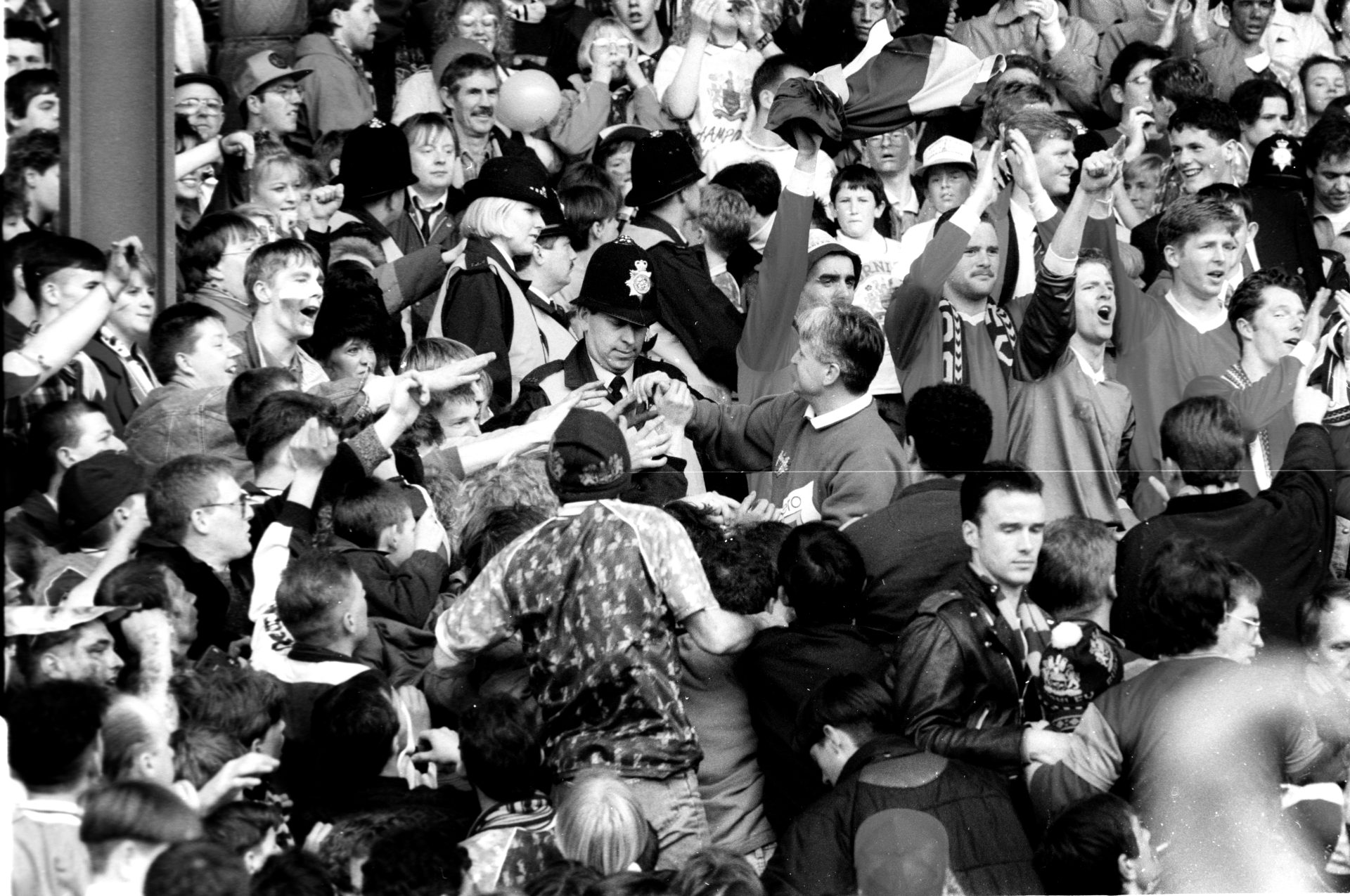
At the final whistle, supporters poured onto the pitch in celebration. Flags waved, emotions spilled over and seven years of fourth-tier football were finally behind them.
The Clarets were Division Four champions, returning to the third tier for the first time since 1985.
Burnley – Town, Club and Identity
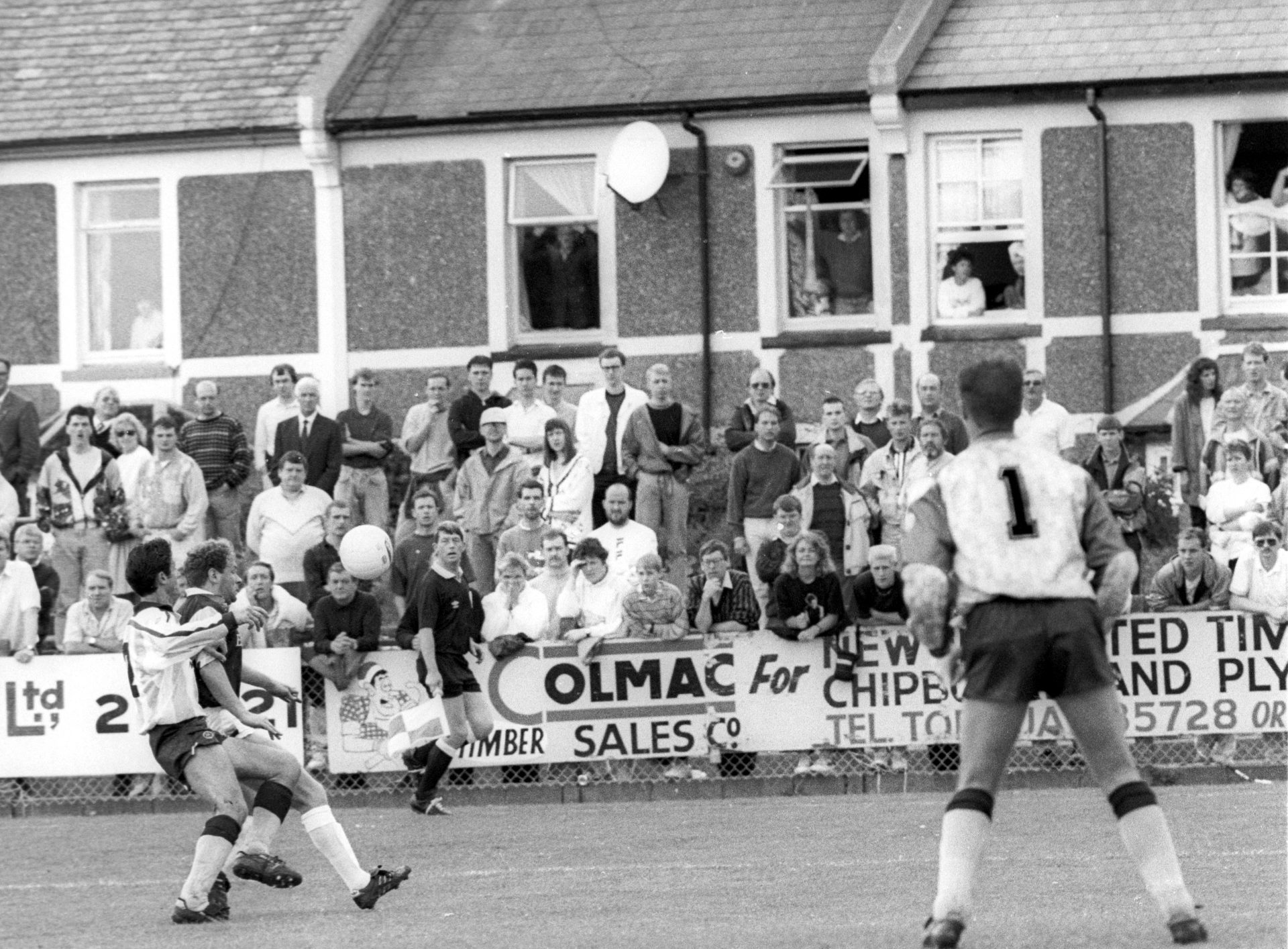
The photographs of Clive Lawrence tell a story that results and league tables alone cannot.
The weathered stands of Turf Moor, faces in the crowd, banners of protest and extraordinary release of the 1992 promotion celebrations form a social record of a football club and its community.
Burnley is one of English football’s great institutions, not simply because of its history and honours, but because of the enduring connection between the club, its ground and its supporters.
Clive’s work captures that relationship during a period when hope was often in short supply.
It is a reminder that the identity of a football club is built through far more than success on the pitch.
The disappointment, journeys, friendships and memories are all part of the experience.
And when success finally arrives, those difficult years give it even greater meaning.
Protests to Promotion – Clive Lawrence × Lower Block
Published by Lower Block, Protests to Promotion – Burnley 1989–92 brings together Clive Lawrence’s black-and-white photographs of three defining seasons in the club’s history.
The independent A5 photographic Edition contains 47 photographs across 52 pages, documenting supporter protests, everyday life at Turf Moor, the characters of the club and the joy of becoming Division Four champions.
An intimate photographic record of British football culture, seen through the eyes of a supporter who lived it.
Explore Protests to Promotion – The Lower Block Edition

Protests to Promotion | Clive Lawrence
A gritty visual chronicle of Burnley FC’s transformation from crisis to revival. Shot between 1989-92, this series captures the club’s fight for survival in Division Four, the unrest in the stands, and the surge of belief that sparked a new era.
A limited edition A5 zine containing 47 black and white photographs across 52 pages.
Selected Lower Block Products
-
 Turf Moor, 1991Price range: £130.00 through £175.00
-
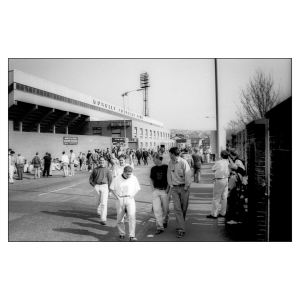 Turf Moor, 1989Price range: £130.00 through £175.00
-
 Protests to Promotion | Clive Lawrence£8.50
-
 The Third Element | Steve Pyke£8.50
-
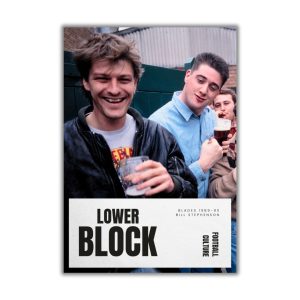 Blades 1989-90 | Bill Stephenson£8.50
-
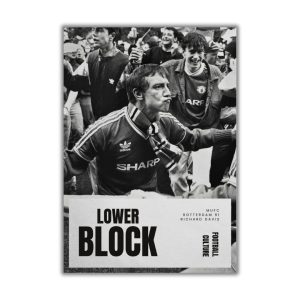 MUFC Rotterdam 91 | Richard Davis£8.50
More from the Lower Block Archive