Three years on from a first trip to the Netherlands, James Shenton and his son Thomas travel again, marking a 21st birthday with something that has become less a ritual of football and more a way of holding onto time. The matches – Verona, Milan, Turin – offer three distinct worlds: uneasy, mythic, and manufactured. Yet the thread running through them is not the game itself, but what gathers around it – politics in the margins, strangers in fleeting connection, architecture that shapes feeling, and the shifting dynamic between father and son as life pulls them in different directions.
Photographed from the edges, the work resists the familiar grammar of football imagery. There are no defining moments, no decisive action – only fragments: pauses, distances, solitary figures, and the ordinary made quietly significant. What emerges is less a study of Italian football than a record of time spent together-observed, felt, and held in passing.
Words and photographs by James Shenton
Three years on from our first football trip to the Netherlands, Thomas and I headed away again, this time to Italy, to mark another milestone birthday and continue something that has quietly become our tradition. When we went to Holland he was 18. This time he is 21, in his final year at university, and that changes the feel of things. We still see each other at Everton home games, but there are now often weeks when I do not see him at all. Life moves on, children grow up, and time together becomes something you value differently. Football, once again, gave us an excuse.
This trip came with a new family dynamic too, as my older brother came along with us, a Liverpool supporter thrown into the mix for good measure. That changed the feel of the weekend in a way I had not really expected. It was not just me and Thomas this time, finding our usual rhythm through football, but the three of us sharing trains, beers, food, long walks and long conversations. Football remained the setting, but the trip became about family conversation as much as football conversation.
That matters because football is not our only connection. Thomas and I share a deep interest in music too, and he is always recommending stuff to me. But since the day he was born, football has been our most dependable common ground. It has run through everything: Everton, his own years playing youth football, the journeys to and from matches, and now trips like this, where the game provides the structure for time together, conversation and catching up. As he has got older, and especially now he is away at university, those shared experiences have taken on even more meaning.
“Football has always been the thing that makes talking easy between us… football memories or just whatever comes to mind, it creates a space where conversation happens naturally.“
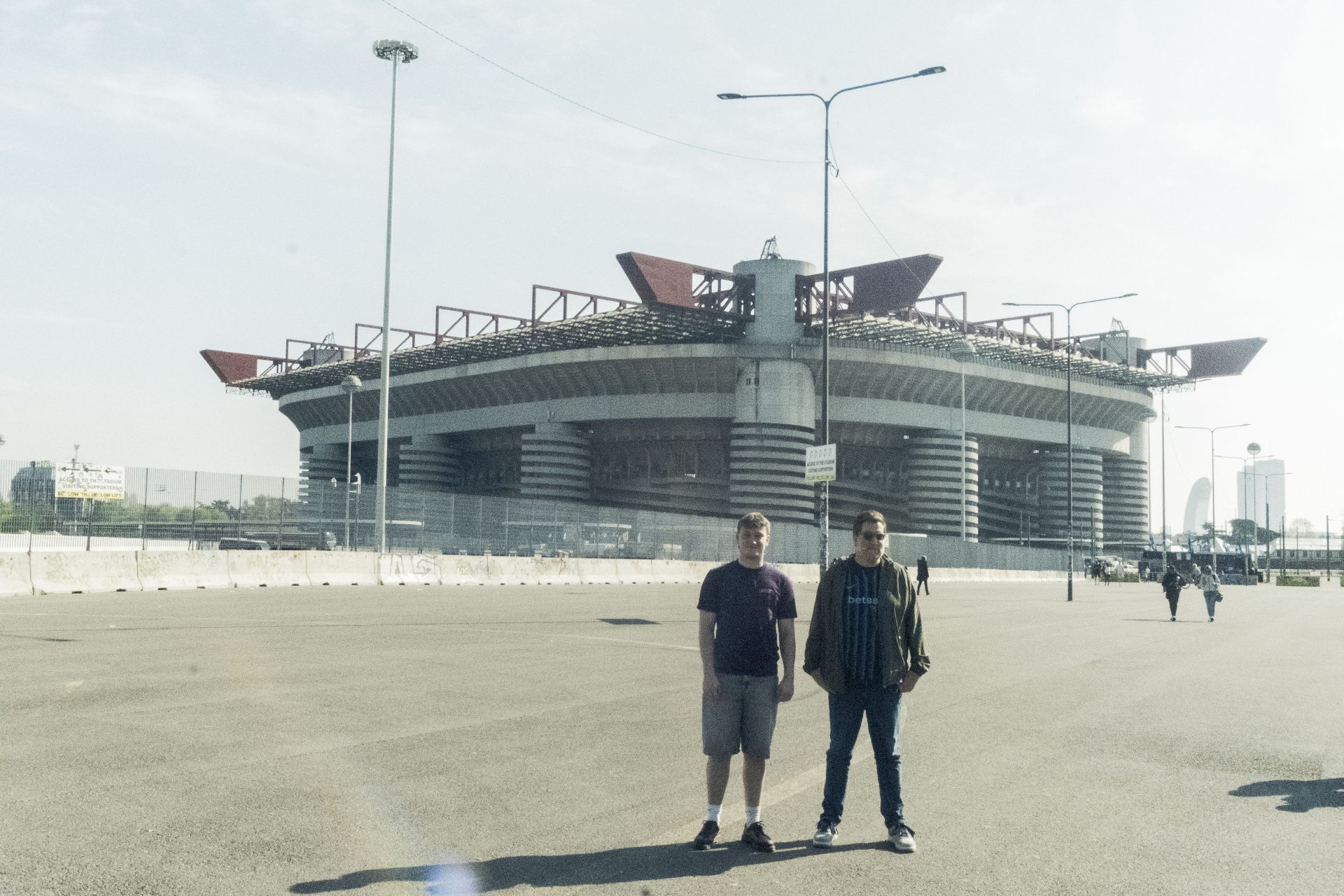
What struck me most over the weekend was how much he loved it. There was a kind of disbelief about him at times, especially in and around the San Siro, as if he was still trying to process that he was actually there. That feeling stayed with me. The trip was not just about ticking off famous grounds or watching football abroad. It was about seeing that sense of wonder in him and being there to share it. Football has always been the thing that makes talking easy between us. Whether it is Everton’s latest collapse, music, his life at university, his own football memories or just whatever comes to mind, it creates a space where conversation happens naturally.
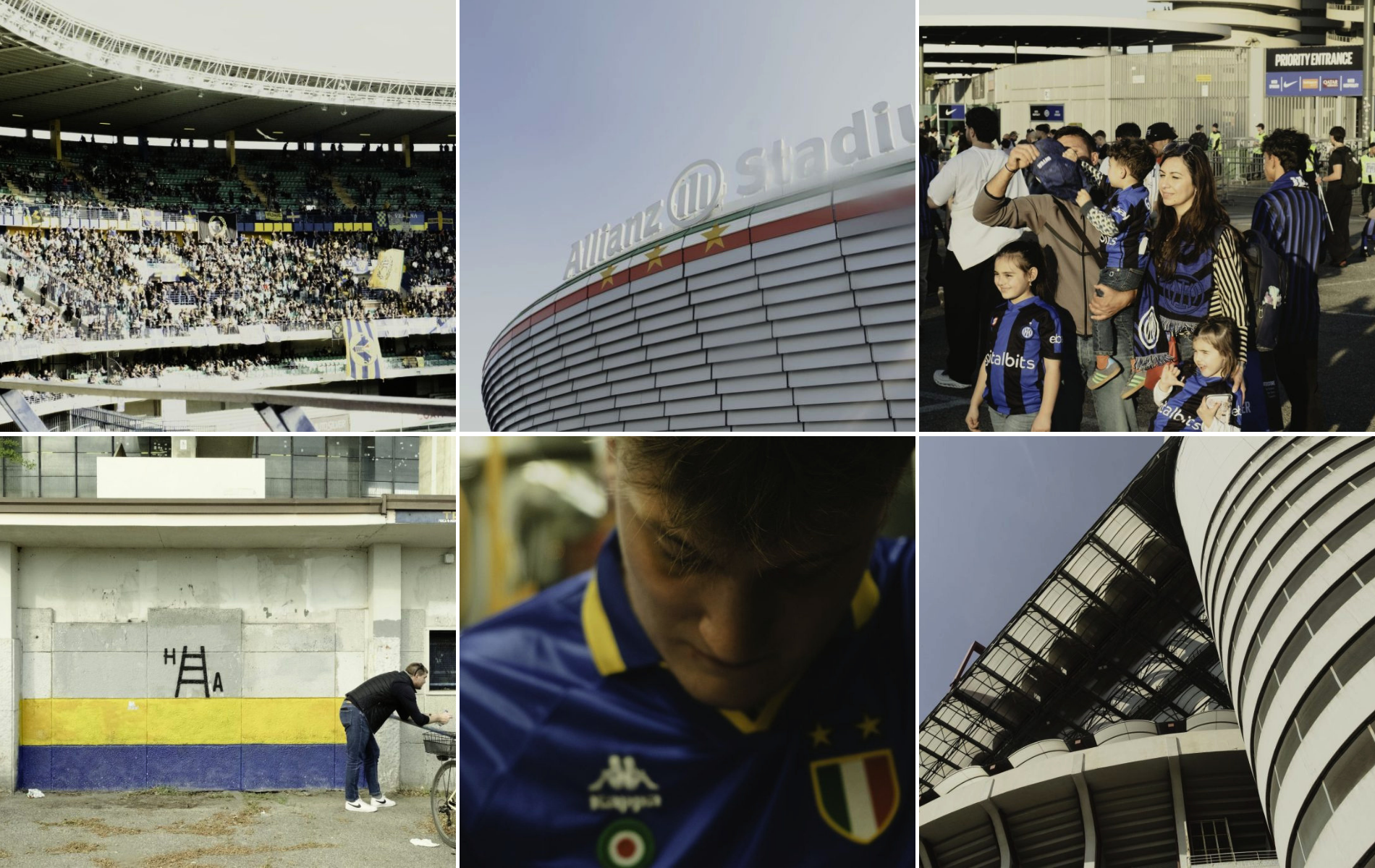
Across the trip we took in three very different matches: Verona v Fiorentina, Inter v Roma, and Juventus v Genoa. Each of them offered a different version of what Italian football is, and what modern football has become.
Verona was probably the most complicated experience of the three. On one level, there was something brilliant about it. Sitting in the sunshine with a beer in the bowl was great, partly because it felt so simple and so natural, and partly because it is something we just do not have in English football. That small freedom made a big impression. But it also sharpened the contrast. As English supporters, we grow up with the idea that our football culture is viewed across Europe as unruly, suspect and in need of control. Yet in more than 30 years of watching Everton, I have never witnessed the sort of overt political symbolism and far-right imagery that was visible around Verona. We saw swastikas, anti-Antifa stickers, fascist iconography and slogans that made us deeply uncomfortable. As left-leaning visitors, with all our supposed woke ‘snowflakiness’, it genuinely unsettled us.
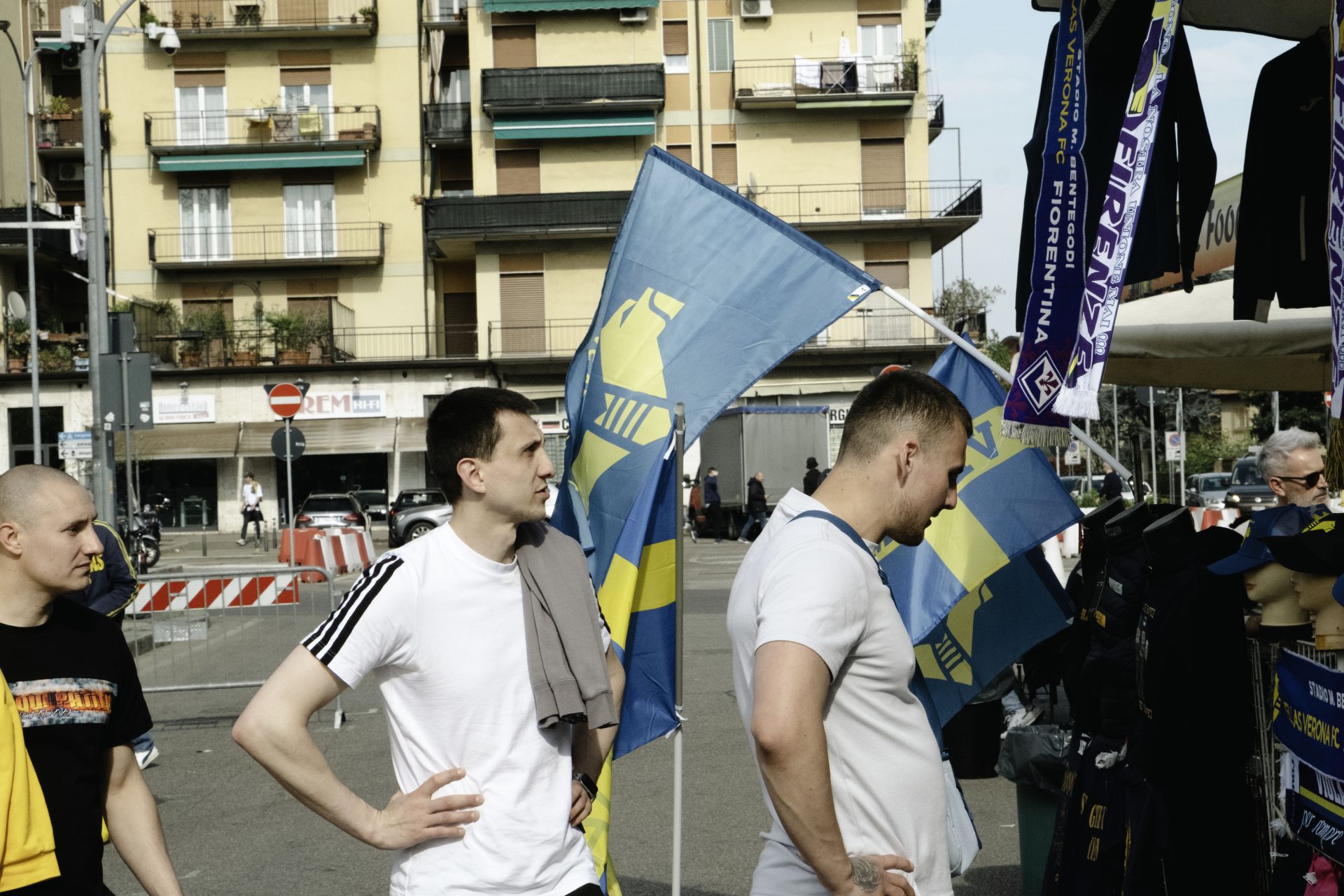
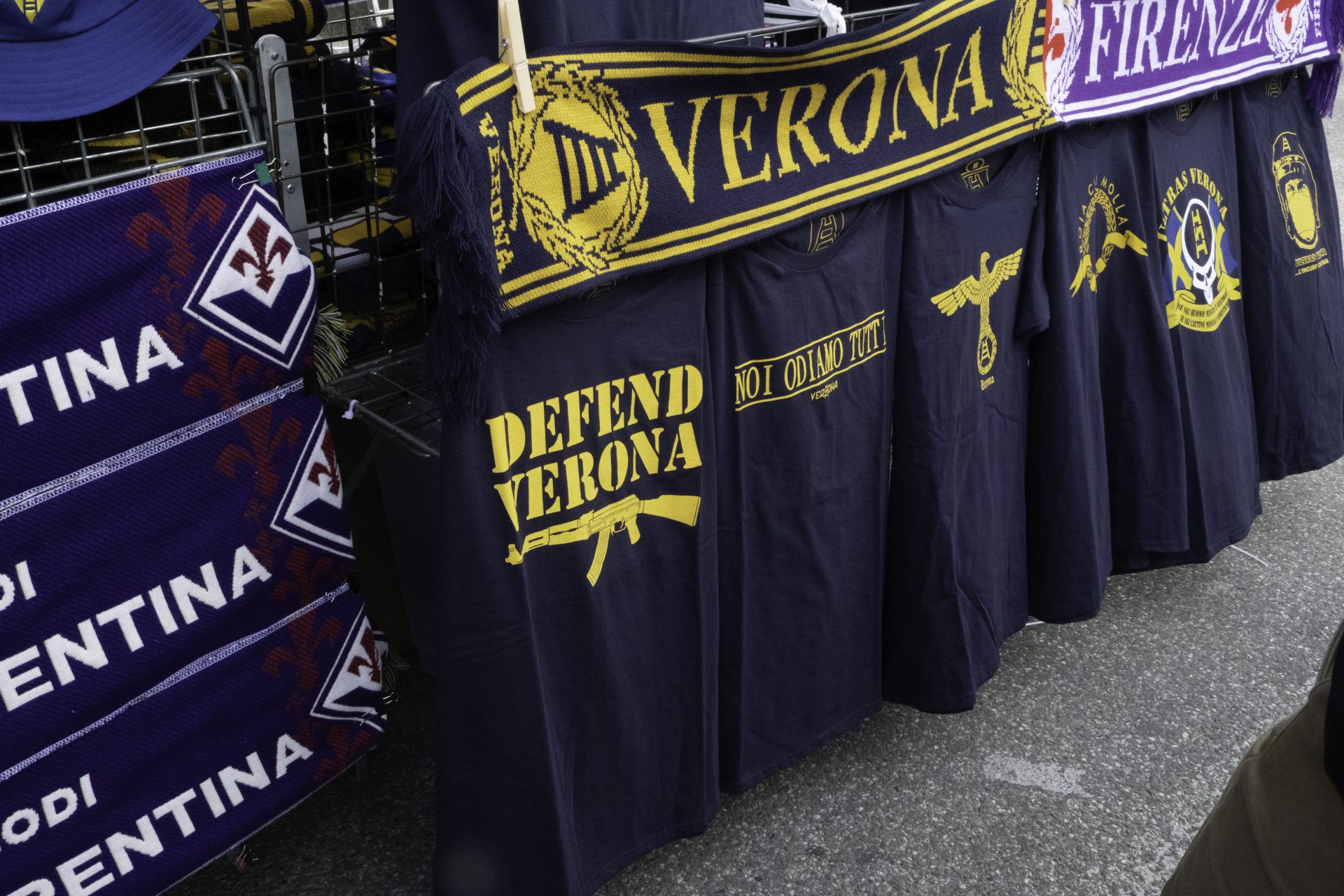
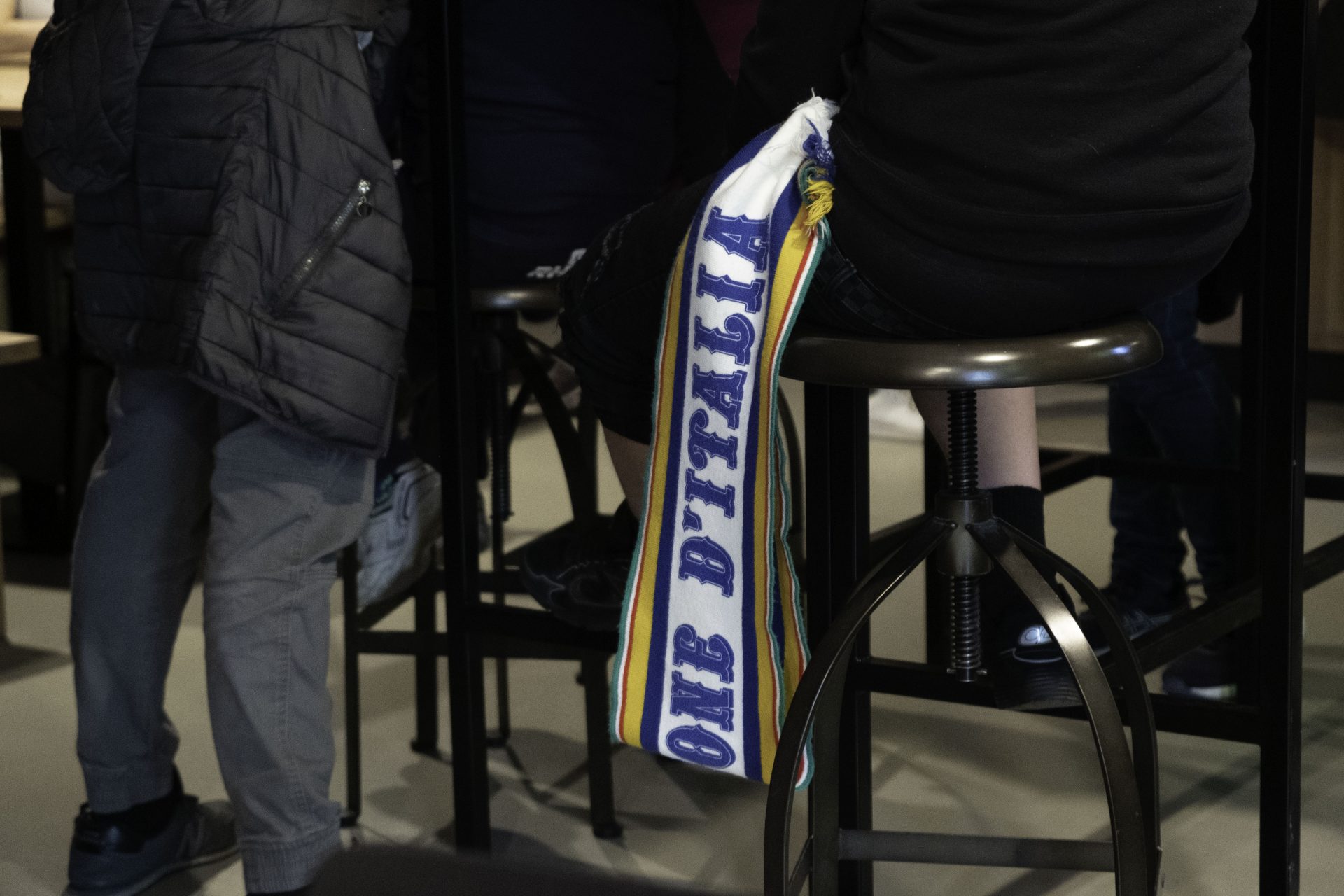
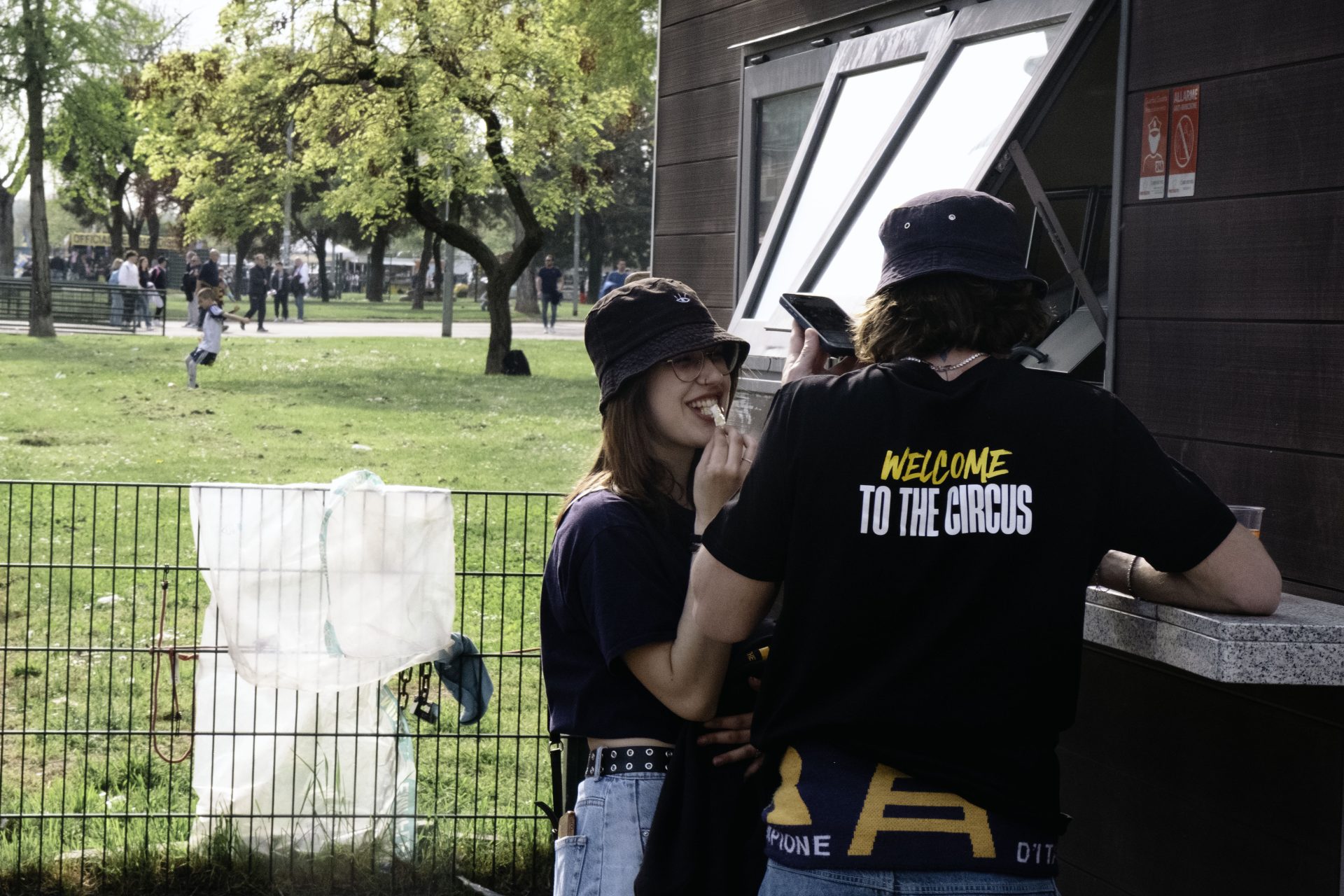
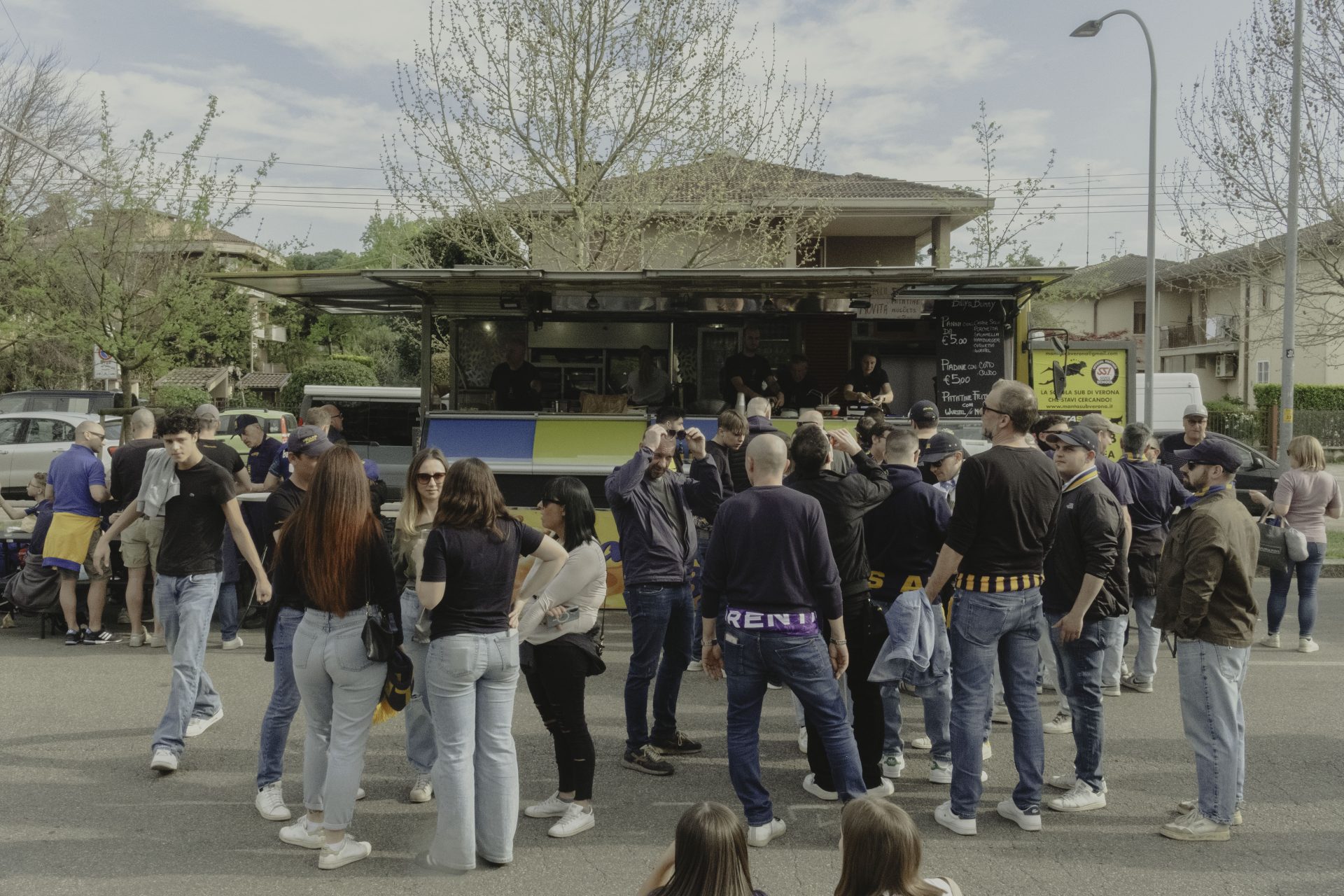
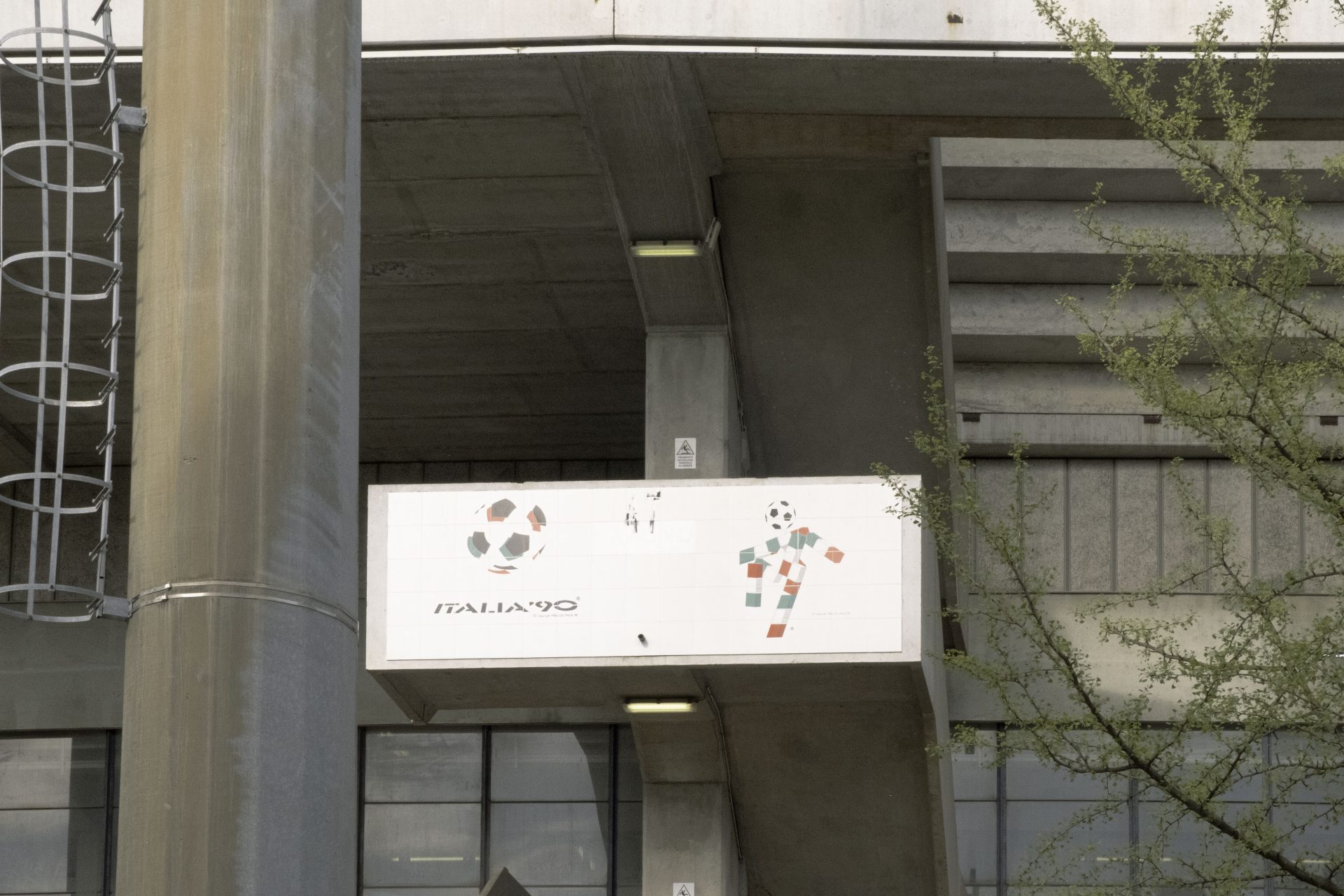
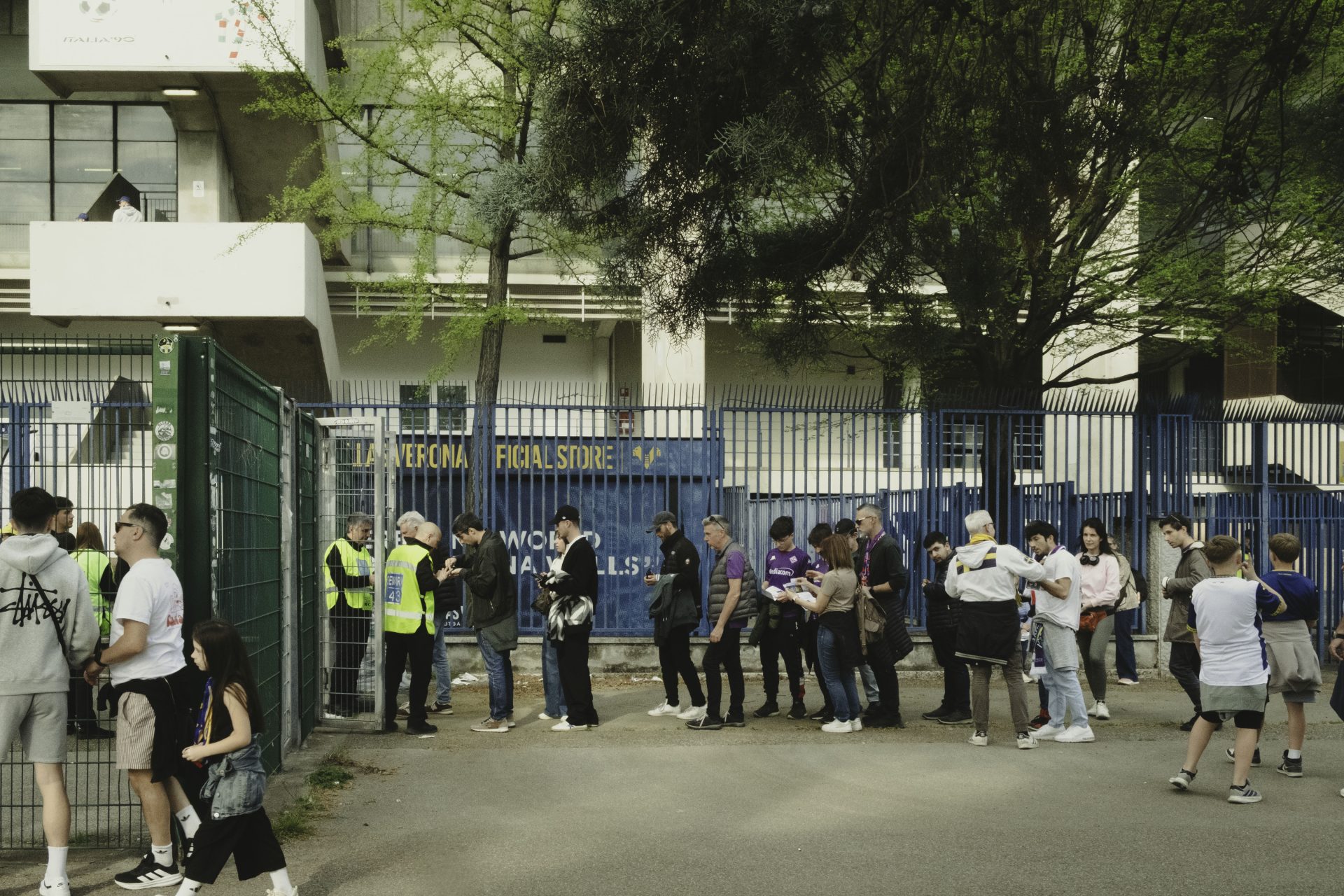
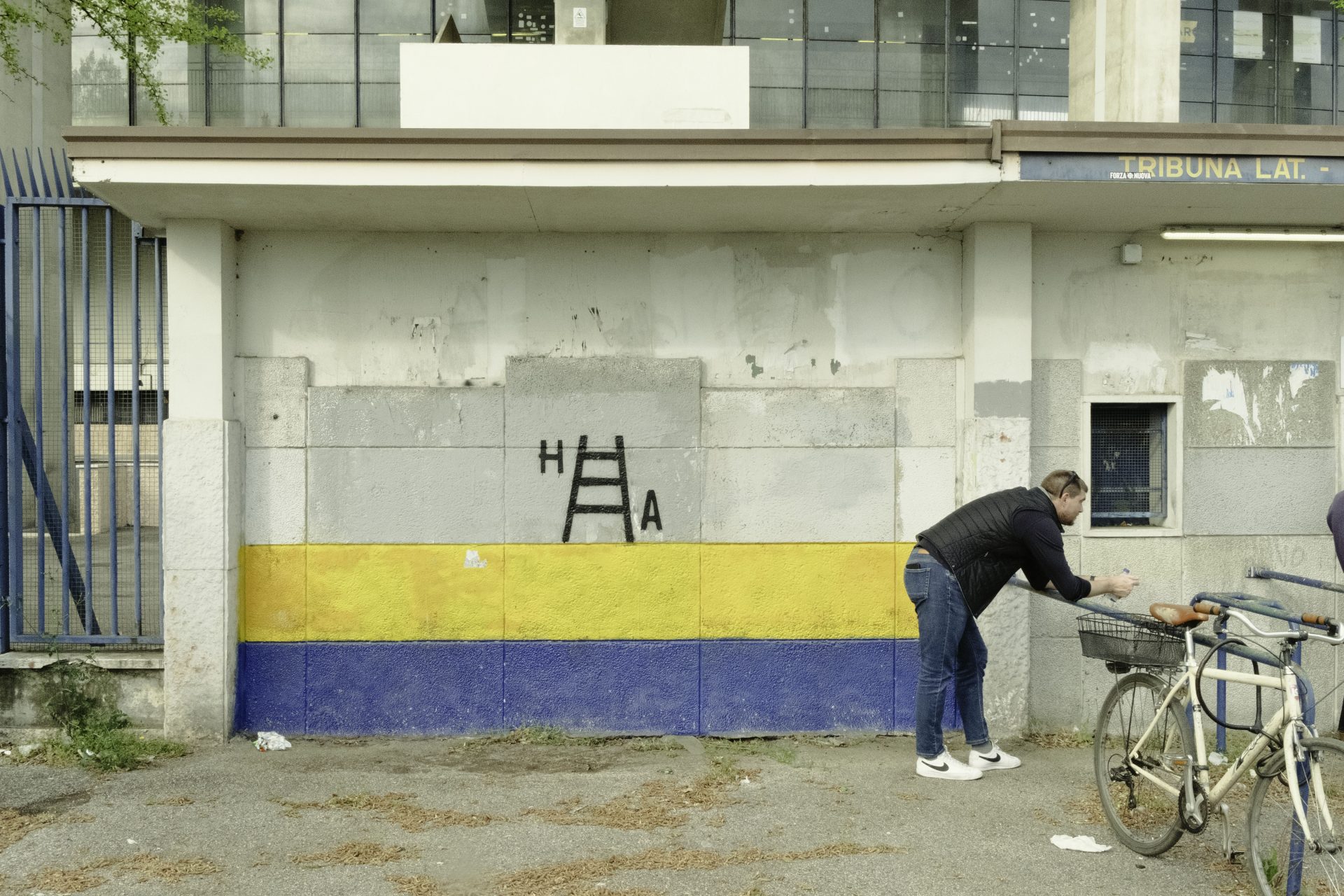
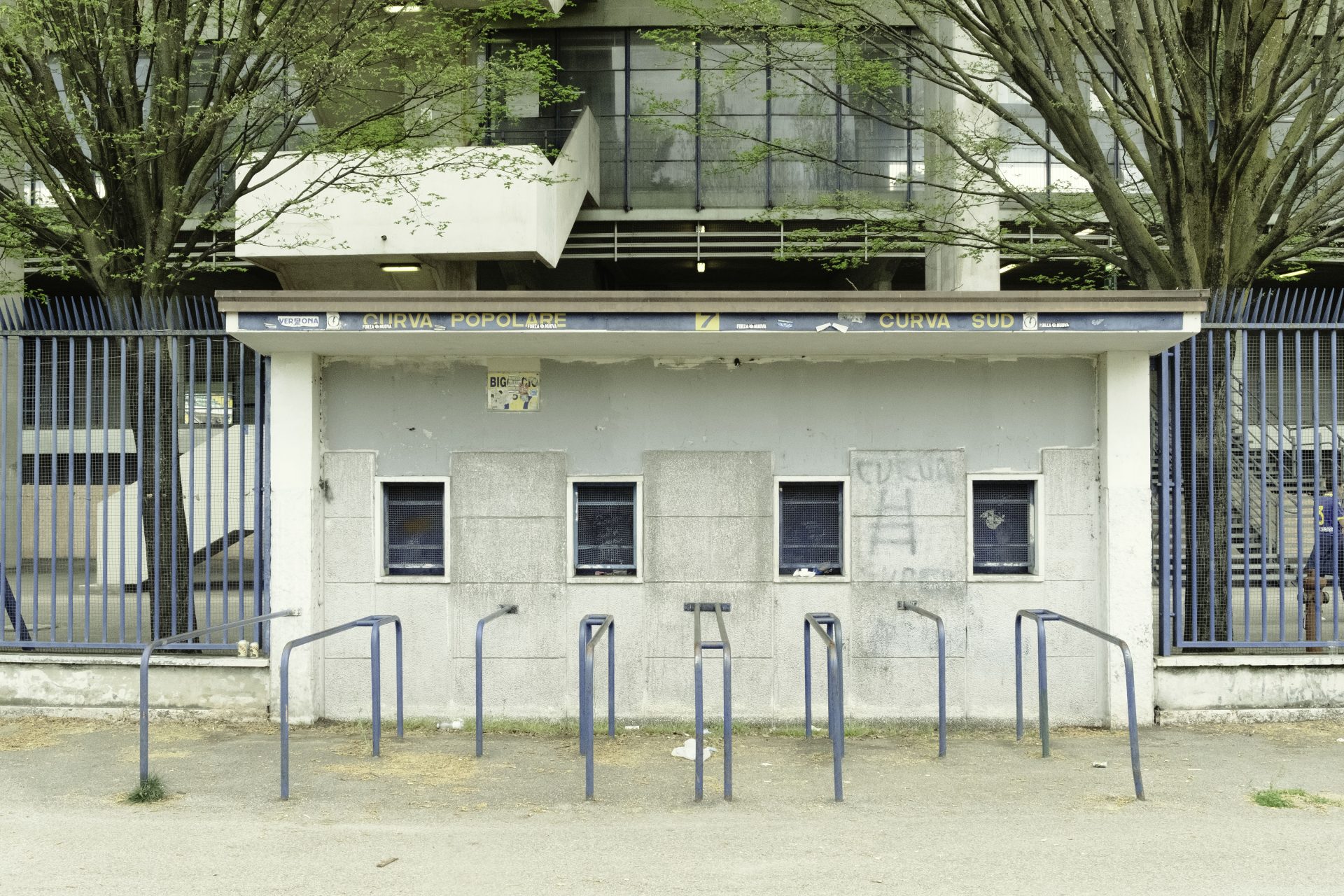
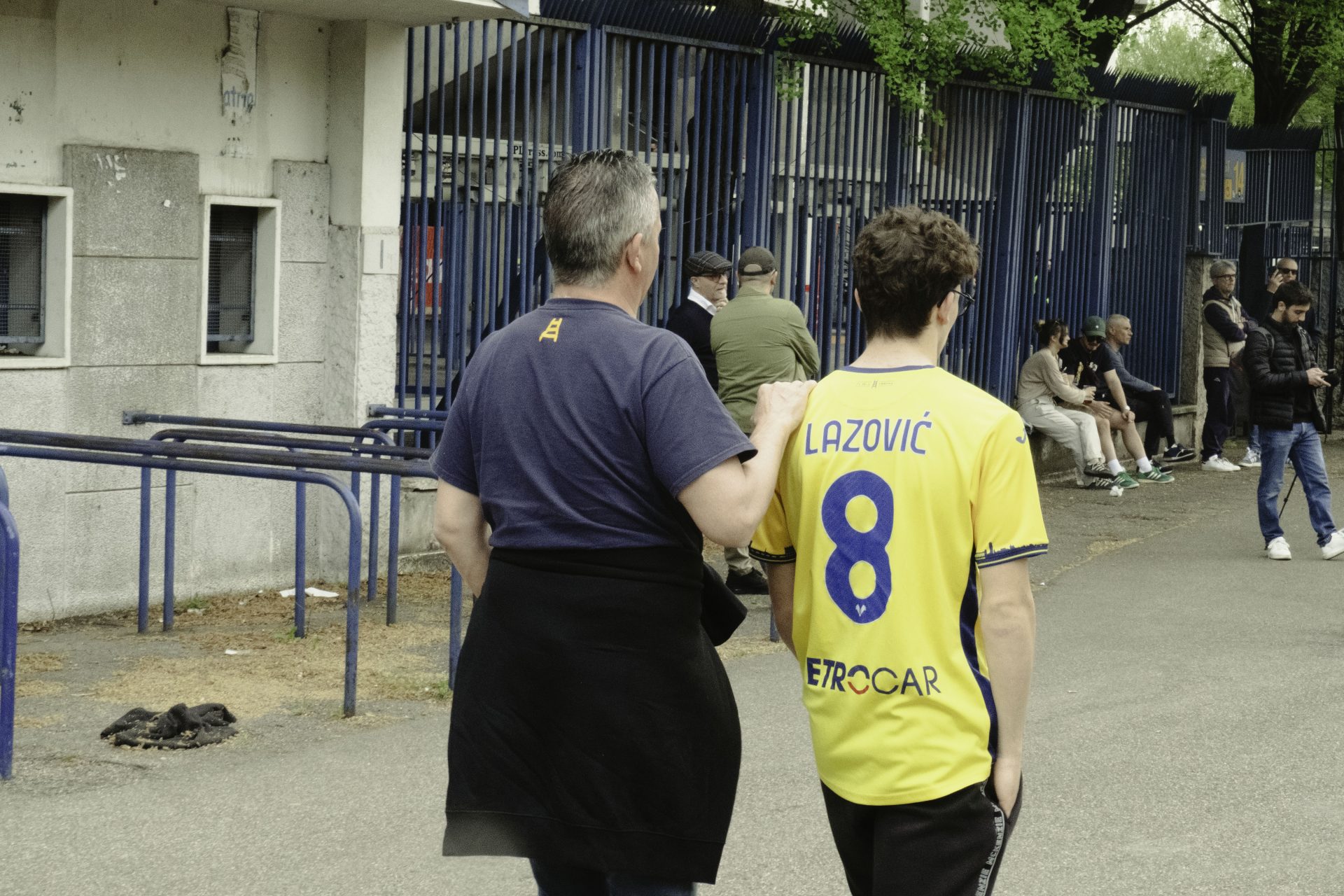
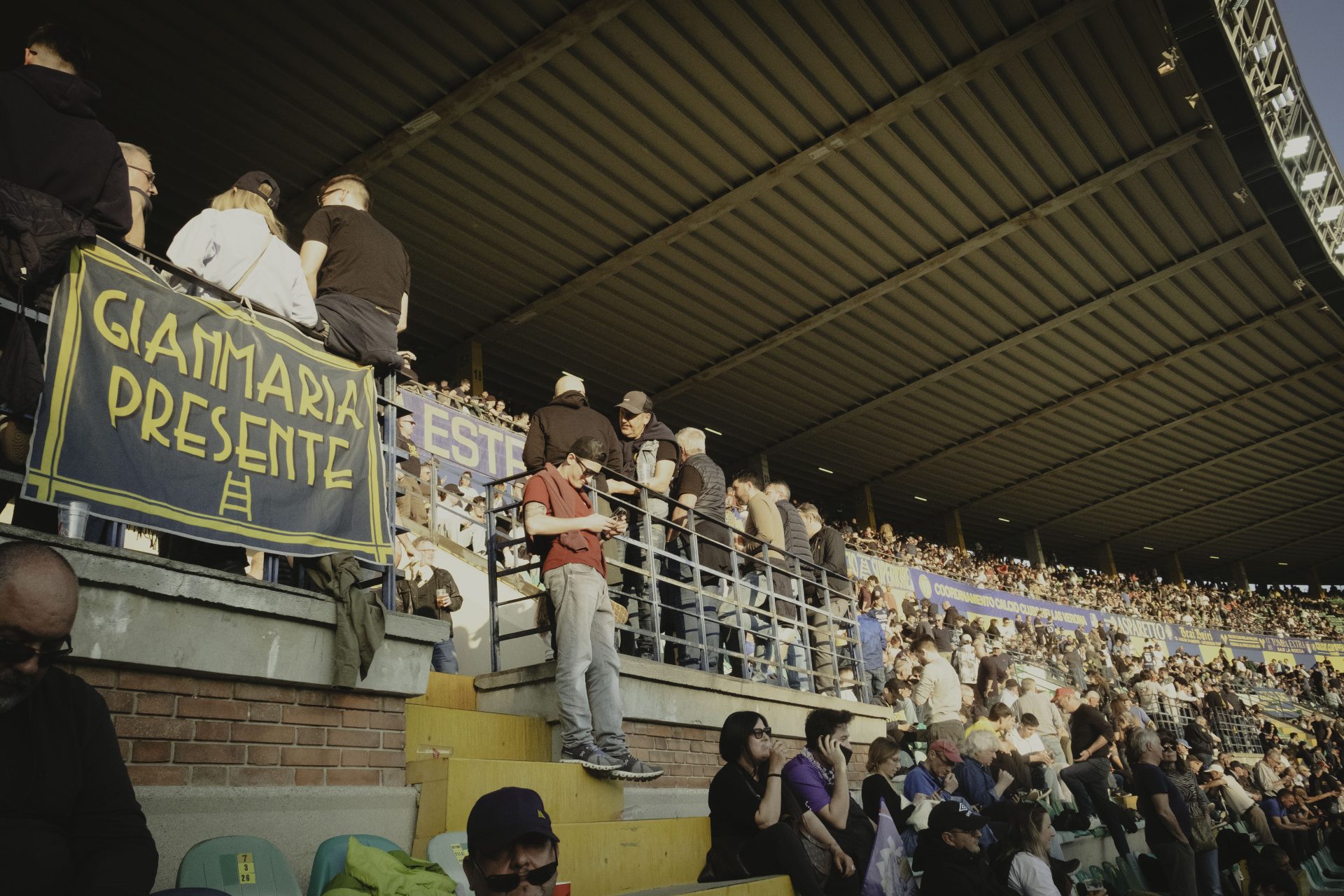
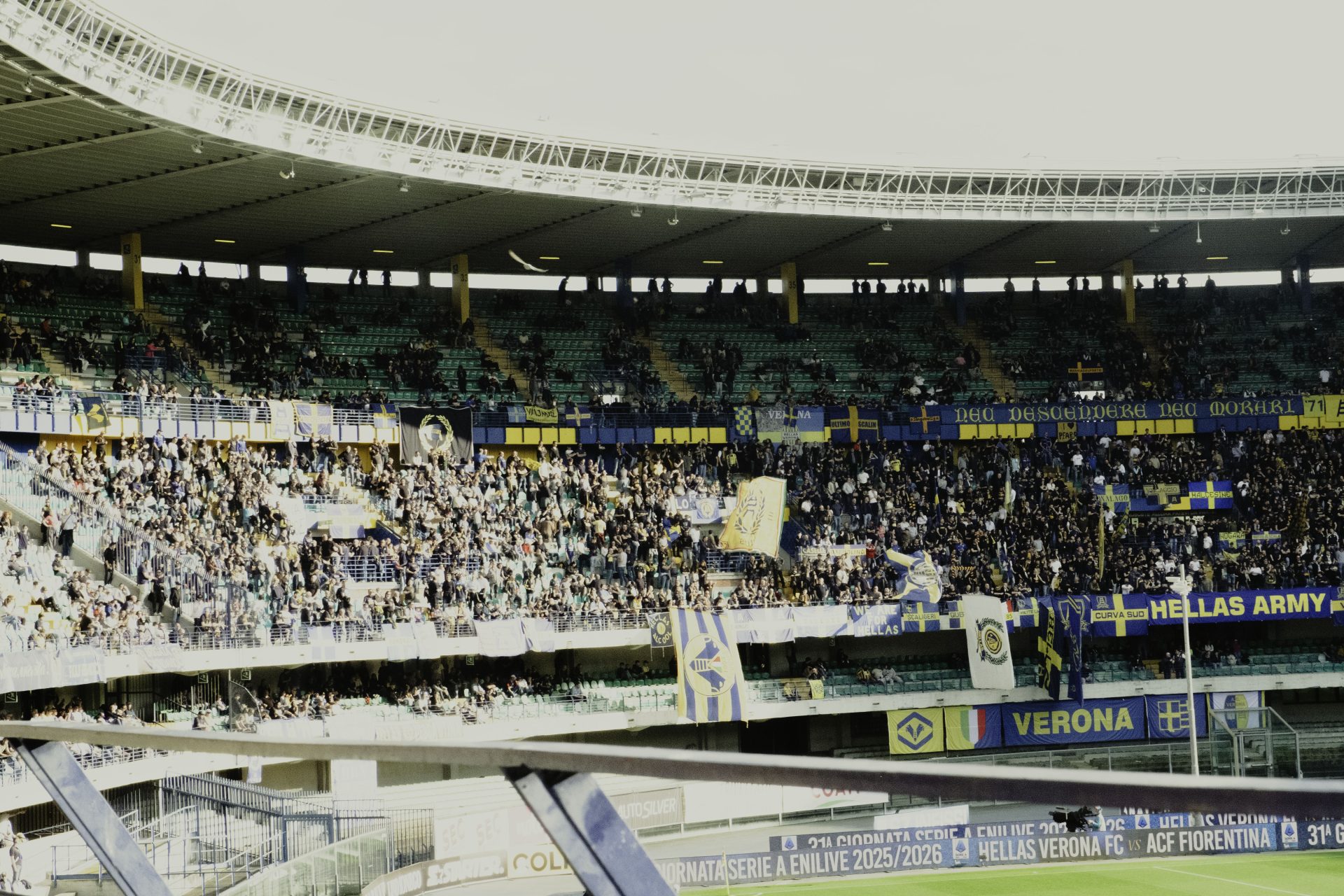
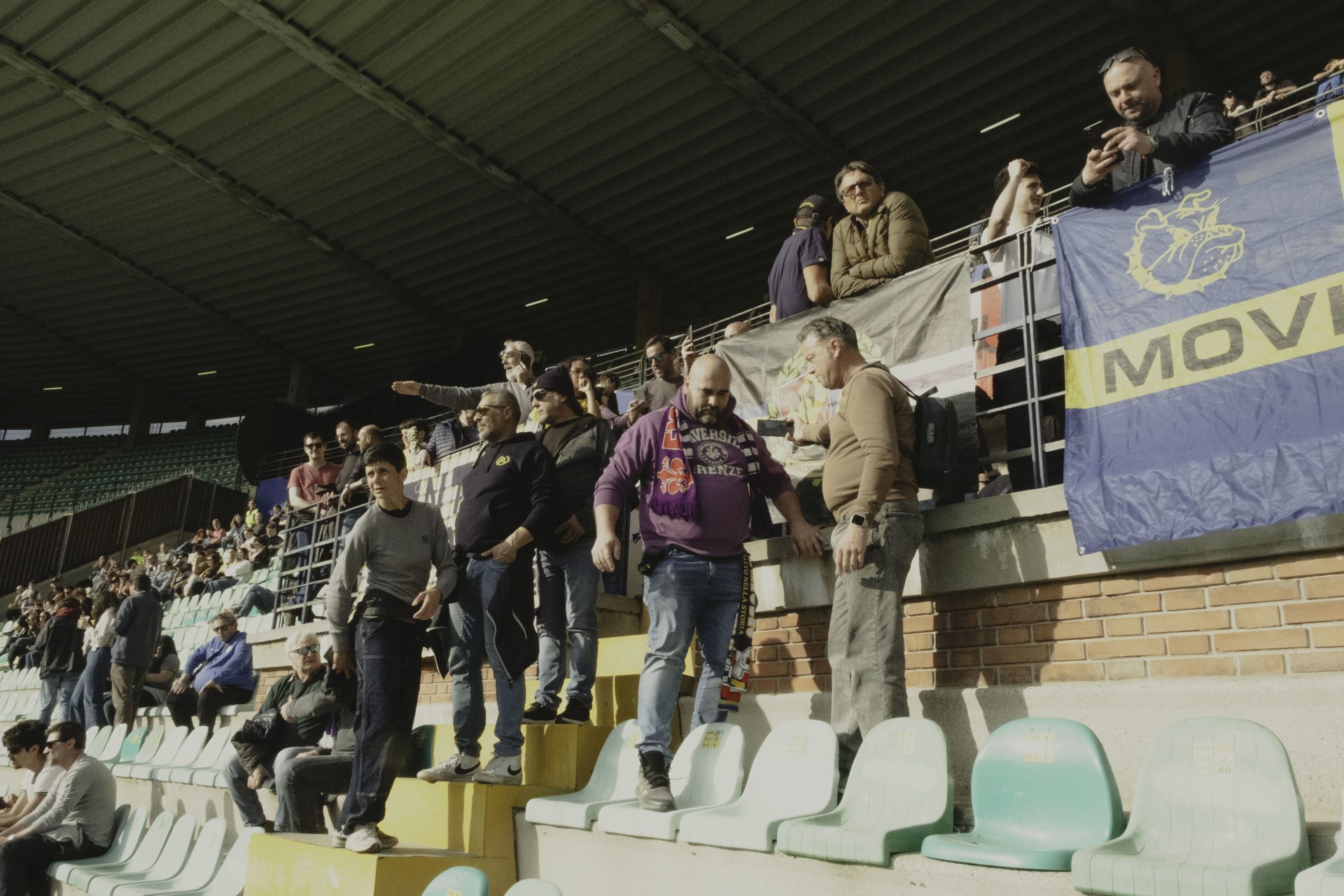
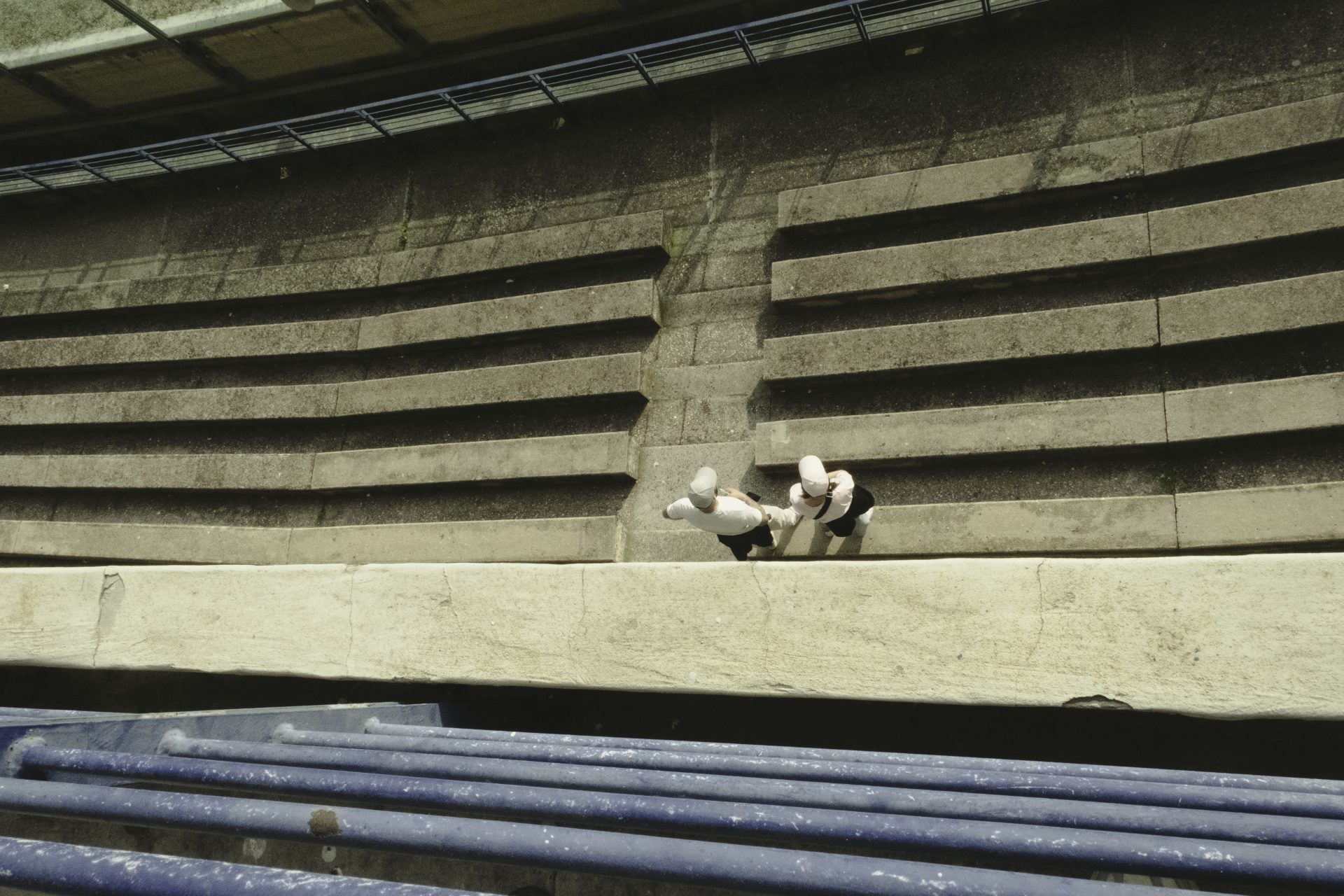
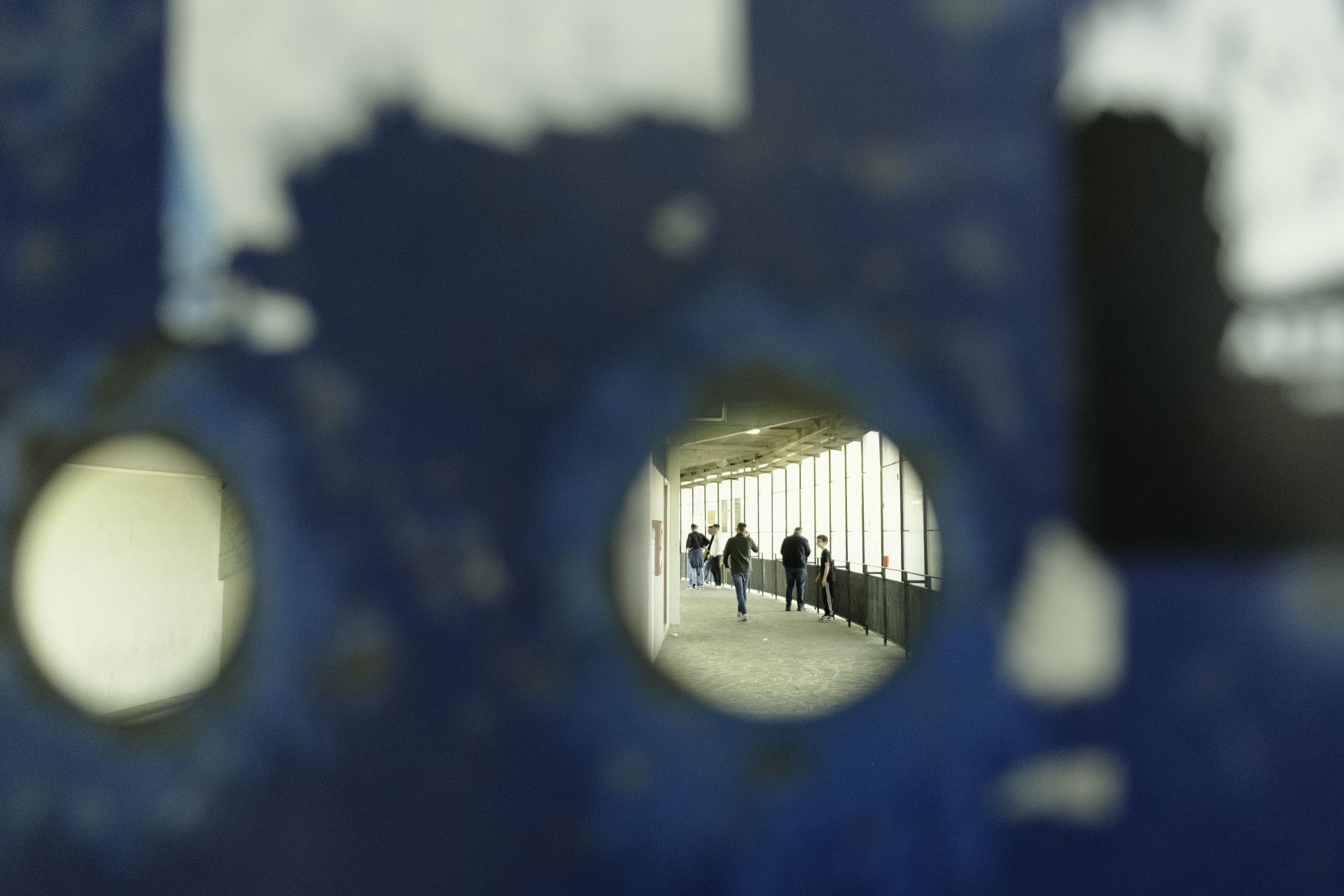
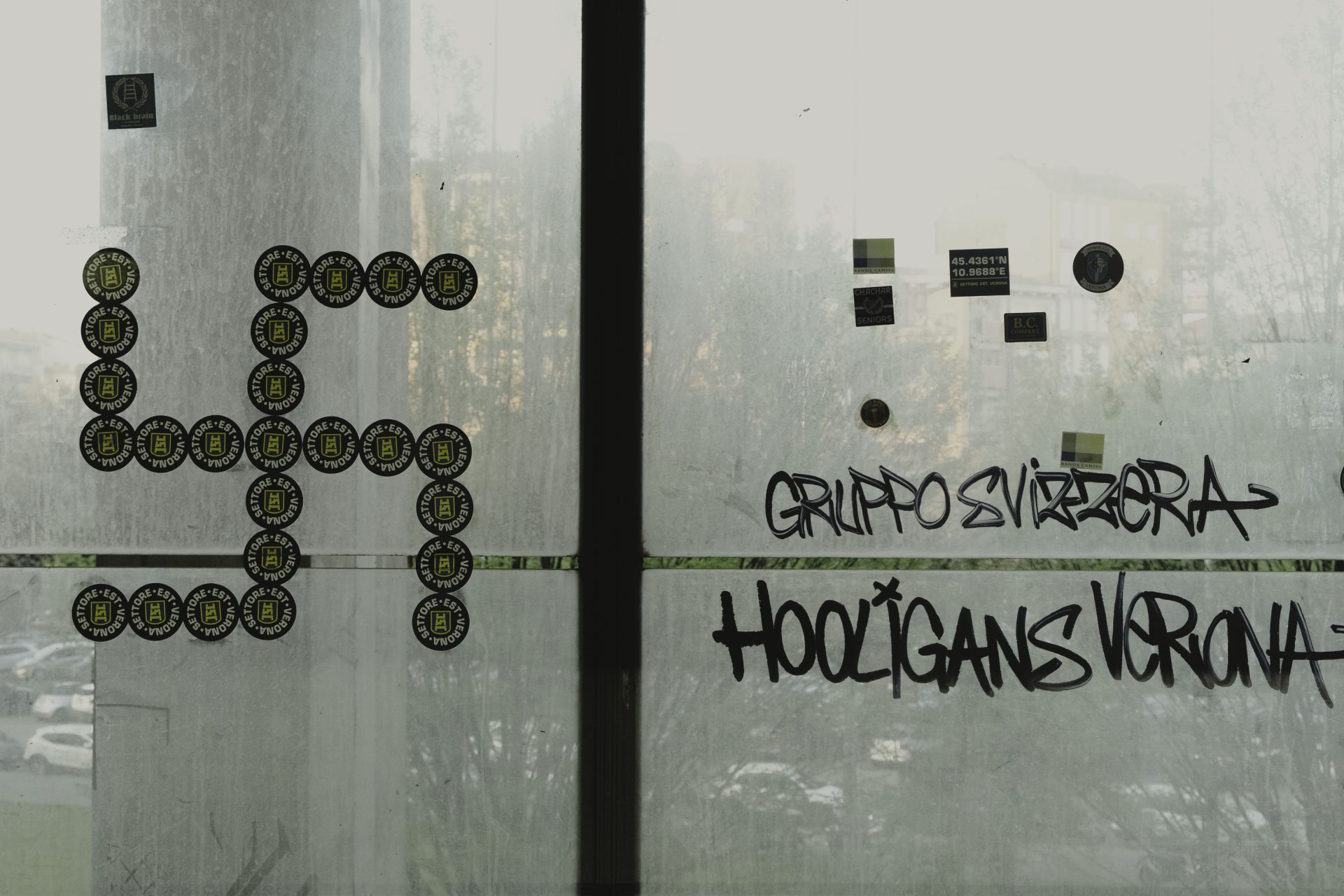
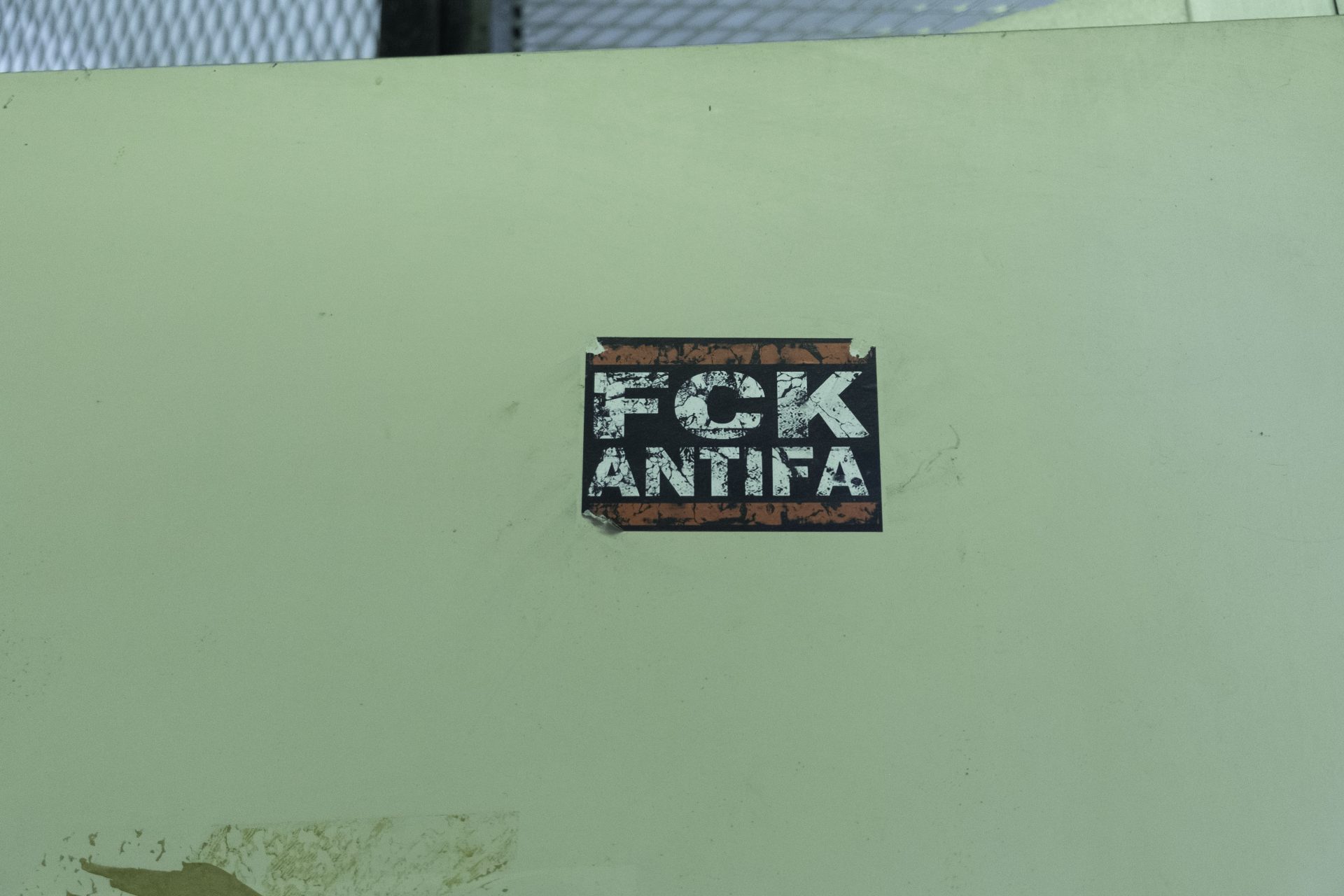
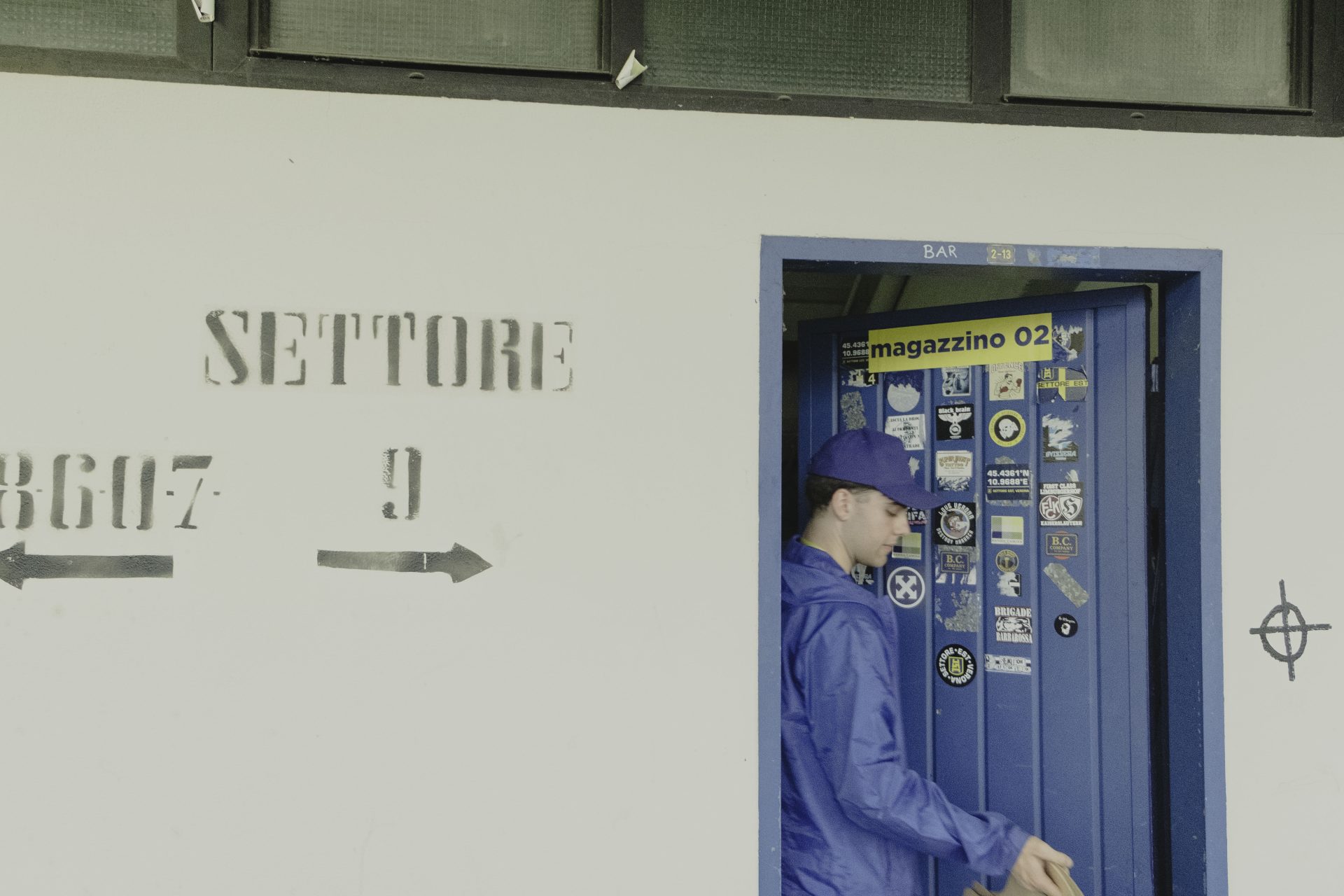
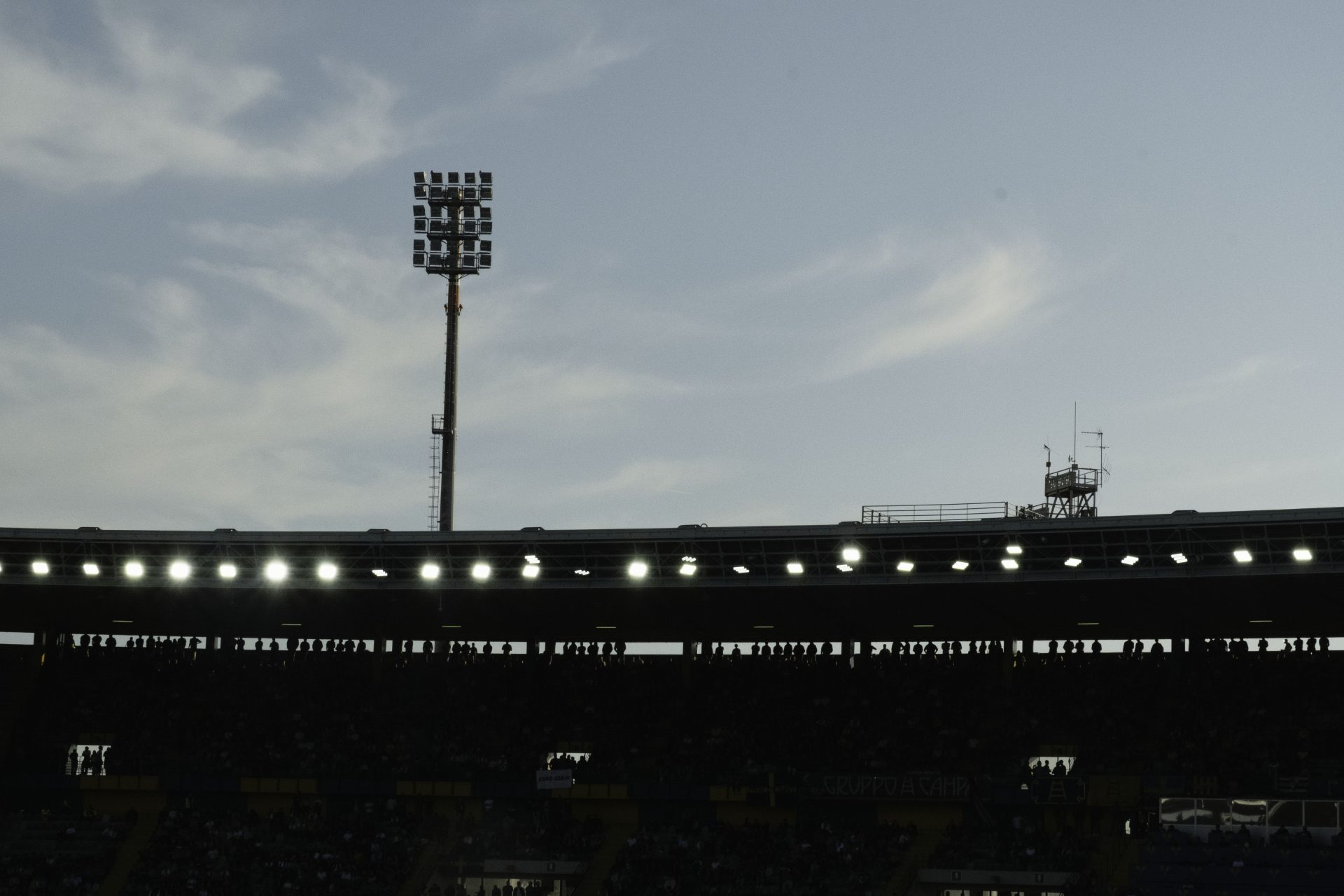
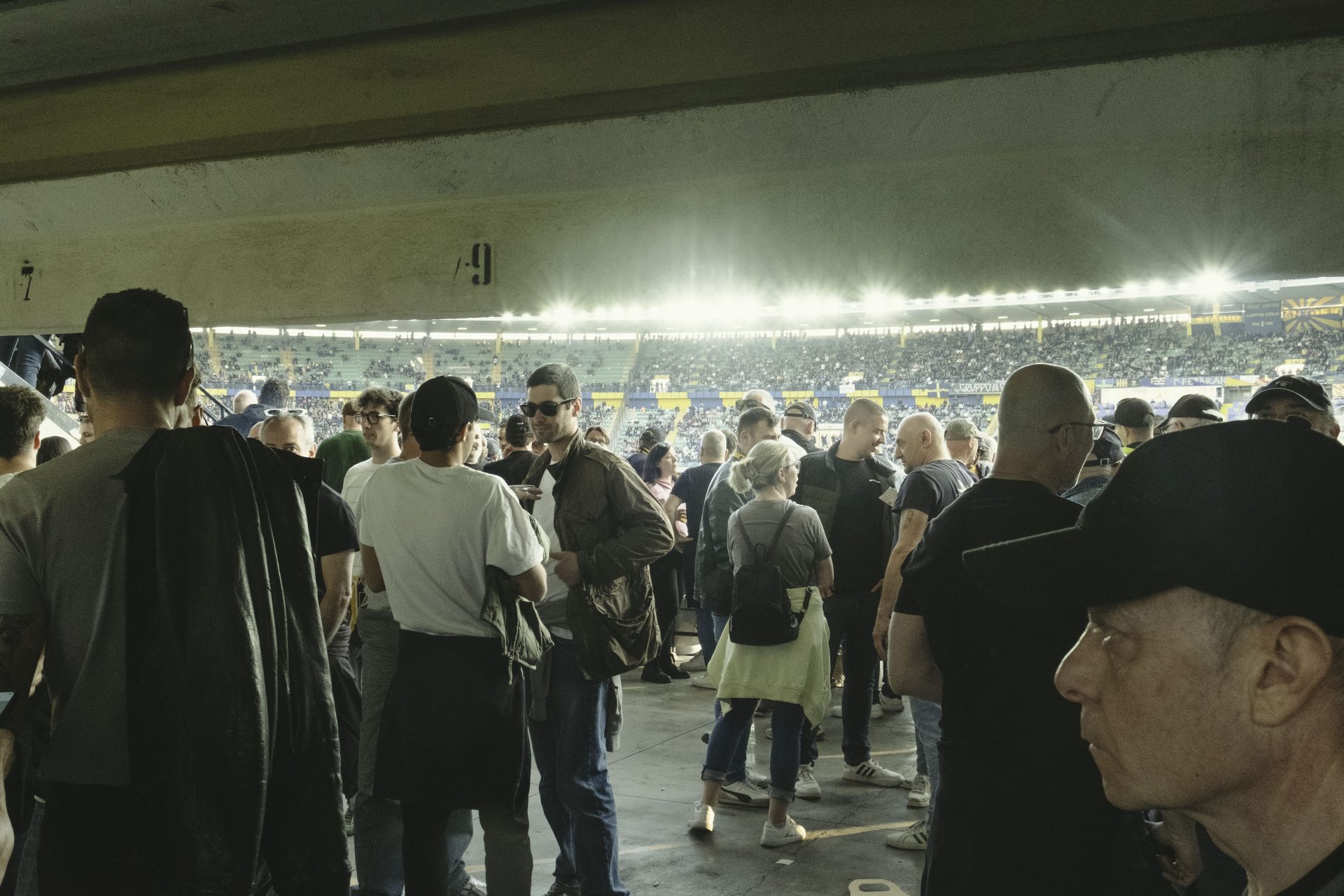
That discomfort sat alongside the football itself, which had its own strange Everton-adjacent pull. Fiorentina featured two ex-Everton players in Moise Kean and Jack Harrison, familiar faces in unfamiliar surroundings, and David de Gea put on what felt like a goalkeeping masterclass. Verona were bottom of the league, the stadium felt tired and slightly dilapidated, and years of underinvestment were written into the structure of the place. Areas were closed off, the concrete felt worn down, and the whole ground carried an air of faded use rather than polished presentation. The football was not great, but the day was revealing. There was still something honest about it, something rough-edged and lived in. That is the balance, really. You do not want grounds to decay into neglect, but nor do you want to end up too far the other way, where every trace of character has been scrubbed away in favour of branding, comfort and control.
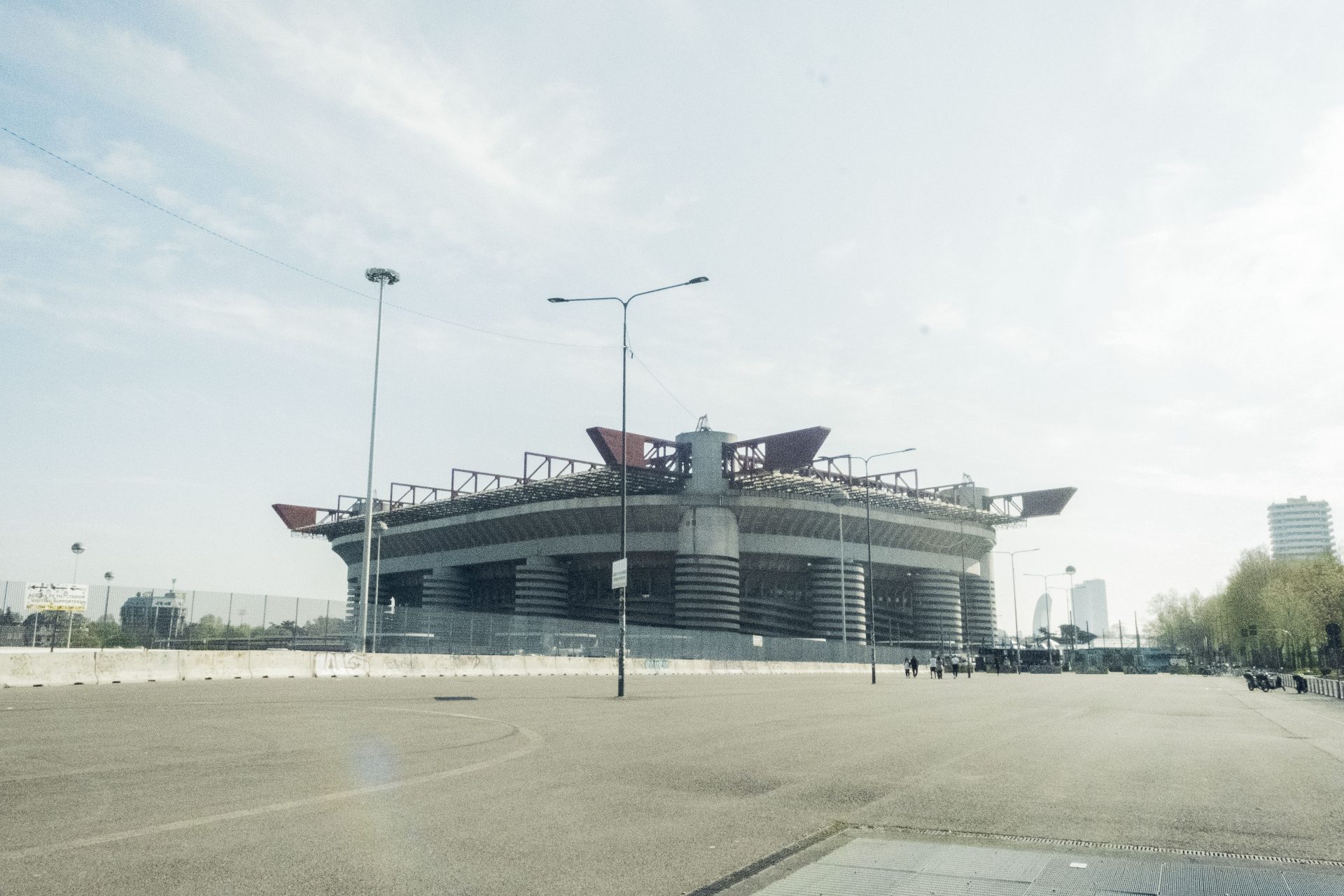
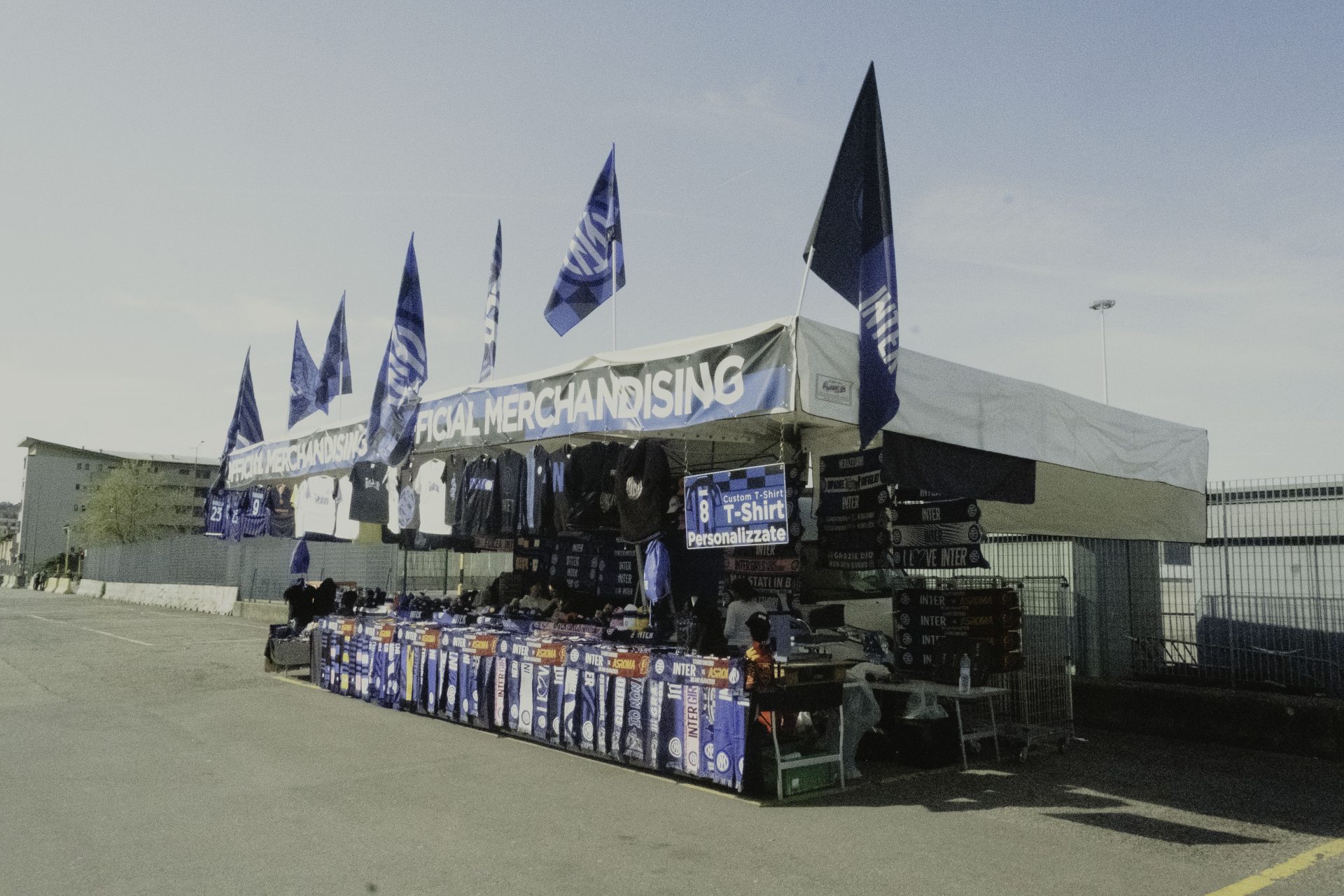
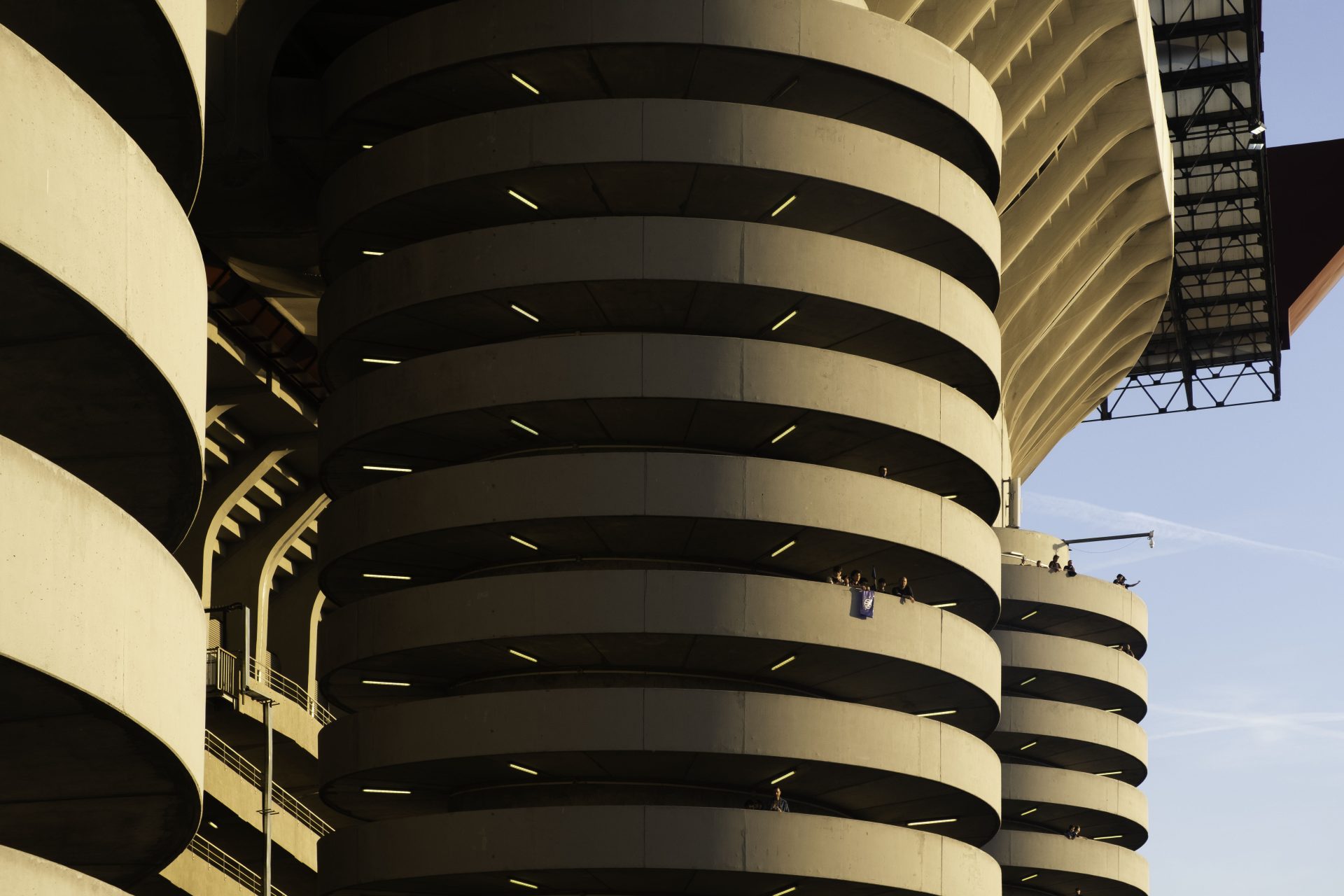
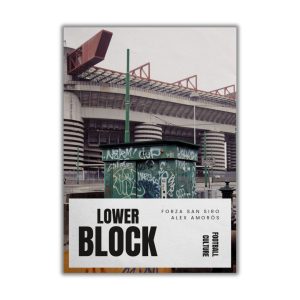
If Verona felt uneasy and contradictory, Inter v Roma felt like pure calcio. Everything about it seemed to align with the idea of Italian football that exists in your head before you ever go: the build-up, the scale of the stadium, the noise, the sense of history, and the feeling that the match belonged to something bigger than the 90 minutes in front of you. The San Siro is one of those grounds that feels mythical even before you arrive, and then somehow still lives up to it. A brutalist concrete monolith, improbable and overwhelming, it dominates from a distance and looms over you once you are there. Sitting there with Thomas, watching him take it all in, was probably the emotional centre of the trip for me.
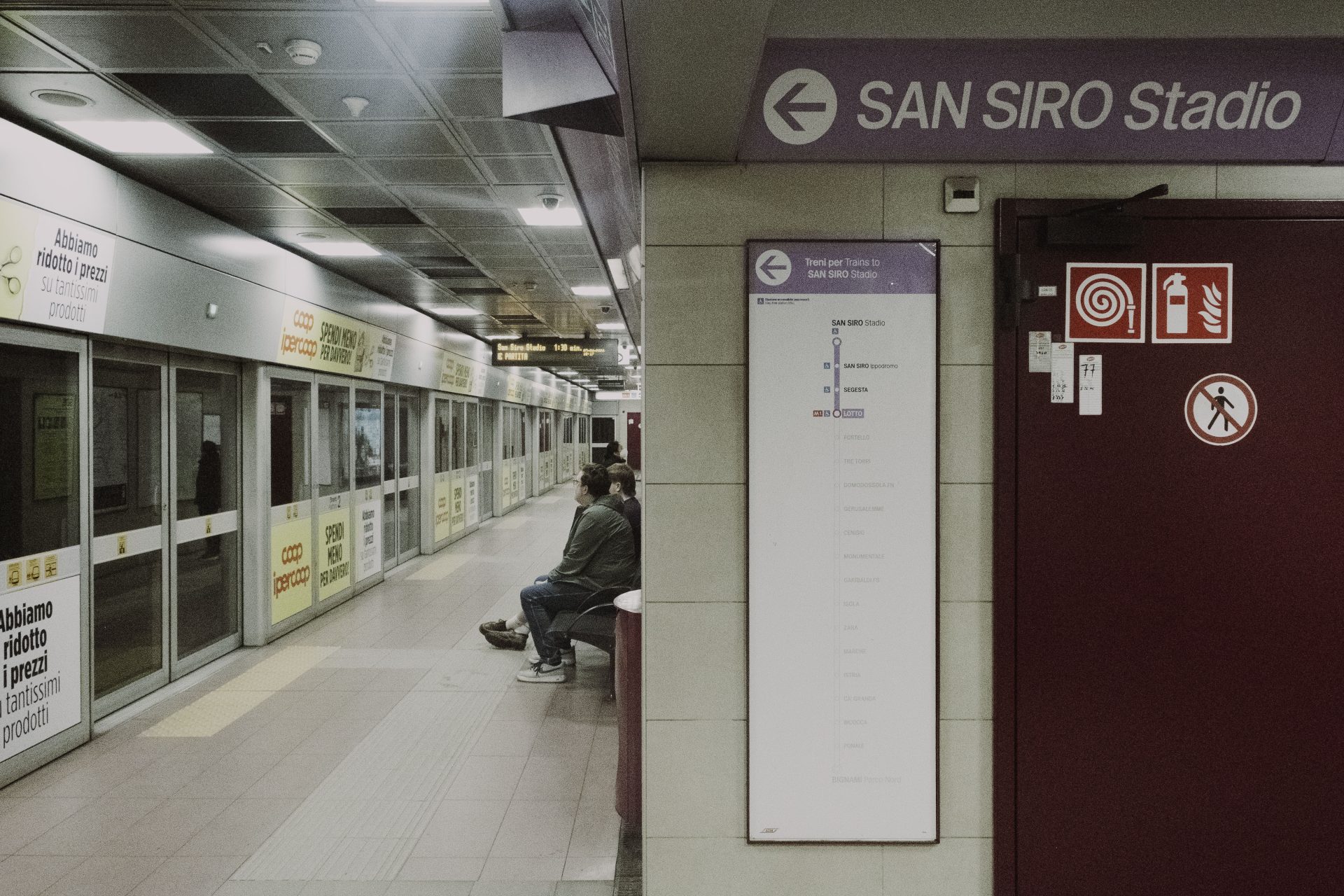
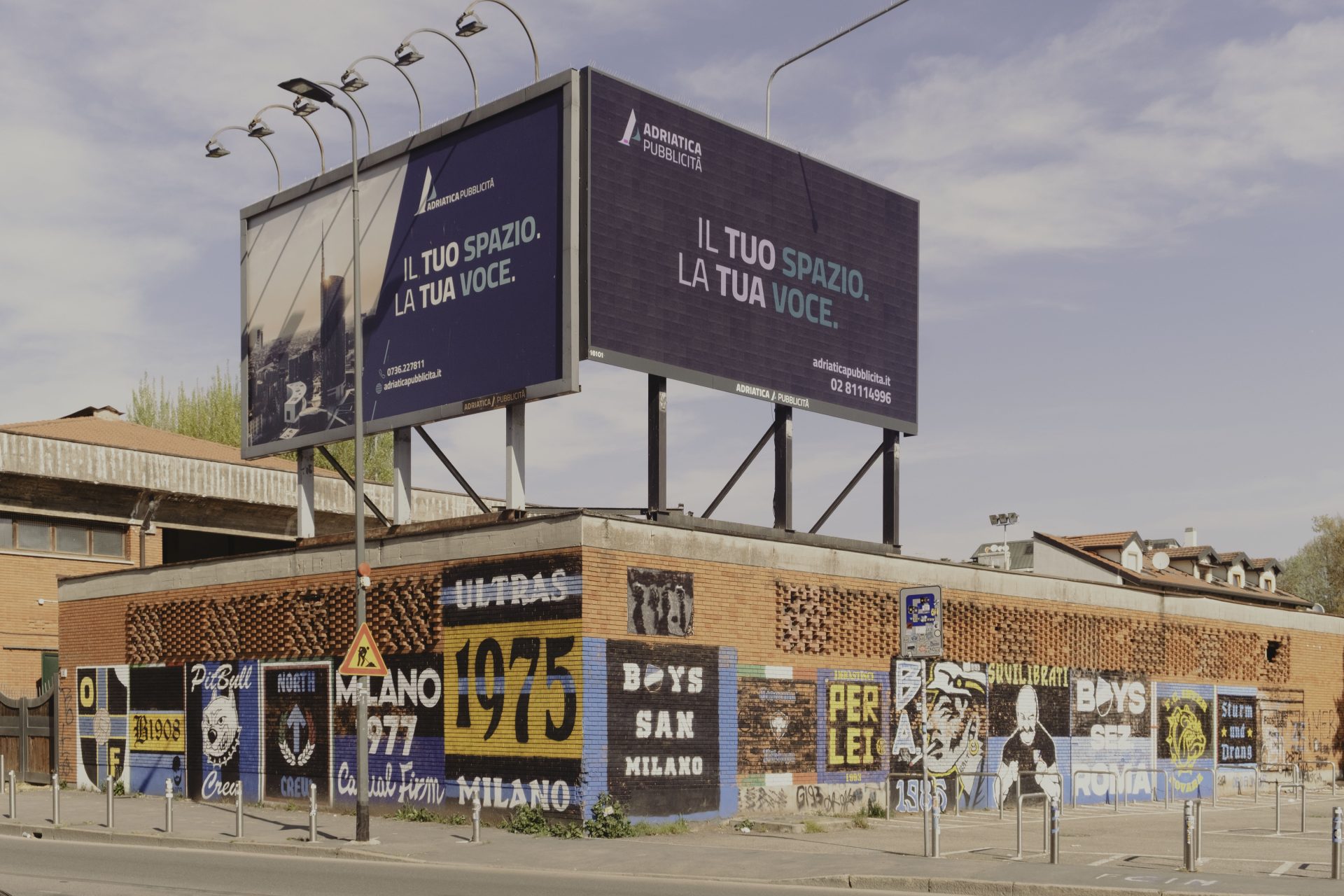
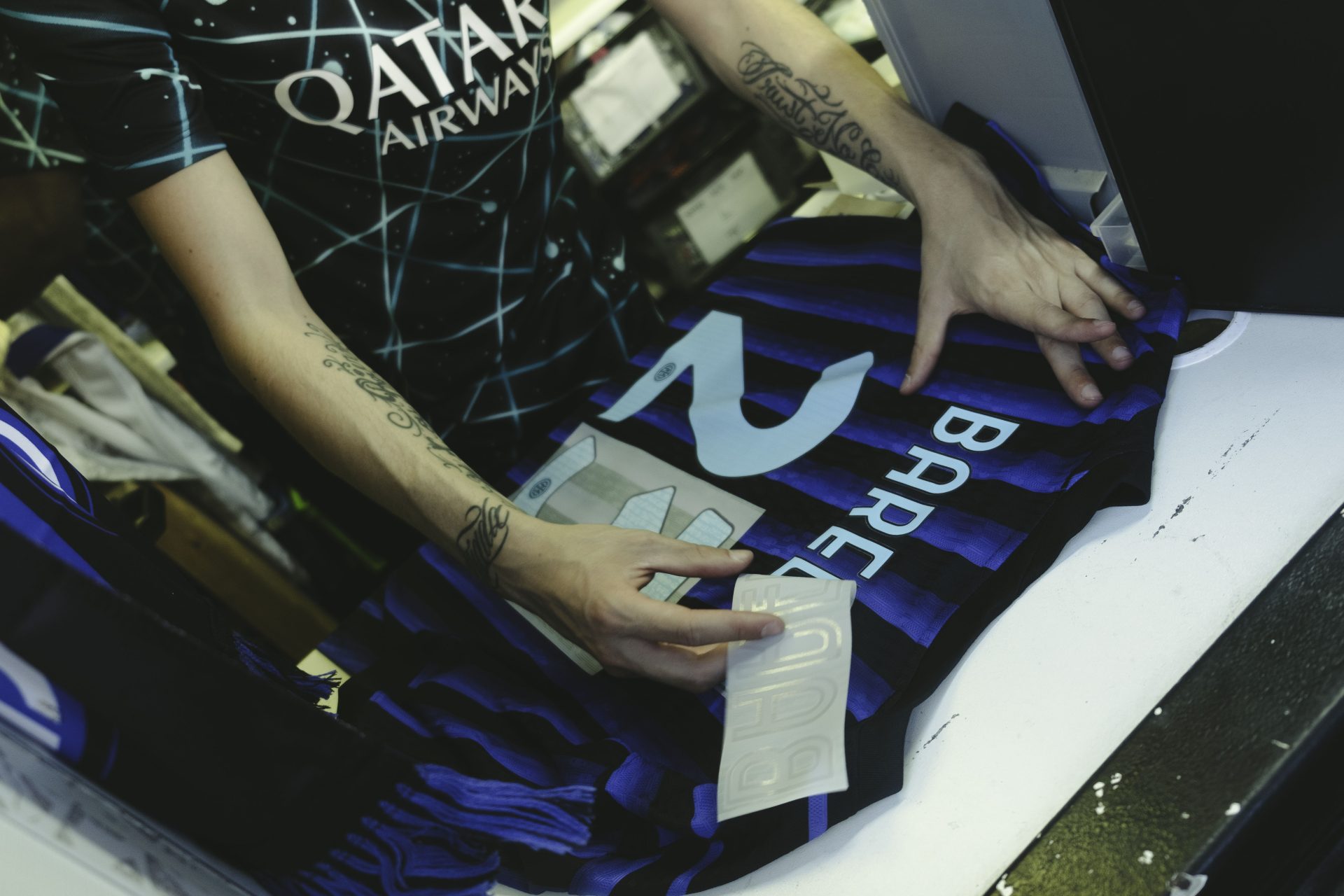
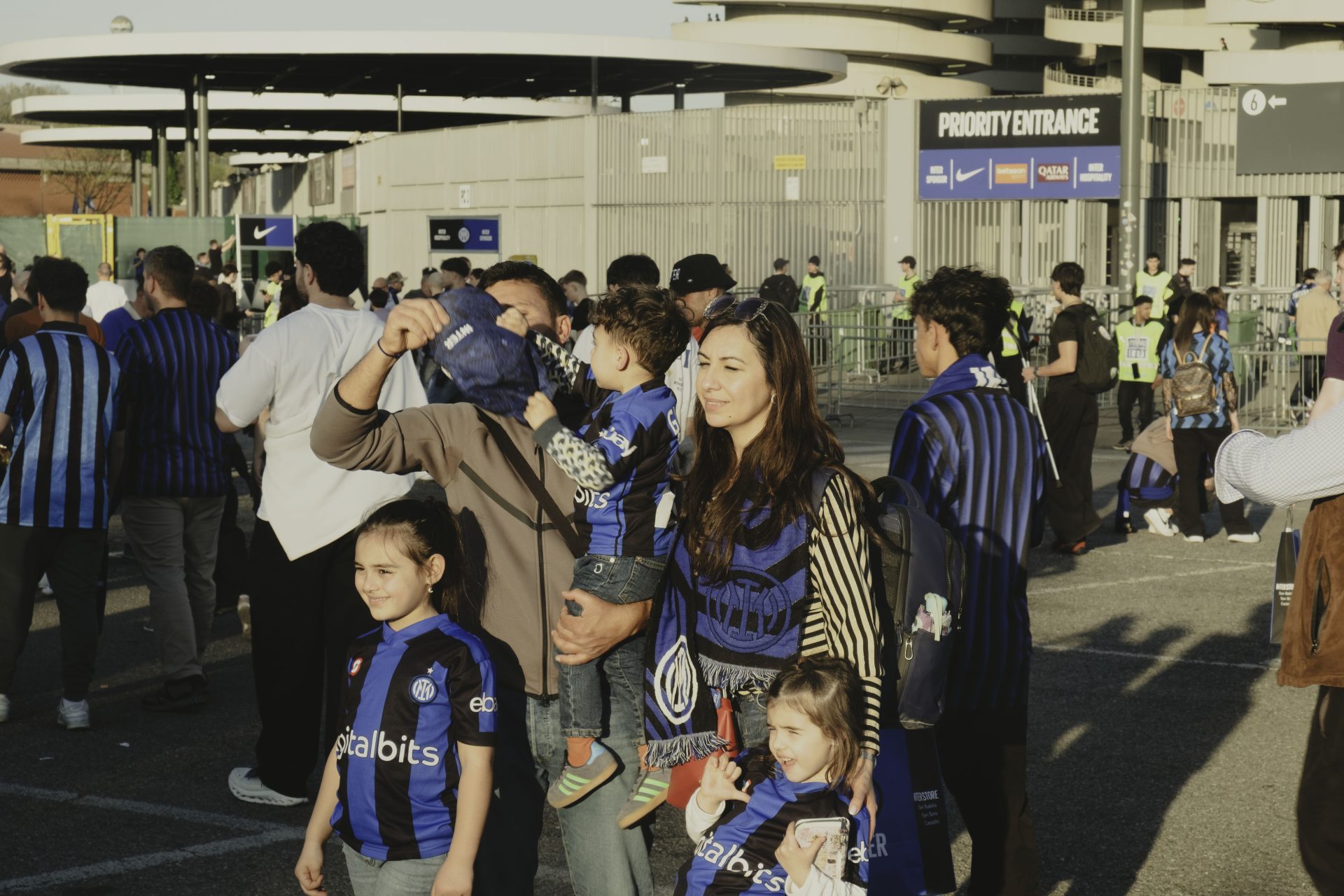
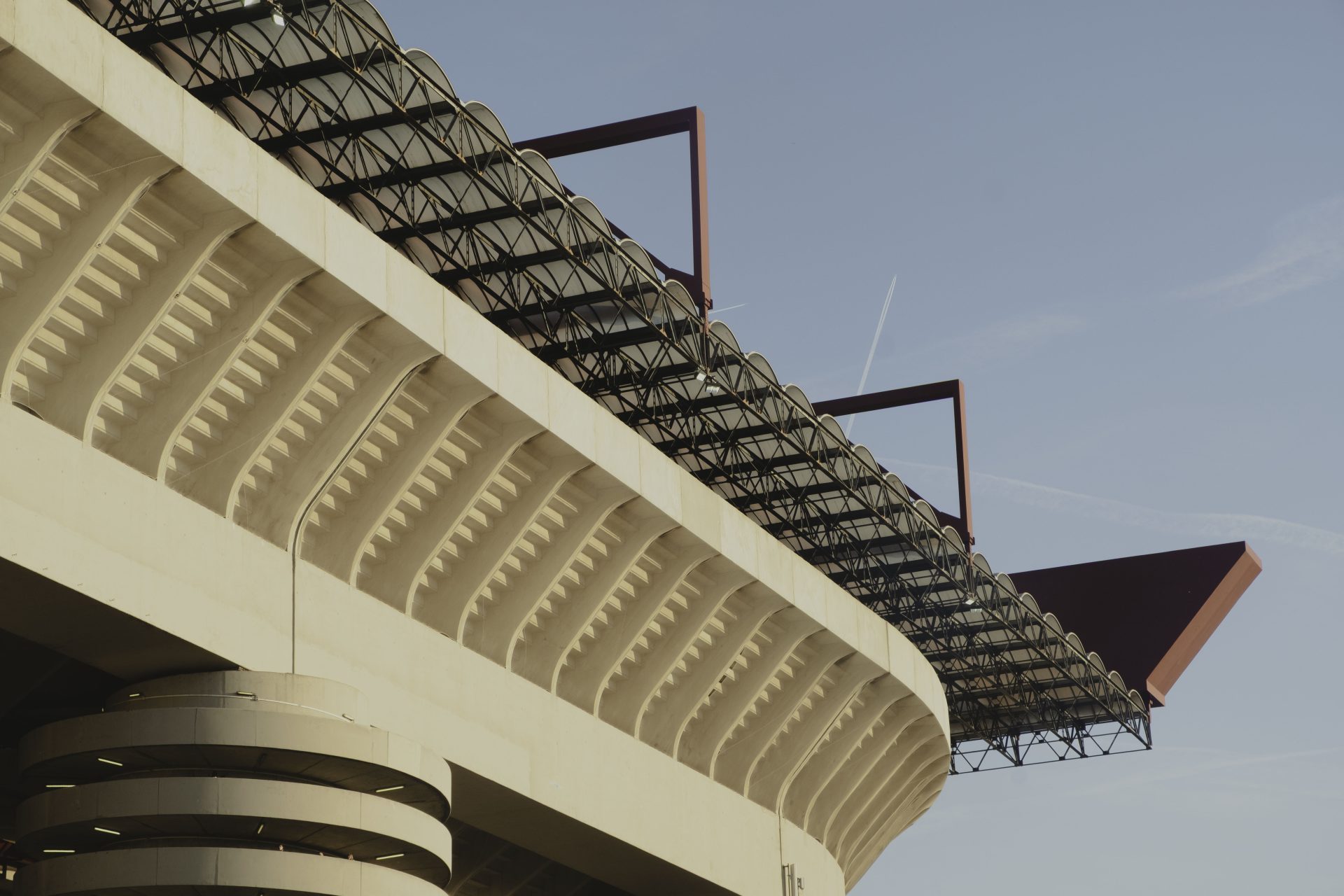
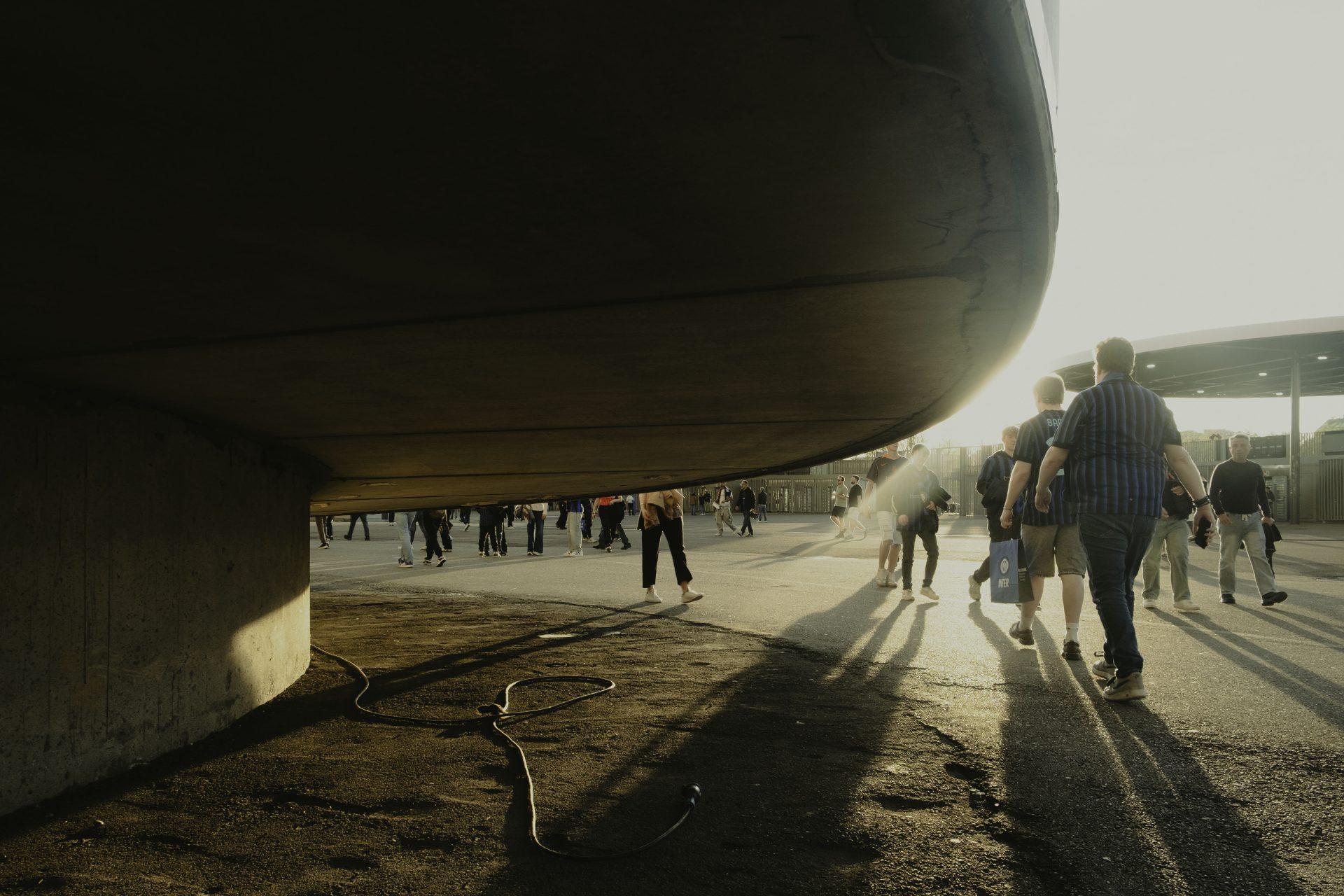
The match itself was absurdly entertaining, a seven-goal thriller between Inter and Roma, but our own contribution to the drama was to miss Inter’s 46th-minute screamer to go 2–1 up because all three of us had gone for a p*ss. On returning to my seat, the Italian bloke next to me gave me a knowing, disappointed look before kindly showing me the video he had accidentally recorded of the goal on his phone. That felt like part of the experience too: even when you are clearly an outsider, an interloper who does not know the songs or the rhythms of the crowd, football still creates these small moments of connection. I had never seen popcorn and beer sellers wandering through the stands before either, while the older couple next to us seemed permanently irritated by anyone daring to stand up or move. It all added to the theatre of it.
“The ultras cut through immediately… As in every ground we visited, they were the ones who generated anything real.”
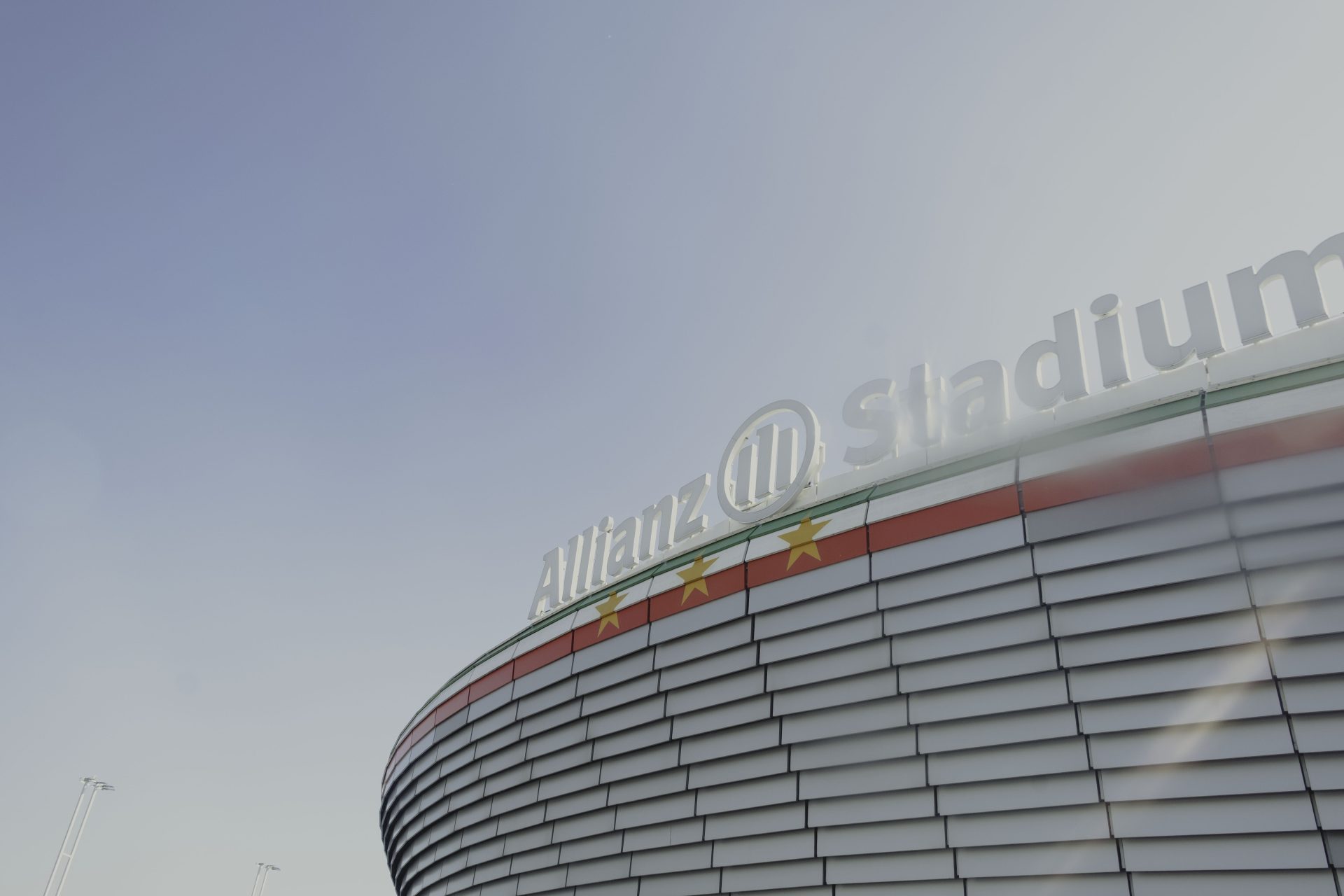
Juventus was different again. In truth, it felt the most plastic of the three. The stadium itself is modern and efficient, but it sits in what feels like a retail park, surrounded by a car park and an oddly empty plaza, and the whole approach lacks the texture and friction that make older grounds memorable. Getting in was a pain in the ar*e, and once inside there was an atmosphere that felt closer to a branded event than a football match. At times it genuinely felt more like a concert than a game, a place designed as much for selfies, shopping and an orchestrated fan experience as for football itself. The ultras cut through that immediately, though. As in every ground we visited, they were the ones who generated anything real. Their noise, presence and persistence gave the place a pulse that the rest of the stadium often seemed to lack. Juventus was also the only ground where I had any real sense of an away following.
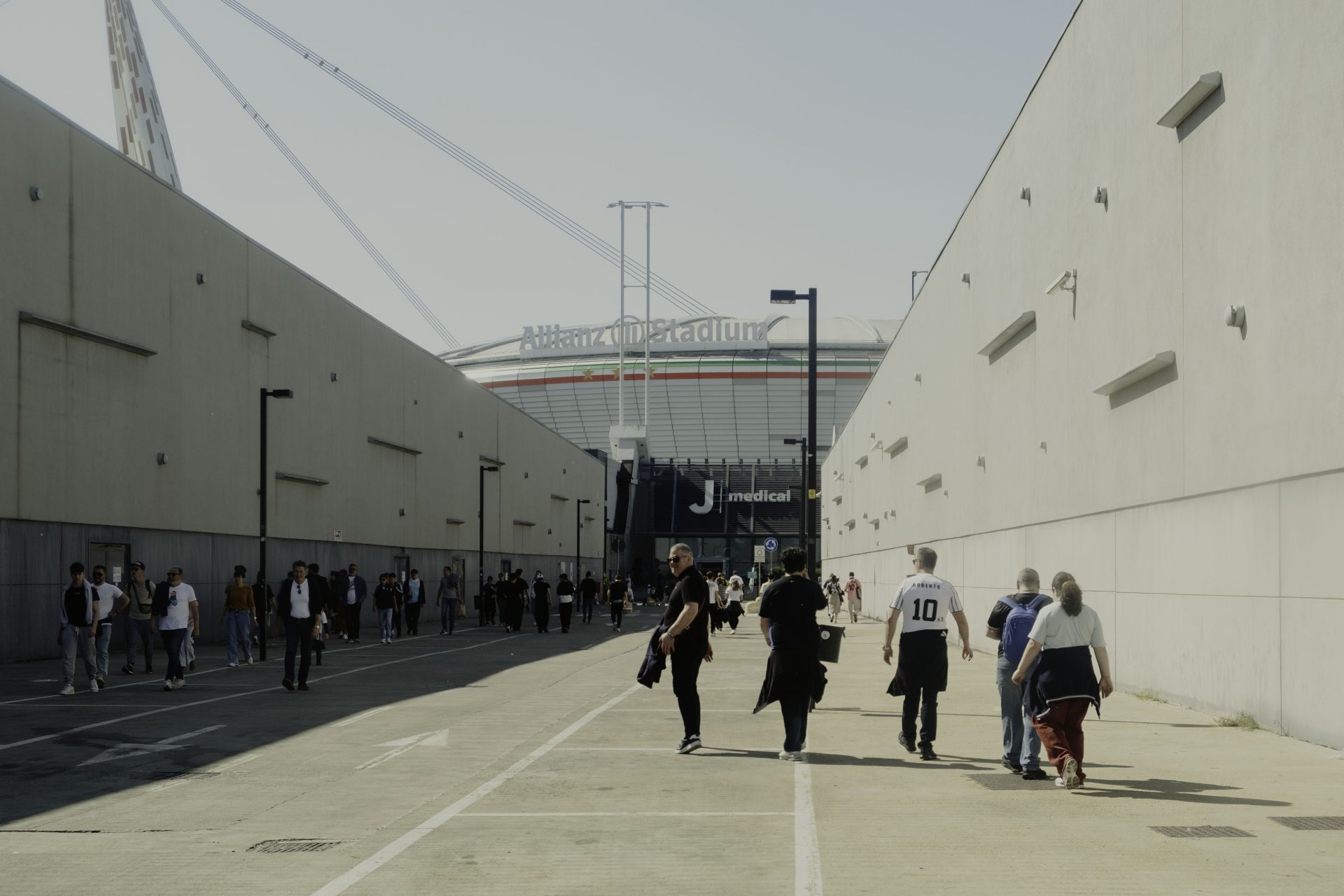
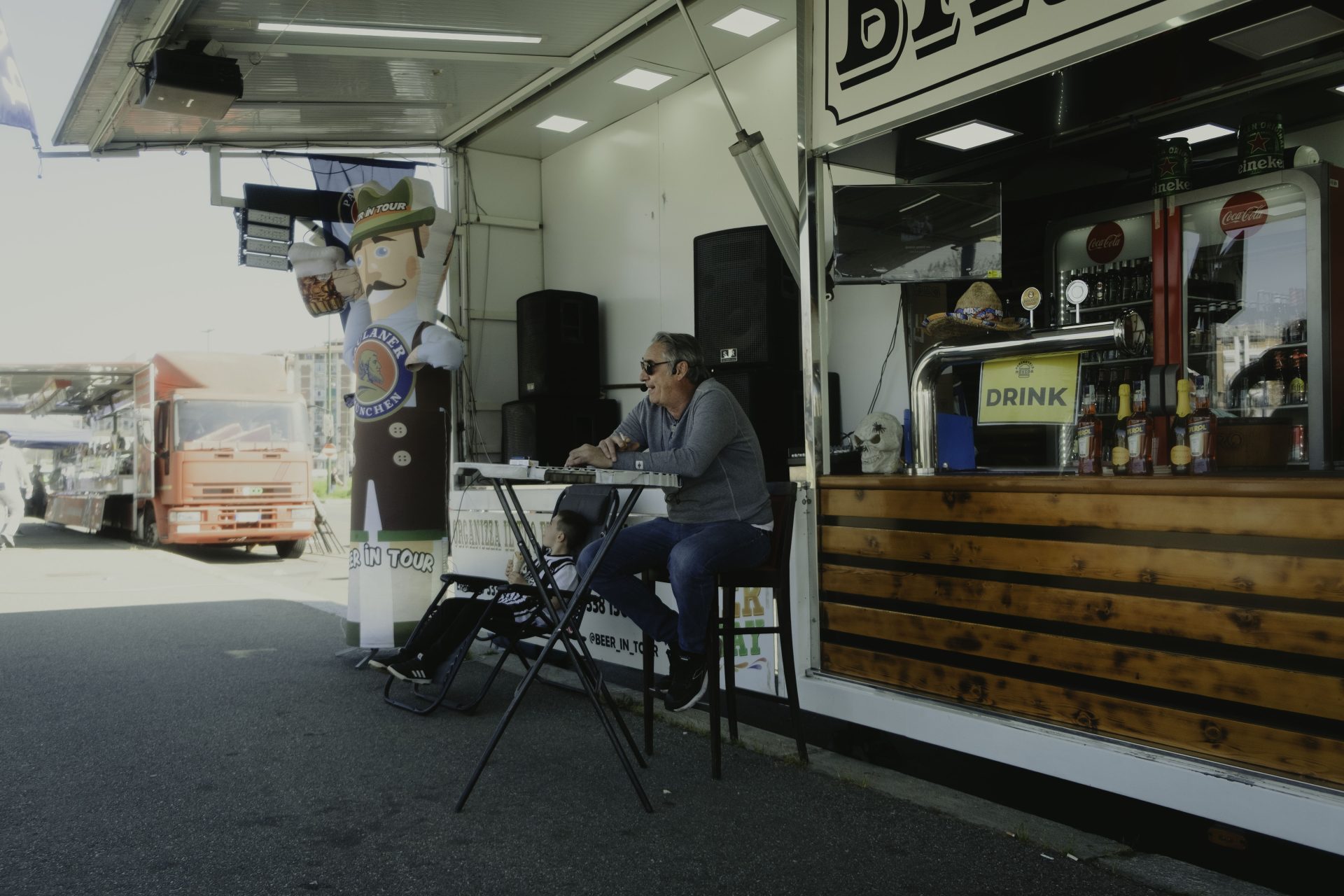
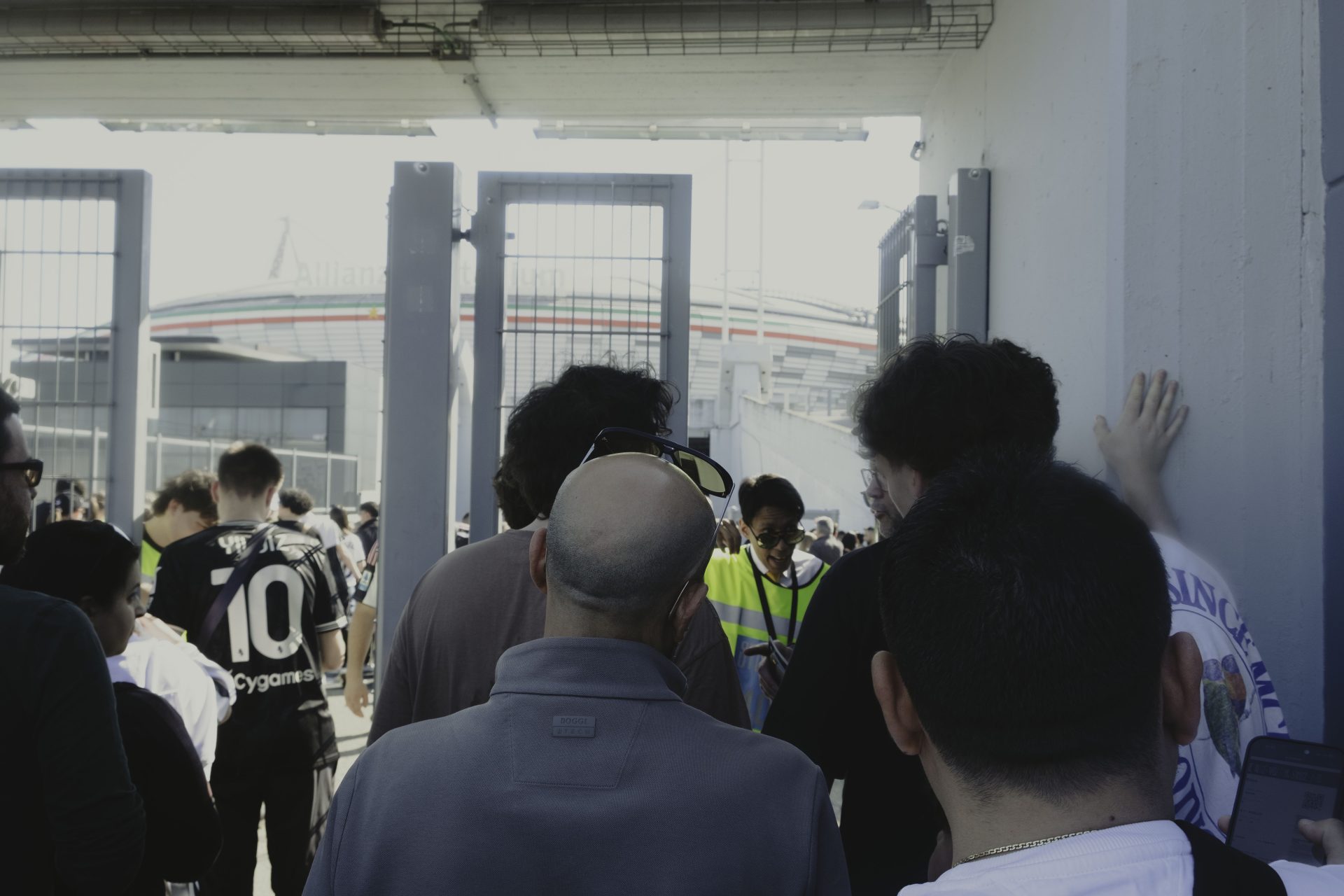
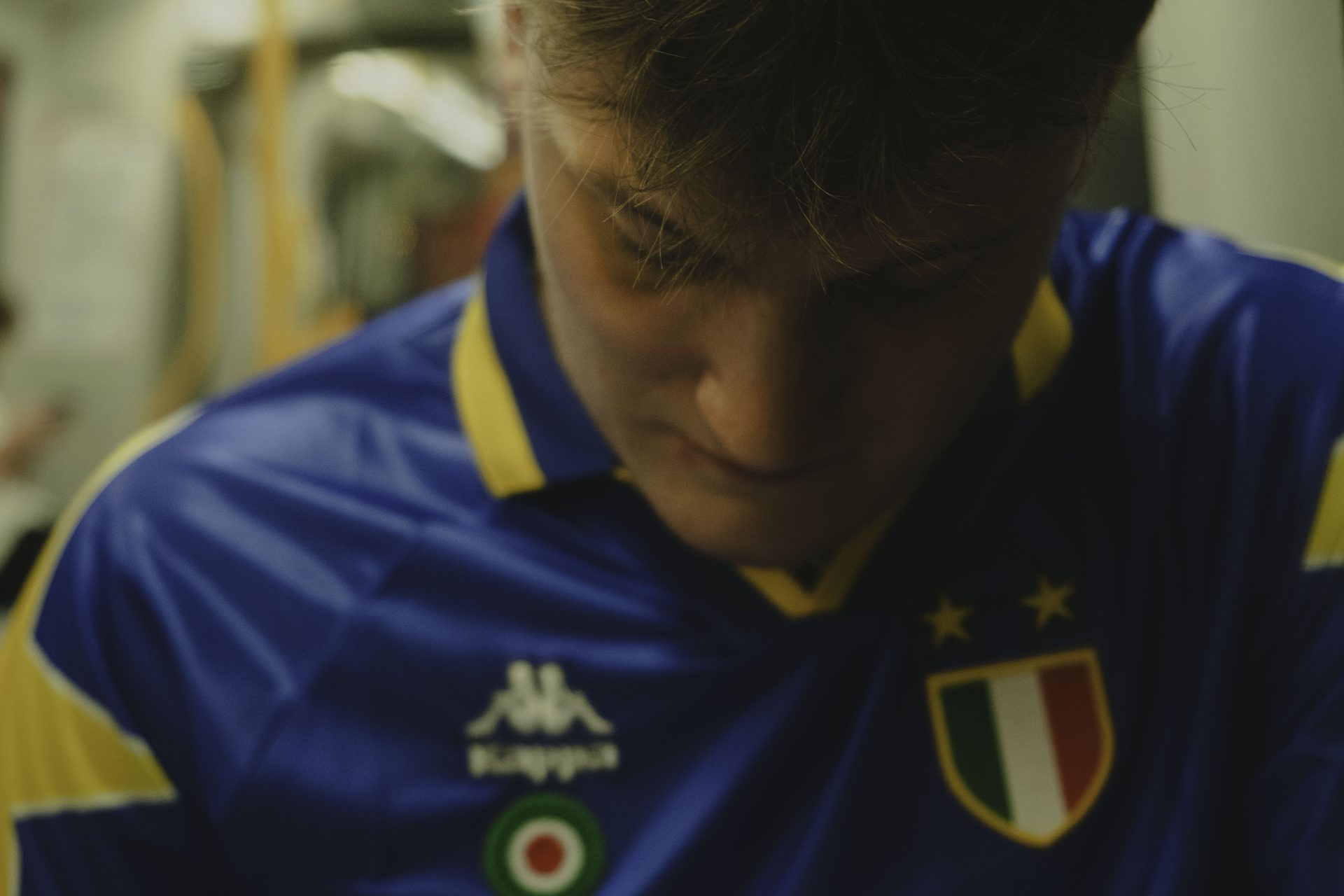
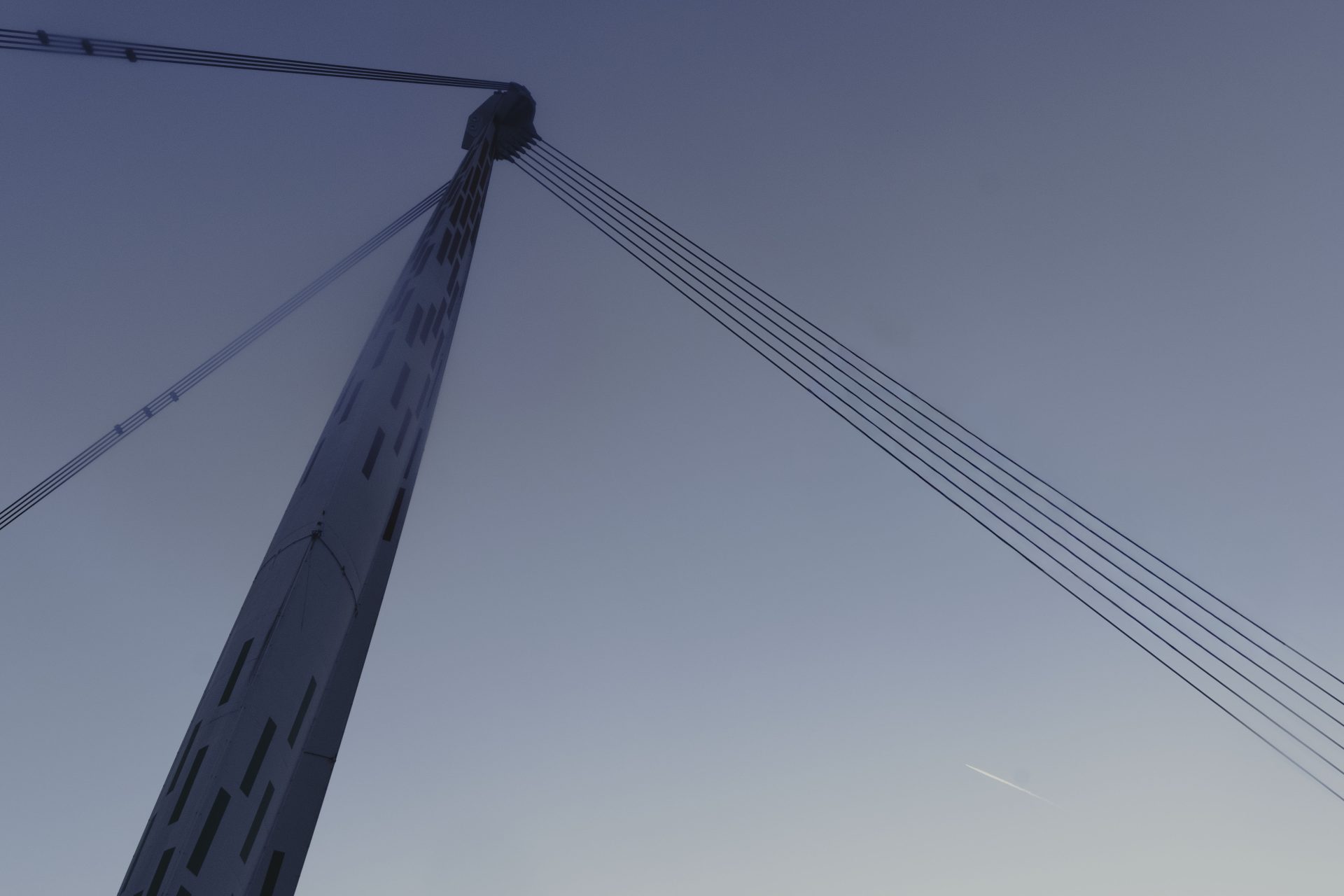
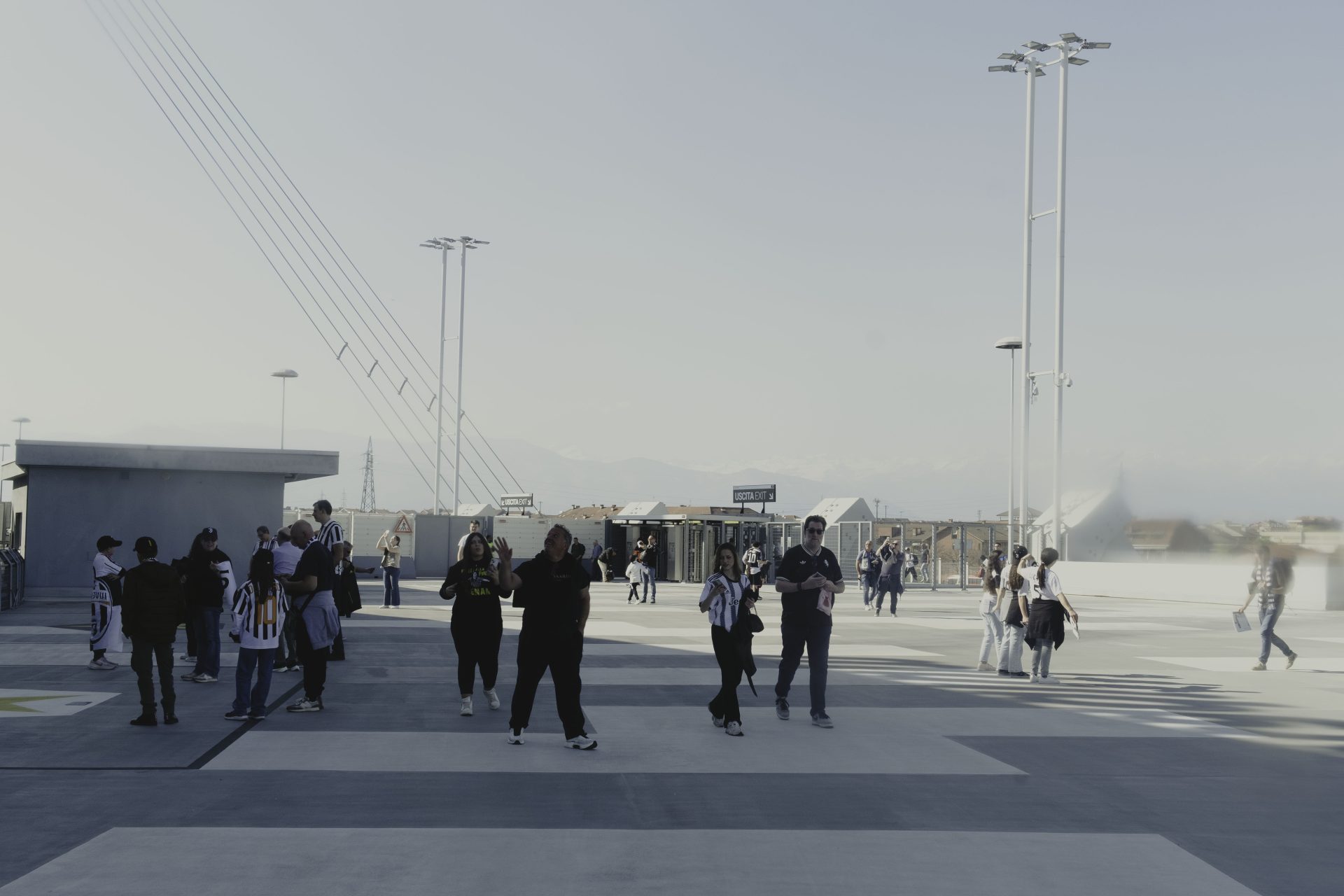
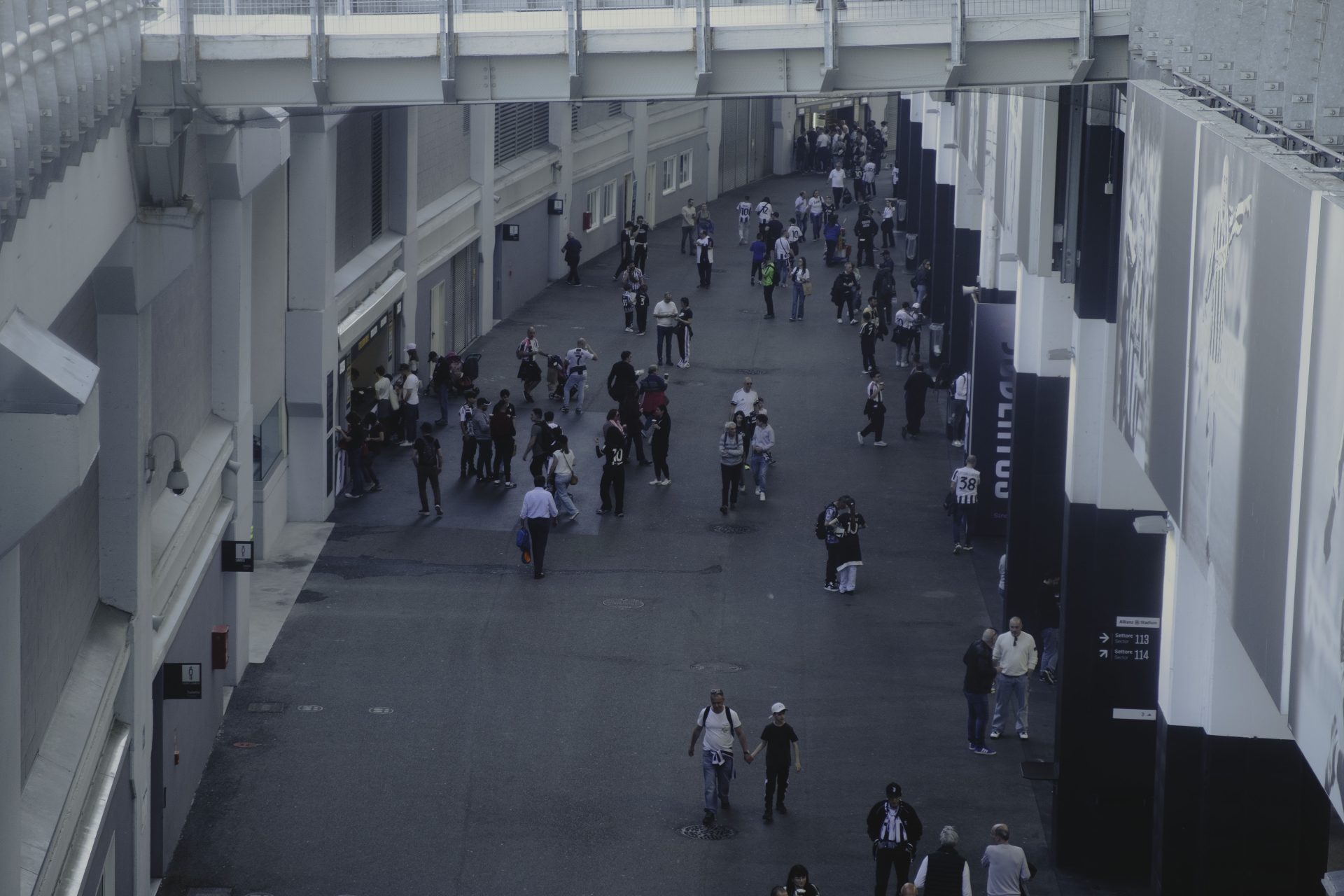
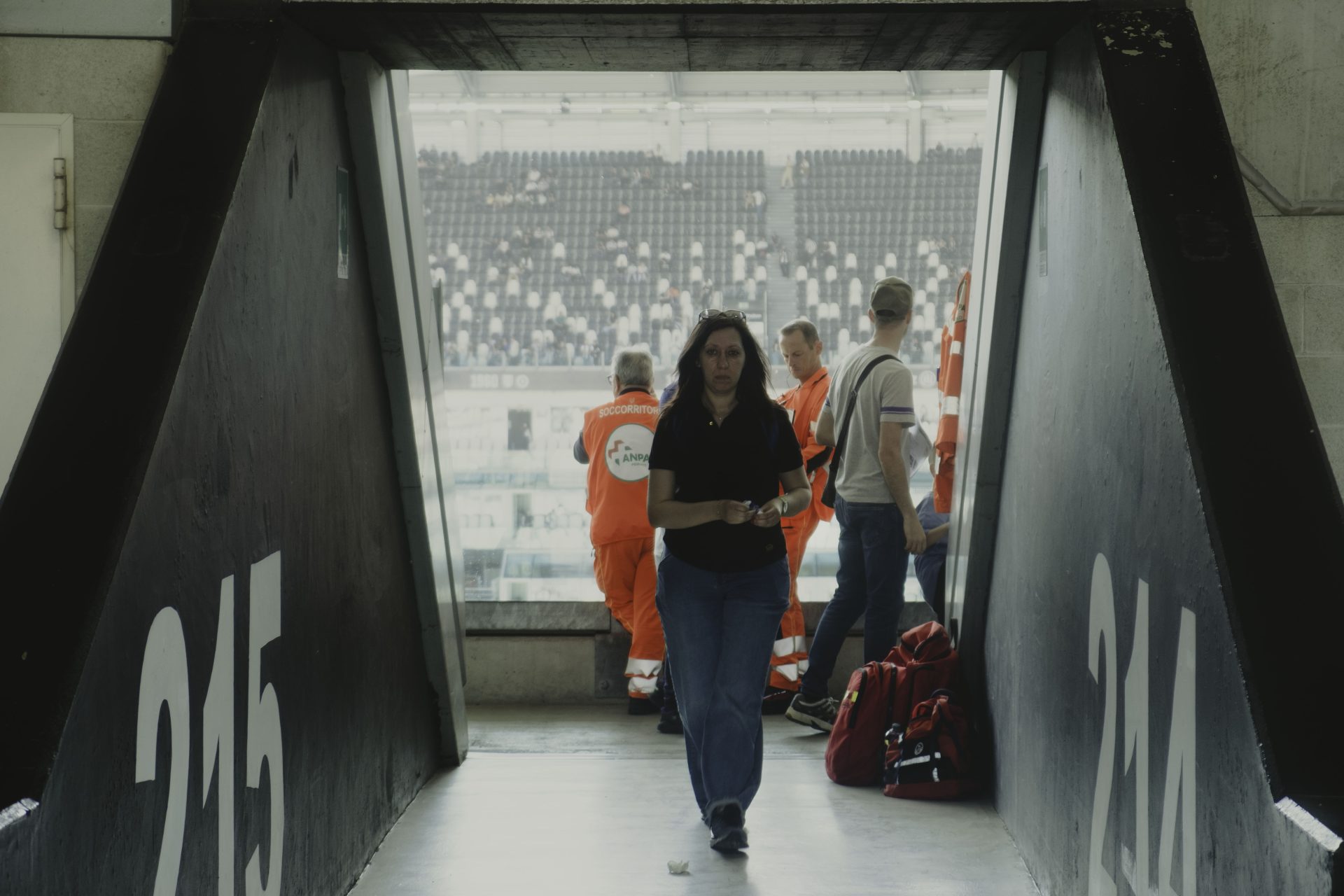
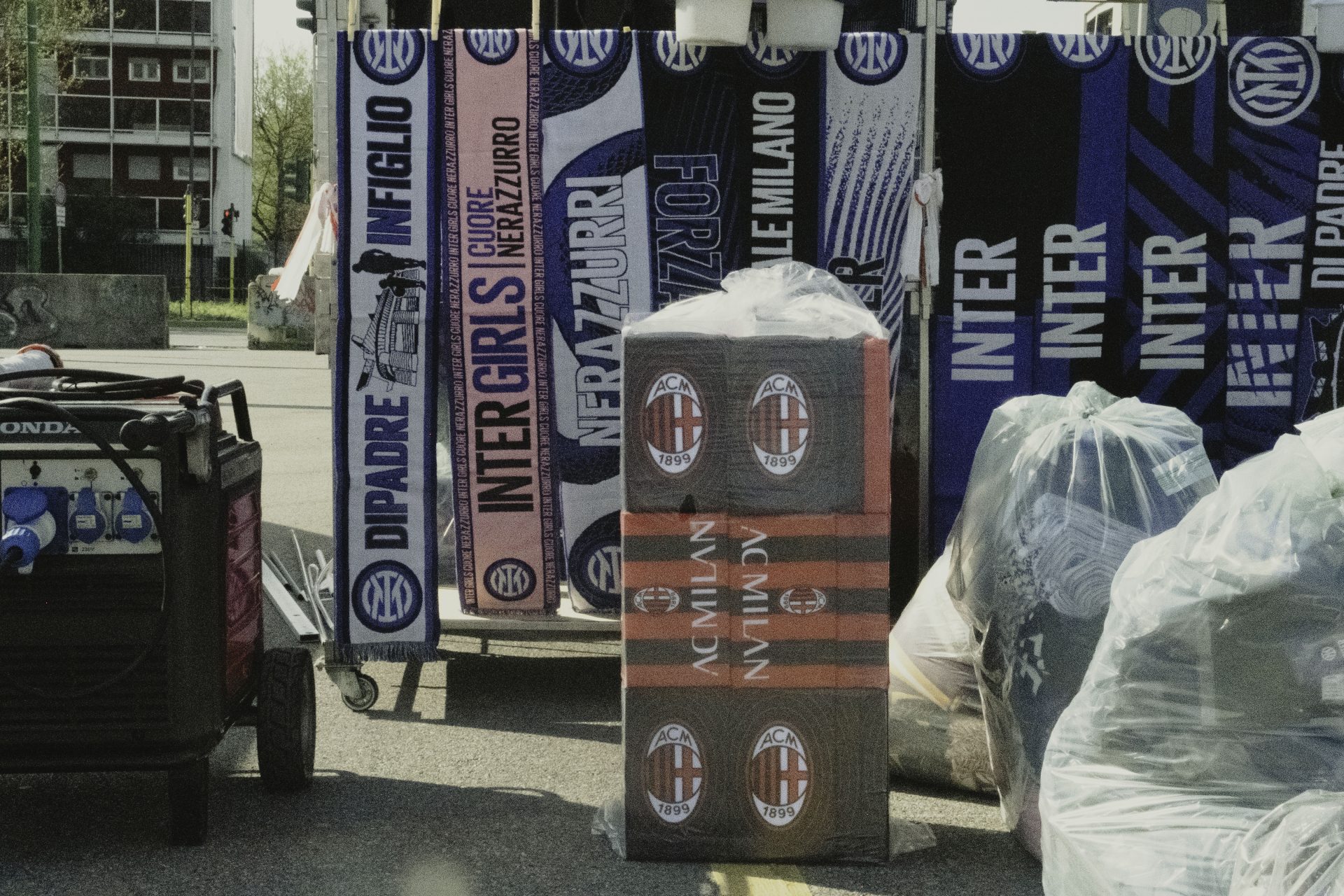
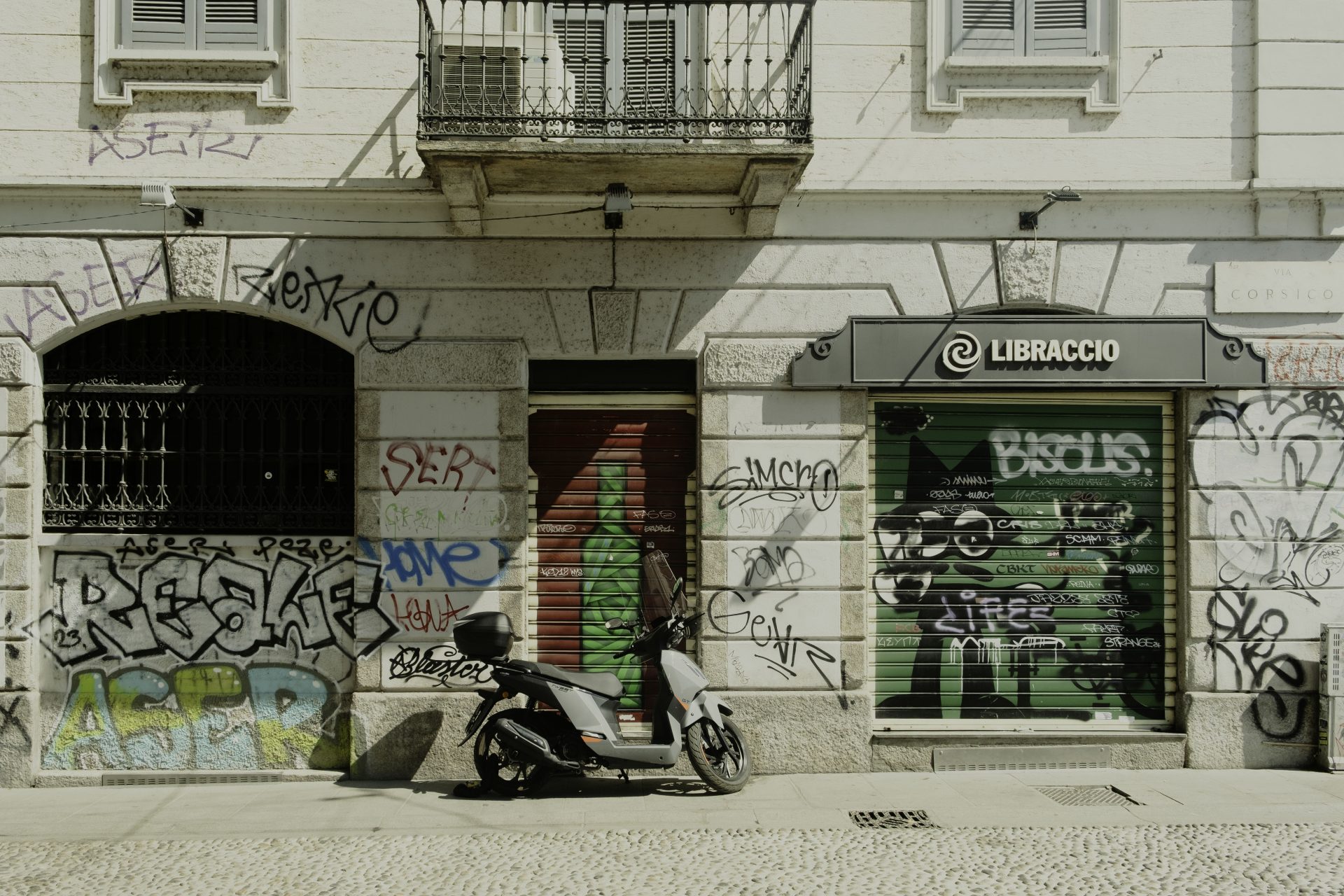
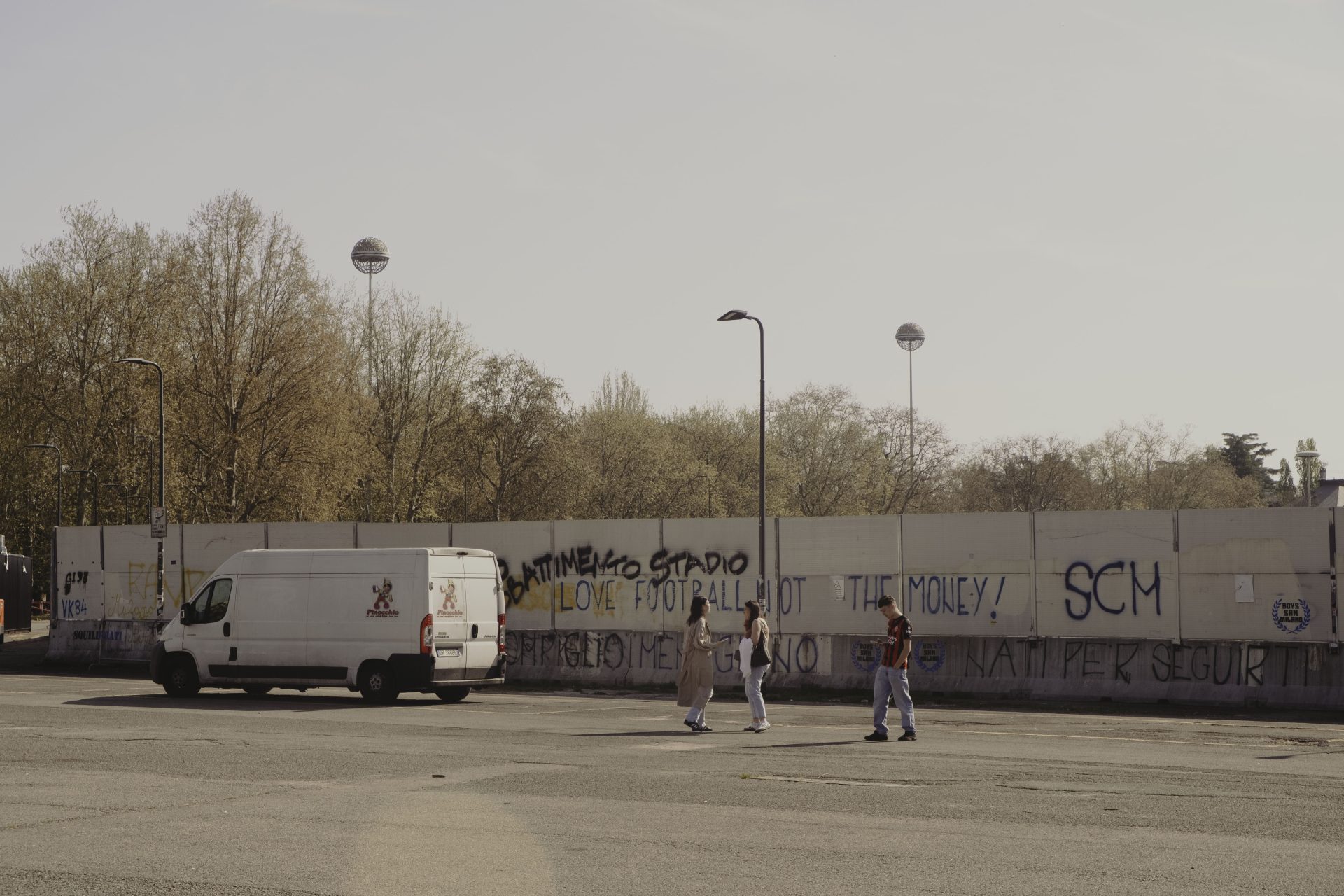
Photographically, I wanted to approach the trip in the same spirit as my Everton project and avoid the obvious visual language that dominates so much football imagery. I was not interested in chasing flares, crowd scenes or action on the pitch. Instead, I wanted to make pictures from the edges of the experience: the mundane, the awkward, the isolating, the atmospheric details that say something about a place without relying on the usual clichés. I used the same camera as I did in Holland, a Fuji X-T20 with the 18–55 kit lens. It is small, compact and easy to carry all weekend without feeling like a massive anchor round your neck. It also helps you work more discreetly, which suited the kind of pictures I wanted to make, even if Juventus still took my details and told me I could not shoot.
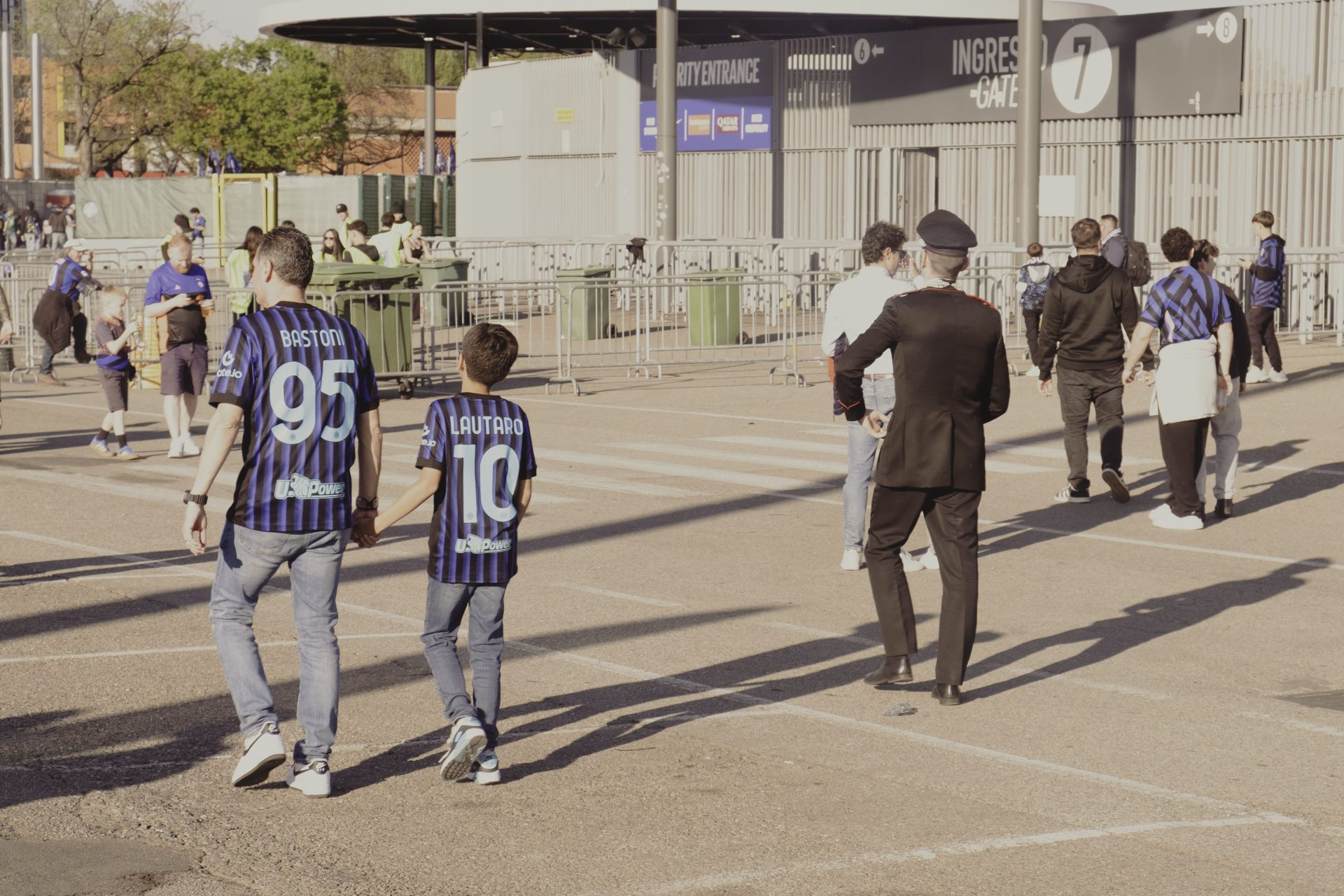
What changed this time was the way Thomas punctuates the images. He is not a constant presence running through every frame, but when he appears he gives the work its emotional shape. His presence turns the photographs into records of shared experience rather than simple observations of place. He saw what we saw, moved through the same spaces, felt the same build-up, and came away with his own version of it all. The images of him therefore act less as portraits in the traditional sense and more as markers of our time together, reminders that this was not just a study of Italian football culture, but a trip experienced side by side.
What I like about the pictures of Thomas is that they stop the work from becoming simply a study of Italian football culture. They pull it back towards what the trip actually was. They remind me that, whatever political discomfort Verona stirred, however overwhelming the San Siro was, and however sterile Juventus sometimes felt, the real point of the weekend was much simpler. It was about time together. It was about giving ourselves a reason to be in the same place for a few days, to wander through cities, to eat and drink, to sit side by side and take it all in. It was about my brother being there too, adding another family layer and turning the trip into something wider than just father and son.
That was what I came away with most strongly. Not just memories of three matches in three very different stadiums, but the feeling of having caught up with Thomas properly. Watching him experience it all, seeing what interested him, hearing what he made of it, noticing the moments when he seemed genuinely awestruck – especially in Milan. As children get older, you become more aware that time with them changes shape. It is no longer simply there. You have to make it, plan it, protect it a bit. These trips have become our way of doing that.
Suggested Lower Block Editions
More from the Lower Block Archive