Football culture has always responded more strongly to honesty than polish.
The moments that stay with people are rarely perfect. A crowded train platform before an away game. A worn scarf passed between generations. Condensation on pub windows before kick-off. Floodlights appearing above terraced streets. These details feel real because they are real – unfiltered parts of lived experience.
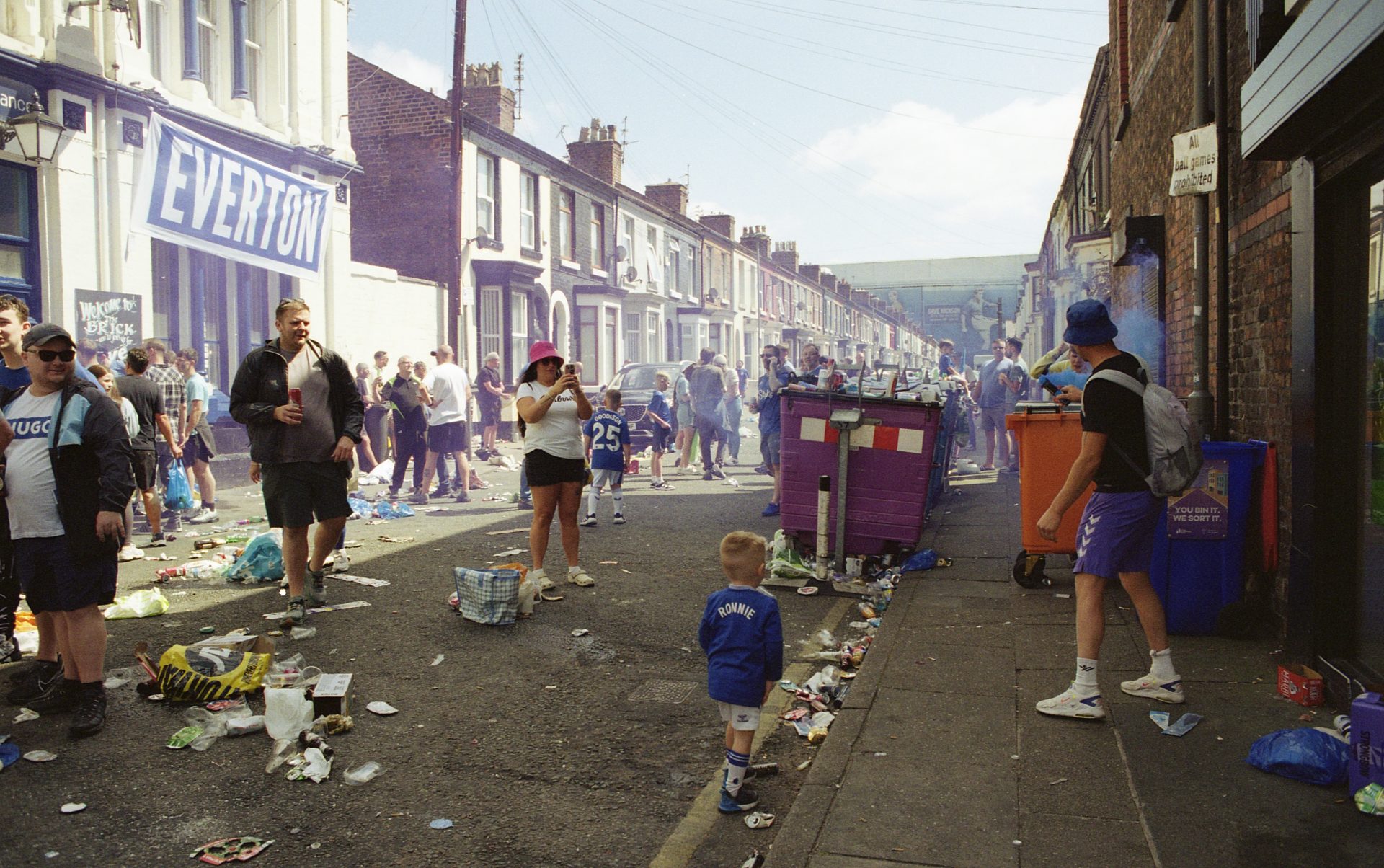
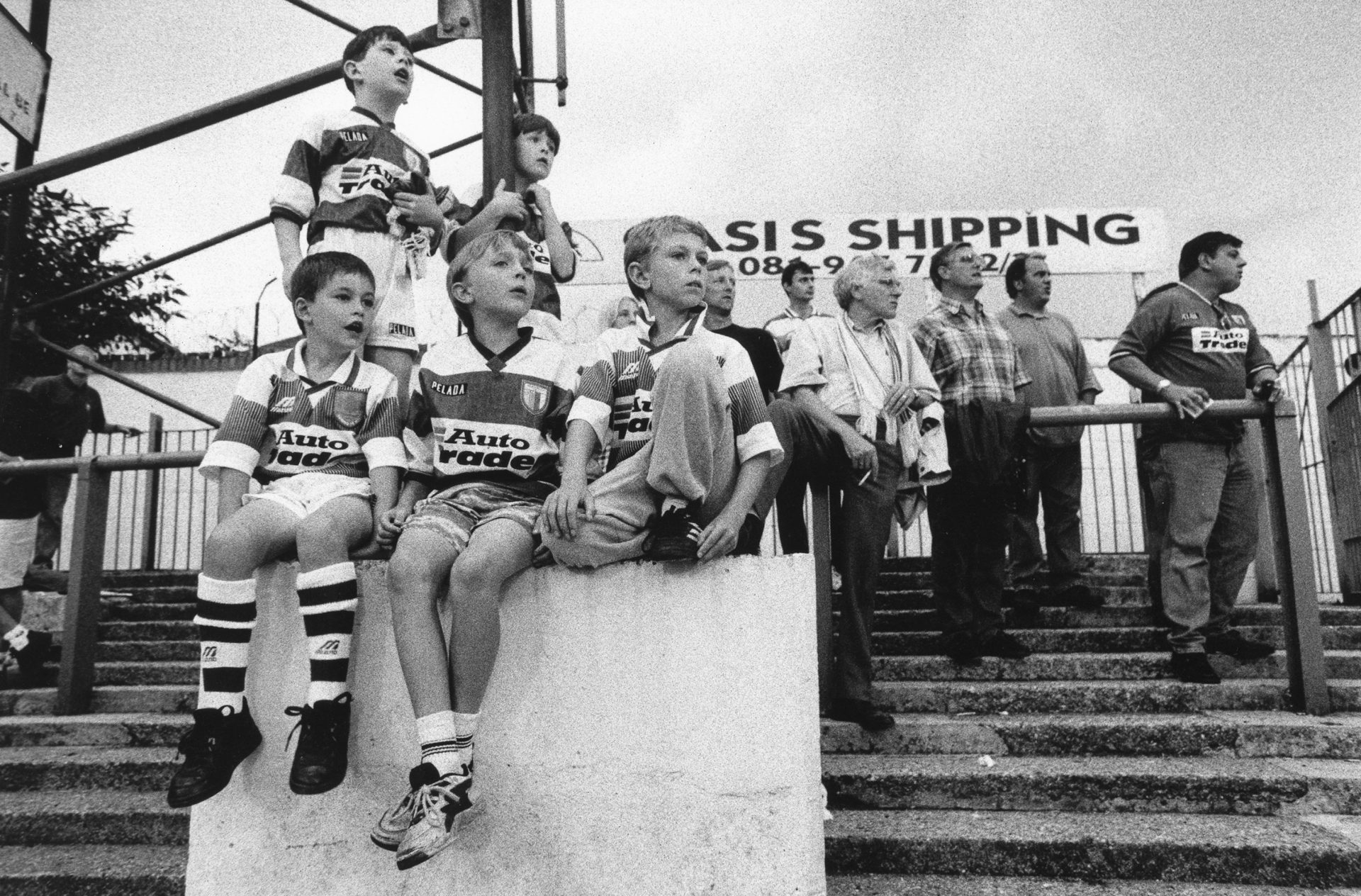
That is why football audiences instinctively reject campaigns, imagery, or storytelling that feels overly manufactured. Supporters recognise when culture is being observed from the outside rather than understood from within. Authenticity in football is not about nostalgia or trying to recreate the past. It is about emotional truth and connection.
![Tottenham Hotspur supporters photo series. TRAINING GROUND [Blokes at worship - blokes at war] Kirsten Allen](https://lowerblock.com/wp-content/uploads/2024/07/000077990004-crop.jpg)
The strongest football culture exists in small behaviours and routines. The way people gather. The way they dress. The places they return to every week. What they talk about. The rhythm of matchday. These details create identity far more powerfully than branding alone ever can.

This is also why imperfection matters visually. Weather, grain, movement, worn environments, uneven light – these things carry atmosphere. Football culture is textured. It lives in spaces that feel used rather than staged.
Modern football increasingly operates inside polished commercial environments, yet supporters still search for connection, locality, and meaning. The clubs, brands, and organisations that resonate most are usually the ones that understand this balance – knowing when to step back and let culture speak for itself.
Lower Block exists within that space: documenting contemporary football culture through lived experience, observation, publishing, and visual storytelling rooted in authenticity rather than performance.
Related Lower Block Editions
-
 Goodison Park 18.05.25 | Gisela & Craig Szlatoszlavek£8.50
 -
 Training Ground N17 | Kirsten Allen£8.50
 -
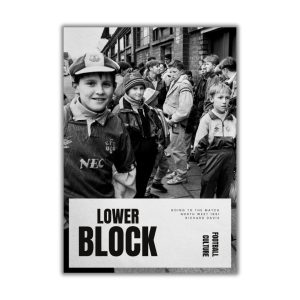 Going to the Match | Richard Davis£8.50
 -
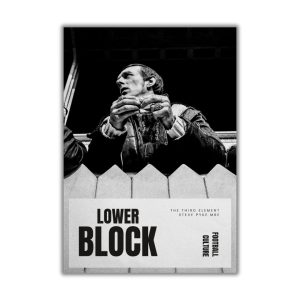 The Third Element | Steve Pyke£8.50
 -
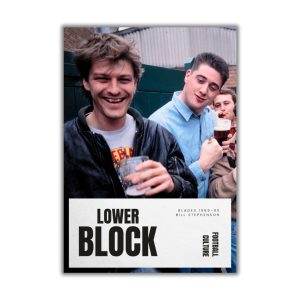 Blades 1989-90 | Bill Stephenson£8.50
 -
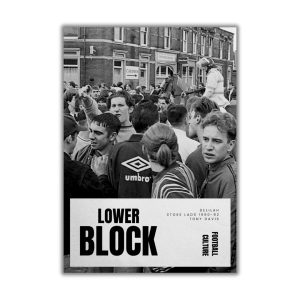 Delilah – Stoke Lads 1990-92 | Tony Davis£8.50
 -
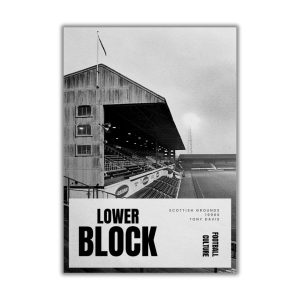 Scottish Grounds 1990s | Tony Davis£8.50
 -
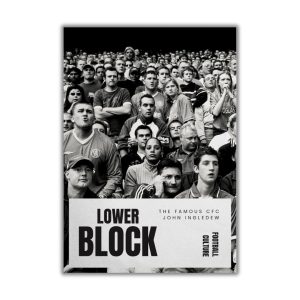 The Famous CFC | John Ingledew£8.50
 -
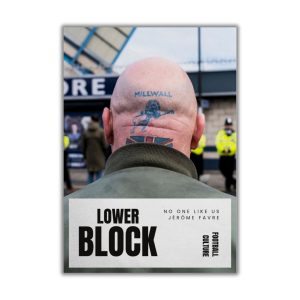 No One Likes Us | Jérôme Favre£8.50
Collaboration & Consultancy
Lower Block works across publishing, creative direction, and cultural storytelling with brands, organisations, and creatives interested in authentic football identity and lived supporter culture.
You may also enjoy…