In the early 1980s, a new subculture had emerged around British football and was quickly gaining notoriety—a movement know well known as the Football Casuals. The Casual movement had little to do with the game itself and everything to do with style and camaraderie: Working-class lads who ditched the club colours and scarves in favour of high-end European sportswear, designer trainers, and a sharp, minimalist aesthetic. What started as a niche movement on the terraces of Merseyside and Manchester soon became a nationwide subculture — and its influence continues to ripple through modern streetwear and menswear today.

But how did a culture built around football adopt the style of another sport entirely — tennis?
The answer lies in the intersection of rebellion, aspiration, and exclusivity. While mainstream football fashion was bogged down in tribalism and mass-market gear, Casuals turned their gaze to continental Europe, where away days and European Cup fixtures opened their eyes to stylish, foreign sports brands largely unavailable back home. These weren’t just clothes — they were trophies, symbols of insider knowledge and status. And among the most coveted items? Tennis gear.
Tennis, with its clean lines, strict dress codes, and celebrity athletes, represented something aspirational — a world apart from the terraces, yet perfectly suited to them. The tailored polos, white socks, premium trainers, and track jackets worn by tennis legends became uniform for a new kind of football fan who valued style over tribal loyalty. Labels like Fila, Sergio Tacchini, Lacoste, and Fred Perry weren’t just sports brands — they were fashion statements, carried home from European cities in Head bags, worn to the pub, the match, and the club.
Below, we explore the iconic tennis brands that defined the look of football’s most fashion-forward era — and continue to inspire terrace fashion and streetwear to this day.
Fred Perry
Origin: UK
Founded: 1952
Key Icon: Fred Perry (Wimbledon champion, 1930s)
Signature Pieces: Twin Tipped Polo, Harrington Jackets, White Tennis Socks
Fred Perry is arguably the most enduring brand of terrace fashion, bridging mod culture of the 1960s to the casual movement two decades later. Its laurel wreath logo, originally associated with elite British tennis, was co-opted by football fans as a badge of subcultural allegiance. The Twin Tipped polo in particular—clean, fitted, and minimalist—became a wardrobe staple for casuals looking to display understated style.
Lacoste
Origin: France
Founded: 1933
Key Icon: René Lacoste (“The Crocodile”, 1920s tennis star)
Signature Pieces: Piqué Polo Shirt, Tracksuits, Cable Knit Jumpers
With its sharp continental styling, Lacoste symbolised effortless French elegance. Its iconic crocodile logo offered a subtle flex for British fans abroad. Football tourists in cities like Paris, Milan, and Amsterdam would snap up Lacoste pieces and wear them back home, introducing British terraces to high-end European fashion. The polo shirt became a defining garment, worn tight and often in pastel tones that defied the drab palette of British high streets.
Head
Origin: USA
Founded: 1950
Key Icon: Arthur Ashe, Ivan Lendl
Signature Pieces: Technical Tracksuits, Retro Jackets, Logo Duffel Bags
While Head was better known for its racquets and skiwear, it made an unexpected splash among football casuals. Its sports bags, especially the logo-heavy duffels, became must-haves for traveling football fans during the 80s and 90s. The bags were roomy enough to carry weekend gear and instantly recognisable, blending functionality with the elite sports connotations casuals prized. The brand’s geometric tracksuits and outerwear—often with bold stripes or colour blocks—fit right in with the emerging rave scene too.
Ellesse
Origin: Italy
Founded: 1959
Key Icon: Guillermo Vilas, Boris Becker
Signature Pieces: Ski Jackets, Half-Zip Track Tops, Branded T-Shirts
Ellesse combined Italian flair with sports performance. Its semi-palla logo—two red shapes resembling half tennis balls—was bold and conspicuous, making it perfect for casuals who were all about the label. The brand’s track tops, often adorned with horizontal stripe details, became terrace favourites. Their ski jackets, too, found favour with fans wanting to stay warm without sacrificing style.
Sergio Tacchini
Origin: Italy
Founded: 1966
Key Icon: John McEnroe, Ilie Năstase
Signature Pieces: Tracksuits, Zip Jackets, Tennis Shorts
If one brand epitomised terrace cool in the early 80s, it was Sergio Tacchini. Worn by tennis rebels like McEnroe, the label carried a sense of anti-authoritarian cool that football casuals deeply identified with. Tracksuits in navy, burgundy, and forest green—often with white piping—were favorites. The designs were sleek but bold, an upgrade from the standard sportswear of the time. Many fans wore Tacchini head-to-toe, pairing it with white trainers and crisp socks for a clean, defiant look.
Dunlop
Origin: UK
Founded: Late 19th century (as a tyre company, later branching into sports)
Key Icon: Rod Laver, Virginia Wade
Signature Pieces: Green Flash Tennis Shoes, Classic White Plimsolls
Before Nike and Adidas sneakers dominated, there was the Dunlop Green Flash. A modest white tennis shoe with a green heel tab, it was adopted by early casuals who prized low-profile footwear to go with their polos and cords. Affordable and widely available, Dunlop helped democratise the look and was often a gateway brand for teenagers entering the subculture.
Fila
Origin: Italy
Founded: 1911
Key Icon: Björn Borg
Signature Pieces: Settanta Track Top, White Tennis Shorts, Bucket Hats
Fila reached cult status during the casual explosion thanks to Björn Borg, whose ice-cool presence and jet-set lifestyle made him a natural icon. The Settanta Track Top, with its piping and minimal logo, became one of the most coveted items of the era. Casuals were drawn to Fila’s mix of sport, sex appeal, and Italian quality. Wearing Fila meant you were in the know—a cut above the average football fan.
Lotto
Origin: Italy
Founded: 1973
Key Icon: Thomas Muster, later footballers like Ruud Gullit
Signature Pieces: Tennis Shoes, Logo Tracksuits, Shorts
Though slightly later to gain traction, Lotto played a key role in the tail end of the casual movement. Known for their white court shoes and V-neck track tops, Lotto gear was often harder to find, adding to its cachet. Their minimalist logo and European roots made it another cult label for terrace lads trying to separate themselves from mainstream fashion.
The Common Threads: Socks, Shoes, and Statement Pieces
- White Tennis Socks: Pulled high and paired with trainers, this became a casuals signature. It was clean, athletic, and slightly defiant.
- Tennis Shorts & Polos: Shorter than football shorts and sharper than gym wear, tennis cuts introduced a tailored aesthetic to sports fashion.
- Bags: From Head duffels to Sergio Tacchini gym bags, carrying your gear in style became as important as the match-day outfit.
- Caps & Jackets: Fila bucket hats, Lacoste caps, and zip-up jackets were practical but became fashion statements in their own right.
Tennis brands brought an element of European luxury and athletic refinement to the British terraces. They stood in contrast to the mass-produced football kits of the time, offering fans a way to display individuality, style, and cultural awareness. The Casuals didn’t just dress for football—they dressed to be seen, and in doing so, turned Centre Court style into a streetwear legacy that lives on to this day.
From the clay courts of Paris to the turnstiles at Anfield, the serve has always been more than just a sporting gesture—it’s been a statement of style.
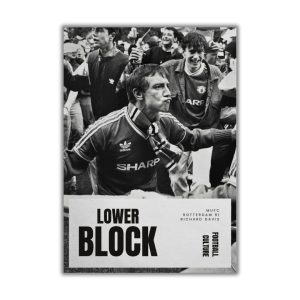
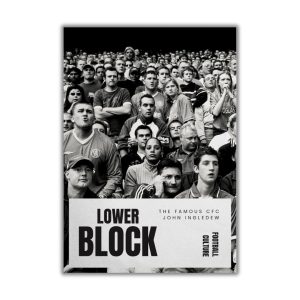
Suggested Lower Block Editions
More from the Lower Block Archive