Football culture changes from place to place.
The colours, songs, architecture and rituals are different. So are the relationships between clubs, supporters and the cities they represent.
But travel far enough and familiar things keep appearing: generations of the same family following a club, packed terraces, journeys across cities and countries, banners, shirts, floodlights, celebrations and the feeling of belonging to something shared.
Lower Block has always been interested in that side of football.
Not simply what happens during the match, but the people and places surrounding it.
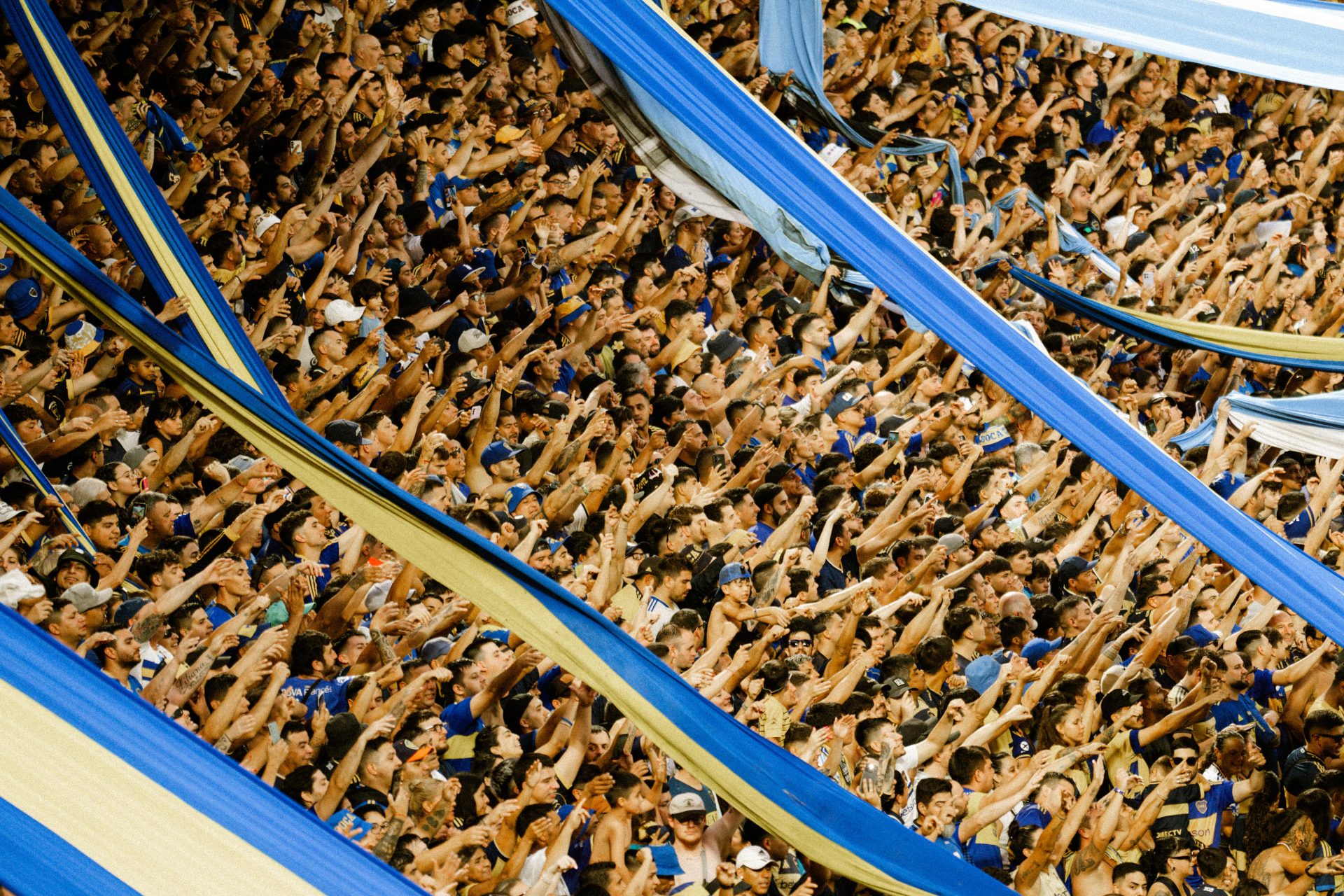
Across Europe, South America and Asia, photographers have documented supporters, stadiums and communities in their own distinctive ways. Together, the work provides a wider view of global football culture – different traditions connected by the same attachment to club, place and identity.
Explore the Global Football Culture Collection →
Football Culture Through Photography
Photography gives us a way into football cultures that might otherwise feel distant.
A photograph can explain how supporters occupy a stadium, how a neighbourhood relates to its club, what people wear, where they gather and how a particular match or moment feels.
The strongest work doesn’t need to rely on famous players or decisive goals.
It might be a supporter walking towards a ground, a wall covered in club colours, an ageing stadium, a family in the stands or a city celebrating late into the night.
These details give football its character.
They are also what connect much of the photography within the Lower Block archive.
Marseille – Football, City and Identity
Few European cities wear their football identity as visibly as Marseille.
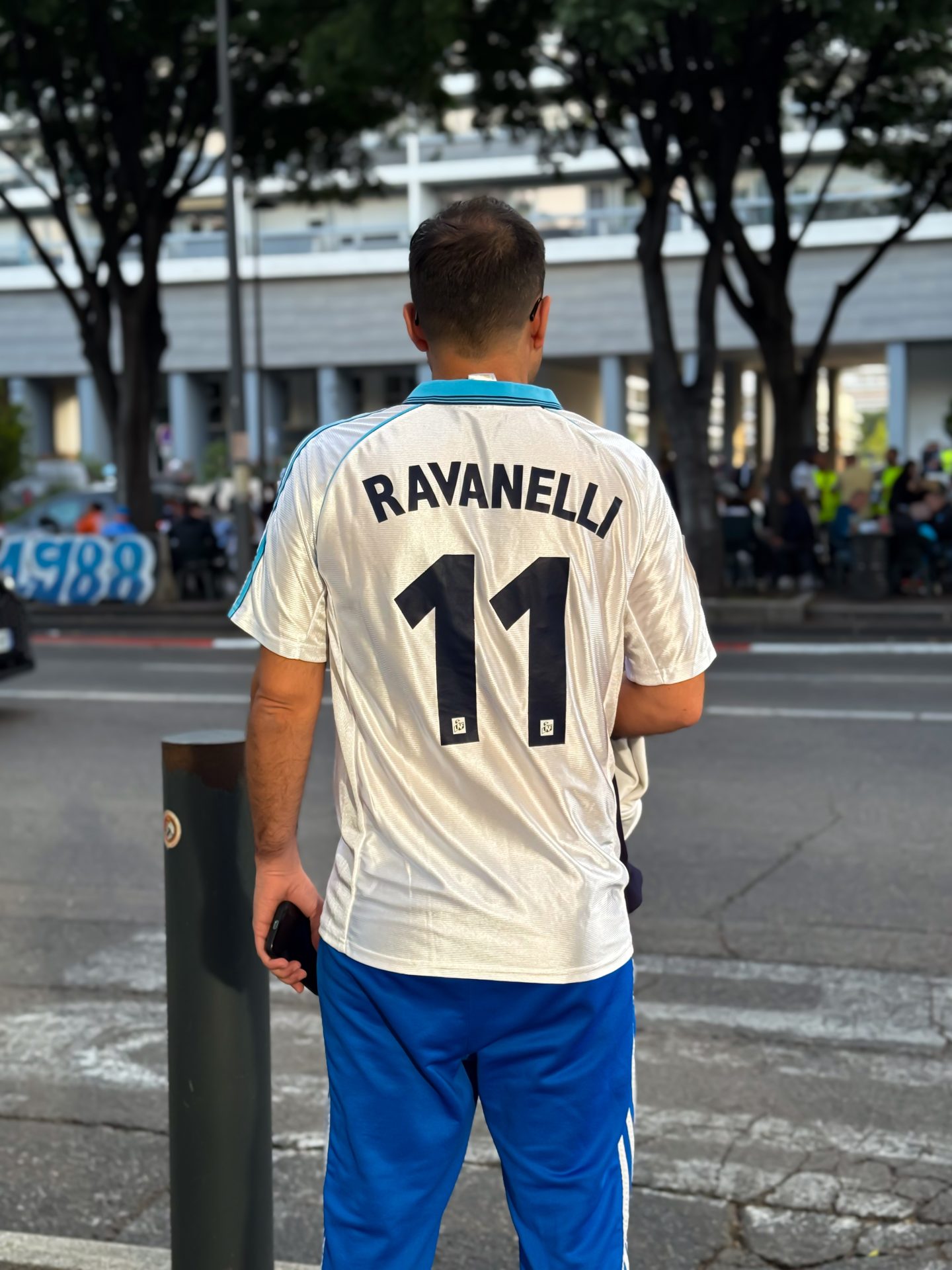
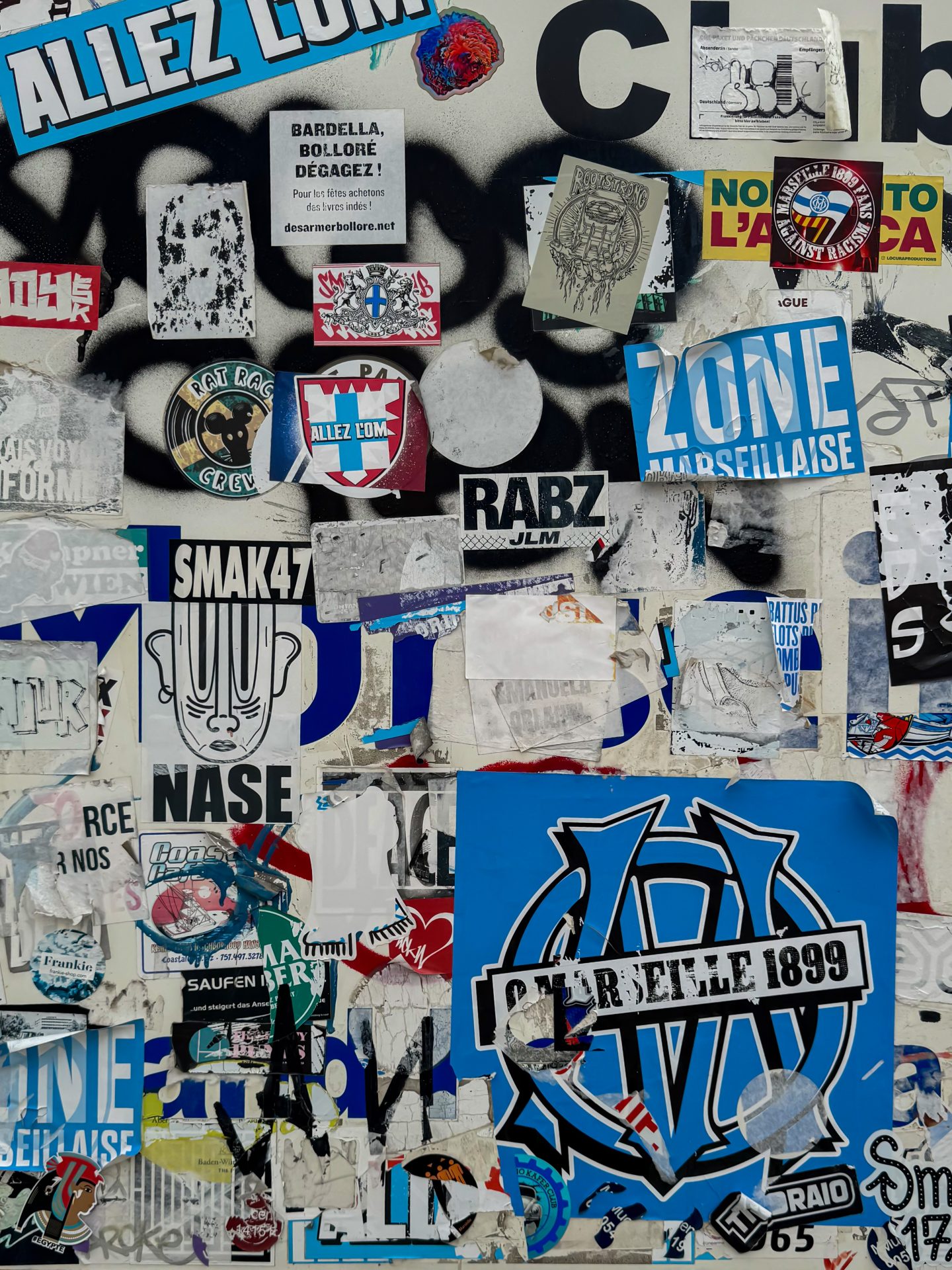
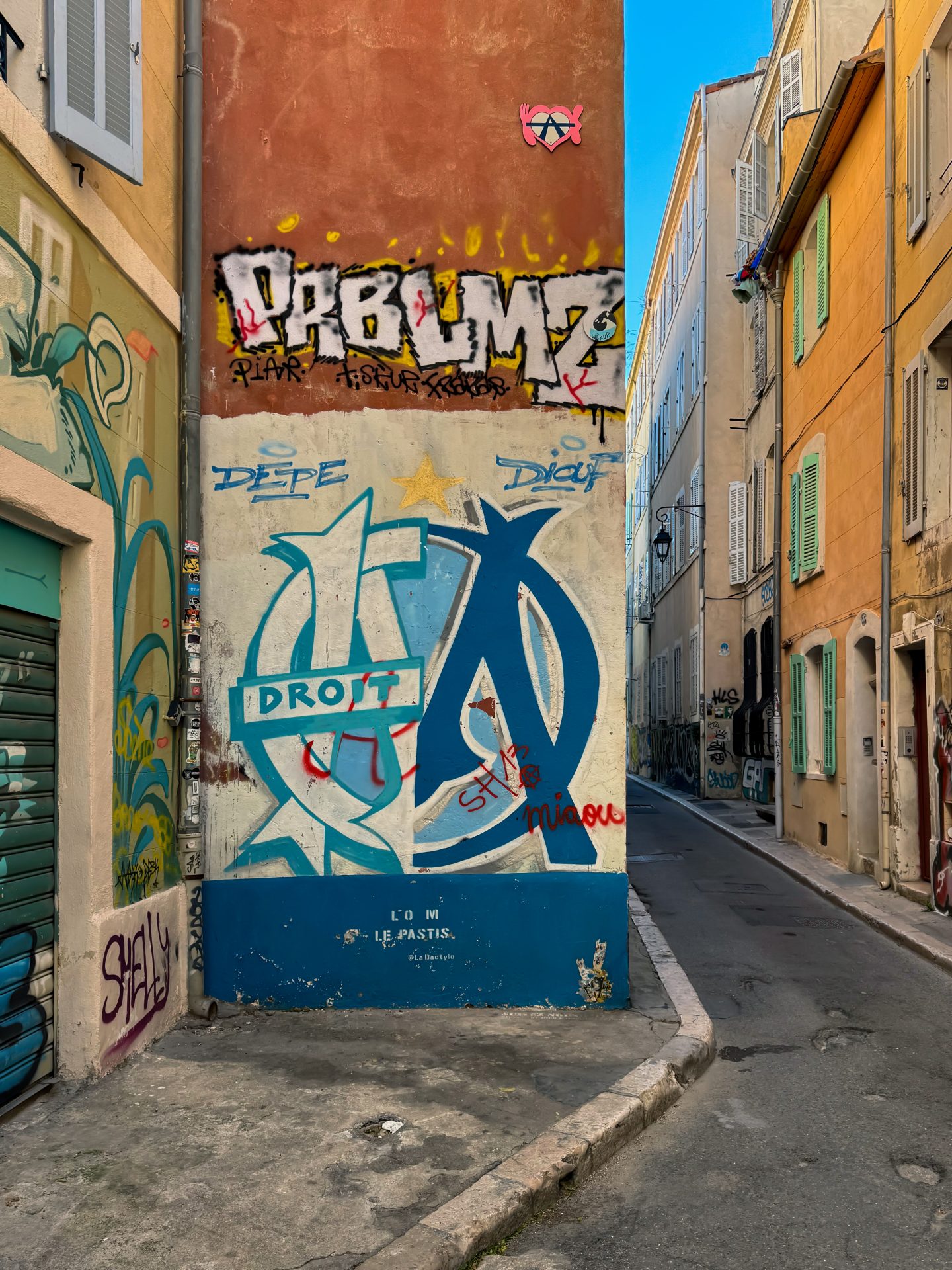
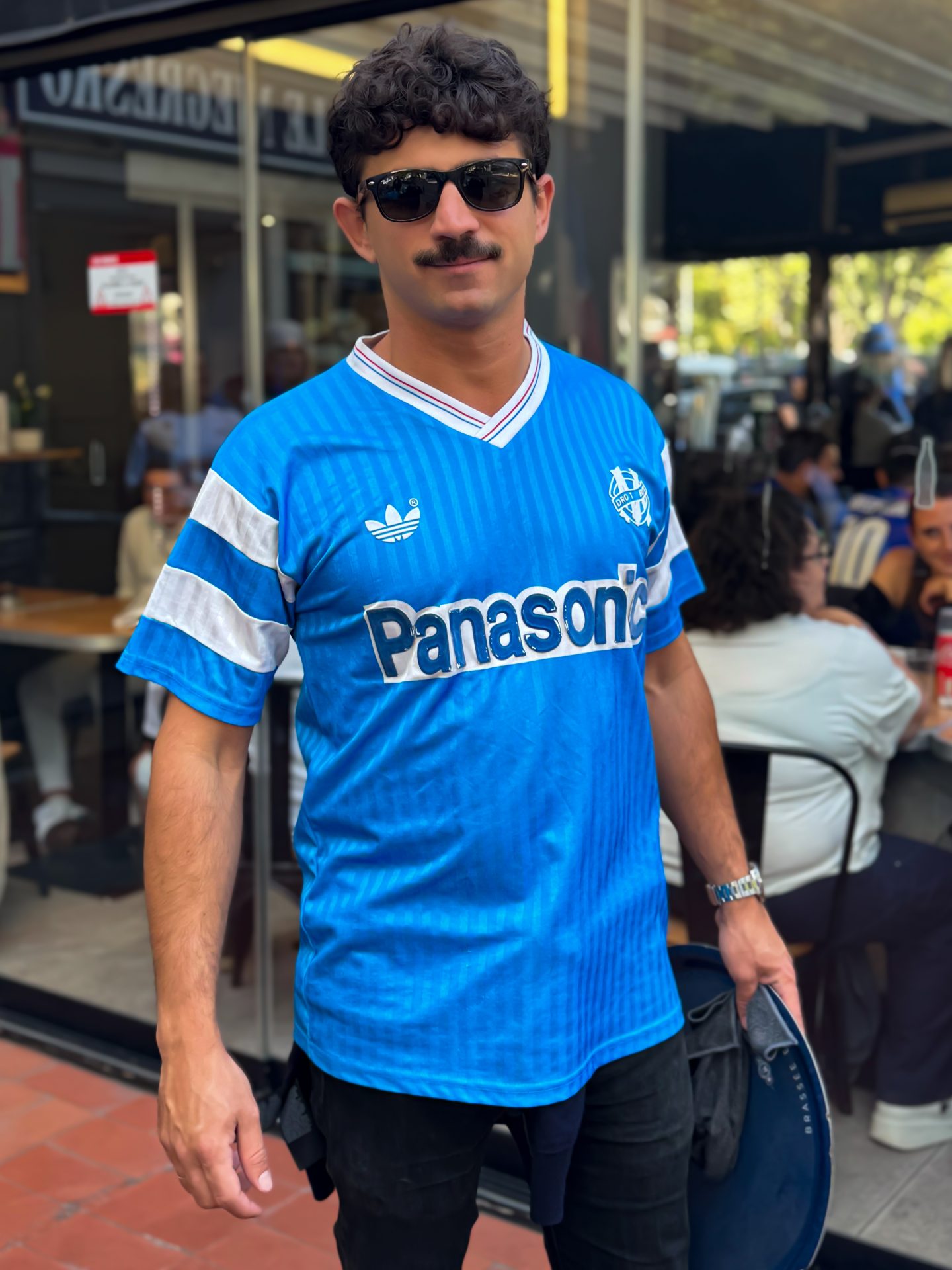
Olympique de Marseille exists within the streets, neighbourhoods and visual language of the city. Blue and white appear everywhere, while the Stade Vélodrome provides one of European football’s most recognisable settings.
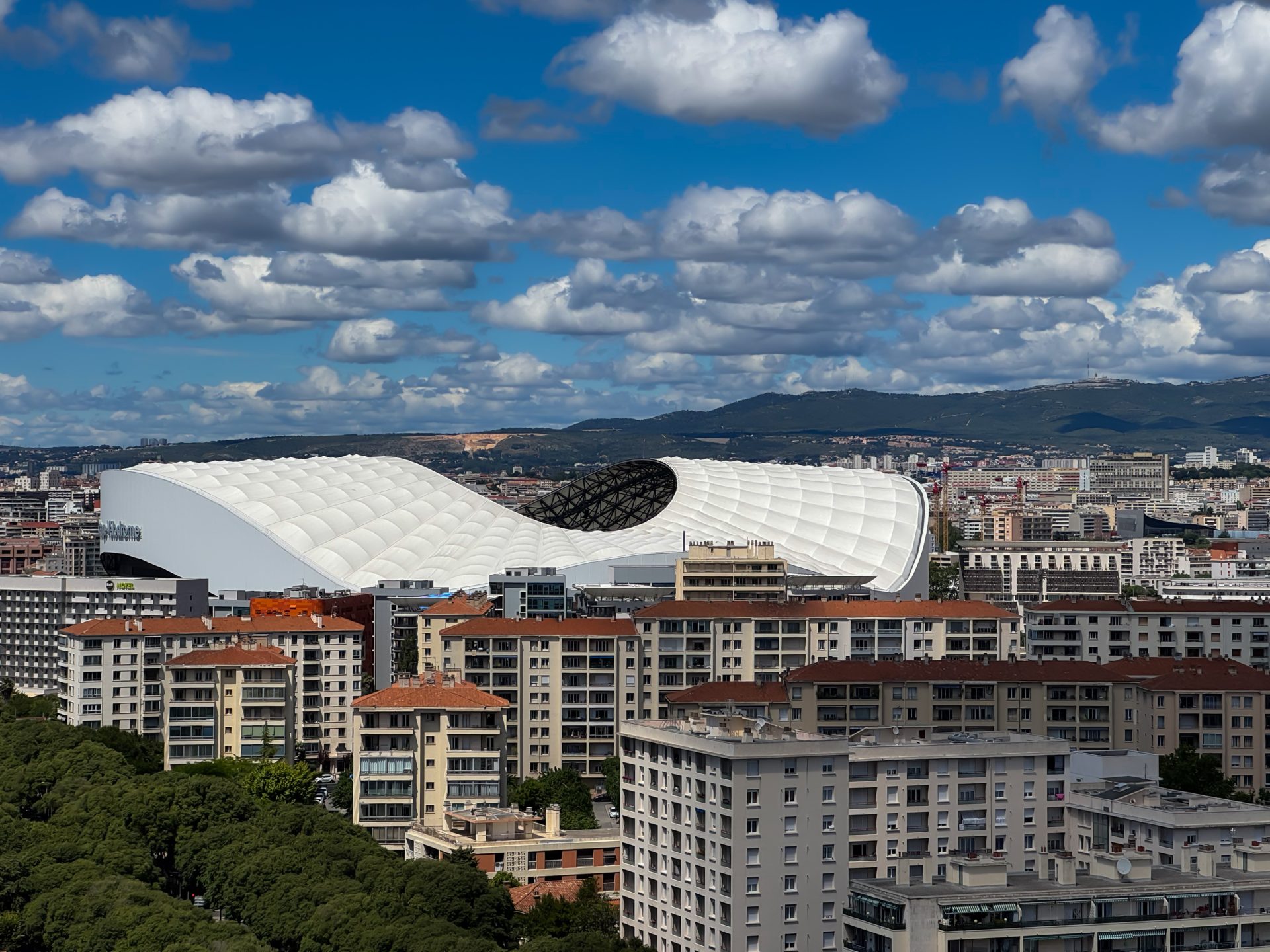
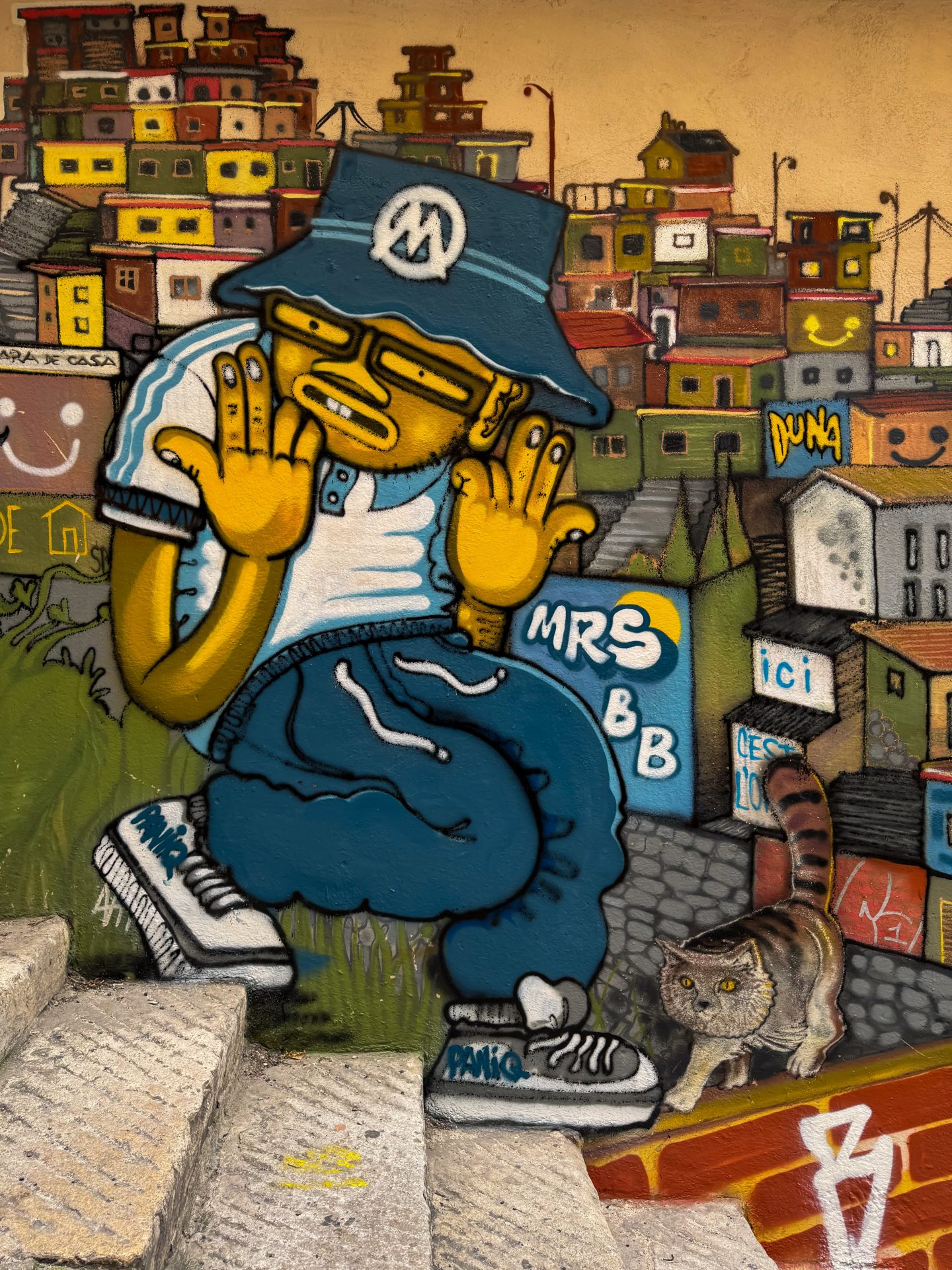
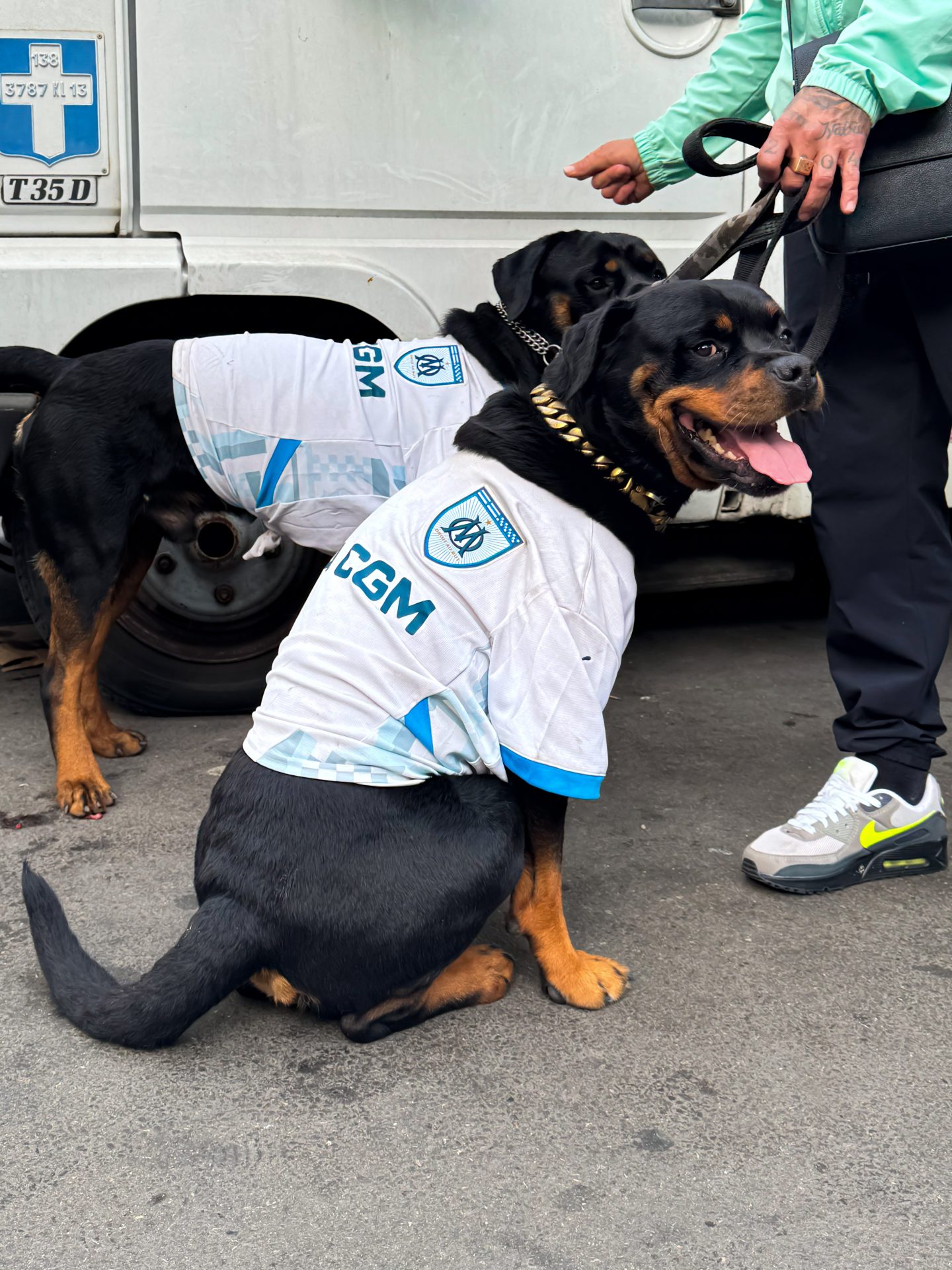
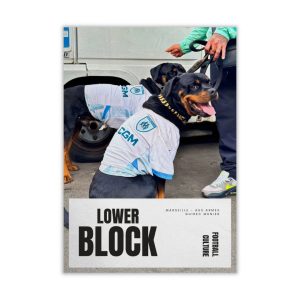
In Marseille – Aux Armes, photographer Guirec Munier documents the atmosphere surrounding OM through supporters and matchday culture.
The images are about intensity, but also belonging – football woven into the identity of a city that has always viewed itself differently from the rest of France.
Santander – Promotion and Collective Release
Some football stories are defined by a particular season.
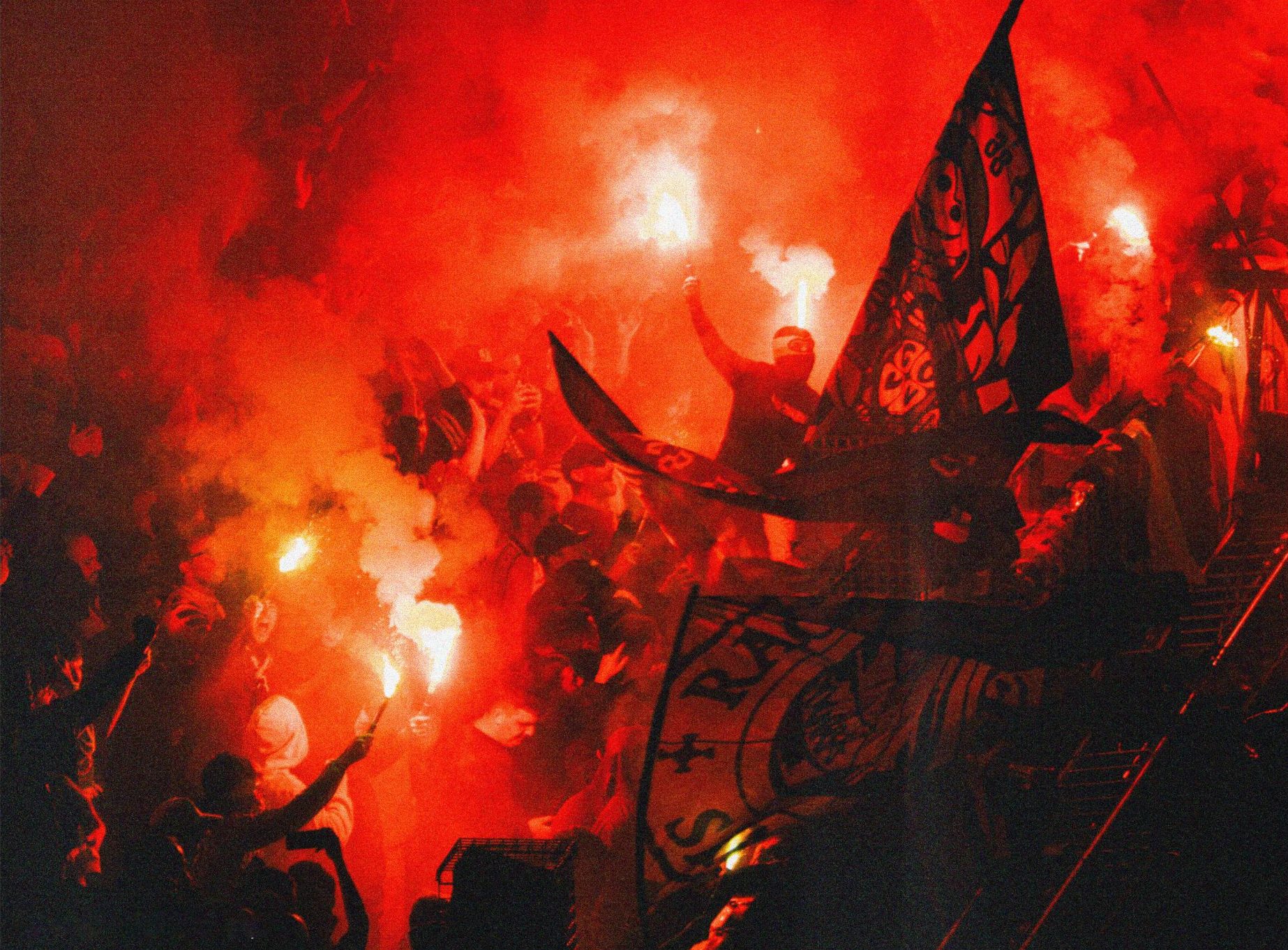
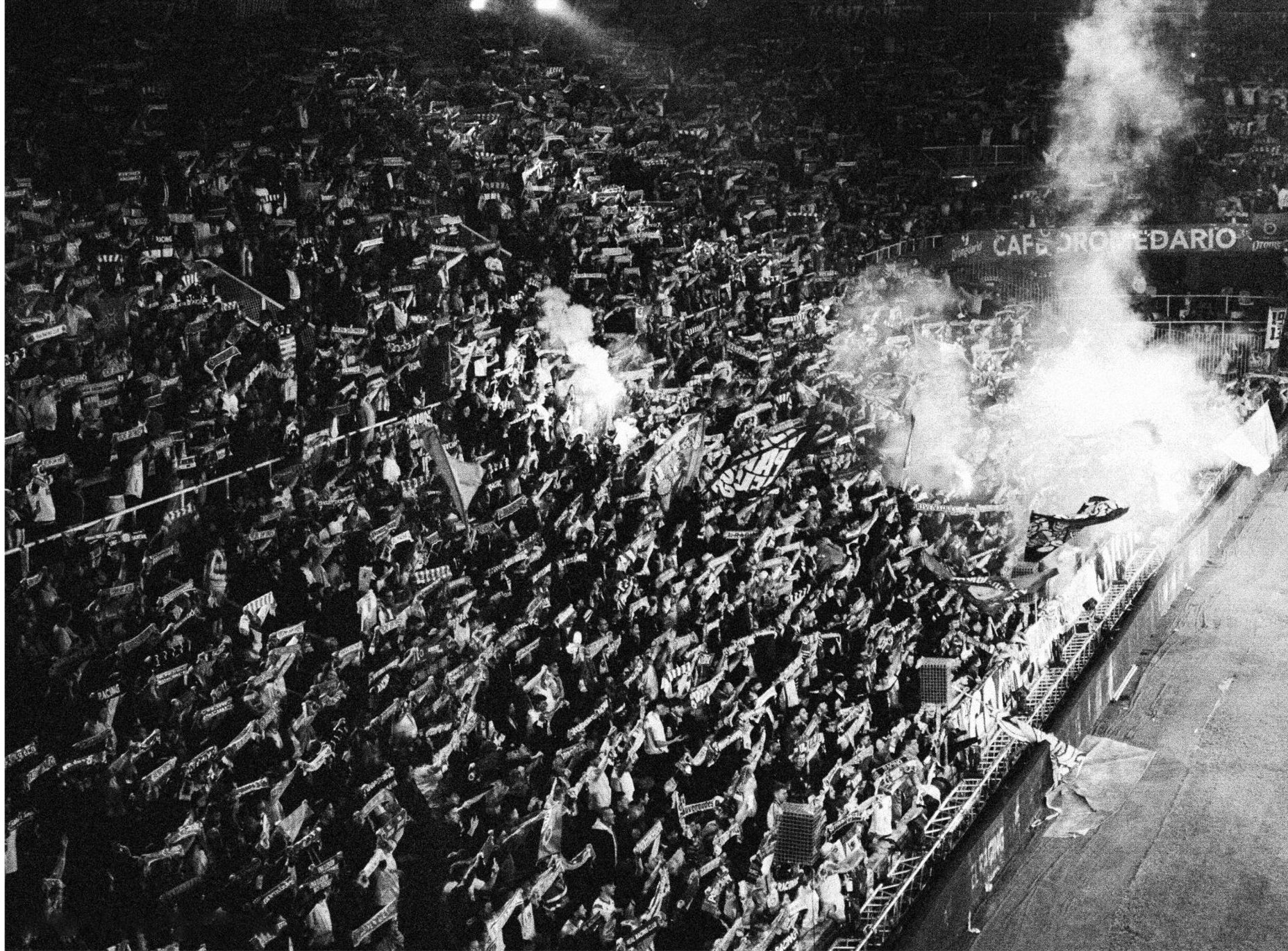
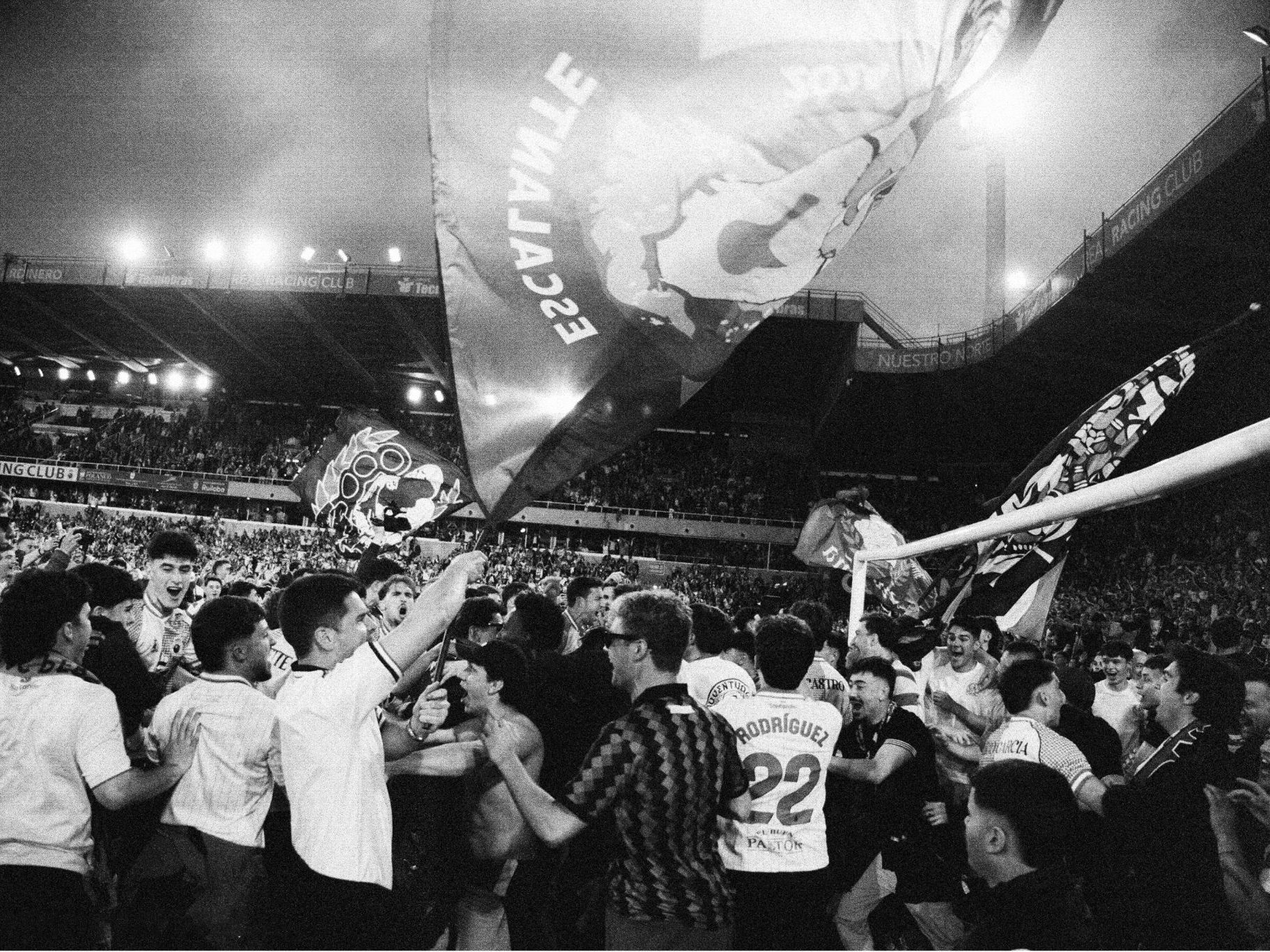
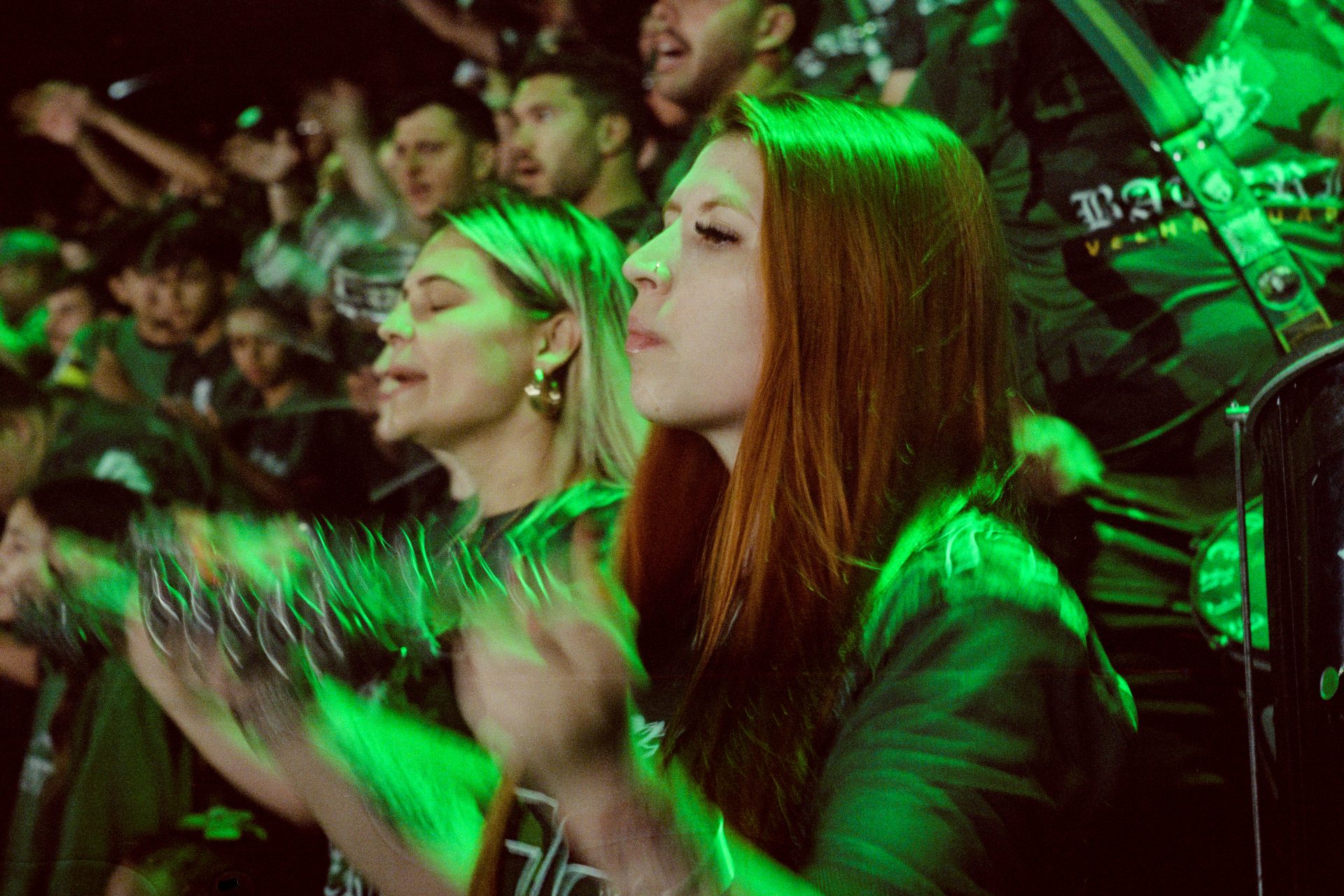
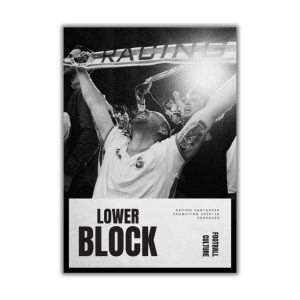
Racing Santander’s promotion in 2025–26 provided photographer Varrager with exactly that.
Shot on film, the resulting work follows the club and its supporters through a campaign that ended in celebration, documenting the anticipation, tension and eventual release surrounding promotion.
The photographs in Racing Santander – Promotion 2025–26 are as interested in the people experiencing the season as the football itself.
That collective emotion is one of the elements that repeatedly connects football cultures across borders.
Buenos Aires – Football as Faith
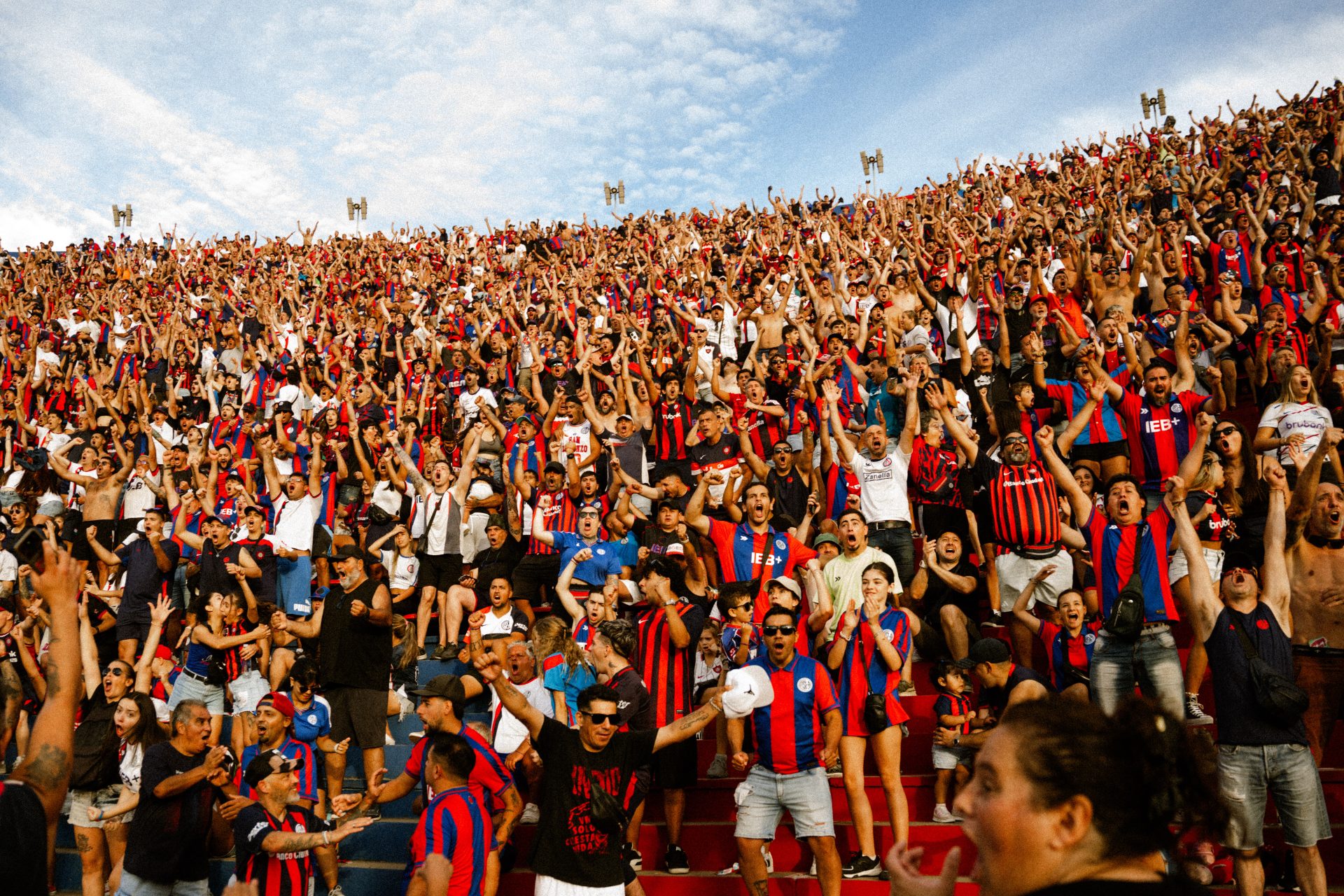
In Argentina, football can be deeply embedded in neighbourhood, family and identity.
Buenos Aires contains some of the most recognisable football clubs and stadiums in the world, but much of its culture exists away from the major spectacle too.
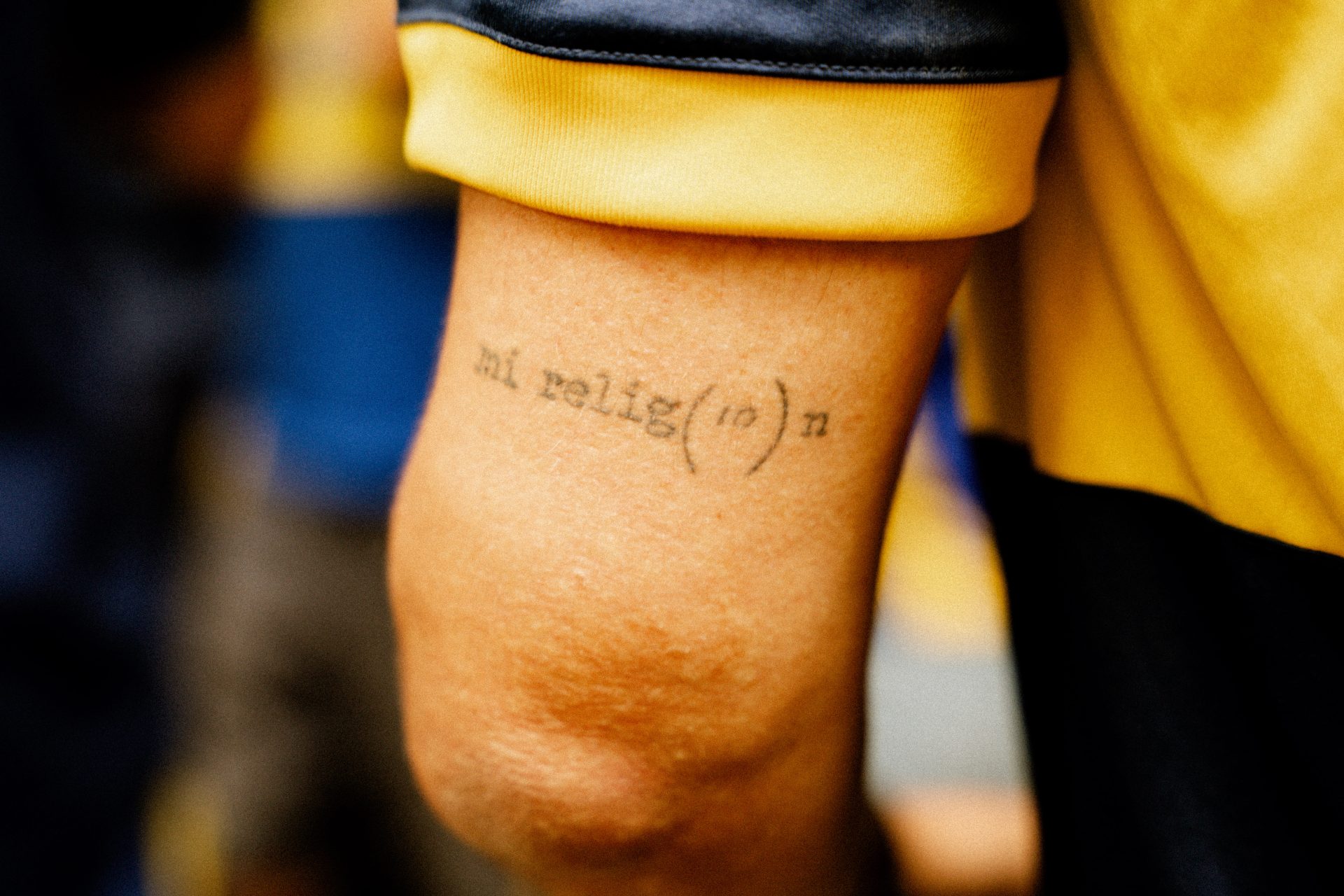
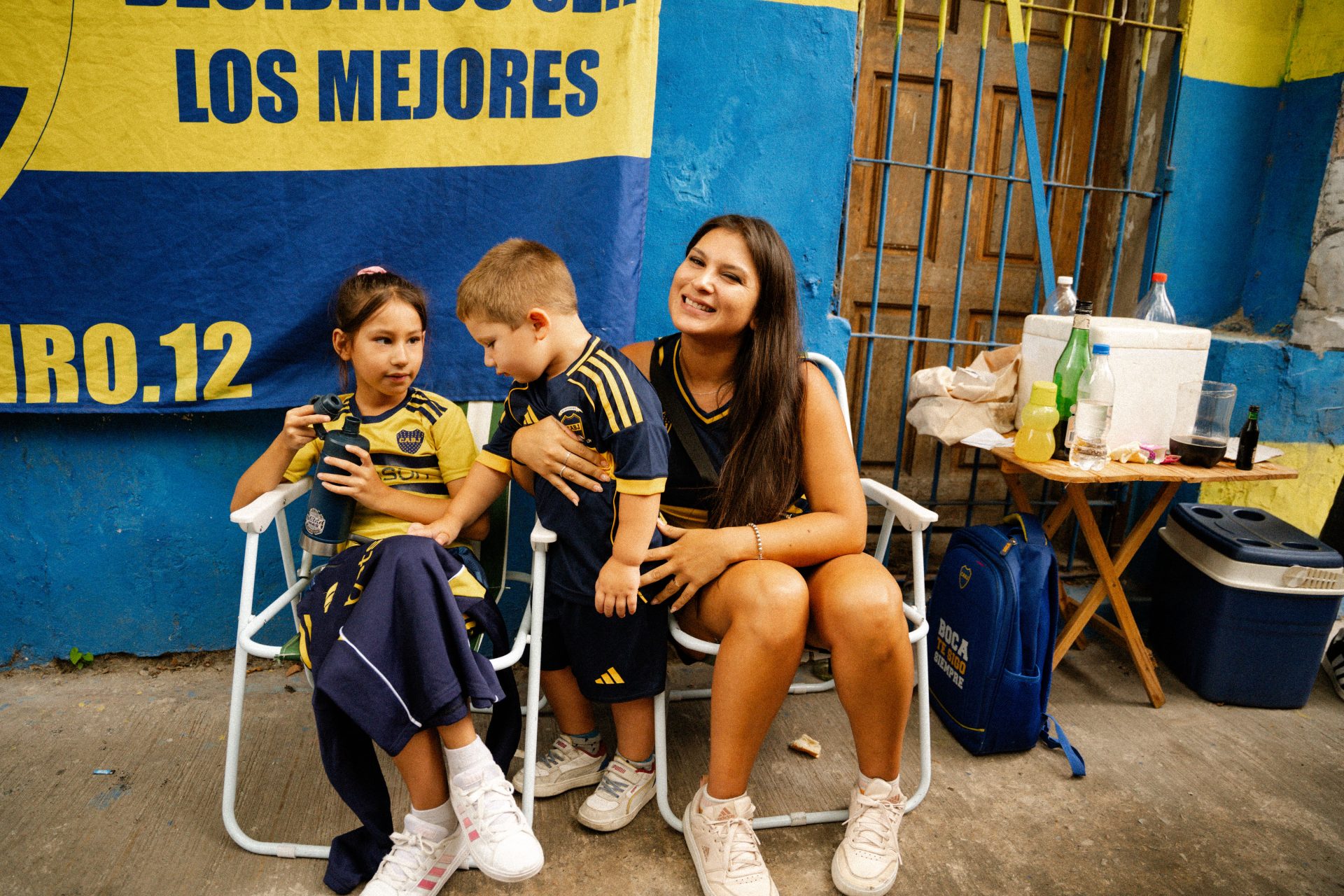
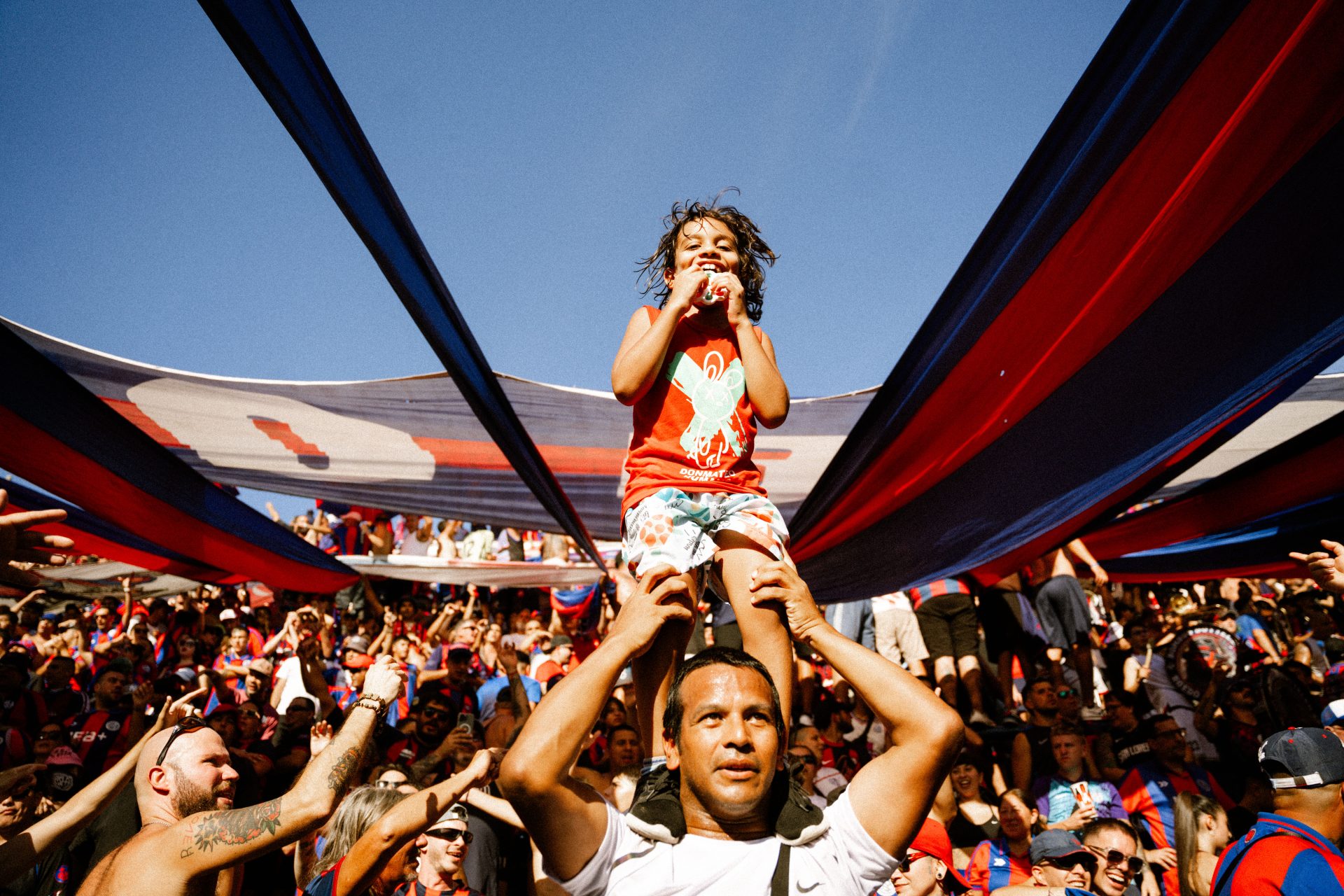
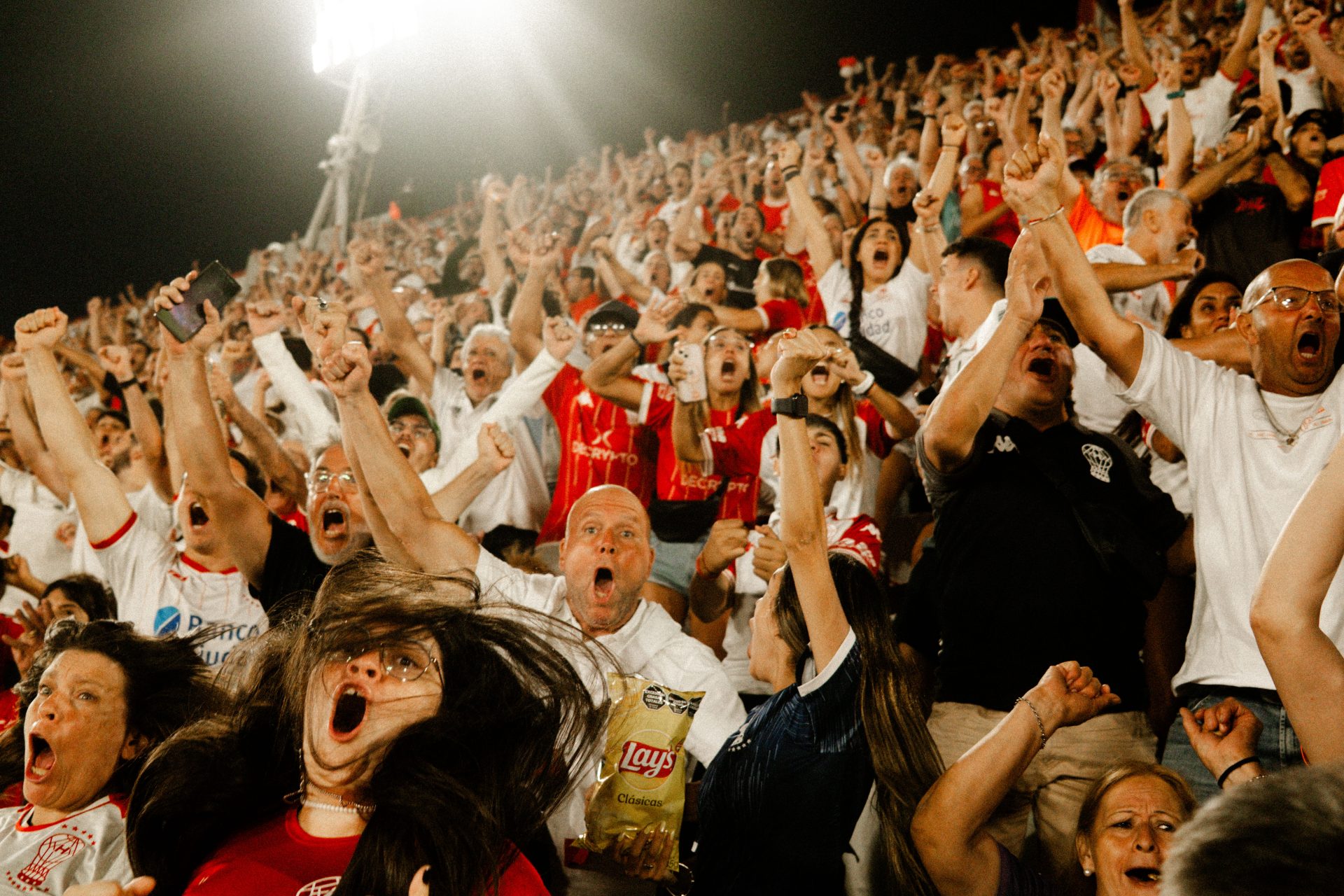
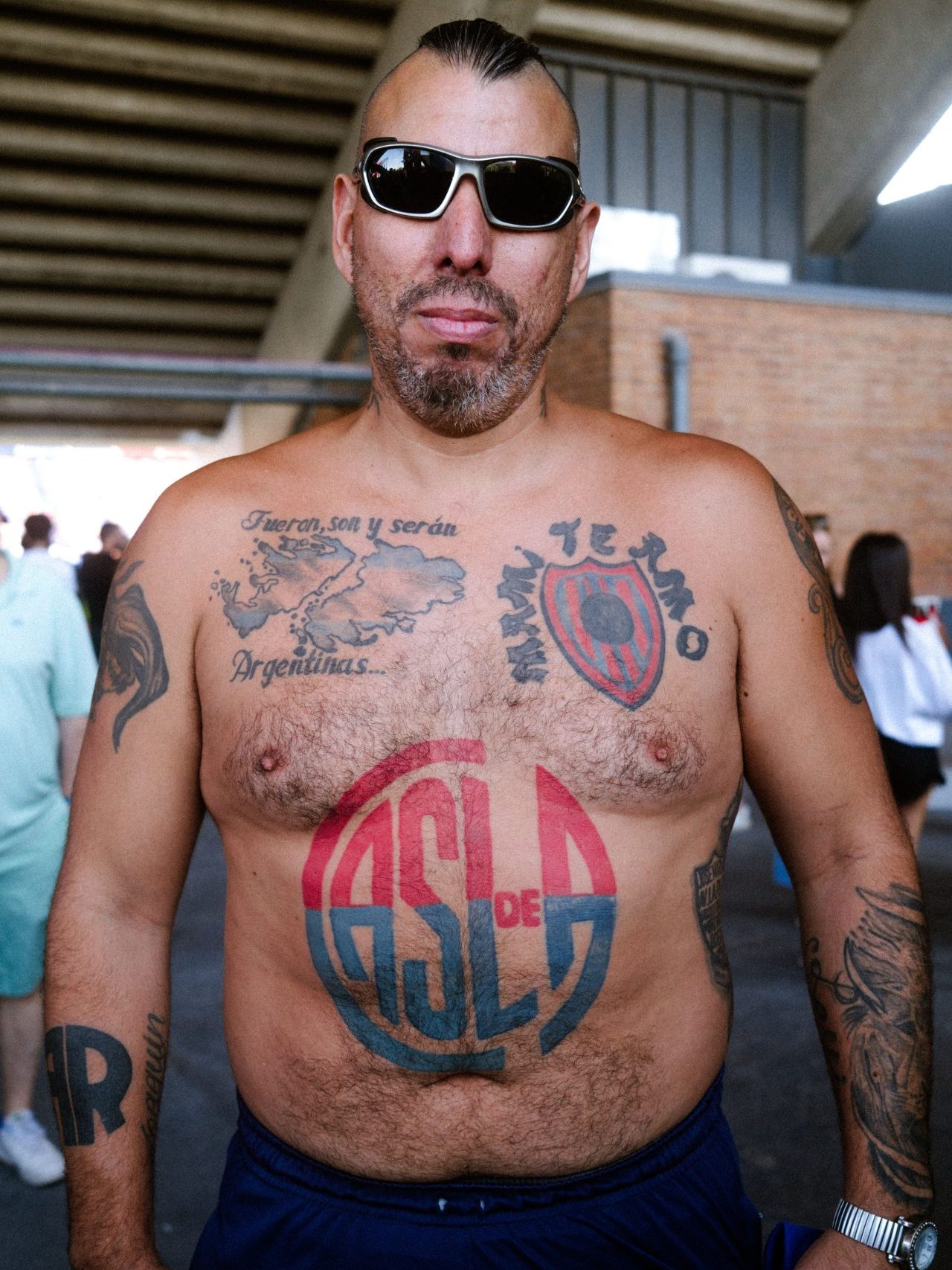
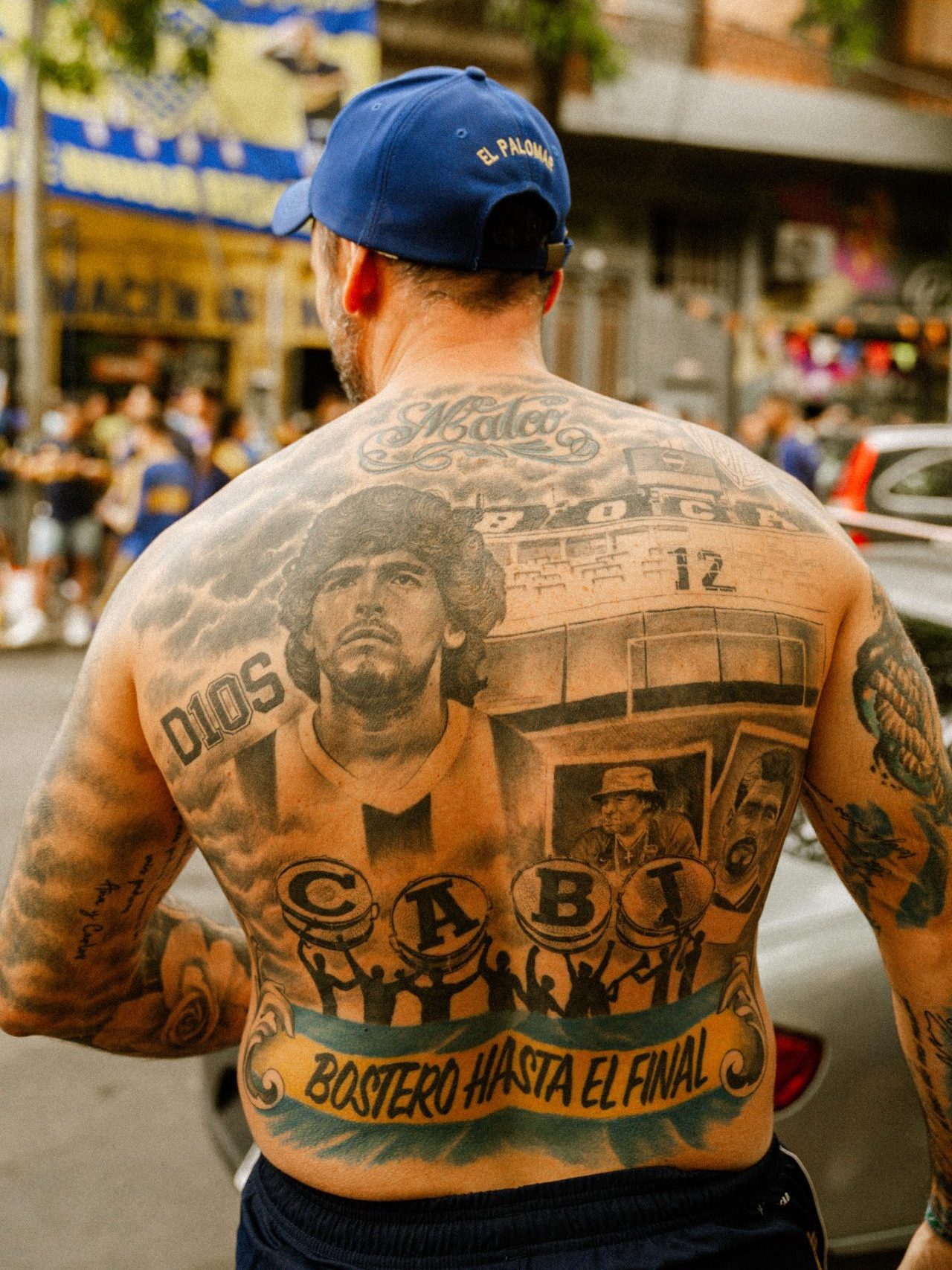
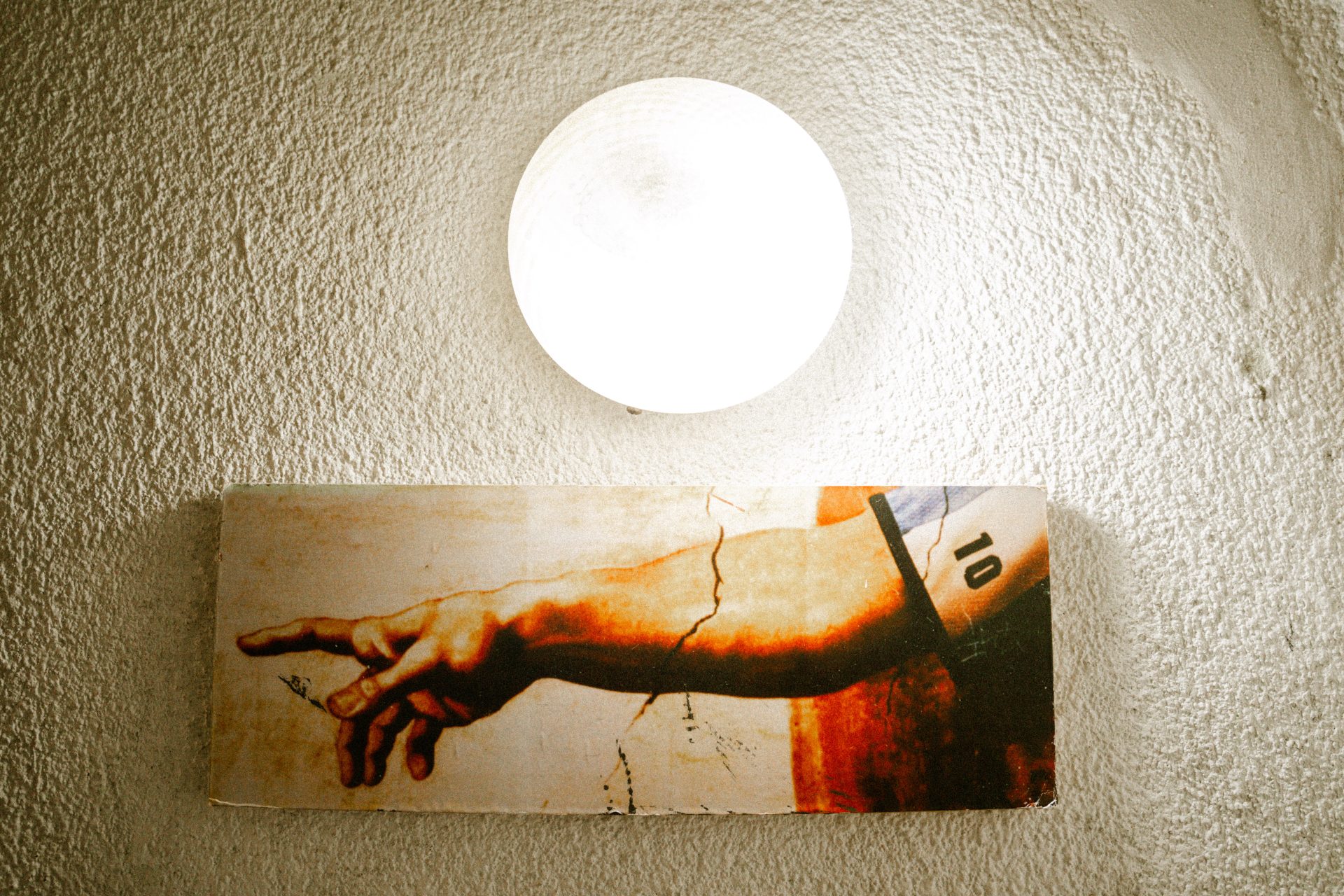
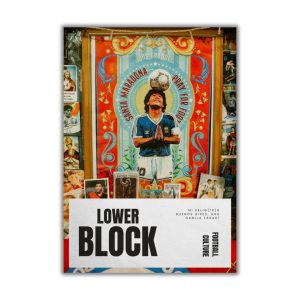
For Mi Relig(10)n, photographer Camila Faraci travelled through the city documenting ten clubs alongside the presence of Diego Maradona within its streets.
Murals, supporters, stadiums and neighbourhood details create a portrait of a city where football and everyday life continually overlap.
The title reflects that relationship: football understood almost as faith.



Curitiba – Club, Family and Memory
Football culture can also be deeply personal.
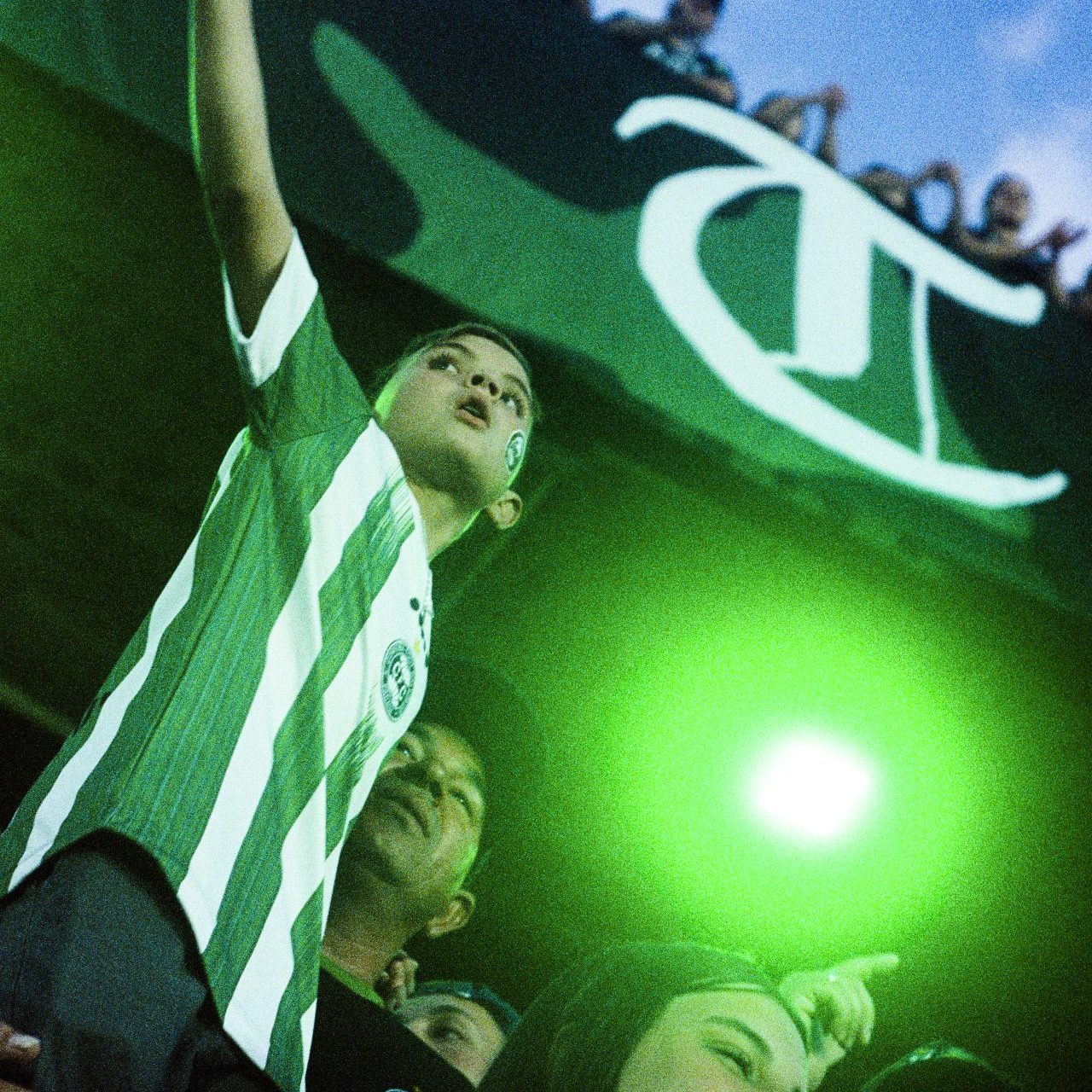
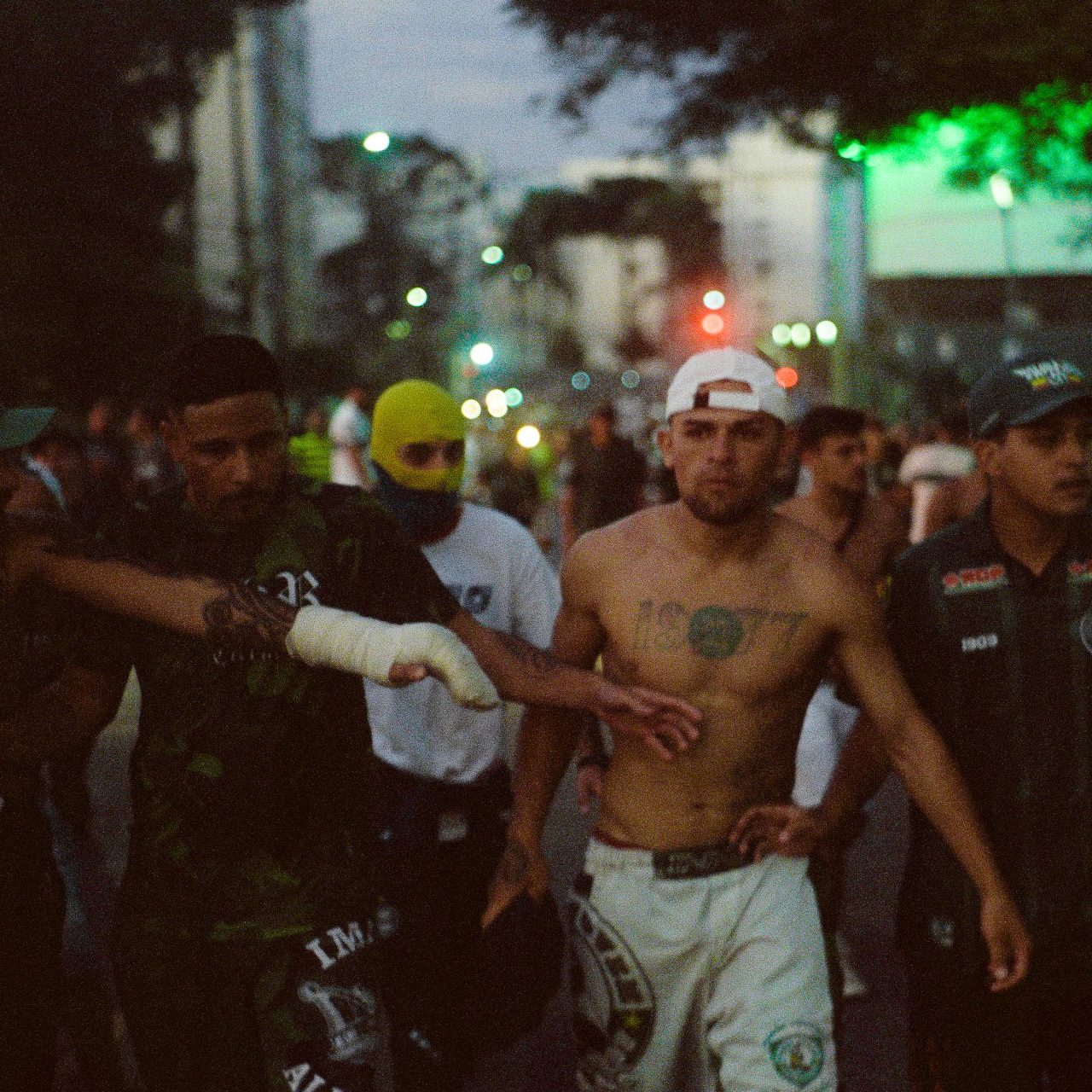
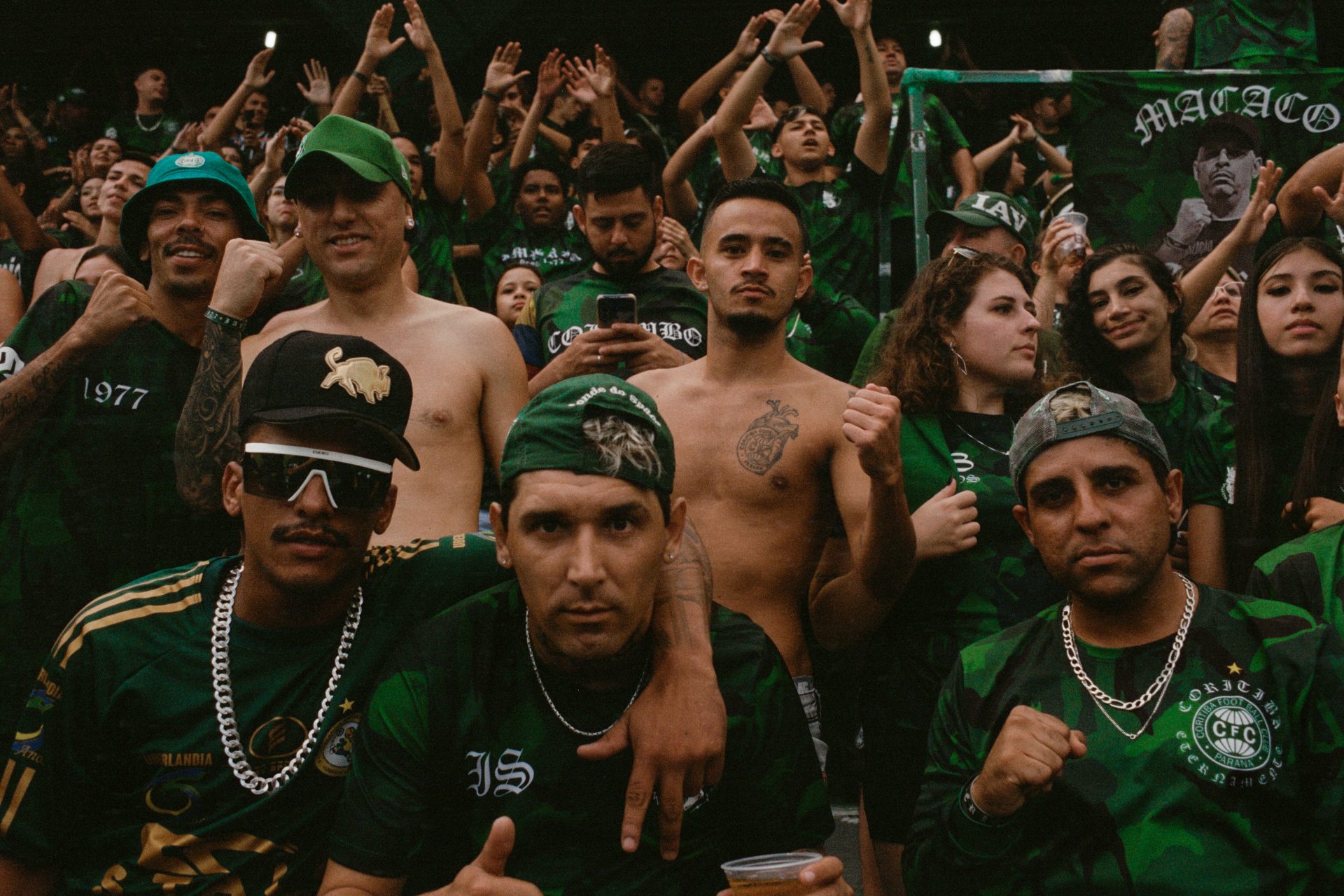
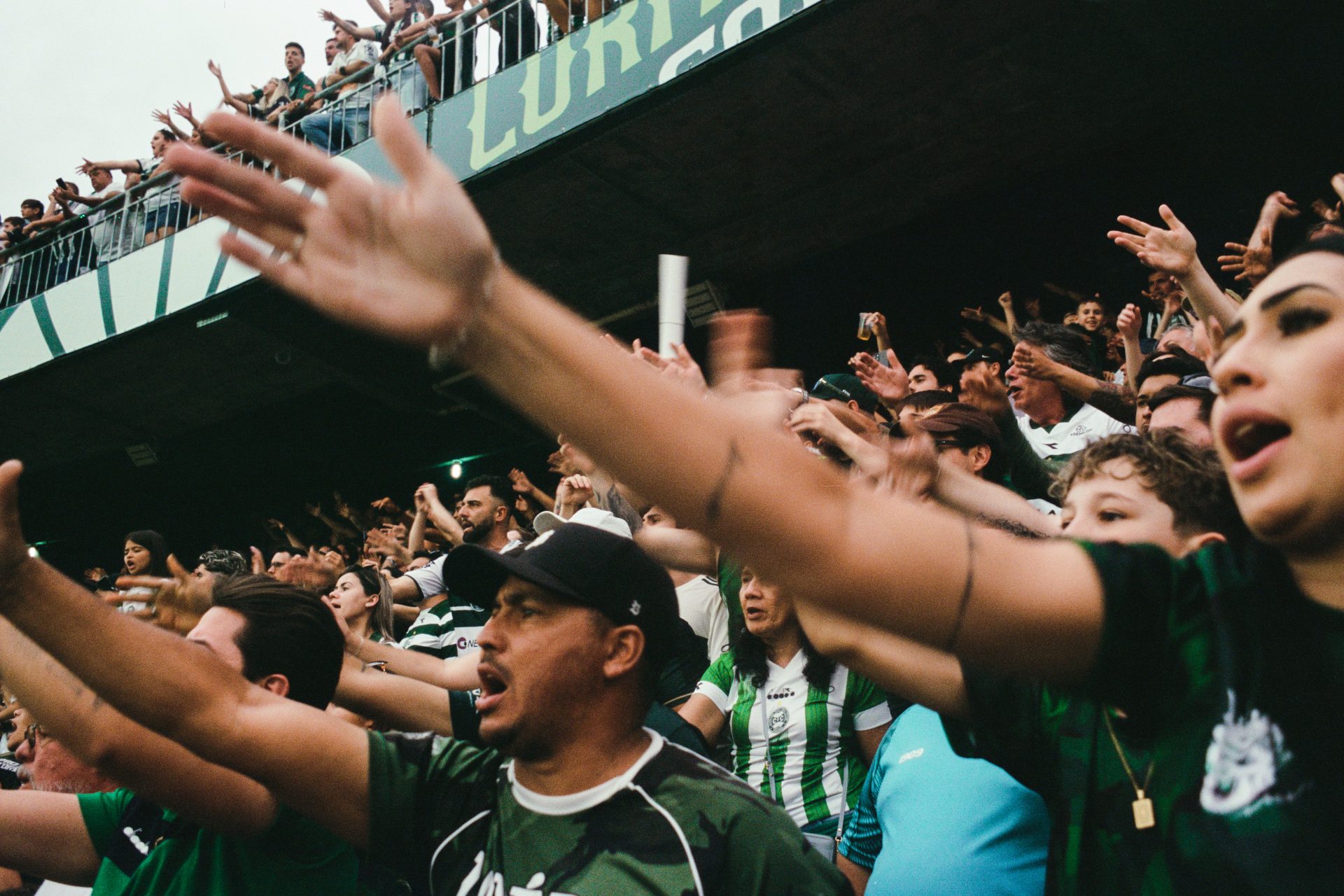
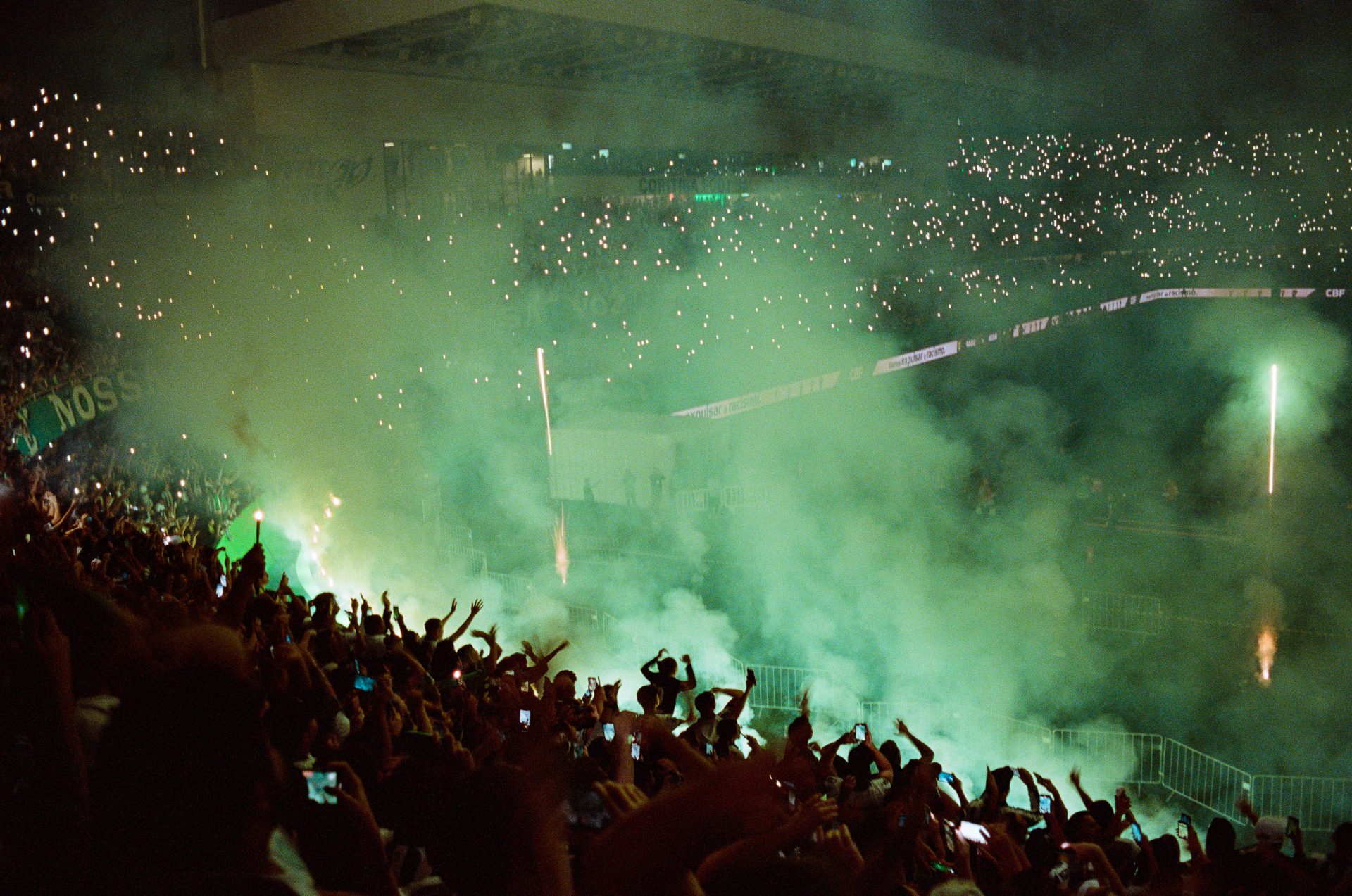
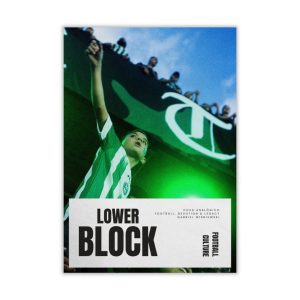
Gabriel Wisniewski’s Coxa Analógico documents Coritiba Foot Ball Club through 35mm photography made between 2022 and 2026.
The work is rooted in support for the club, but also family and memory.
Created in remembrance of Gabriel’s late brother, the photographs give the project an intimacy that extends beyond matchday documentation.
Supporters, streets, colours and the experience of following Coritiba become part of a much more personal story about what a football club can represent.
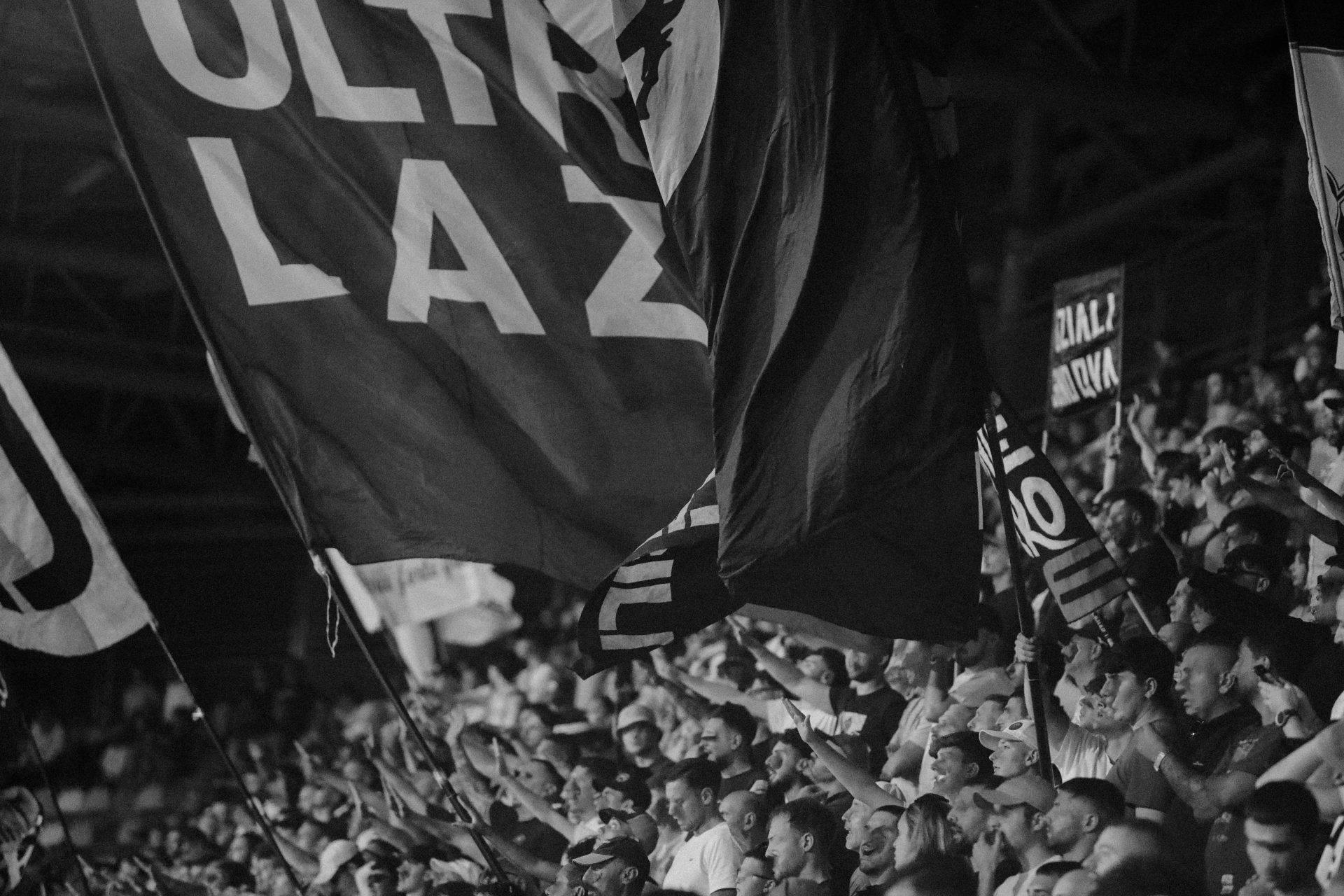
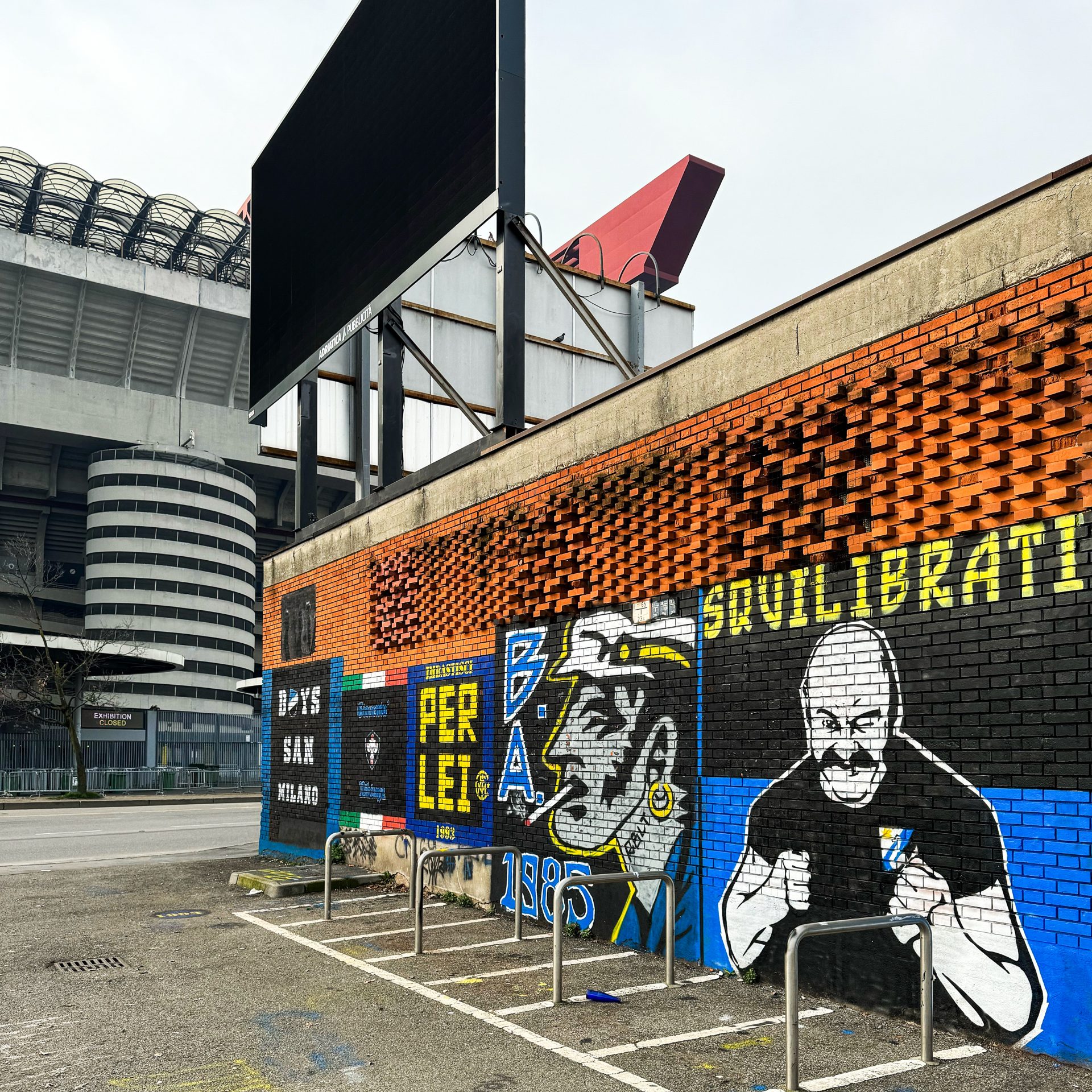
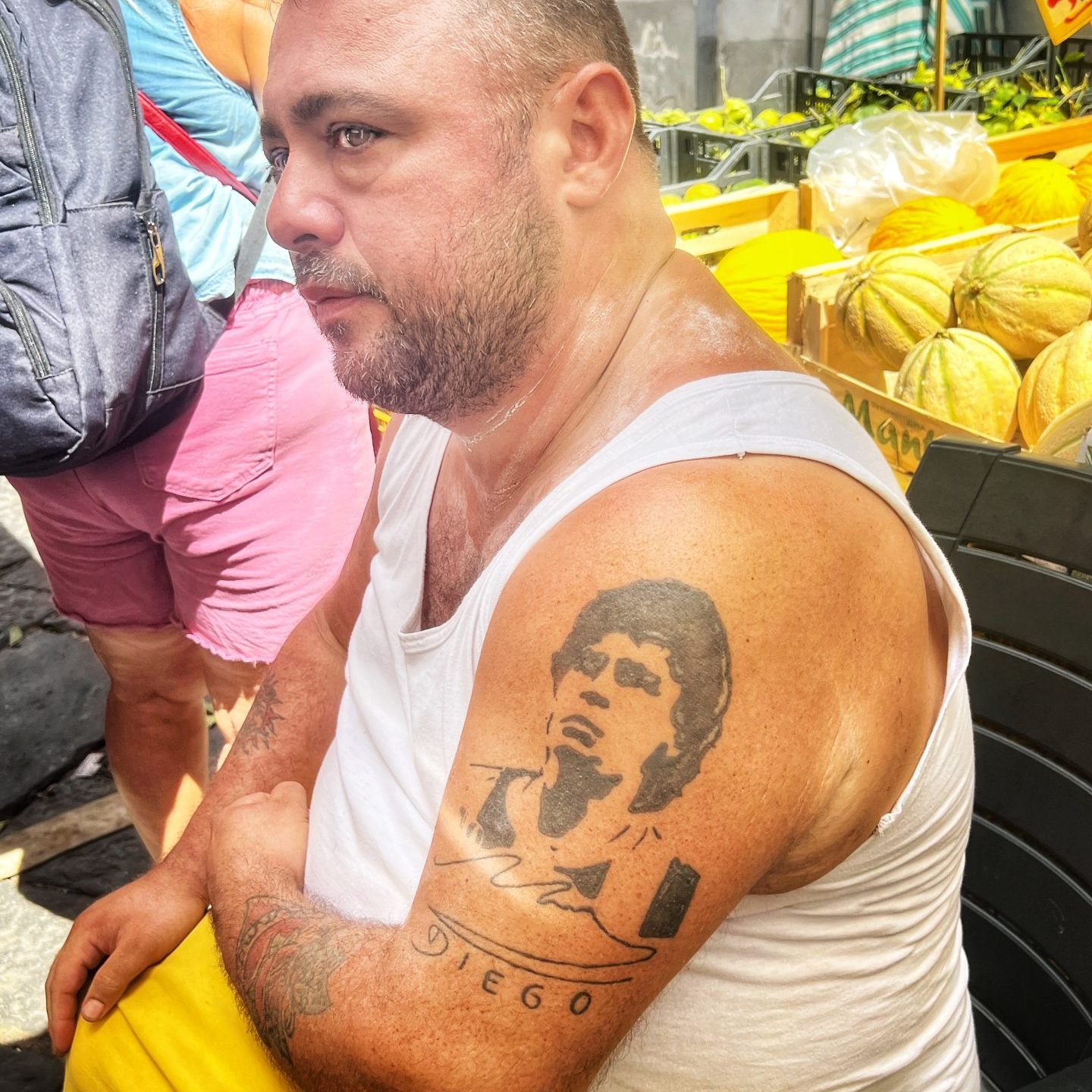
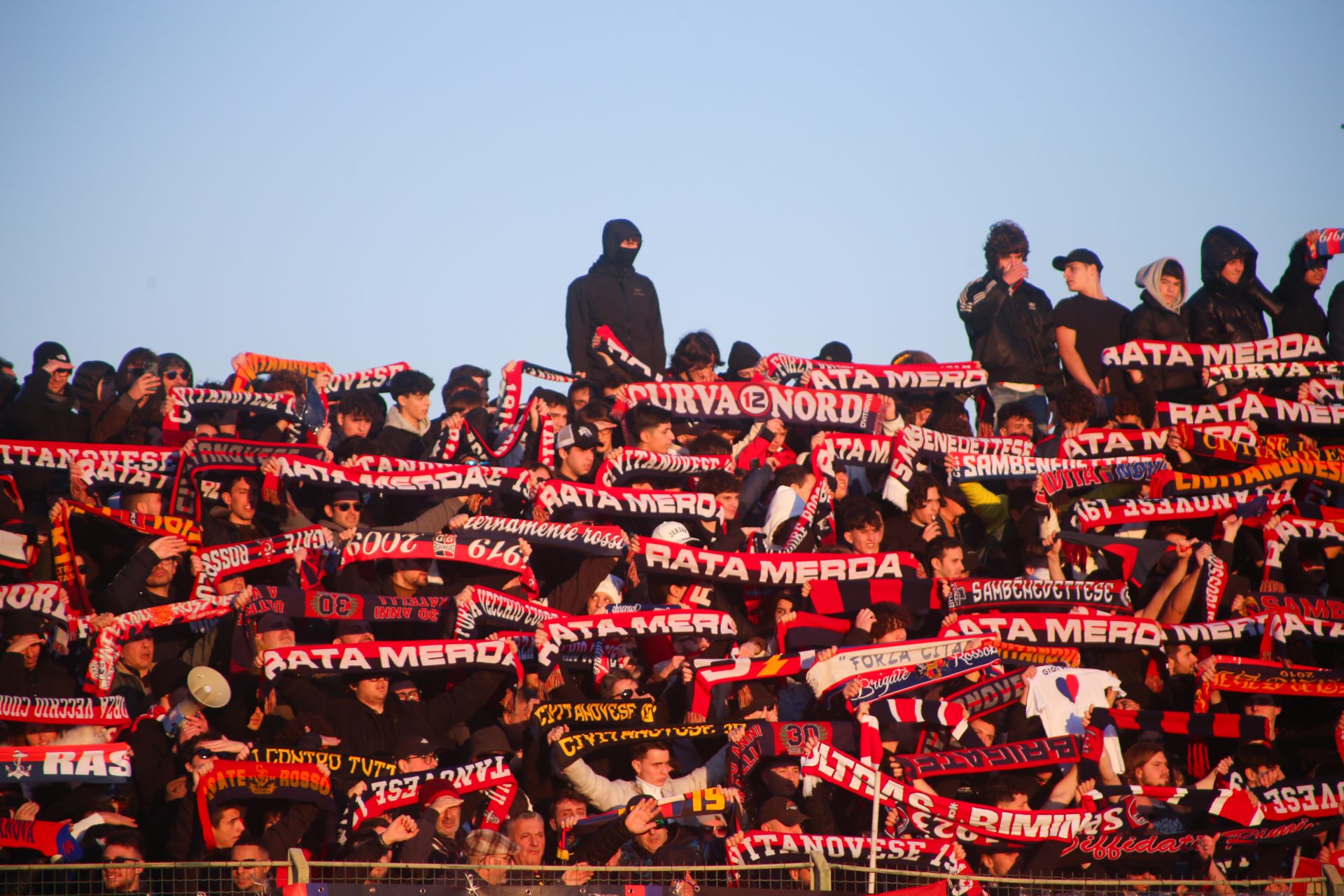
Italy – Stadiums, Ultras and Calcio
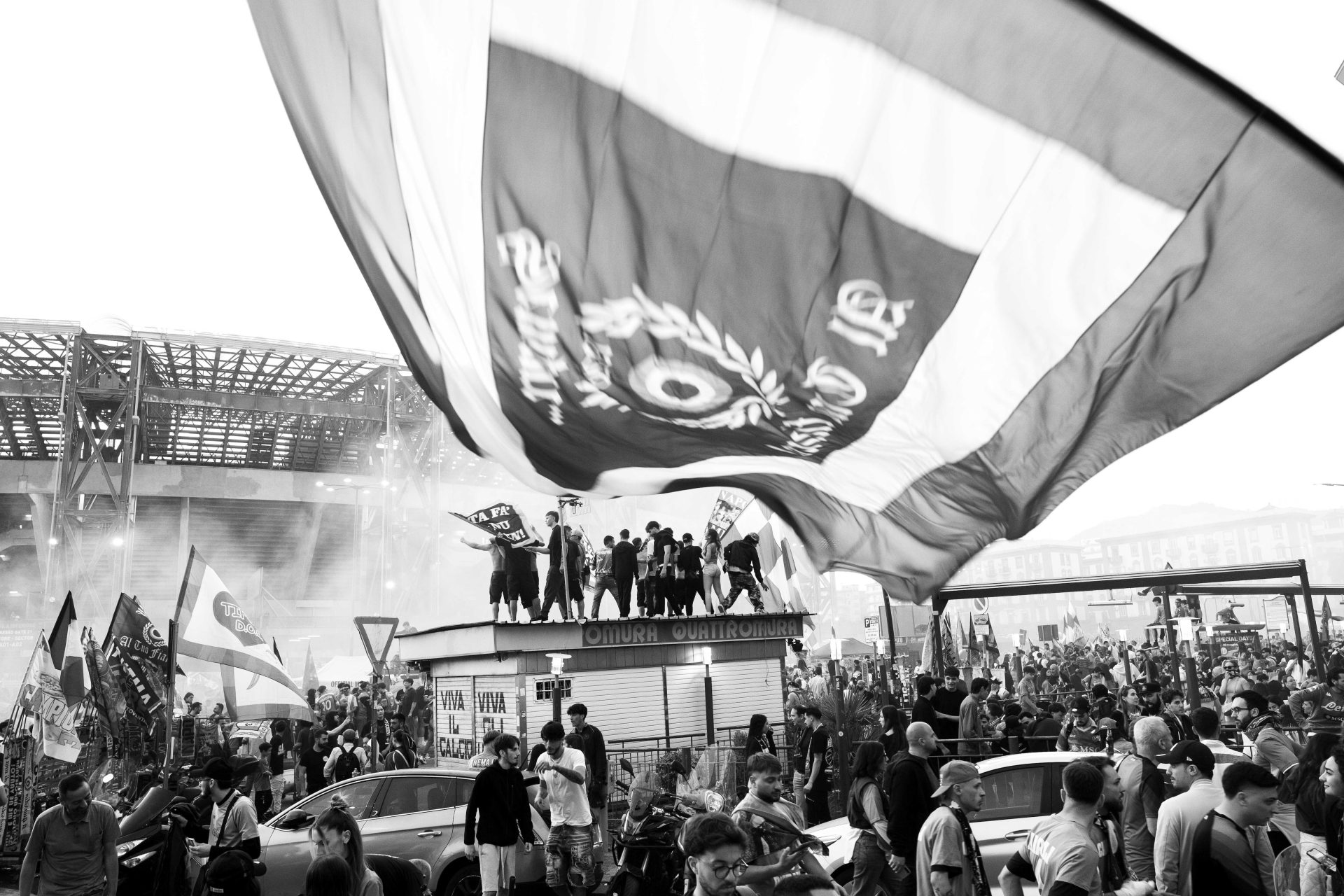
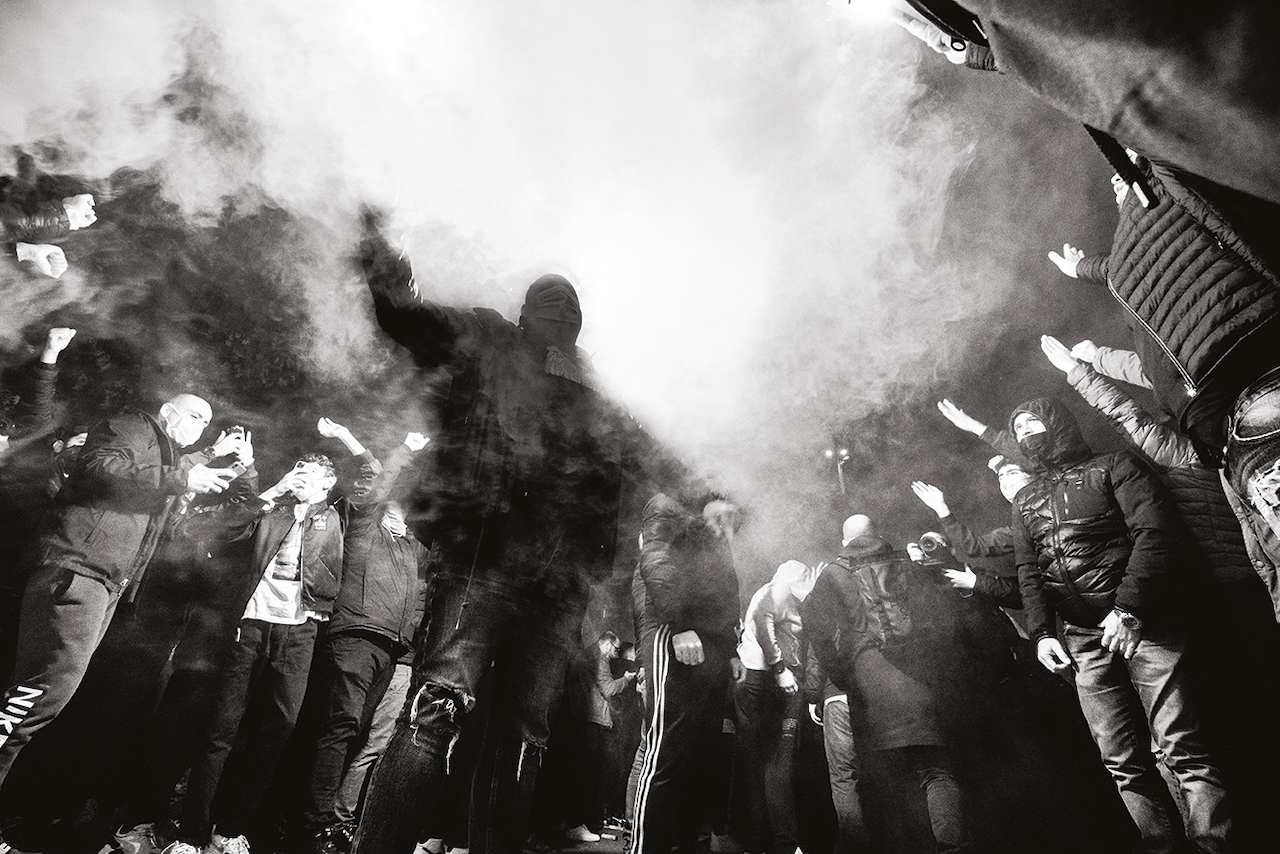
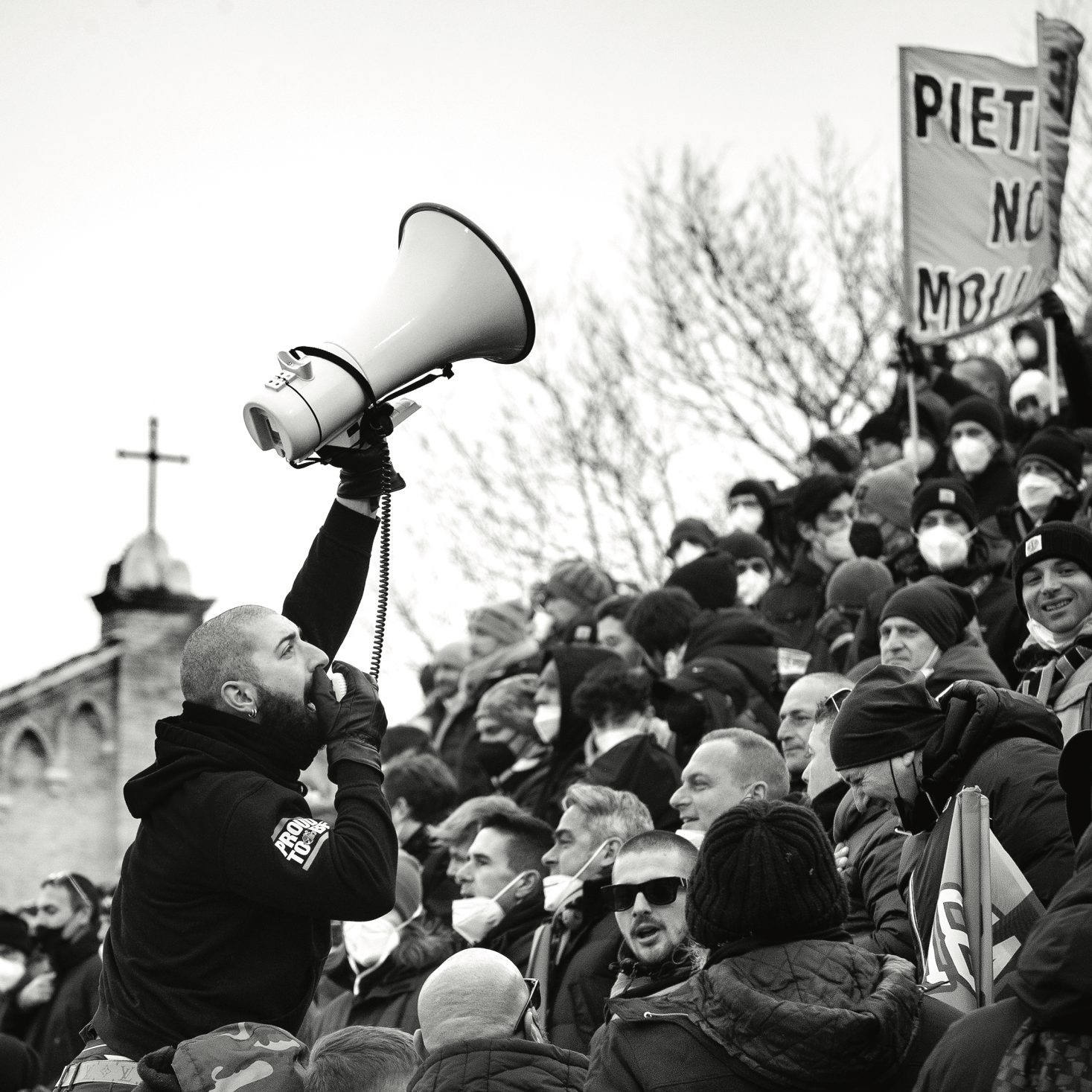
Italy has been one of the recurring locations within the Lower Block archive.
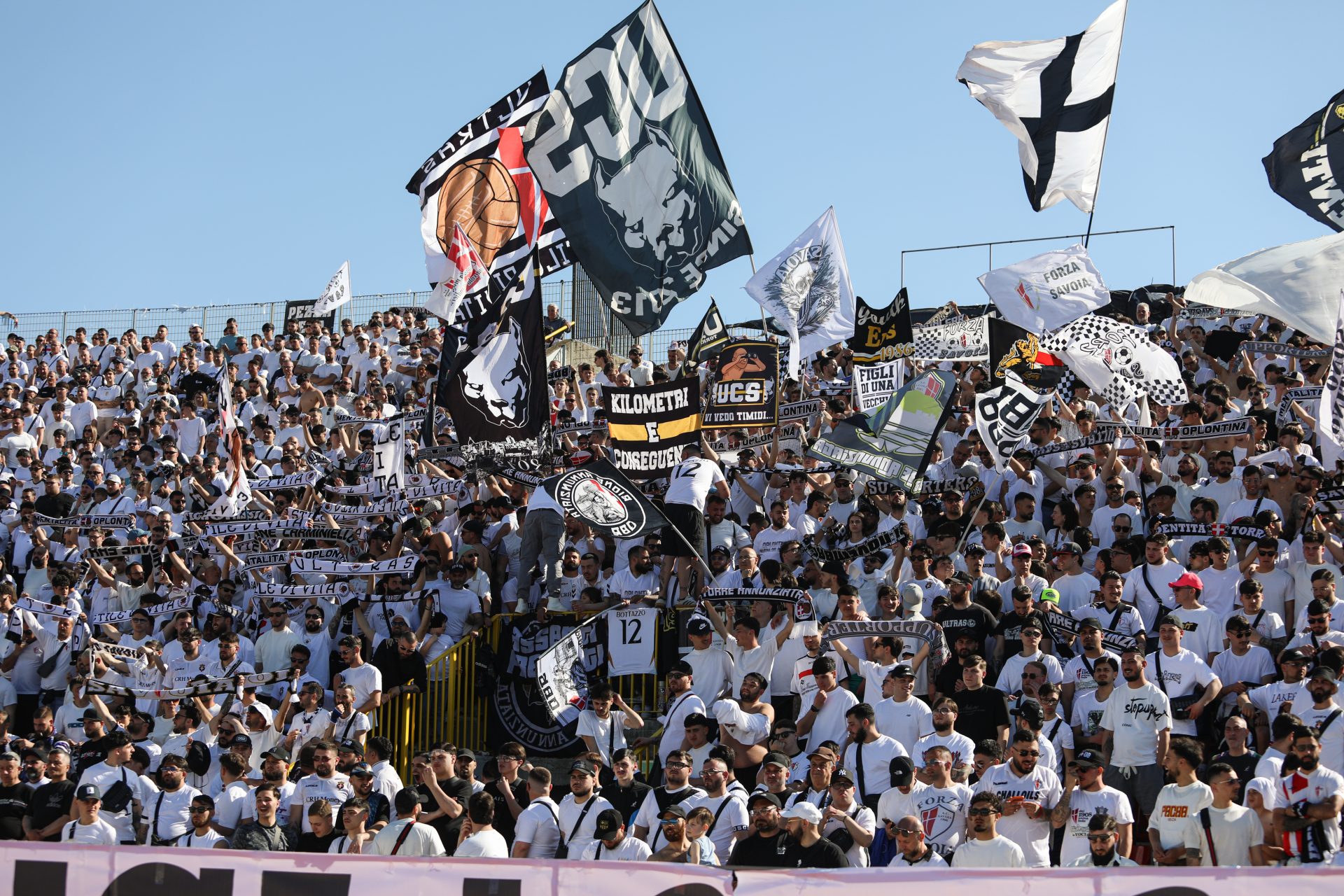
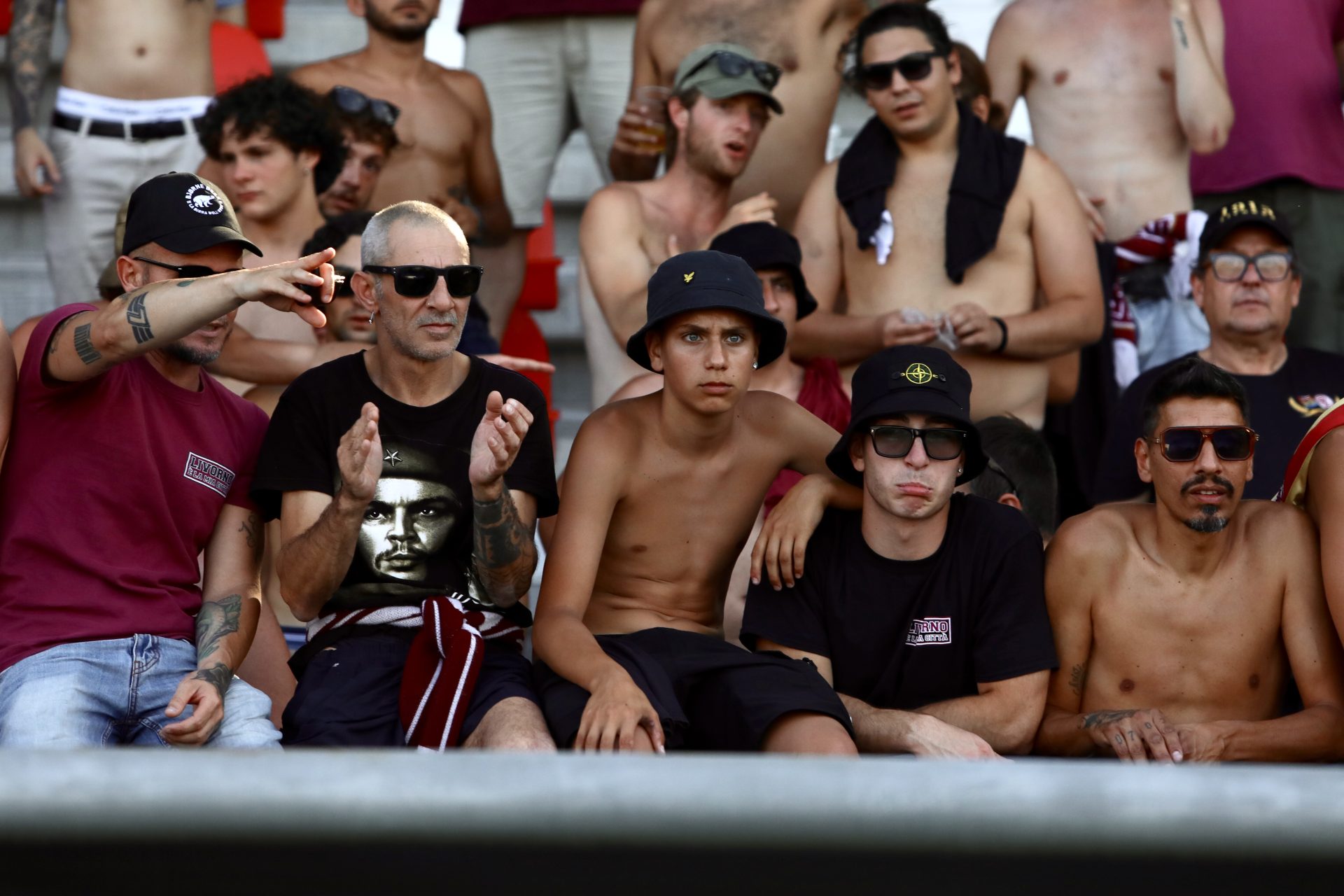
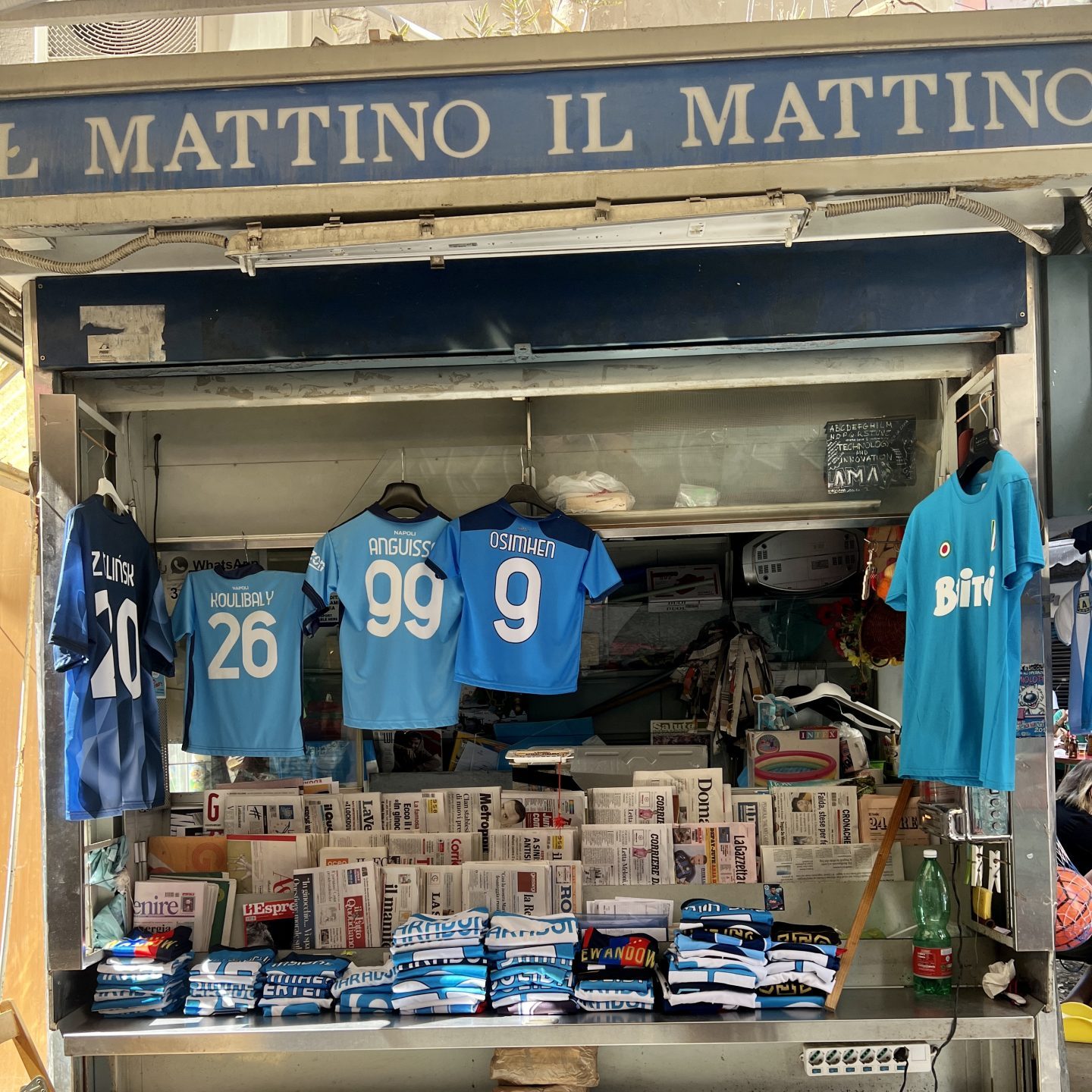
Its stadiums, supporter groups and regional identities provide a distinctive visual culture, from major grounds such as San Siro and the Stadio Diego Armando Maradona to smaller clubs and neighbourhood grounds.
Editions including Ultras Italia 2024–25, Leoni di Venezia, Campo da Calcio, Napoli Campioni d’Italia, Napoli v Fiorentina 1987 and Forza San Siro document different parts of that landscape.
Together they explore ultras, architecture, matchday rituals, celebration and the close relationship between football and place.
For a deeper journey through Italian football, explore the Lower Block Italian Football Culture / FORZA ITALIA Collection.

Paris – A City Celebrates
Winning changes the atmosphere of a city.
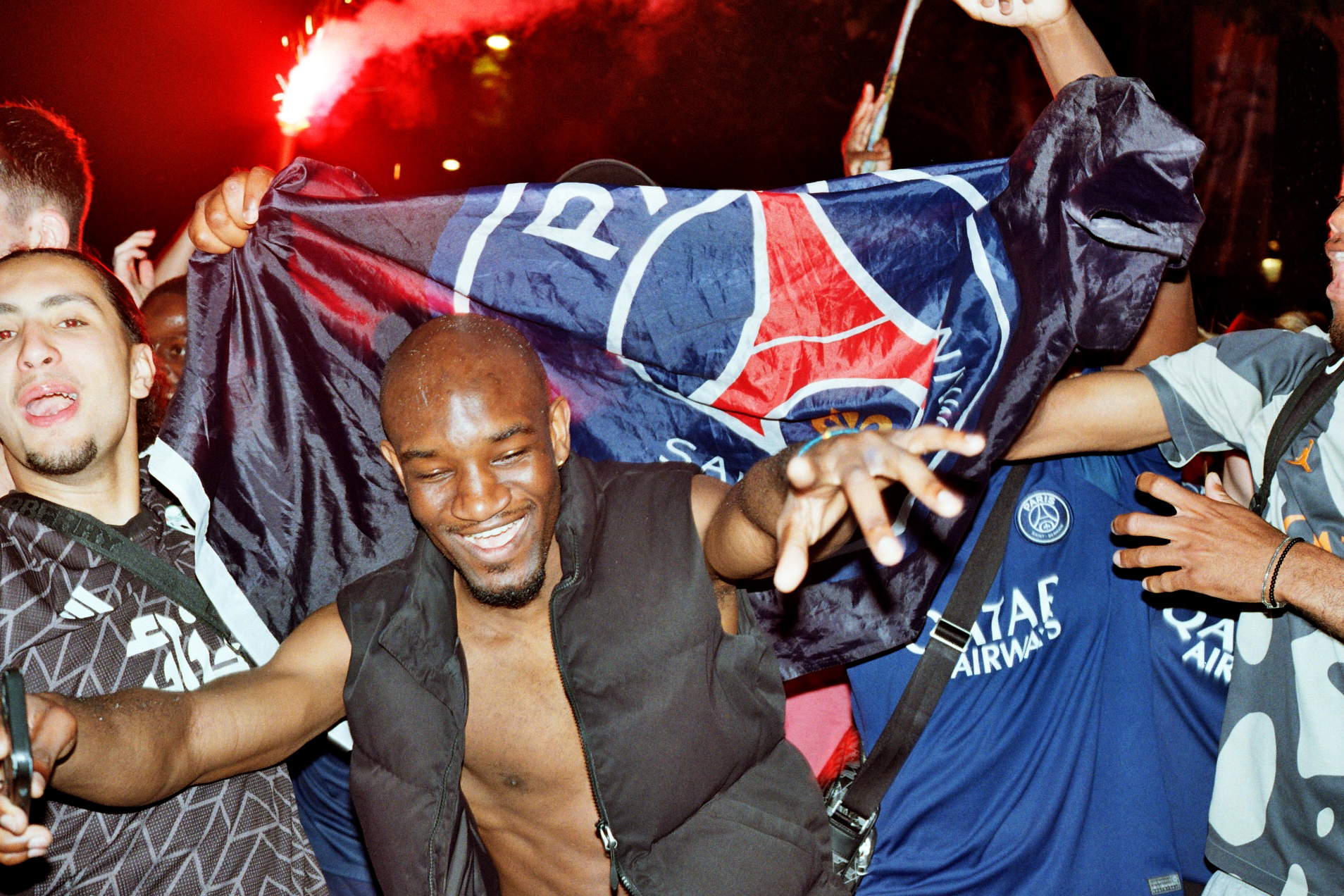
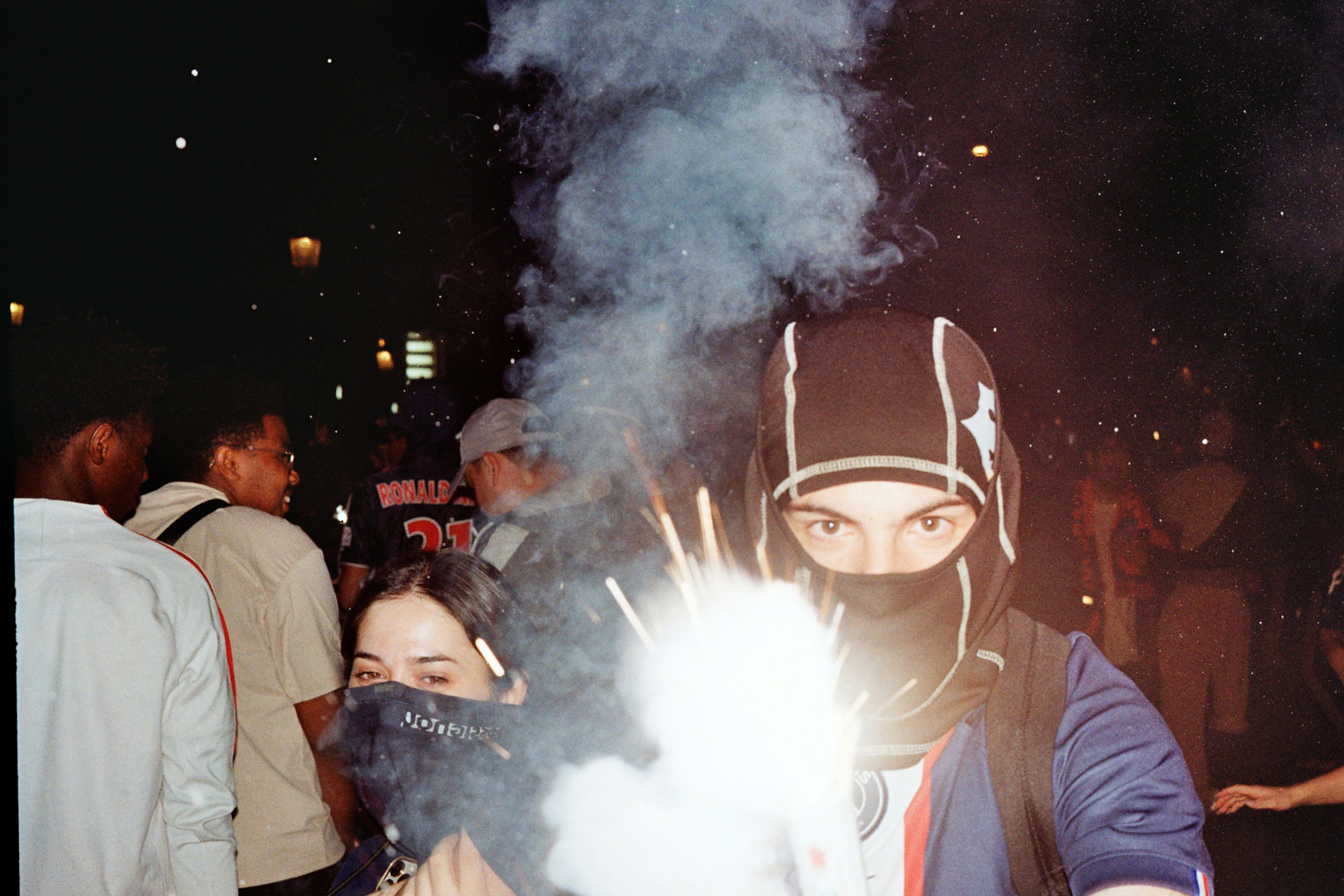
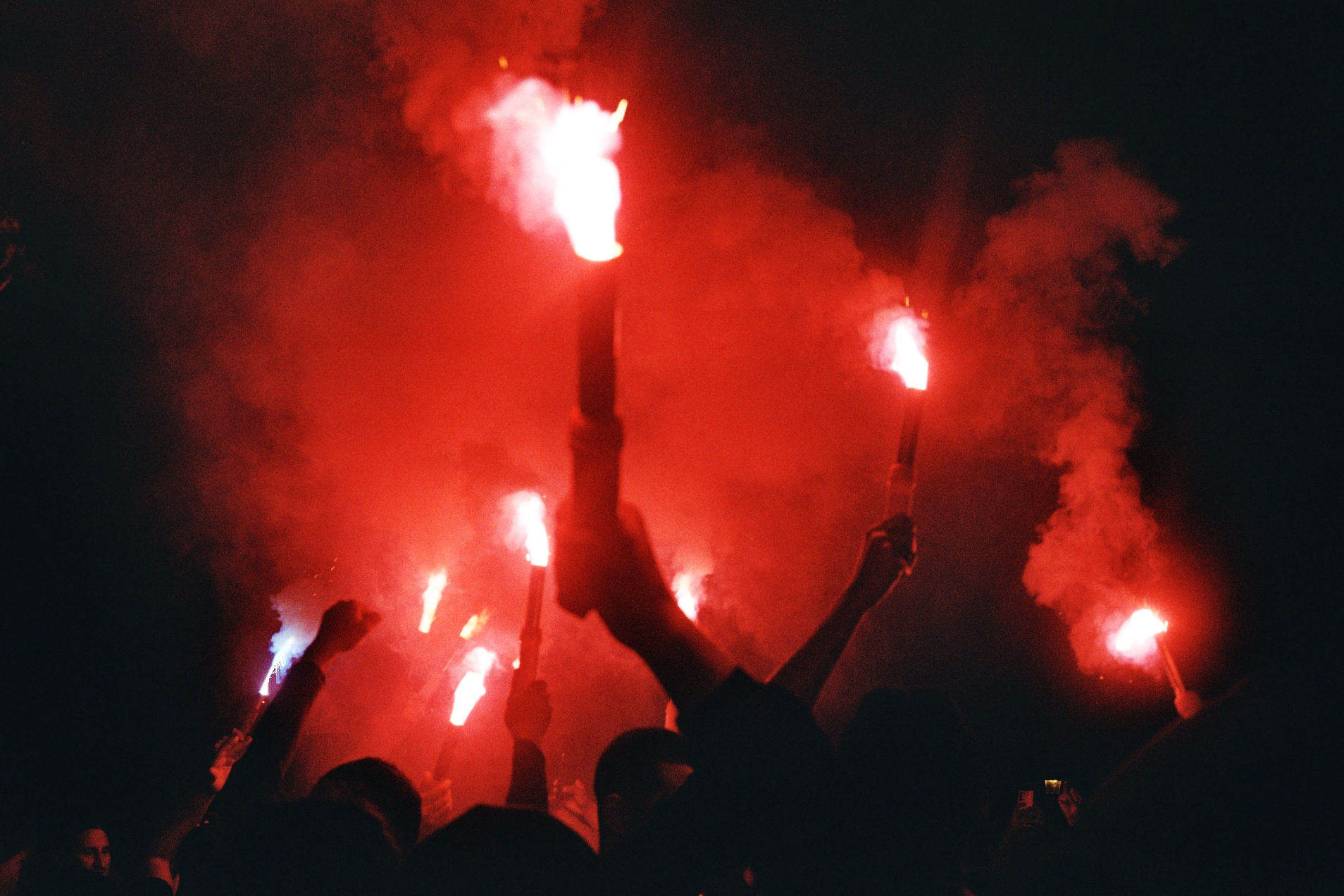
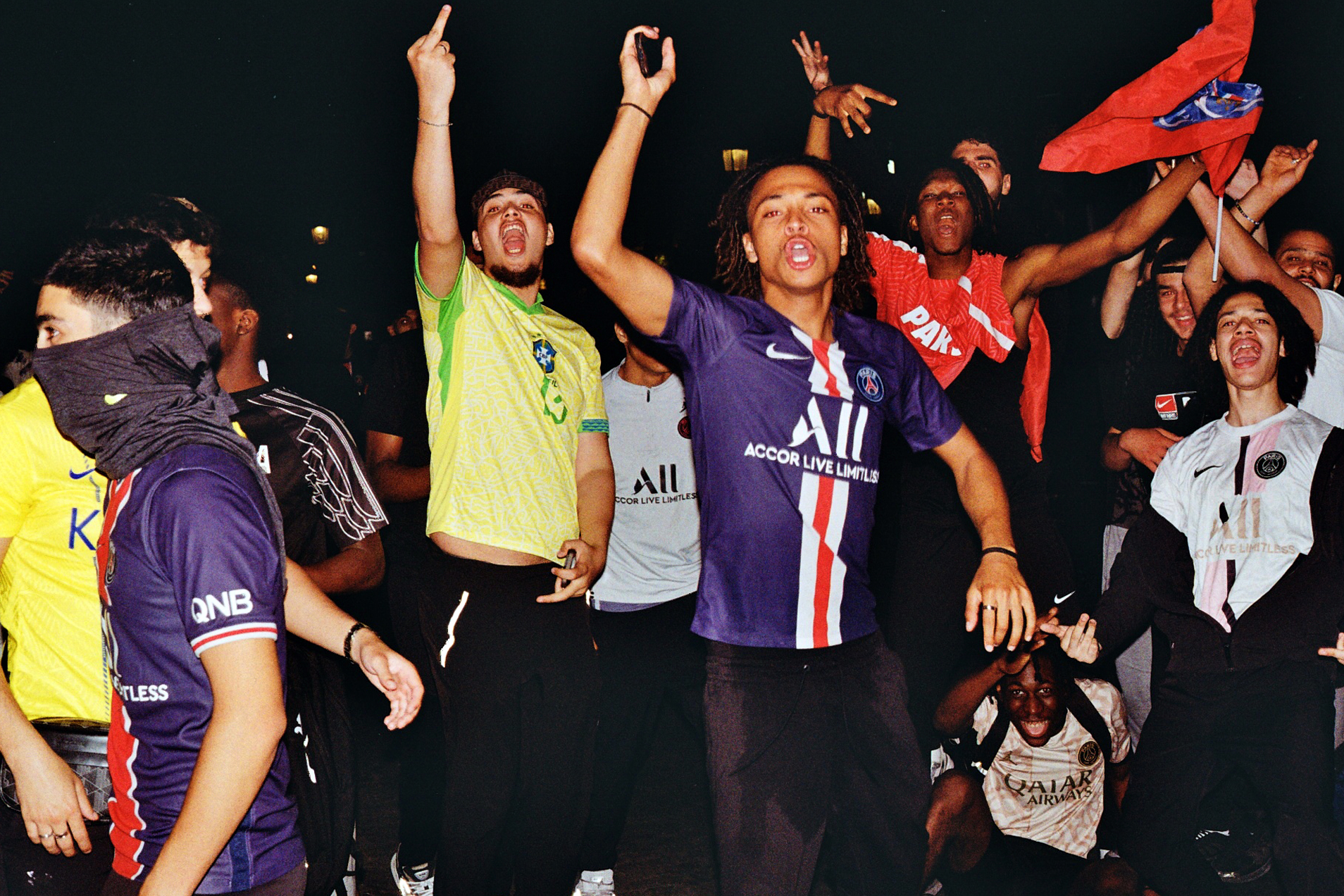
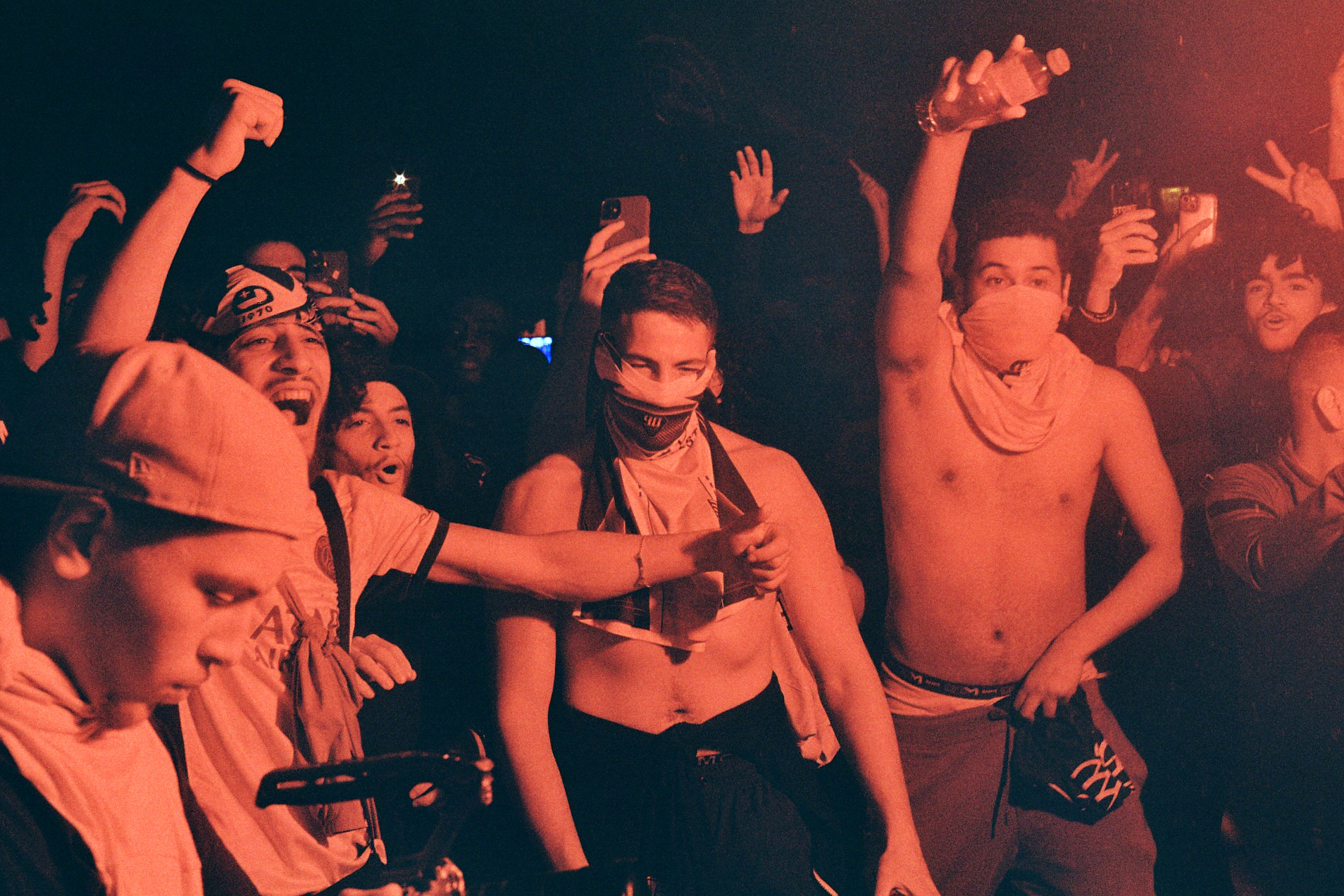
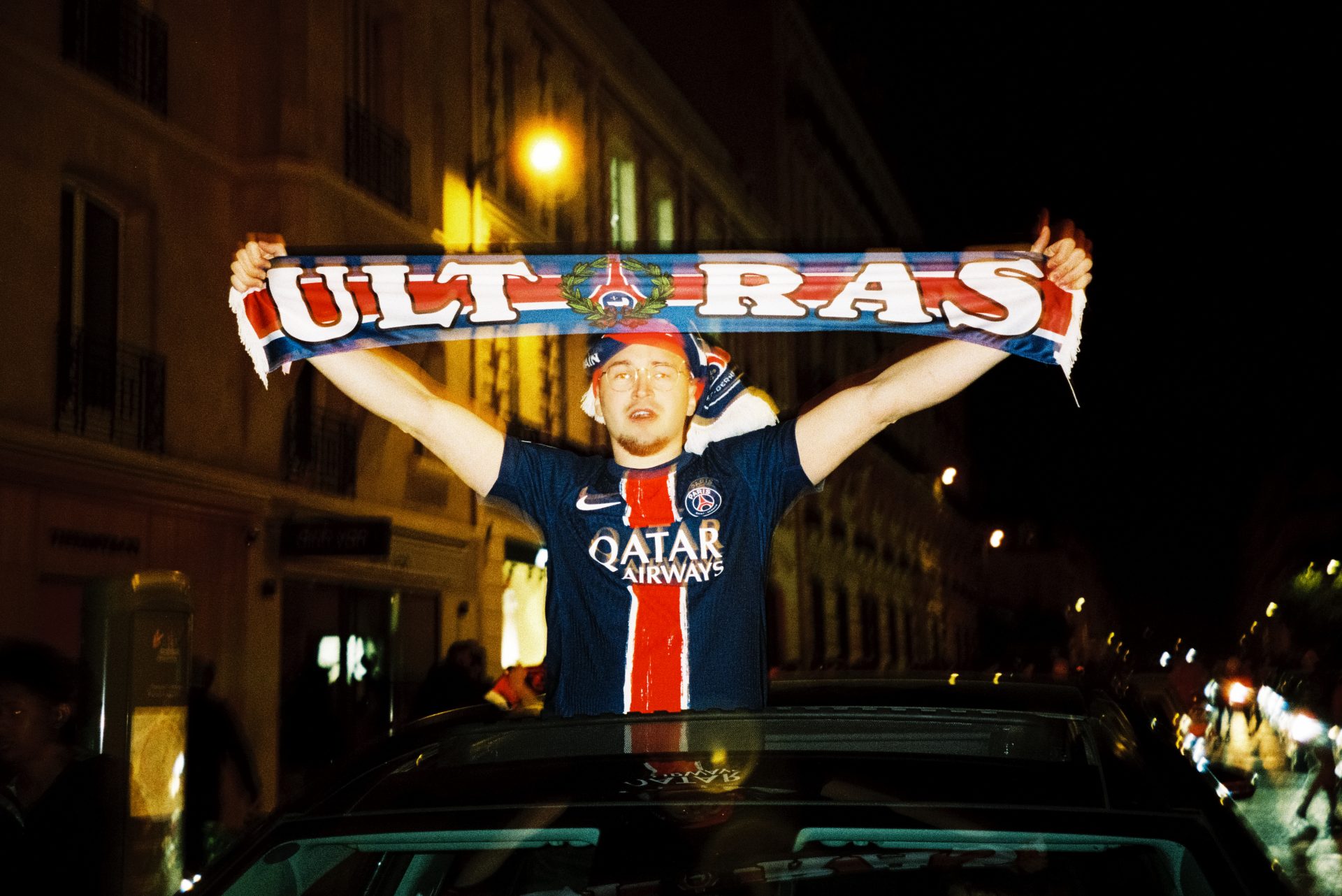
A Night in Paris by Alexey Dymarskiy documents the night Paris Saint-Germain finally became European champions.
Rather than concentrating solely on the stadium, the photographs move into the streets, bars and public spaces where supporters experienced the moment together.
The result is a portrait of collective celebration and the way football can temporarily transform the rhythm of an entire city.
Spain – Grounds, Supporters and Regional Identity
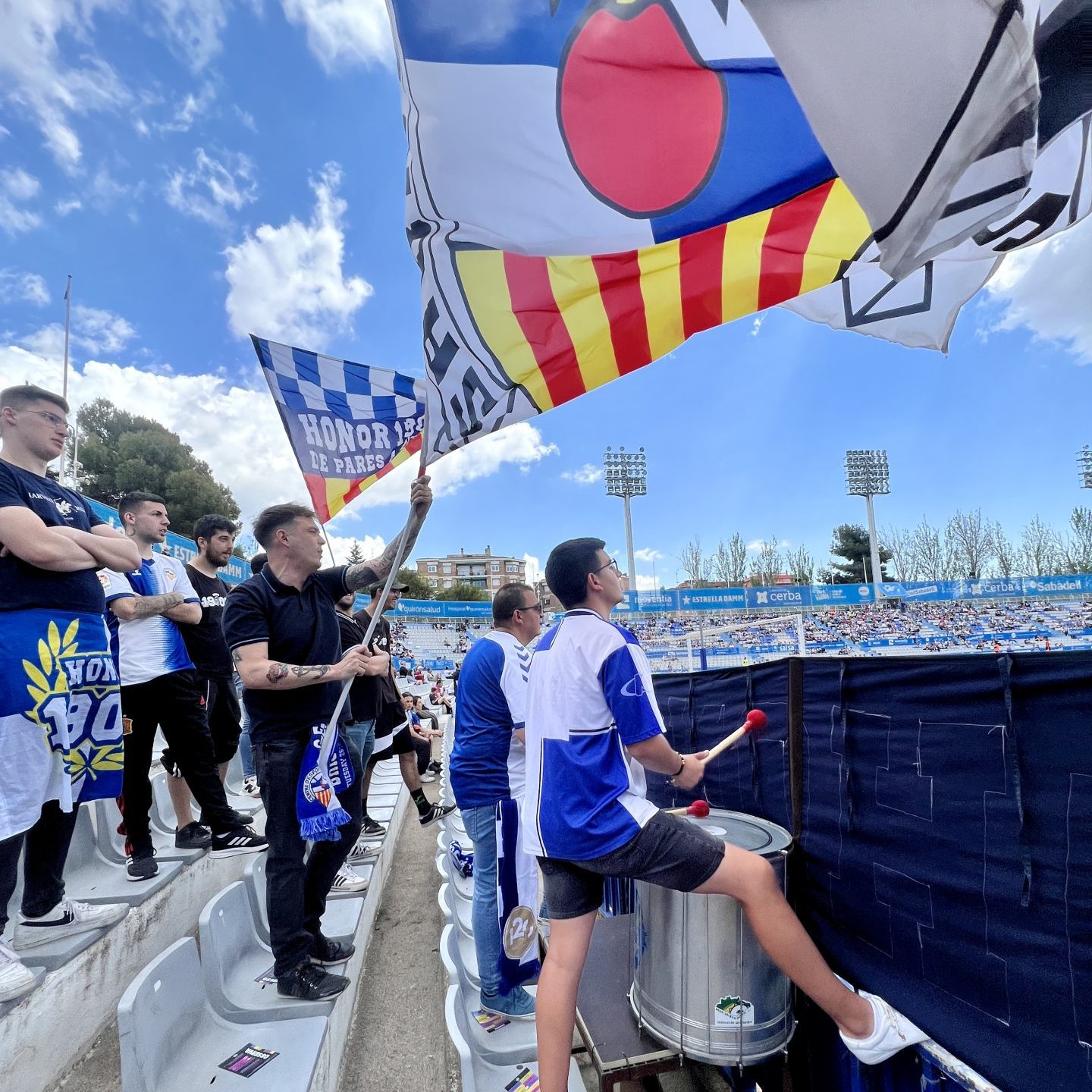
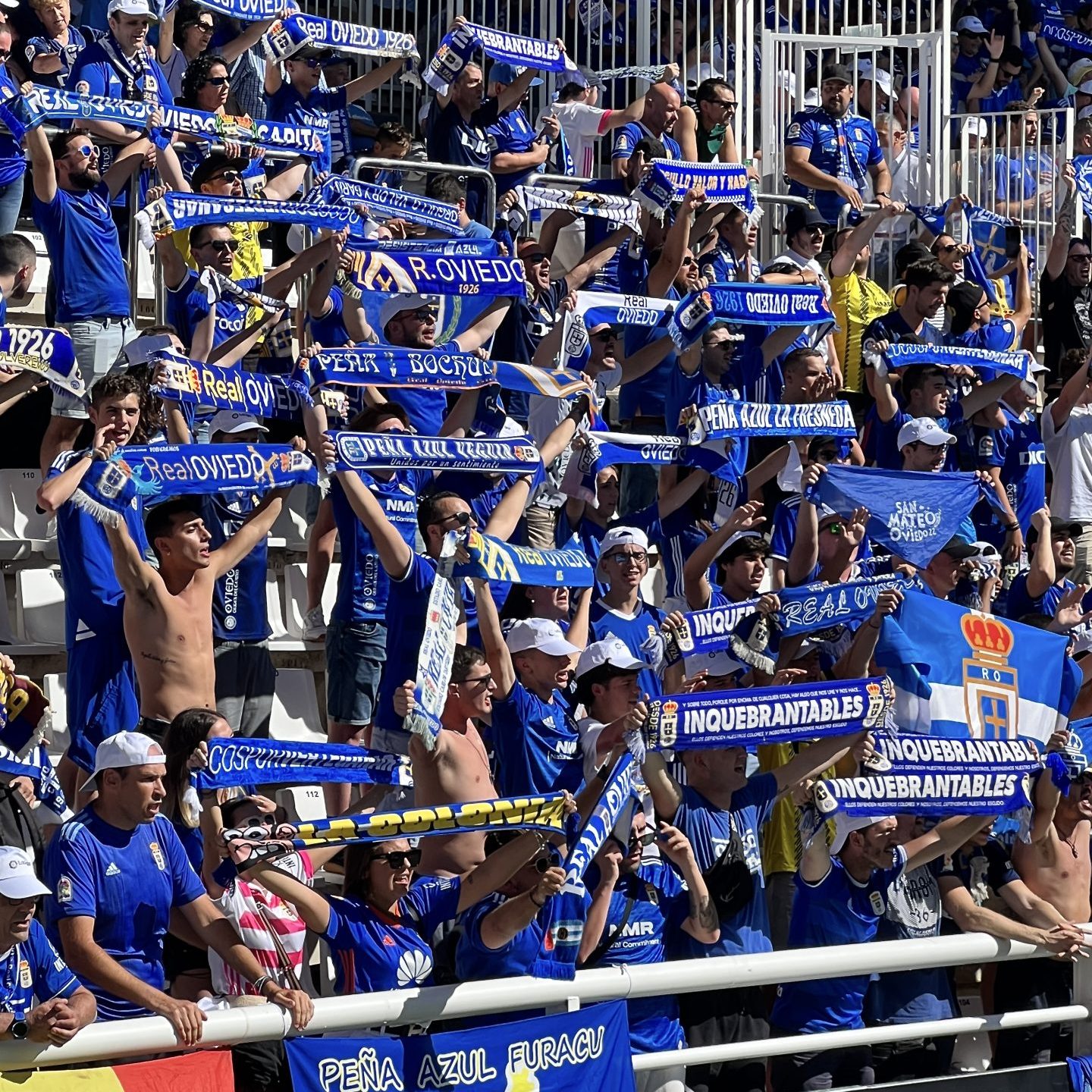
Spanish football contains its own range of identities.
Clubs can be closely tied to region, language and local history, while stadiums provide some of the most distinctive football architecture in Europe.
Across projects including Super Riazor, Estadio, Visca el Camp Nou and work around Racing Santander, Lower Block photographers have documented the relationship between supporters and the places in which Spanish football is experienced.
These projects show that stadiums are rarely just buildings.
They become symbols of memory and identity for the people who return to them season after season.




Football Culture Beyond Europe
The wider Lower Block archive also stretches beyond Europe’s traditional football centres.
S.Korea 24 documents contemporary supporter culture in South Korea, while projects from South America explore football communities whose visual traditions differ considerably from those found in Britain or Europe.
Different chants, banners, architecture and supporter movements give each culture its own identity.
The point isn’t to suggest that football culture is the same everywhere.
Its differences are precisely what make it interesting.


Supporters and Identity
Across all of these projects, supporters remain central.
The details vary enormously.
Some cultures are built around organised ultra groups. Others are centred on families, neighbourhoods or smaller communities. Certain stadiums are dominated by huge displays and pyrotechnics; elsewhere the strongest photographs might show only a handful of people standing beside a lower-league pitch.
Football culture does not need scale to matter.
What connects these photographs is the relationship between people and club.
That is where identity develops.
Stadiums and Sense of Place
Football grounds provide another common thread.
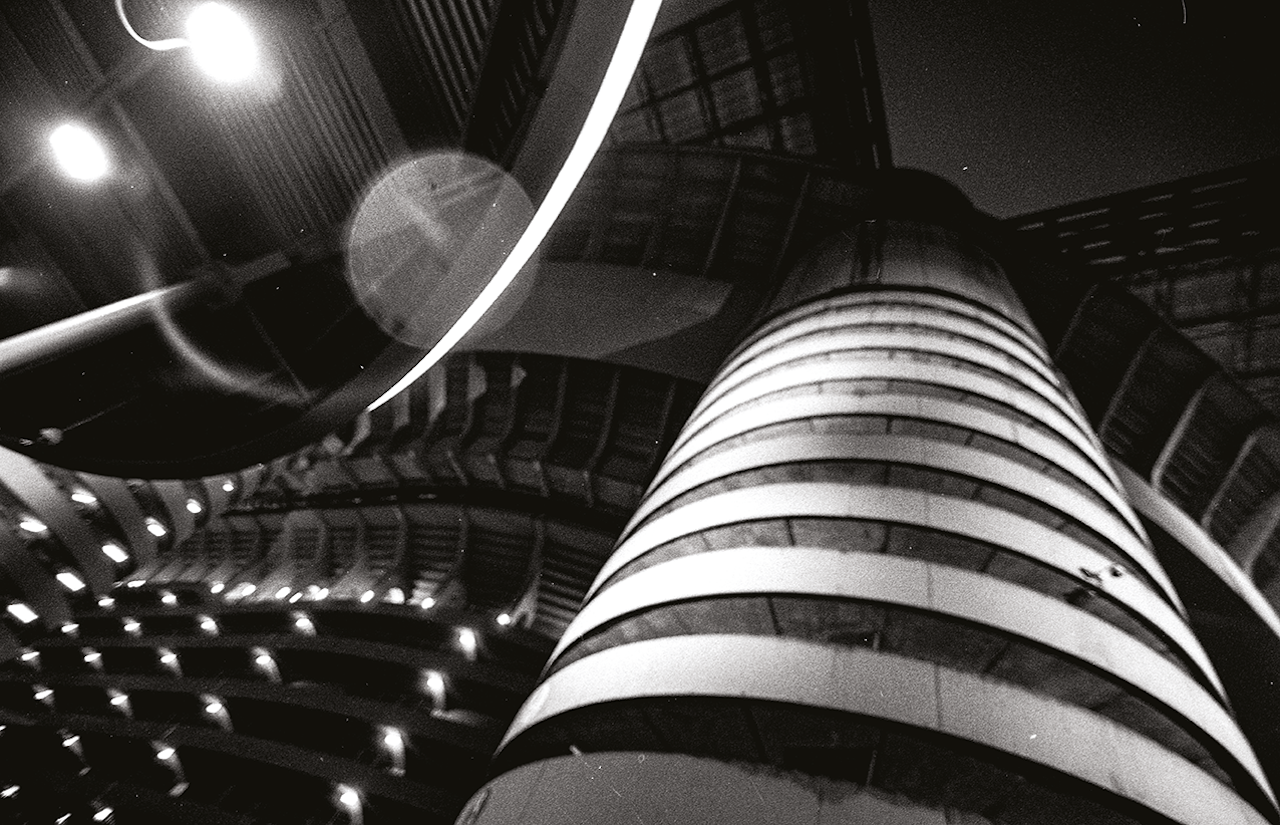
A stadium can dominate a neighbourhood or sit almost unnoticed within it. Some are monumental concrete structures; others are improvised grounds developed gradually over generations.
Architecture affects how football feels.
Floodlights, terraces, steep stands, running tracks, exterior walls and the streets surrounding grounds all shape the matchday experience.
As stadiums are rebuilt or replaced, photography increasingly becomes a record of the places supporters once knew.
That makes photographing them part of documenting football culture itself.

Ritual, Celebration and Belonging
Football is built around repetition.
The same journey. The same streets. The same people. The same songs.
Then occasionally something happens that breaks the routine — promotion, a championship, a derby victory or a historic European night.
Many of the Editions within this Collection document those moments.
But their significance comes from everything that led to them.
Celebrations matter because supporters have invested years in the club before the photograph was made.
That emotional connection crosses borders.
A Global Football Archive
Lower Block’s international archive continues to grow.
It is not an attempt to document every league, club or country.
The focus remains the same wherever the photographs are made: authentic football culture, strong photography and stories rooted in people and place.
From Marseille to Curitiba, Santander to Seoul, Buenos Aires to Naples, the details change.
The feeling is recognisable.
Football belongs to the people who live it.
Explore the Global Football Culture Collection →
Global Football Photography, Editions & Prints


Explore More Global Football Culture