For Steve Pyke, photographing Filbert Street meant photographing his own club.
Taken during Leicester City’s 1991–92 season, these black-and-white photographs document supporters at the ground that generations of City fans called home. They form part of The Third Element, a Lower Block Edition bringing together Pyke’s football photography and a personal tribute to his father.
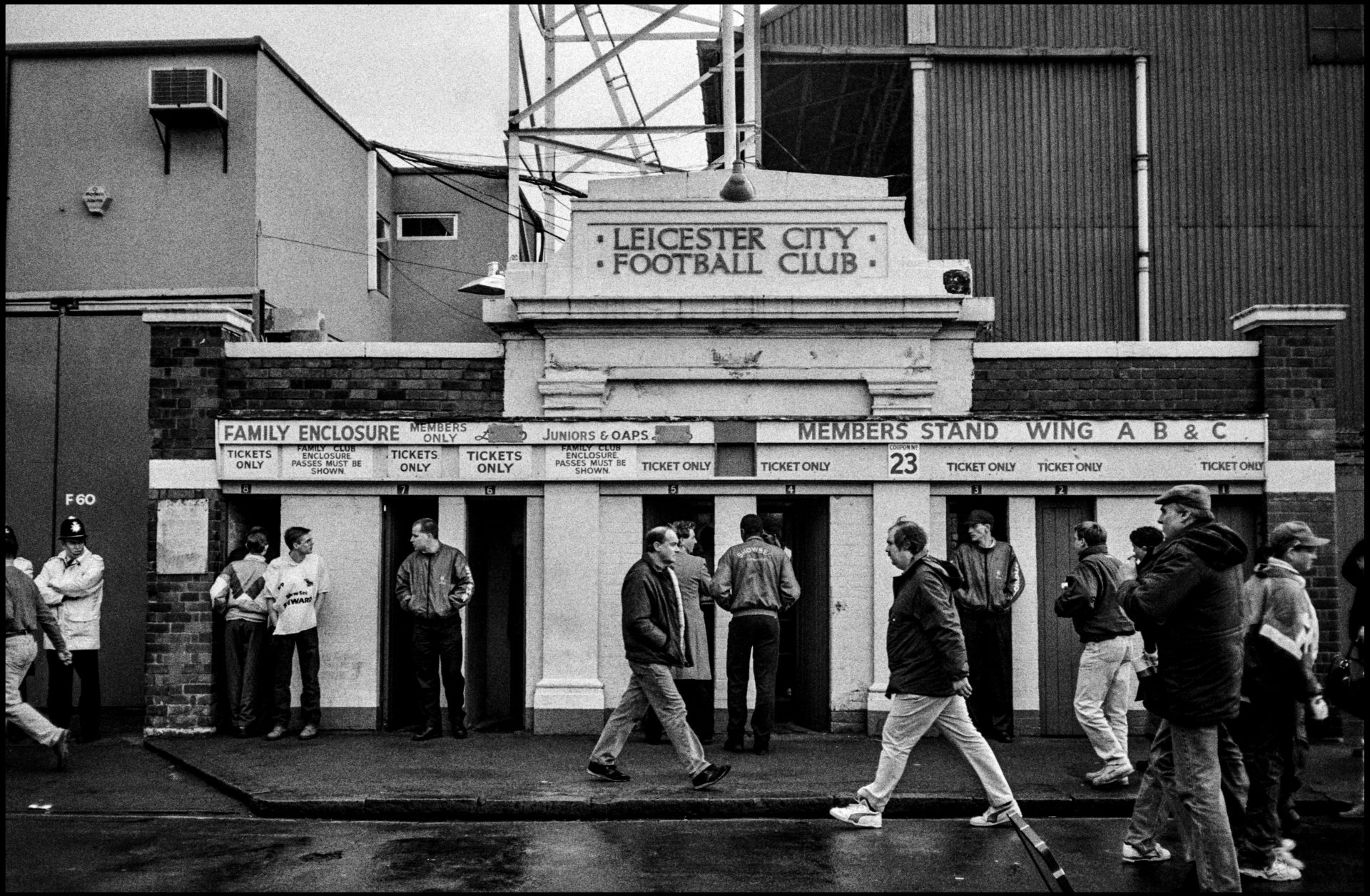
His connection to Leicester gives the collection another dimension. These are photographs made by someone whose relationship with football includes the same club, ground and sense of belonging as the people in front of his camera.
Filbert Street – Leicester City’s former home
Leicester played at Filbert Street from 1891 until 2002. Over 111 years, the ground became part of the city’s identity, with its stands rising alongside the surrounding residential streets.

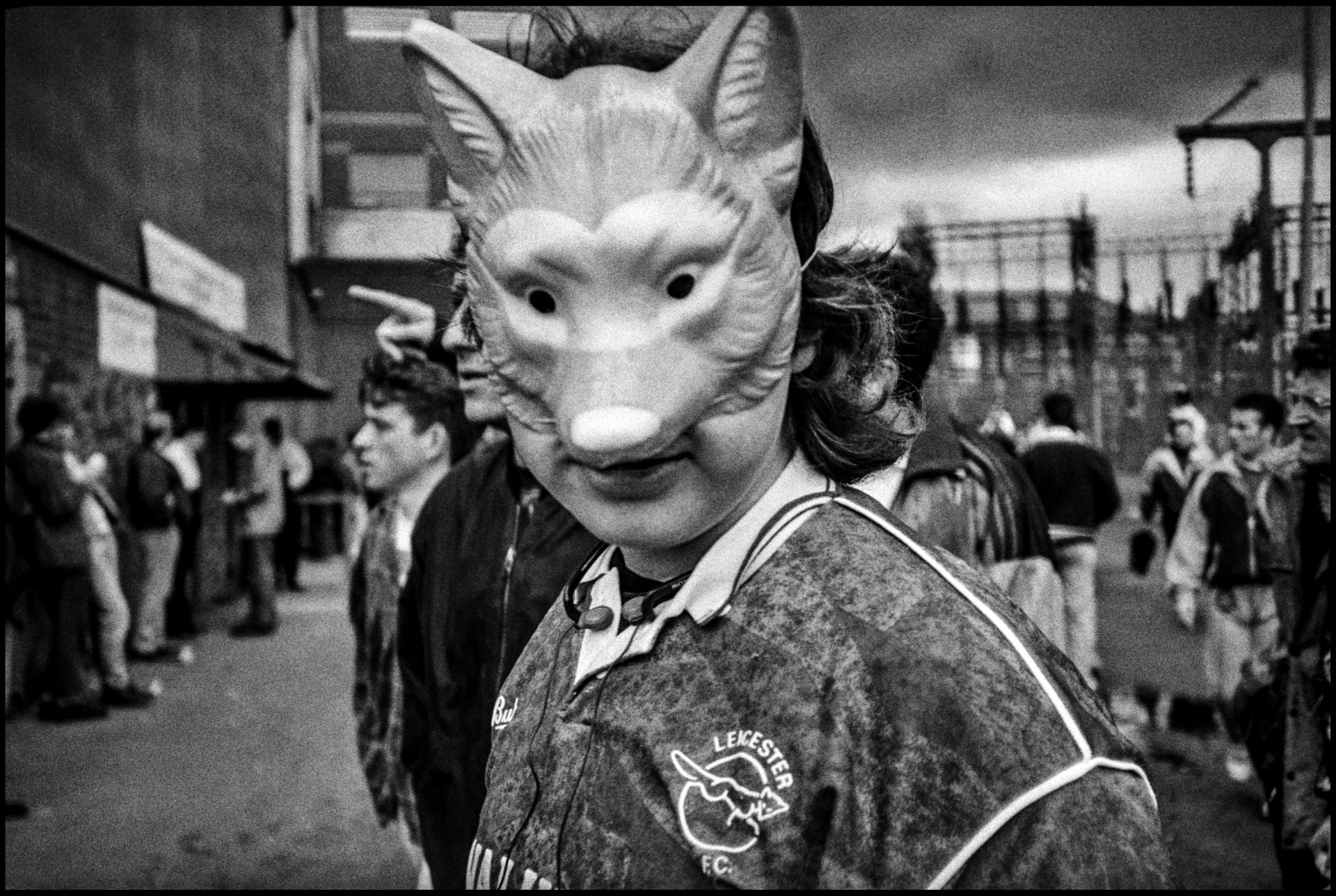
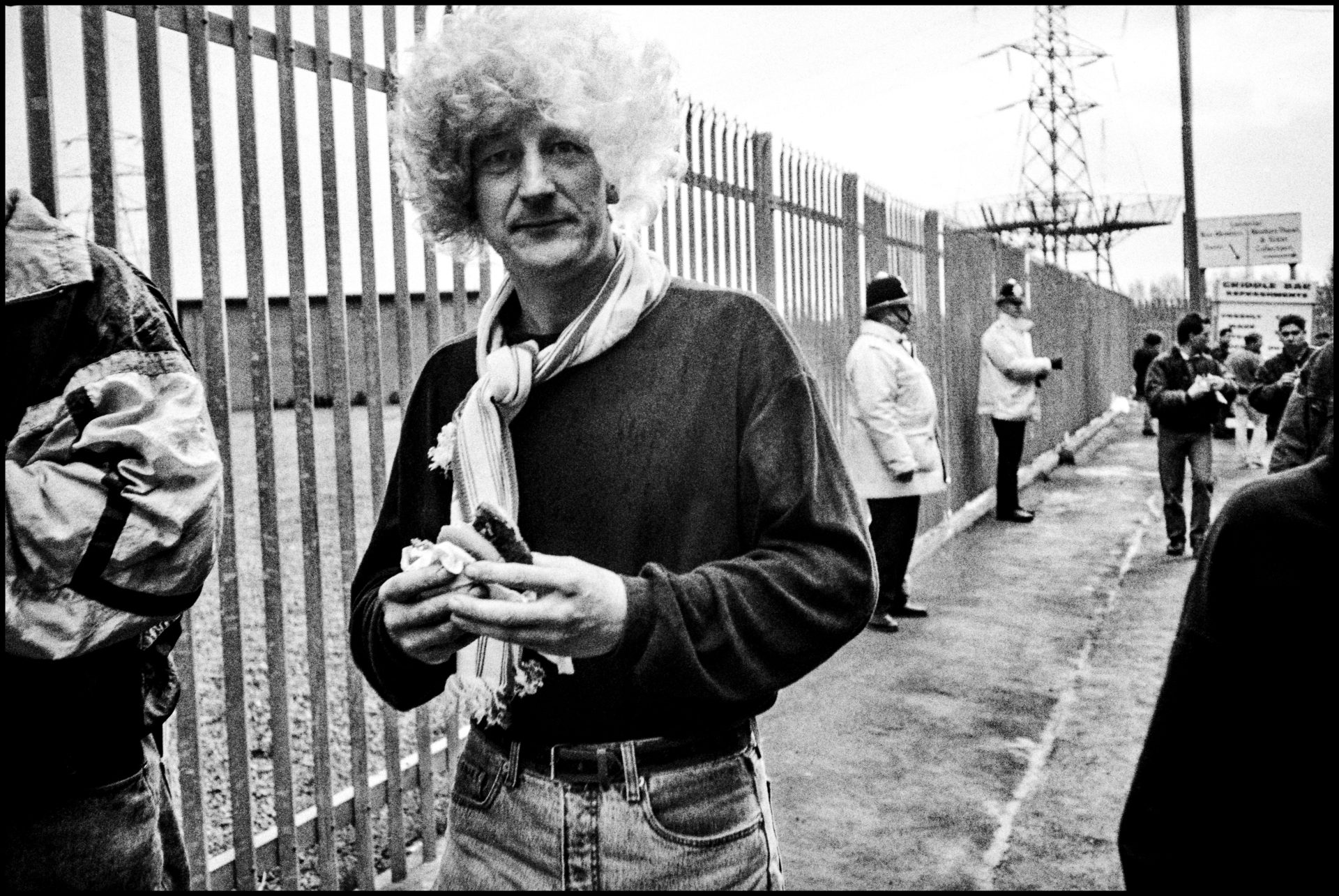
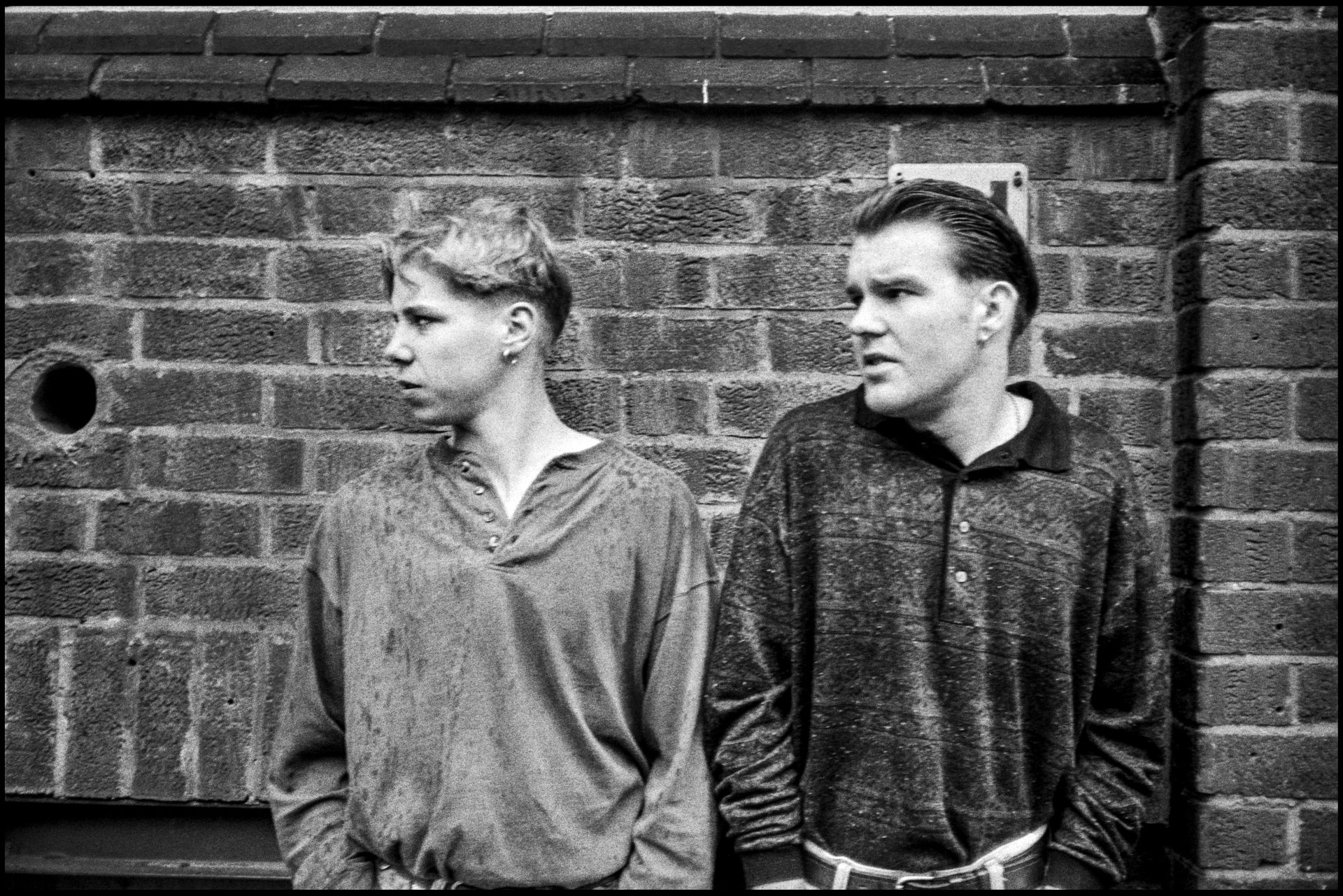
For regular supporters, its significance was built through repetition. The journey to the ground, the entrance, the people they met and the place they watched from all became part of following Leicester.
Pyke’s photographs preserve a moment within that much longer history. They show Filbert Street during the early 1990s, a decade before the club’s departure, when its eventual disappearance was still some way off.
Today, the collection sits within a wider photographic record of British football’s former homes.
Explore Lower Block’s Lost Grounds Collection.
Leicester City v Newcastle United – 2 May 1992
One of the photographs records a pitch invasion at Leicester’s final league fixture of the 1991-92 season, against Newcastle United.
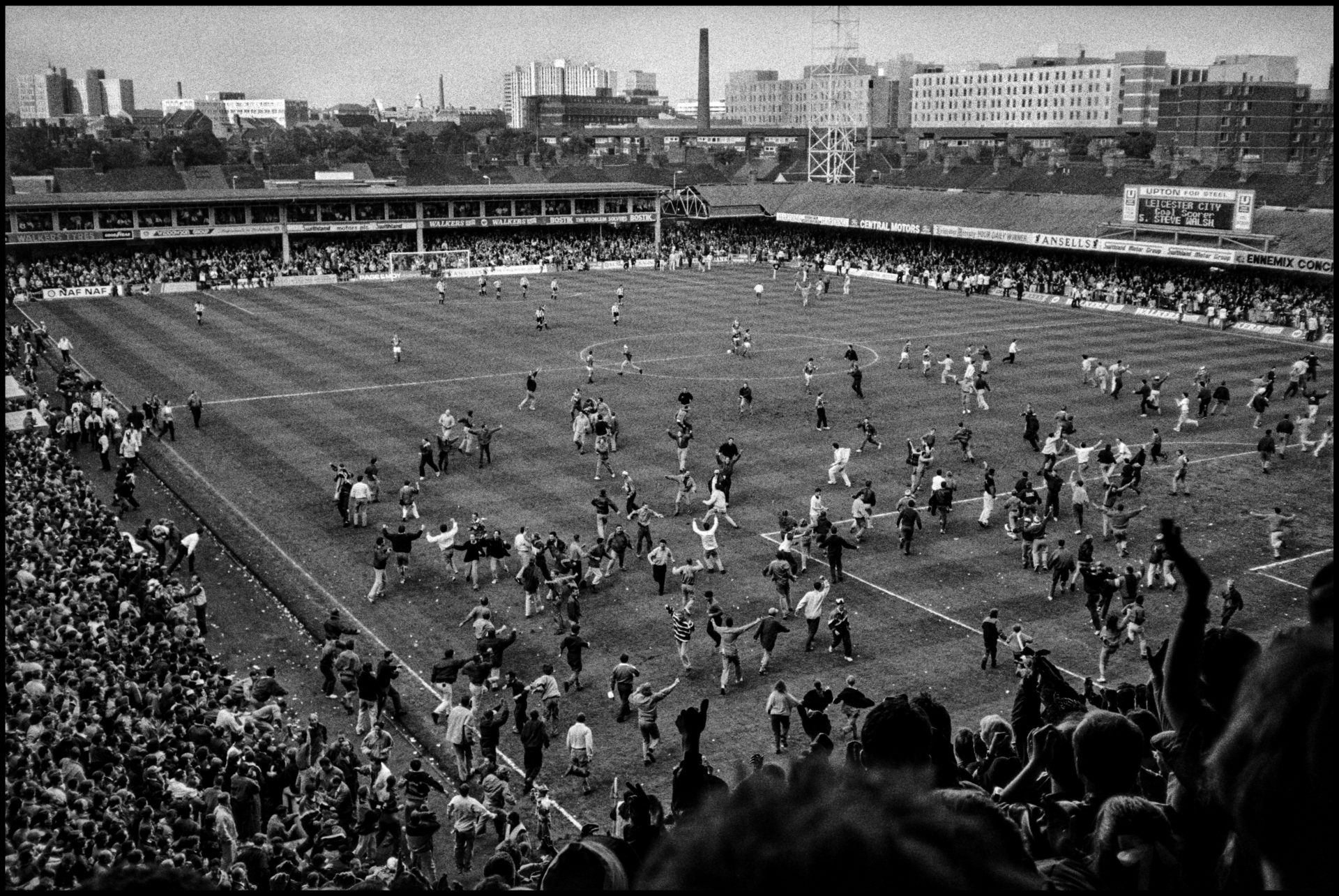
Newcastle arrived at Filbert Street fighting to preserve their Second Division status. Gavin Peacock put the visitors ahead before Steve Walsh scored Leicester’s late equaliser.
Walsh then put through his own goal, giving Newcastle a 2–1 victory and securing their survival. Pitch invasions accompanied the chaotic closing stages, leaving the match remembered for events both on the pitch and around it.
Within Pyke’s collection, the photograph gives that afternoon a place in the visual history of Filbert Street. It records a specific episode in a ground whose memories encompass far more than its best-known victories.
From Baby Squad to Filbert Street
Pyke had already photographed another part of Leicester’s supporter culture in 1984.
His Baby Squad series documents young Leicester followers during the emergence of football casual culture, recording the clothes, friendships and group identity of that period.
The Filbert Street photographs offer a later view of the club’s following. Seen together, the two collections show the value of returning to a photographic archive, connecting different moments in the lives and culture of supporters.
Read Leicester City Baby Squad 1984 and explore the Baby Squad 1984 Edition.
Preserving Filbert Street through photography
Leicester played their final competitive match at Filbert Street on 11 May 2002, beating Tottenham Hotspur 2–1 before moving to the stadium on Filbert Way, originally named the Walkers Stadium.

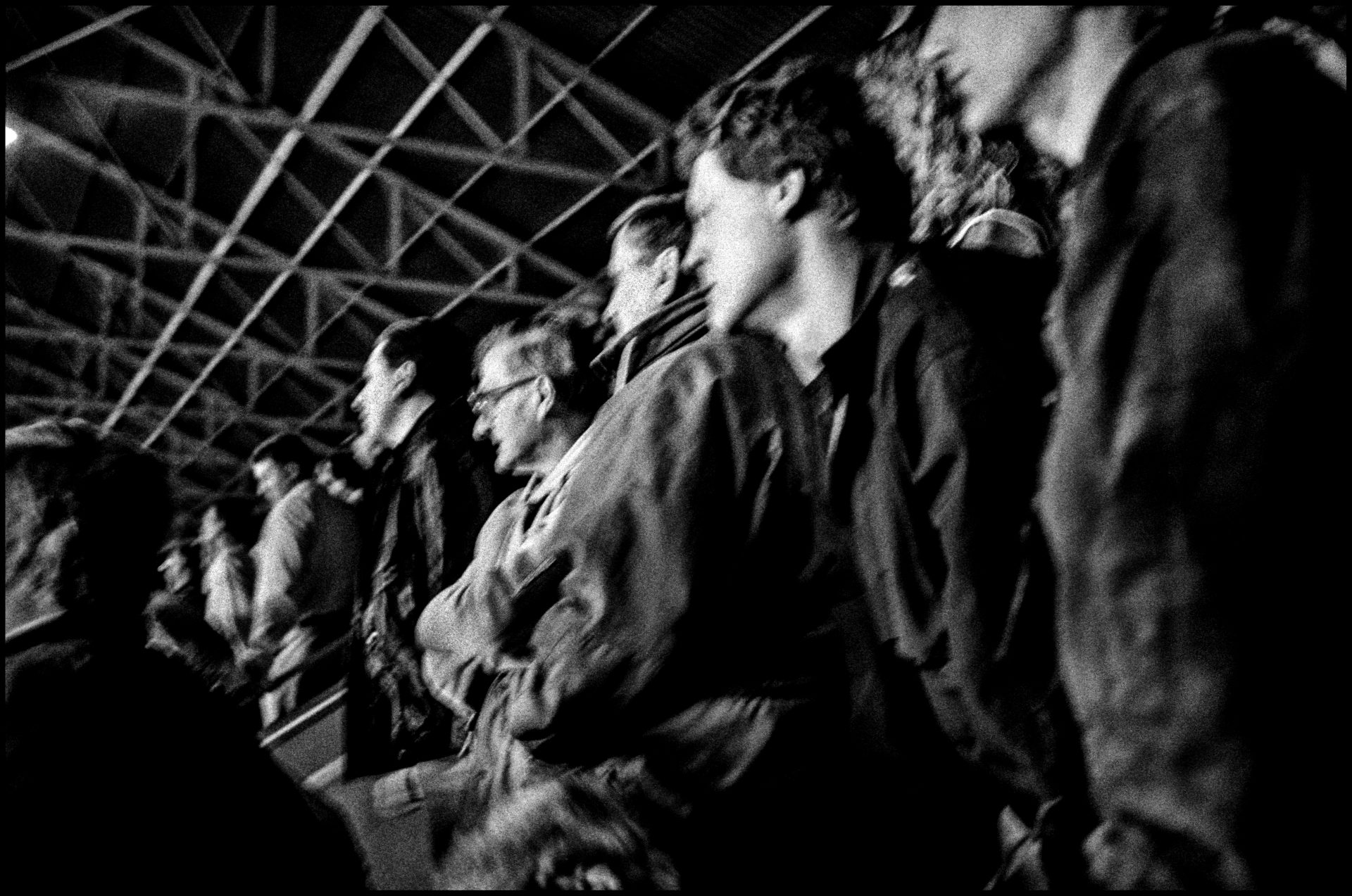
The old ground has since disappeared, giving photographs taken during its working life an enduring importance. They preserve its appearance alongside the people who made it matter.
That is central to football culture photography. A ground’s history survives through the supporters who remember it and the photographs that allow others to see it.
Explore football culture photography and Lower Block’s British Football Heritage collection.
The Third Element – Steve Pyke
The Third Element brings together these Filbert Street photographs from the 1991–92 season alongside Pyke’s images of White Hart Lane, Highbury, Upton Park and Wembley in 1985.
The Edition also includes his tribute to his father, reflecting on the role football played in their relationship.
“When all else fails, we turn to football… I found my father in football, it was our Third Element.”
The Third Element is a limited-edition A5 photo zine containing 31 black-and-white photographs across 44 pages.
Explore The Third Element by Steve Pyke.
Suggested Lower Block Editions
More from The Lower Block Archive