An empty stand can tell you a great deal about a football ground. Its materials, colours and construction reveal how it has developed, while worn surfaces record years of use by the people who return to it. Through words and photographs, Guirec Munier examines these familiar details, tracing the changing places from which we watch football. From surviving wooden seats to exposed concrete terraces, his work considers their architectural character and the personal memories attached to a particular spot in the crowd.
Words and photographs by Guirec Munier
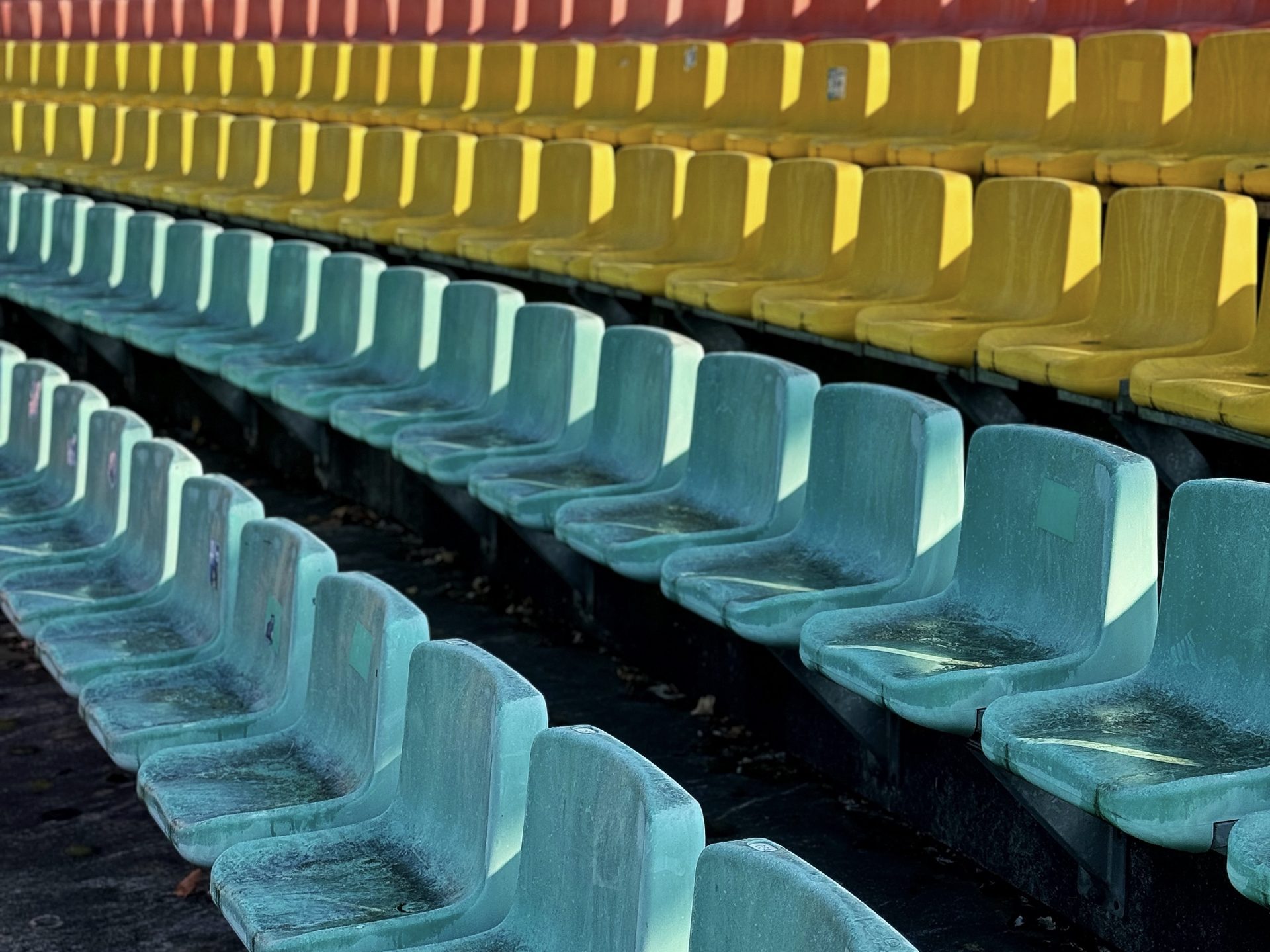
There is something quietly fascinating about an old football stand. The peeling paint, the worn steps, the rusting framework and the rows of seats that have seen better days. They are easy to overlook, particularly when the action is taking place on the pitch, yet they all have a story to tell. Some of these structures have stood for generations, while the seats themselves reflect the many changes that football grounds have undergone over the years. All have been part of the scenery of football, season after season.
The story of stadium seating is also the story of how we have watched the game. From muddy banks and wooden benches to vast concrete terraces and brightly coloured plastic seats, the places occupied by supporters have changed almost as much as football itself. In the early days, grounds were often little more than enclosed fields. Spectators gathered wherever they could find a decent view, sometimes standing on natural banks or makeshift platforms. As football grew in popularity towards the end of the nineteenth century, clubs began to build more permanent facilities. Earthen terraces, timber structures and simple covered stands gradually became familiar features of the football landscape.
For many supporters, the terrace was the natural home. It was cheap, spacious and, above all, part of the crowd. Wooden sleepers might provide a foothold on an uneven bank, while a concrete step and a metal barrier were often all that separated spectators from the pitch. A covered stand, with its rows of benches or reserved seats, offered a rather different experience. It was generally more expensive, and the distinction between the terrace and the grandstand reflected the social divisions of the time.
A few remarkable remnants of that world can still be found. The Main Stand at Blundell Park, home of Grimsby Town, dates back to 1901 and is one of the oldest surviving football stands in the country. Its wooden seating feels a long way from the uniform plastic rows found in most modern grounds. At Goodison Park, the old wooden seats of the Goodison Road Stand offered another glimpse of a disappearing age. These are not simply places to watch football. They are survivors from a time when the shape of the modern ground was still taking form.
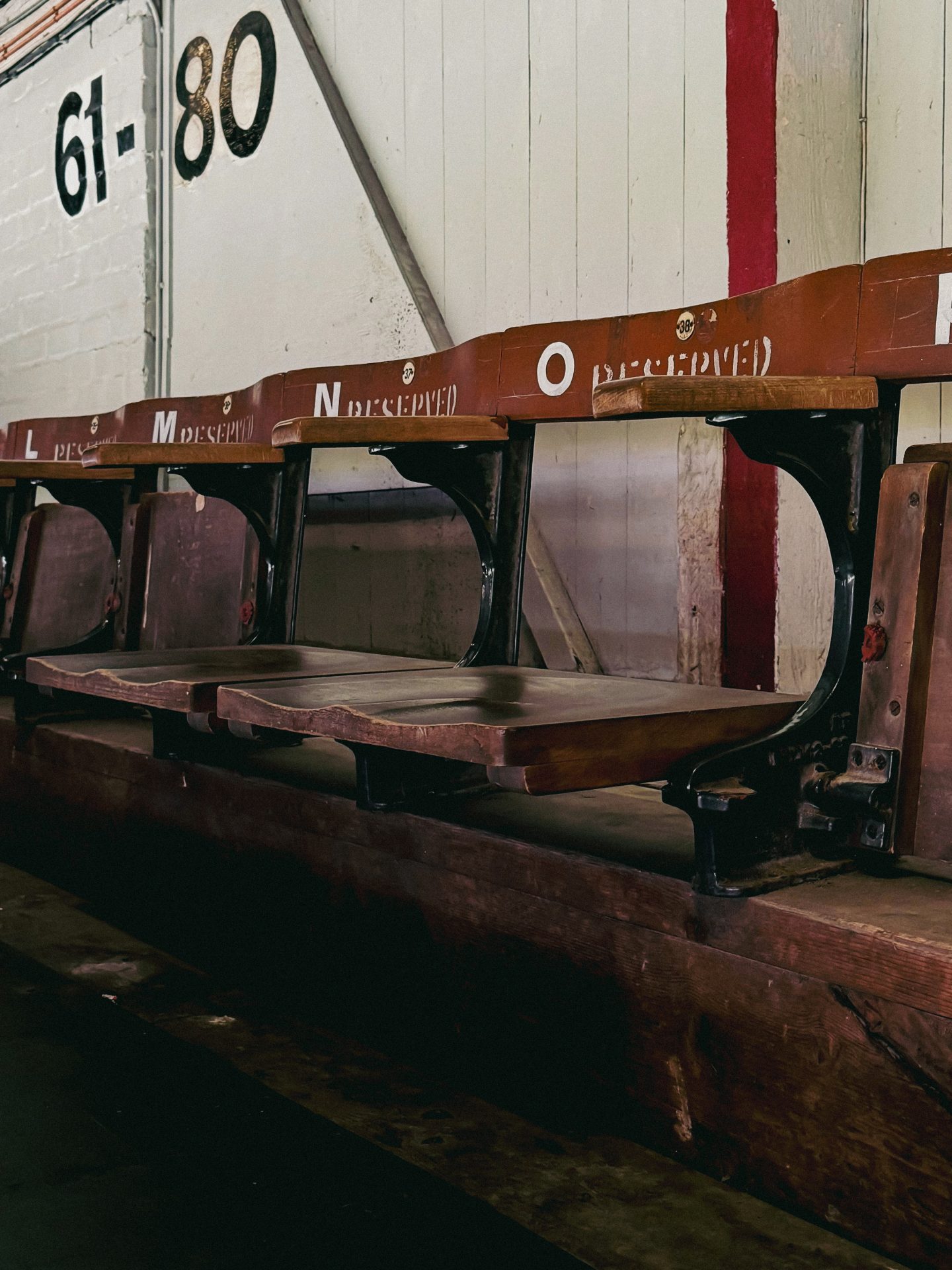
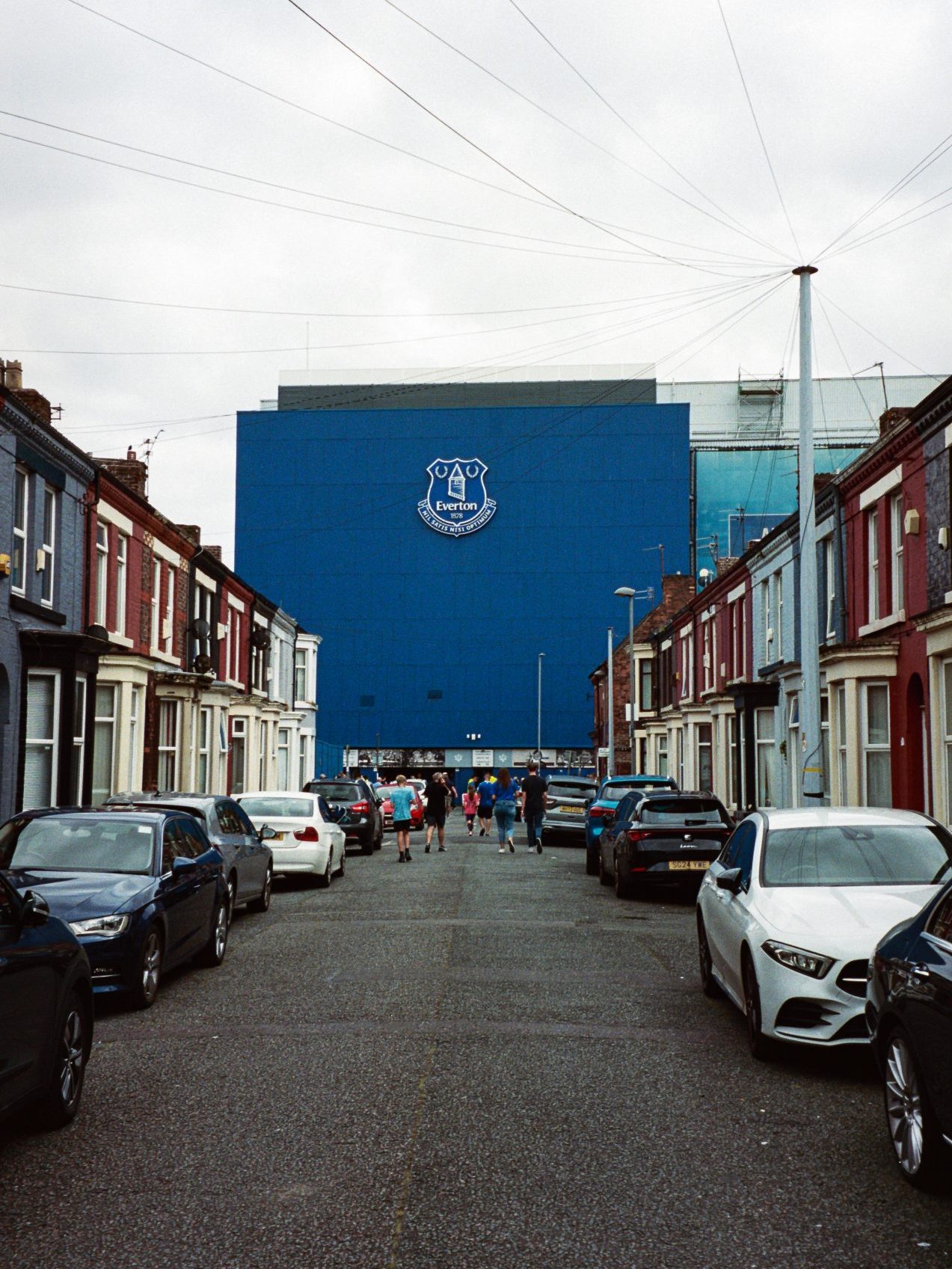
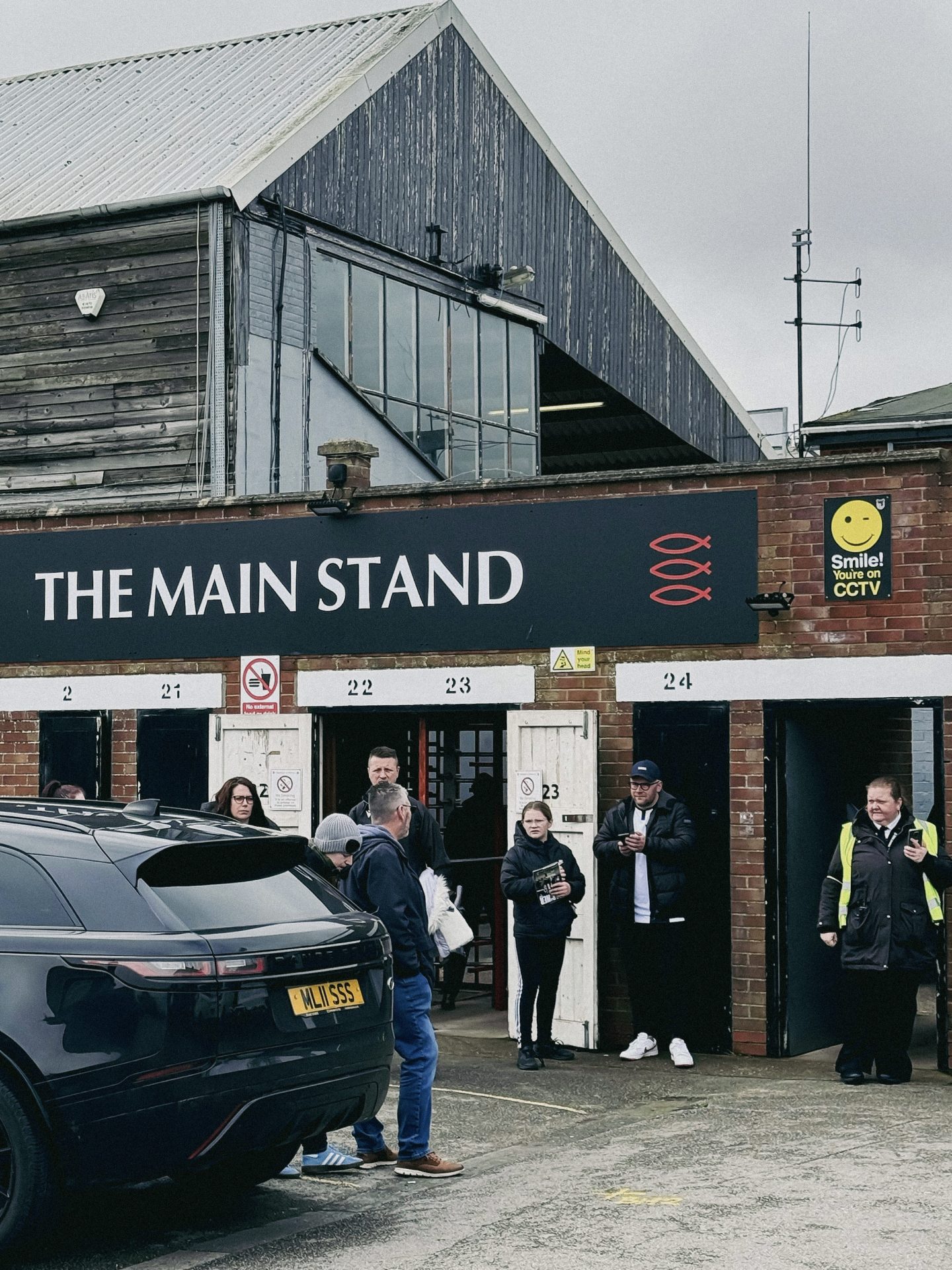
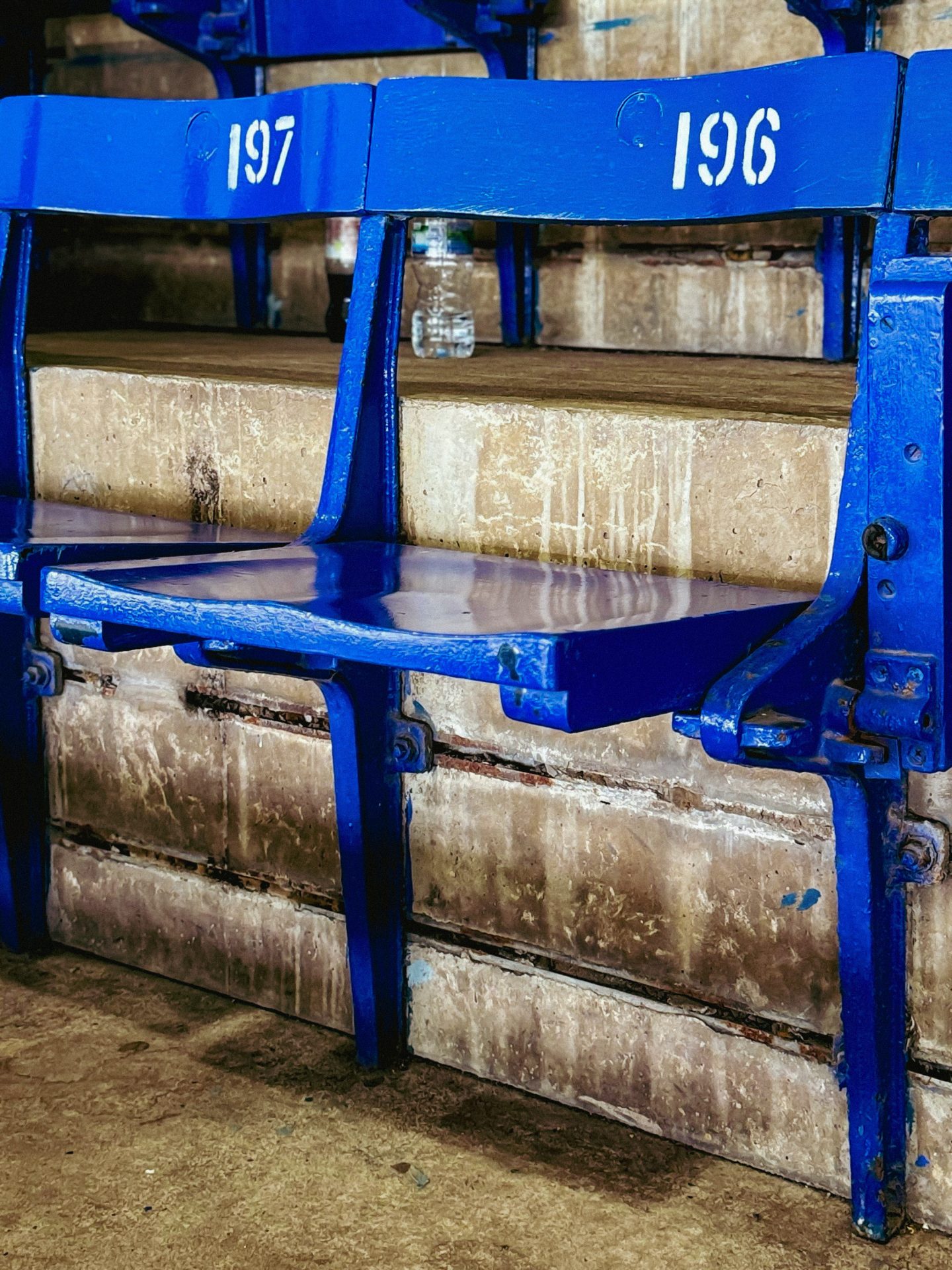
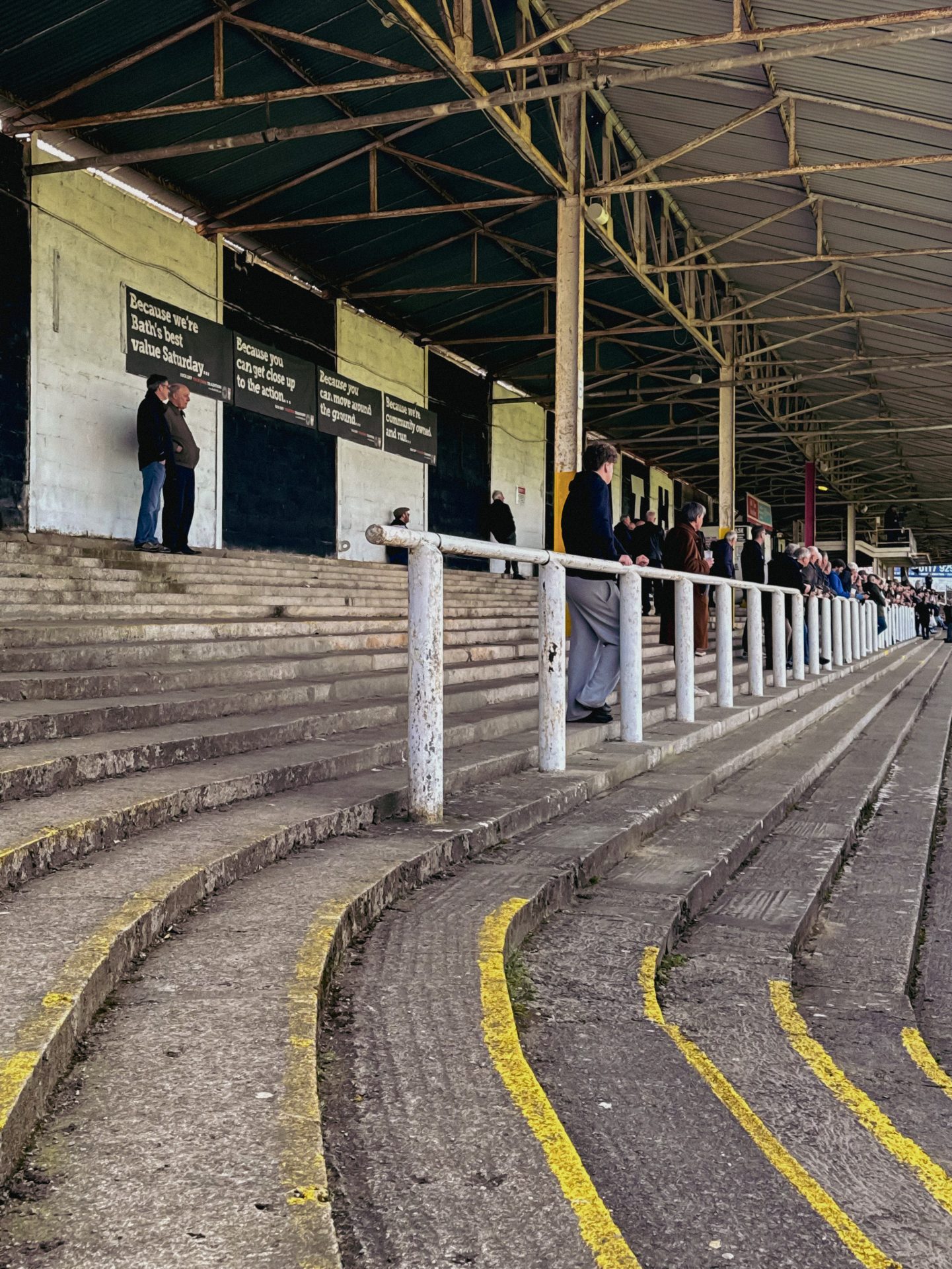
As the twentieth century progressed, terraces became the defining image of British football. They were places of noise, movement and shared experience. Supporters stood shoulder to shoulder, often in the same spots week after week. Songs travelled across the crowd, friendships were made, rivalries took shape. A familiar turnstile, a particular corner of the ground, the same concrete steps every Saturday. These small rituals became part of supporting a club. Comfort was rarely the priority. Many terraces were open to the elements, leaving supporters at the mercy of the wind and rain. Some were little more than ageing banks of concrete, with facilities that would seem unthinkable in today’s game. But nobody went to the football expecting luxury. You went to stand with your mates, follow the match and be part of something bigger than yourself.
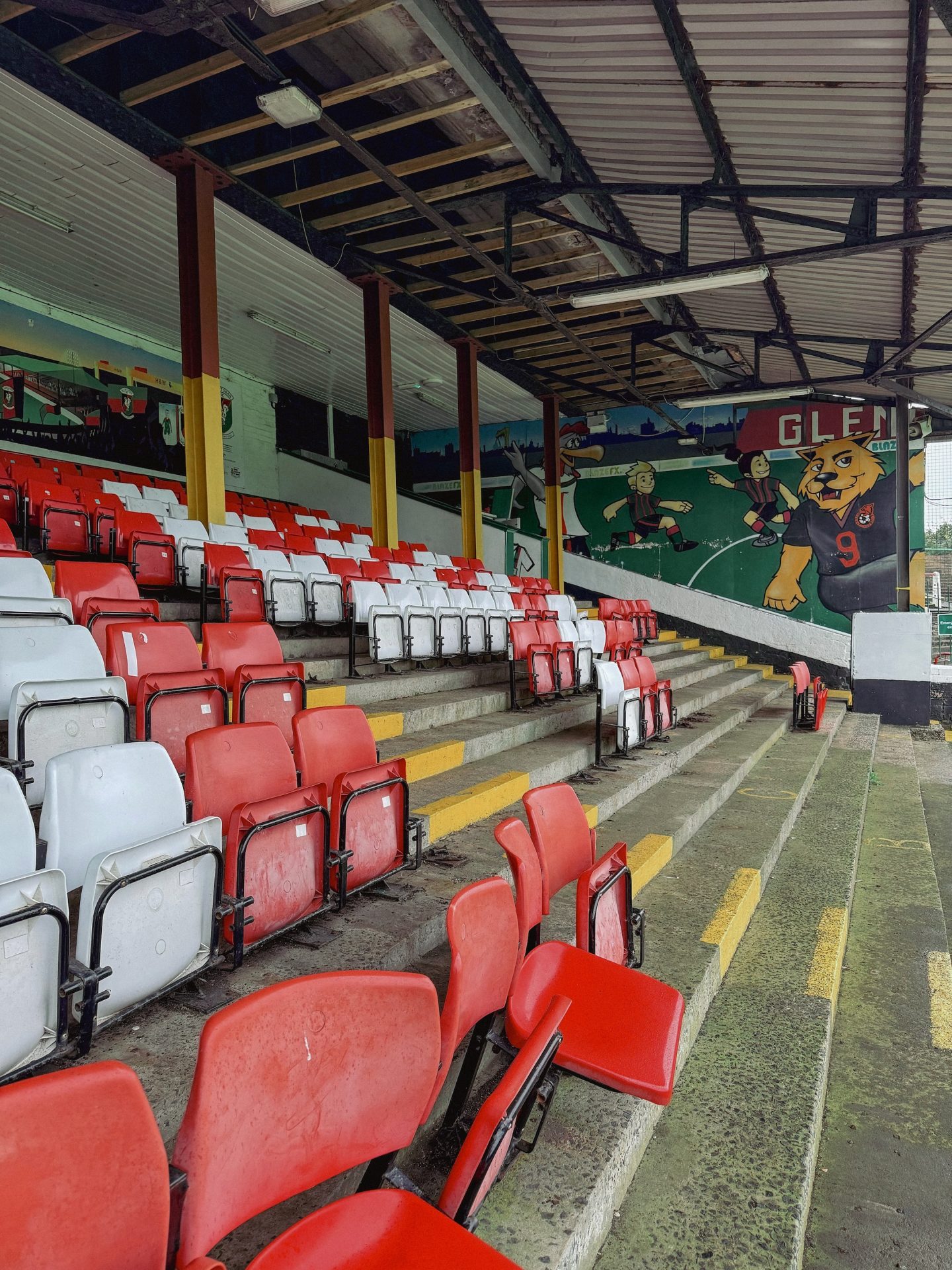
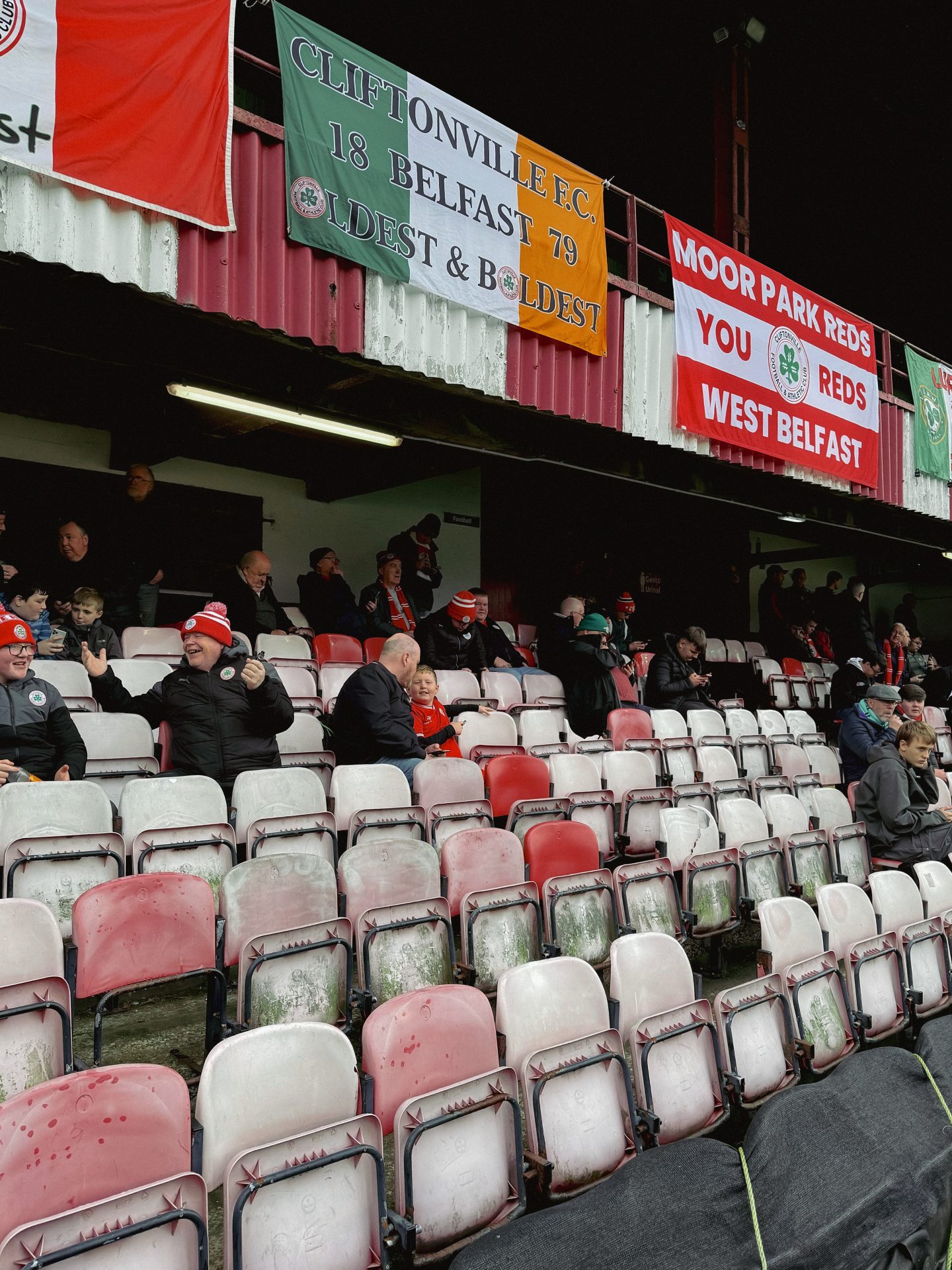
That older landscape can still be found in places such as The Oval in Belfast, where the exposed terraces seem to have weathered countless seasons, or Twerton Park in Bath, with its wonderfully unpolished character. Their imperfections are part of their appeal. They belong to a side of football that is becoming harder to find.
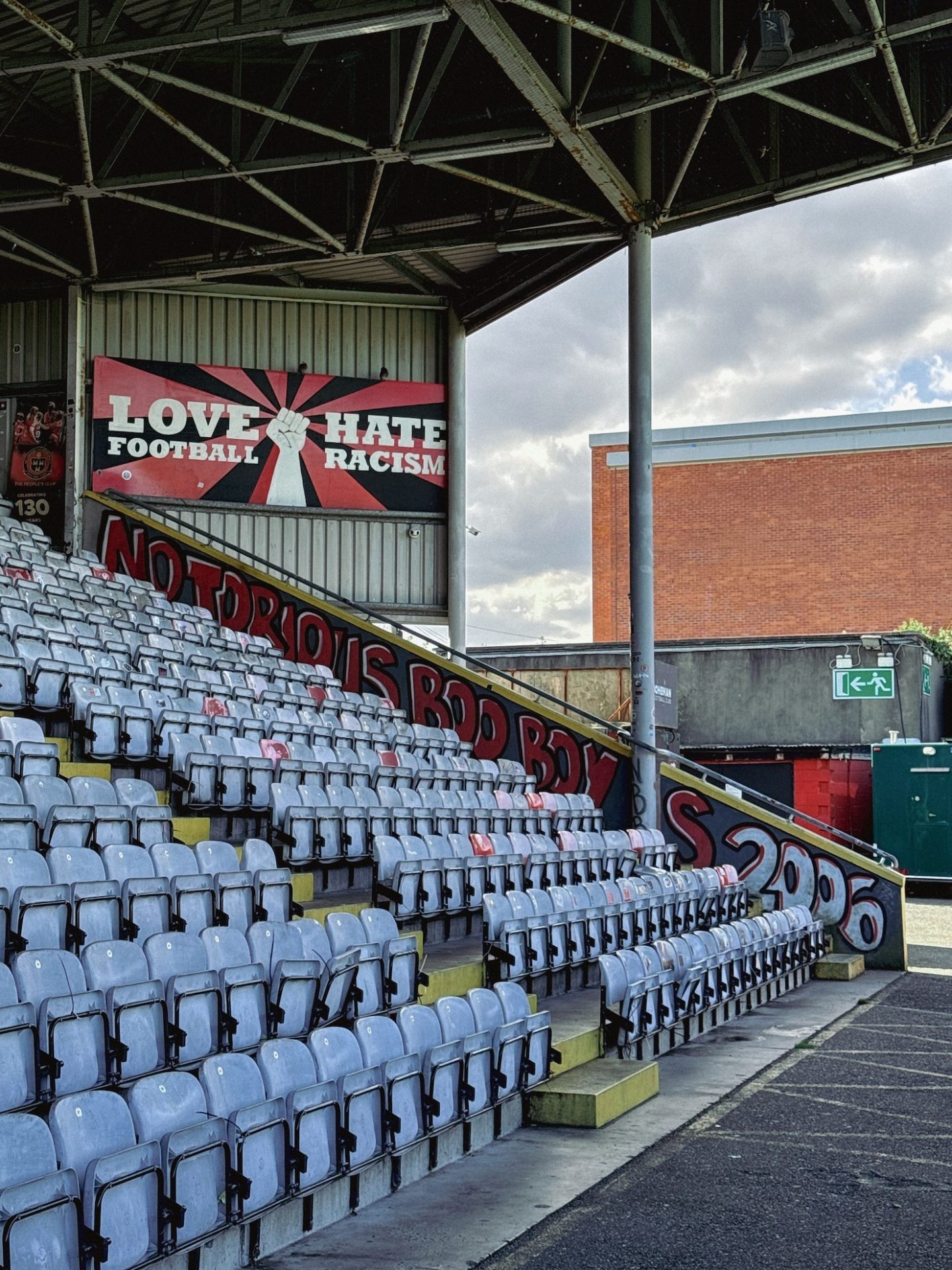
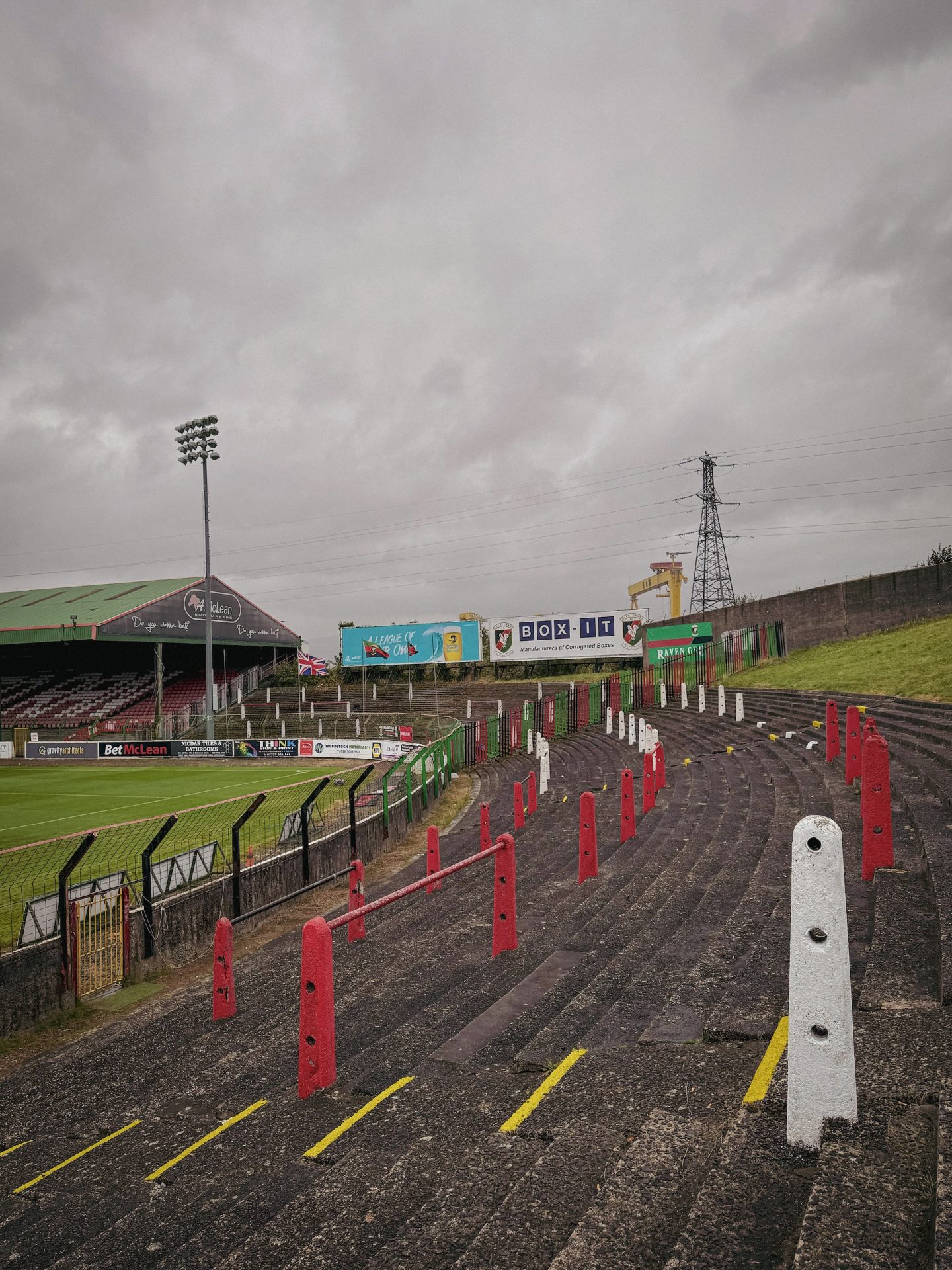
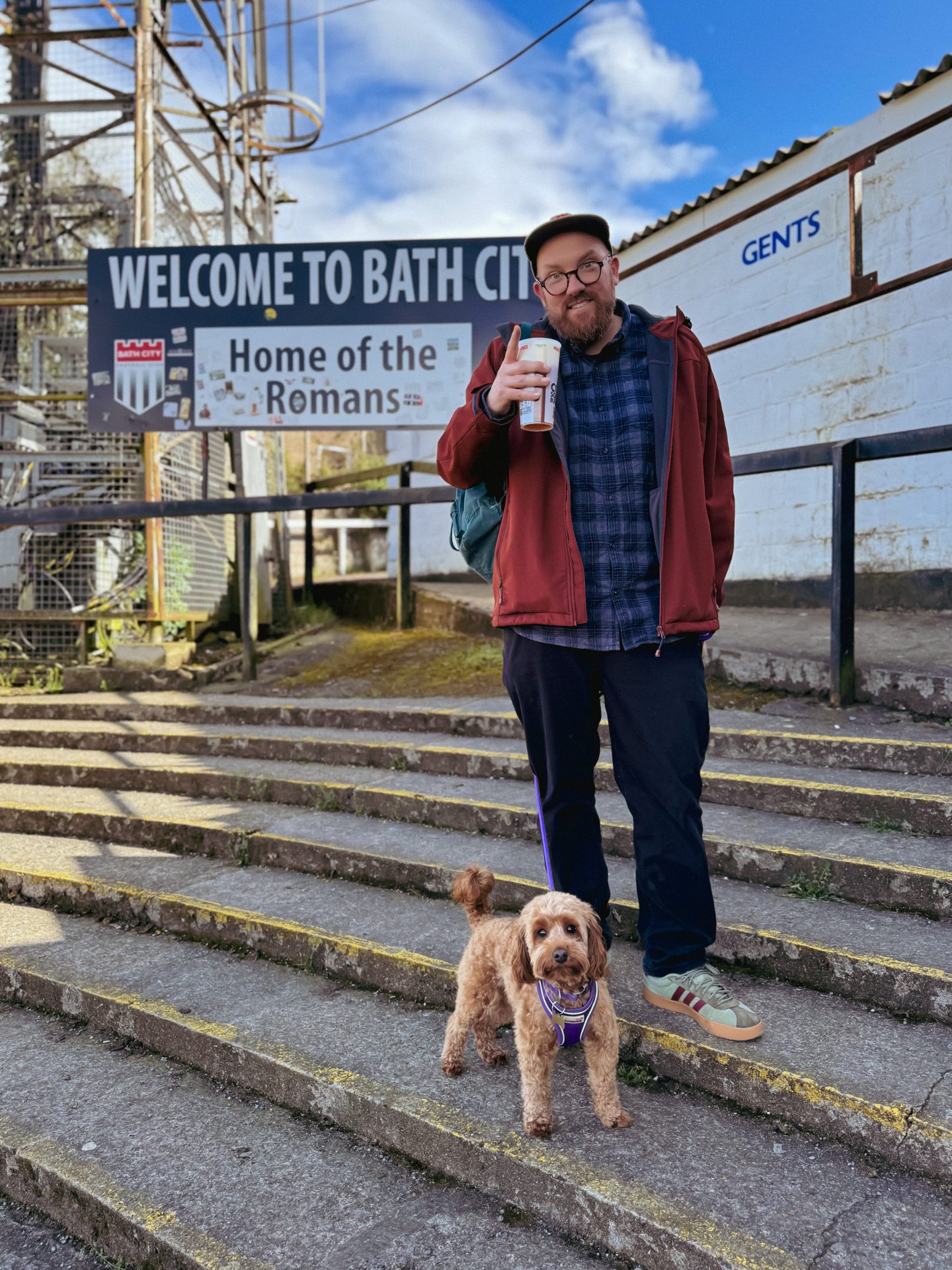
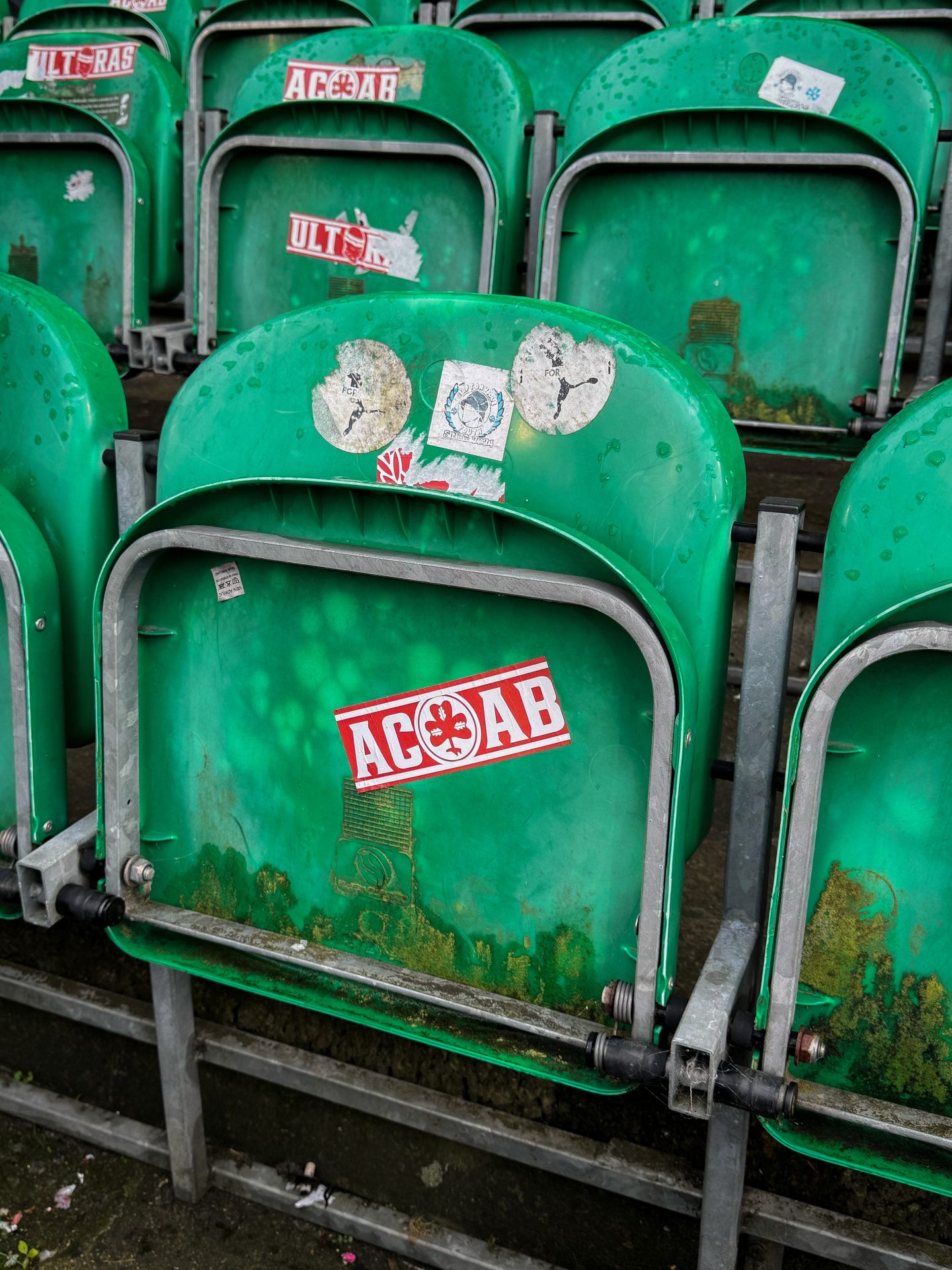
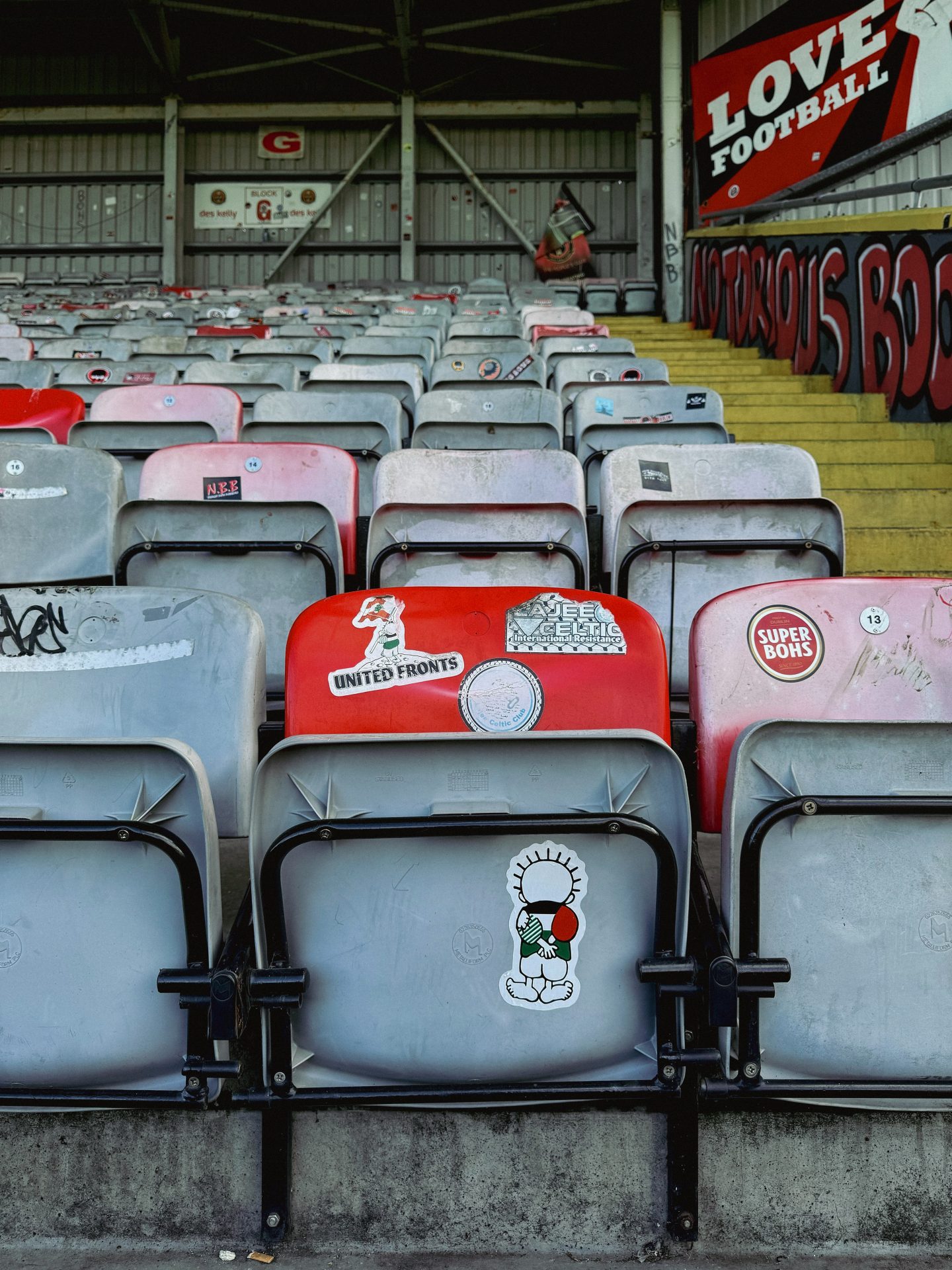
But the traditional terrace was entering its final decades. Stadium safety had become an increasingly urgent issue, and a series of disasters exposed the dangers of inadequate facilities and poor crowd management. Ibrox in 1971, the fire at Bradford City’s Valley Parade in 1985 and the Heysel disaster that same year were terrible landmarks. Then came Hillsborough on 15 April 1989, where 97 Liverpool supporters lost their lives.
The Taylor Report, published in January 1990, marked a turning point. Its recommendations led to all-seater requirements for clubs in the top two divisions of English football, introduced by the start of the 1994–95 season. Across the country, familiar terraces were demolished, rebuilt or converted. Rows of individual seats took their place, along with new stands and a different way of watching the game. For many, the changes were long overdue. For others, the loss was harder to define. The freedom to stand, move around and celebrate alongside thousands of fellow supporters was replaced by numbered places and a more orderly arrangement. The matchday experience had changed, and so had the look of the grounds themselves.
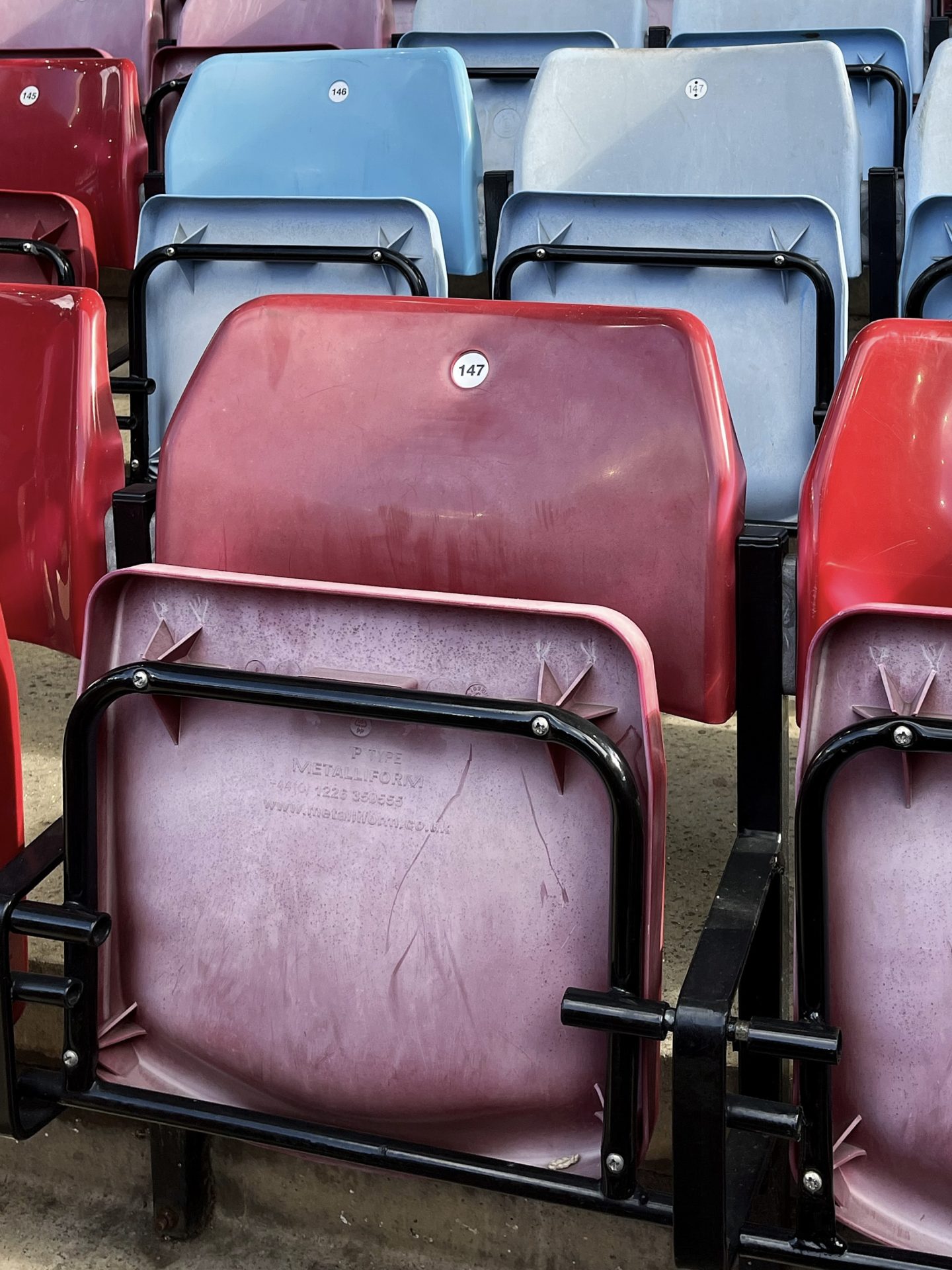
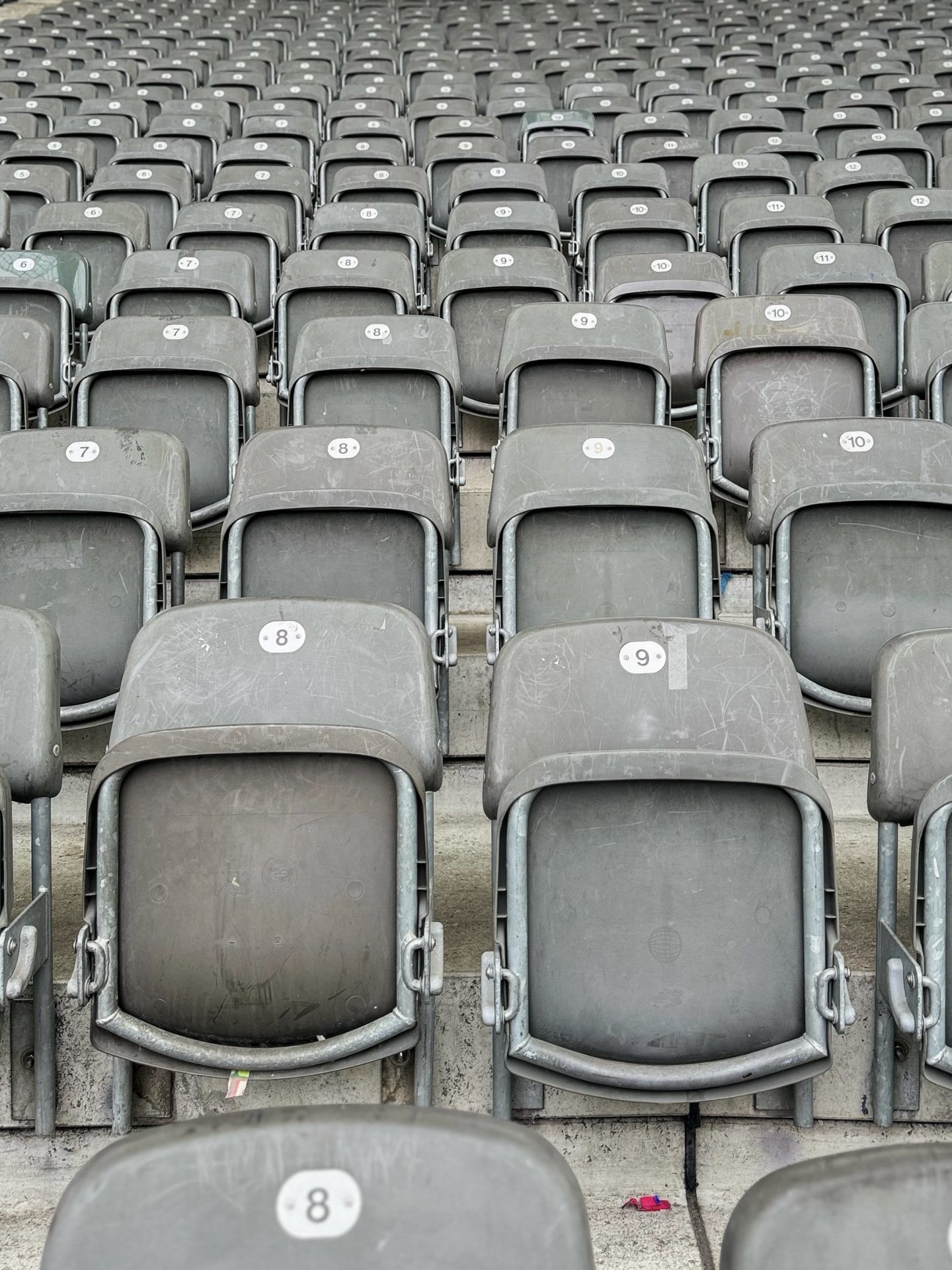
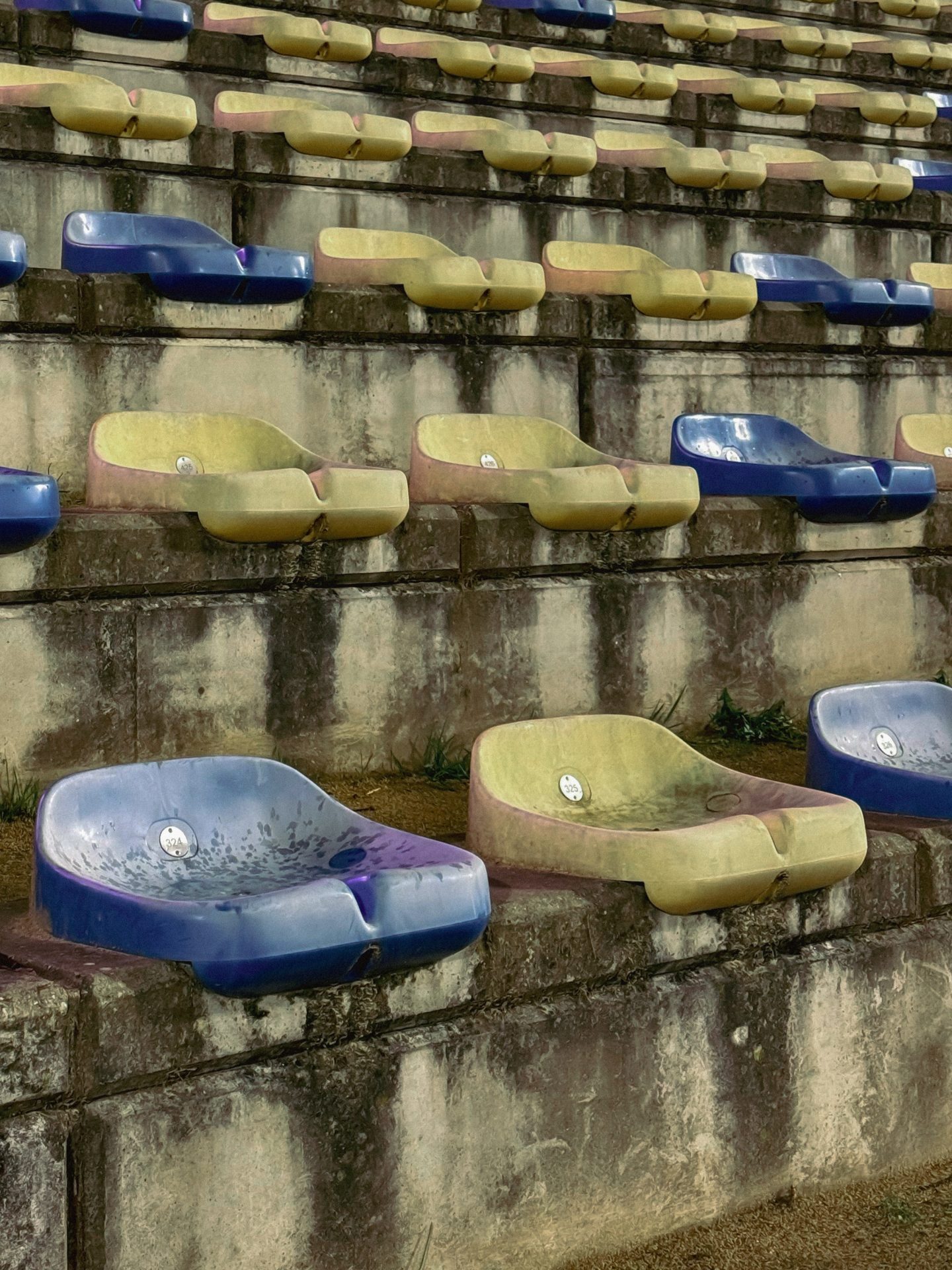
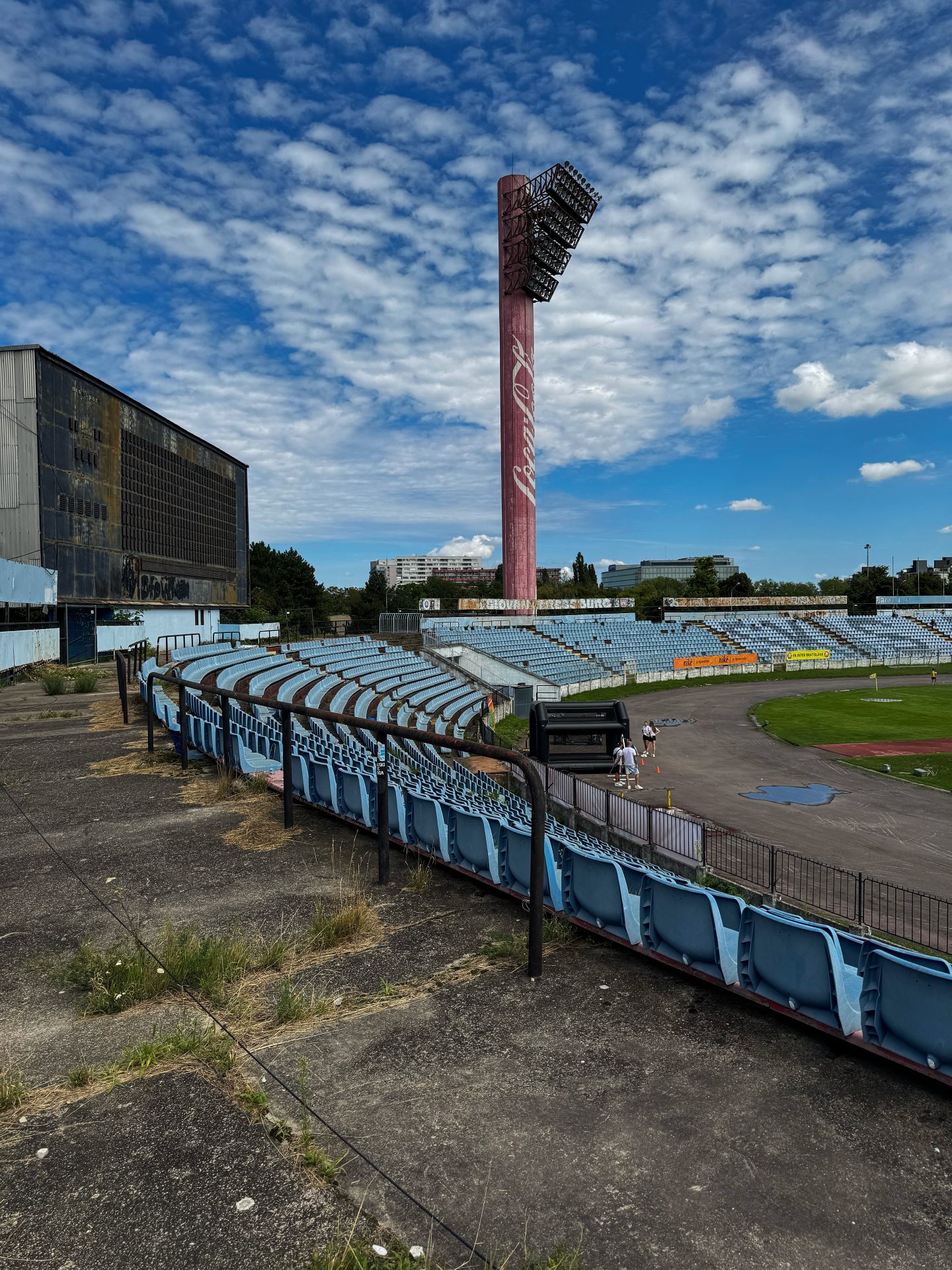
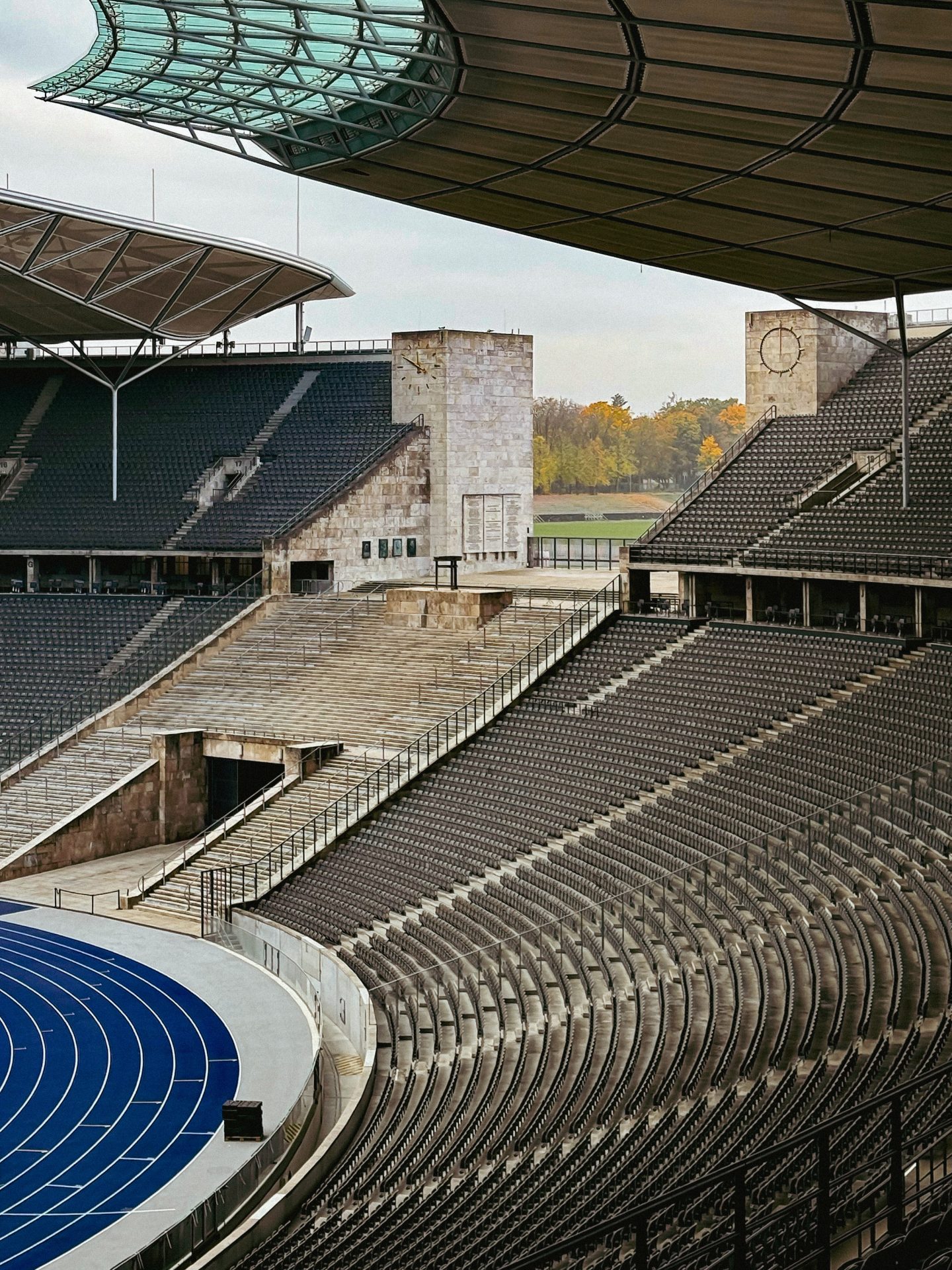
Plastic seats brought a new visual language to football. Club colours began to fill the stands, turning the seating itself into part of each stadium’s identity. Red at Anfield, claret and blue at Villa Park, blue and white at Elland Road. The colours were no longer confined to scarves and shirts. They became part of the architecture, visible across the ground even before a ball had been kicked. Across Europe, clubs took the idea in different directions. Some opted for bold patterns, others for simpler arrangements. Berlin’s former Friedrich-Ludwig-Jahn-Sportpark once had a striking mix of rainbow-coloured seats, now lost along with the stadium as it once was. At the Olympiastadion, by contrast, the seating has a much more restrained appearance, set within one of Europe’s most imposing sporting venues.

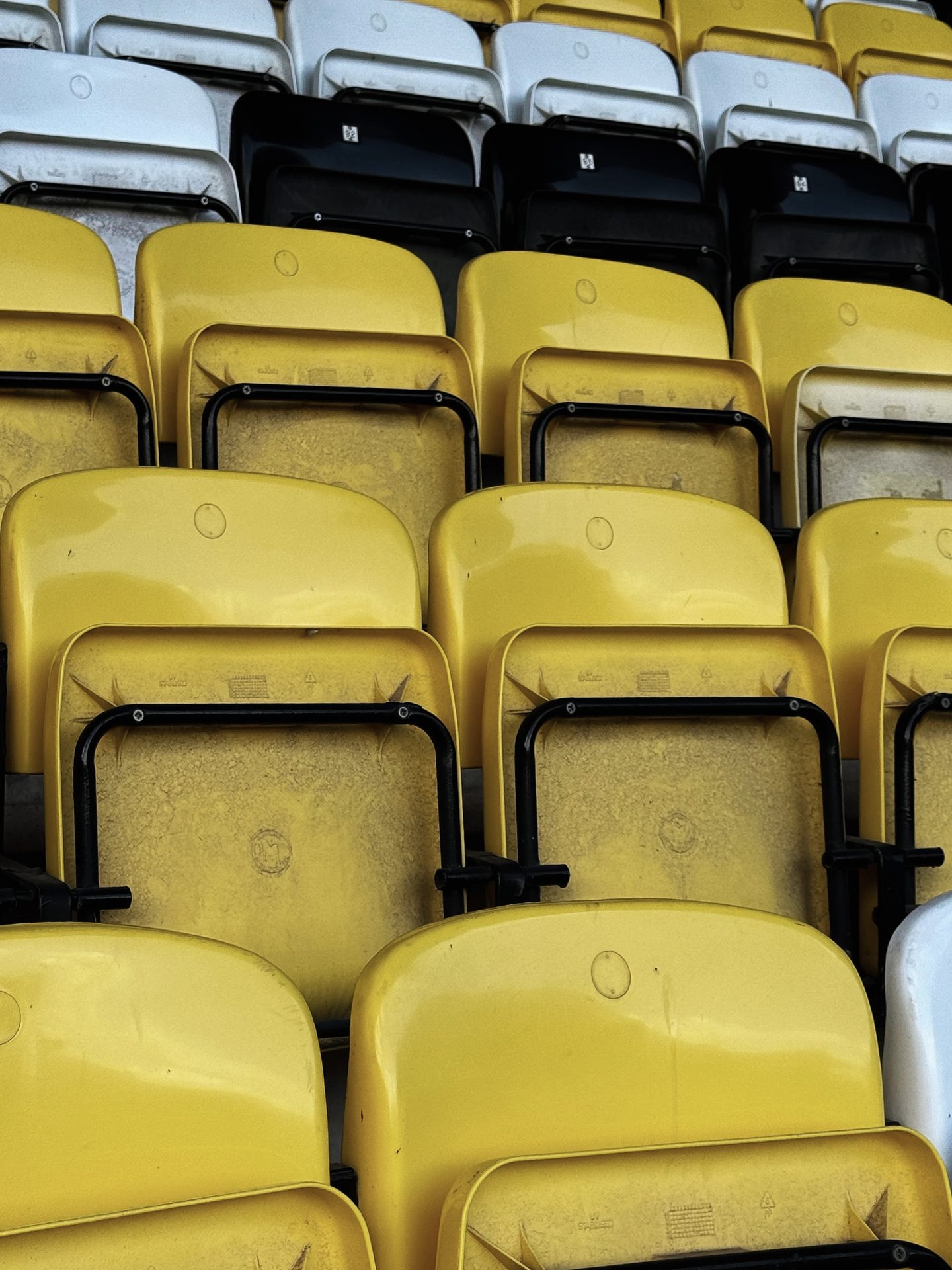

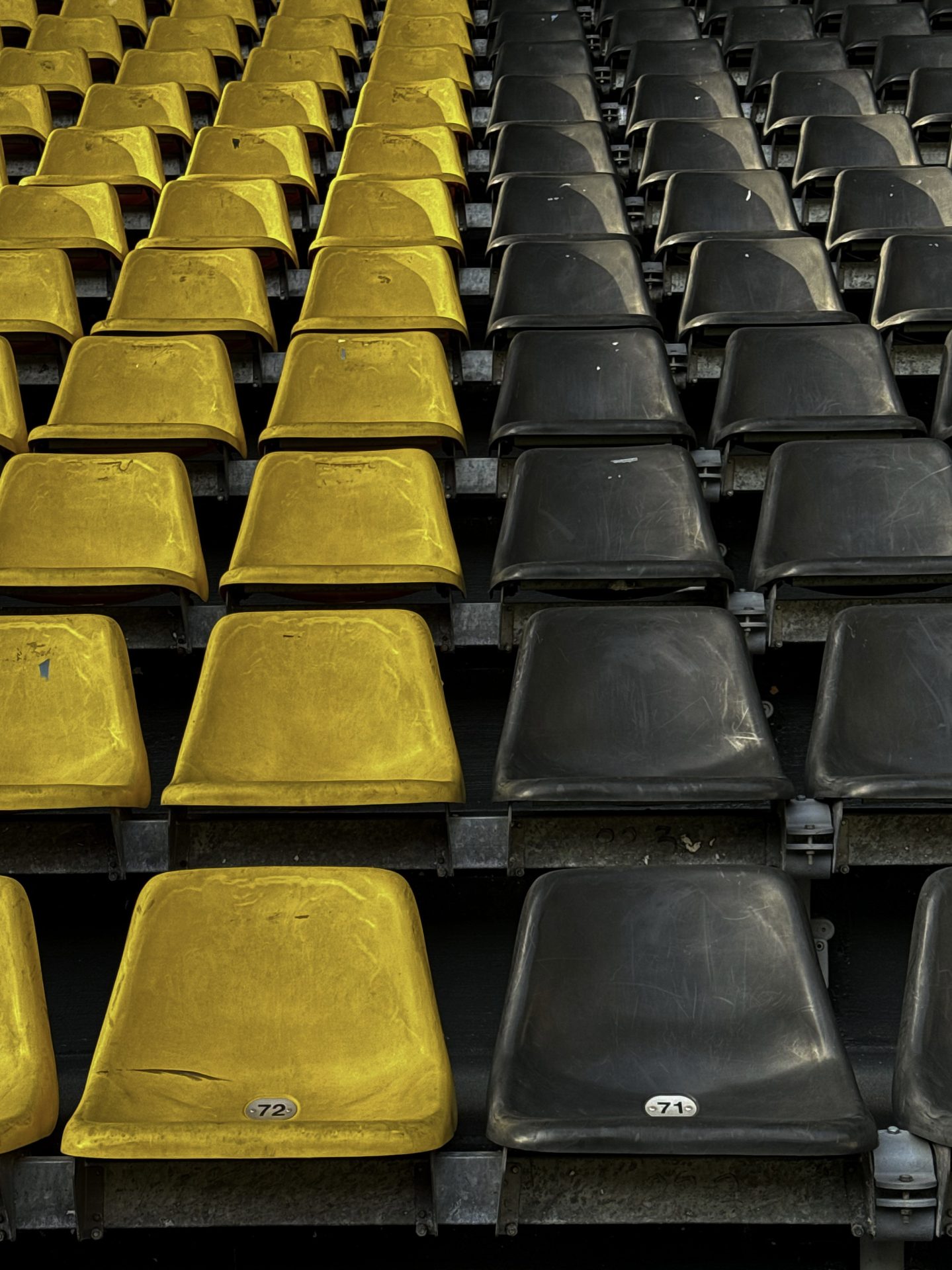
Yet the terrace never quite disappeared. In Germany, standing remains an important part of the matchday experience, nowhere more spectacularly than at Borussia Dortmund’s Westfalenstadion. The Südtribüne, better known as the Yellow Wall, is not a sea of seats but a vast standing terrace. Its scale, colour and movement are a reminder of what a crowd can become when it moves as one. In England, standing has also found a way back into some grounds. Licensed safe-standing areas, using rail seating, began to return to the top divisions in 2022. They are a long way from the old terraces, but they reflect a growing recognition that standing remains part of how many supporters want to experience football.
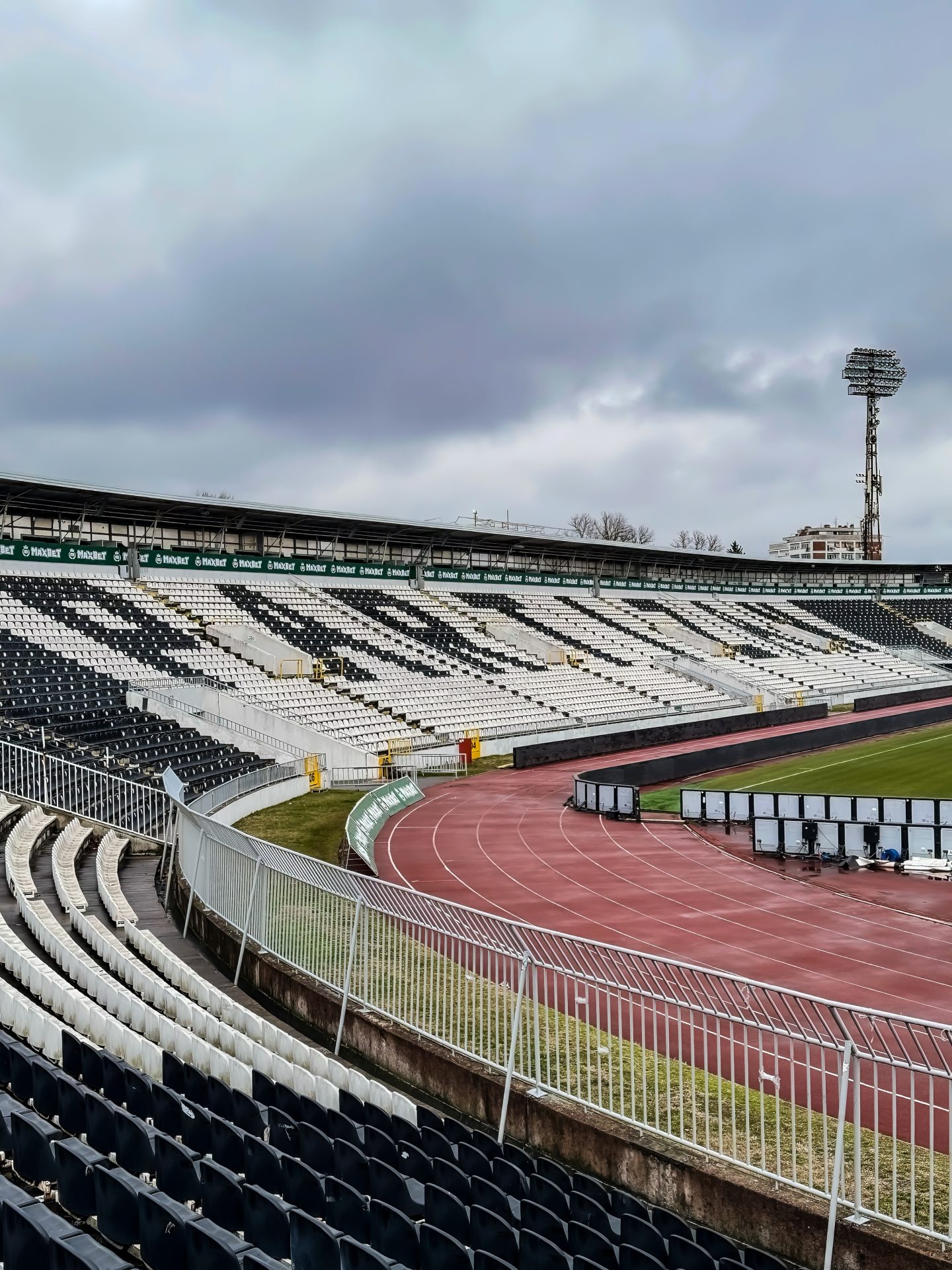
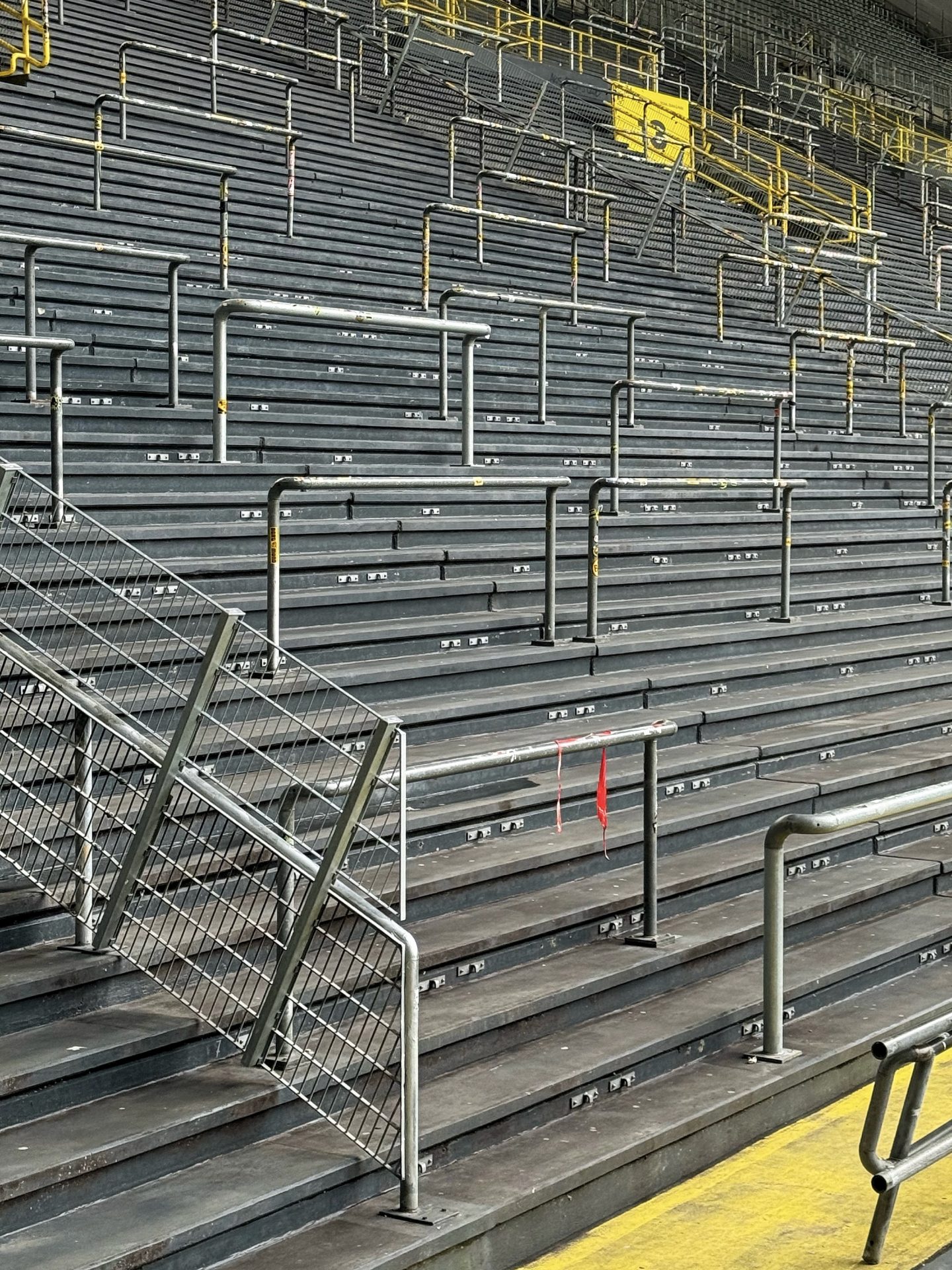
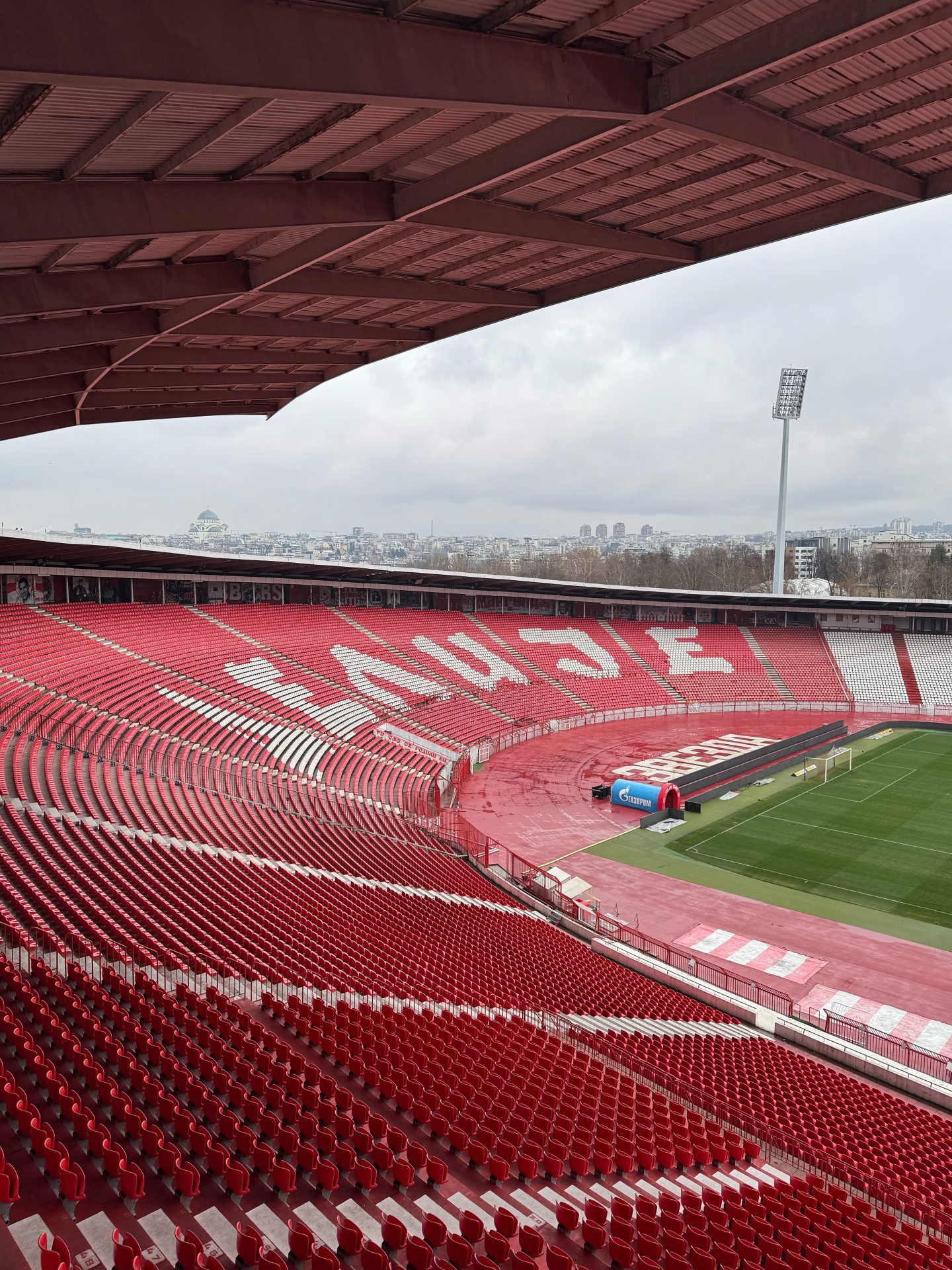
Meanwhile, the seats that once filled so many grounds are becoming rarer. Wooden benches, old folding seats and faded paintwork are steadily disappearing, often replaced during redevelopment. Some changes are inevitable. Others leave a sense that something has been lost along the way.
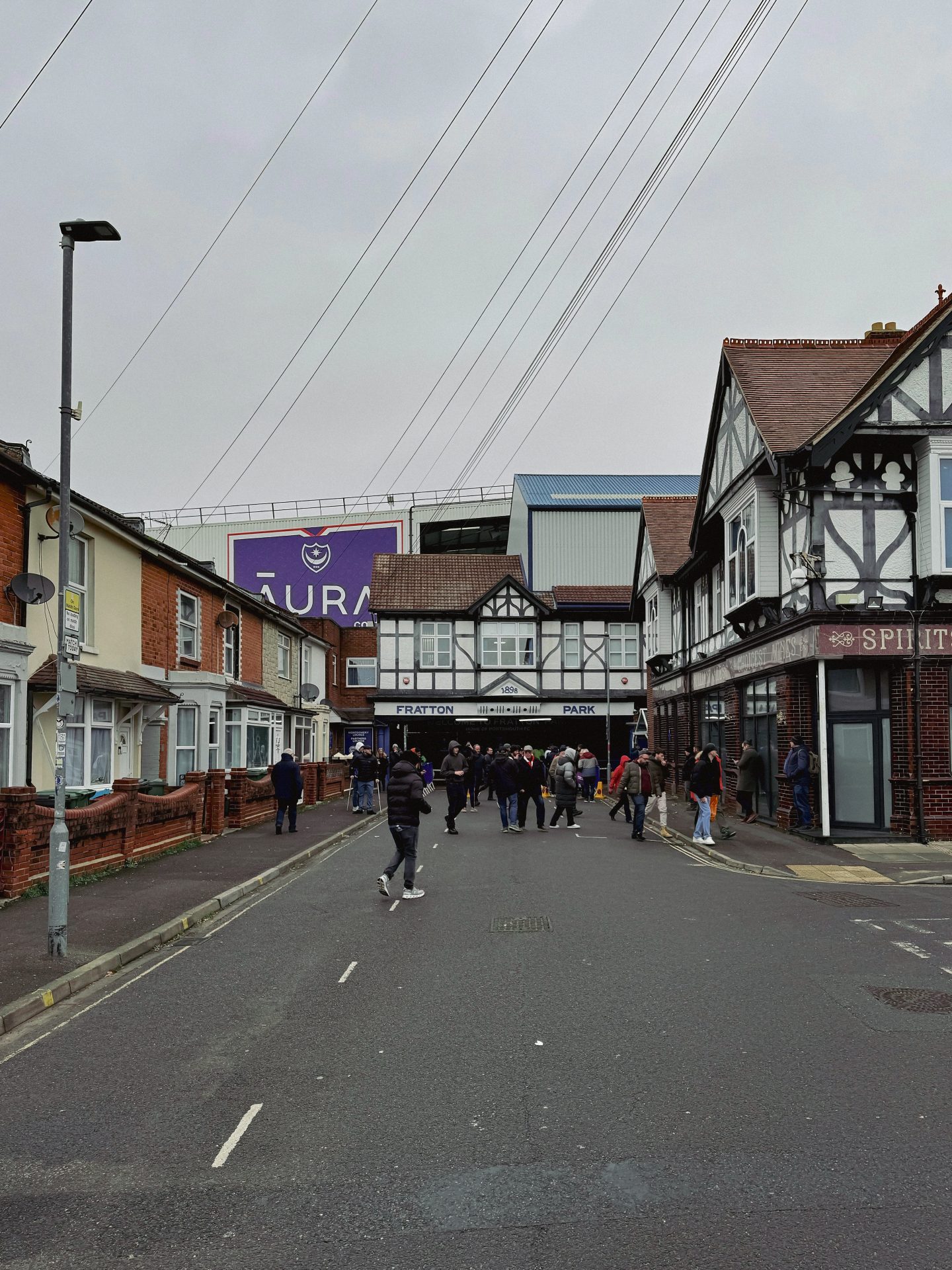
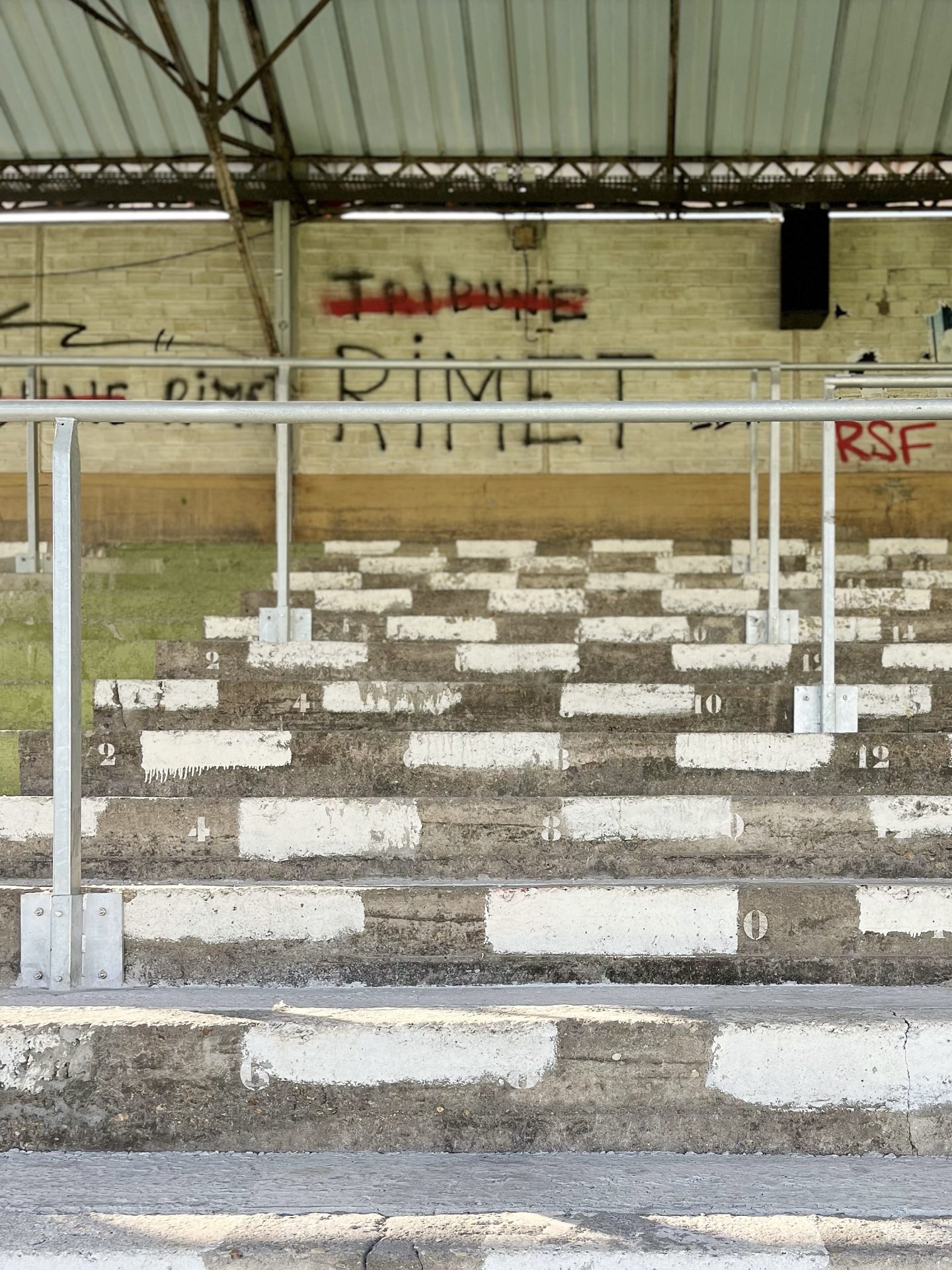
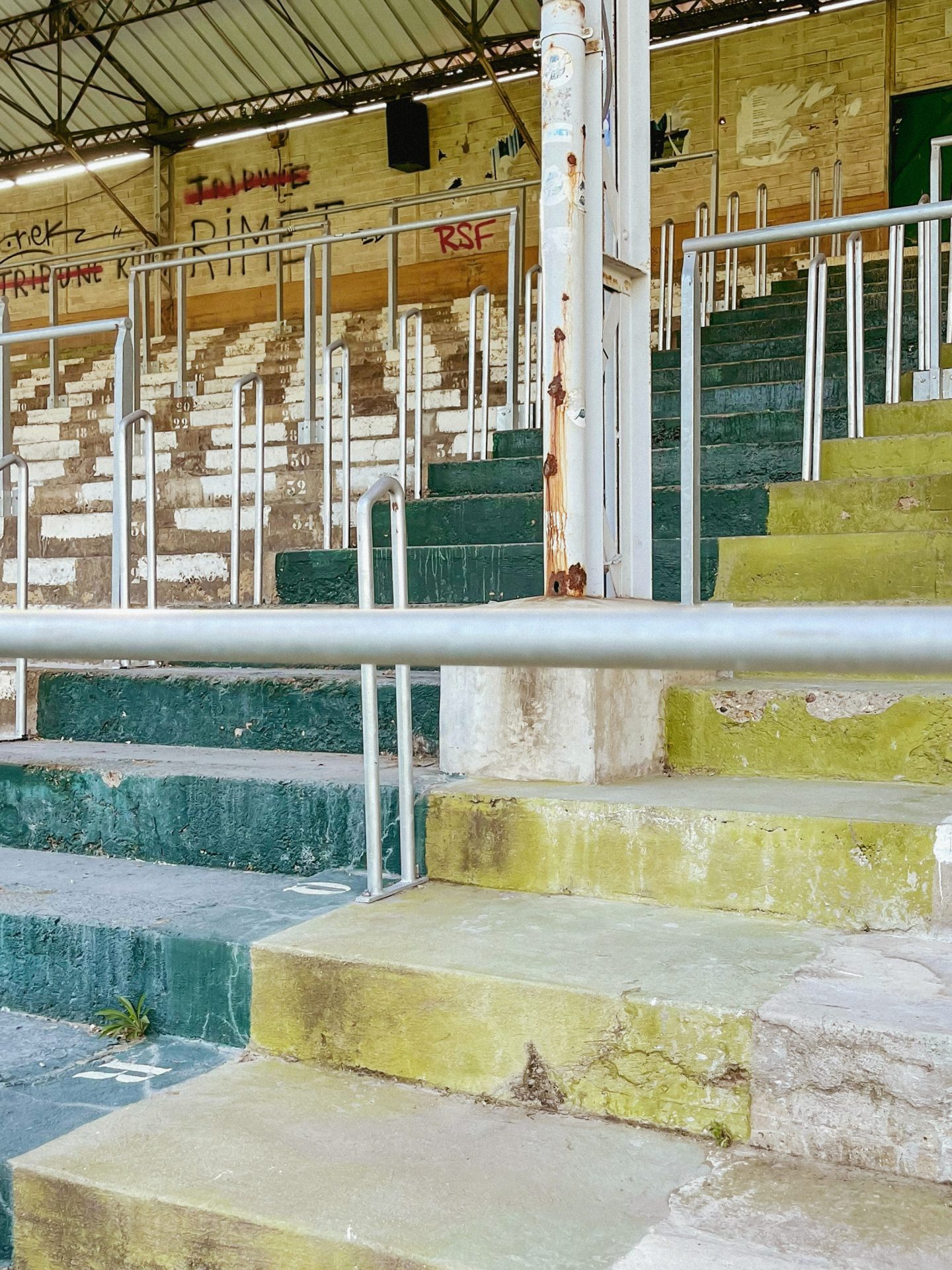
Not every old stand is beyond saving. At Fratton Park, Portsmouth’s restored South Stand preserves an important part of Archibald Leitch’s architectural legacy. Opened in 1925, it is a reminder that football grounds can evolve without necessarily abandoning their past. Elsewhere, the outlook has been less fortunate. The former Rino Della Negra Stand at Stade Bauer in Saint-Ouen, with its faded green paint, rusting steelwork and graffiti, has now gone. Its particular character survives only in photographs and in the memories of those who stood there.
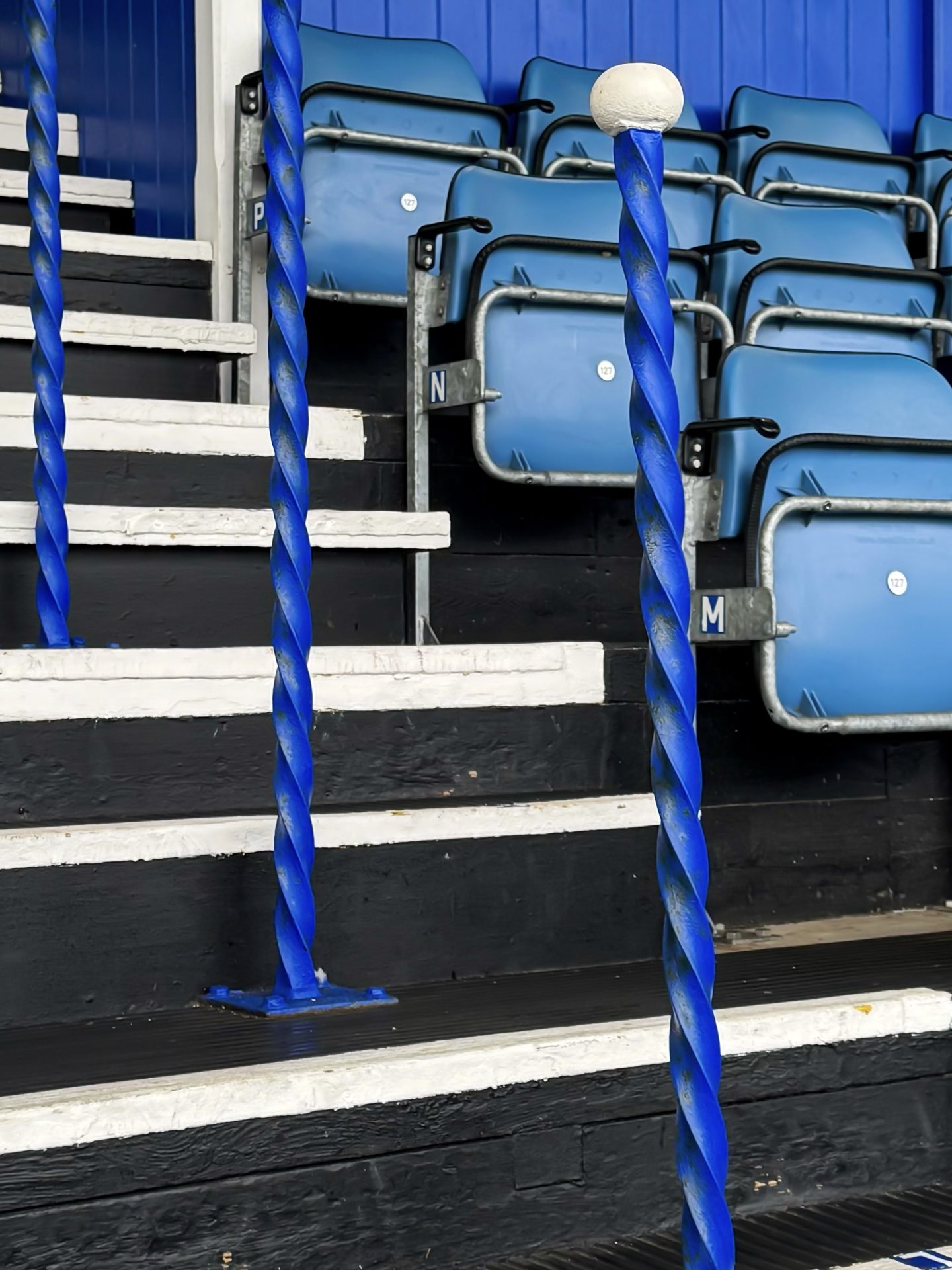
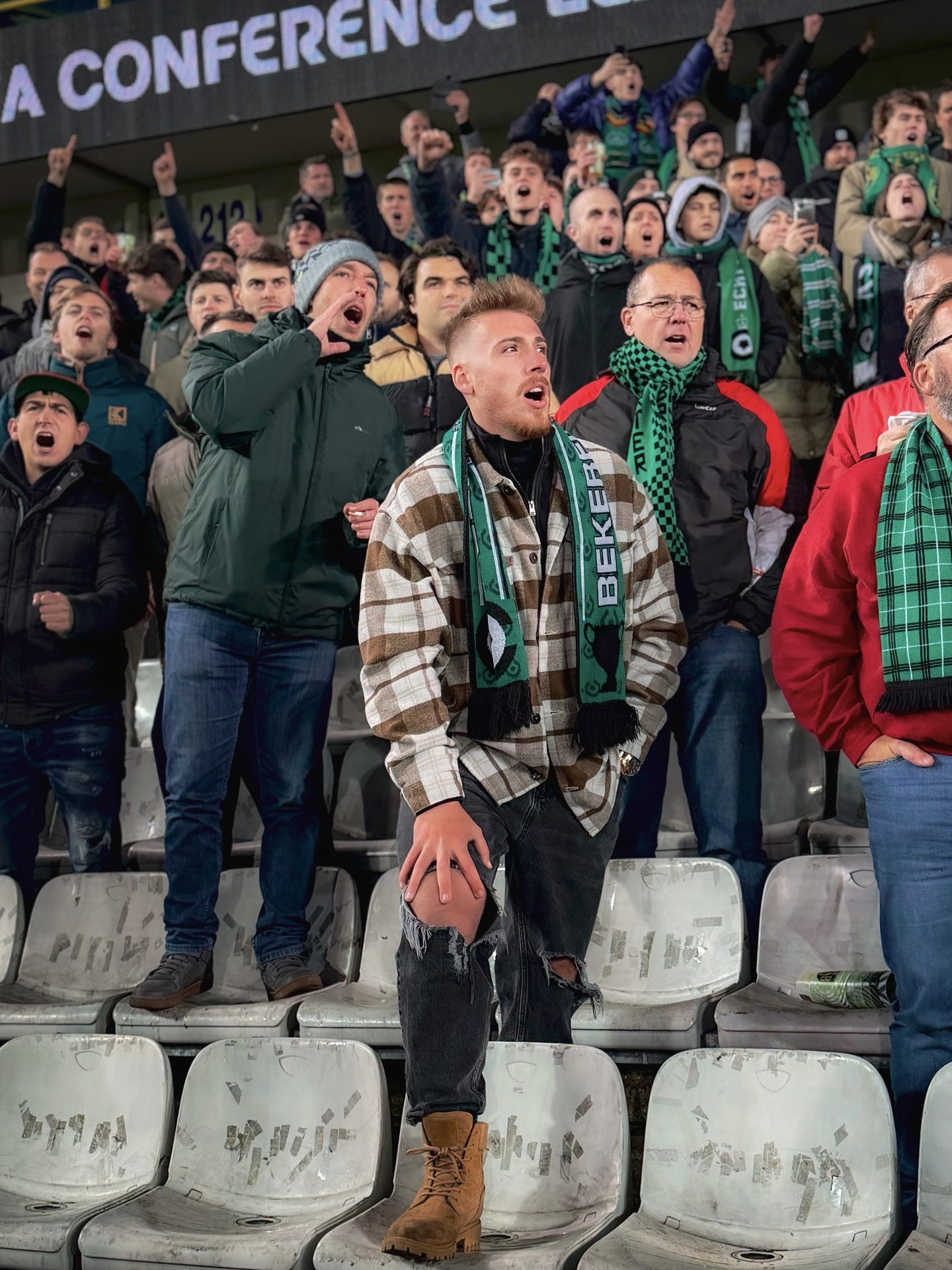
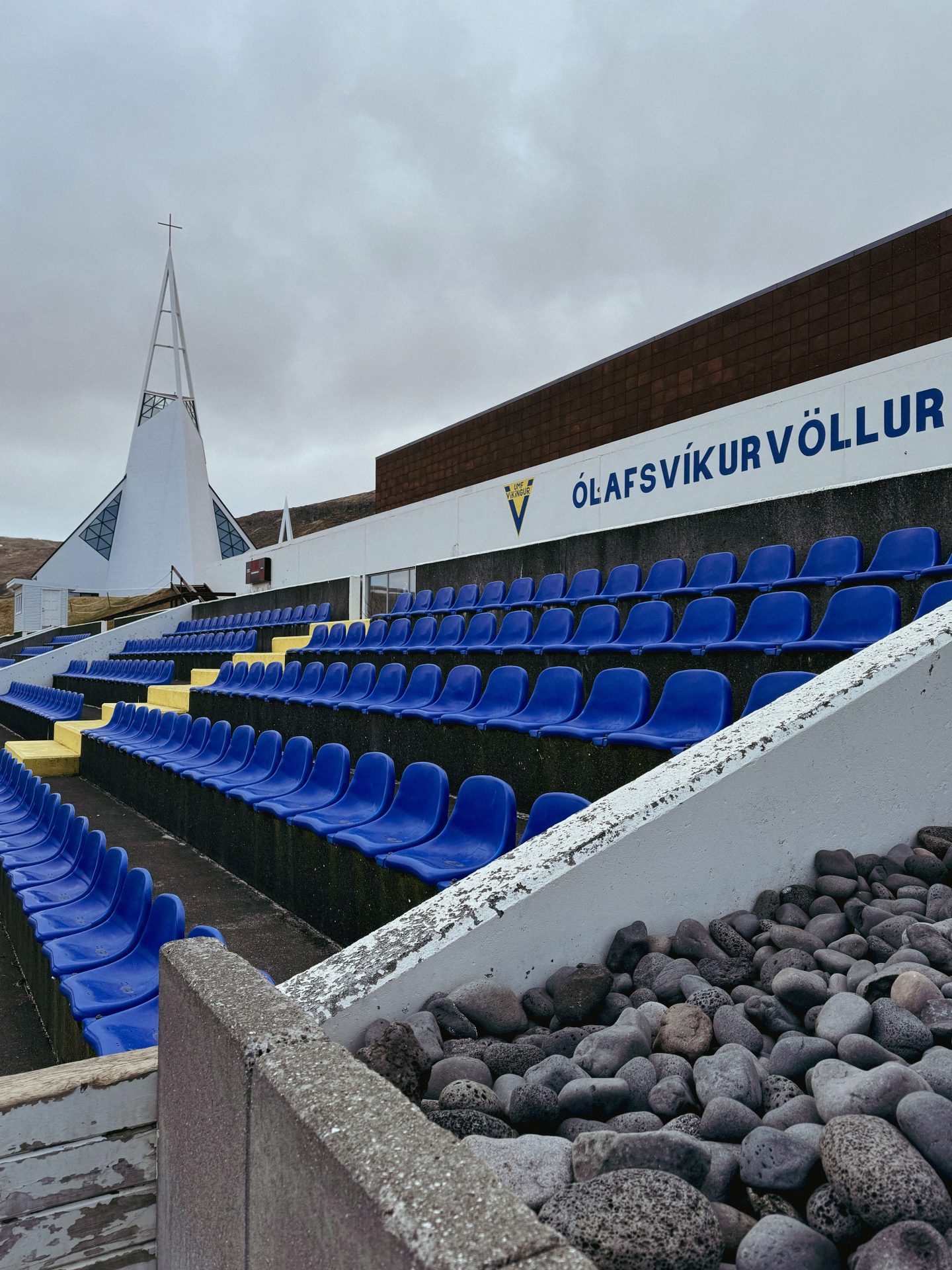
That is perhaps what makes these places so compelling. A seat is an ordinary object, but it can carry an extraordinary amount of history. The worn wooden bench, the faded plastic shell, the folding seat that has been raised and lowered thousands of times. Each has witnessed its share of goals, defeats, celebrations and disappointments. For some supporters, a particular seat or section of terrace is woven into decades of matchdays. It is where they stood with their father, where they first watched their team, or where they have returned with their own children. The stadium may change around them, but those memories remain.
Football grounds are never entirely still. They are rebuilt, modernised and sometimes lost altogether. Yet look closely enough, and traces of another era are often still there, in a row of old seats, a weathered stand or a flight of concrete steps worn smooth by generations of supporters.
Suggested Lower Block Editions




More from the Lower Block Archive