Football terrace culture is shaped by the people in the stands: the chants, clothes, rituals, friendships and shared identity that turn supporting a football club into a way of life.
From packed stands at major stadiums to a few hundred supporters gathered behind the goal at a non-league ground, terraces have long provided a meeting place for football communities.

They are places where songs are created, friendships formed, fashions adopted and club traditions passed between generations. They have also reflected wider changes in British society, youth culture, music and style.
The physical terraces themselves have changed enormously, but the culture created by the people occupying them remains an important part of British football.
What Does Football Terrace Culture Mean?
Terrace culture describes the supporter culture that develops in and around football grounds.
It includes the obvious sights and sounds of a matchday – chants, scarves, flags and banners – but also the routines surrounding the game. Meeting in the same pub. Travelling with the same people. Standing in the same part of the ground. Knowing the songs, jokes and unwritten rules particular to a club.
Much of it develops independently of the football club itself.
Supporters create their own identities and traditions, often passing them down through families and friendship groups. Different clubs, cities and regions develop distinct cultures of their own.
This sense of belonging is central to wider British football fan culture, where following a club has traditionally been as much about community and identity as the result on the pitch.

The Origins of British Terrace Culture
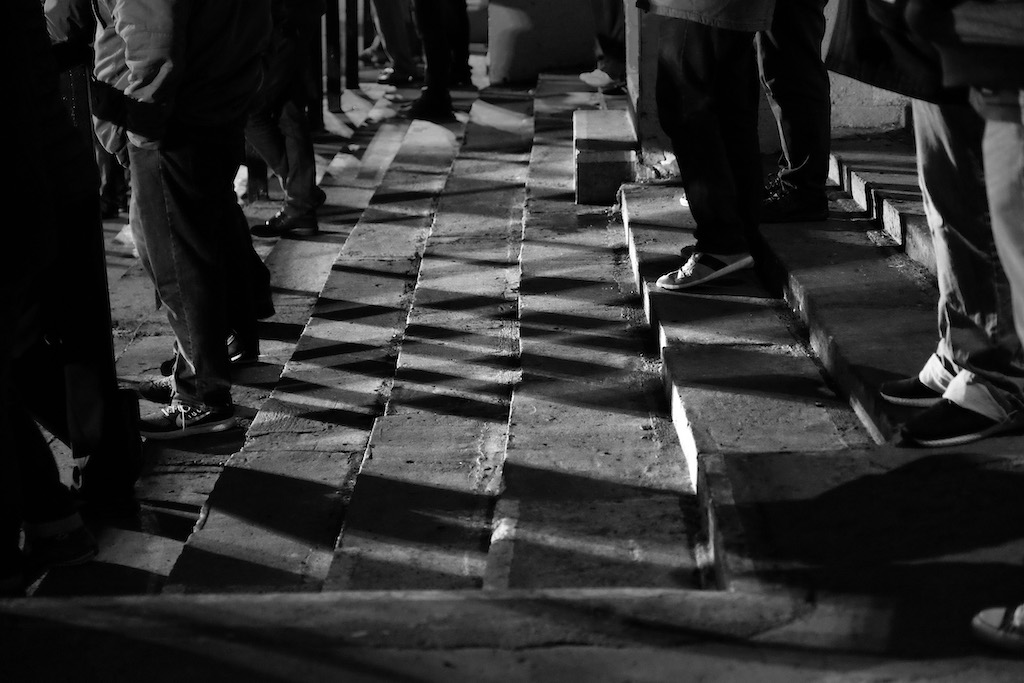
For much of the twentieth century, standing terraces were fundamental to watching football in Britain.
Football grounds were often built within the communities they represented, surrounded by terraced houses, factories, railway lines and local pubs. Supporters gathered in large numbers on open or covered terraces, frequently returning to the same section of the ground week after week.
These spaces helped create collective identities.
Songs could spread through thousands of supporters. Particular ends or stands became associated with a club’s most vocal following. Scarves, badges, programmes and eventually replica shirts provided visible expressions of allegiance.
Football grounds were not uniform environments. Their architecture, location and supporters gave them individual character – from enormous banks of terracing at major clubs to small covered ends at lower-league grounds.
The terrace became one of the defining spaces of British football culture.

Chants, Scarves and Matchday Rituals
Terrace culture is built as much around repetition as spectacle.
The same journey. The same pub. The same turnstile. The same people standing nearby.
Songs and chants are particularly important because they belong to supporters themselves. Some survive for generations while others emerge around individual players, rival clubs or moments in a season. Humour, local references and rivalry all play a part.
Scarves, badges, flags and banners perform a similar role visually.
Together, these rituals turn a crowd of individuals into something collective.
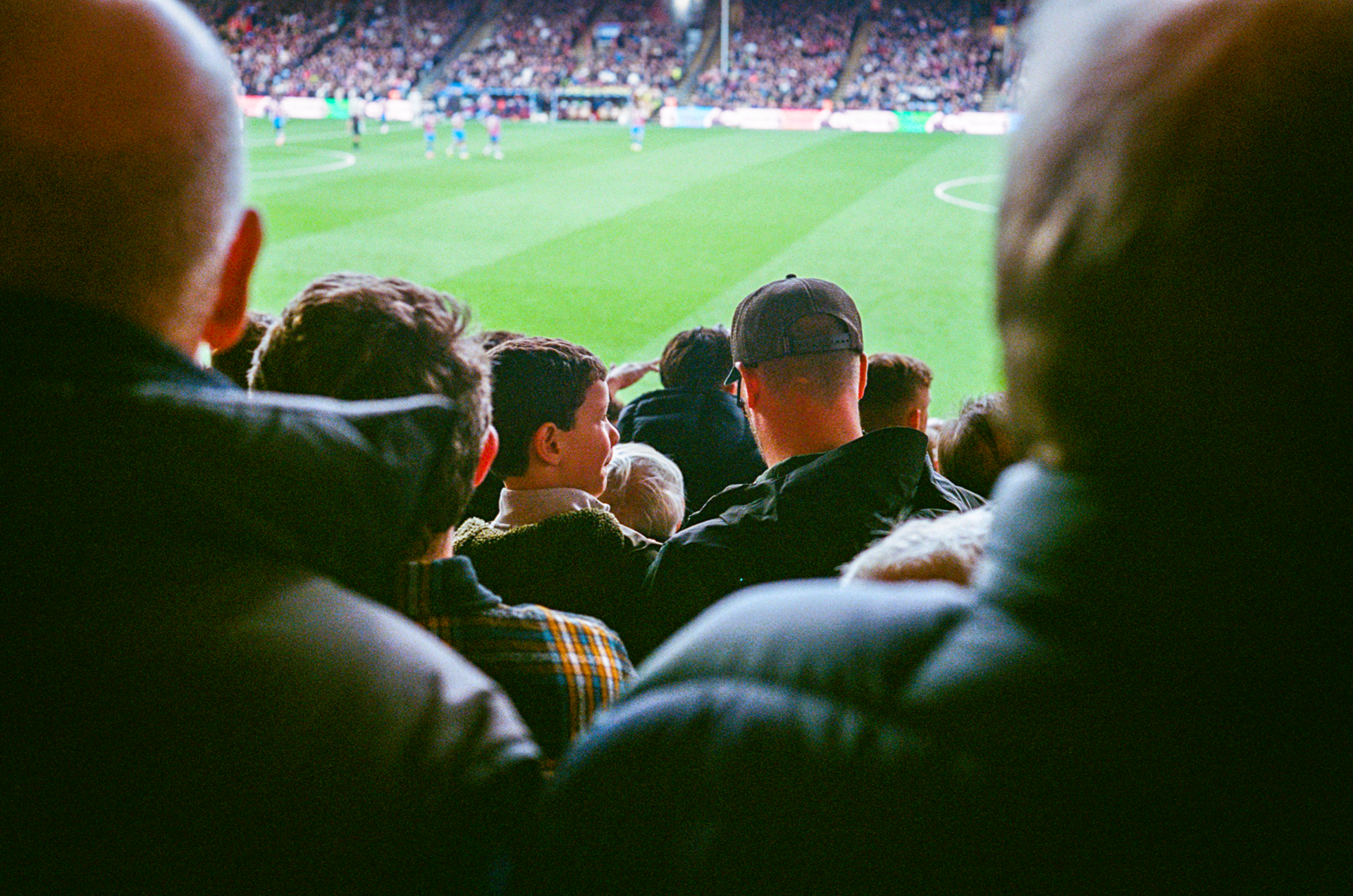
That can be particularly visible further down the football pyramid. At lower-league and non-league clubs, smaller crowds often strengthen the relationship between supporters, club and community. Players, staff, volunteers and fans can inhabit the same spaces in a way increasingly difficult to replicate at football’s largest stadiums.
Casuals and Terrace Fashion
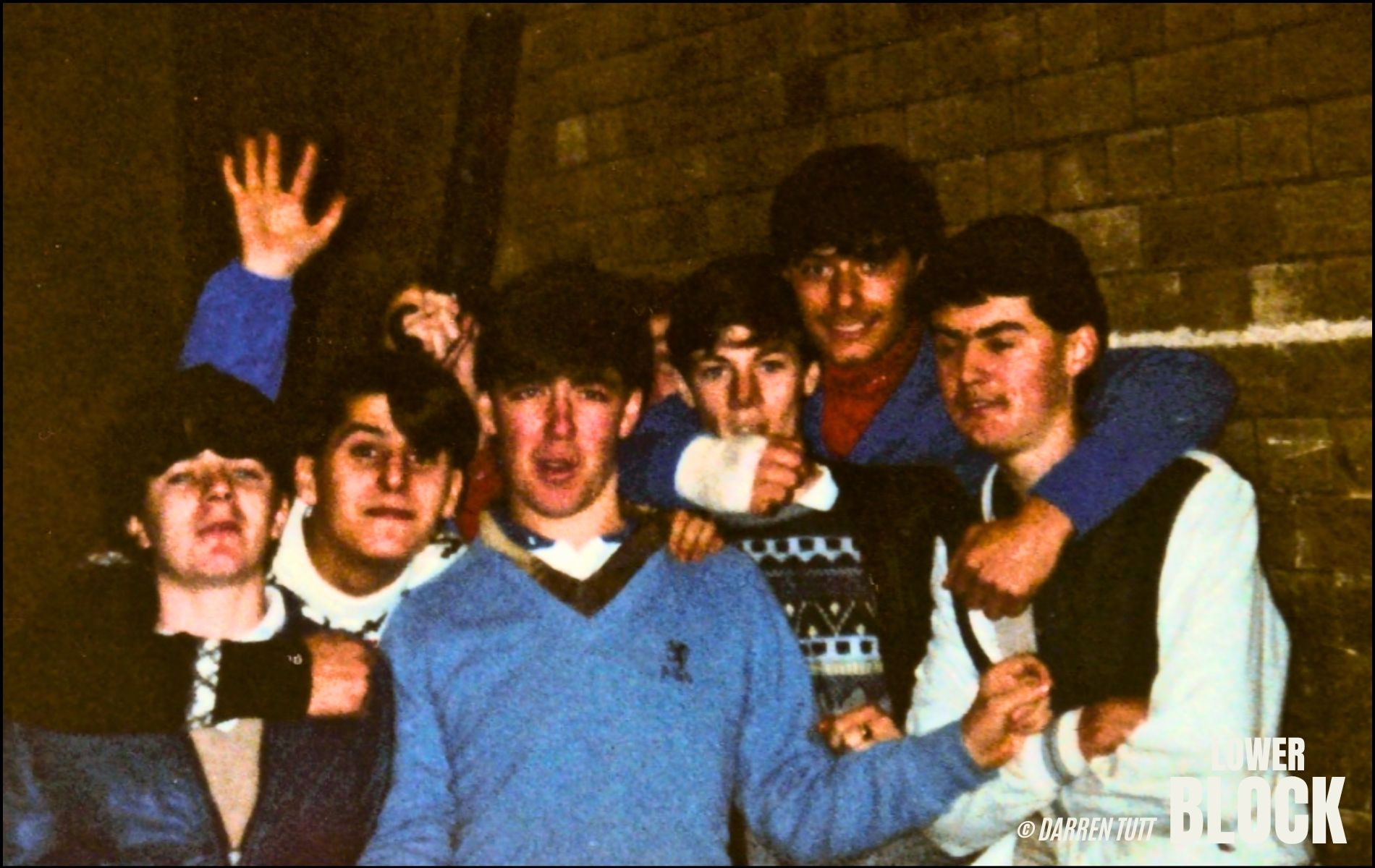
Clothing has long been an important expression of identity on British football terraces.
The relationship became particularly significant during the late 1970s and early 1980s as the emerging Casual movement moved football style away from traditional scarves and club colours towards sportswear and designer clothing.
European travel exposed supporters to different labels and styles. Adidas trainers and tracksuit tops became highly desirable, alongside brands such as Lacoste and, later, Stone Island and C.P. Company.
What people wore could identify the group they belonged to almost as clearly as a football scarf.
The relationship between terrace fashion and football has continued to evolve. Styles originally associated with relatively small groups of supporters have repeatedly moved into mainstream menswear, while contemporary football fashion continues to borrow from the terraces of previous decades.
For many supporters, understanding the clothes has become another way of understanding the culture.
Away Days and Travelling Support
Terrace culture doesn’t stop at the home ground.
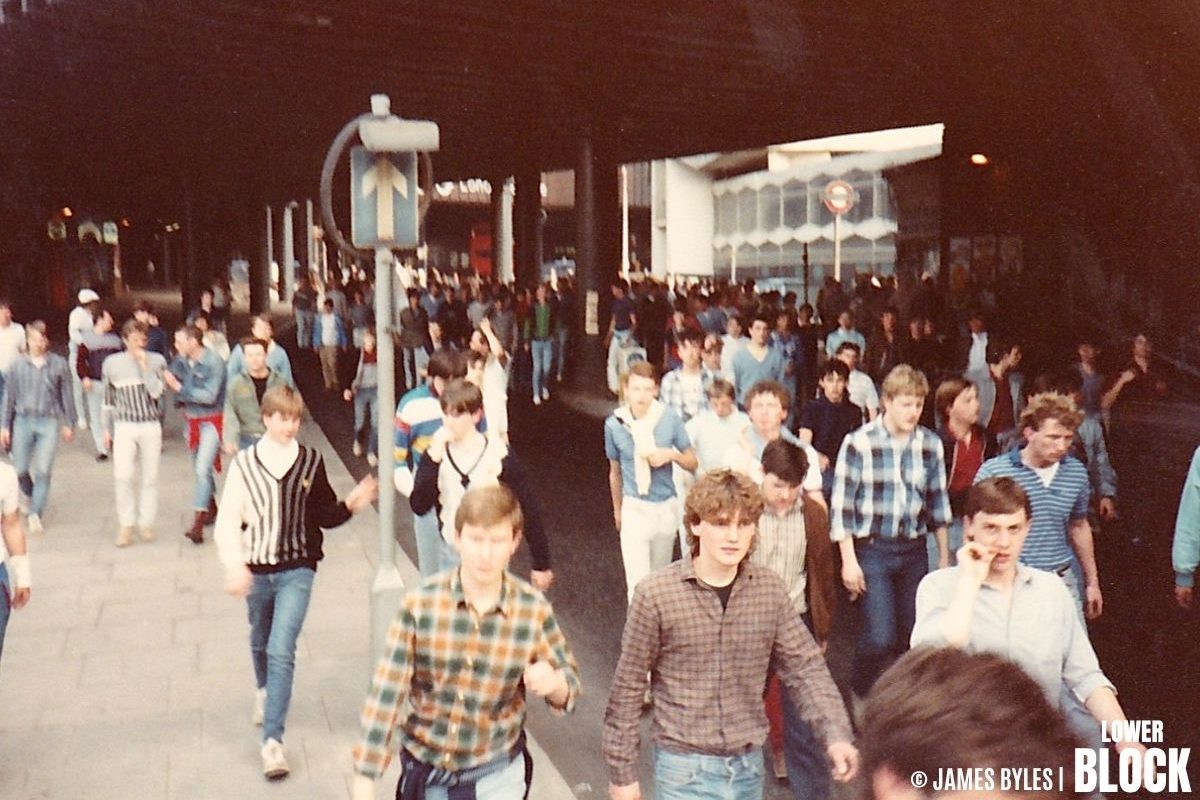
Travelling support has created its own traditions: early trains, supporters’ coaches, motorway services, unfamiliar pubs, police escorts and the experience of taking over one section of somebody else’s stadium for an afternoon.
Away ends can concentrate supporter culture into its most visible form.
The people inside have made a deliberate commitment to travel, often considerable distances, to follow their club. Songs become louder, familiar faces appear week after week and the shared journey becomes part of the experience.
For many supporters, these football away days are among the strongest expressions of belonging to a club.
Ultras and the Changing British Terrace
British supporter culture has also increasingly absorbed influences from elsewhere.
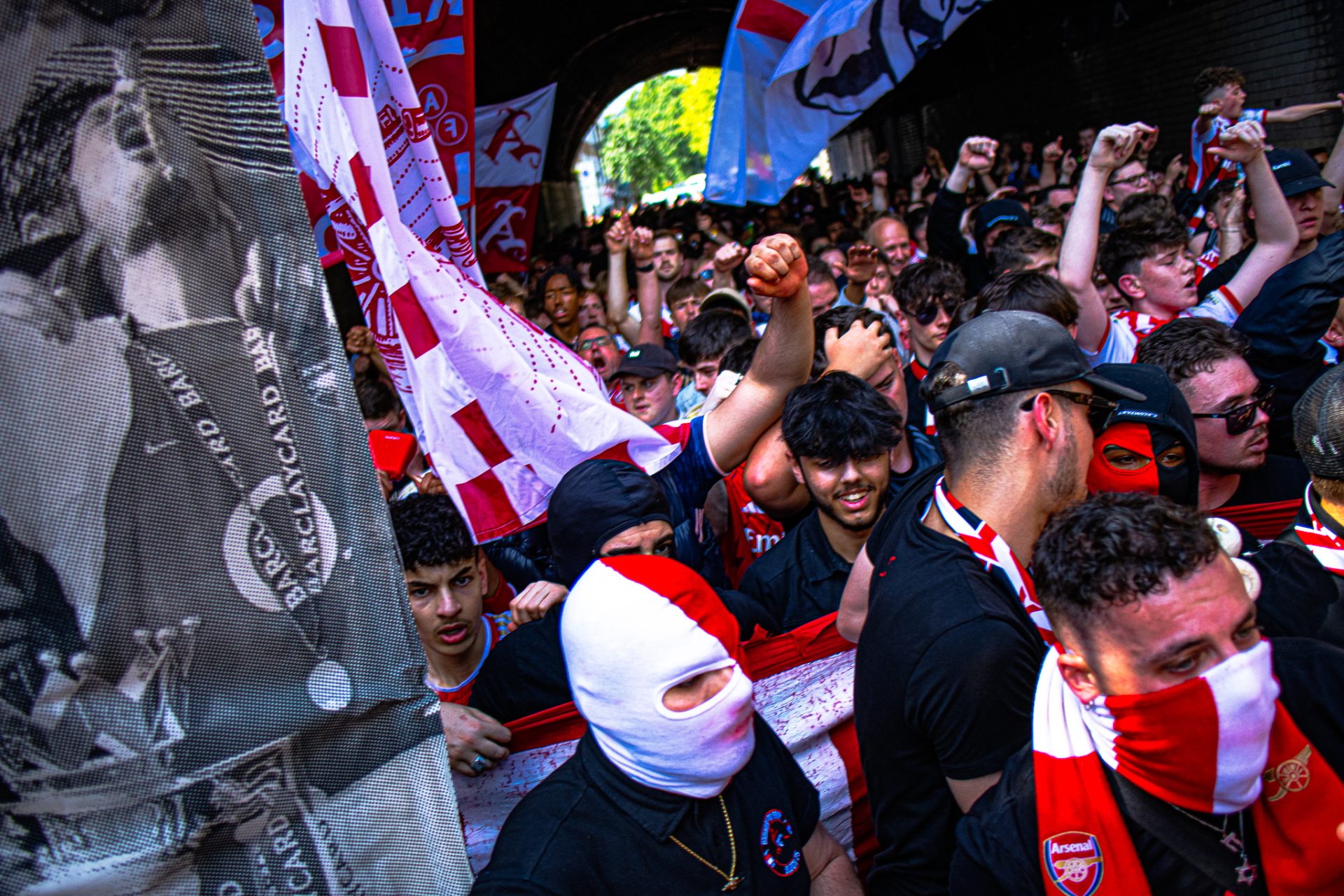
Ultra culture developed distinctive forms across parts of Europe and beyond, with organised supporter groups using banners, flags, coordinated displays, continuous chanting and pyrotechnics to transform sections of stadiums.
British terrace culture developed differently, but elements associated with ultras have become increasingly visible at clubs across the country.
Large flags, tifos and coordinated displays now appear regularly at grounds where they would once have been unusual.
The result isn’t simply the importation of another football culture. British supporters have adopted and adapted different ideas while retaining their own songs, humour and traditions.
It is another example of terrace culture continually evolving rather than remaining fixed in one period.
How Football Terraces Have Changed
The physical environment in which British supporter culture developed has undergone enormous change.
Following decades in which overcrowding and inadequate stadium infrastructure contributed to multiple disasters, major changes to ground design and safety followed. The Taylor Report after the 1989 Hillsborough disaster was particularly consequential in reshaping top-level English and Scottish stadiums, accelerating the move away from traditional standing terraces.
During the decades that followed, many historic grounds were comprehensively redeveloped while others disappeared altogether.
Traditional terraces, distinctive floodlights, ageing stands and unusual architectural details were increasingly replaced by modern stadium infrastructure.
Safety and facilities improved significantly, but the transformation also changed how supporters occupied football grounds.
More recently, safe-standing areas have brought a form of standing support back into modern stadiums. Meanwhile, traditional terraces remain part of the experience at many lower-league and non-league grounds.
The environment changes. Supporter culture adapts with it.
![Tottenham Hotspur supporters photo series. TRAINING GROUND [Blokes at worship - blokes at war] Kirsten Allen](https://lowerblock.com/wp-content/uploads/2024/07/000099680022-bw.jpg)
Documenting Terrace Culture Through Photography
Photography provides an important record of terrace culture because so much of its significance lies in ordinary details.
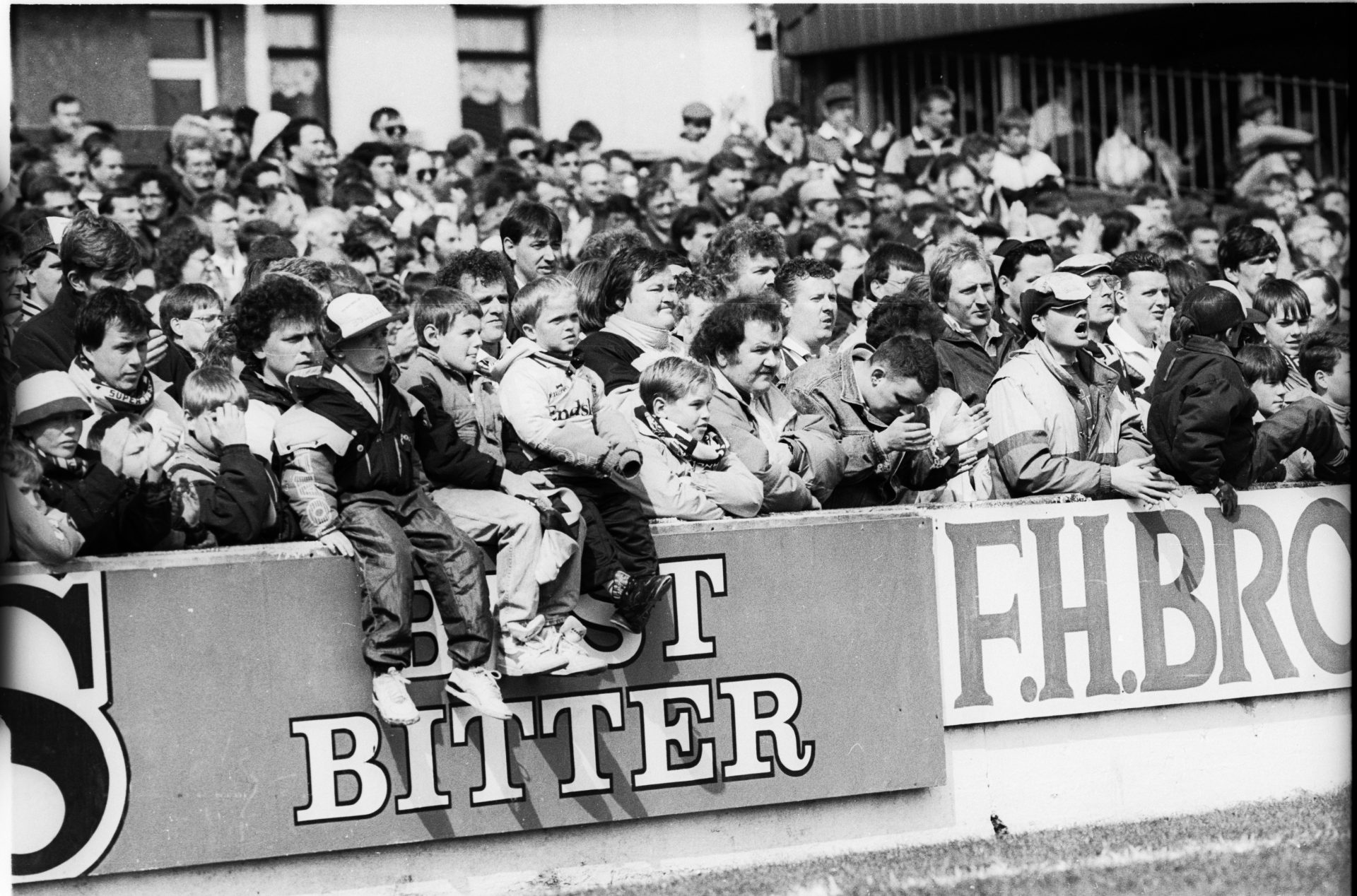
A photograph of a football crowd might initially appear to show little more than people watching a match.
Look more closely and it can reveal the clothing of a particular era, hairstyles, scarves, advertising, stadium architecture, fencing, policing, food, banners and the different generations occupying the same terrace.
Over time, those details become part of football’s social history.
This is particularly important when documenting supporter culture because much of it is temporary. Grounds are demolished. Stands are rebuilt. fashions change. Pubs close. Supporters grow older and another generation takes their place.
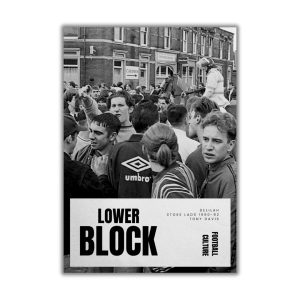
Across the Lower Block archive, photographers have documented these changes from inside football culture – recording the supporters, grounds, journeys and rituals surrounding the game rather than concentrating solely on what happens on the pitch.
Football Terrace Culture Today
Terrace culture has never stood still.
Modern supporters experience football differently from previous generations. Smartphones and social media have changed how matches are recorded and shared. Clubs communicate directly with global audiences. Replica shirts, football brands and terrace-inspired clothing have become part of mainstream culture. Football grounds themselves are increasingly sophisticated commercial environments.
Yet many of the fundamental rituals remain remarkably familiar.
Supporters still meet before matches, travel together, sing the same songs and occupy familiar parts of grounds. Parents still introduce children to their club. Away supporters continue to cross the country every weekend.
At smaller grounds in particular, football can still feel closely connected to the communities surrounding it.
Terrace culture survives because it isn’t a single fashion, movement or period in football history.
It is created continually by the people who turn up.
Related Lower Block Editions



More from the Lower Block Archive