In 1985, Steve Pyke photographed supporters at four of London’s best-known football grounds. His attention turned towards the stands and terraces, recording the people who gave each place its atmosphere and identity.
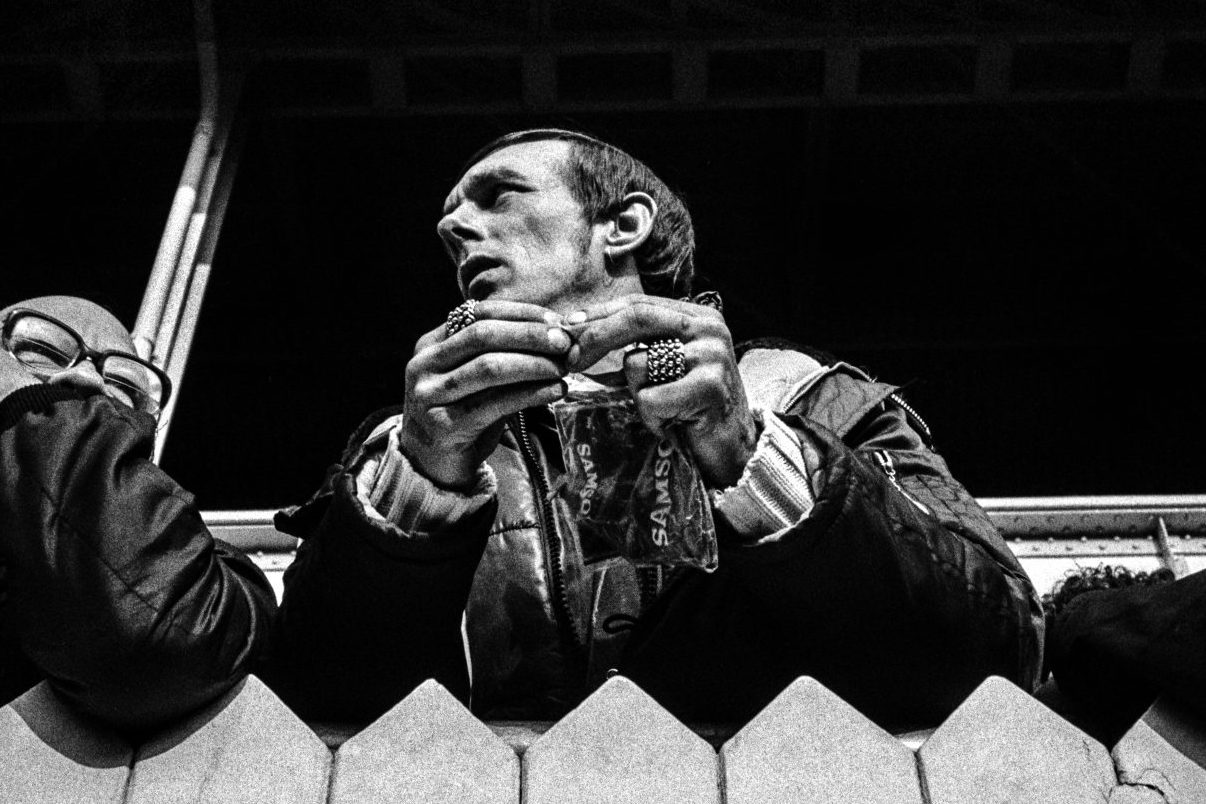
Taken at White Hart Lane, Highbury, Upton Park and Wembley, these photographs form part of The Third Element, a Lower Block Edition exploring football culture and the personal connections built through following the game.
Viewed four decades later, the images carry another significance. All four grounds have since closed in their original form. Their supporters, clothing and surroundings now belong to an important photographic record of British football heritage.
Explore Lower Block’s British Football Heritage collection.
White Hart Lane – Tottenham Hotspur
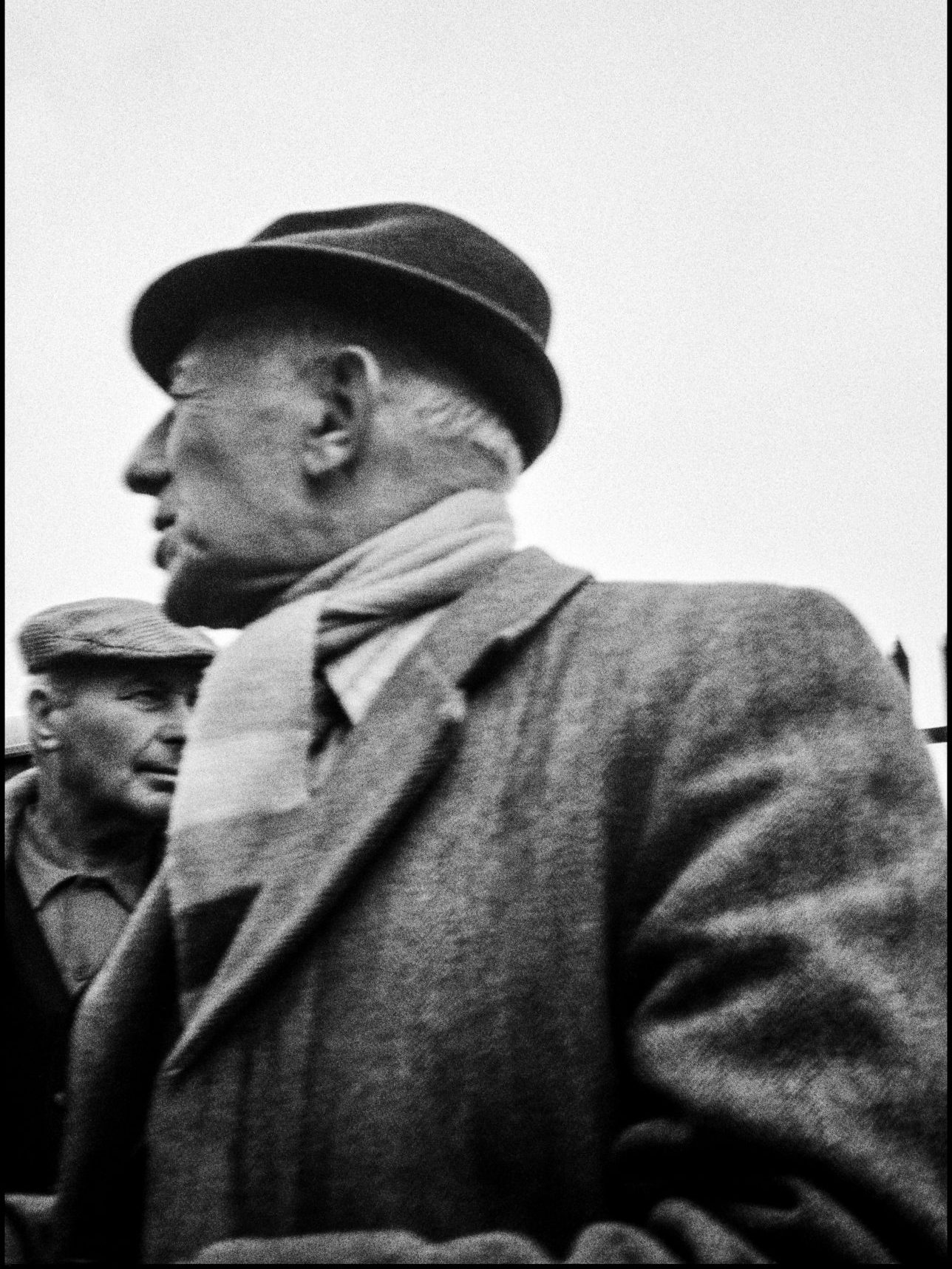
Pyke’s White Hart Lane photographs capture Tottenham supporters in 1985, more than three decades before the ground’s final season.
For generations, the Lane was a constant in the lives of those who followed Spurs. People returned to familiar places in the ground, met the same faces and passed the habit of attending between friends and family.

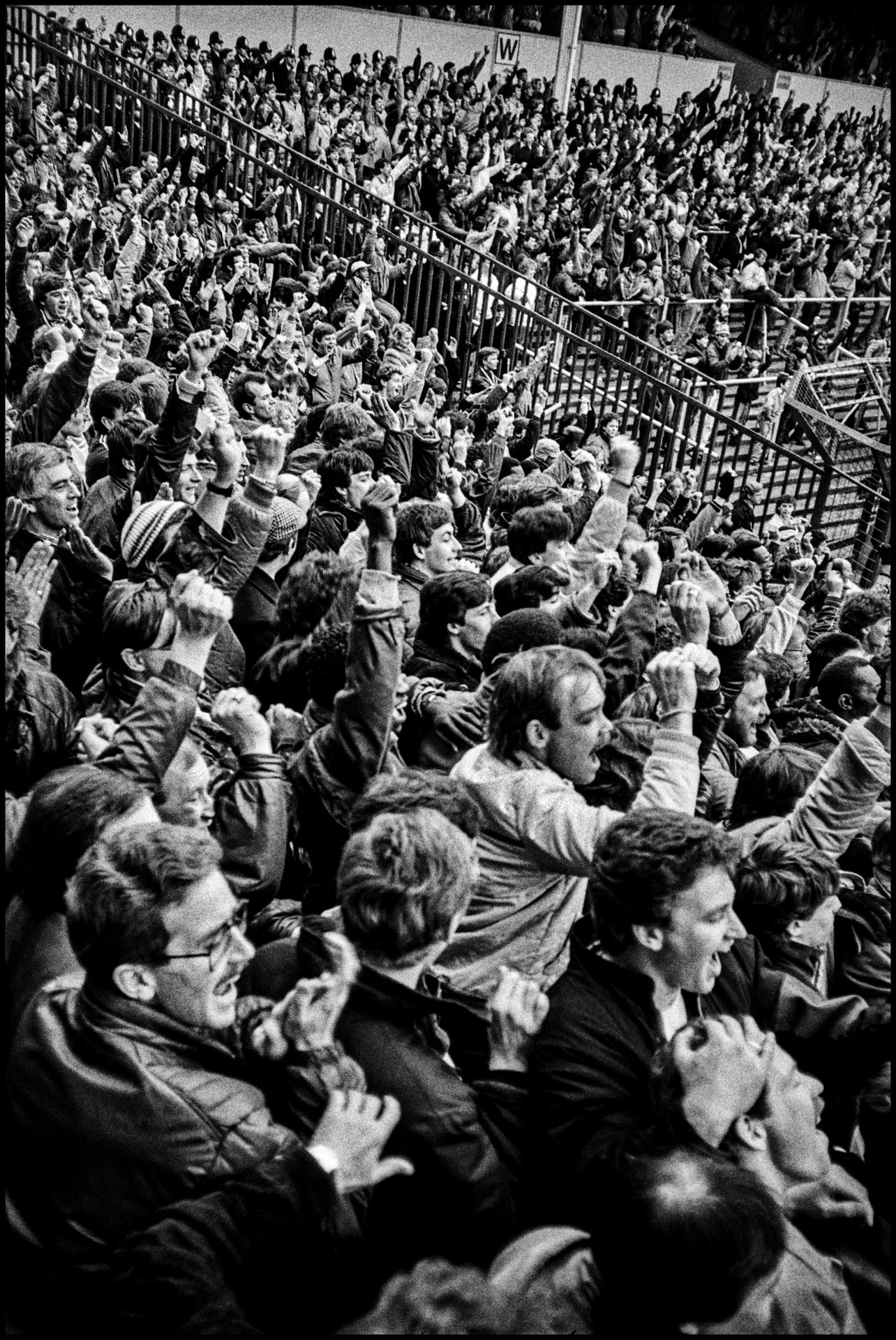
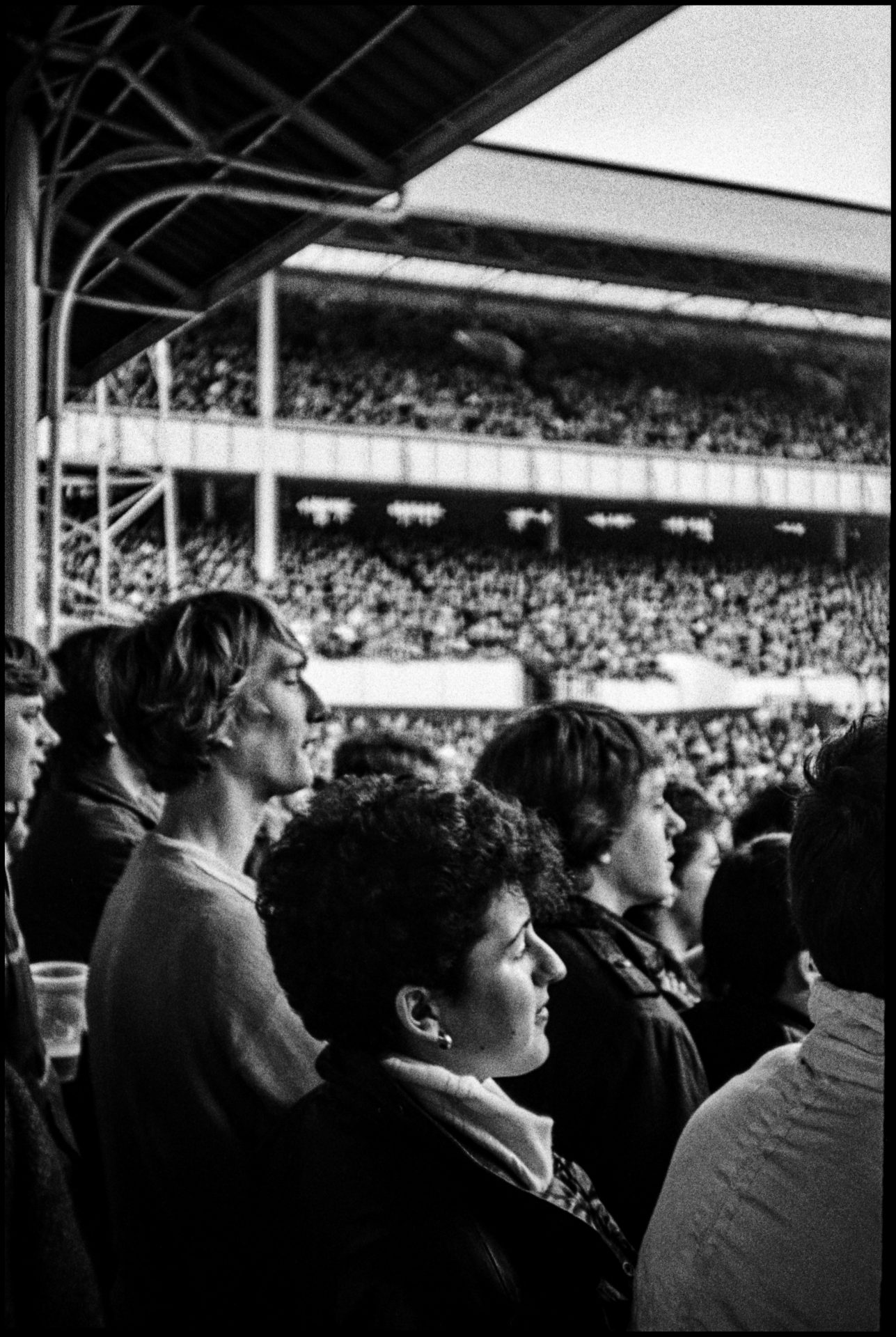
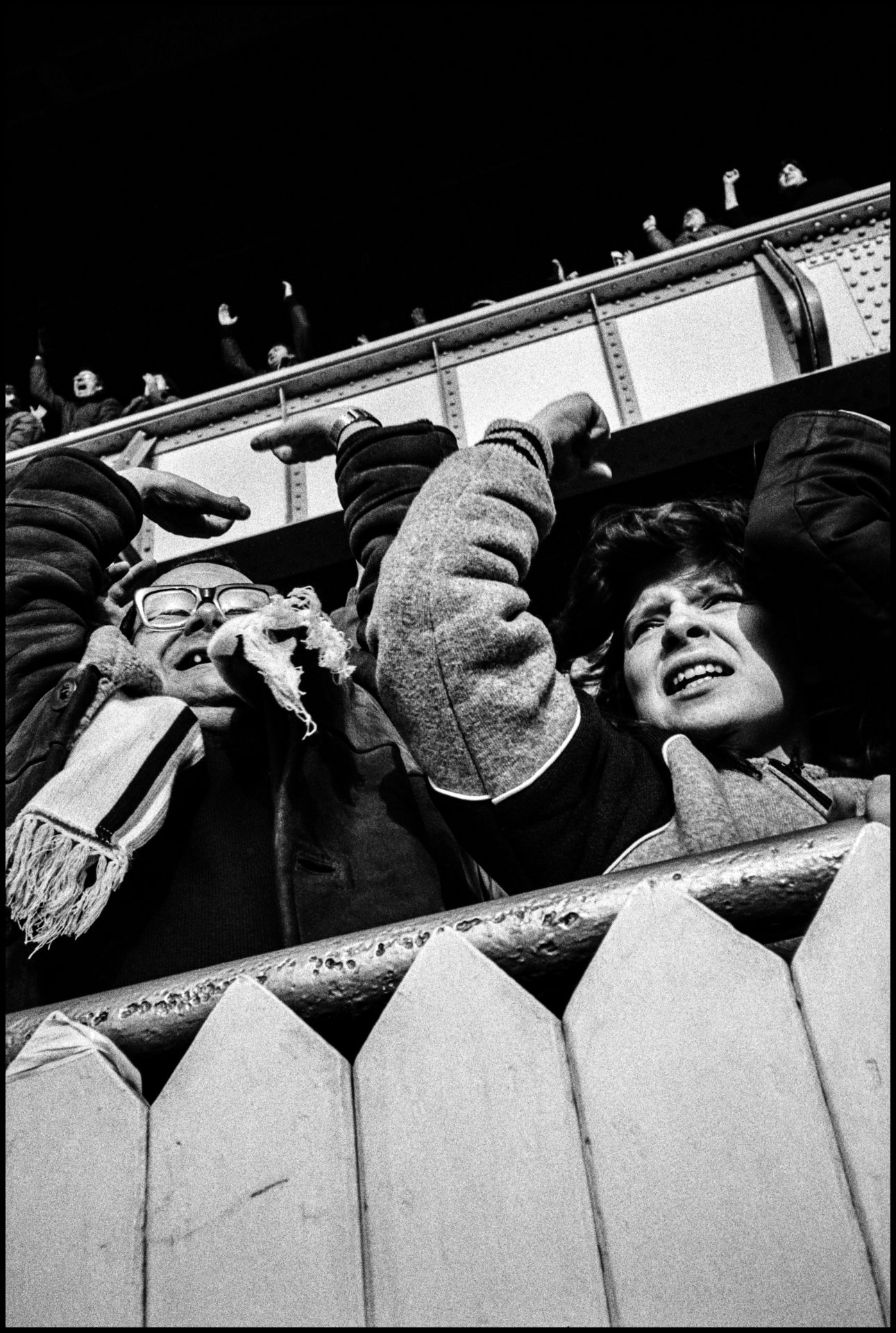
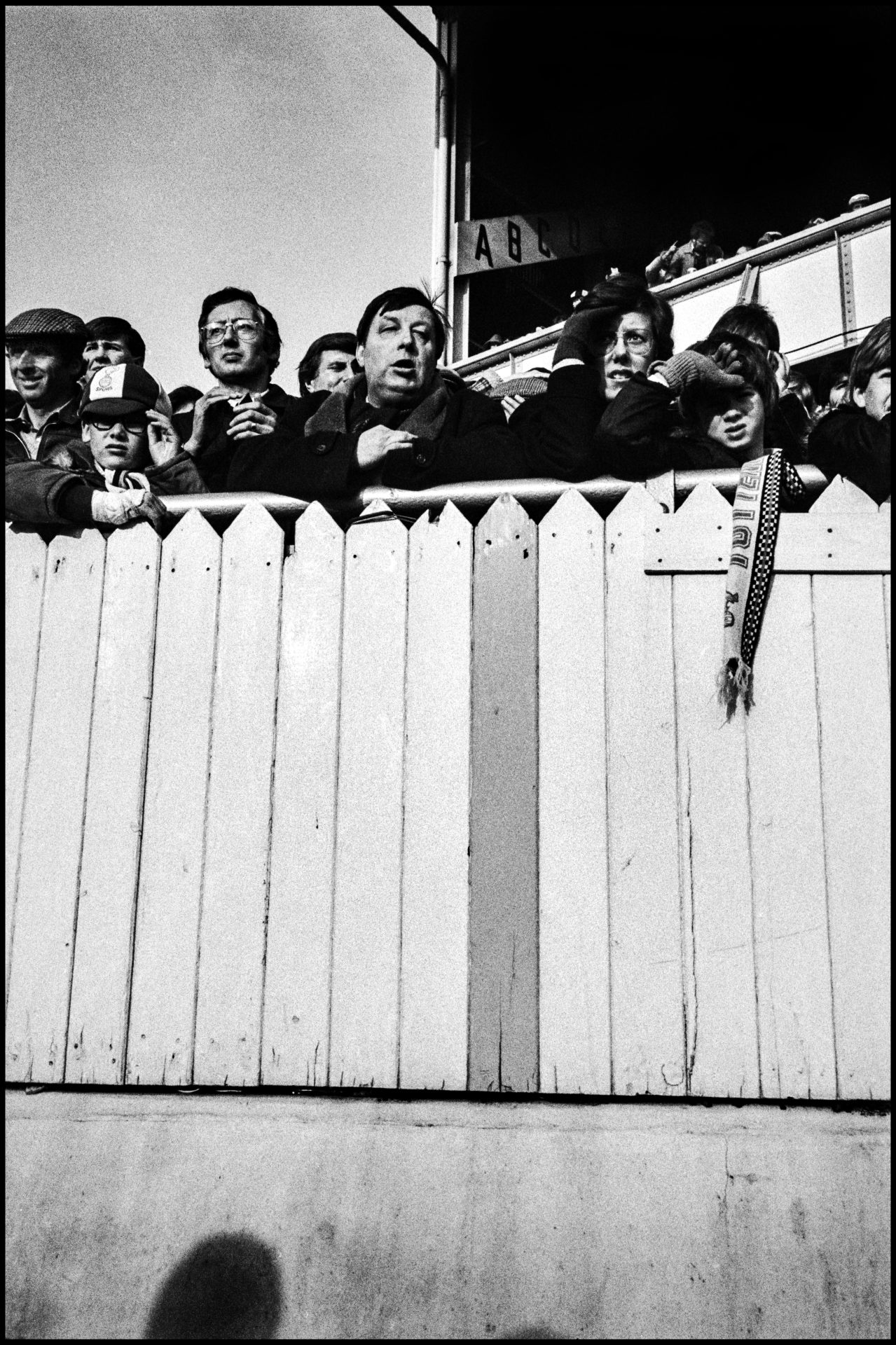

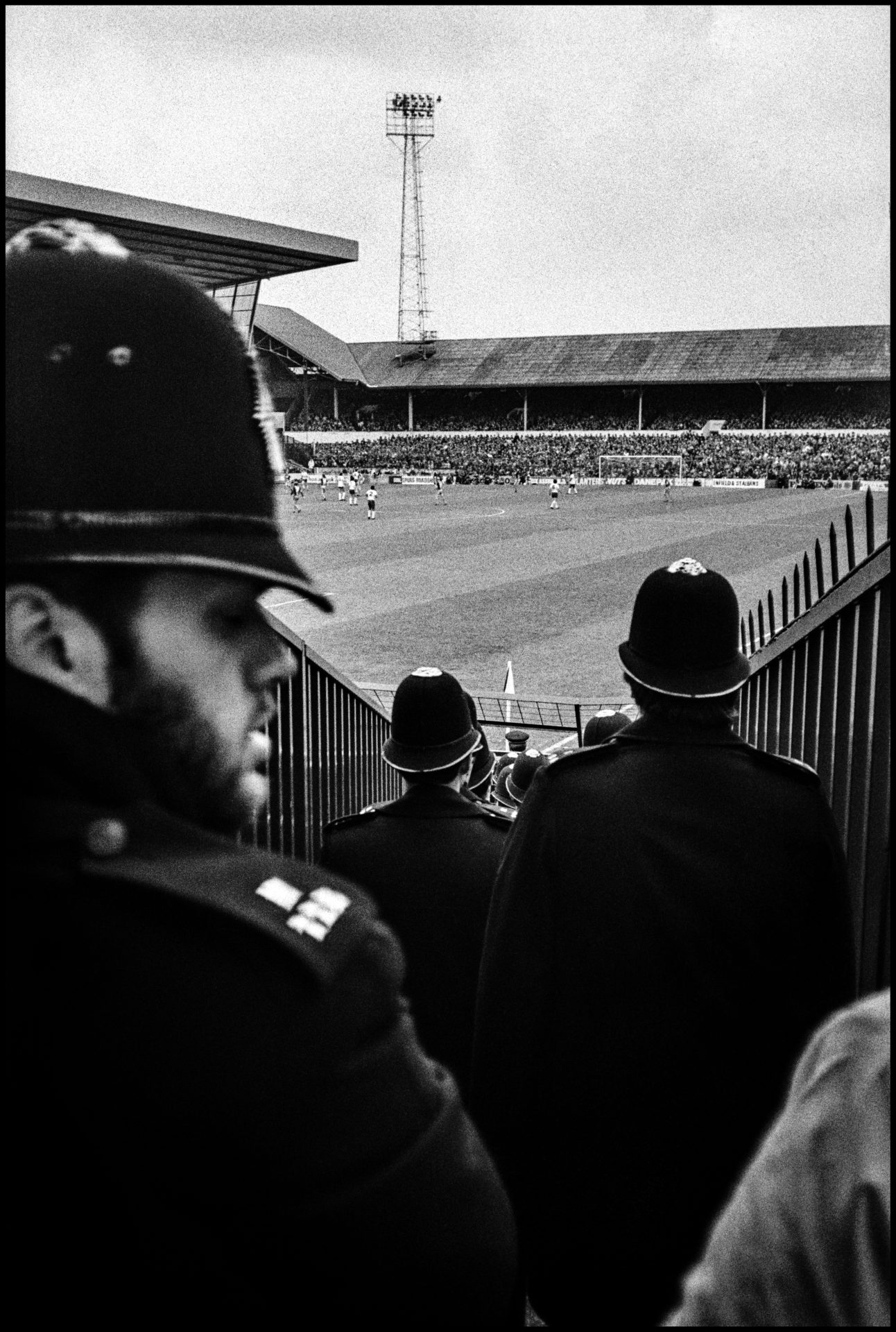
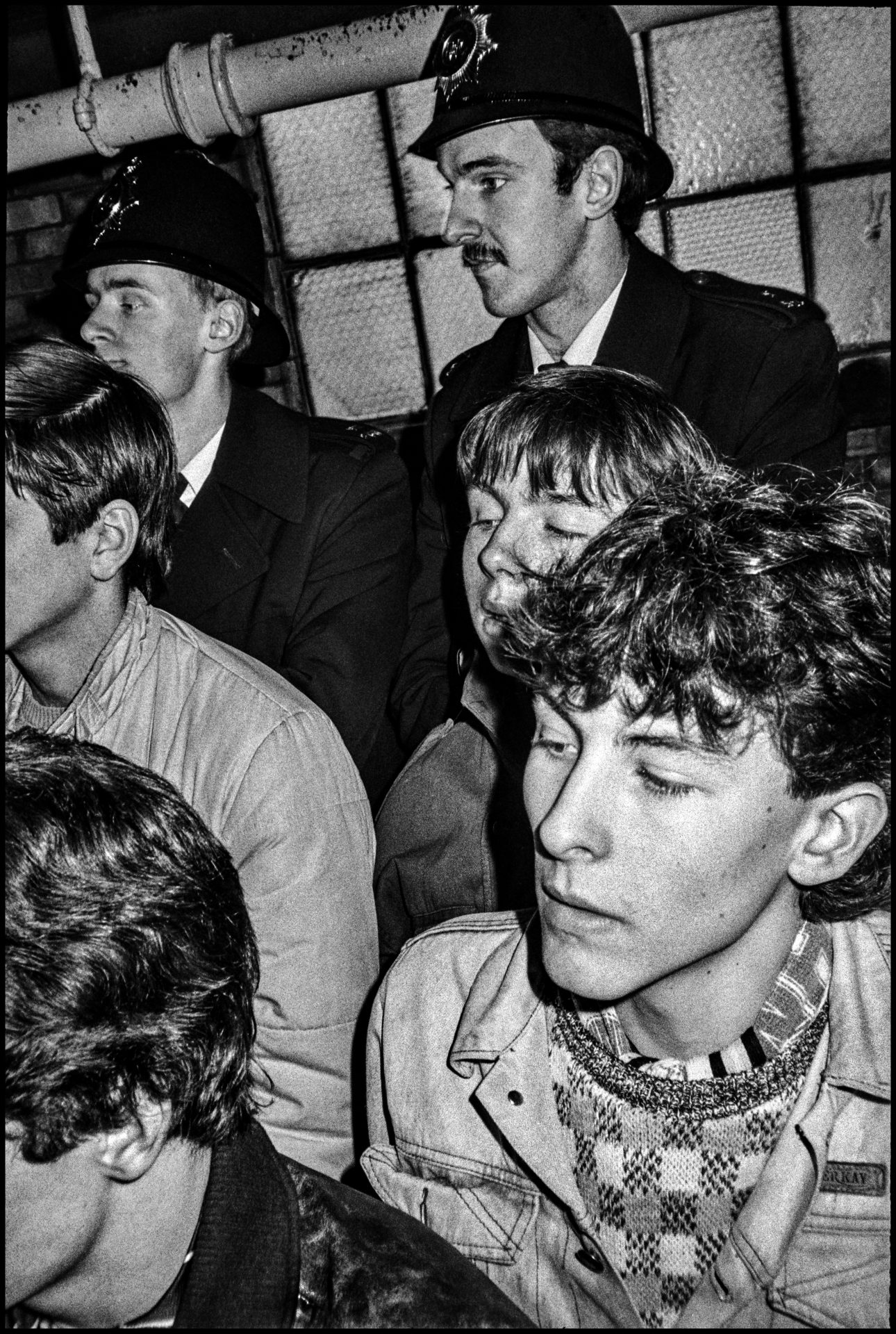
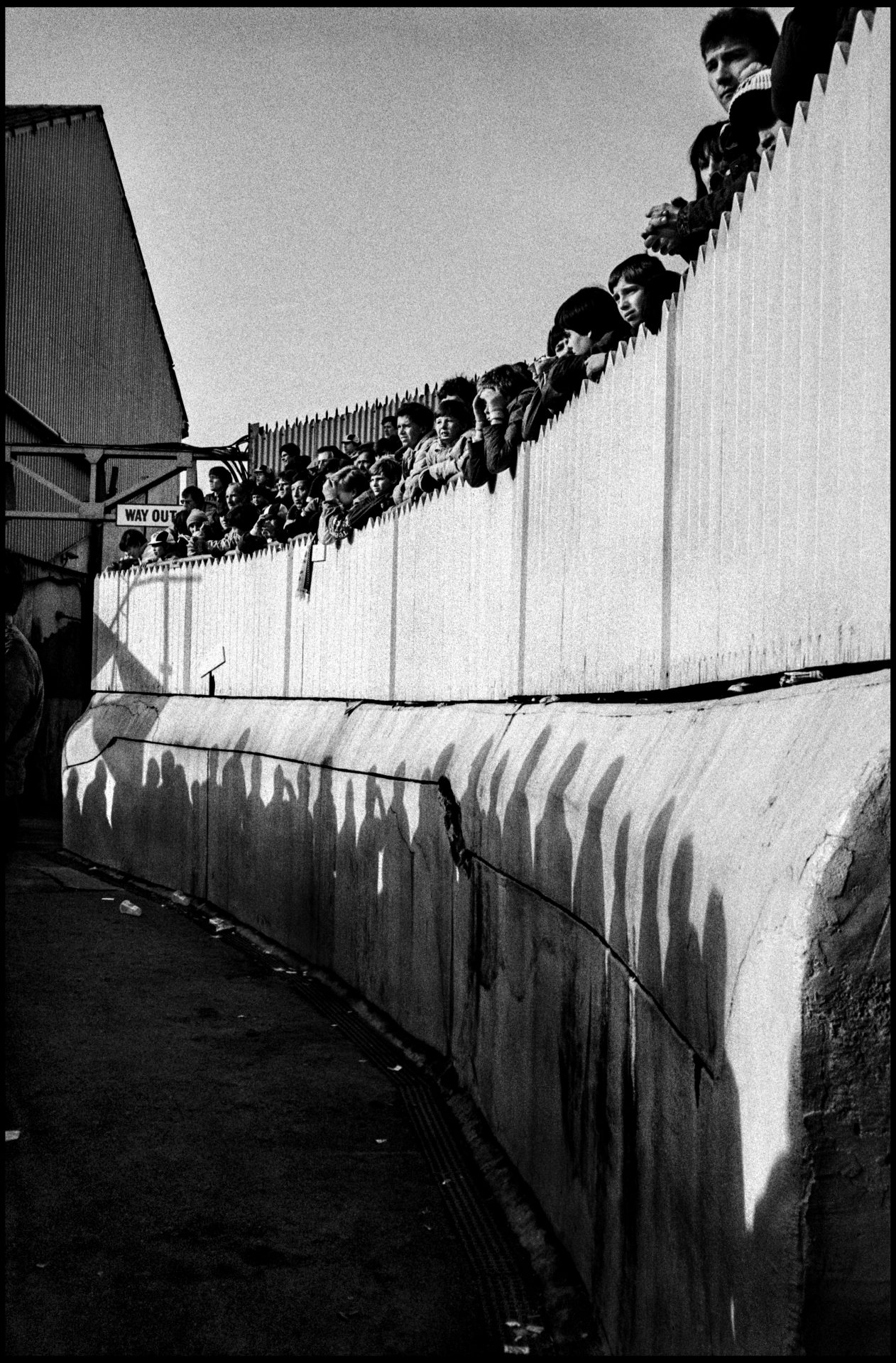

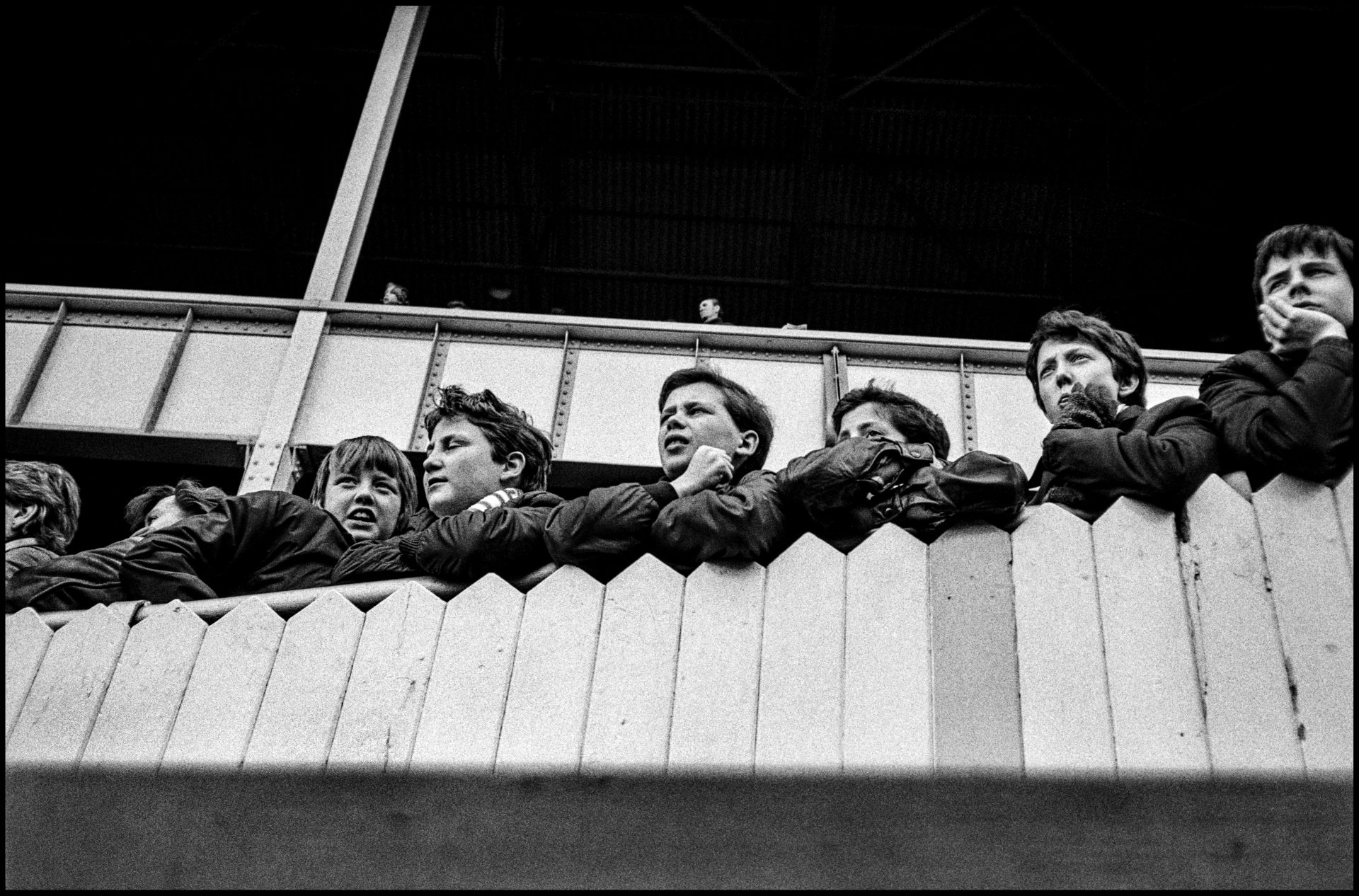
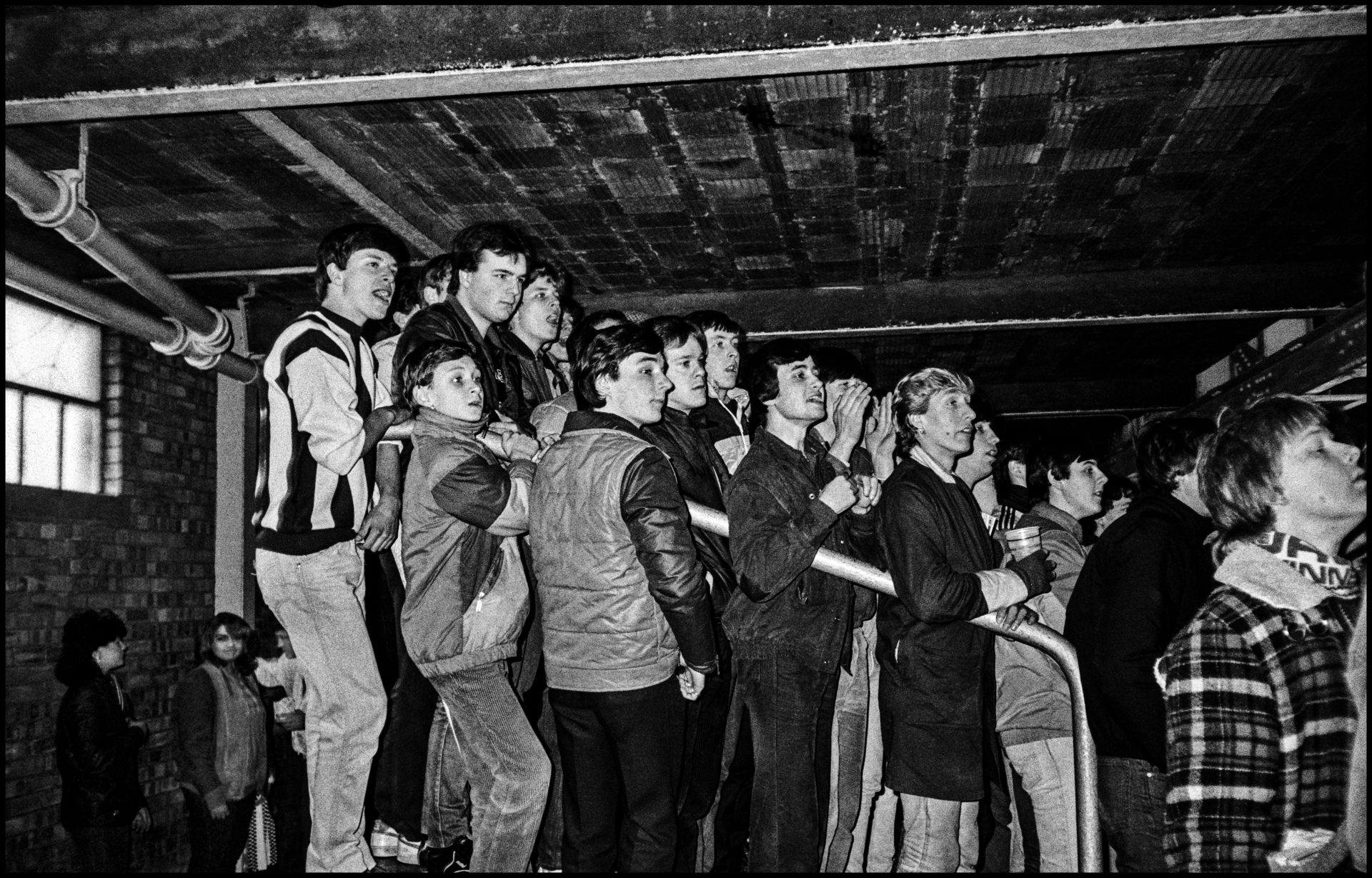
The stadium was demolished in 2017 as Tottenham developed their new home. Pyke’s photographs preserve the crowd within the old ground, giving its history a human presence beyond the buildings themselves.
That relationship between supporters, familiar surroundings and shared rituals is central to football terrace culture.
Read more about football terrace culture.
Highbury – Arsenal
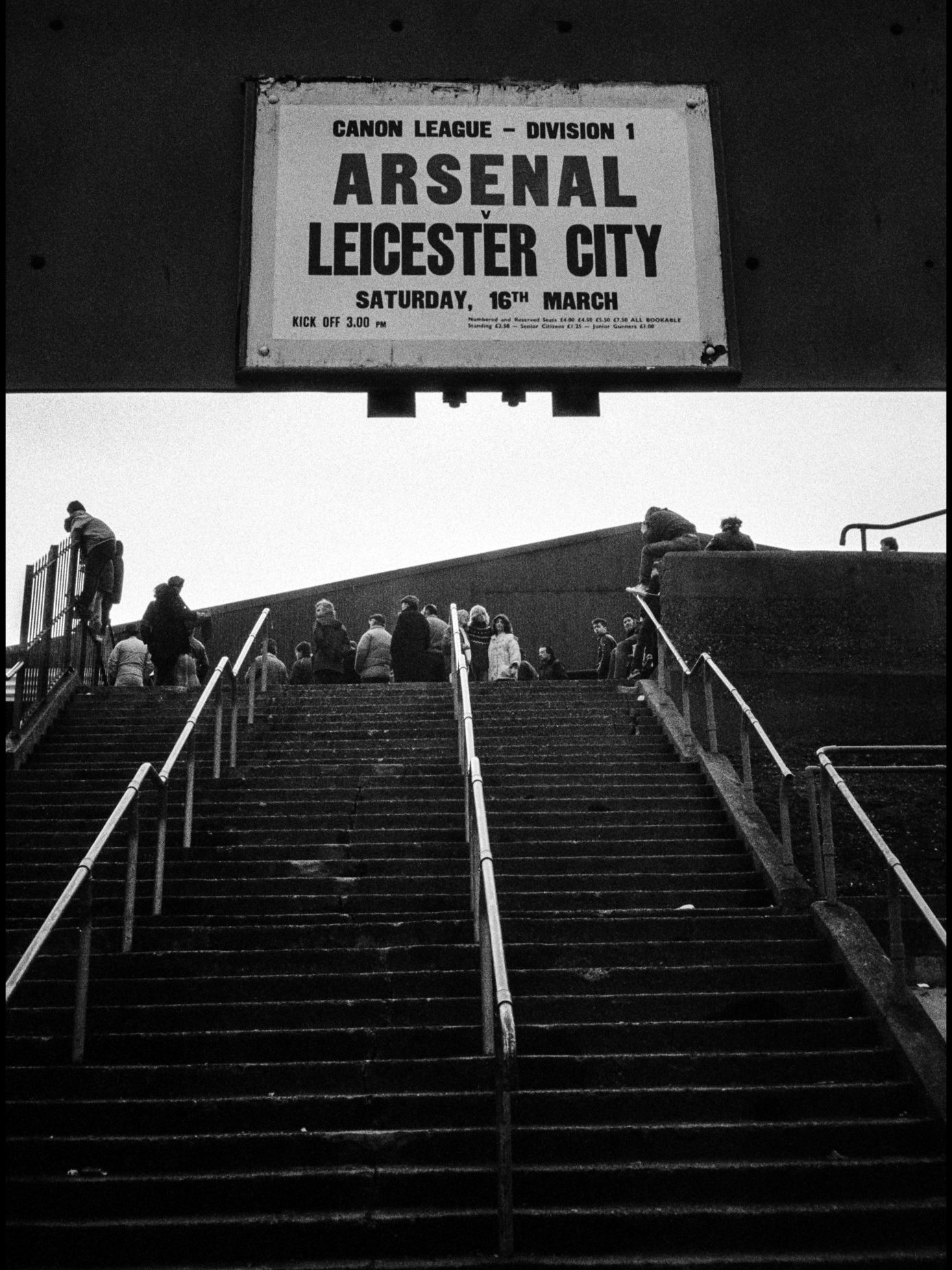
At Highbury, Pyke photographed supporters inside a ground closely bound to the residential streets around it. Arsenal’s home had developed over decades, its stands and terraces becoming familiar landmarks for those who attended.

The club left for the Emirates Stadium in 2006. The East and West Stand façades were retained within the residential redevelopment, preserving part of Highbury’s architectural identity.
The photographs hold something different. They record the people who occupied it when it was still a working football ground, offering a glimpse of supporting Arsenal in the mid-1980s.

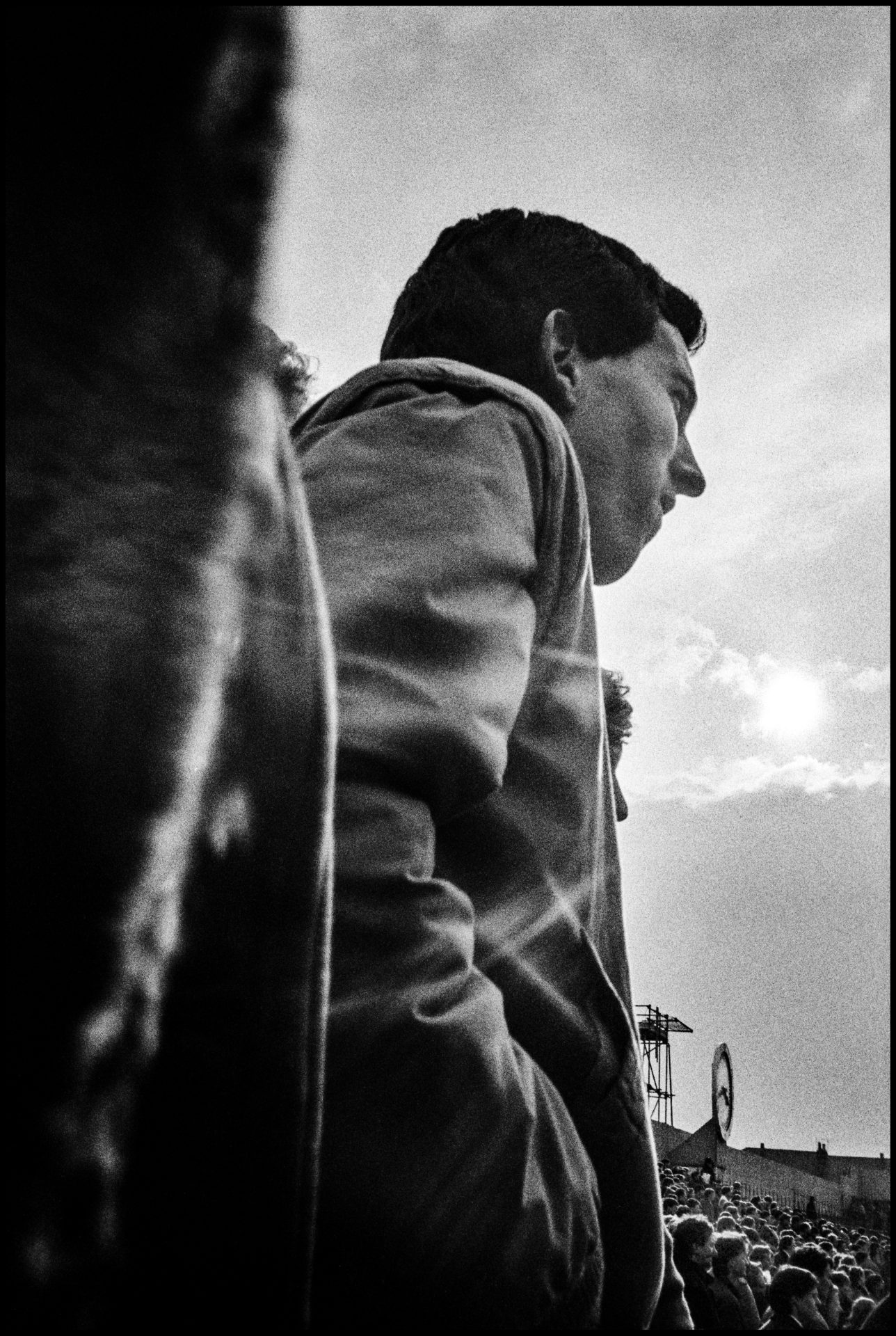
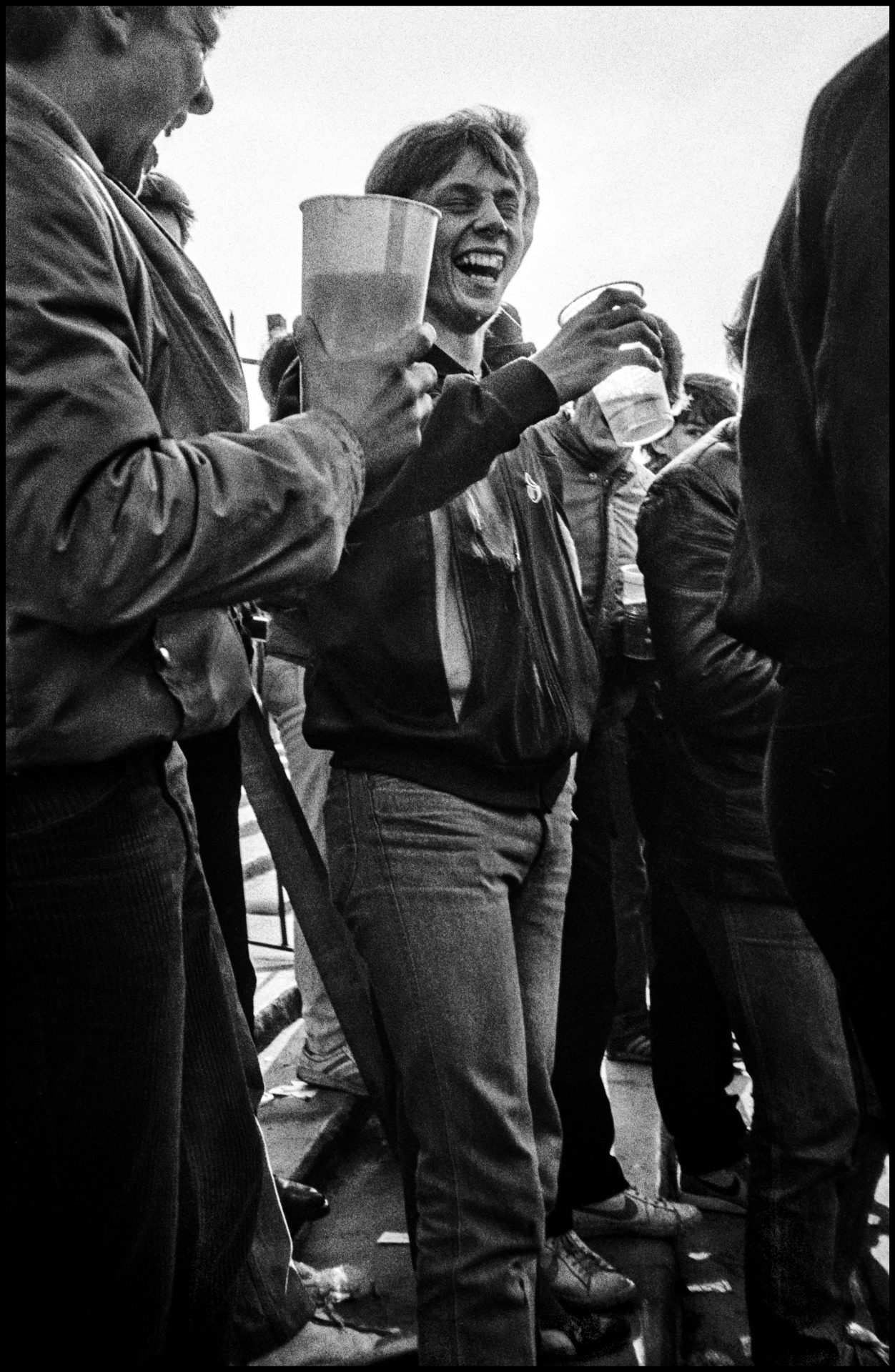
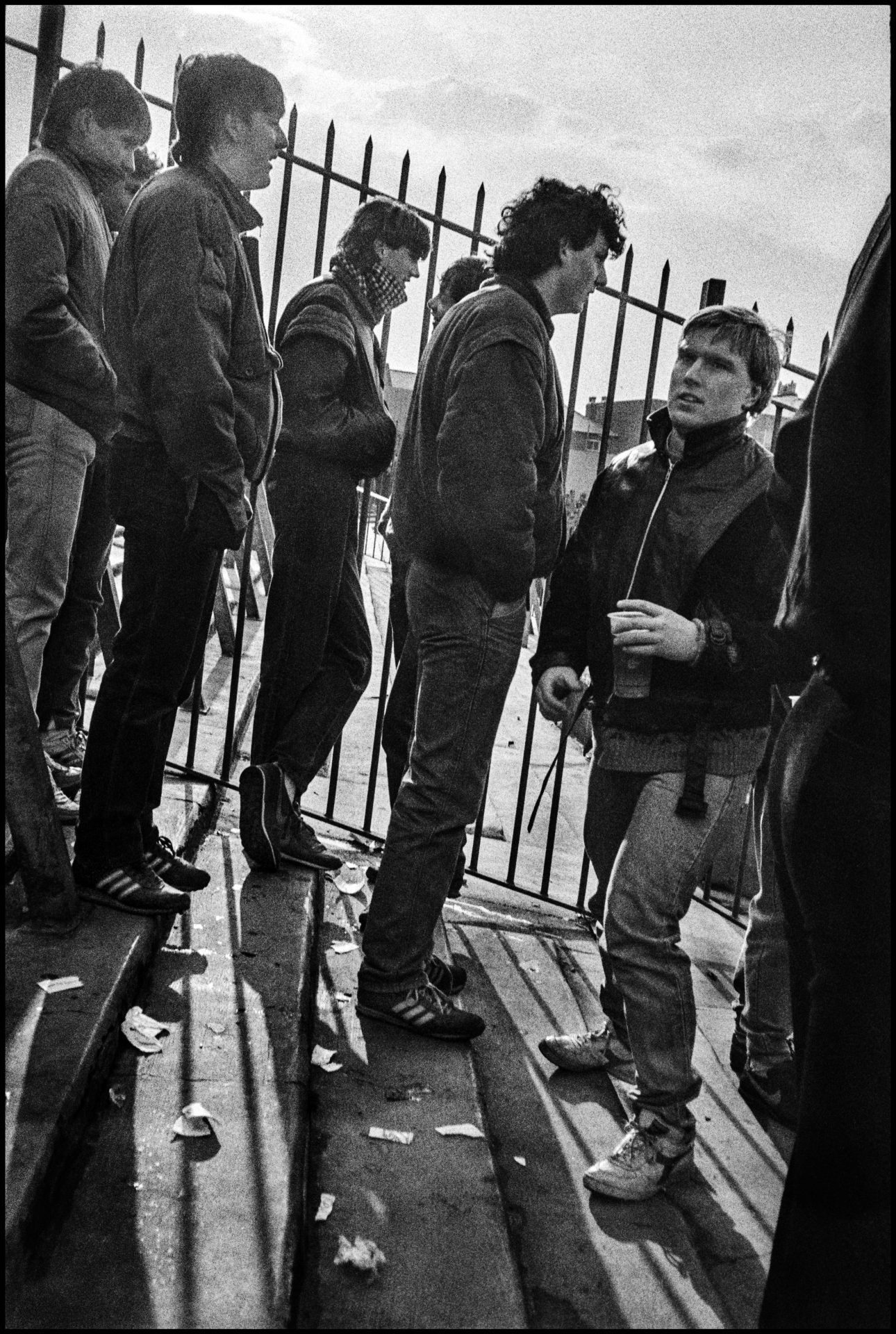
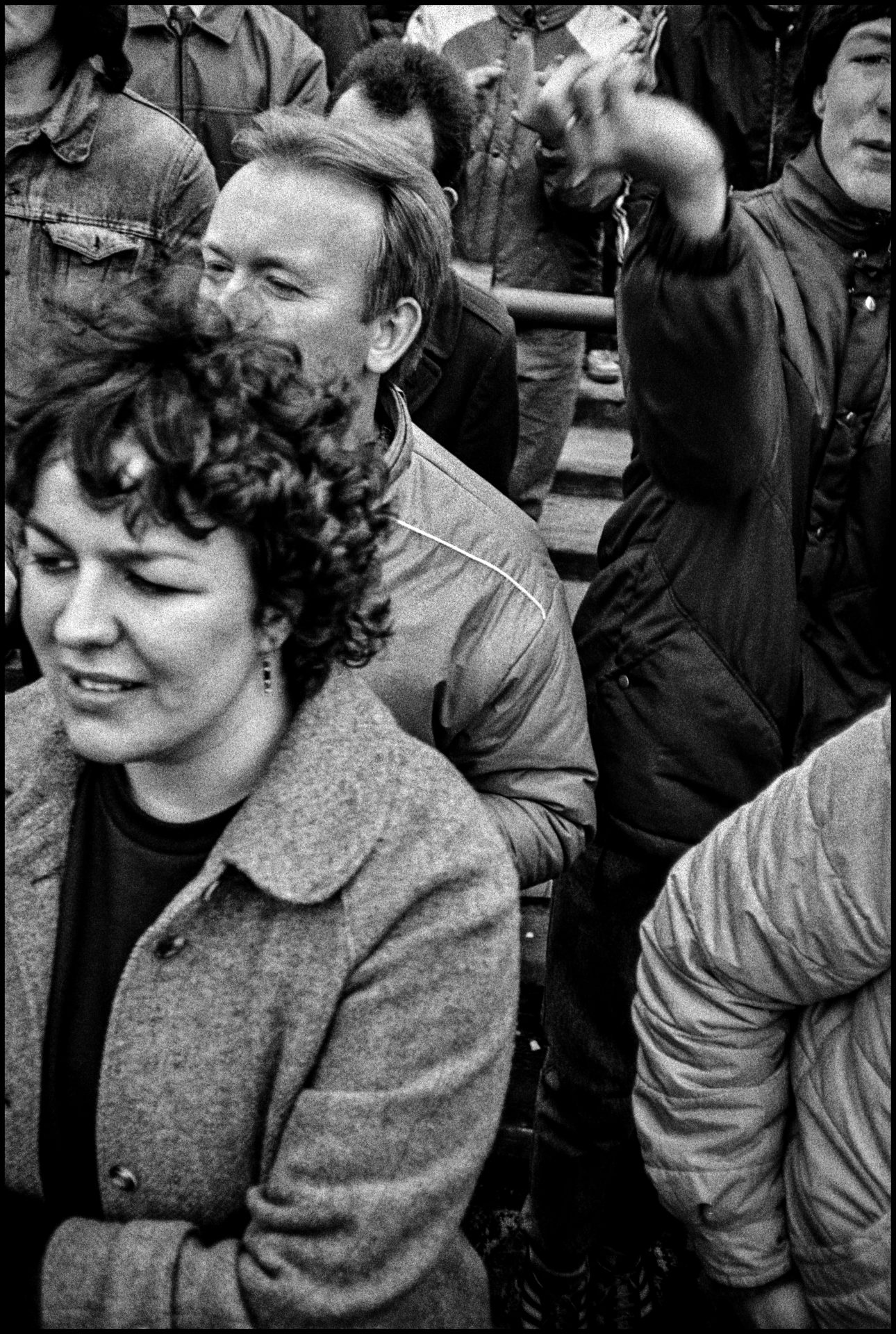
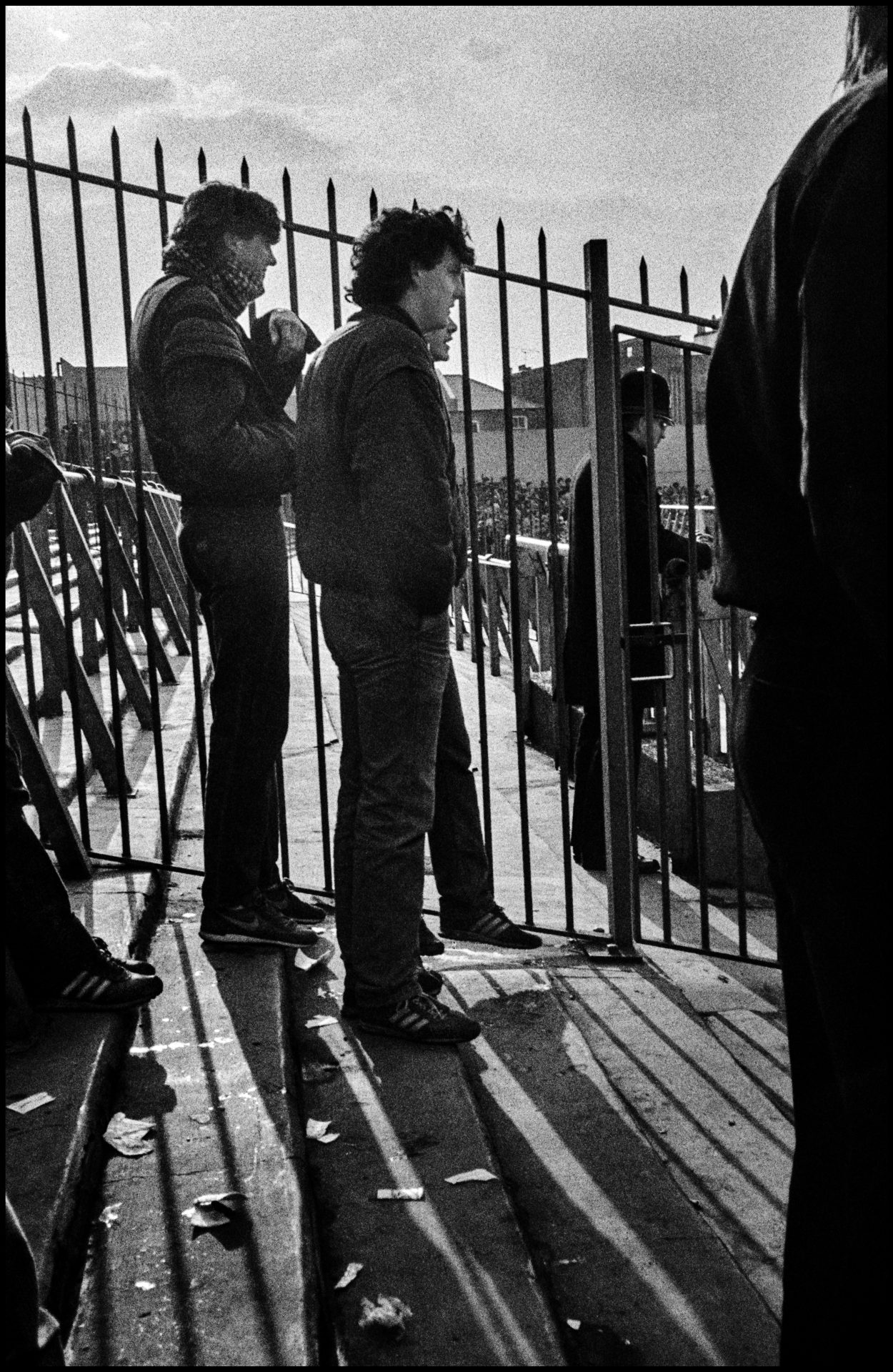
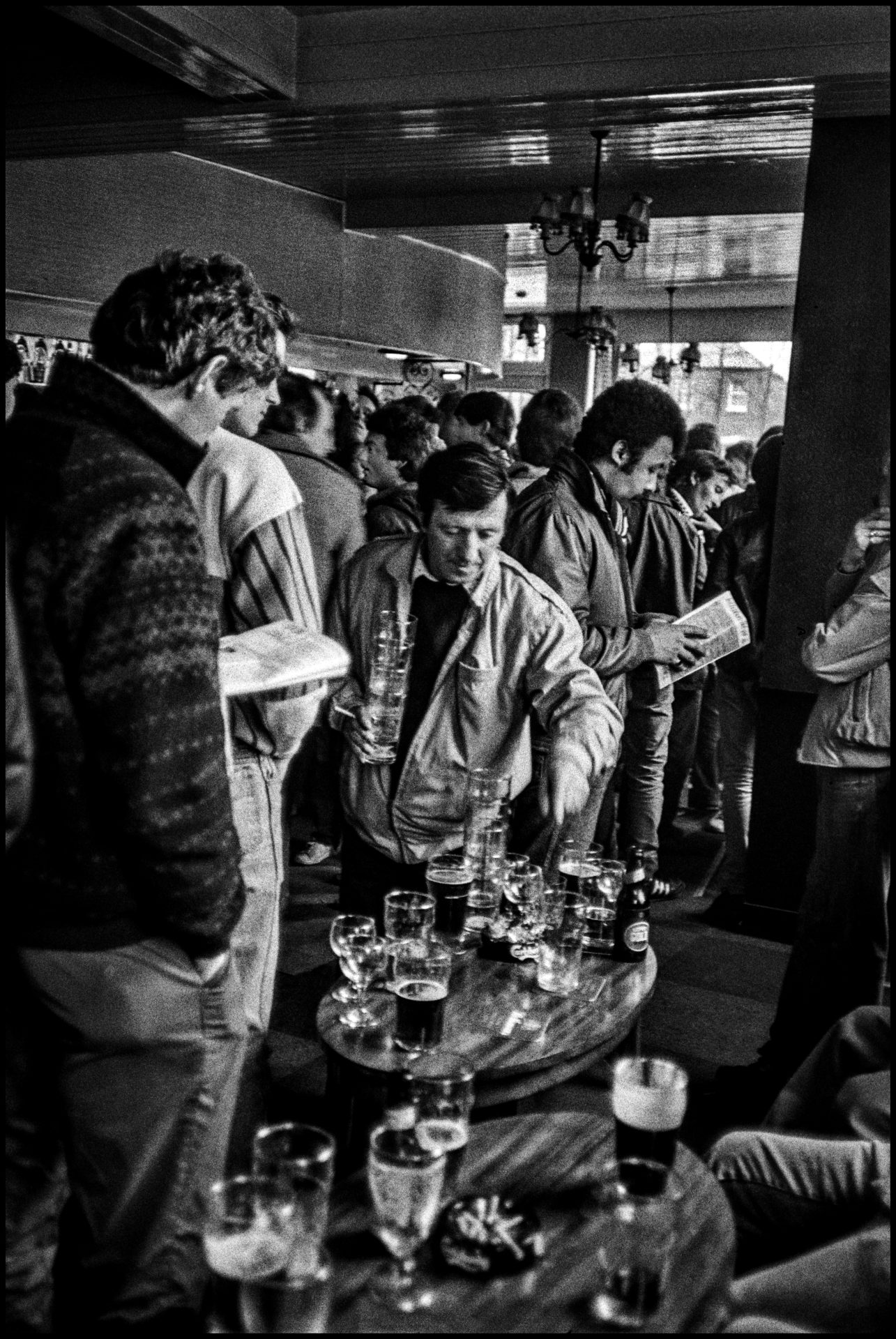
Highbury and White Hart Lane both feature in Lower Block’s wider photographic collection documenting former football grounds and the communities attached to them.
Explore the Lost Grounds Collection.
Upton Park – West Ham United
West Ham’s Boleyn Ground, widely known as Upton Park, stood at the centre of an established matchday world in east London. The surrounding streets, local businesses and routes to the turnstiles formed part of the experience of following the club.

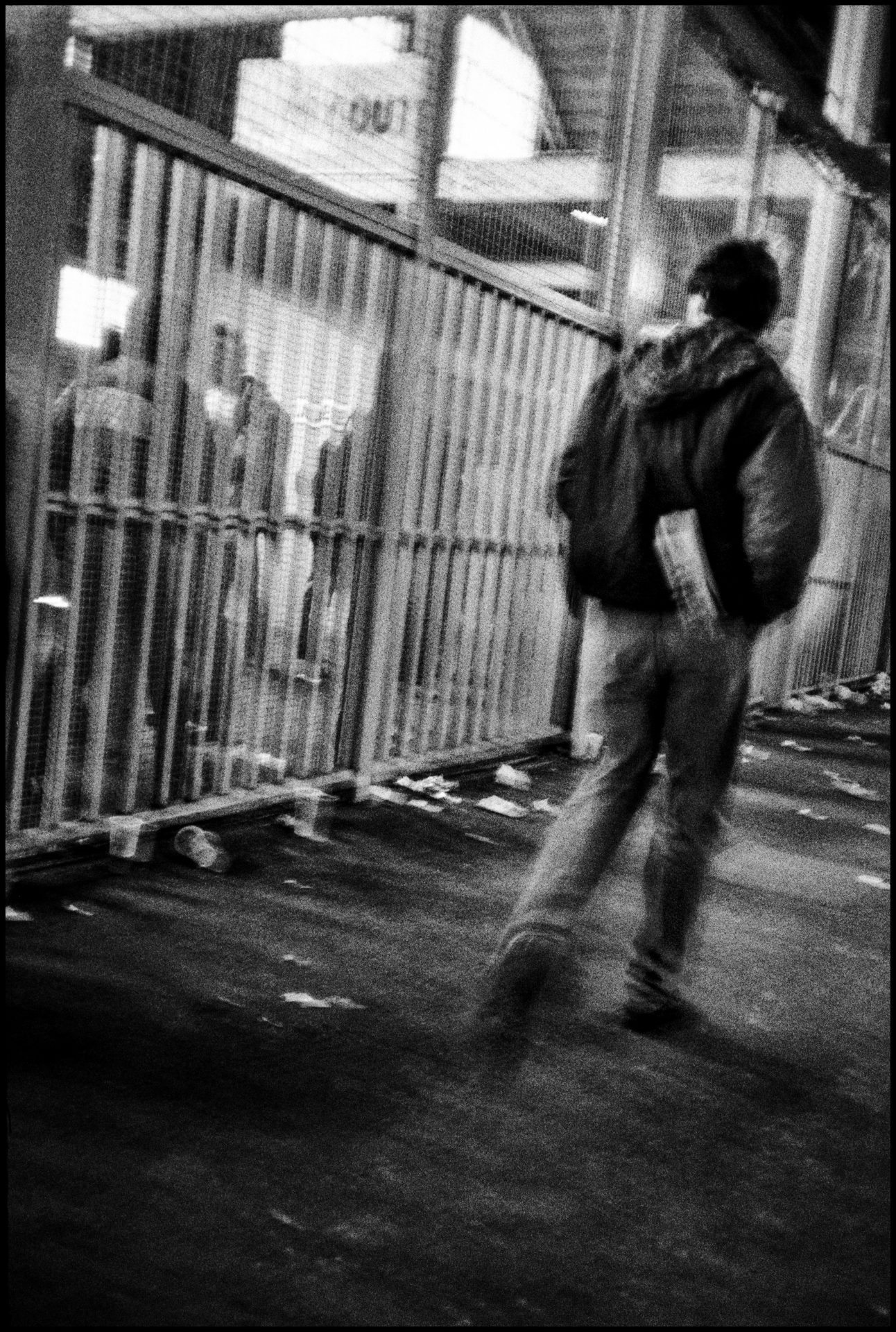
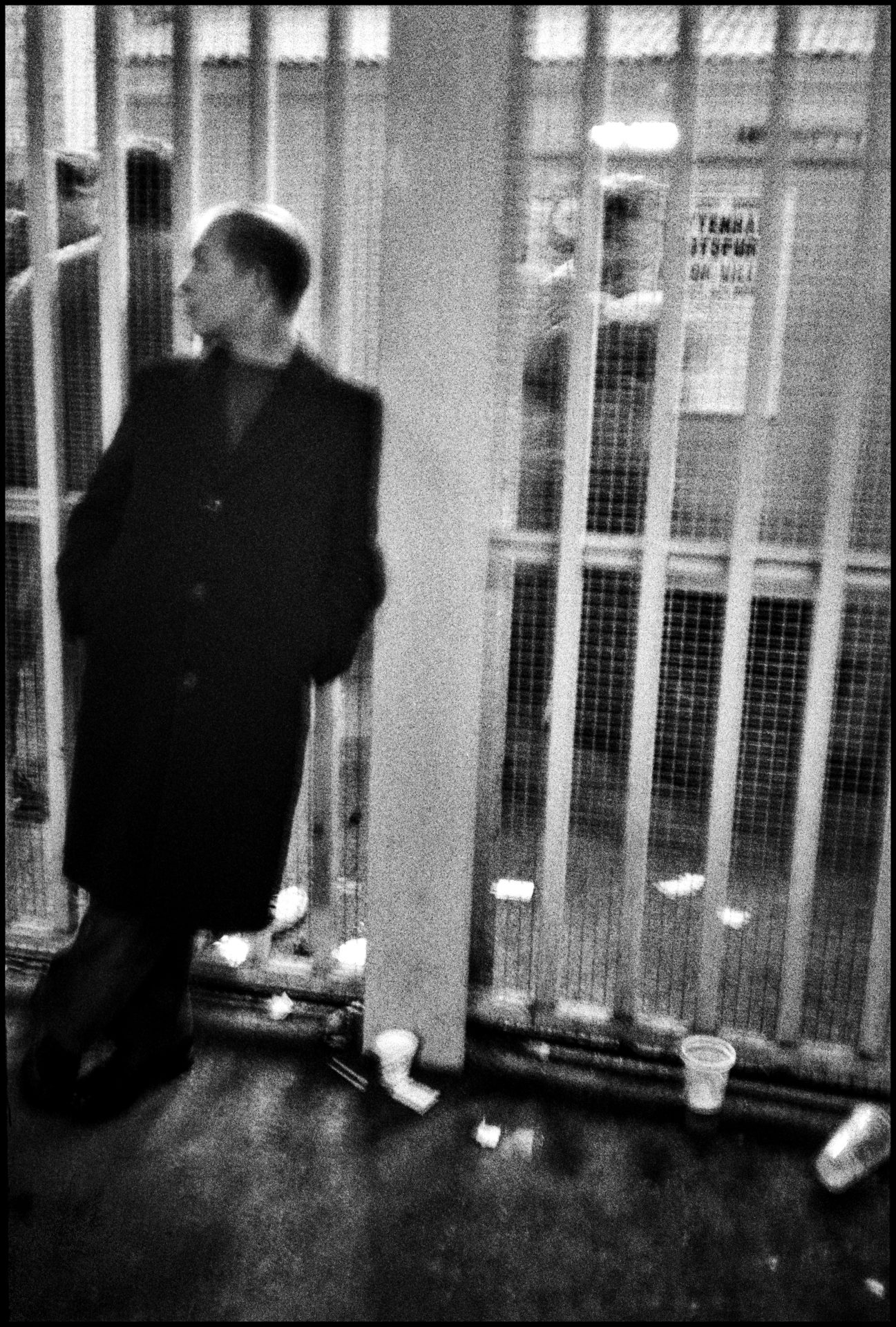
Pyke’s 1985 photographs place supporters within that history. They document a period of West Ham fan culture long before the move to the London Stadium.
The club left in 2016 after 112 years at the Boleyn Ground. As the site changed, photographs became increasingly important to preserving how the place looked and how people experienced it.
That later chapter is documented by Taff Manton in Long Live The Boleyn, a Lower Block Edition following West Ham supporters through the relocation from Upton Park to Stratford.
Explore Long Live The Boleyn by Taff Manton.
Wembley – England
Wembley brings a different setting into the collection. Club allegiances gave way to the shared experience of following England at the original national stadium.

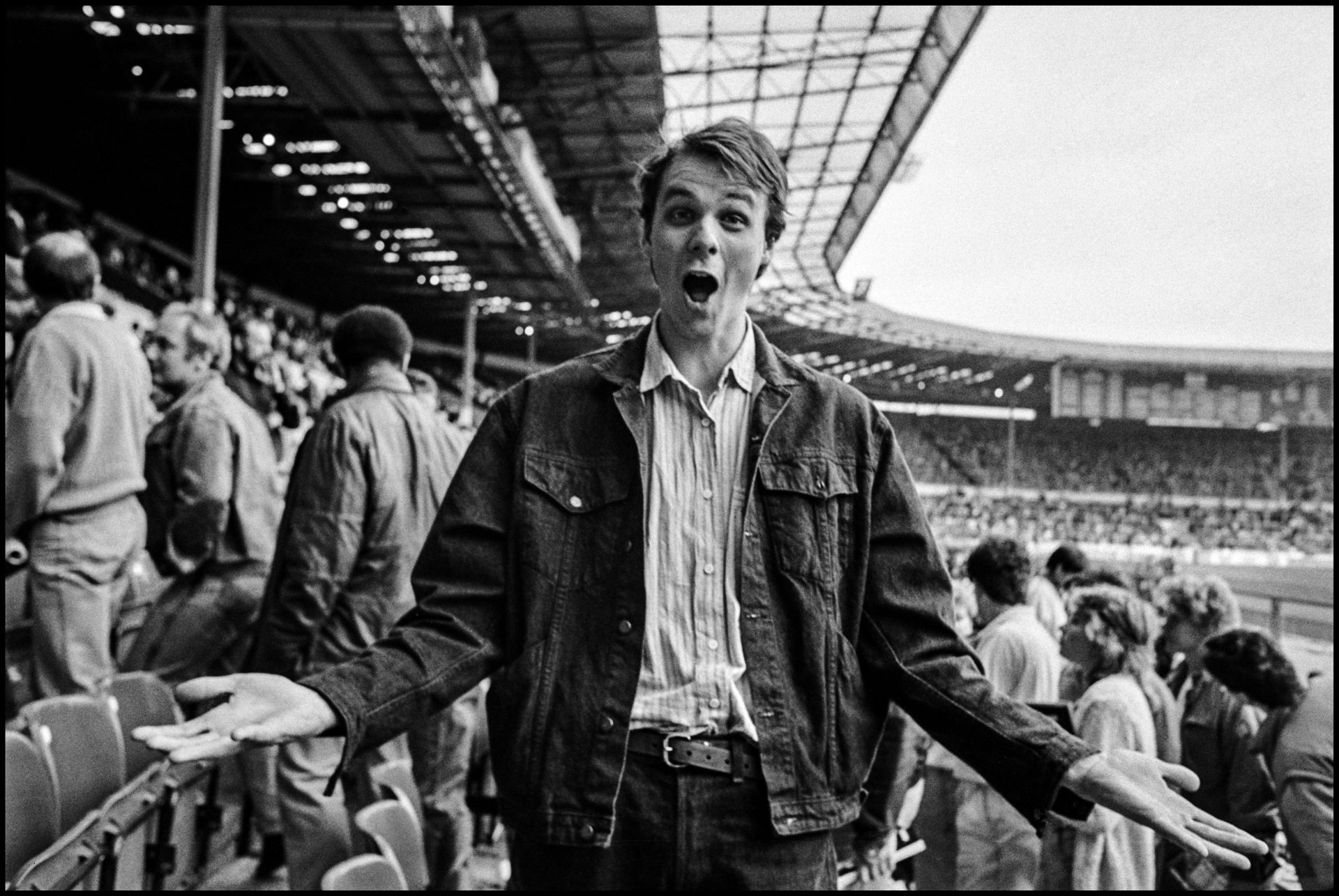
For supporters travelling to Wembley, the occasion carried its own expectations and rituals. Pyke’s photographs bring the focus back to the individuals within that gathering, recording the faces behind the wider spectacle.
The old stadium hosted its final football match in 2000. Its replacement opened in 2007, changing a setting that had become deeply embedded in English football memory.
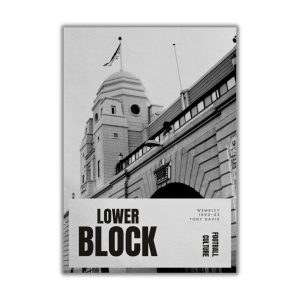
Tony Davis’s Wembley 1990–03 provides another photographic perspective on the original stadium, documenting its final chapter through cup finals, play-offs and Euro 96.
Explore Wembley 1990–03 by Tony Davis.
A record of London football culture
Together, these photographs preserve a particular moment in London football terrace culture. The clothes, faces and stadium surroundings provide details that become more revealing as time passes.
They also show why football culture photography matters. A crowd contains countless individual stories, many of which leave little trace in the official history of a club. Photographs give those people a lasting place in the record.
Explore football culture photography and more photographs from the 1980s archive.
The Third Element – Steve Pyke
Within The Third Element, the connection between football and personal history is central. Alongside his photographs, Pyke pays tribute to his father and reflects on the game that helped them connect.
“When all else fails, we turn to football… I found my father in football, it was our Third Element.”


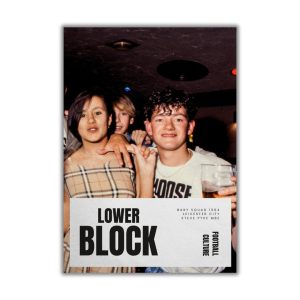
The Edition brings together these London photographs from 1985 alongside images of Leicester City’s Filbert Street during the 1991–92 season. A Leicester supporter himself, Pyke combines his observation of football crowds with a personal attachment to the game.
The Third Element is a limited-edition A5 photo zine containing 31 black-and-white photographs across 44 pages, including Pyke’s tribute to his father.
Explore The Third Element by Steve Pyke.
Suggested Lower Block Editions
More from the Lower Block Archive