For Mordjann Hind Souilamas, football culture is found as much in the stands and streets as it is on the pitch.
Over the past two years, the French-Algerian photographer has travelled through football communities in Paris, Marseille, Medellín, Rio de Janeiro and Buenos Aires, working predominantly on film and looking closely at the people who inhabit them.
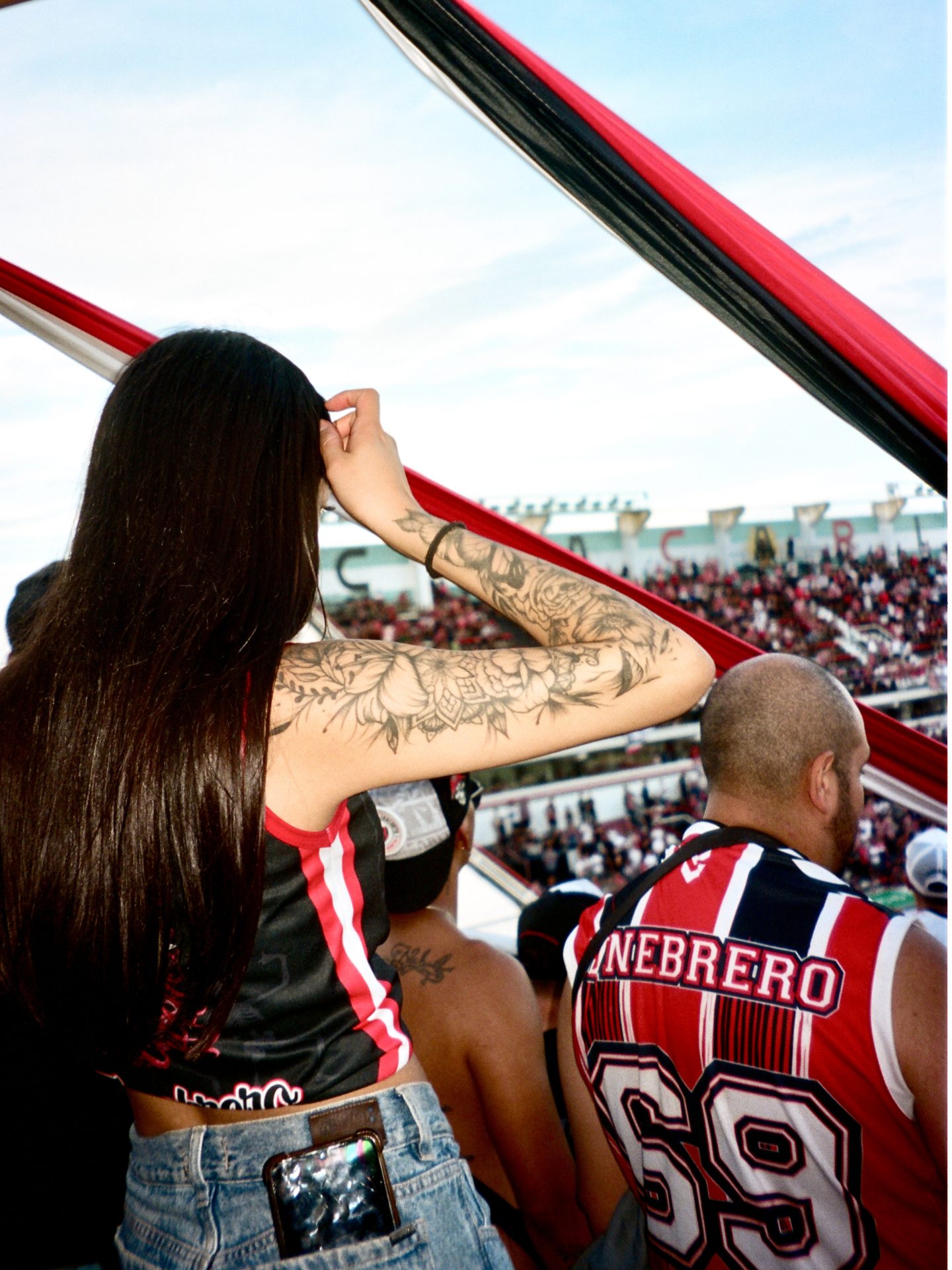
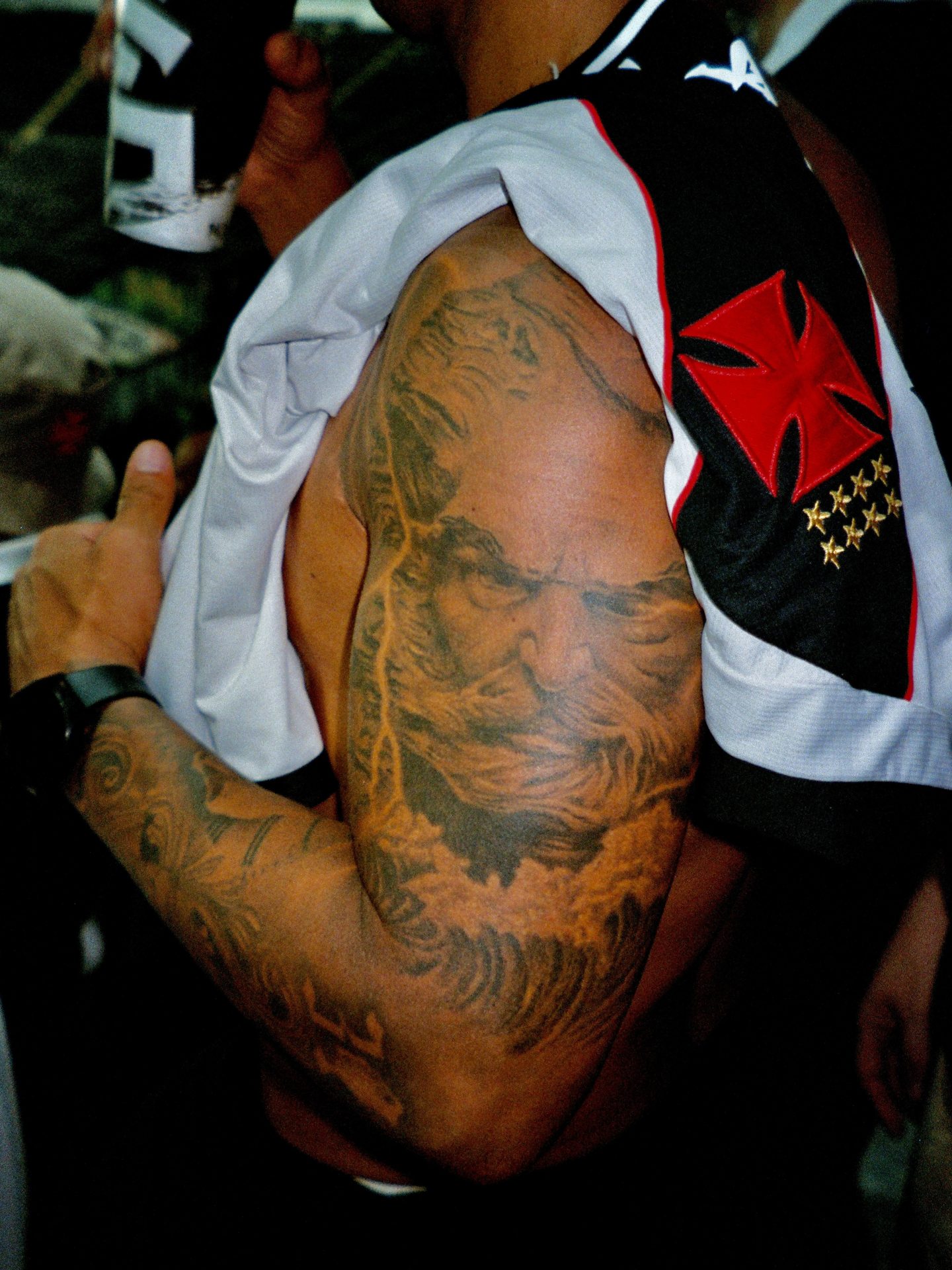
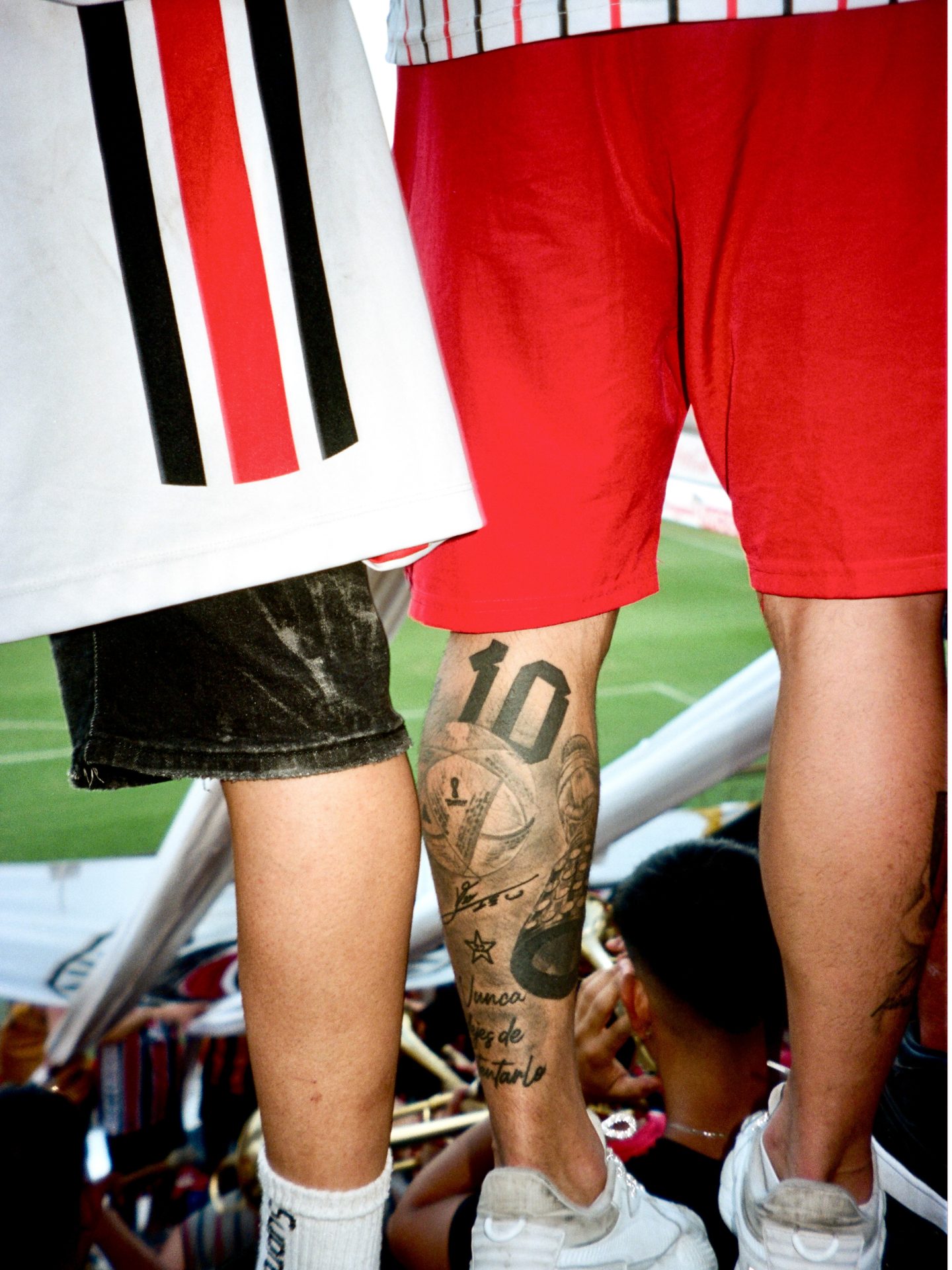
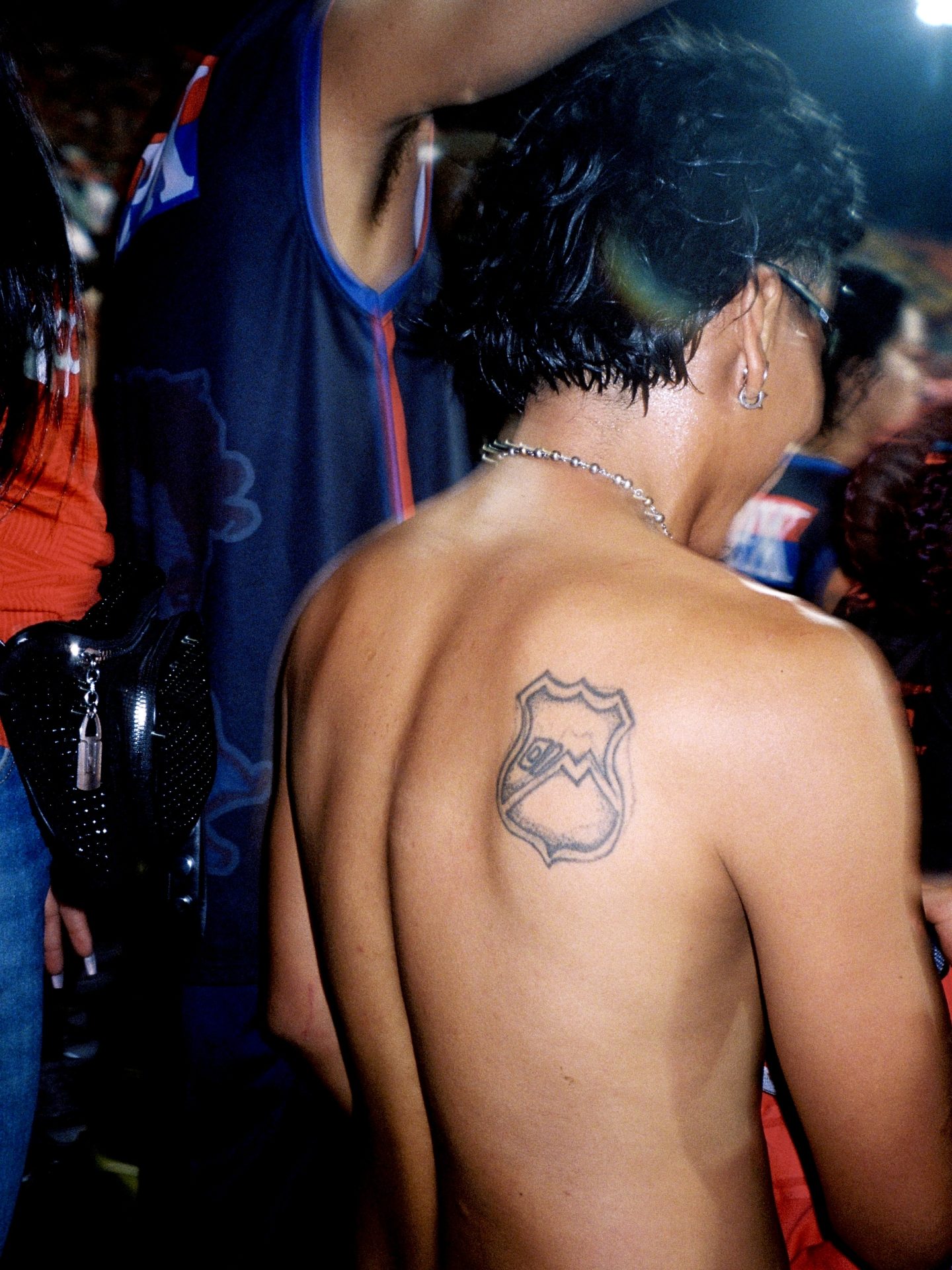
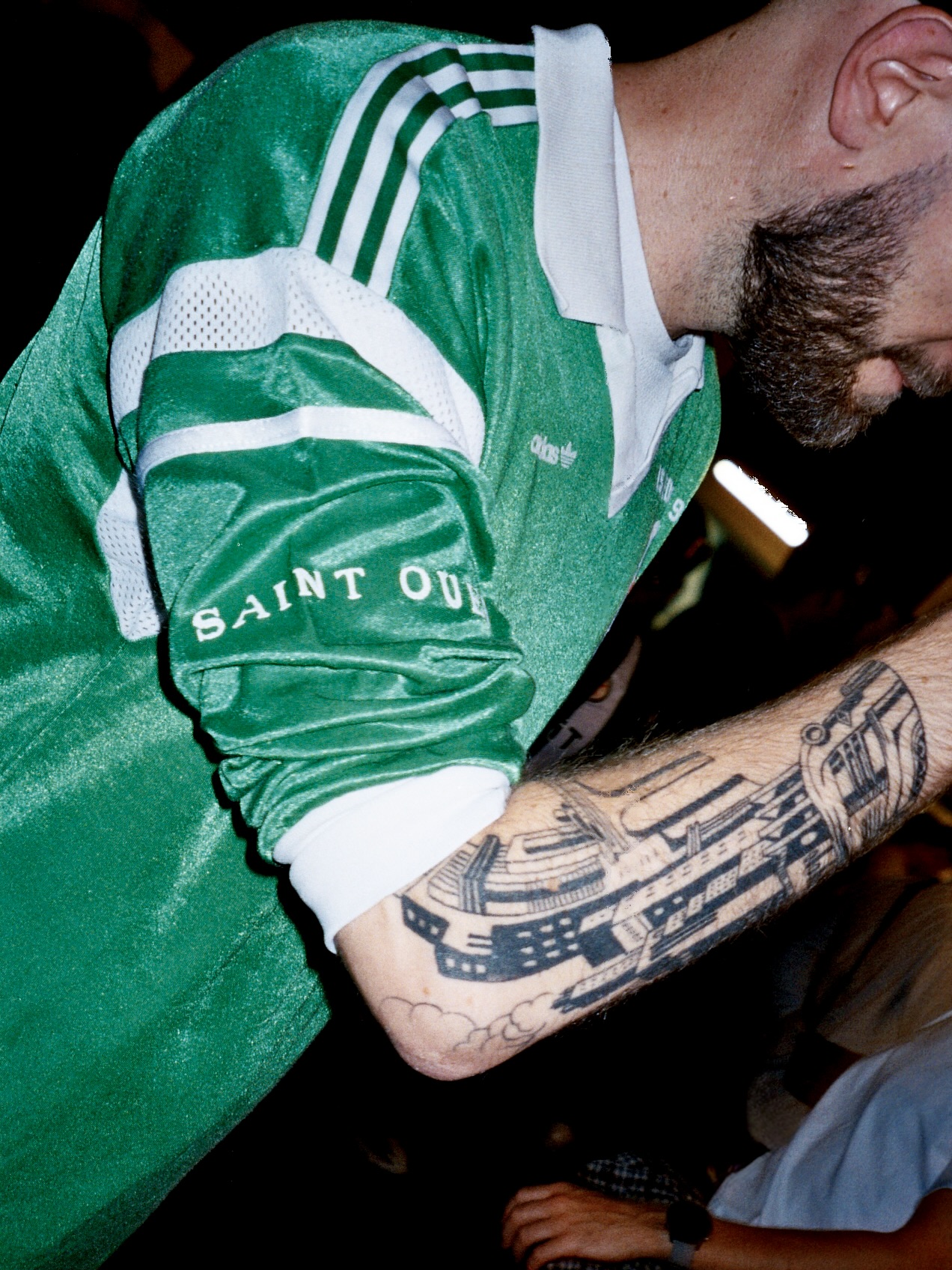
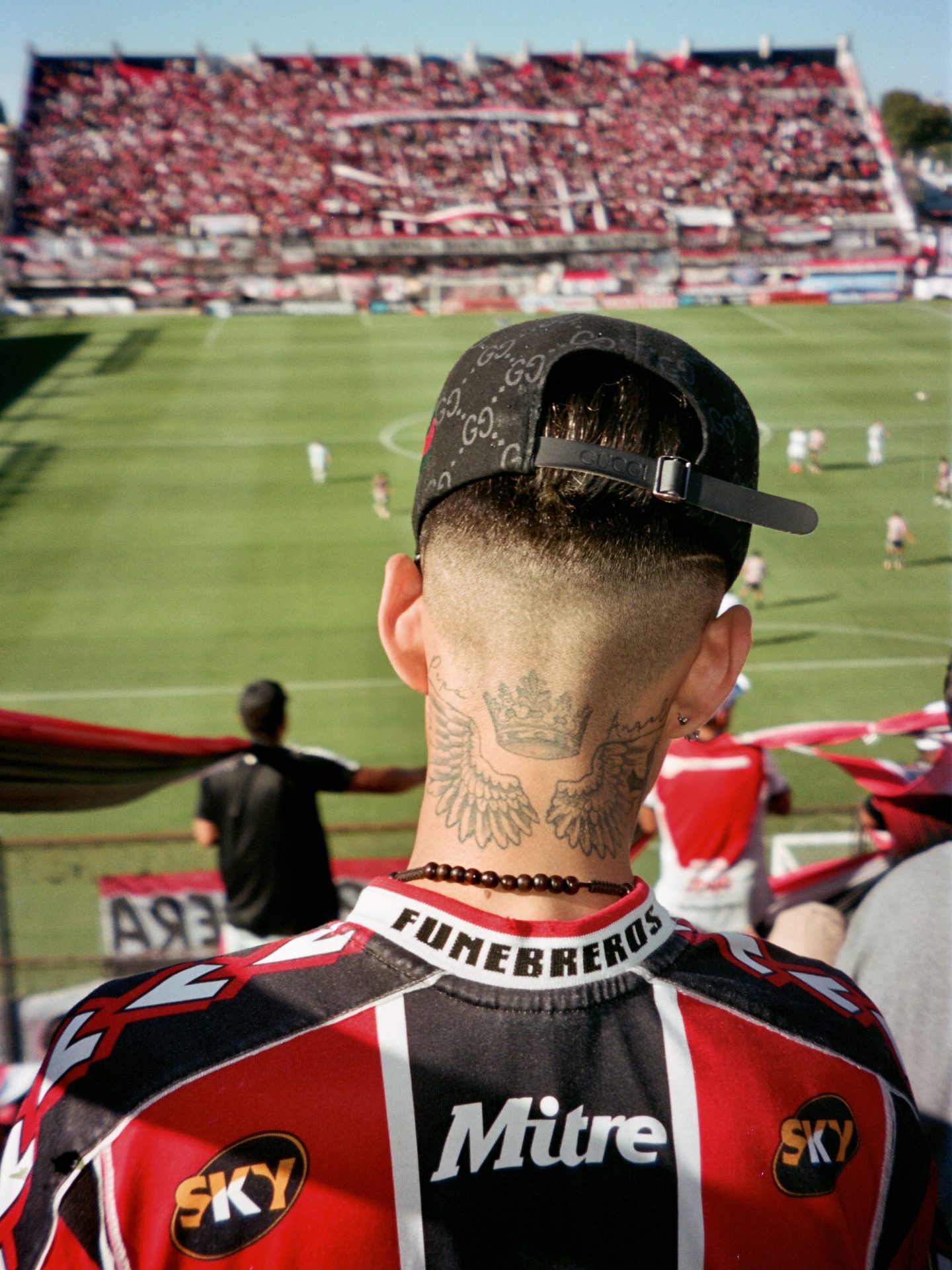
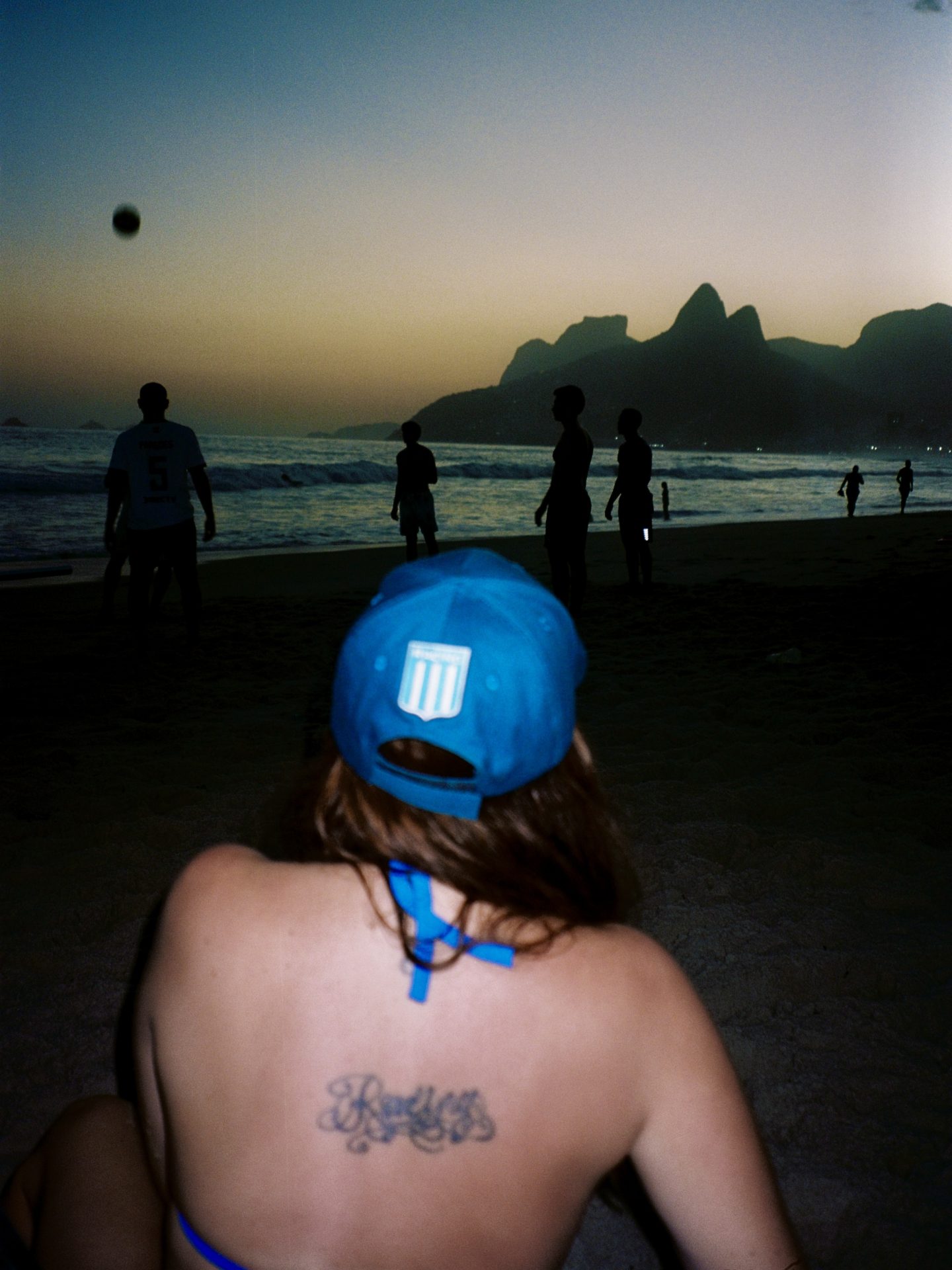
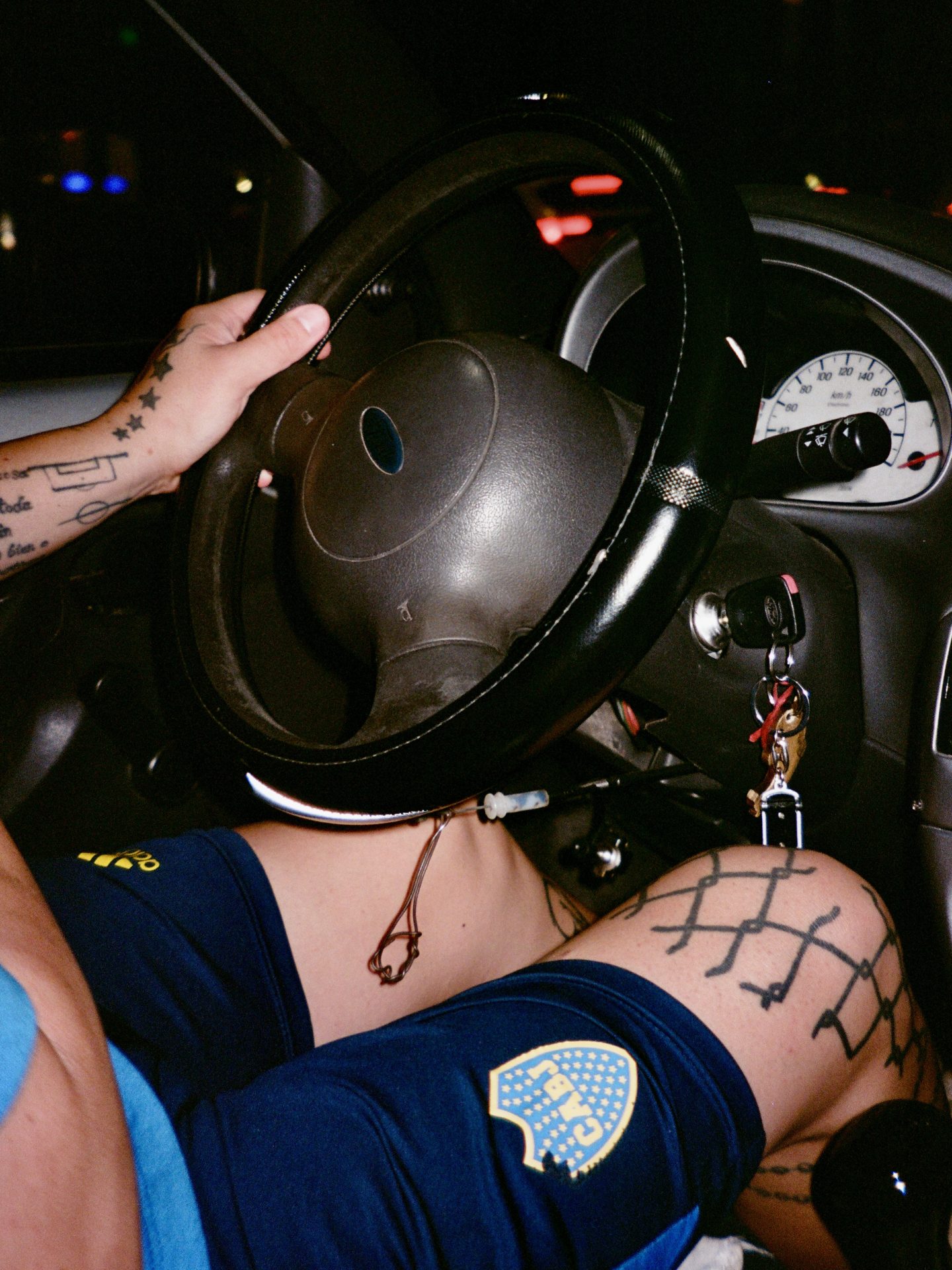
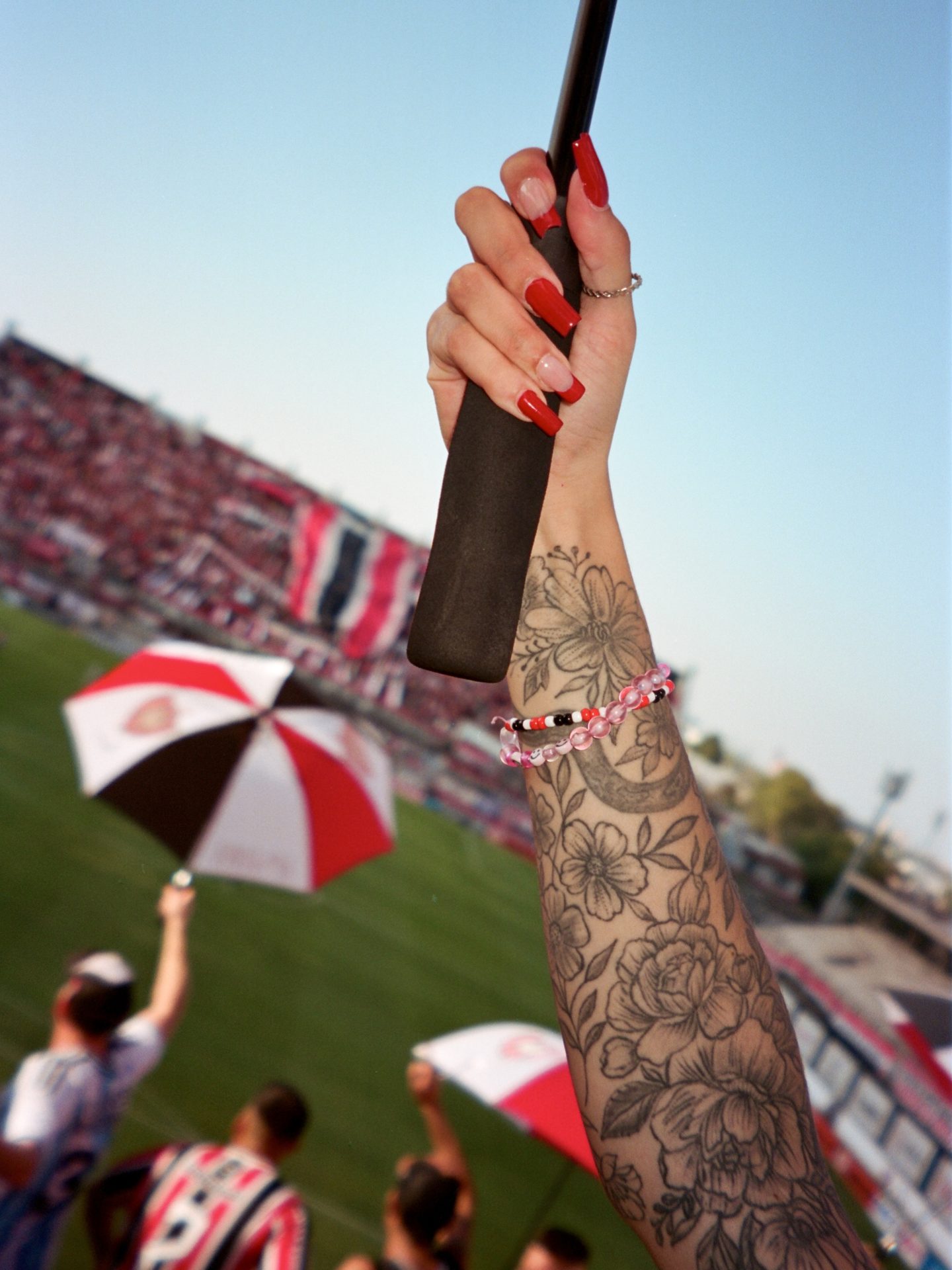
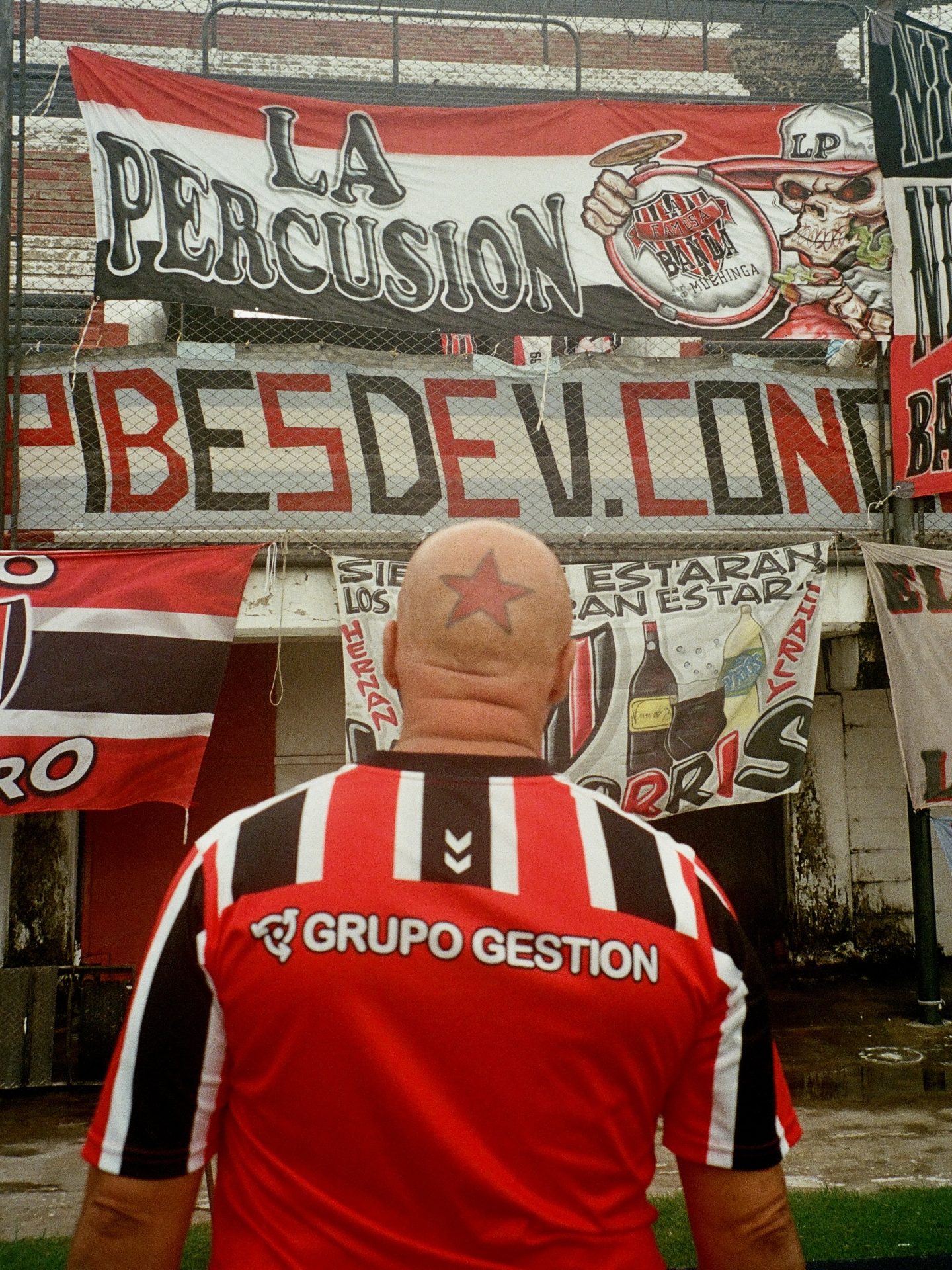
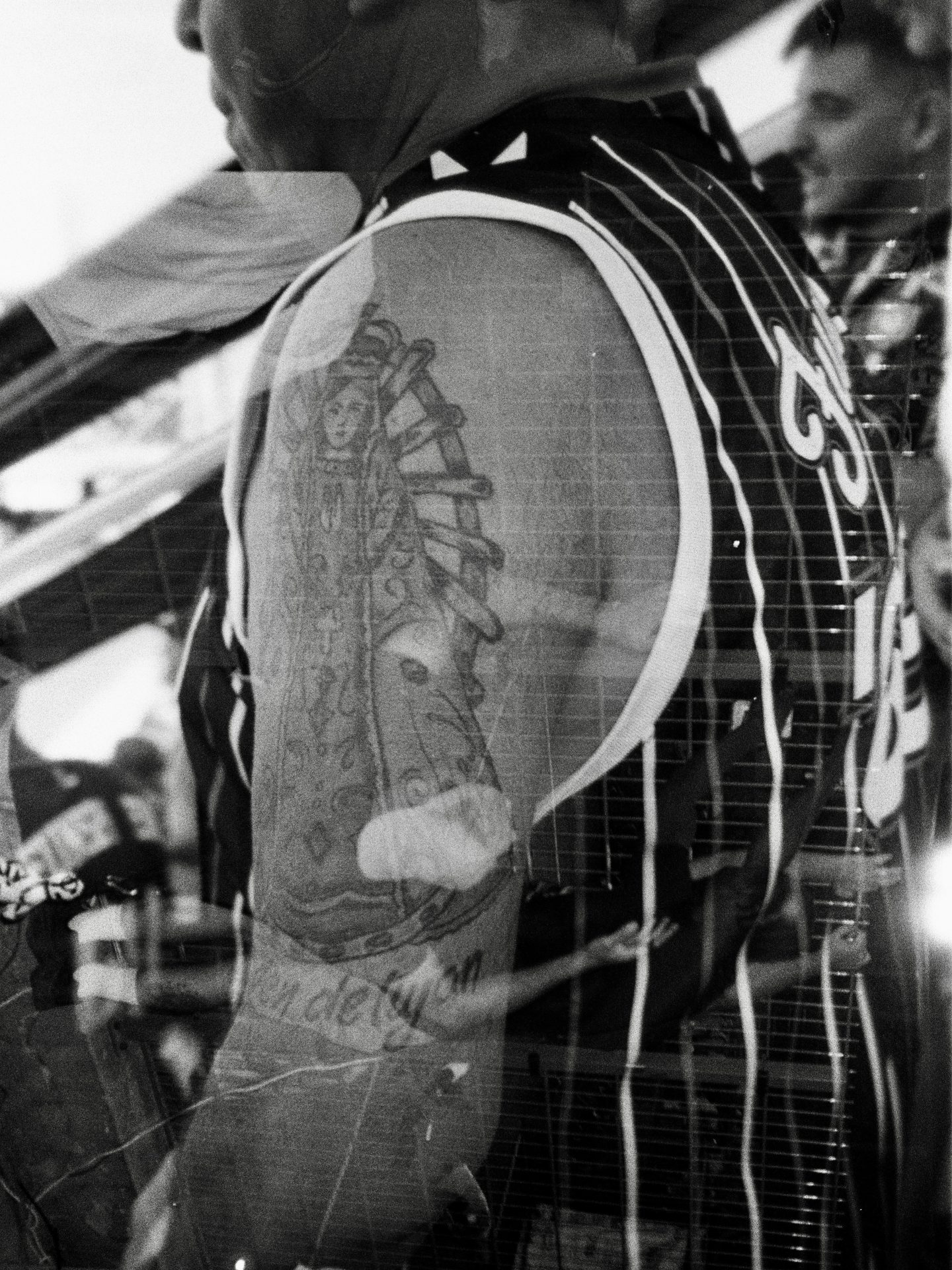
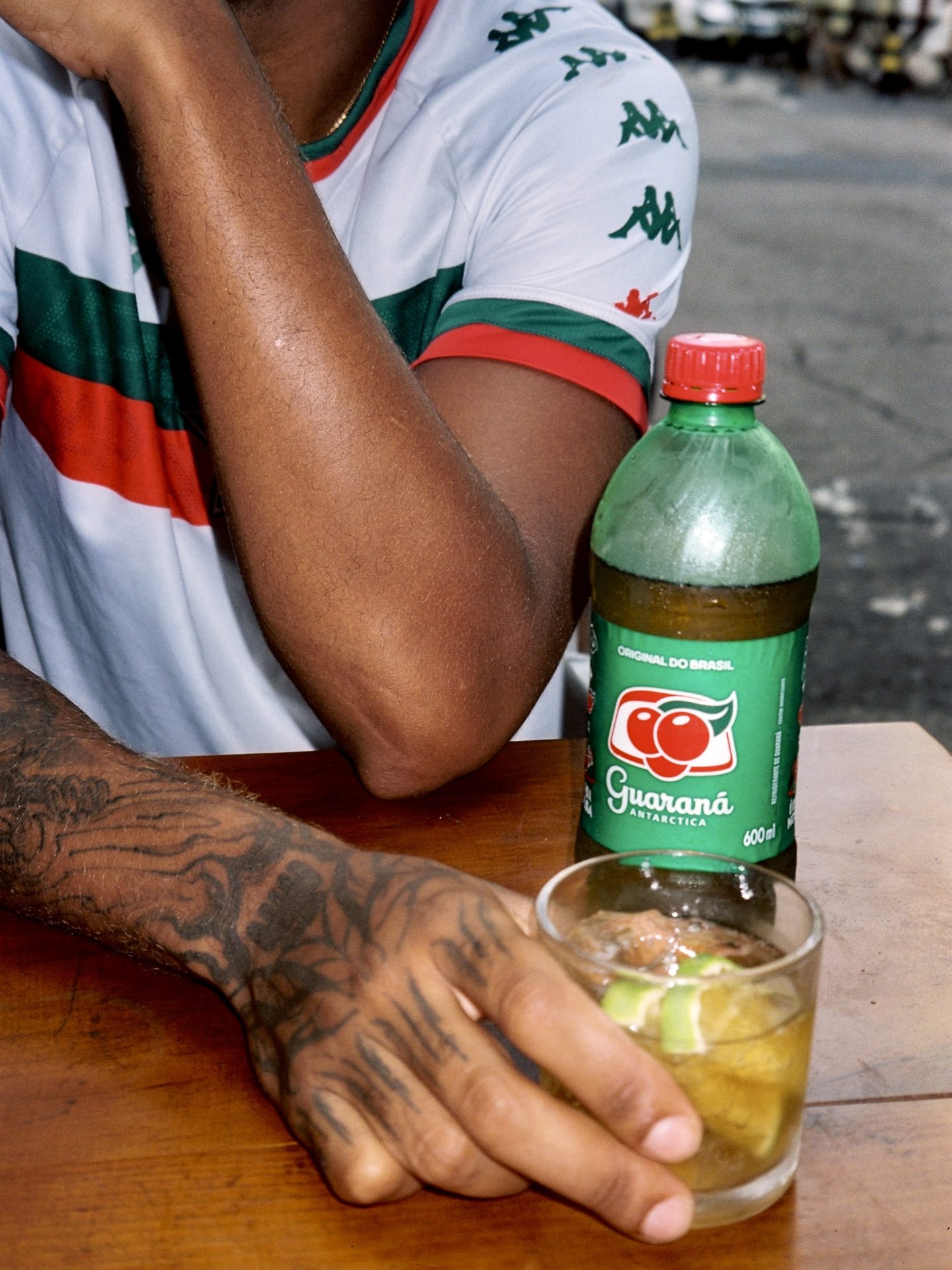
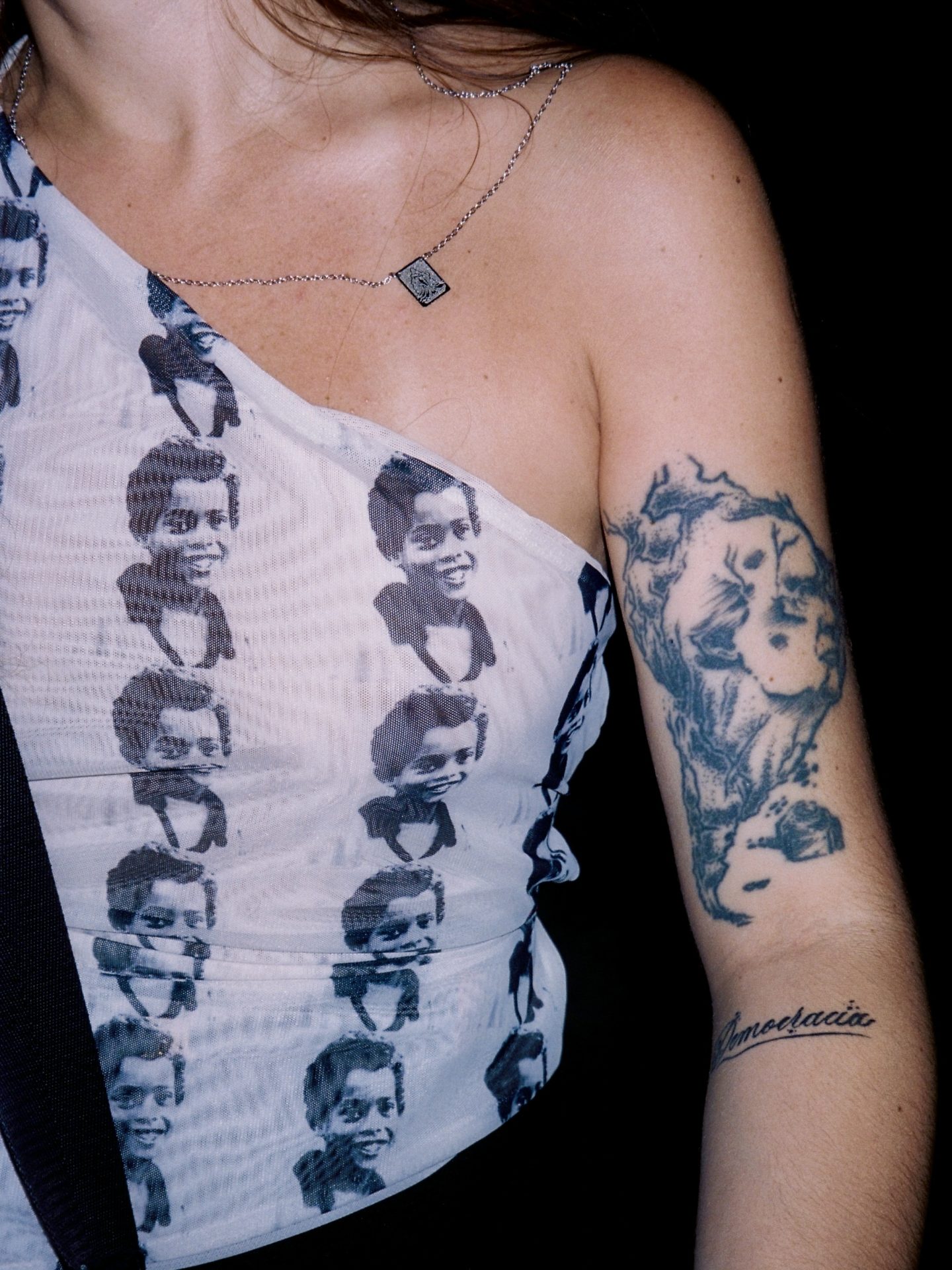
In this series, tattoos become a way of reading those identities.
Club crests, national symbols, places, politics and personal histories sit alongside one another – permanent markers of where people come from, what they believe in and the communities to which they belong.
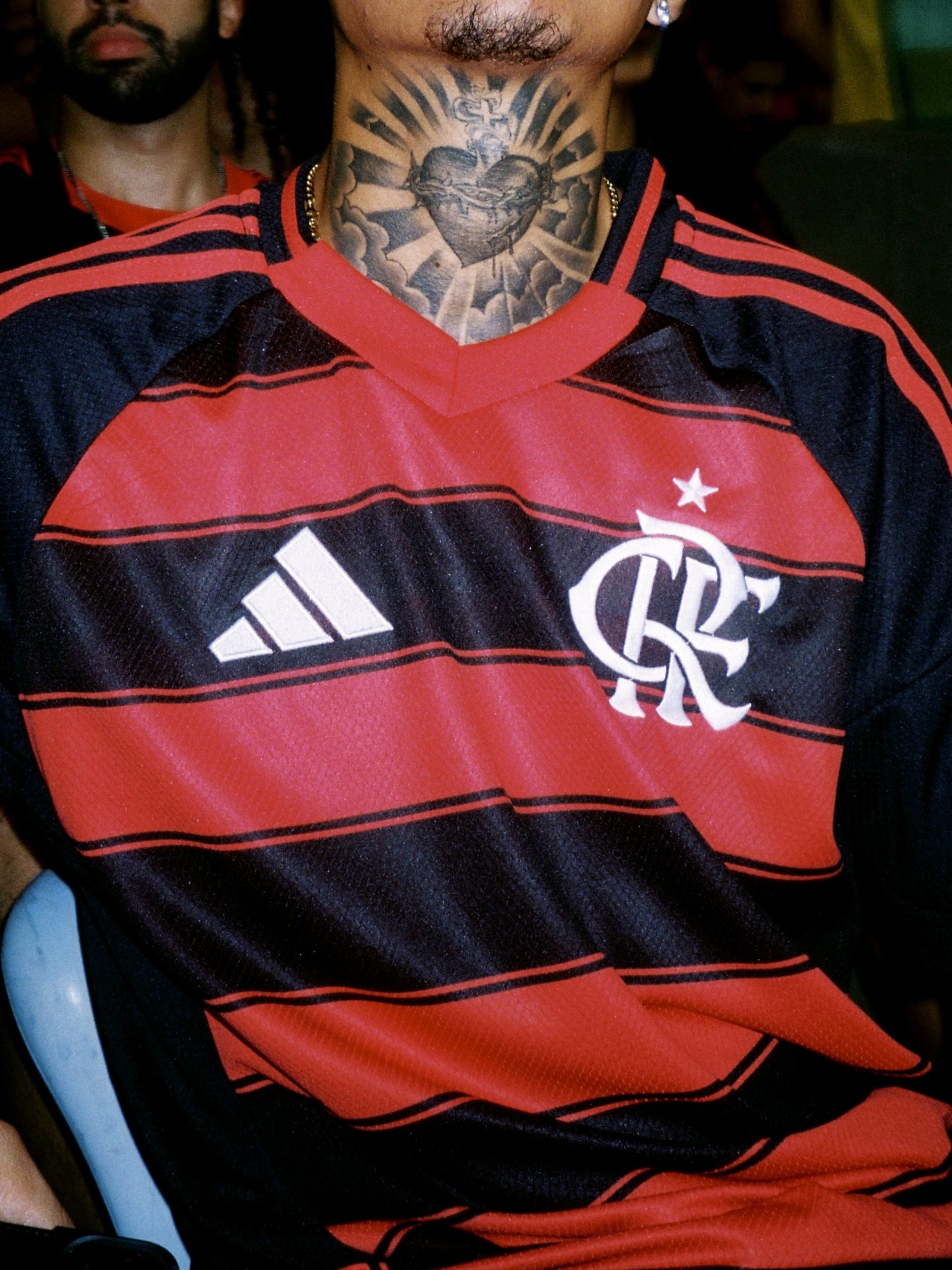
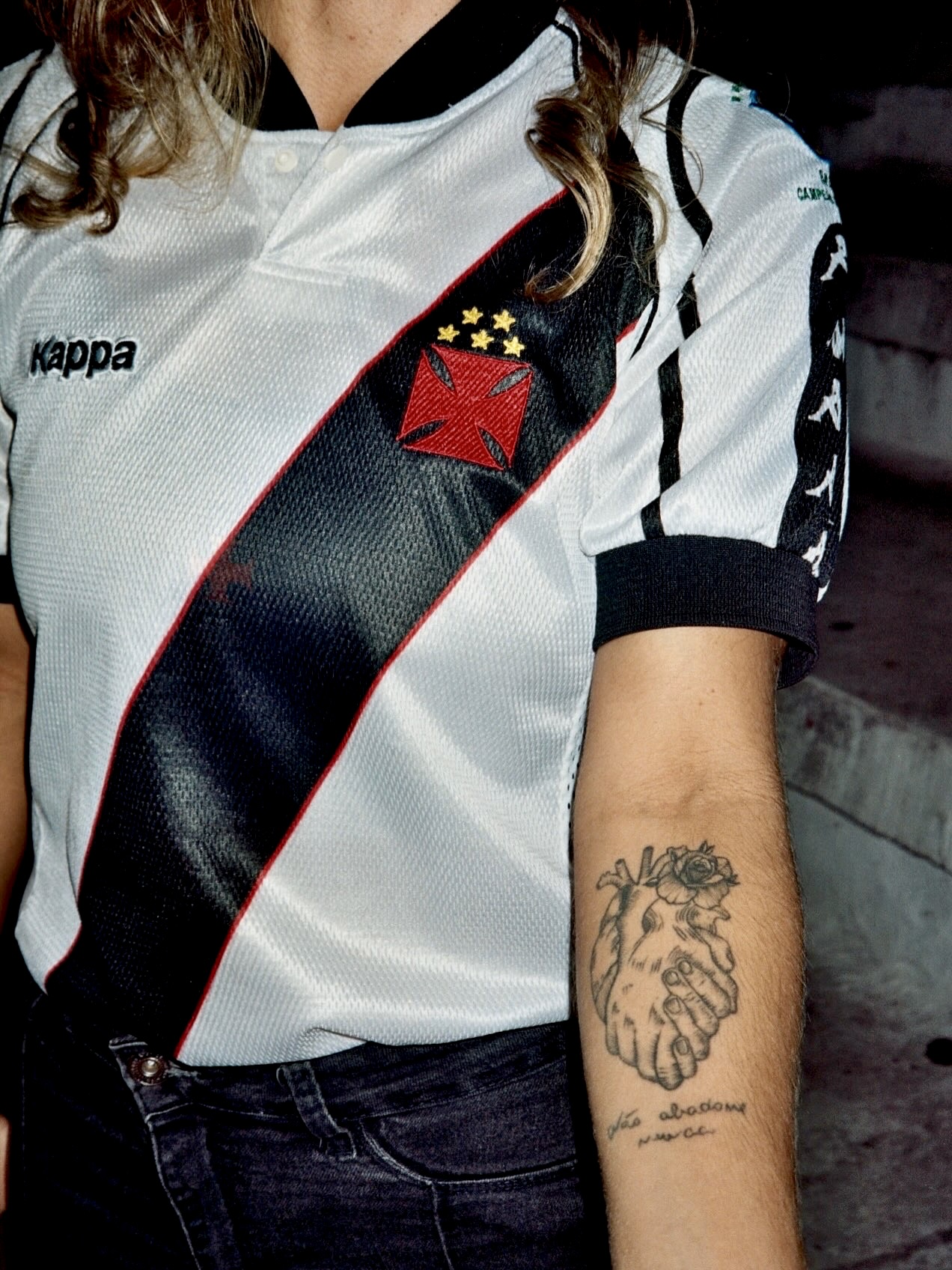
The photographs reflect something central to Mordjann’s wider work: football is rarely a single identity. It intersects with nationality, migration, city, family and culture, giving supporters a space in which those different parts of themselves can coexist.
Here, Mordjann explains the thinking behind the project in her own words.
This work, shot in Paris, Marseille, Medellín, Rio de Janeiro and Buenos Aires, focuses on the complexity of identity.
It showcases people who celebrate part of their identity through their tattoos, and how that resonates with their shared passion for football. People turn to football to be authentically themselves, surrounded by a community that is a pillar of their lives.
Football is not just one identity. It also helps people connect to other facets of who they are: where they’re from, what they love and how they stand politically. This is why football has always been part of popular culture and wider movements.
Since one of the pictures is a self-portrait, I’ll use myself as an example.
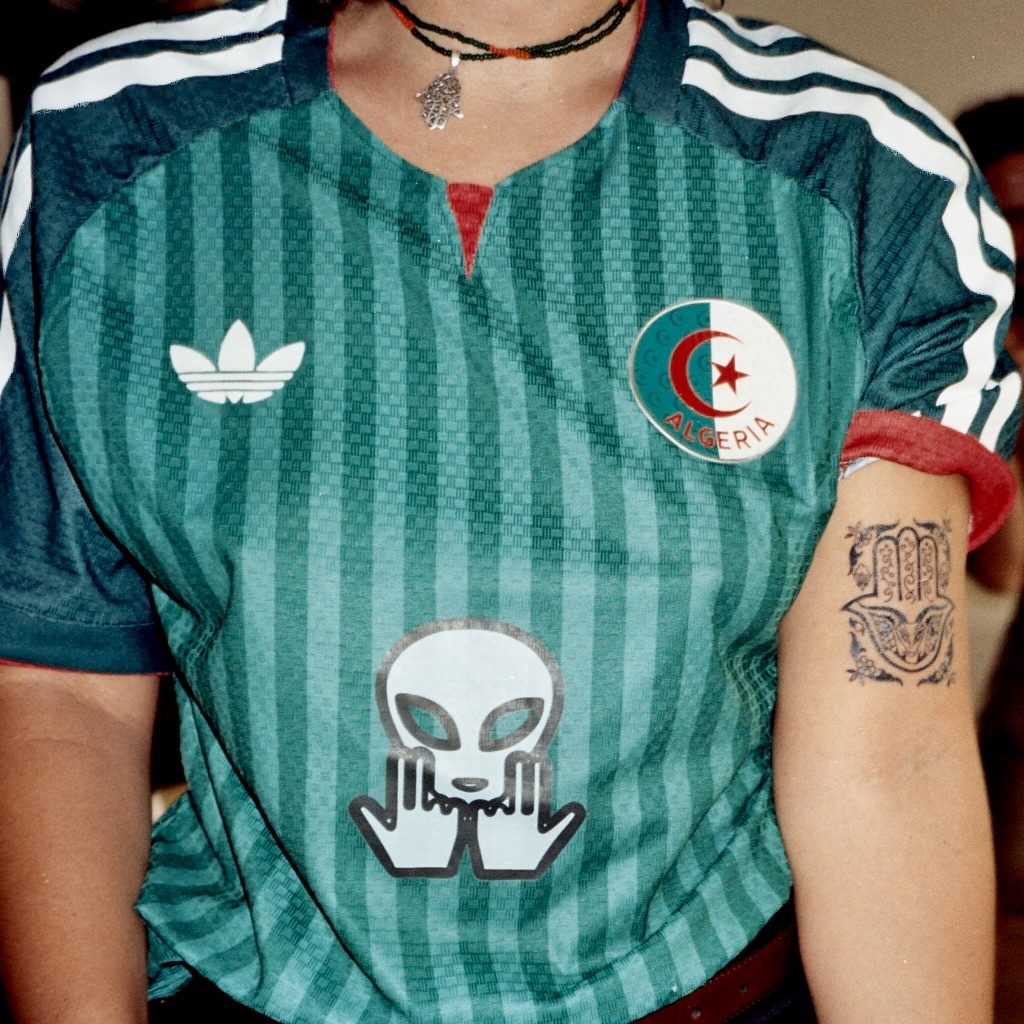
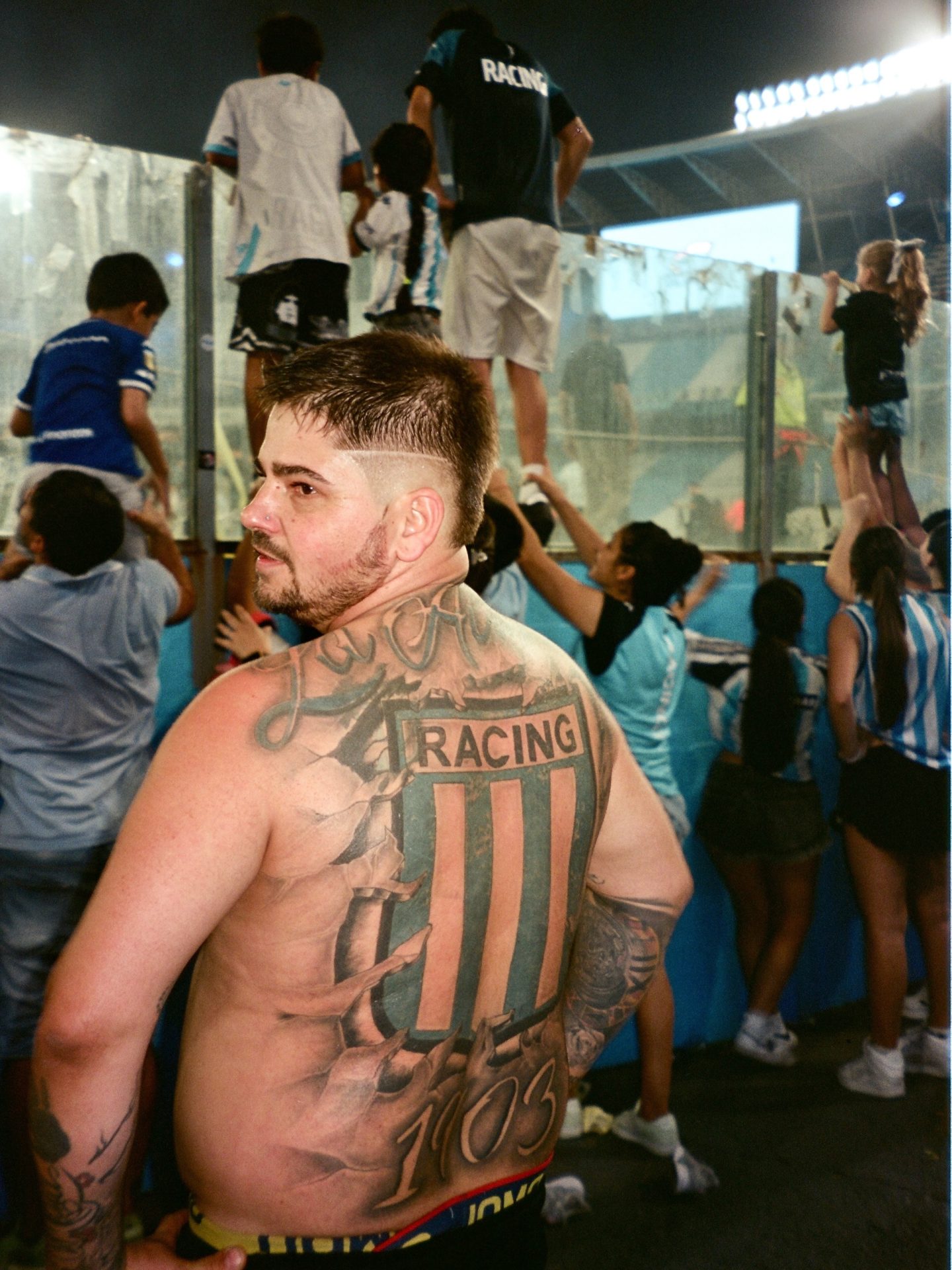
On top of my national teams, Algeria and France, I’ve been a huge fan of Paris Saint-Germain for over 10 years, always representing the most beautiful city in the world and its beating heart: a huge community of children of immigrants, whose talent has overflowed from the city and inspired the entire world for decades.
French, Algerian and Parisian football is a celebration of immigrant culture.
On the other hand, immigrants have been increasingly targeted politically around the world. This explains why my teams, which have showcased them a little too much – in some people’s narrow view – have inspired a lot of debate over the past three World Cups.
Where I’m from, we say people are just overwhelmed by their ‘seum’ (French slang for a feeling of anger), because they see people who have been erased from view being immensely talented on the world’s biggest stage.
I’m currently living in Rio and looking for people to collaborate with on analogue and digital photo shoots around football and street culture.
I’m especially interested in discovering the Algerian community here, as well as communities from other African countries, so please reach out.
Cameras: Konica Z-Up 115e, 110e, 130e / Olympus µ
Film: Kodak Portra 160, Kodak Ultramax 400, Kodak Gold 200, Ilford Pan 400
Follow Mordjann on Instagram to see more of her football and street photography, and to get in touch about collaborations and projects in Rio and beyond.
Suggested Lower Block Editions
More from the Lower Block Archive